1/8
6 common mistakes people make when buying a heated clothes airer – and how to avoid them
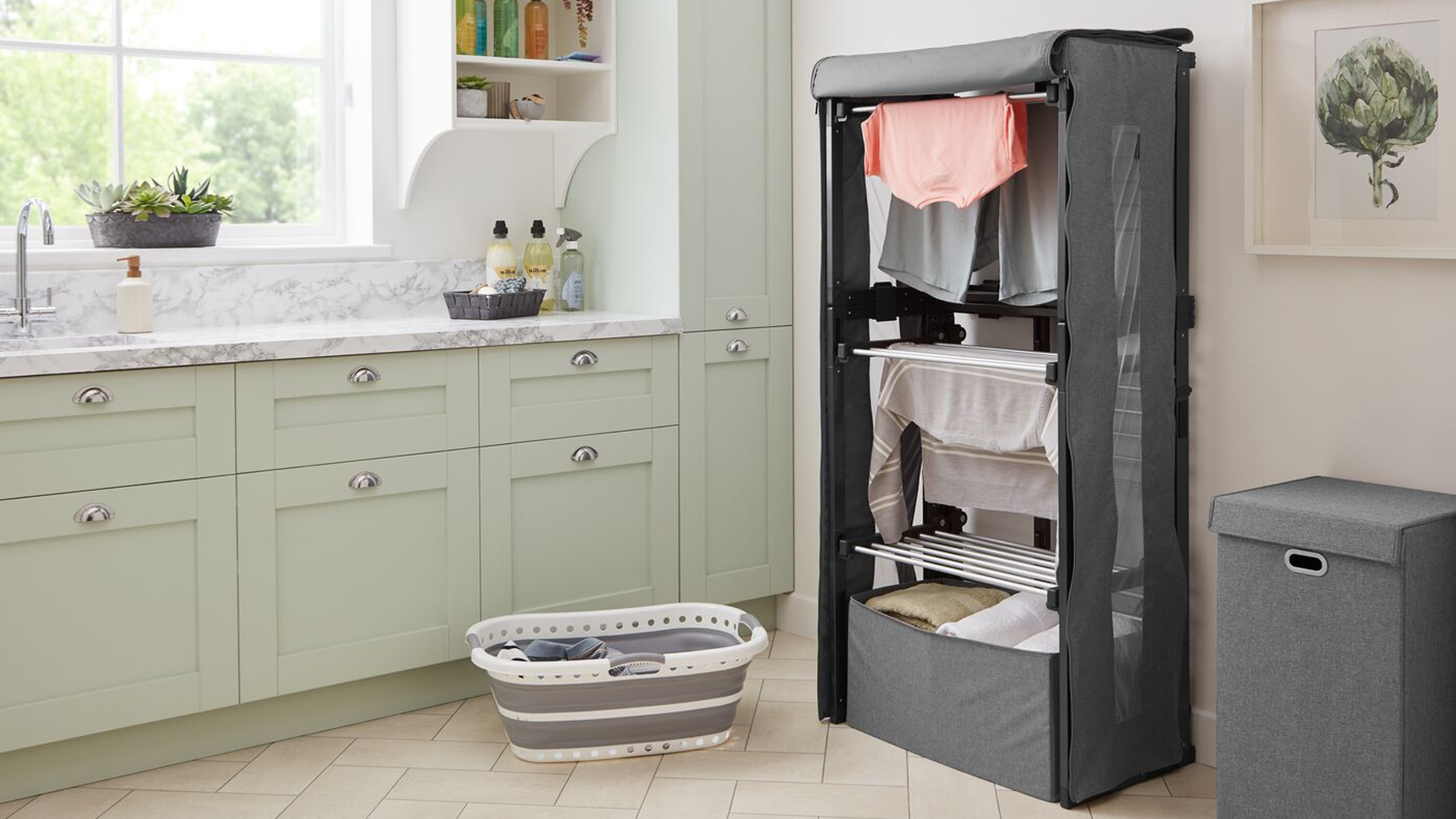
Heated clothes airers have gained significant popularity as a reliable and energy-efficient alternative for drying laundry. However, a rushed purchase can lead to common mistakes that hinder the user experience. Understanding these pitfalls before buying can help consumers make an informed decision and maximize the benefits of their investment. The article outlines six prevalent errors and provides guidance on how to circumvent them, ensuring the selection of a suitable and effective heated airer.
One primary mistake is selecting the incorrect size for individual drying habits and available space. A model that is too small limits capacity, while one that is excessively large can pose fitting and storage challenges. It is crucial to balance the drying space with the room's dimensions and consider the airer's proximity to a power supply. Checking the dimensions and cord length beforehand can prevent inconvenience.
The second common error involves choosing the wrong type of heated airer. Various designs, such as pod, winged, and tiered airers, cater to different needs. For small loads and rapid drying, a fan-type airer might be ideal, whereas larger families with frequent, full loads would benefit more from a tiered airer. Carefully assessing laundry volume and frequency before purchase ensures the selected airer meets specific household requirements.
Thirdly, many consumers overlook the importance of a cover for their heated airer. A cover significantly enhances drying times by trapping heat and creating an optimal micro-environment. While some airers include covers, purchasing one separately is a worthwhile investment if not. A simple bedsheet can also serve as a temporary alternative to achieve a similar effect.
Fourth, buyers often neglect valuable features beyond a basic on-off switch. Models equipped with programmable timers and adjustable heat settings offer greater convenience and energy optimization. Programmable timers help manage energy usage by automatically switching off the airer, which is especially useful for busy households. Adjustable heat settings provide control over drying intensity, further improving efficiency.
The fifth mistake concerns storage. Heated airers, particularly tiered models, can be bulky. Choosing models that fold compactly or include castors for easy maneuverability is beneficial, especially for homes without a dedicated laundry room. Prioritizing ease of storage and movement ensures the airer does not become an obstacle when not in use.
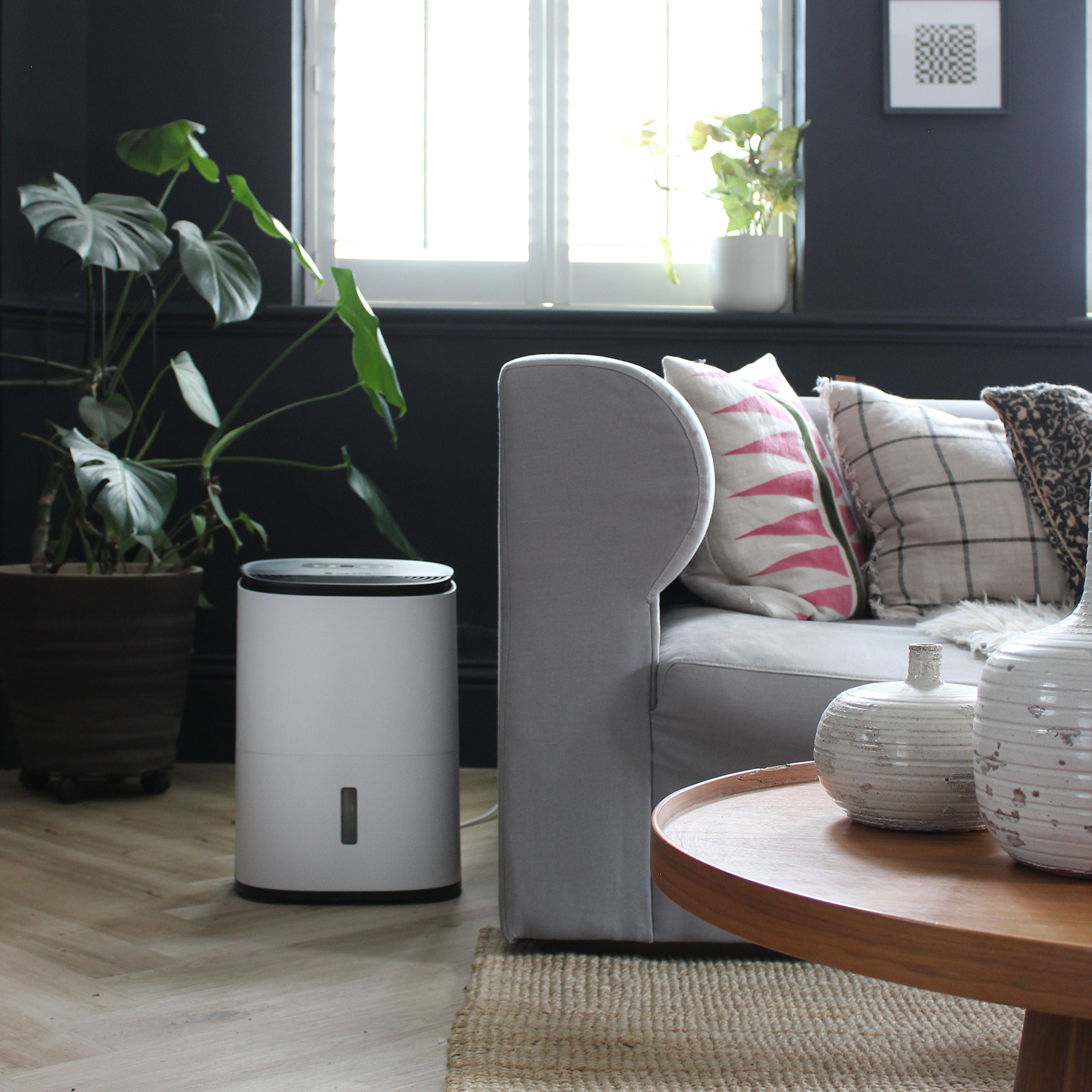
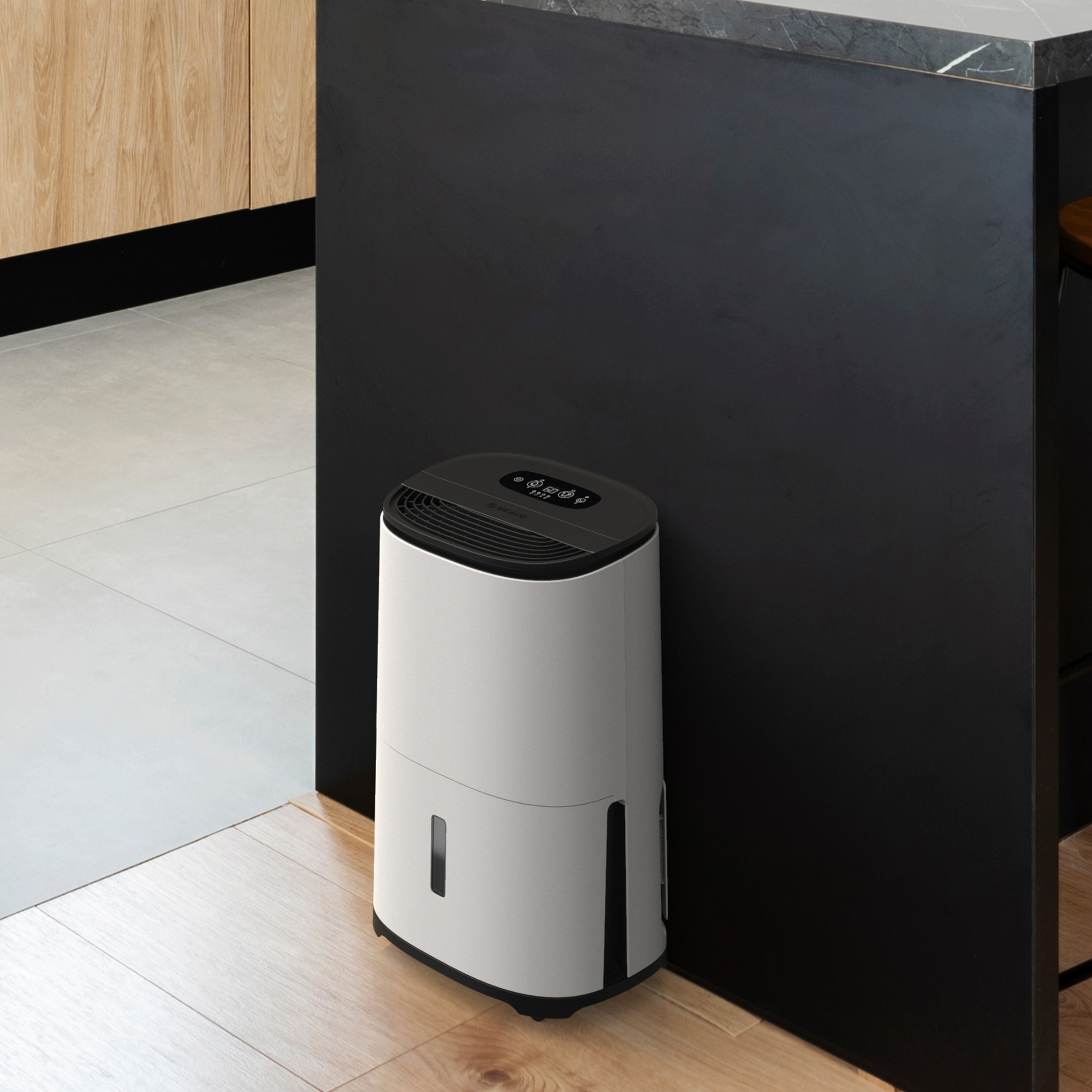
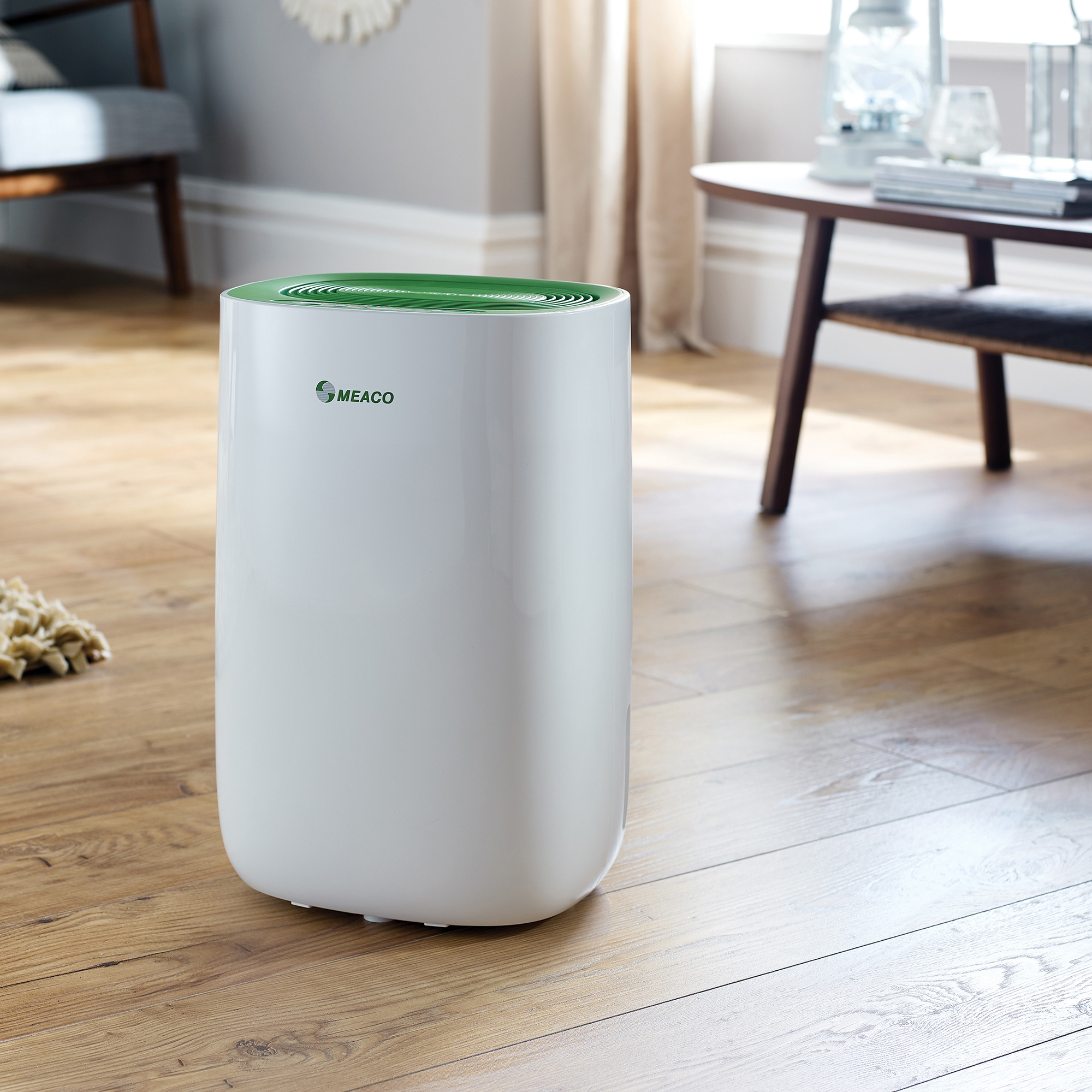
Finally, ignoring energy efficiency is a common oversight. While heated airers are generally more cost-effective than tumble dryers in the long run, initial costs can vary. Cheaper models might have higher running costs over time, making a slightly more expensive but energy-efficient option a better investment. Consumers should assess energy consumption to ensure long-term savings. Pairing a heated airer with a dehumidifier or utilizing an extra spin cycle in the washing machine can further reduce drying time and energy bills. By avoiding these common mistakes, consumers can make a confident and effective investment in a heated clothes airer that suits their needs, saving time, money, and frustration.
#HeatedClothesAirer #LaundryDrying #HomeAppliances #EnergyEfficiency #LaundryTips #HomeMaintenance #HouseholdGadgets #HeatedClothesAirer #LaundryDrying #HomeAppliances #EnergyEfficiency #LaundryTips #HomeMaintenance #HouseholdGadgets
0 commenti in totale
 Nessun commento ancora
Potresti anche gradire
6 Vacuum cleaner mistakes to avoid – and why they aren’t cleaning your home


12 common family living room mistakes that pros warn against
The electric heaters to avoid buying
6 Things You Should Never Store In Your Laundry Room, According To Experts
6 couch cleaning mistakes that pros say could lead you to 'serious upholstery heartbreak'

The Fan Mistake You’re Making That’s Making Your House Hotter
This Is the #1 Mistake to Avoid When Using an Air Fryer, According to TikTok

5 Design Mistakes Making Your Heating Less Effective in Your Home — And the Easy Ways to Fix Them

Laundry room design mistakes and how to avoid them according to experts

Avoid These 5 Laundry Room Design Mistakes, Pros Warn

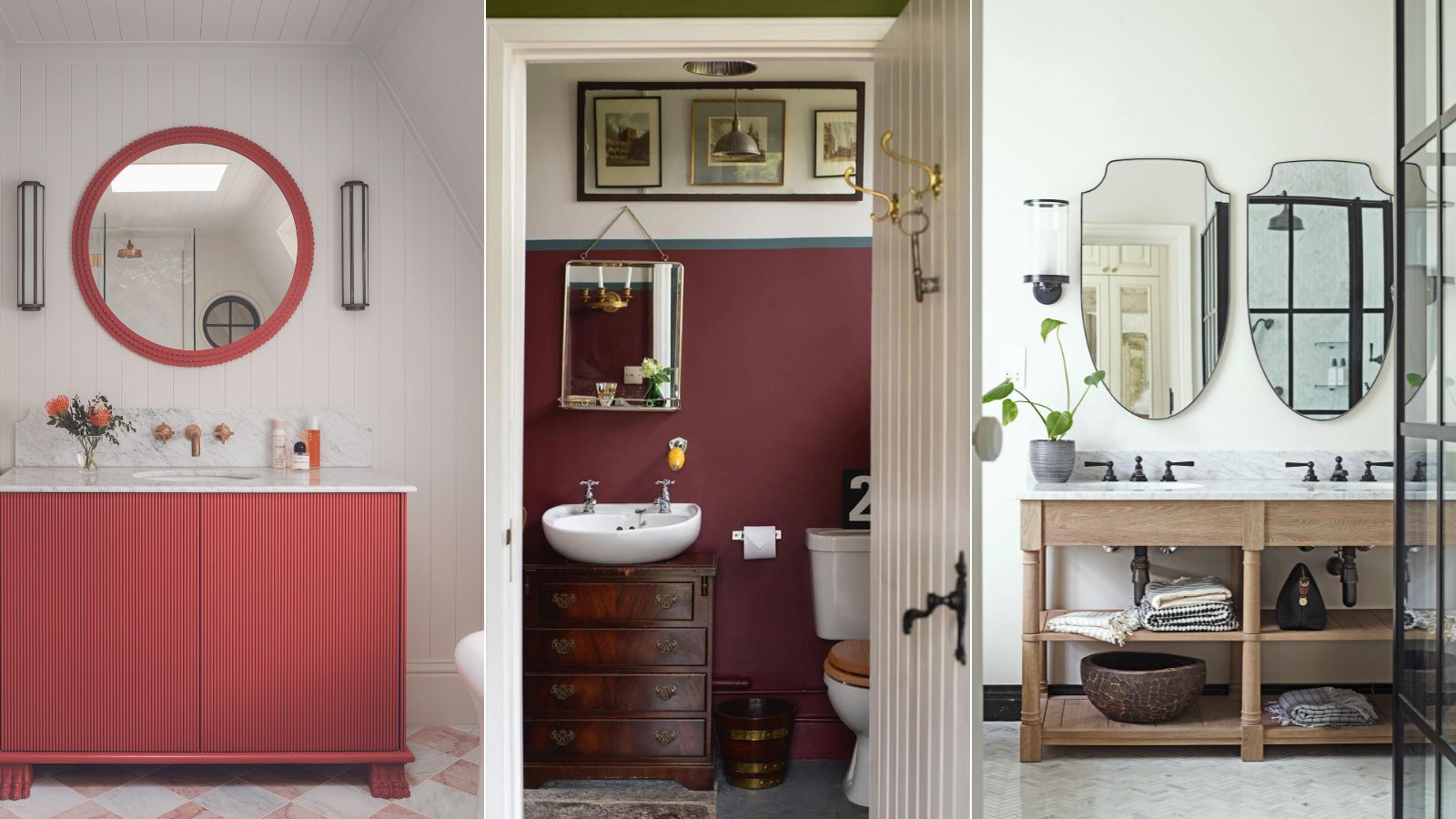
6 powder room storage mistakes to avoid – and what you should be doing instead
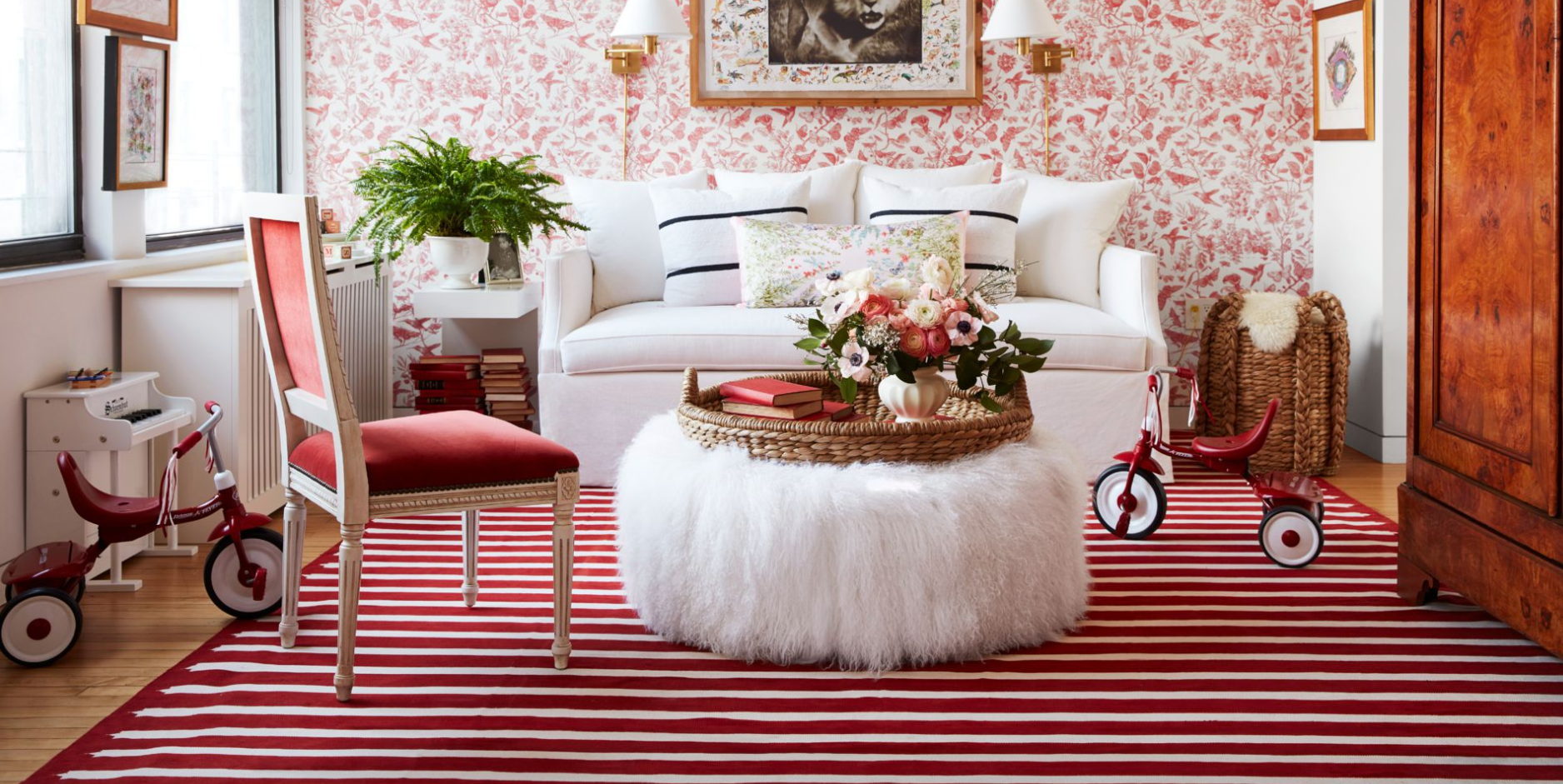
The Big Mistake Most People Make With Their Living Room Rugs

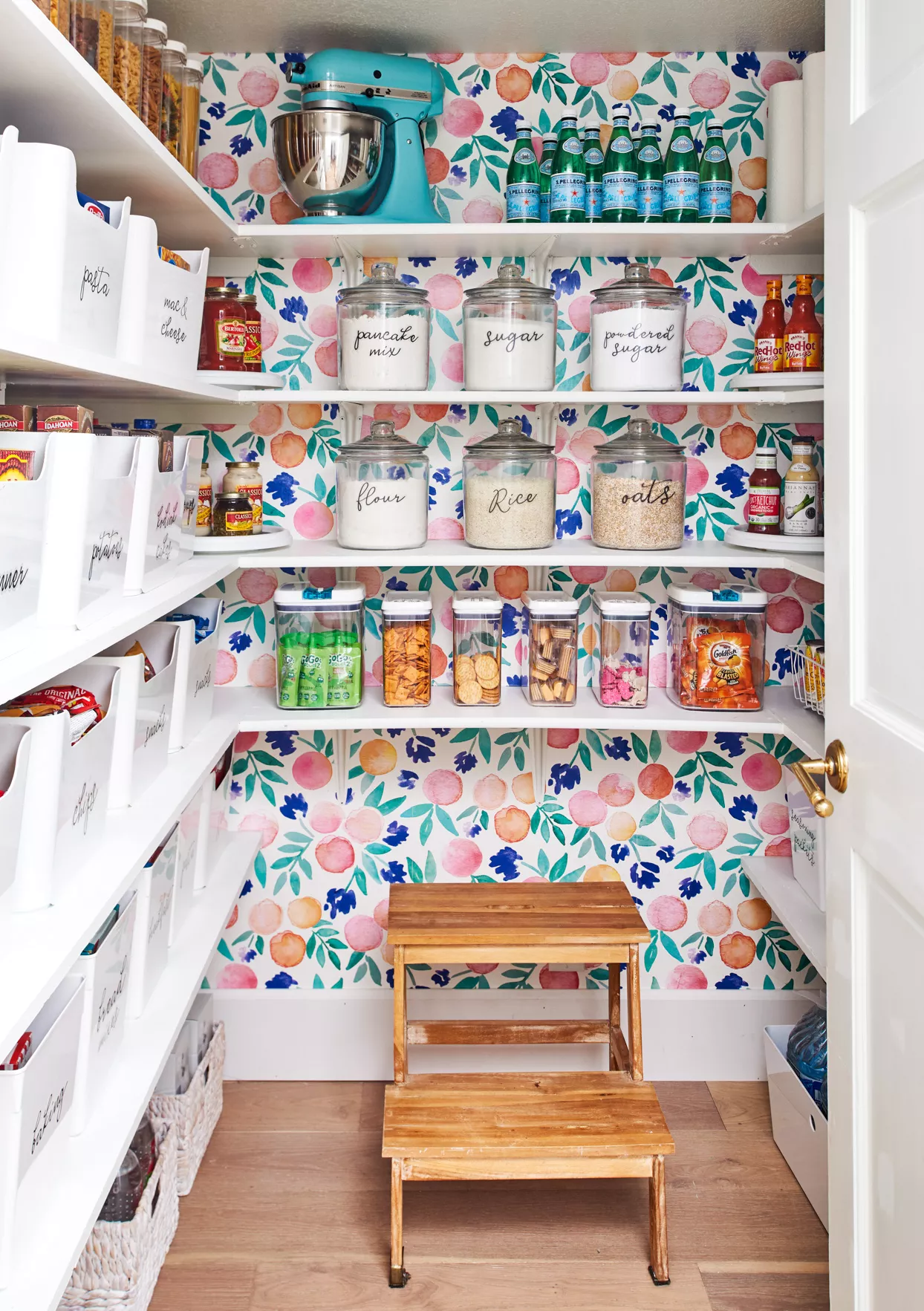
6 Pantry Mistakes You Didn't Know You Were Making—and How to Fix Them

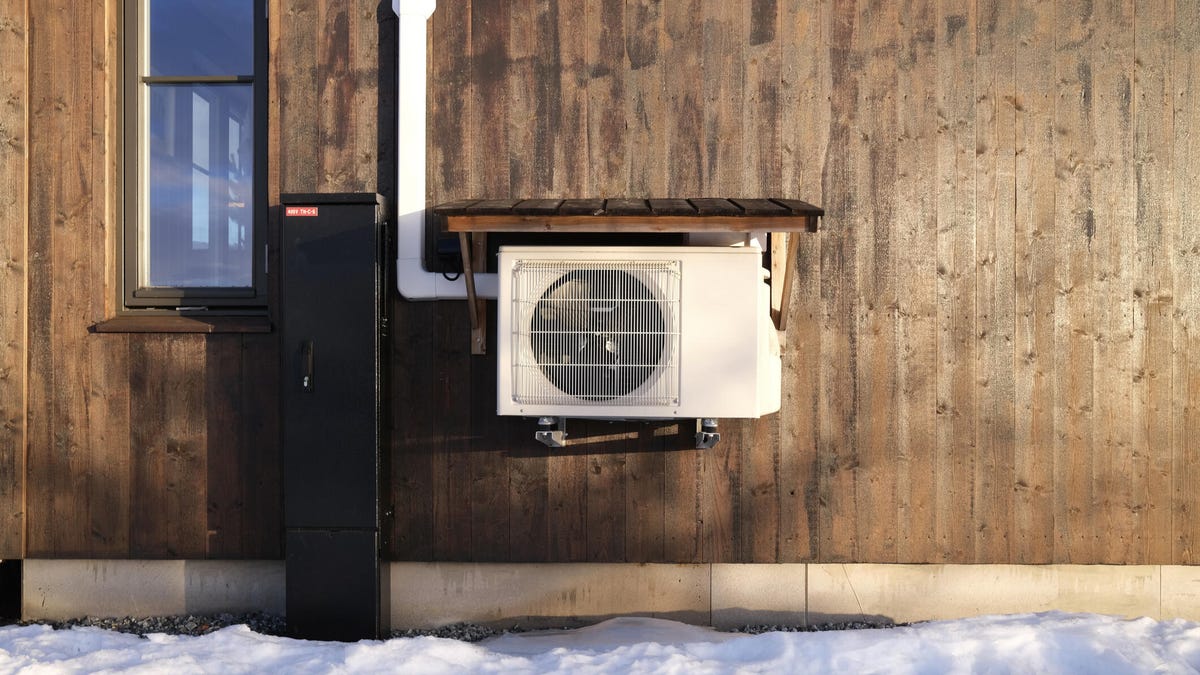
HVAC Buying Guide: What to Know When You're Shopping

These simple mistakes could be why your dehumidifier isn't working properly – and here's how to avoid them

6 things making your living room furniture look cheap – explore the key mistakes to avoid and what designers do instead

Spring cleaning mistakes - 6 common pitfalls to avoid during your spring clean

6 bedroom storage mistakes that could be causing mould – and what to do instead

5 mistakes you're making that are compromising your home's air quality – and how to fix it like a HVAC pro

14 Mistakes To Avoid When Buying New Furniture, According To Designers