Top 10 Things to Recycle at Your Construction Site
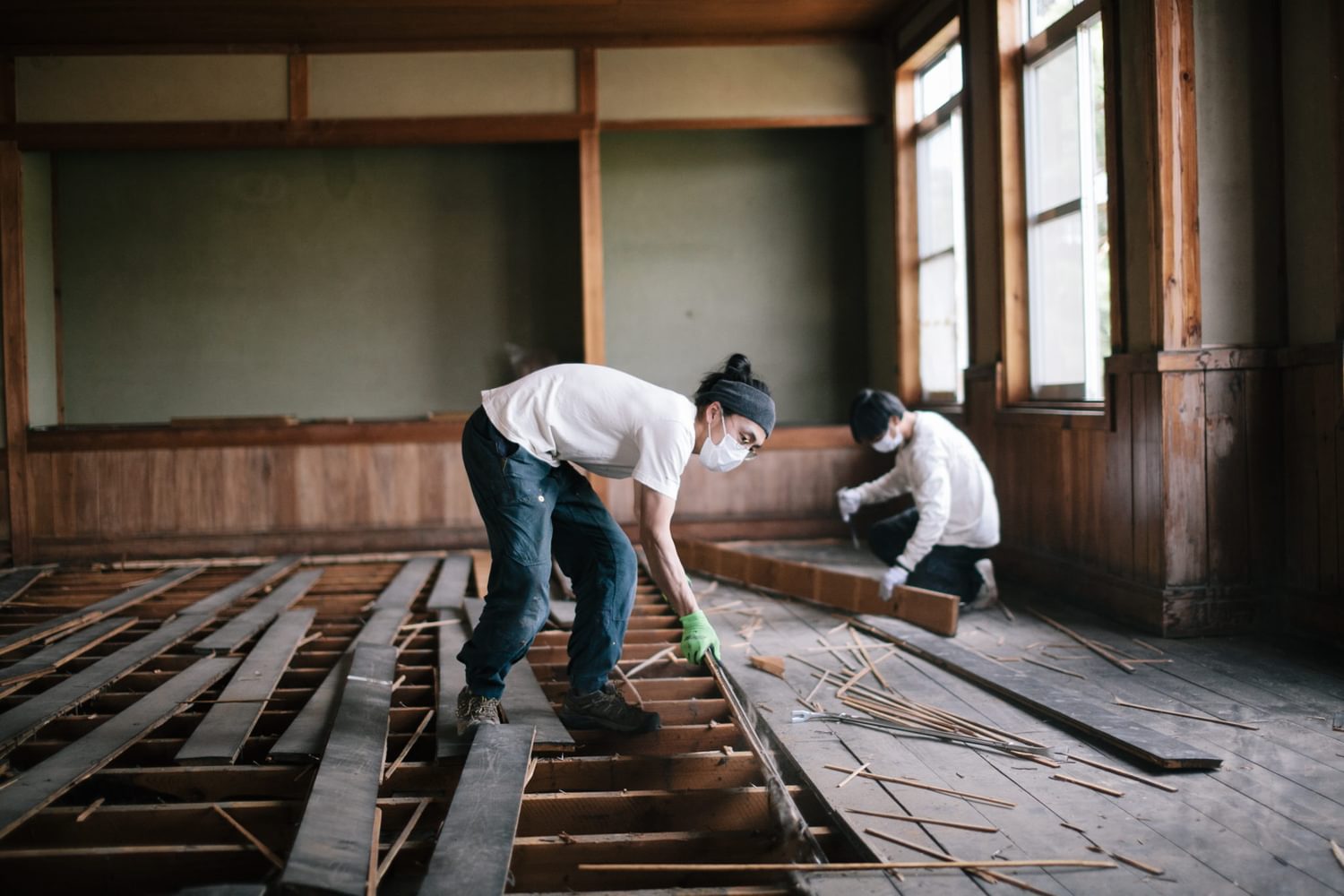
Construction and demolition waste represents the largest source of trash in the United States, with 325 million tons of recoverable construction debris generated annually. While traditional demolition quickly razes structures, deconstruction, though initially more time-consuming and expensive, offers significant environmental benefits by salvaging and recycling building materials. The city of Akron, Ohio, in collaboration with Habitat for Humanity, demonstrated this by deconstructing vacant buildings, a process that took 20 days compared to the two days for typical demolition, and cost $7,500 per house versus $3,484 for a knockdown. The key advantage of deconstruction is the reuse and recycling of materials, preventing them from ending up in landfills.
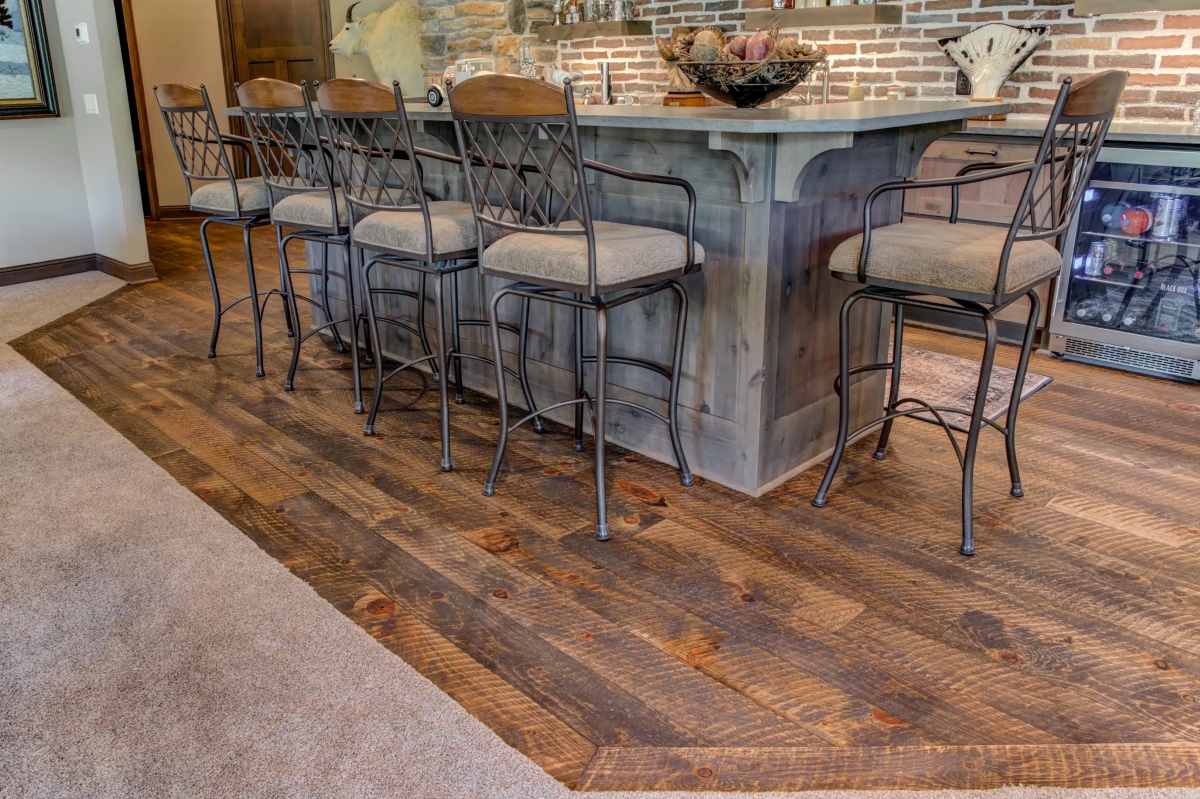
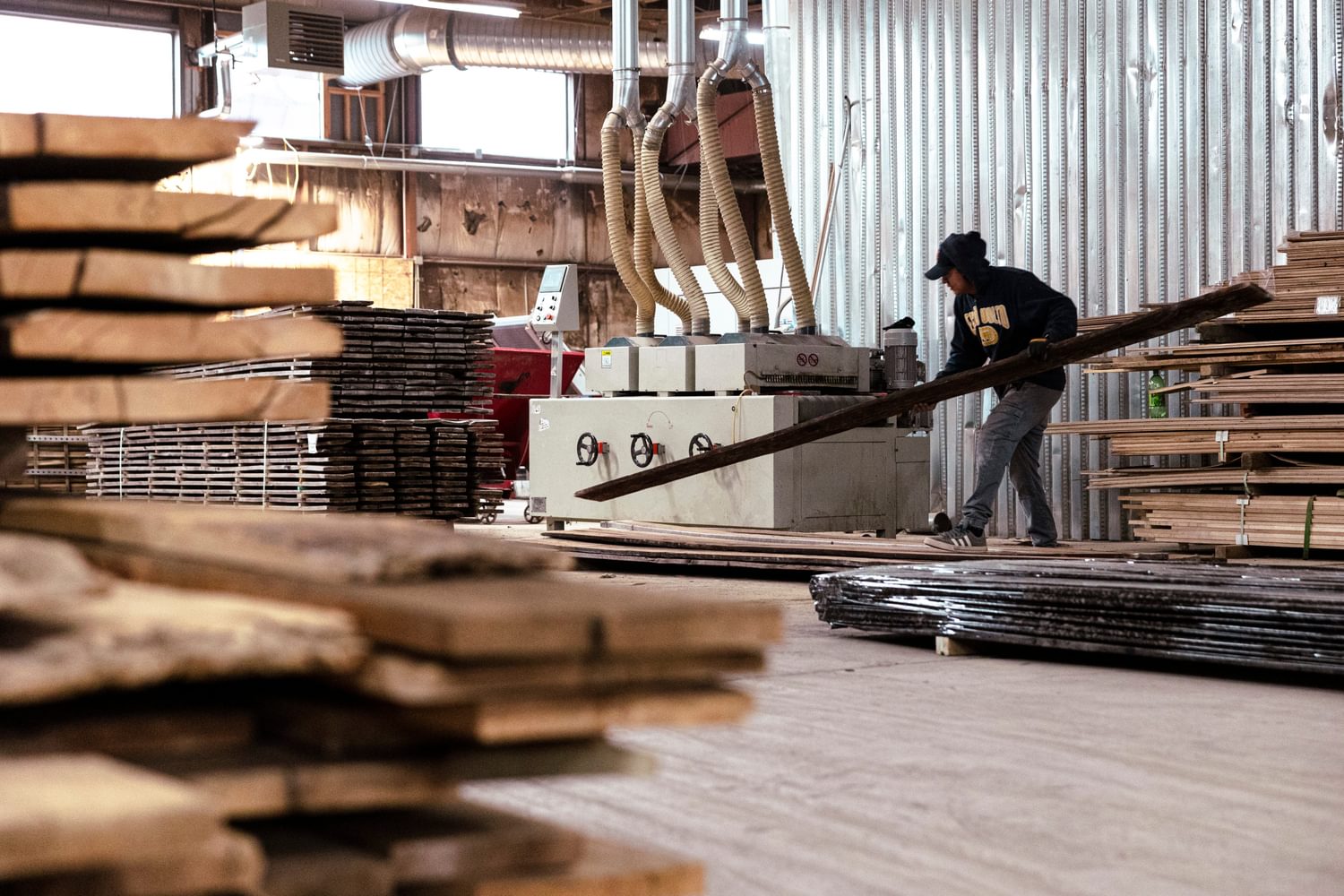
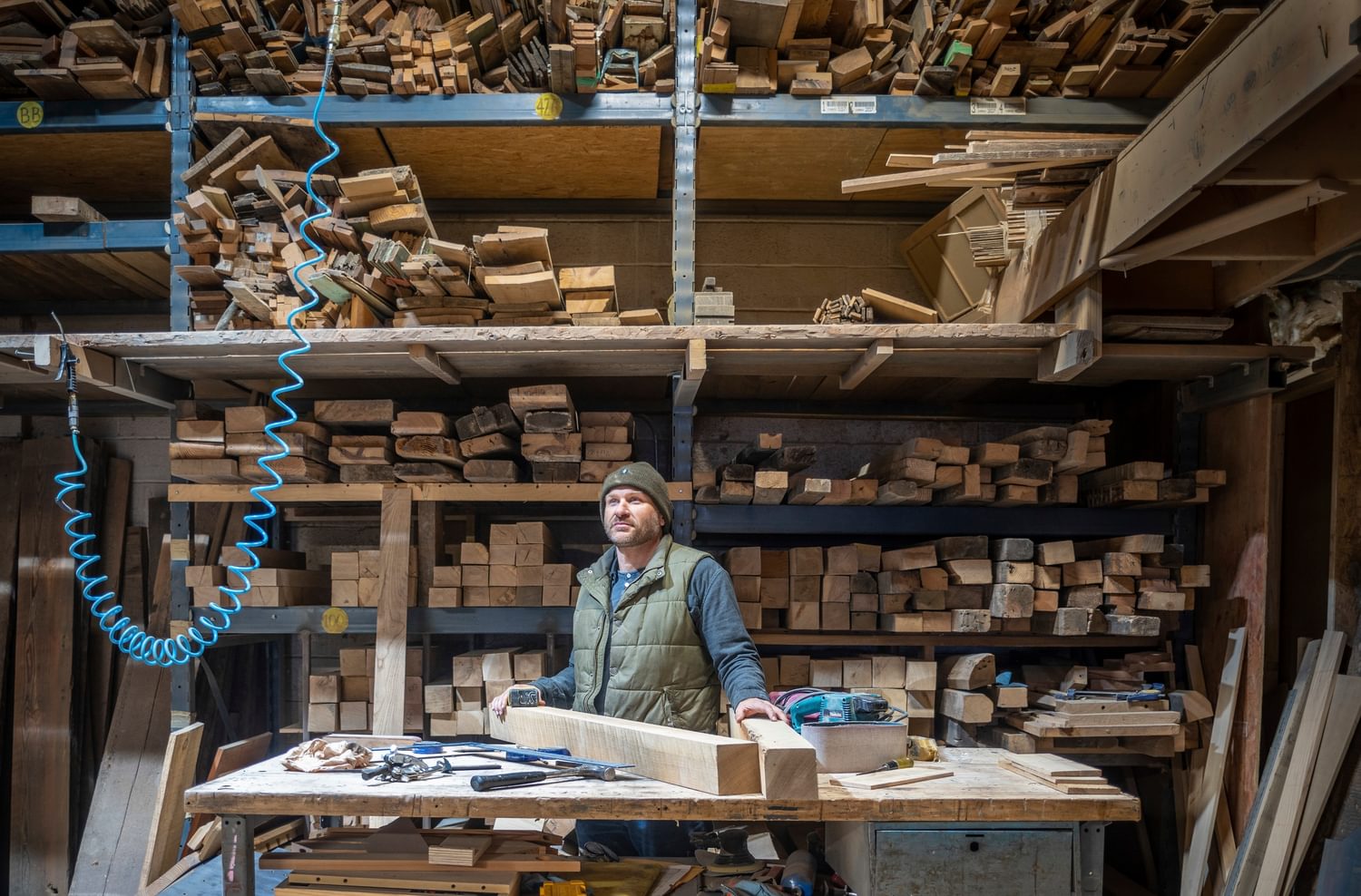
Numerous construction materials can be effectively recycled. Wood and lumber, for instance, are major components of home construction. Annually, nearly 1 billion board-feet of lumber can be salvaged. Recycling all the wood from a 2,000-square-foot home can yield up to 6,000 board-feet of reusable lumber, saving 33 trees and reducing landfill volume by 8,420 cubic feet. Re-milled lumber finds new life in flooring, paneling, doors, and windows, while waste wood can be ground into particleboard. Drywall, making up about 25% of construction waste, is easily recyclable. Scraps can be used for wall patches or forms for wet concrete. Its gypsum contains boron, a plant nutrient, making it suitable for agricultural use, while the paper layers can be recycled or composted.
Steel, essential for large structures, is also highly recyclable, with over 65 million tons recycled annually in the U.S. All steel framing contains at least 28% recycled steel, and recycled steel retains its strength. Roofing shingles, with 11 million tons of waste generated yearly, primarily from old homes, can be ground down for use in pavement projects and as patches for potholes, or even processed into new shingles or fuel. Glass and windows, however, are less frequently recycled due to the low cost of new glass, strict manufacturer specifications, and the complexity and cost of separating various components like aluminum, vinyl, and lamination layers.
Landscaping waste, including trees, brush, and other vegetation, is often banned from landfills and can be repurposed as mulch or compost. Homeowners can also replant existing vegetation. Appliances, when replaced during renovations, can be donated if still functional, given to community members, or recycled at local centers. Concrete and masonry, once considered garbage, are now routinely recycled, with 140 million tons crushed and reused annually. Crushed concrete is valuable for road pavements, driveways, and as a foundation for utilities, while larger pieces can be incorporated into landscaping. Asphalt, from roadways, highways, airport runways, and parking lots, sees a high recycling rate; 90% of the 90 million tons removed annually is reused in repaving and reconstruction. Copper, a sought-after metal, is valuable for recycling due to its high price and ability to retain strength. While local codes may restrict its reuse in new plumbing or electrical installations, it is frequently salvaged and sold to scrap-metal dealers for other applications.
#ConstructionRecycling #Deconstruction #WasteManagement #SustainableBuilding #MaterialReuse #GreenConstruction #EnvironmentalImpact #HomeImprovement #RecycledMaterials #ConstructionRecycling #Deconstruction #WasteManagement #SustainableBuilding #MaterialReuse #GreenConstruction #EnvironmentalImpact #HomeImprovement #RecycledMaterials
0 commenti in totale
 Nessun commento ancora
Potresti anche gradire
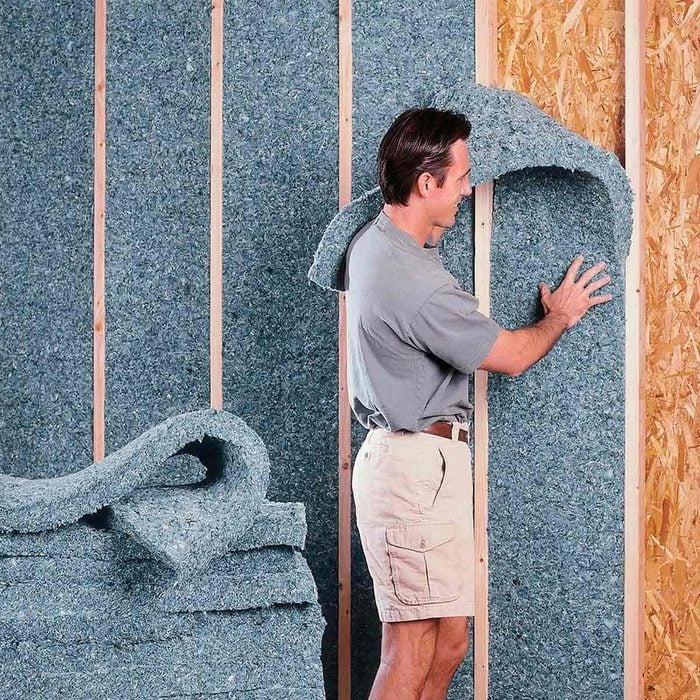
11 Recycled Building Materials Made From Trash


7 toxic basement items to deal with now


Sustainable Construction in Concrete - A Greener Future

10 Ways to Use Recycled Materials in Your Home Reno

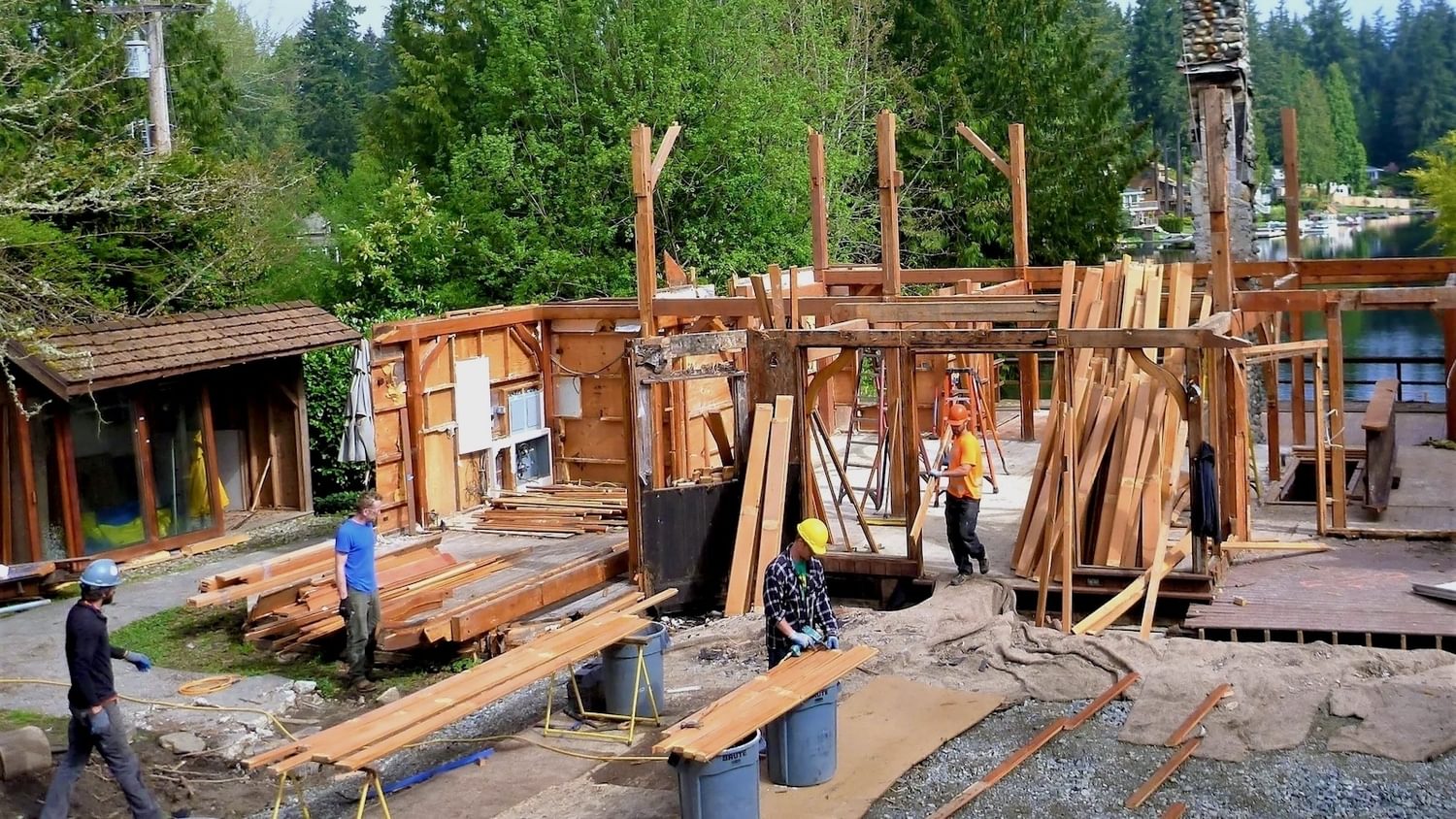
Deconstructing Buildings: The Quest for New Life for Old Wood


10 Must-have Tools for Any Workshop
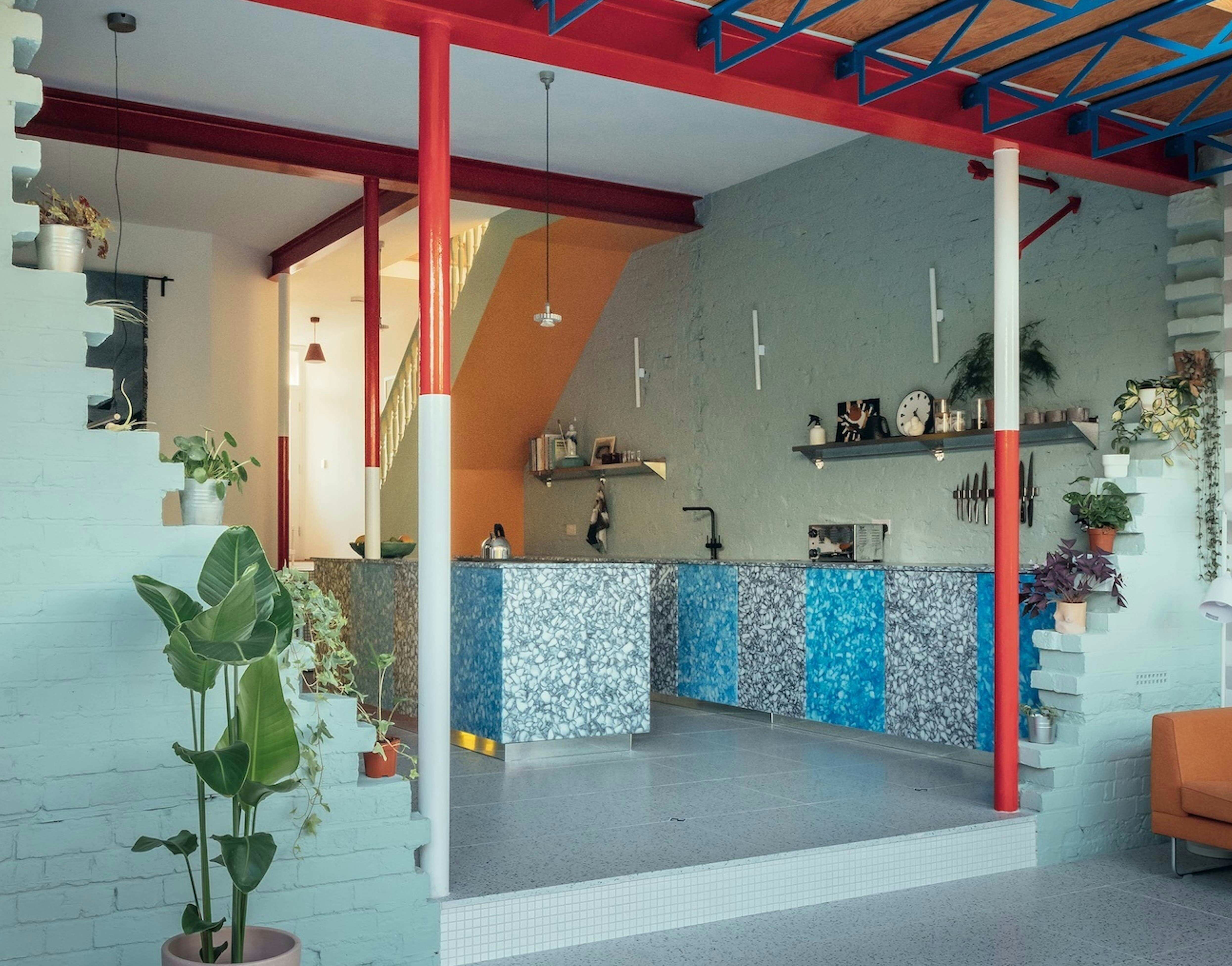
For These Designers and Homebuilders, the Best Materials Are Ones That Have Already Been Used


10 things to get rid of in your outdoor space, according to designers and gardeners
6 Things Pro Organizers Throw Out of Their Entryway Before Fall Starts—and You Should Too

Save Money and Cut Waste With These 8 Reno Materials You Didn't Know You Could Reuse
W Tiles: Behind the Great Walls


10 Items That Don't Belong on Your Bathroom Counter, According to a Pro Organizer
10 Start-ups Creating Innovative and Sustainable Building Materials, from Mycelium Bricks to Water Purifying Tiles


Tips for recycling flowers, pots and vases