1/13
Desk ideas for the home office - how to make sure your space works hard in the style stakes
The shift towards flexible working has made dedicated home office spaces essential, moving beyond temporary setups. This article provides expert advice from 10 interior designers on creating optimal desk spaces for various home sizes, styles, and layouts, covering everything from small space hacks to ideas for dedicated office rooms.
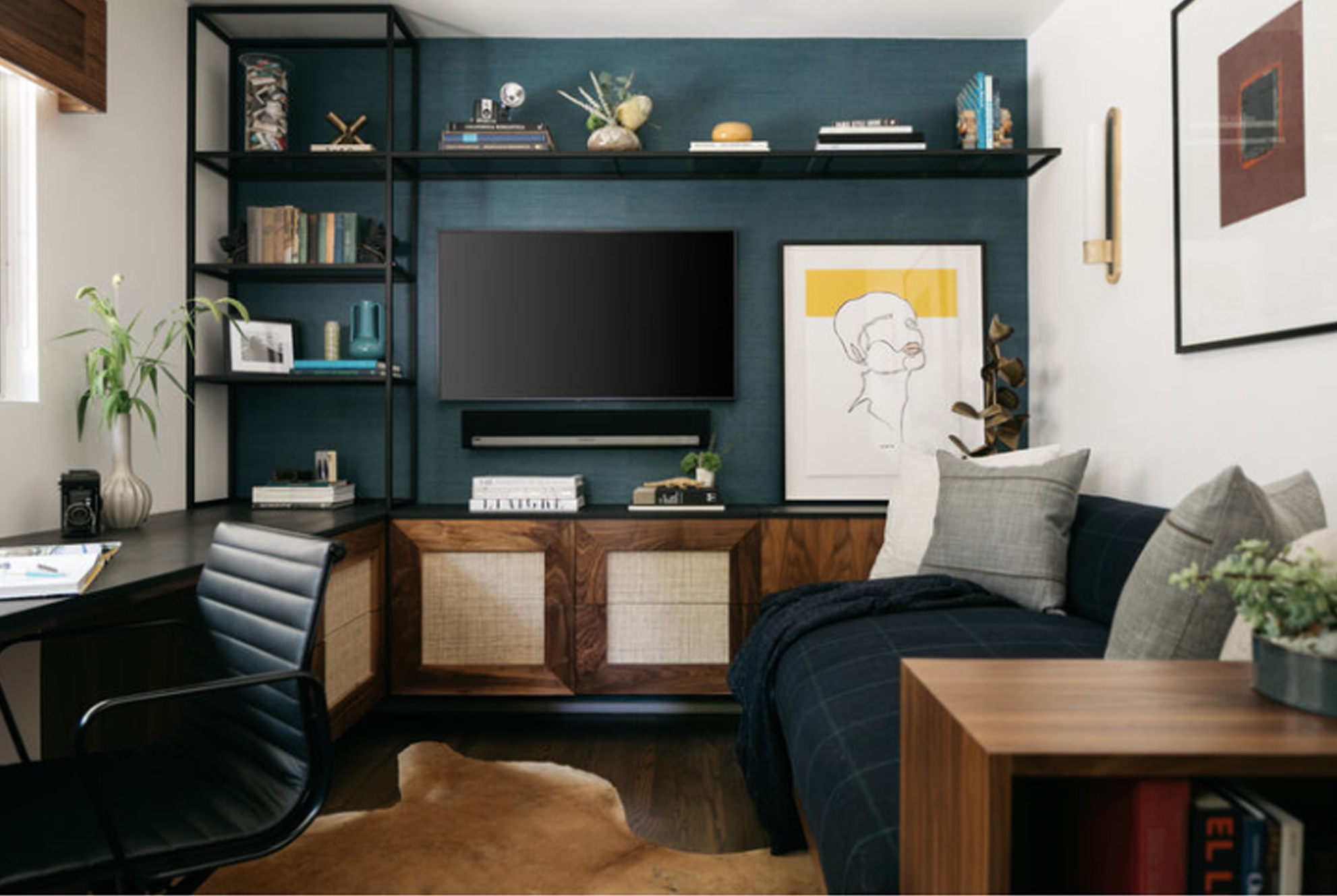
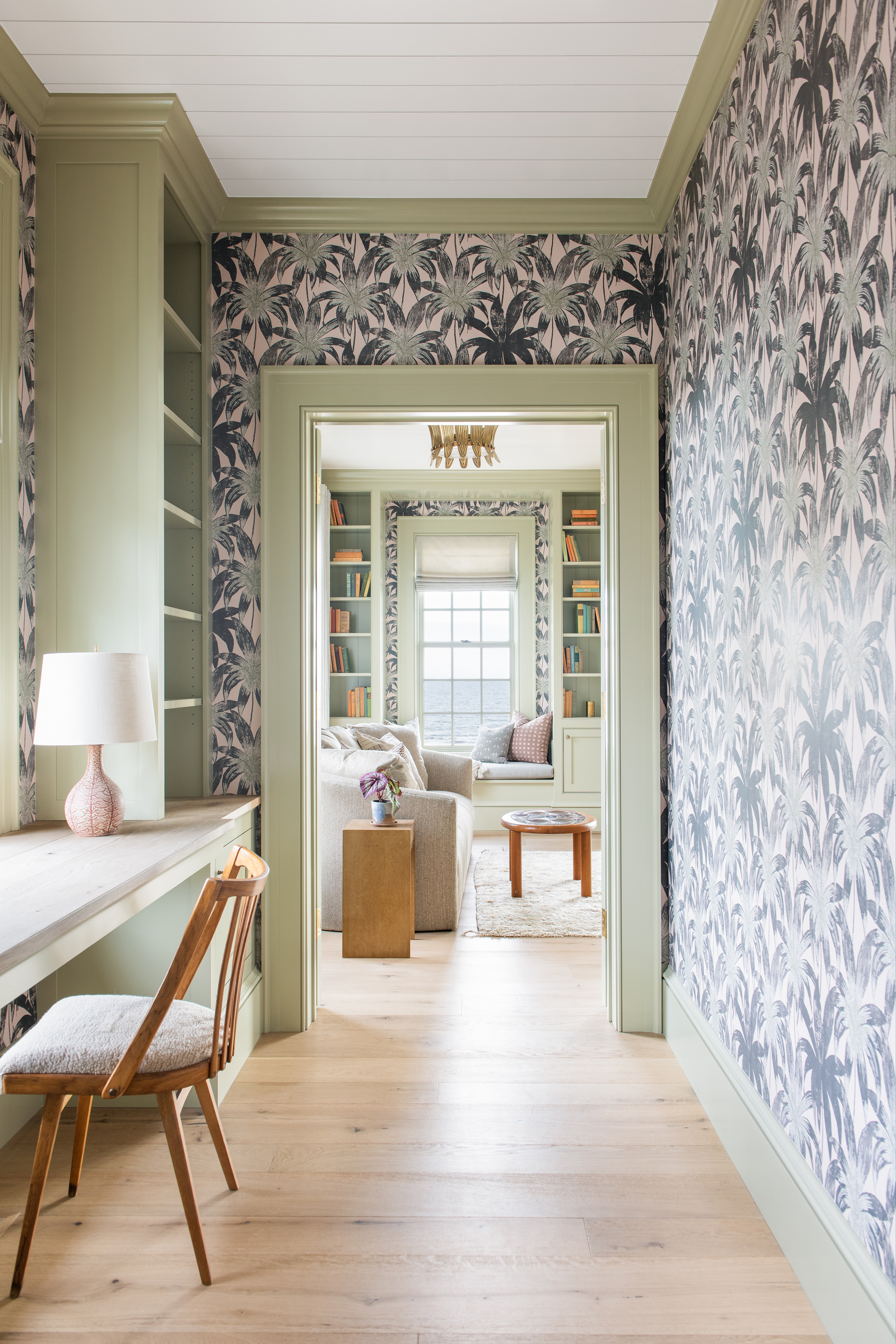
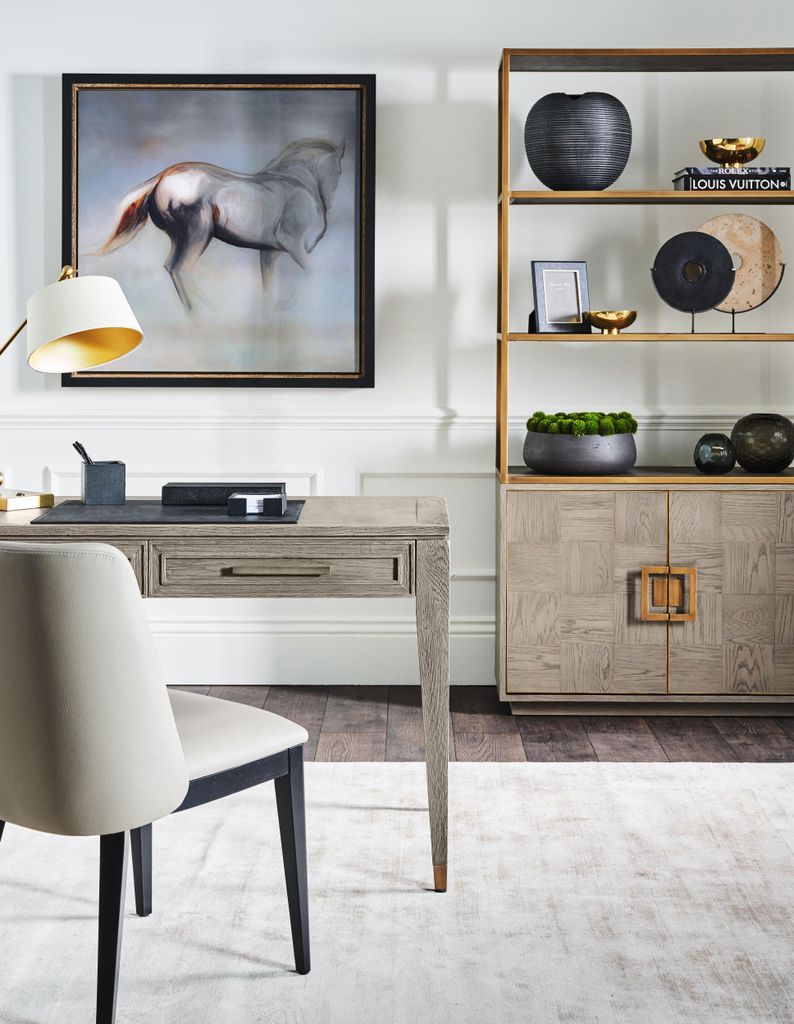
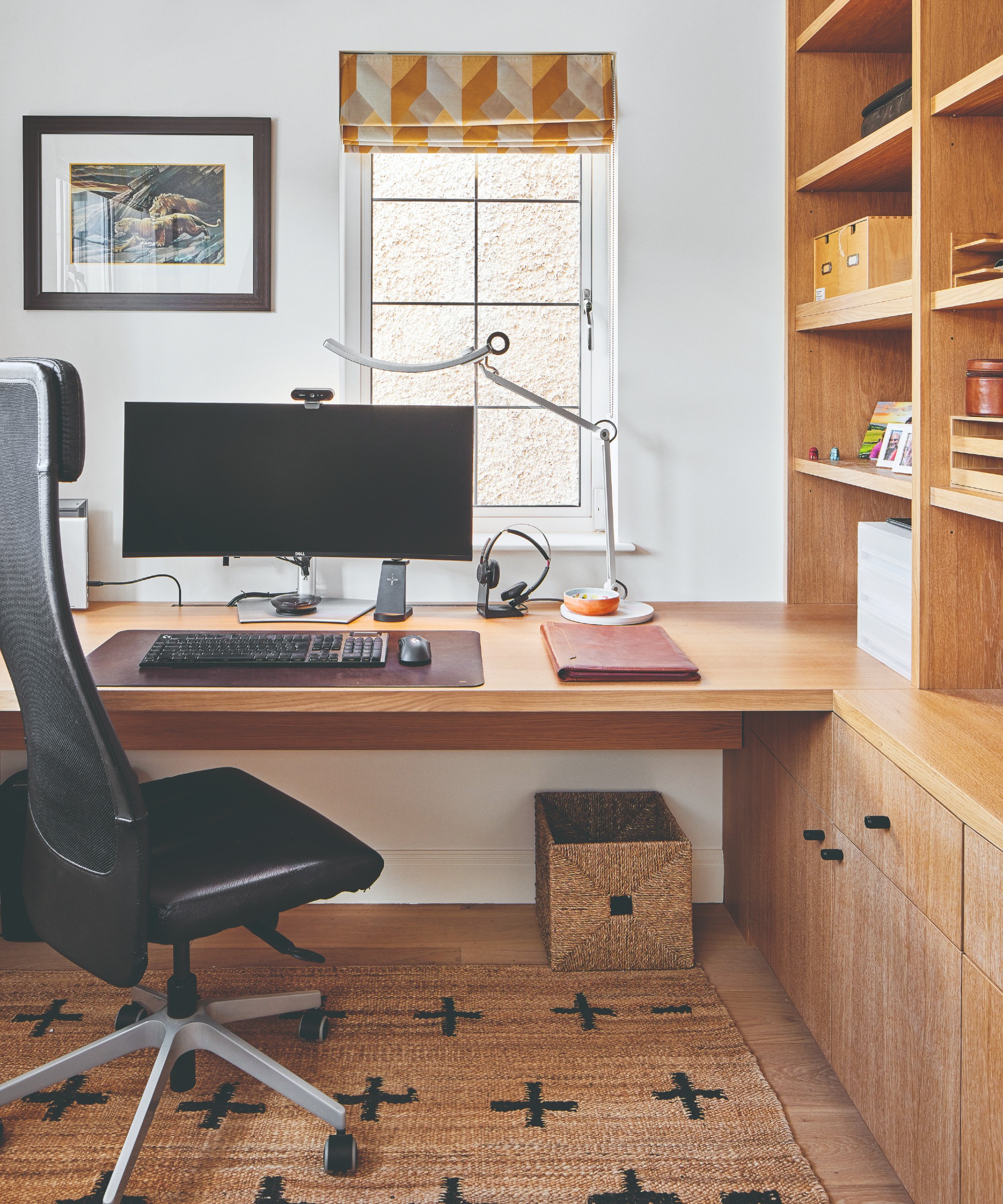
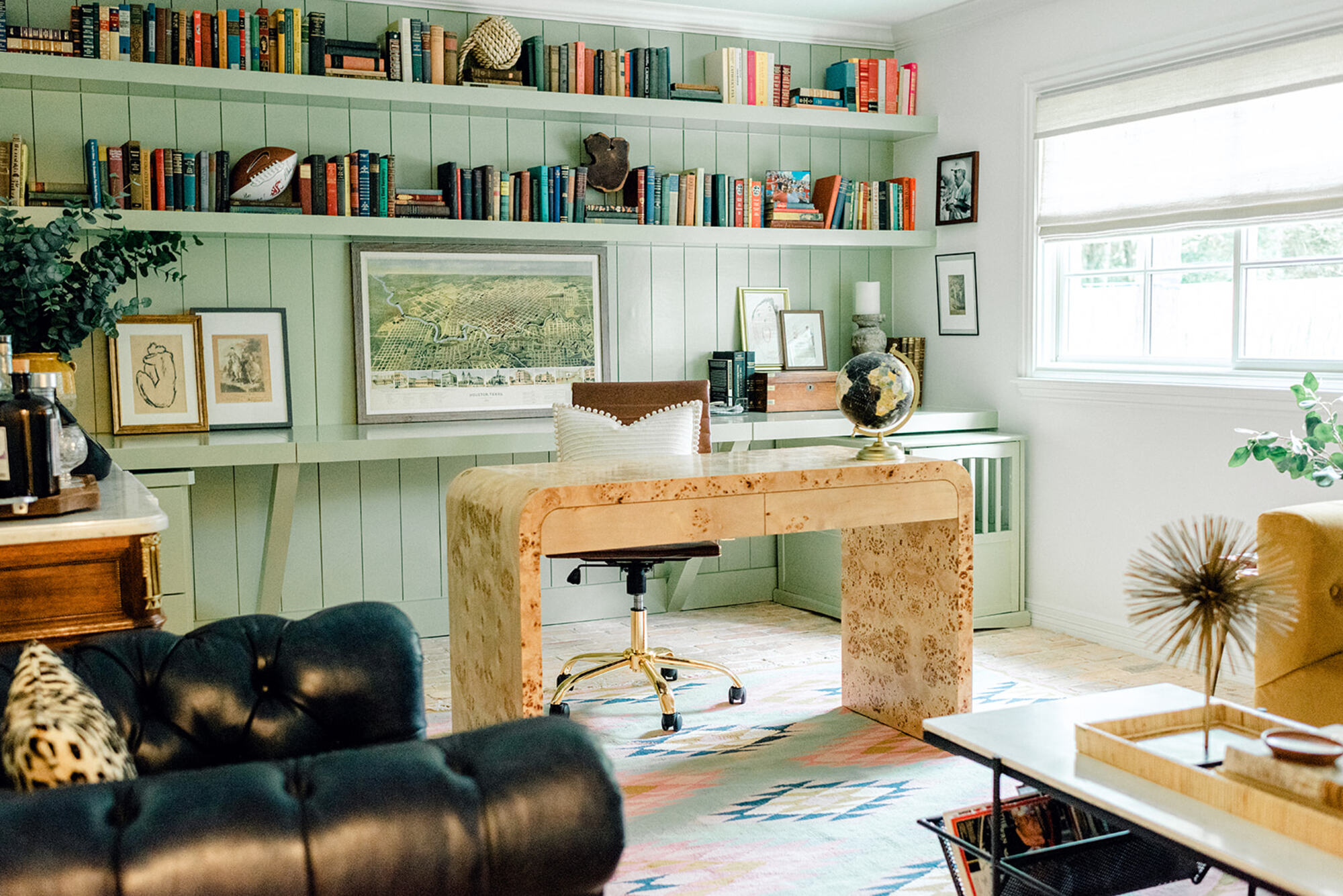
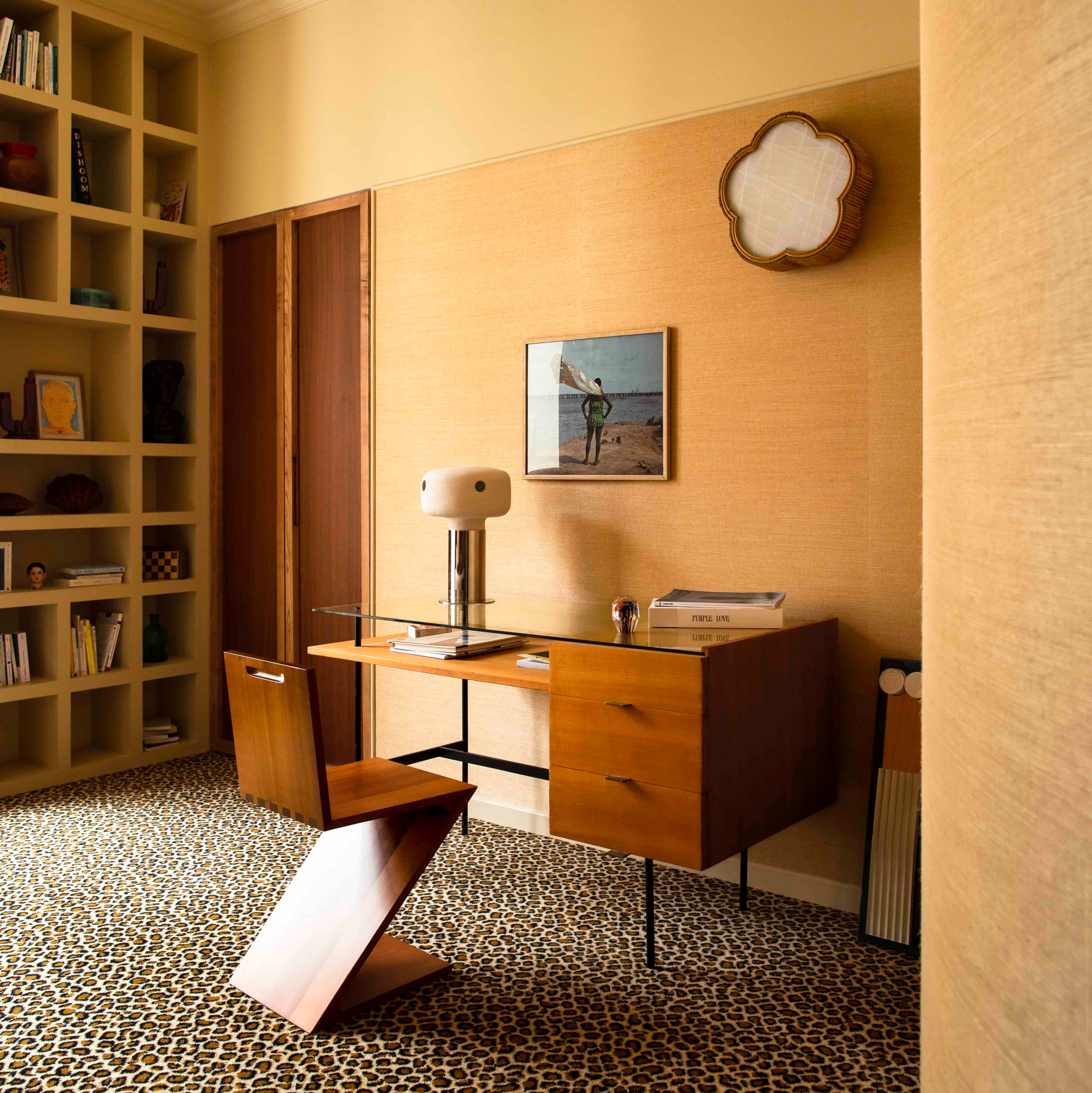
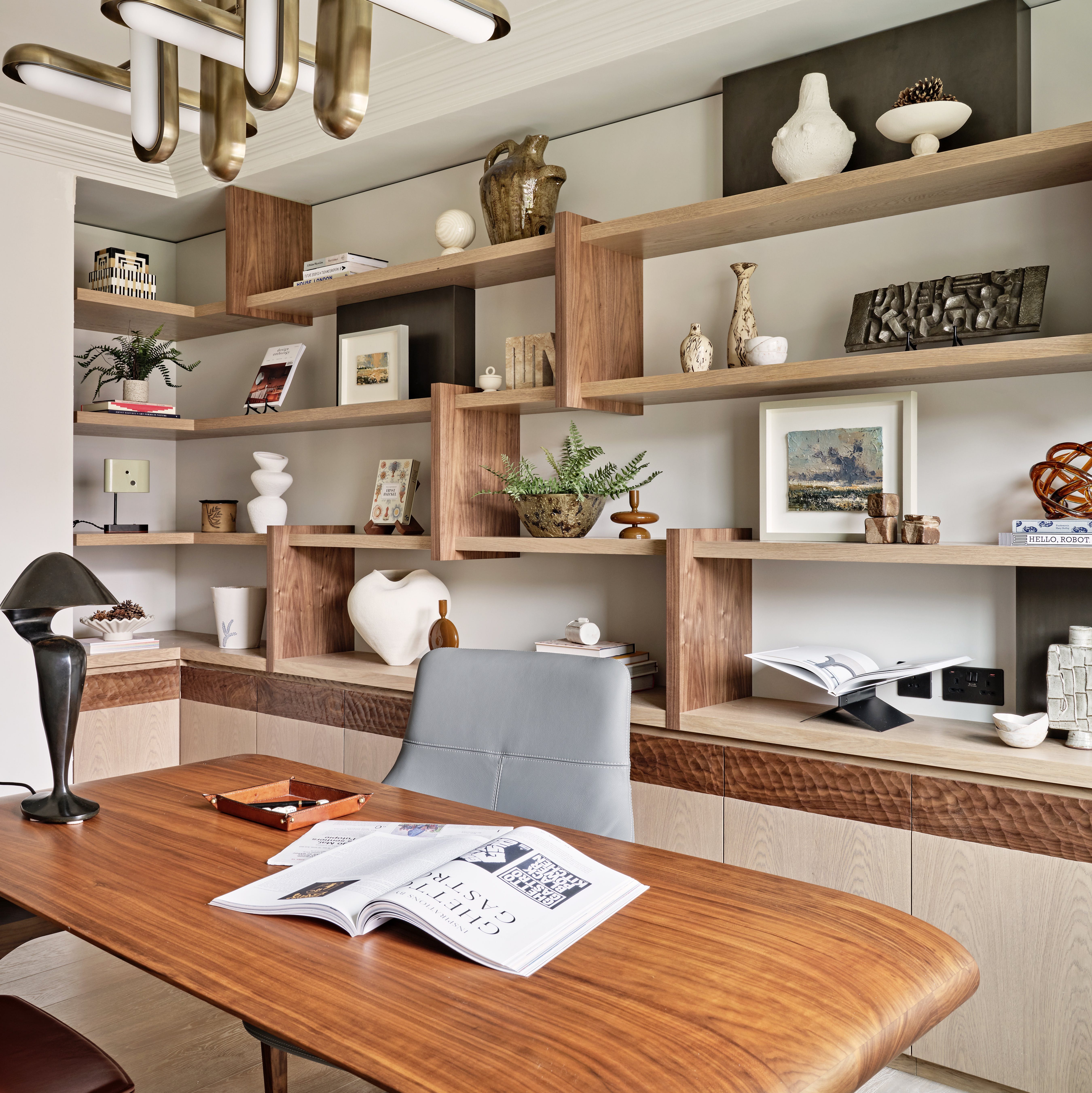
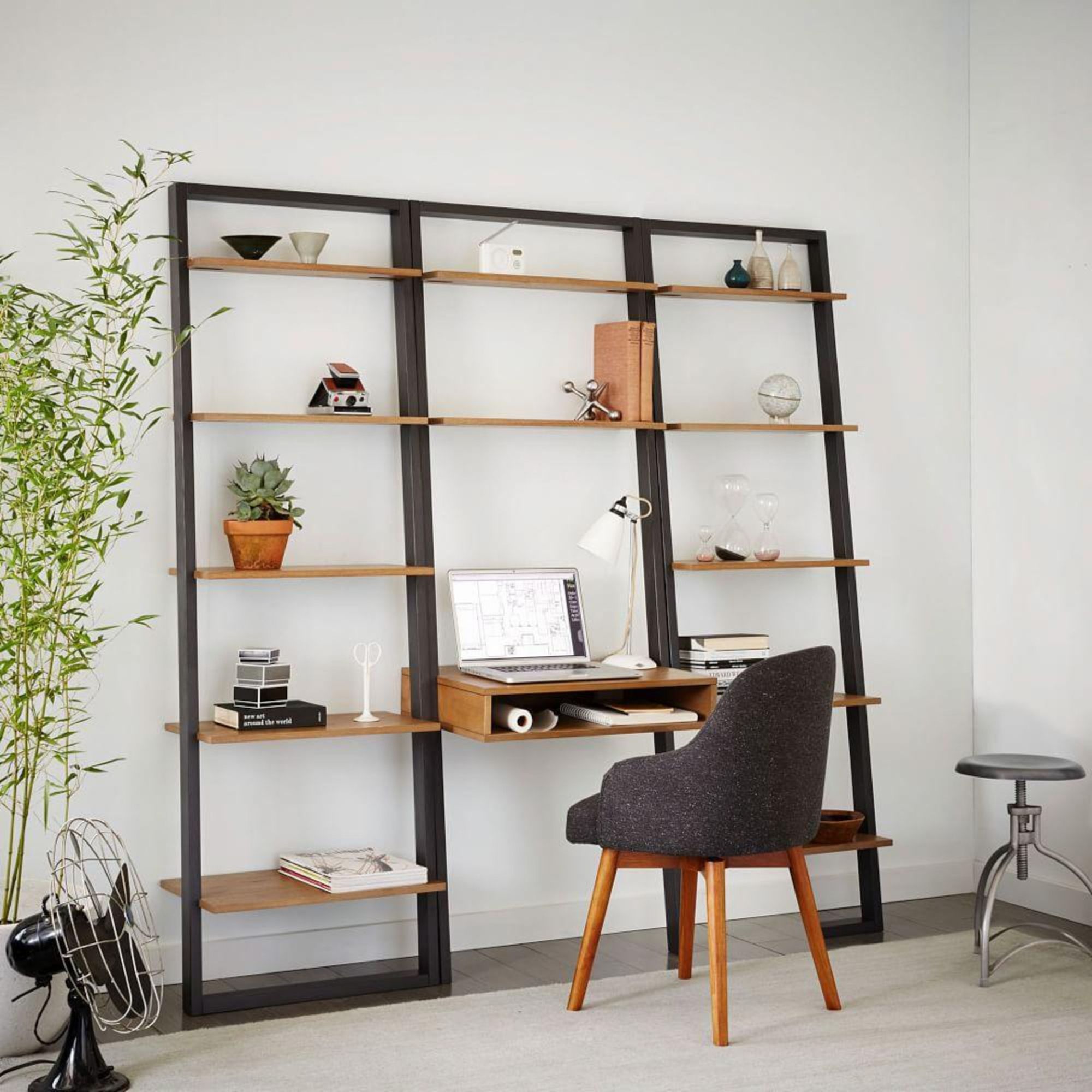
One approach is to build a custom desk setup. Fiona Duke of Fiona Duke Interiors emphasizes the importance of considering the desk's primary function—whether for writing, drawing, or computer work—and the size of equipment it will house. Adequate storage is crucial to keep the workspace clear. For custom builds, matching existing architectural details, such as coving or wooden paneling, ensures a seamless integration with the room's design while also concealing electrical wiring.
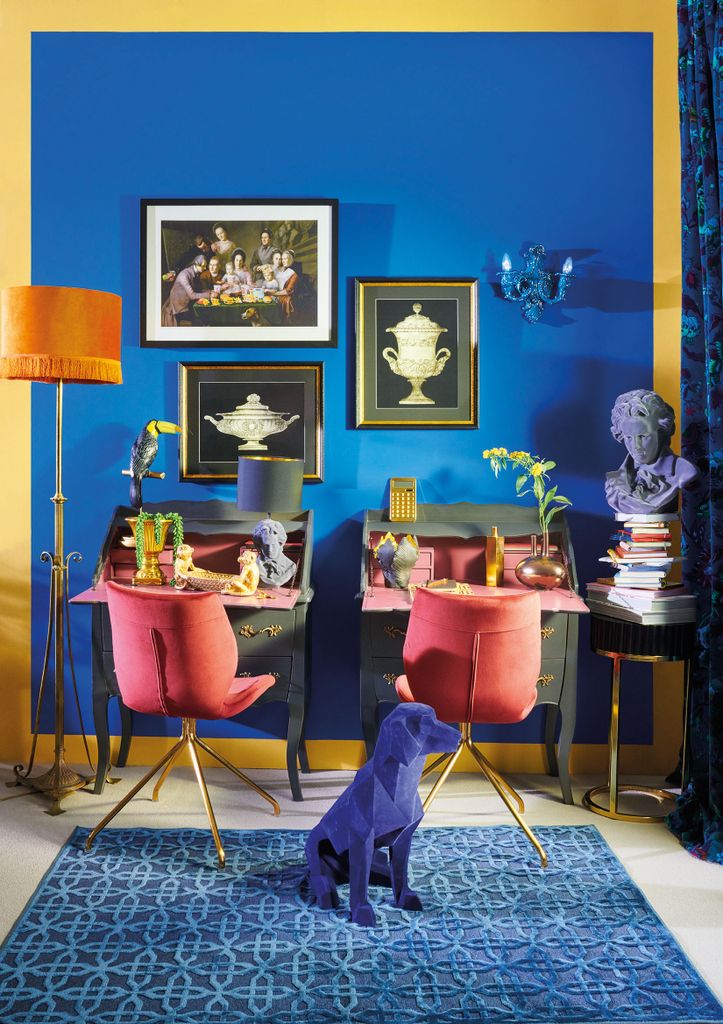
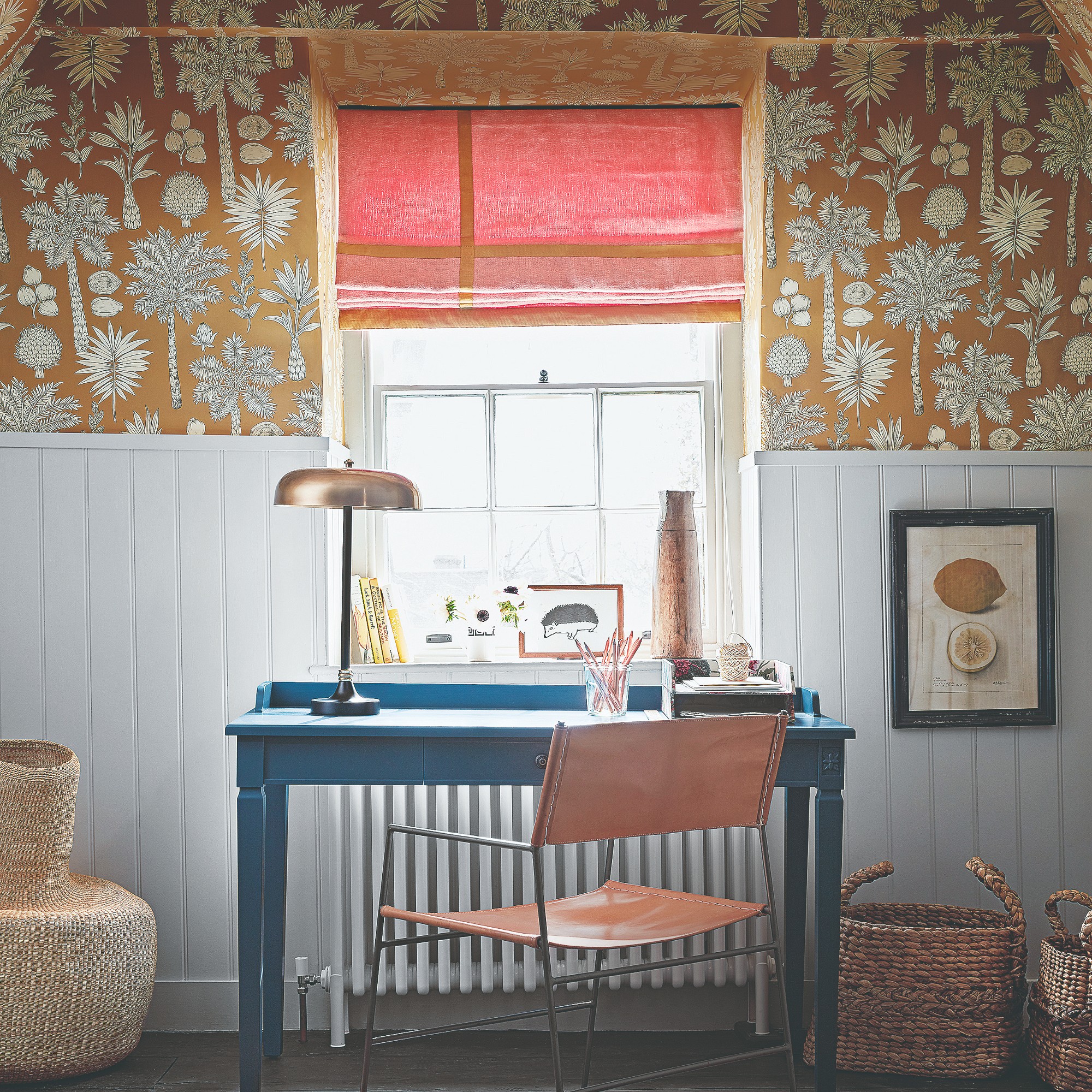
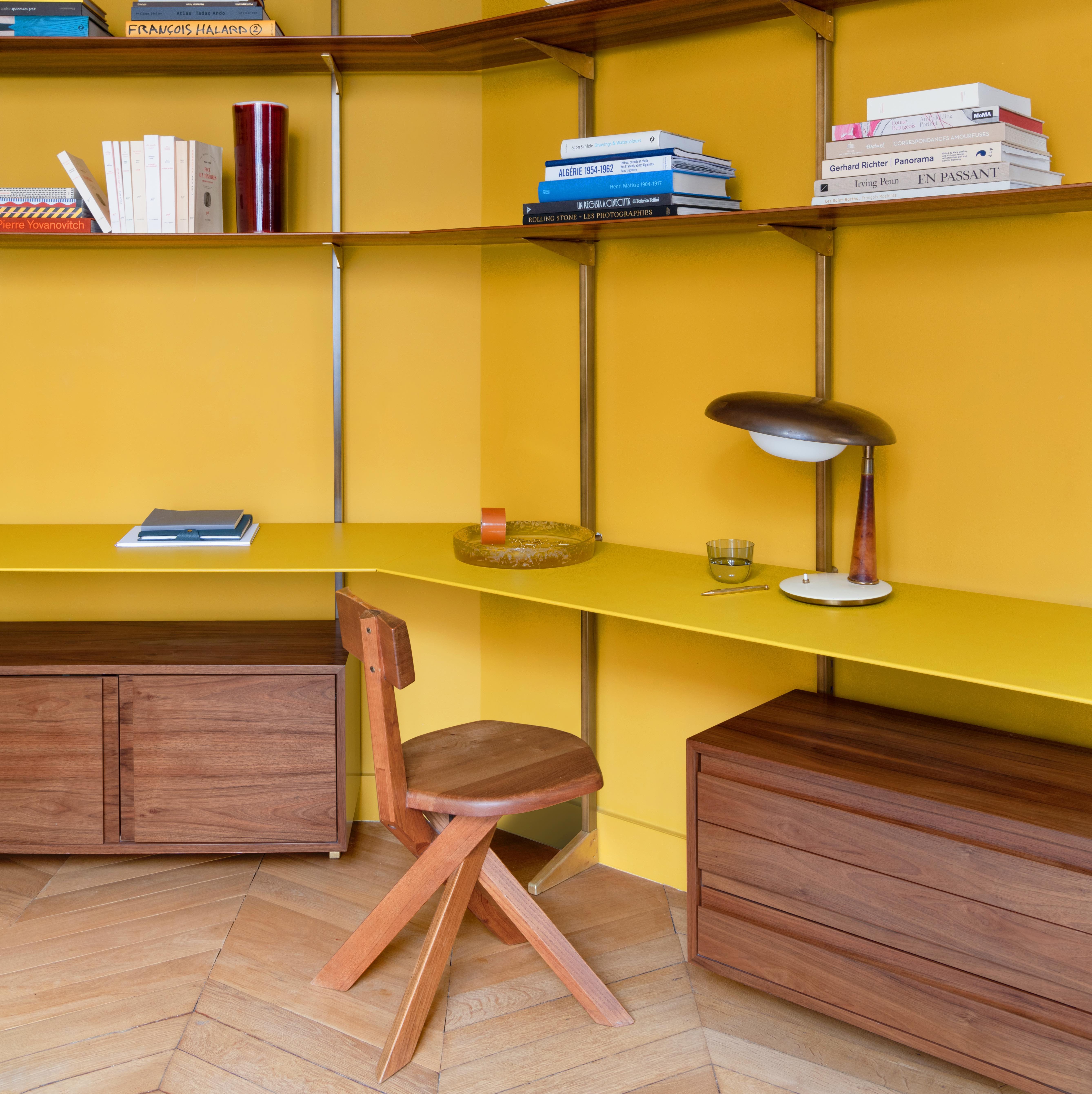

For households requiring space for two, a simple, wrap-around desk design can effectively utilize potentially dead space. Camilla Clarke, Creative Director at Albion Nord, suggests using natural materials and colors to create a calm atmosphere conducive to concentration. Painting walls and ceilings the same rich color can cocoon the space, setting it apart from the rest of the home, while antique chairs offer flexibility and warmth.
When a dedicated home office is not feasible, creative solutions are necessary. Roselind Wilson Design suggests incorporating workspaces into living rooms, kitchens, or even under staircases. To help separate work from personal life, hiding the desk behind pocket sliding doors is an effective method. This allows the workspace to be concealed when not in use, maintaining the room's aesthetic. The design of the hidden desk should still integrate seamlessly with the overall room aesthetic when revealed.
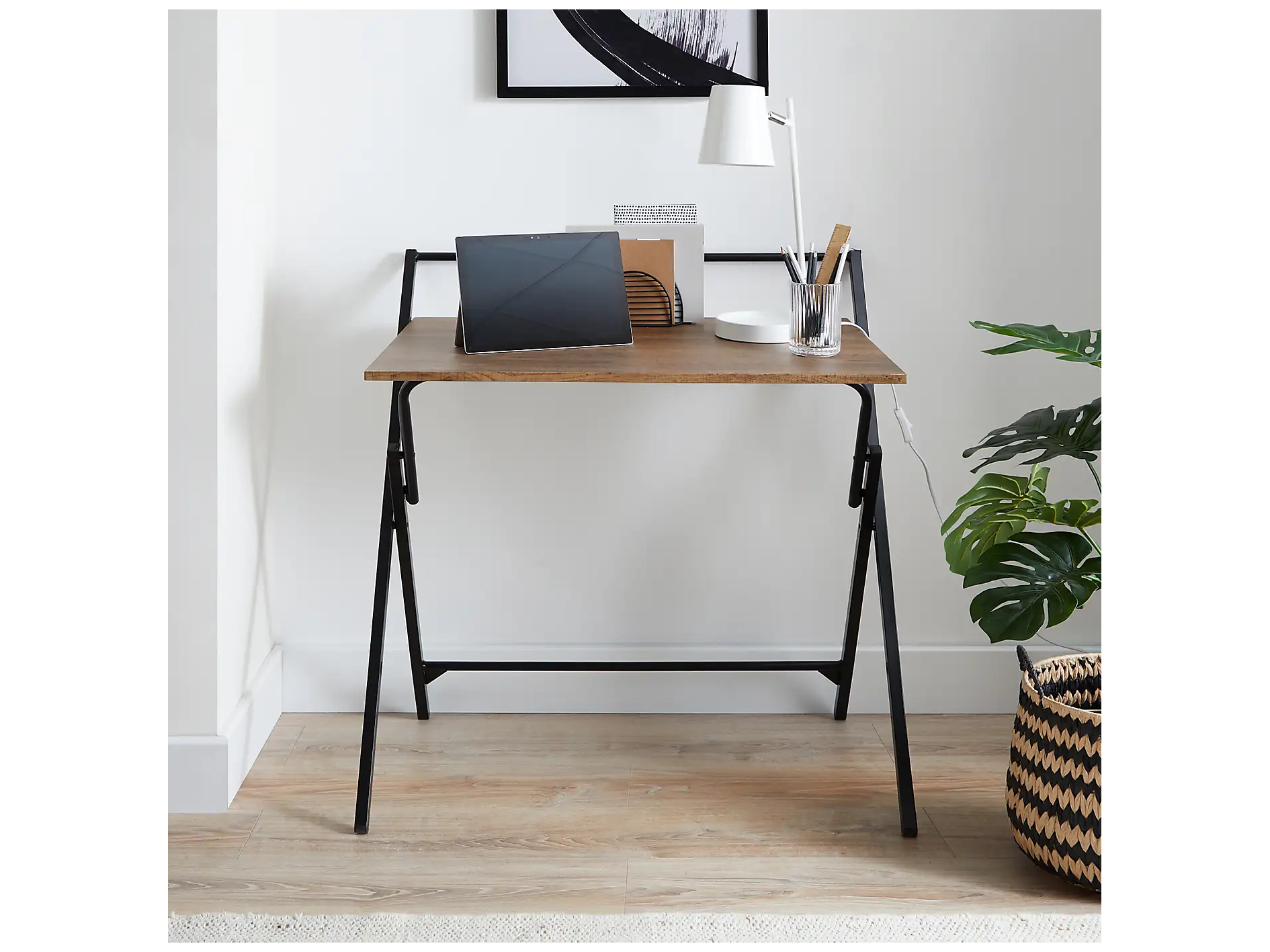
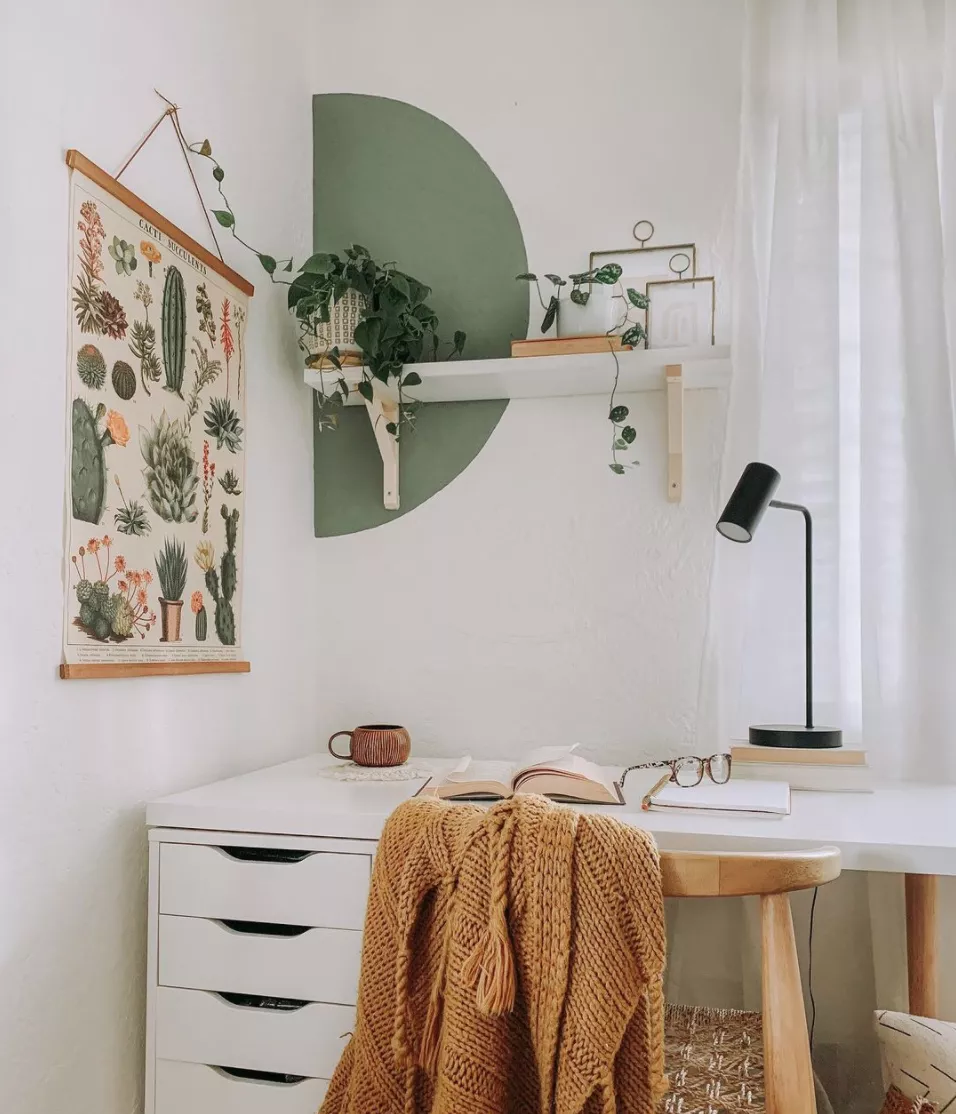
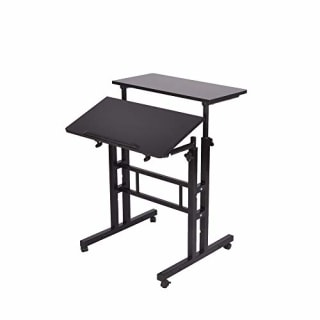
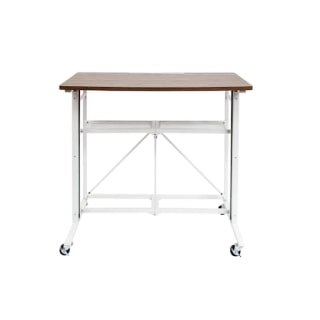
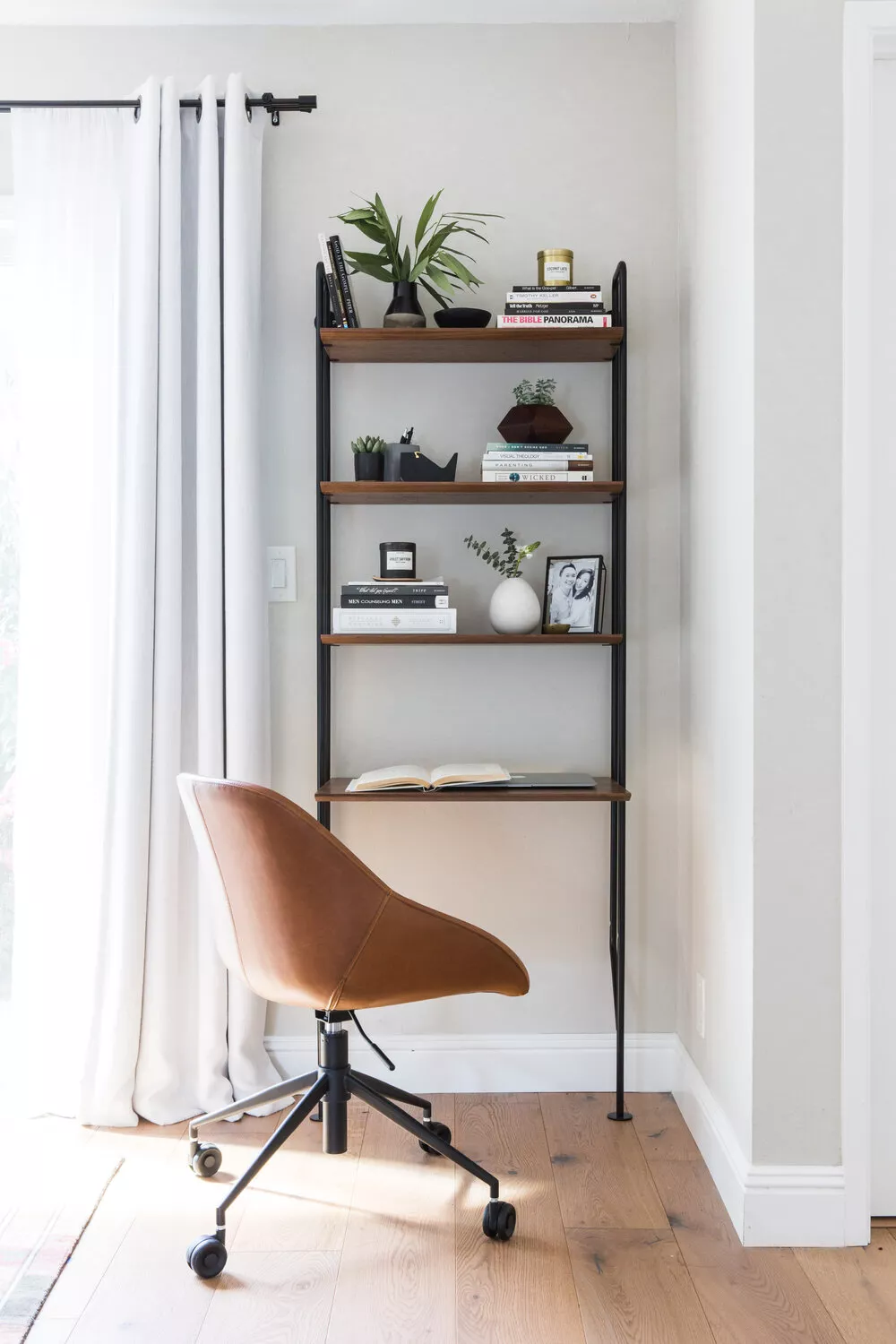
In multifunctional spaces, zoning with decor is key. Emma Gurner of Folds Inside recommends using wallpaper and paint to create visual divides, indicating different functions for areas within an open-plan room. This also adds character in small doses. For narrow spaces, maximizing vertical storage with shelving up to the ceiling and incorporating fold-away desks can be highly effective.
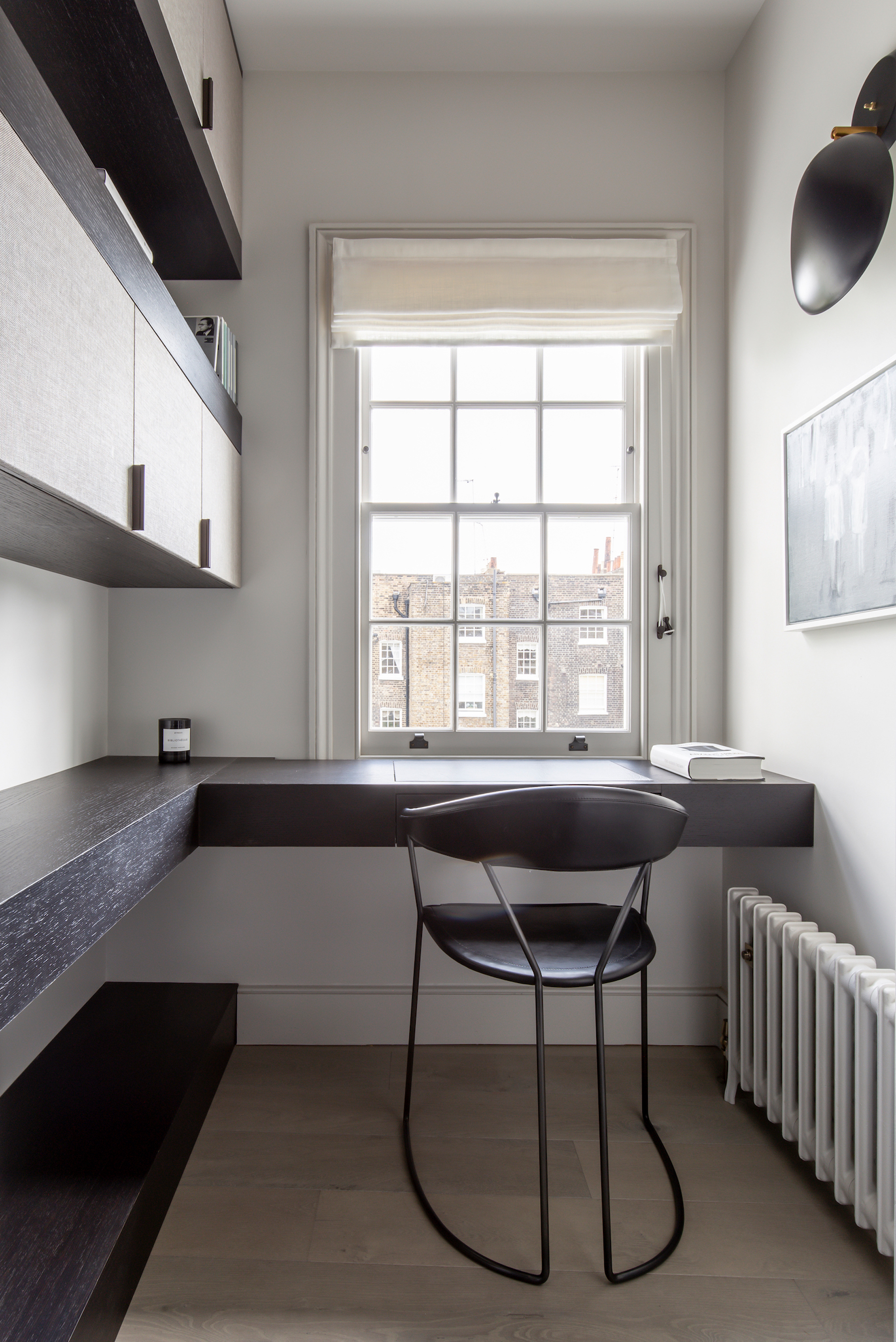
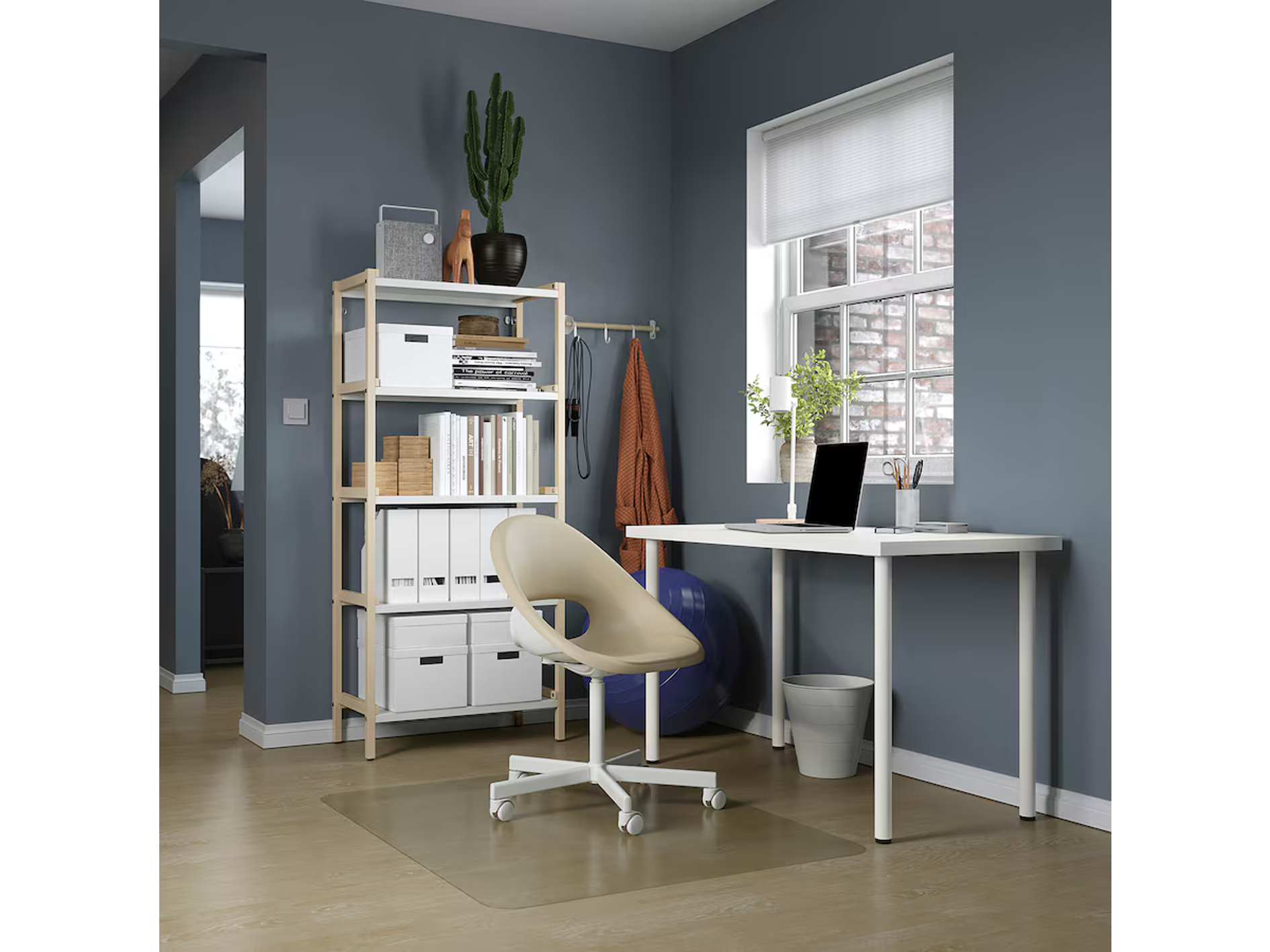
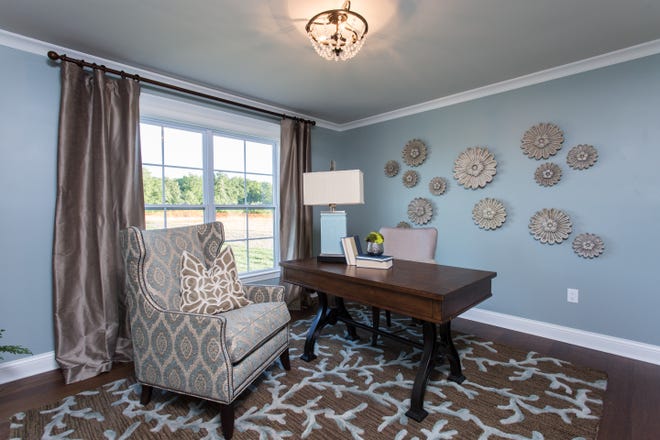
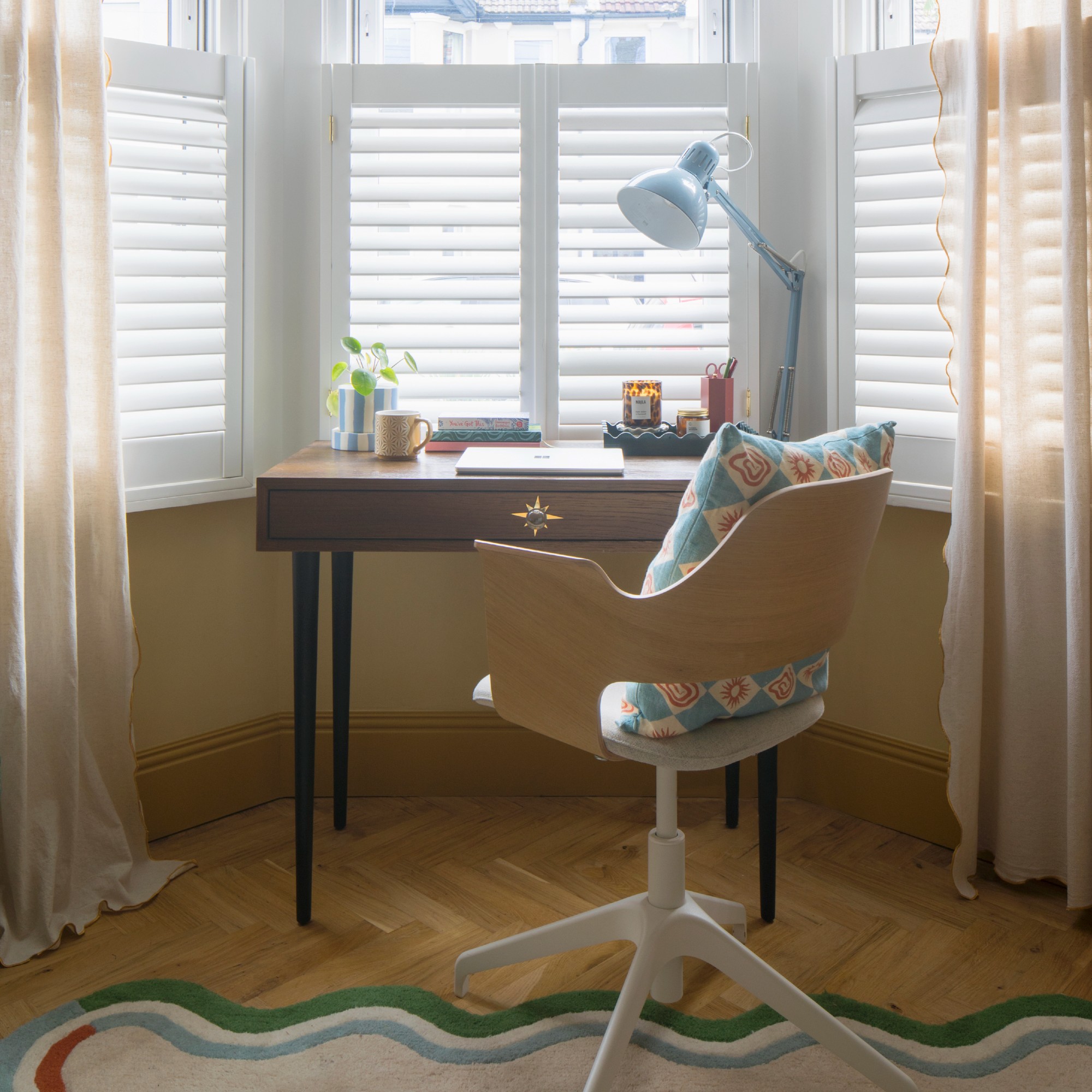
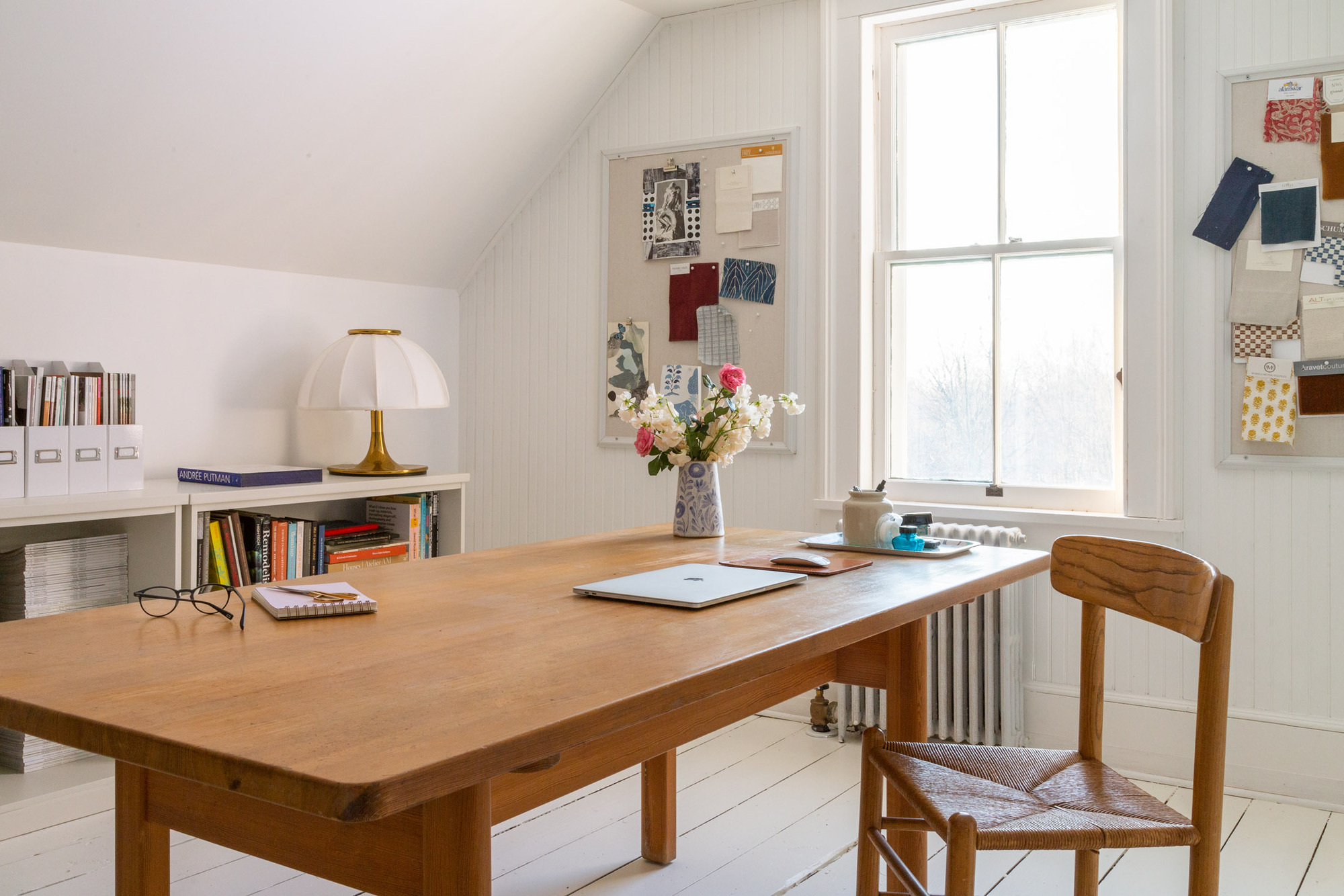
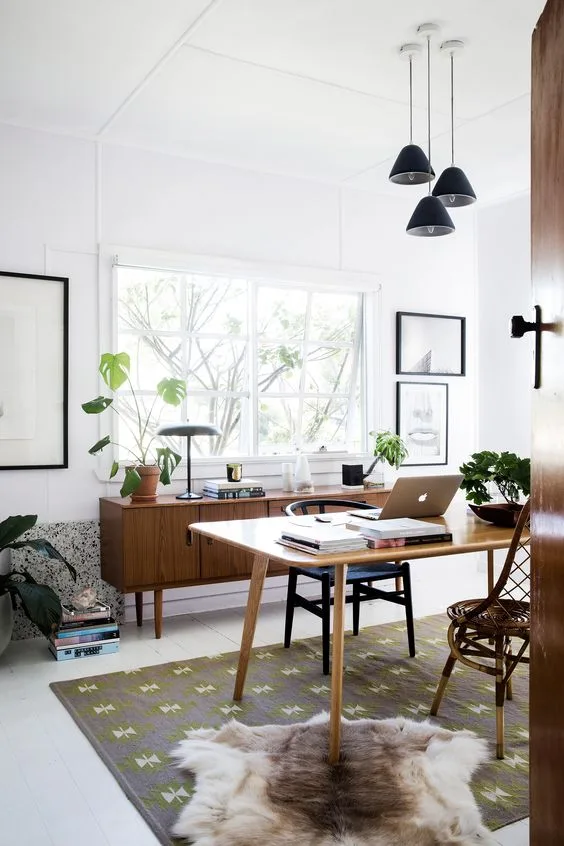
In dedicated home offices, desk positioning is important. Facing the desk towards a window can provide natural light and a view of nature, benefiting well-being and productivity. If an outdoor view isn't available, bringing in large house plants or smaller potted plants can achieve a similar effect. Irene Gunter of Gunter & Co also advises incorporating hidden features in joinery, such as drawers for storing and charging devices, to help switch off from work at the end of the day.
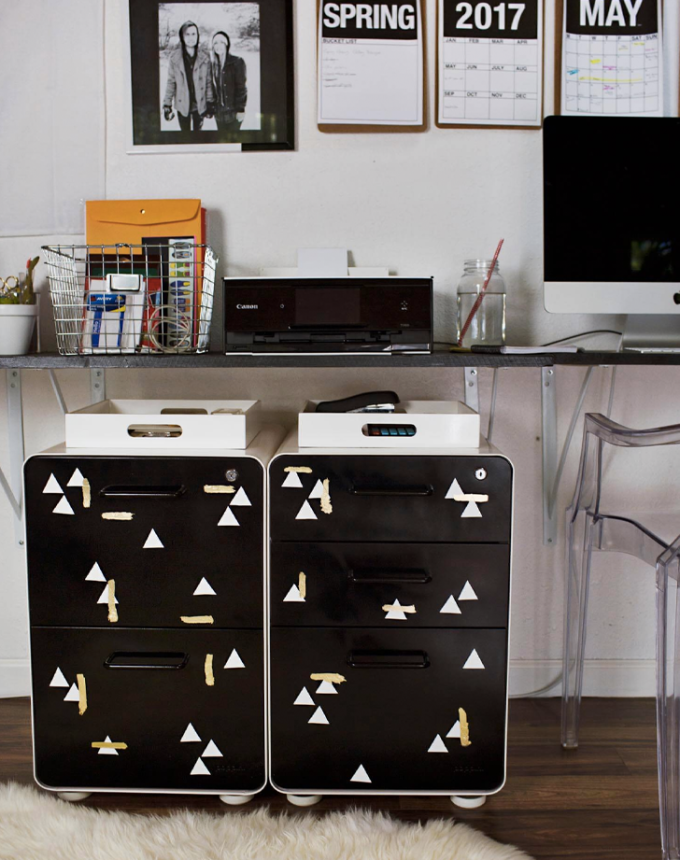
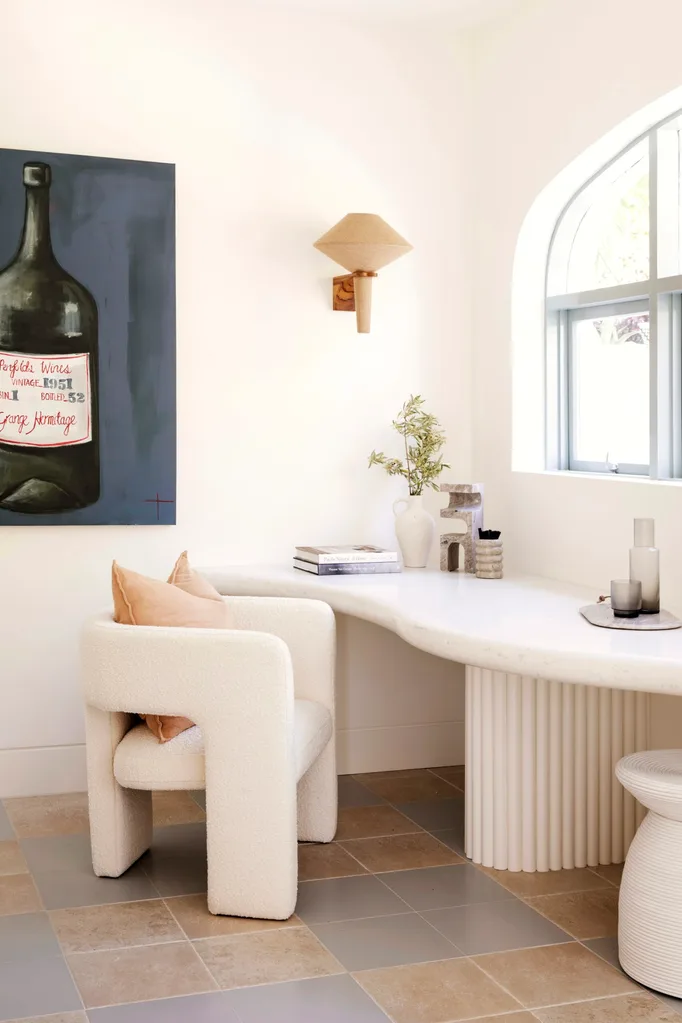
For smaller rooms, curved desks can optimize space and improve movement fluidity, as demonstrated by K&H Design. These desks can still allow for a view out of a window without compromising too much square footage. Prioritizing the right storage is also vital. Sheena Murphy, founder of Nune, suggests creative, bespoke storage solutions that utilize the entire room, rather than relying on a single piece of furniture.
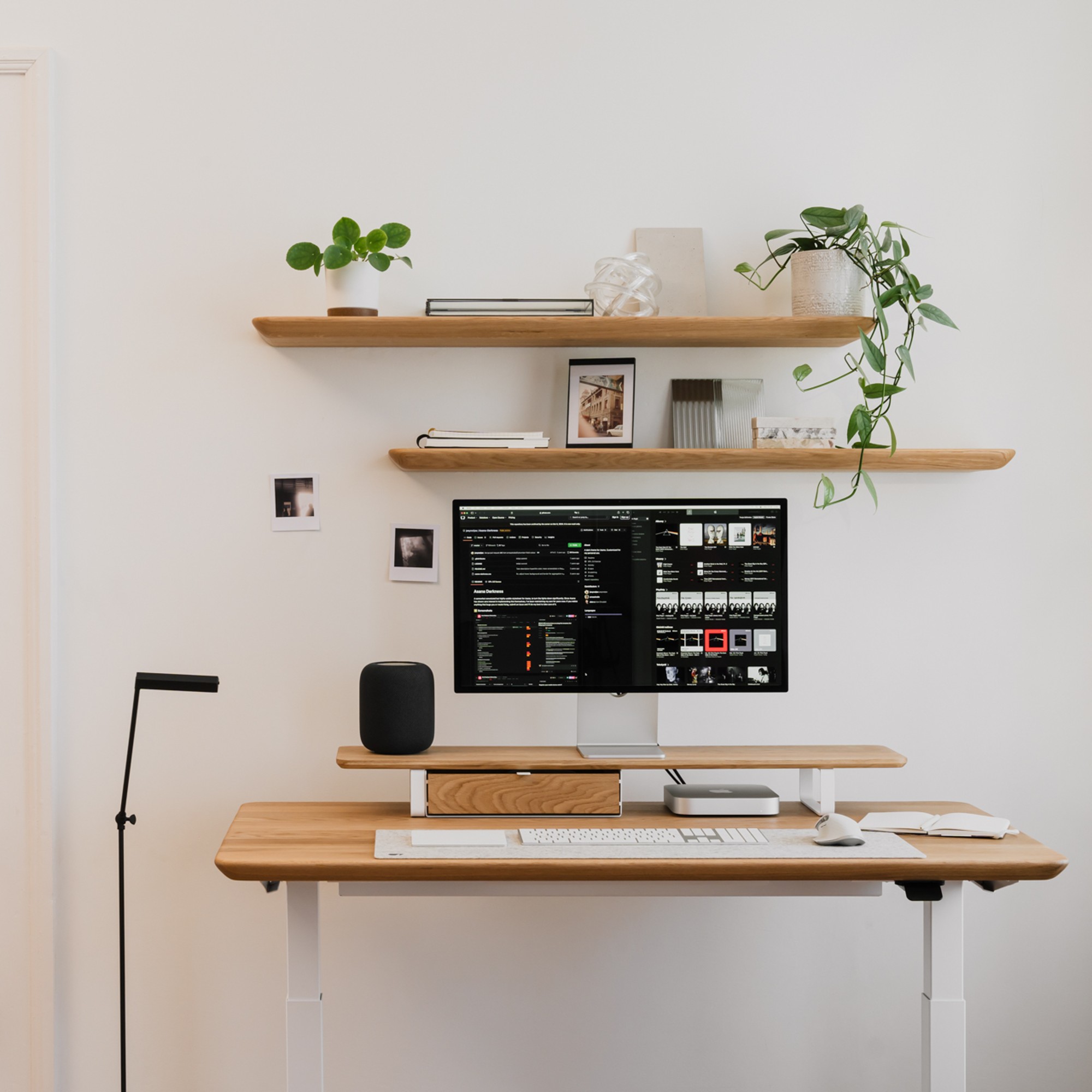
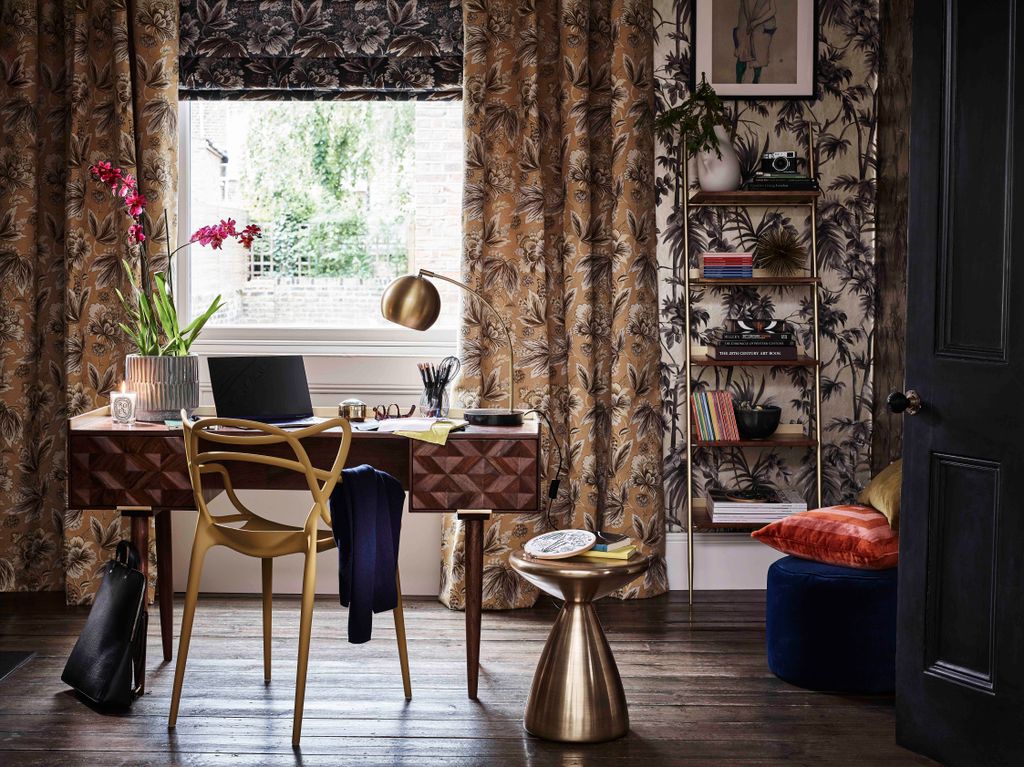
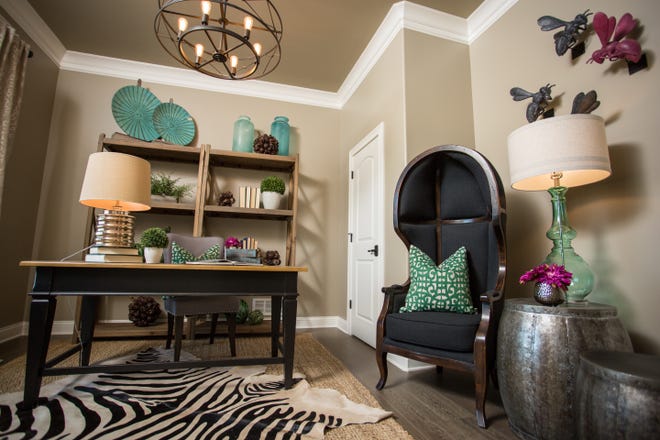
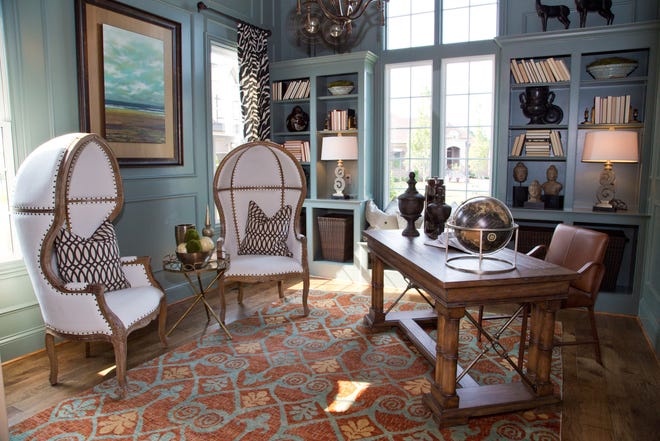
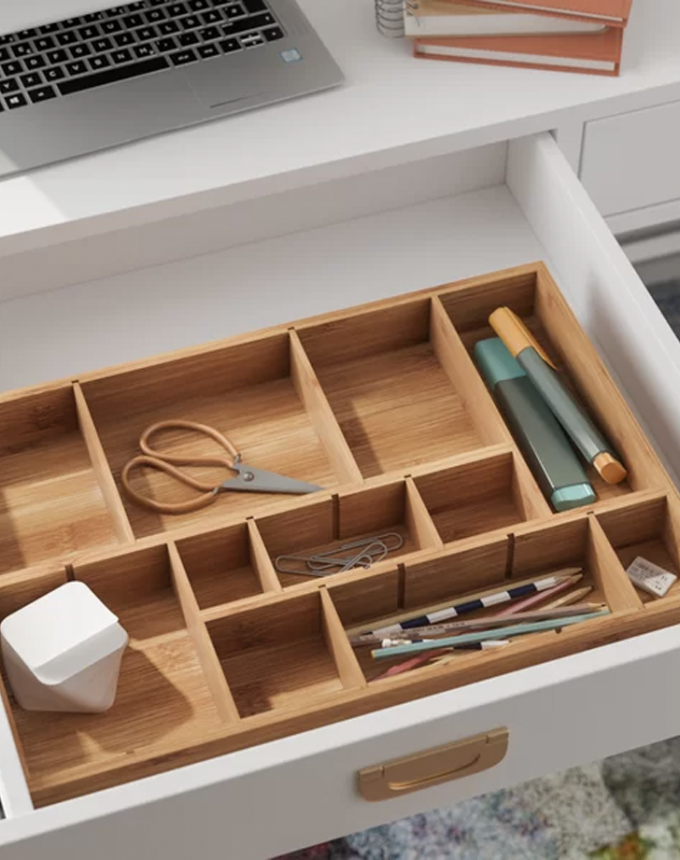
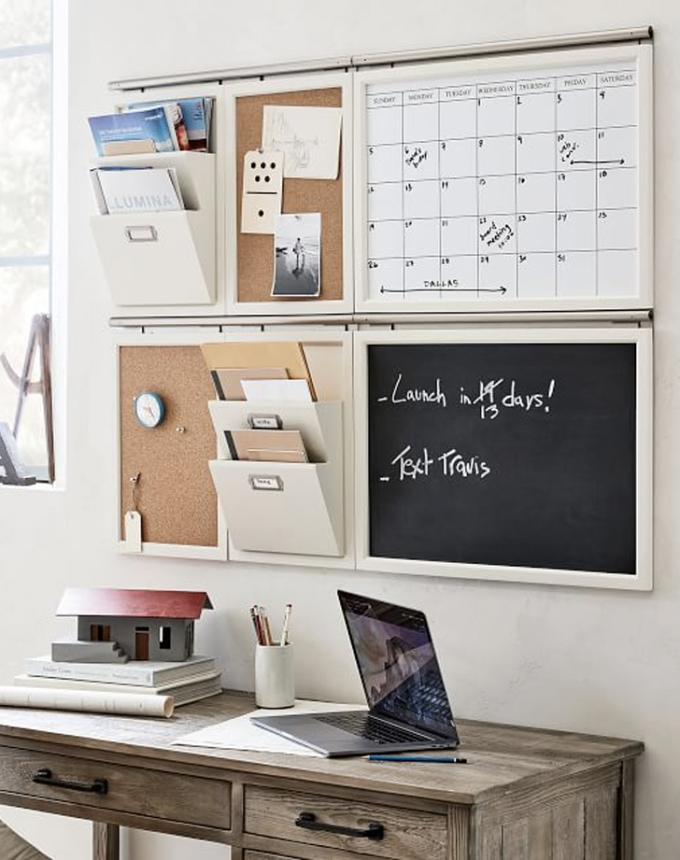
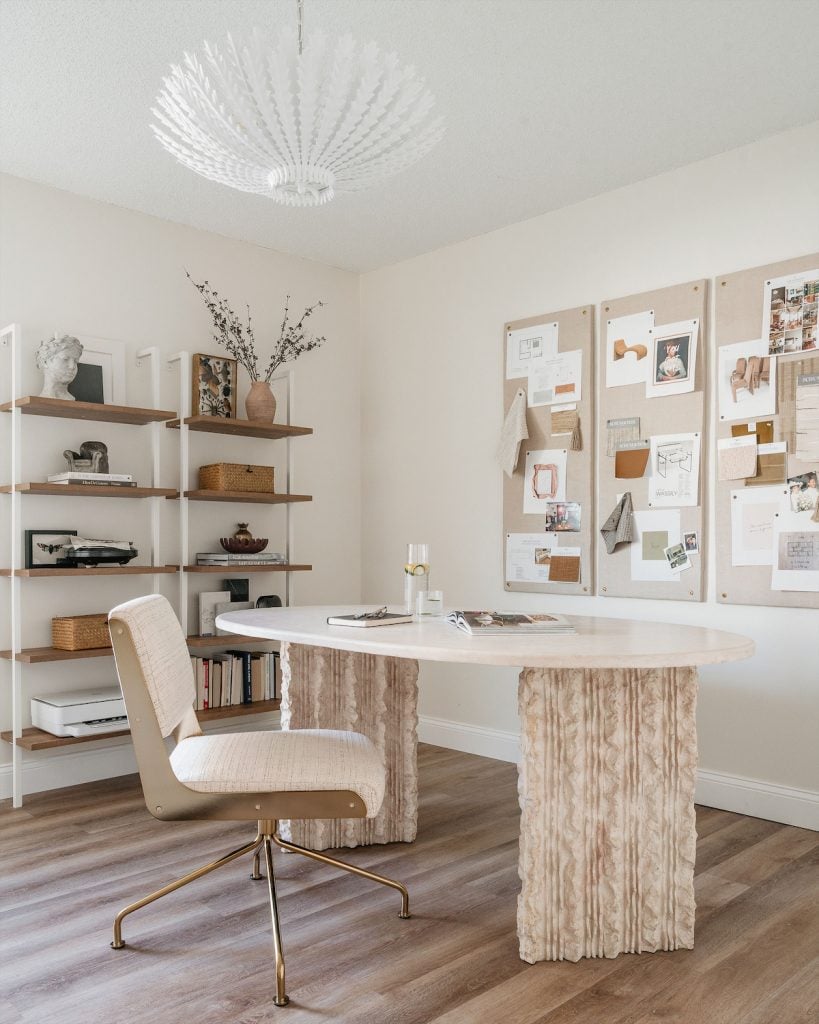
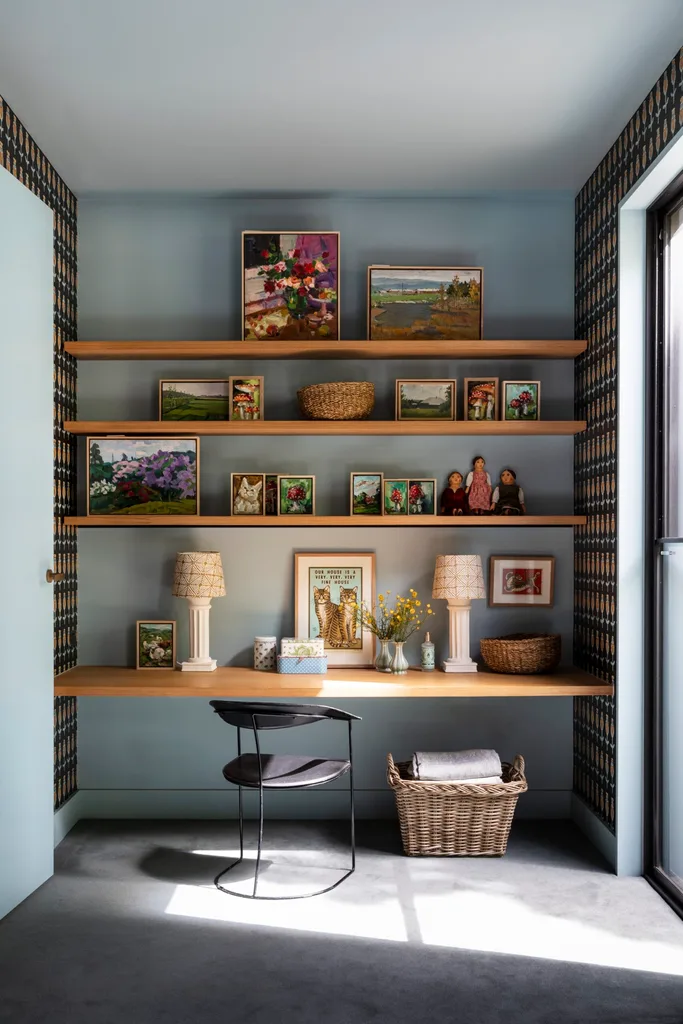
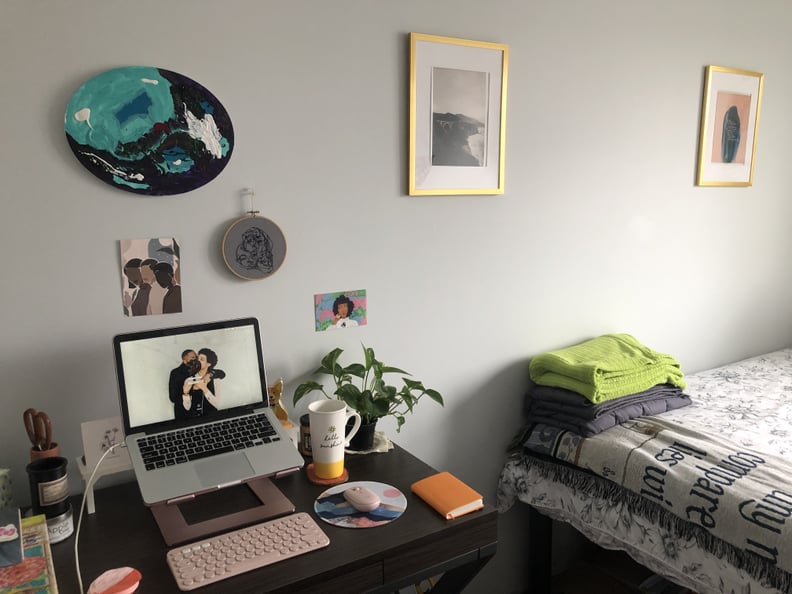
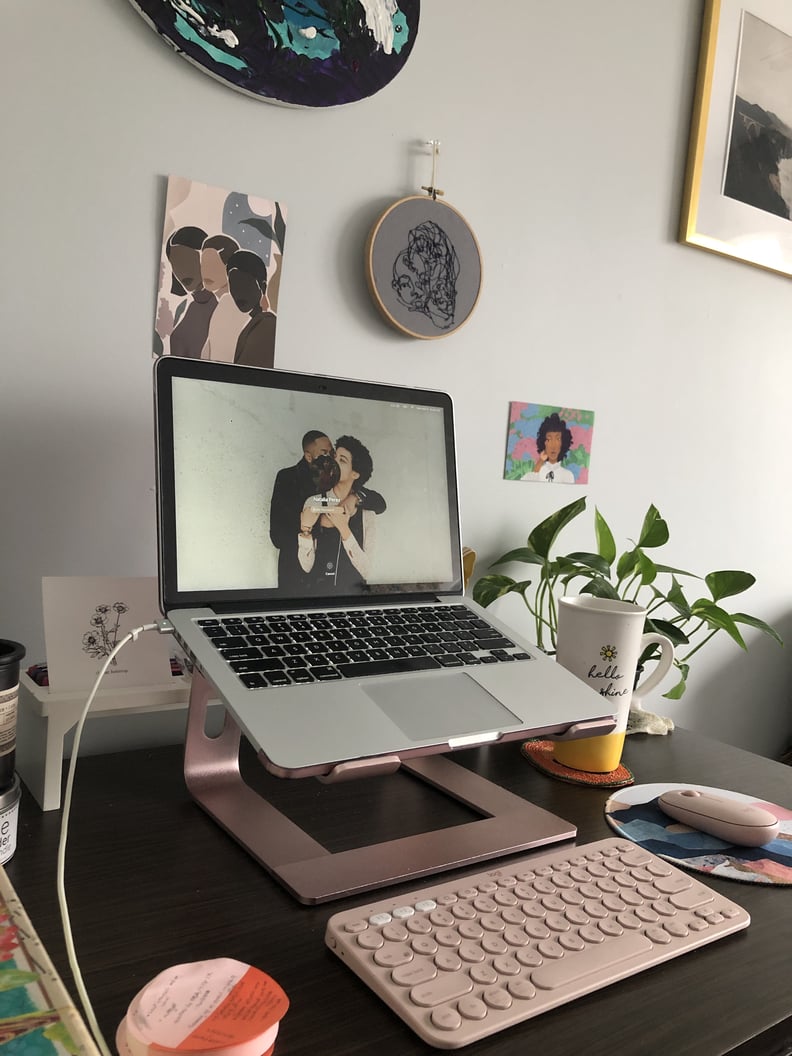
Functionality is paramount. Cable management is crucial for a streamlined look, with options like pop-up sockets or cables hidden within desk legs. Accessible features, such as pull-out shelves for printers, enhance efficiency. Finally, making the workspace enjoyable through color, prints, and personal accessories like artworks and mementos can create a more homely and pleasant environment, with open shelving providing both storage and display opportunities for video call backgrounds.
#HomeOffice #DeskIdeas #InteriorDesign #HomeRenovation #WorkspaceOptimization #CustomFurniture #SmallSpaceSolutions #Zoning #StorageSolutions #Productivity #HomeOffice #DeskIdeas #InteriorDesign #HomeRenovation #WorkspaceOptimization #CustomFurniture #SmallSpaceSolutions #Zoning #StorageSolutions #Productivity
0 commenti in totale
 Nessun commento ancora
Potresti anche gradire
21 home office desk ideas for a stylish and functional WFH set-up
Step up your home office game with these tips from an interior designer
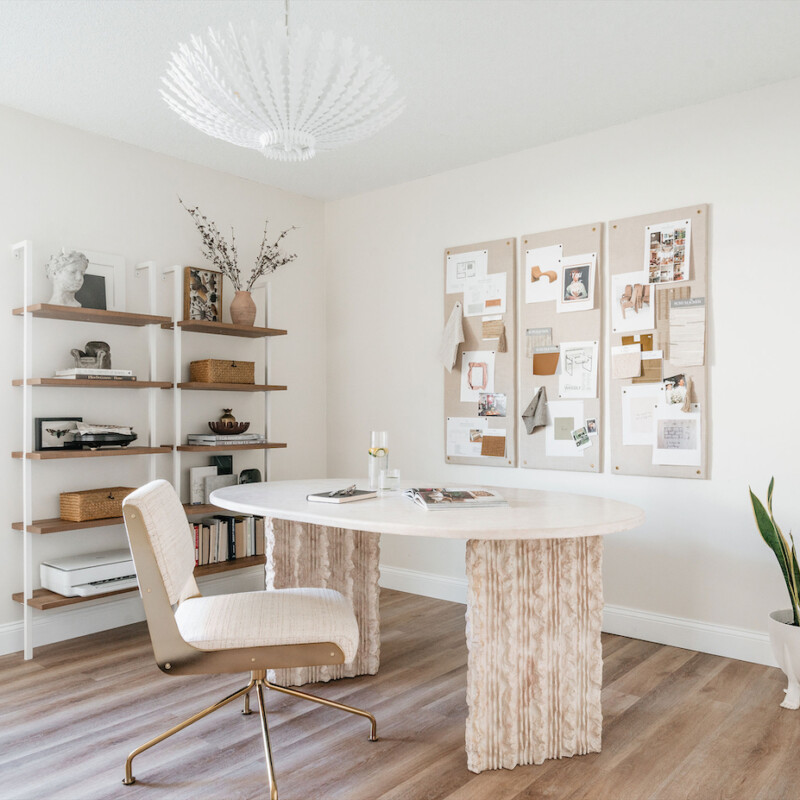
6 Home Office Design Ideas to Fuel Productivity and Keeps Spirits Lifted

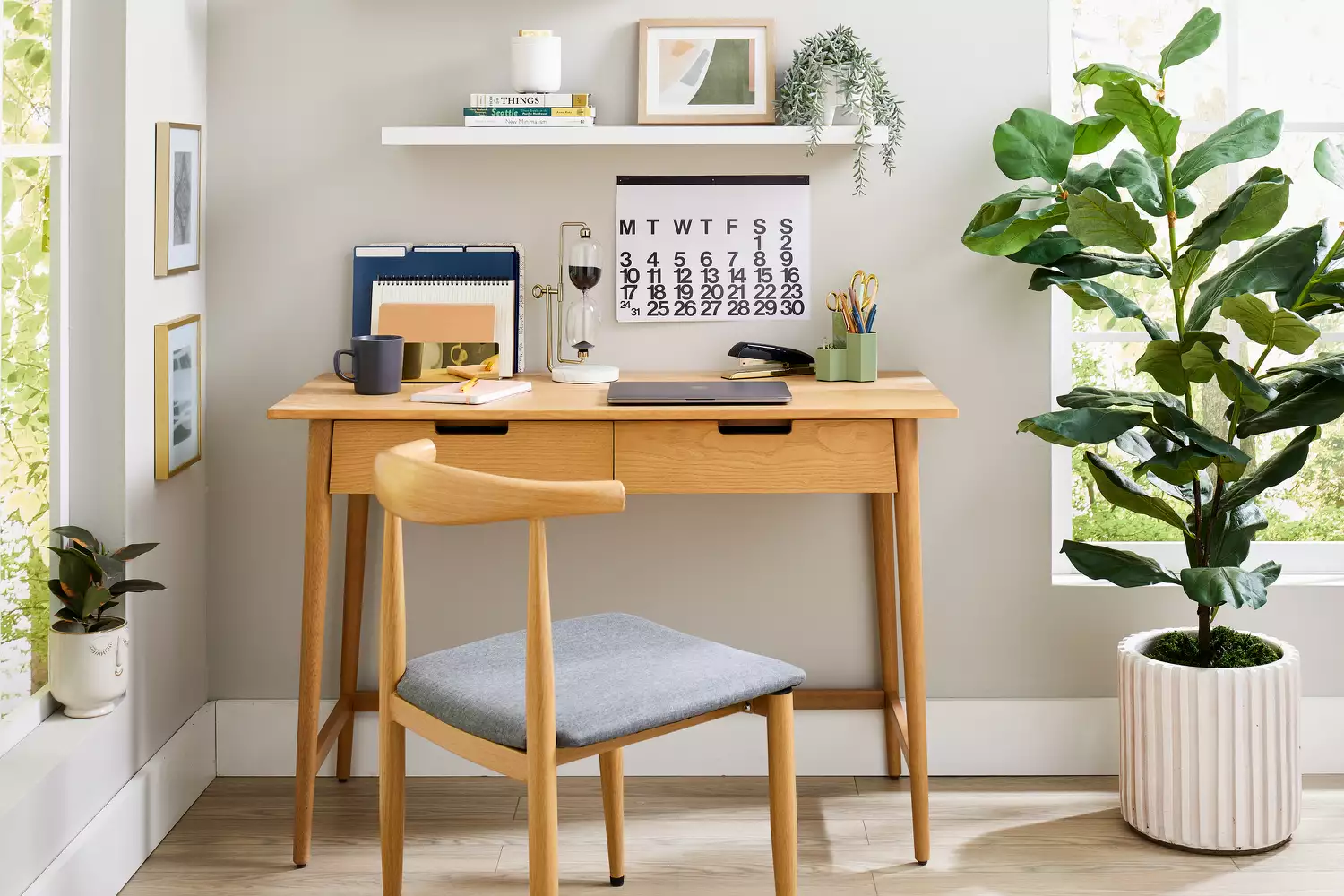
35 Functional and Stylish Desk Ideas to Improve Even the Smallest Home Office

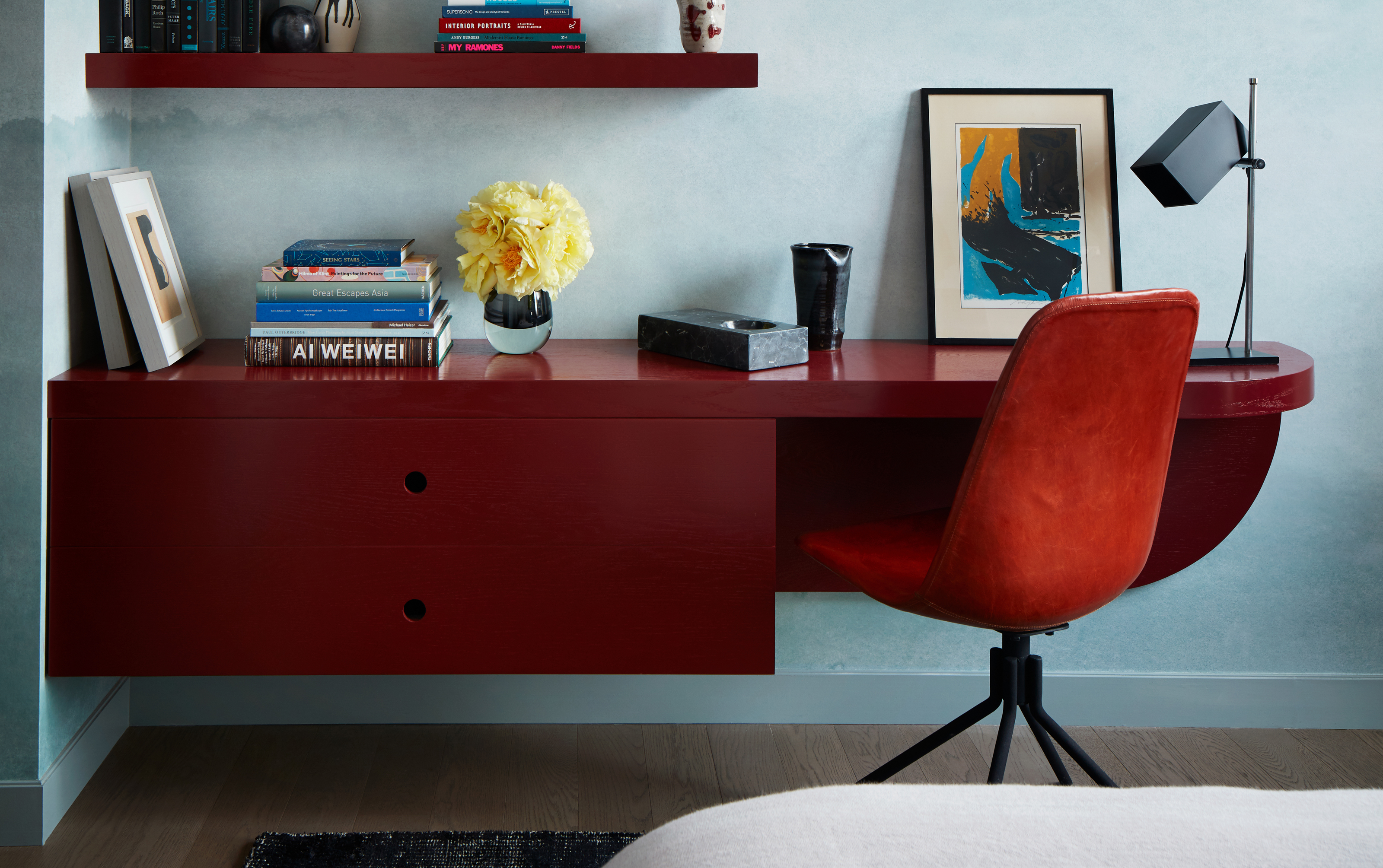
Genius built-in desk ideas that will help you make the most of your work from home space
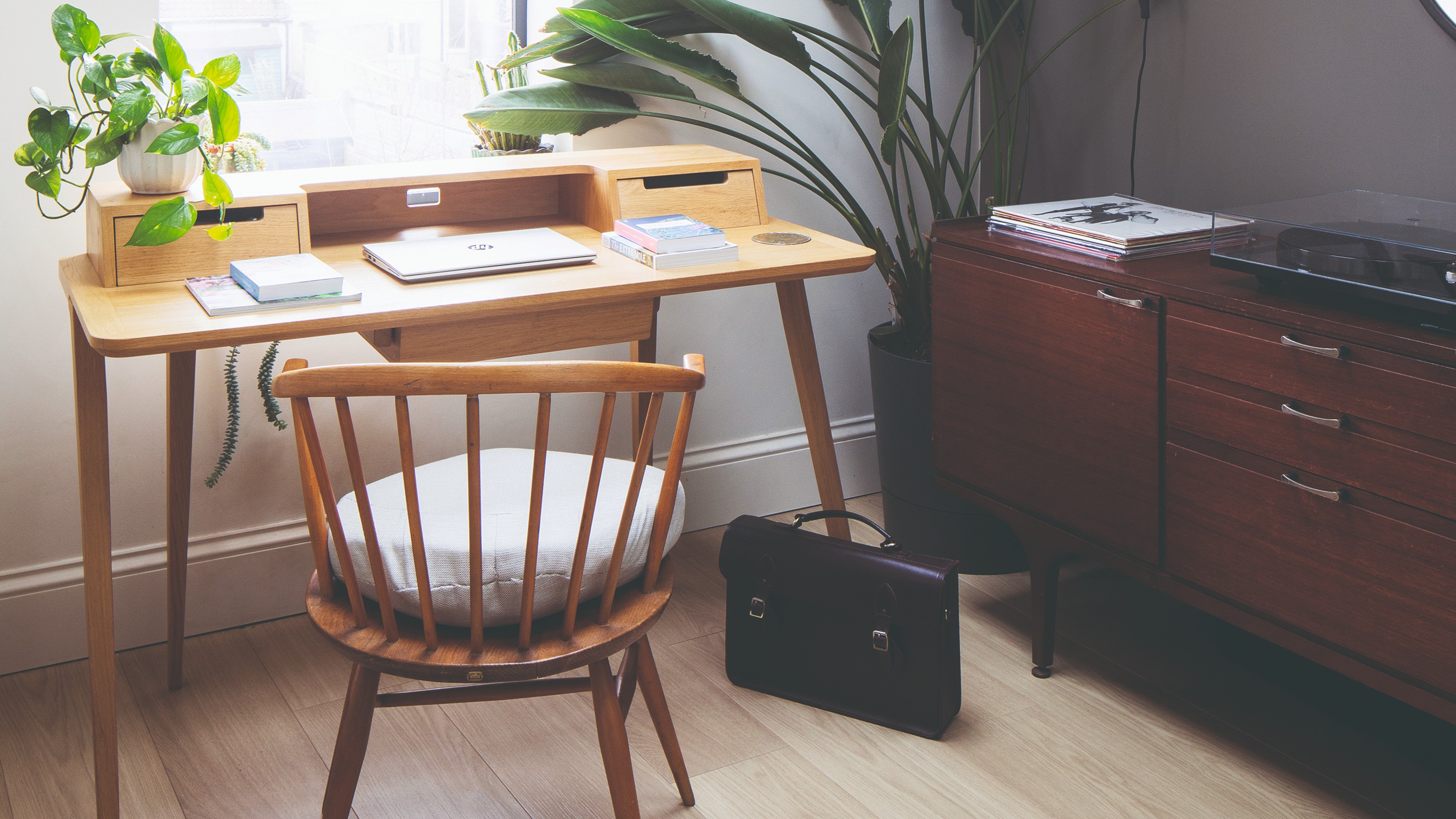
16 home office layout ideas to boost productivity and create a comfortable work space
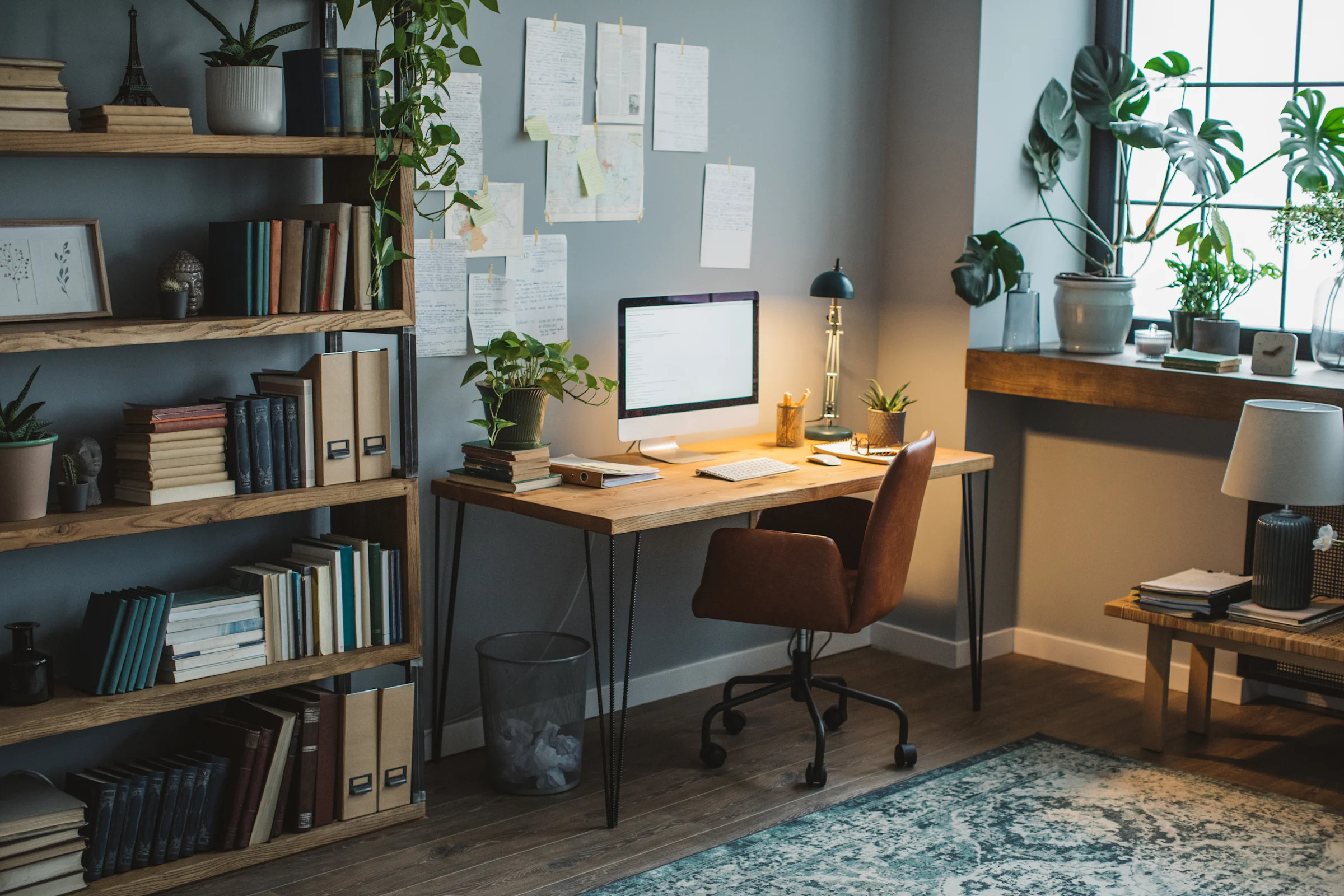
8 Home Office Layout Ideas That Are Up to Any Task

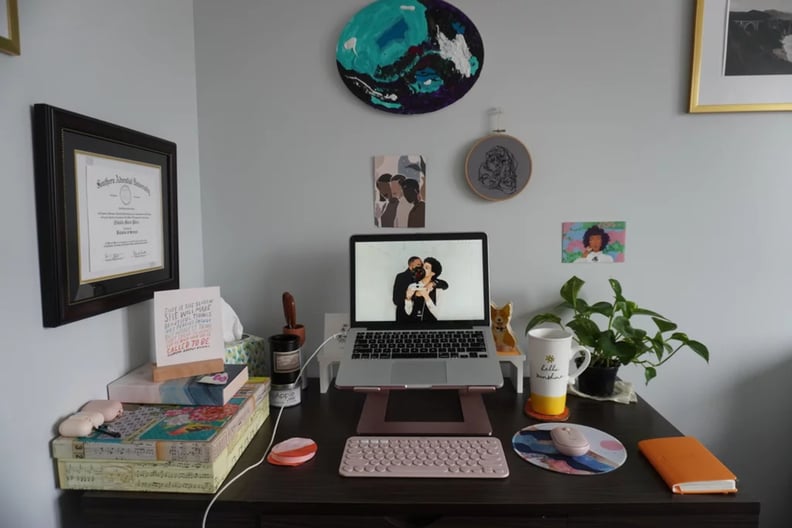
How I Set Up My Dream Desk in My Tiny Bedroom
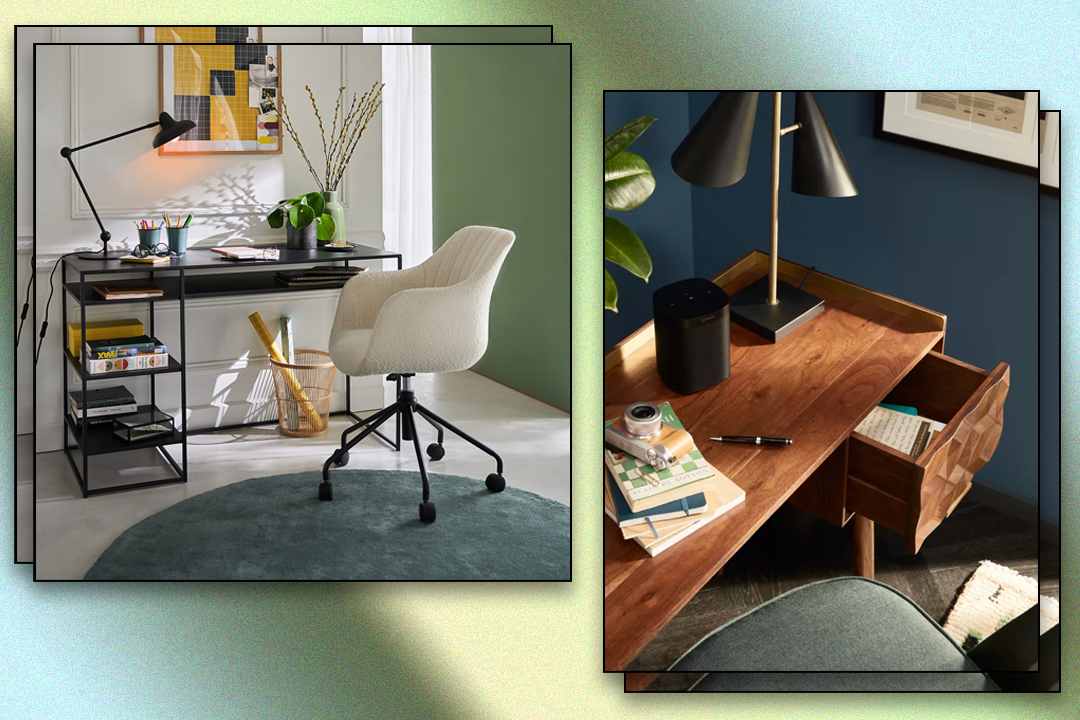
Best desks for home offices and bedrooms 2024

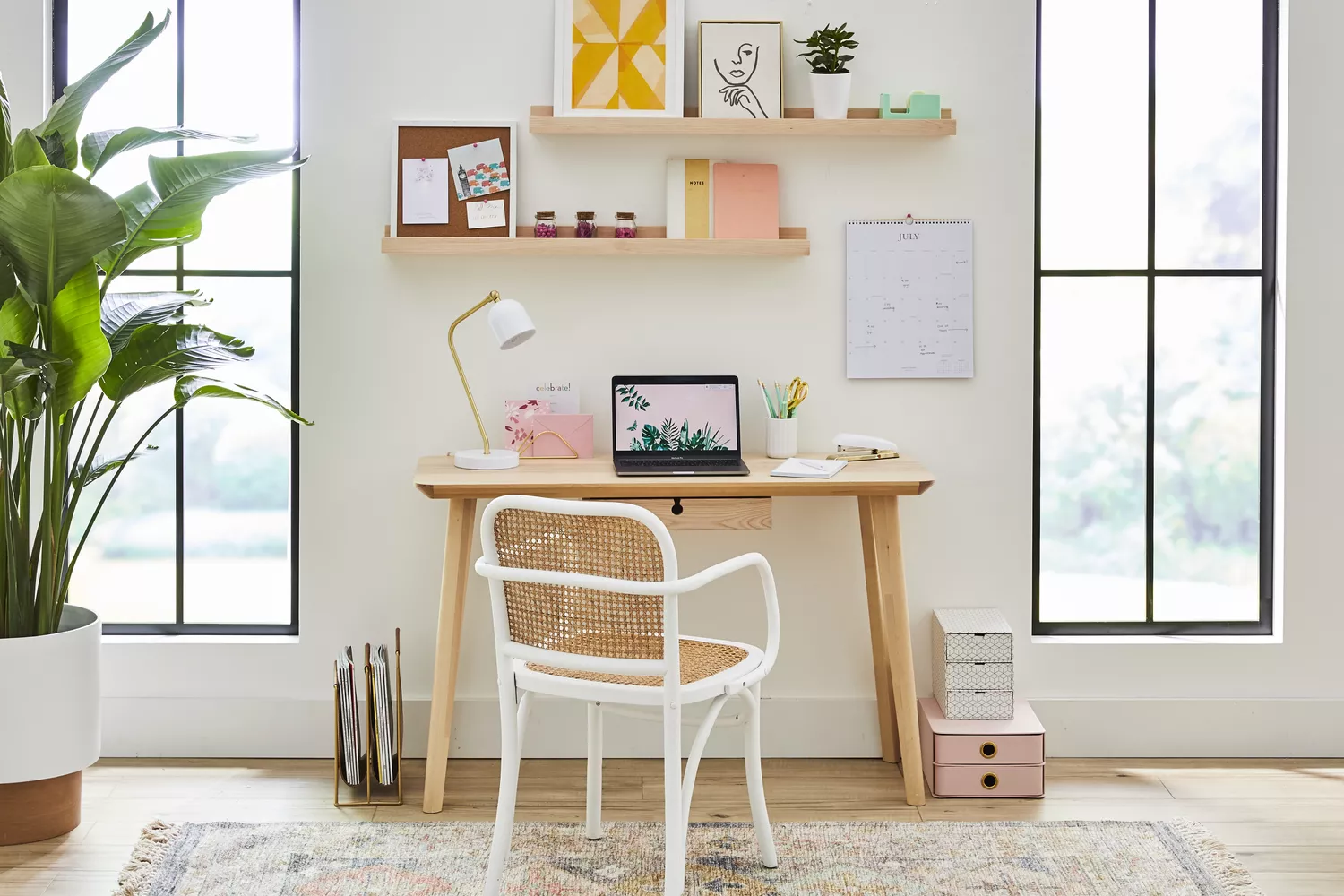
15 Desk Decor Ideas to Create Your Own Aesthetic
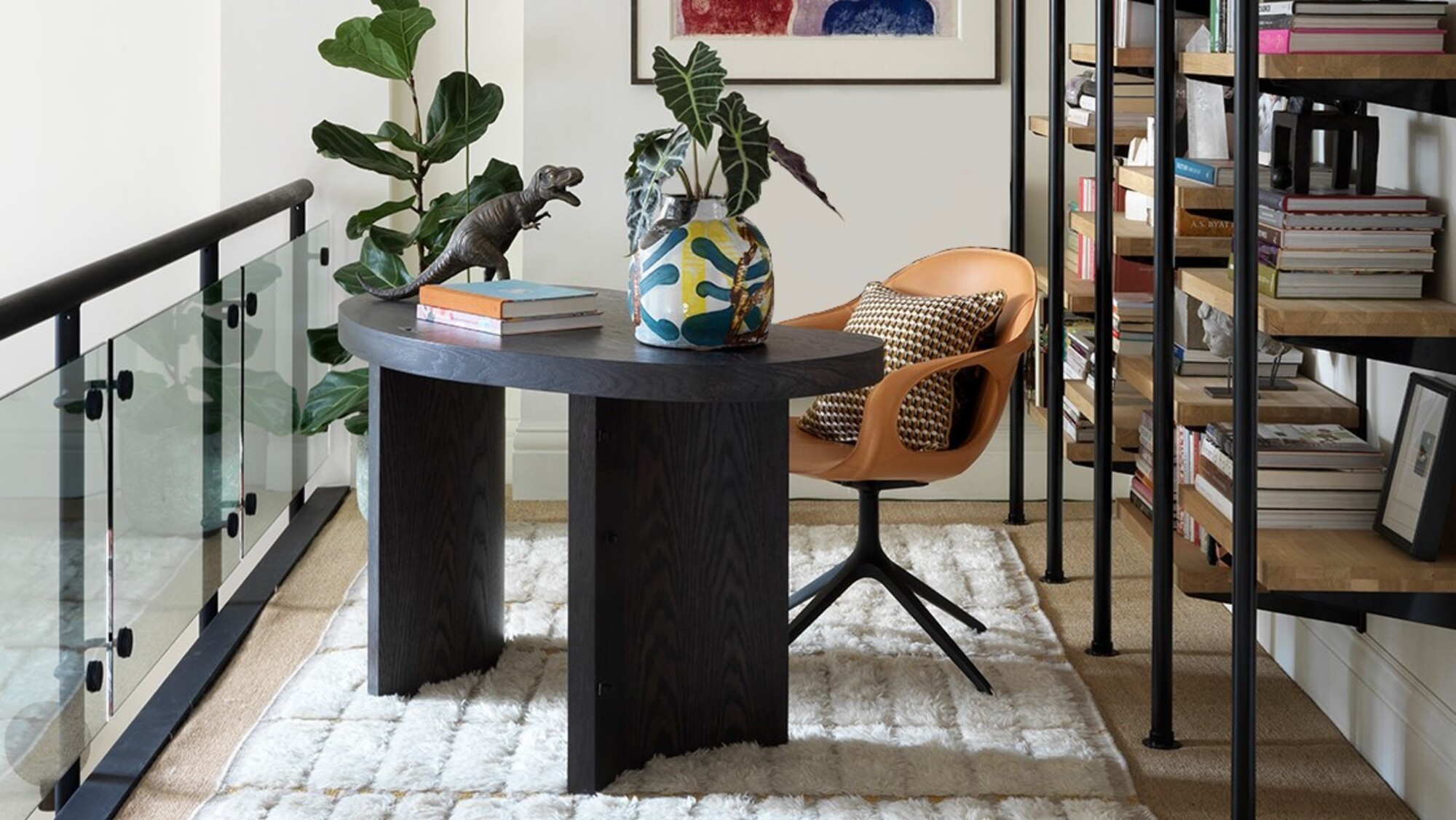
Home office ideas – 29 WFH spaces that marry practicality and style
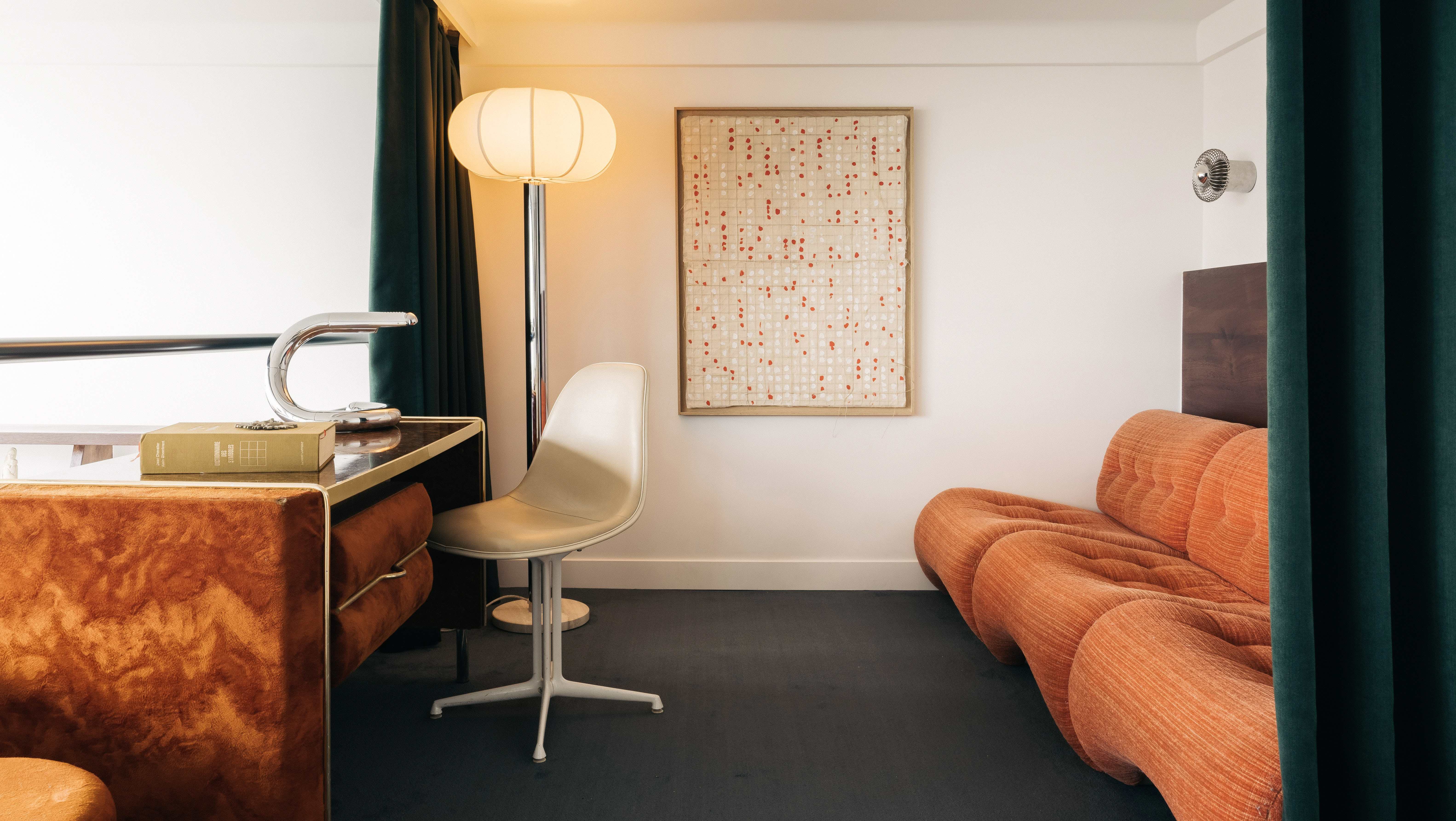
Who needs a Zoom background when your home office looks this good?

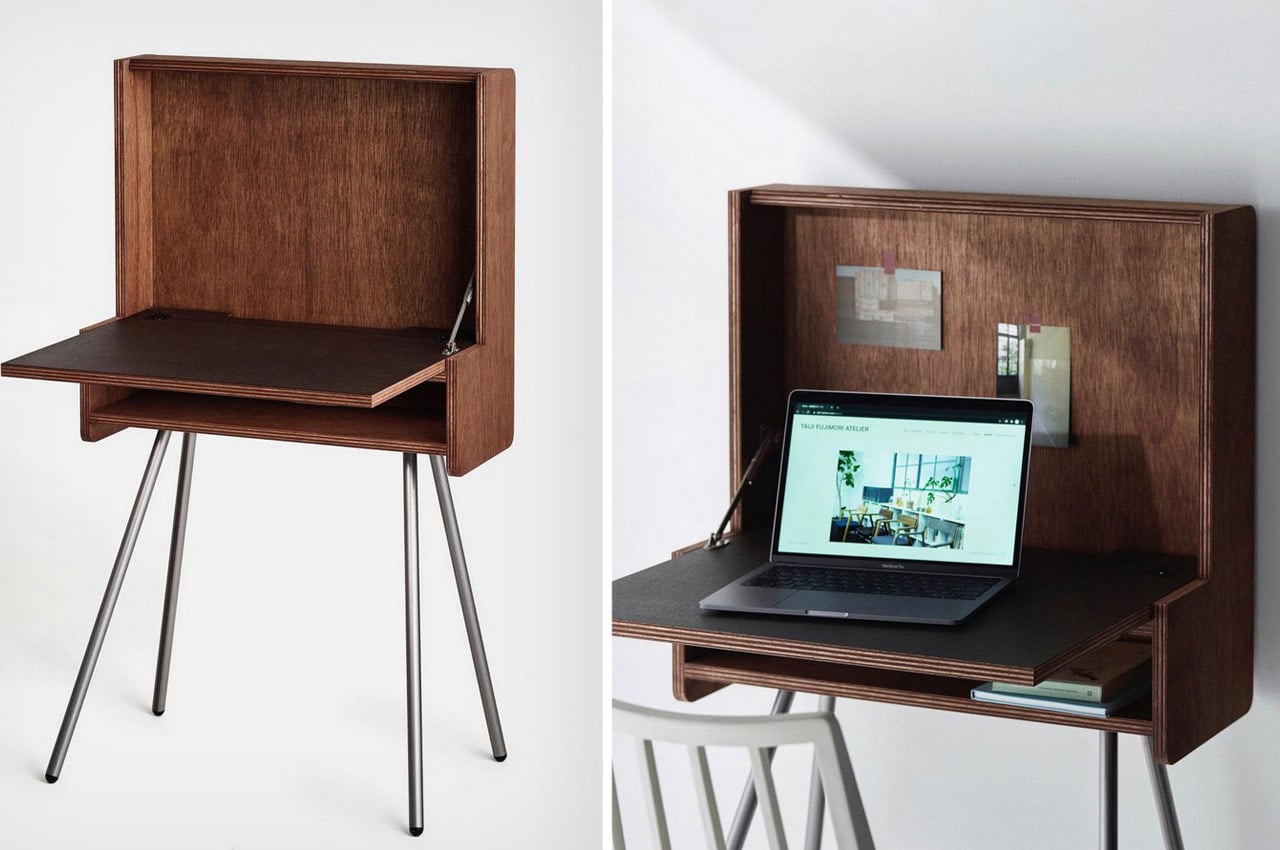
Top 10 desk designs that are perfect for your home office + corporate office

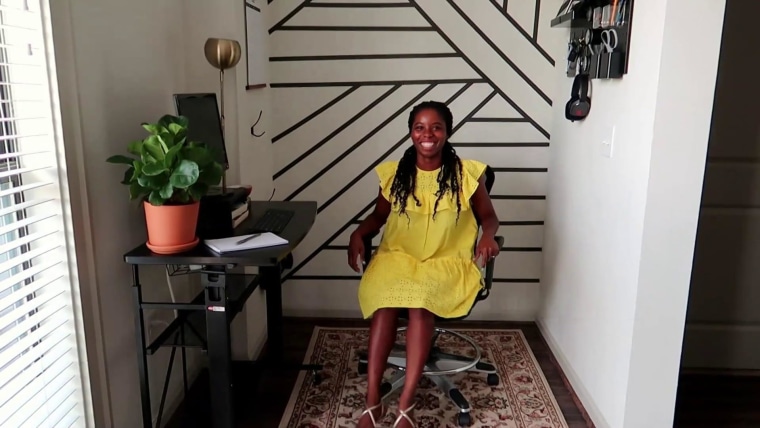
5 home office ideas to create the perfect workspace


The Best Home Office Desks of 2026

I’m a shopping writer − these are the best places to buy desks

15 home office décor ideas for every WFH setup

15 Easy Desk Organization Ideas That Will Make You Feel 15x More Productive
How to design the ultimate home office, according to the experts

67 Modern Home Office Ideas That Will Help You Get the Job Done in Style