1/4
Three feng shui principles to improve the energy of your small flat
The increasing amount of time individuals spend in their homes necessitates that these living spaces promote well-being. The atmosphere of a home is not solely dependent on its aesthetic appeal but also on its underlying energy. Feng shui, an ancient Chinese practice rooted in Taoism, provides a framework for arranging structures, objects, and spaces to cultivate harmony and positive energy flow within a home. A feng shui consultant emphasizes that when correctly applied, this practice can lead to a harmonious, healthy, successful, and prosperous life for the occupants.
Even in a small flat with limited storage, creating a comfortable and positive environment is achievable through feng shui, as its principles are not restricted by space limitations. The core of feng shui lies in the strategic placement of furniture and other items. Three key pieces of furniture—the bed, the cooker, and the desk—are identified as particularly important for enhancing an individual's personal chi, or energy. Additionally, the entrance to the home is crucial, as it dictates the flow of energy into and out of the space.
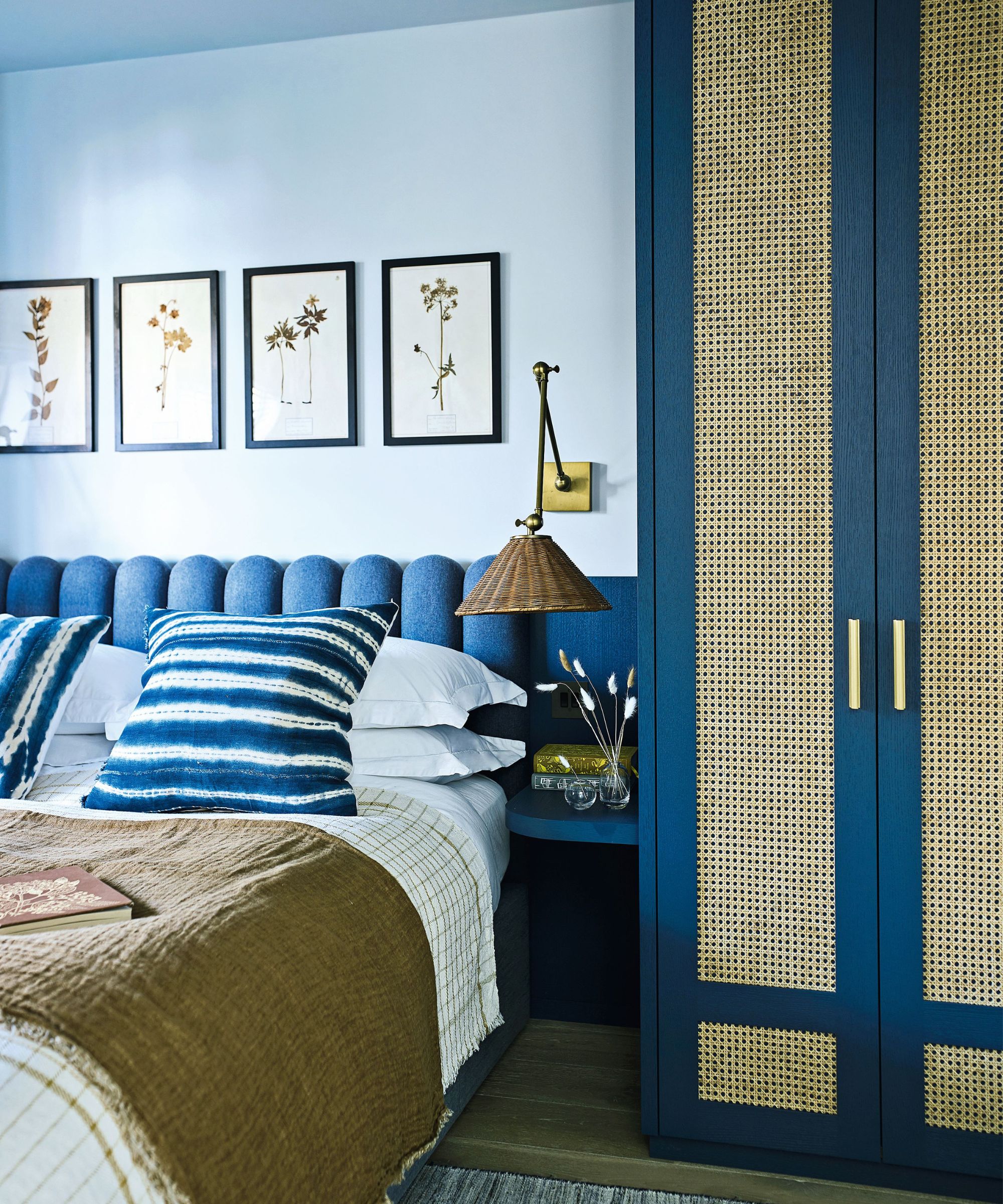
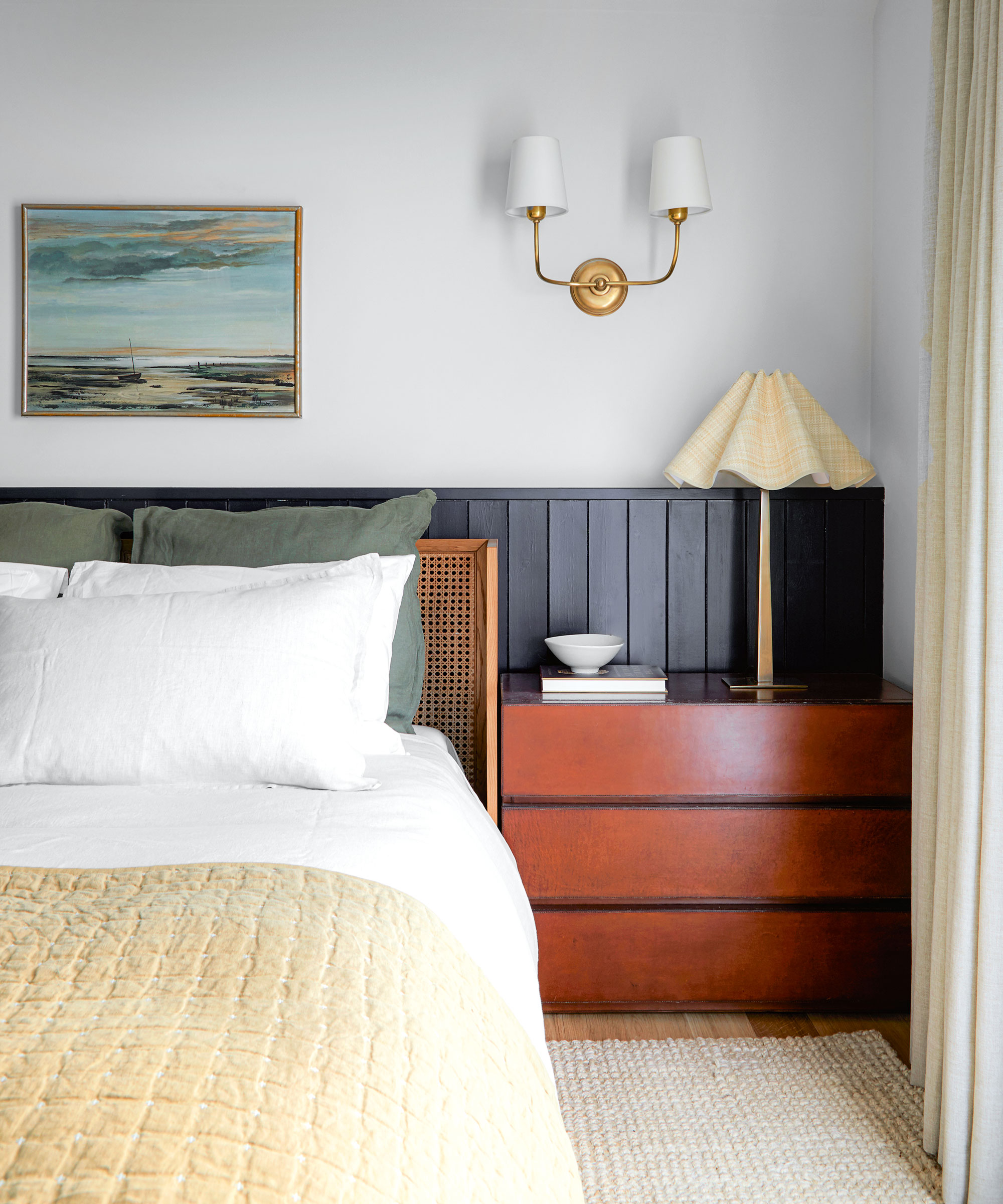
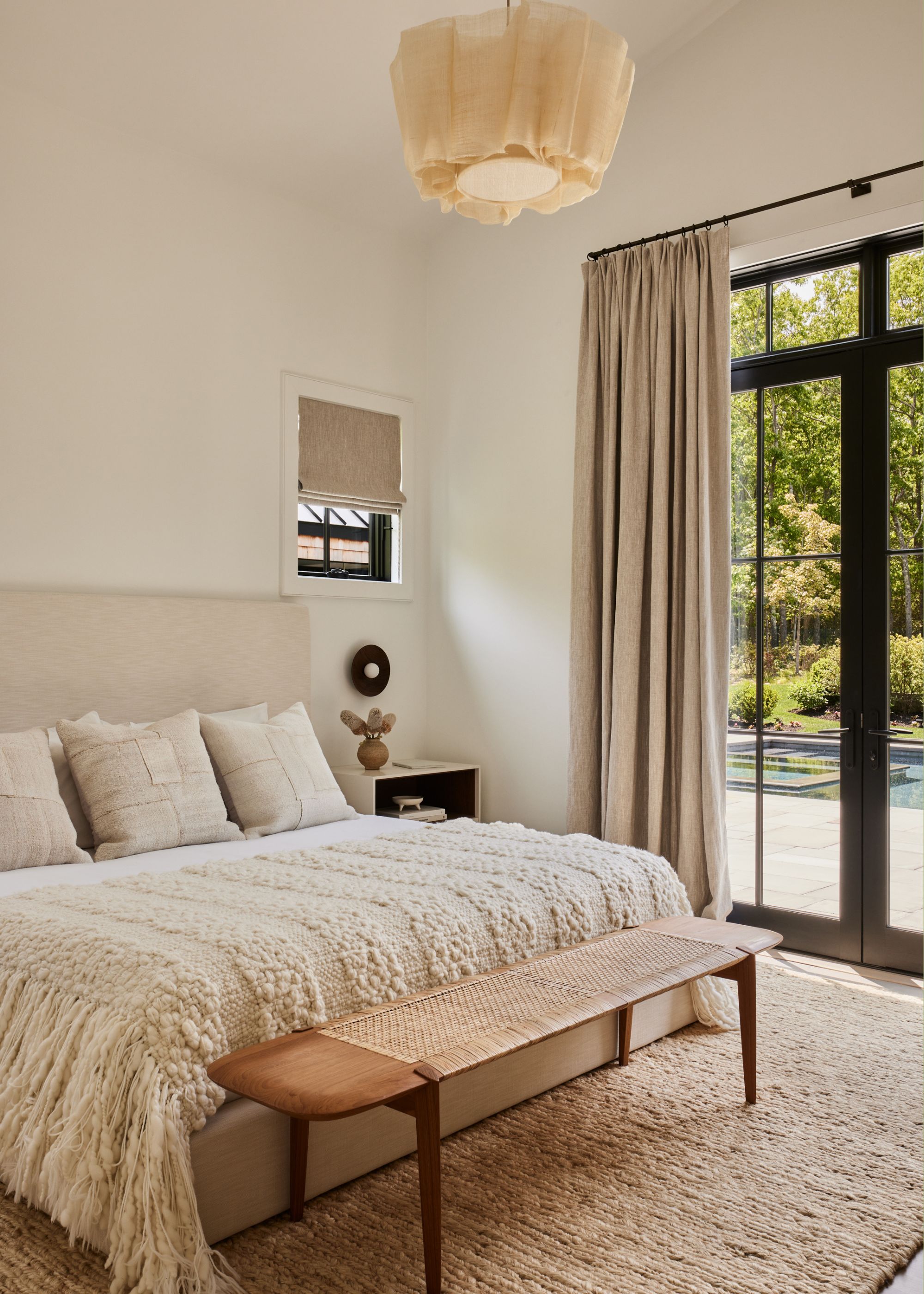
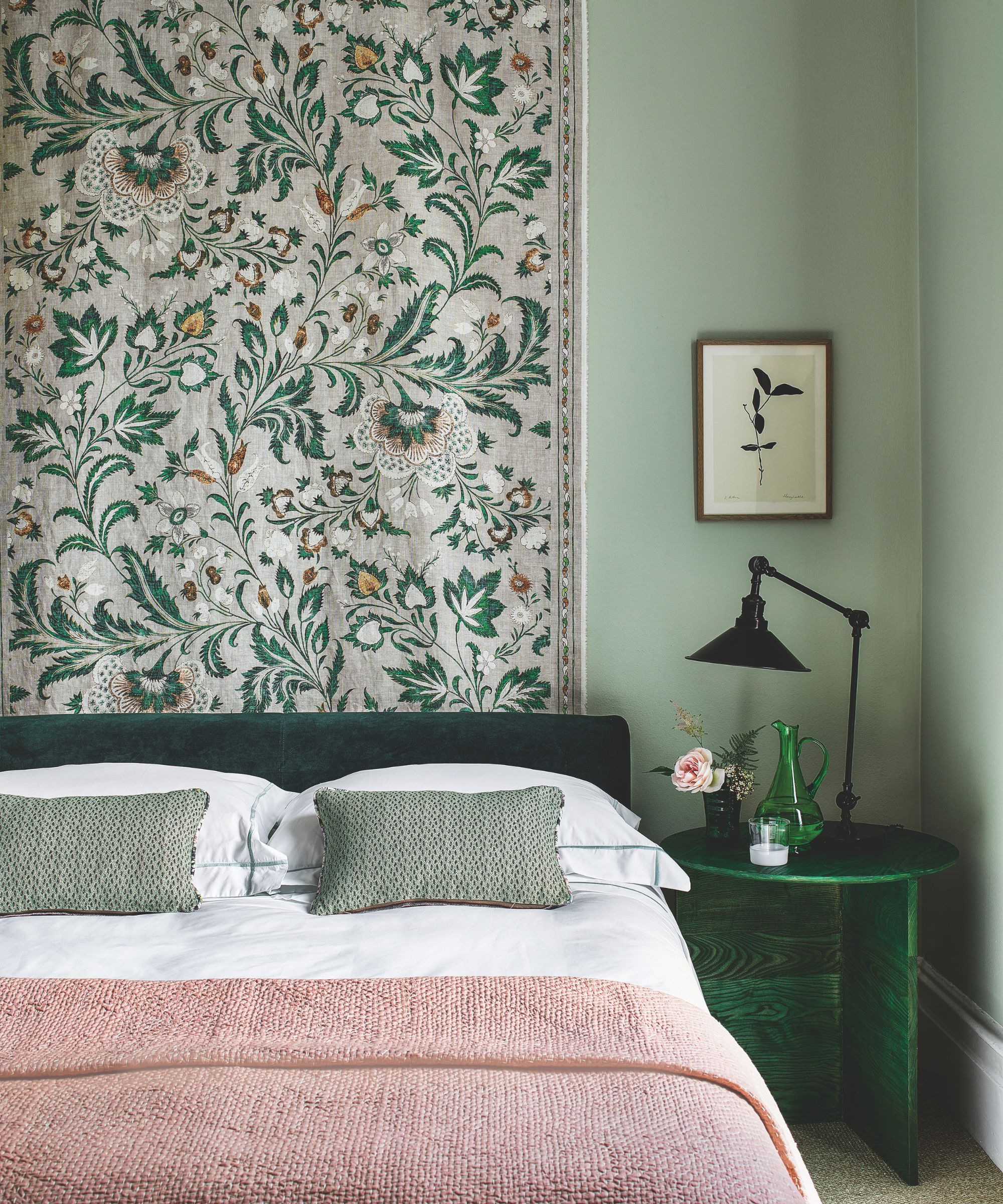
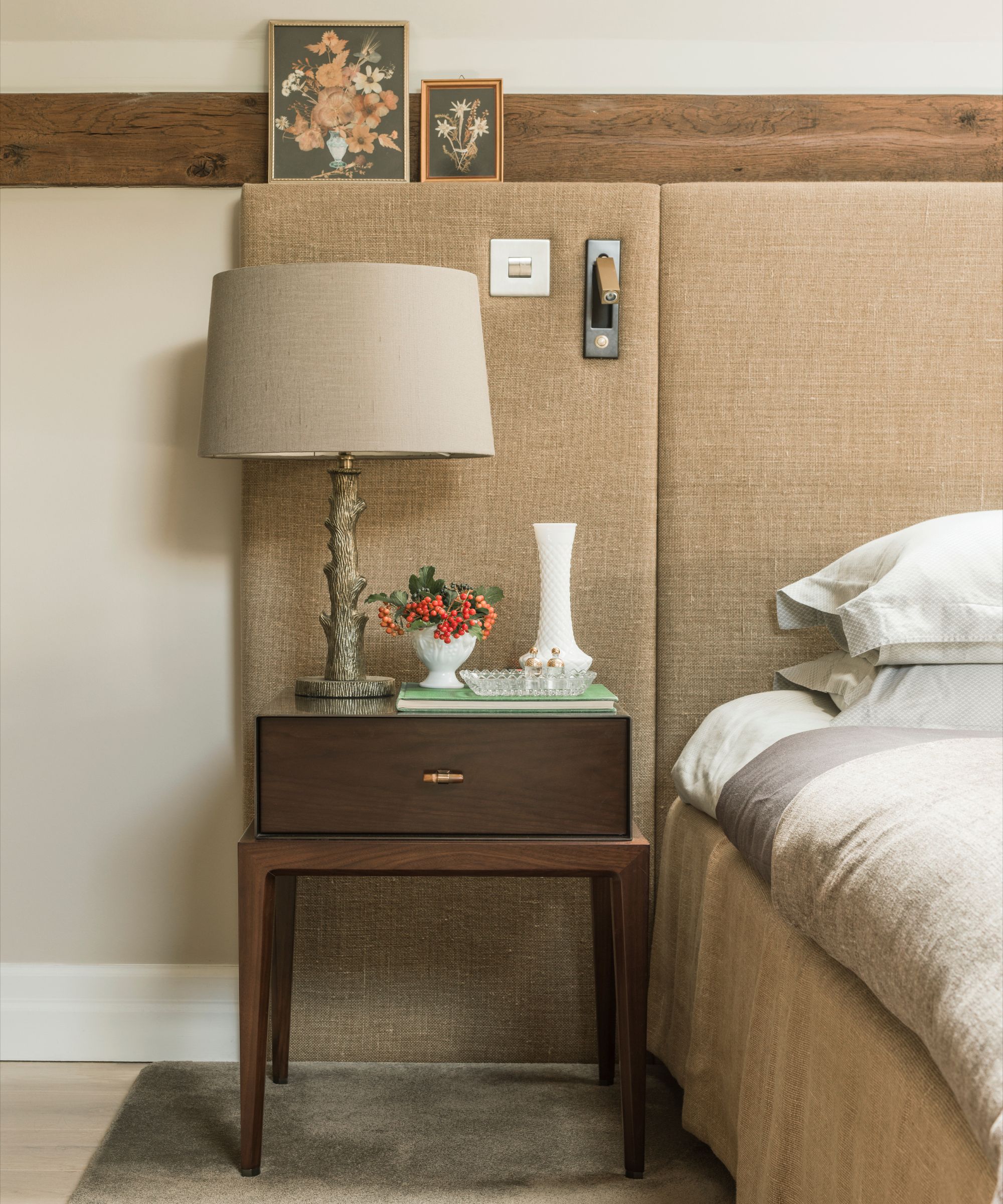
For optimal feng shui in the bedroom, the bed's placement, including the direction the head faces, is vital for a good night's sleep and positive energy. The bed should always be in the 'commanding position' of the room, which means it should be diagonal to and as far as possible from the door. The bedroom door should not open directly onto the bed but be slightly offset. Sleeping with one's feet facing the bedroom door, known as the 'coffin position,' is considered the least favorable arrangement. Similarly, sleeping with the head pointing north is discouraged. While sleeping with the head pointing south may lead to sleep difficulties, couples are advised to position their heads eastward to foster romance.
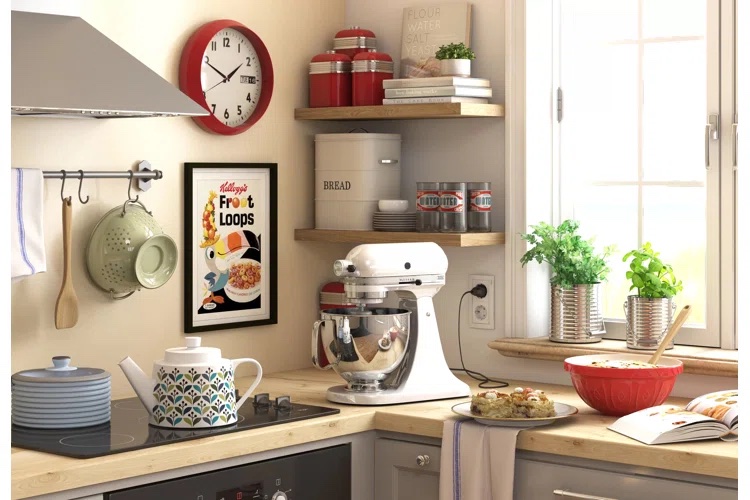
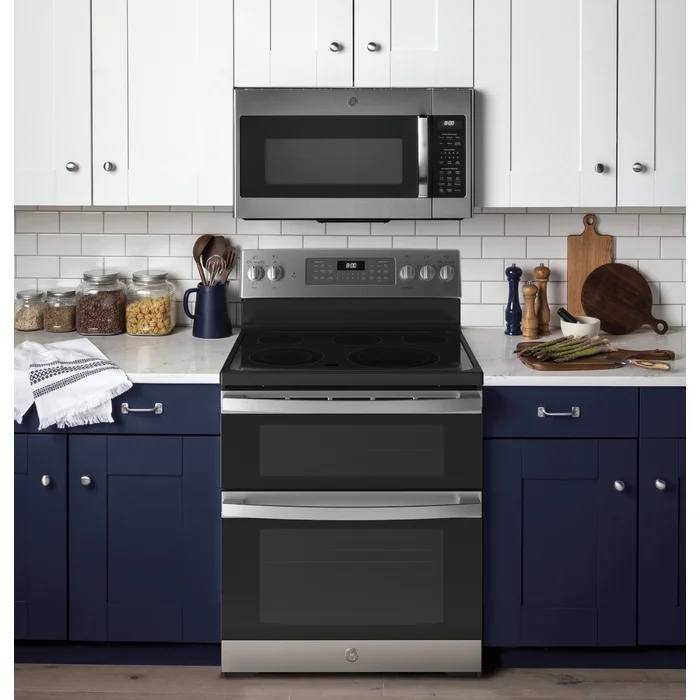
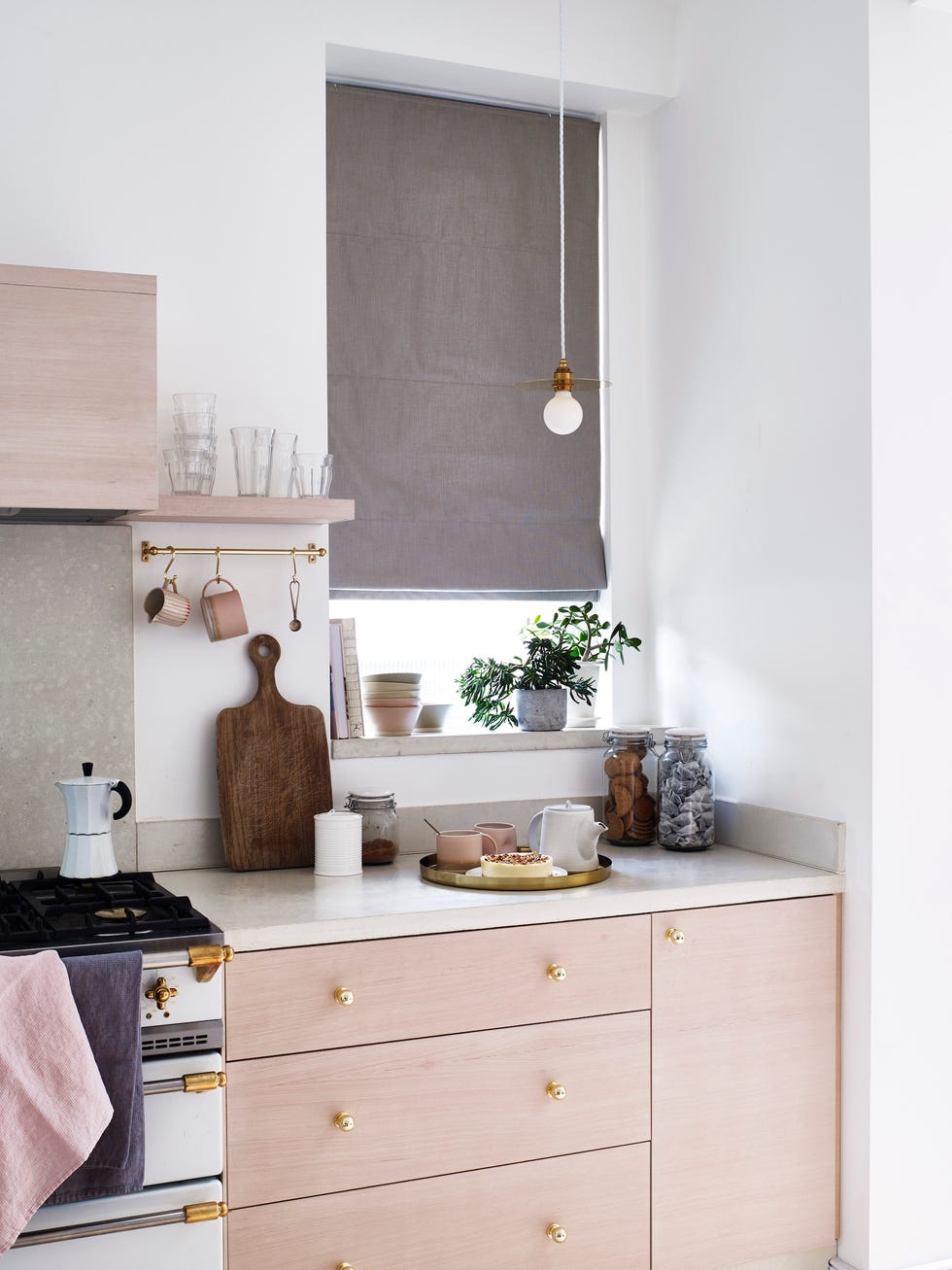
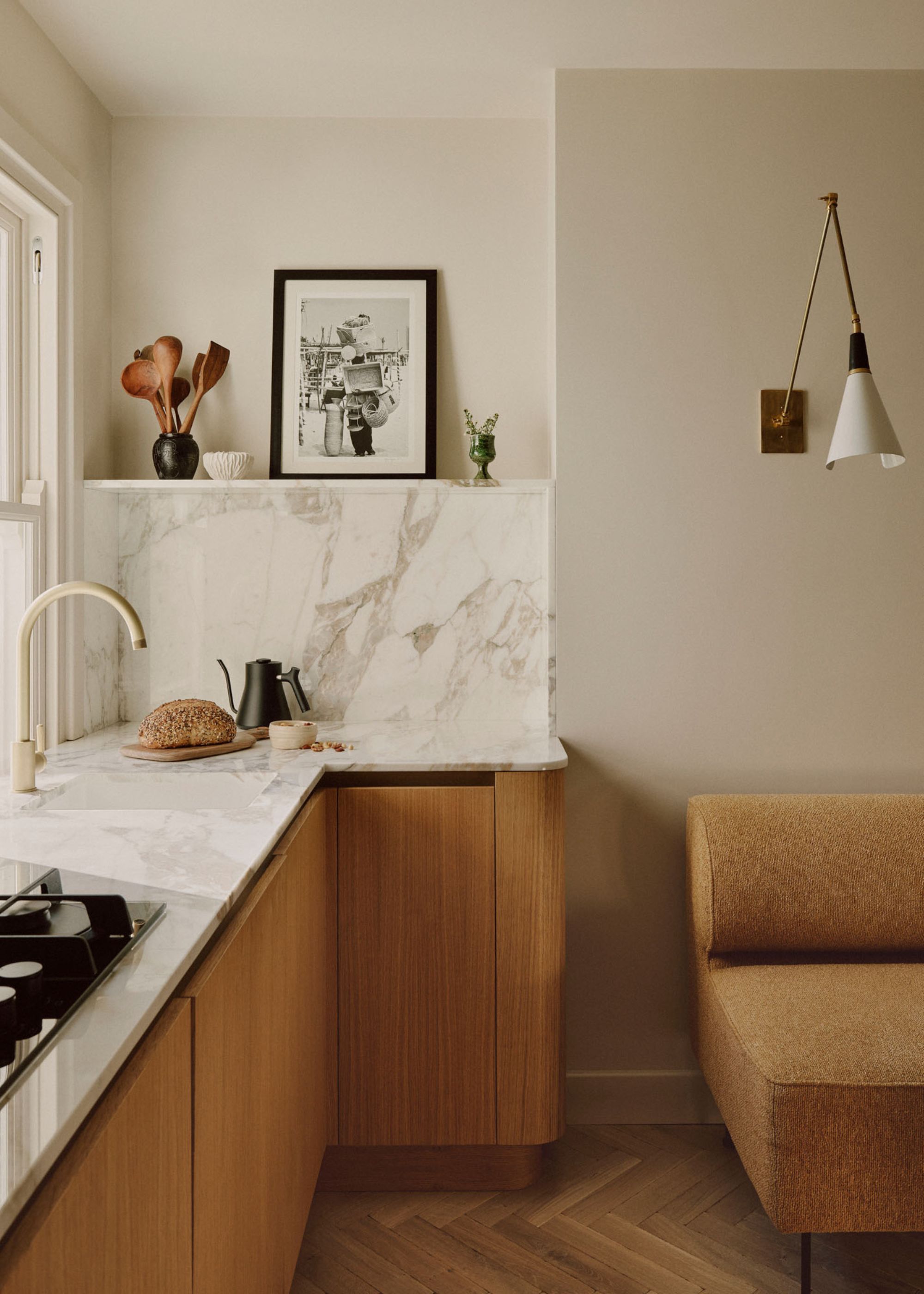
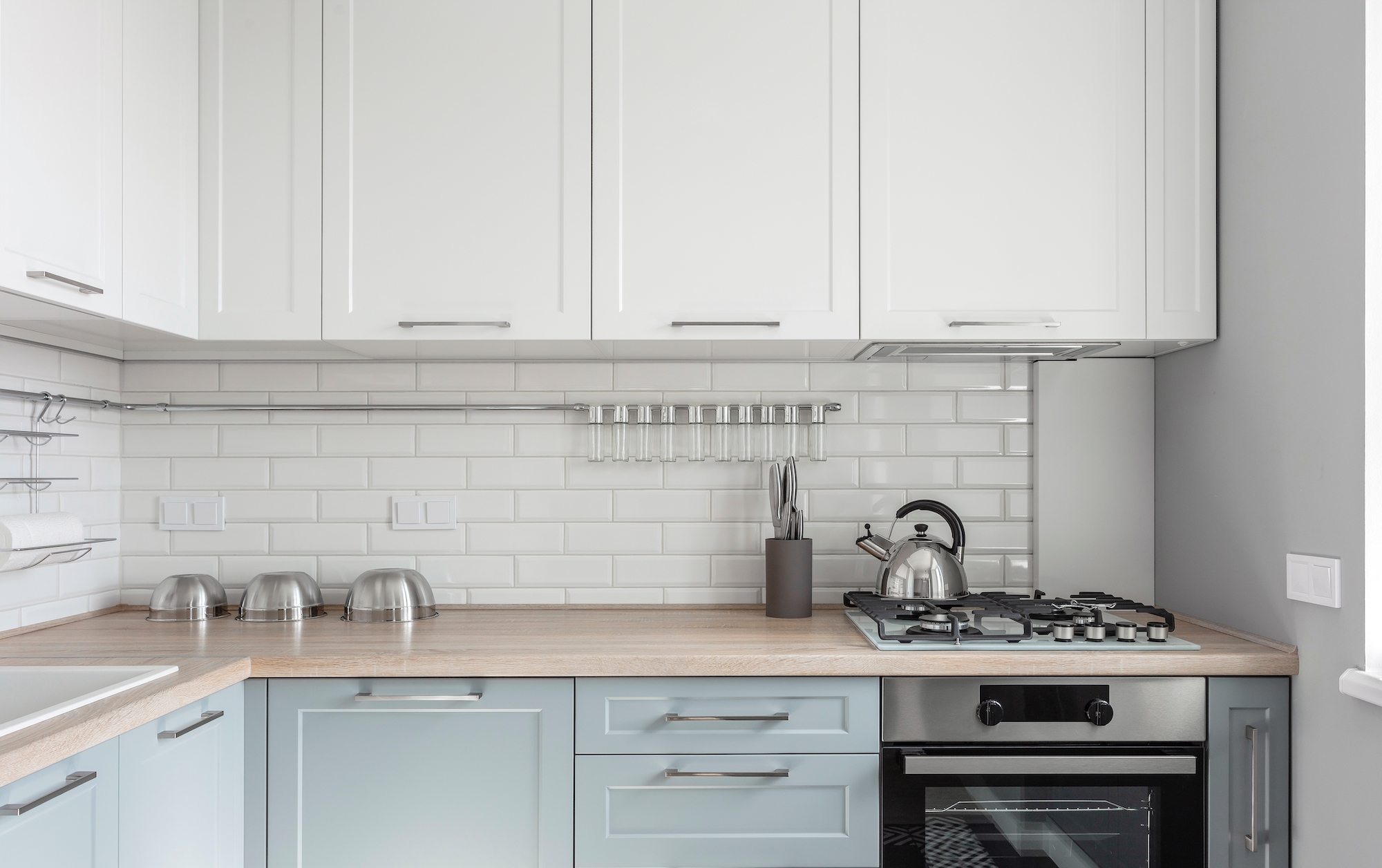
In the kitchen, the cooker's placement is significant for health. Ideally, the cooker should be situated in the south of the flat, or alternatively, in the southeast or east. Maintaining a clean and decluttered kitchen is essential, as this area is associated with the wood and fire elements. It is crucial to ensure that the stove does not face a door or window, as this can create elemental clashes that disrupt energy flow.
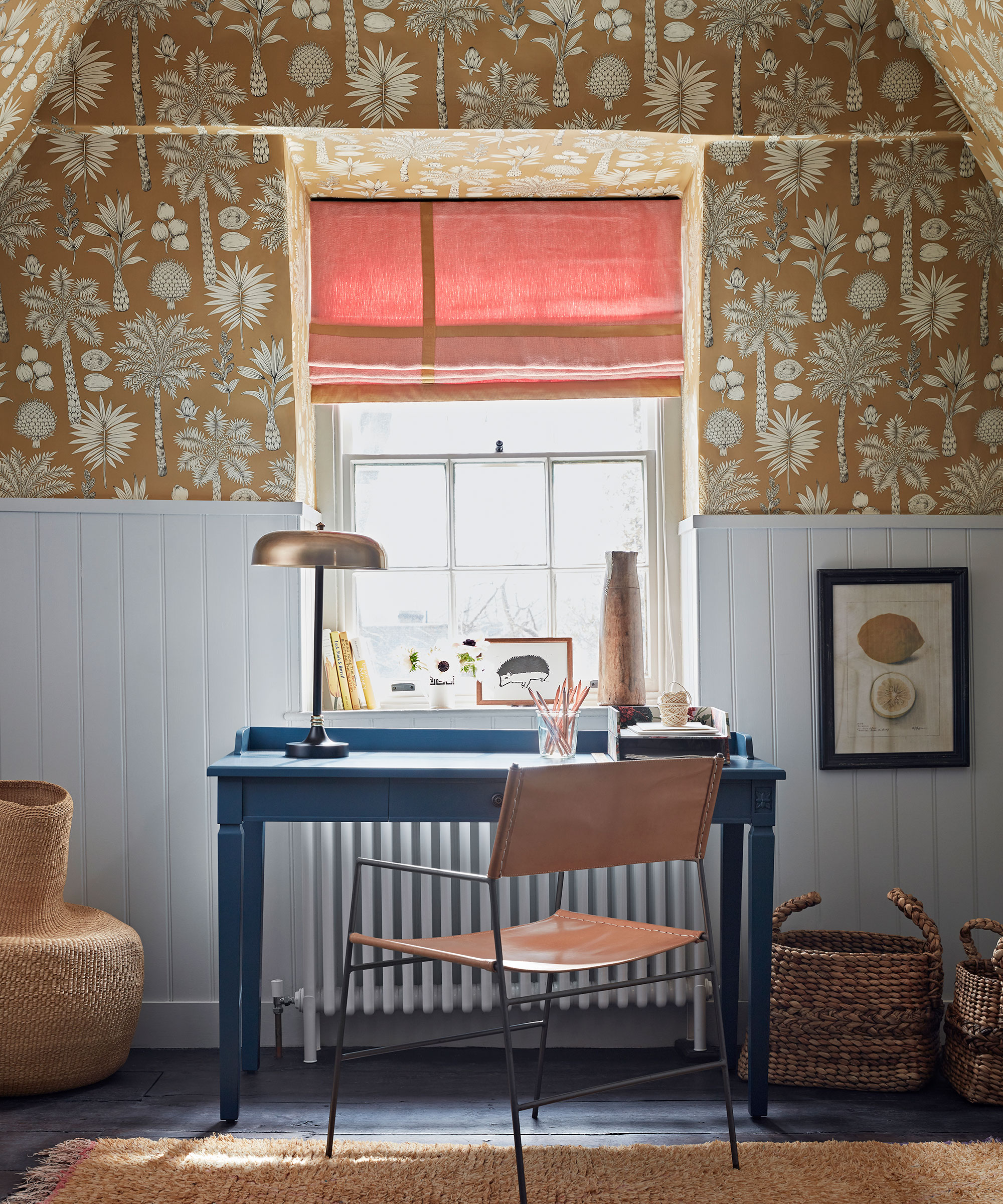
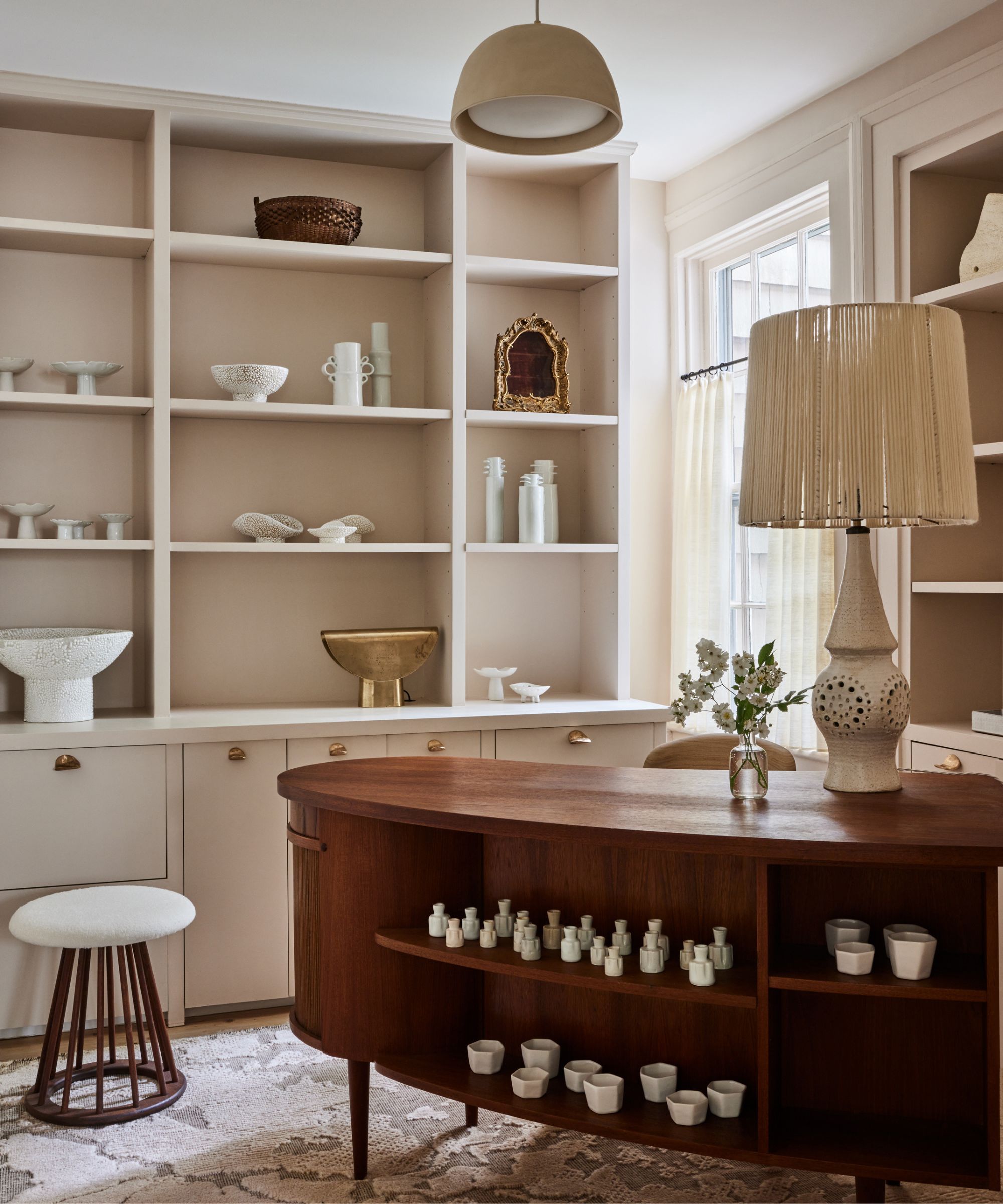
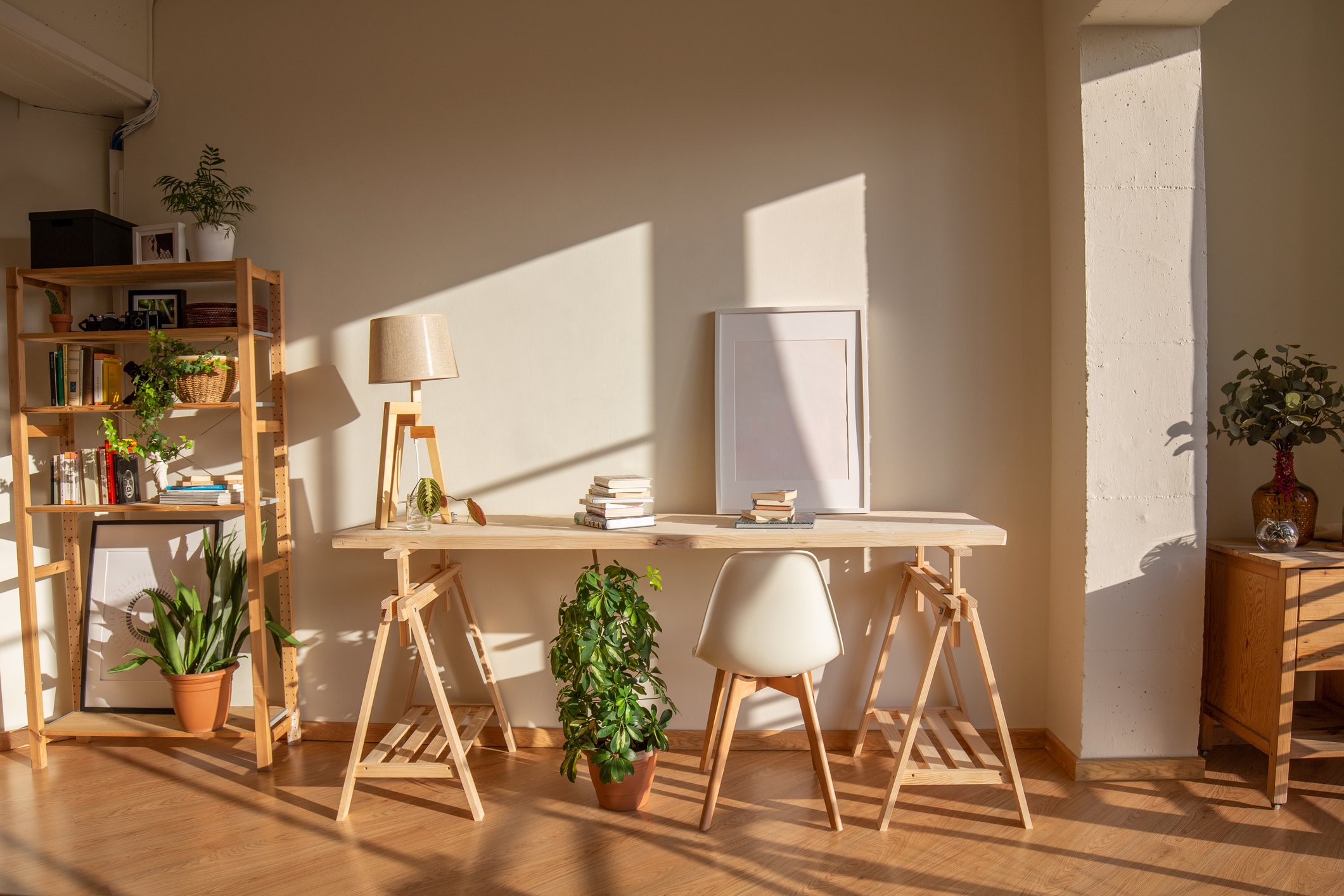
Given the rise of remote work, proper desk placement is paramount. The desk should be positioned in the northwest of the home, also in the 'commanding position'—diagonal to and away from the door. If the northwest area is unsuitable (e.g., a bathroom), the desk should be placed in an appropriate room following the same principle. The desk should face the door, with two walls behind it. This orientation provides a 'power position,' allowing the occupant to see who enters and leaves the room, which is believed to attract wealth and supportive individuals to enhance one's career. Kidney-shaped, standing, and L-shaped desks are acceptable, with wood or glass being the preferred materials, and plastic to be avoided.
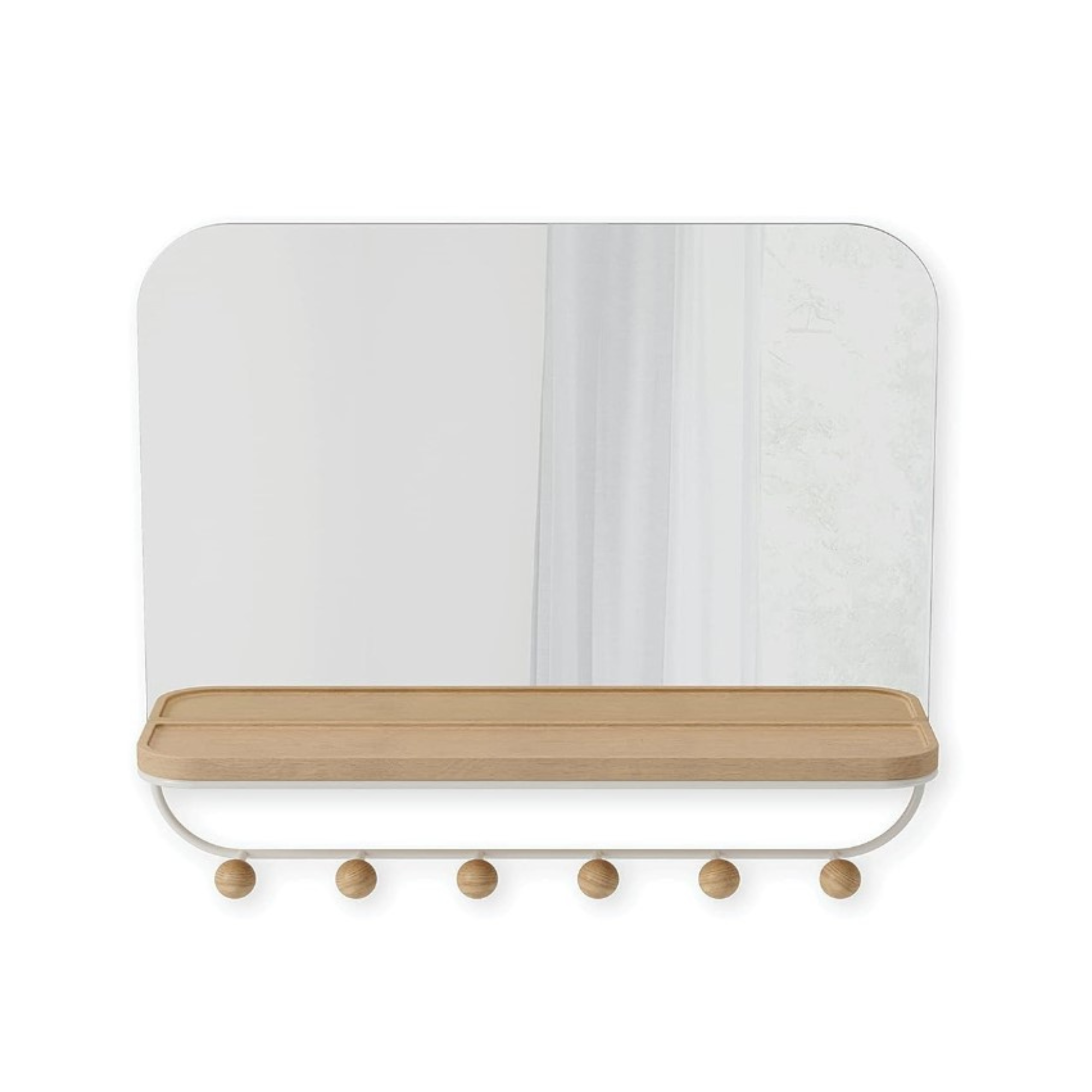
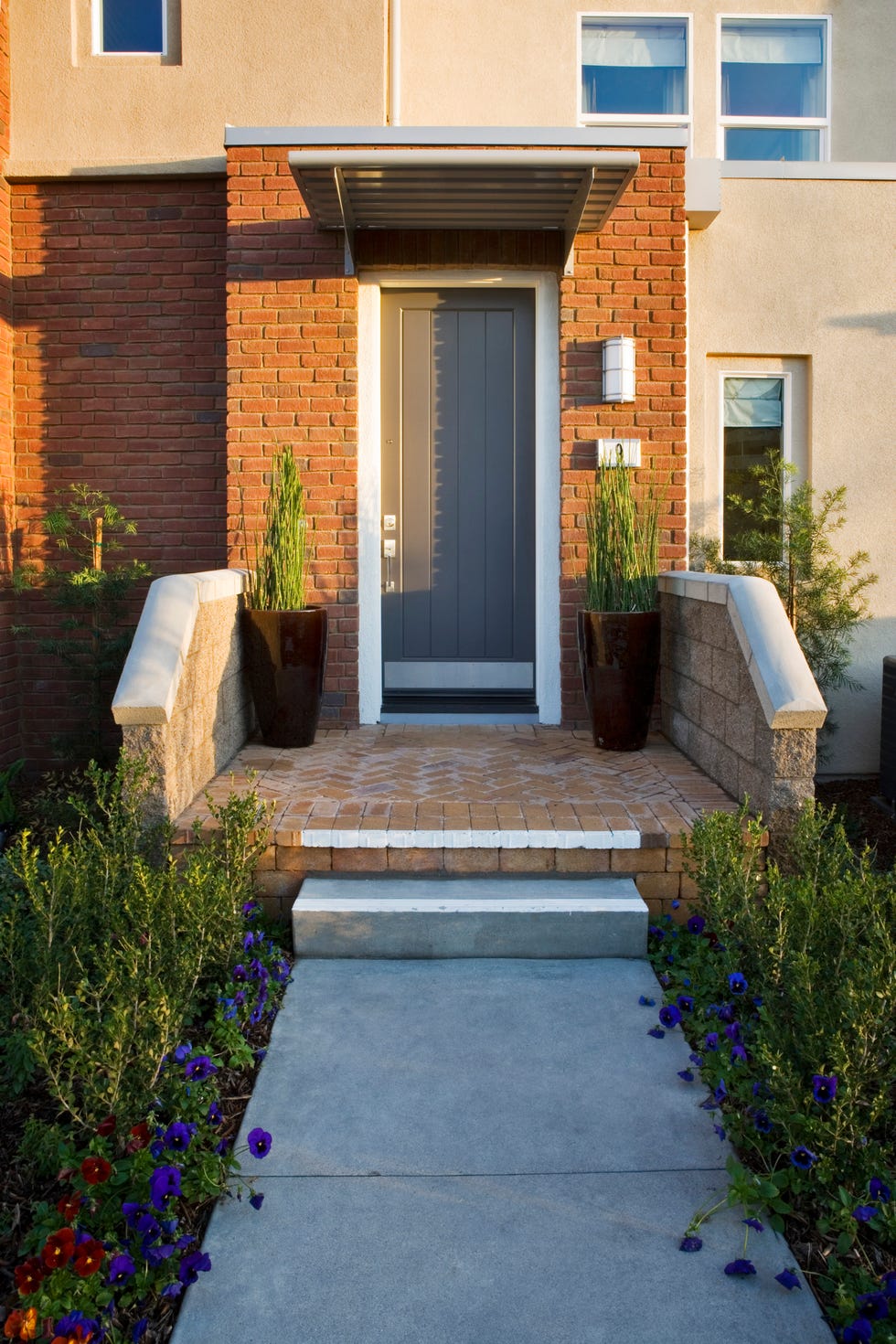
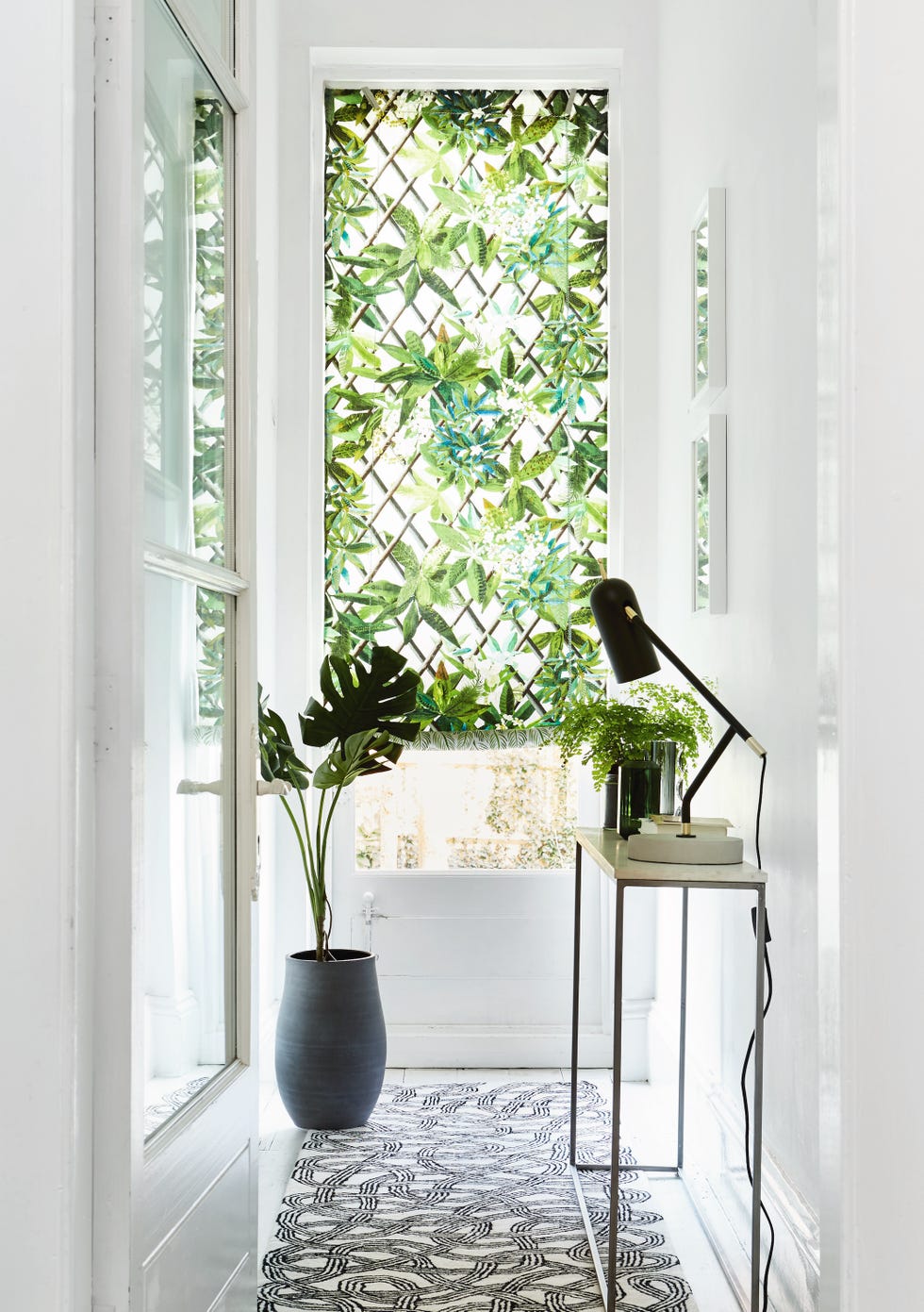
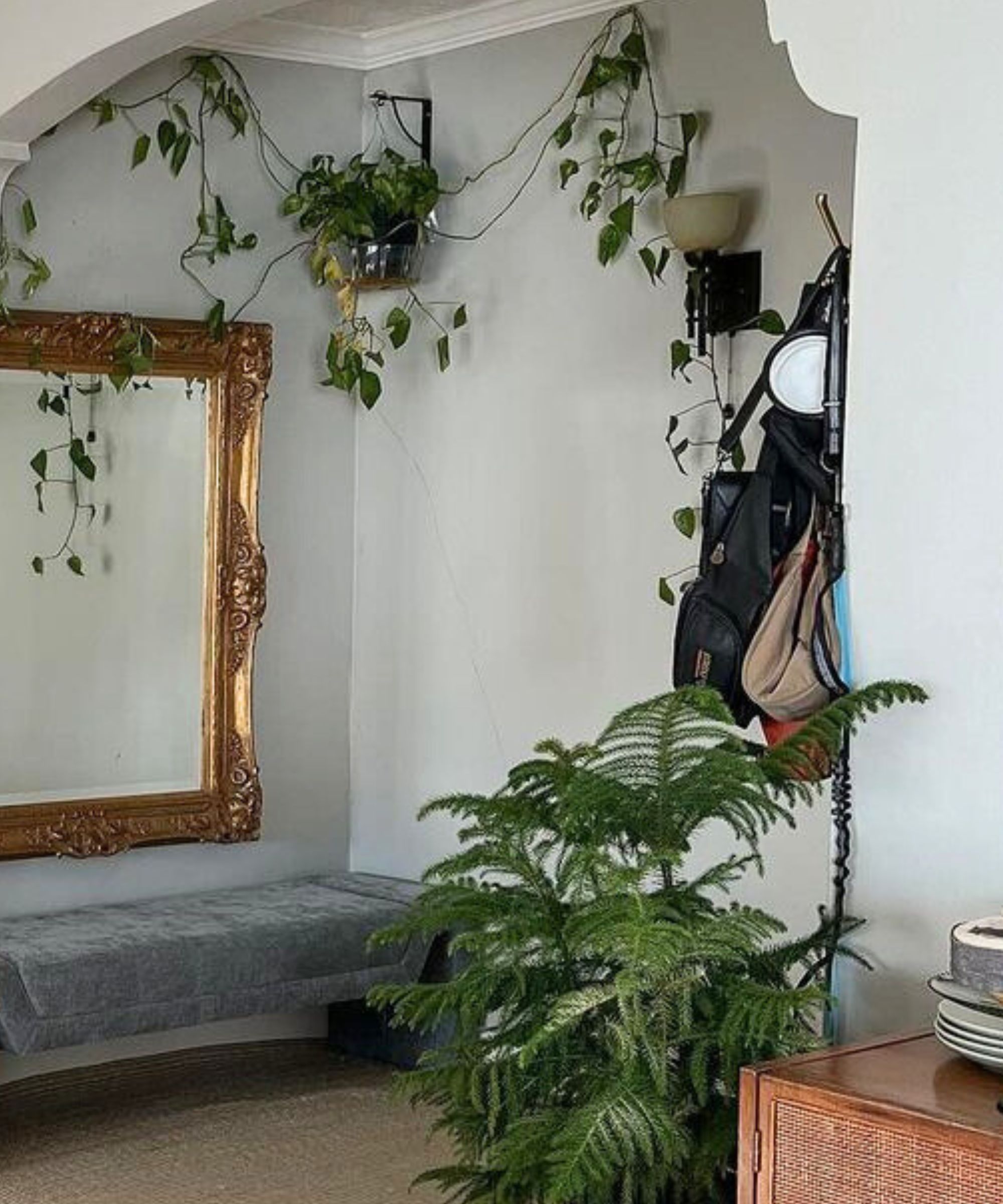
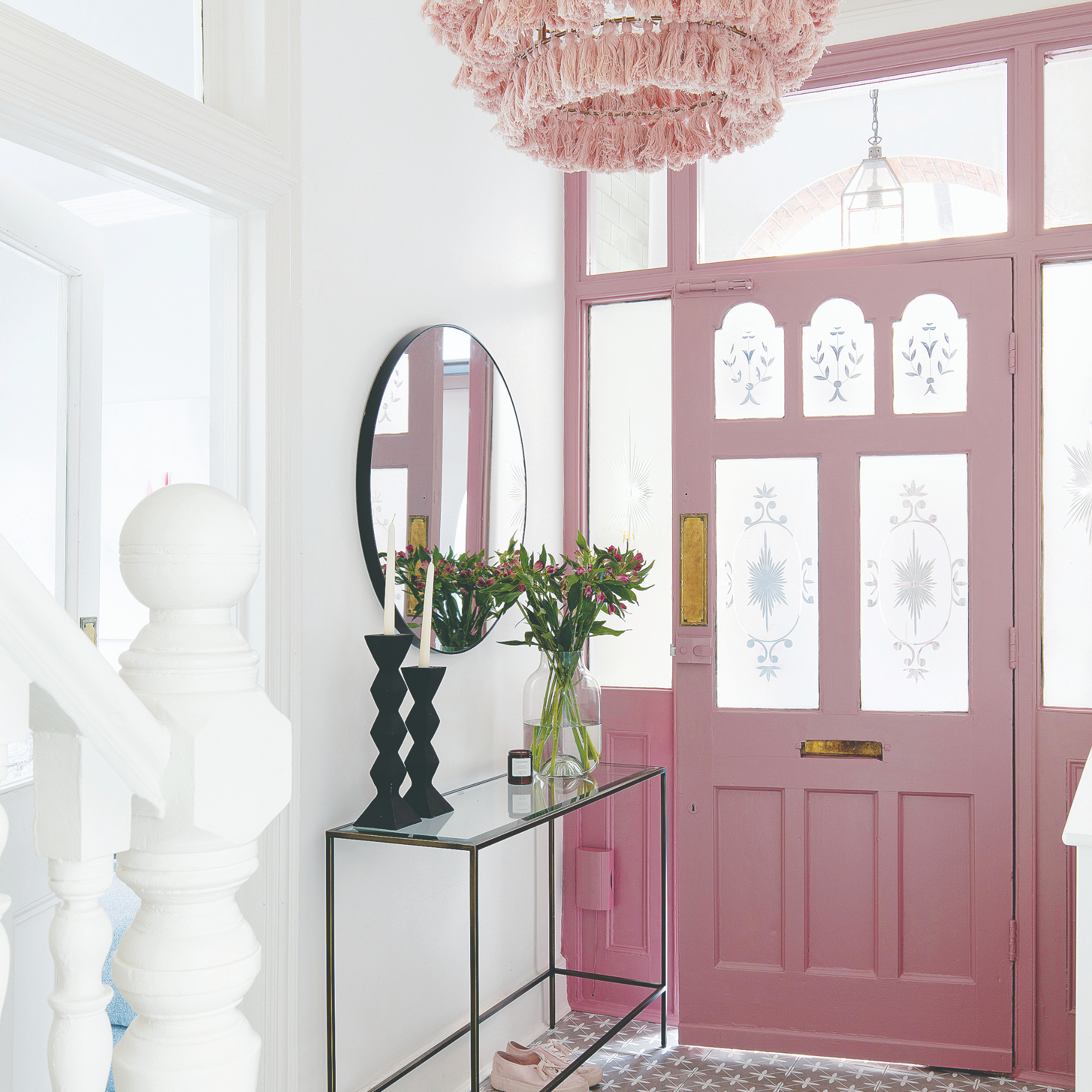
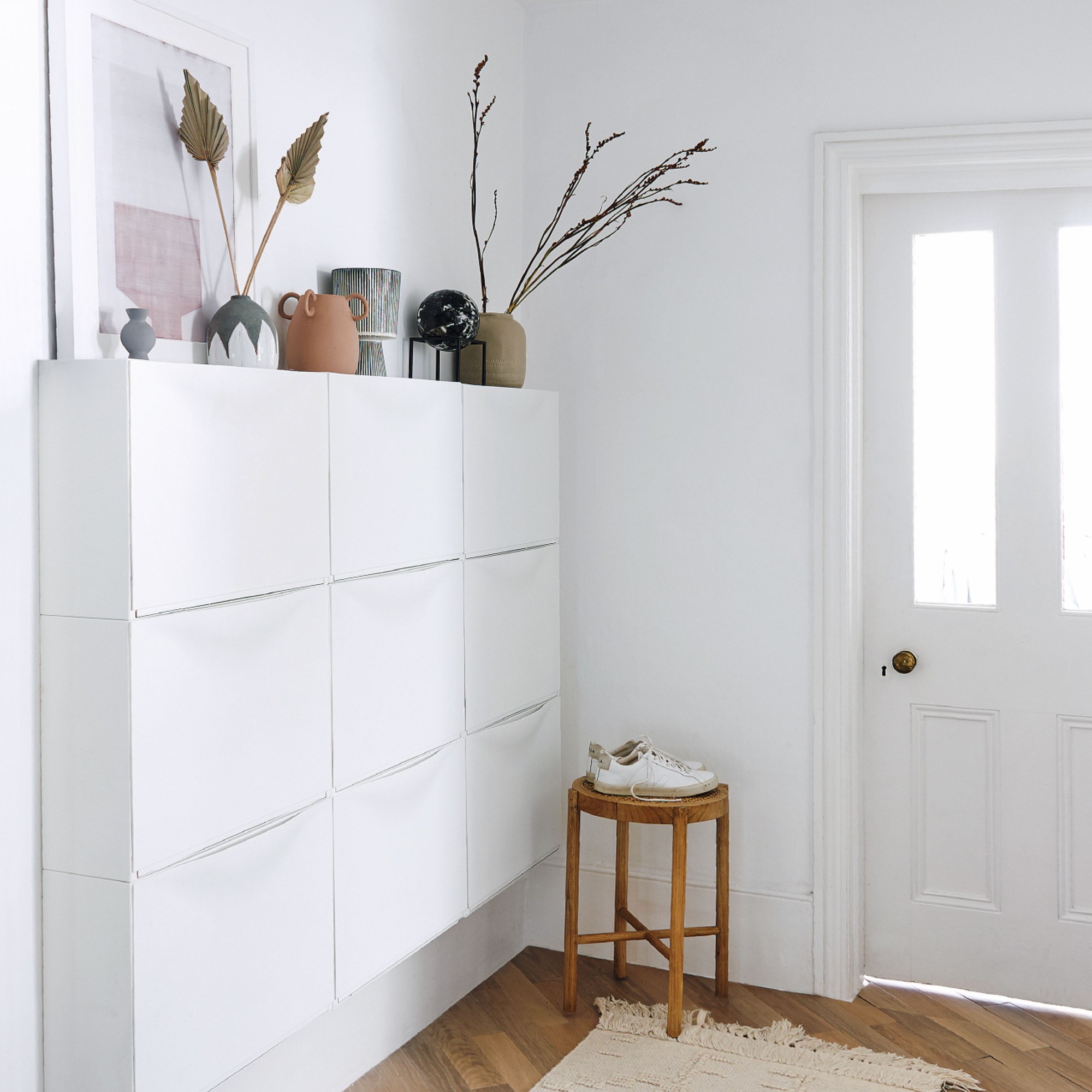
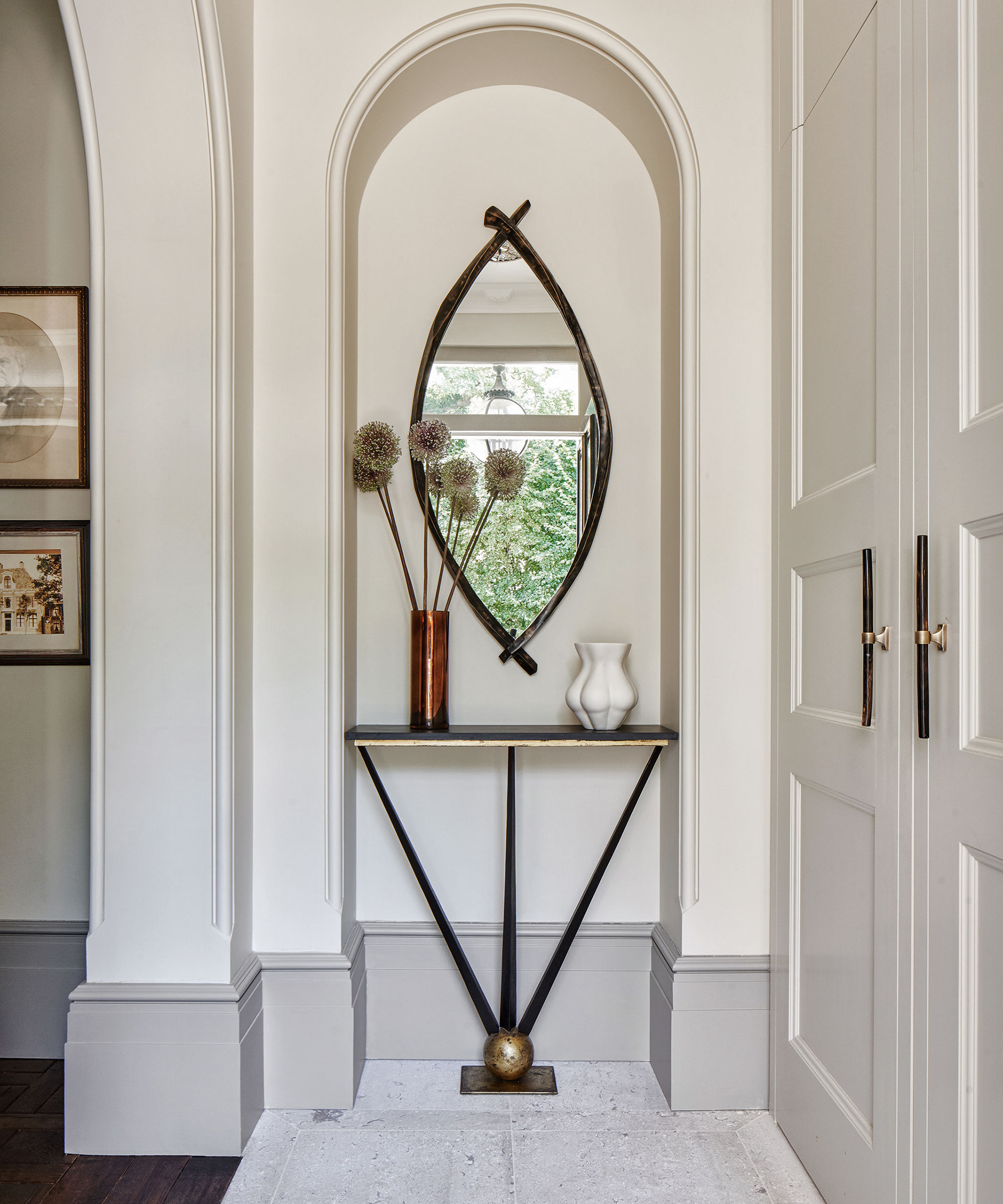
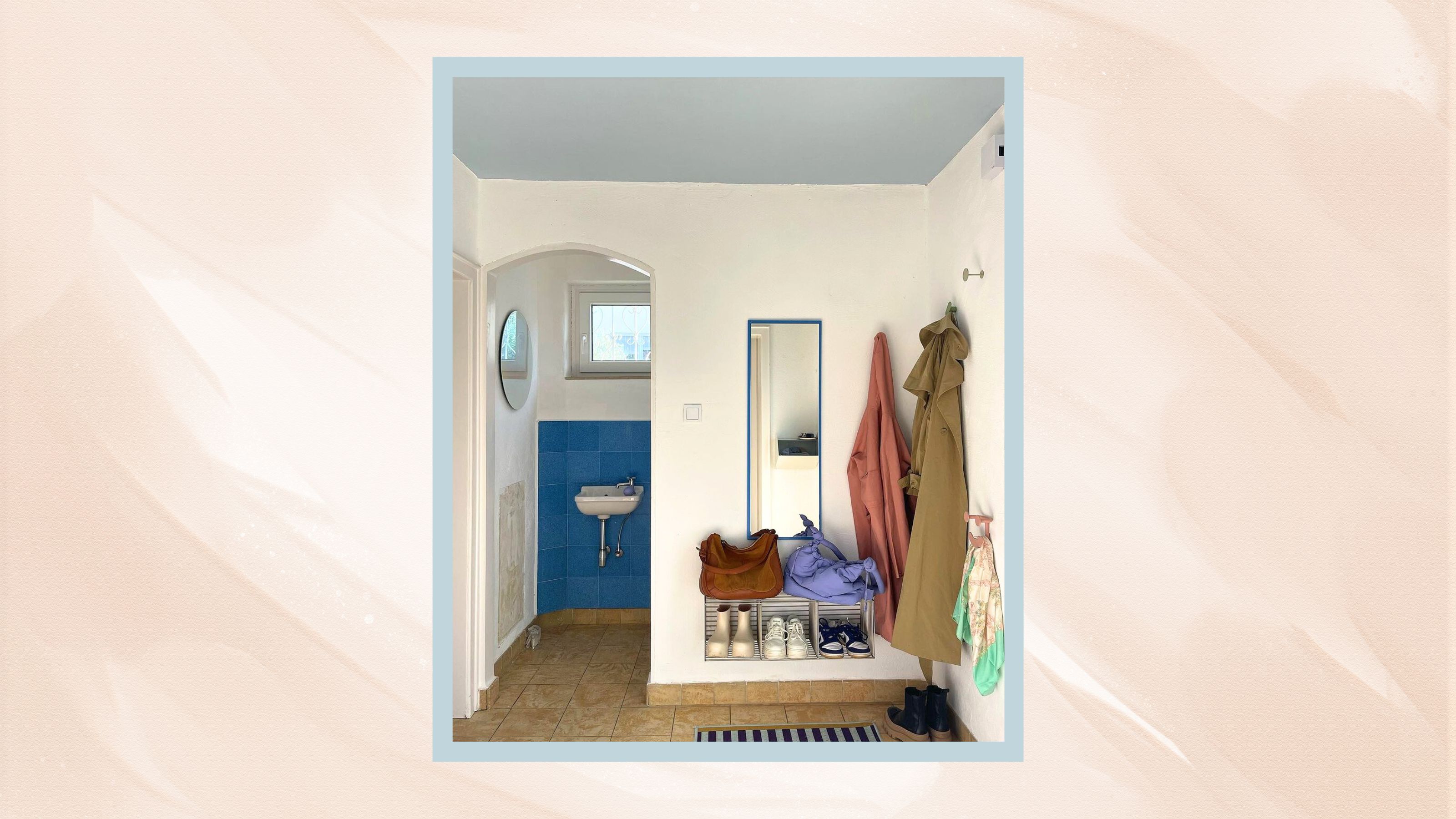
For the hallway, ensuring the entrance is free of clutter is crucial for maintaining a smooth flow of energy. Shoe and coat racks should be kept out of sight, ideally in a cupboard. Placing a mirror to the side of the door can help circulate positive energy throughout the house upon opening the door, which is particularly beneficial for small hallways. However, a mirror should never face the front door directly, as it could reflect negative energy back outside. Adhering to these feng shui principles can contribute to a more positive and harmonious living environment.
#FengShui #HomeEnergy #SmallFlat #InteriorDesign #SpaceArrangement #PositiveVibes #Decluttering #CommandingPosition #Chi #FengShui #HomeEnergy #SmallFlat #InteriorDesign #SpaceArrangement #PositiveVibes #Decluttering #CommandingPosition #Chi
कुल 0 टिप्पणियाँ
 कोई टिप्पणी नहीं
आपको यह भी पसंद आ सकता है
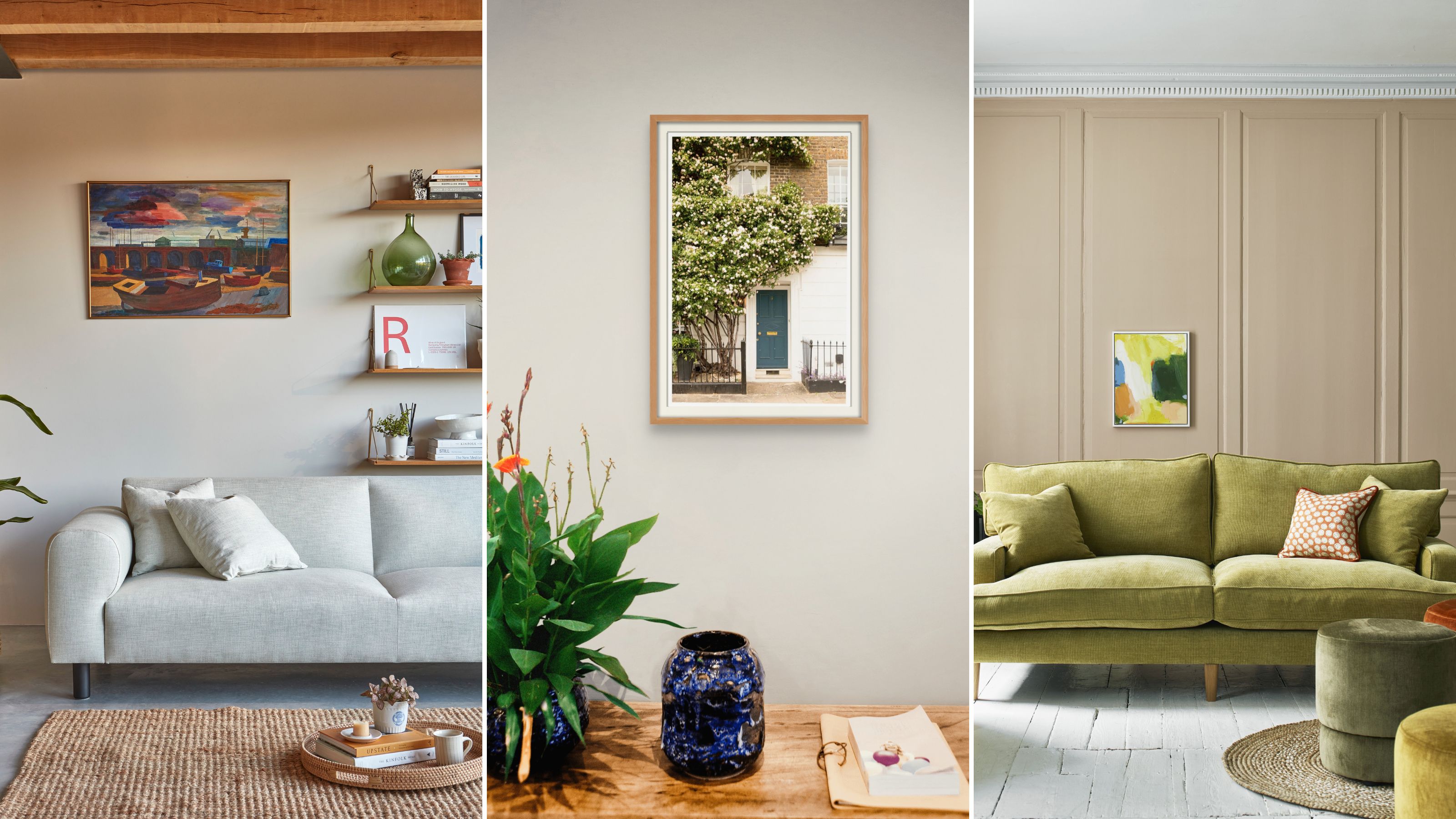
5 small living room Feng Shui tips — harness these principles for ultimate Zen

How to feng shui your home: 8 ways to attract positive energy

How to Feng Shui Your Home for Spring — 7 Actions to Take Now for Better Energy This Season

Feng Shui practices for a love-filled living space

Small entryway Feng Shui — 5 tips to create good vibes

Small entryway Feng Shui mistakes — 5 things the pros always avoid
Feng Shui Tips for Every Room in Your Home
15 Feng Shui Plants to Bring Good Energy Into Your Home

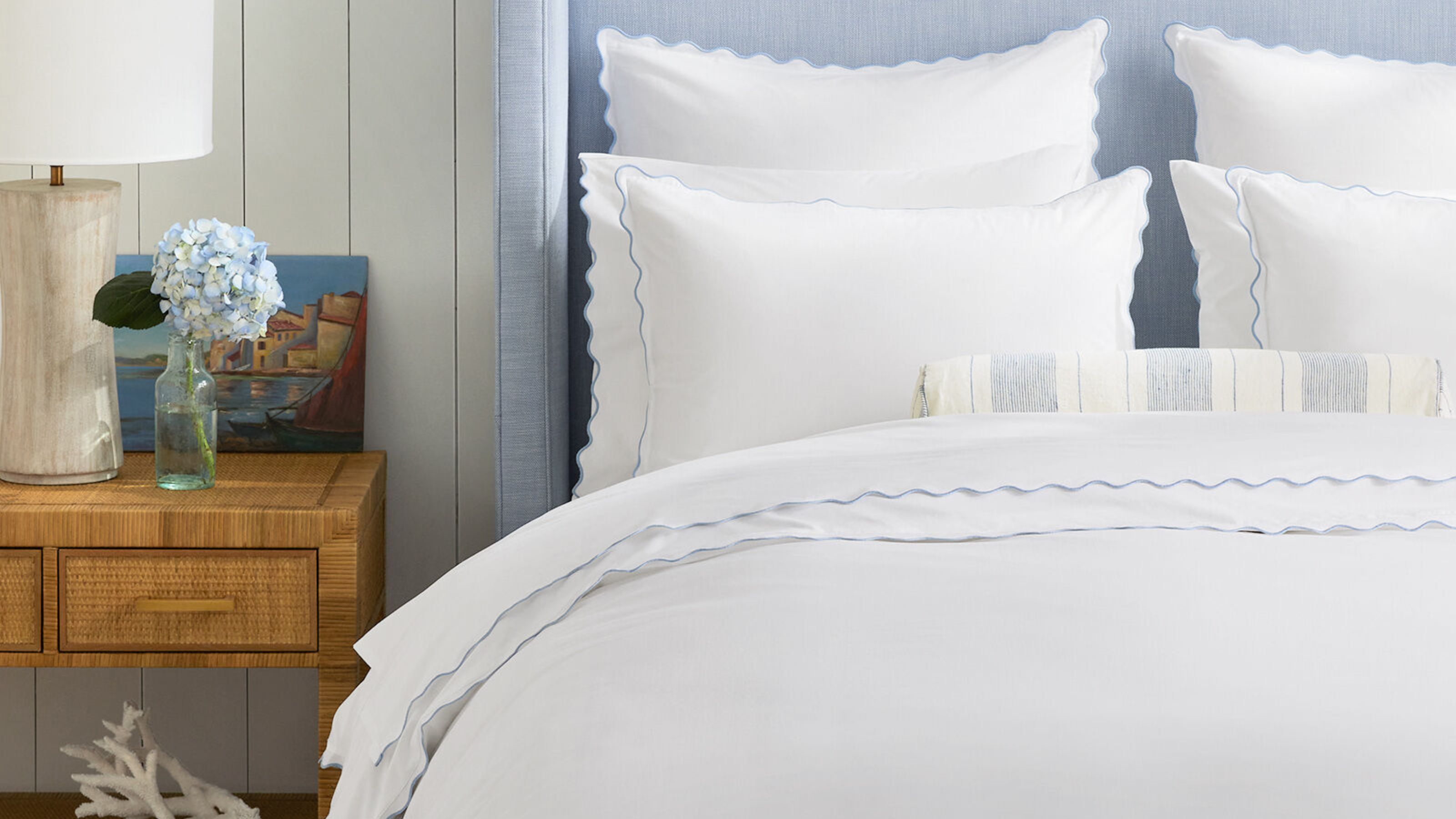
H&G's interiors therapist shares 9 tips for embracing Feng Shui in a tiny bedroom

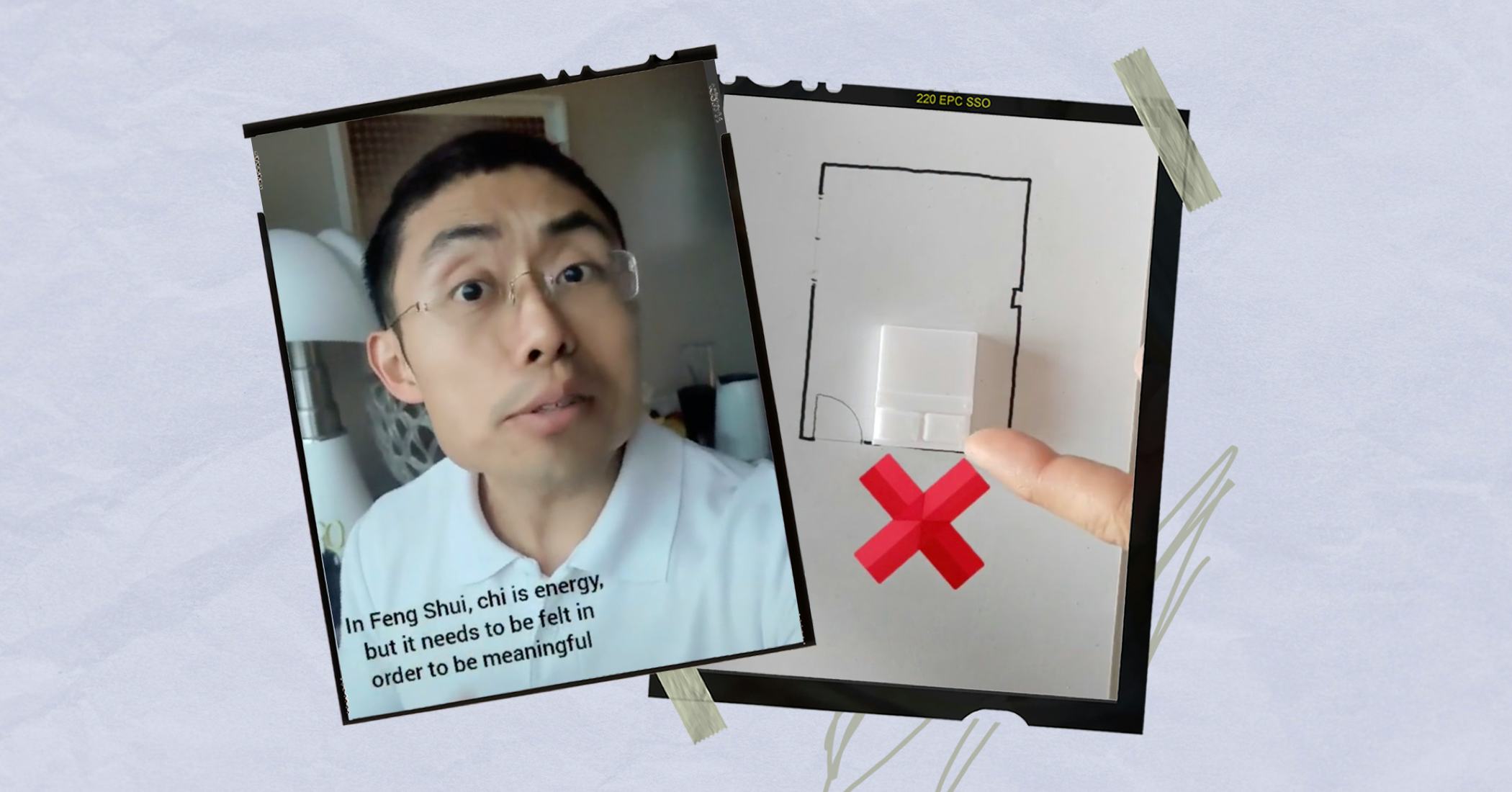
How Feng Shui Can Help You Recalibrate The Energy In Any Room

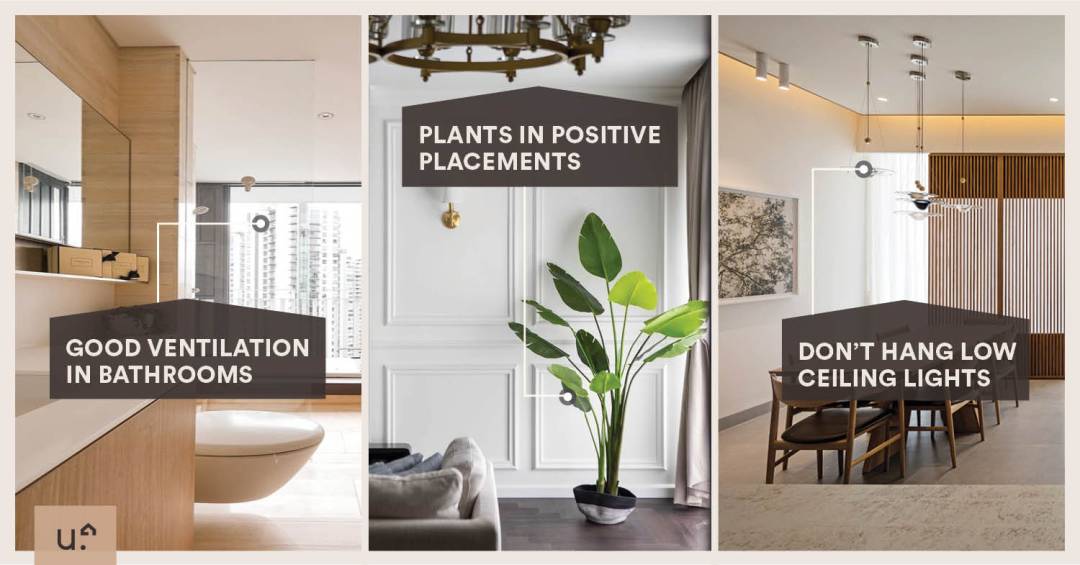
8 Feng Shui Tips You Need To Follow At Home, Revealed By A Local Master
The Feng Shui energy map explained – and how to apply it at home
Bring a bit of feng shui into your home
Use Feng Shui for great hosting energy
Pros Reveal 3 Feng Shui Lighting Tips for Cozy November Nights
9 small entryway lighting ideas to brighten your home

8 small kitchen Feng Shui tips for all the good vibes
8 Feng Shui tips to revitalise your home for free (and in less than 24 hours)
Feng Shui design mistakes to avoid – 5 things you may be getting wrong

Change the Wall Your Bed Faces to Improve Your Space’s Feng Shui (and Prevent Bad Luck)