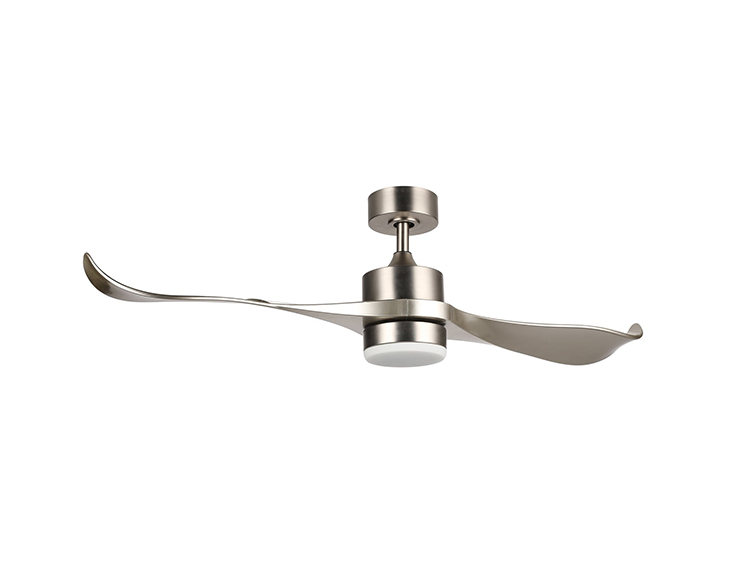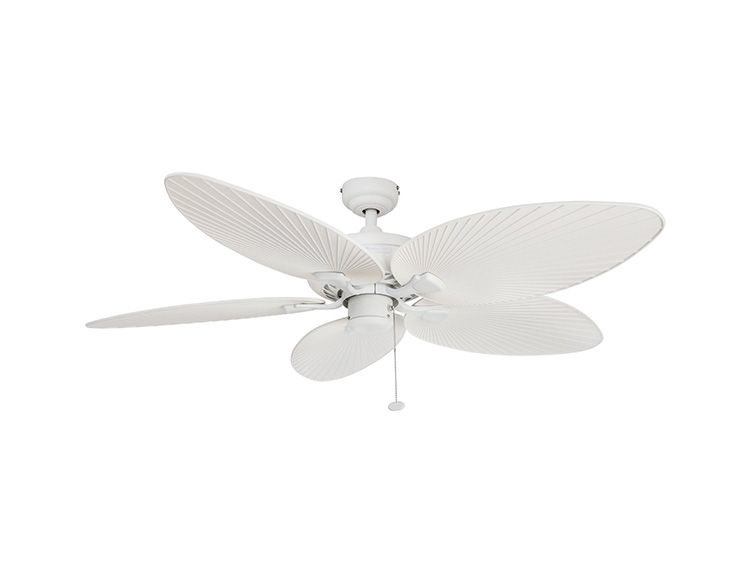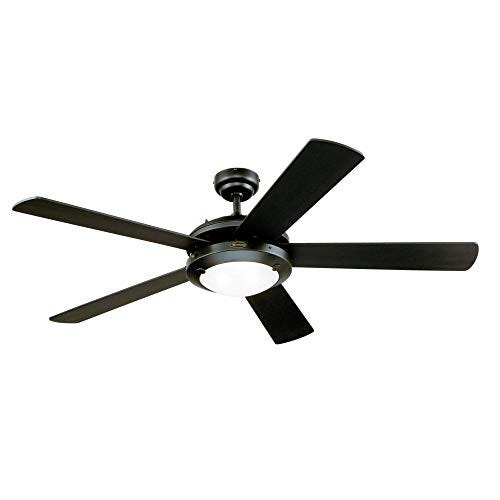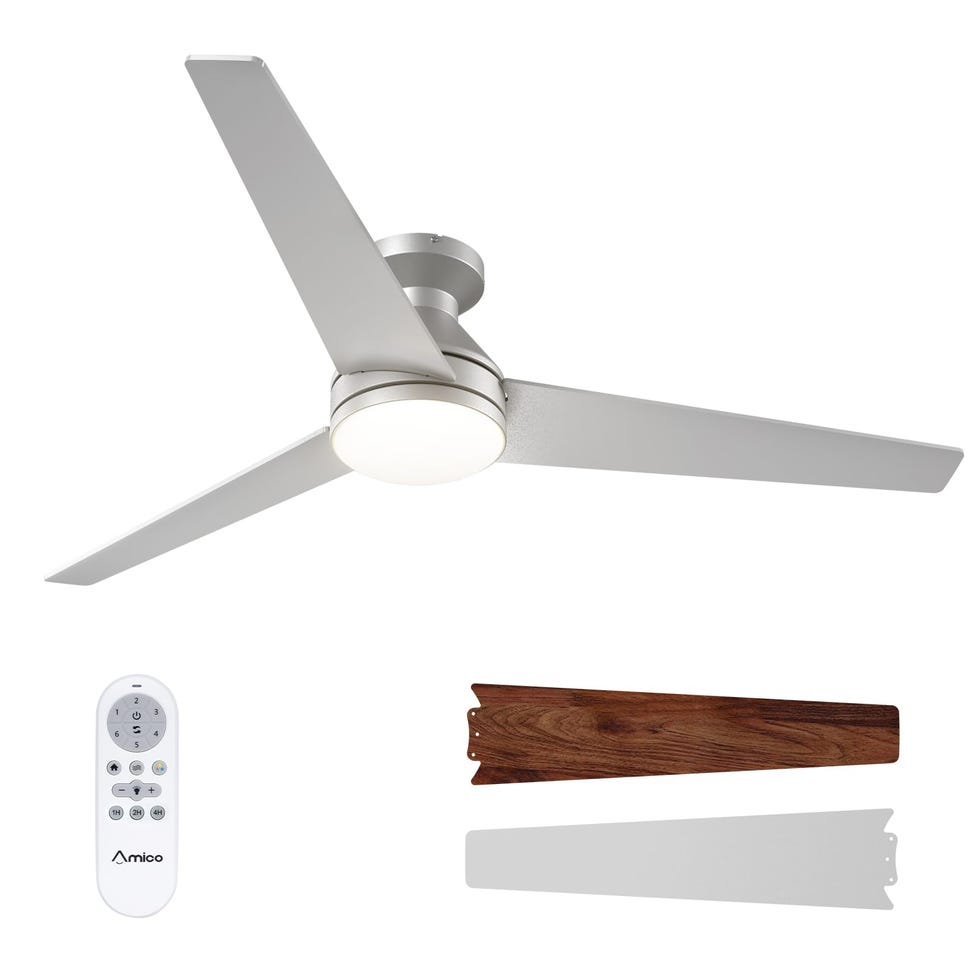
1/2
This Easy Ceiling Fan Trick Will Help Keep You Cool in the Summer
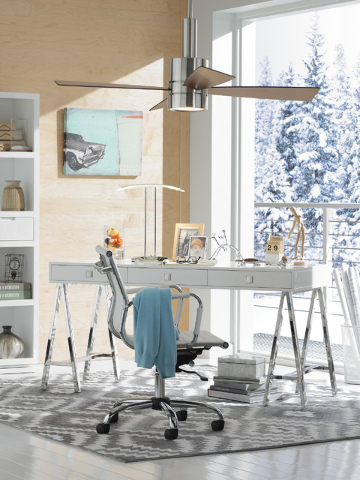
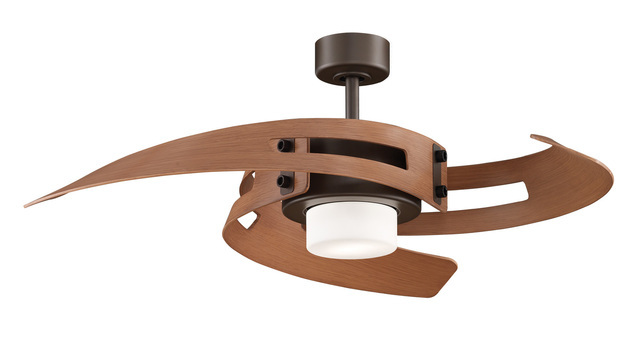
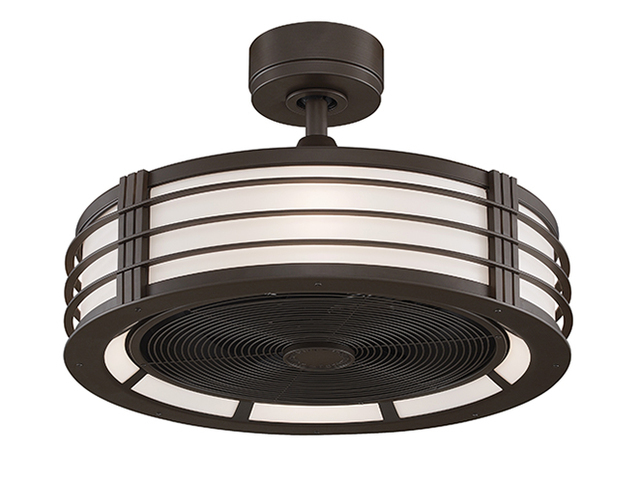
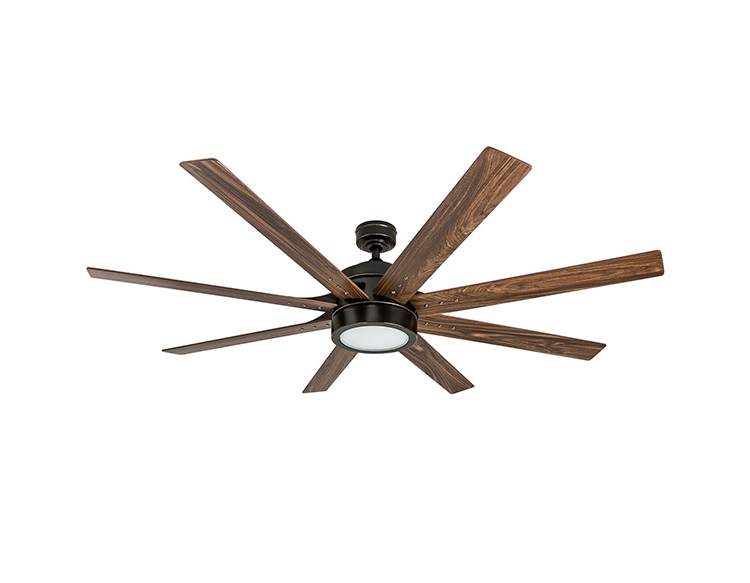
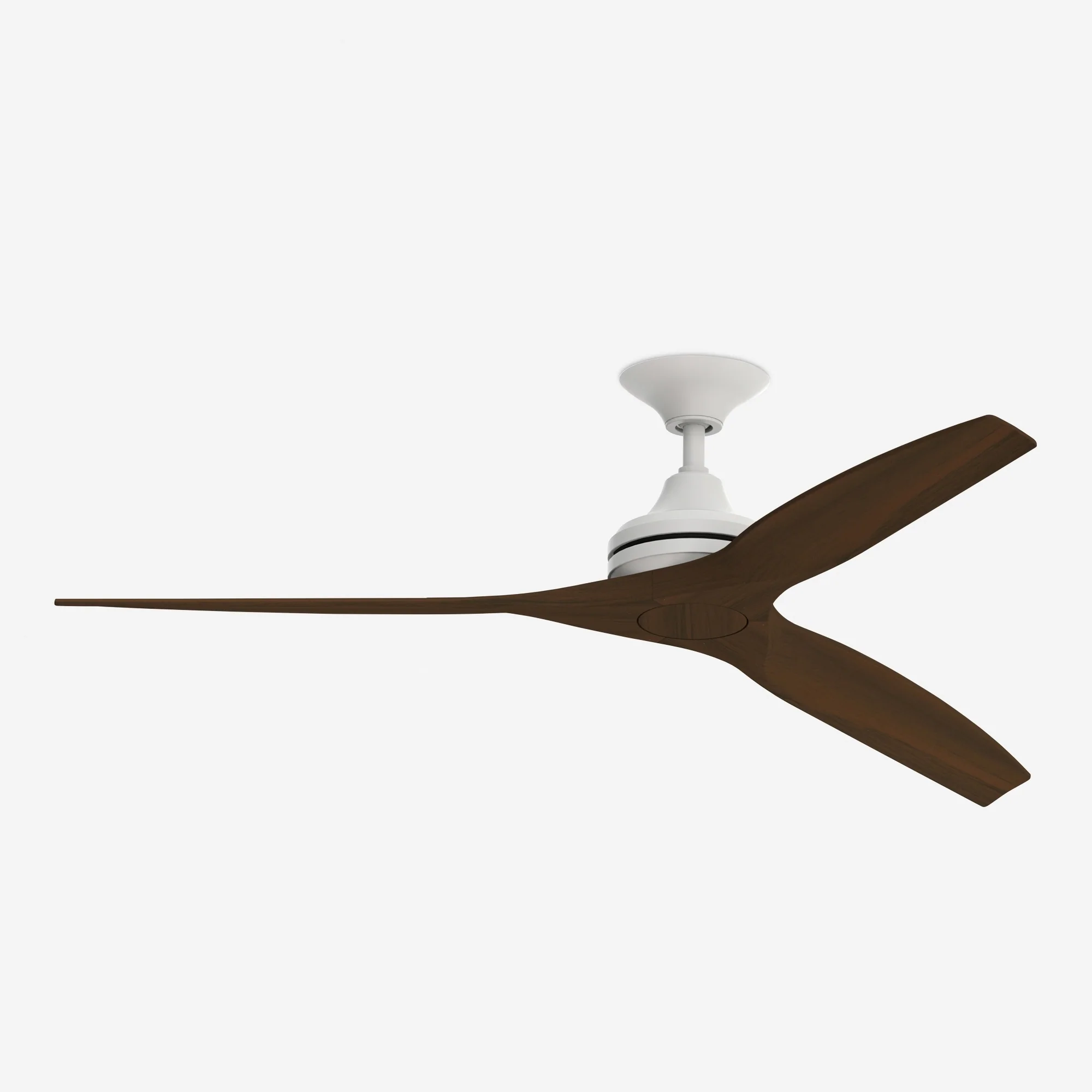
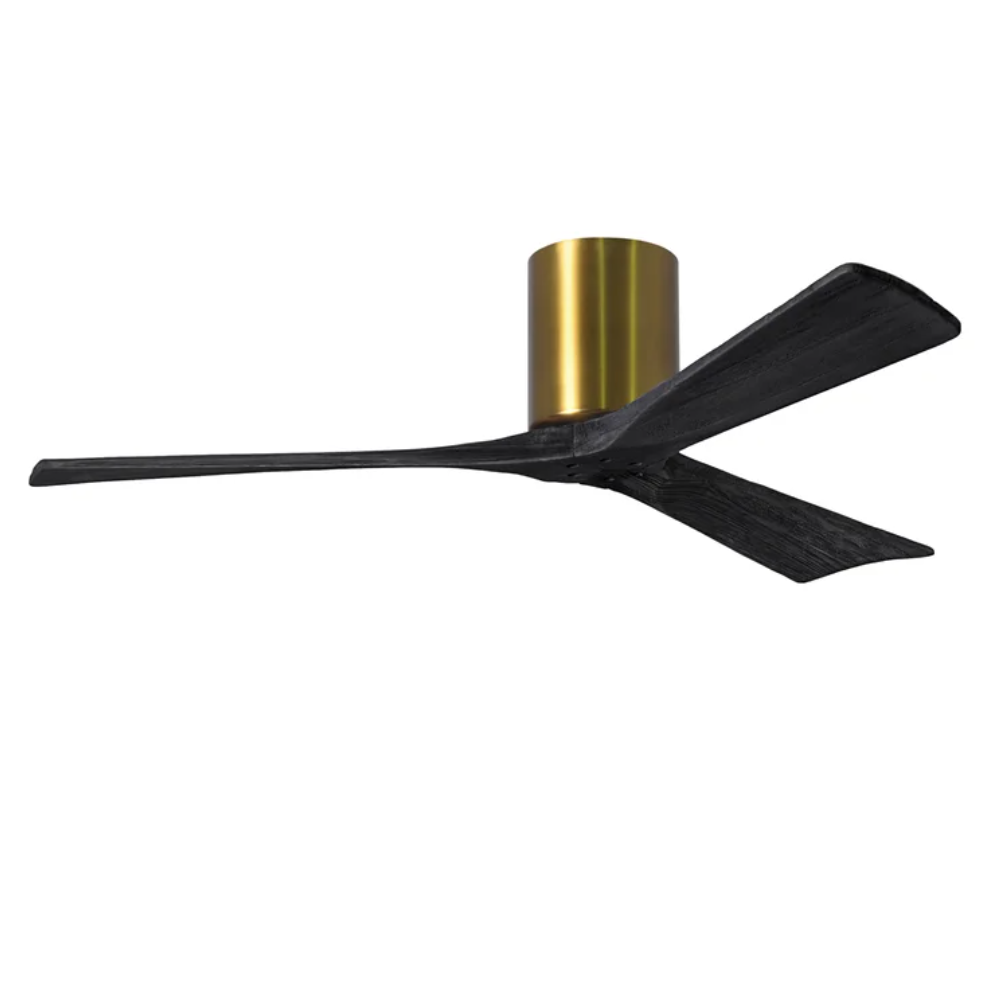
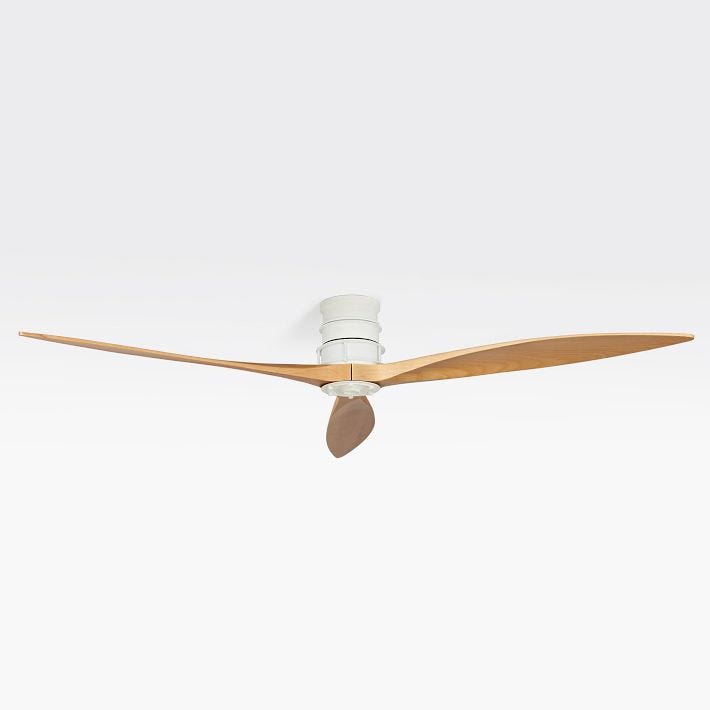
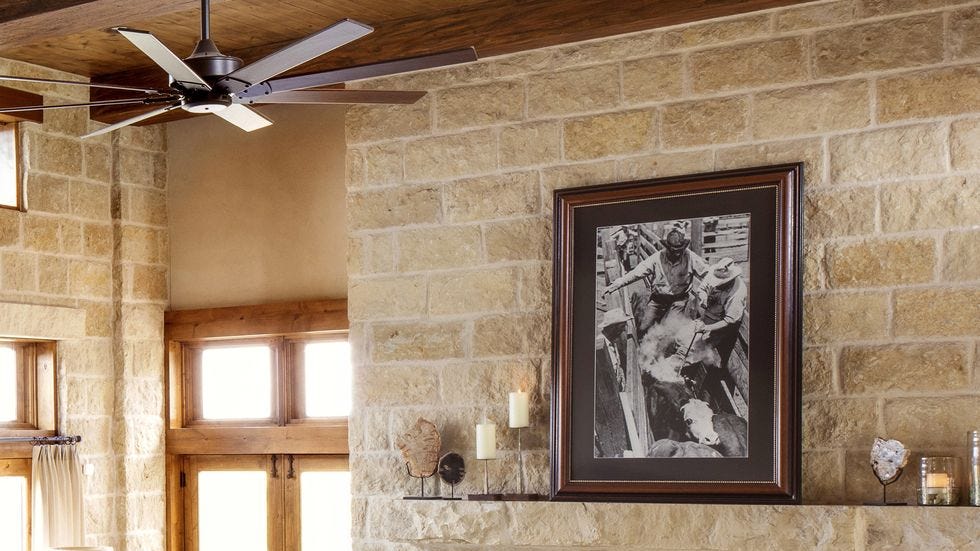
The article addresses the common dilemma of staying cool during hot summer months and highlights the often-overlooked utility of ceiling fans beyond simply turning them on. It points out that summer 2025 is projected to be one of the hottest in years, emphasizing the increasing need for effective cooling strategies that are also energy-efficient. The core message revolves around optimizing ceiling fan usage by adjusting its rotational direction according to the season. This simple adjustment can significantly impact indoor comfort and energy consumption.
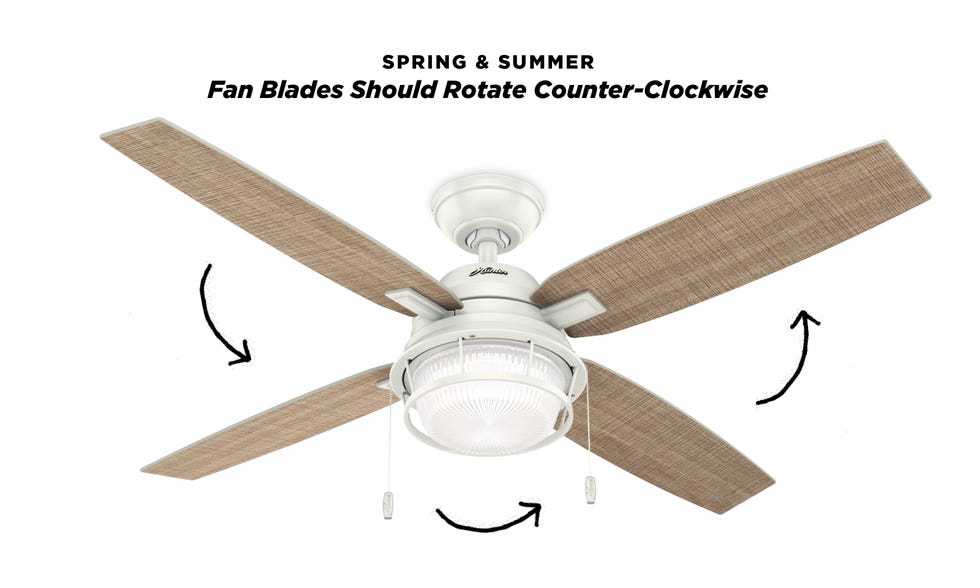
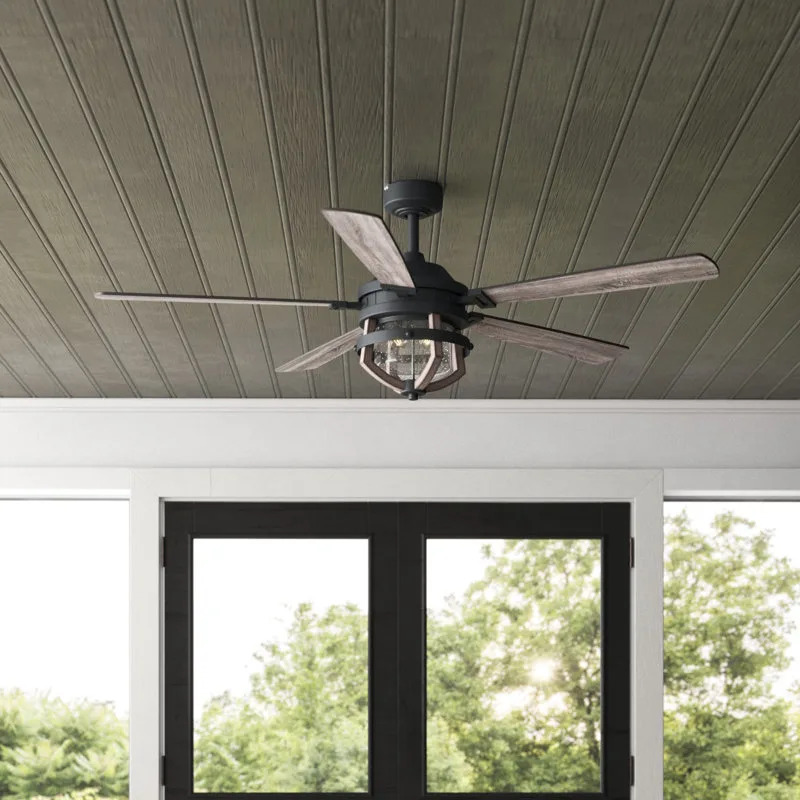
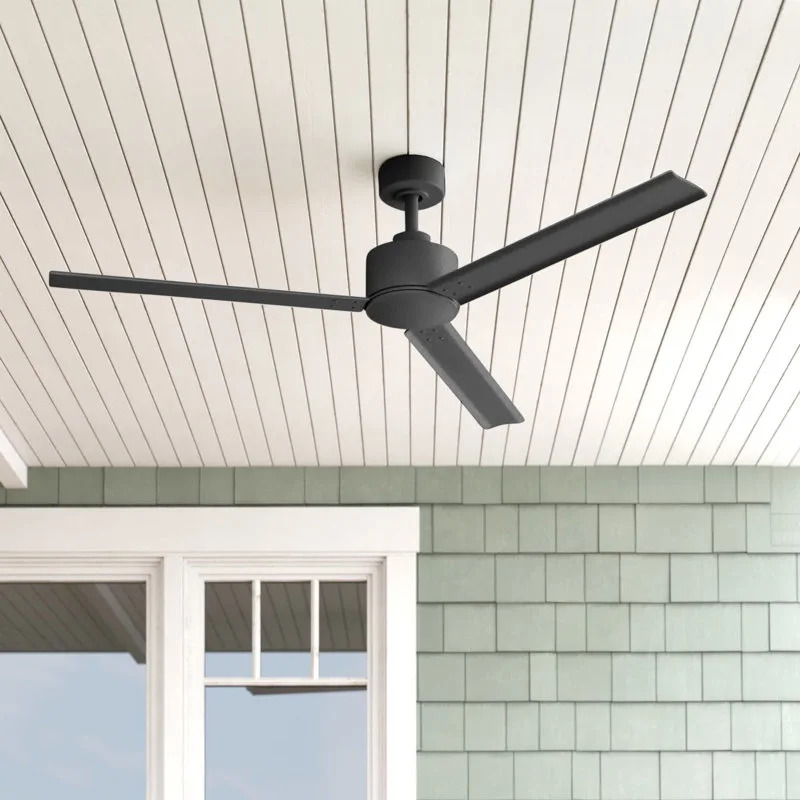
For summer cooling, the article advises setting ceiling fan blades to rotate counterclockwise. This direction forces cool air downwards, creating a downdraft that generates a wind-chill effect, making the room feel considerably cooler. The text clarifies that while fans do not actually lower the air temperature, this air circulation can make a room feel up to four degrees cooler, providing substantial relief from the heat. The article also mentions that this counterclockwise rotation for summer mode is typically activated by flipping a switch on the fan, though specific instructions may vary by manufacturer and model.
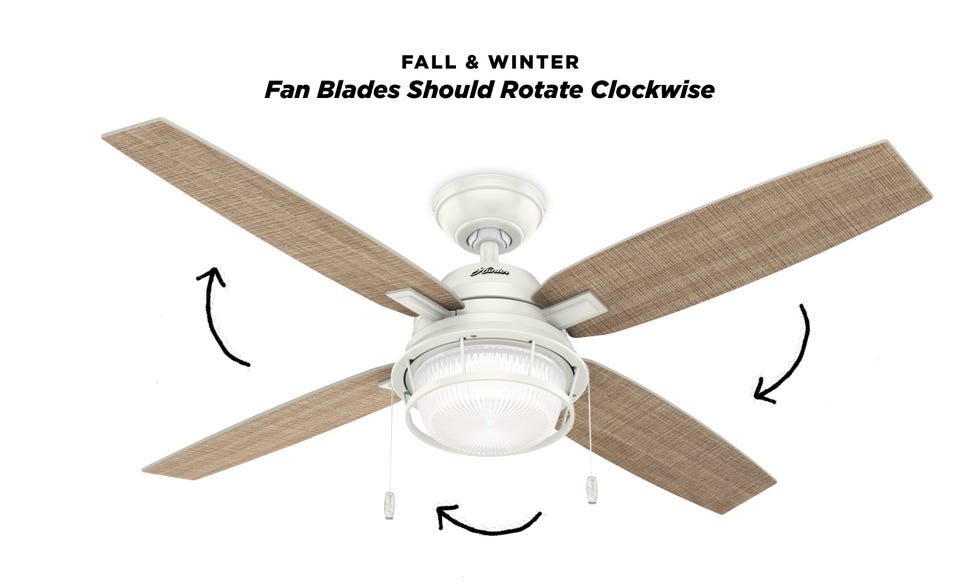
In contrast, for winter, the recommended direction for ceiling fan blades is clockwise. This setting creates an updraft, drawing cool air up and pushing warm air, which naturally rises, down along the walls. This helps to redistribute heat more evenly throughout the room, eliminating cold spots and preventing a chilly draft, even when the fan is operating at its lowest speed. This seasonal adjustment contributes to maintaining a comfortable indoor temperature while reducing the reliance on heating systems, thereby conserving energy.
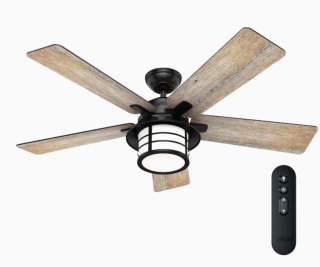
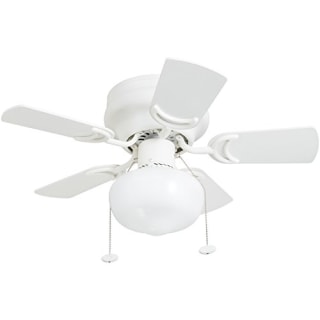
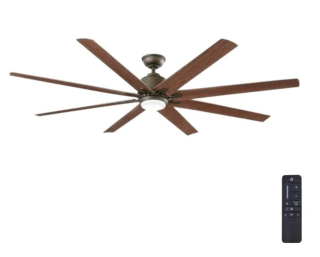
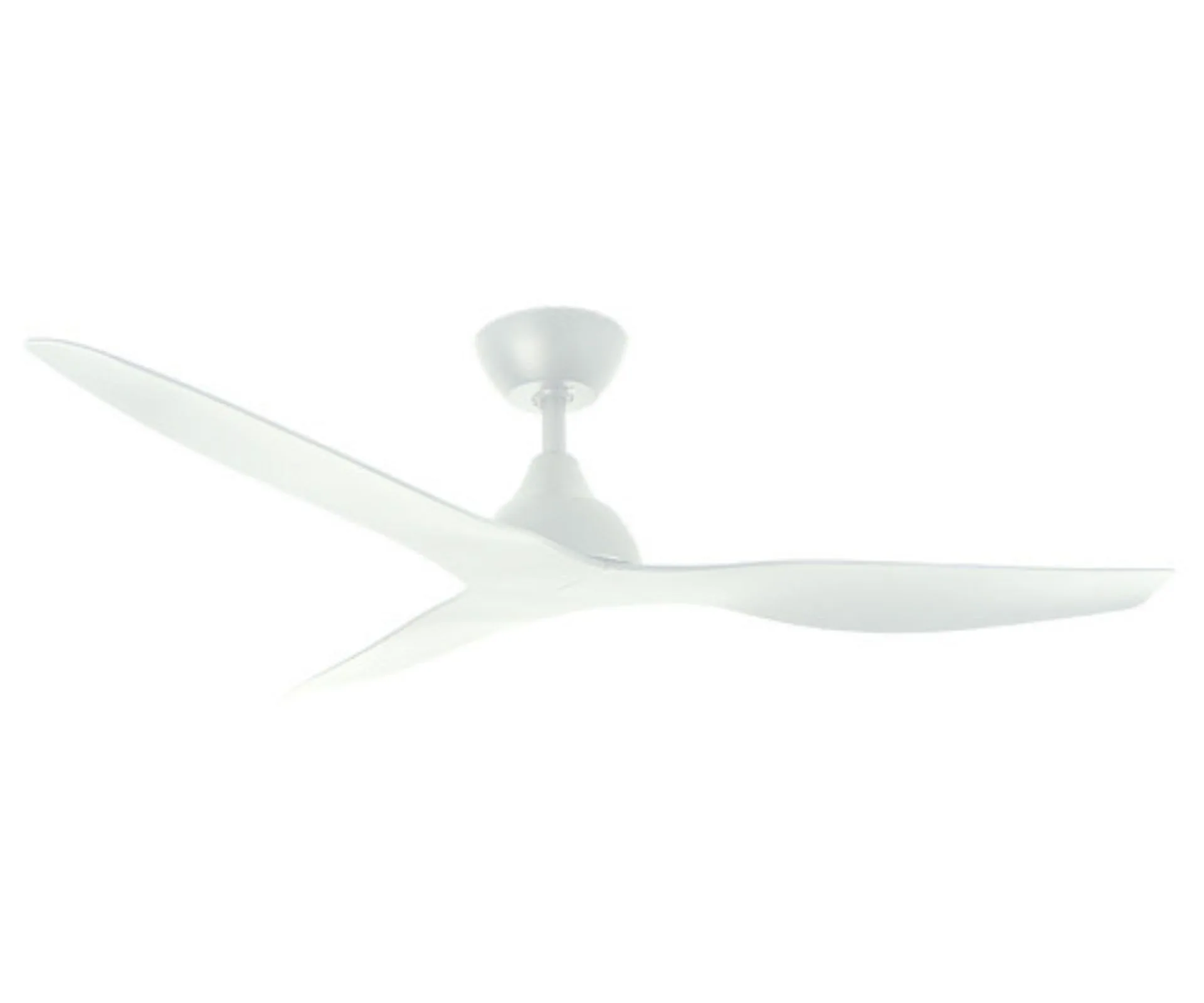
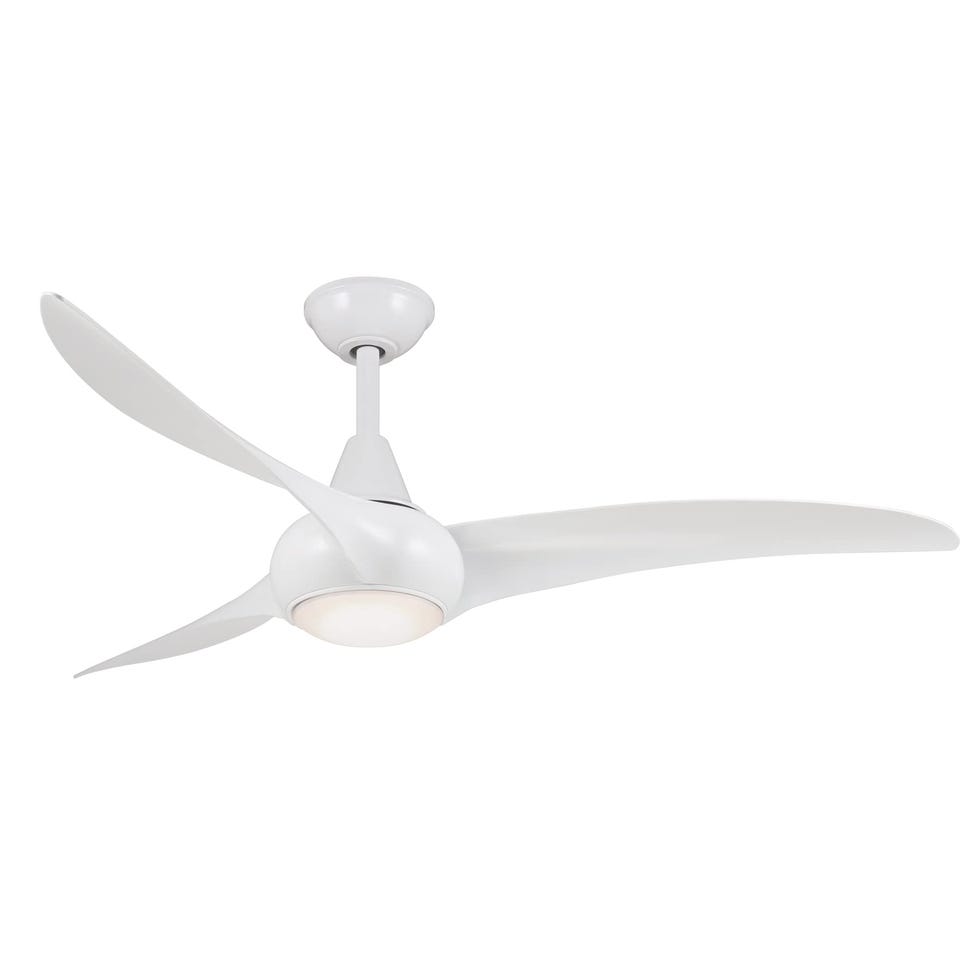
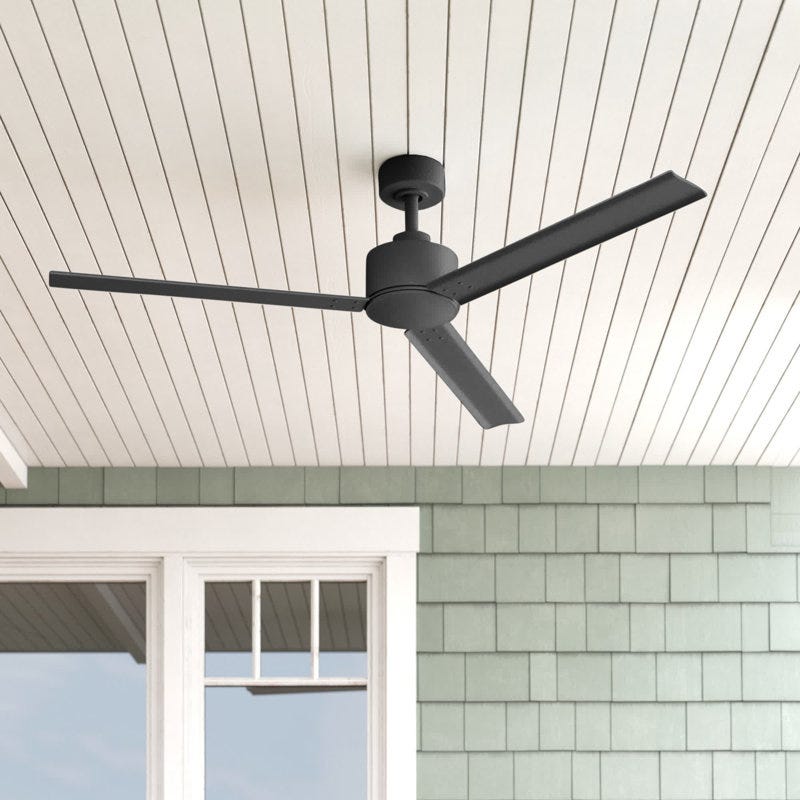
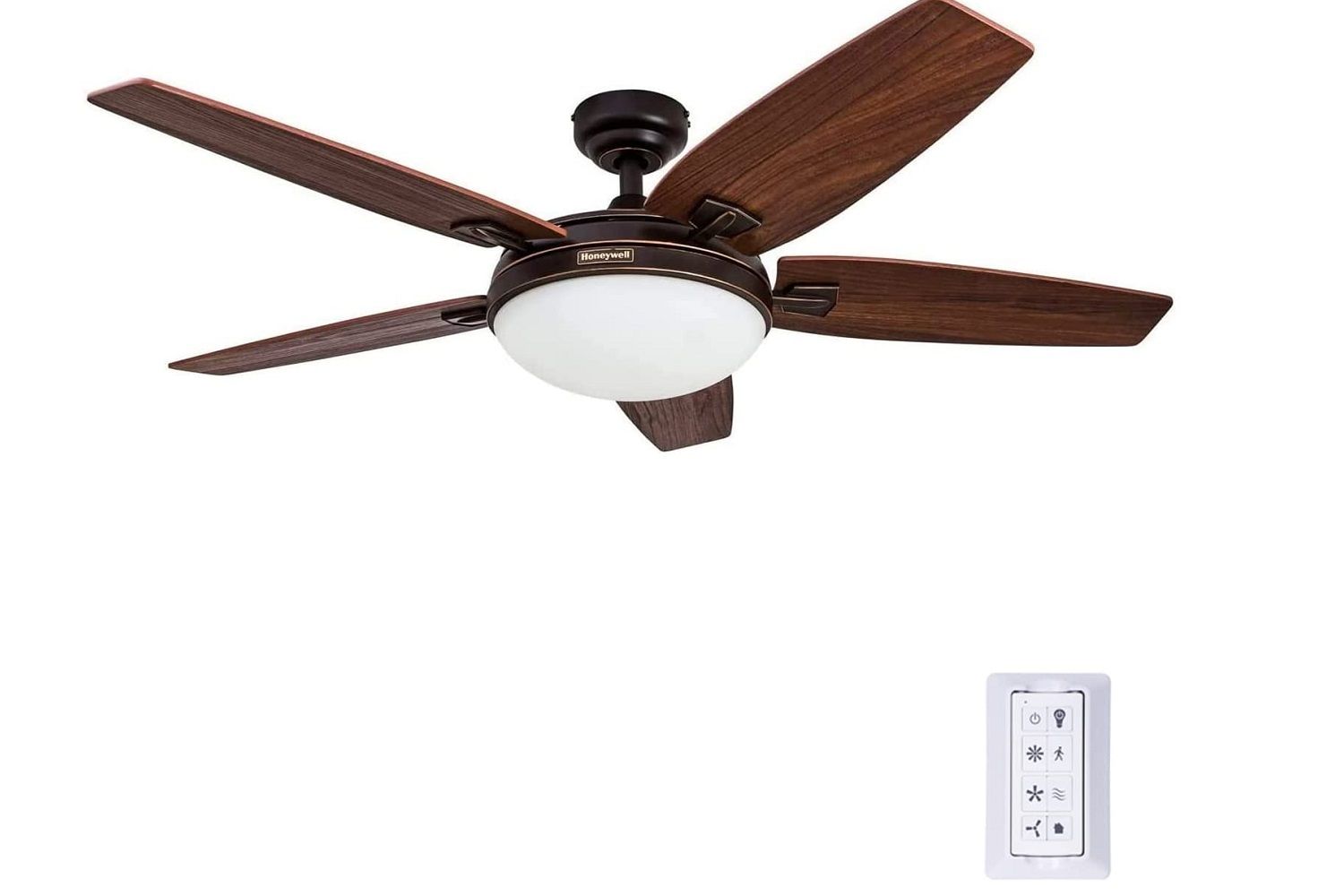
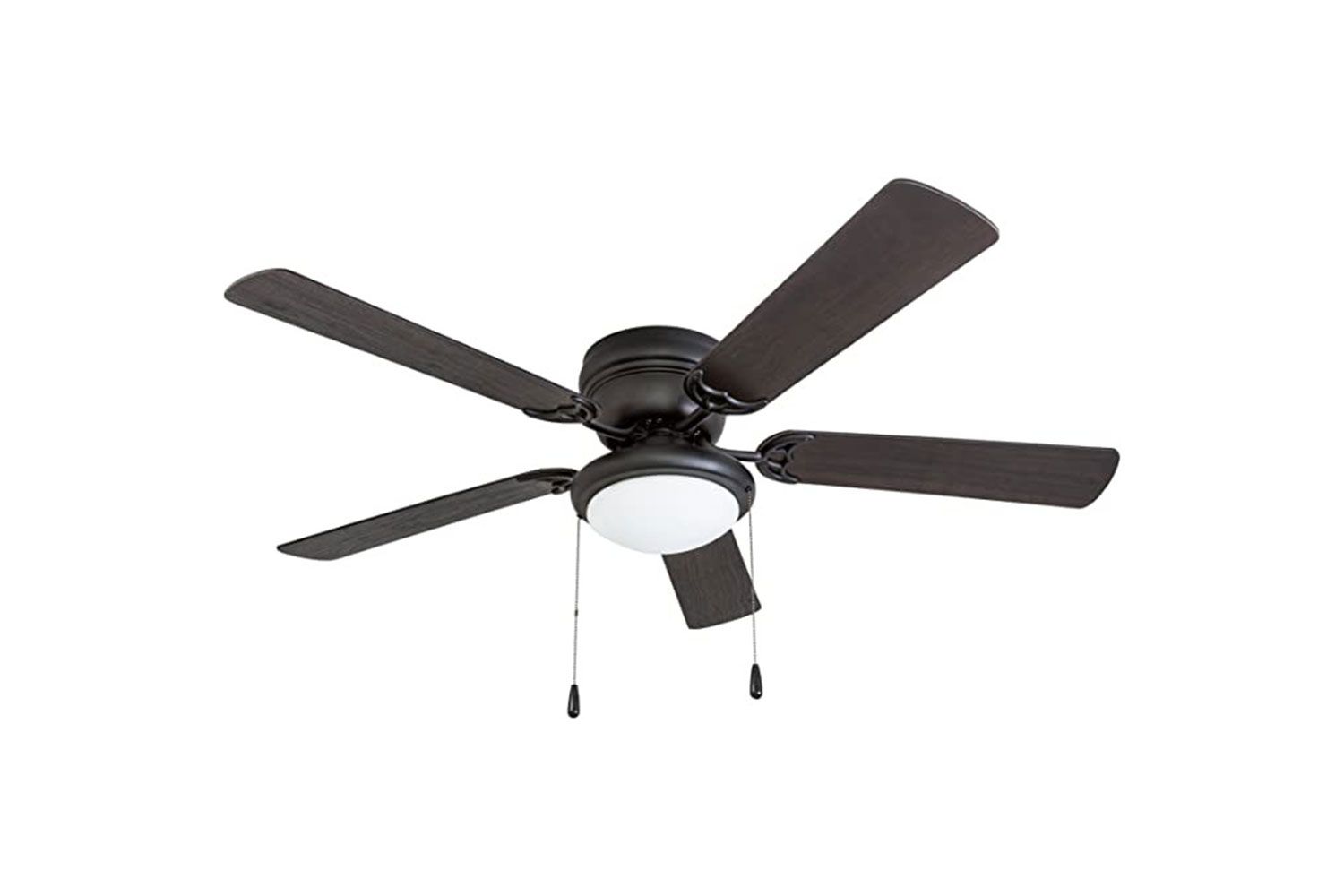
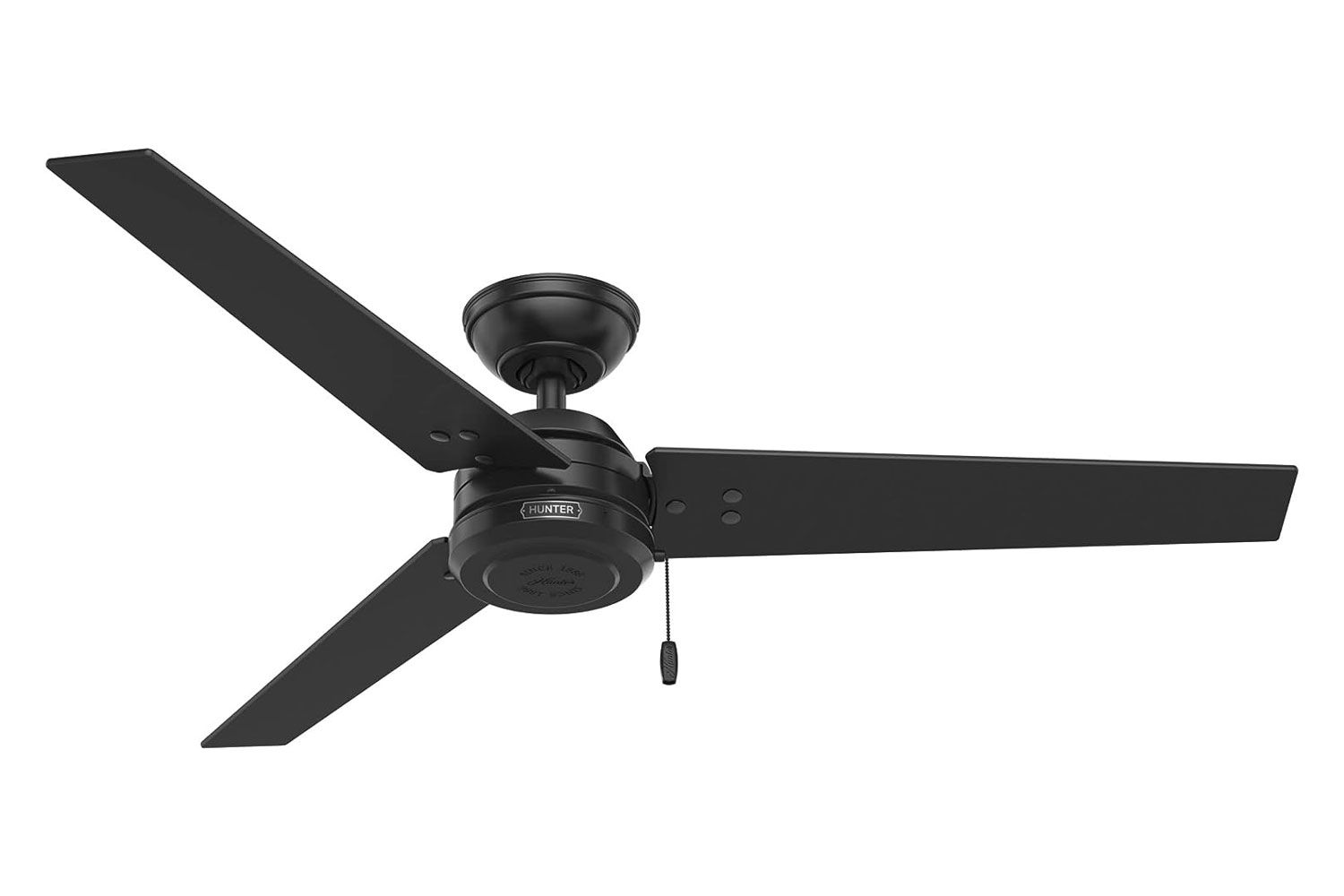
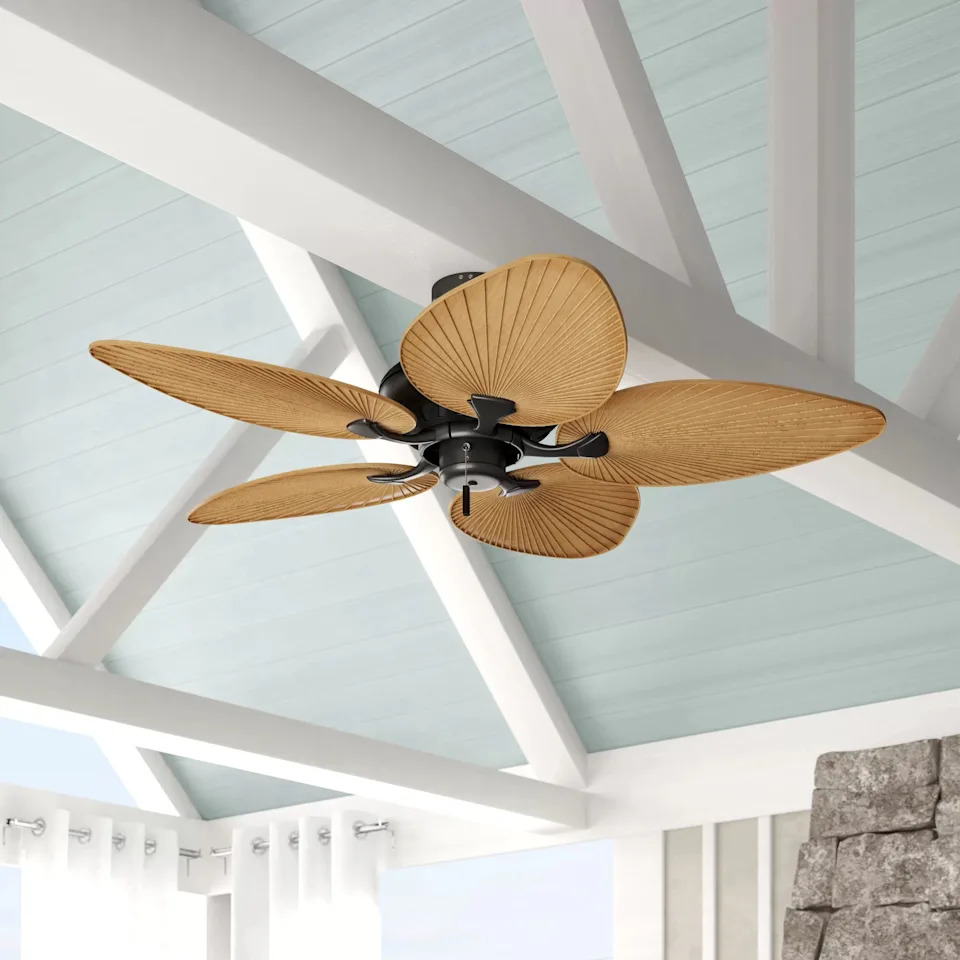
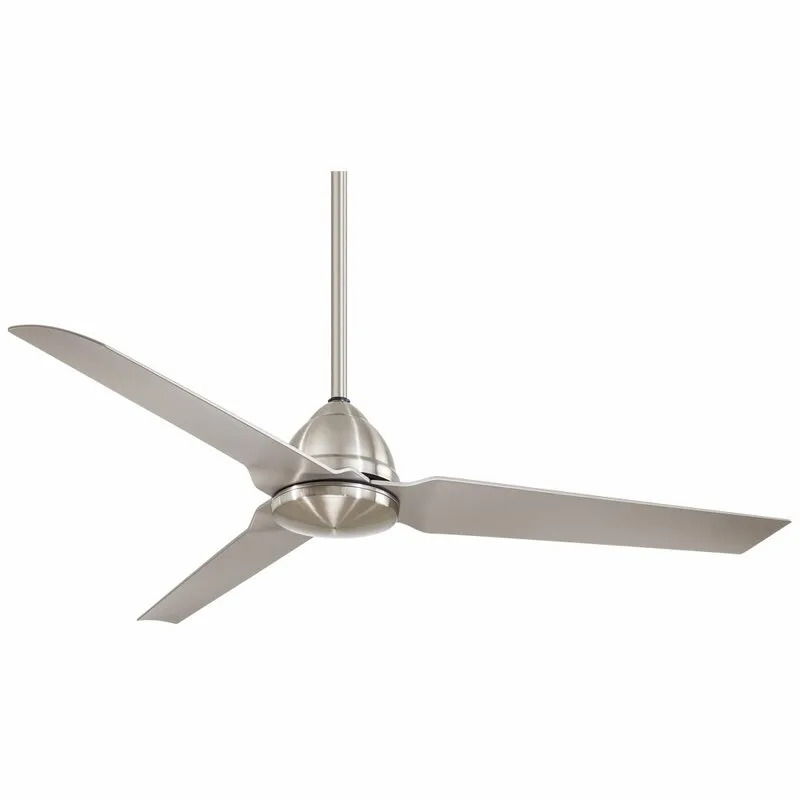
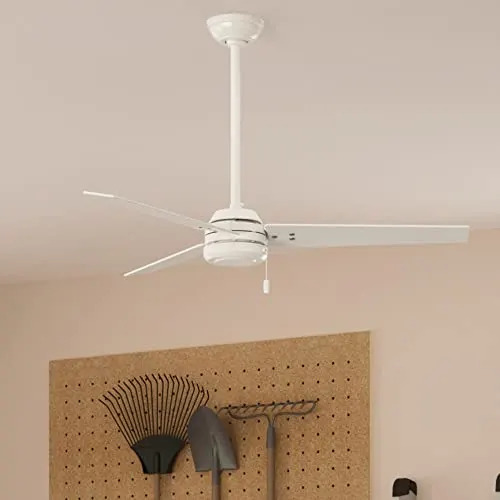
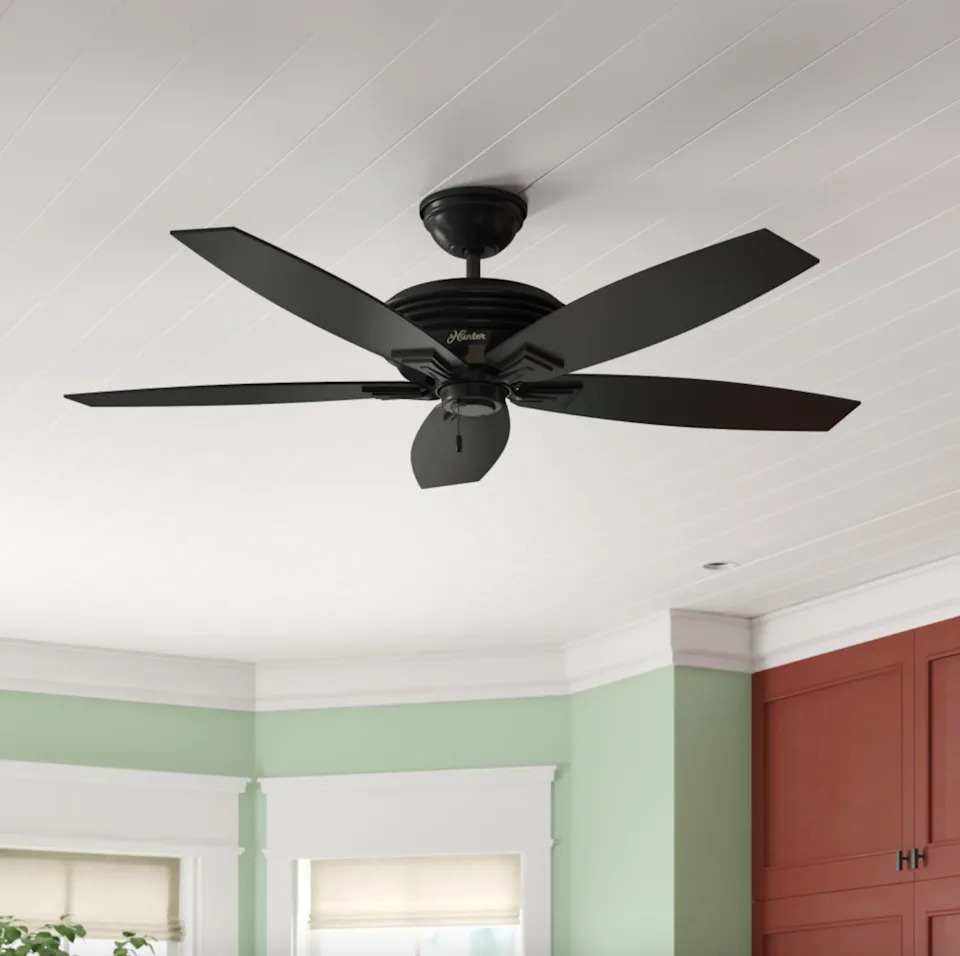
Beyond directional settings, the article provides practical advice on choosing and maintaining ceiling fans to maximize their efficiency and lifespan. It stresses the importance of selecting the correct fan size based on room dimensions. For smaller rooms (up to 100 square feet), a fan between 29 to 36 inches in diameter is suitable. Medium to large rooms (up to 400 square feet) benefit from fans ranging from 36 to 50 inches, while very large or great rooms (over 400 square feet) require larger fans, between 50 to 71 inches, for optimal air circulation. Proper sizing ensures that the fan can effectively move air throughout the entire space.
Regular maintenance is also highlighted as crucial for a ceiling fan's performance and energy efficiency. The article suggests routinely cleaning the fan blades with an all-purpose cleaner to remove dust and debris. Accumulated dust can force the fan's motor to work harder, consuming more energy and potentially shortening its operational life. Additionally, it is recommended to switch off the fan when leaving a room. This is because ceiling fans cool people, not the ambient air, so leaving them on in an empty room is an unnecessary waste of energy and can reduce the motor's lifespan. By following these guidelines, individuals can enhance their comfort, reduce energy costs, and extend the durability of their ceiling fans.
#CeilingFan #SummerCooling #EnergyEfficiency #HomeMaintenance #SeasonalAdjustments #AirCirculation #HomeComfort #CeilingFan #SummerCooling #EnergyEfficiency #HomeMaintenance #SeasonalAdjustments #AirCirculation #HomeComfort
कुल 0 टिप्पणियाँ
 कोई टिप्पणी नहीं
आपको यह भी पसंद आ सकता है
Ceiling Fans—A Stylish Way to (Literally) Beat the Heat


Ceiling fans: A new spin on cooling your home | Home and Garden | Life

No AC? No problem – this handy $50 upgrade will instantly cool any room

Changing This Ceiling Fan Setting Will Make Your Room Feel Instantly Cooler


7 top-rated ceiling fans to consider this year


The Best Ceiling Fans to Keep You Cool All Year Round

Invest in a ceiling fan to keep your cool this summer
10 Outdoor Ceiling Fans That Aren't Total Eyesores


How to choose the best ceiling fans for your home

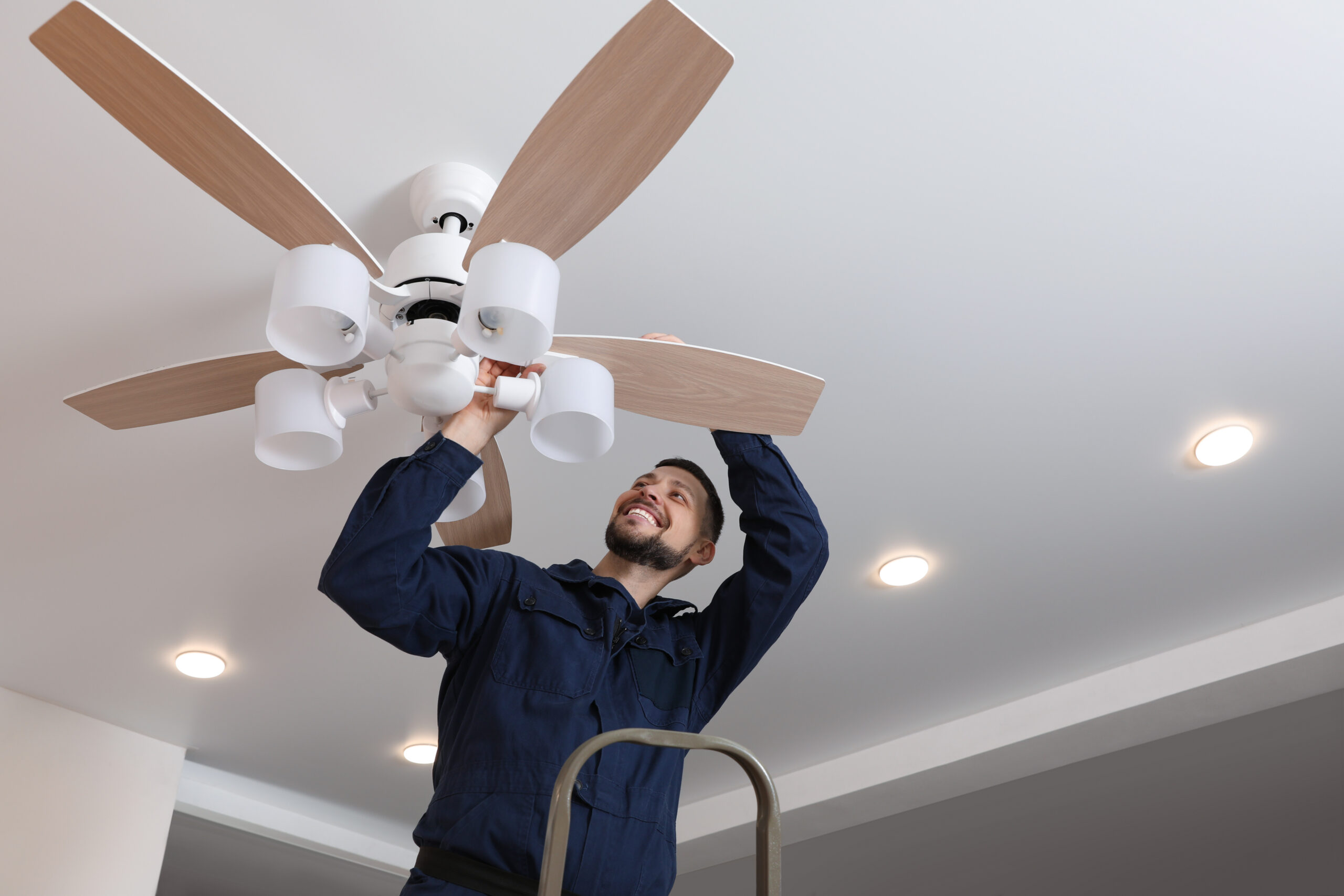
Stay cool this summer with ceiling fans

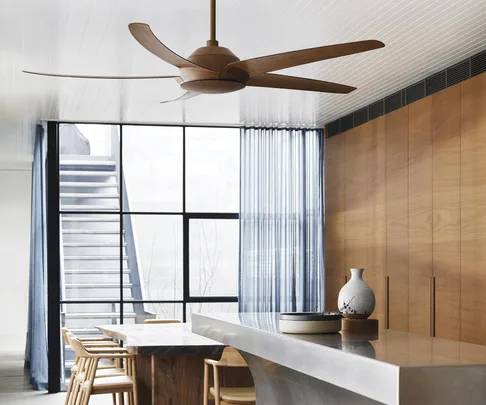
Ceiling fans 101: a guide to choosing the right one

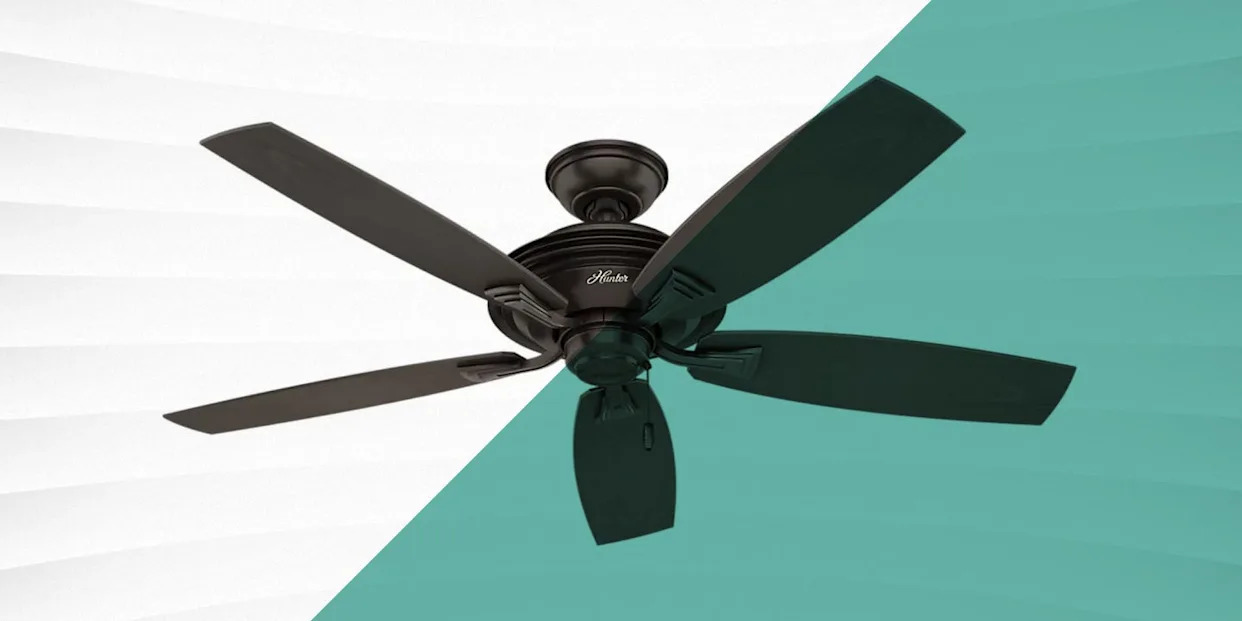
Cool Your Patio Off With the Best Outdoor Ceiling Fans
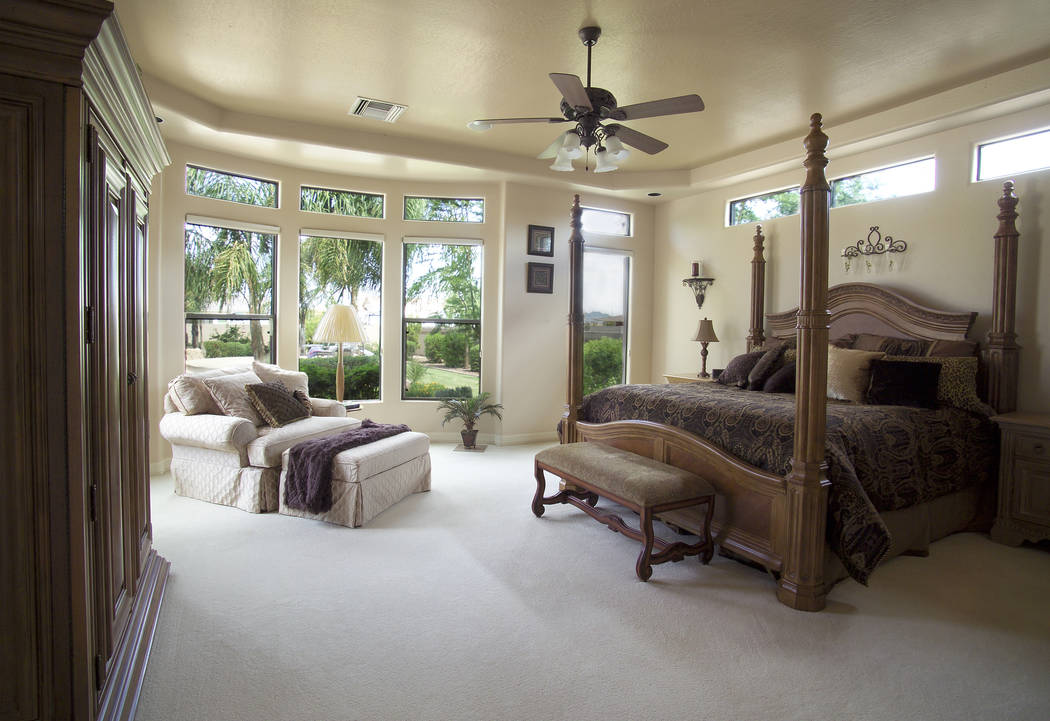
Ceiling fans can help cool rooms during summer | Home and Garden | Life
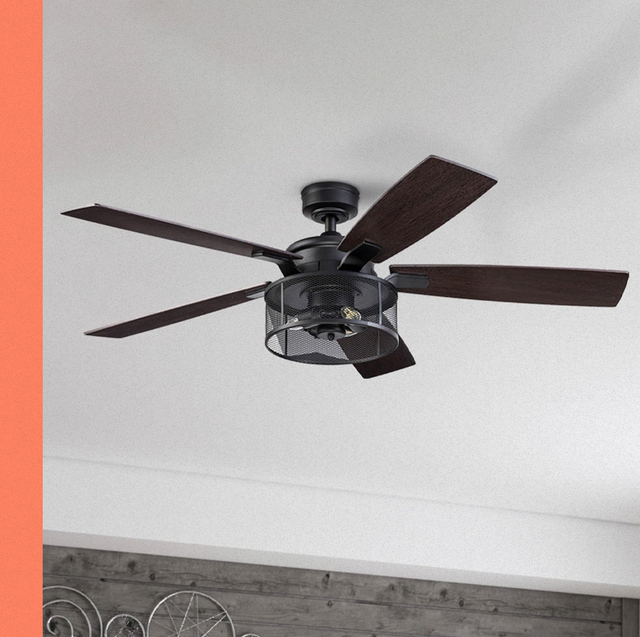
Our Editor Recommendations for Ceiling Fans Can Supplement or Even Replace an A/C
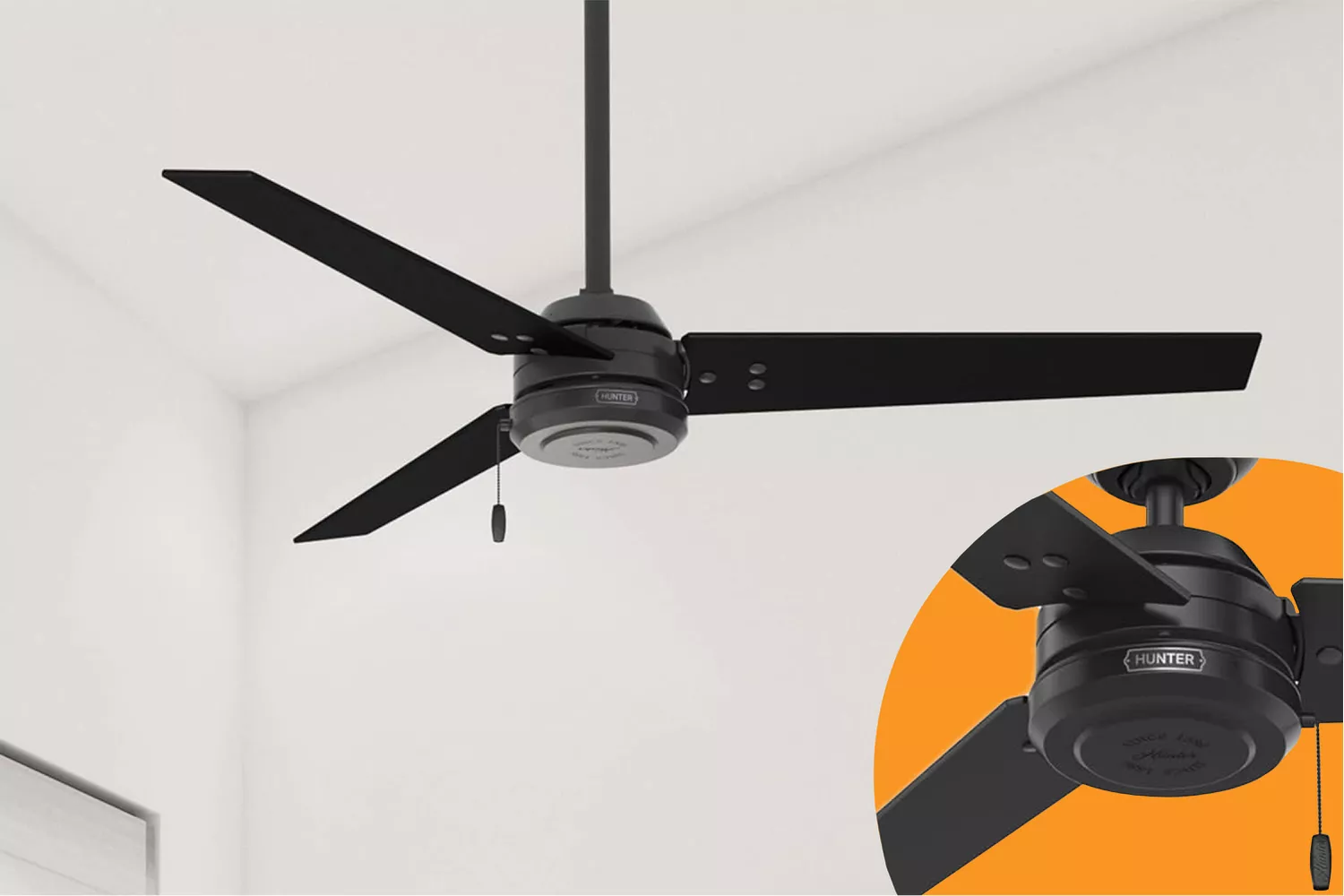
We Spent 1,200 Hours Testing Which Ceiling Fans Are the Most Cooling — These Are Our Winners
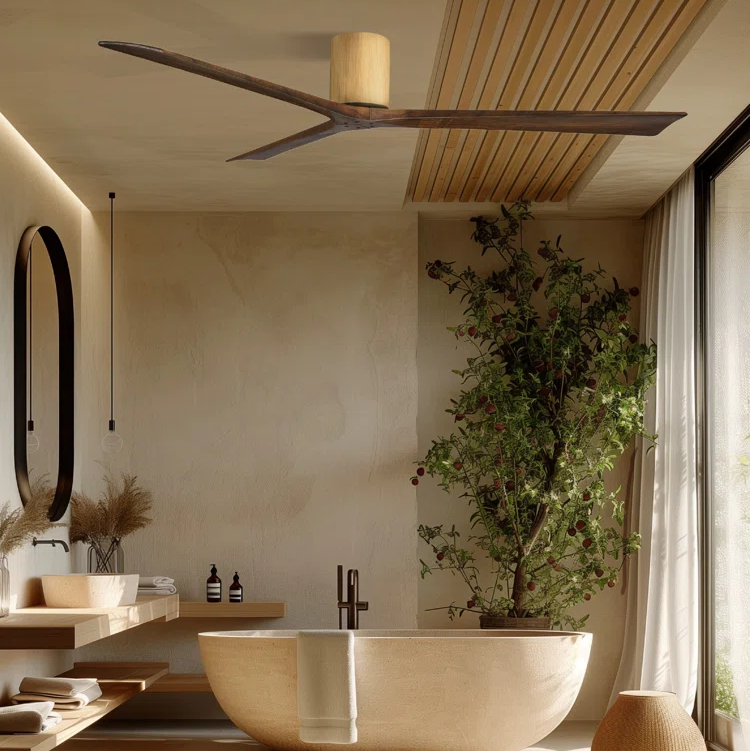
There's a Cool Ceiling Fan for Every Vibe and Budget


The Fan Mistake You’re Making That’s Making Your House Hotter
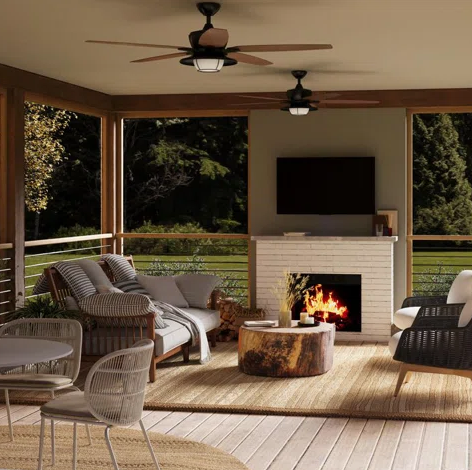
12 Stylish Outdoor Ceiling Fans That Will Keep You Cool All Summer Long
Beat the Summer Heat With One of Our Favorite Whole-House Fans

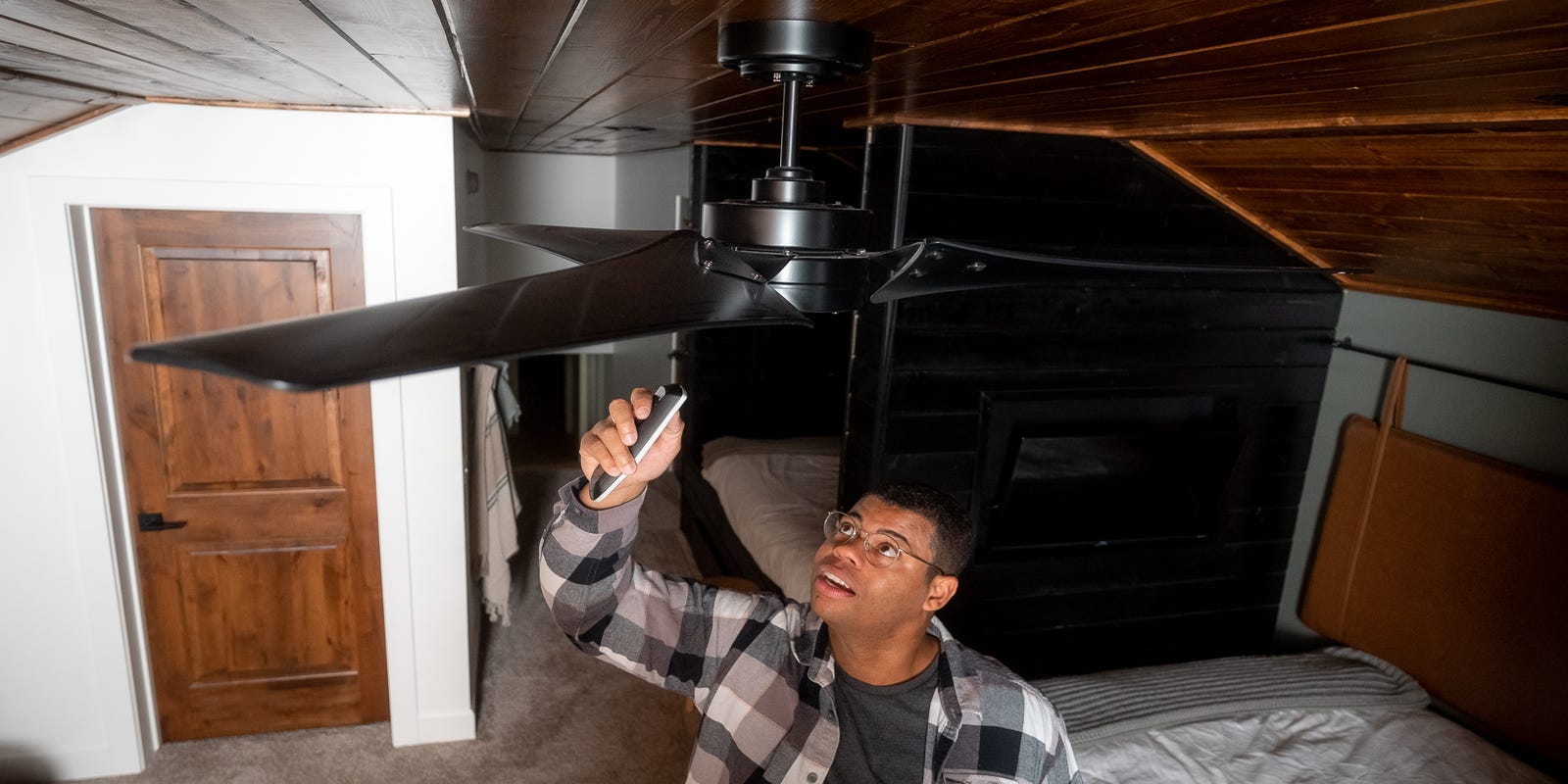
You should change the direction of your ceiling fan. This video shows you how