1/5
These 5 Furniture Trends Will Dominate 2025
The dynamic landscape of interior design is perpetually evolving, influenced by various cultural and technological shifts. While fast-moving trends, often popularized on platforms like TikTok, can inspire innovation and experimentation with forms, materials, and functions, there's a growing concern about the fleeting nature of some design fads. Noah Schwarz, Vice President of Product Design at MillerKnoll, highlights the issue of a 'fast-fashion mentality' emerging in the furniture industry, where the pursuit of 'timeless design' can paradoxically lead to bland, unexciting products. This approach is not only detrimental to the planet but also a poor investment for consumers seeking longevity and character in their furnishings.
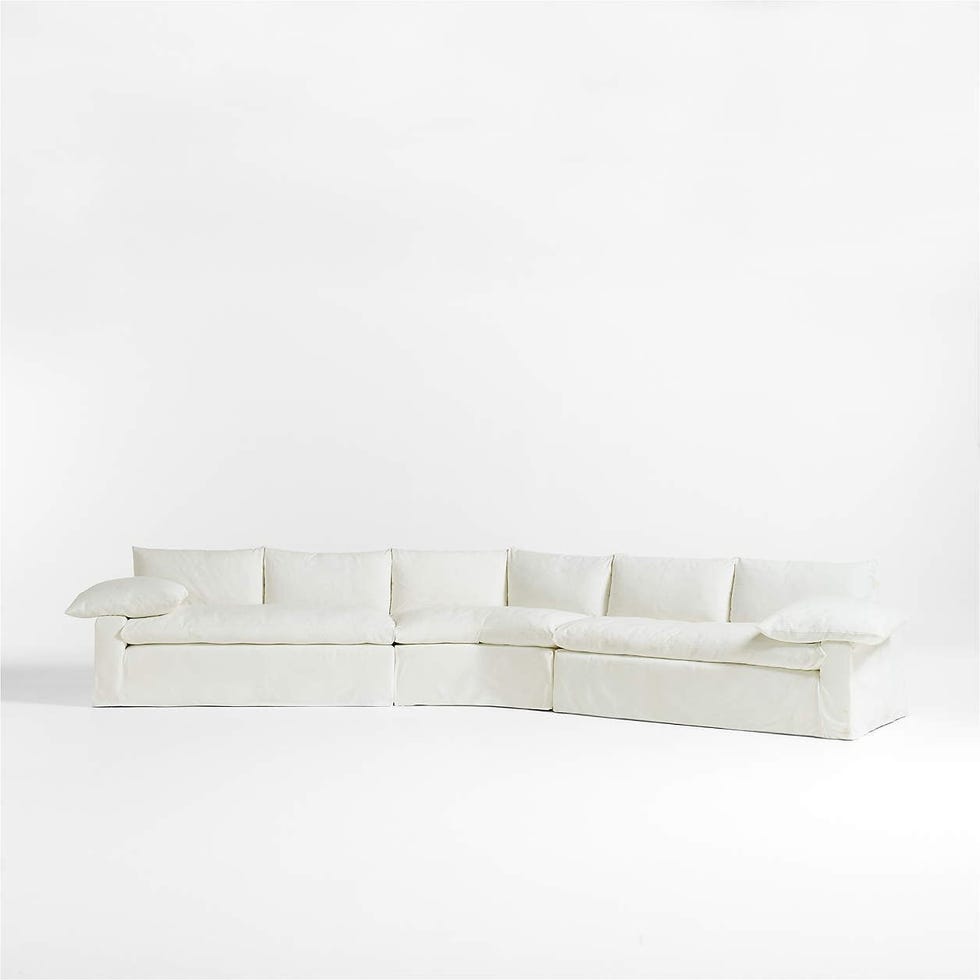
To navigate this, discerning consumers and designers are focusing on identifying trends with genuine staying power. This involves recognizing core elements that transcend momentary popularity and offer enduring appeal. Key themes emerging in recent years include the artful mixing of diverse pieces and eras, a sustained interest in biomorphic modernism, and a desire for personalized, handcrafted elements. Additionally, the demand for multifunctional furniture and intentionally curated arrangements that blend new and old pieces is reshaping how living spaces are conceived and utilized. Schwarz emphasizes the potential for creating long-lasting designs that retain their relevance and charm for decades, without succumbing to a diluted sense of 'timelessness'.
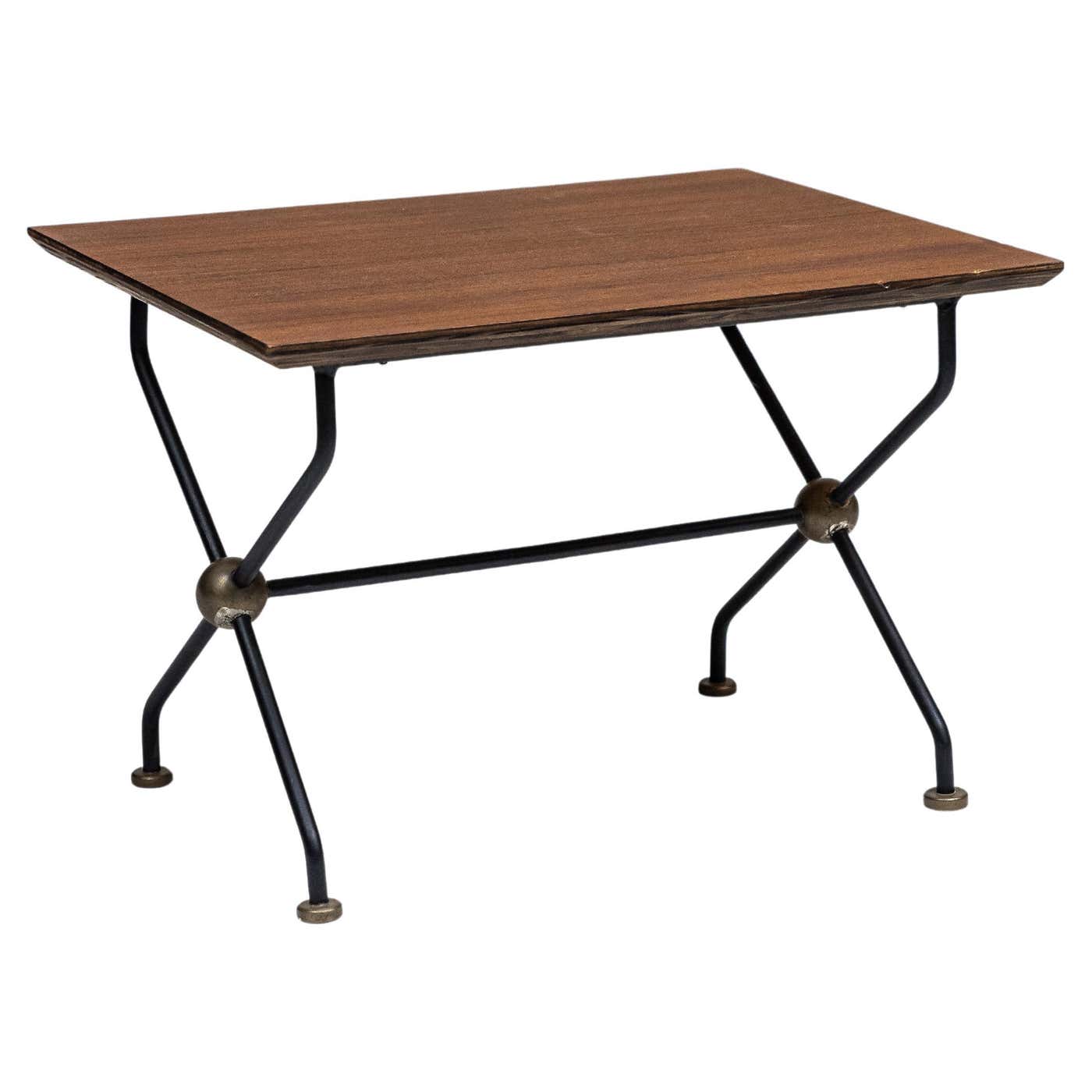
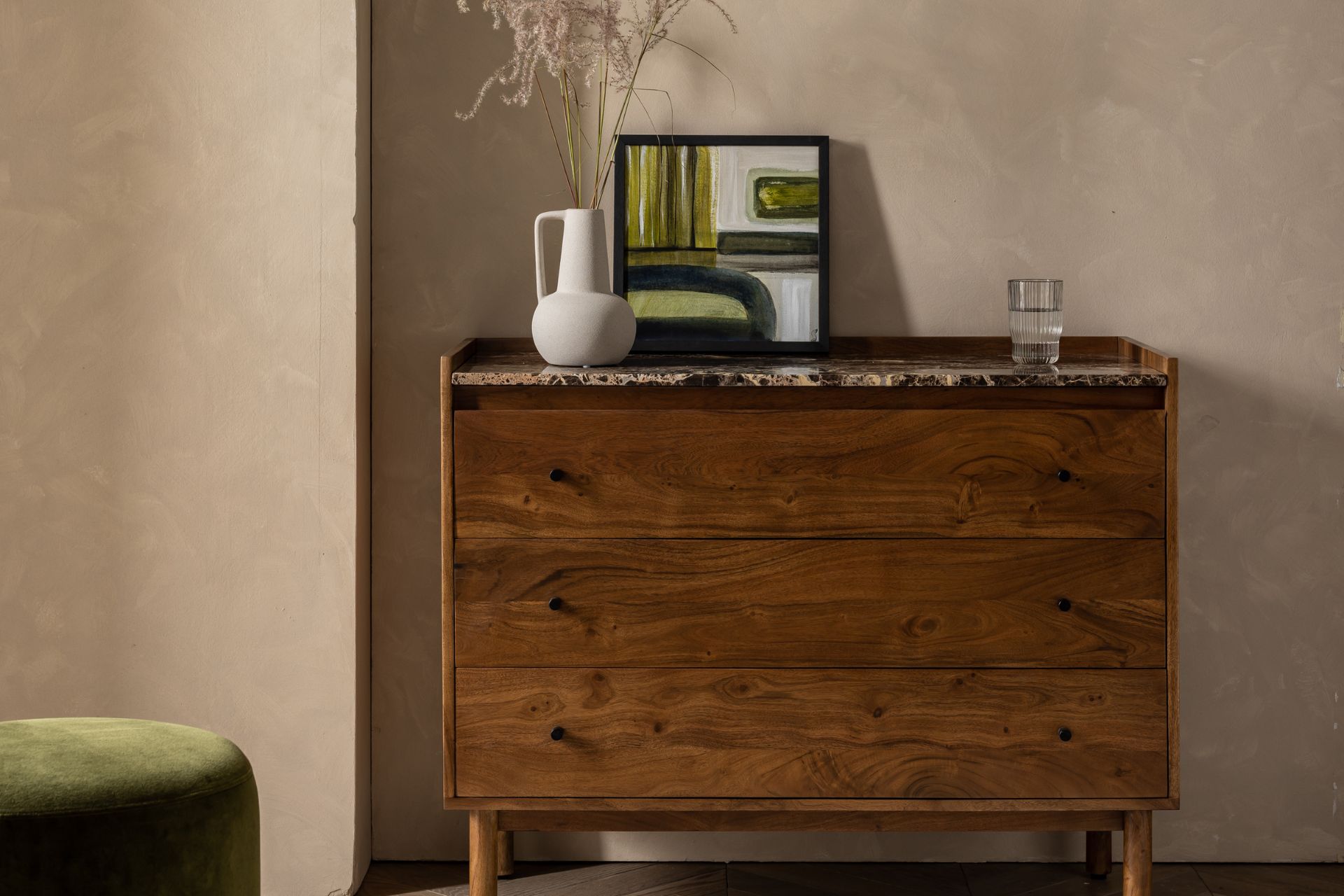
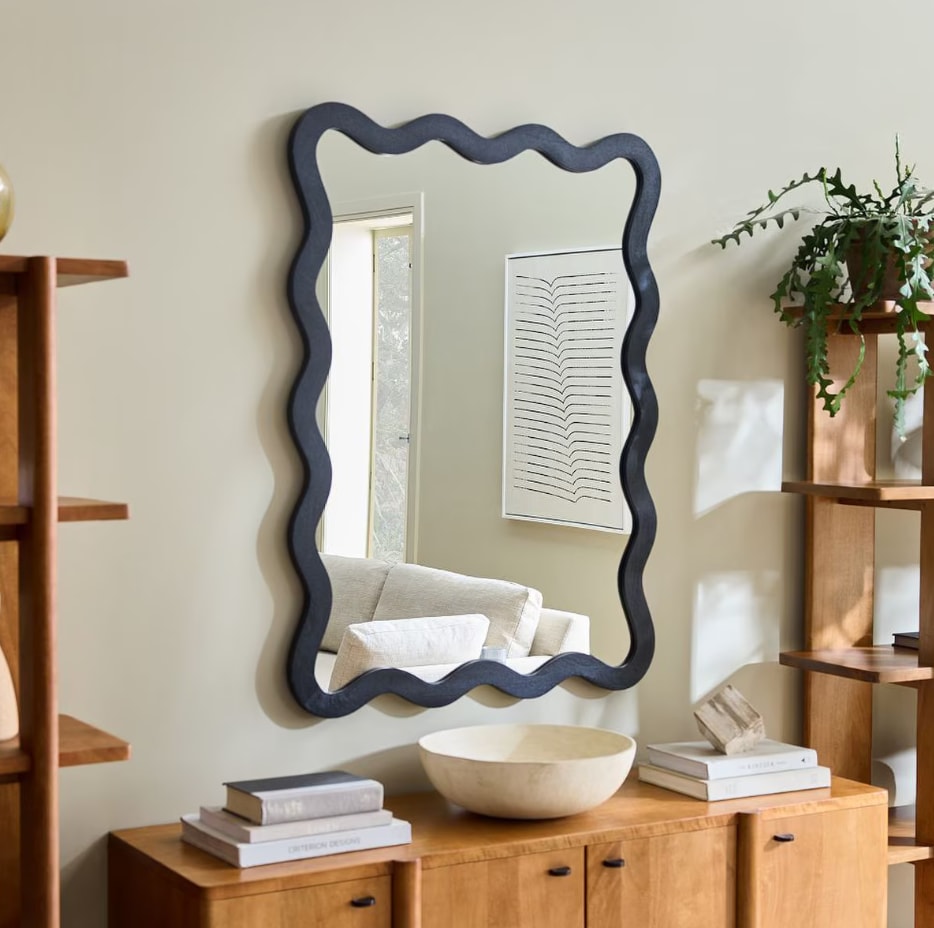
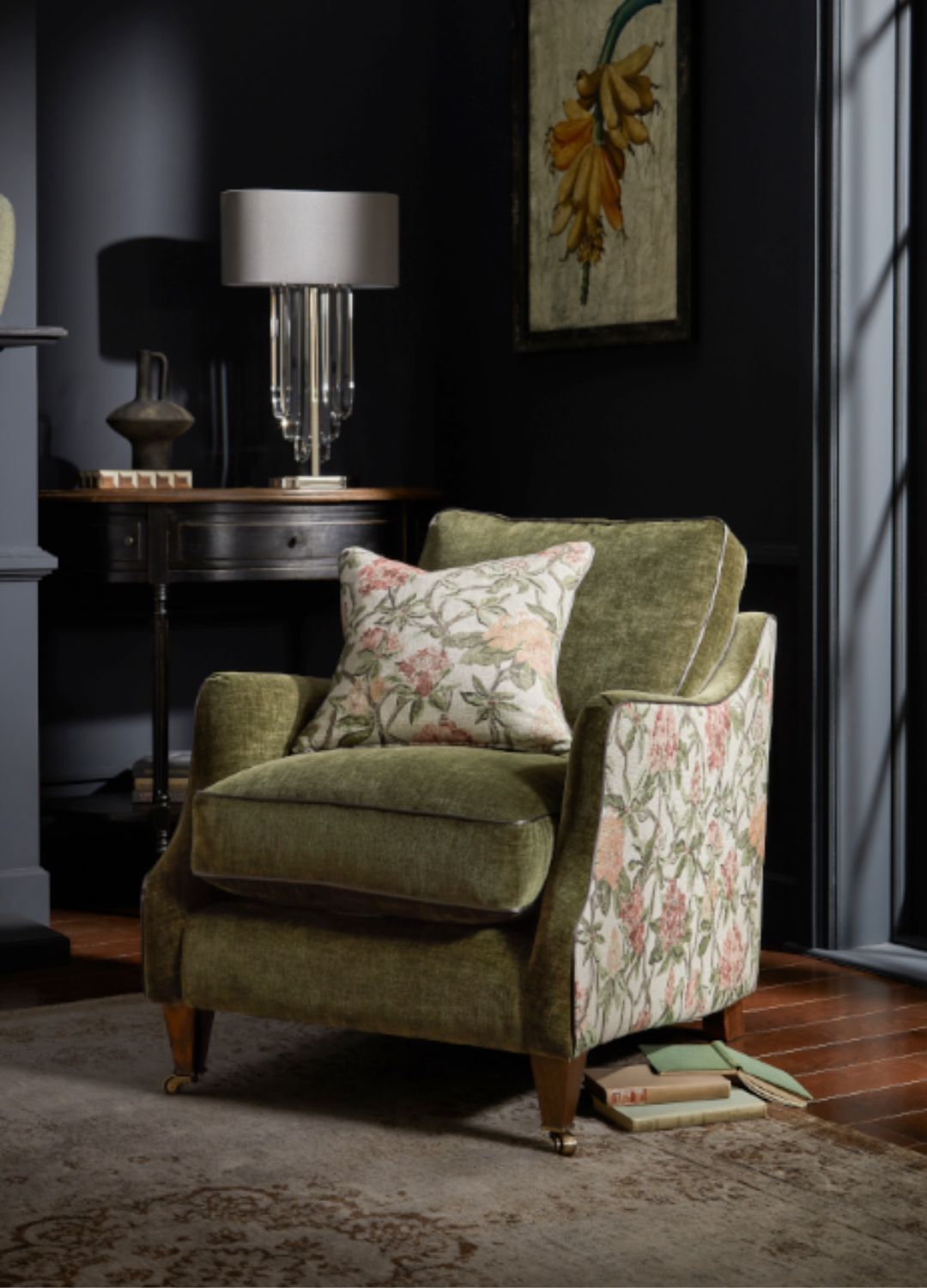
Industry experts have identified five prominent furniture trends poised to define home interiors in 2025, each reflecting a blend of aesthetic appeal, functionality, and enduring style. The first trend is the rise of the statement entry table. No longer merely a functional piece, the entry table is becoming a focal point designed to make a strong first impression. This trend is fueled by homeowners opting to upgrade individual furniture pieces in existing homes with unique, valuable items, rather than undertaking large-scale moves. These tables, often crafted from eye-catching materials like marble, reclaimed wood, or sculptural metal, are paired with oversized mirrors or distinctive lighting to establish the home's overall aesthetic.
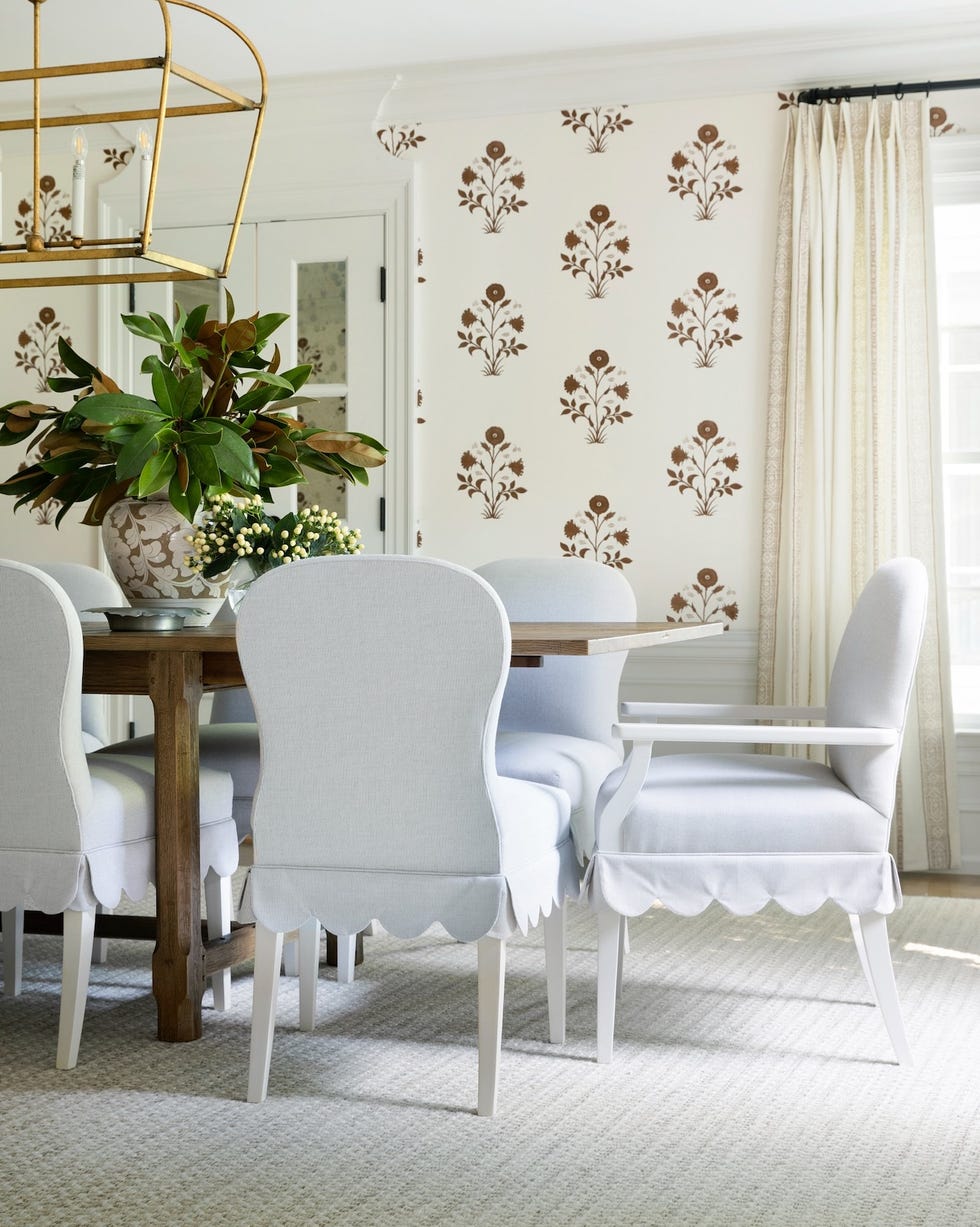
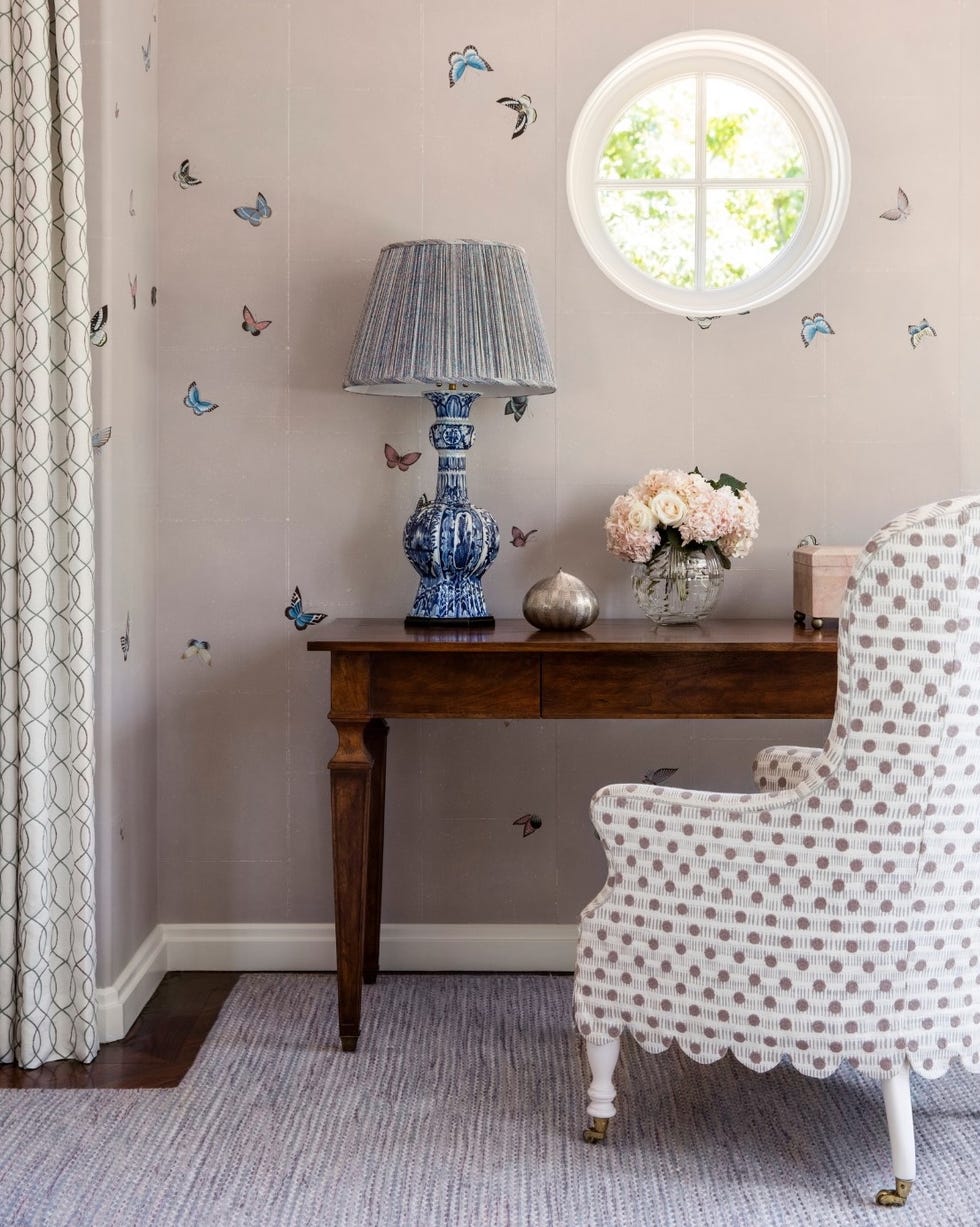
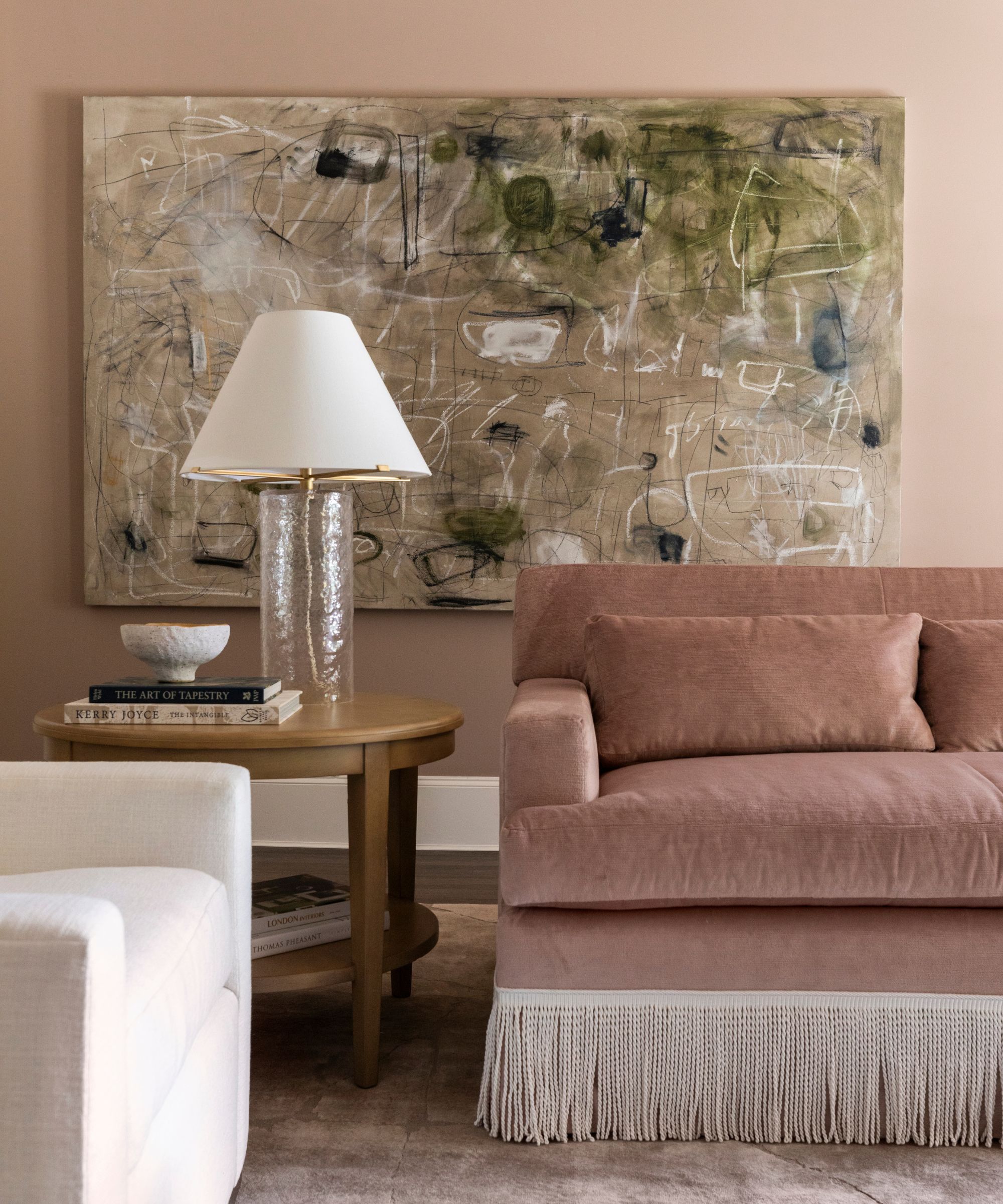
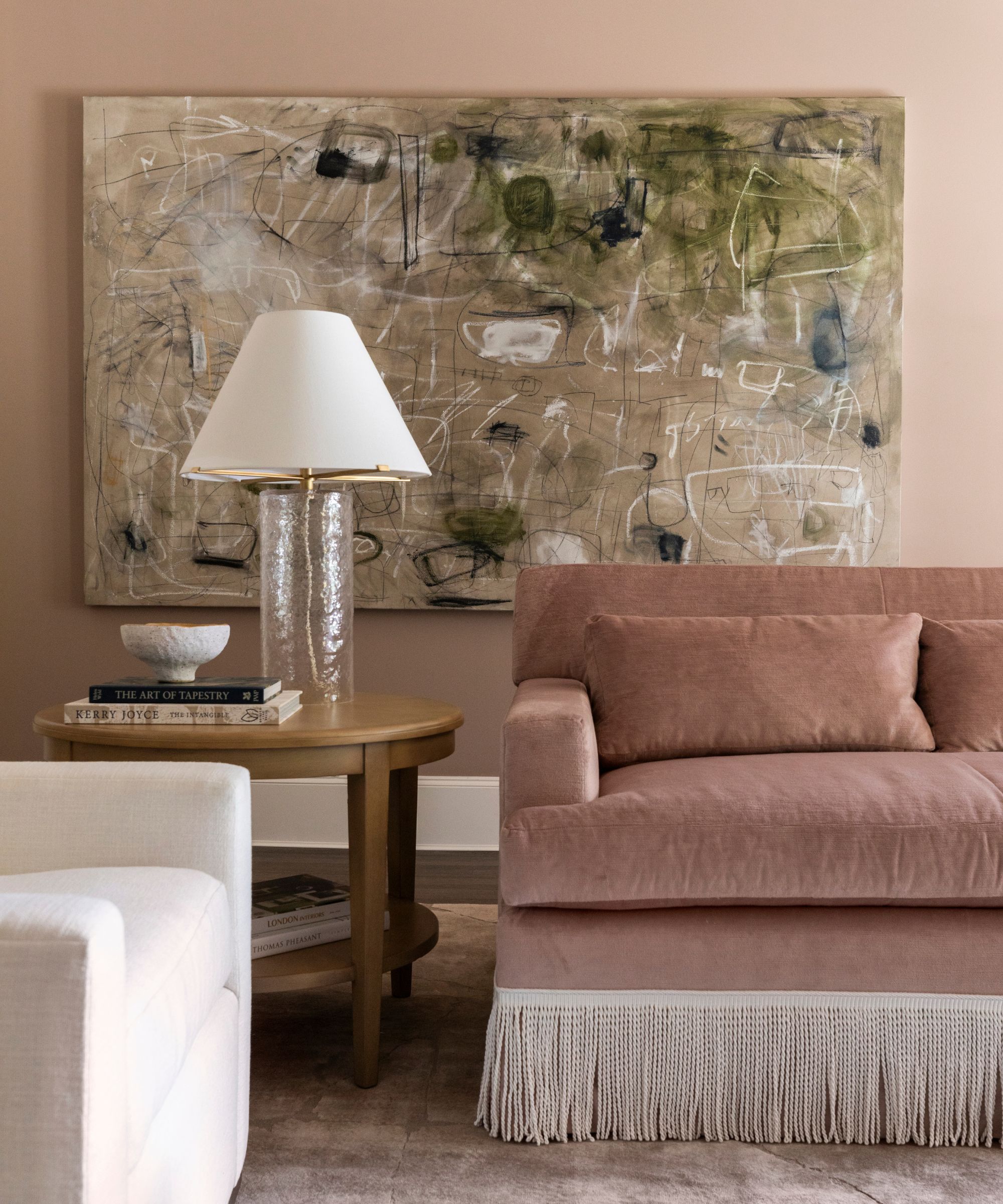
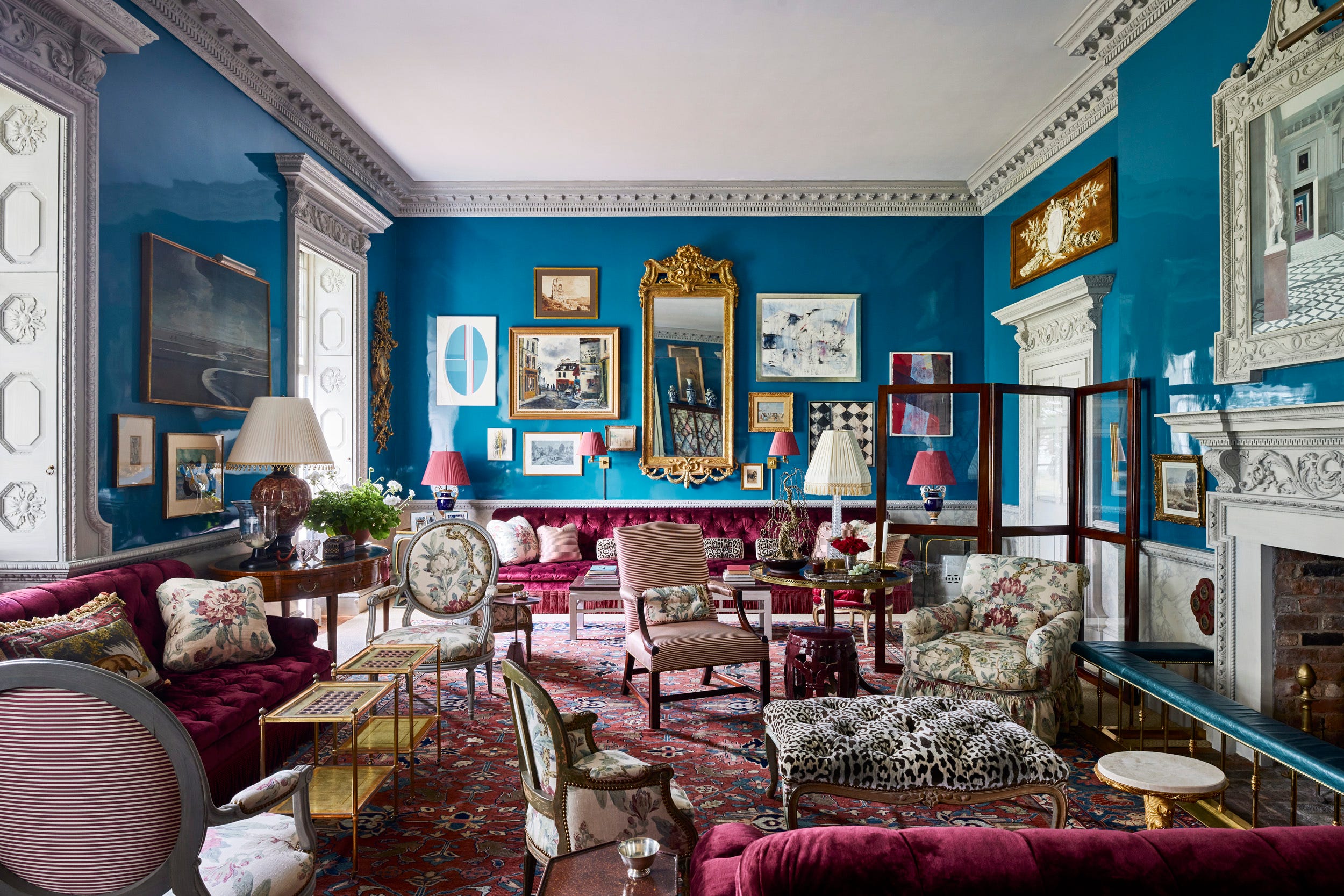
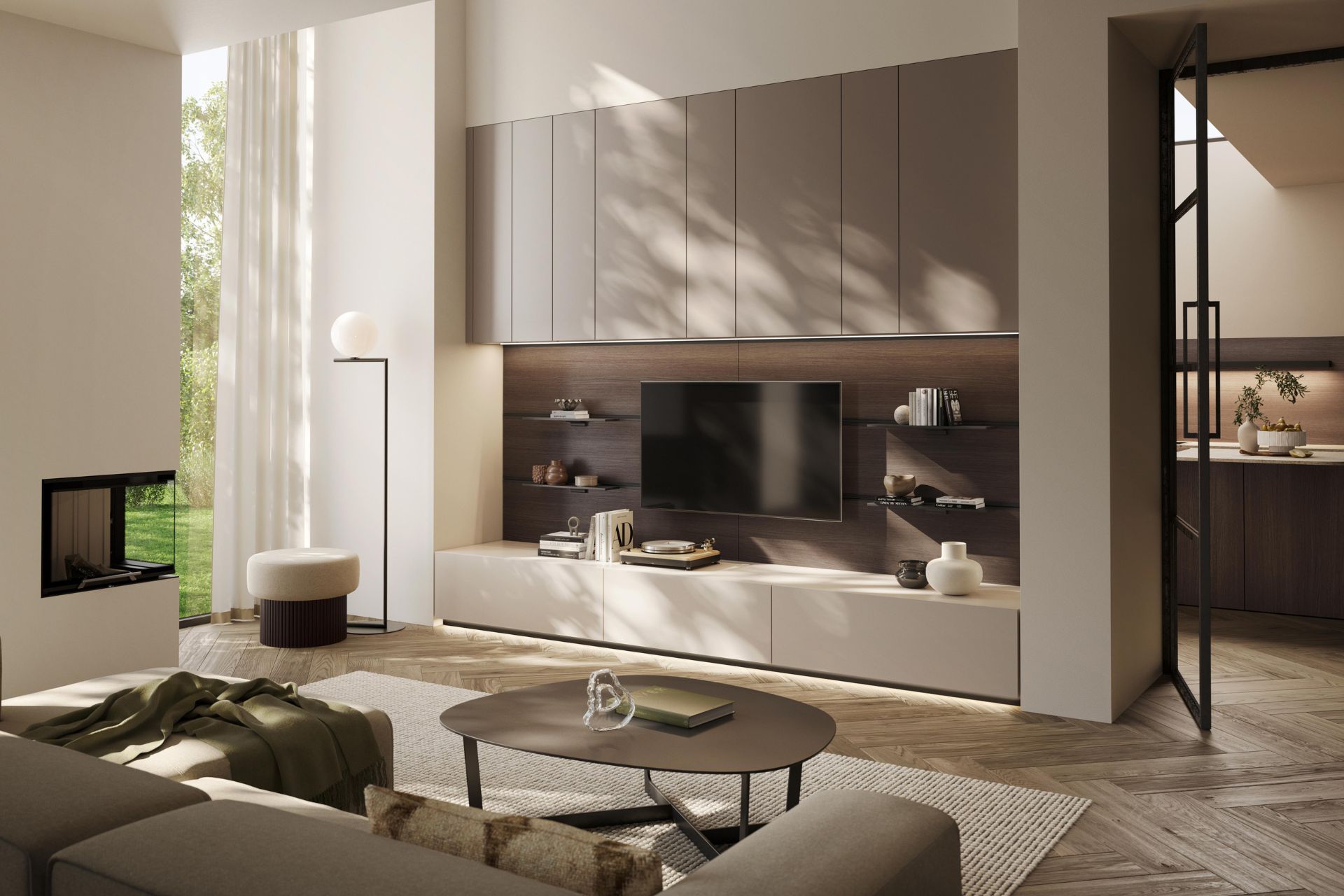
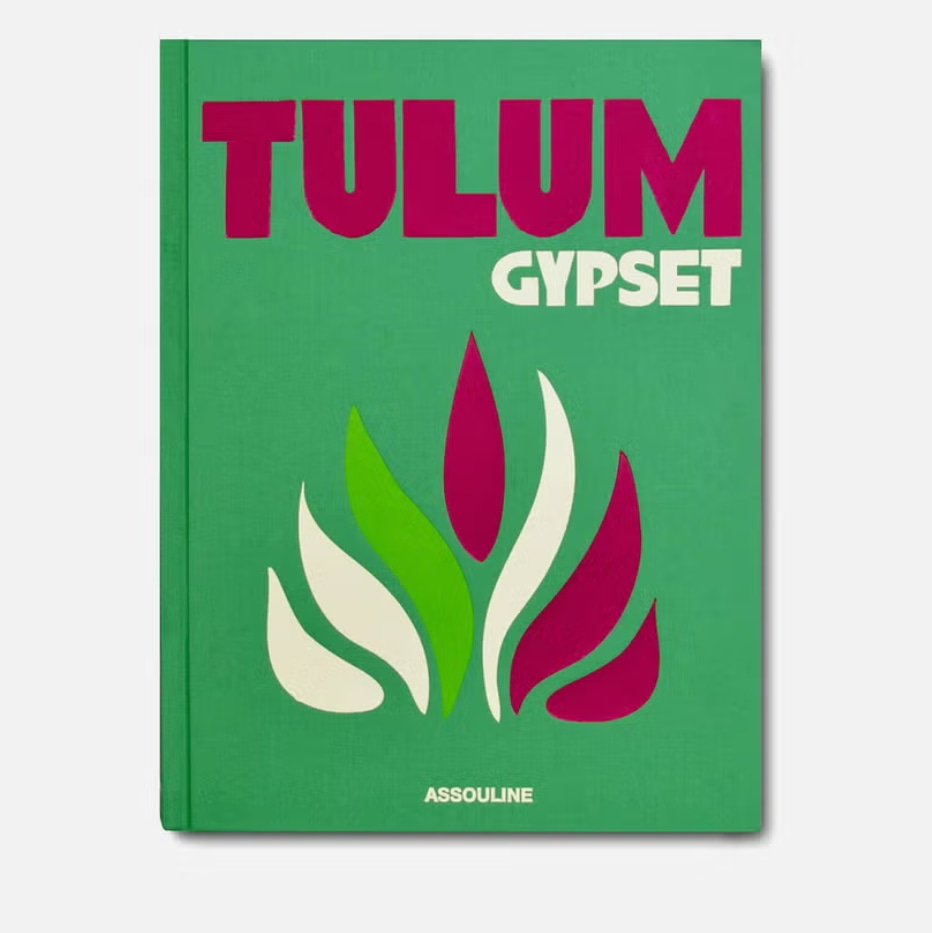
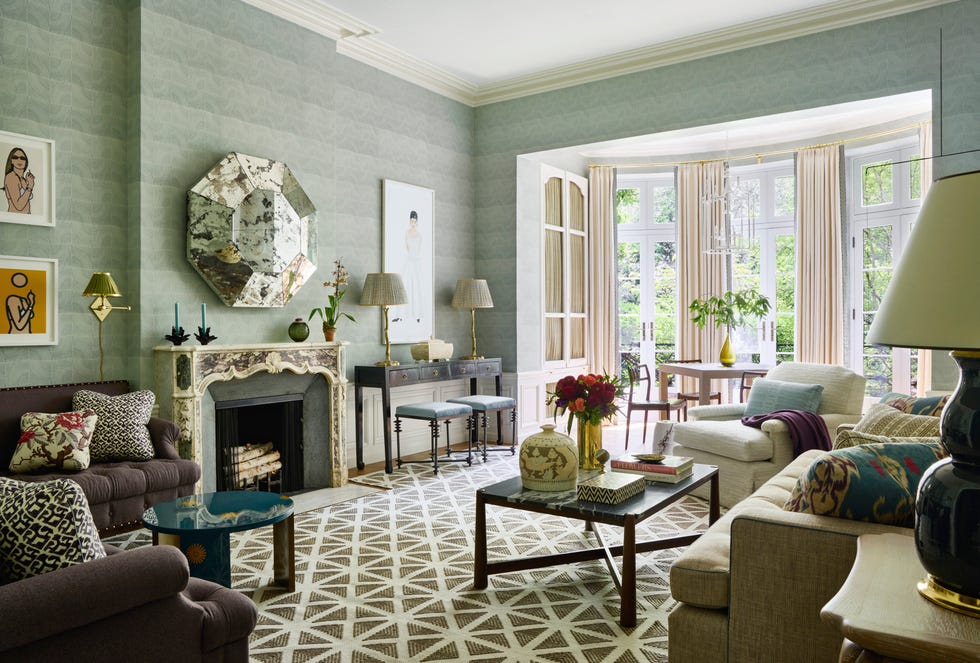
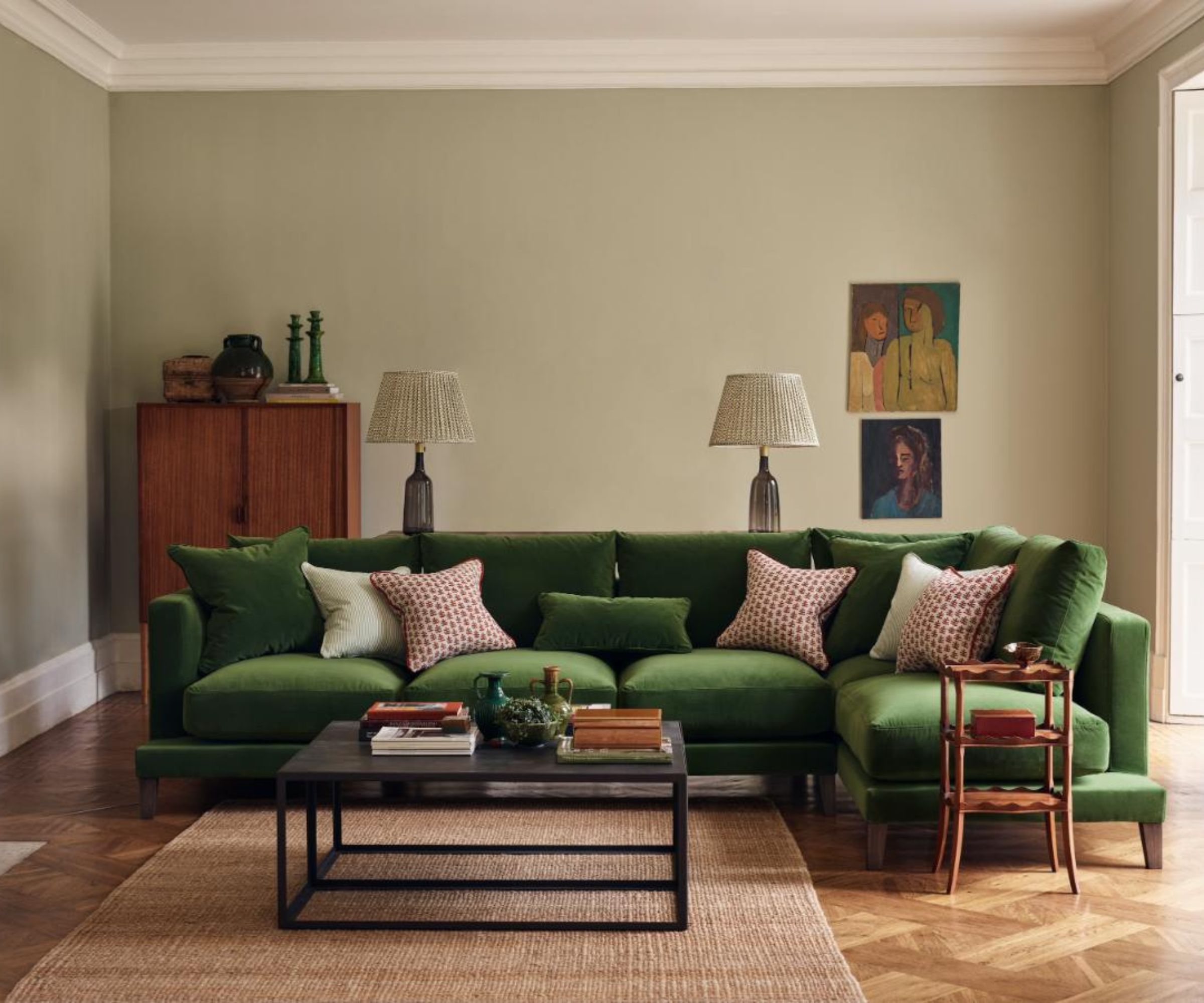
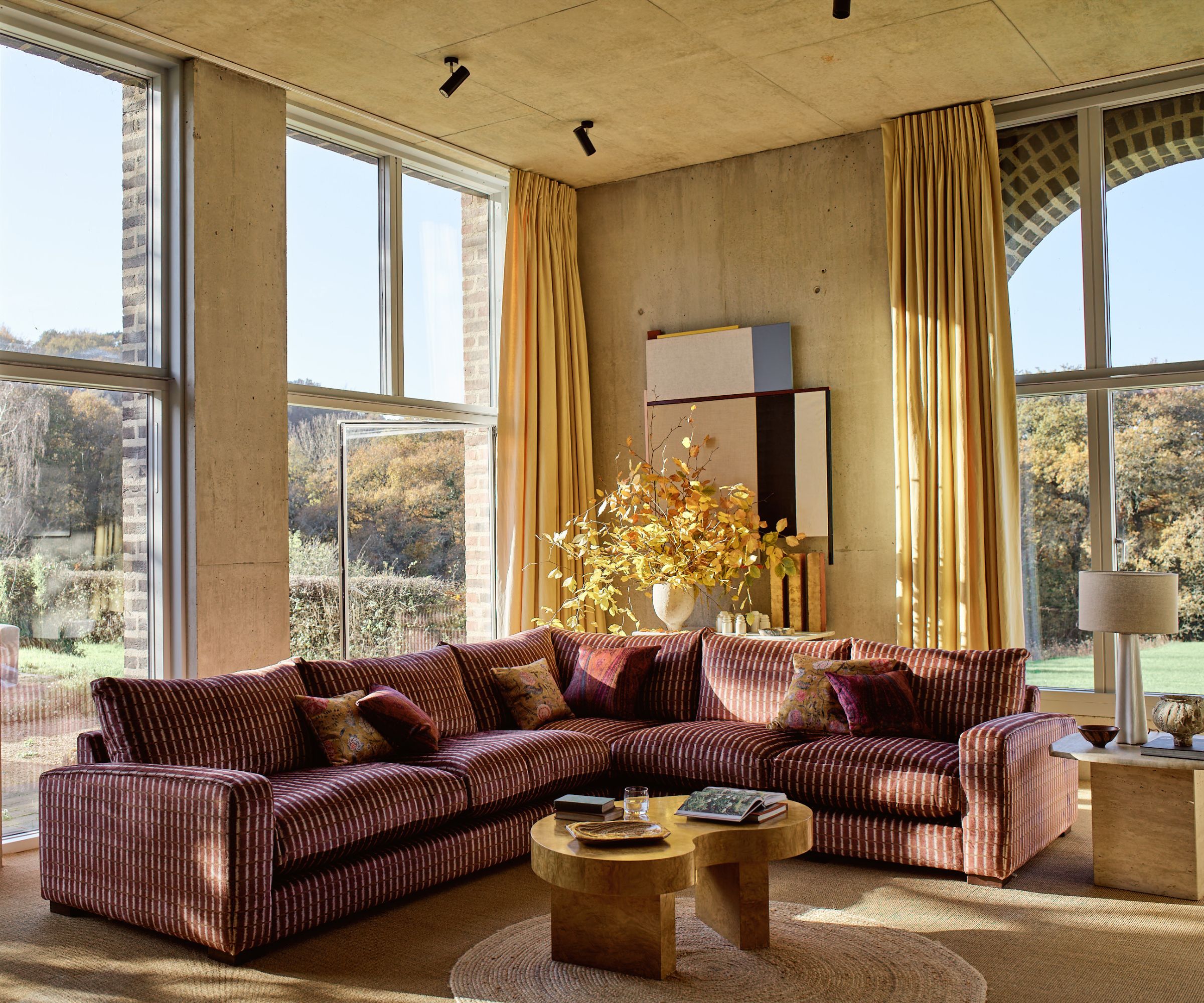
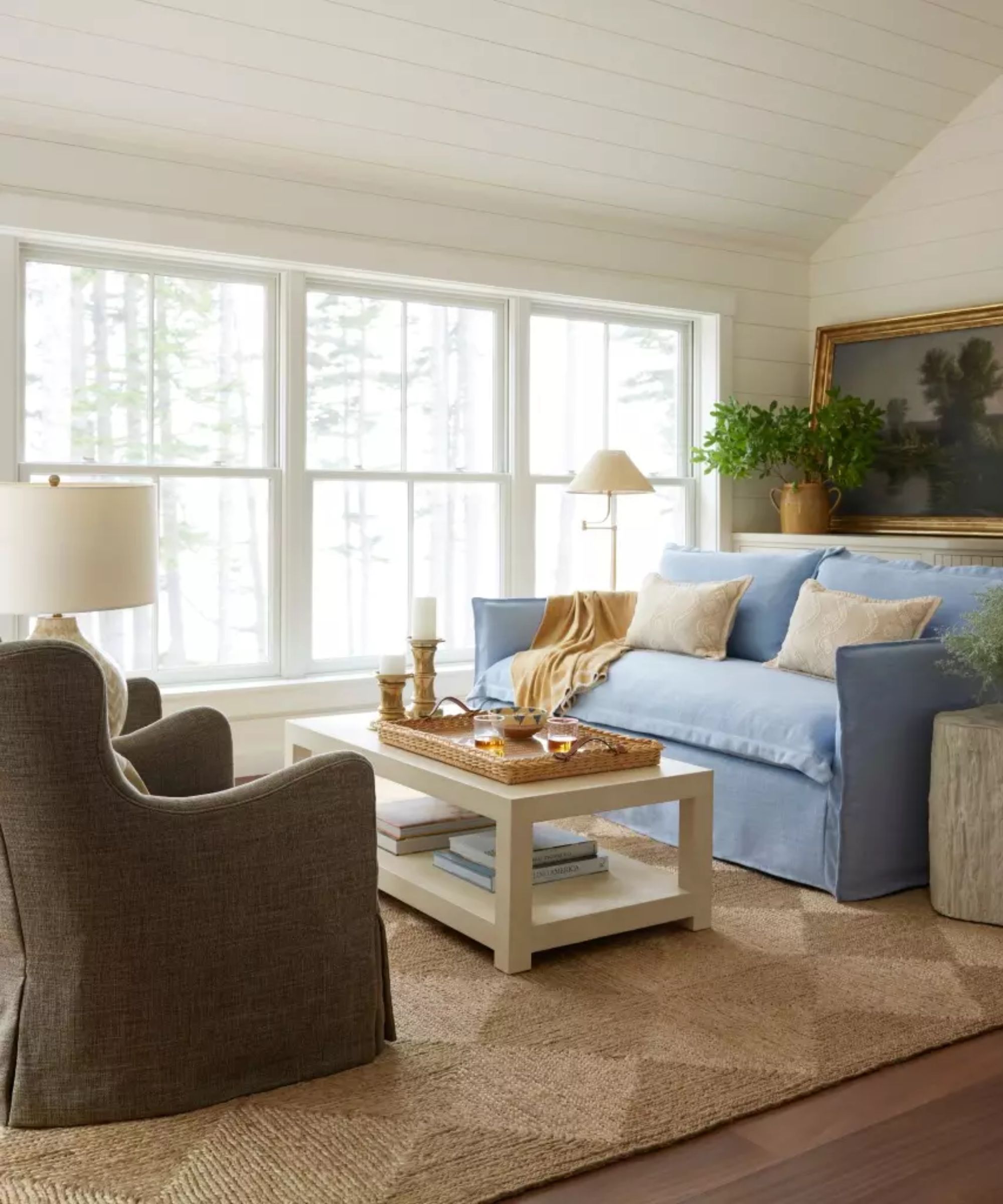
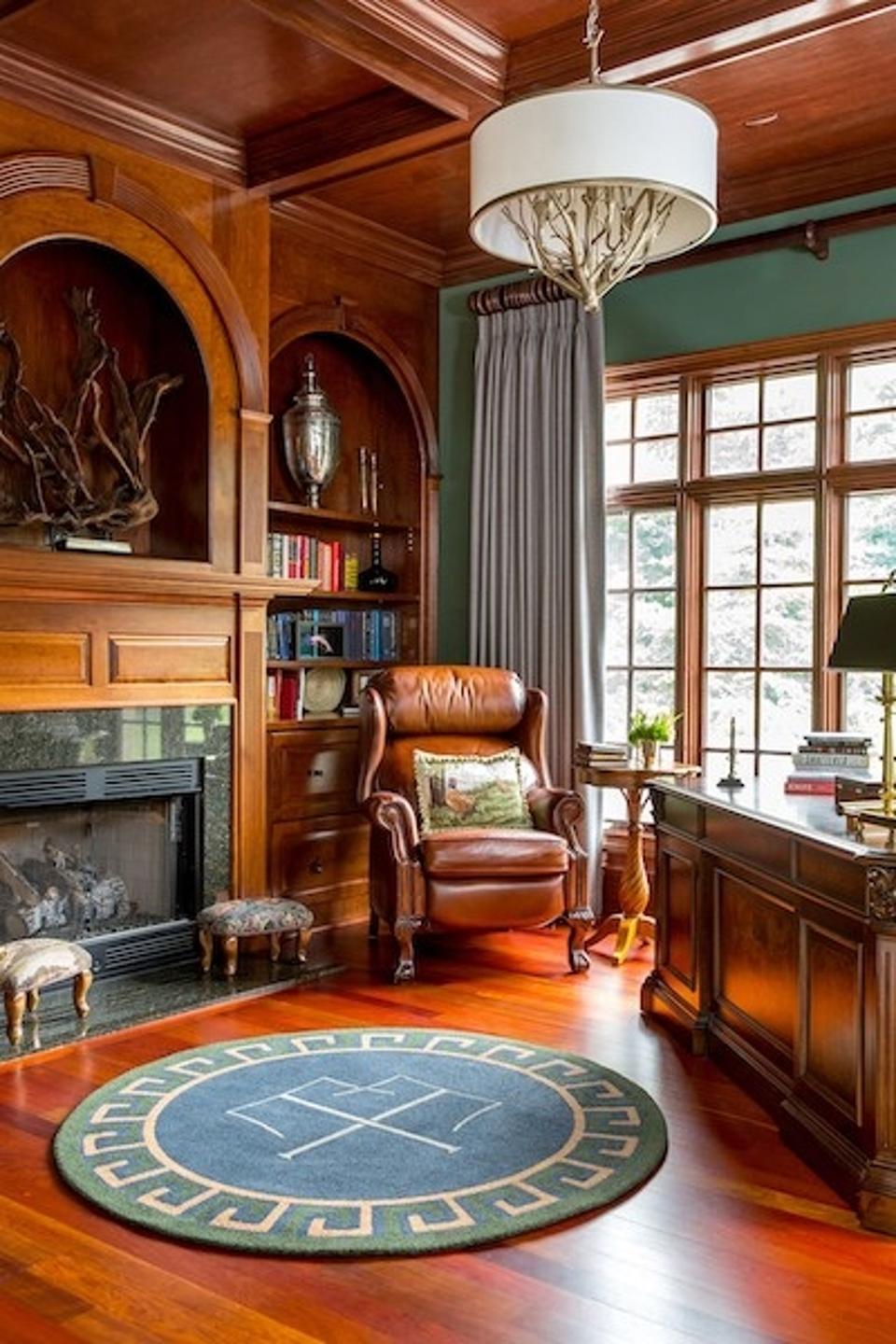
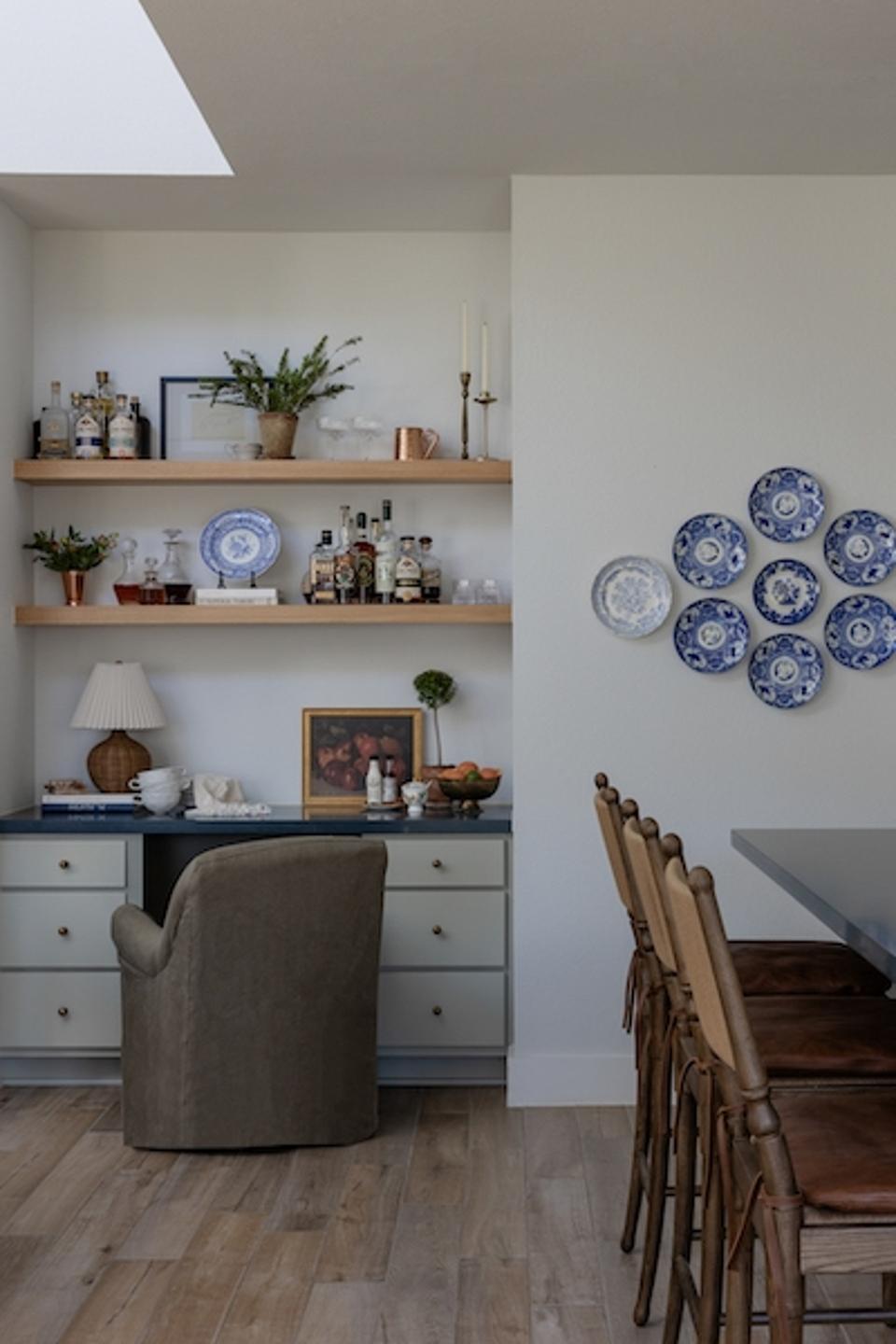
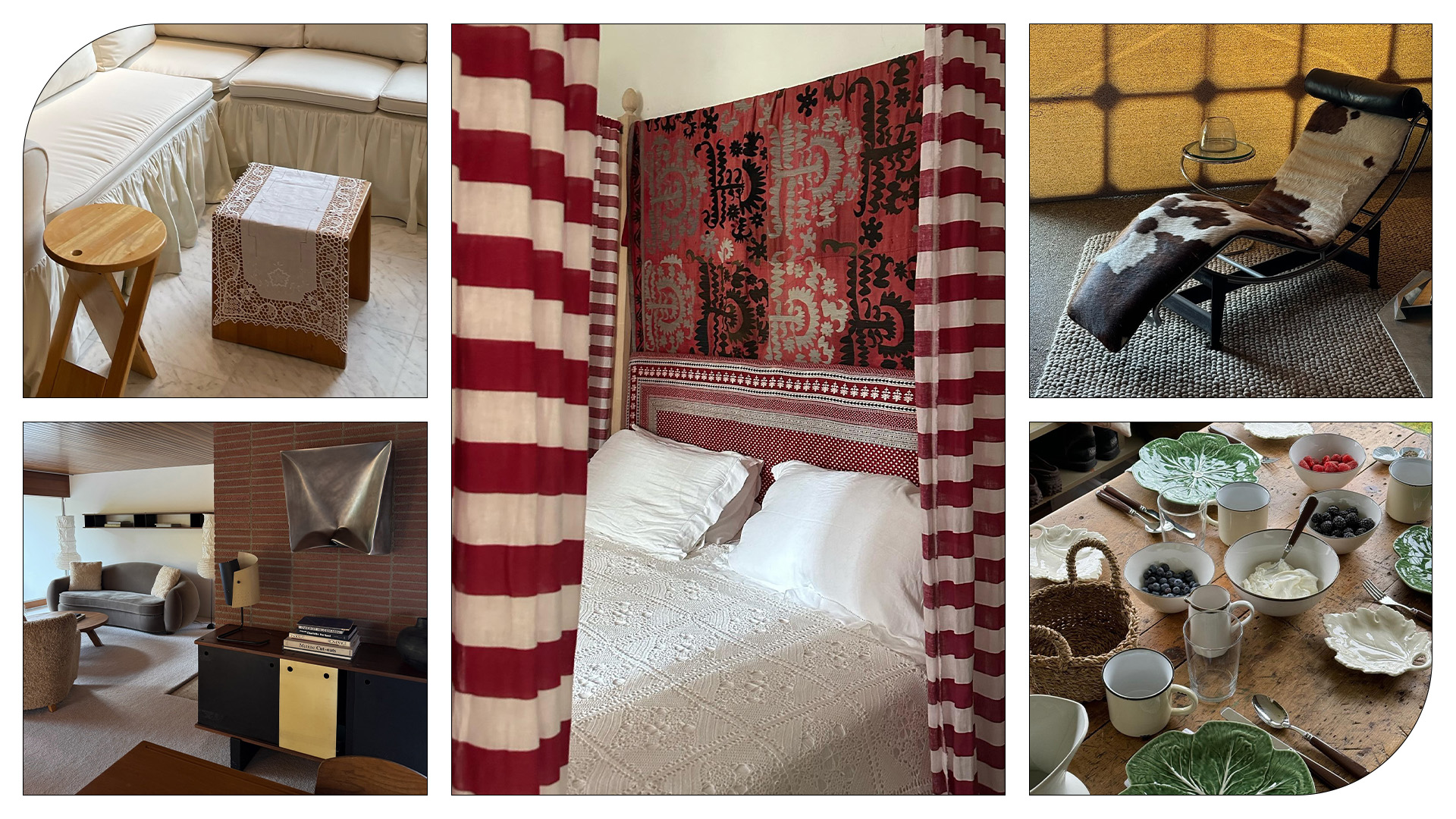
Secondly, there is a strong movement towards cluttered furniture collections, characterized by an 'intentional clutter' approach. This trend moves beyond simply acquiring vintage pieces, which have been consistently popular, to a thoughtful curation that blends new, old, collected, and gifted items. Katherine Finder, Chief Merchandising Officer at Anthropologie Home, describes it as creating welcoming and comfortable spaces through a diverse mix of furnishings. This means combining seemingly disparate items, such as a 19th-century desk with contemporary chairs or vintage sconces with modern art, to create unique and interesting environments that transcend specific time periods.
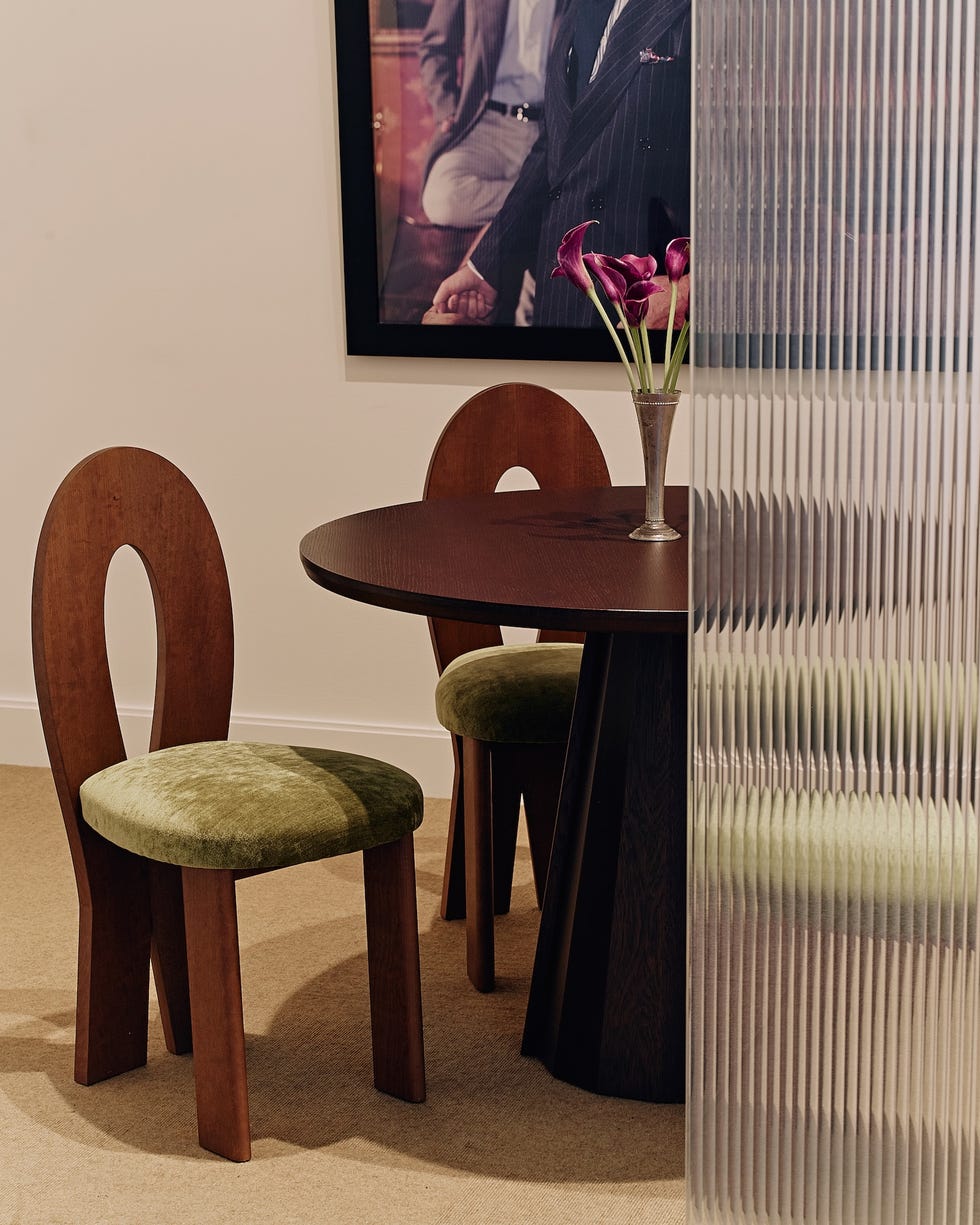
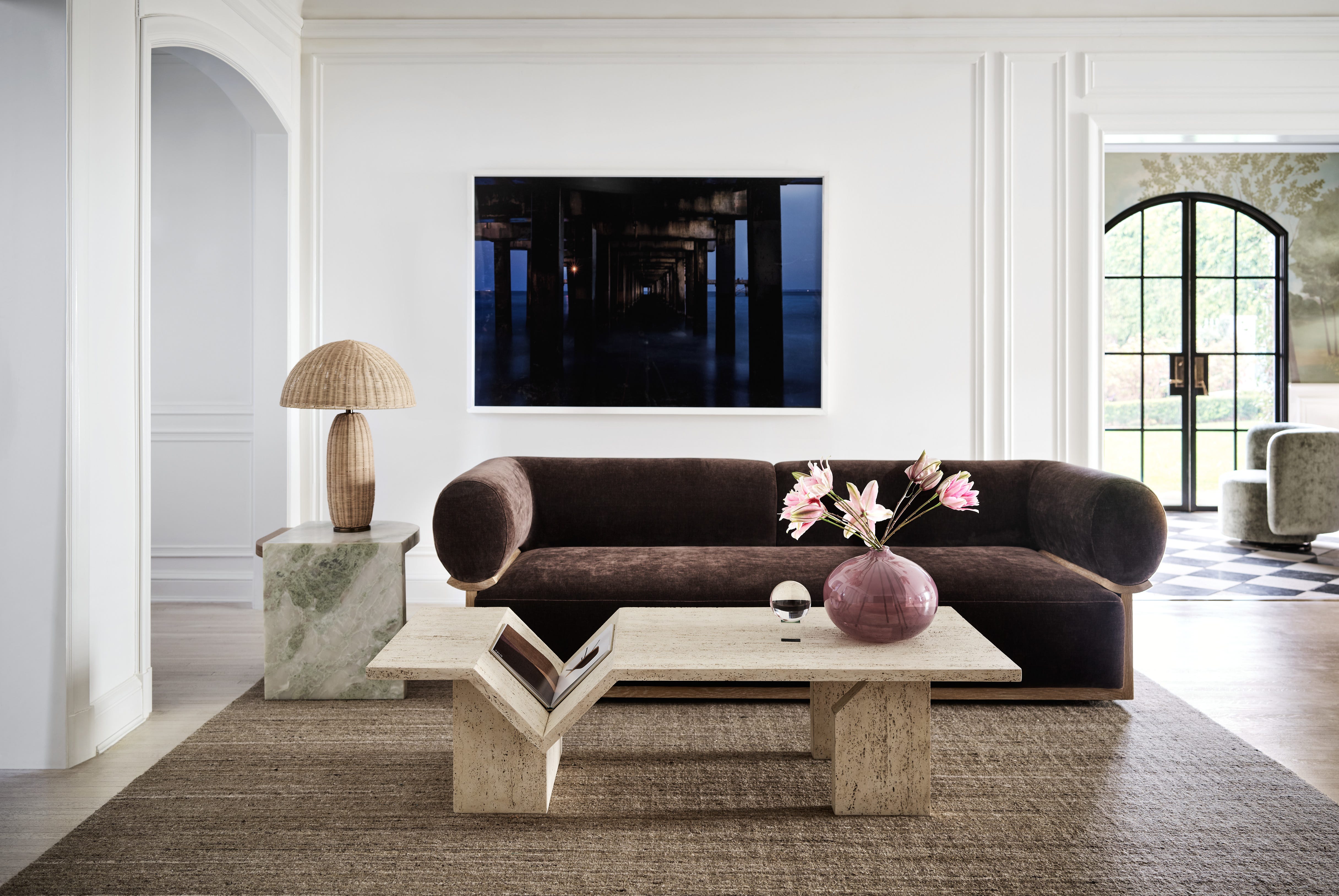
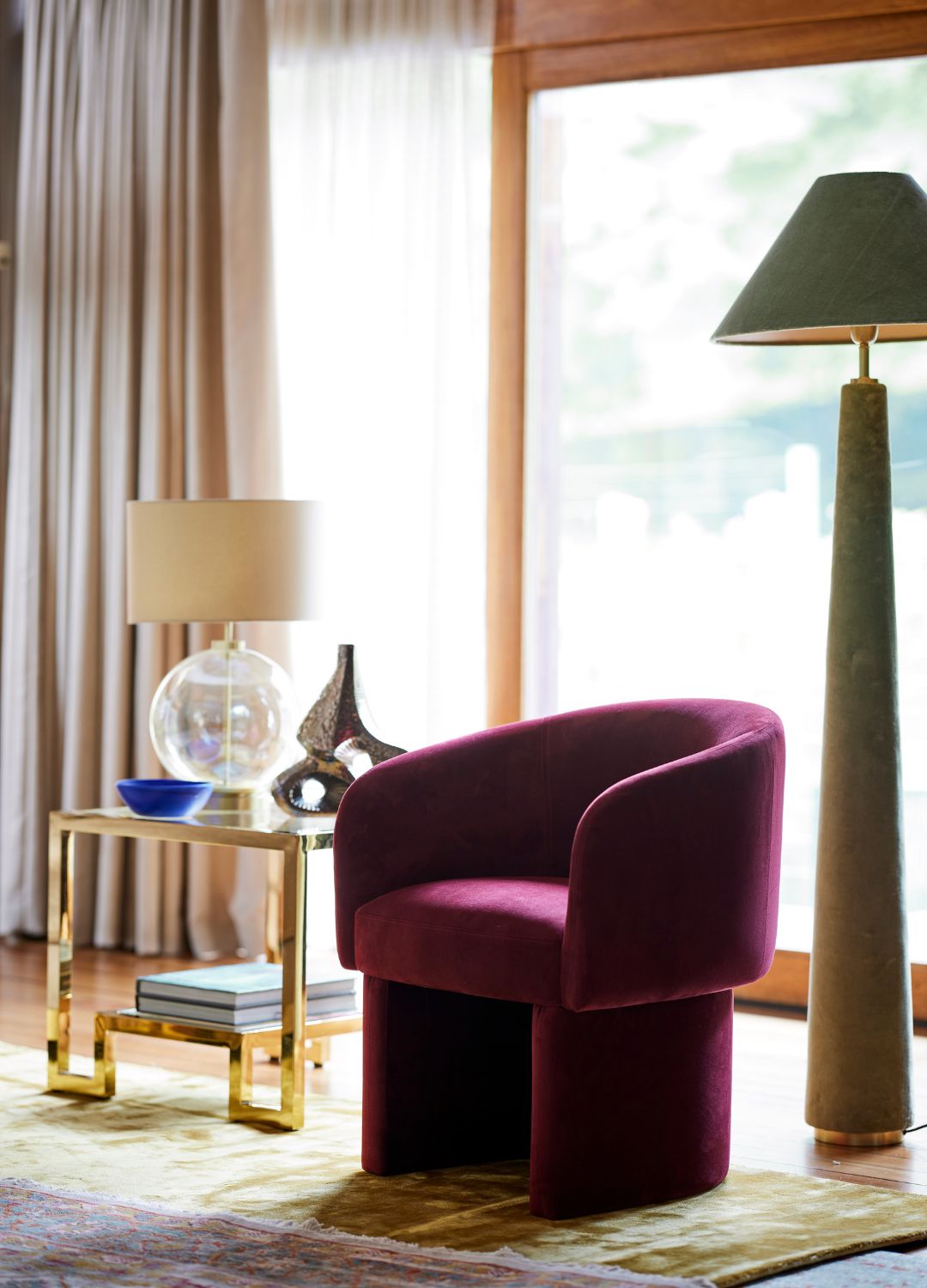
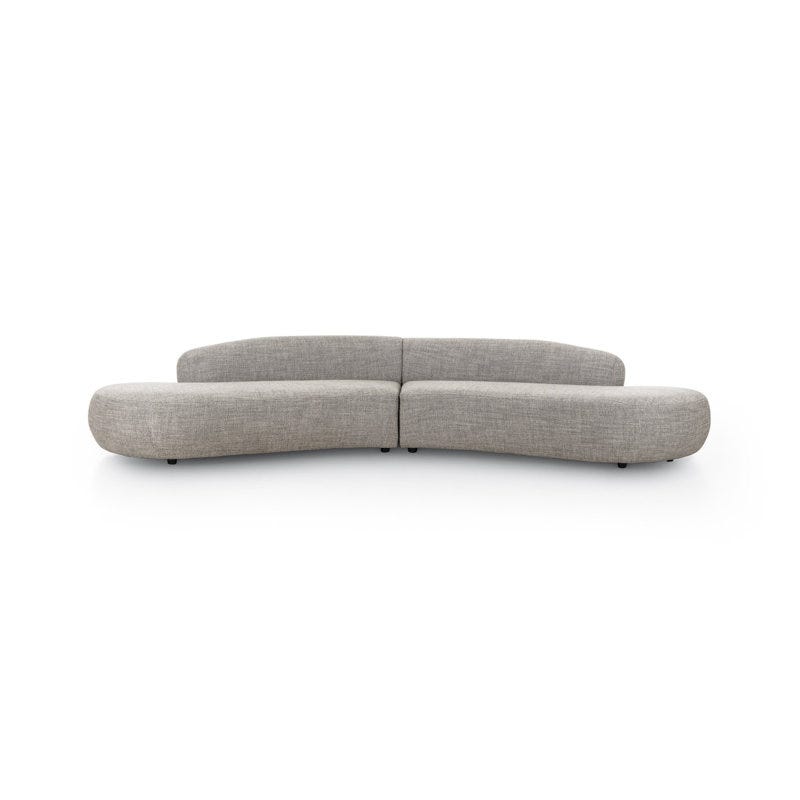
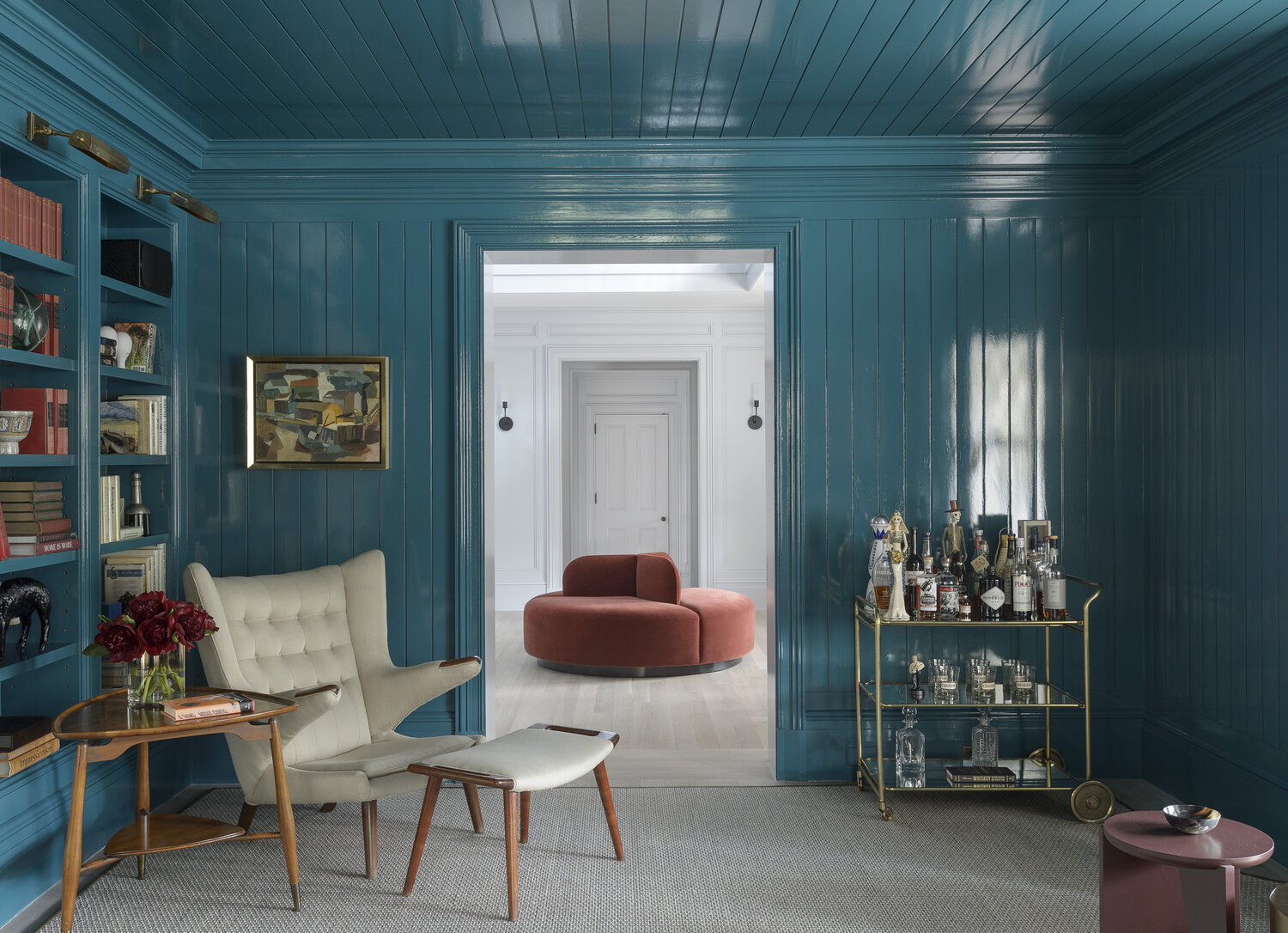
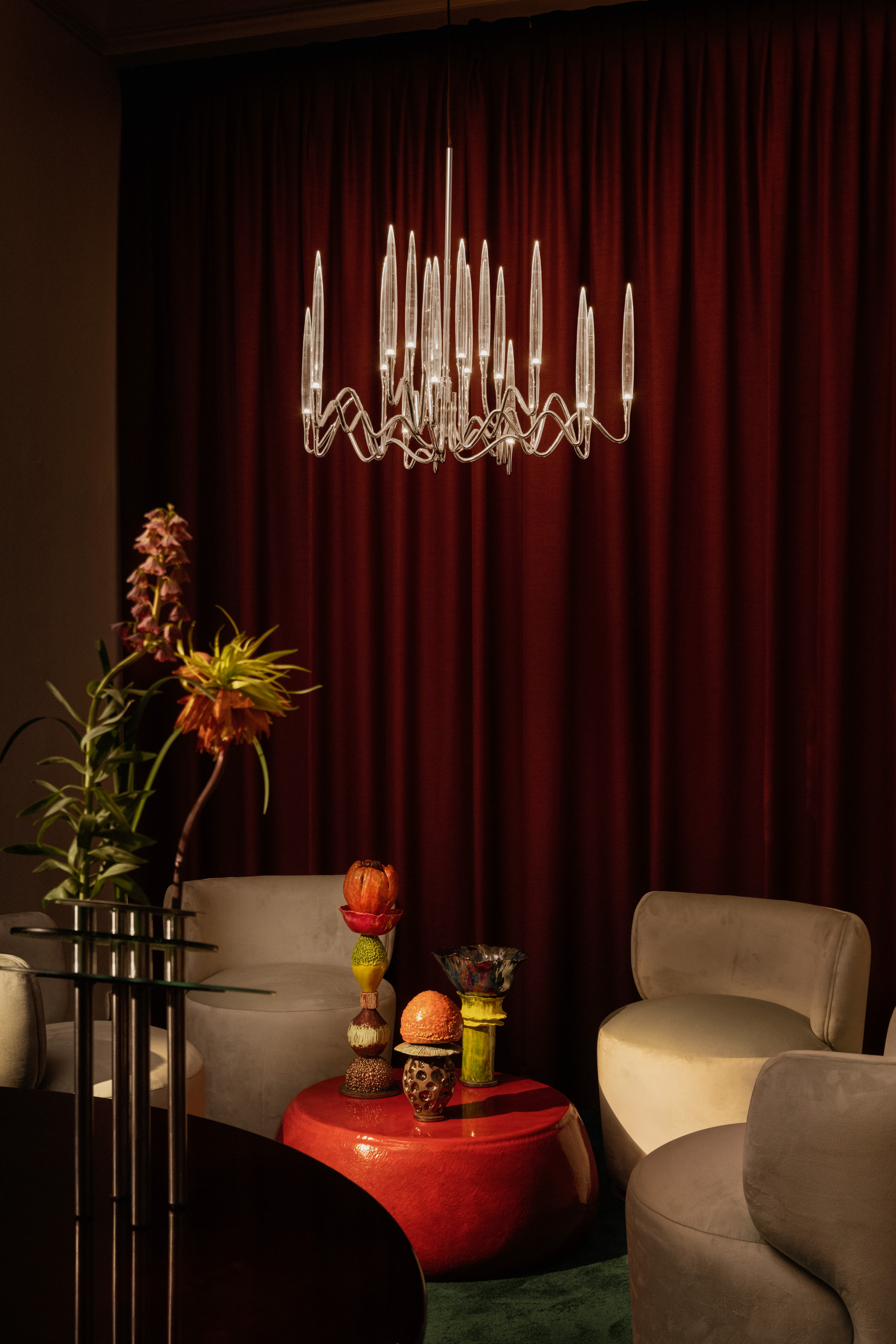
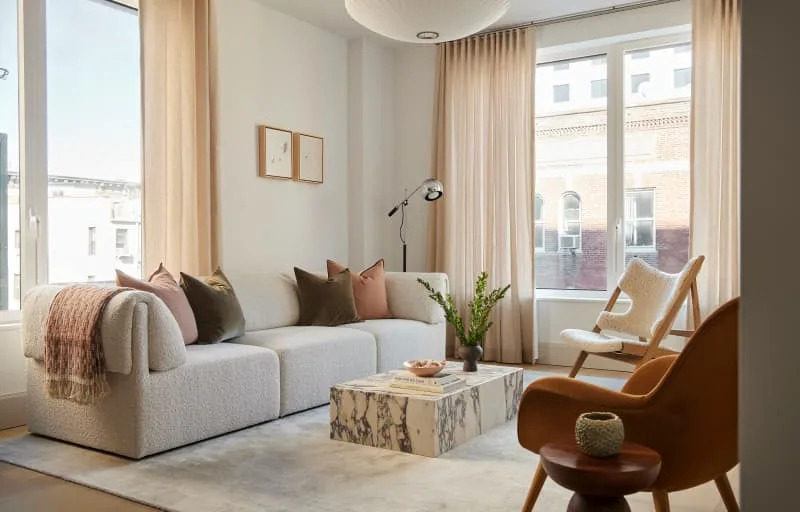
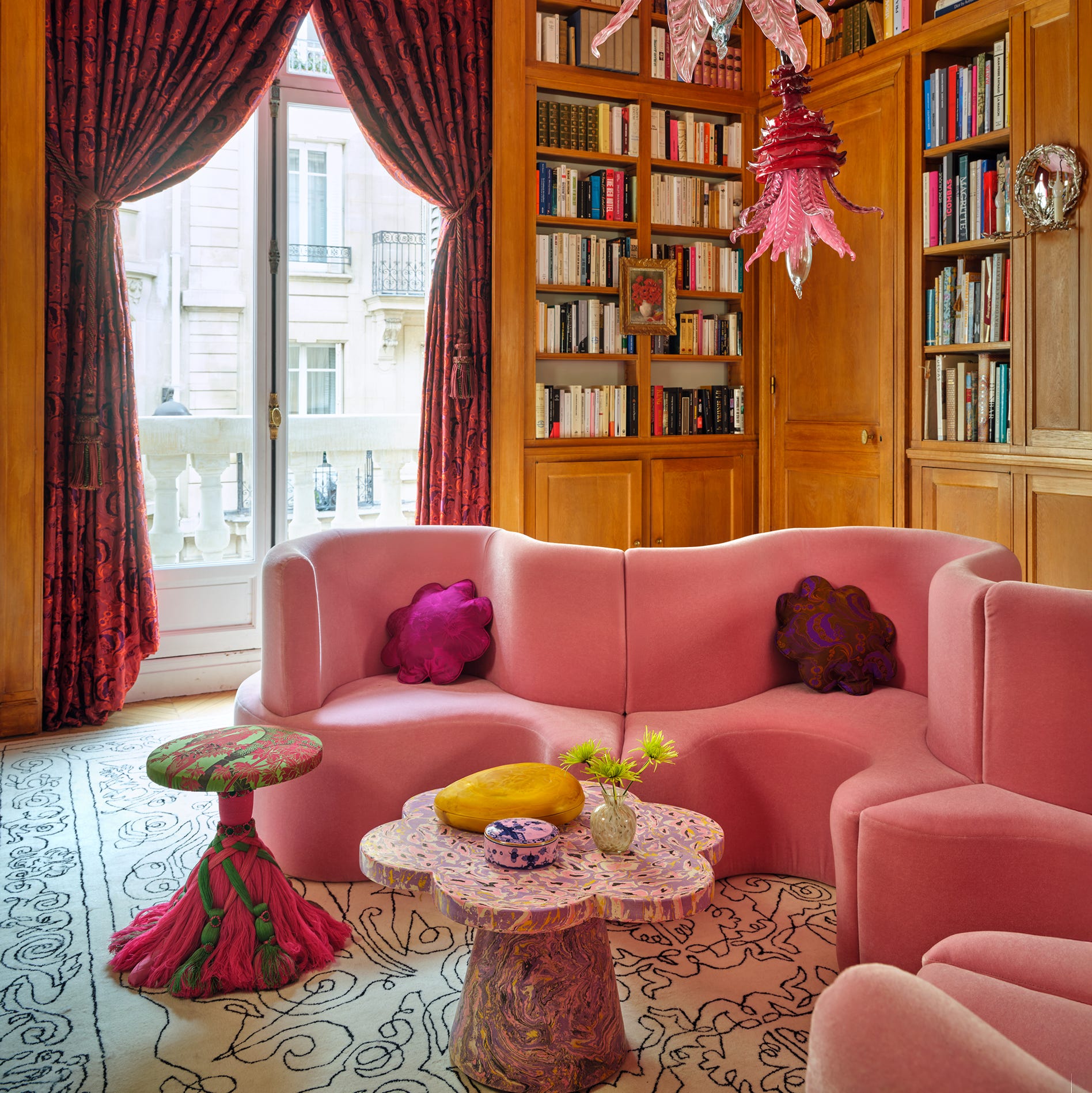
The third significant trend is the resurgence of biomorphic modernist pieces. This aesthetic draws inspiration from natural, fluid forms, emphasizing curvilinear furniture, soft edges, and sculptural silhouettes. Materials like molded wood, resin, and ceramics are frequently used to evoke a sense of flow and harmony, providing a calming contrast to traditional rigid designs. This trend reflects a desire to integrate natural elements into contemporary interiors, as indicated by a 1stDibs survey where nearly half of designers predicted the popularity of curvy and irregular shapes. Noteworthy examples include reintroductions of classic designs like the Rohde Paldao table and new creations such as the Perron Pillo Sofa, lauded for its blend of architectural precision and inviting comfort. To incorporate this trend, designers suggest selecting statement pieces with rounded or curved shapes, utilizing soft, textured fabrics, and complementing them with lighting that mimics natural forms, all within a neutral or earth-toned palette.
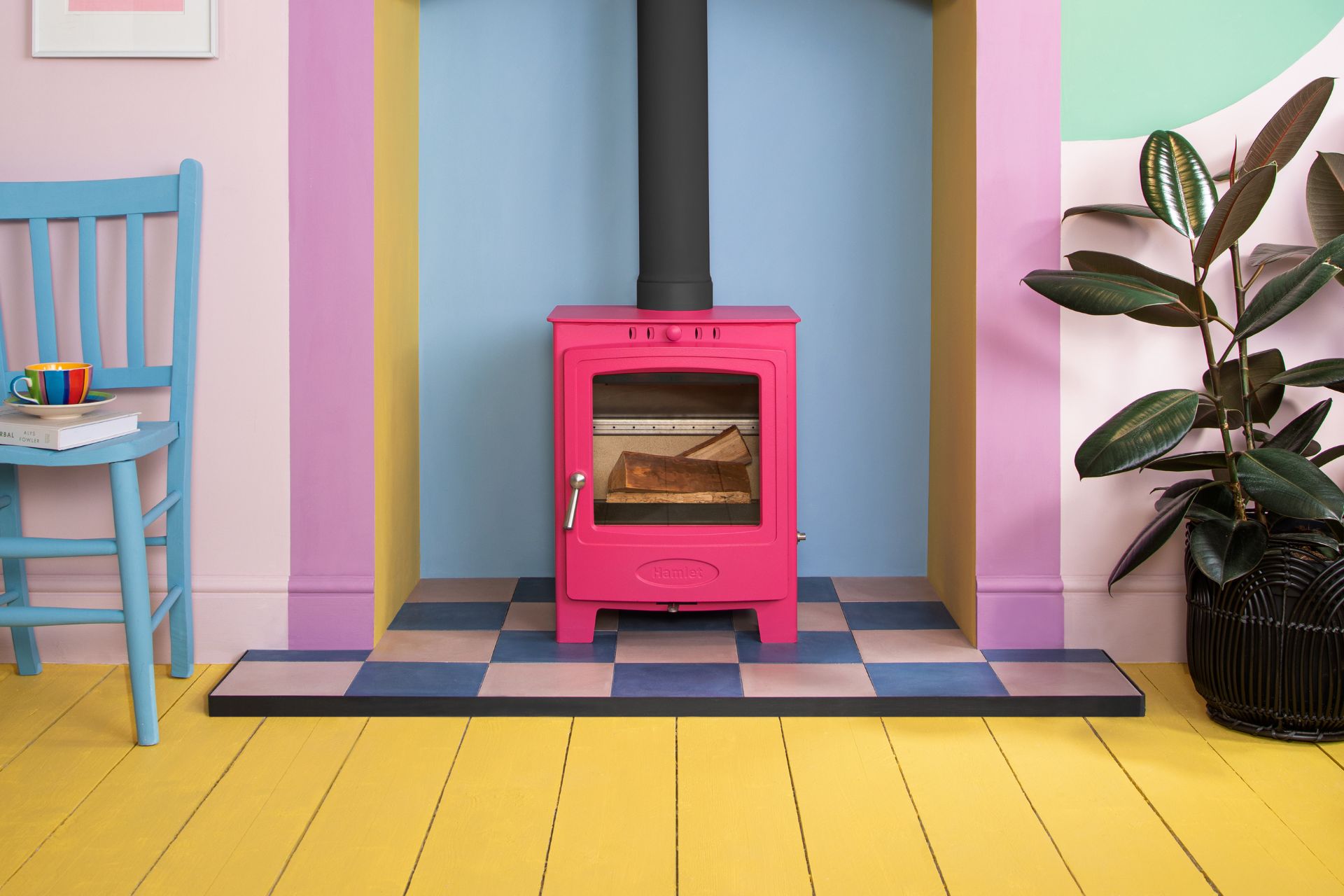
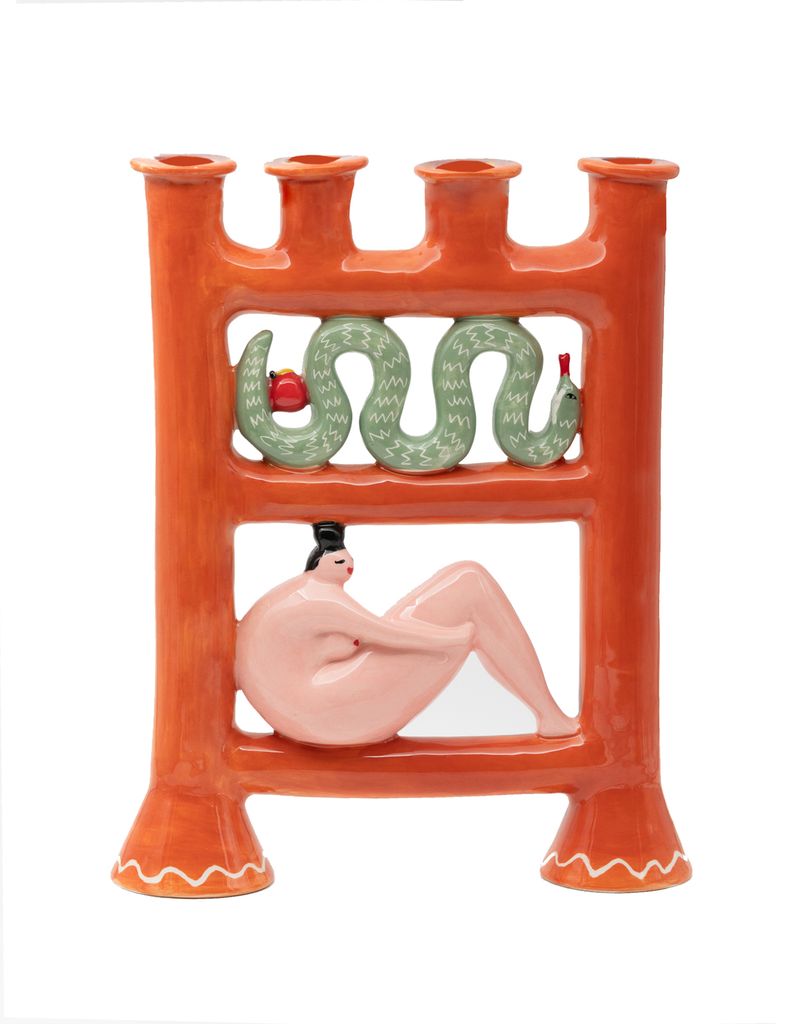
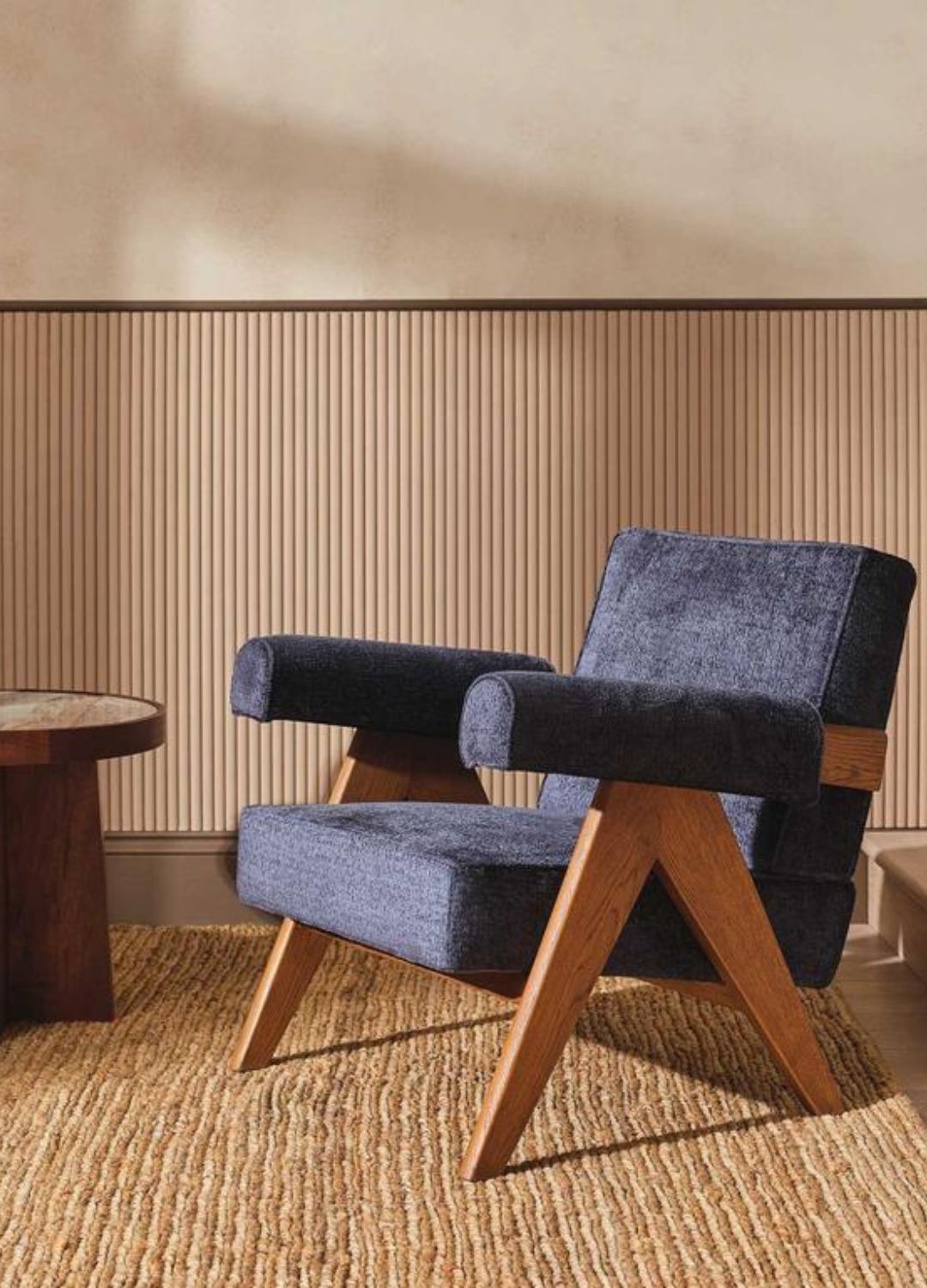
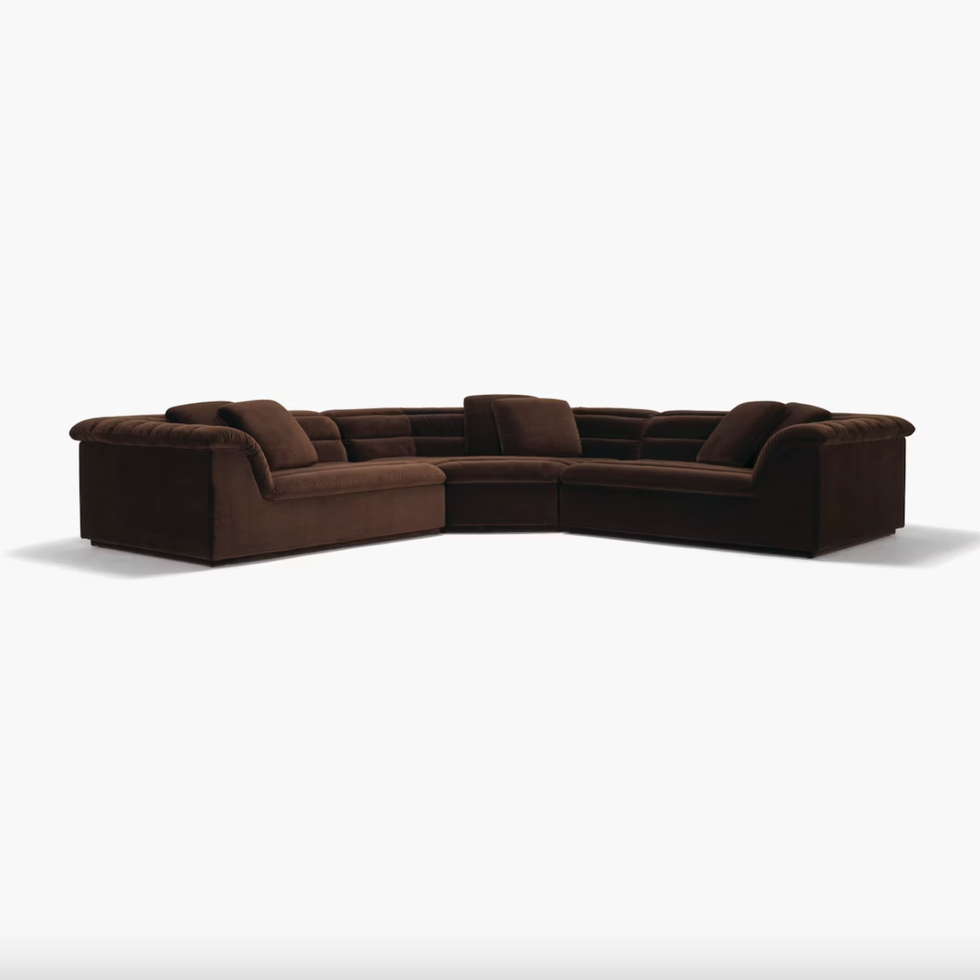
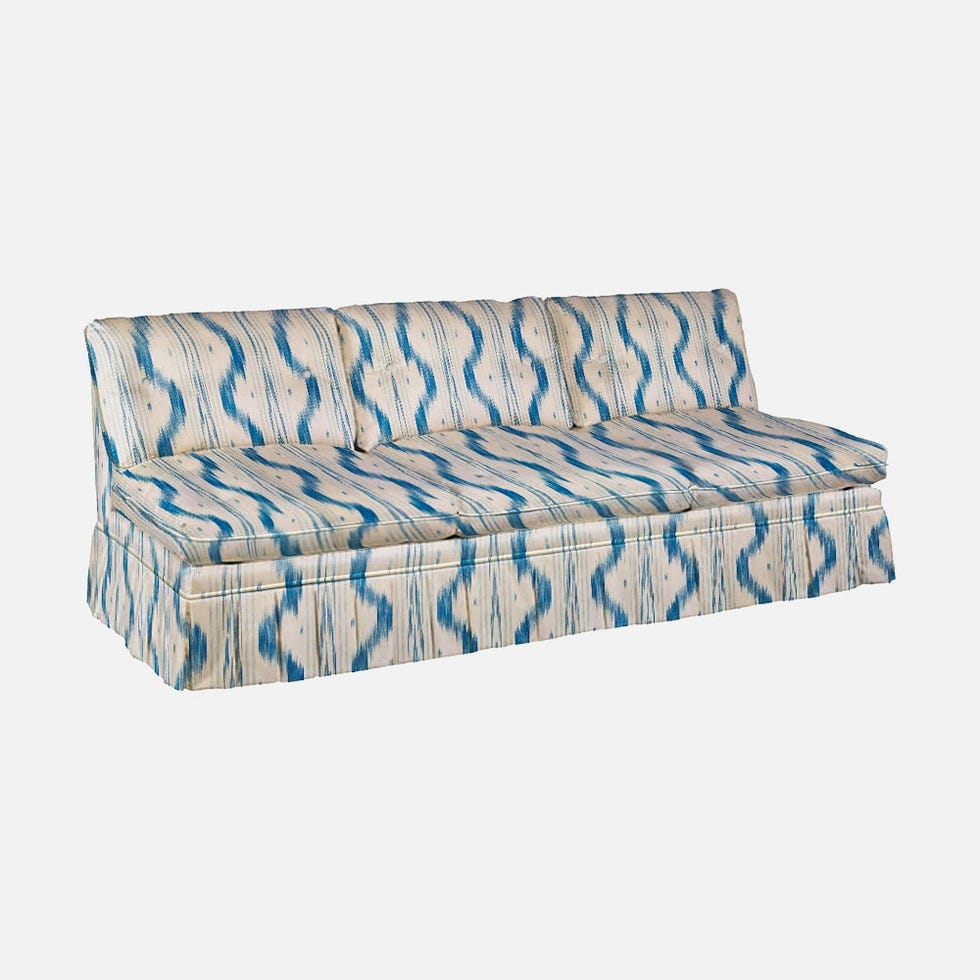
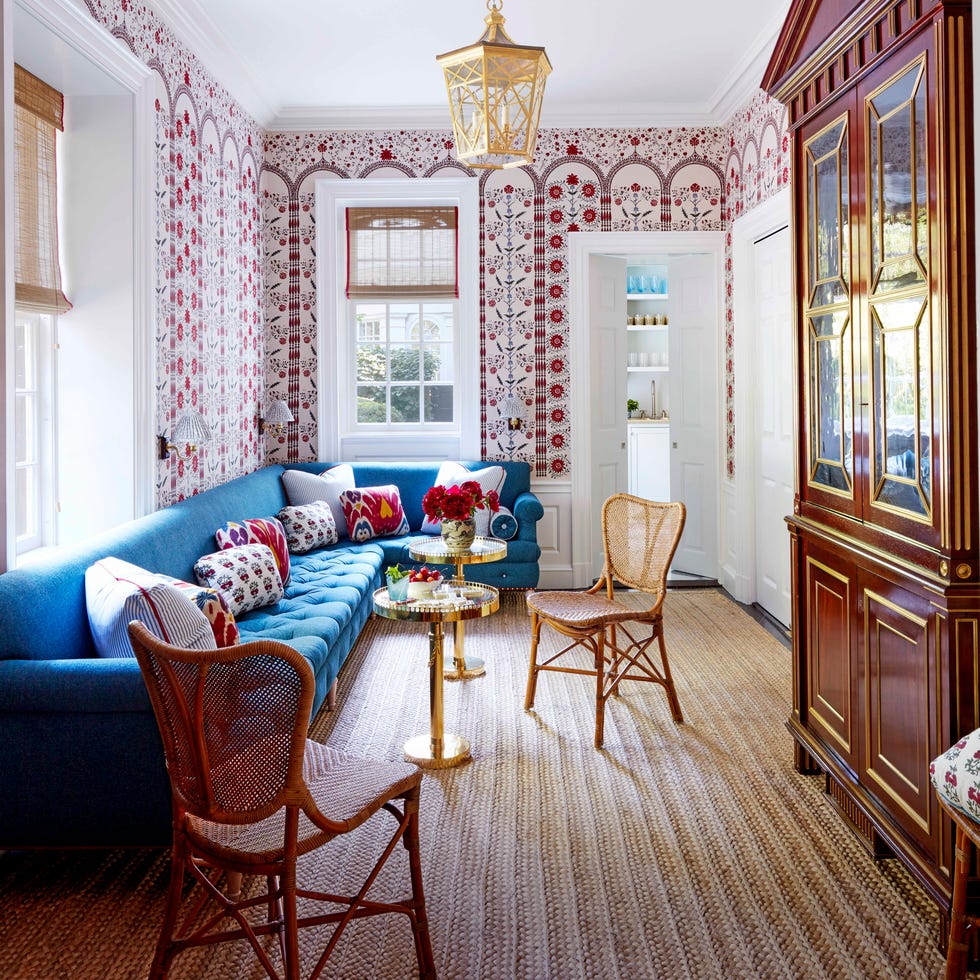
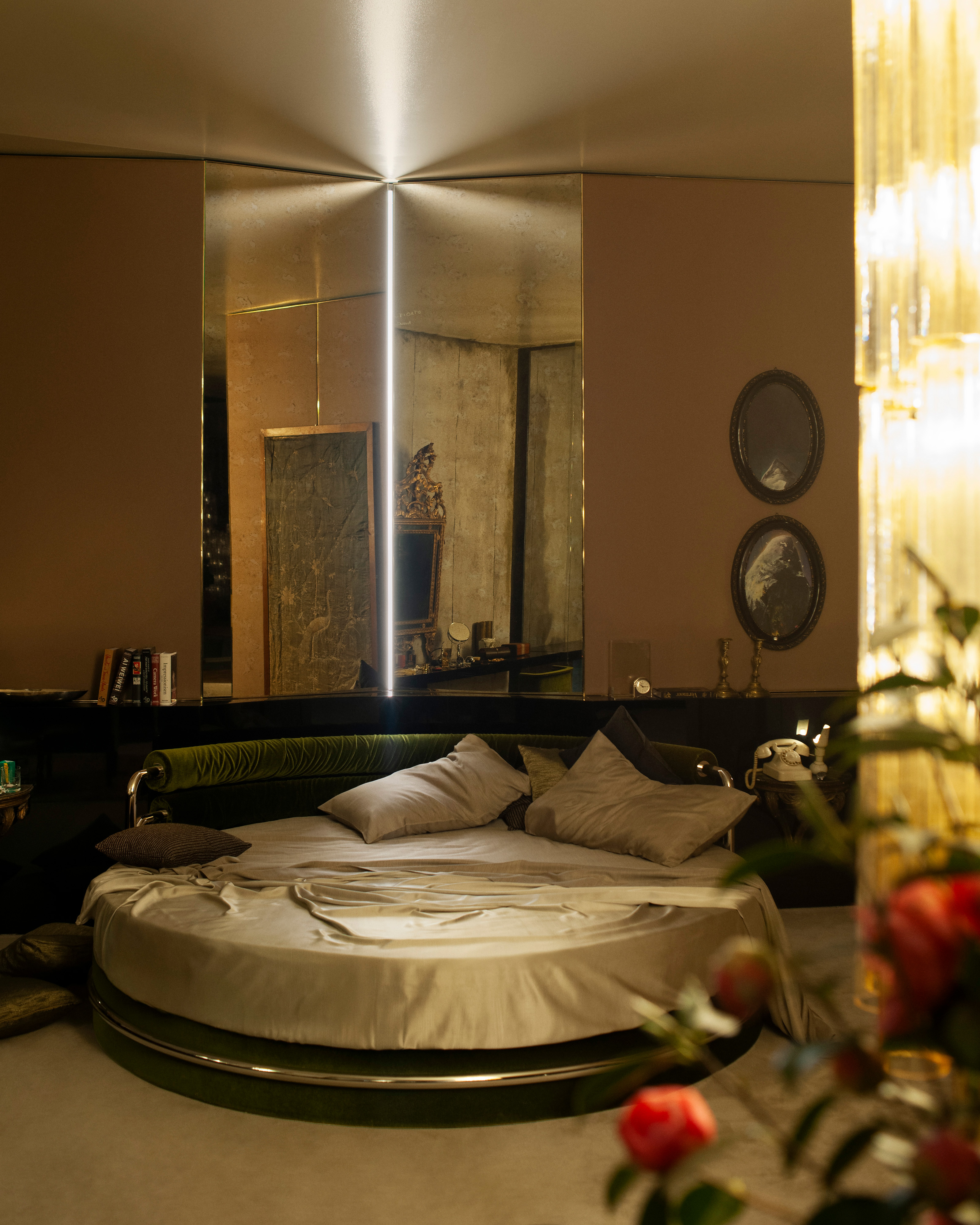
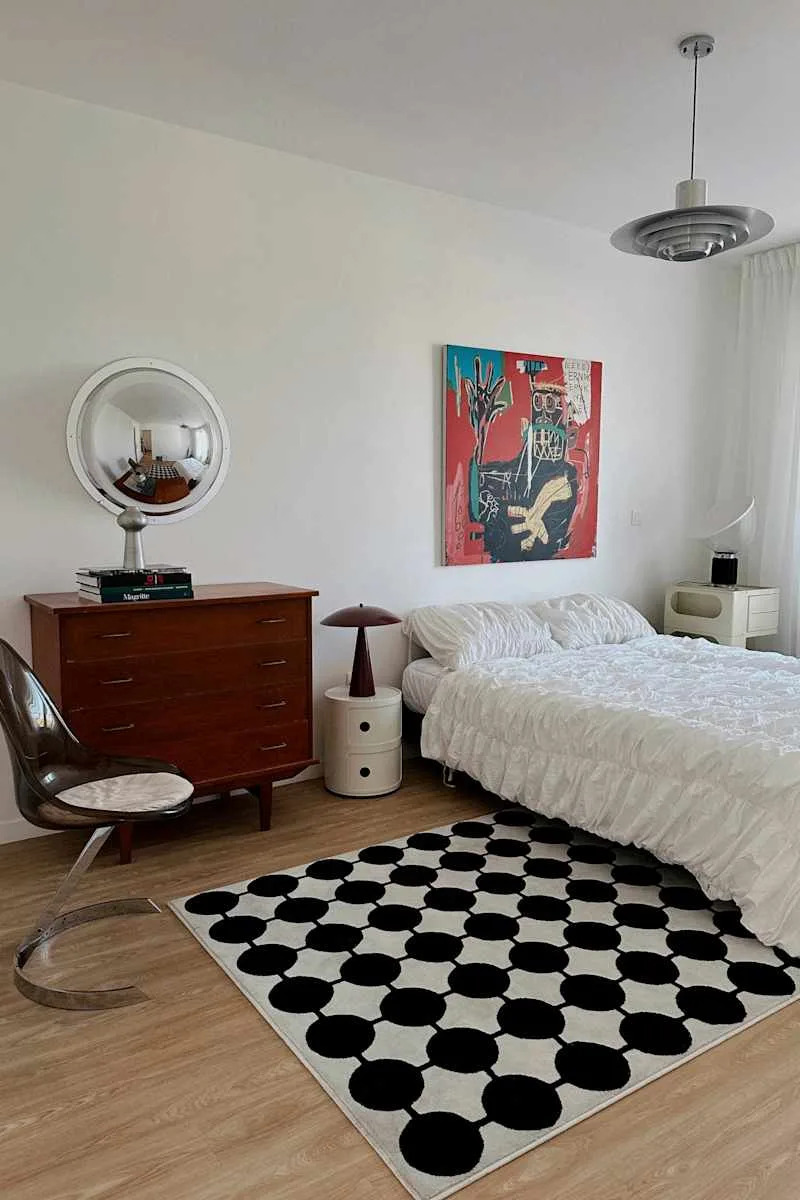
Fourthly, hand-painted furniture is making a significant comeback, echoing the personalized aesthetics of the 1970s. This trend, gaining traction on platforms like Pinterest and TikTok, involves homeowners and DIY enthusiasts transforming furniture with unique murals, playful detailing, or vibrant blocks of color. The rise of this trend reflects a desire for individual expression and a playful approach to home decoration, encouraging people to view their living spaces as canvases for creative expression. Lastly, 1960s furniture styles are experiencing a strong revival. This goes beyond the enduring popularity of midcentury modernism to embrace specific '60s silhouettes and materiality. Brands are reinterpreting these styles with modern twists, incorporating vintage-inspired features like mod circular openings and glossy finishes, alongside natural burlwood for a contemporary yet retro feel. The enduring appeal of iconic pieces like the Eames lounge chair and ottoman further solidifies the '60s influence, with designers recommending geometric shapes, bold color palettes, and classic designs to capture this retro-futuristic aesthetic. These five trends demonstrate a collective move towards personalization, comfort, and a conscious blend of historical influences with contemporary sensibilities.
#FurnitureTrends #InteriorDesign #HomeDecor #BiomorphicModernism #VintageFurniture #HandPaintedFurniture #SixtiesStyle #StatementFurniture #DesignInnovation #FurnitureTrends #InteriorDesign #HomeDecor #BiomorphicModernism #VintageFurniture #HandPaintedFurniture #SixtiesStyle #StatementFurniture #DesignInnovation
कुल 0 टिप्पणियाँ
 कोई टिप्पणी नहीं
आपको यह भी पसंद आ सकता है
12 Furniture Trends That Will Dominate 2025, According to Designers

All The Living Room Trends To Look Out For In 2025
Experts Predict These 6 Living Room Trends Will Be Huge in 2025

Five Interior Design Trends for 2025
10 furniture trends that designers are loving for 2025

2025 Interiors trends according to an expert and the best pieces to shop now
6 Furniture Trends That Will Be in Every Home in 2025, According to Designers

5 Styles That Will Dominate Home Decor in 2026, According to Experts
10 furniture trends that designers are loving for 2025 and beyond
8 Furniture Trends That Will Be Huge in 2025, According to Experts

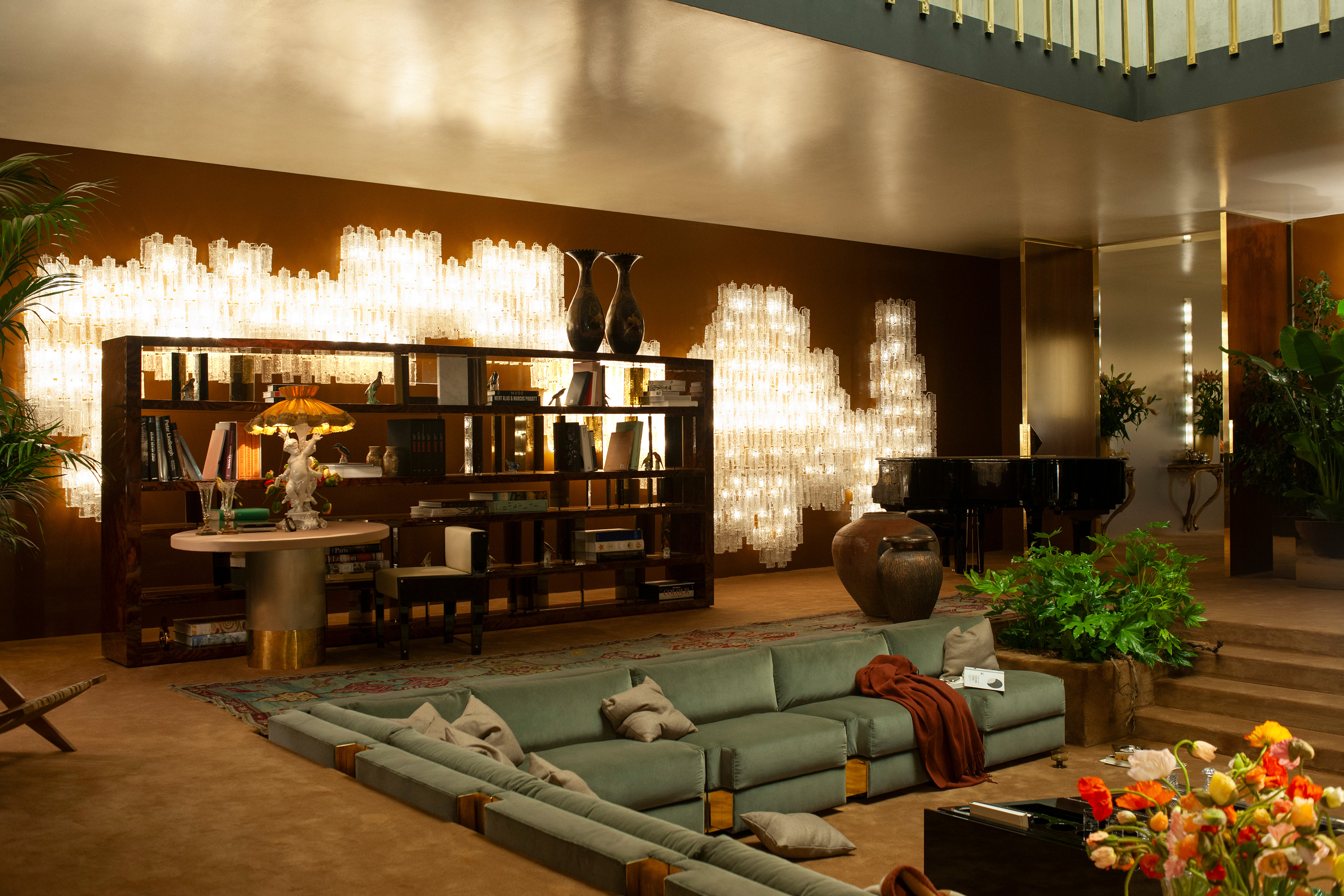
The Biggest Interior Design Trends for 2025

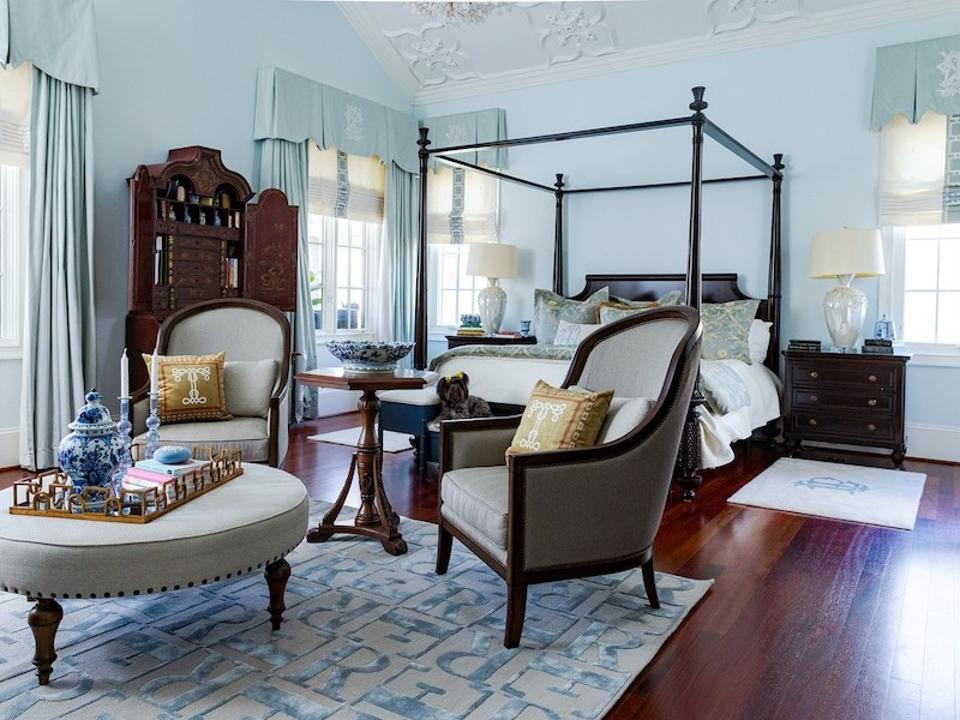
Interior Designers Predict These Will Be The 15 Hottest Interior Design Trends In 2025

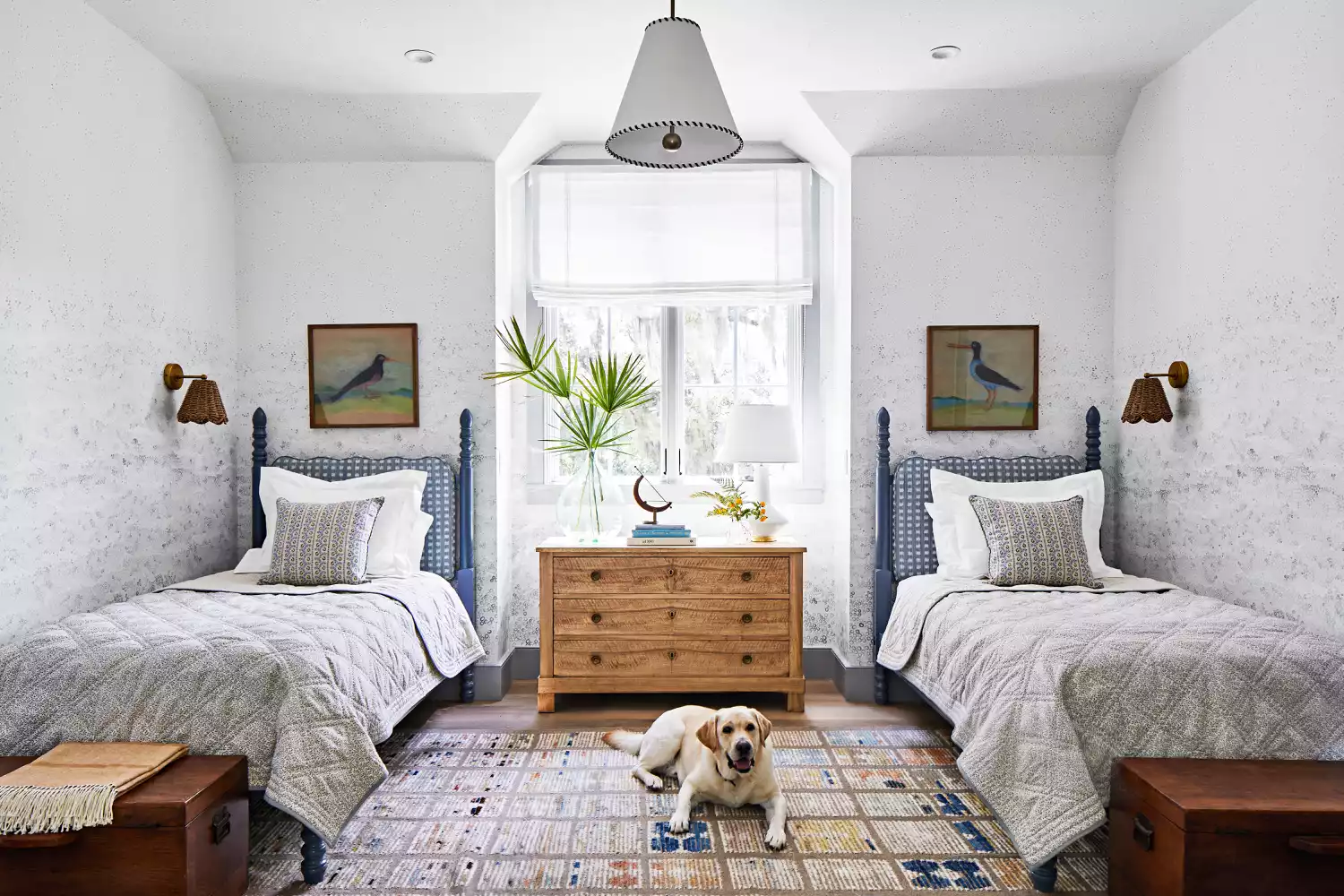
5 Furniture Trends You'll See Everywhere In 2025, According To Designers
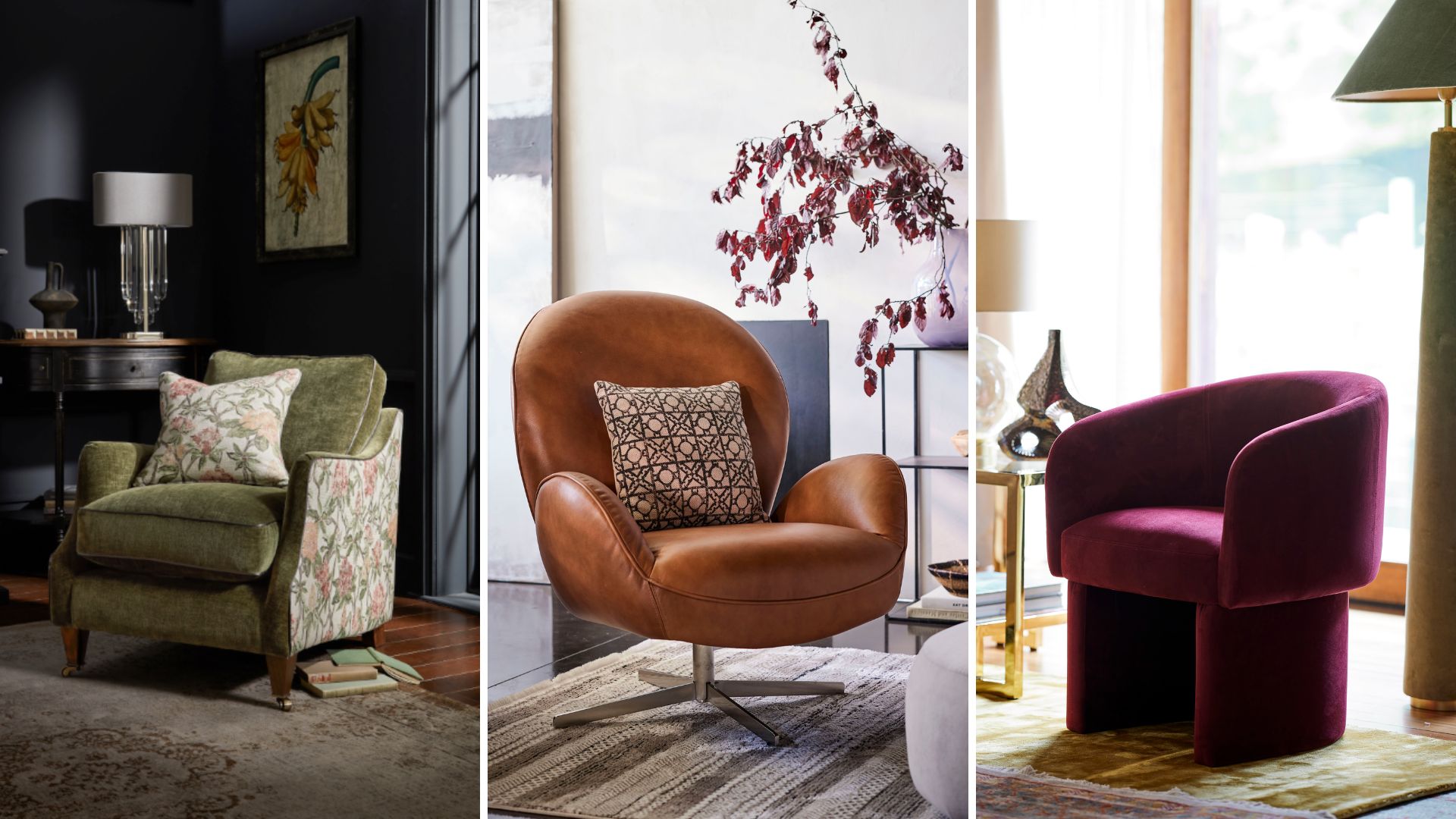
2025's biggest armchair trends: from modern organic shapes to traditional high-back designs

The top sofa trends of 2025 according to interior designers
These 5 Textile and Wallpaper Trends Will Dominate the Design World in 2025

The 7 Furniture Trends You Need to Know for 2025, According to Design Pros

We Asked Designers to Predict 2025's Top Couch Trends
6 Trends Defining Home Décor in 2025

5 Things All Trendy Living Rooms Will Have in 2025, According to Designers