Should you stage your home when selling?
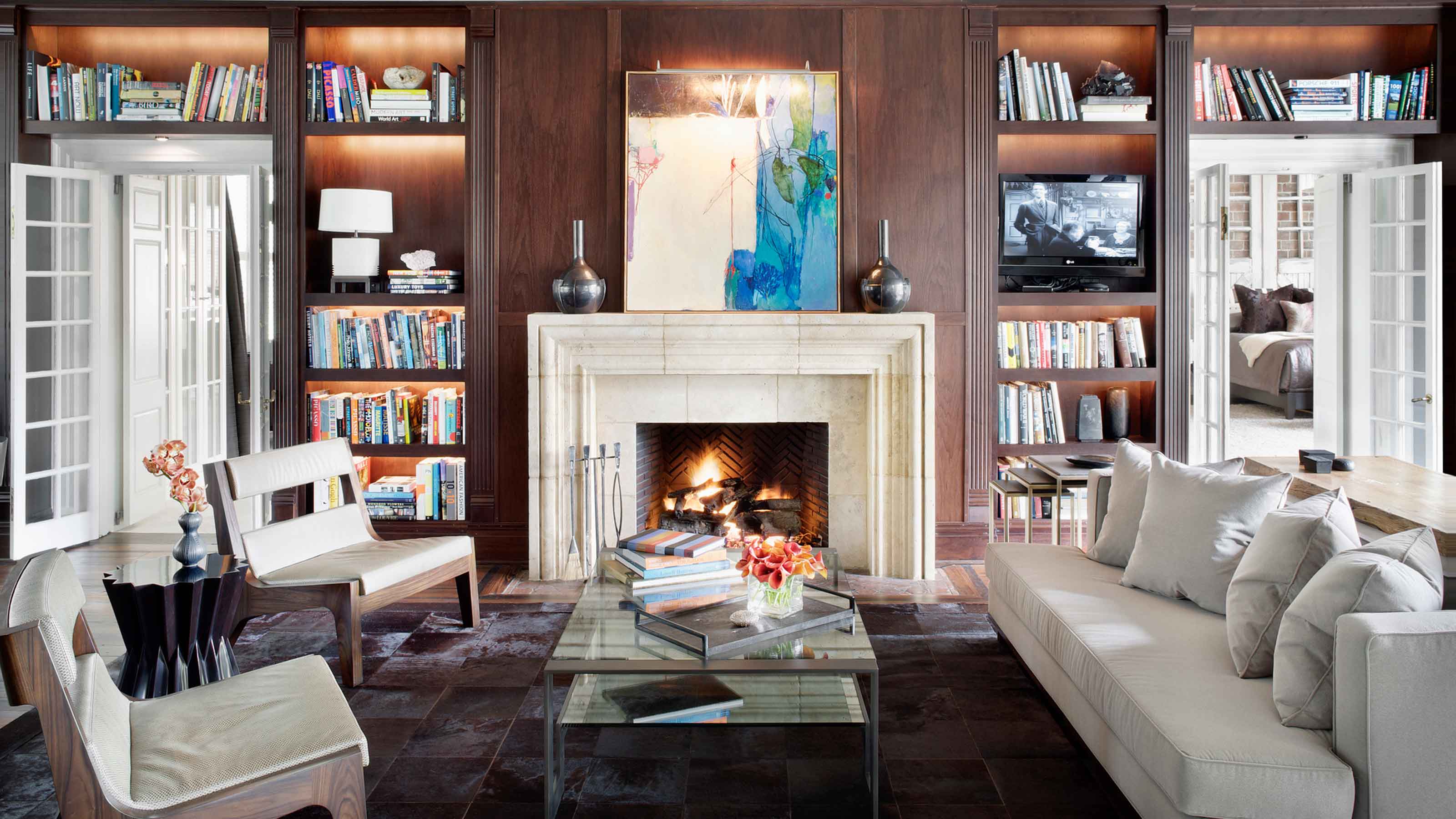
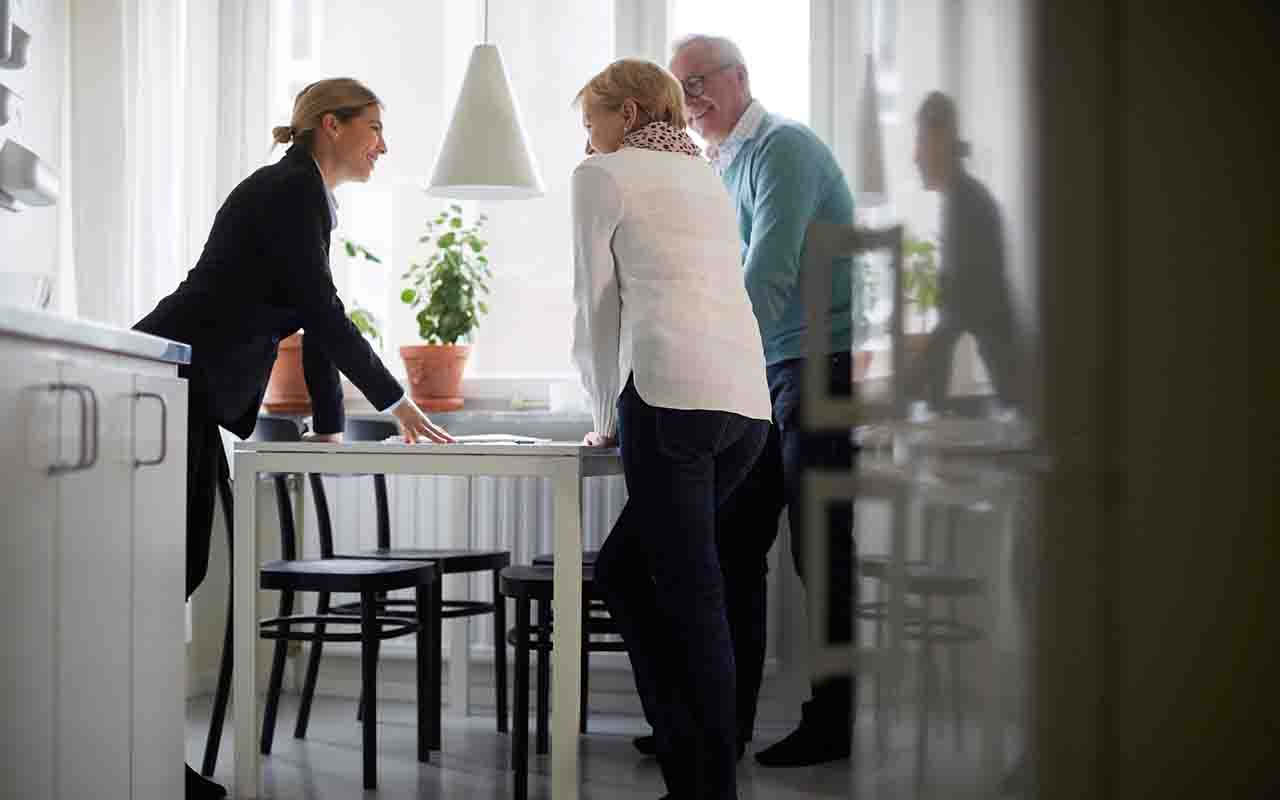
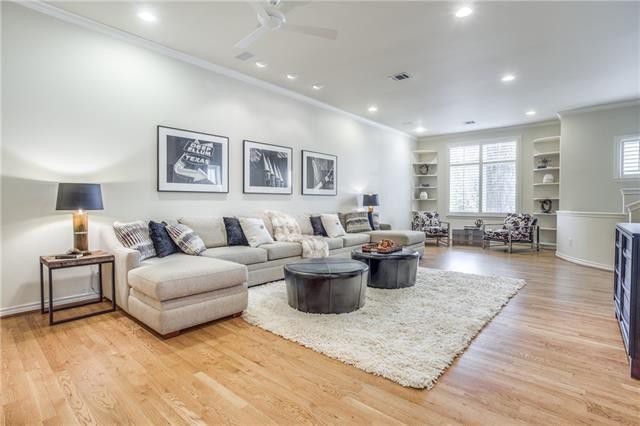
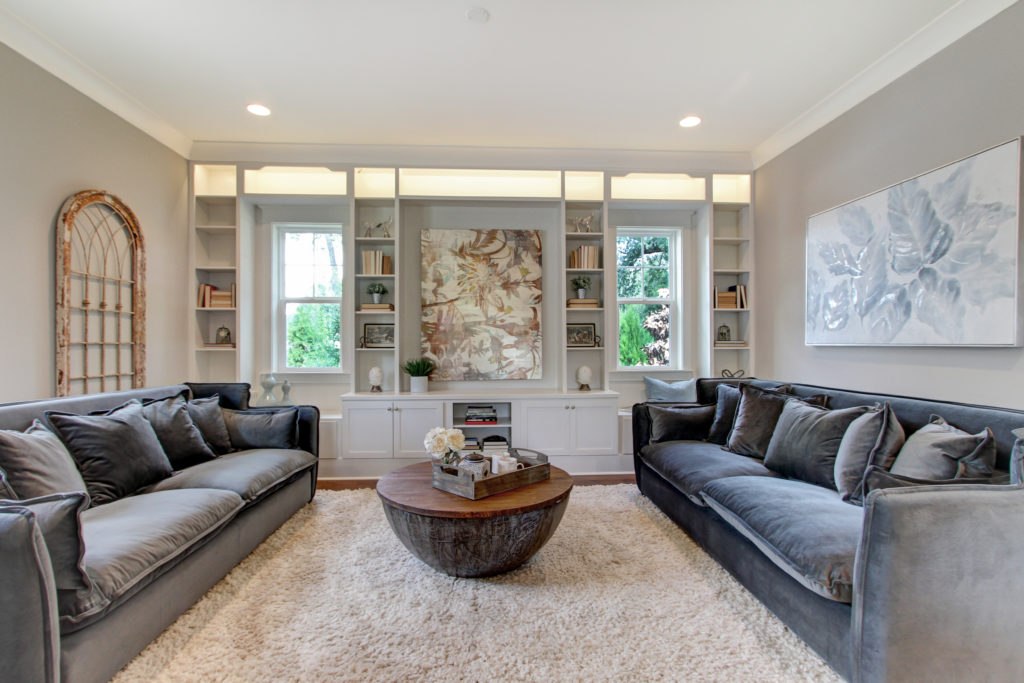
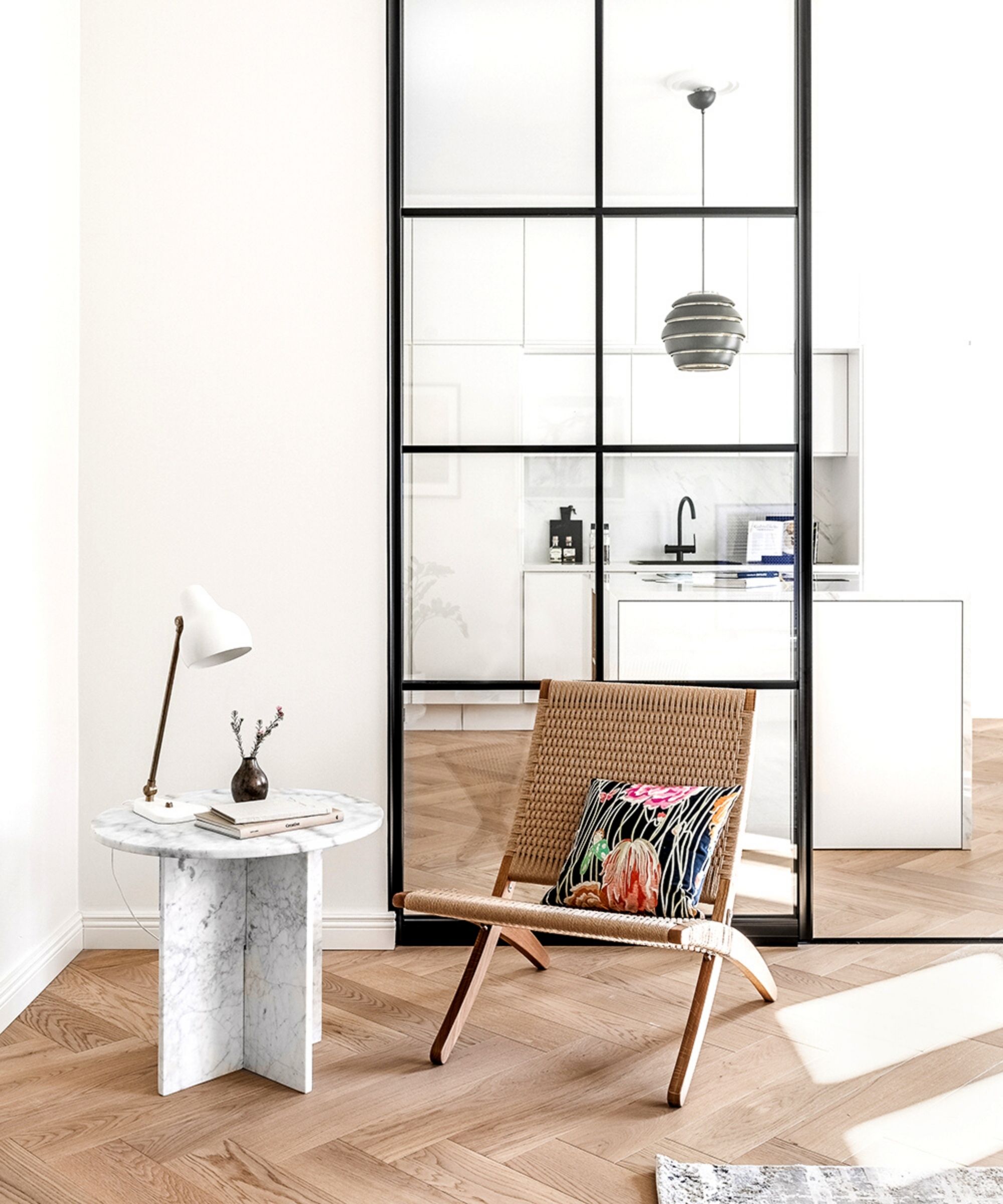
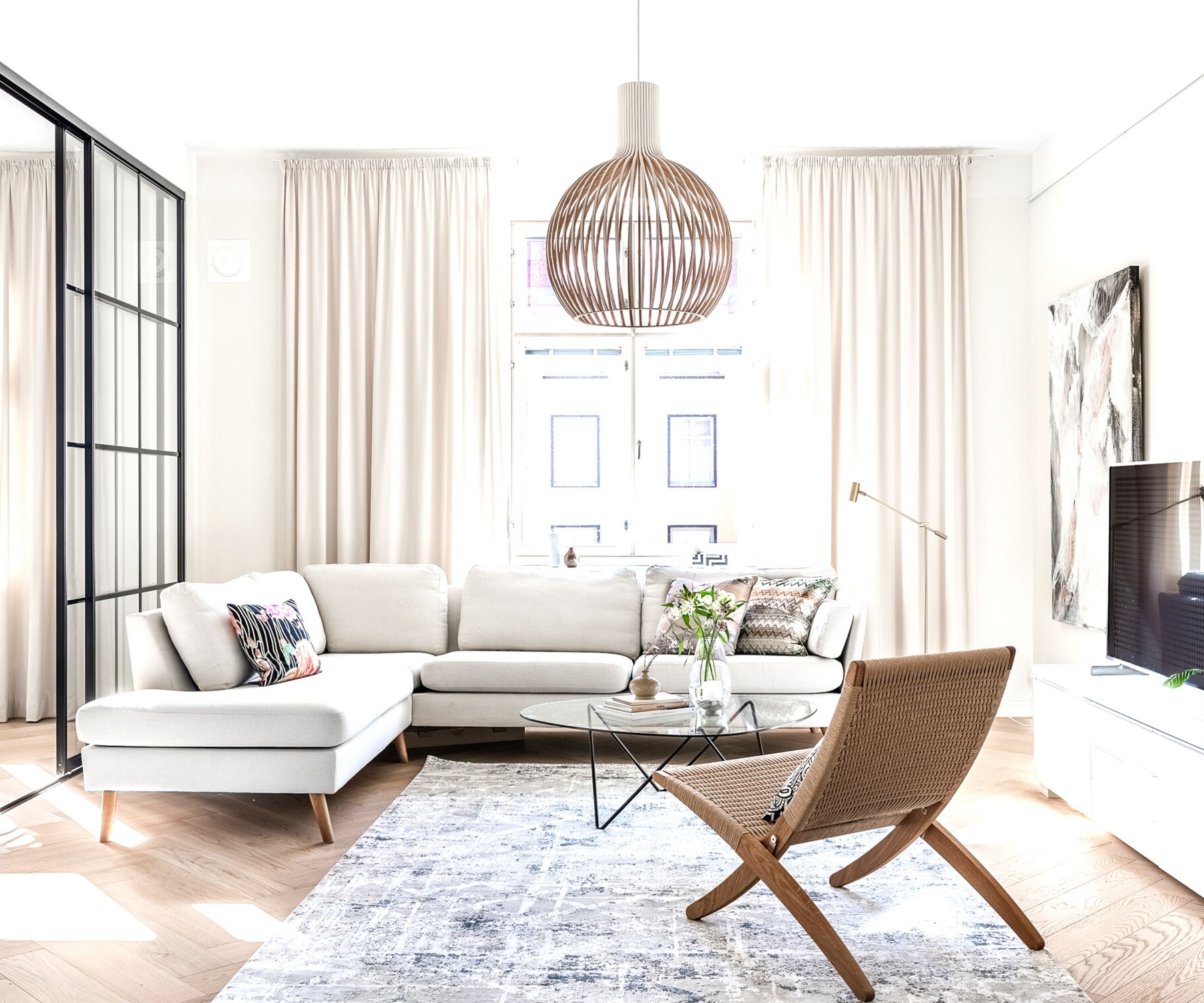
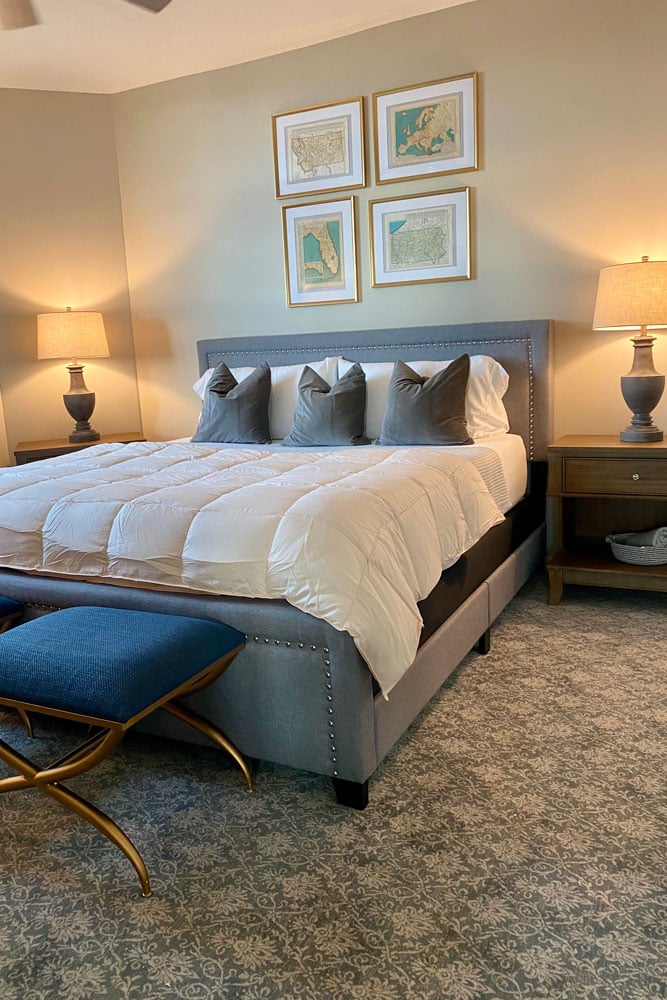
Despite a potentially cooling real estate market, home staging remains a crucial strategy for sellers to maximize their property's appeal and value. While record-low inventories have continued to drive up housing prices across Canada, professional stagers emphasize that staging is more important than ever to differentiate a home and attract top dollar. Dawn Chapnick, principal designer at Dawn Chapnick Designs with over 17 years of experience, highlights that staging goes beyond simply arranging furniture; it is a creative process aimed at accentuating a space's positive attributes and helping prospective buyers envision its full potential. She notes that staging can transform challenging layouts and create a 'wow' factor that leaves a lasting impression.
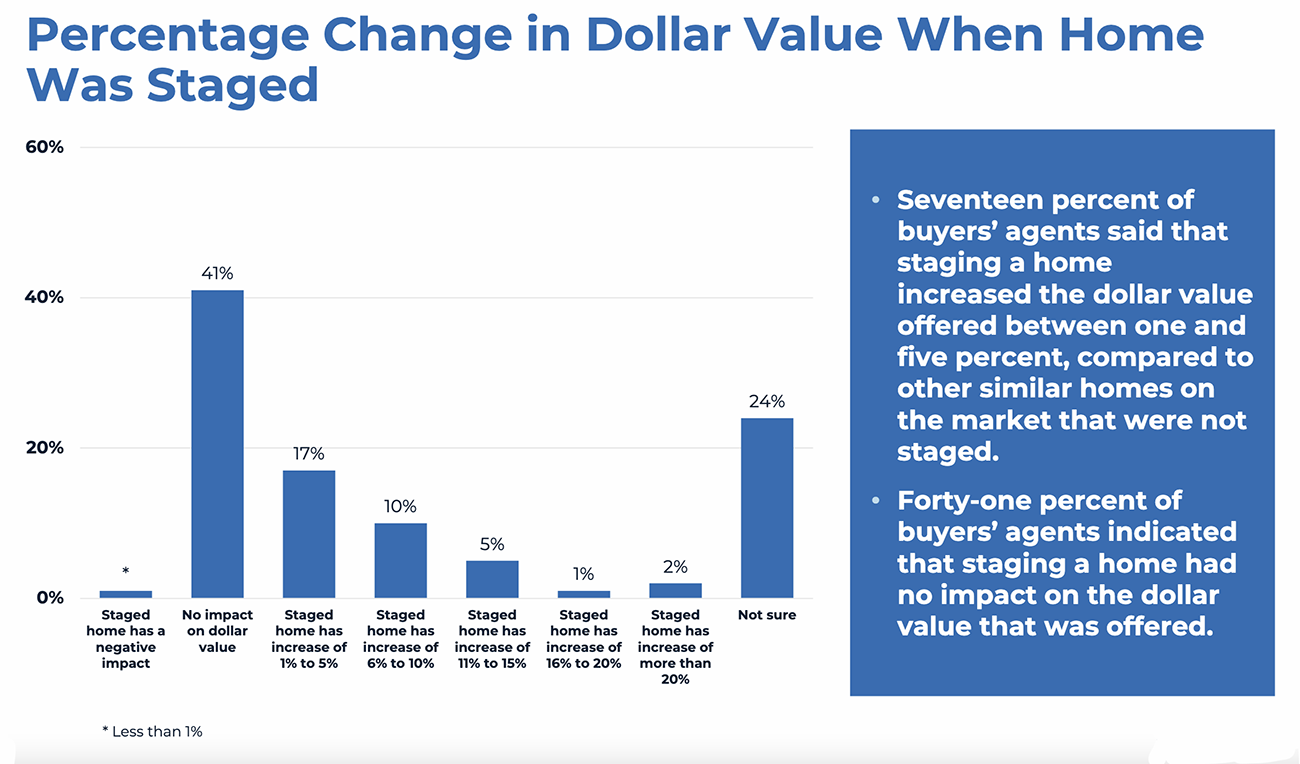
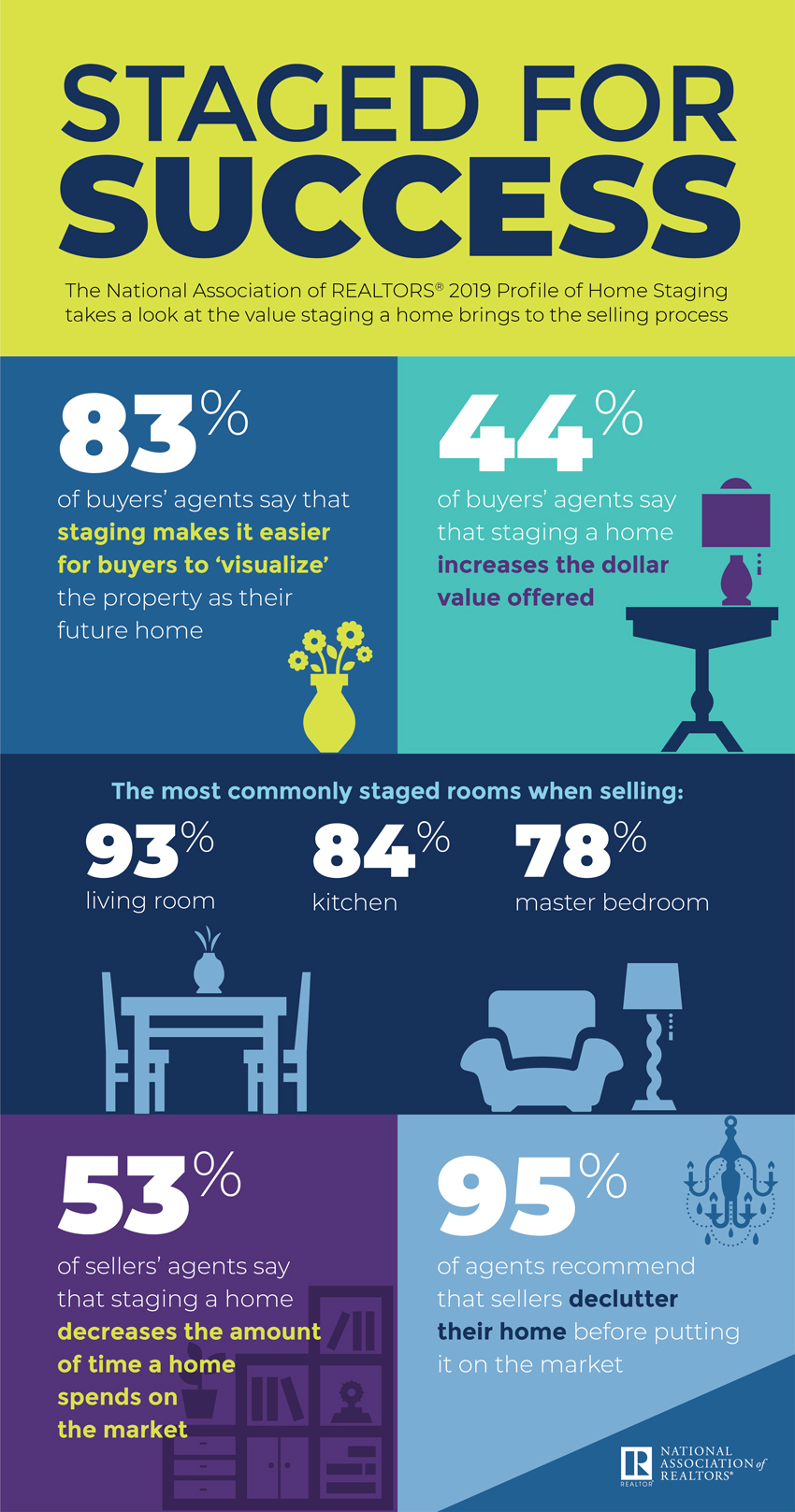
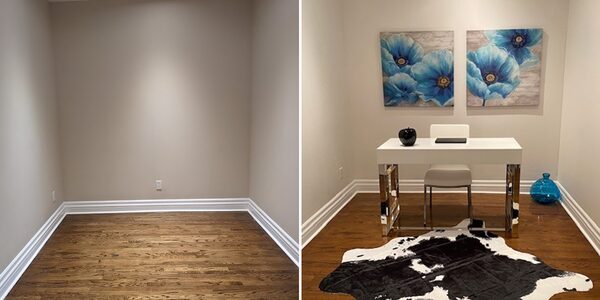
Evidence supports the effectiveness of home staging. A 2020 survey conducted by the Real Estate Staging Association, which analyzed 13,000 staged homes, revealed that 85% of these properties sold for 5% to 25% above their asking price. Furthermore, staged homes sold significantly faster, averaging just 25 days on the market. Heather Johnson, owner and founder of HouseLife Services, reinforces this, explaining that in a competitive seller's market, staging makes a home memorable to buyers. She provides an example of a condo with a small alcove near the entrance that was transformed into a home office, making it highly appealing to remote working professionals and potentially increasing its salability.
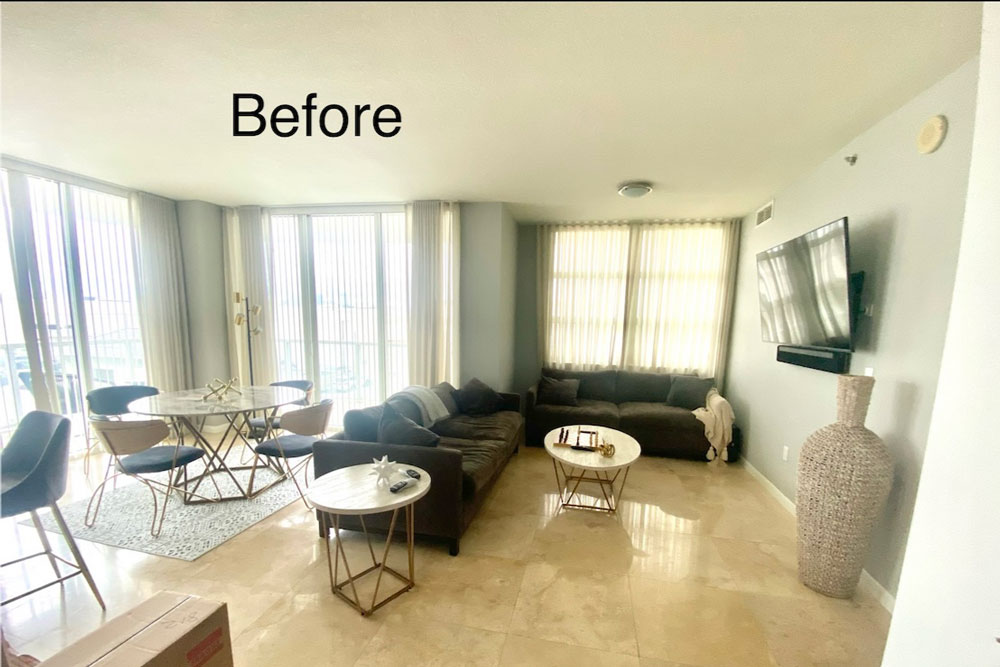
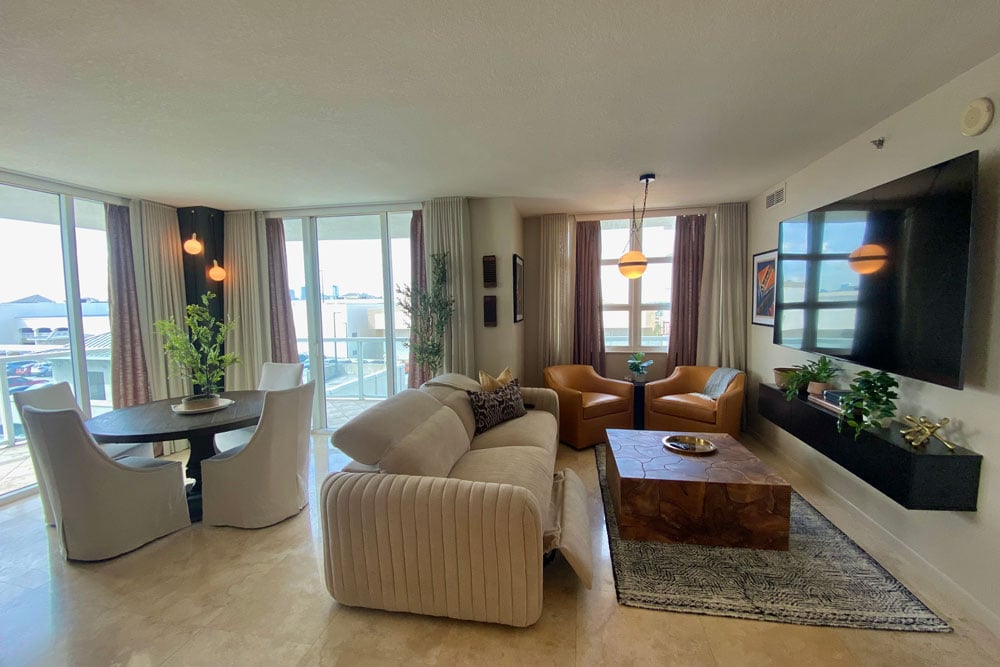
Johnson's approach integrates her media and marketing background with an understanding of demographics, assembling a team of professionals including painters, electricians, project planners, and movers, along with her own inventory of furniture and accessories. This comprehensive, flexible, and turnkey service allows clients to choose the level of staging required. The staging industry has also adapted to the digital age, particularly in response to COVID-19. Companies like Toronto’s Digital Entourage Media Production assist stagers in navigating virtual tours and online presence. Maya Merchant, a digital marketer at Digital Entourage, points out that professional stagers effectively use social media platforms, such as Instagram, to showcase 'before and after' transformations, which are highly engaging and demonstrate their expertise.
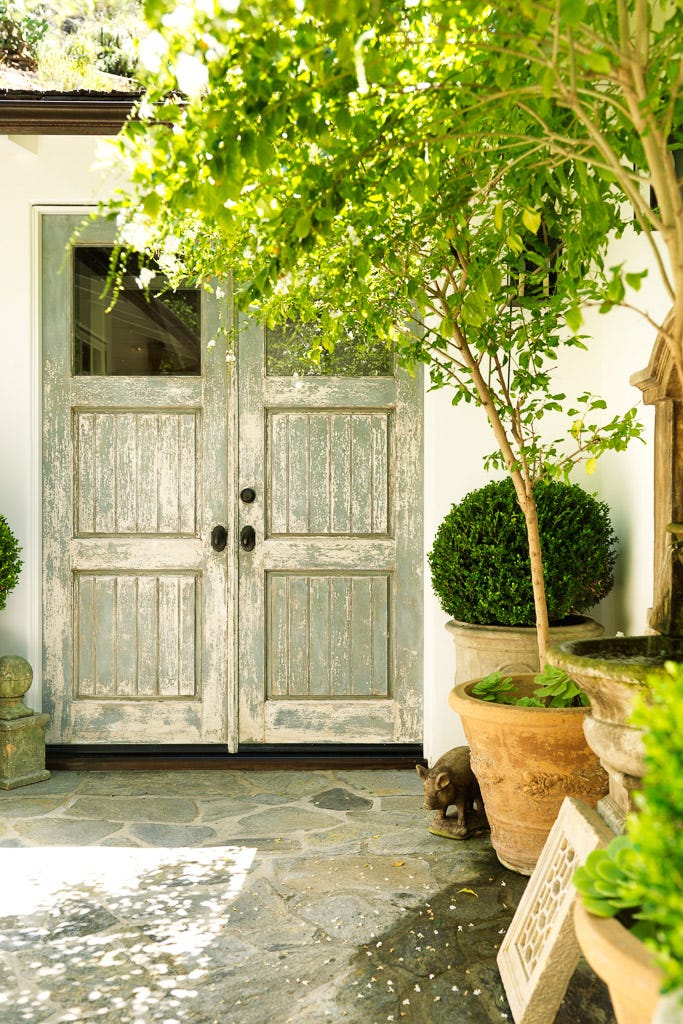
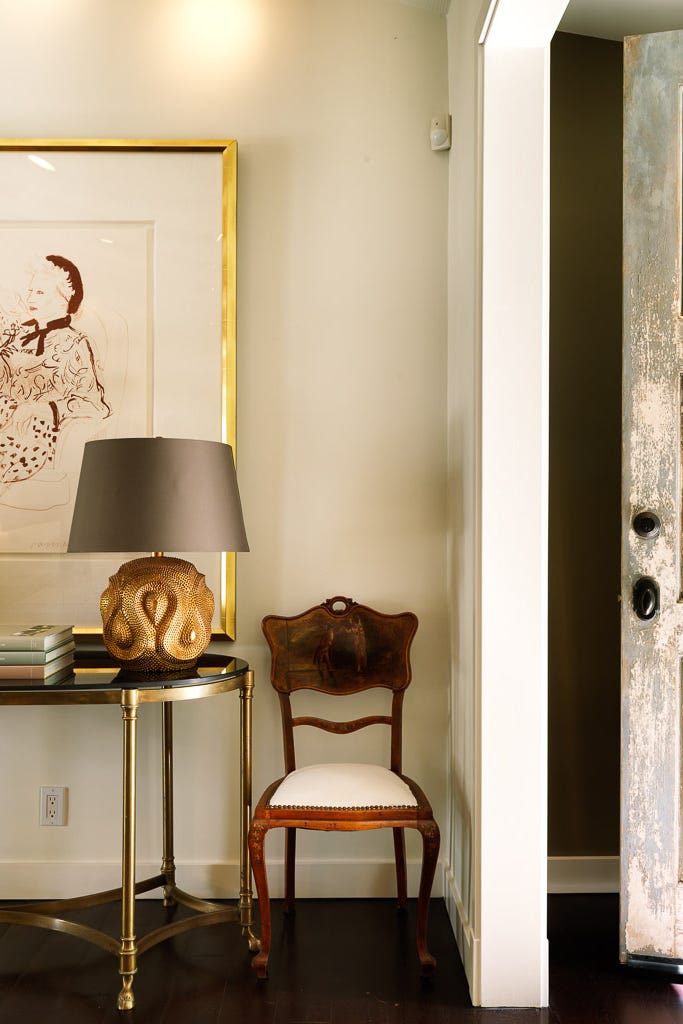
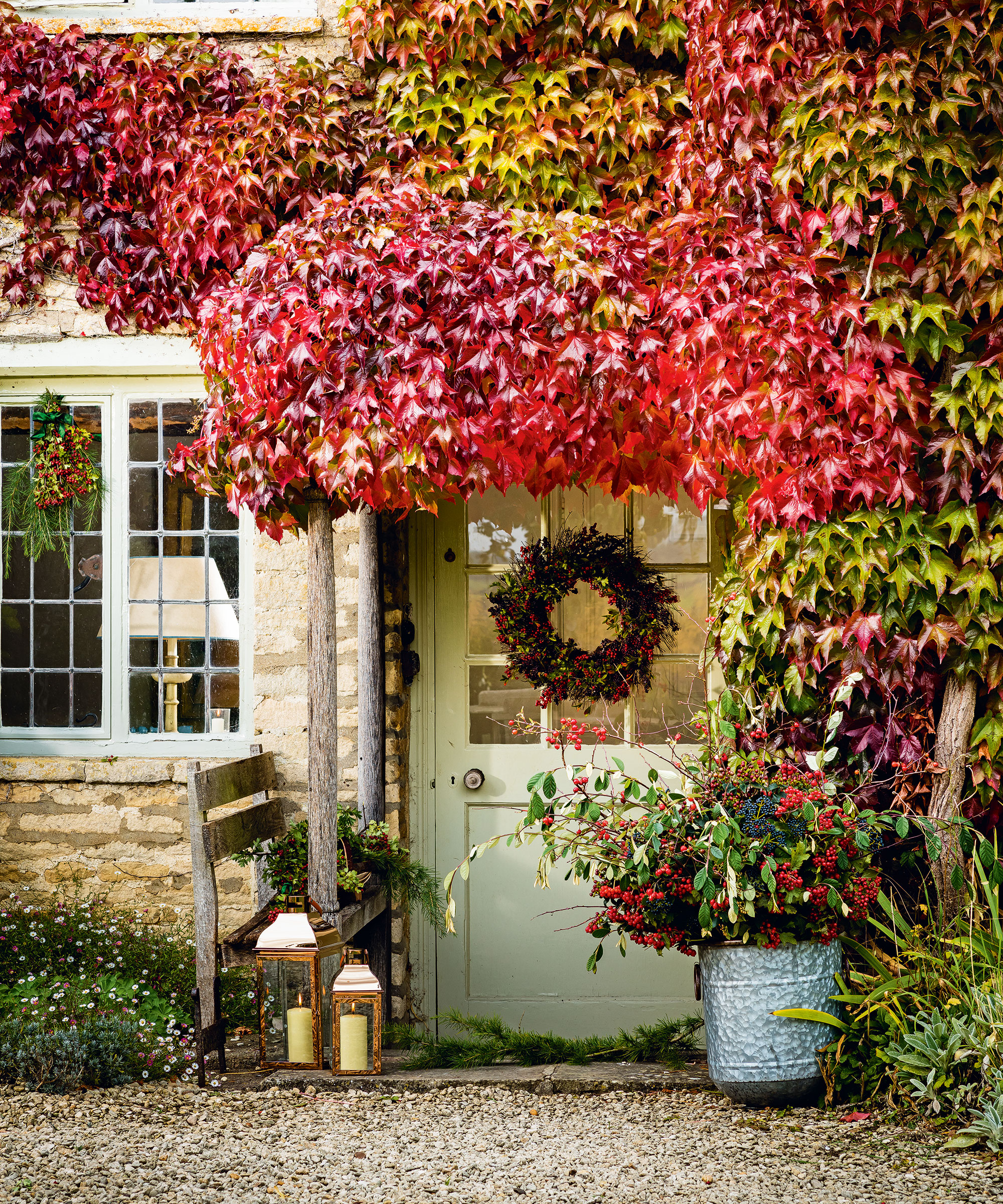
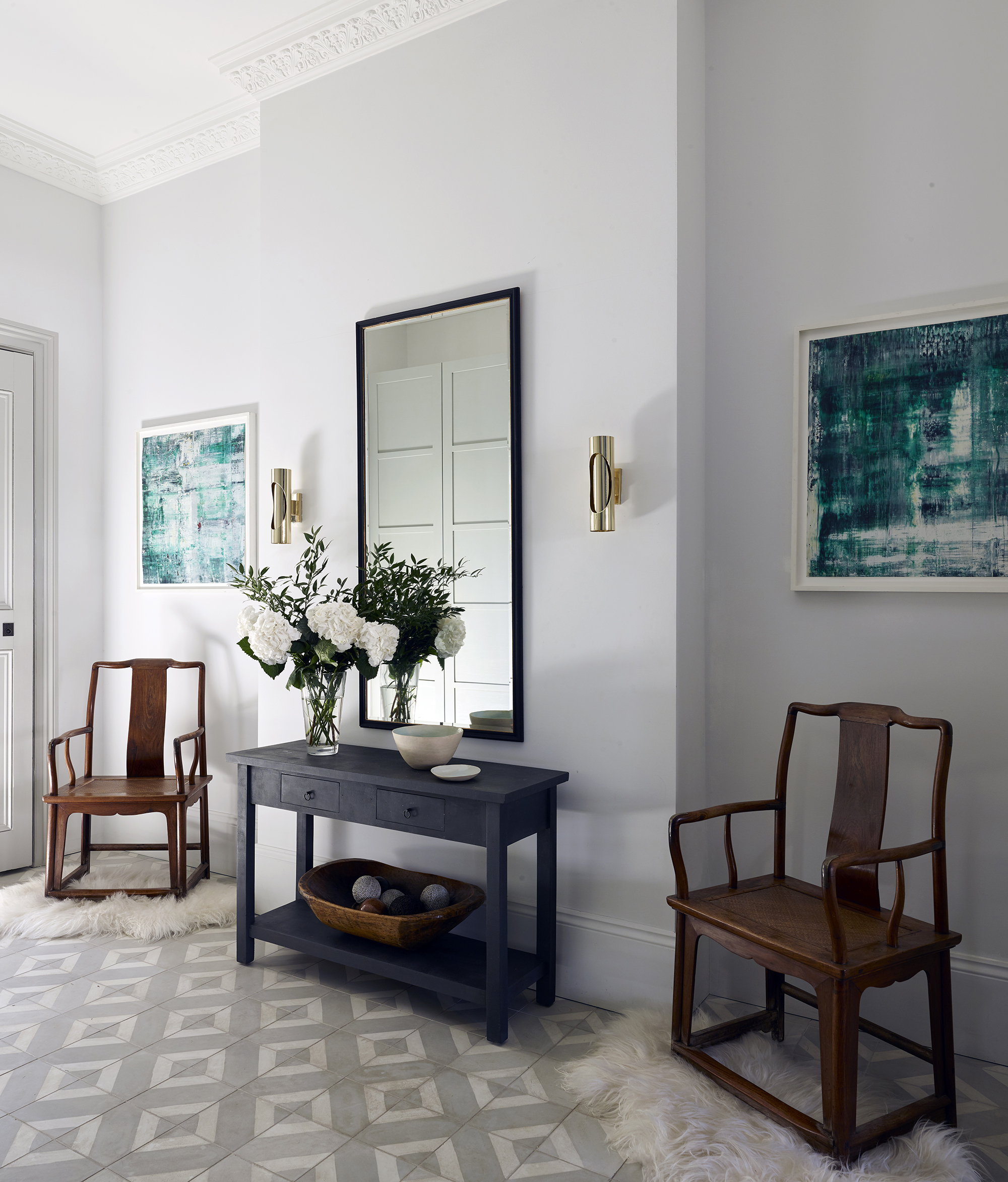
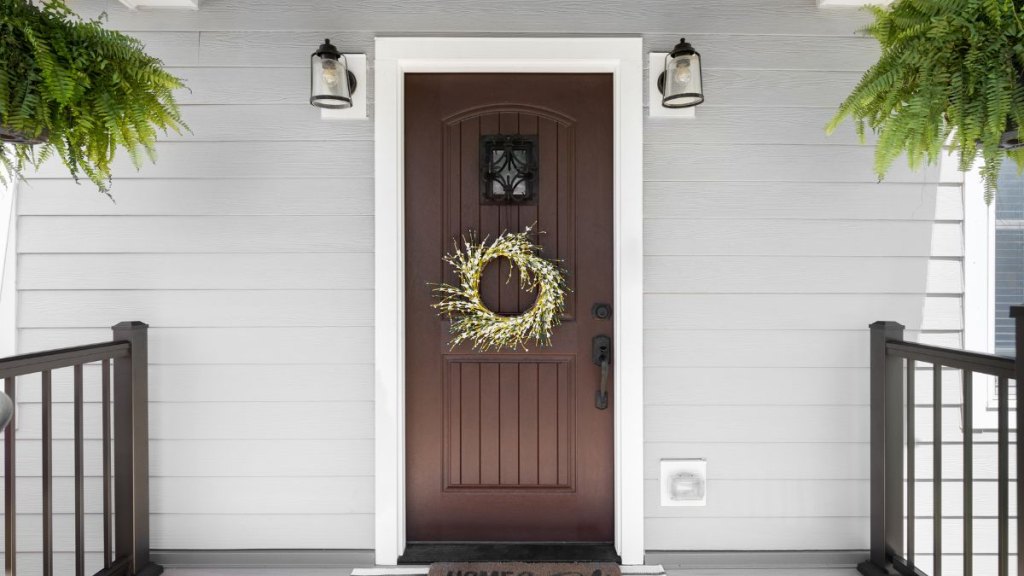
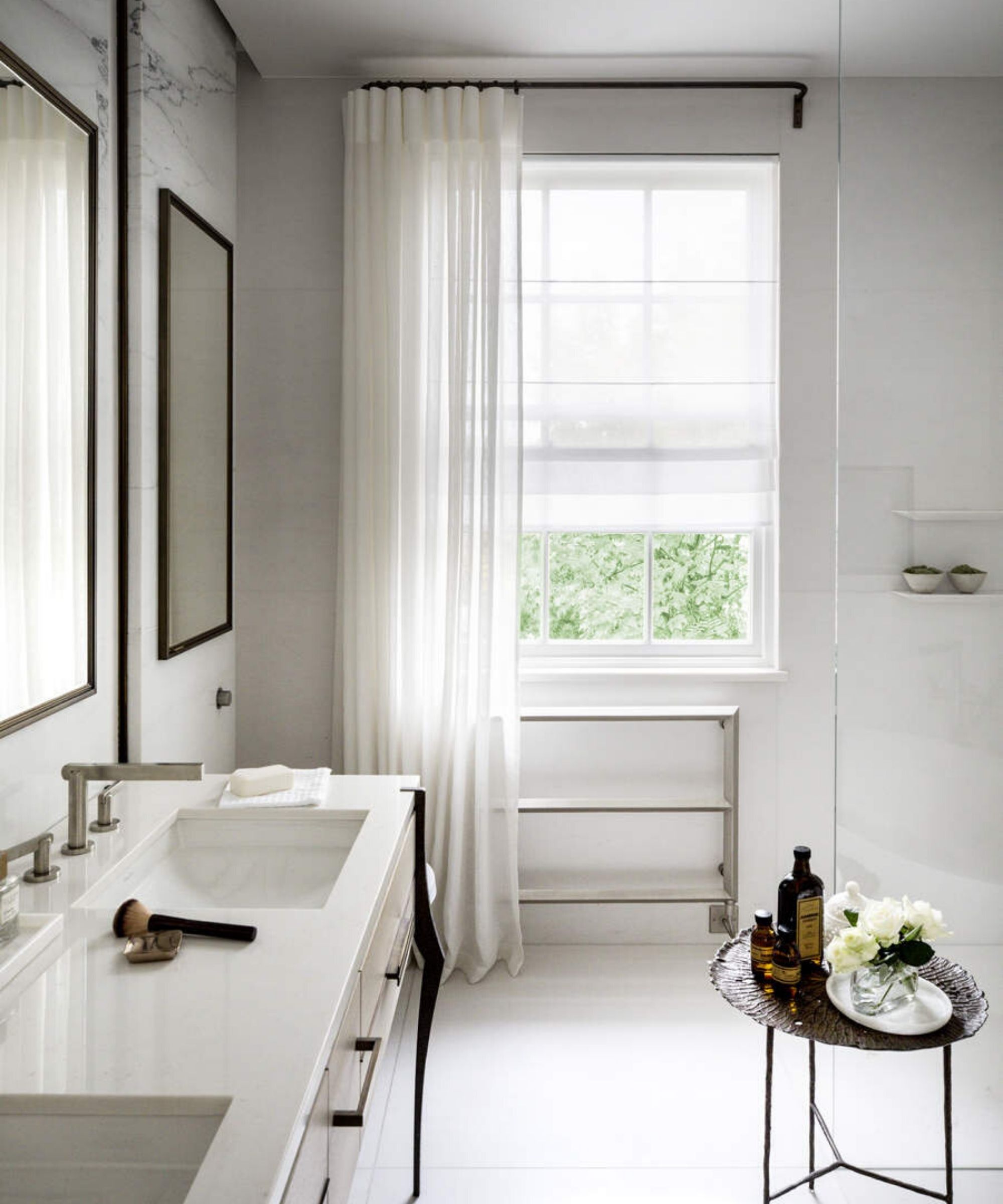
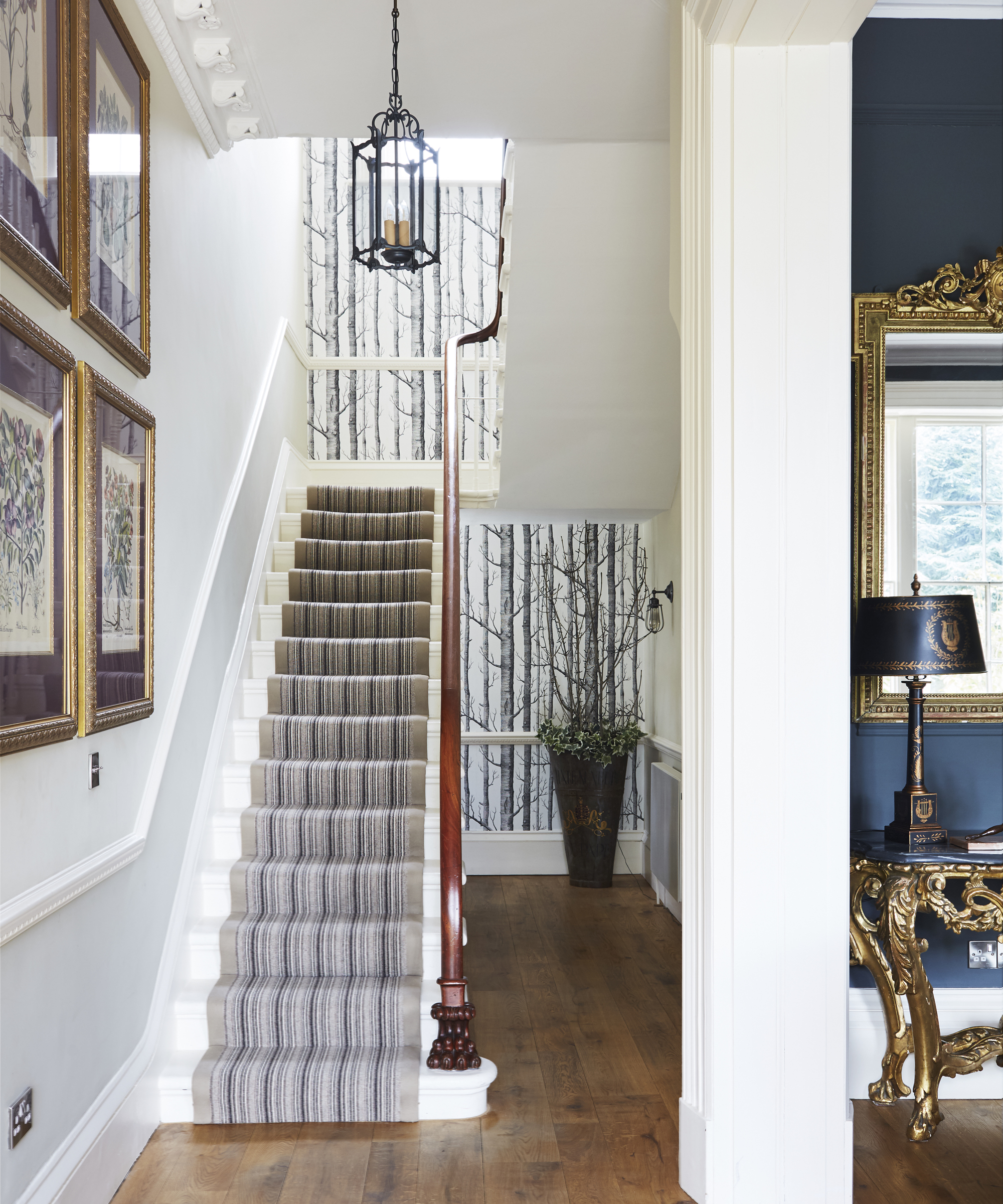
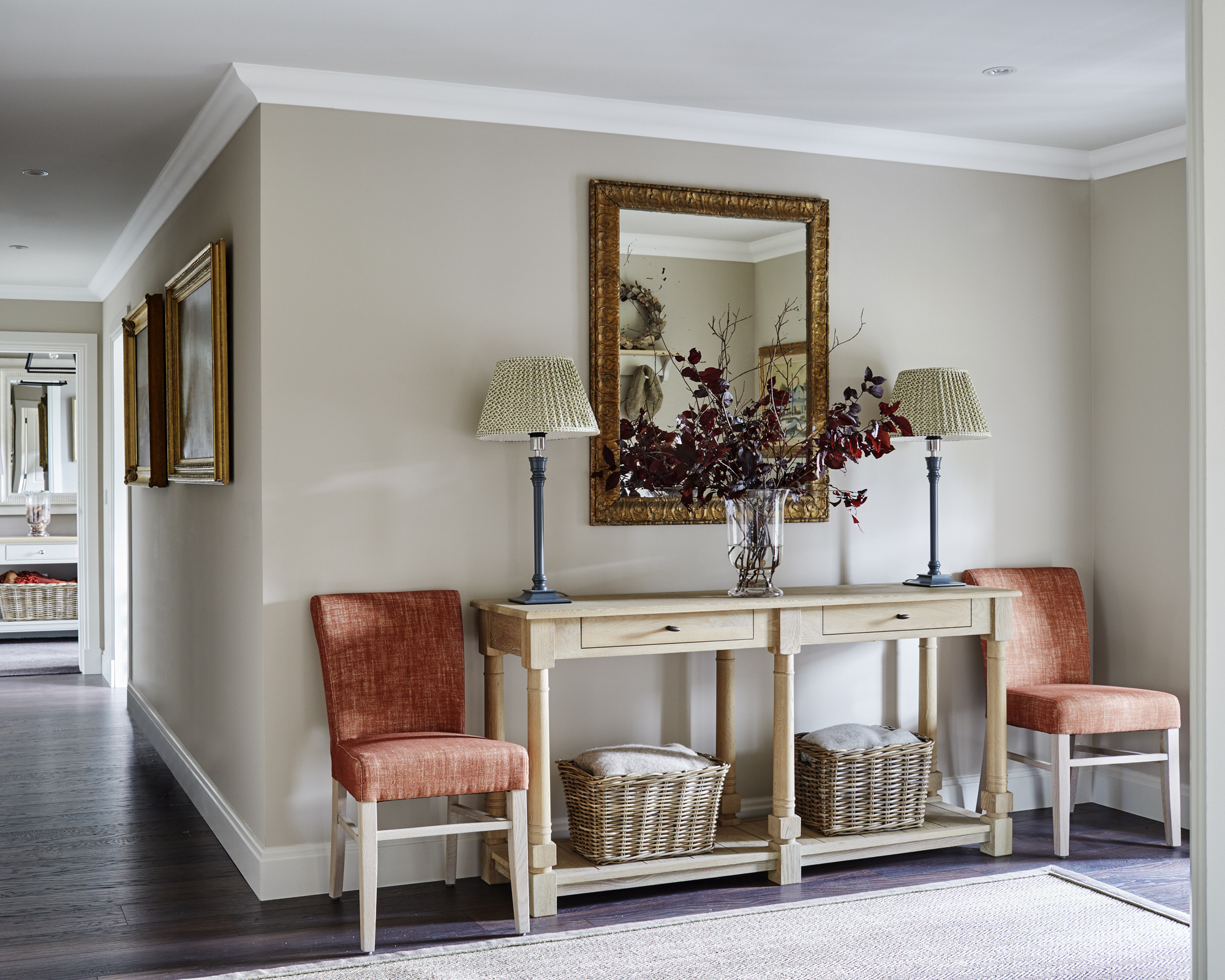
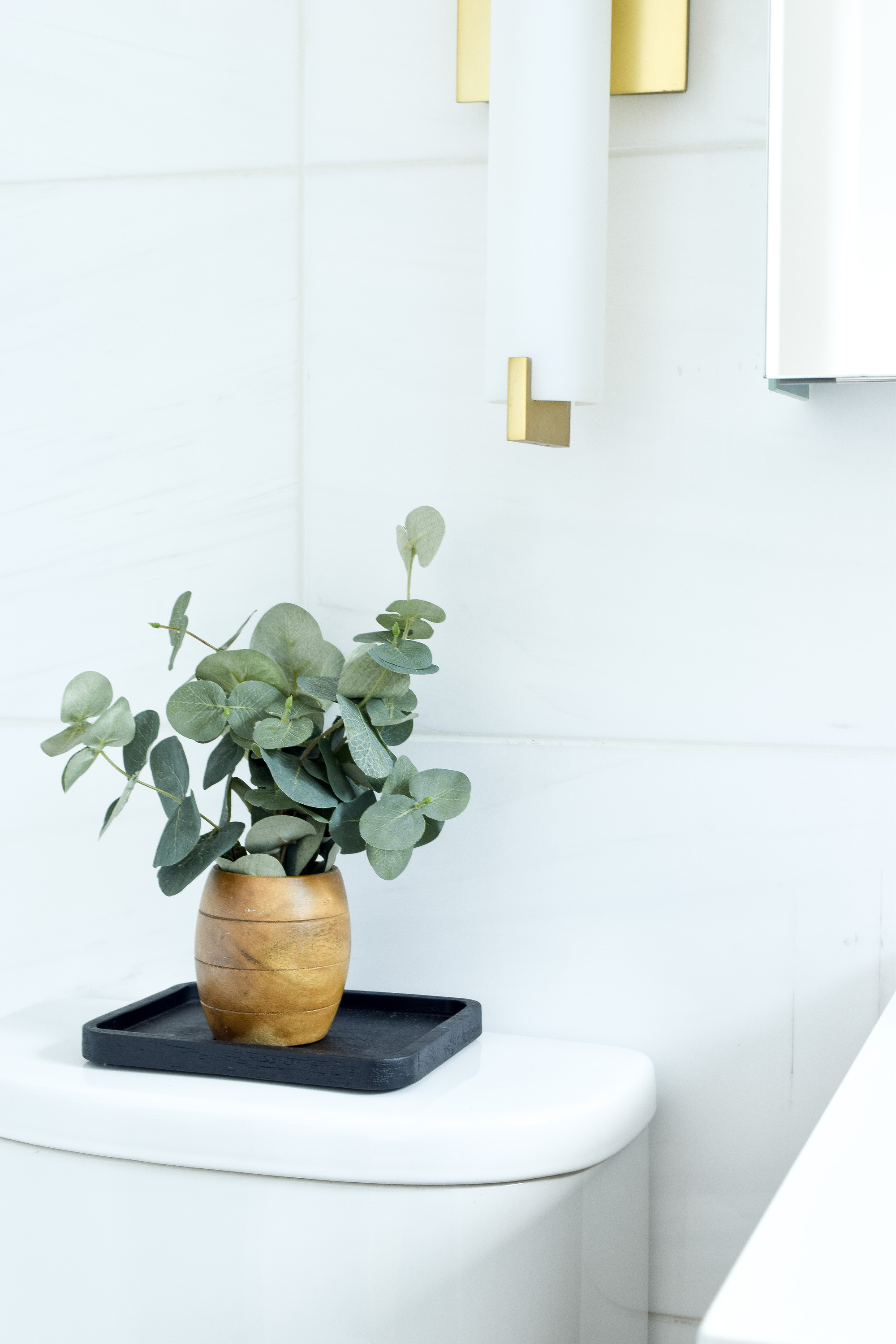
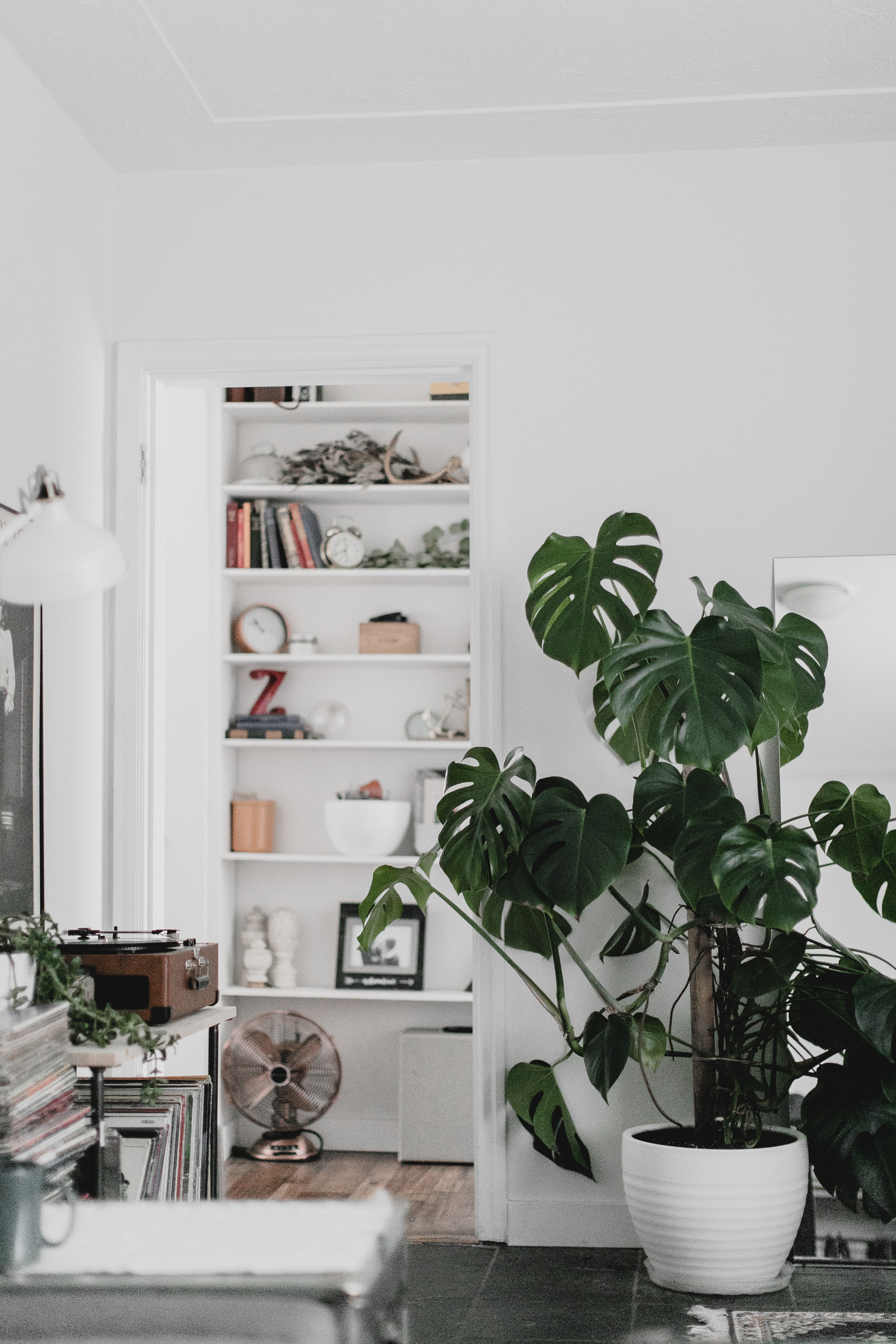
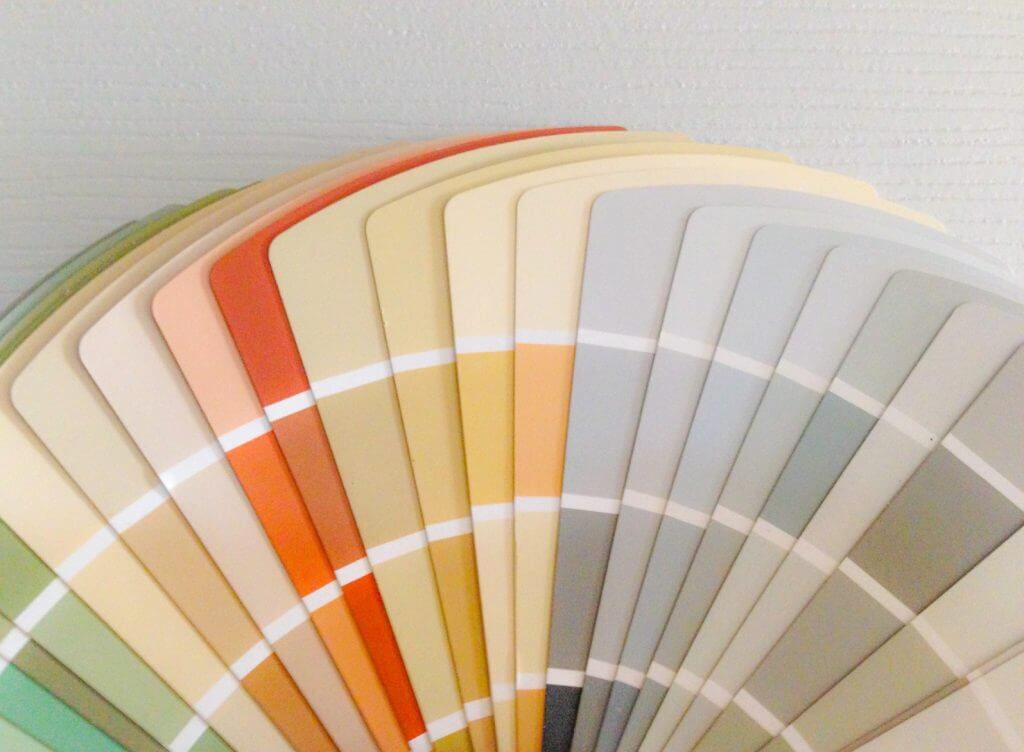
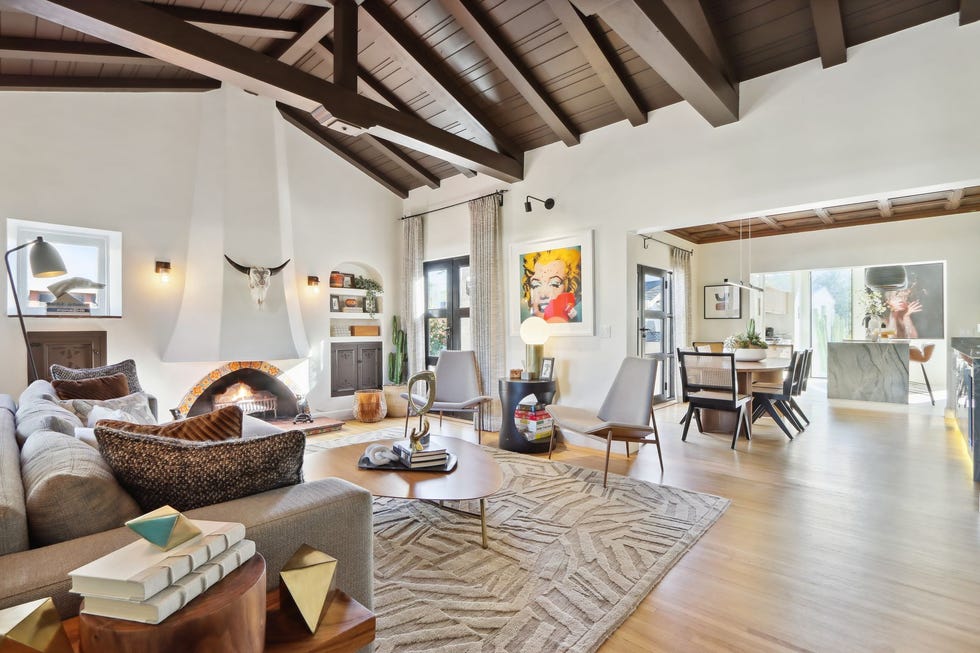
Chapnick offers several practical tips for effective staging. Firstly, paying attention to proportion is essential to avoid distracting buyers with ill-fitting furniture, instead drawing focus to desirable features like fireplaces or high ceilings. Secondly, highlighting storage areas by neatly displaying a few items after decluttering can impress buyers. Thirdly, tailoring the space to target demographics by creating a lifestyle-appealing environment is crucial. Fourthly, making rooms appear larger through strategic paint colors and furniture placement can guide how buyers perceive and move through a space. Fifthly, a thorough cleaning and refreshing, both inside and out, including repainting, updating door handles, maintaining plants, and removing garbage, ensures the property stands out. Lastly, creating welcoming spaces, especially for condominiums, through elements like flowers, statement mirrors, wallpaper, new light fixtures, or even consulting with the condominium corporation about building entrance aesthetics, enhances the overall buyer experience.
#HomeStaging #RealEstate #SellingHomes #InteriorDesign #PropertyValue #Seller'sMarket #DigitalMarketing #HomeImprovement #HomeStaging #RealEstate #SellingHomes #InteriorDesign #PropertyValue #Seller'sMarket #DigitalMarketing #HomeImprovement
कुल 0 टिप्पणियाँ
 कोई टिप्पणी नहीं
आपको यह भी पसंद आ सकता है
9 Home Staging Tips You'll Want to Try (Even if You're Not Selling Anytime Soon)

20 Things Home Buyers Will Hate About Your House
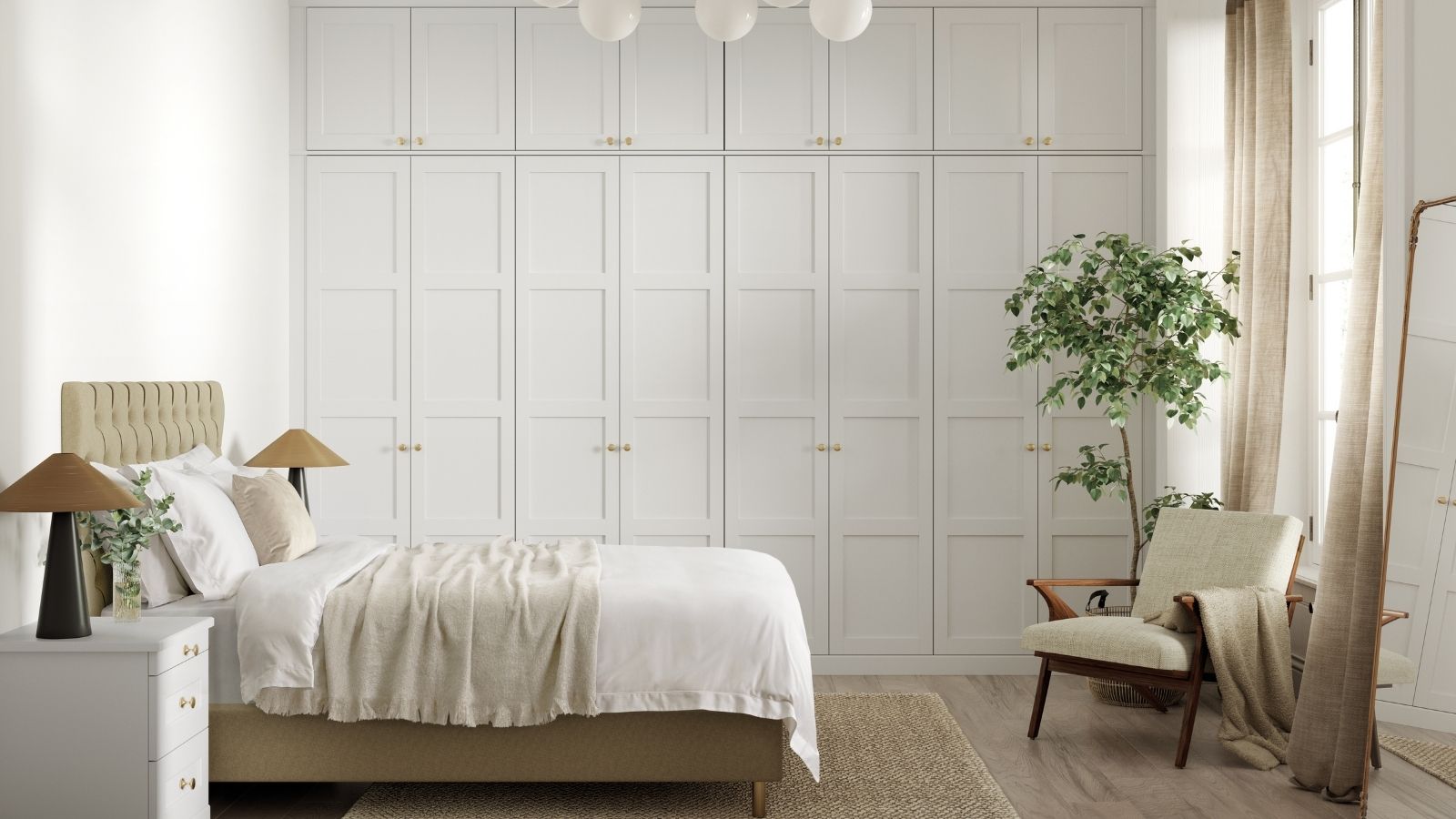
Minimalist home staging – 4 ways experts say paring back will sell your home fast


Home Staging Tips: 12 Ways to Prep Your Property for Fast Sale

Profile of Home Staging
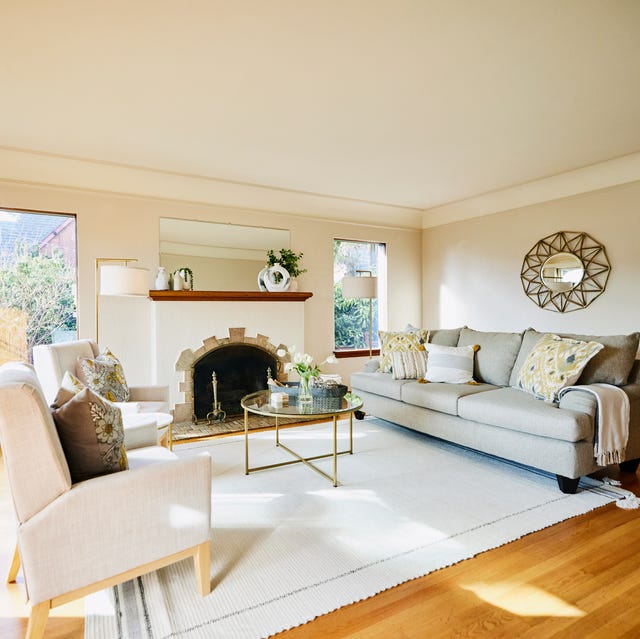
7 Things You Should NEVER Do if You’re Trying to Sell Your House, According to Home Stagers

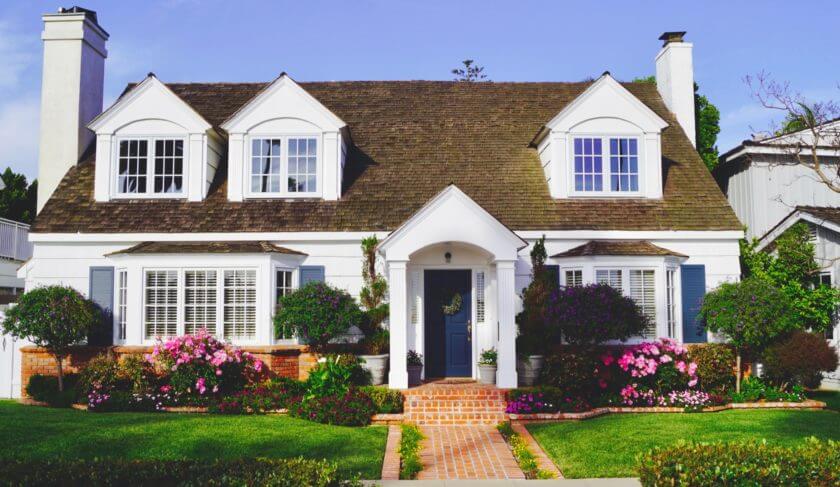
5 Most Profitable Home Improvements to Make Before Selling Your Home


Tips for staging a house – 5 ways to sell your home before Christmas

How home staging can help you sell your house faster & for more

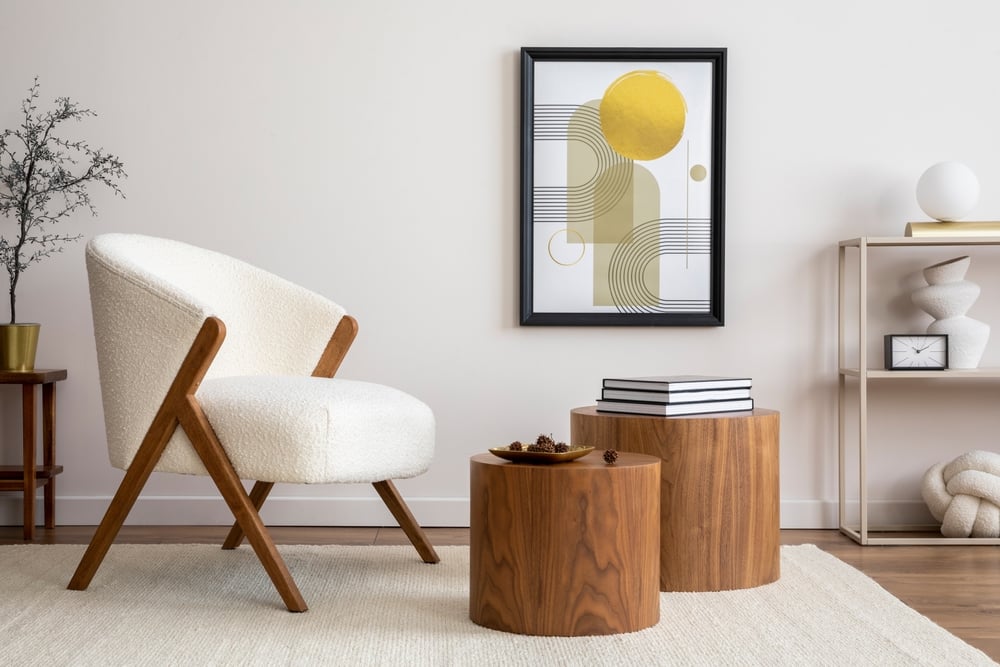
Everything You Need to Know About Staging Your Home on a Budget


Realtors Say "Screen Appeal" Is One the BIGGEST Reasons Homes Fly Off the Market
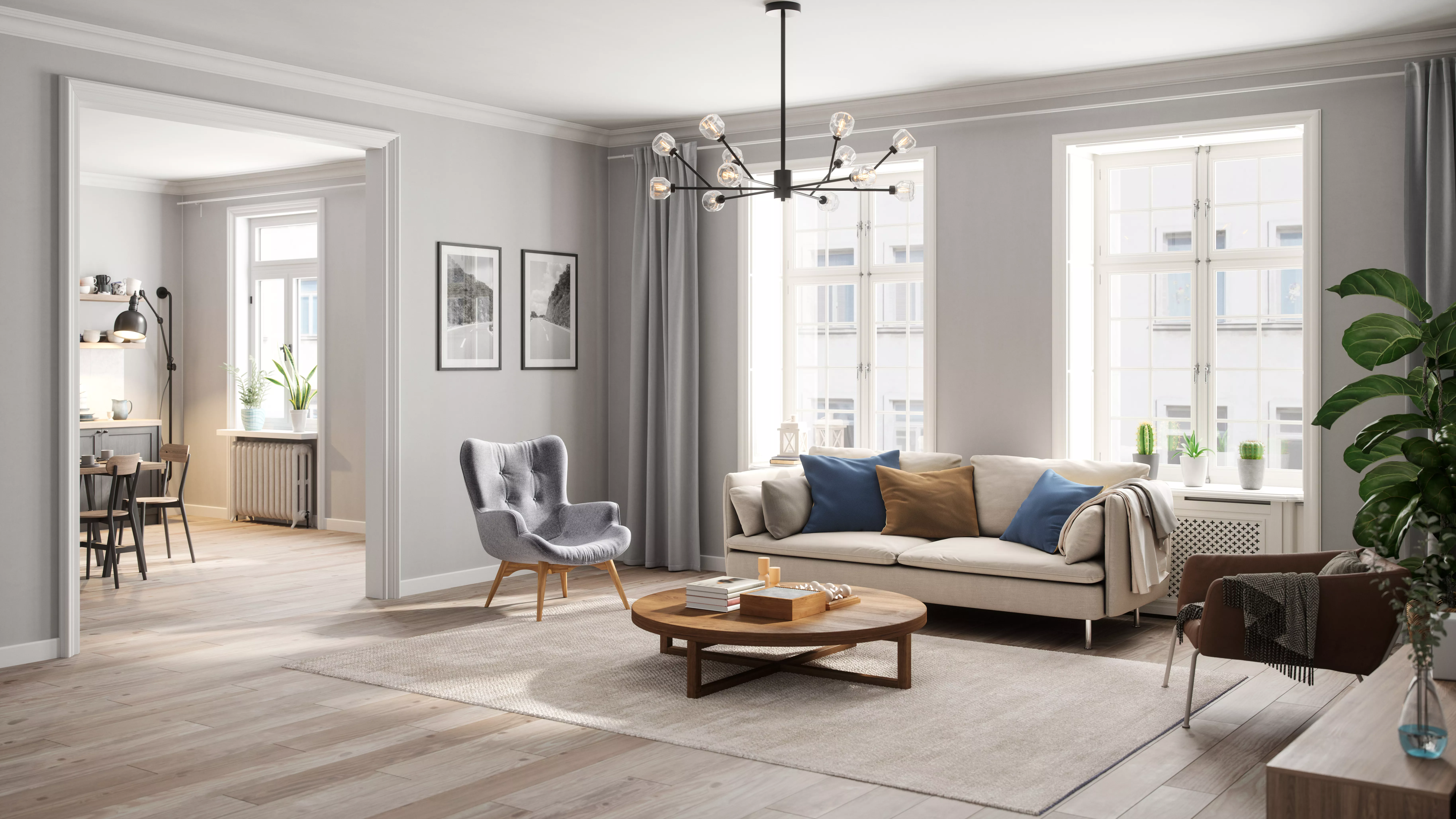
Virtual Staging Could Help You Sell Your Home—Here's What to Consider

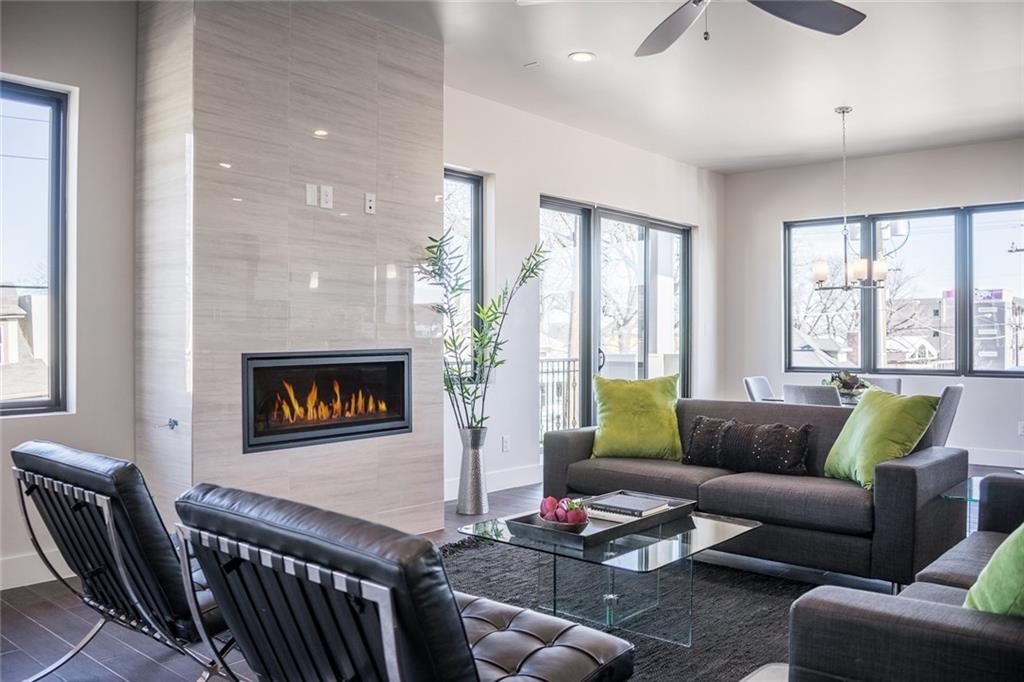
More Realtors Are Using Staging Than Ever Before, According to NAR

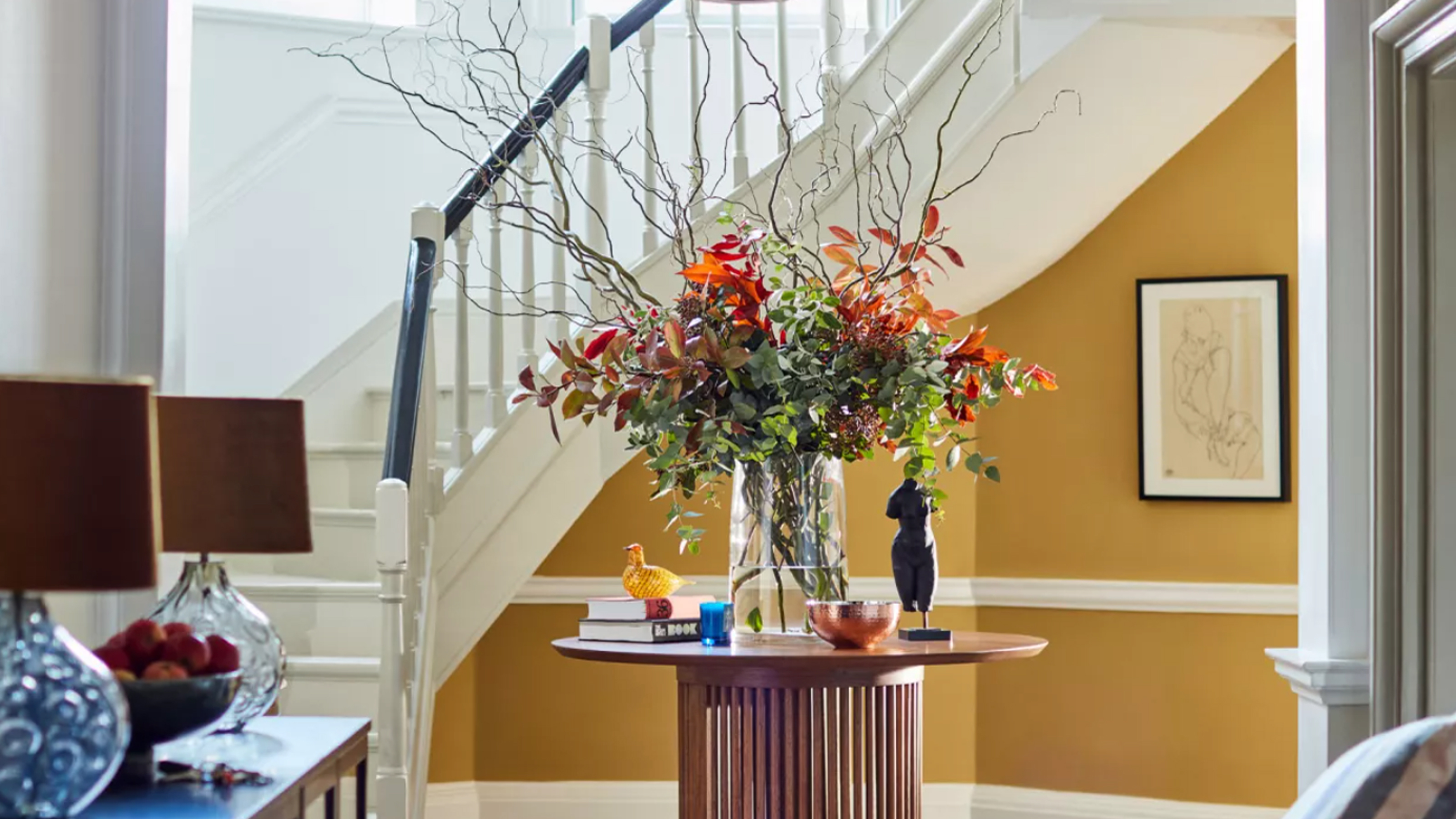
Staging a hallway – top tips from real estate professionals
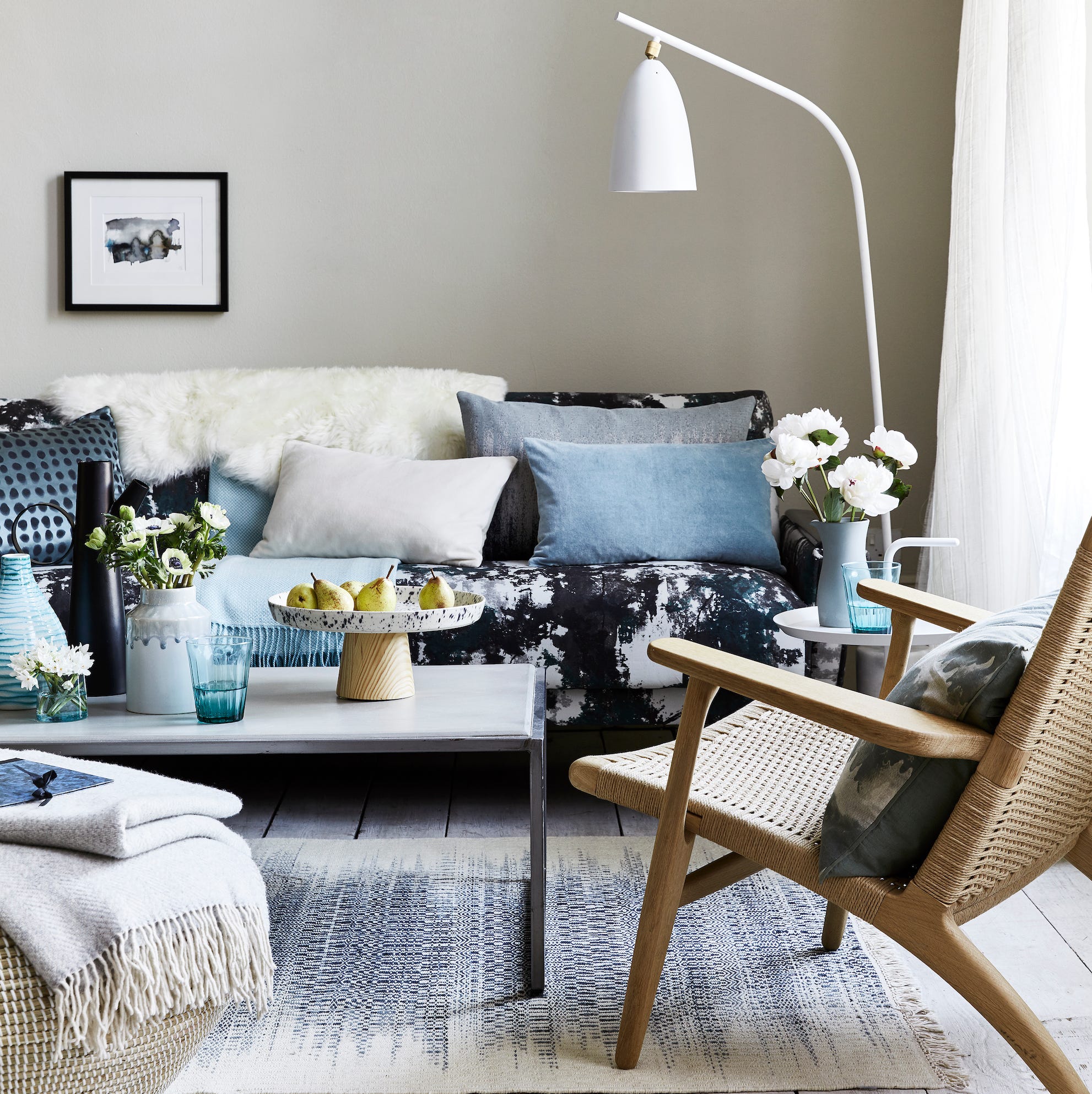
Money-wasting home improvements to avoid
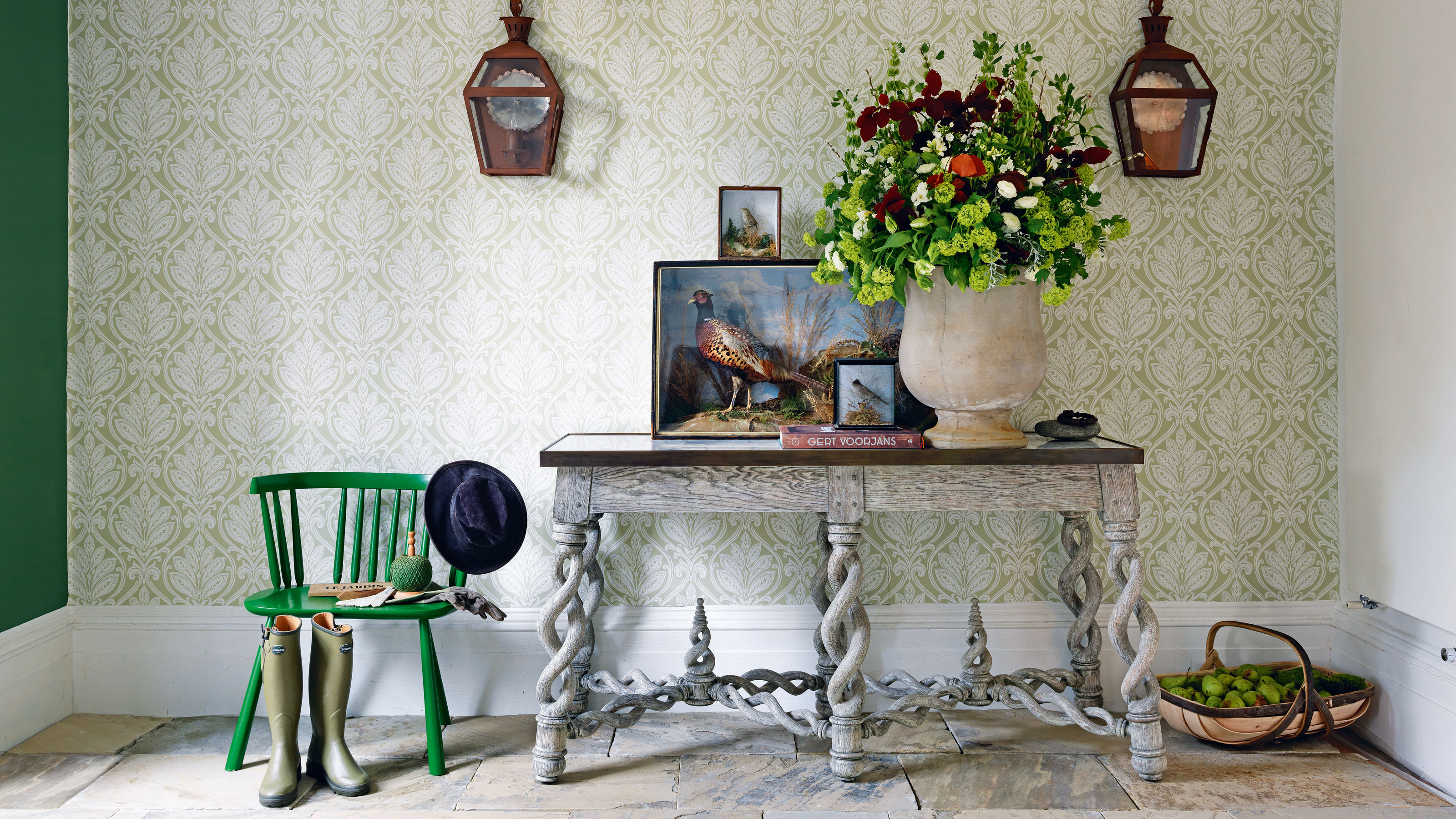
5 entryway staging tricks to sell your home fast – according to estate agents
These Easy Home Updates Could Add $6,000+ to Your Selling Price


6 Plants That Professional Stagers Say Will Actually Help You Sell Your Home

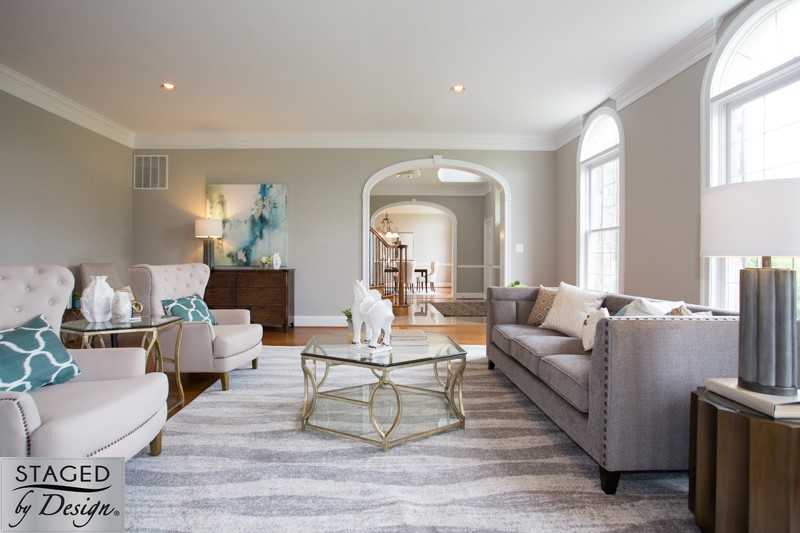
Home staging: Yes, it’s worth it