Does Painting Your House a Dark Color Make It Hotter? Here's What Experts Say
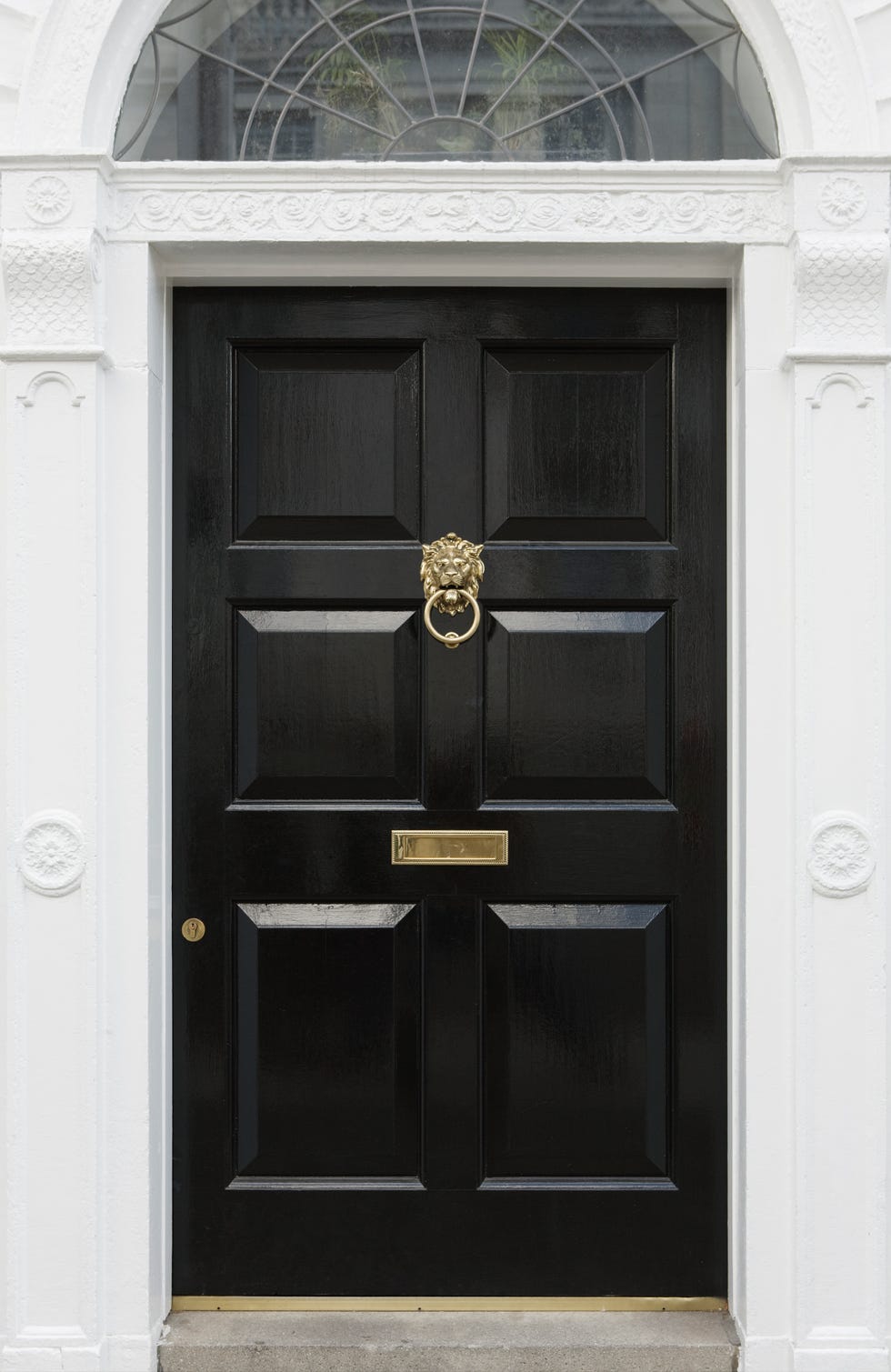
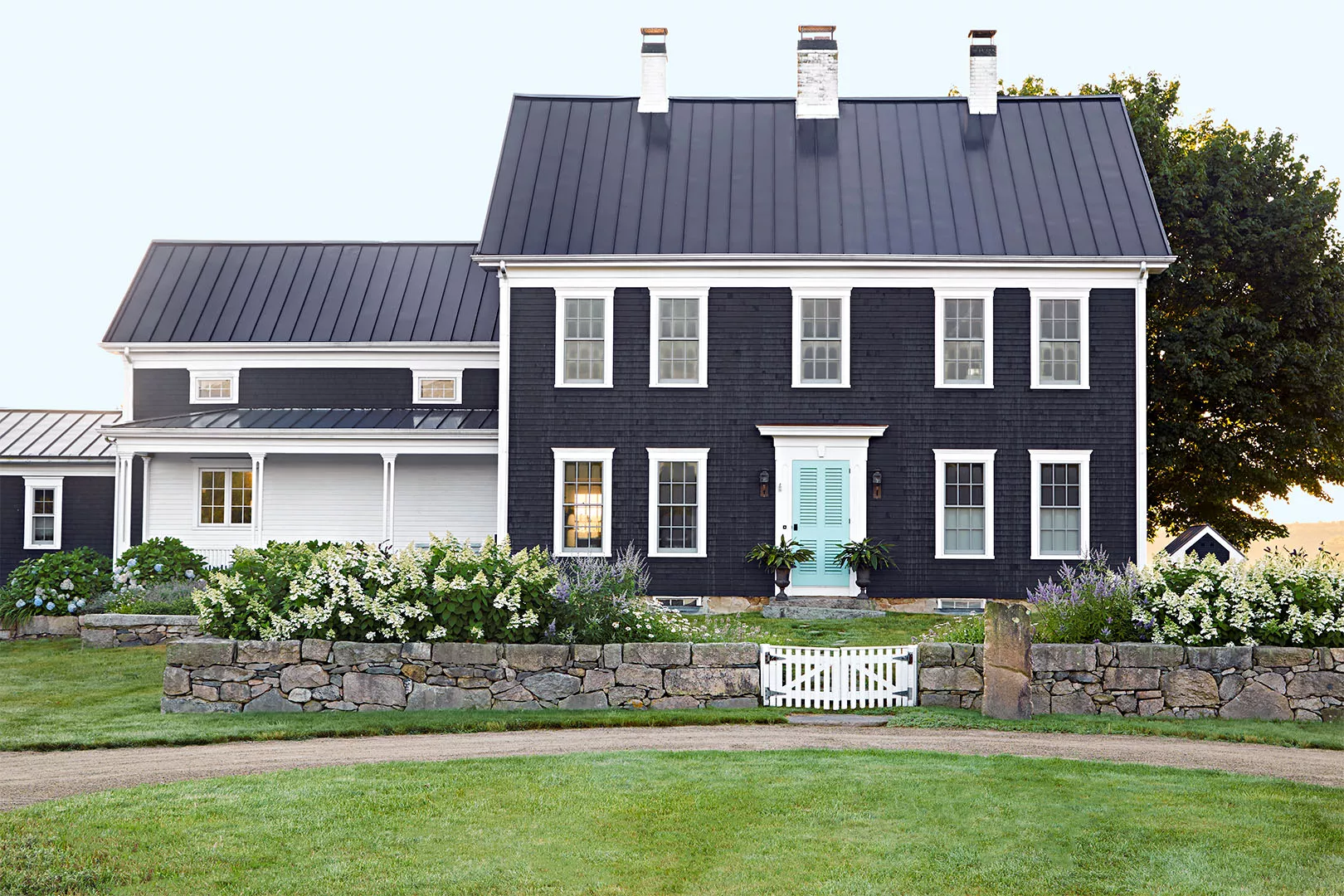
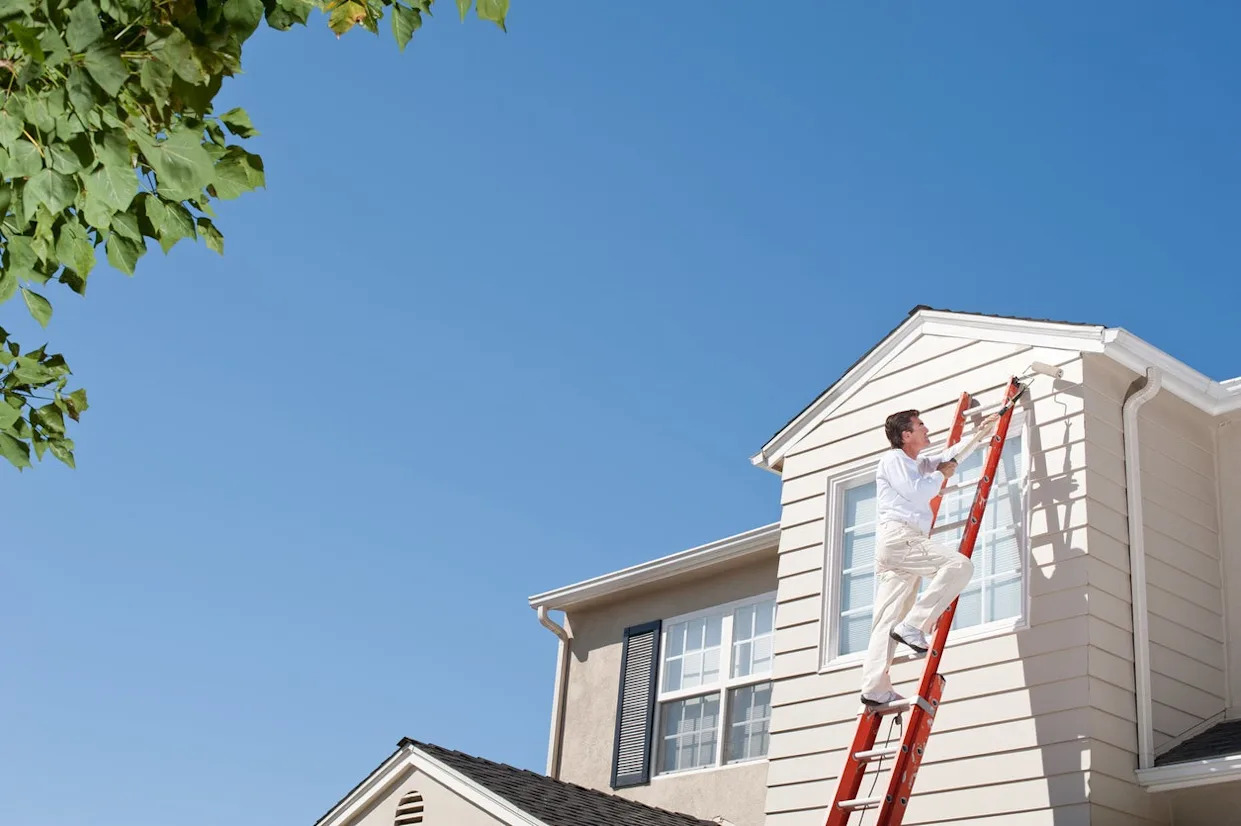
The trend of painting home exteriors in dark colors, such as black paneling or dark blue siding, is currently popular for its sleek and modern aesthetic. However, this choice raises concerns about increased interior temperatures, especially during hot summer months, and its potential impact on air conditioning usage. Experts confirm that dark exterior colors do indeed make a home's interior hotter because they absorb more sunlight and convert it into heat. The extent of this temperature increase is influenced by factors such as the home's insulation quality and the material of the exterior. For instance, a dark-colored metal exterior will conduct heat more efficiently into the interior compared to a dark-colored wooden exterior, which still absorbs heat but at a lower rate. Additionally, if painting vinyl siding a darker shade than its original color, there is a risk of excessive heat absorption leading to warping and melting.
Beyond temperature, the choice of a dark exterior color has other considerations. While aesthetically pleasing to some, it might deter potential buyers when the home is put up for sale due to a dominant color scheme that may not appeal to everyone. Dark colors also tend to fade more quickly due to UV exposure, necessitating more frequent maintenance and repainting to preserve their appearance. This aspect is particularly relevant for homeowners who may not be willing to commit to regular upkeep. Economically, dark colors can influence heating and cooling costs. In hotter climates, they lead to higher air conditioning bills as systems work harder to counteract the absorbed heat. Conversely, in colder climates, dark exteriors can be advantageous by retaining heat, potentially lowering heating expenses during winter.
For those determined to embrace the dark exterior trend, several strategies can help mitigate the internal temperature increase. Installing energy-efficient siding materials that offer greater heat resistance is crucial for new constructions or renovations. Proper insulation in walls, attics, and basements is essential to minimize heat transfer, ensuring the home remains cool in summer and warm in winter. Investing in high-performance windows with UV protection can also significantly reduce heat gain from sunlight. Reflective roofing materials, like reflective shingles, coupled with efficient ventilation systems, are vital in counteracting heat buildup. Furthermore, strategic landscaping and external accessories such as awnings, pergolas, or shade trees can provide additional shading, reducing direct sun exposure and contributing to a cooler interior. These measures allow homeowners to enjoy the aesthetic benefits of dark exterior paint without compromising indoor comfort.
#HomeImprovement #ExteriorPaint #HomeCooling #EnergyEfficiency #HomeMaintenance #CurbAppeal #InteriorTemperature #HomeDesign #HomeImprovement #ExteriorPaint #HomeCooling #EnergyEfficiency #HomeMaintenance #CurbAppeal #InteriorTemperature #HomeDesign
कुल 0 टिप्पणियाँ
 कोई टिप्पणी नहीं
आपको यह भी पसंद आ सकता है
These Dark Interior Colors Can Sell Your House for More Money, According to Zillow
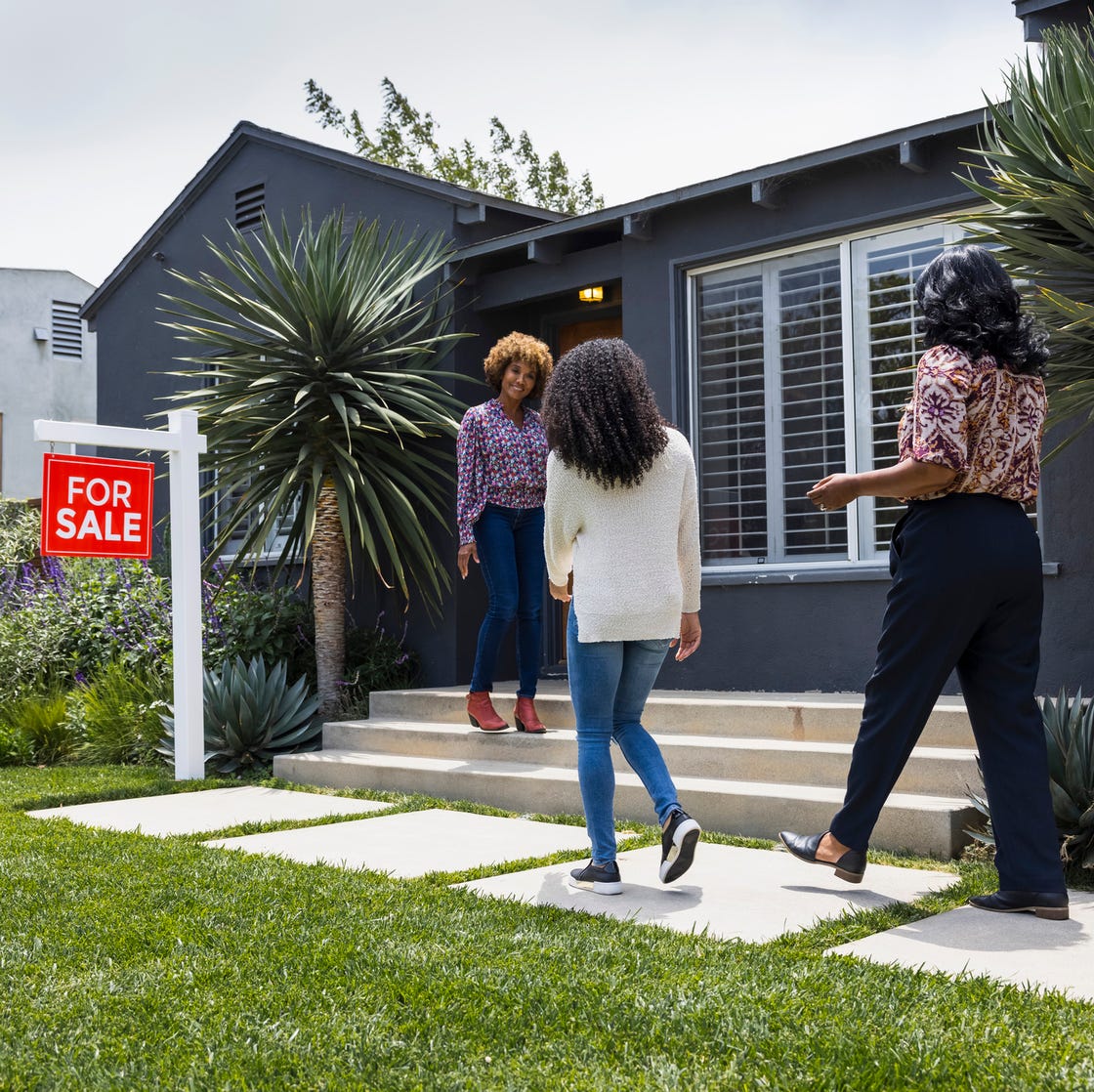
6 Paint Colors That Will Make Your House Sell for More Money

This Is the Best Paint for Dark Rooms — 6 Shades Interior Designers Swear By for Light-Limited Spaces

An interior expert reveals the one thing you should never do when painting your walls
8 of the best dark paint colours for your home and how to use them

How Your Home's Paint Colors Can Make You Happier, According to Experts

This Paint Color Can Actually Increase Your Home's Value, According to Zillow

The Best Exterior House Paint Colors for Hot and Cold Climates
Is it better to paint small rooms light or dark? Here's what the top colour experts have to say
7 Dark Paint Colors That Will Convince You to Swap Your Neutrals

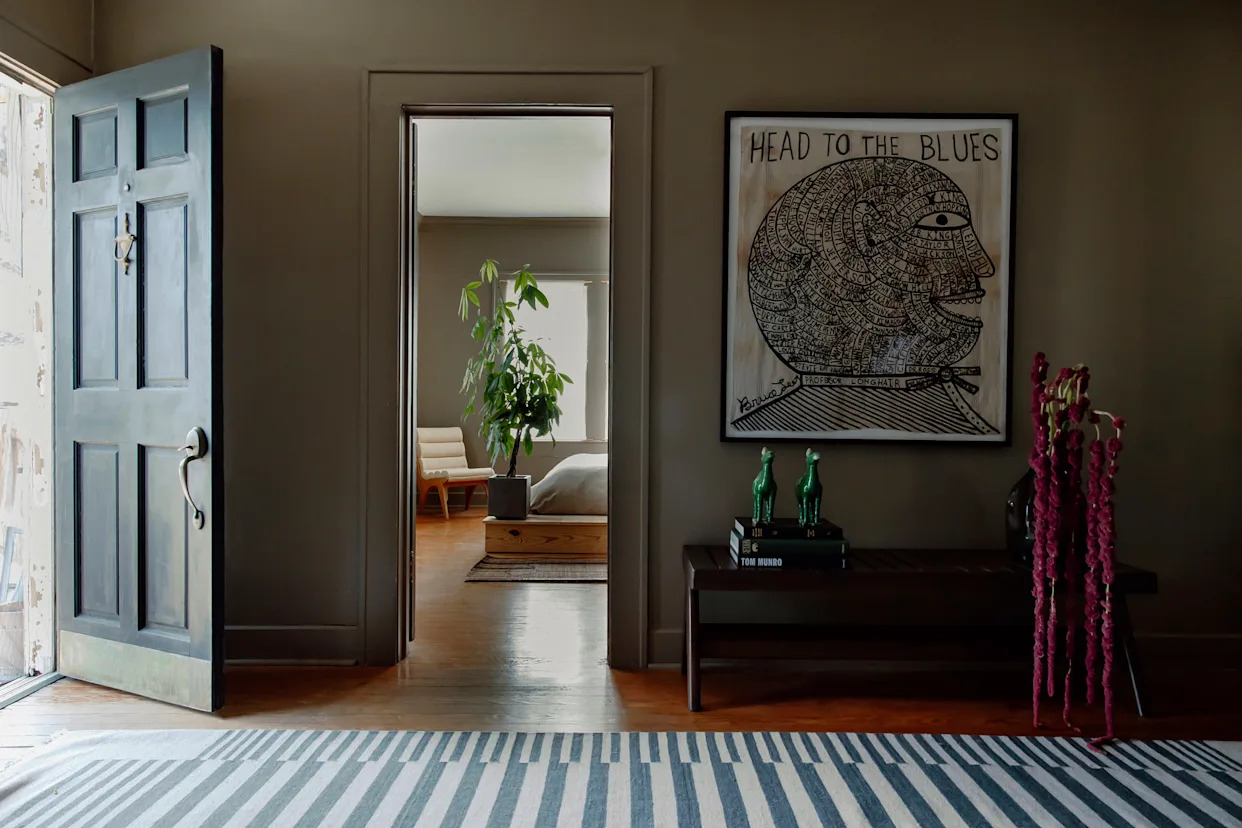
Should I paint an entryway light or dark? Here’s what the experts suggest
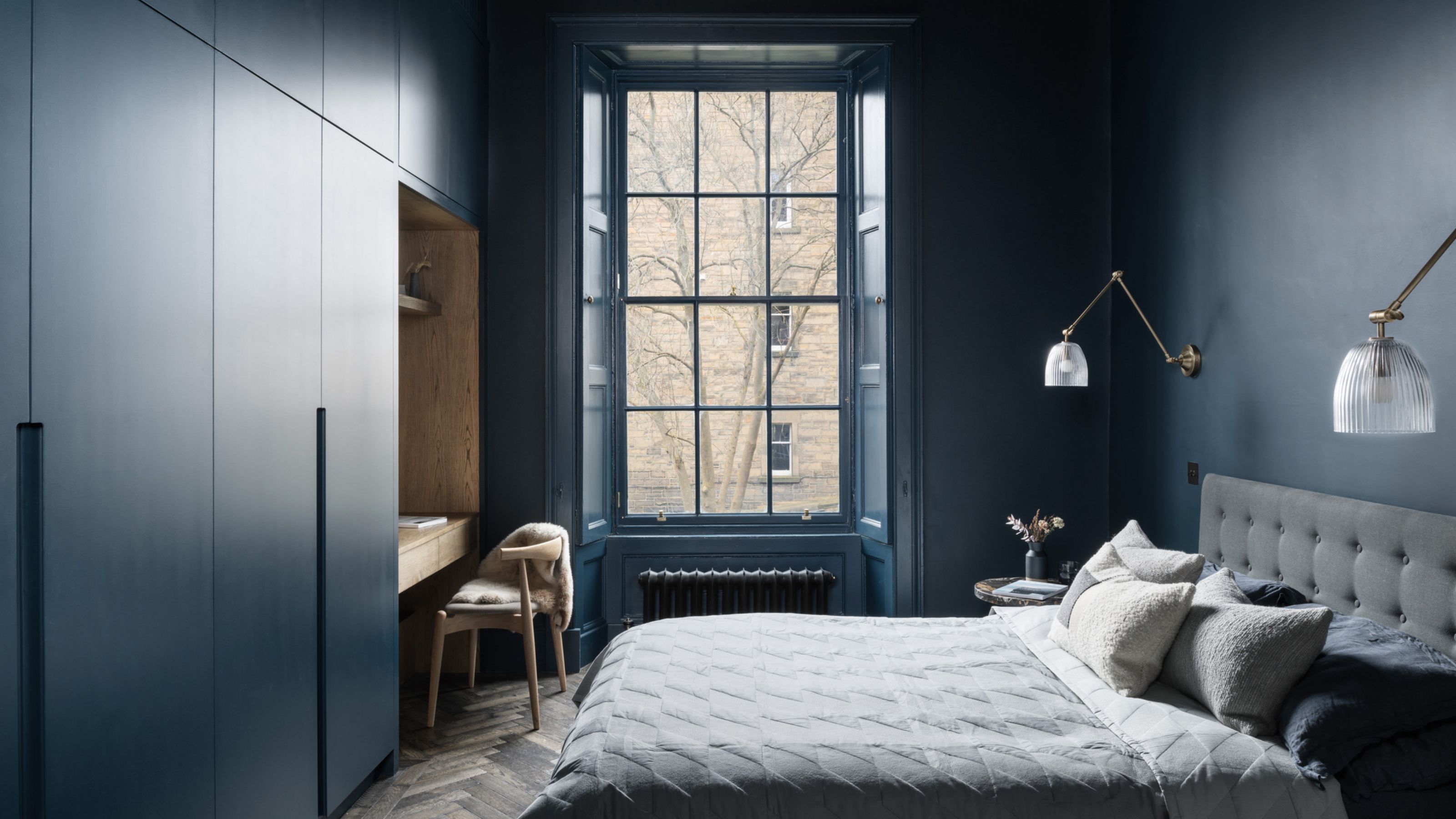
6 Dark Paint Colors That Designers Use to Bring Glamour
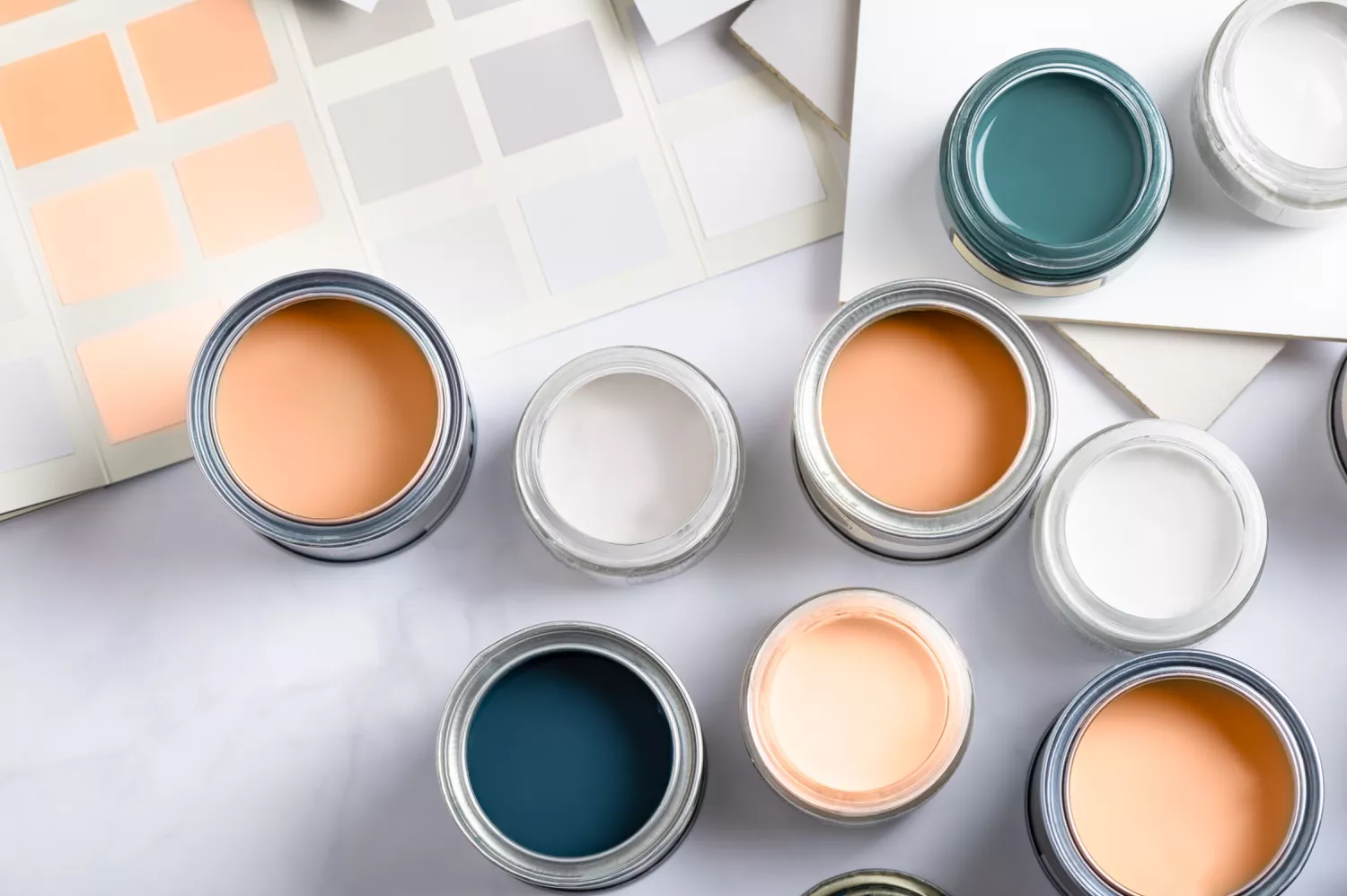
Want to Save Money on Your Heating Bills? Your Paint Color Might Help, Pros Say
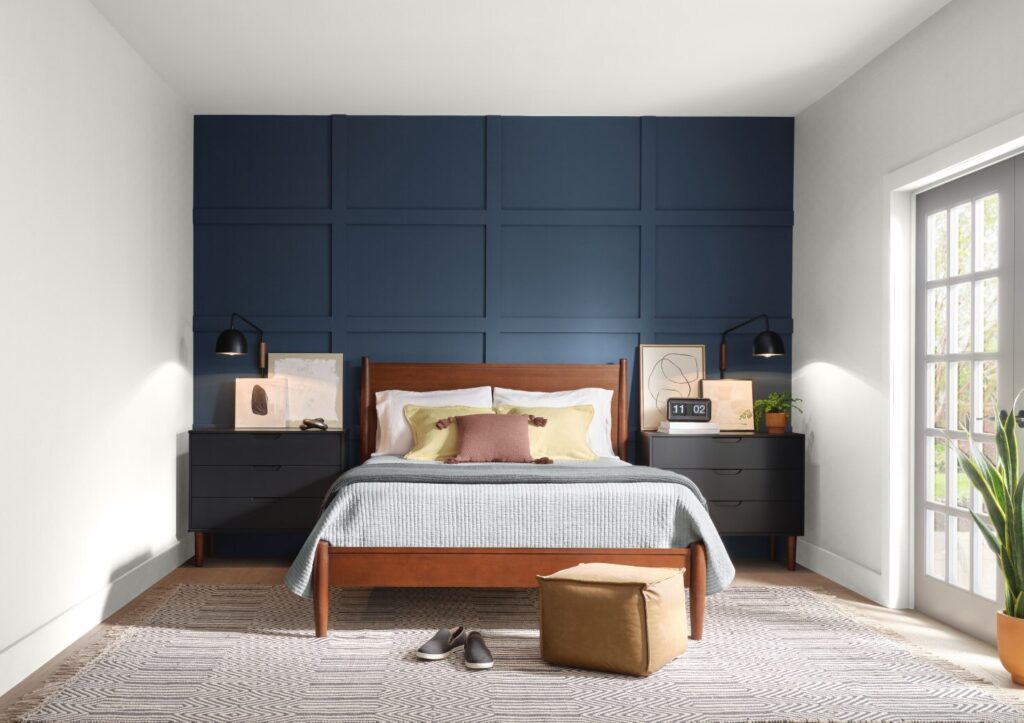
New Zillow Research Says These Paint Colors Can Help Sell Your Home

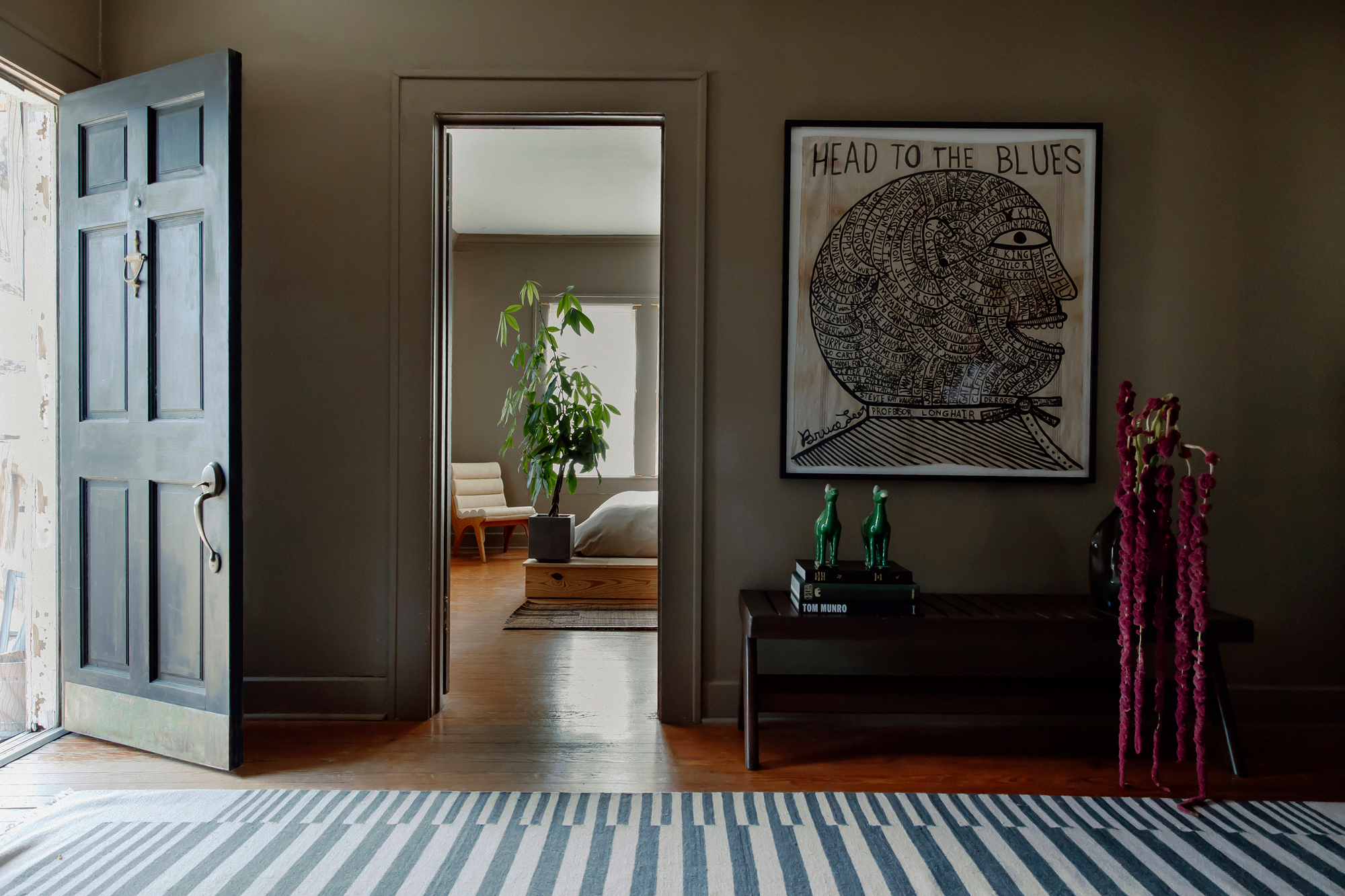
Should I paint an entryway light or dark? Here’s what the experts suggest
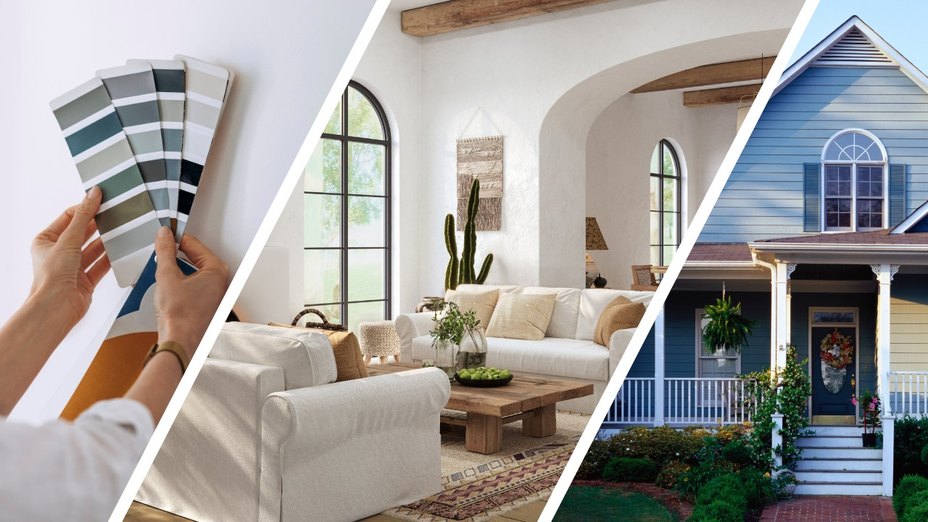
Real Estate Experts Reveal the Paint Colors That Decrease Your Home Value—and Tricks for Finding the Perfect Hue
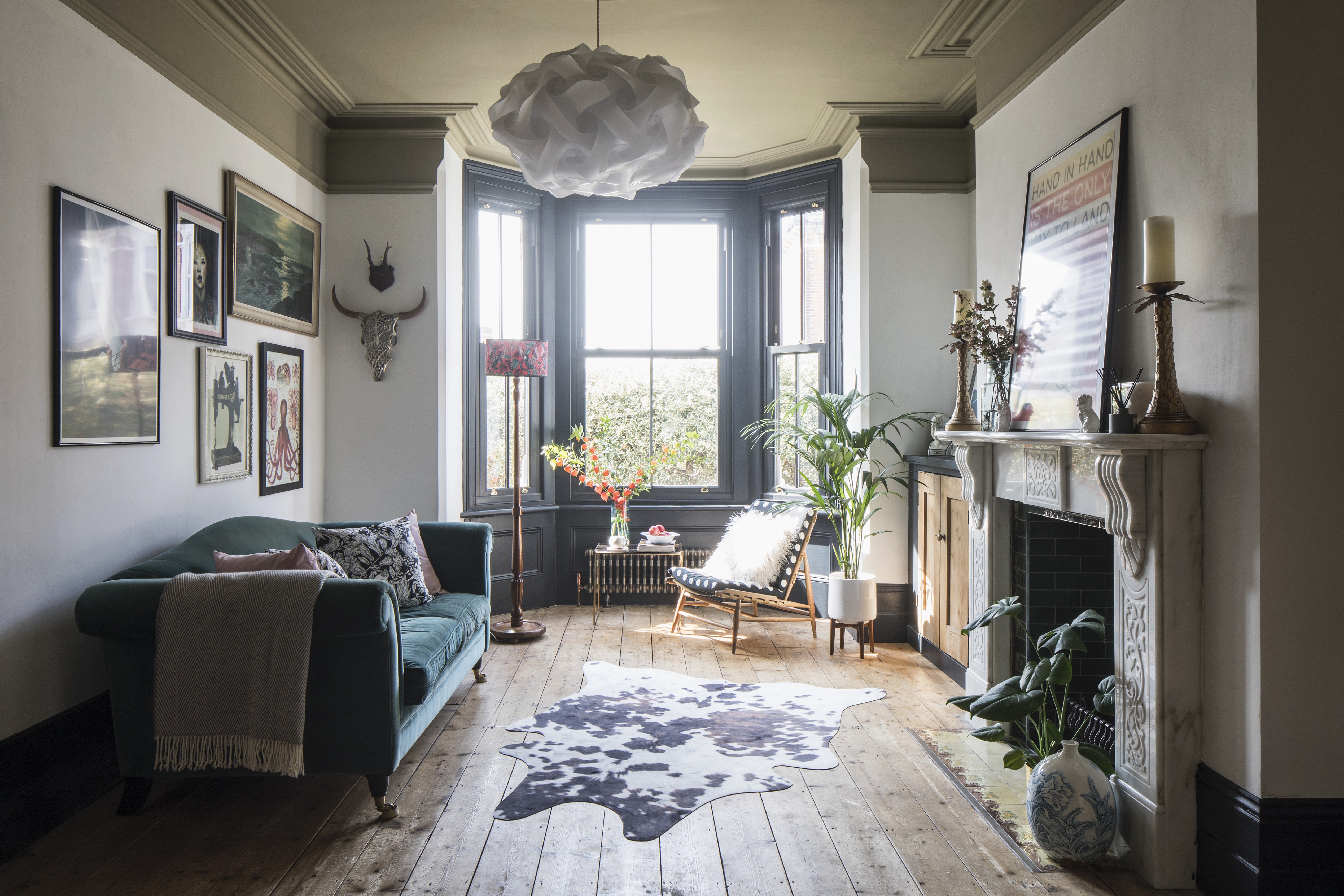
Should you paint dark ceilings with light walls? Experts weigh in on the pros and cons
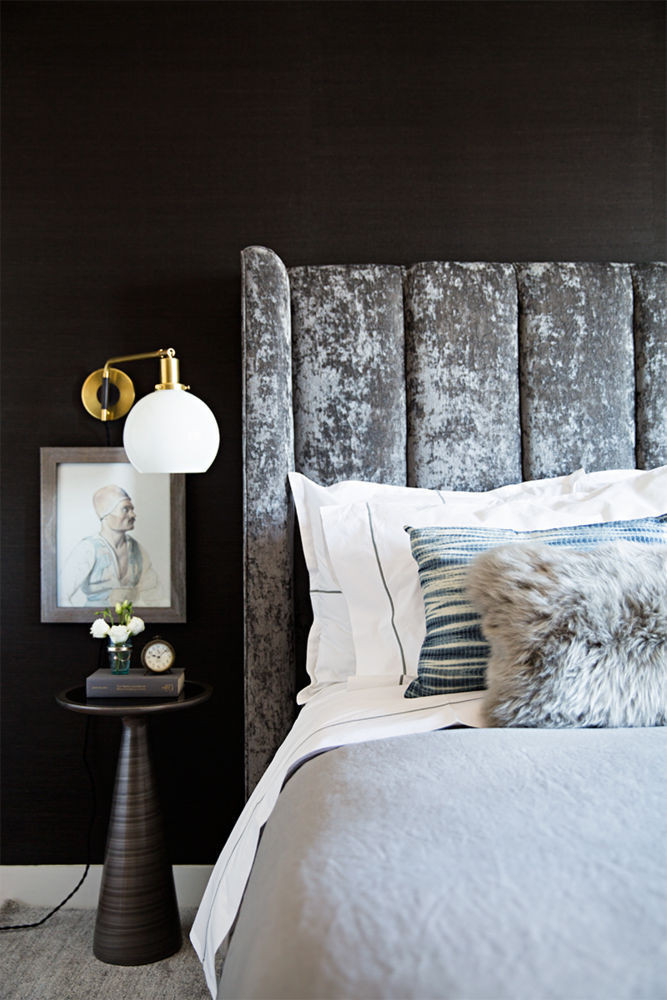
Why You Should Paint Your Bedroom a Dark Color
Dark Paint Colors HGTV Stars Love Using In Homes
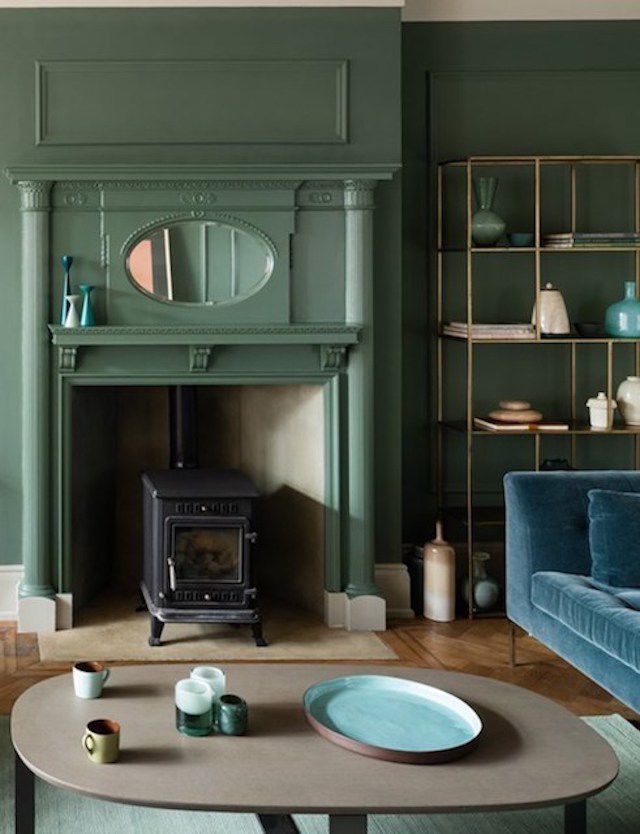
The Best Dark Paint Colors of 2023, According to Color Experts