1/10
Why You Should Paint Your Bedroom a Dark Color
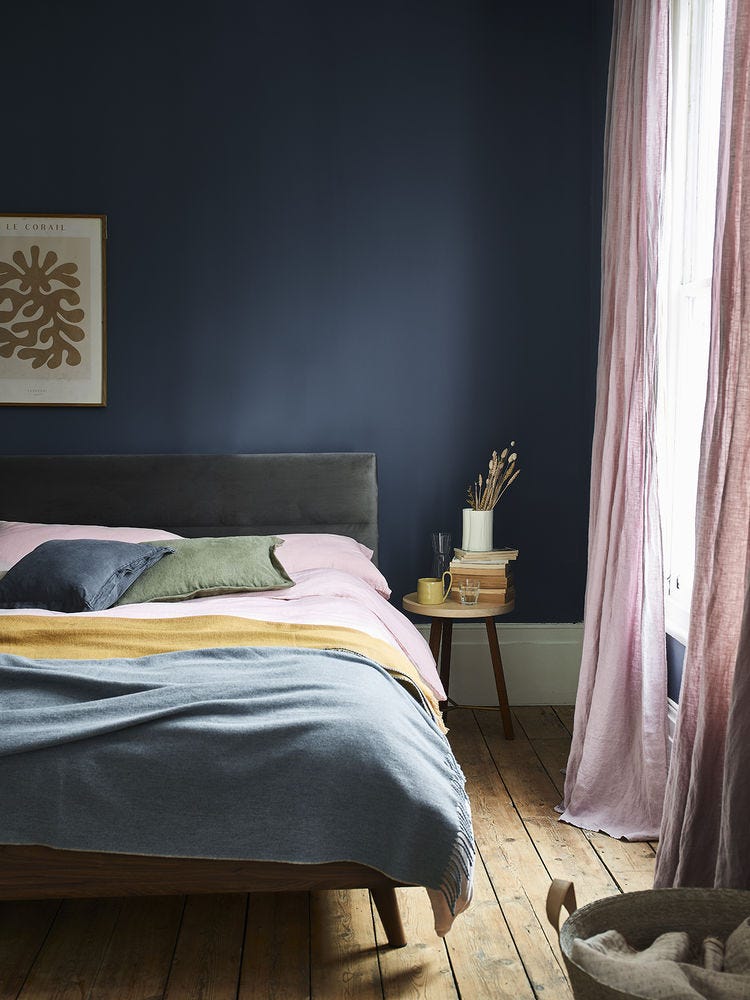
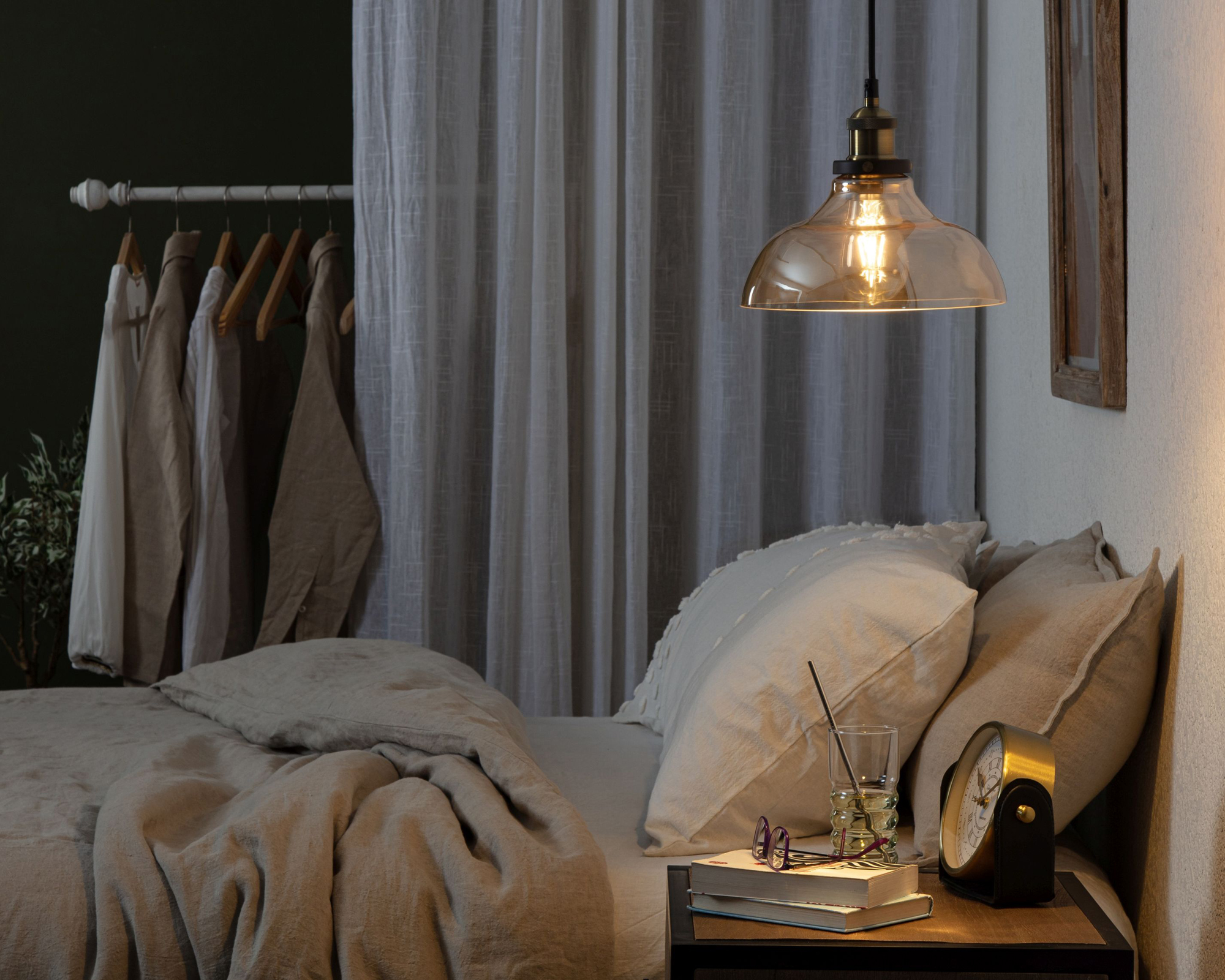
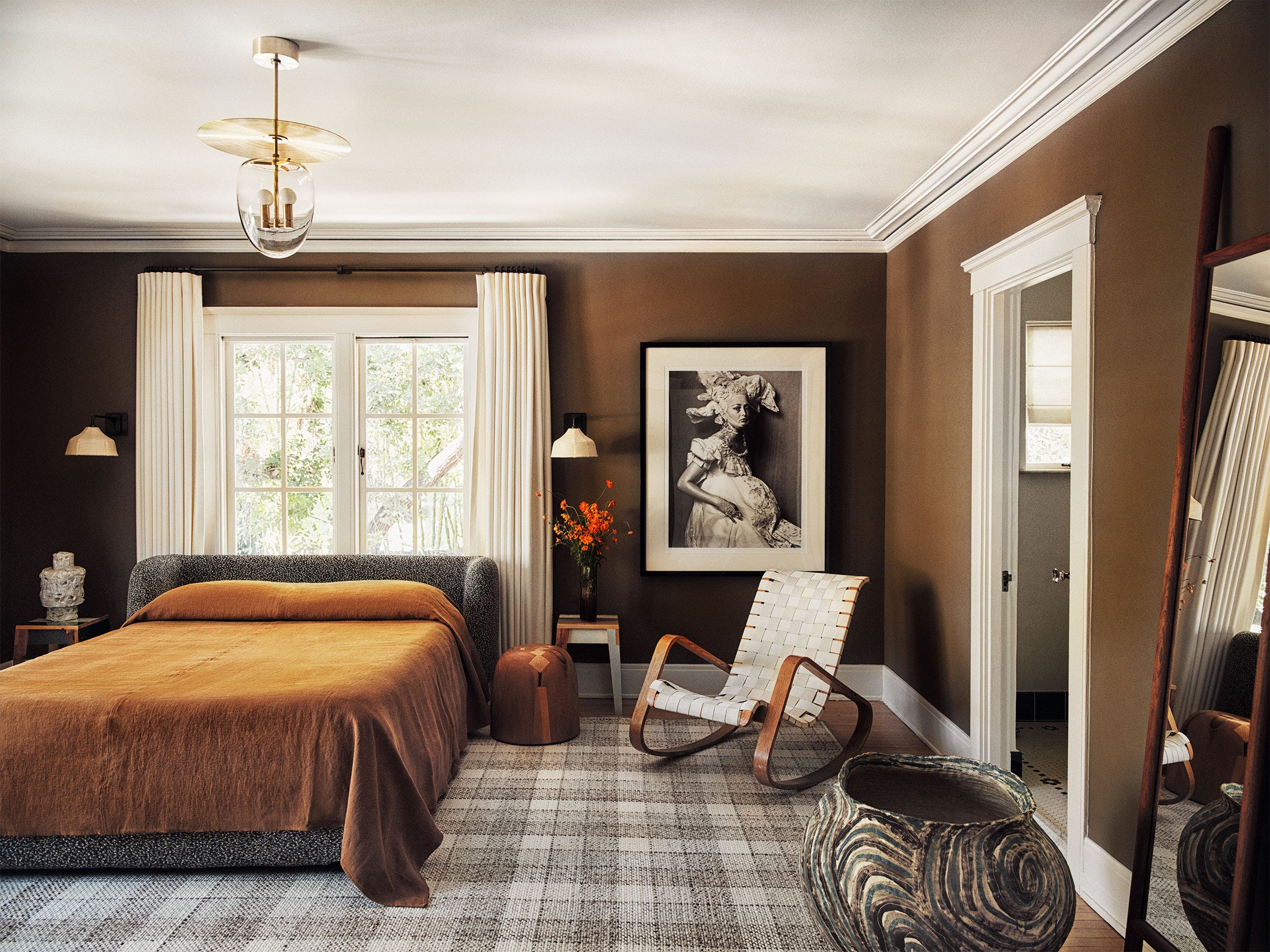
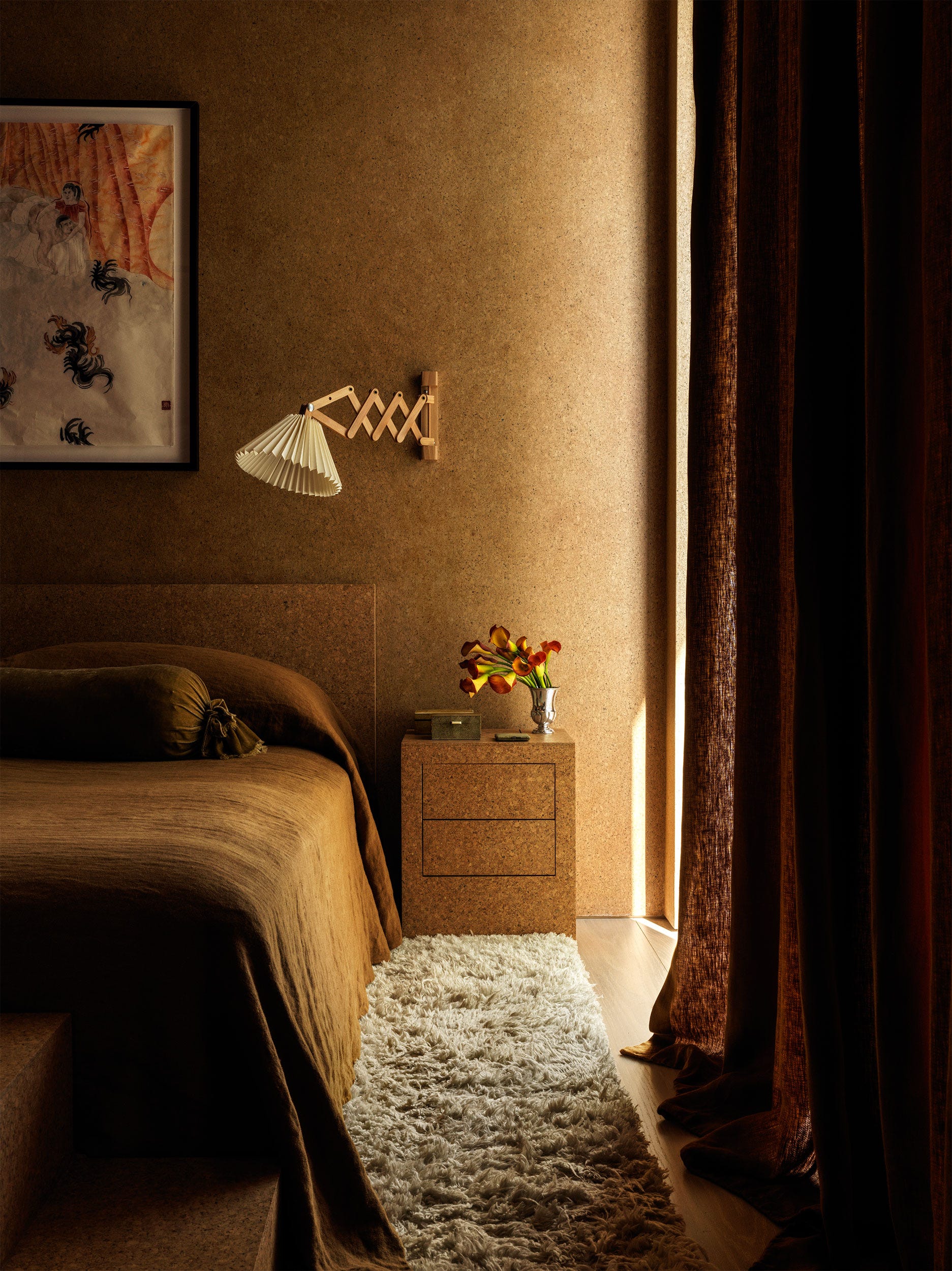
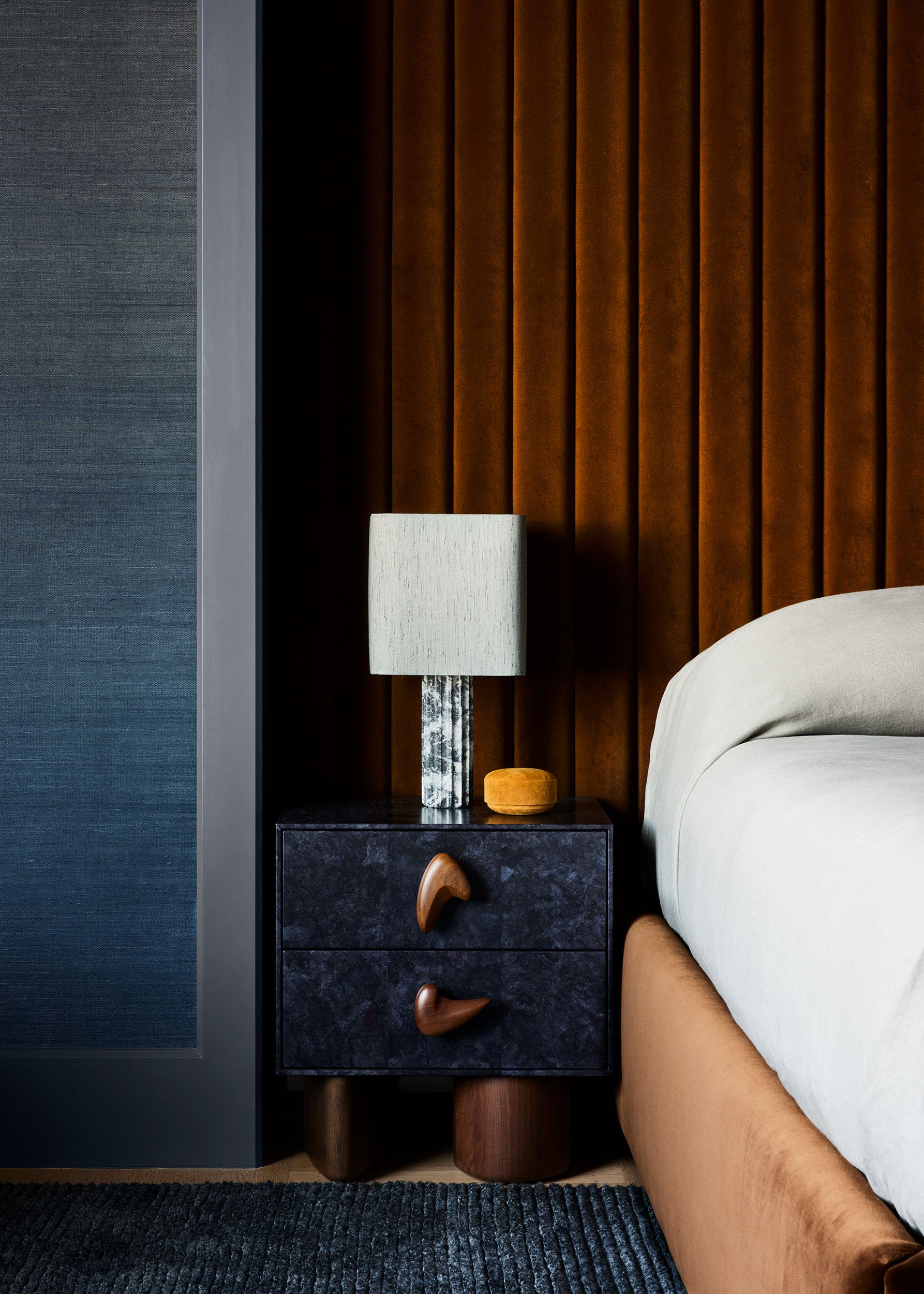
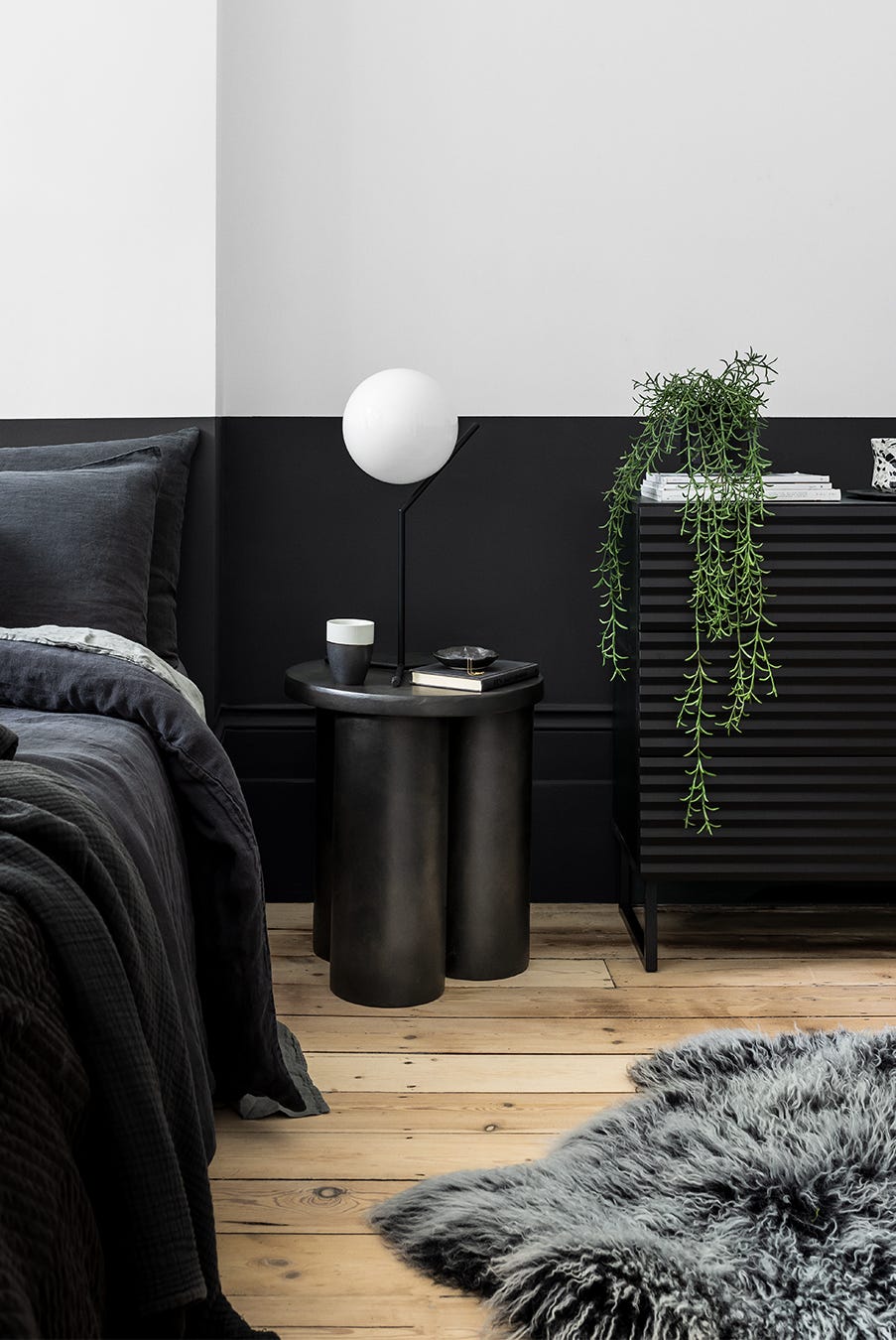
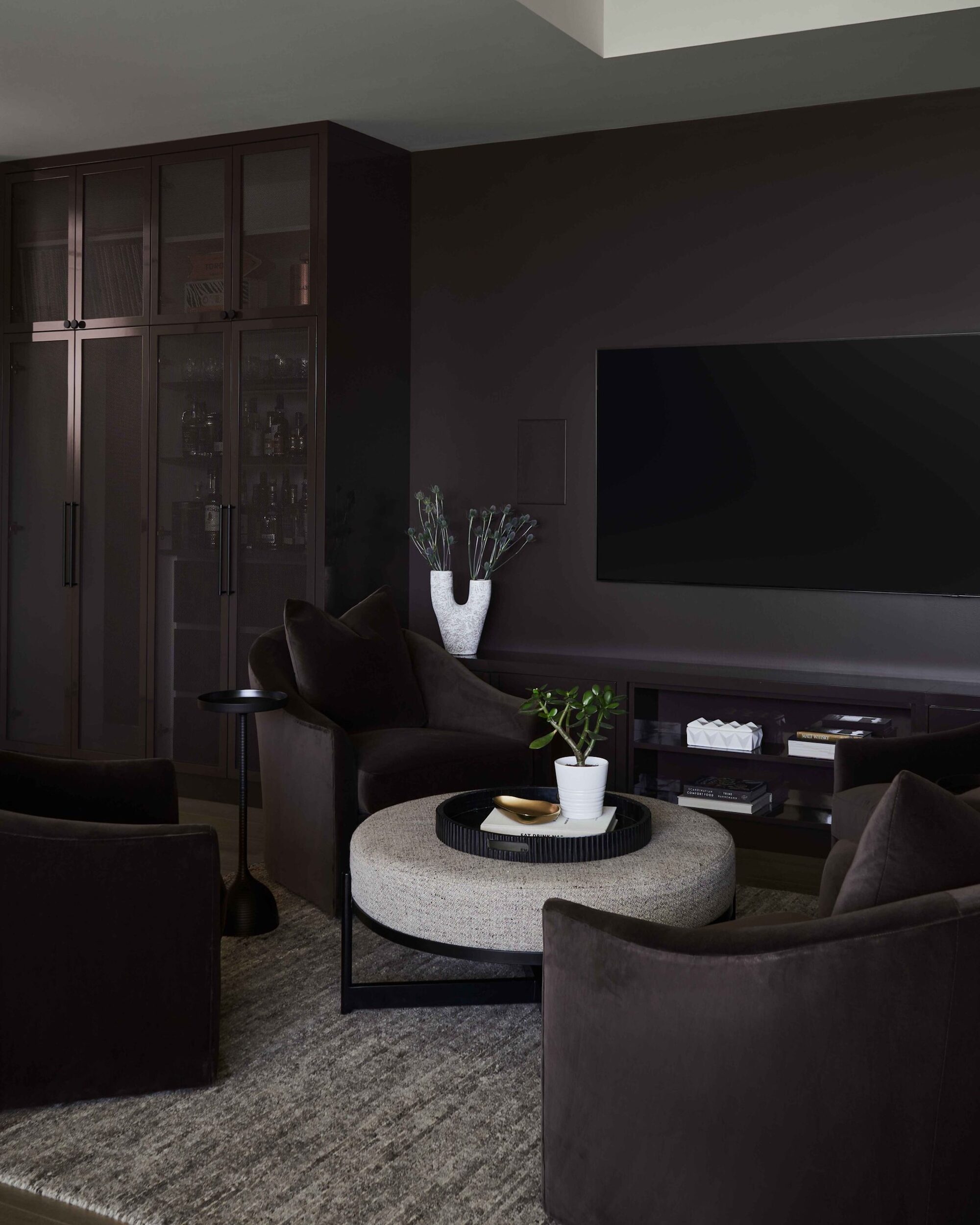
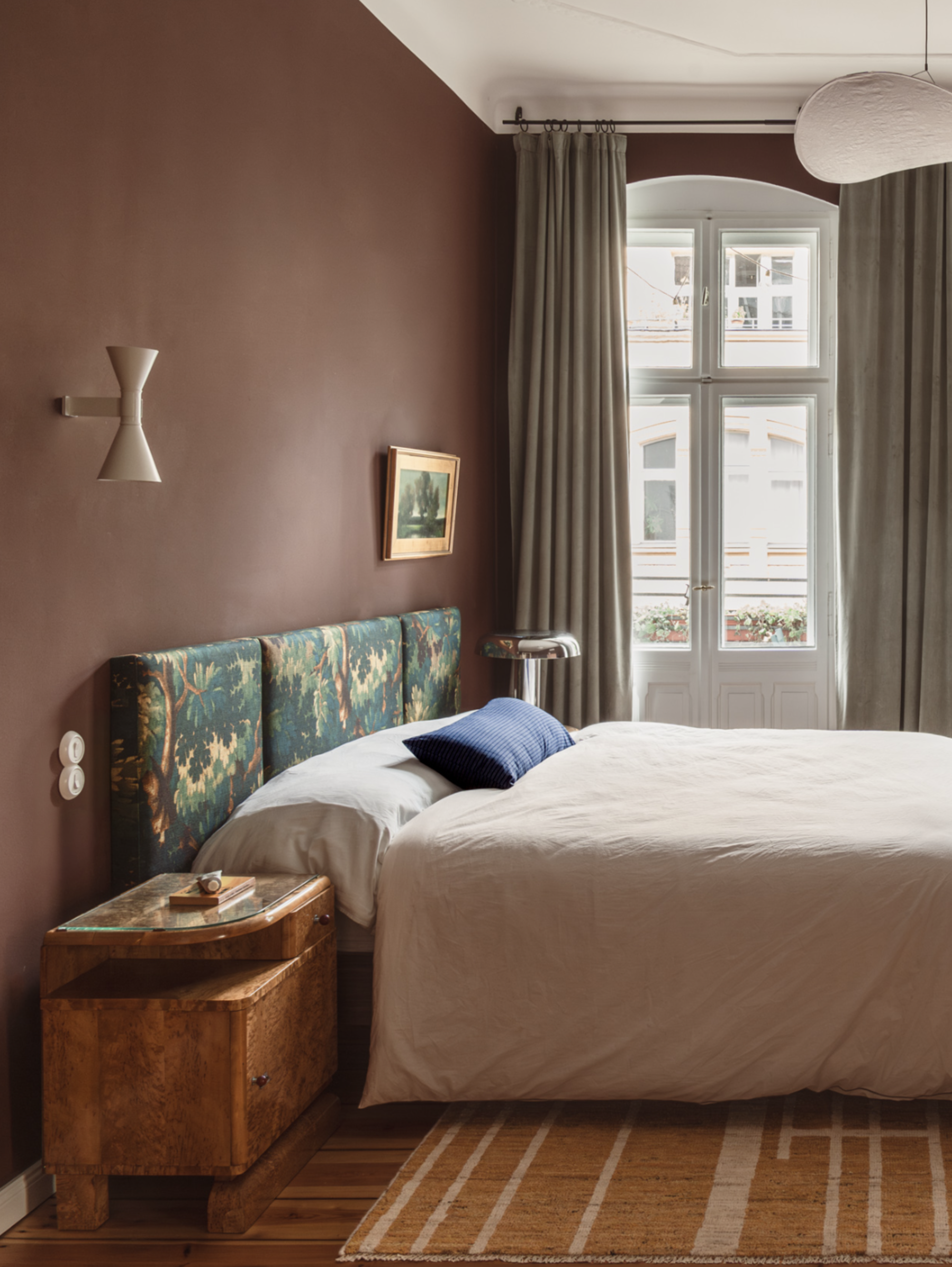
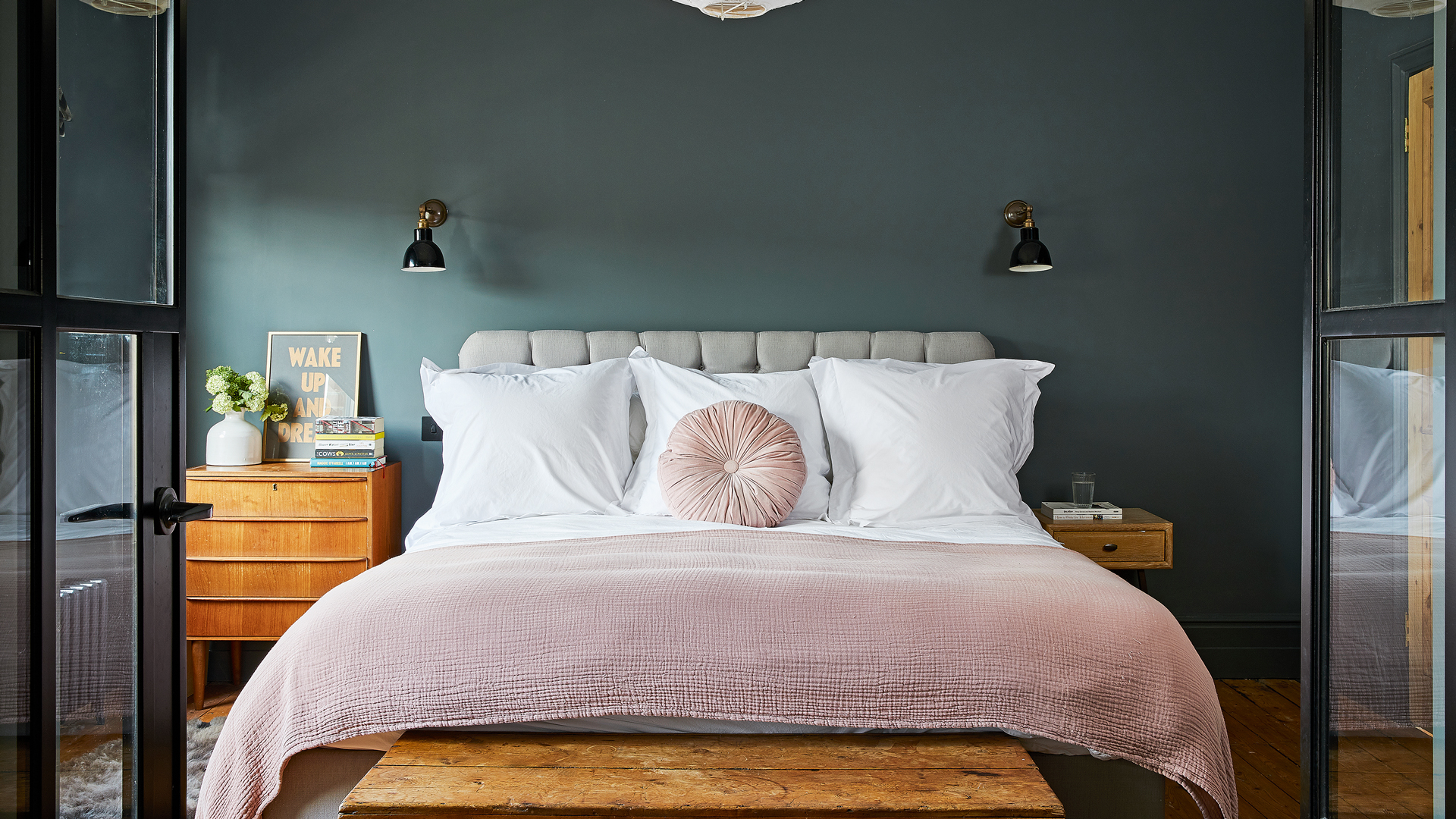
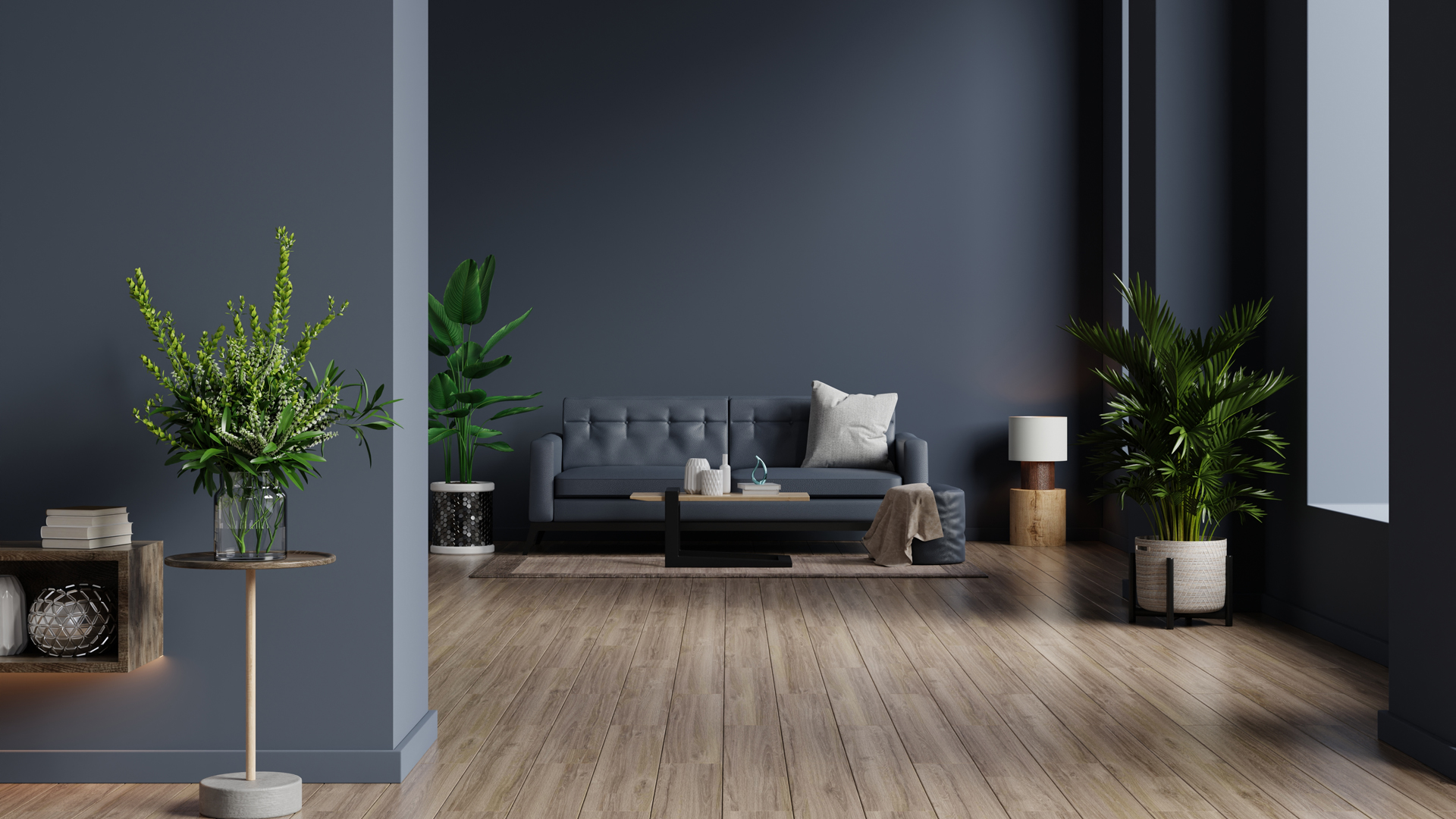
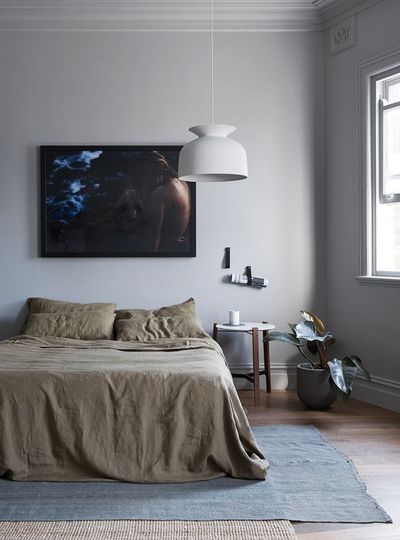
Dark colors are increasingly popular for bedrooms, with interior designers highlighting their ability to create cozy and comfortable spaces conducive to rest. The appeal of saturated shades, including navy blue, jewel tones, and charcoal, is attributed to their chic aesthetic and the sense of luxury they can impart, reminiscent of opulent European castles. Dark colors are versatile, fitting both traditional and contemporary settings.
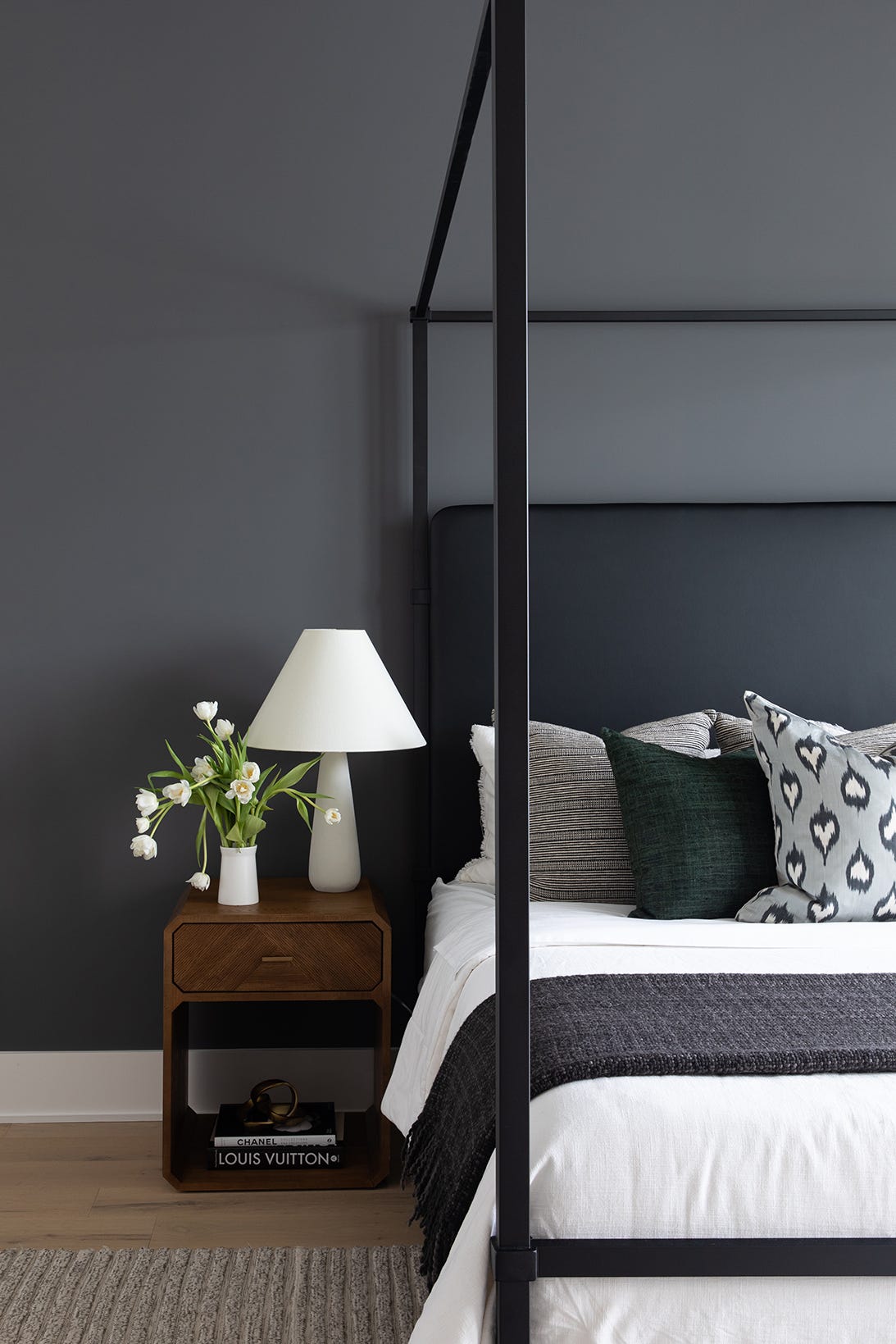
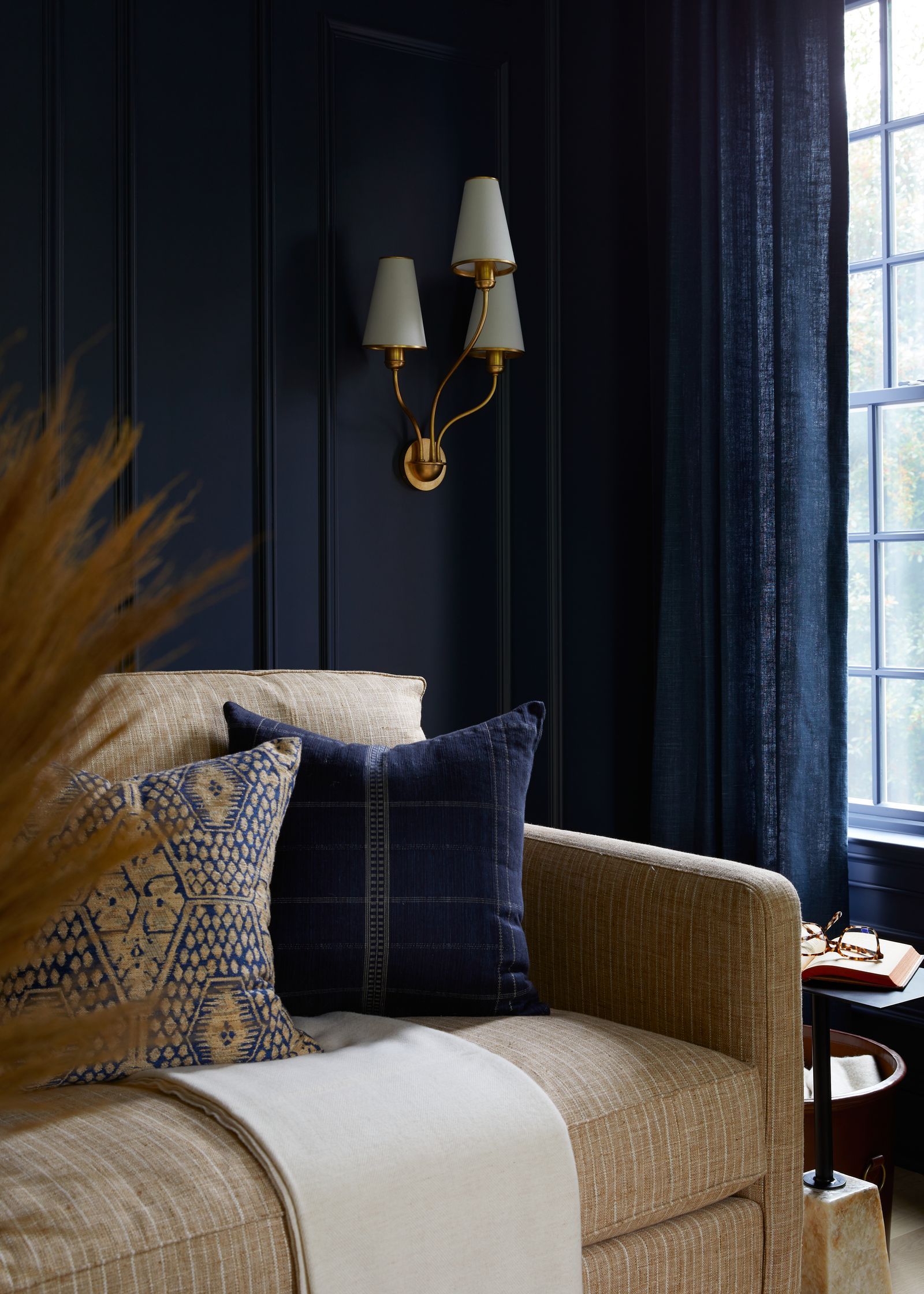
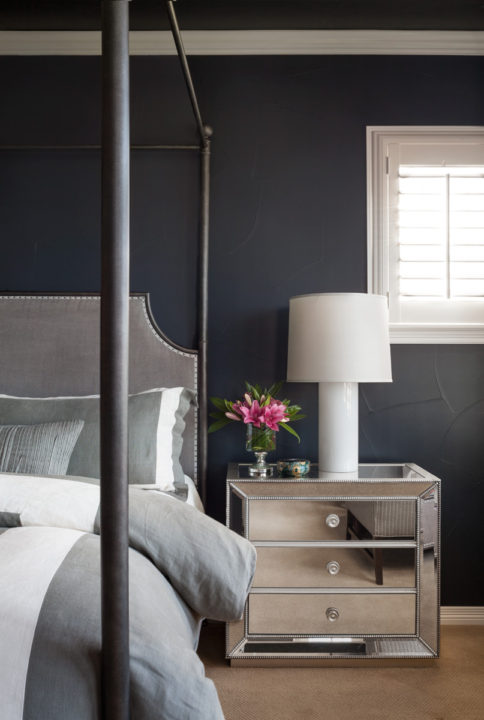
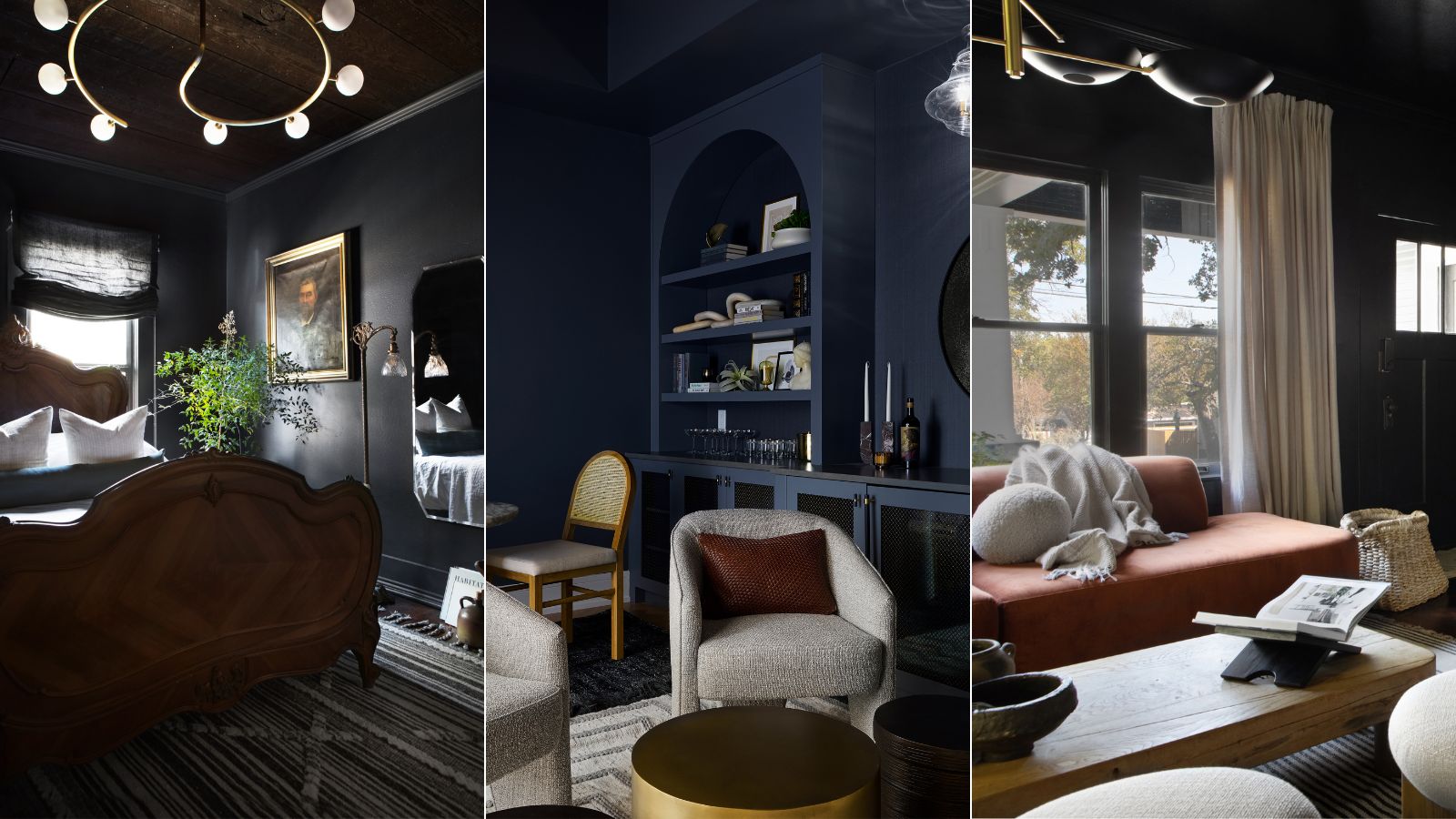
Several examples illustrate the effective use of dark paint in bedrooms. Marie Flanigan Interiors, for instance, uses Sherwin-Williams' Indigo Batik in a Galveston beach bungalow. This high-energy indigo is extended to the ceiling, creating a striking statement when paired with crisp white trim, decor, and linens for visual relief. In another project, Flanigan uses Benjamin Moore's Kendall Charcoal to build a sophisticated, monochromatic palette. Charcoal walls blend seamlessly with a zinc headboard, fog-inspired drapes, and coordinating bedding, demonstrating how a single color family can add depth and dimension.
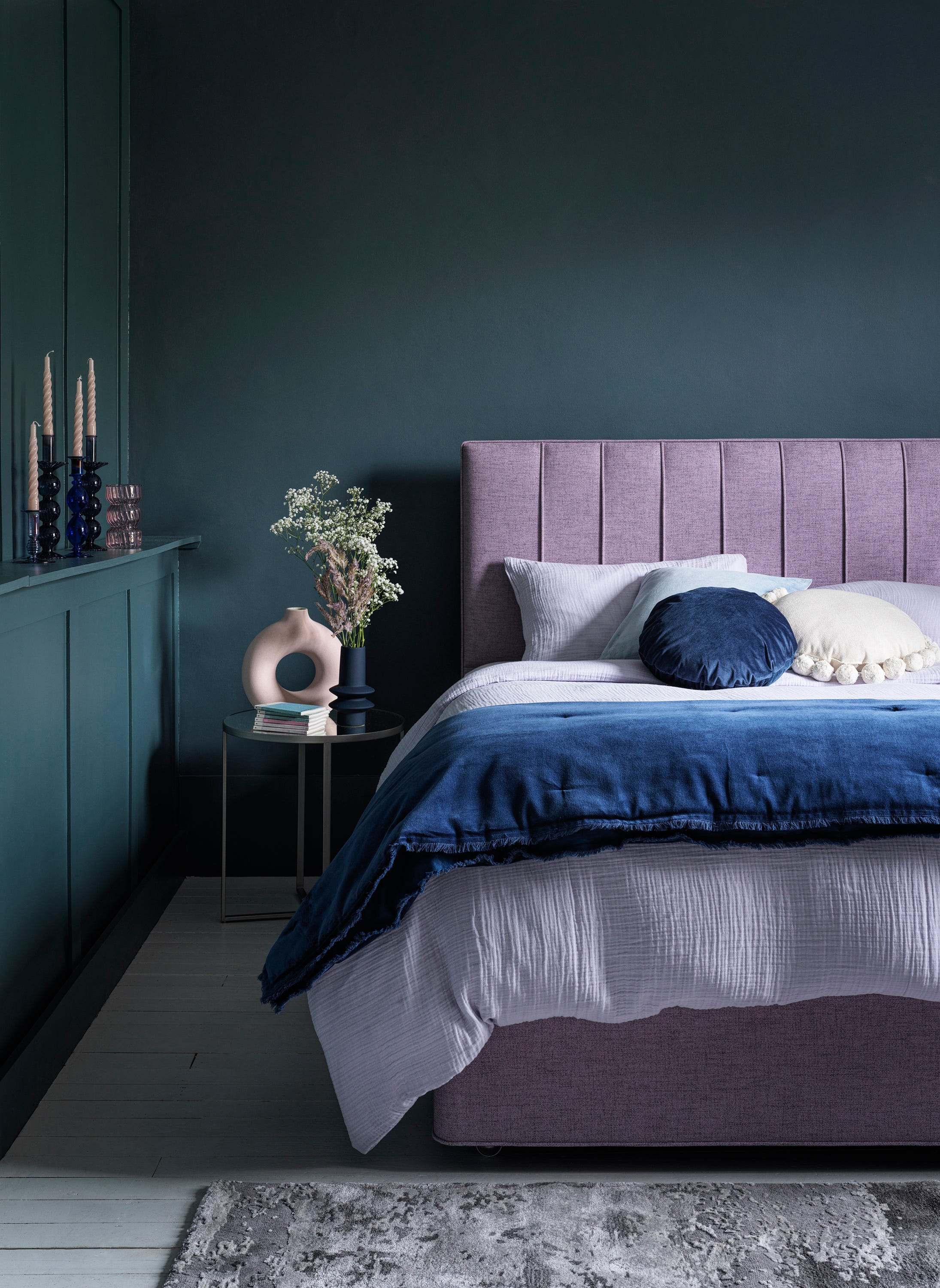
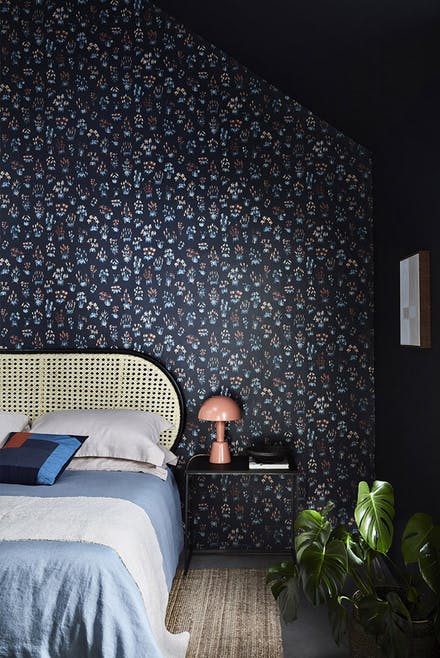
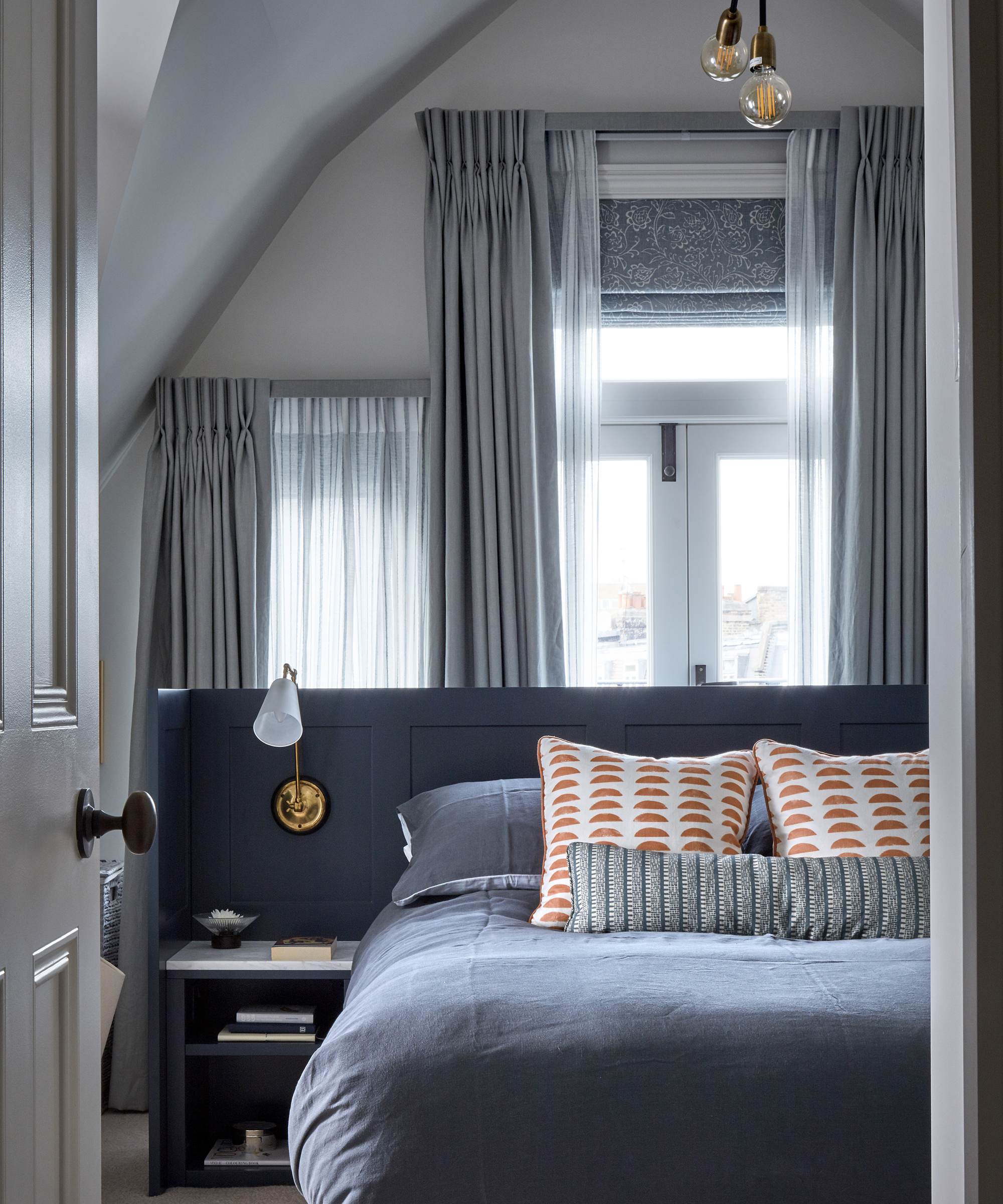
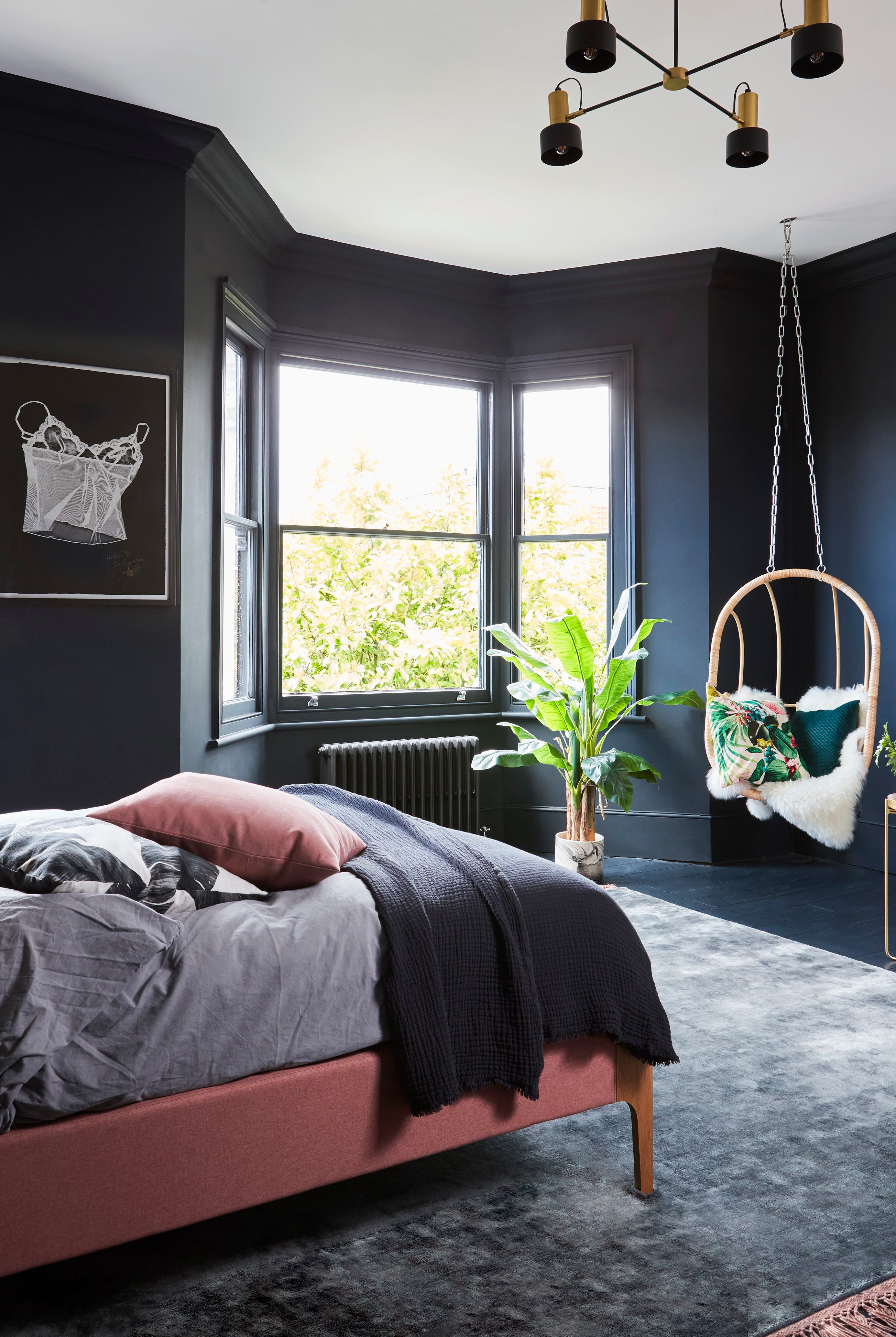
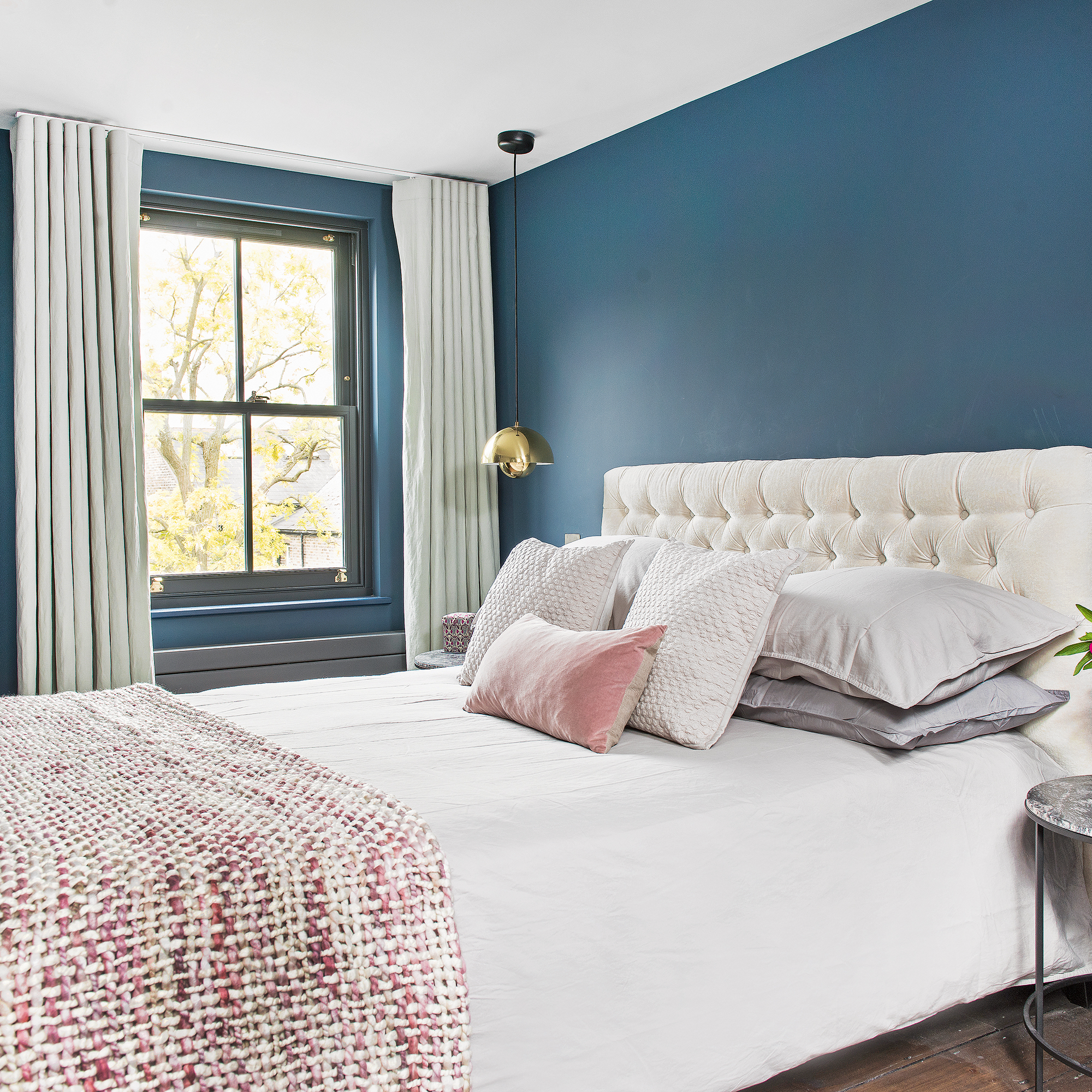
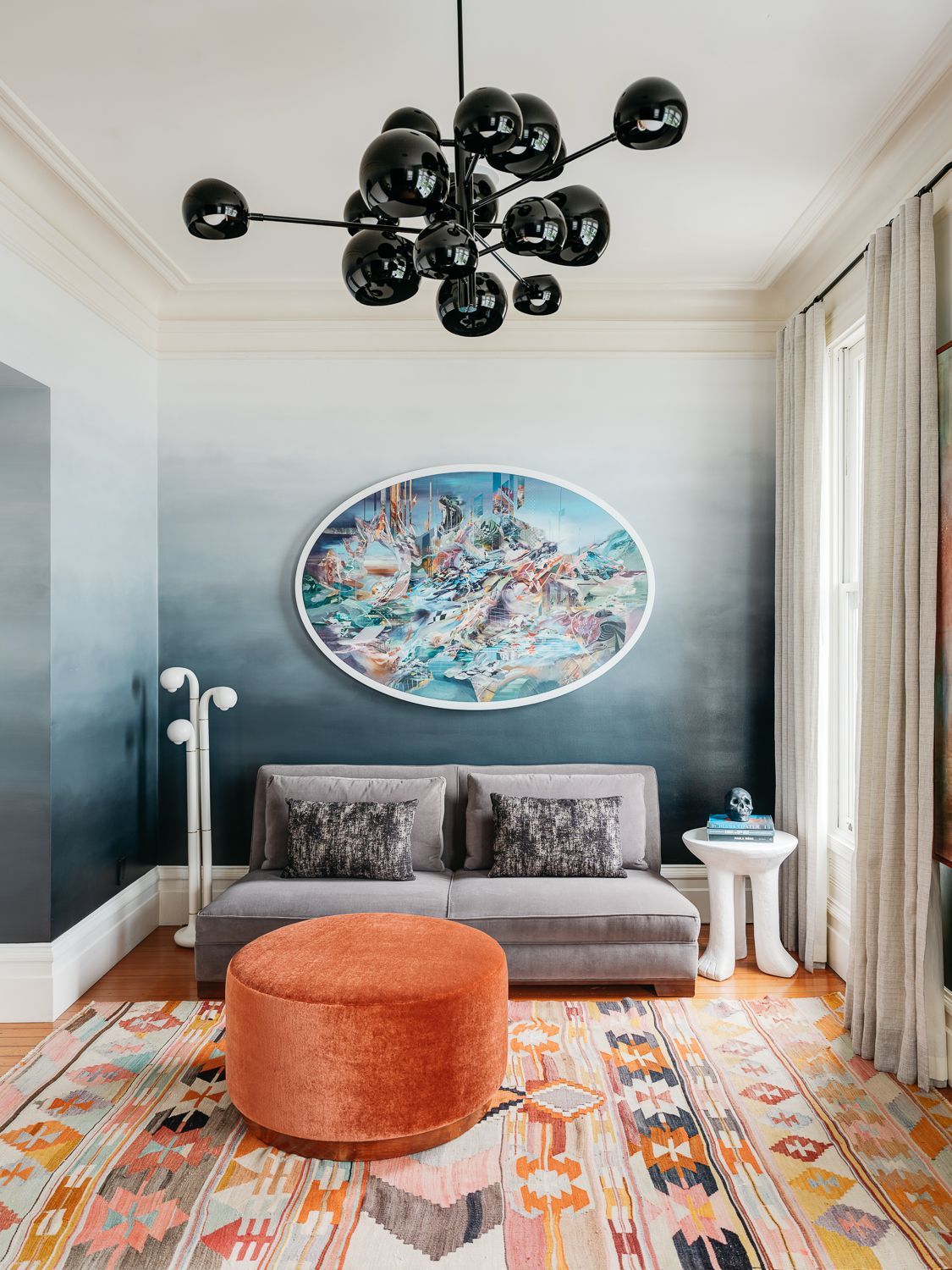
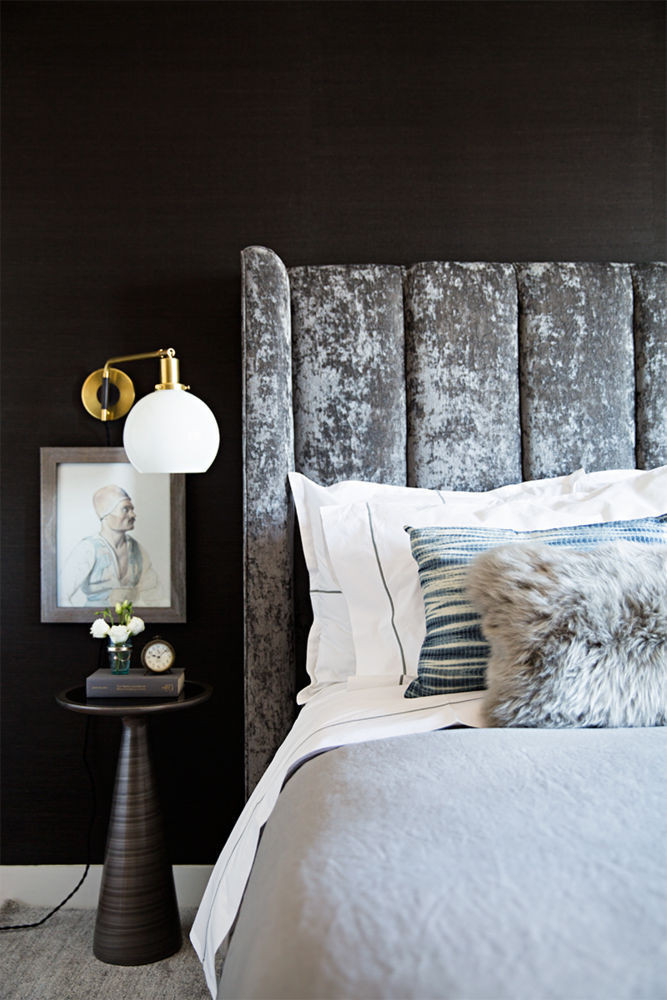
For those hesitant to commit to an entirely dark room, Brooke Wagner Designs suggests starting with an accent wall, such as Farrow & Ball's Stiffkey Blue. This approach introduces drama without overwhelming the space, and patterned accessories with subtle hints of the chosen shade can tie the look together. Jenny J Norris's urban retreat, featuring Benjamin Moore's French Beret, shows that a twilight blue-gray room can be dark yet inviting, with sumptuous textures like velvet and fur enhancing the sensory experience.
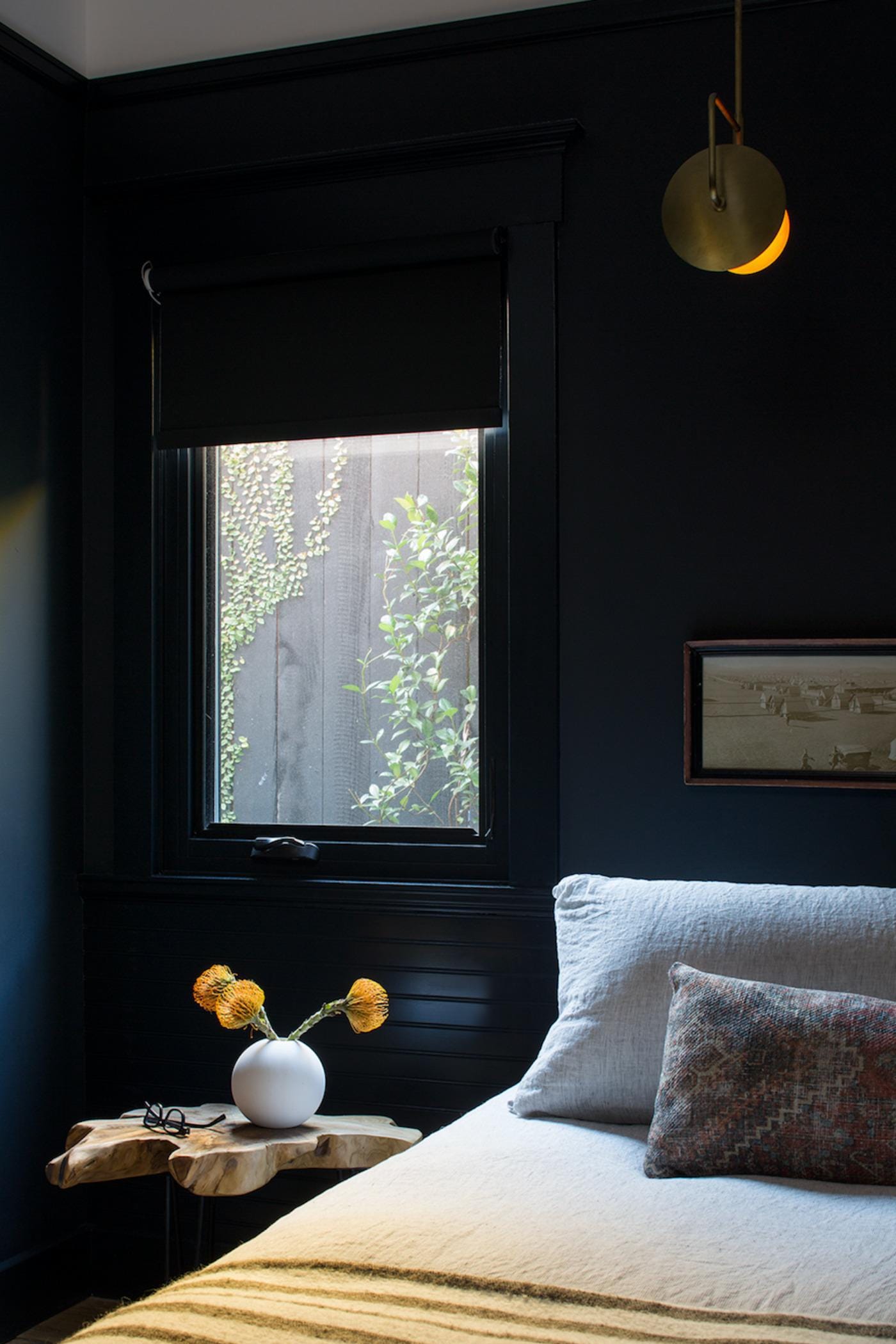
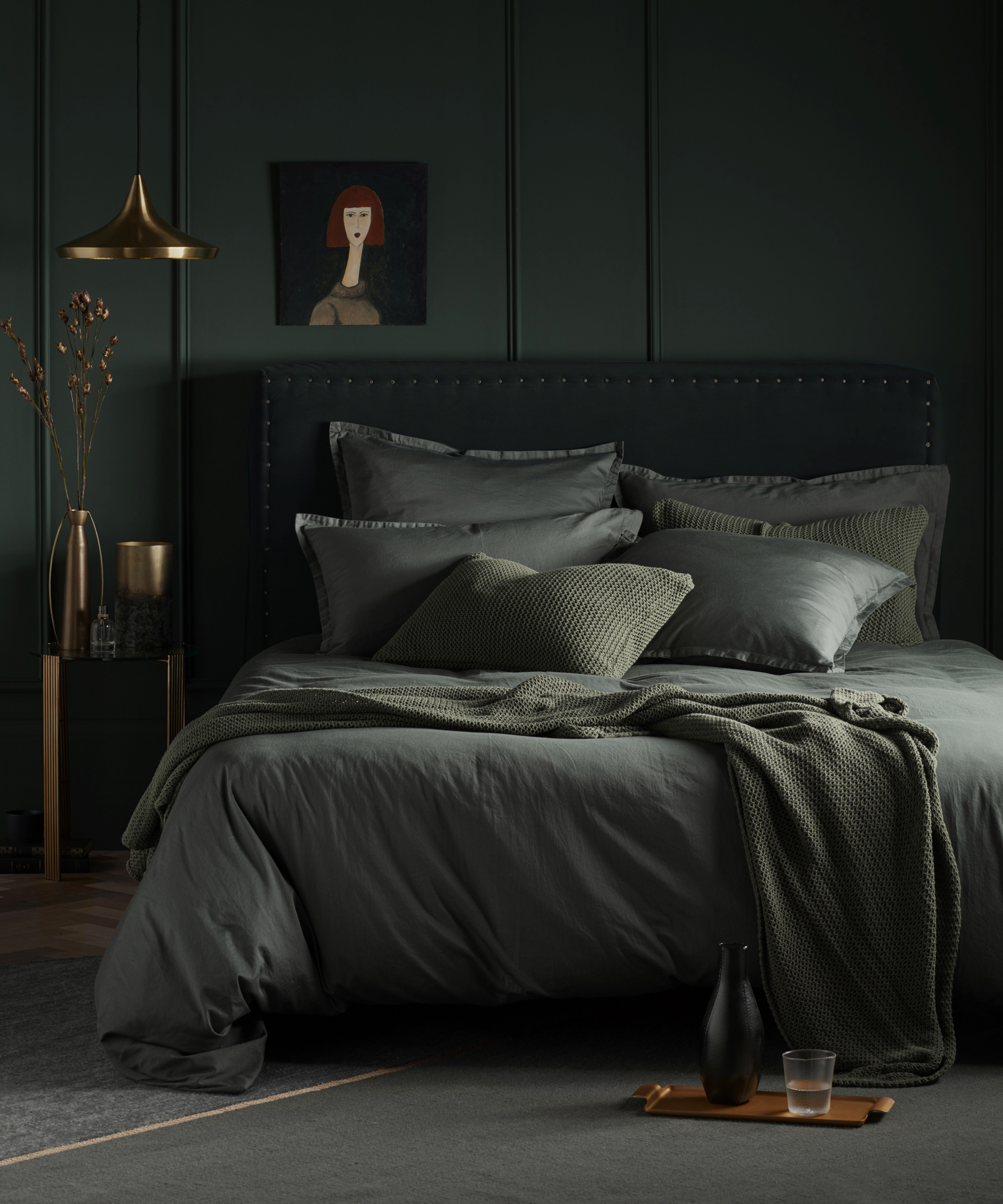
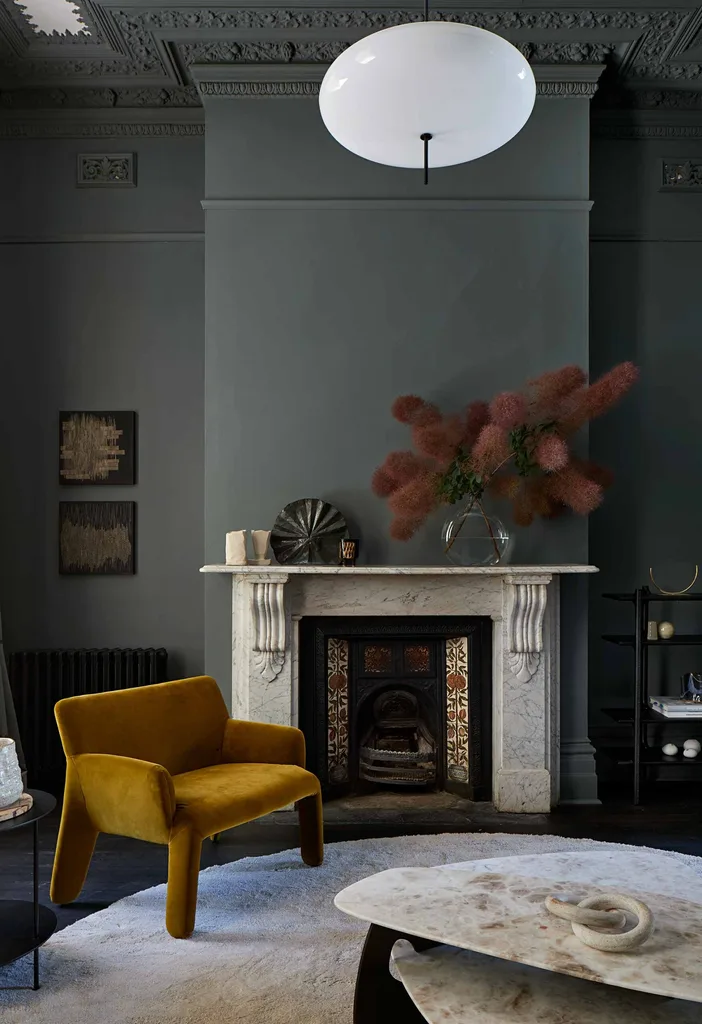
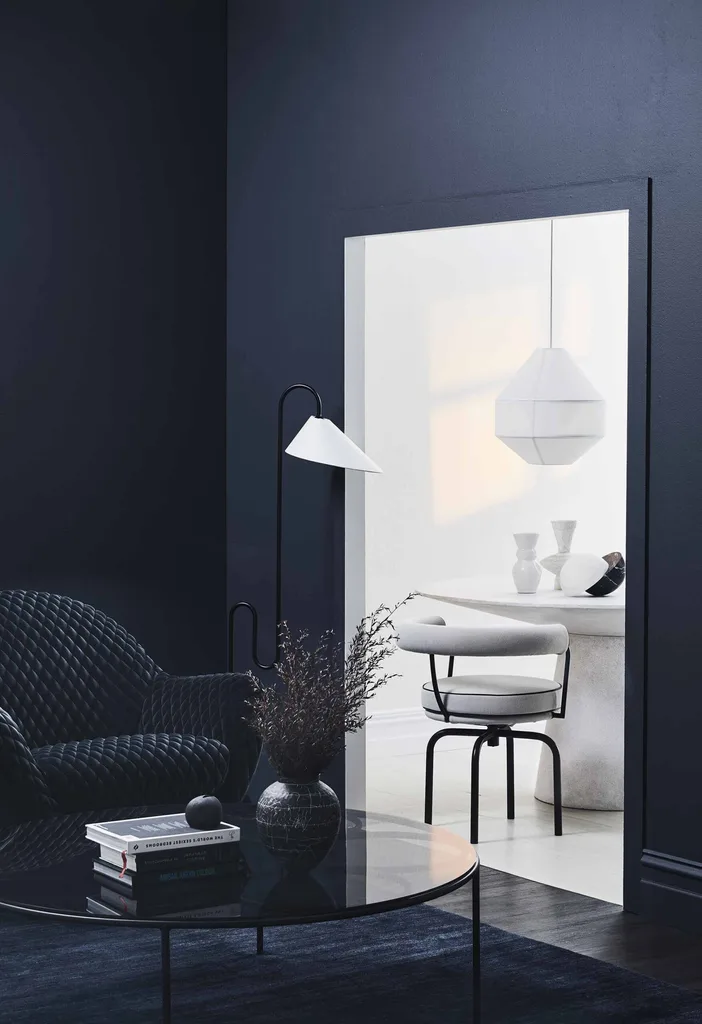
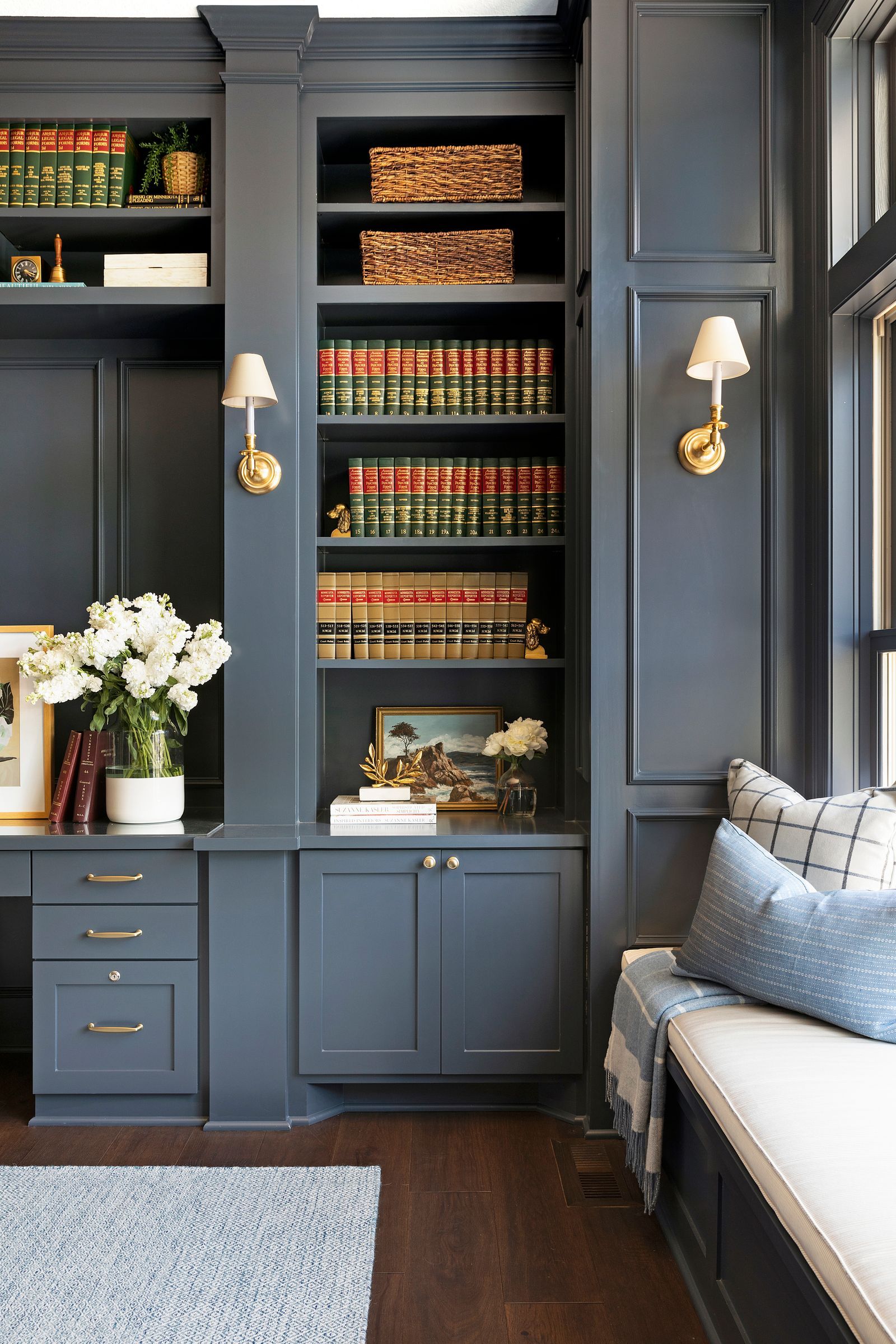
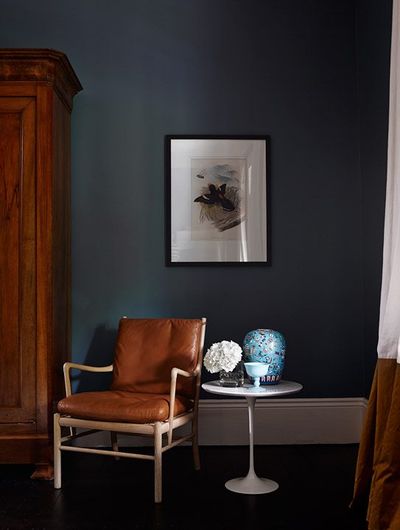
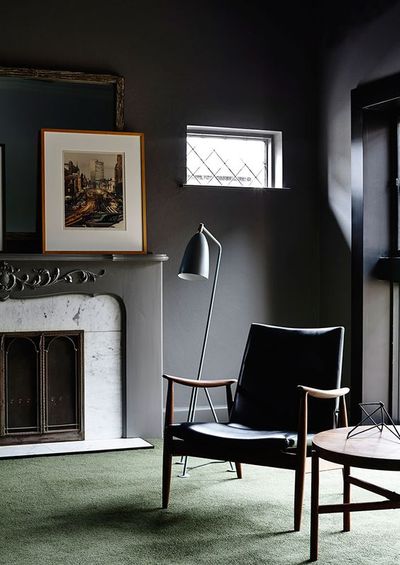
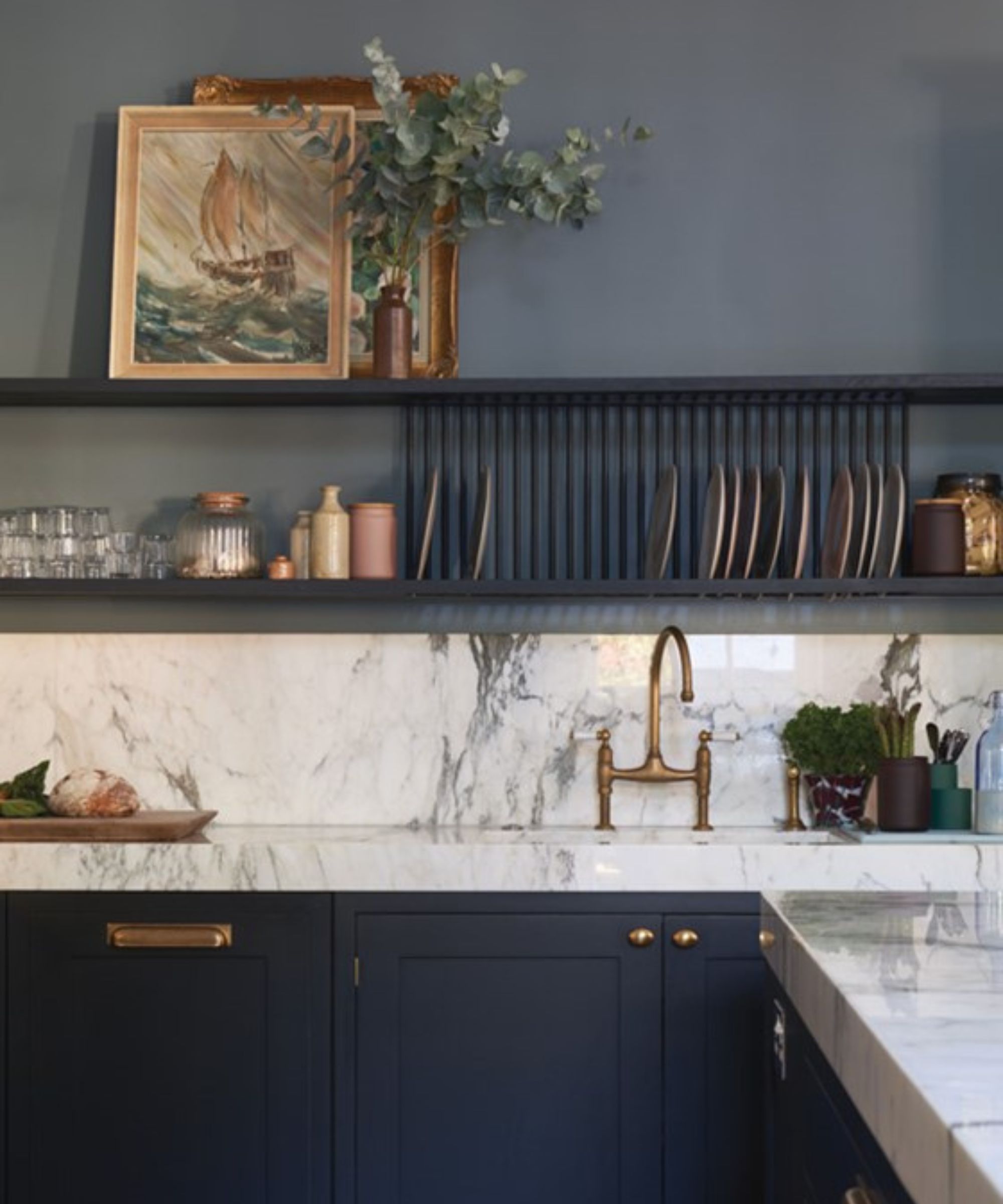
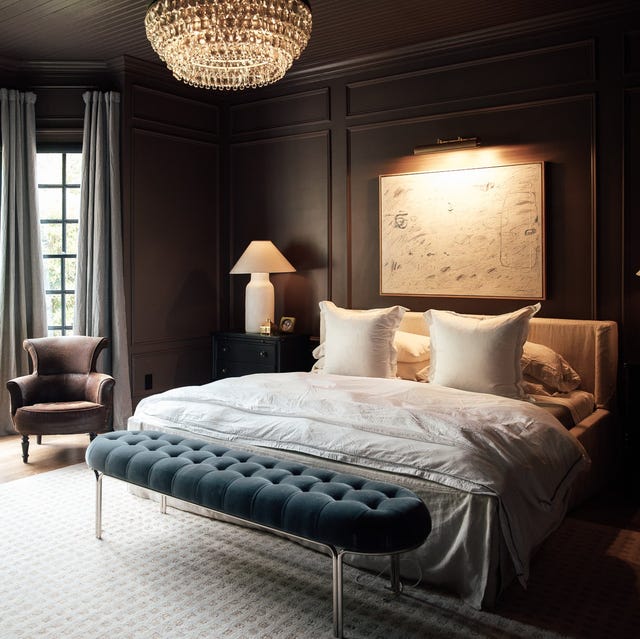
Designer Susan Ferrier uses Farrow and Ball's Studio Green to create dynamic experiences through high contrast. Creamy pale tones reflect light against the nearly black background, making light objects appear to glow and highlighting their forms. For spacious master suites, Flanigan embraces a "more is more" approach with Benjamin Moore's Deep Caviar, marrying paint and upholstery and incorporating opposing colors and textures for a daring and unexpected composition.
Contrary to common belief, dark colors can make a space feel both larger and cozier. Tamara Magel's loft, with an accent wall in Benjamin Moore's Raccoon Fur, demonstrates this by creating an illusion of width that makes an 11-foot ceiling feel less imposing. Pulp Design Studios prevents dark bedrooms from feeling drab by using Sherwin-Williams' Naval, coupled with vibrant accessories, clean lines, and geometric prints to enliven the atmosphere while maintaining the dramatic effect of abyssal navy walls.
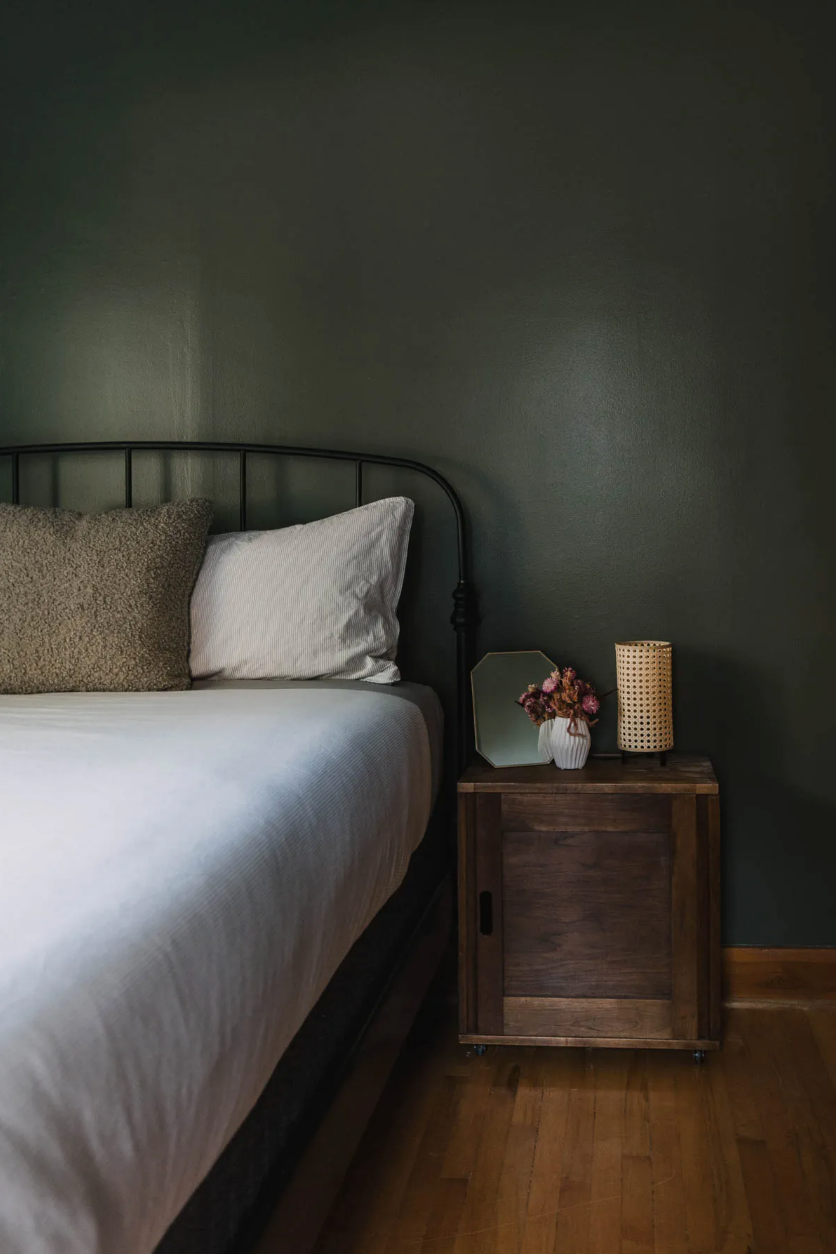
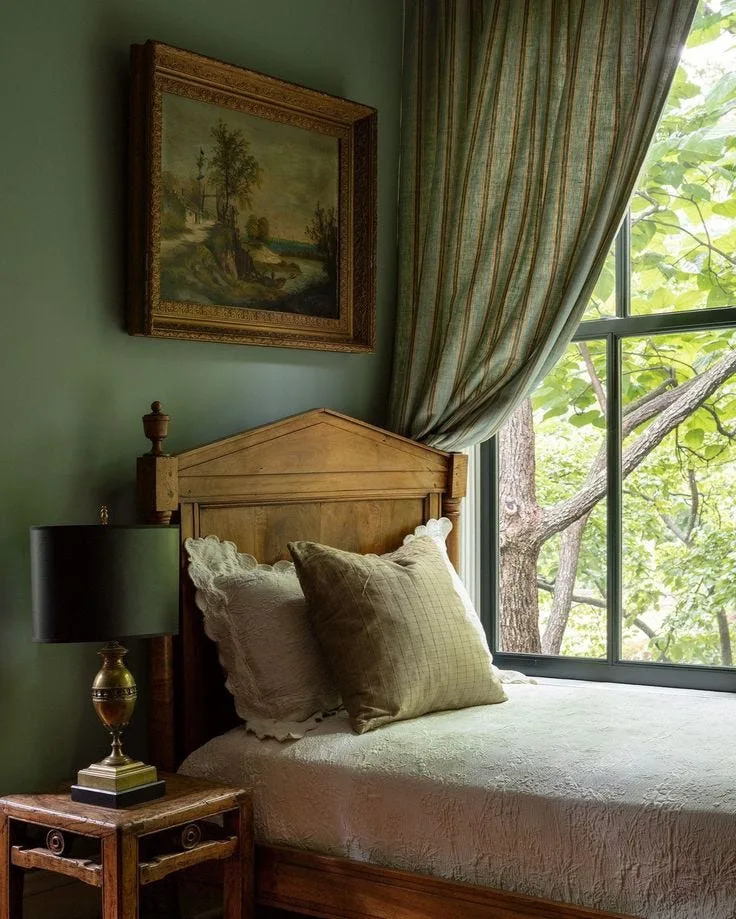
Finally, Brynn Olson Design Group emphasizes that dark boudoirs can build sophisticated foundations when the right shades are used. Narragansett Green by Benjamin Moore, for example, is paired with white hotel bedding, a light rug, and ivory window treatments to create a refined and refreshing result. These examples collectively demonstrate that dark paint colors offer numerous benefits for bedroom design, from promoting relaxation to enhancing spatial perception and aesthetic appeal.
#BedroomDesign #DarkColors #InteriorPaint #HomeDecor #ColorPalette #DesignInspiration #MonochromaticDesign #AccentWall #BedroomDesign #DarkColors #InteriorPaint #HomeDecor #ColorPalette #DesignInspiration #MonochromaticDesign #AccentWall
0 comment in total
 No comments yet
You may also like
A Dark Bedroom Color Palette Might Be the Key to a Good Night's Rest

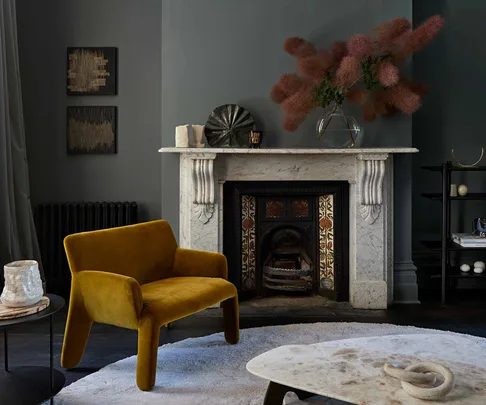
8 of the best dark paint colours for your home and how to use them

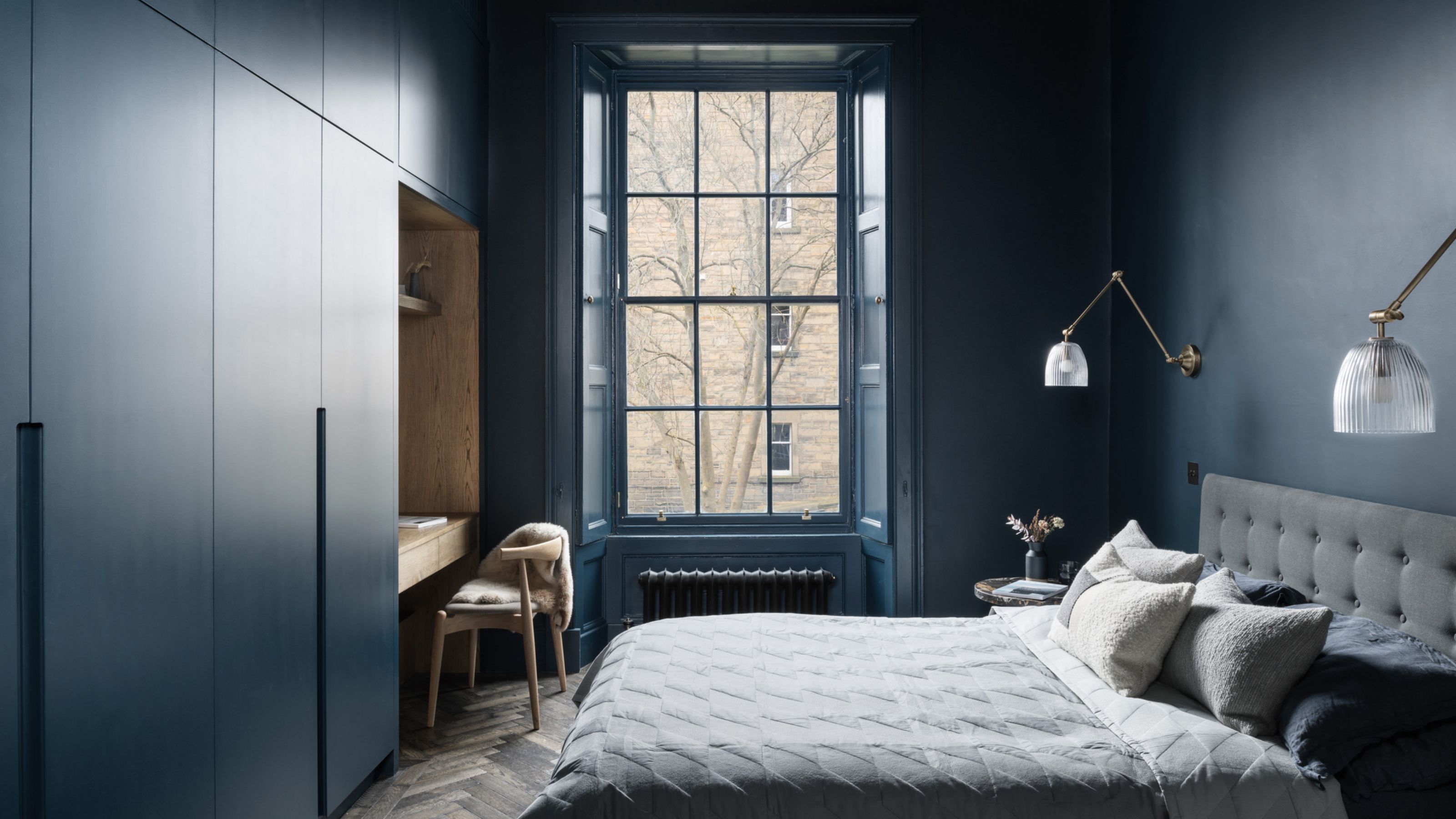
6 Dark Paint Colors That Designers Use to Bring Glamour

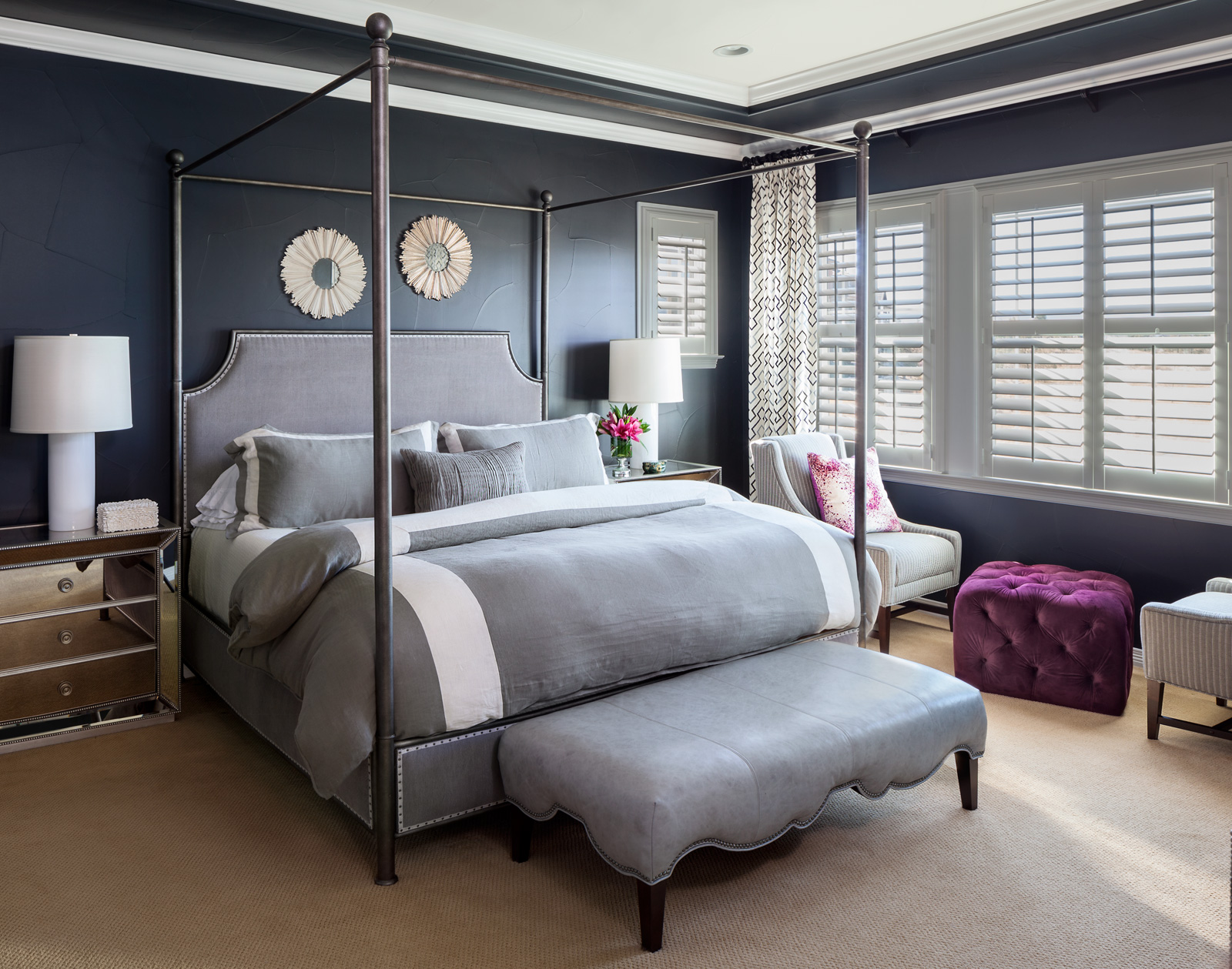
Bedroom Trend: Black Walls

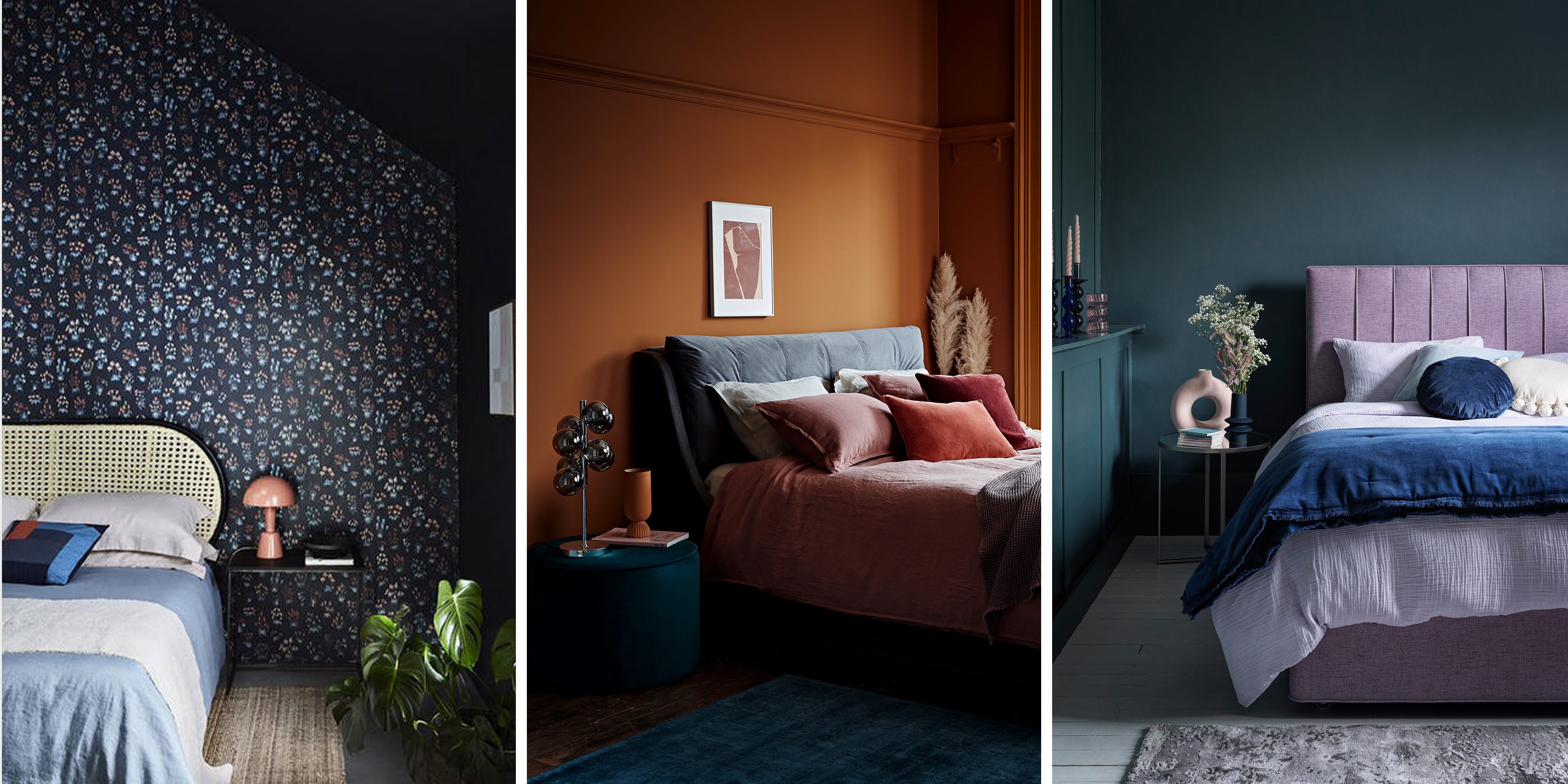
13 dark bedroom ideas for a dramatic and cocooning space

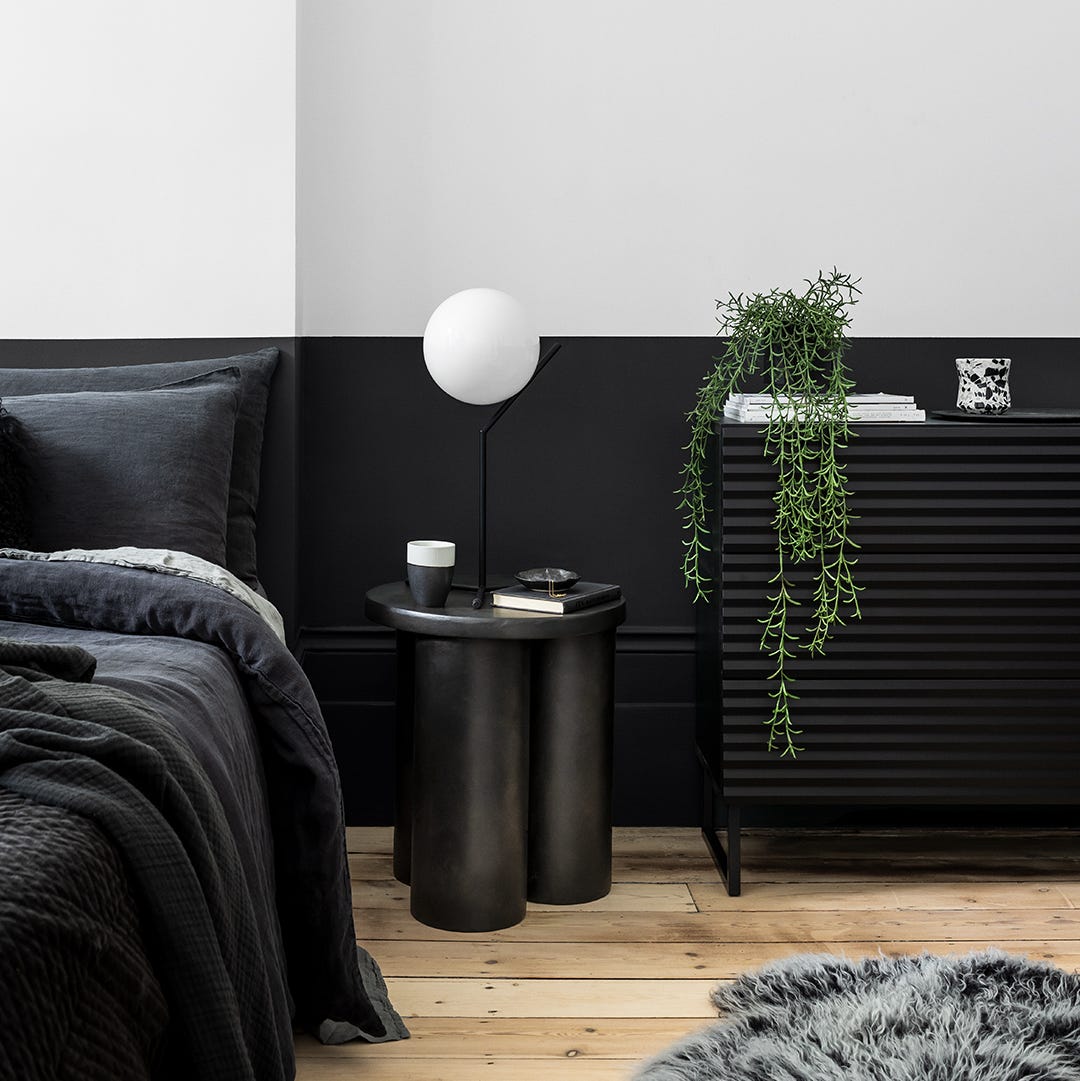
From Chic To Cosy: 10 Black Bedroom Ideas You Need To Try
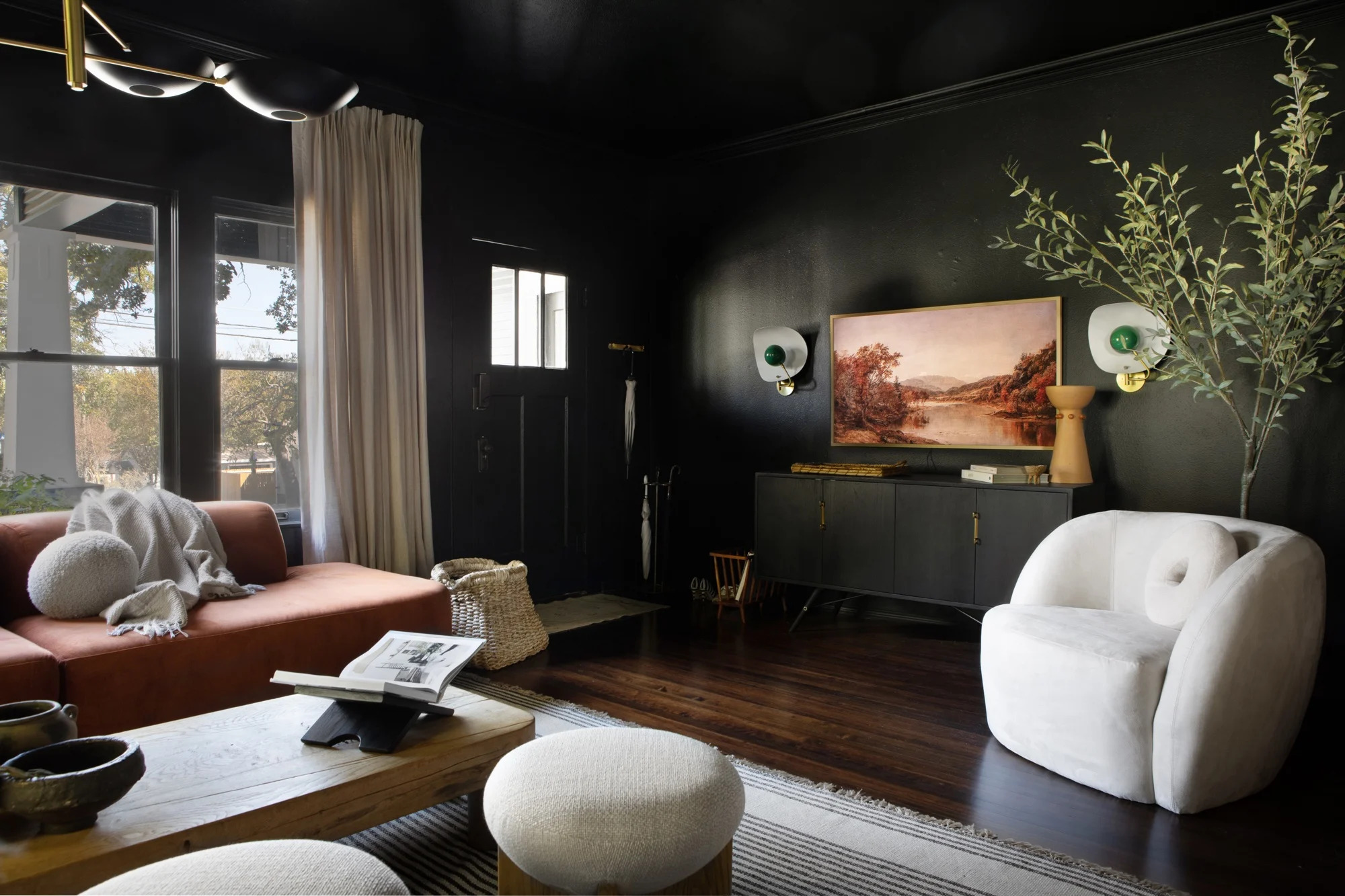
5 of best dark colors to paint small rooms, as chosen by designers – 'they'll make them feel bigger, and ceilings higher'

How to make dark, moody walls work at home

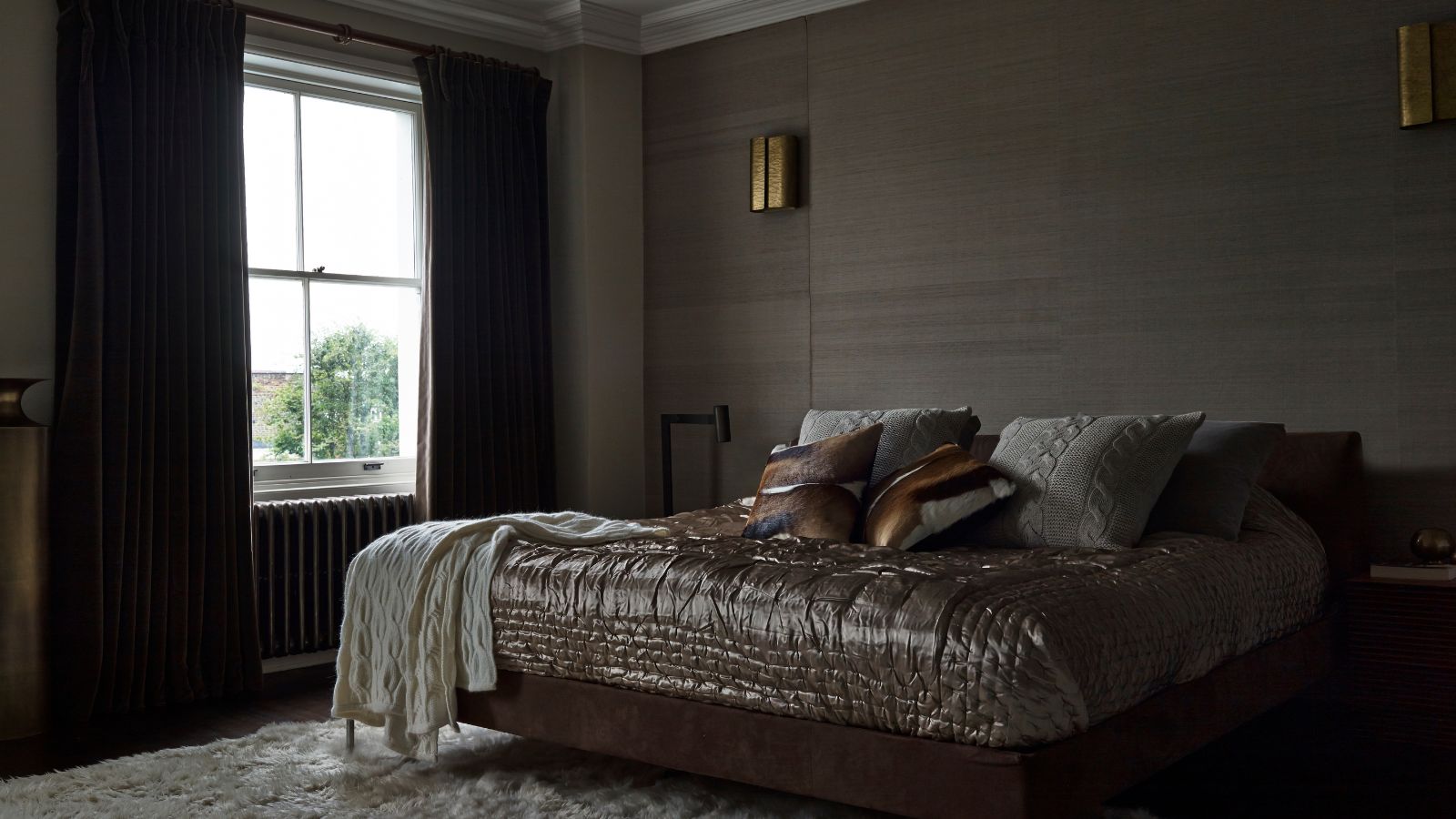
Design pros reveal how to create a darker sleep sanctuary – here's why you should

7 Dark Paint Colors That Will Convince You to Swap Your Neutrals

8 dark trim paint color schemes from interior designers that nail the look - 'they're cozy, cocooning and dramatic'
7 best dark paints loved by interior designers
20 Dark Green Bedroom Ideas for the Most Soothing Sleeping Space
Is it better to paint small rooms light or dark? Here's what the top colour experts have to say
This Is the Best Paint for Dark Rooms — 6 Shades Interior Designers Swear By for Light-Limited Spaces
15 Colors That Will Turn Your Bathroom Into A Dark And Moody Oasis

These 25 Dark Bedrooms Are Proof That Inky Hues Are the Definition of Elegance

7 dark colour palette ideas that won’t overwhelm your space

An interior designer reveals the 5 mistakes to avoid when painting with dark colours

18 Black Bedroom Ideas for a Moody, Sophisticated Space