1/8
19 Tips From A Top Interior Designer
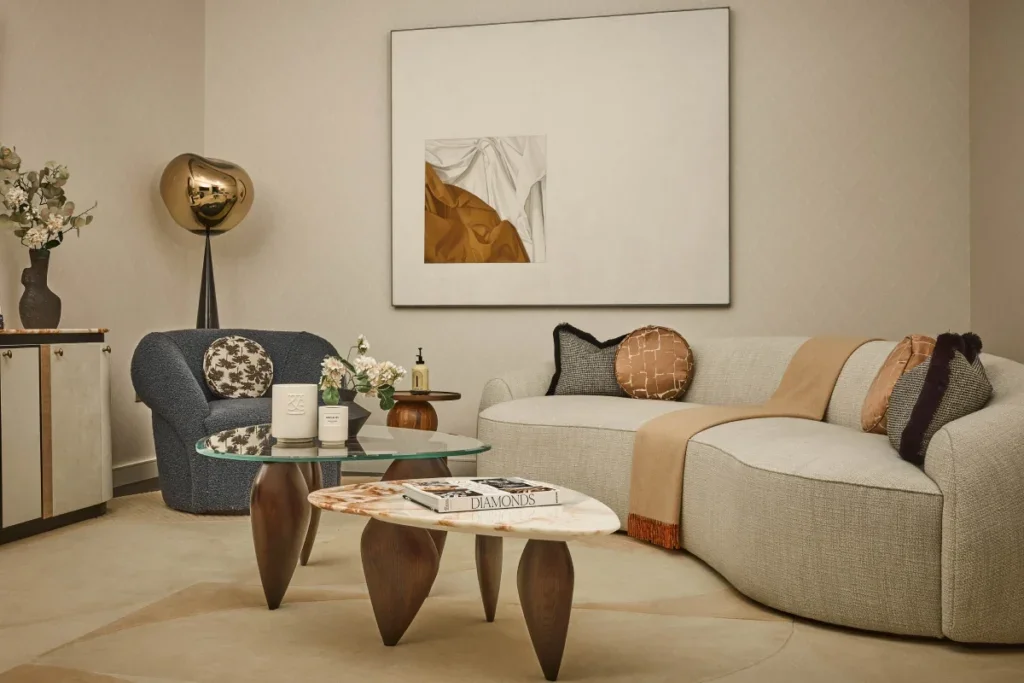
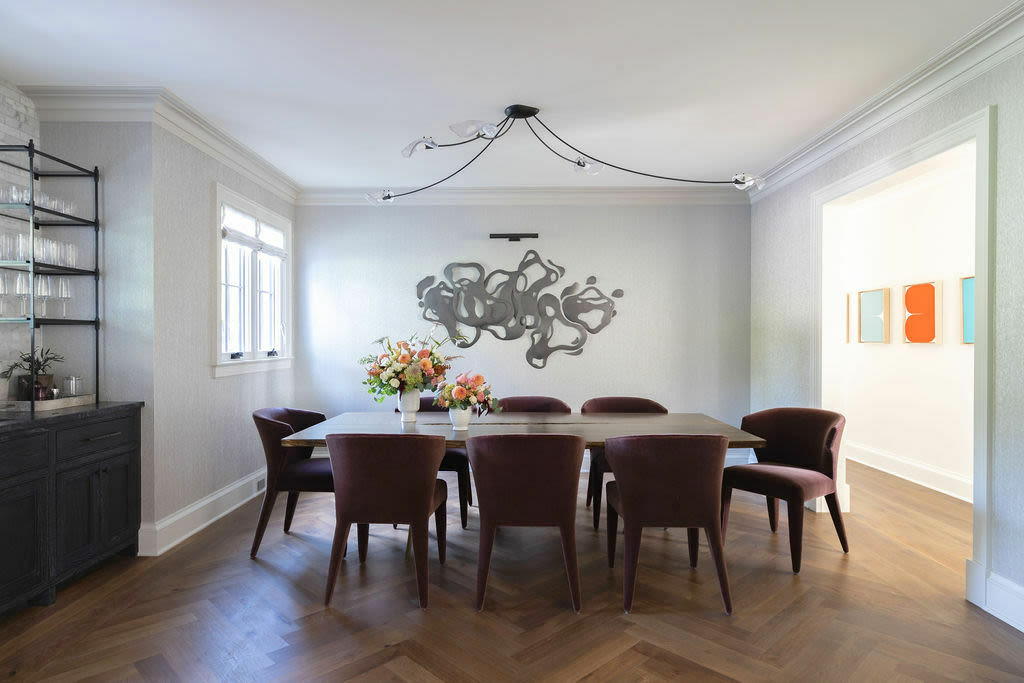
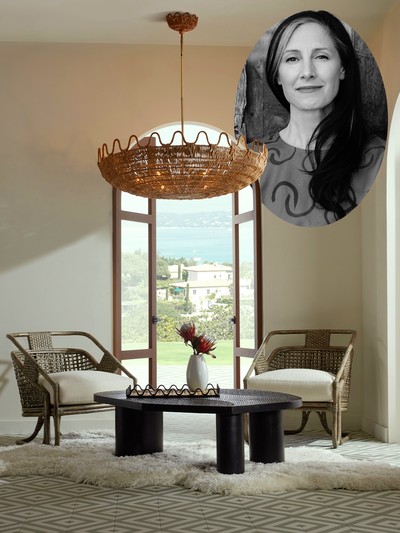
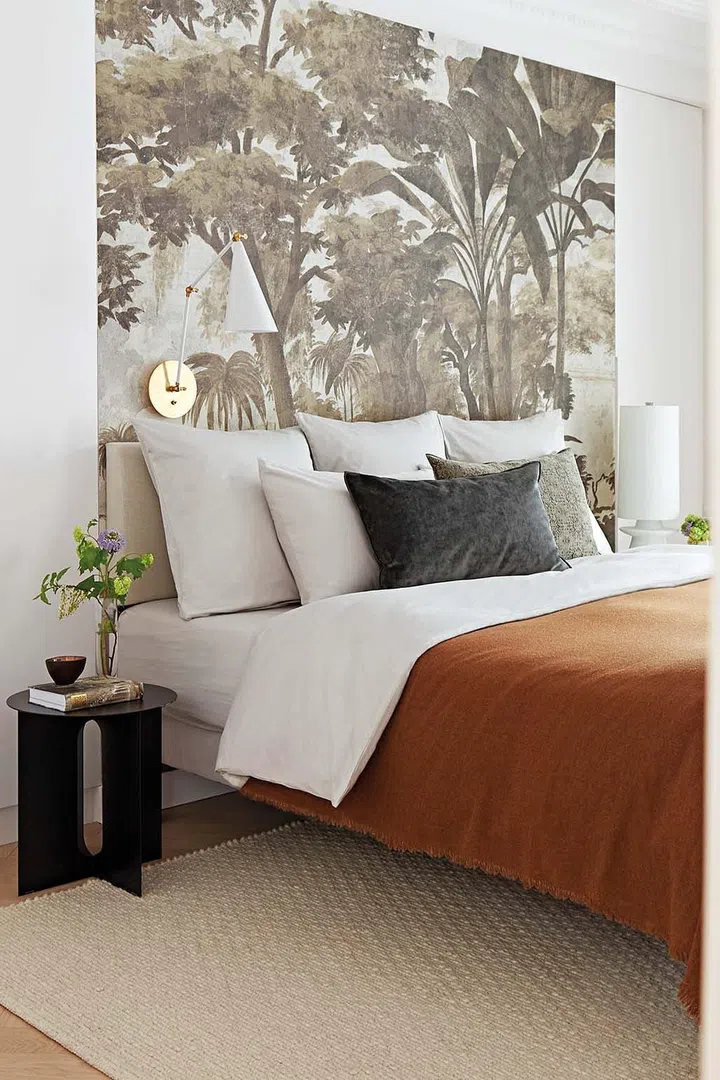
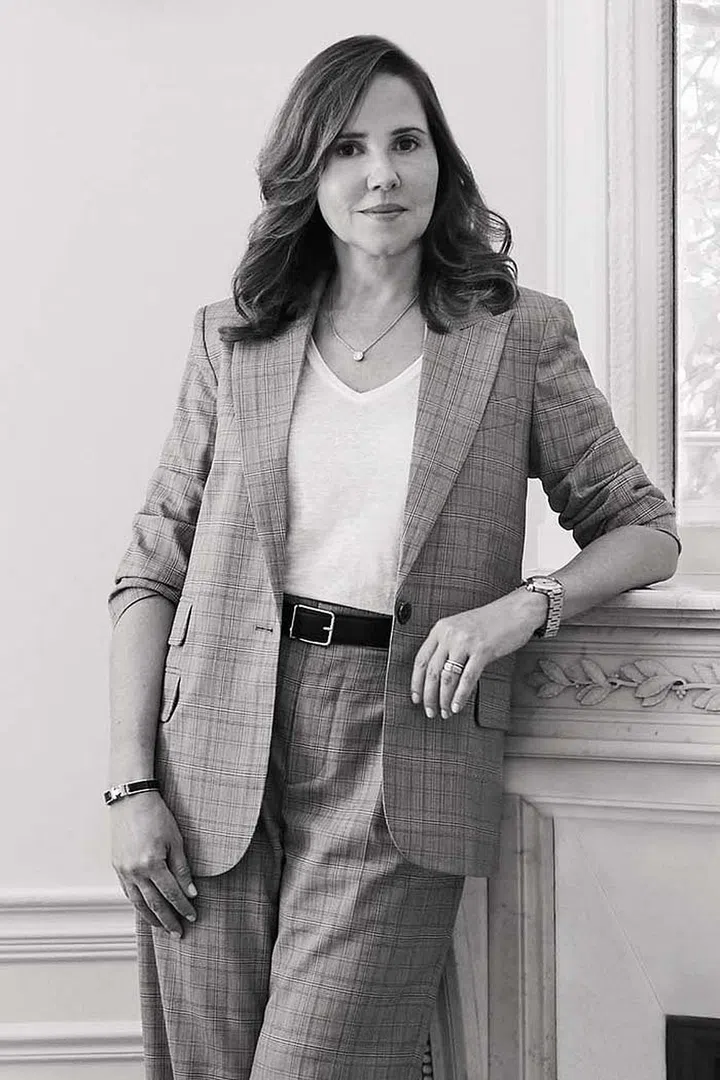
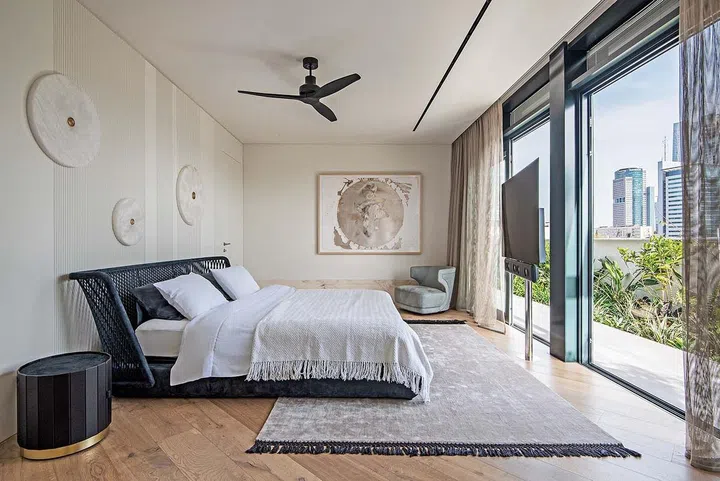
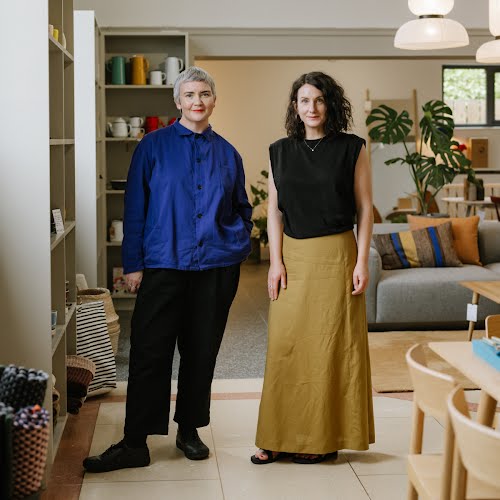
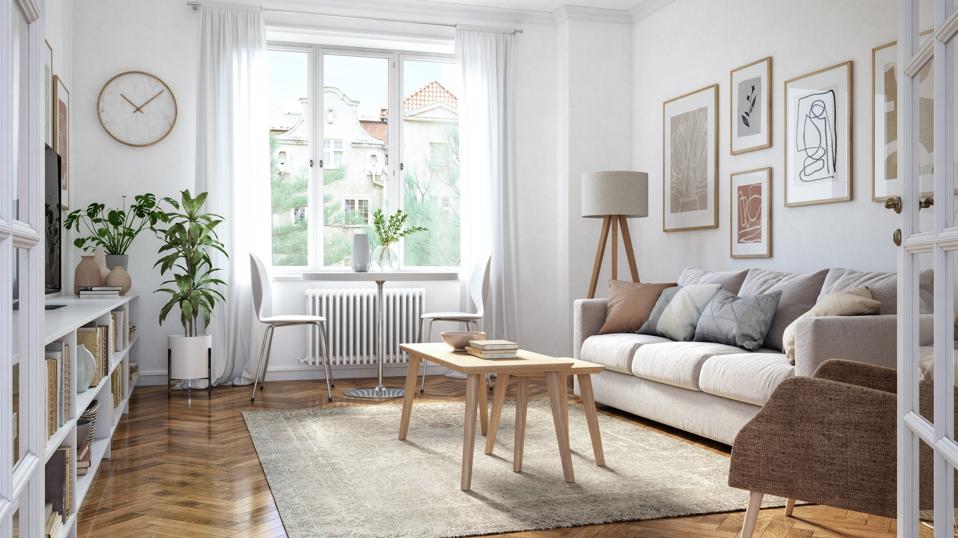
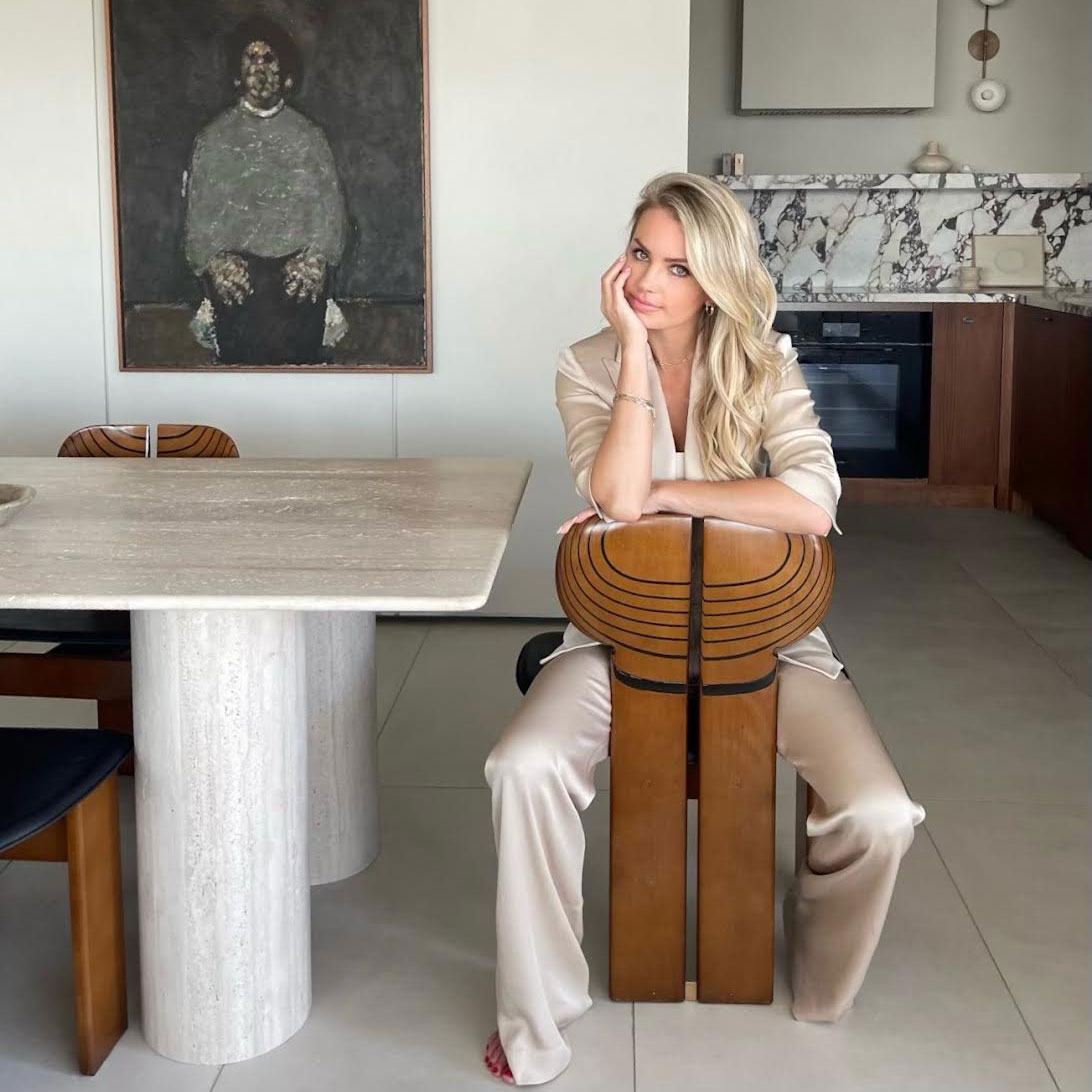
Sheena Murphy, founder of nune studio, offers insights into her approach to interior design, emphasizing that thoughtful design enhances overall wellbeing. Her style is characterized as modern, eclectic, layered, and planet-aware, reflecting her belief in creating comfortable and livable spaces. Murphy has completed projects in both London and the US, currently basing her operations in London while incorporating a distinctive "Stateside cool" into her designs. She identifies her 8th Street Townhouse and Charles Street projects as personal favorites, highlighting the collaborative process involved in their creation, whether with architects or directly with contractors.
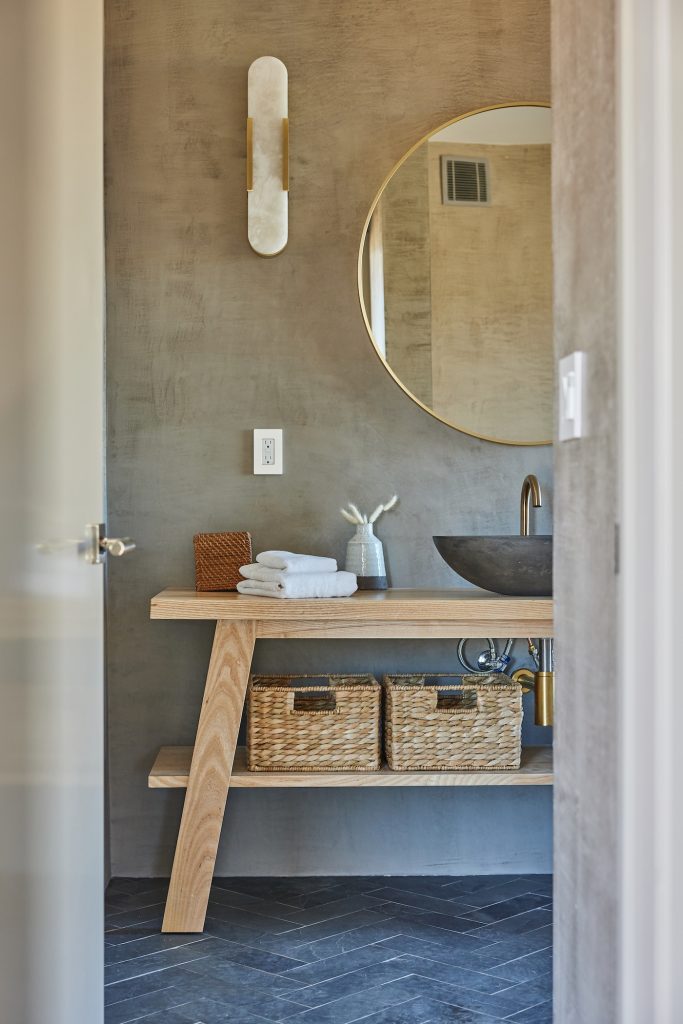
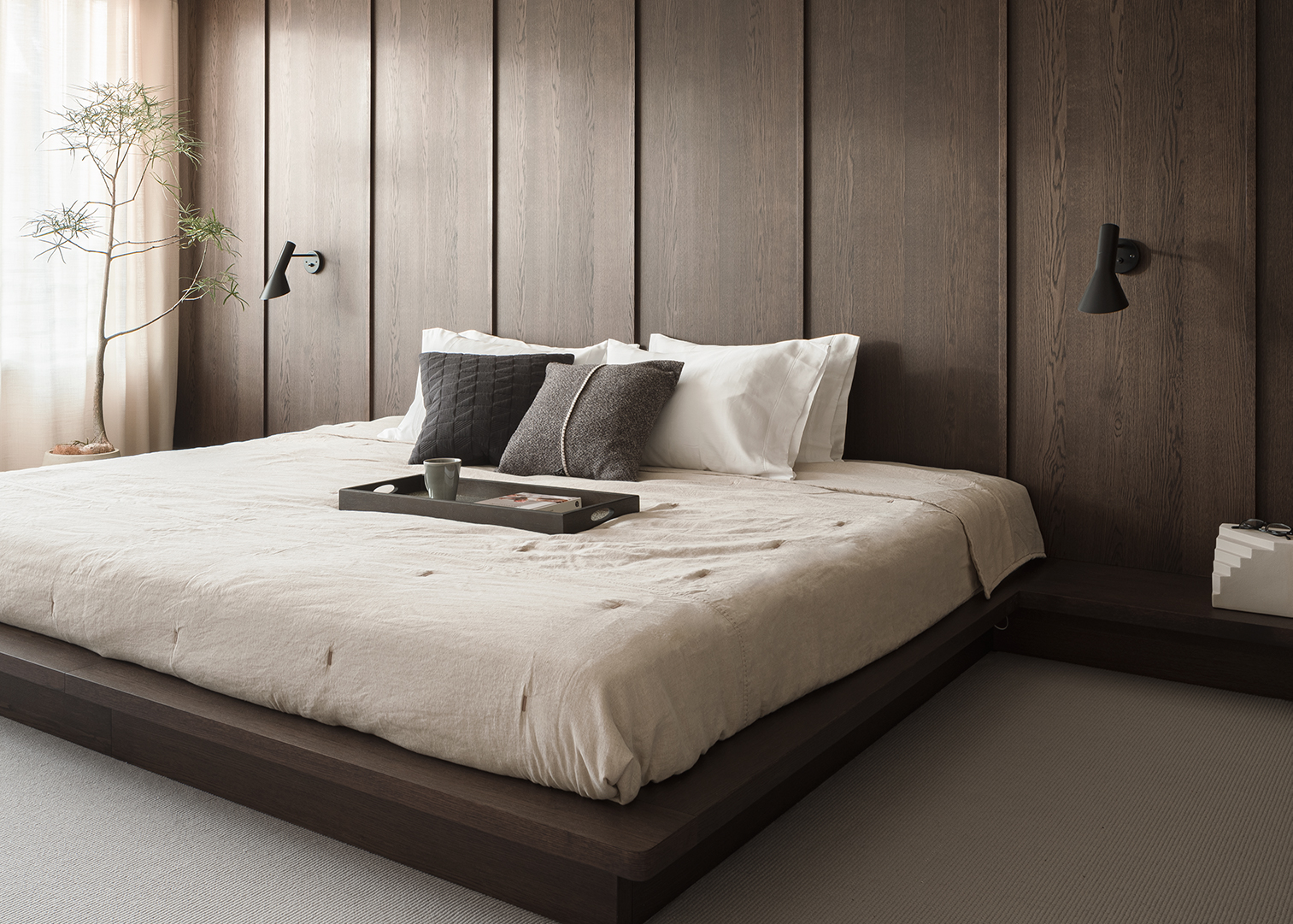
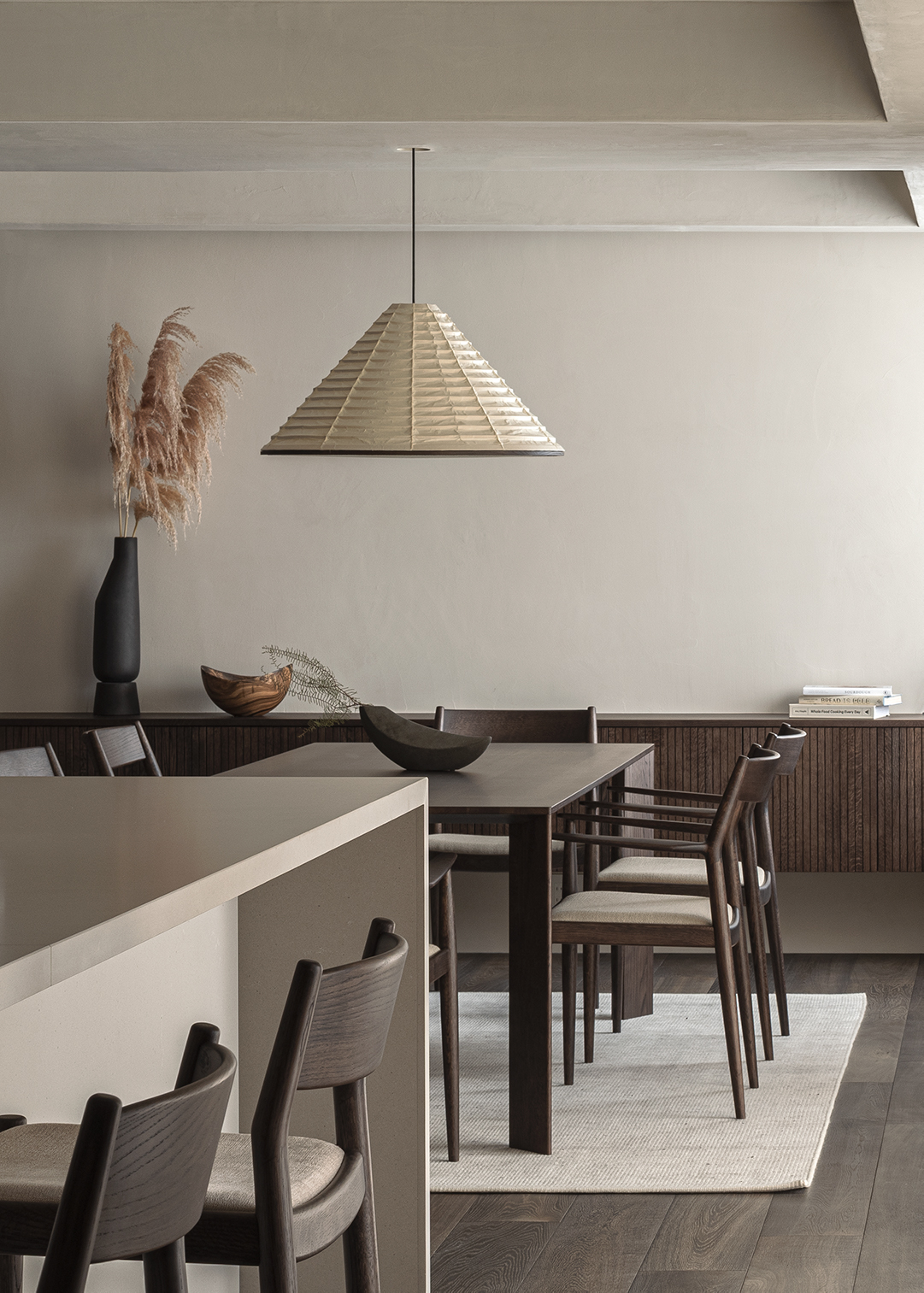
Murphy primarily uses neutrals, particularly warmer tones, as foundational backdrops, citing Farrow & Ball's Purbeck Stone, Ammonite, Elephant’s Breath, and Jitney, along with Atelier Ellis’s Stony Plaster, as preferred choices. She expresses a particular enjoyment in designing children's rooms, which she finds allow for a more playful and whimsical approach, demanding multi-functionality and adaptability due to children's rapid development. These spaces often push her to experiment with color and pattern more extensively. Her creative process is also significantly influenced by the simplicity and natural beauty of the British countryside, which she finds invigorating. For timeless interiors, she admires Vincent Van Duysen and Axel Vervoodt, while for contemporary and layered designs, she looks to Decus Interiors, Templeton Architecture, and Ashe Leandro. She also keeps an eye on the distinctive work of designers like Brian Paquette, Rose Uniacke, and Disc Interiors, and draws inspiration from Instagram accounts such as Sarah Elliott, Rebecca Wakefield, The Modern House, and Genevieve Lutkin.
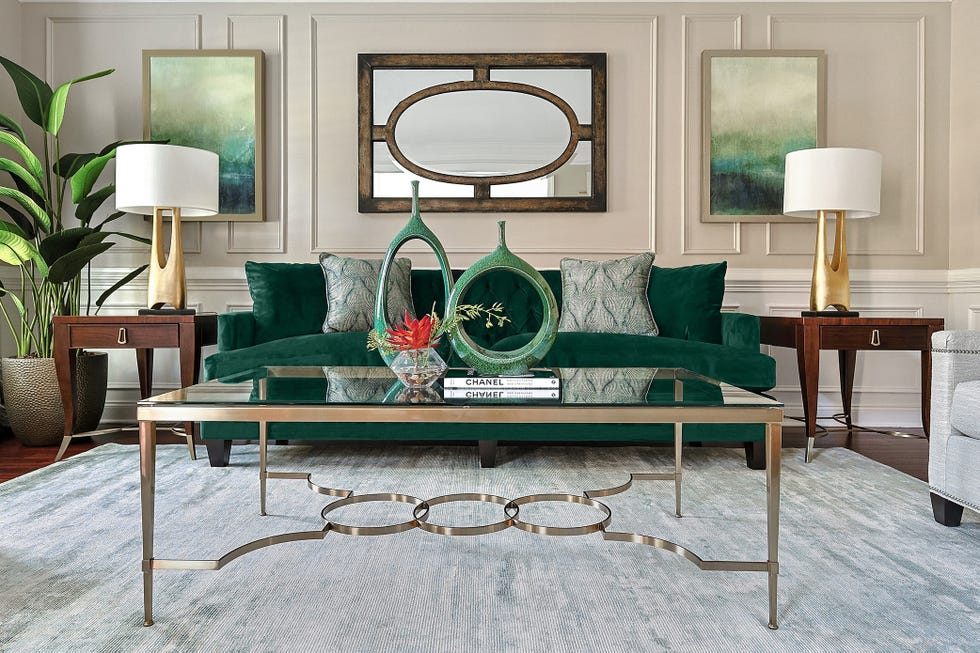
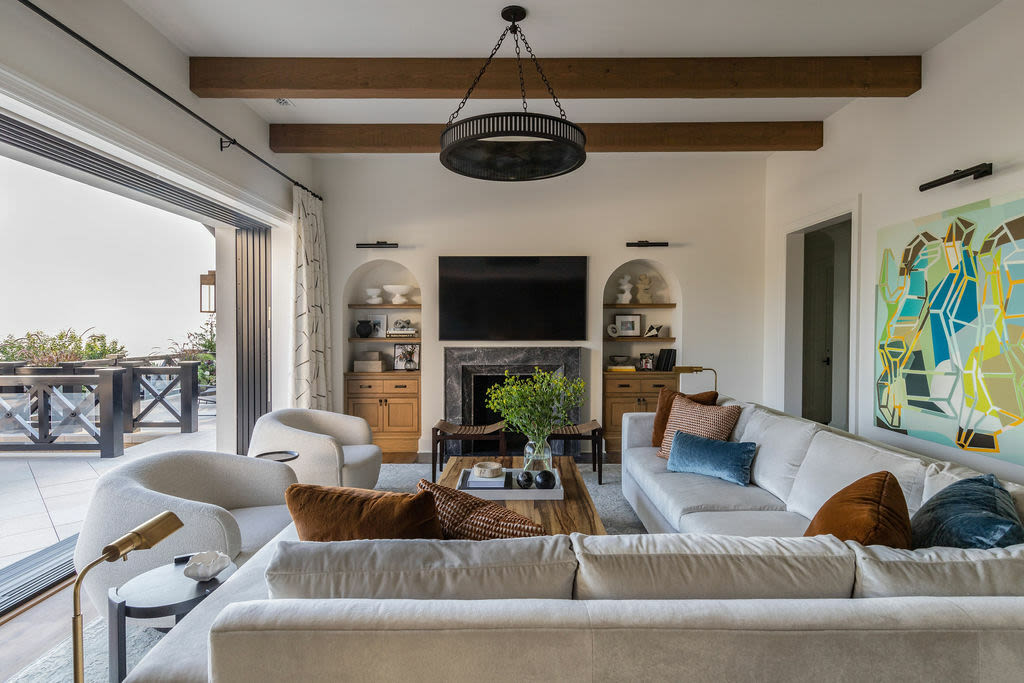
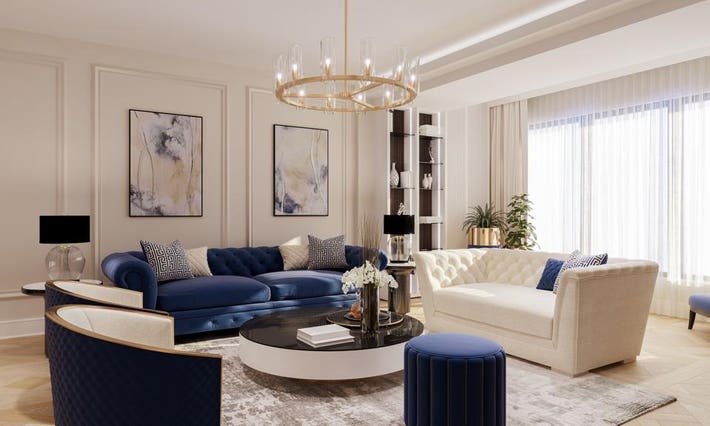
When initiating a room design, Murphy prioritizes surveying the space and taking detailed measurements of existing architectural elements. For small spaces, she recommends investing in lighting, window treatments, and sofas, noting that curtains or roman shades and sculptural lighting can significantly transform a room. Sofas are considered a crucial investment due to their frequent use. In large open-plan areas, her strategy focuses on creating defined zones through furniture and textiles, emphasizing the importance of space planning, furniture layouts, rugs, lighting, and storage to provide division and definition.
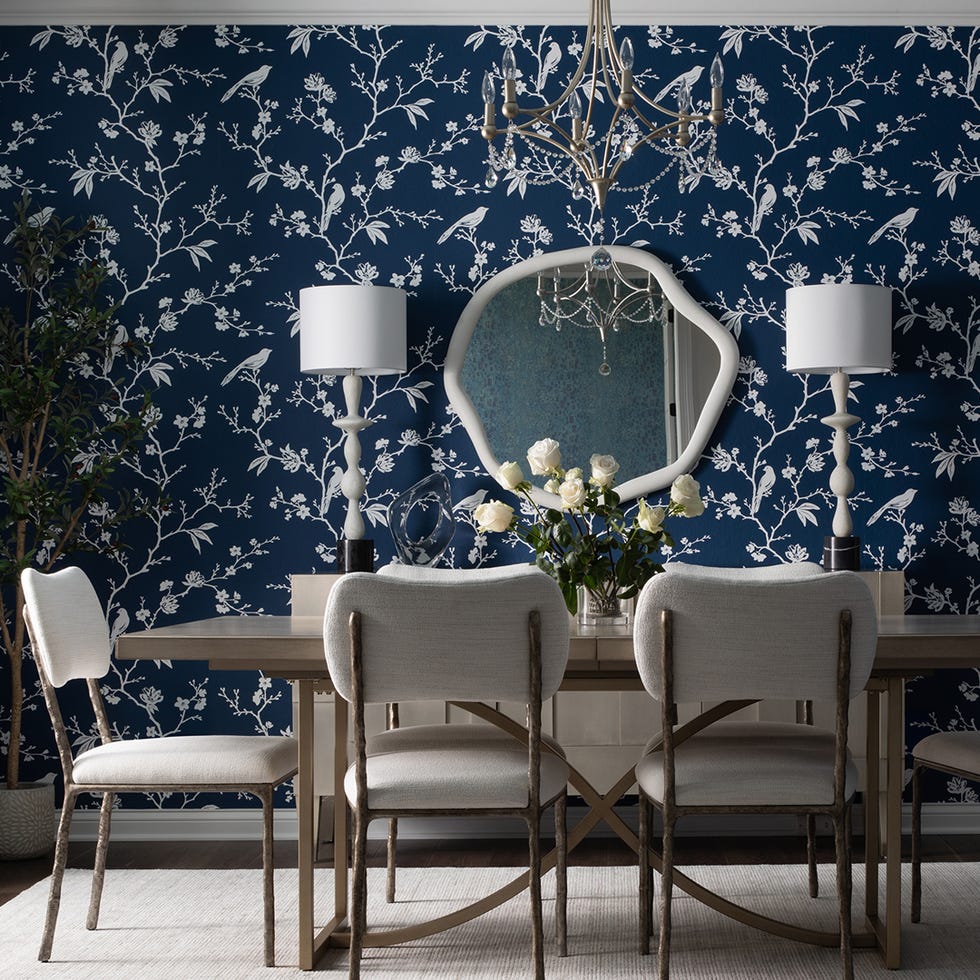
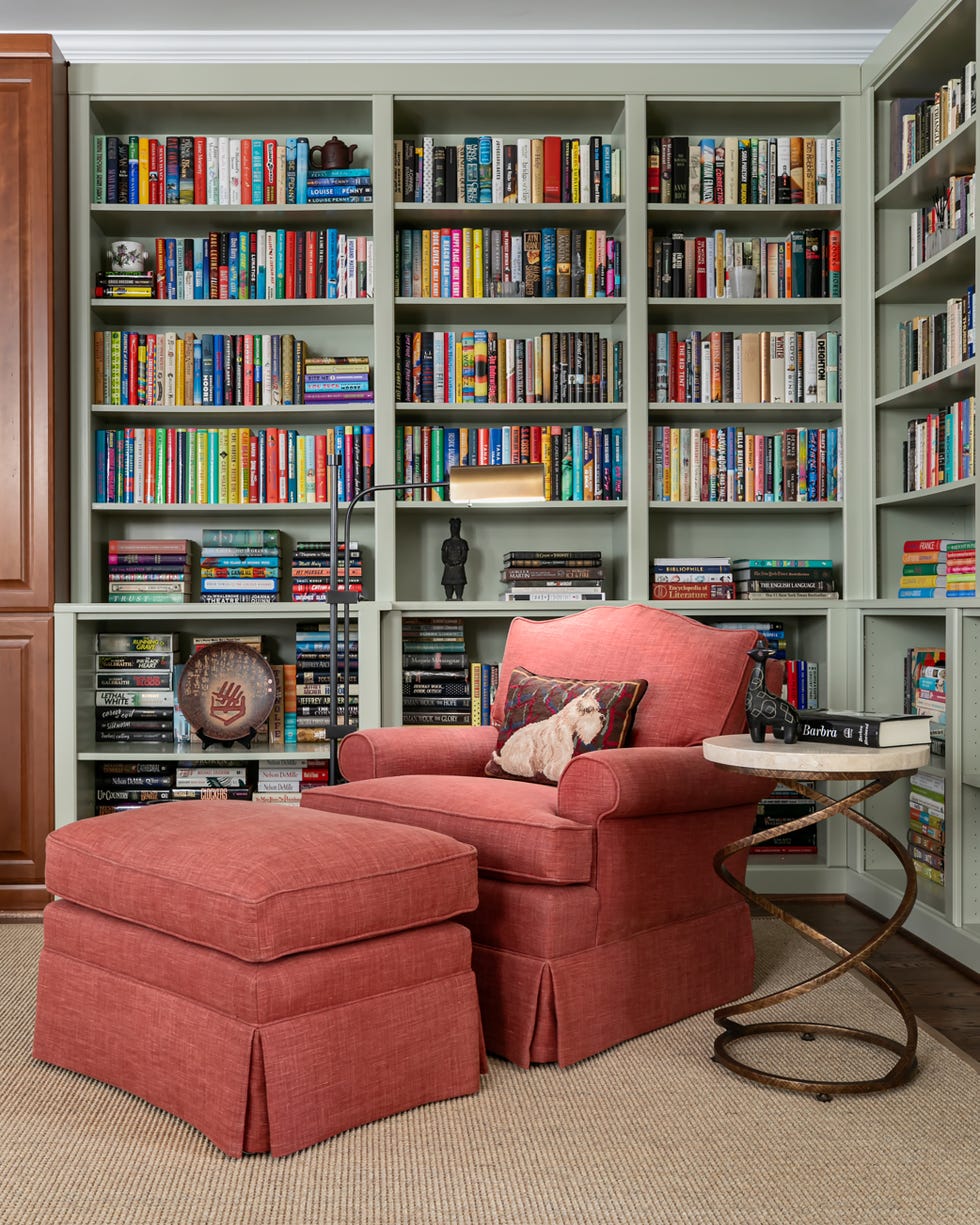
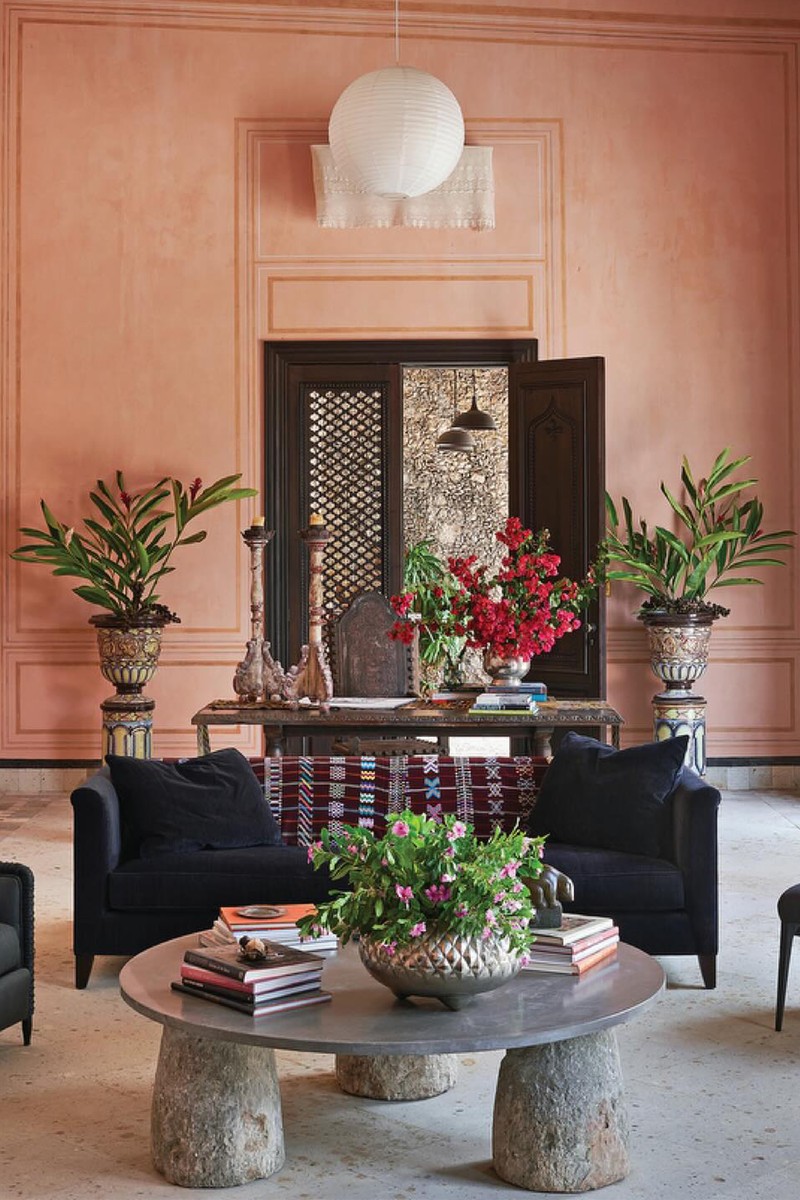
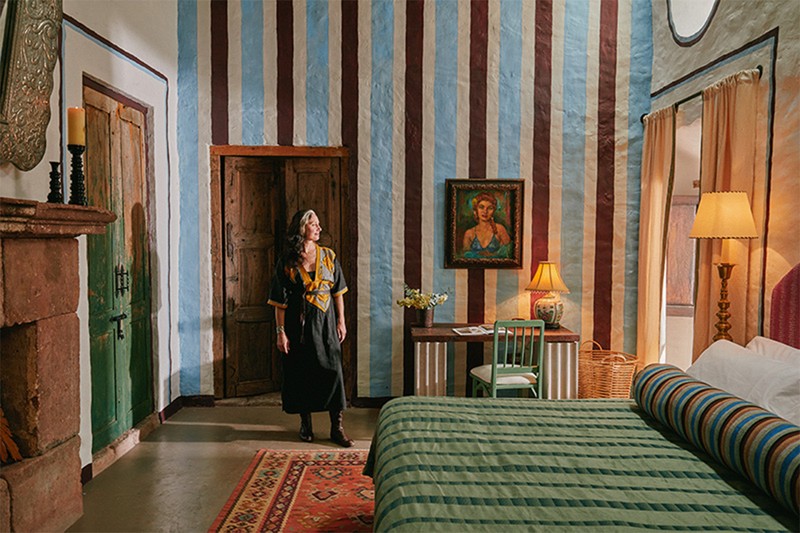
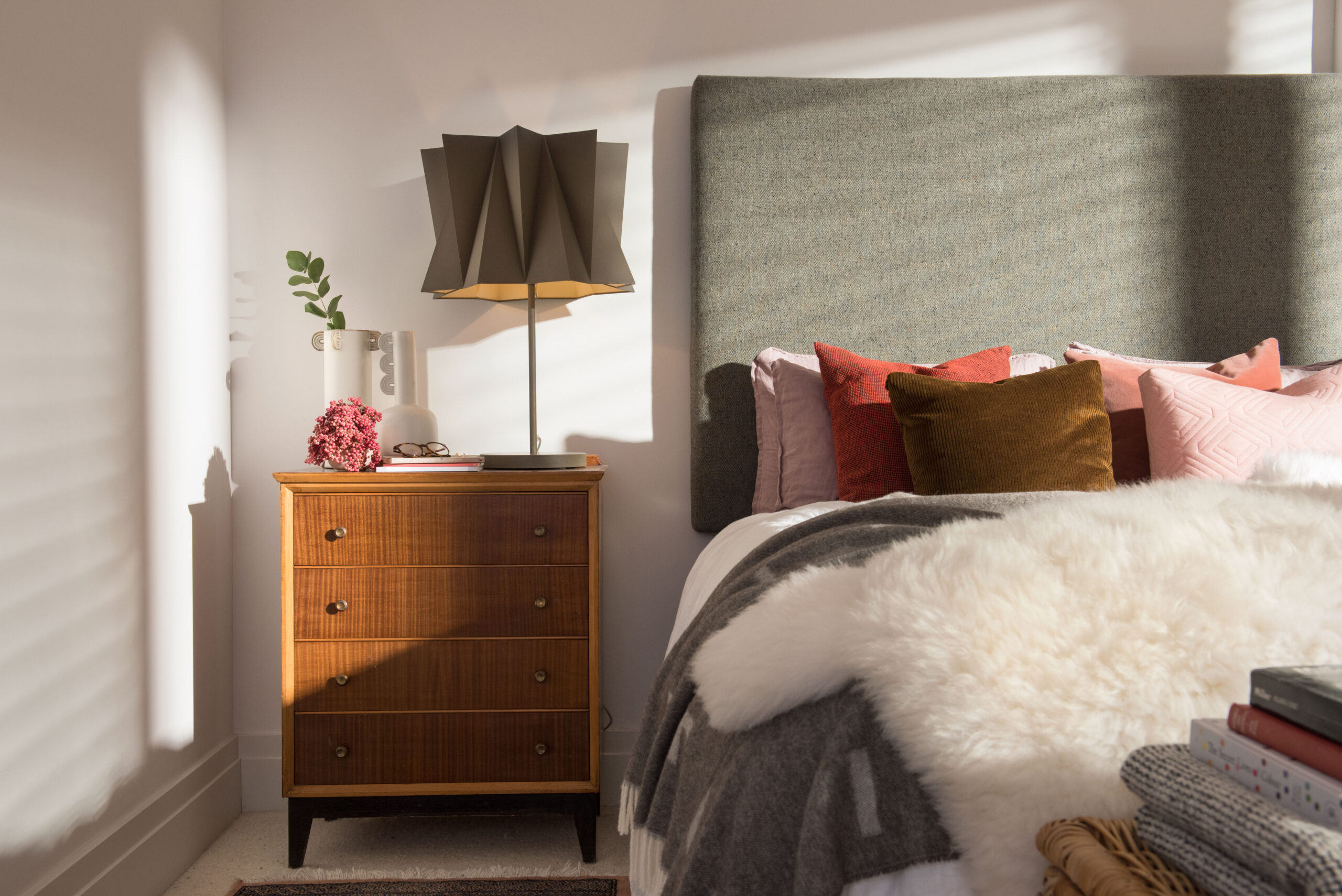
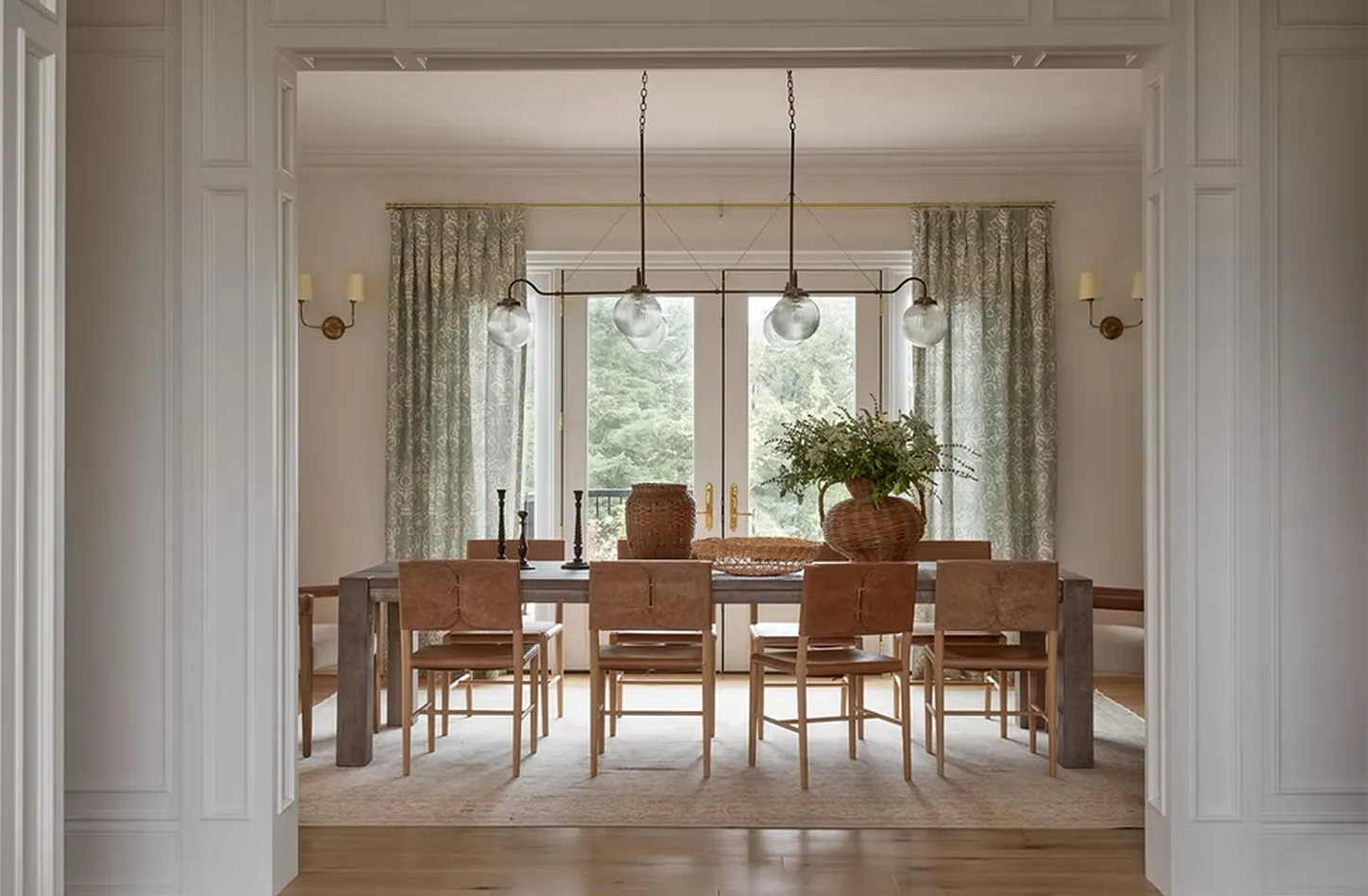
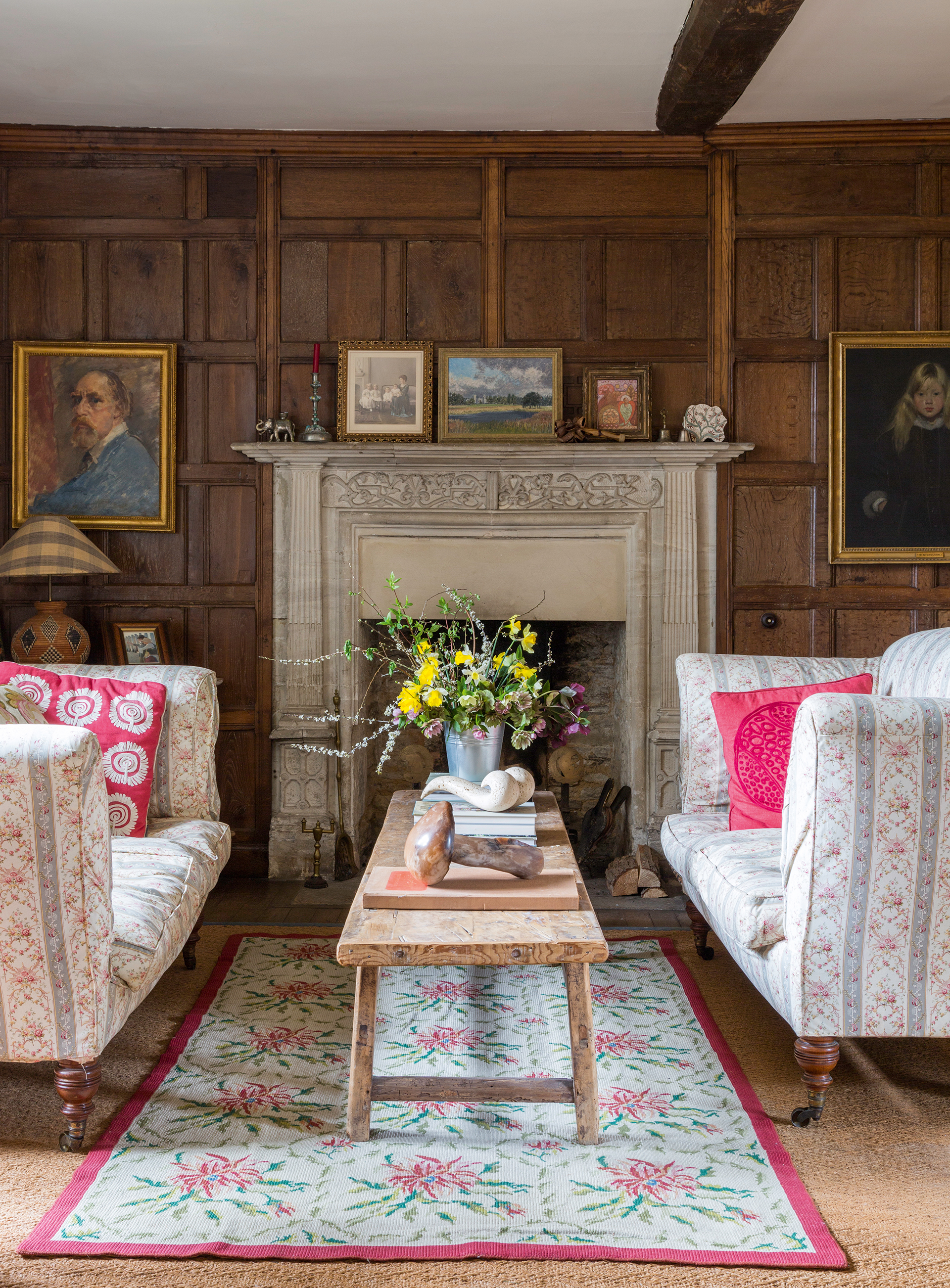
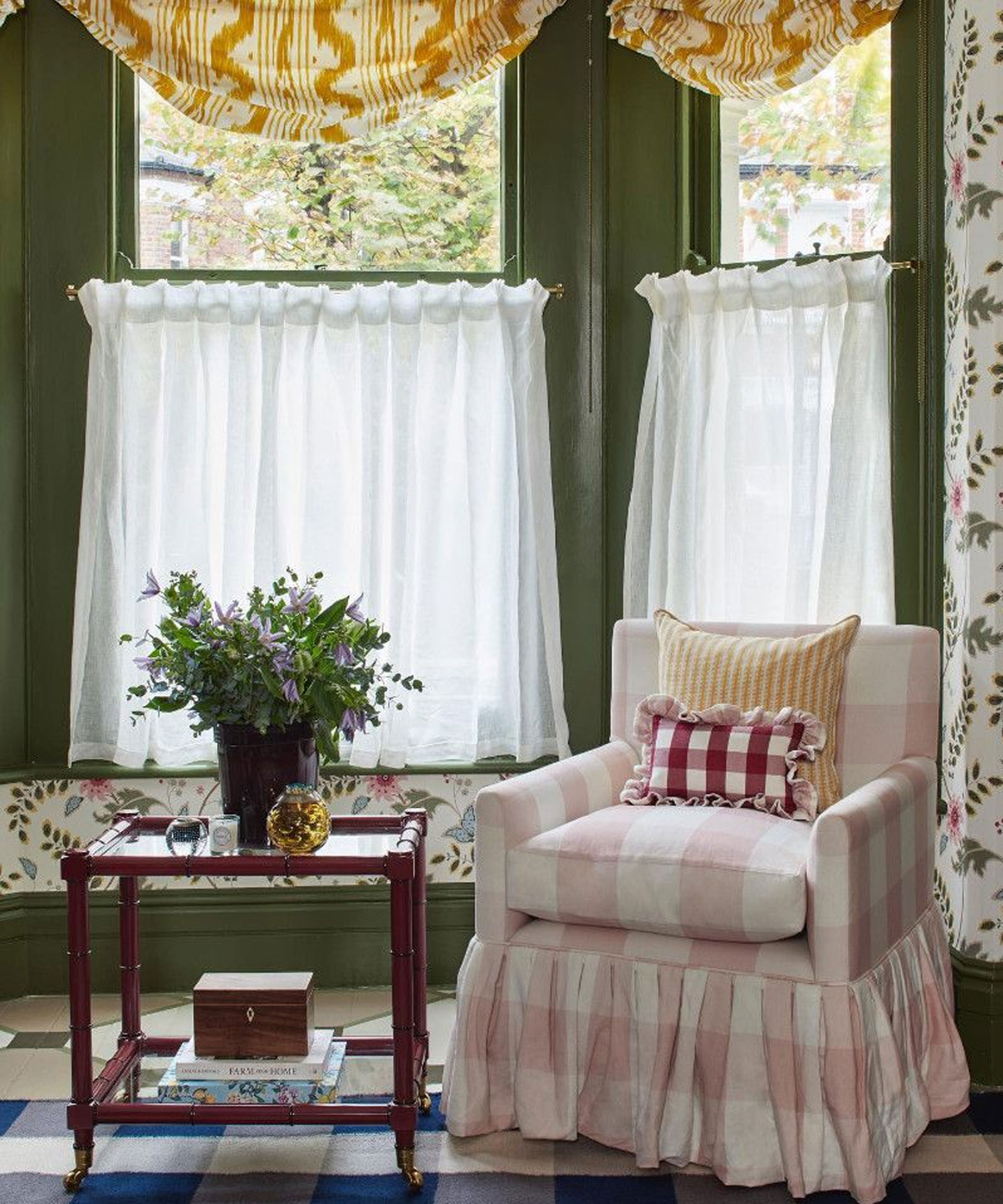
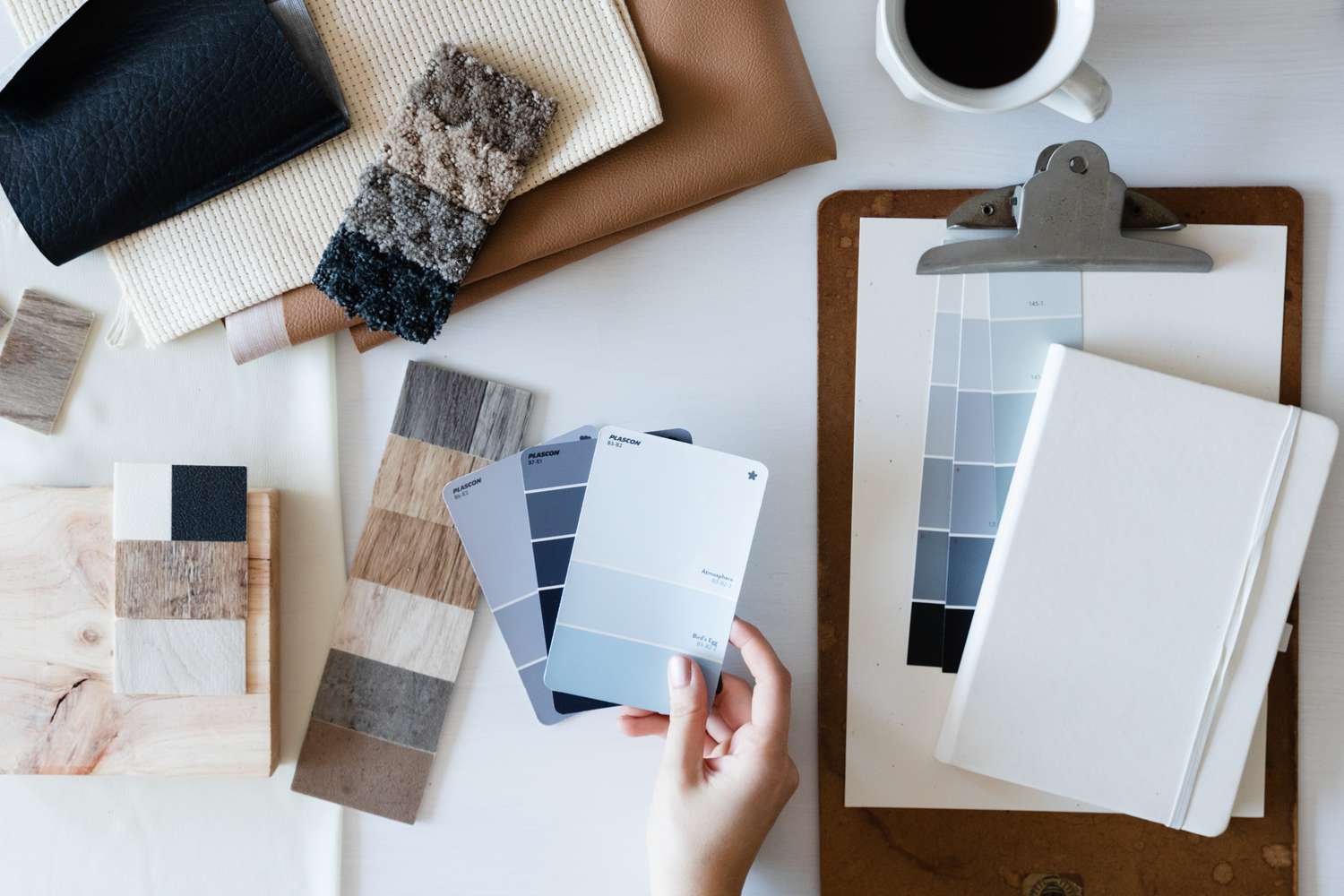
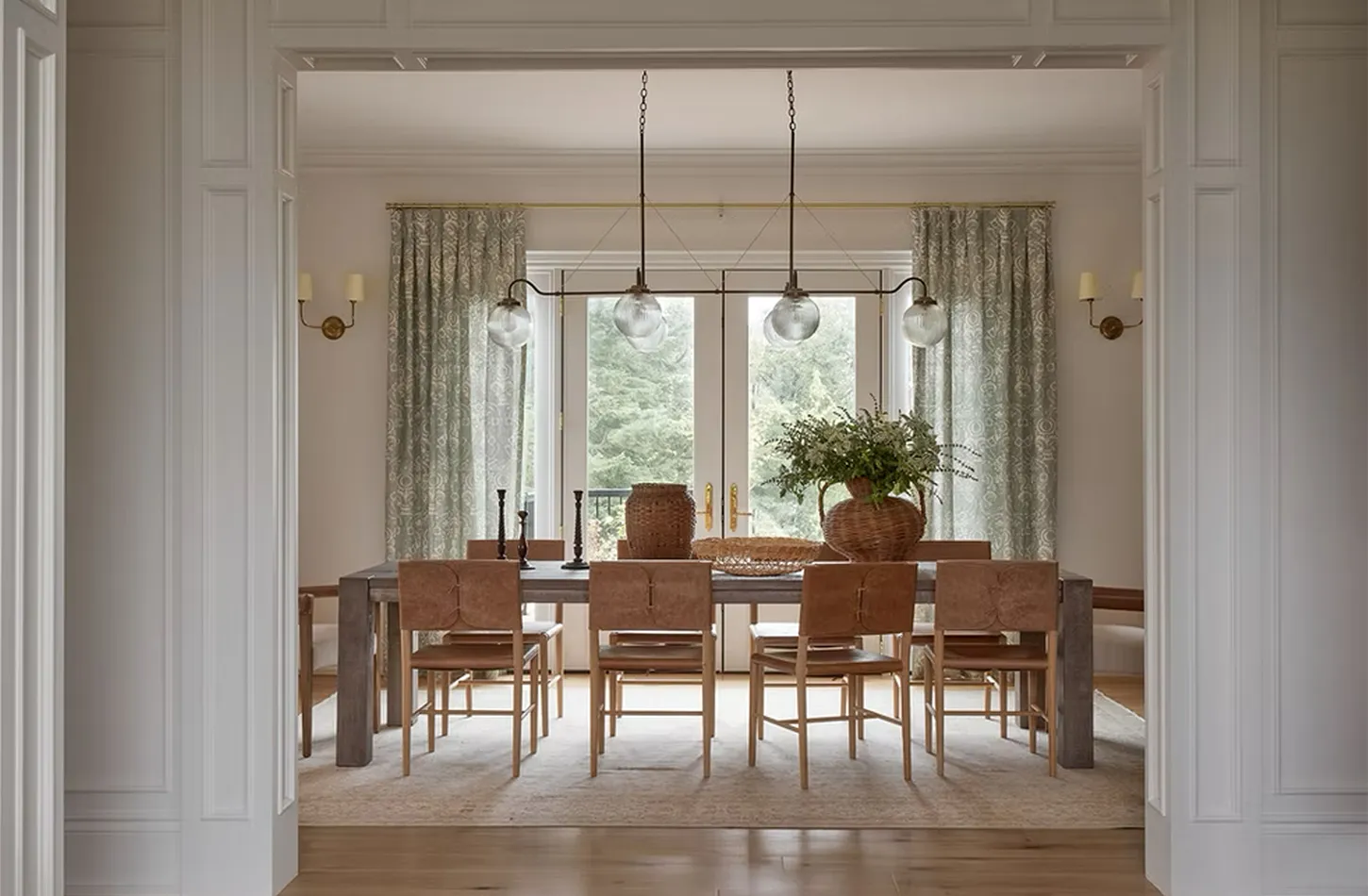
Regarding decorating, Murphy's color scheme and mood board development are informed by the property’s external environment, the client’s lifestyle, and the home’s architecture. This comprehensive approach guides the selection of color palettes, forms, and materials, influencing shapes and styles. For a single room, she typically uses one wall color, accentuating architectural details with tonal variations. She appreciates mixing patterns but stresses the importance of scale to allow each pattern to stand out, with the number of patterns varying based on room size and type. For eclectic furniture arrangements, a unifying color palette is essential to prevent a chaotic atmosphere. Murphy advises against chasing trends, advocating for timeless designs and planet-friendly, natural materials that ensure longevity. She encourages purchasing items loved and intended for long-term use, ensuring they serve a purpose and connect with other aesthetic elements.
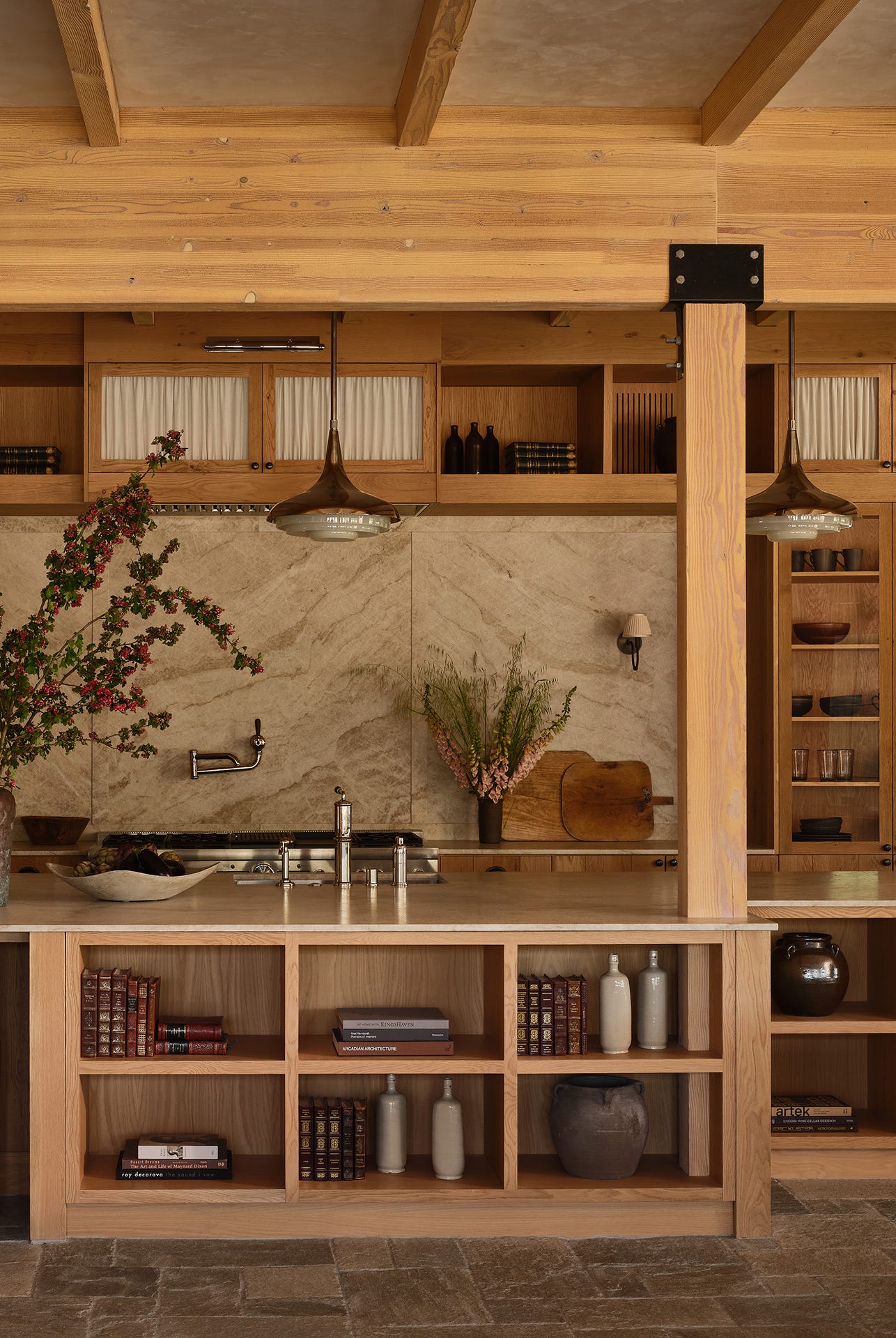
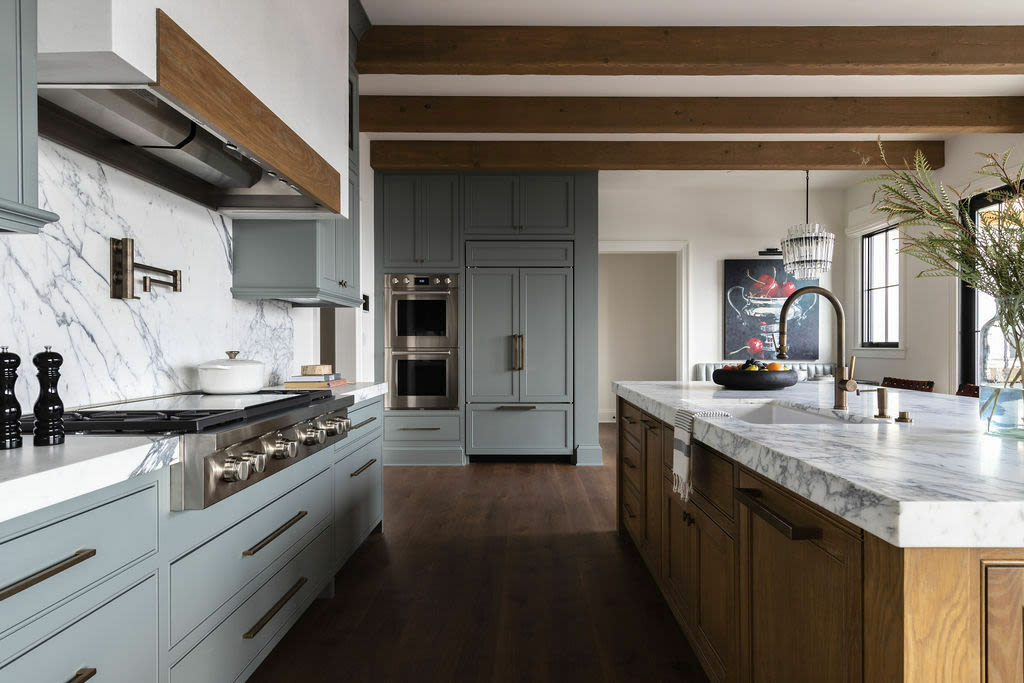
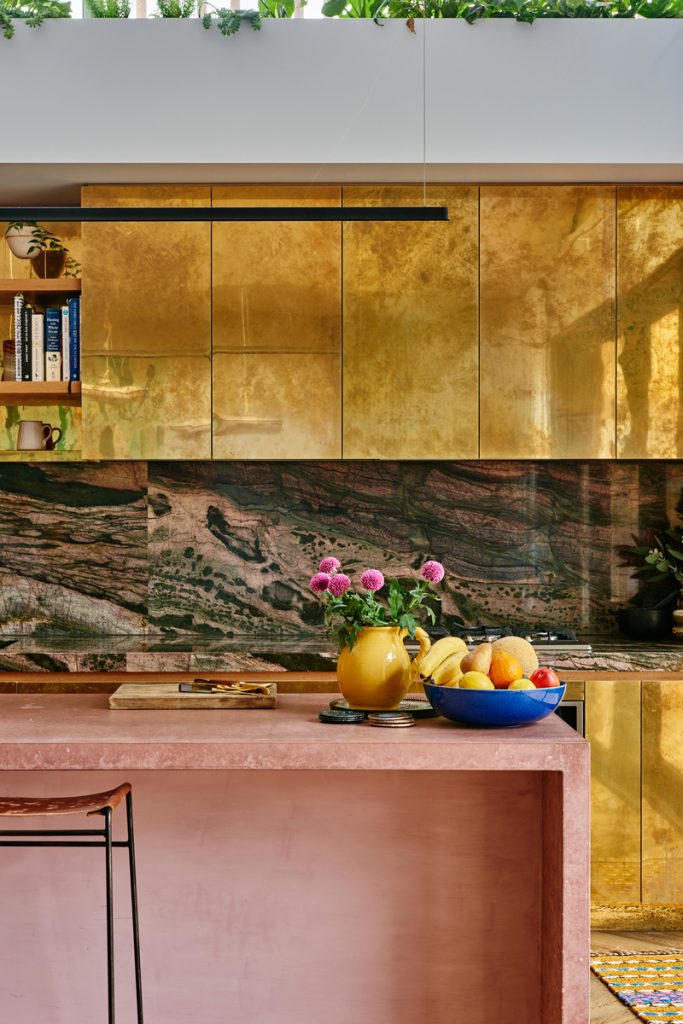
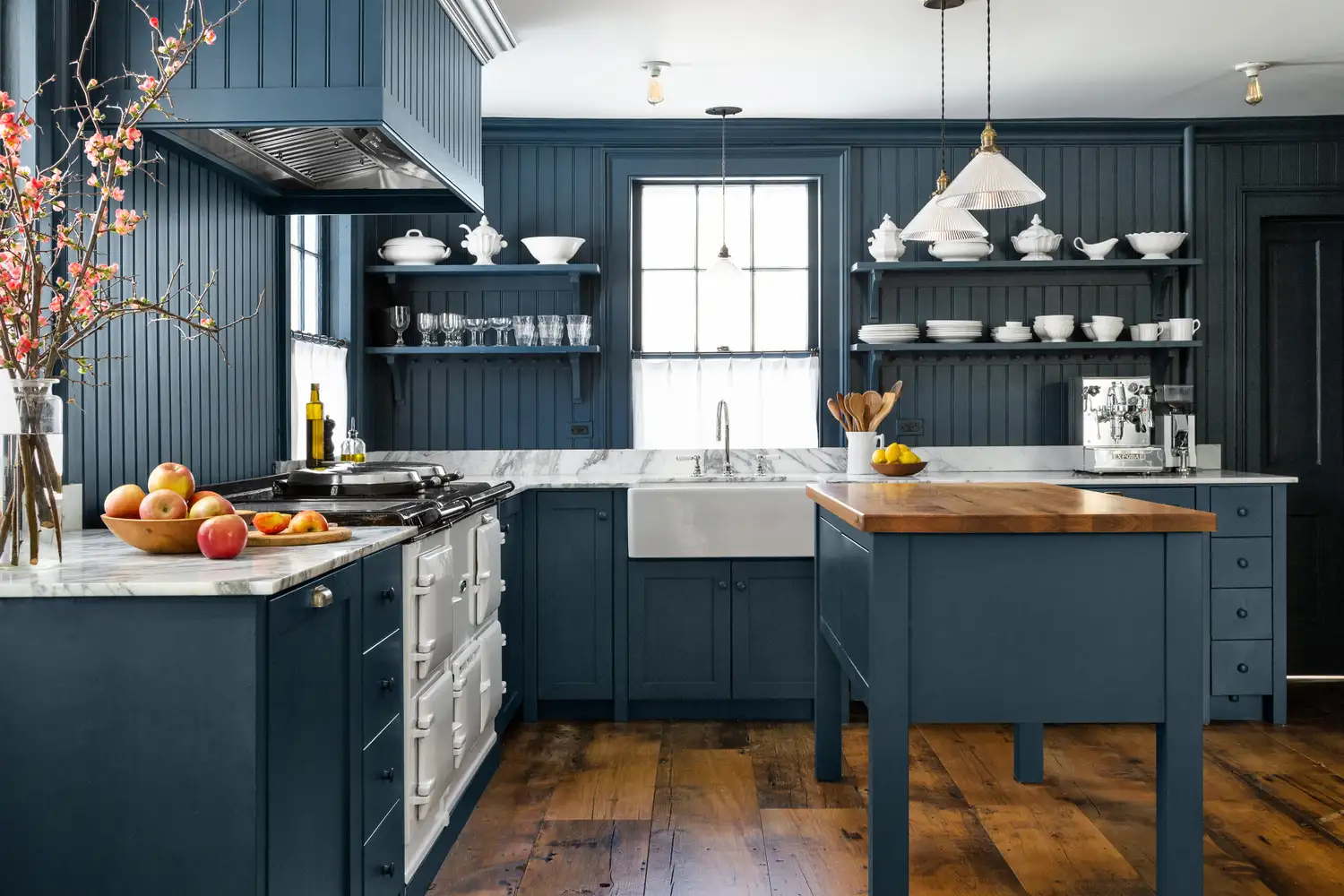
Functionality is paramount in kitchen design. While she favors wood and limestone for flooring, she cautions against wood for messy cooks due to maintenance. Limestone is highlighted as a durable, cost-effective, and easy-to-maintain natural alternative. For worktops, marble is her preferred choice, although she suggests limestone or quartzite as natural alternatives for those hesitant about marble's cost or perceived delicacy. She avoids porcelain or quartz, favoring natural stones, but acknowledges stainless steel for its utilitarian appeal in avid cooks' kitchens. Paint colors are always selected in natural daylight, with attention paid to bulb temperature to avoid distortion. Finally, Murphy advises splurging on lighting and vintage pieces, while saving on occasional items like side tables, secondary chairs, and accessories. For budget-conscious projects, prioritizing paint and lighting is key. She concludes by listing her preferred vendors for various interior design elements, including furniture, fabrics, joinery, kitchens, bathrooms, wallpaper, paint, lighting, flooring, tiles, and kitchen hardware.
#InteriorDesign #SheenaMurphy #NuneStudio #HomeDecor #DesignTips #EcoFriendlyDesign #NeutralPalette #SpacePlanning #KitchenDesign #InteriorDesign #SheenaMurphy #NuneStudio #HomeDecor #DesignTips #EcoFriendlyDesign #NeutralPalette #SpacePlanning #KitchenDesign
कुल 0 टिप्पणियाँ
 कोई टिप्पणी नहीं
आपको यह भी पसंद आ सकता है
Interior Designers Share Their Best Traditional Design Tips

5 Things Interior Designers Wish You Would Do

Bedroom Design Ideas: 20 Expert tips from interior designers
I'm an interior designer. Here are 10 trends I won't be wasting money on in 2025.
The best interior designers
Habitat Design Consulting Expert Interior Design Advice

The Differences Between an Interior Designer and an Interior Decorator

10 Interior Design Mistakes Experts Avoid In Their Own Homes

Read This If You Want To Be an Interior Designer
Home Styling Tips: For Gorgeous Interiors

5 golden rules of home décor from an Irish interior designer

13 interior design styles that everyone needs to know about, according to designers

5 Tacky Home Decor Items That Instantly Make a Home Look Bad, According to Designers
A Cool Interior Designer Talks Style, Inspiration & More
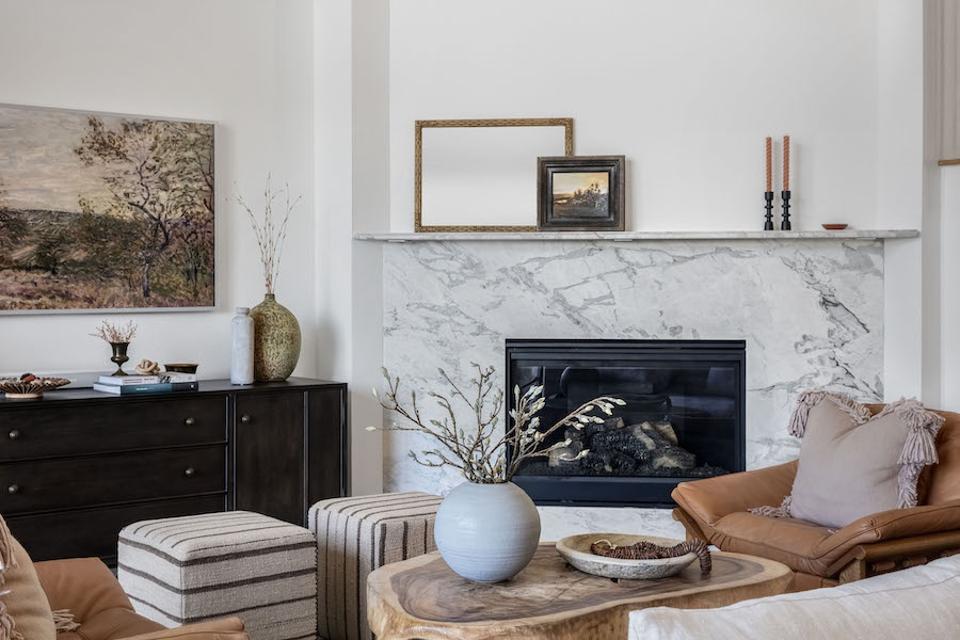
9 Contemporary Interior Design Tips You Haven’t Heard Before
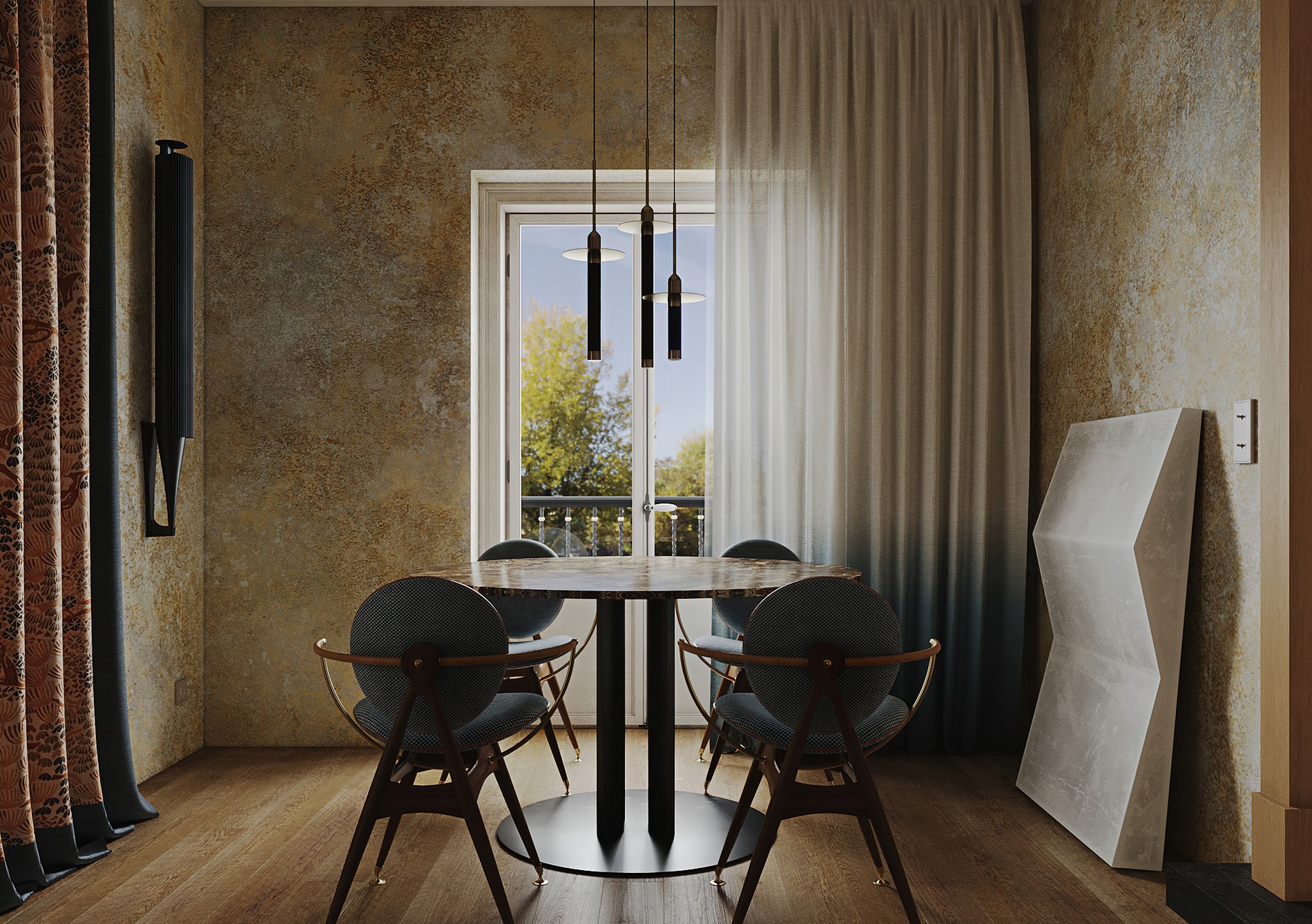
Interior Design Styles — 9 Ways to Decorate Everyone Should Know About

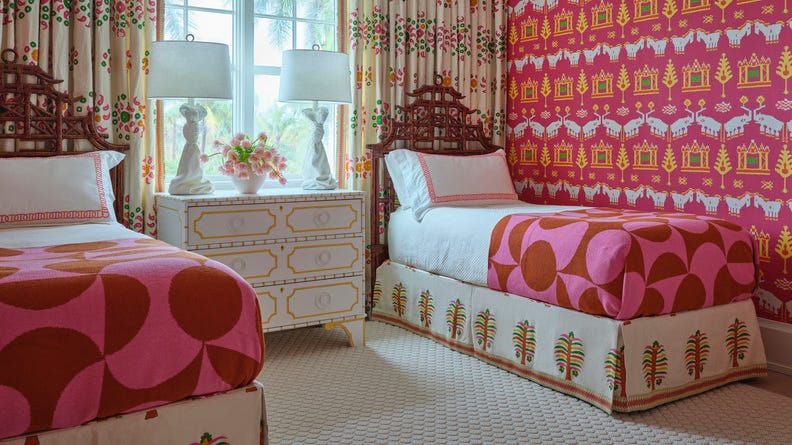
Design Insiders Reveal Their SECRETS to Decorating Your Home Like a Pro

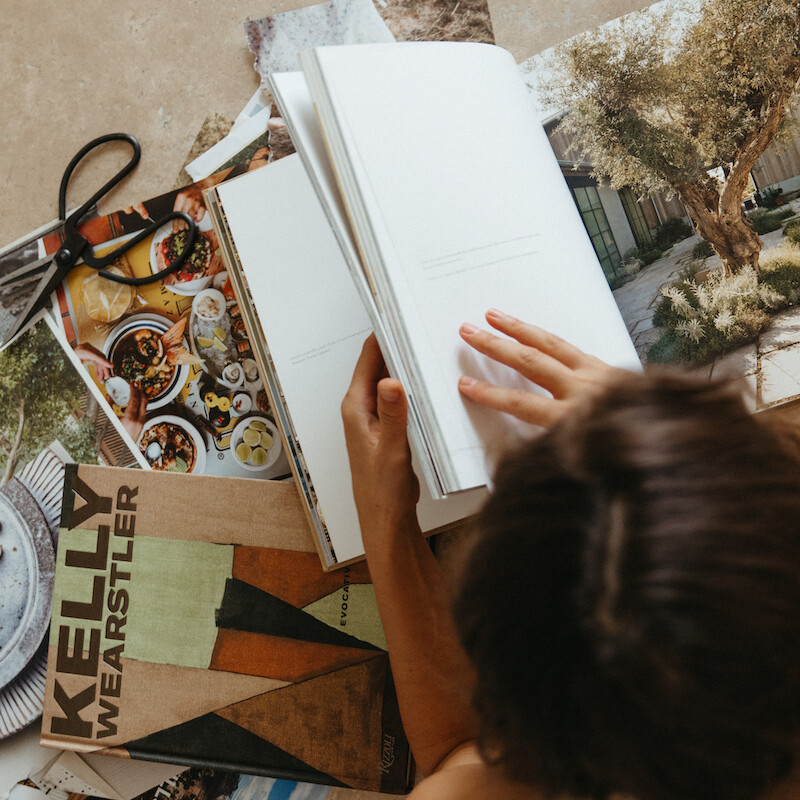
From the Wrong Rug Size to Too-Short Curtains, Interior Designers Share Their Biggest Pet Peeves

6 Underrated Designer Secrets That Instantly Make Any Room Look Better
We Asked Interior Designers to Show Us Their Favorite Room at Home—and We're Ready to Move in Immediately