Worried About Your Gas Stove? Here’s What to Do. | Wirecutter
Concerns surrounding the health implications of gas stove usage have grown due to studies linking them to the release of harmful pollutants such as carbon monoxide, formaldehyde, nitrogen dioxide, benzene, and tiny toxic particles. These emissions have been associated with increased rates of childhood asthma and indoor air pollution comparable to secondhand tobacco smoke or diesel exhaust. However, immediate measures can be taken to mitigate these risks, even in households with individuals sensitive to respiratory irritants.
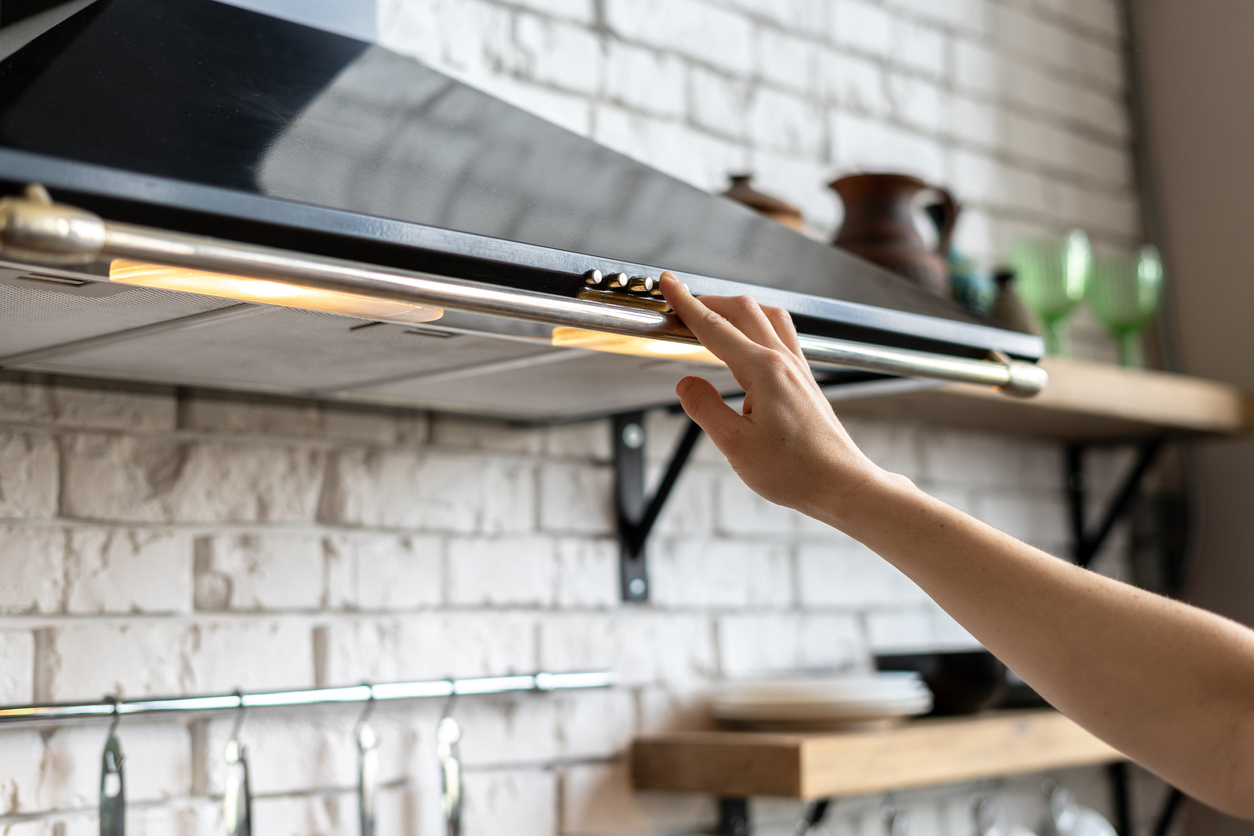
One of the most effective strategies involves consistently using a range hood every time cooking or baking occurs. Range hoods are designed to ventilate and remove steam and harmful pollutants from the air. While some hoods vent outdoors, which is ideal for removing pollutants, others recirculate air through a filter, diluting pollutants in the immediate vicinity but not eliminating them from the entire home. Outdoor-venting range hoods with adequate cubic feet per minute (CFM) power and coverage can reduce pollutant concentrations by 80% to 95%, whereas recirculating versions achieve about 50% reduction. It is recommended to cook on back burners with the range hood on for optimal pollutant capture. Additionally, running the range hood a few minutes before and after cooking, and regularly cleaning or replacing its filters, maximizes effectiveness. If a kitchen has an air-circulating range hood, supplementing with an additional exhaust fan and opening windows can further improve air quality.
For kitchens without a vented range hood, opening windows or doors to the outside is a simple yet effective way to introduce fresh air and create a cross breeze. Studies have shown that even short periods of window ventilation can significantly reduce indoor carbon dioxide levels. A window fan, particularly one with an exhaust option, can also be beneficial in directing pollutants outdoors. Exhaust fans in other areas of the home, such as bathrooms, can also contribute to improved ventilation.
Utilizing countertop appliances instead of a gas stove or oven is another immediate and affordable solution, especially when proper ventilation is not possible or outdoor air quality is poor. Portable induction cooktops, air fryers, rice cookers, slow cookers, Instant Pots, toaster ovens, air fryer toaster ovens, and microwaves offer alternatives for cooking without gas emissions. Induction cooktops are particularly recommended for their safety, cleanliness, and efficiency, often matching or exceeding the performance of gas stoves.
Adjusting cooking routines can also impact indoor air quality. Research suggests that cooking at lower temperatures for longer durations on gas stoves can lead to higher concentrations of pollutants due to less efficient combustion. Opting for quick-cooking methods, like stir-frying in a wok, over lengthy braises can minimize pollutant exposure, especially when ventilation is limited. Furthermore, while most home air quality monitors cannot detect all gas stove emissions, those that track carbon dioxide (CO2) can serve as a proxy for overall indoor air quality. Devices like the SAF Aranet 4 can monitor CO2 levels and alert users to take ventilating actions, helping to identify cooking habits that impact home air quality.
Air purifiers with HEPA filters are generally not effective for gaseous pollutants from gas stoves, as HEPA filters only capture airborne particles. While some purifiers include activated carbon filters for gas adsorption, their capacity is often limited. High-capacity purifiers, such as the Austin Air HealthMate HM400, exist but are expensive and bulky, making other ventilation methods more practical for most households. Given the mounting evidence of health risks and environmental impacts, transitioning from gas stoves to electric or induction alternatives is increasingly recommended. While this switch may involve initial costs for installation and electrical work, federal rebates can help offset these expenses for eligible households. Electric and induction stoves offer a safer, more efficient cooking experience, with induction cooktops being particularly responsive and powerful.
#GasStoveSafety #IndoorAirQuality #KitchenVentilation #RangeHoods #CountertopAppliances #InductionCooking #AirQualityMonitor #HomeAppliances #HealthyHome #GasStoveSafety #IndoorAirQuality #KitchenVentilation #RangeHoods #CountertopAppliances #InductionCooking #AirQualityMonitor #HomeAppliances #HealthyHome
0 commentaire au total
 Aucun commentaire pour le moment
Vous aimerez aussi
Are Gas Fireplaces As Poisonous as Gas Stoves?


11 Tabletop Gas Cookers for Every Kitchen Need

The Best 36-inch Gas Cooktops of 2026


Gas Stove or Not, This Is the Proper Way to Use Your Range Hood


If you can see your kitchen stove from your front door, you need to change that – here's why

How to Properly Babyproof a Fireplace

Complete guide to buying a gas fireplace
How to Clean Your Range Hood and Vent in 4 Easy Steps

How to safely start a fire in a fireplace that lights easily every time

The 5 Best Gas Stoves and Ranges of 2026 | Reviews by Wirecutter


The 5 Best Slide-In Gas Ranges of 2026 | Reviews by Wirecutter
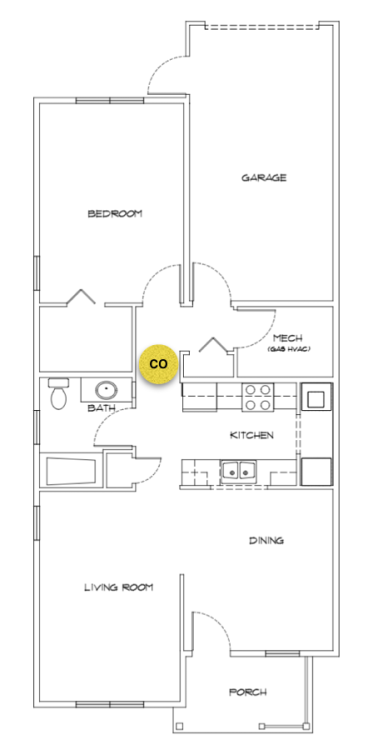
Where To Place Your Carbon Monoxide Alarms