1/5
'They're not for every room' – designers say they'll never use a round rug in these 5 spaces, and neither should you
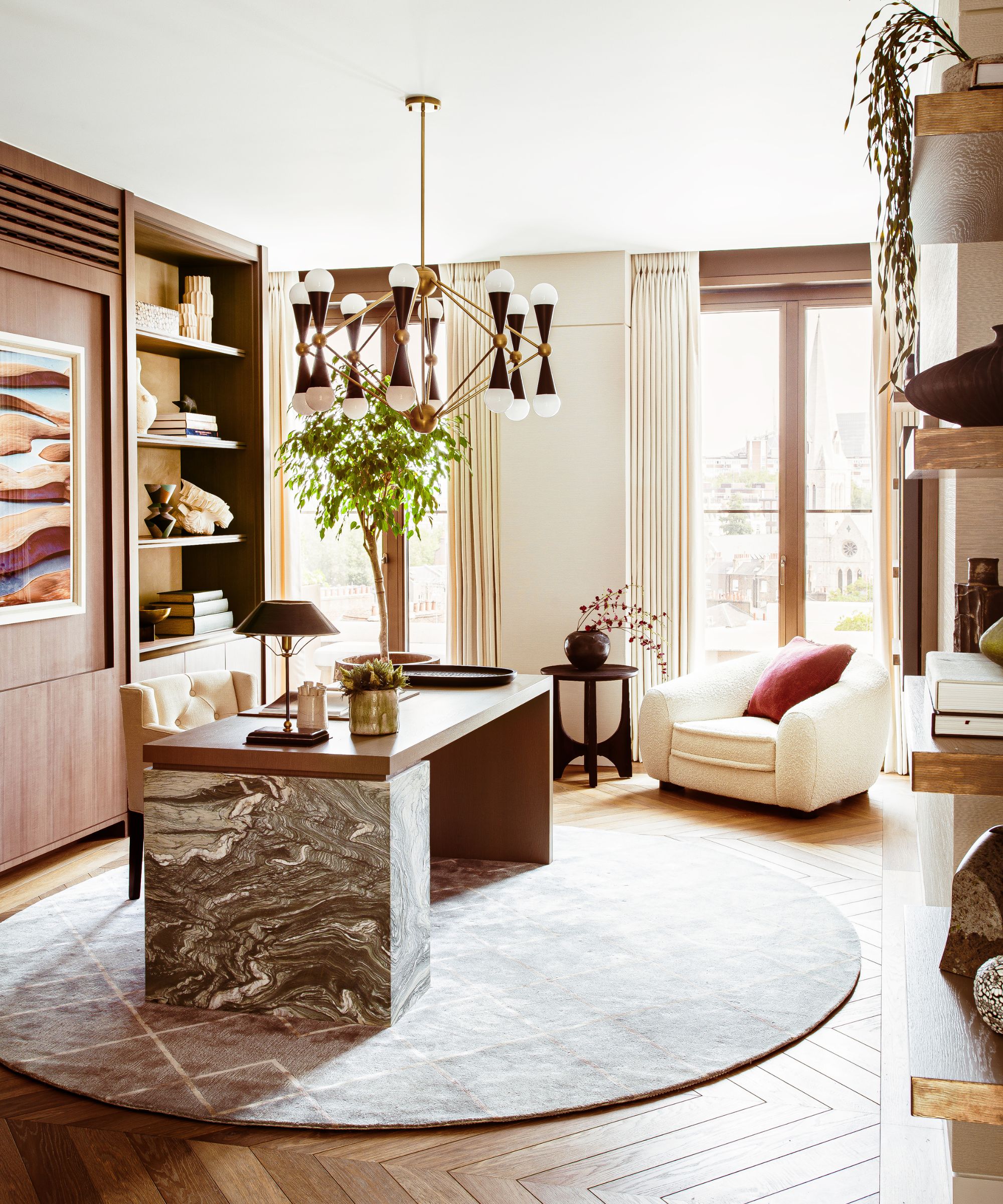
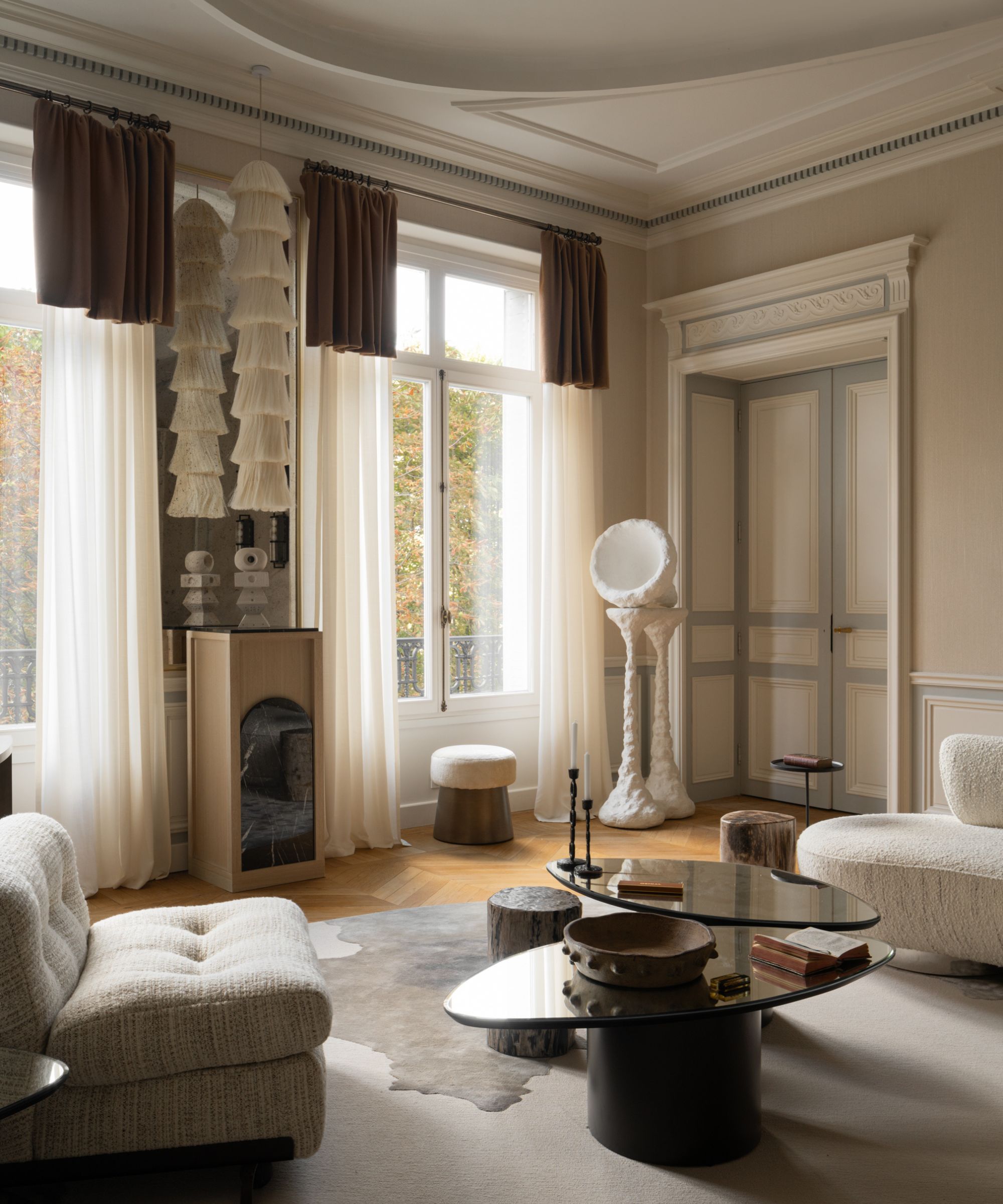
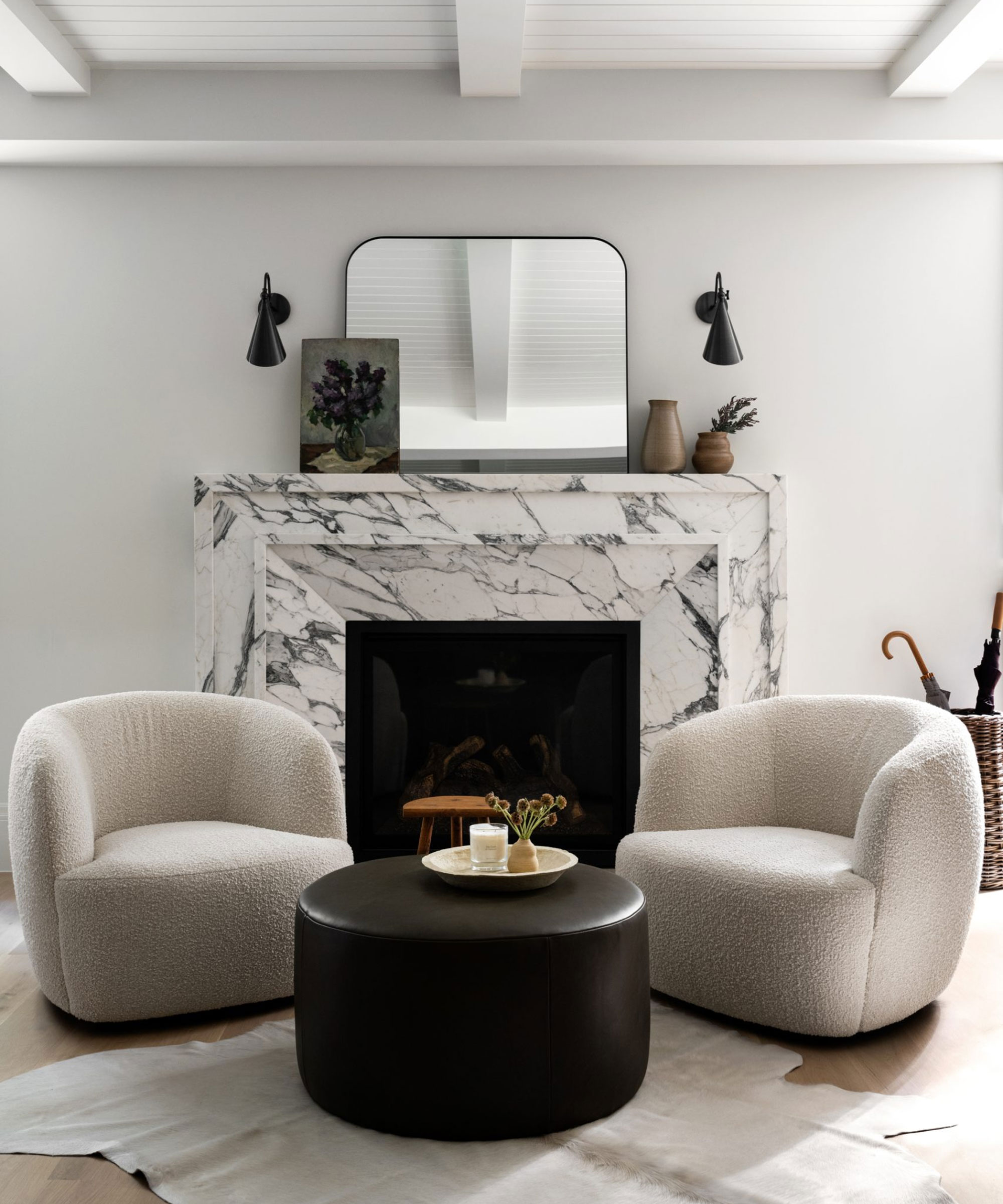
While round rugs can introduce gentle curves, softness, and intimacy to a space, and are excellent for setting off curved furniture or defining areas in lobbies, they are not universally suitable for every room. The architectural flow and existing furniture shapes within a room often dictate the most appropriate rug shape. Understanding these considerations is crucial to avoid misplacing a round rug and instead ensure it enhances the overall design.
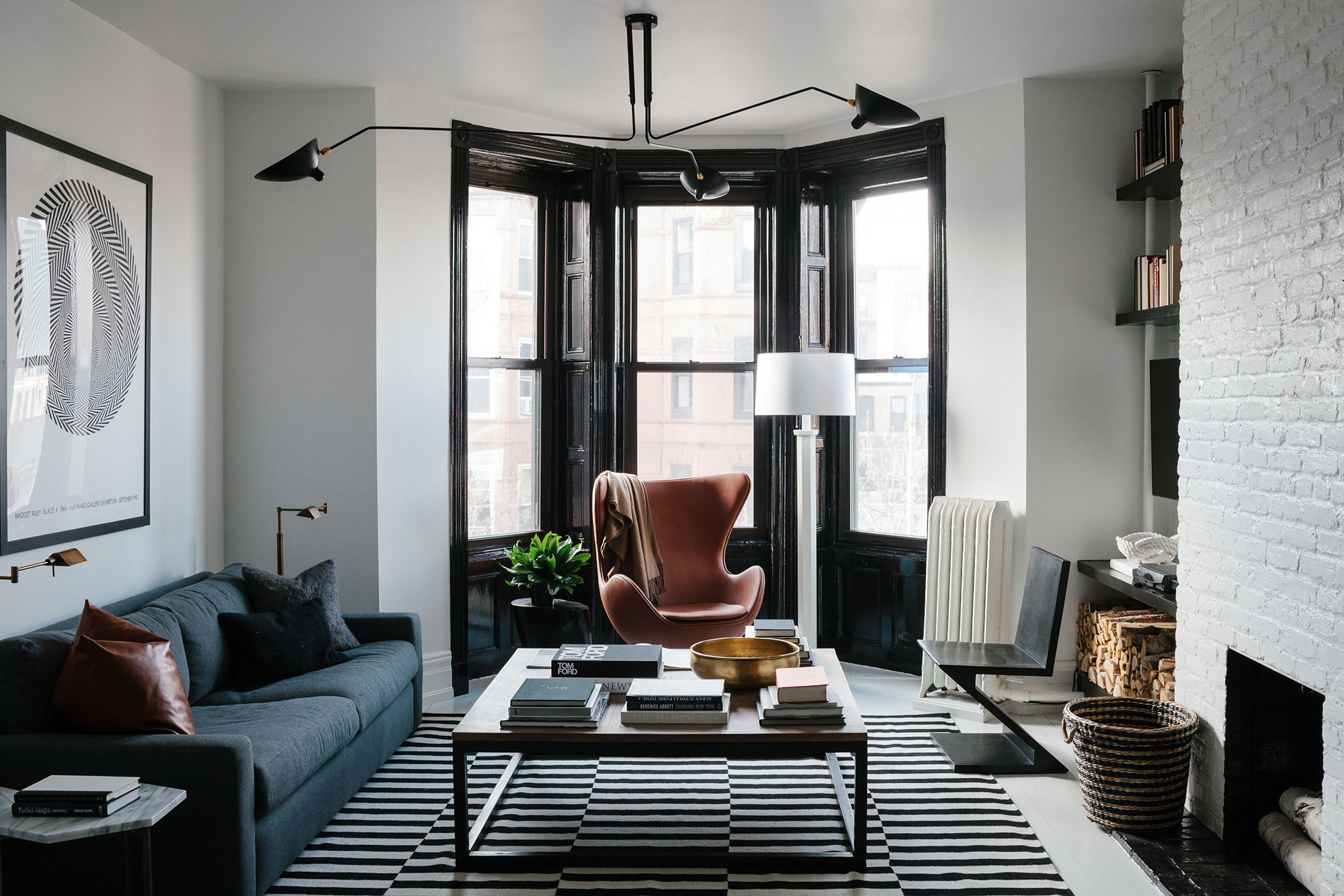
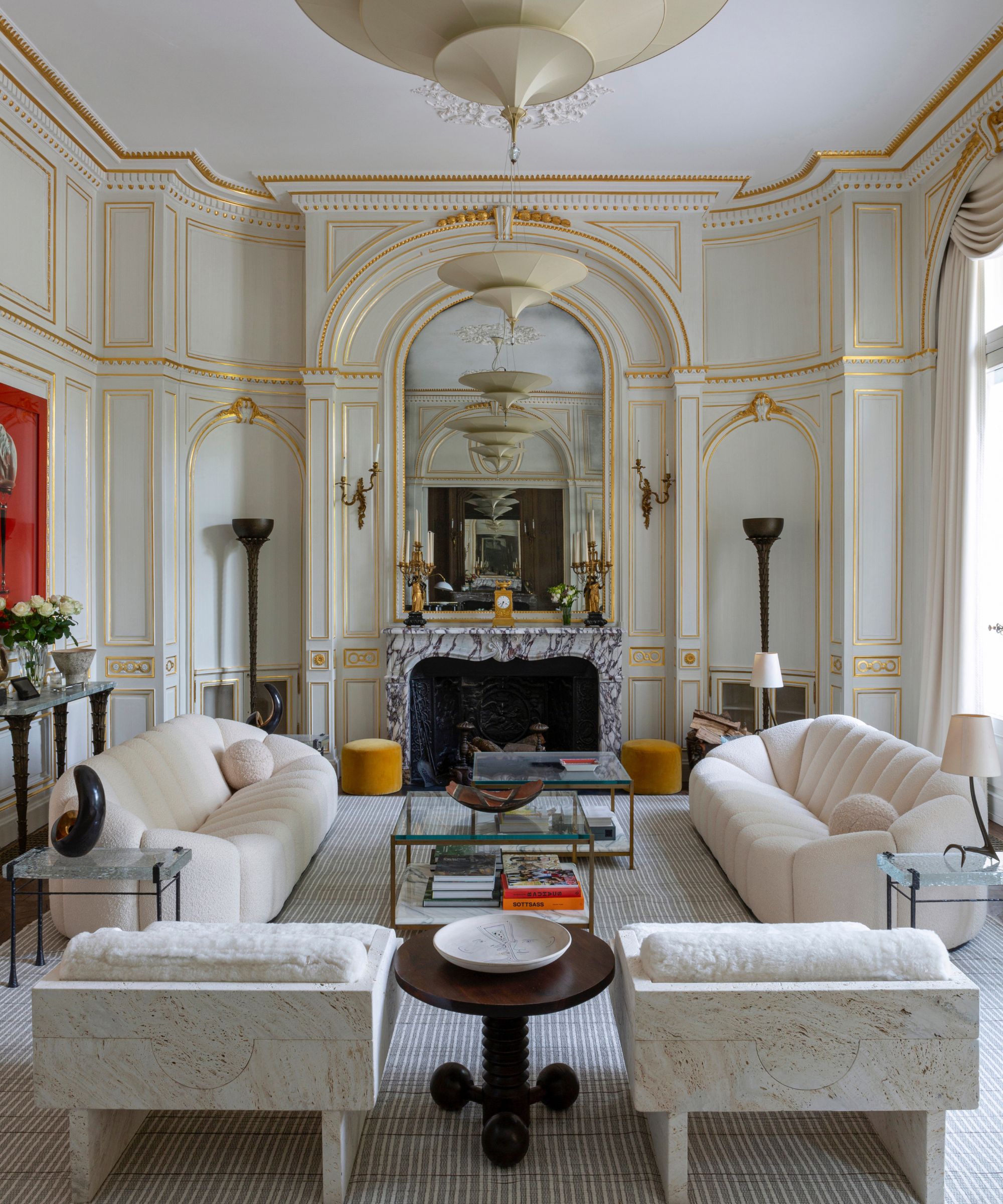
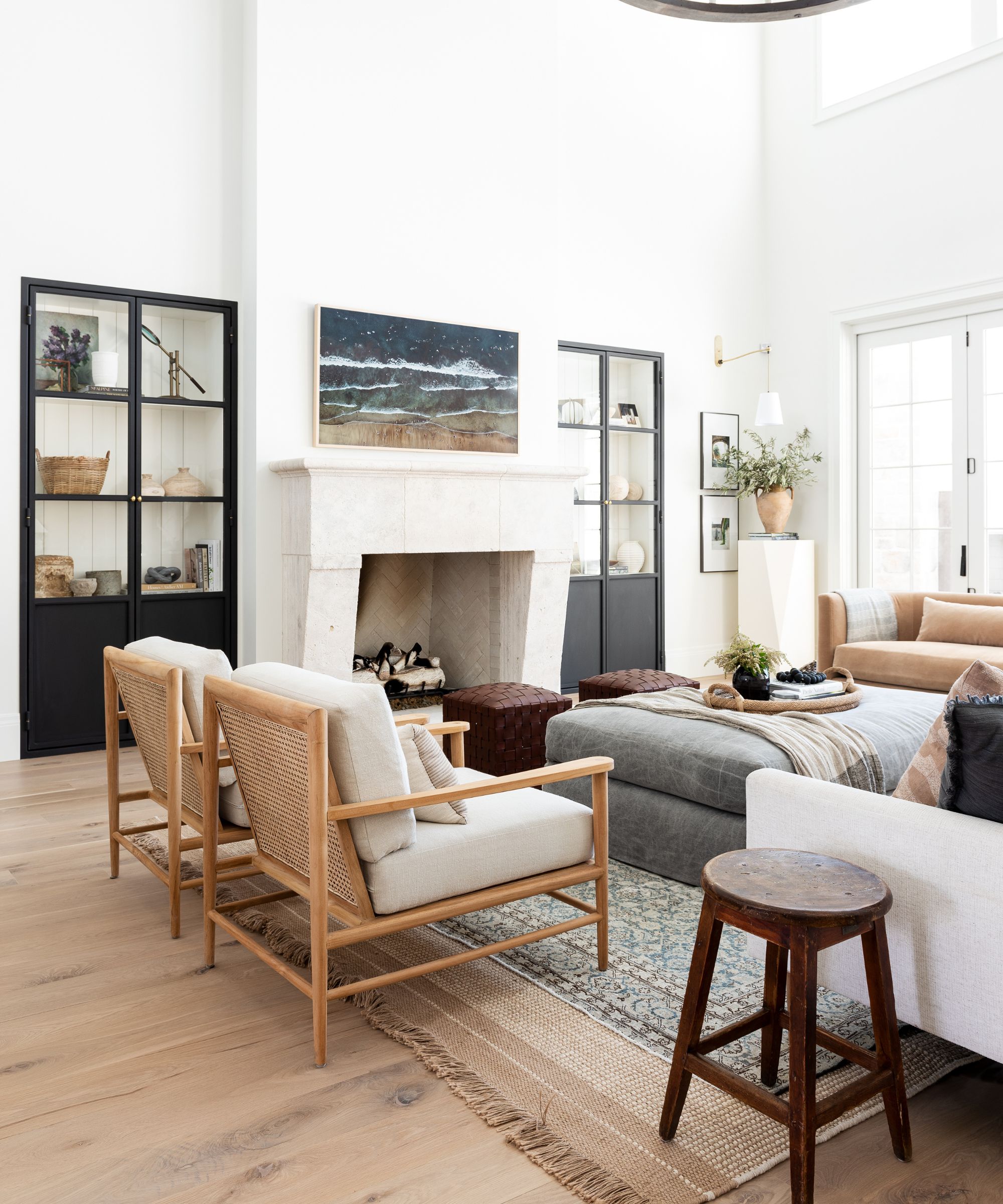
One key area where round rugs are generally unsuitable is in long and narrow living rooms. A round rug in such a space can disrupt the visual flow, making the room feel disjointed and emphasizing its length, creating an effect akin to an echo chamber rather than a cohesive area. In these instances, a rectangular rug that mirrors the room's shape is preferable. If a homeowner is determined to incorporate curves, layering multiple large round rugs along the room's length or opting for a large oval-shaped rug can provide the desired softness without compromising cohesion.
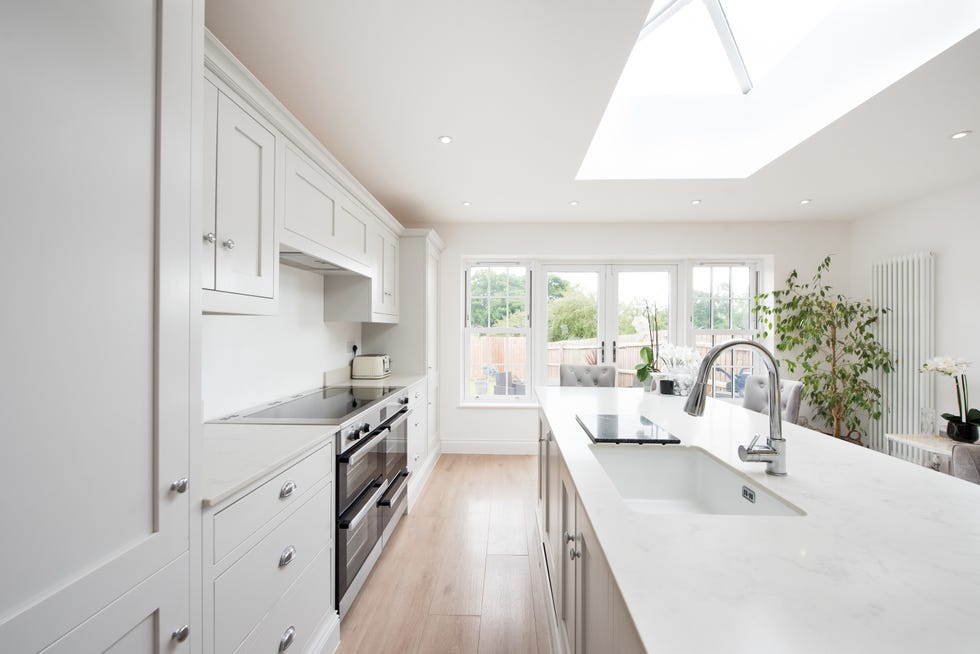
Similarly, placing a round rug under a rectangular dining room table is ill-advised. The principle is that the rug should complement the shape of the furniture it underpins. A round rug beneath a rectangular table creates a visual clash. Instead, a rectangular, oval, or pill-shaped rug would better harmonize with the table's form, offering softer lines while maintaining a consistent aesthetic. When selecting any rug for a dining area, it is essential to ensure it is large enough to accommodate all chair legs, even when pulled out, typically extending at least 24 inches beyond the table's edge.
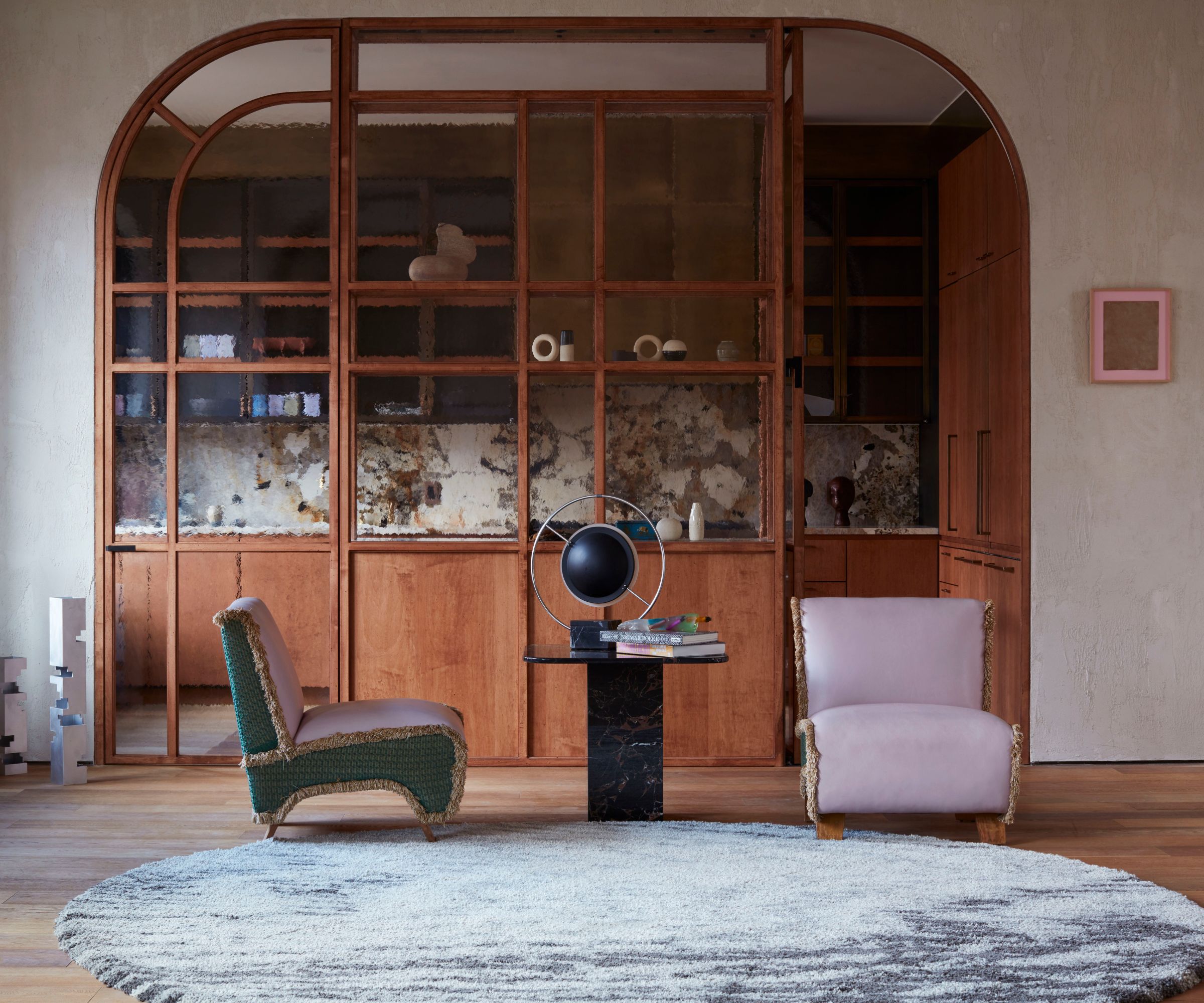
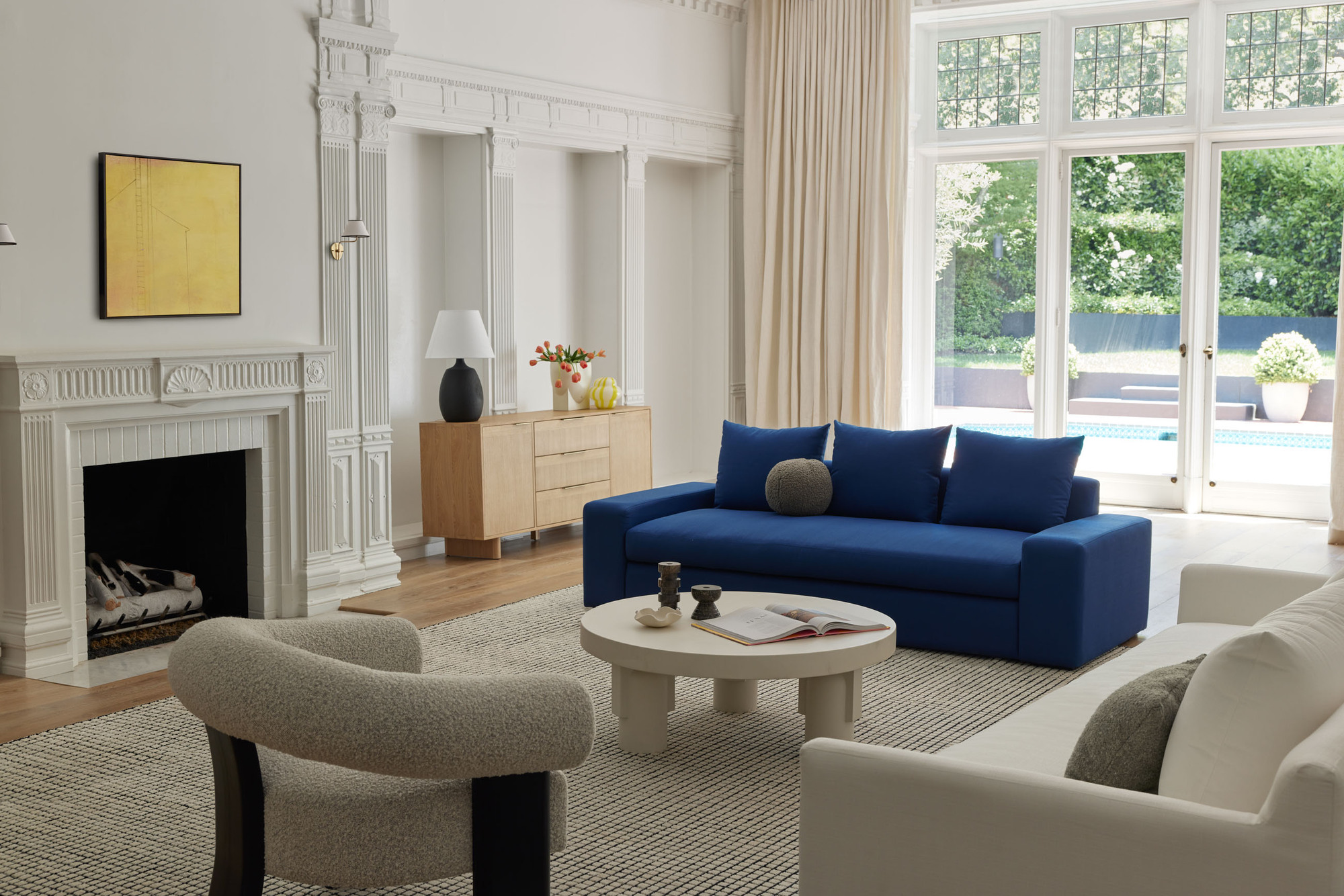
The size of the rug in relation to the room is another critical factor. A small round rug in a large room, especially a square one, can leave too much flooring exposed and make the space feel incomplete. For small living rooms, a round rug might be detrimental as it wastes valuable corner floor space. Conversely, large round rugs can be effective in larger areas, particularly with playful, sculptural furniture arrangements. However, for zoning or creating more formal areas, square or rectangular rugs are usually more appropriate.
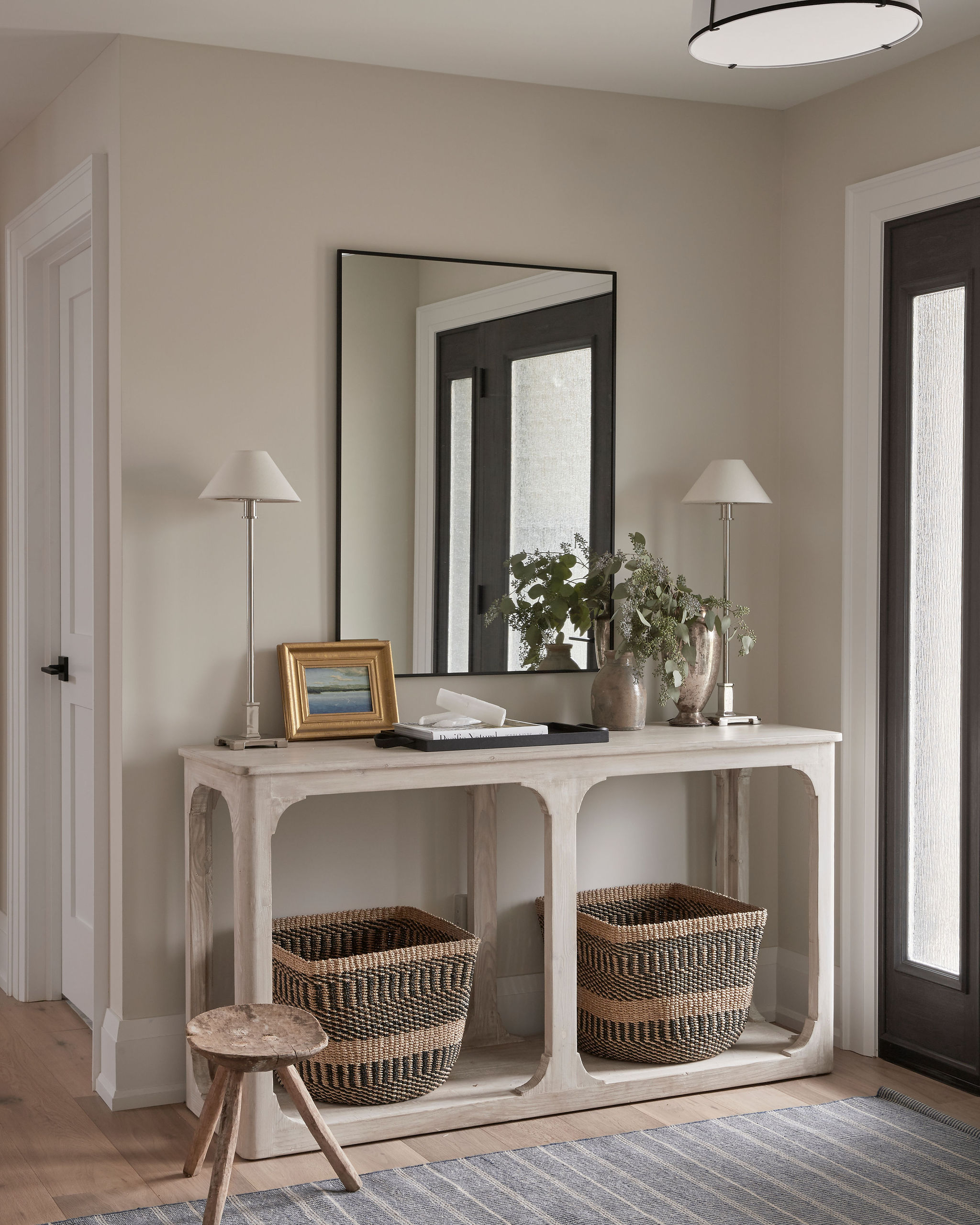
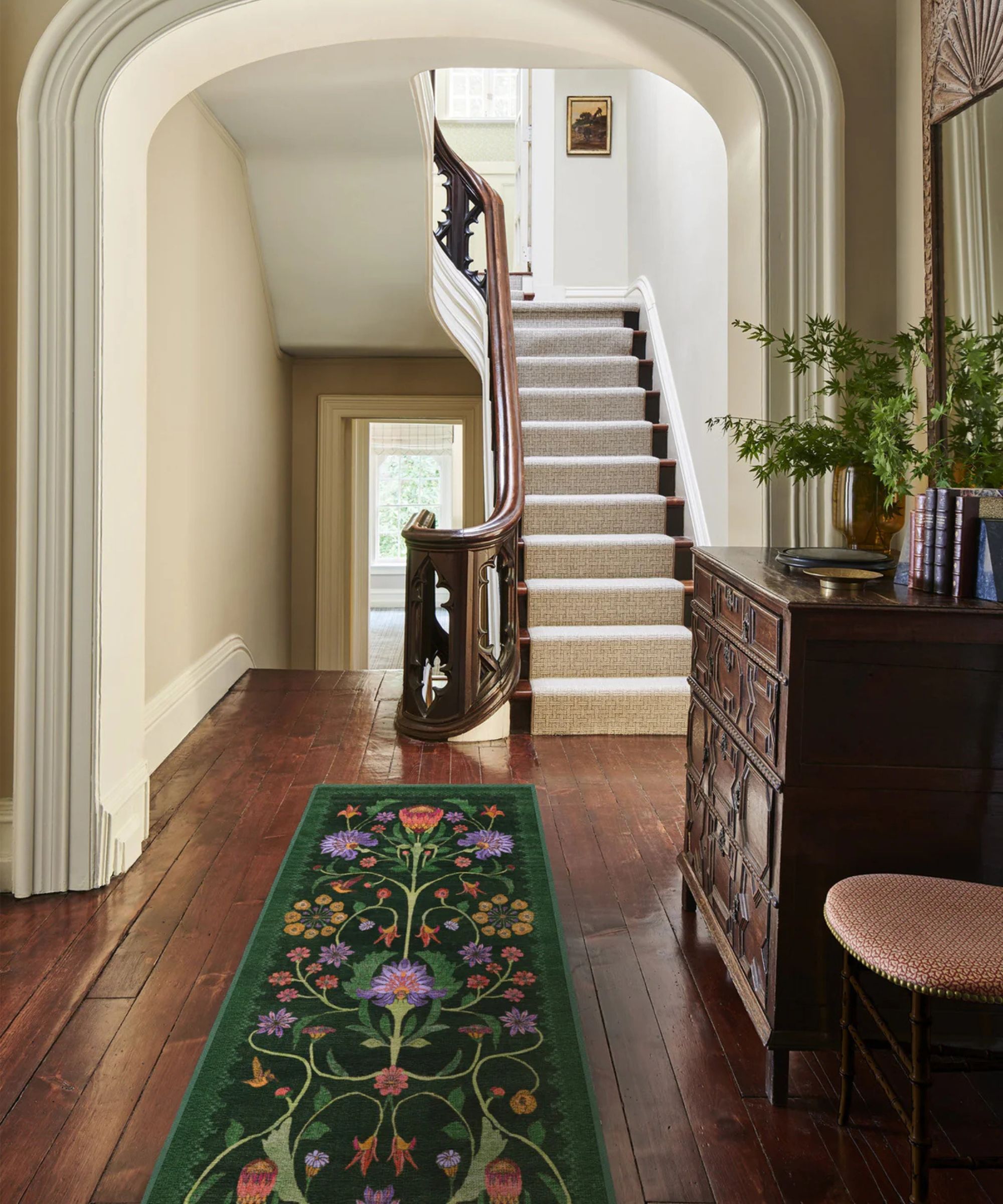
Narrow entryways also pose a challenge for round rugs. In a tight hallway, a round rug can appear randomly placed and fail to guide the eye through the space. A runner, positioned away from the walls, is far more effective in leading visitors along the hallway. However, a larger, more square-shaped foyer or entryway with ample central space could accommodate a sizable round rug, possibly accentuated with a round coffee table and decorative elements.
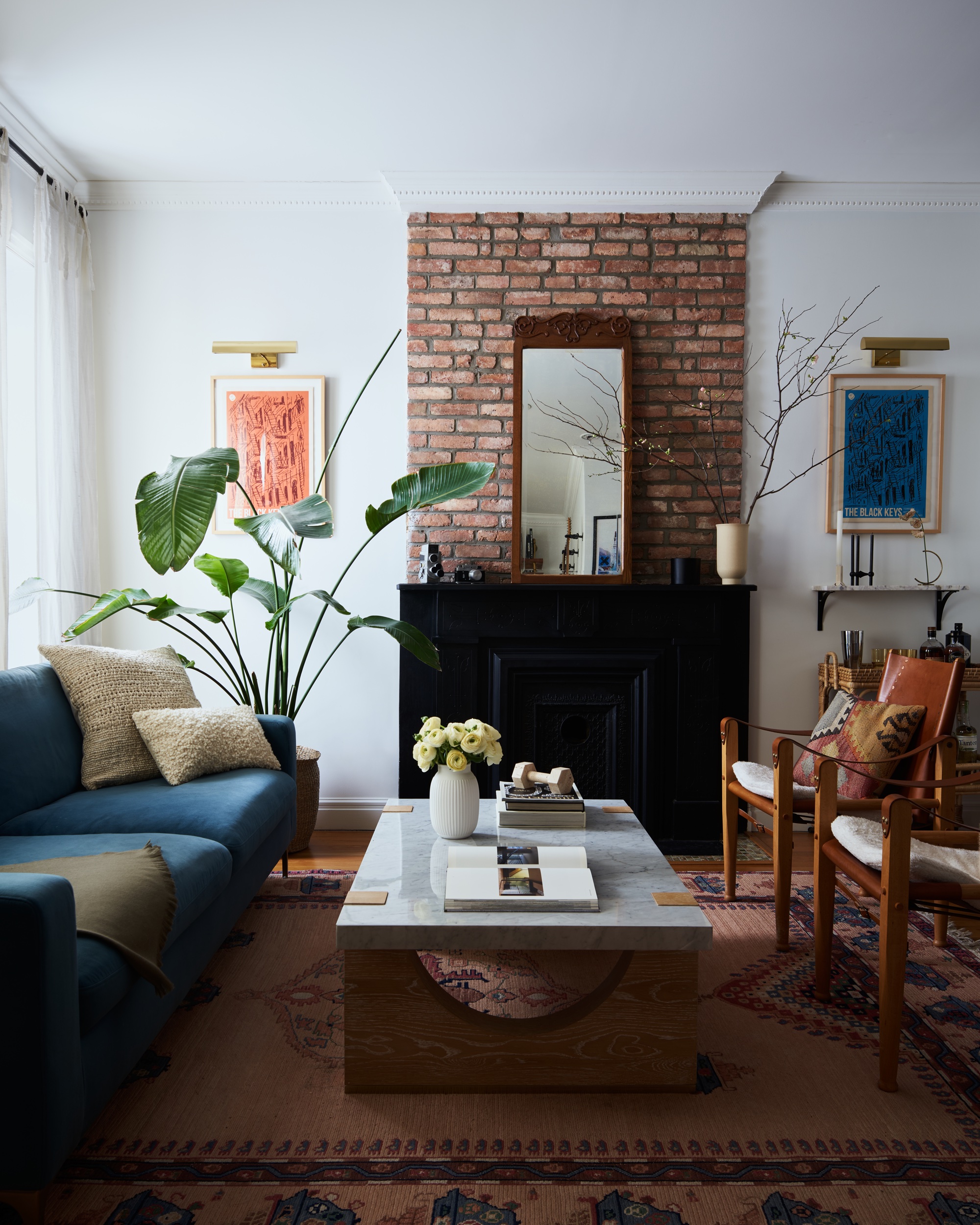
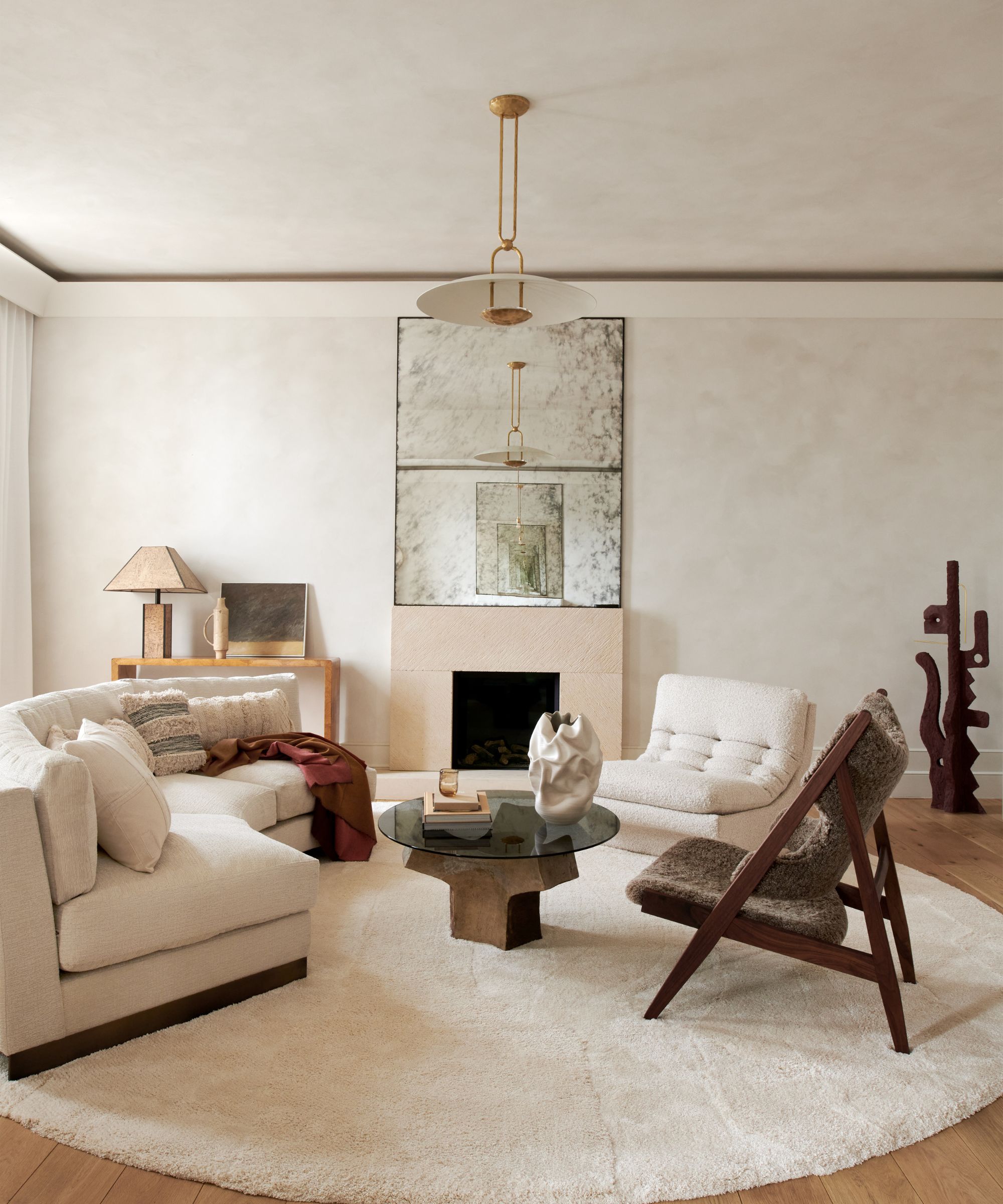
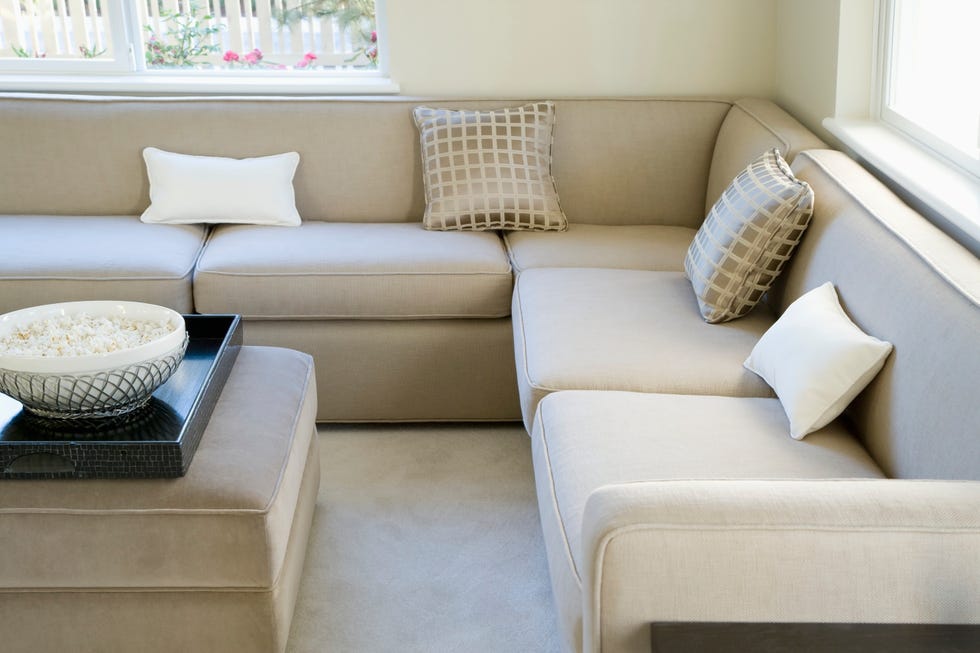
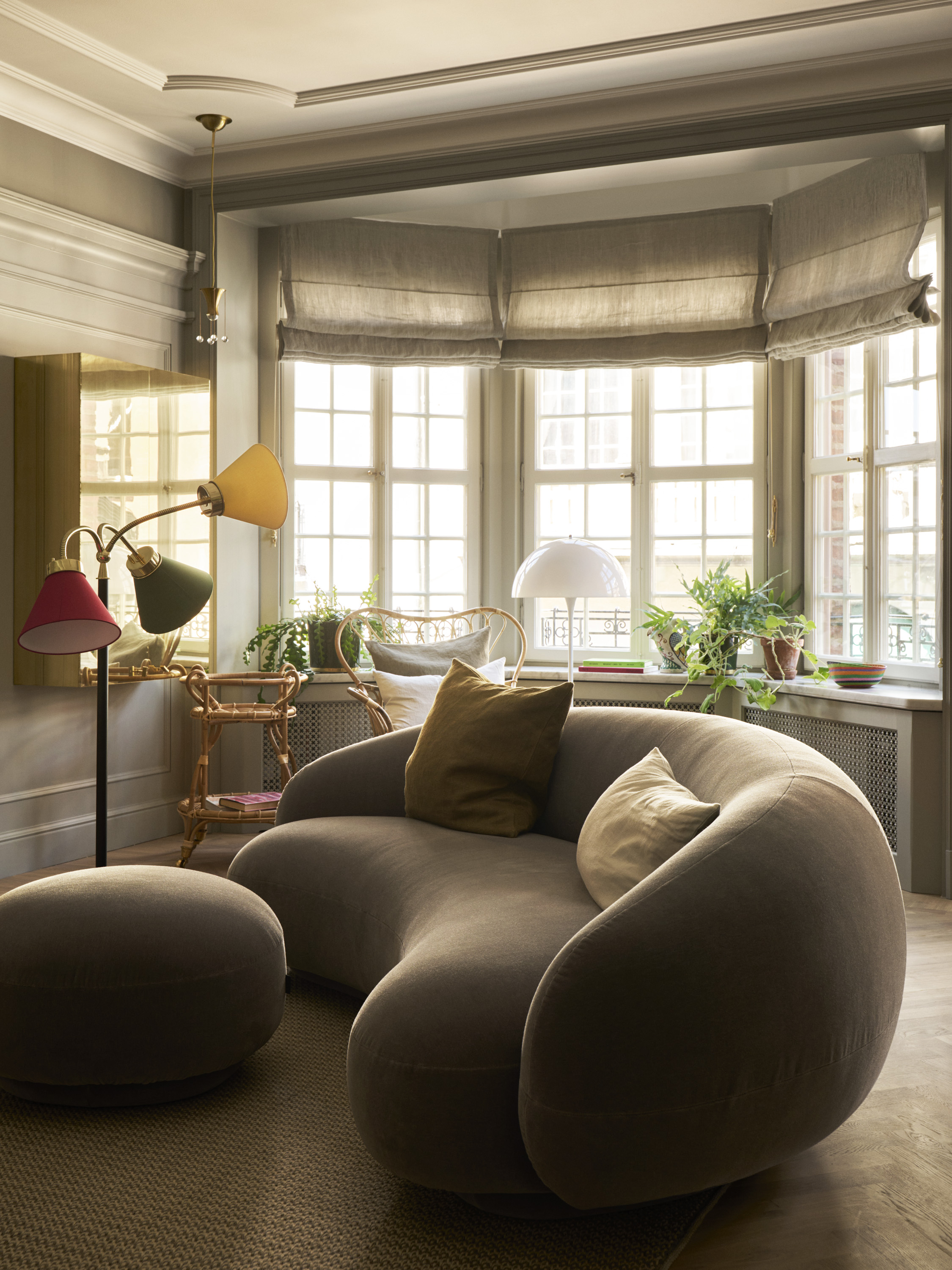
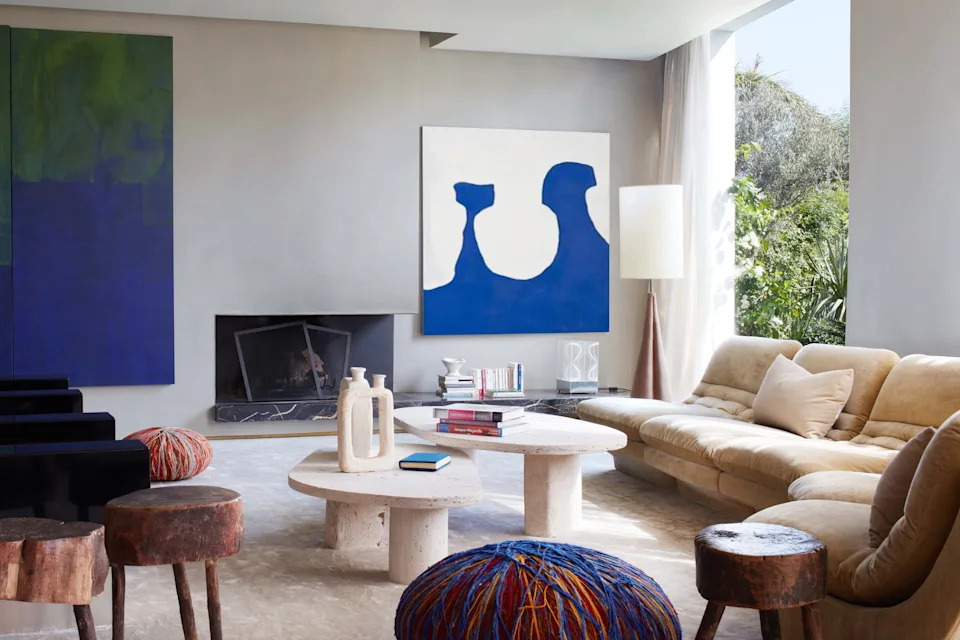
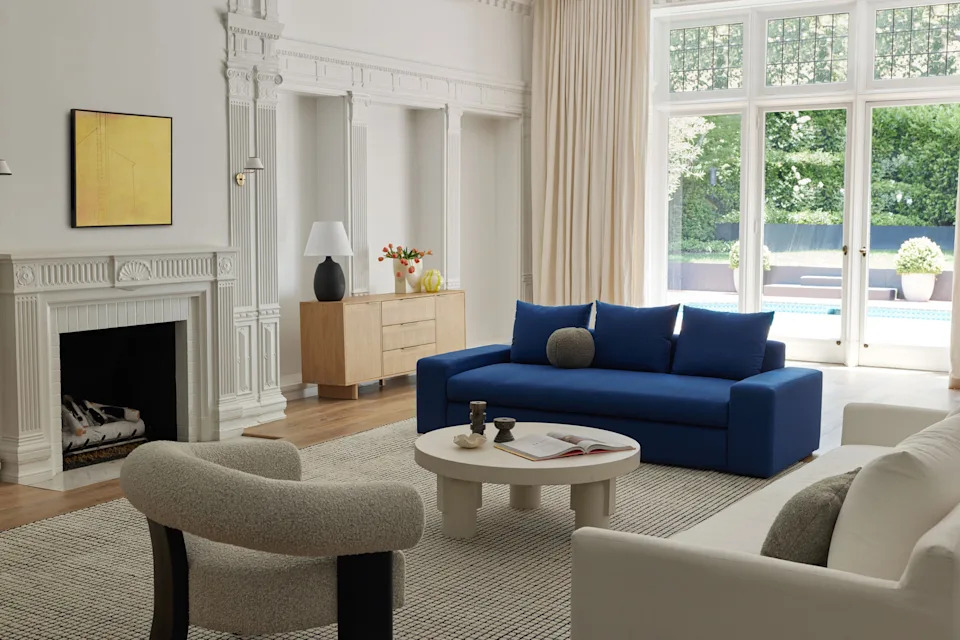
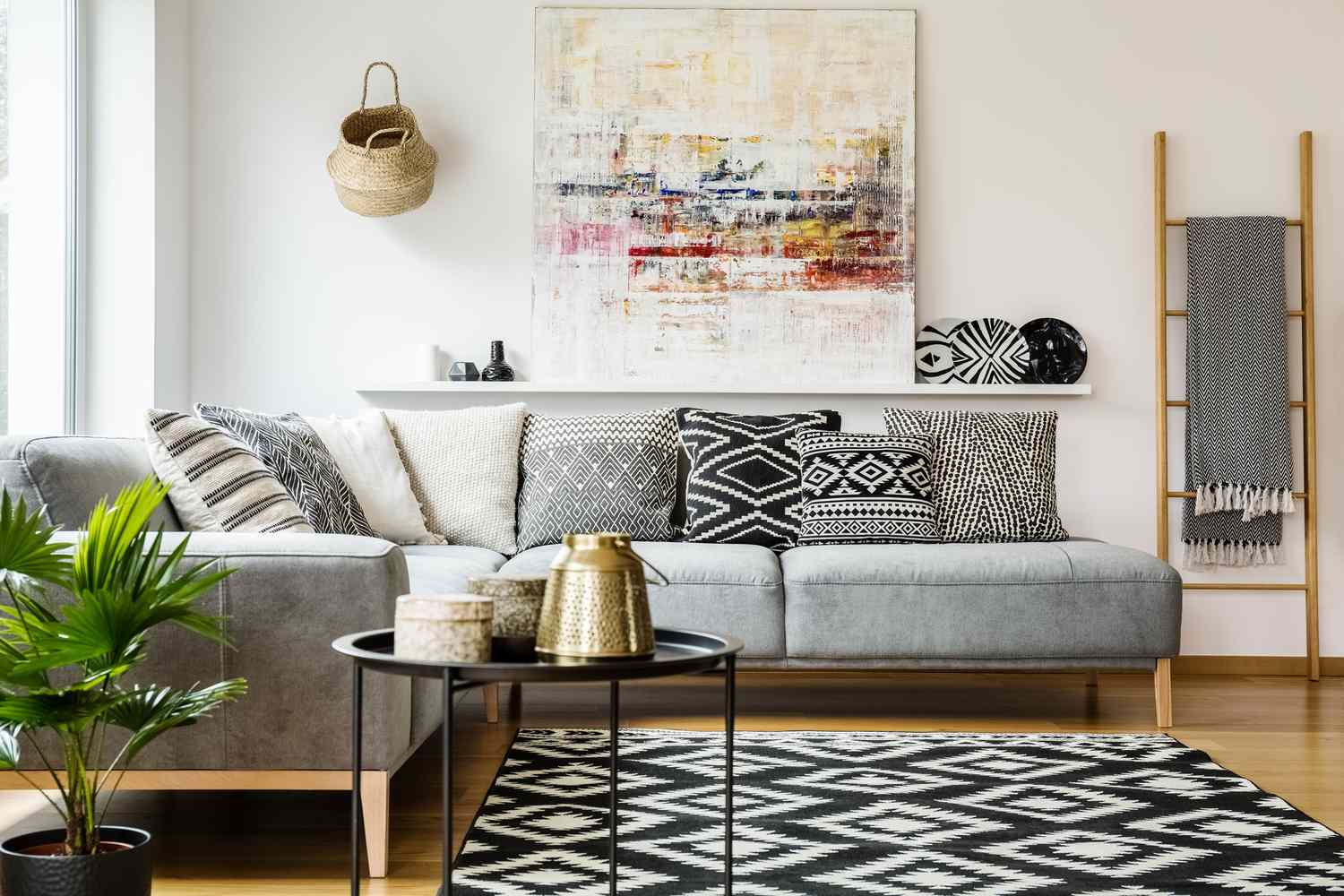
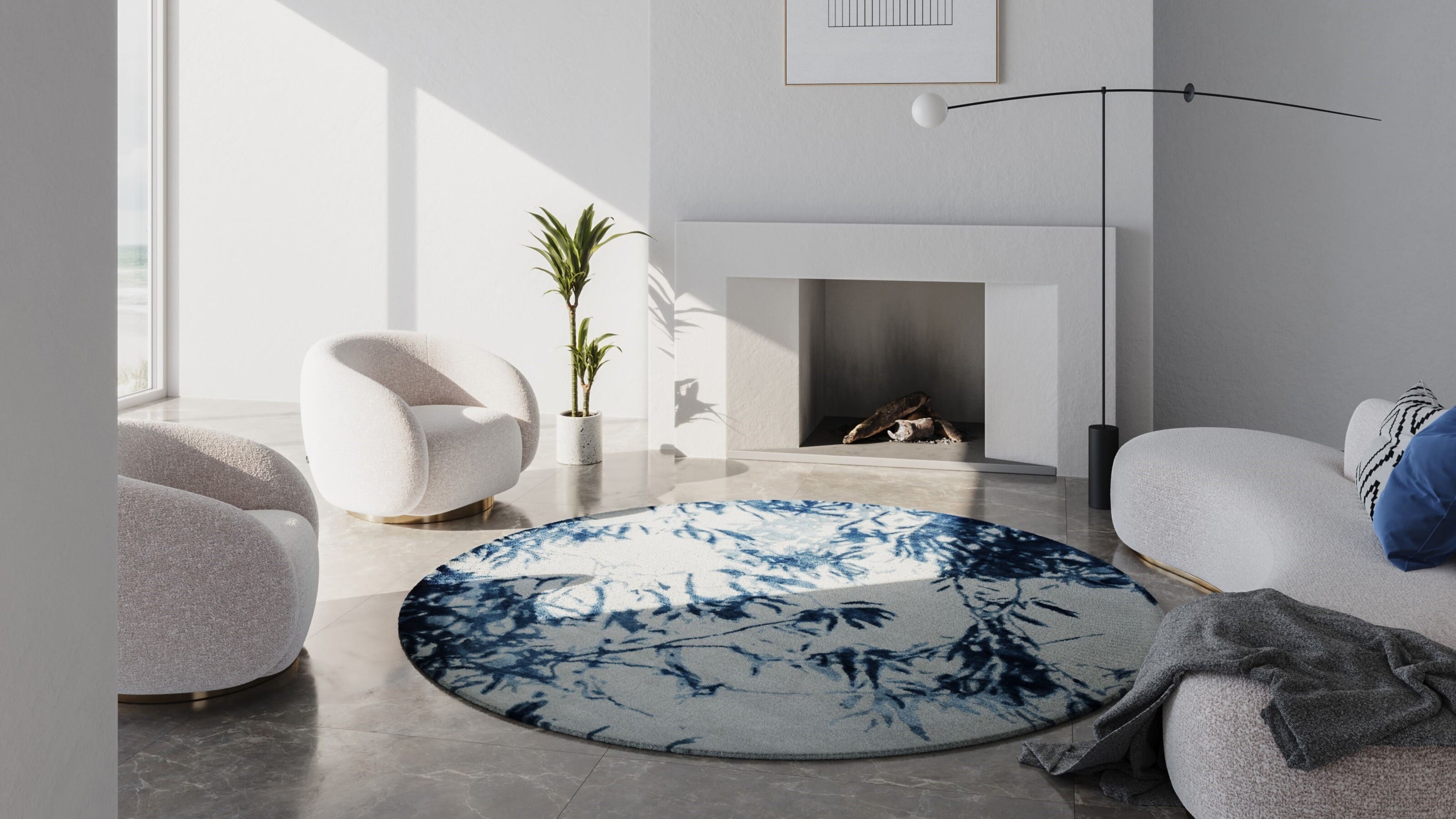
Finally, an L-shaped sofa is another instance where a round rug is generally not recommended. The angular lines of an L-shaped or rectangular sofa clash with the soft curves of a round rug, leading to an unbalanced and awkward appearance. The primary rule for round rugs is to ensure they mirror the shape of the furniture they are paired with. Therefore, a round rug is ideal under a round table or a curved sofa. Designers emphasize that the rug should act as a frame for the furniture layout, and furniture should be selected first, with the rug chosen afterward to complement and tie the space together, providing a visual boundary and focal point.
#InteriorDesign #RugPlacement #HomeDecor #DesignTips #RoomLayout #FurnitureArrangement #InteriorStyling #SpacePlanning #InteriorDesign #RugPlacement #HomeDecor #DesignTips #RoomLayout #FurnitureArrangement #InteriorStyling #SpacePlanning
0 commentaire au total
 Aucun commentaire pour le moment
Vous aimerez aussi
5 rug colors to avoid – the hues designers think you should veer away from on floors, plus how to make them work
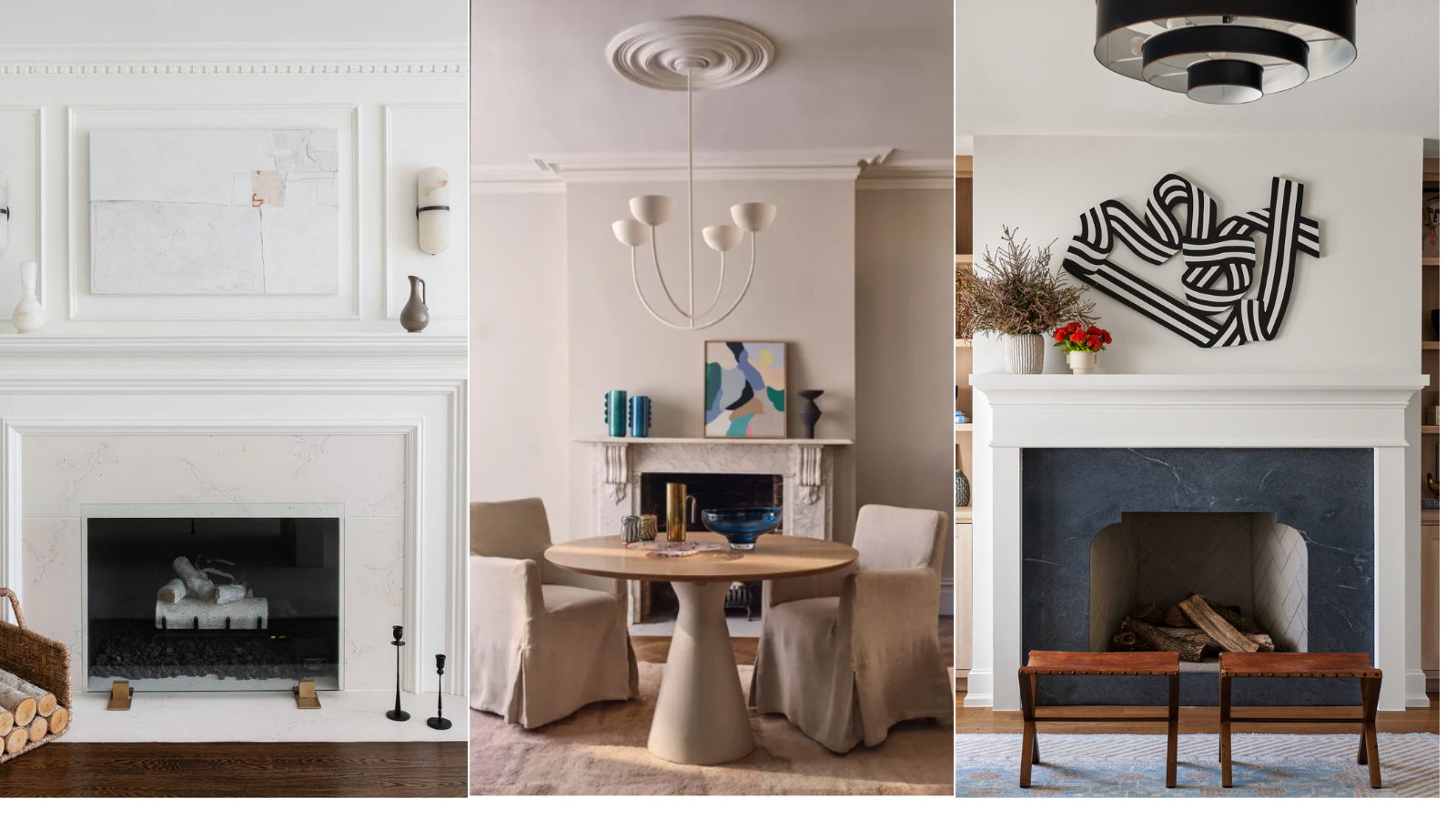
5 things designers say you should never put on a mantel

From the Wrong Rug Size to Too-Short Curtains, Interior Designers Share Their Biggest Pet Peeves

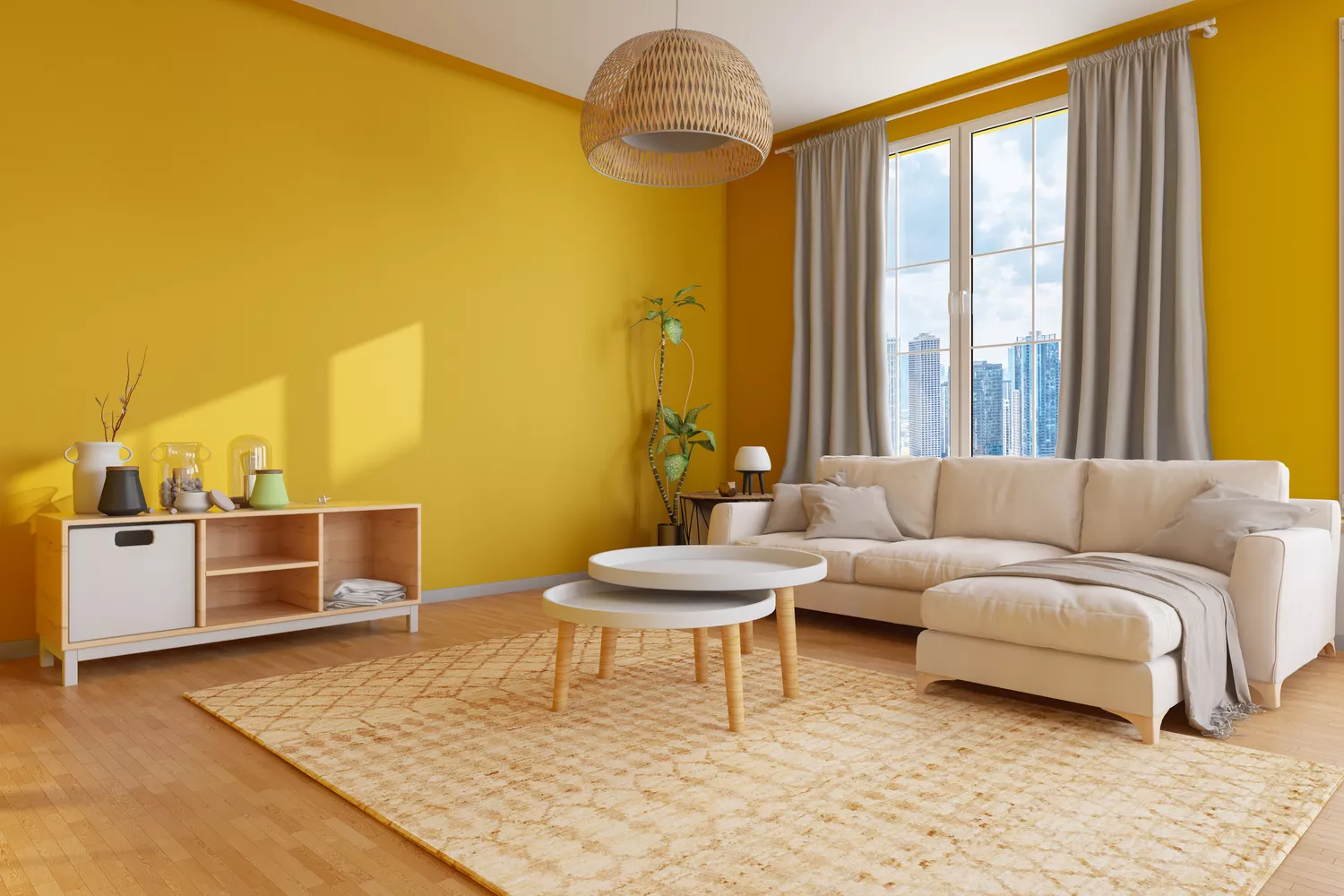
5 Paint Colors to Never Use in Your Living Room, According to Interior Designers
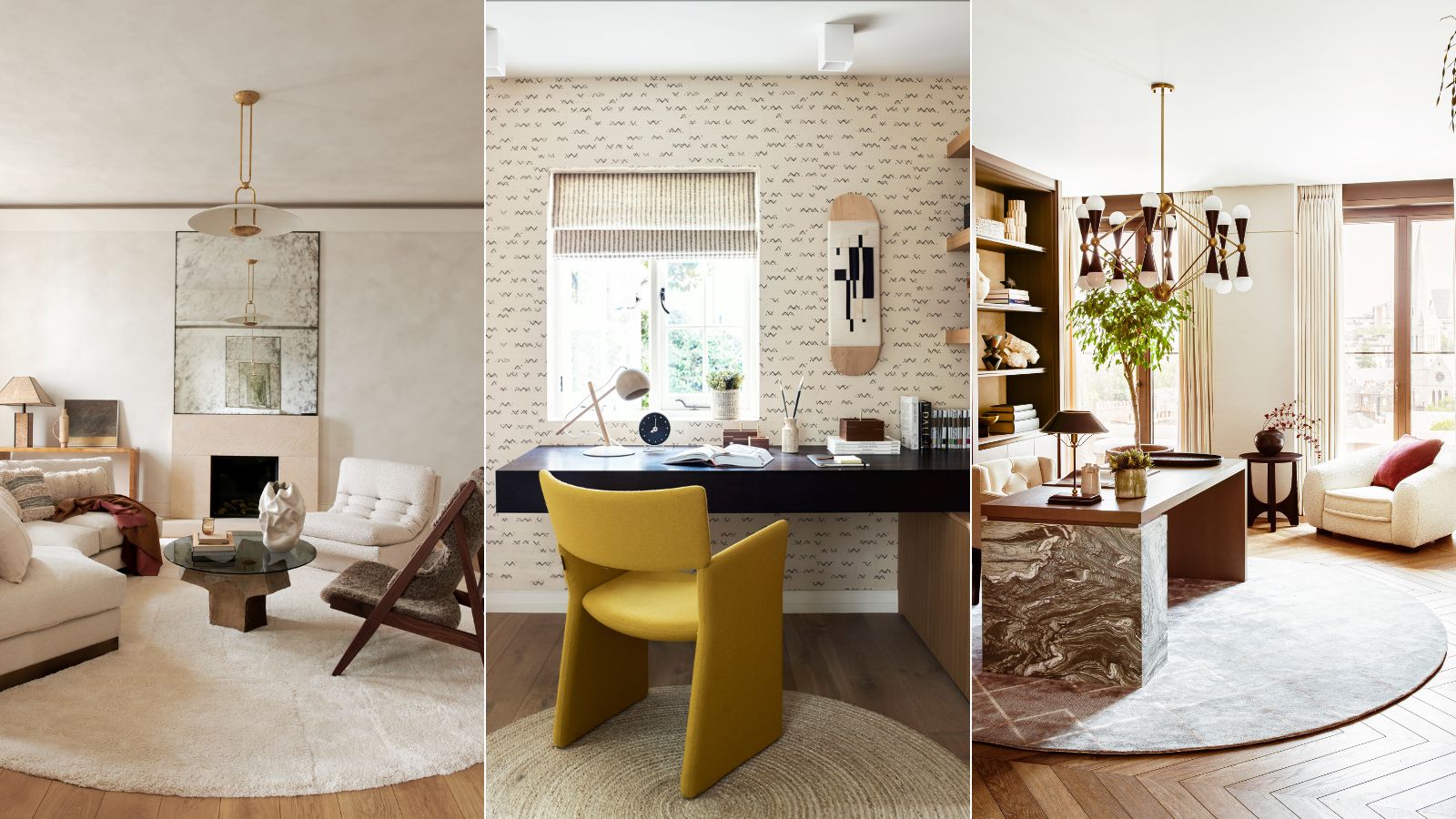
When should you use a round rug? The lesser-loved shape can often be the better choice, say designers
5 places to never put a wardrobe in a bedroom, according to feng shui and interior designers
7 Flooring Trends Designers Don't Want to See in 2025

5 ways interior designers use "curved" tiles to design clever spaces – they work so well in small rooms
5 dated living room layouts to always avoid and what designers are doing instead for 2025
5 Stuffy Living Room Decor Choices You Need to Stop Making, According to Designers

6 things to never put in an entryway, according to interior designers
This is the one place Feng Shui experts say you should never put your sofa – and it's a surprisingly common layout

5 Flooring Choices Designers Completely Regret Using in Their Homes
5 trends that look good right now but interior designers warn they won't last
5 outdated wall decor trends designers warn to avoid – plus what we should be doing instead
This is the one place Feng Shui experts say you should never put your sofa – and it's a surprisingly common layout
5 colors you should never paint a small room – designers warn us to steer clear of these hues, and what to pick instead
9 CONTROVERSIAL Decor Choices Designers Secretly Wish You’d Stop Making

4 Outdated Colors Designers say you Should Steer Clear of When Decorating a Living Room
5 Living Room Design Styles That Are No Longer Trendy, Designers Share