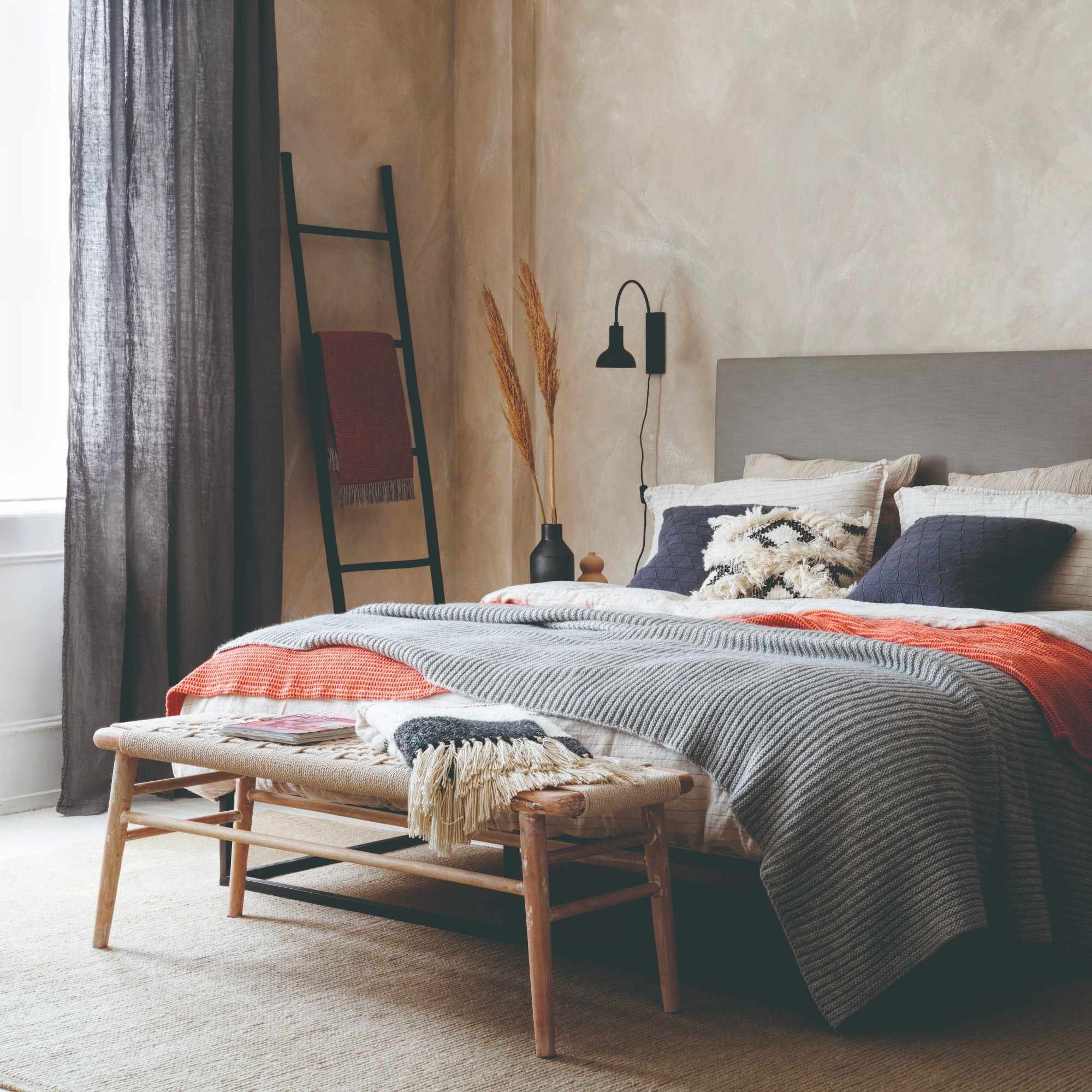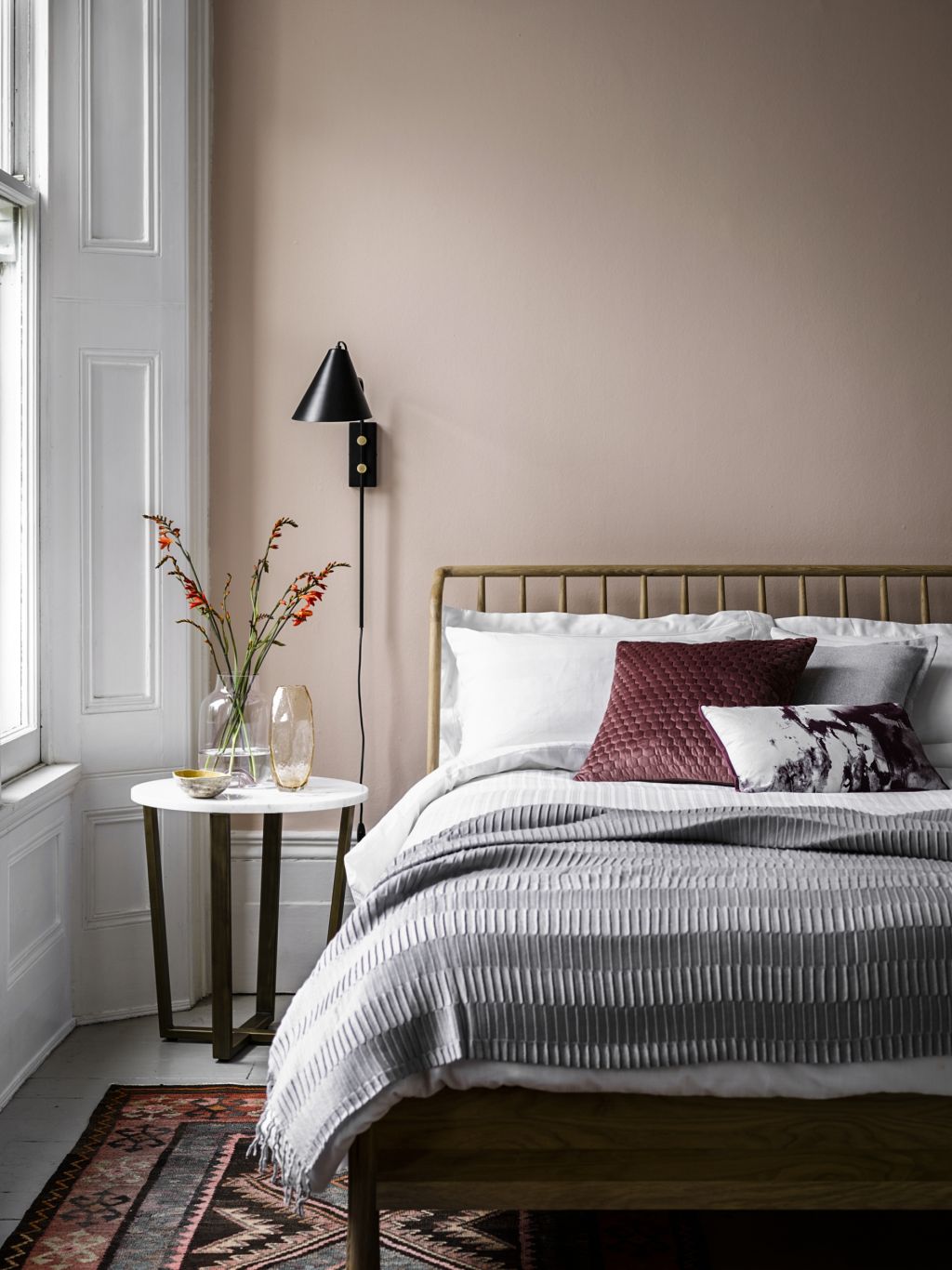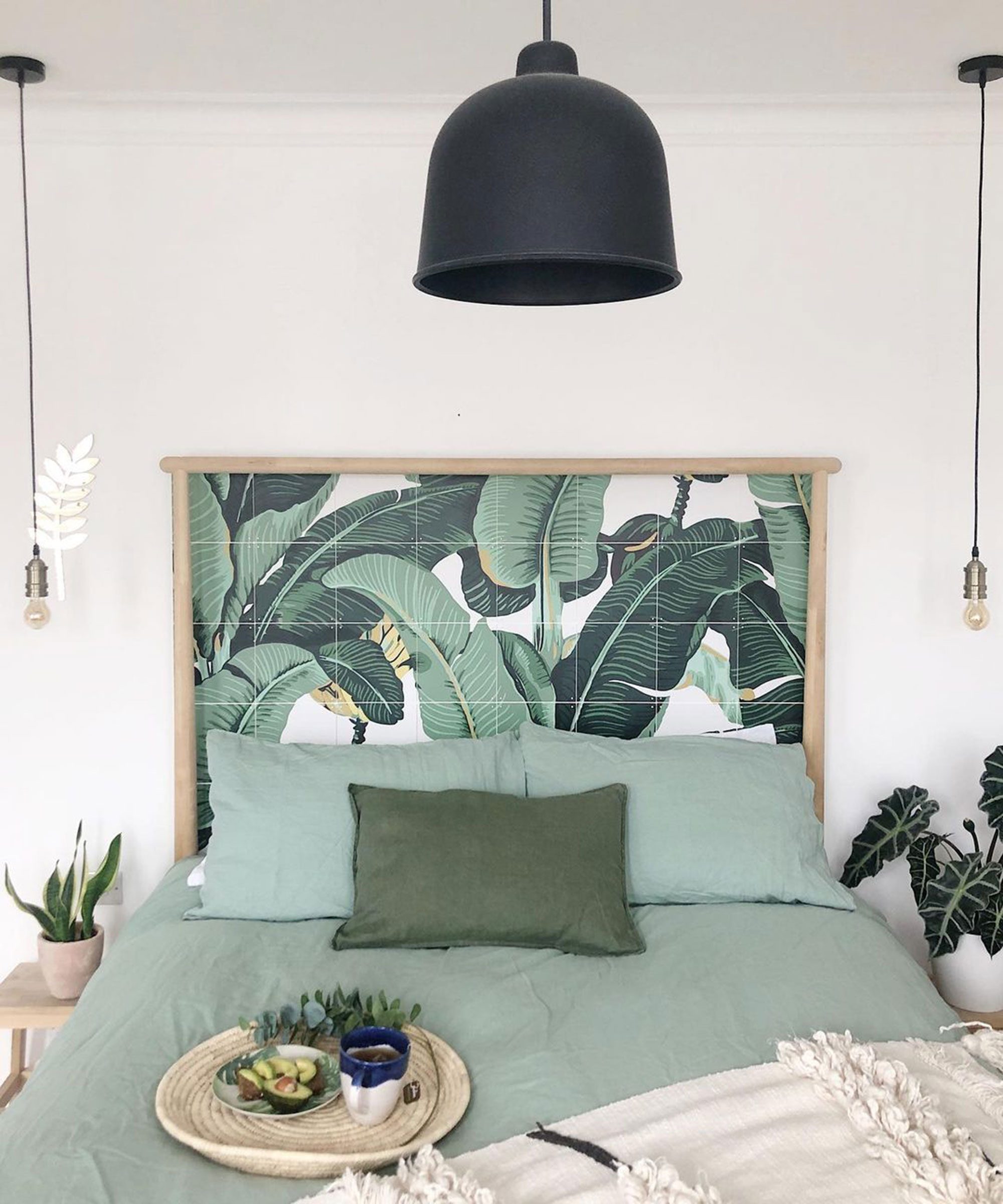
These Feng Shui experts say you shouldn't position your bed like this if you want to sleep well – and it's a common layout idea
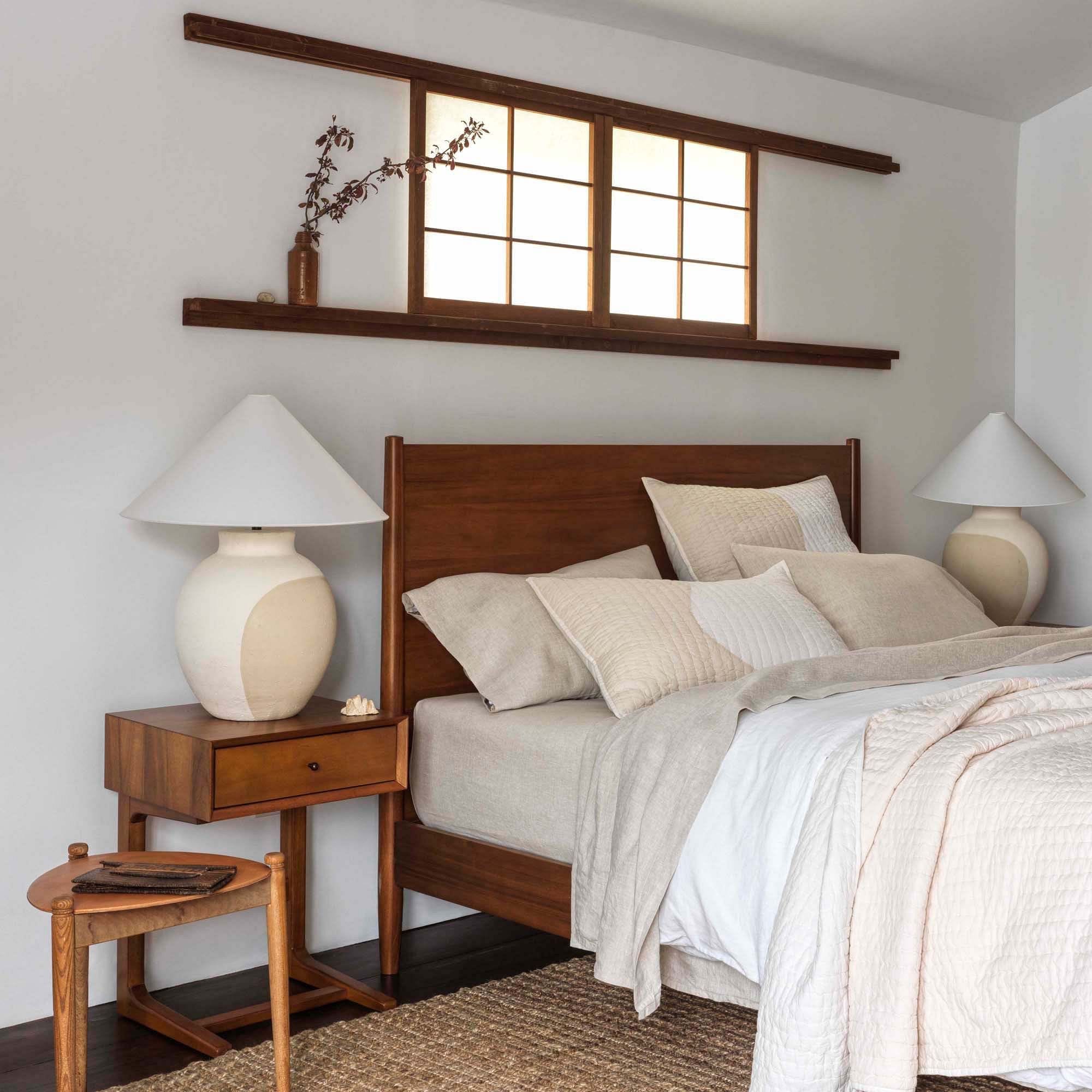
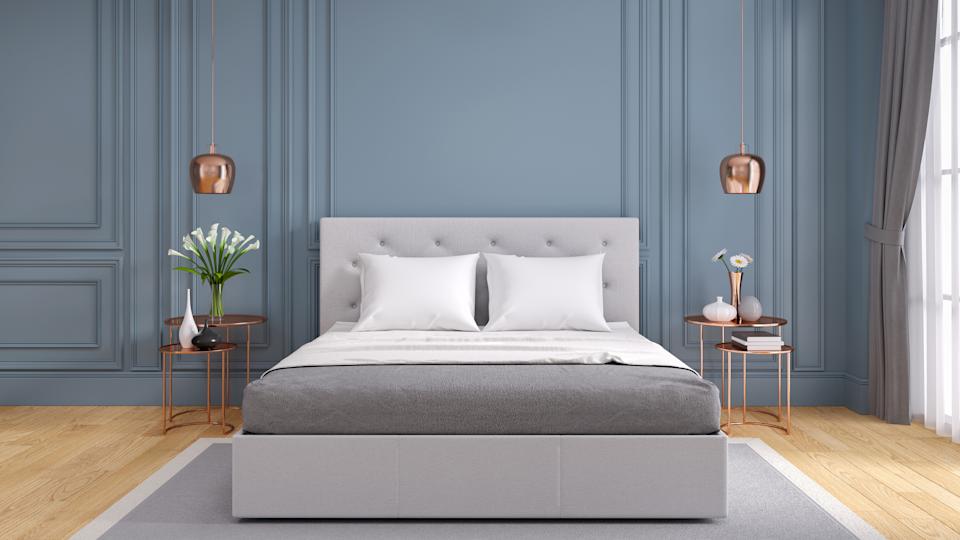
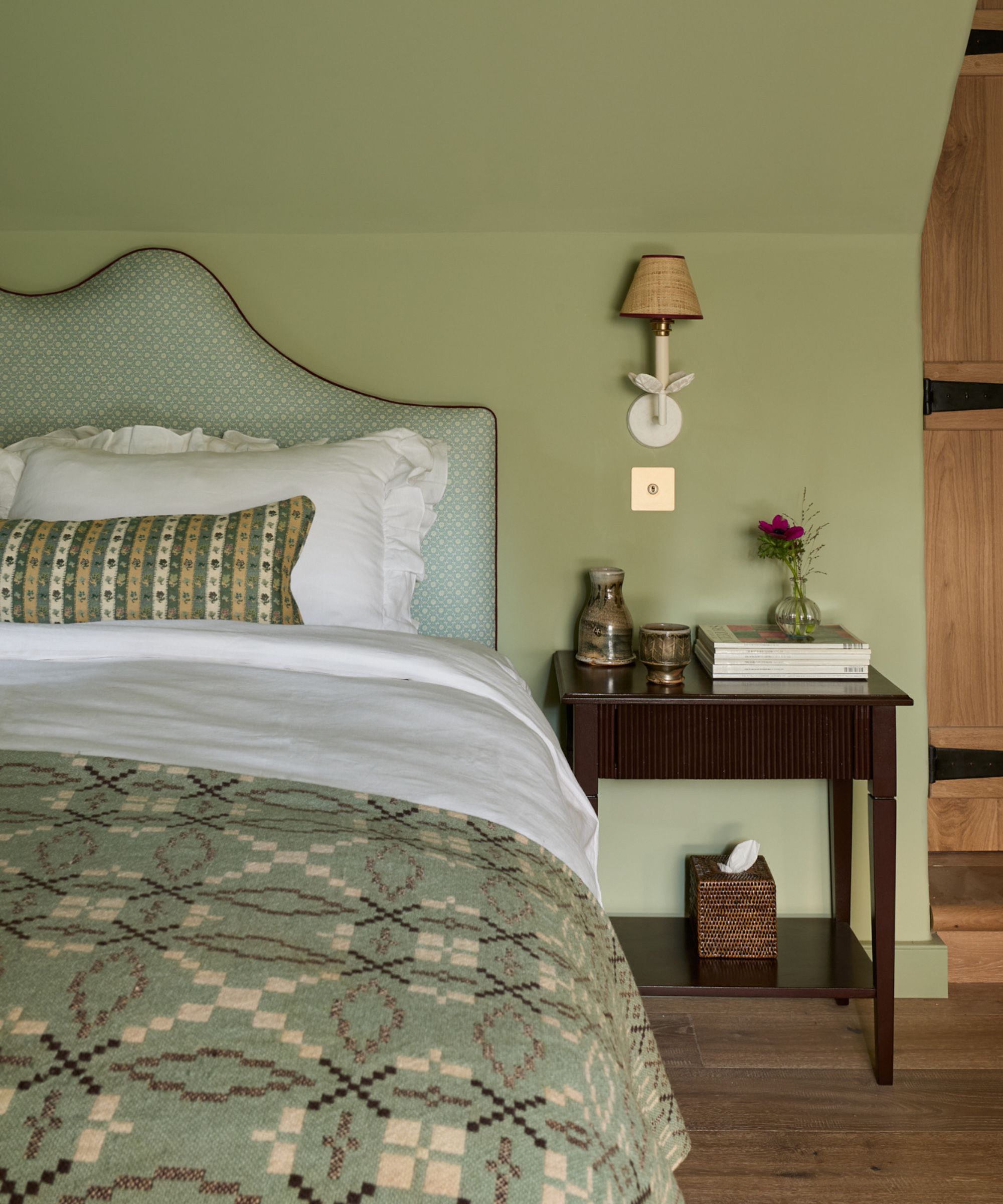
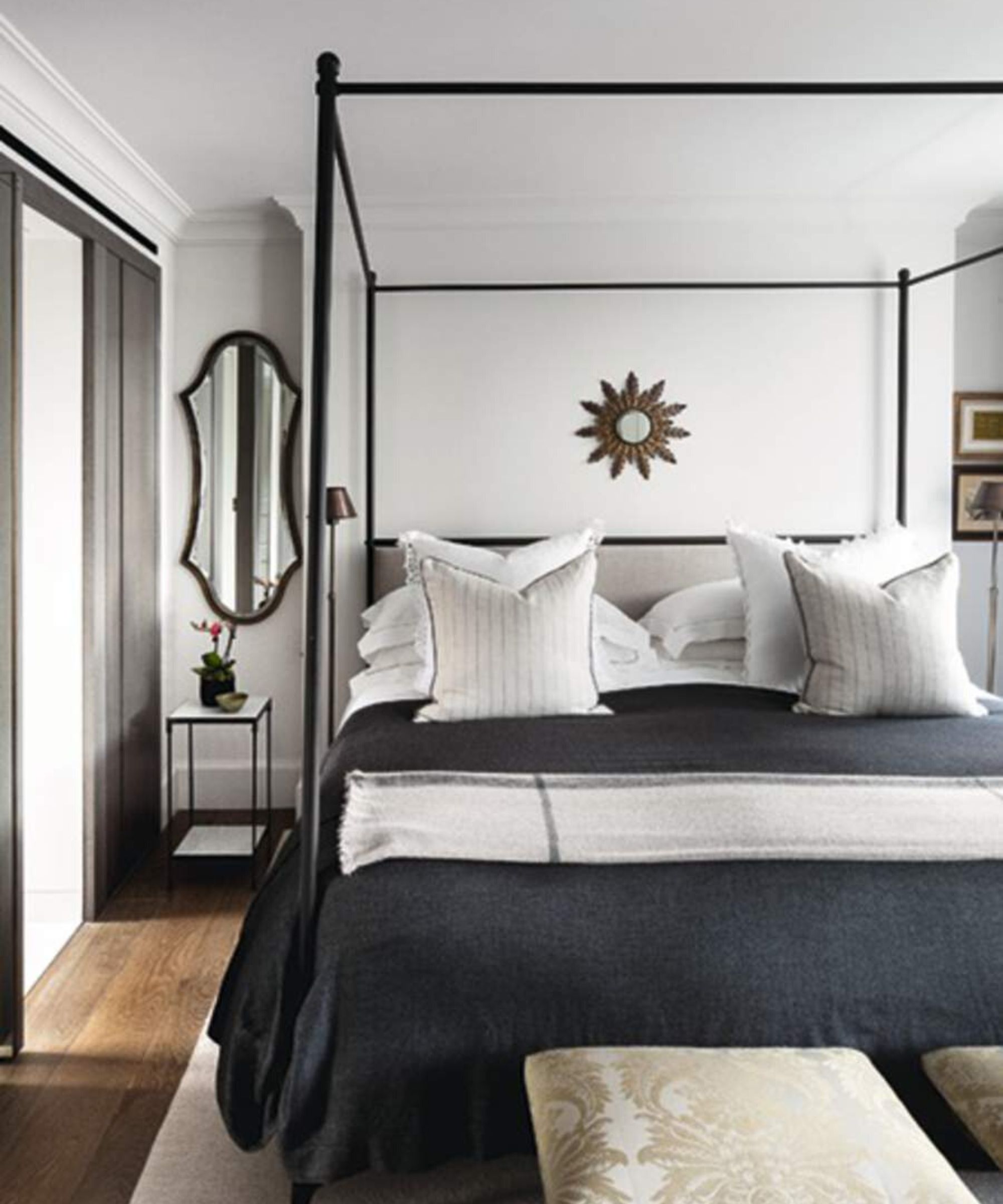
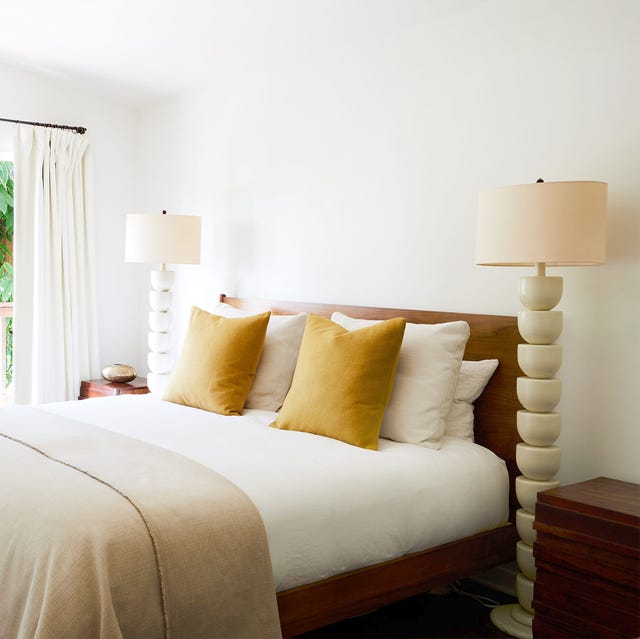
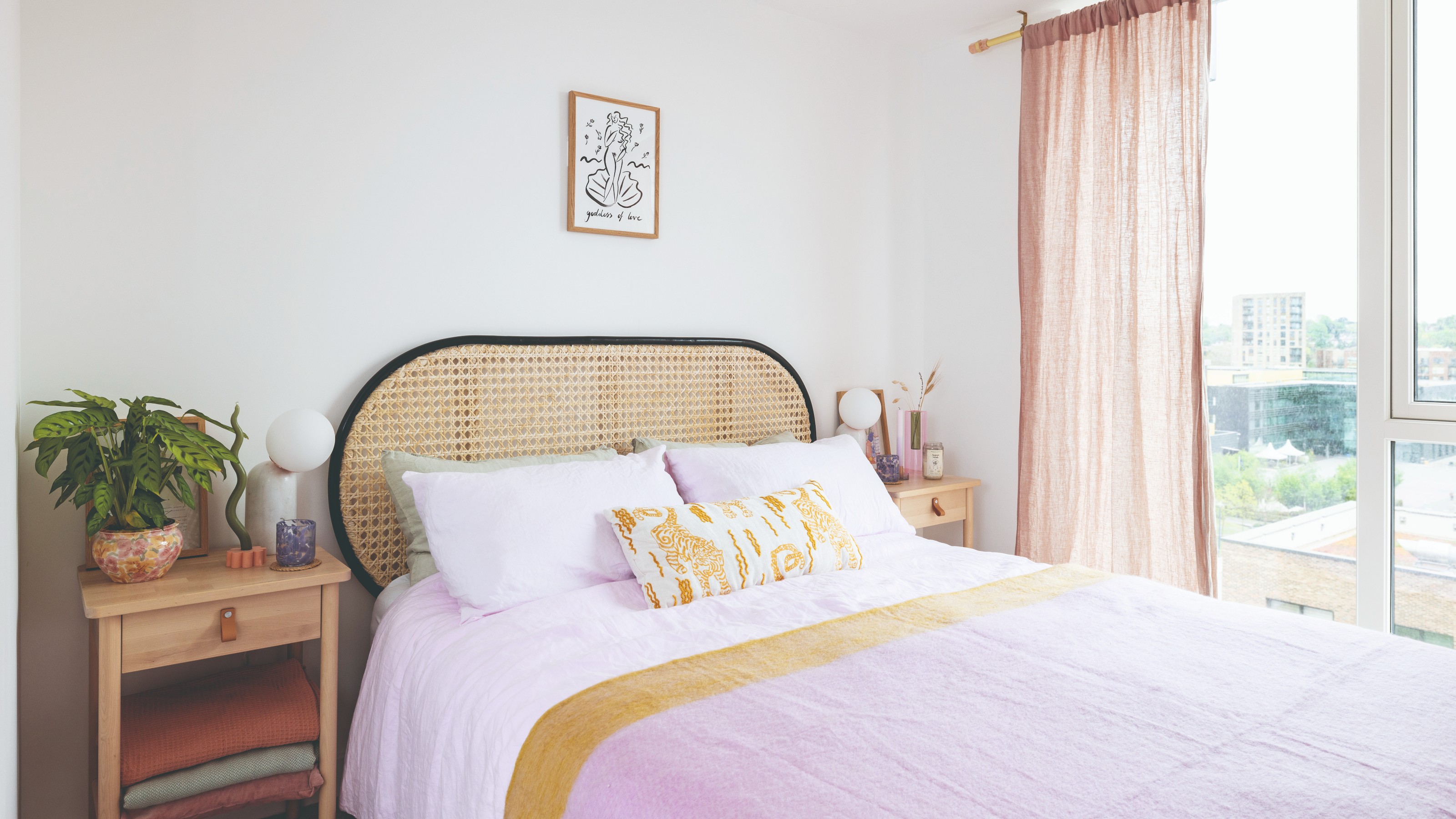
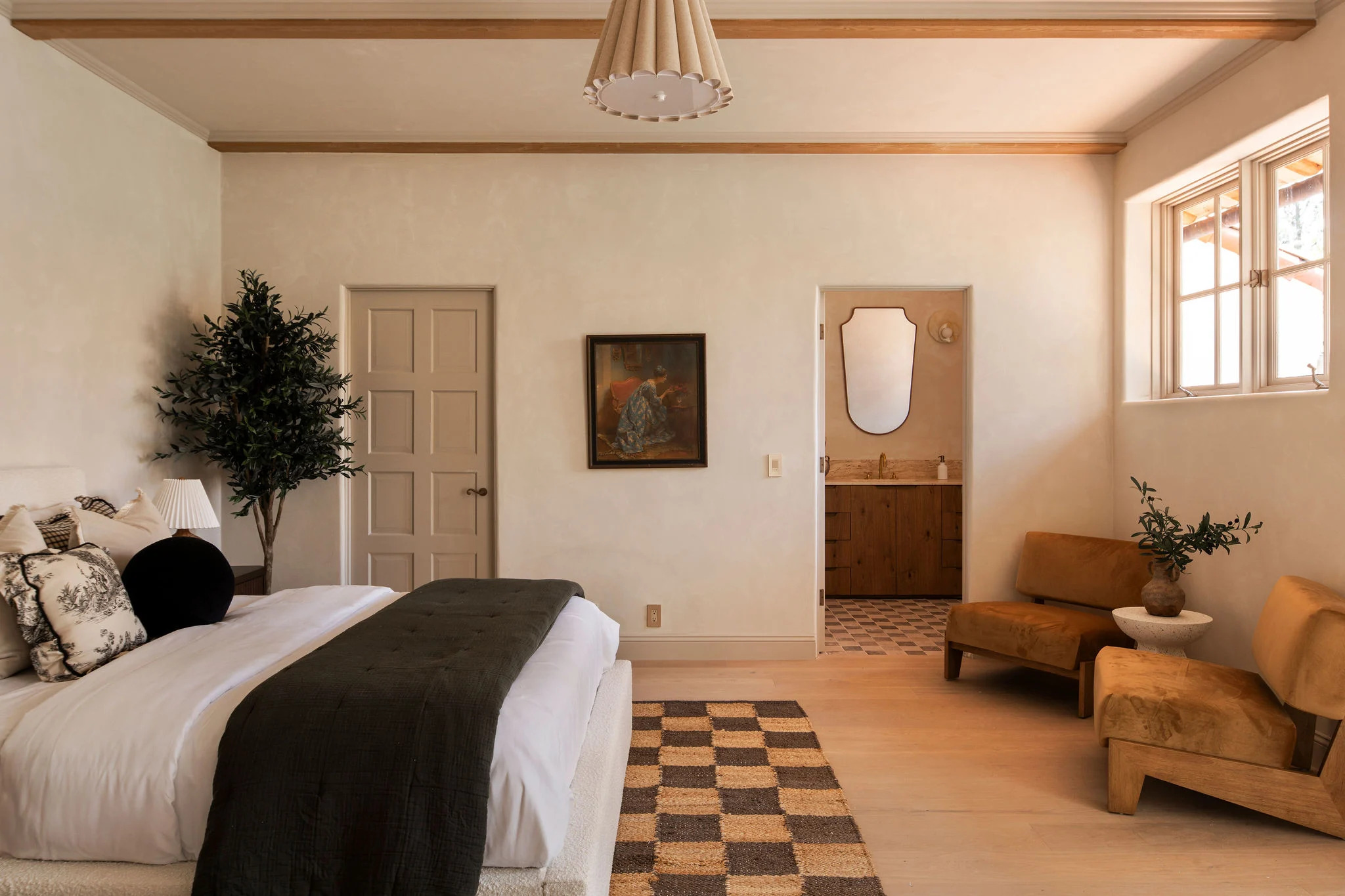
The ancient practice of Feng Shui emphasizes the harmonious flow of energy, or 'qi,' within a space to positively impact well-being, including sleep quality. A fundamental principle in Feng Shui, particularly concerning bedroom layouts, is the 'commanding position' for the bed. This ideal placement involves having a solid wall behind the headboard, allowing a clear view of the door without being directly in line with it. This setup offers a sense of security and control, which are crucial for restful sleep.
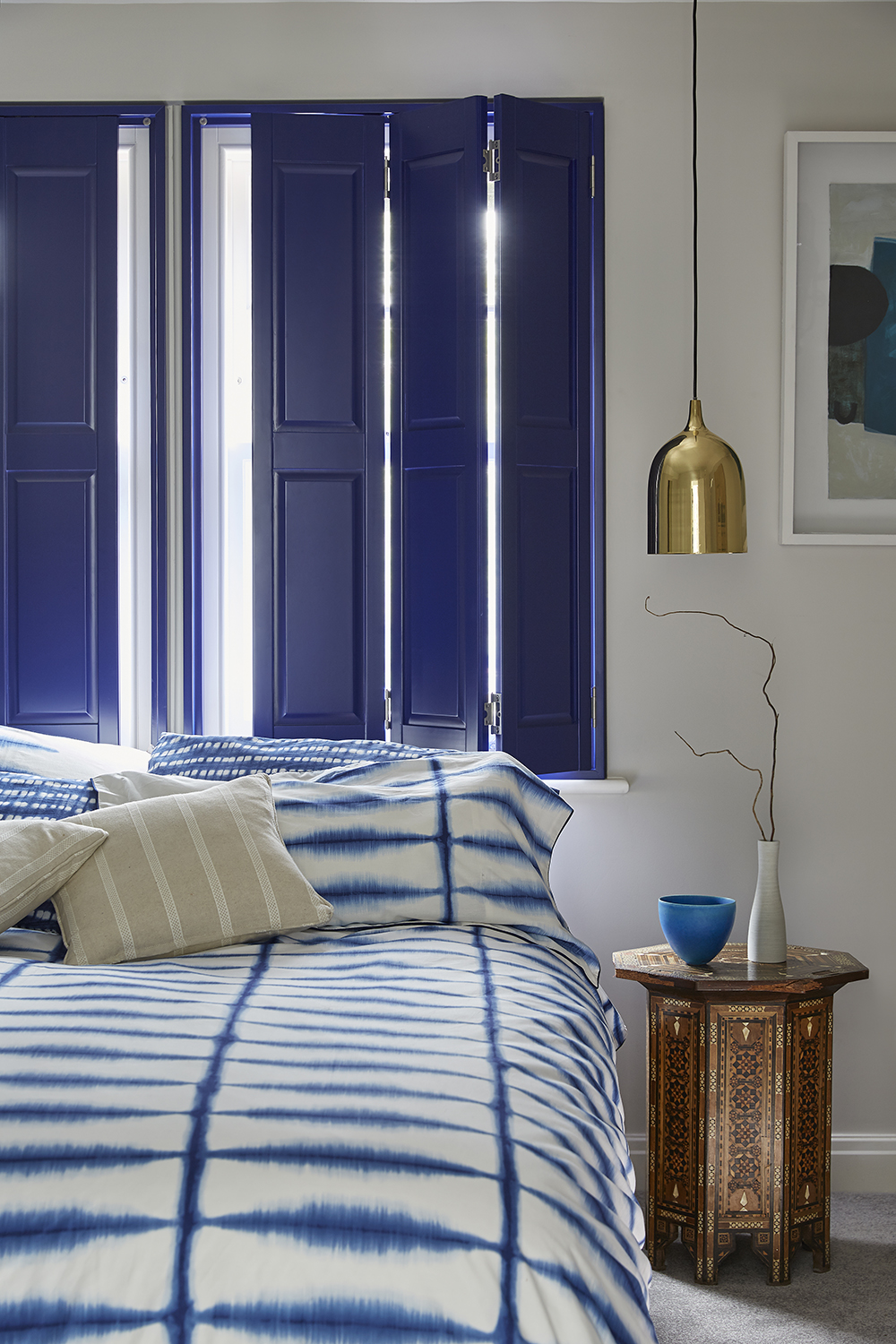
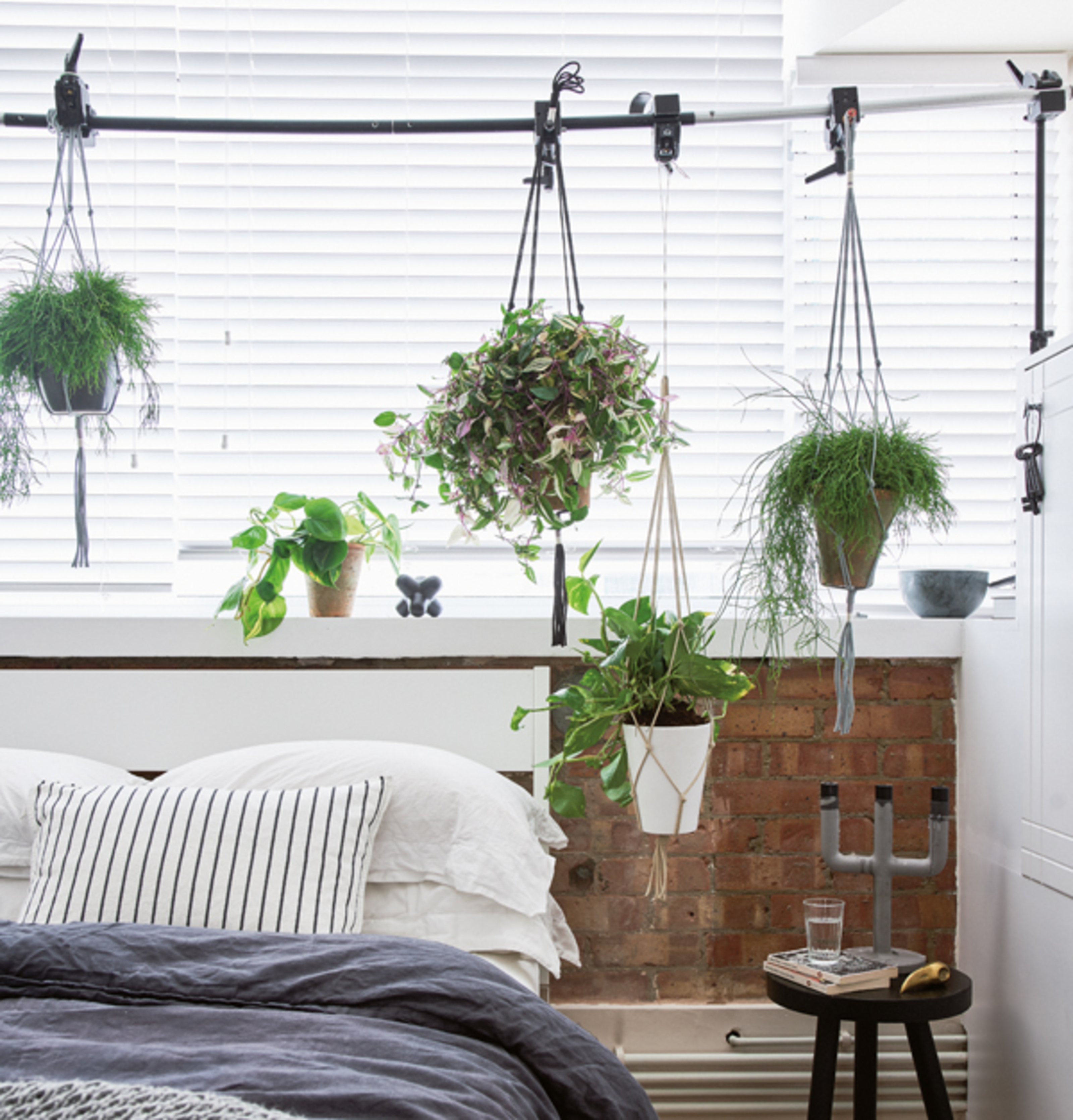
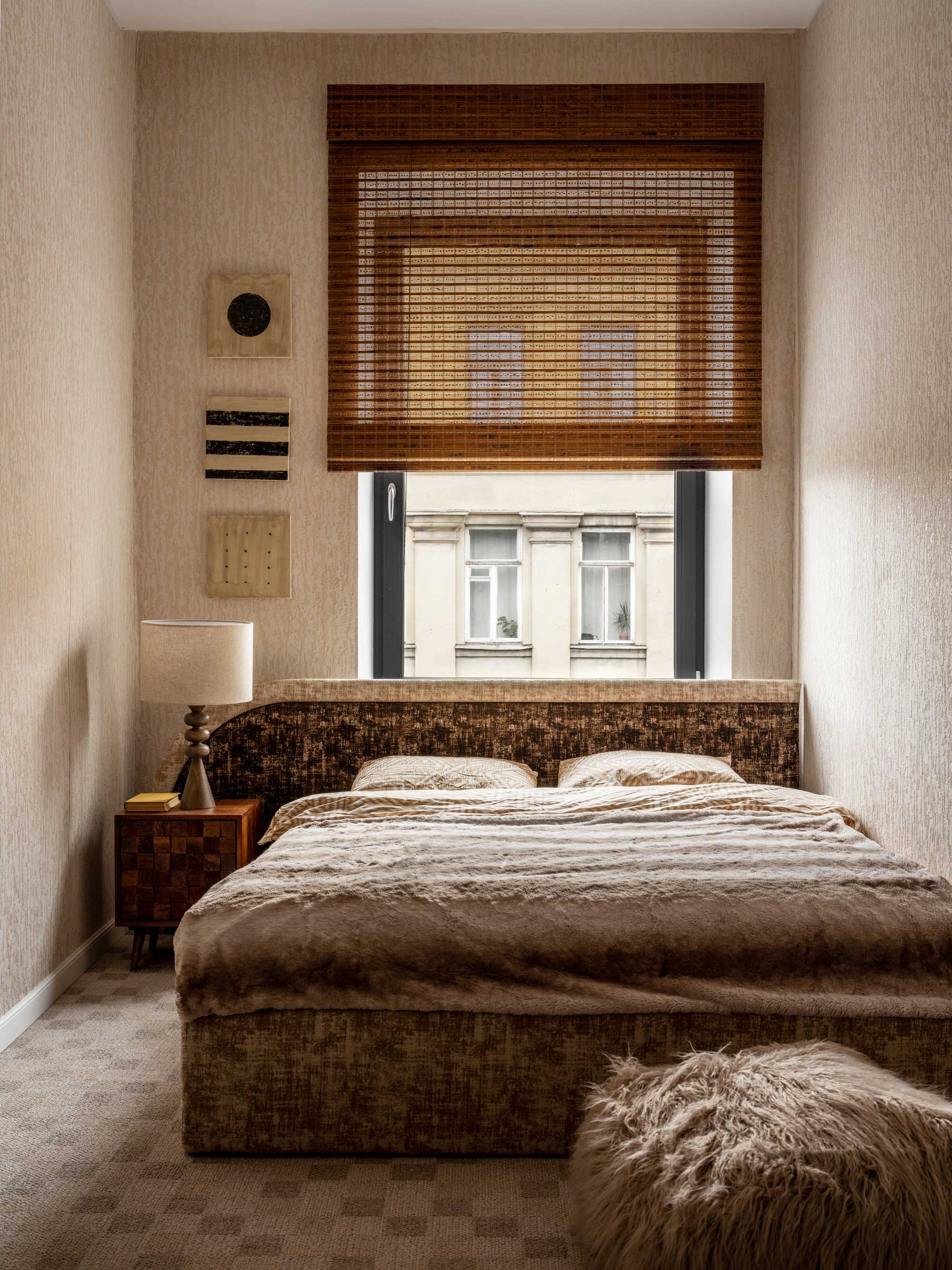
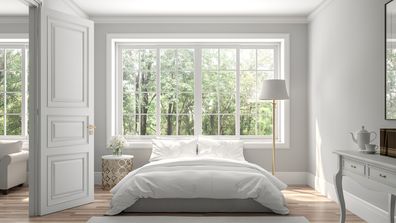
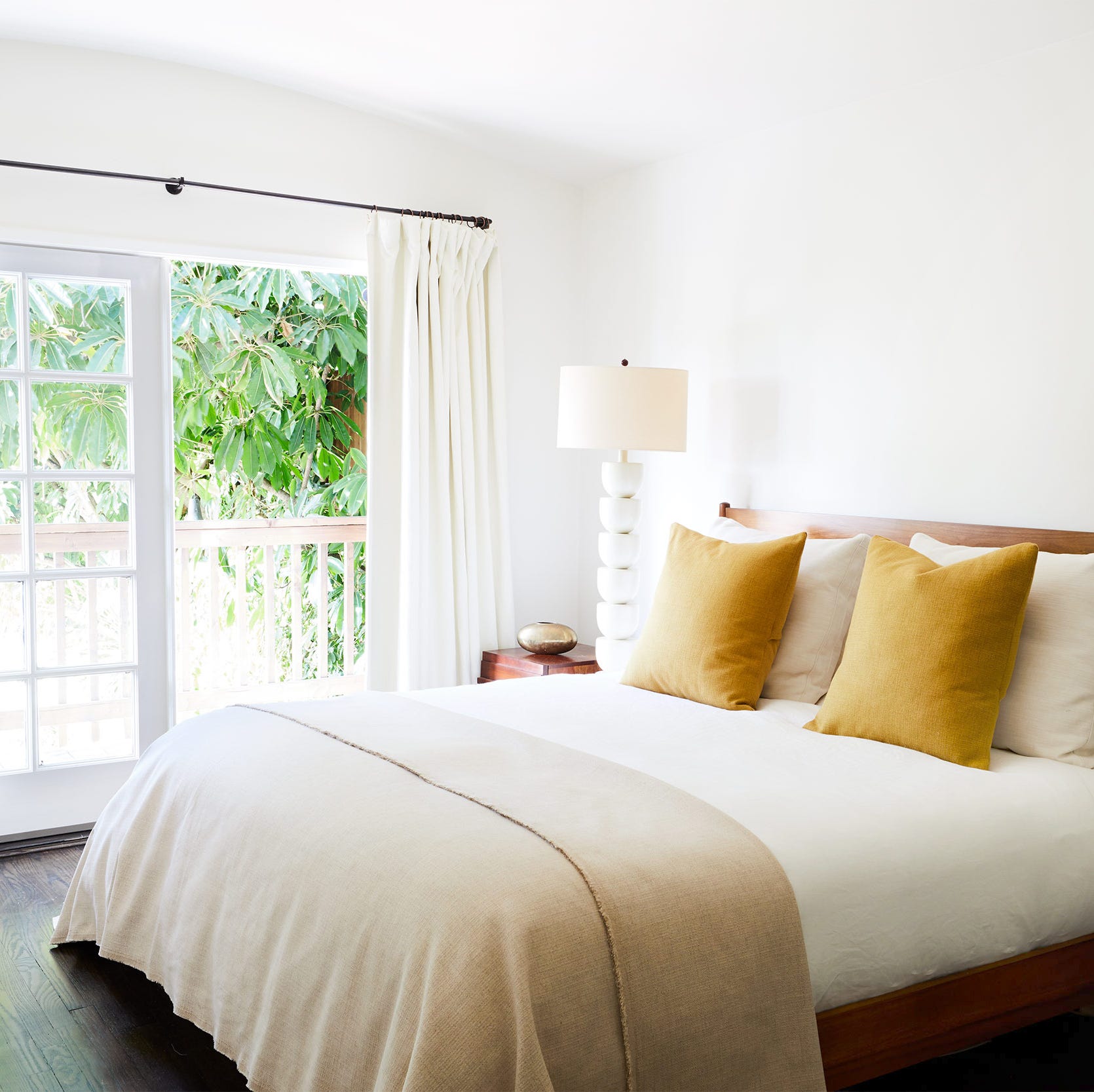
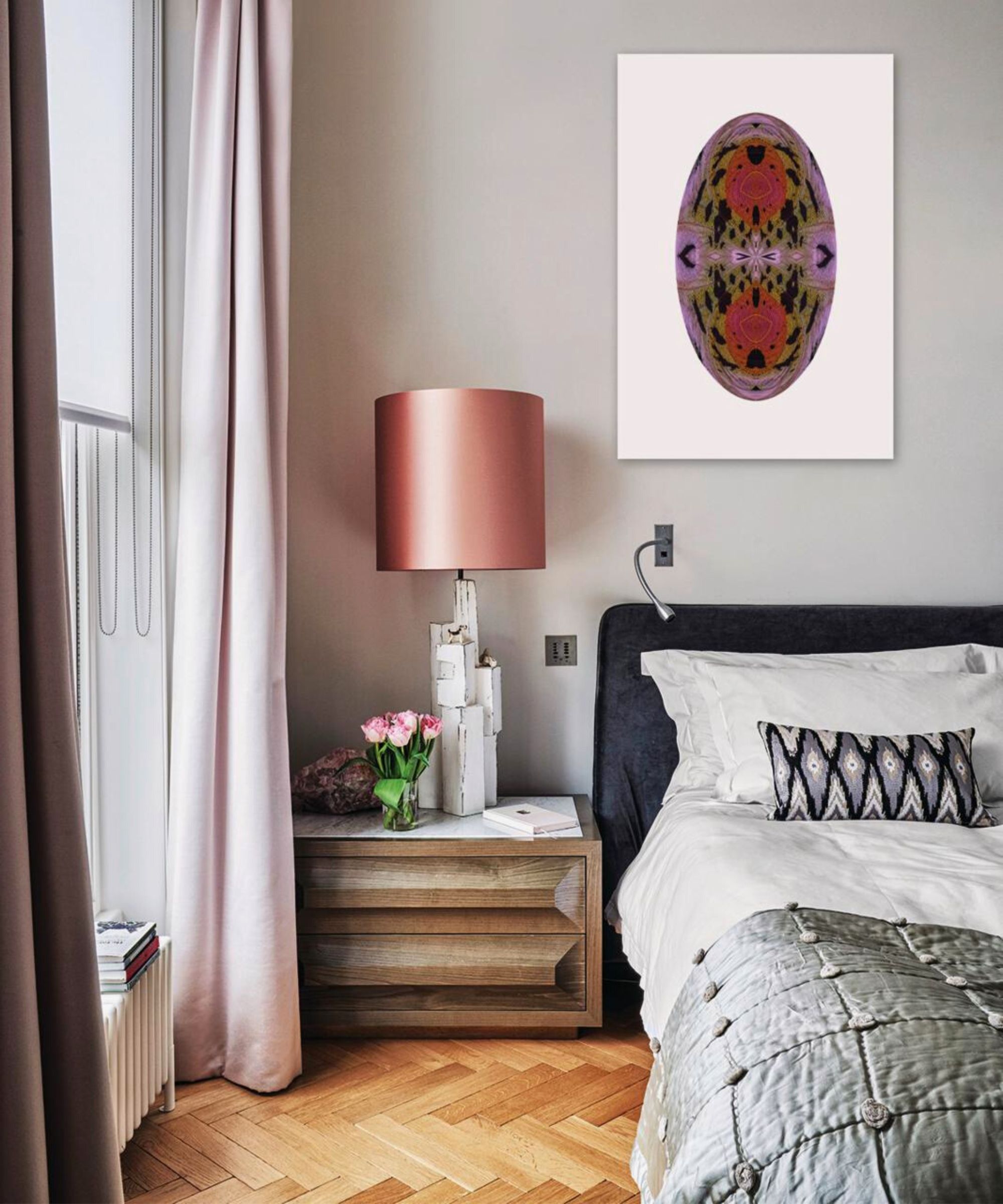
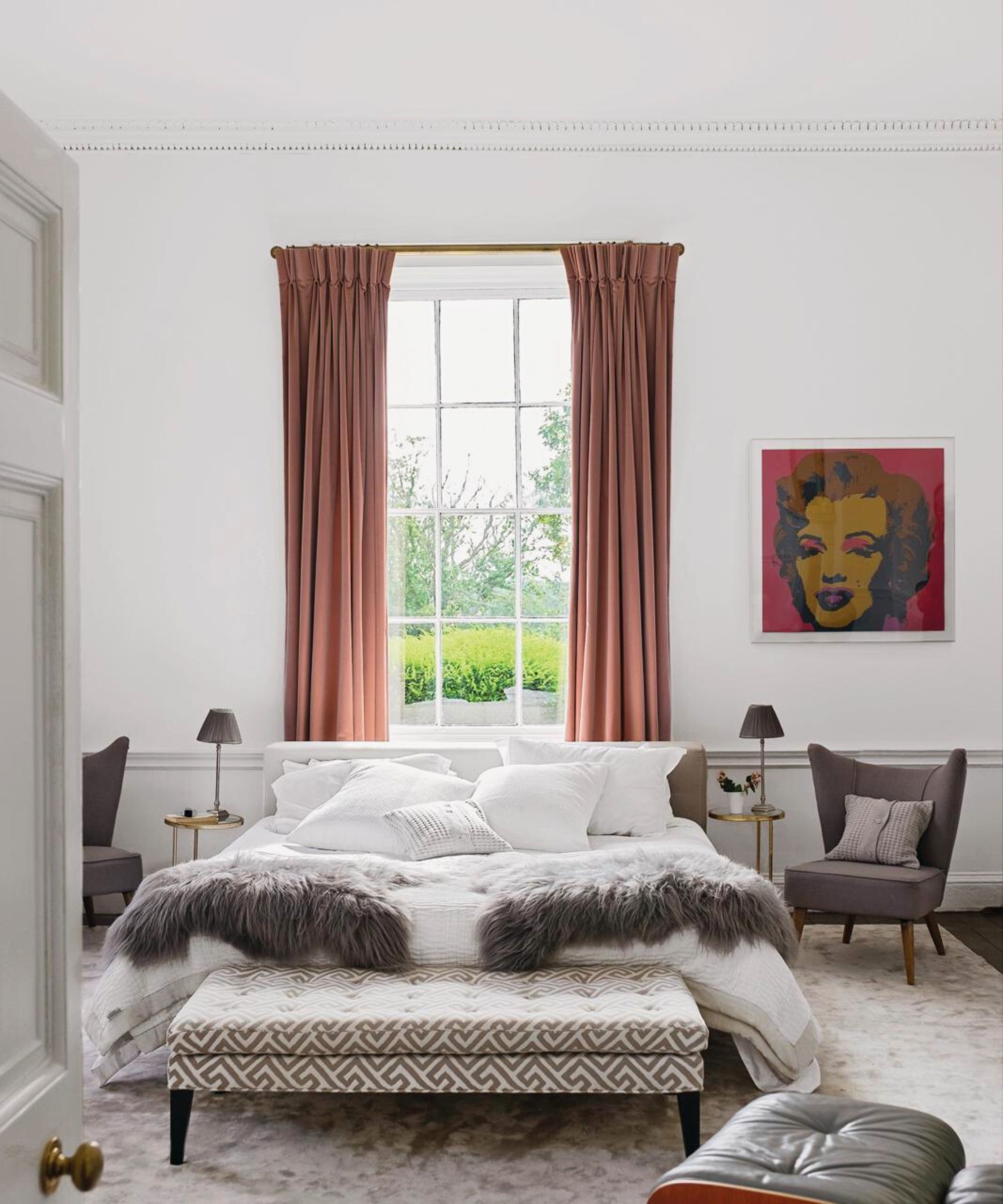
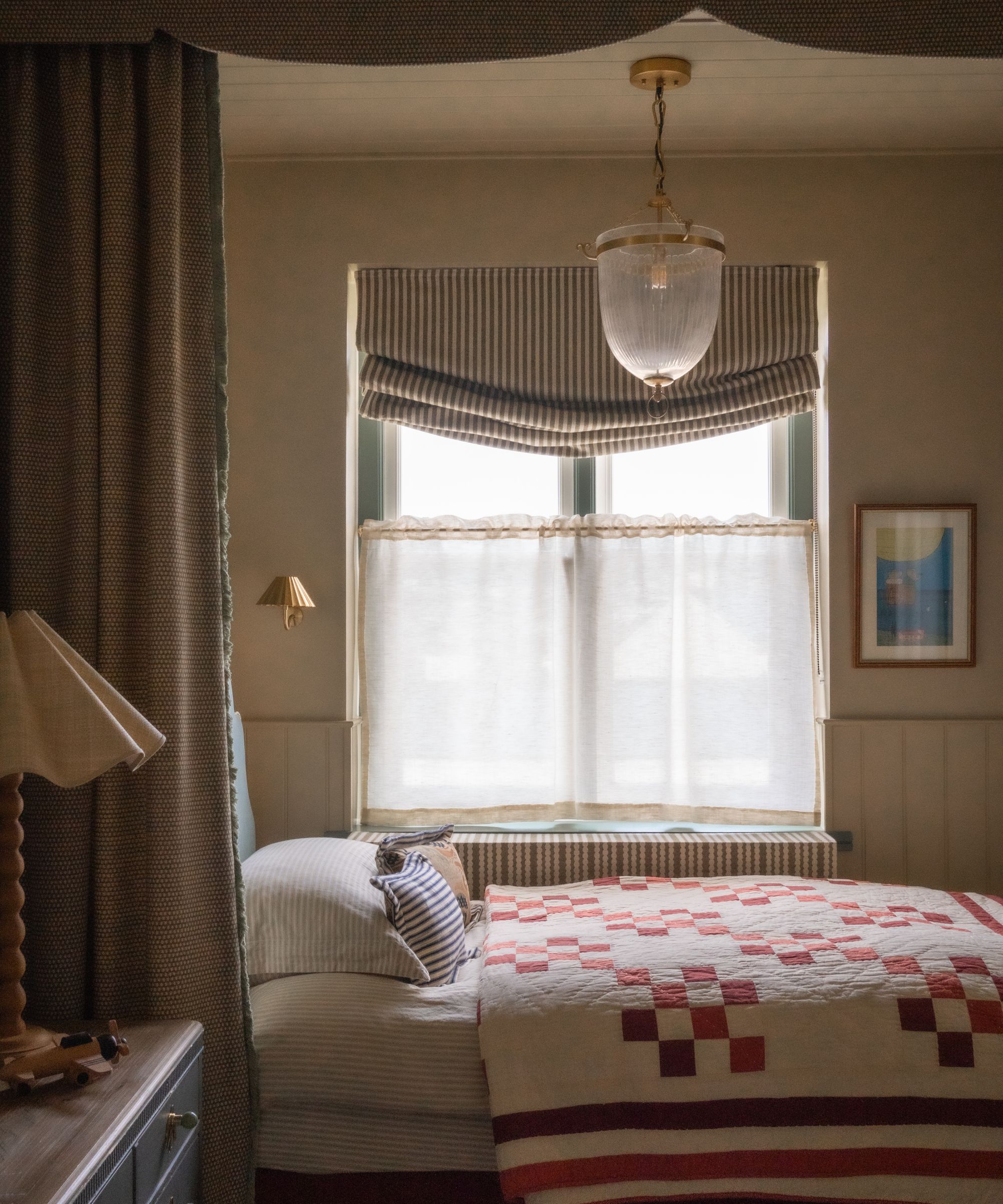
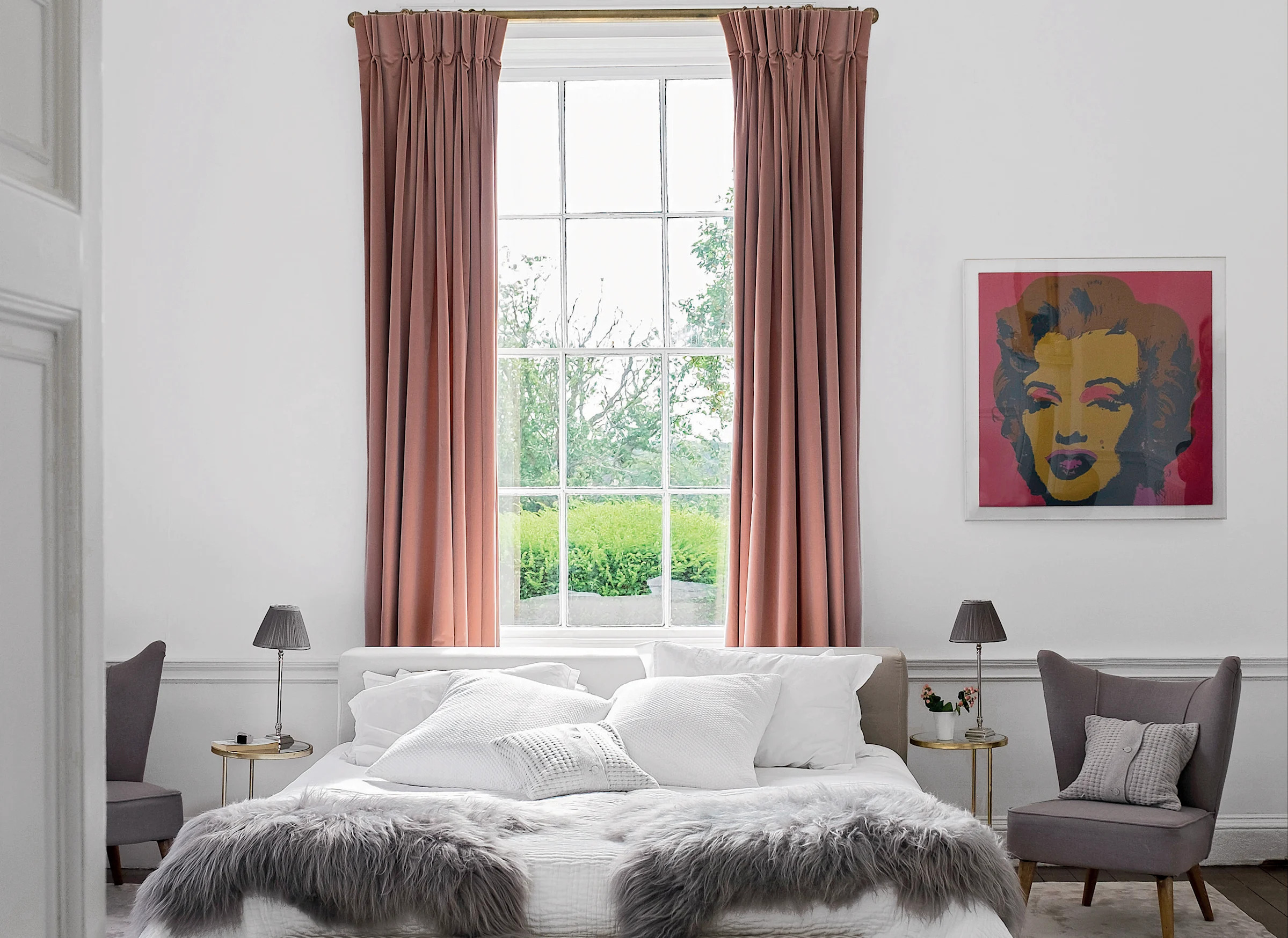
Conversely, a common and often problematic bed placement is directly beneath a window. According to Feng Shui experts, this layout can disrupt sleep and overall well-being. This is primarily due to the belief that energy can flow too rapidly through a window, leading to a sense of vulnerability and a lack of support. The window, as an opening to the outside, allows energy to enter and exit freely, which can feel unsettling when one is in a state of rest. This constant energetic fluctuation can prevent the body and mind from fully relaxing, contributing to restless nights and potentially affecting health.
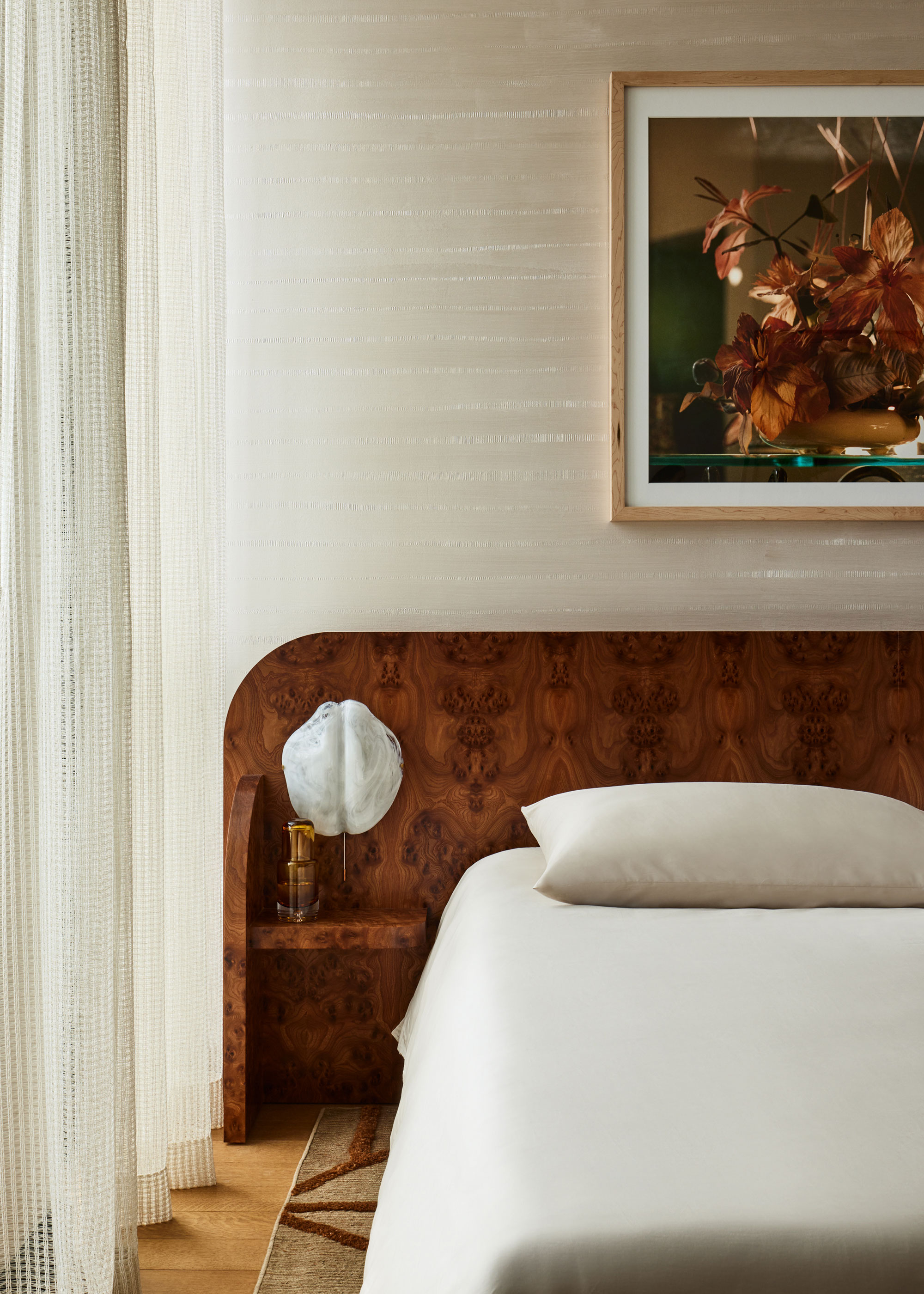
Furthermore, a bed under a window means there is no solid wall behind the sleeper's head. This absence of solid backing symbolizes a lack of support in various aspects of life, including relationships, career, and personal stability. From a practical standpoint, placing a bed under a window can expose the sleeper to drafts, noise, and light disturbances, all of which are detrimental to sleep. Even if the window is well-insulated and covered with thick curtains, the underlying energetic principle remains. The human psyche subconsciously registers the window as an open, less secure boundary compared to a solid wall.
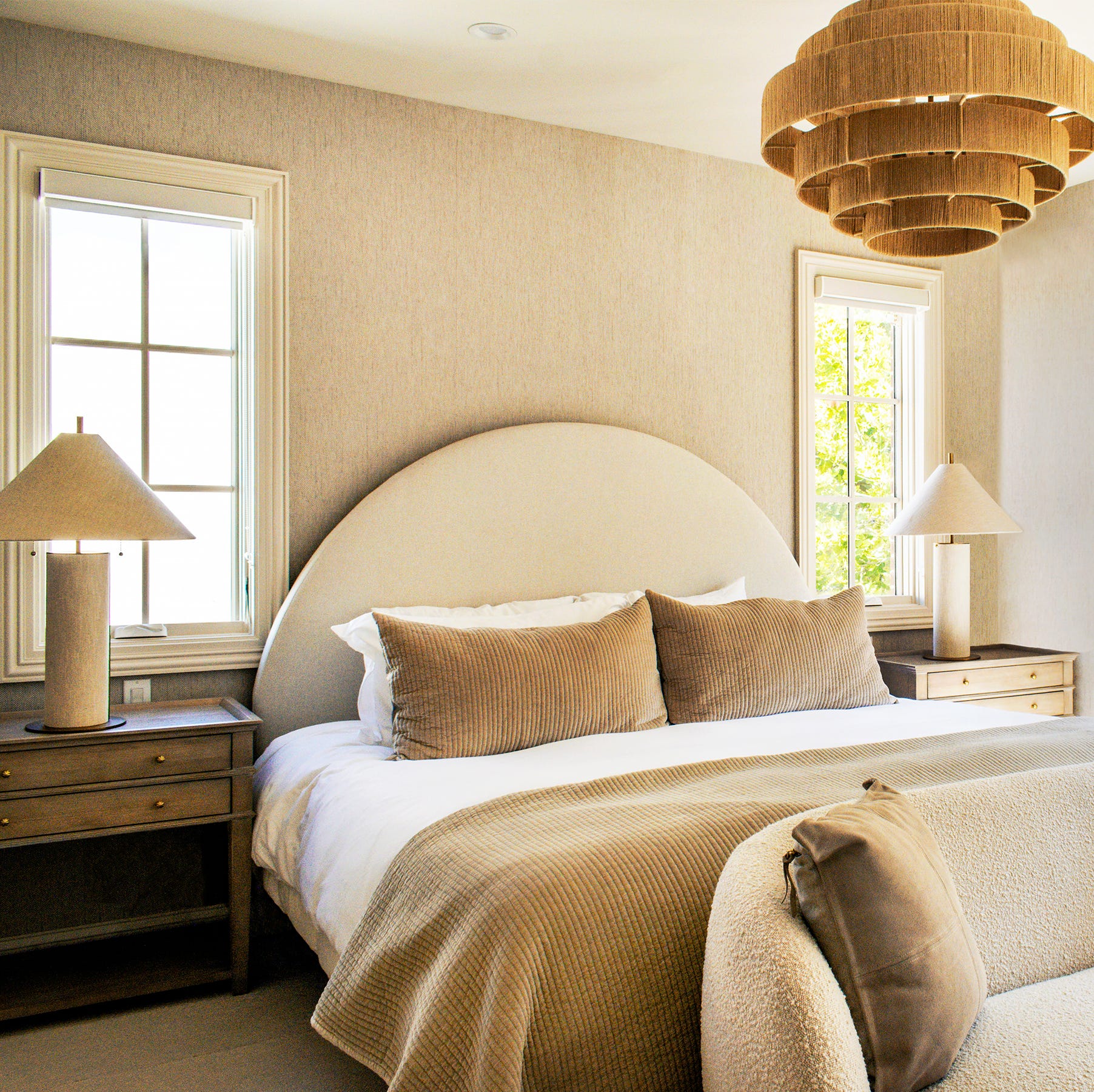
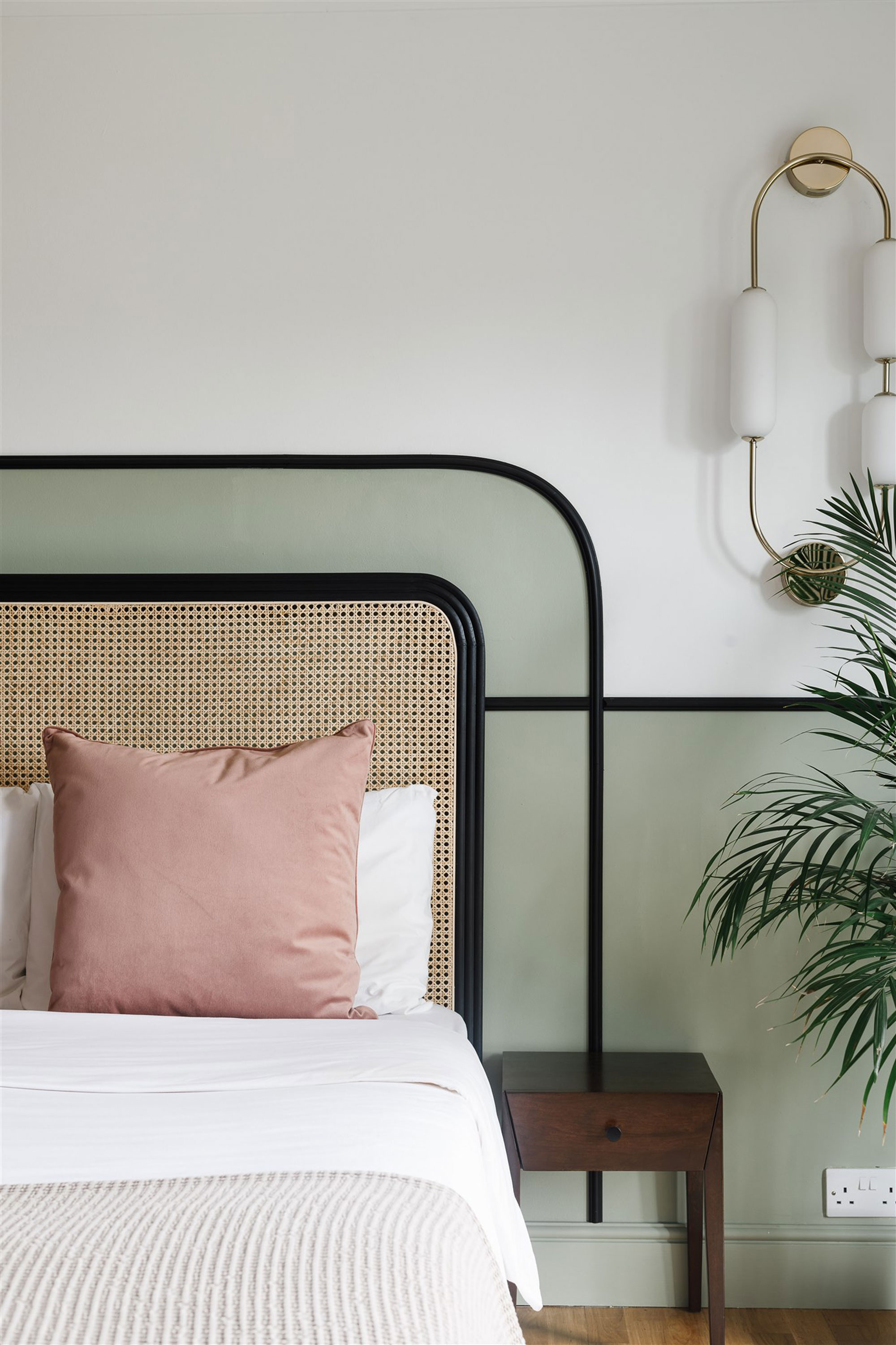
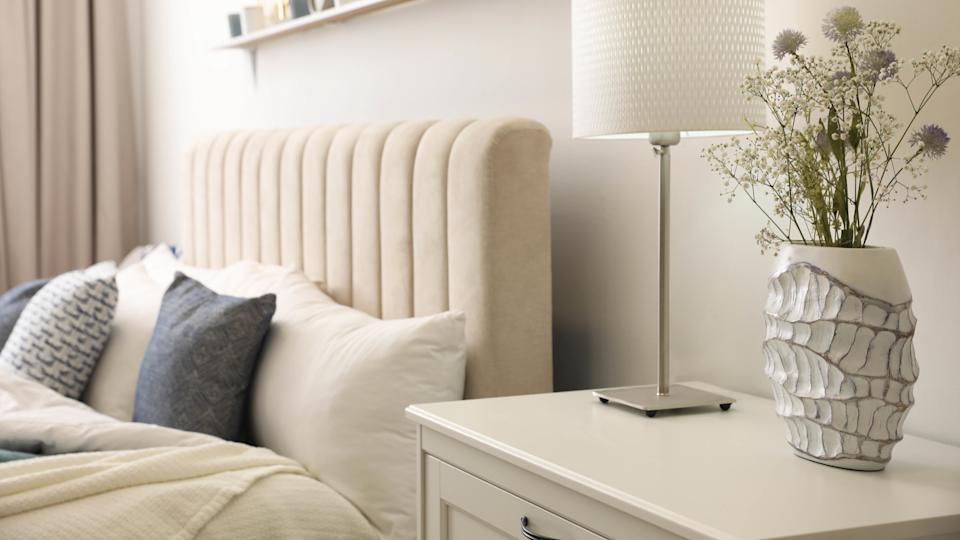
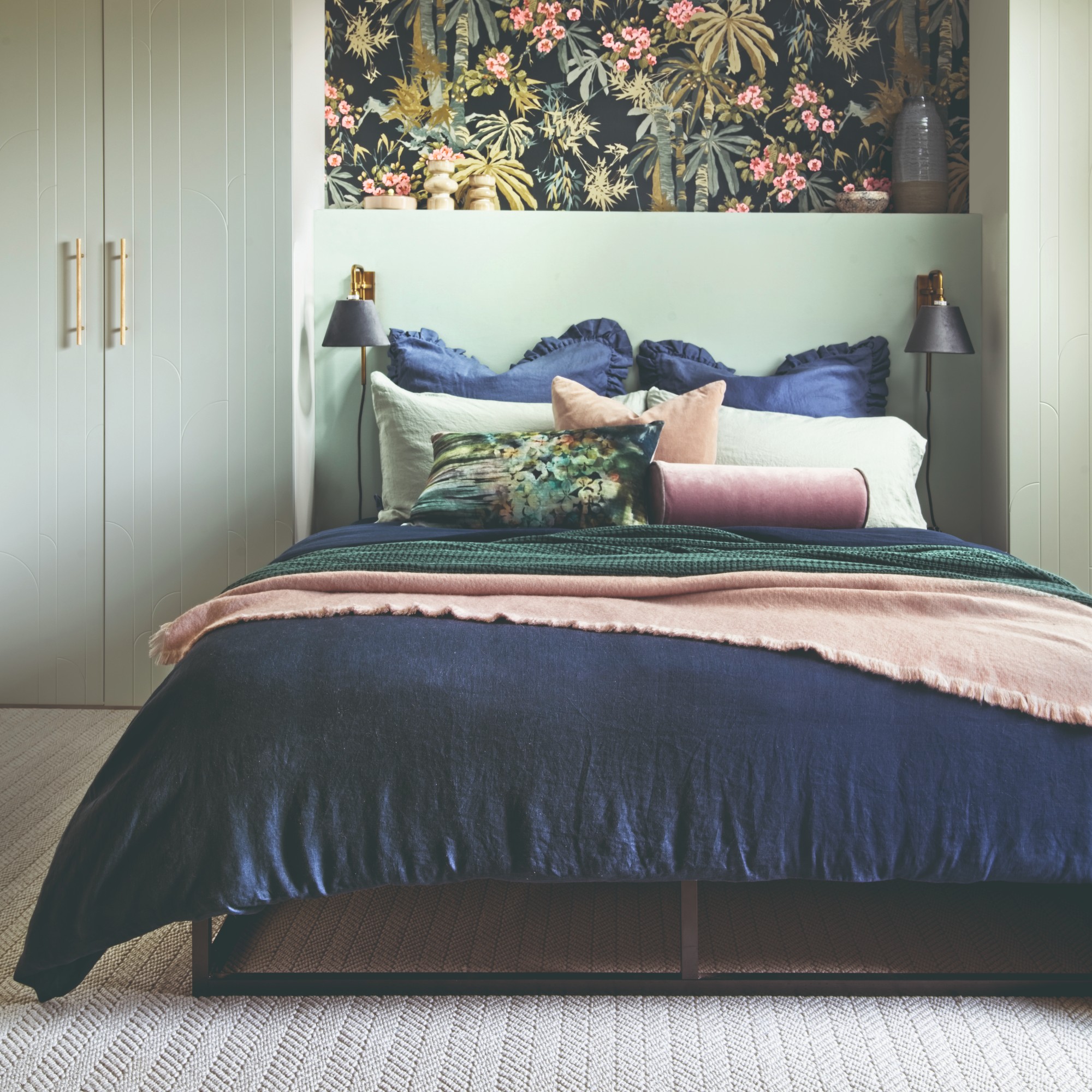
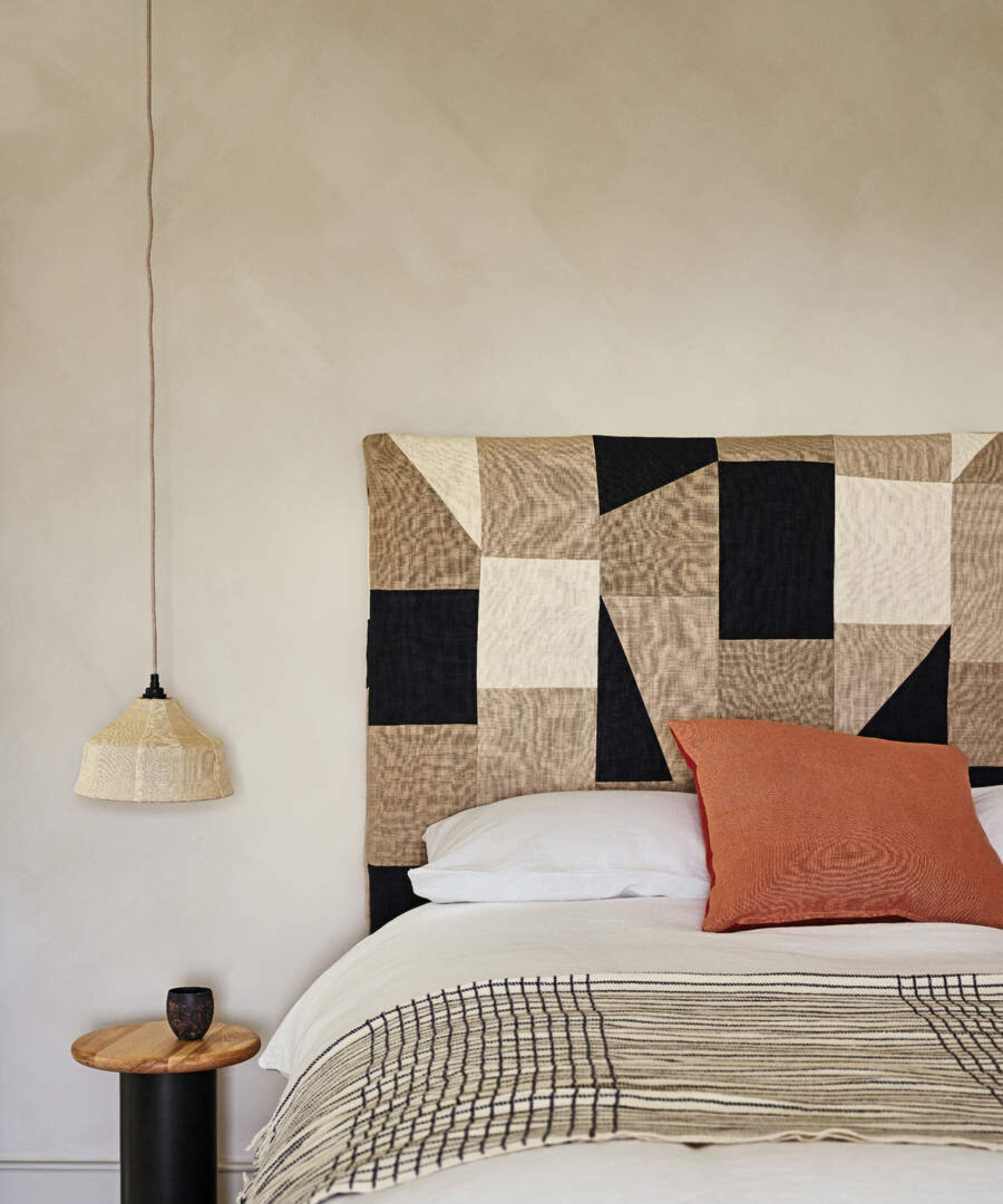
To correct this common Feng Shui mistake, experts recommend repositioning the bed against a solid wall. If space constraints make this impossible, or if the room only offers window walls, several adjustments can be made to mitigate the negative effects. Utilizing a sturdy, tall headboard can provide a symbolic and physical barrier, offering a sense of protection and support. Opting for thick, opaque curtains or blinds can also help to block out external disturbances and stabilize the energy flow. Creating a "false wall" using a screen or a tall, solid piece of furniture behind the headboard can further enhance the feeling of security. Additionally, ensuring that the window is always closed and latched at night can reinforce the sense of safety.
The goal of Feng Shui in the bedroom is to create a nurturing, calm, and stable environment conducive to deep and restorative sleep. By being mindful of bed placement and making necessary adjustments, individuals can improve the energetic balance of their sleeping space and, consequently, their sleep quality and overall vitality. While modern bedroom designs often prioritize aesthetics over ancient wisdom, incorporating these Feng Shui principles can lead to tangible benefits for one's health and sense of peace.
#FengShui #BedroomDesign #SleepWellbeing #BedPlacement #EnergyFlow #HomeDecoration #InteriorDesign #FengShui #BedroomDesign #SleepWellbeing #BedPlacement #EnergyFlow #HomeDecoration #InteriorDesign
0 commentaire au total
 Aucun commentaire pour le moment
Vous aimerez aussi
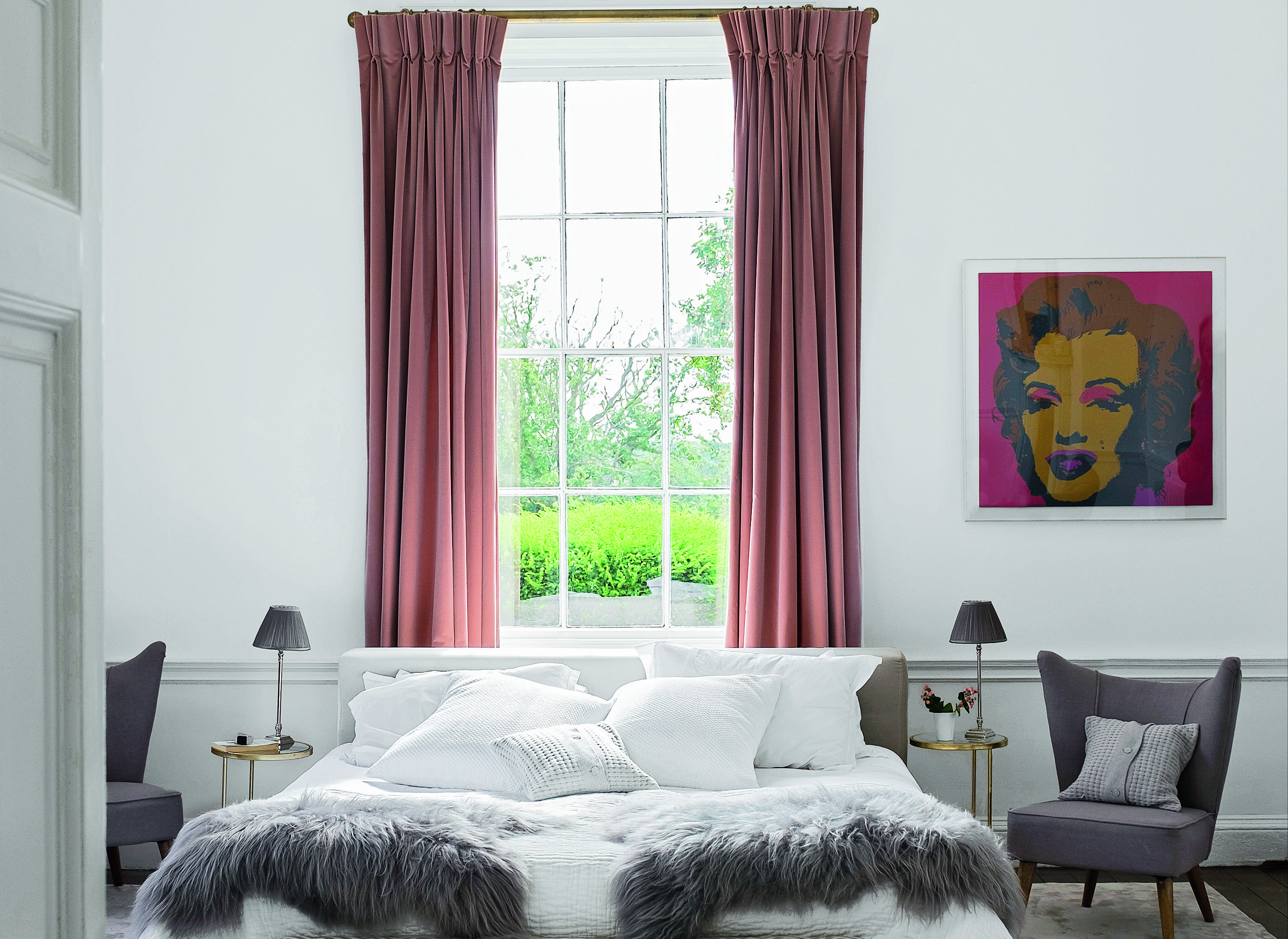
These Feng Shui experts say you shouldn't position your bed like this if you want to sleep well — and it's a common layout idea

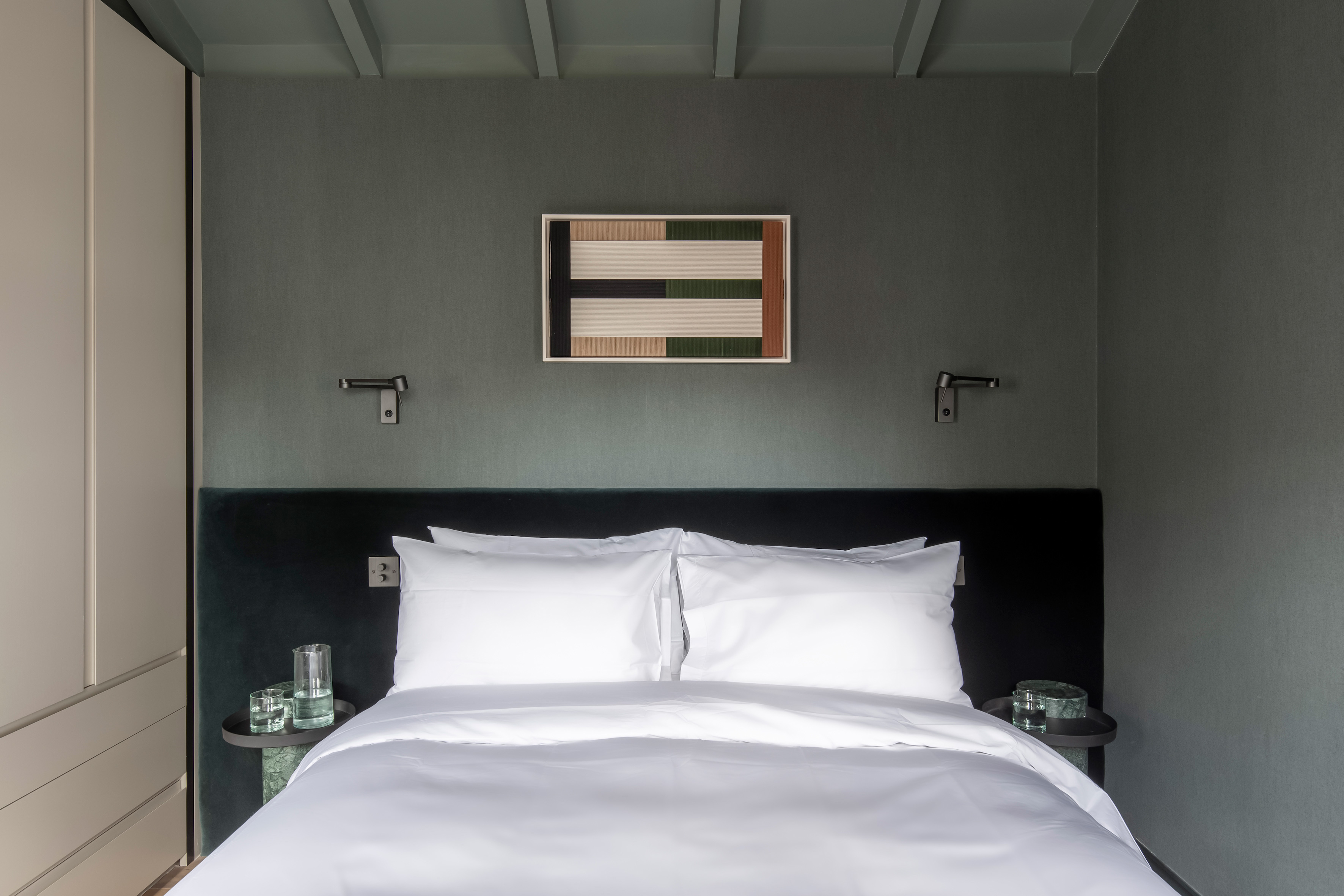
'Waking feeling drained' - bad Feng Shui headboard choices explained
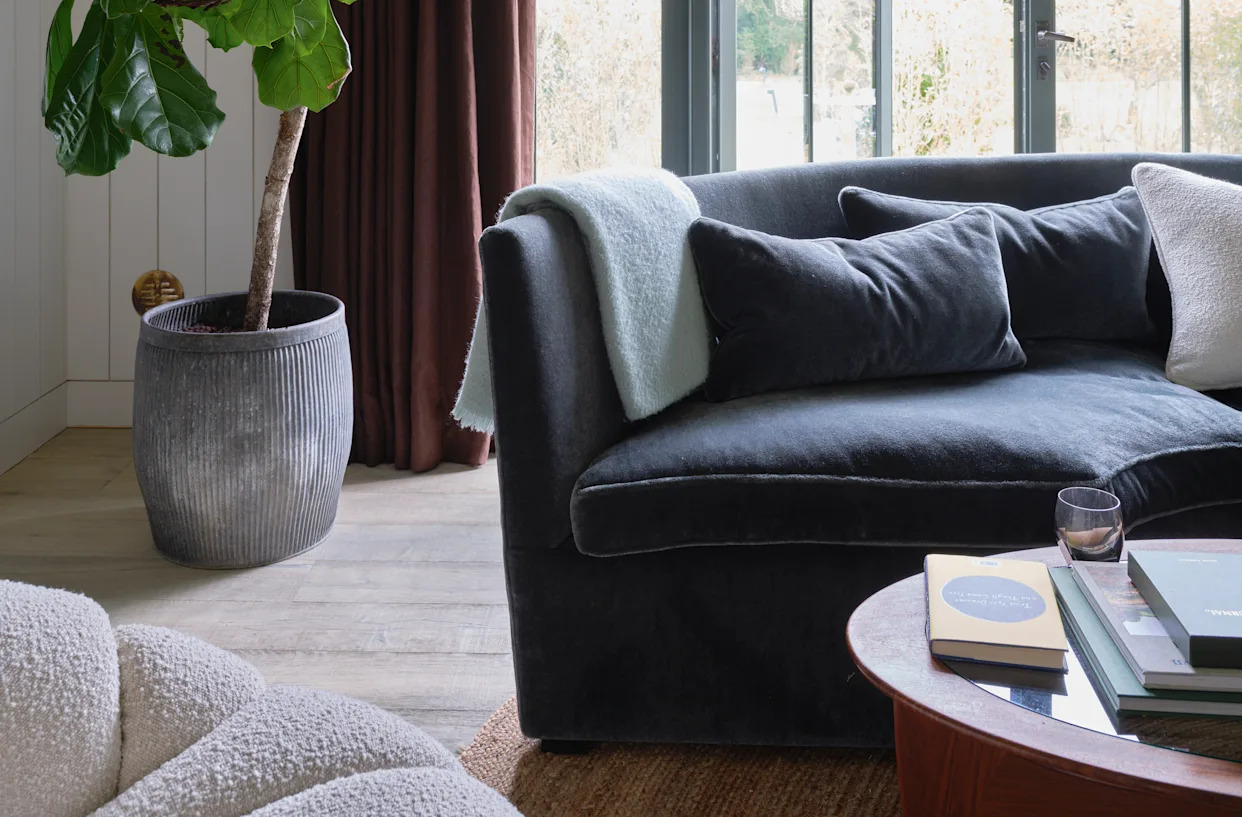
This is the one place Feng Shui experts say you should never put your sofa – and it's a surprisingly common layout

Why your bed should never face away from the door, plus 3 more Feng Shui bedroom rules
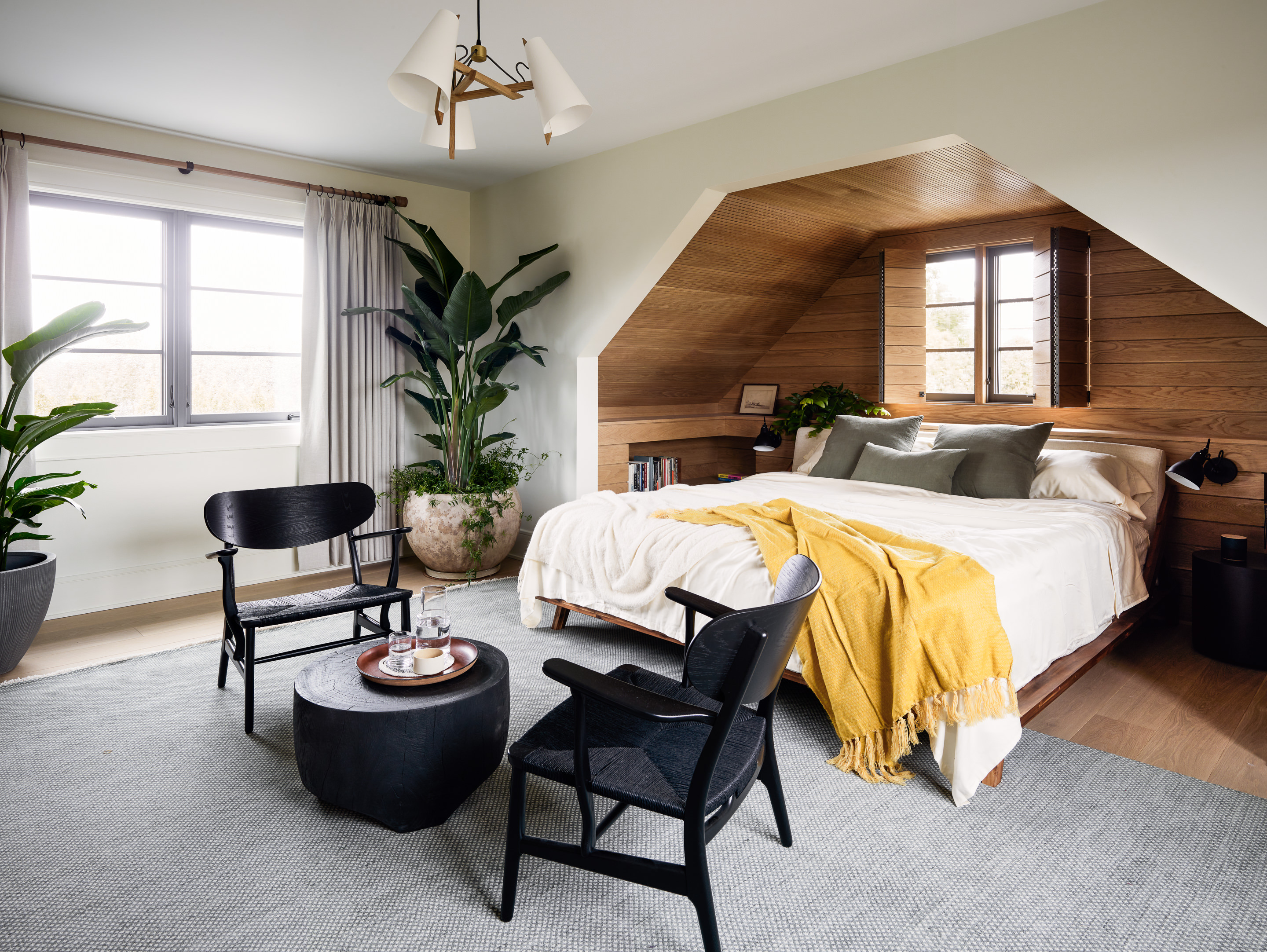
'Never sleep with a chair facing you' – Feng Shui experts bust this viral myth about your bedroom layout
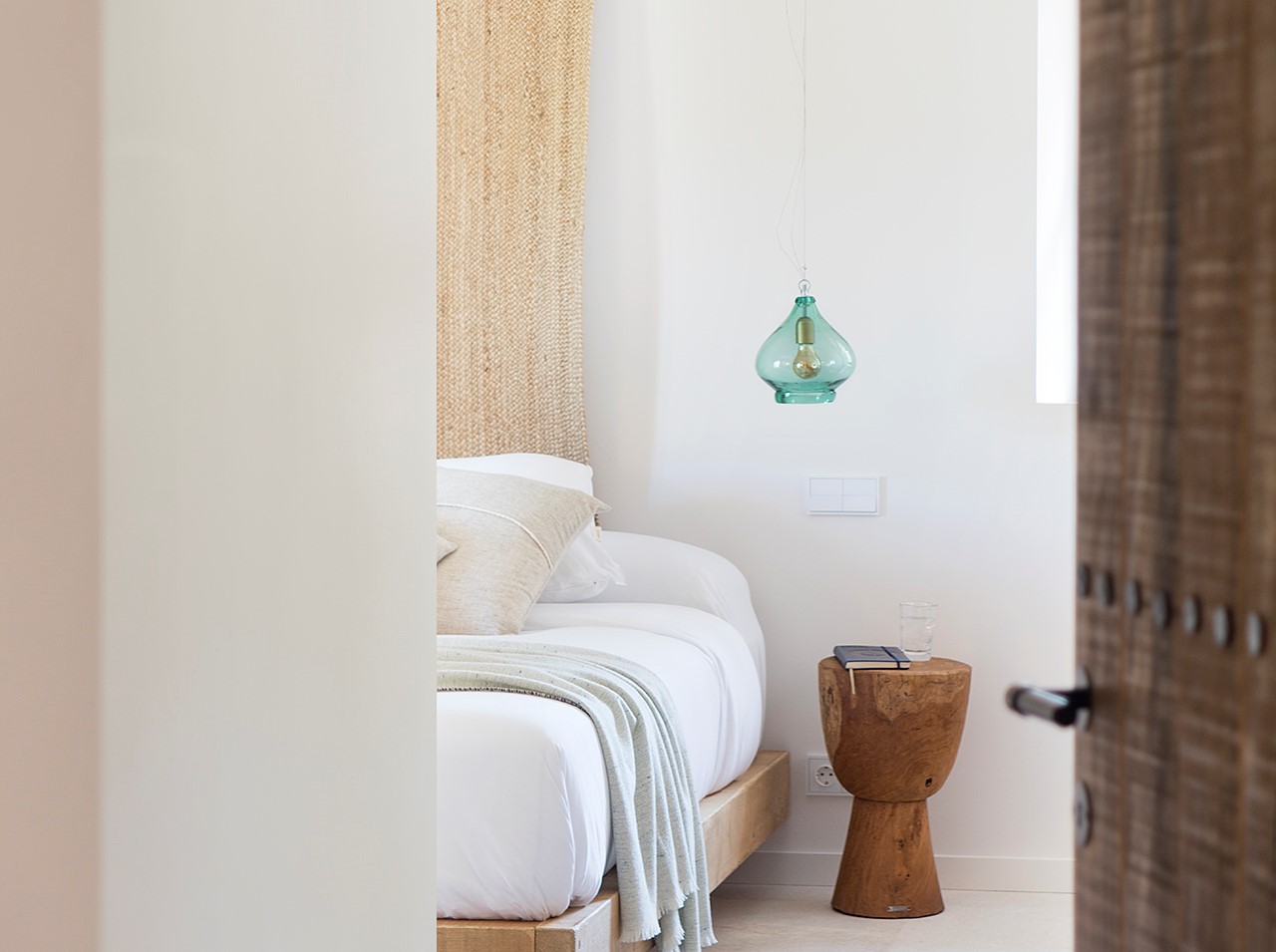
Should my bed be facing the door? Why the wrong bedroom layout could be disrupting your sleep
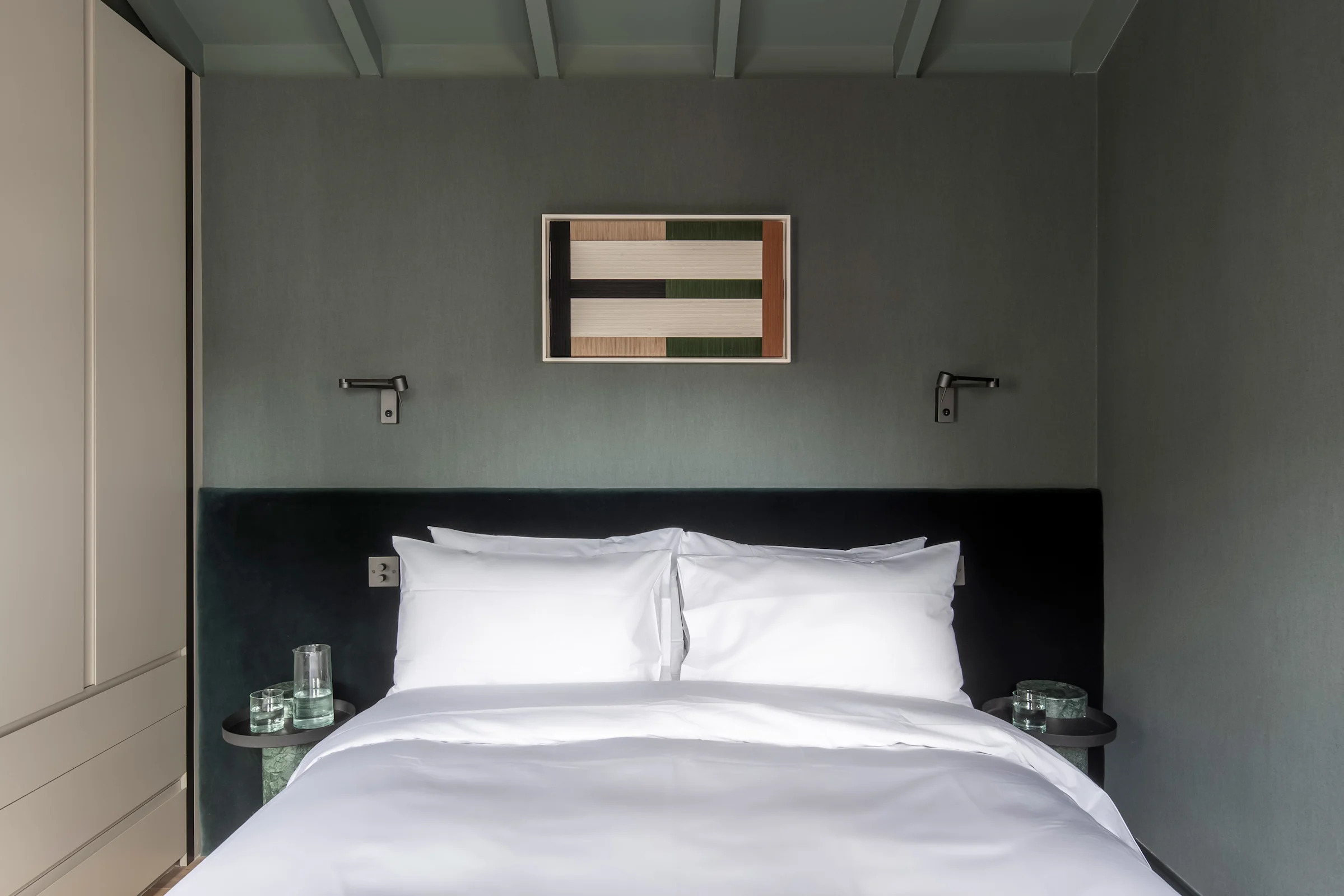
'Waking feeling drained' - bad Feng Shui headboard choices explained
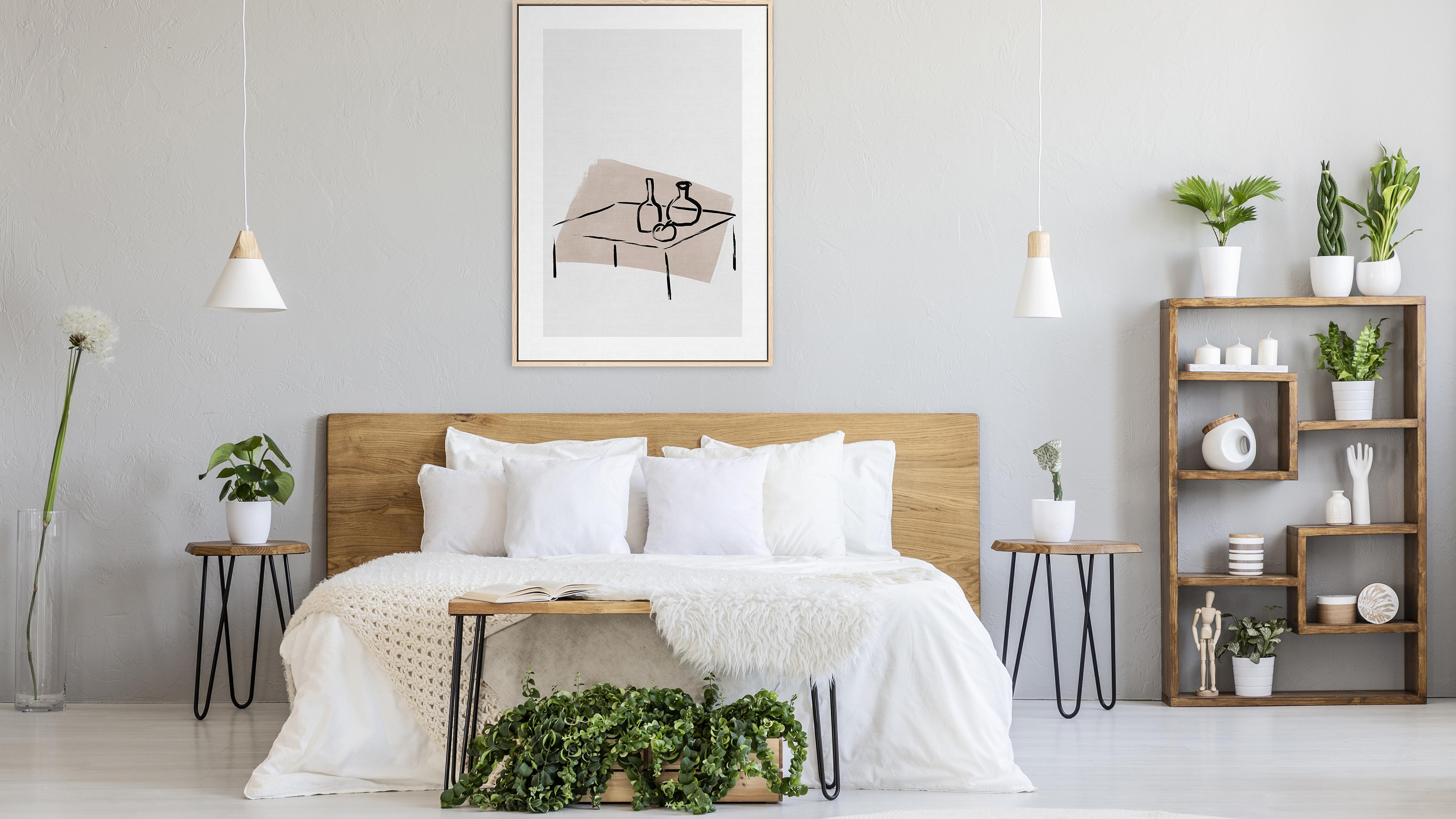
Feng shui bedroom layout tips and rules – how to create a zen sleeping space


This big Feng Shui mistake in your bedroom could be causing your poor sleep
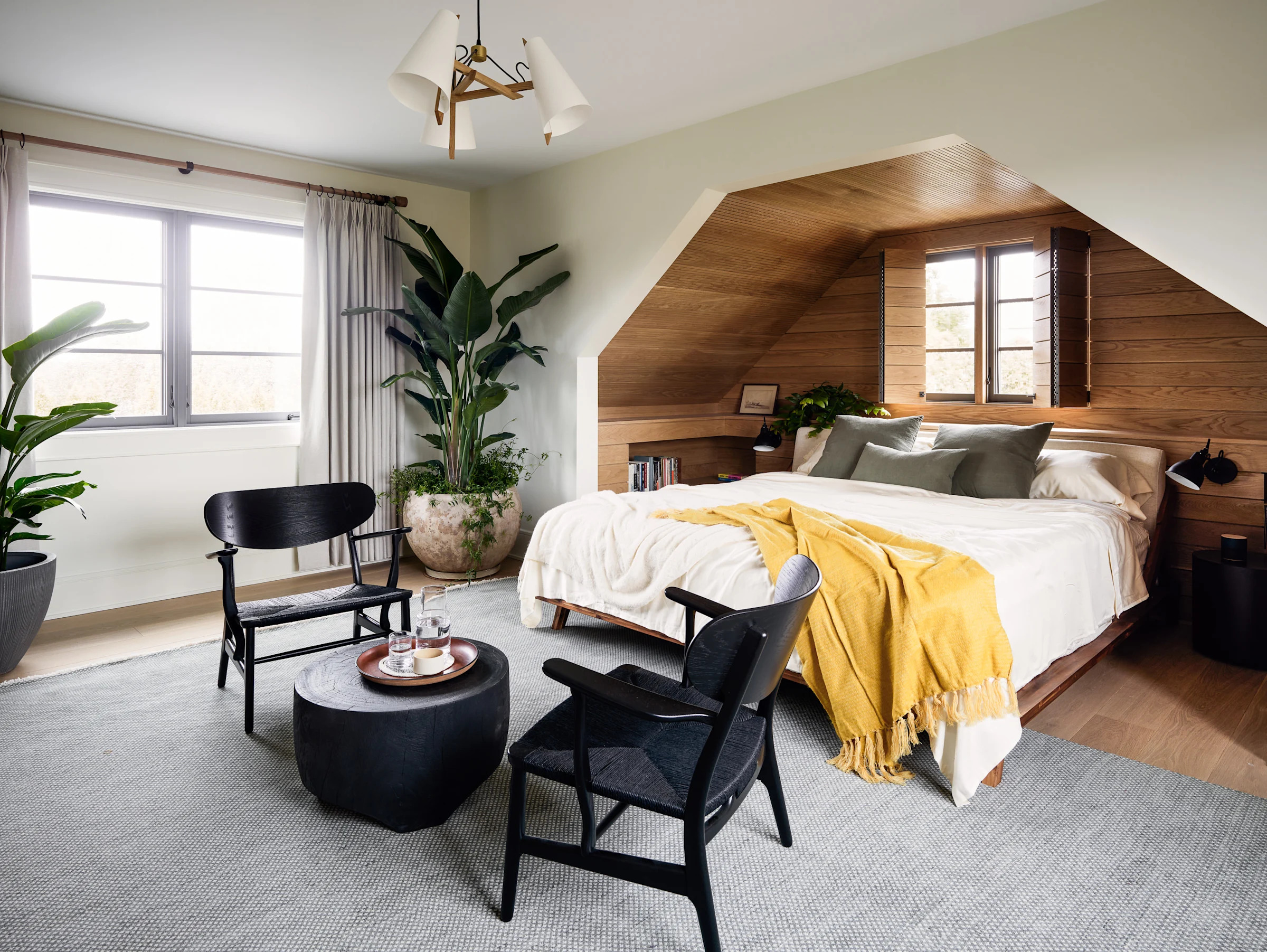
'Never sleep with a chair facing you' – Feng Shui experts bust this viral myth about your bedroom layout

Is it okay to place a bed under a window? Feng Shui experts offer their advice

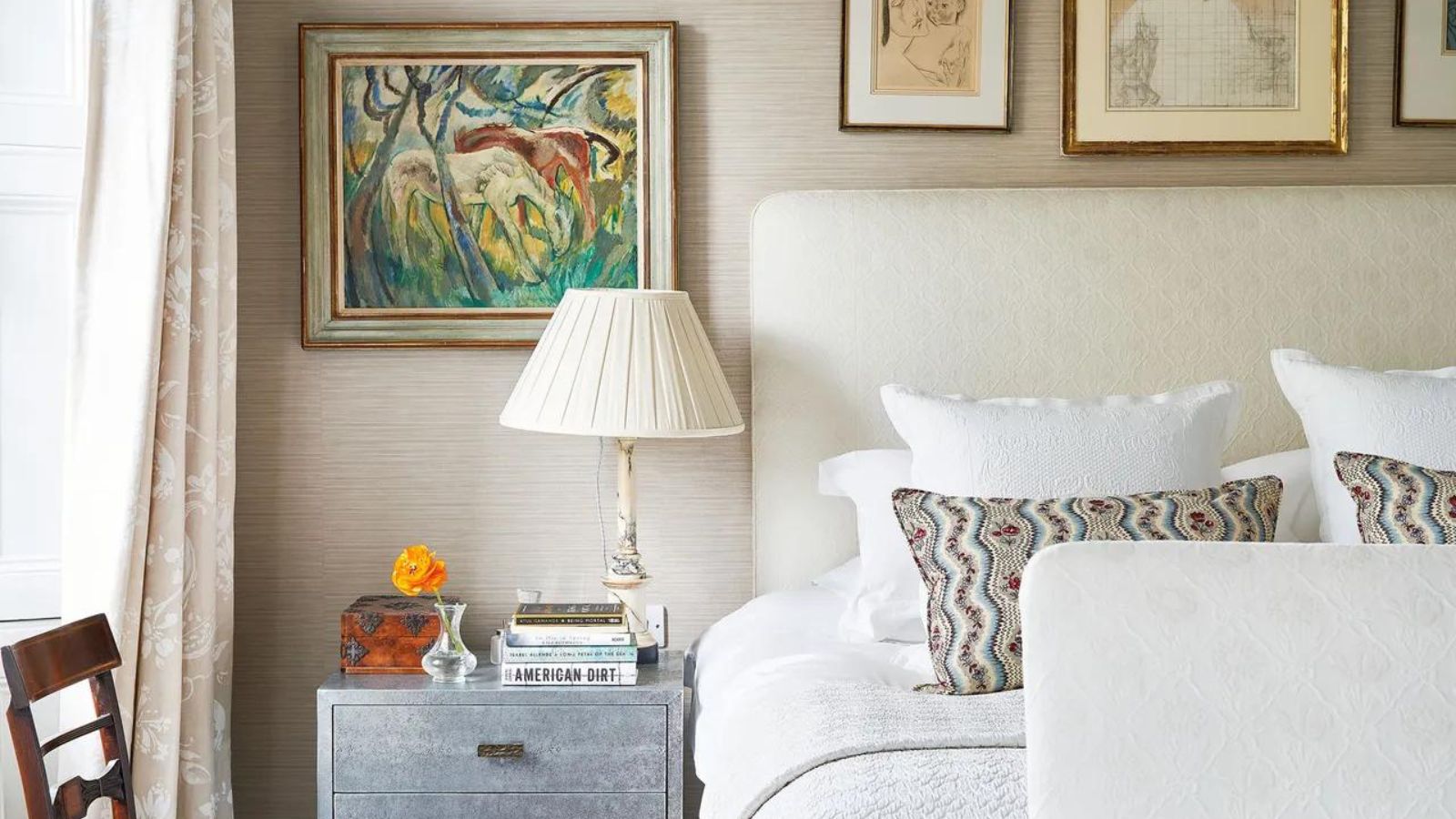
6 interior design mistakes that could be affecting your sleep
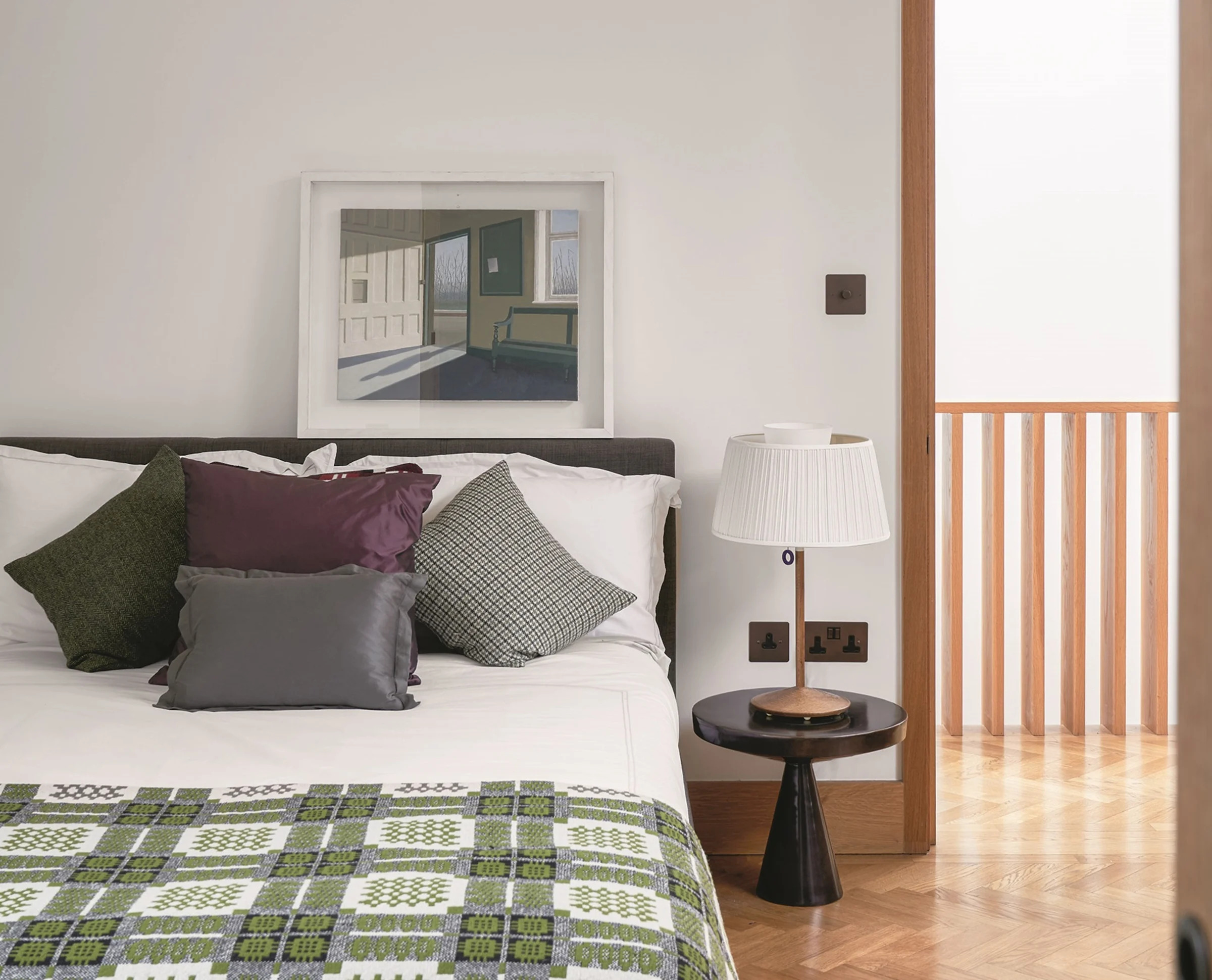
Feng Shui experts warn you to avoid this mistake so that you sleep better, and to choose this bedroom layout instead
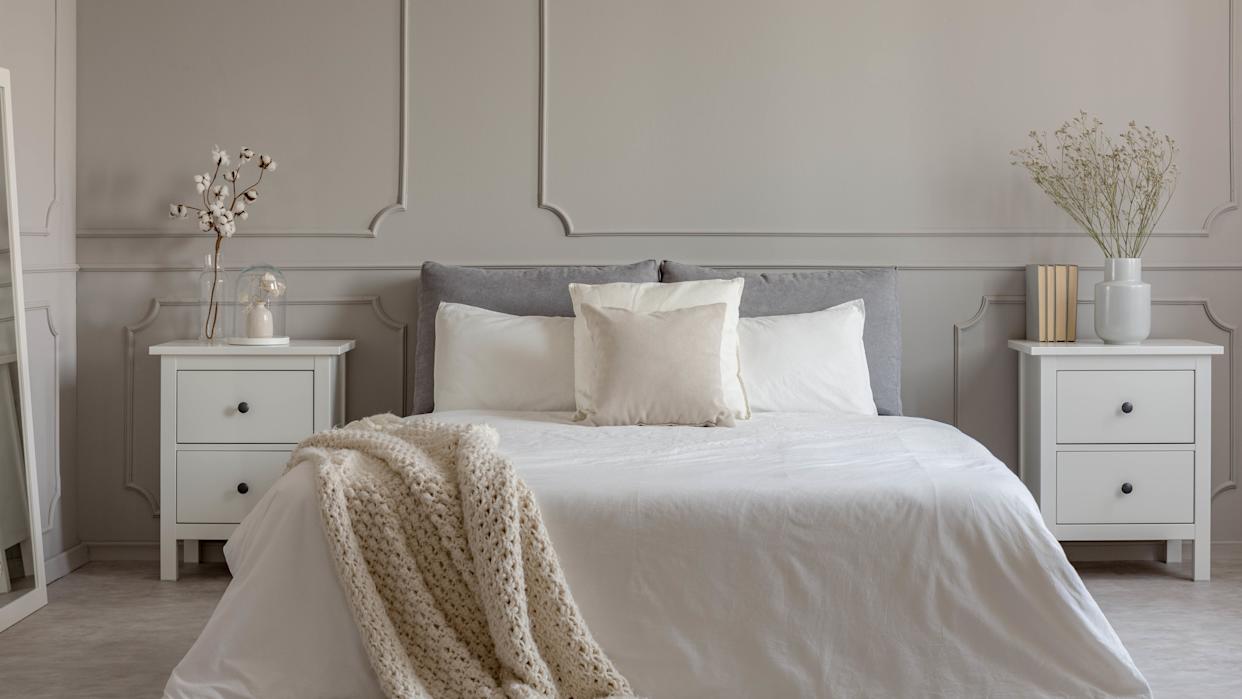
Should your bed face the door? Here's what the experts think

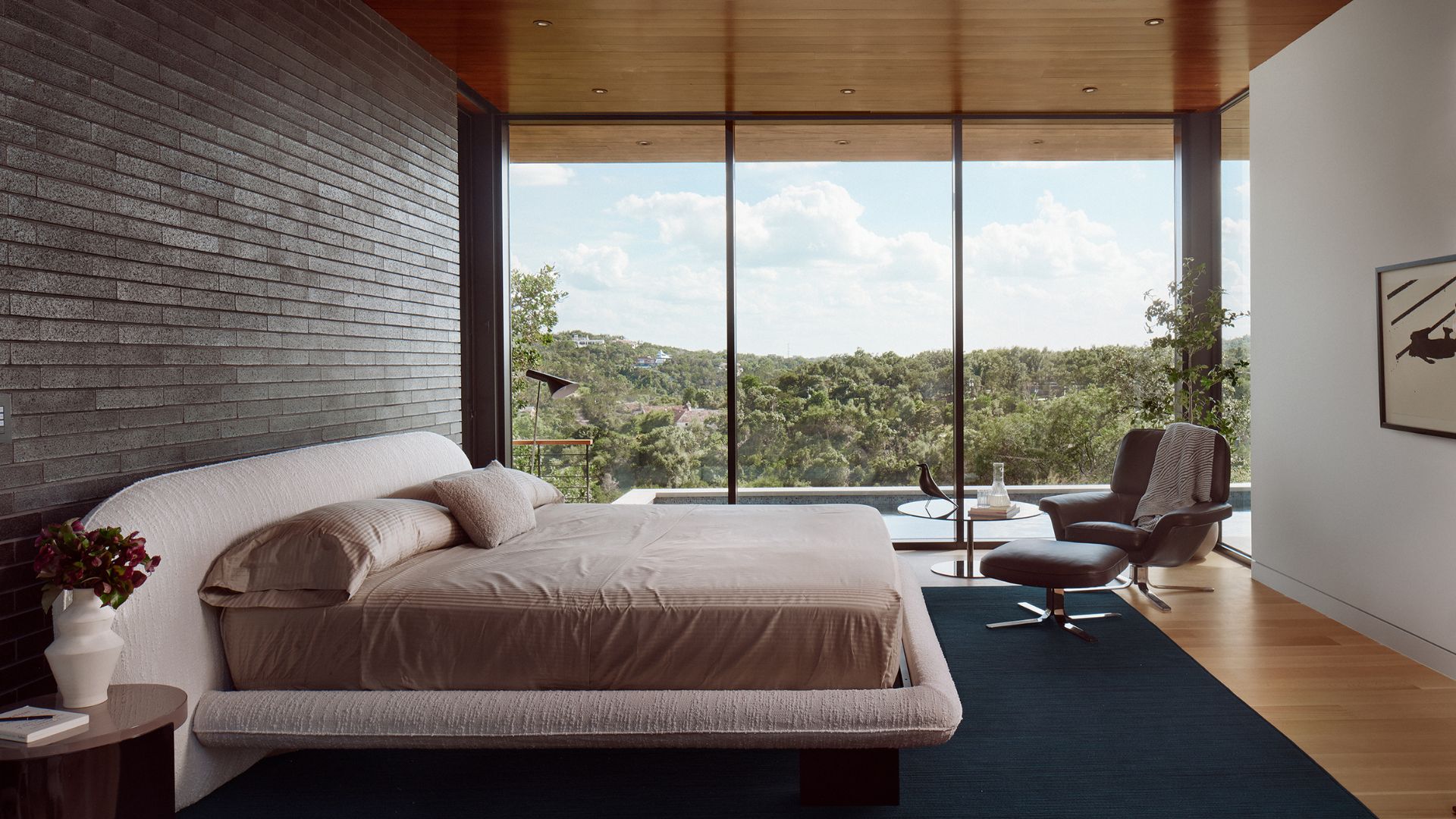
5 Things You Should Never Put Above Your Bed — Especially If You Want Good Feng Shui in Your Home

Feng Shui bedroom layout – 8 ways to curate a rejuvenating space
The Only Direction Your Bed Should Be Facing, According to Feng Shui Experts

This is the one place Feng Shui experts say you should never put your sofa – and it's a surprisingly common layout
Do you sleep facing north? According to sleep experts you really should be
Is Your Bed Facing North Really the Best Way to Get Good Night's Rest? Sleep and Feng Shui Experts Weigh in