1/9
Moss-Core, Squishy Shapes, and 6 Other Trends We’re Super Excited About Right Now
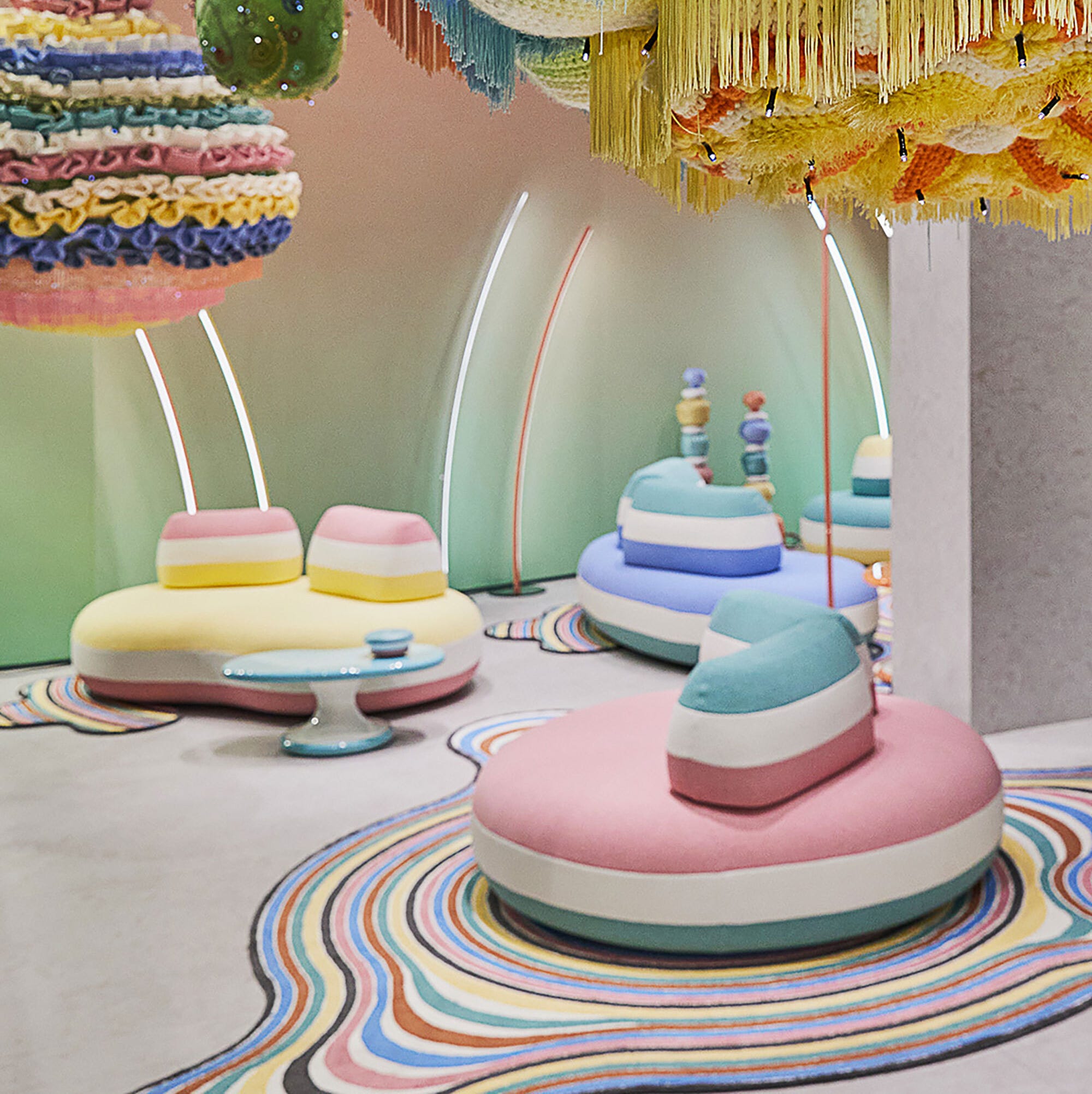
Milan Design Week 2023, the first to return to its regular April schedule since 2019, showcased significant shifts and emerging trends in interior design. Attendees observed a strong emphasis on comfort and inviting silhouettes, with “Squish Is the New Blob” emerging as a dominant theme. Oversized, plump seating, such as Gal Gaon’s Macaron chairs at Nilufar Gallery and Cassina’s Moncloud sofa by Patricia Urquiola, highlighted a preference for soft, curvaceous forms designed for relaxation. Fendi Casa also embraced this trend with its Blow Up modular sofa, indicating that comfort remains a top priority in contemporary design.
Outdoor living spaces are undergoing a technicolor transformation, moving away from traditional neutrals to incorporate vibrant hues and pastels. Joana Vasconcelos’s new indoor/outdoor BomBom chairs for Roche Bobois exemplify this trend, inspired by Portuguese sunsets and transforming showrooms into kaleidoscopic displays. Flexform and Dedon also introduced colorful outdoor furniture, with Dedon developing a unique color-shifting fiber for its seating, underscoring a desire for playful and expressive outdoor environments.
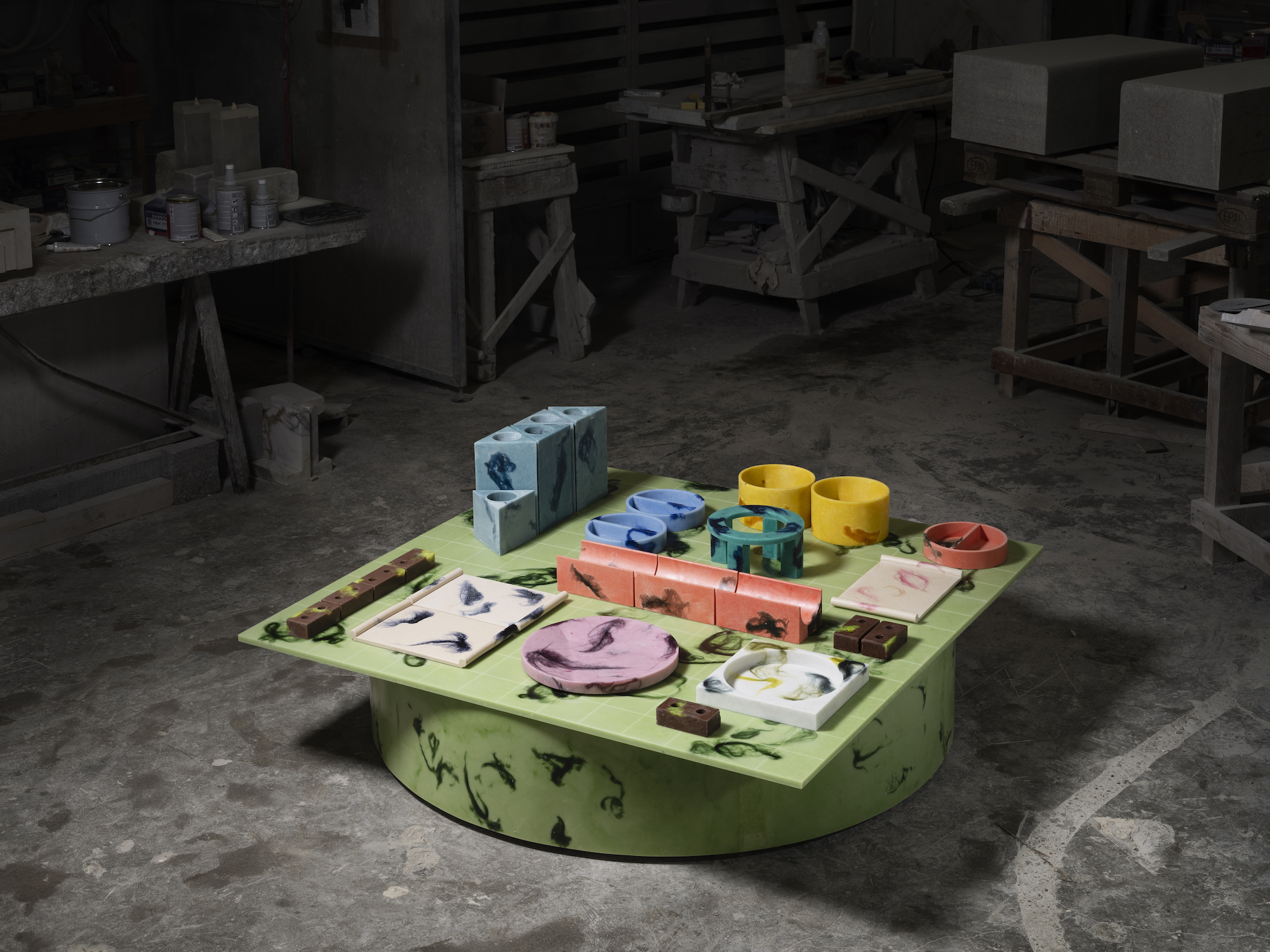
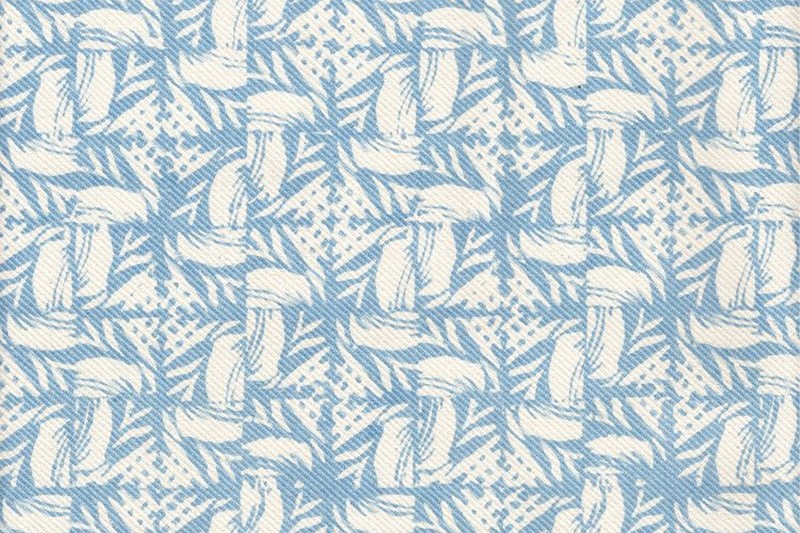
Nature-inspired design, specifically “Moss-Core,” is another prominent trend, moving beyond subtle nods to nature to an immersive integration. Buccellati’s exhibit, featuring accessories nestled among carnivorous plants curated by Lily Kwong, and Forma Rosa’s ceramics paired with real flora and fauna at Alcova, illustrate this approach. Rinck’s designs incorporating undulating vine motifs further highlight the trend of intertwining design with natural elements, expected to influence textiles, rugs, and soft furnishings.
Lighting is becoming more portable and versatile, reflecting a move towards indoor-outdoor living. Euroluce, the biennial lighting fair, featured portable lamps that can be easily moved, exemplified by Ginori 1735’s perfume bottle-inspired lights designed by Luca Nichetto, and Tom Dixon’s miniature versions of popular silhouettes. Italian design house Porada also contributed with the Ekero Move, a small, portable wood lamp, showcasing the growing demand for flexible and functional lighting solutions.
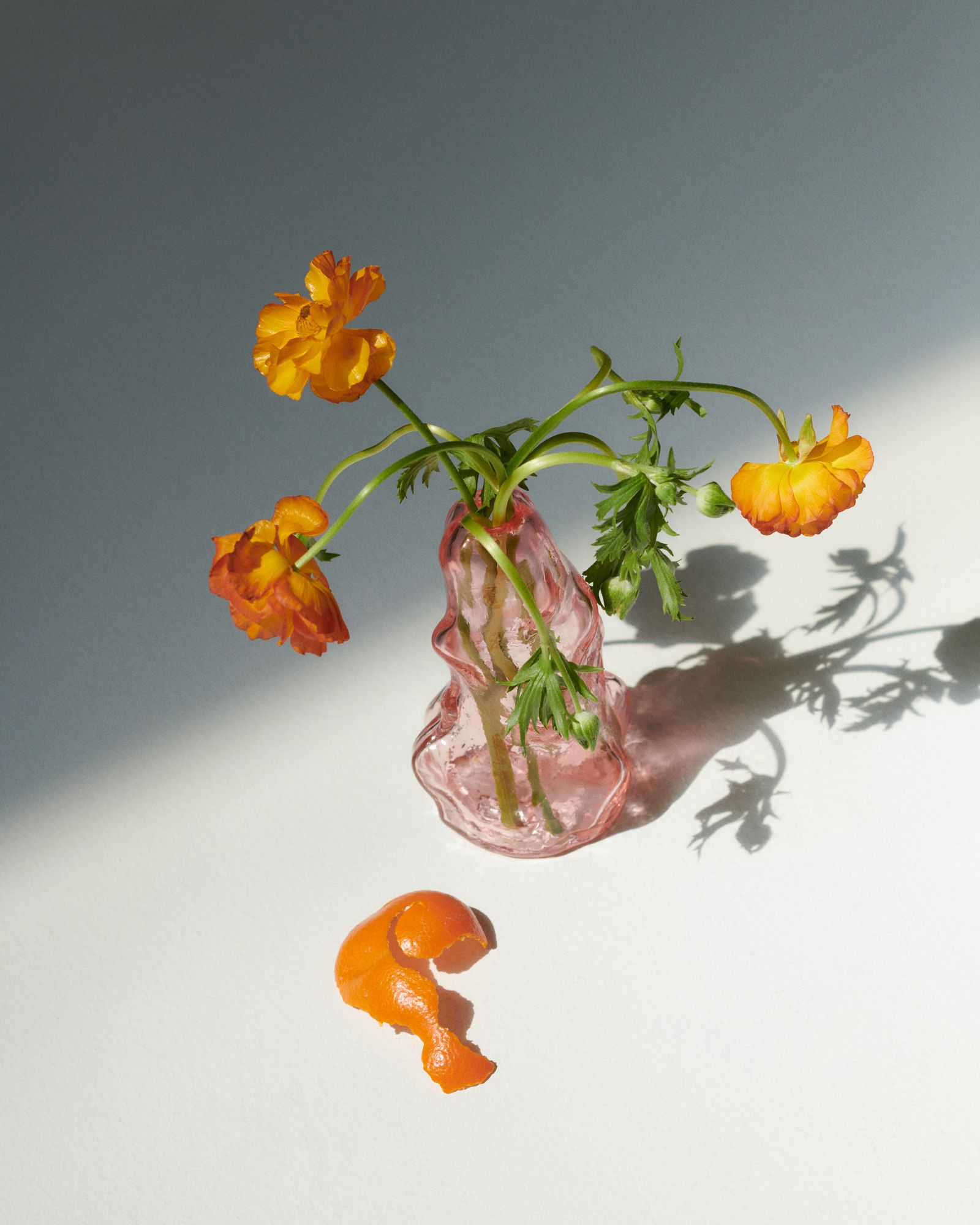
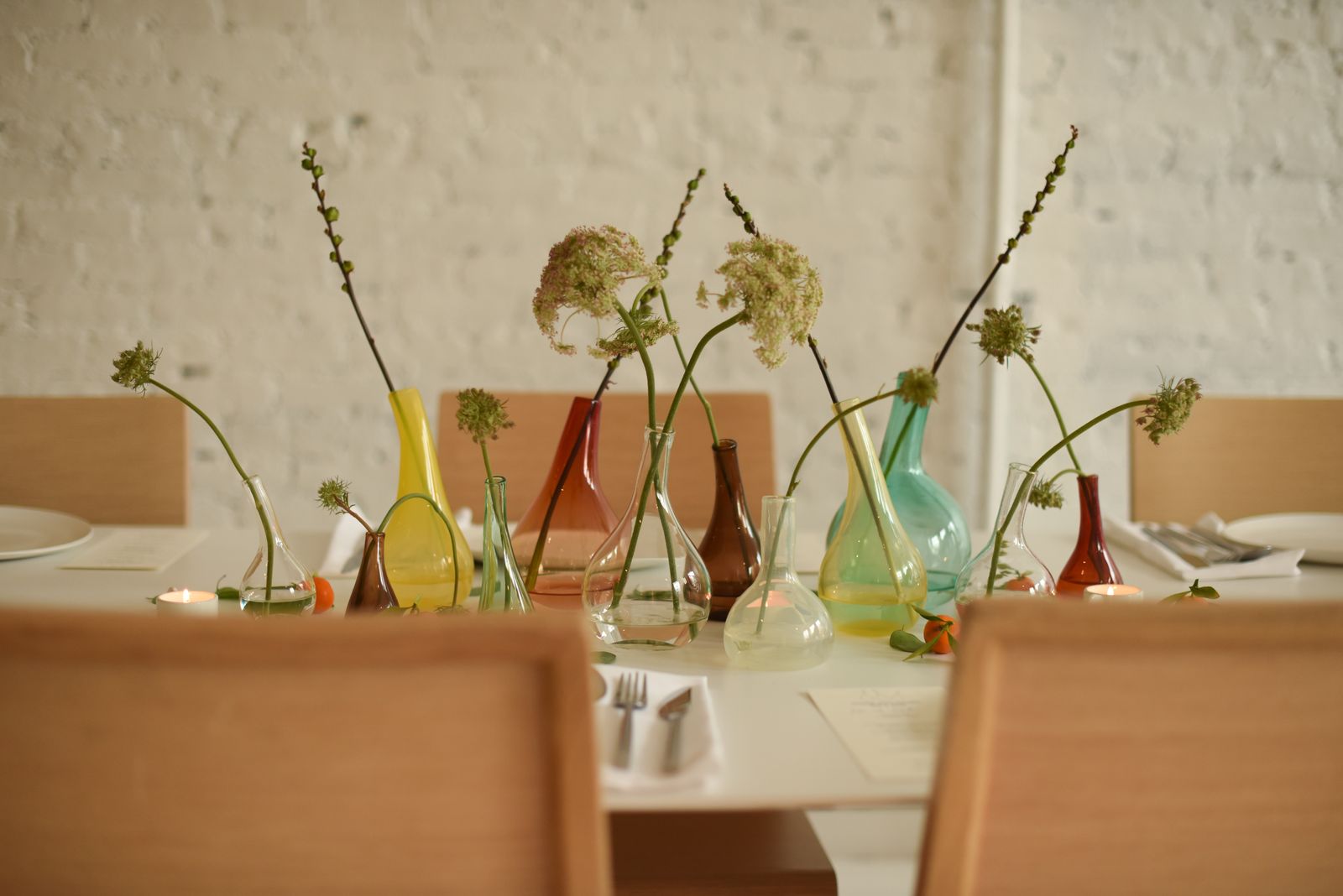
Murano glasswork is experiencing a contemporary resurgence, with new designers breaking into the traditional space. Barbini Specchi Veneziani’s exhibit at Alcova showcased traditional Venetian glass alongside modern interpretations by emerging artists like Lucia Massari, whose confectionary Toppings chandeliers were displayed at Nilufar Depot. Dolce & Gabbana’s collaboration with Bradley Bowers on the chrysalis-like Fiosa vase, and Sofia Zevi Gallery featuring Akira Hara’s intricate vessels, demonstrate a fresh approach to this heritage craft.
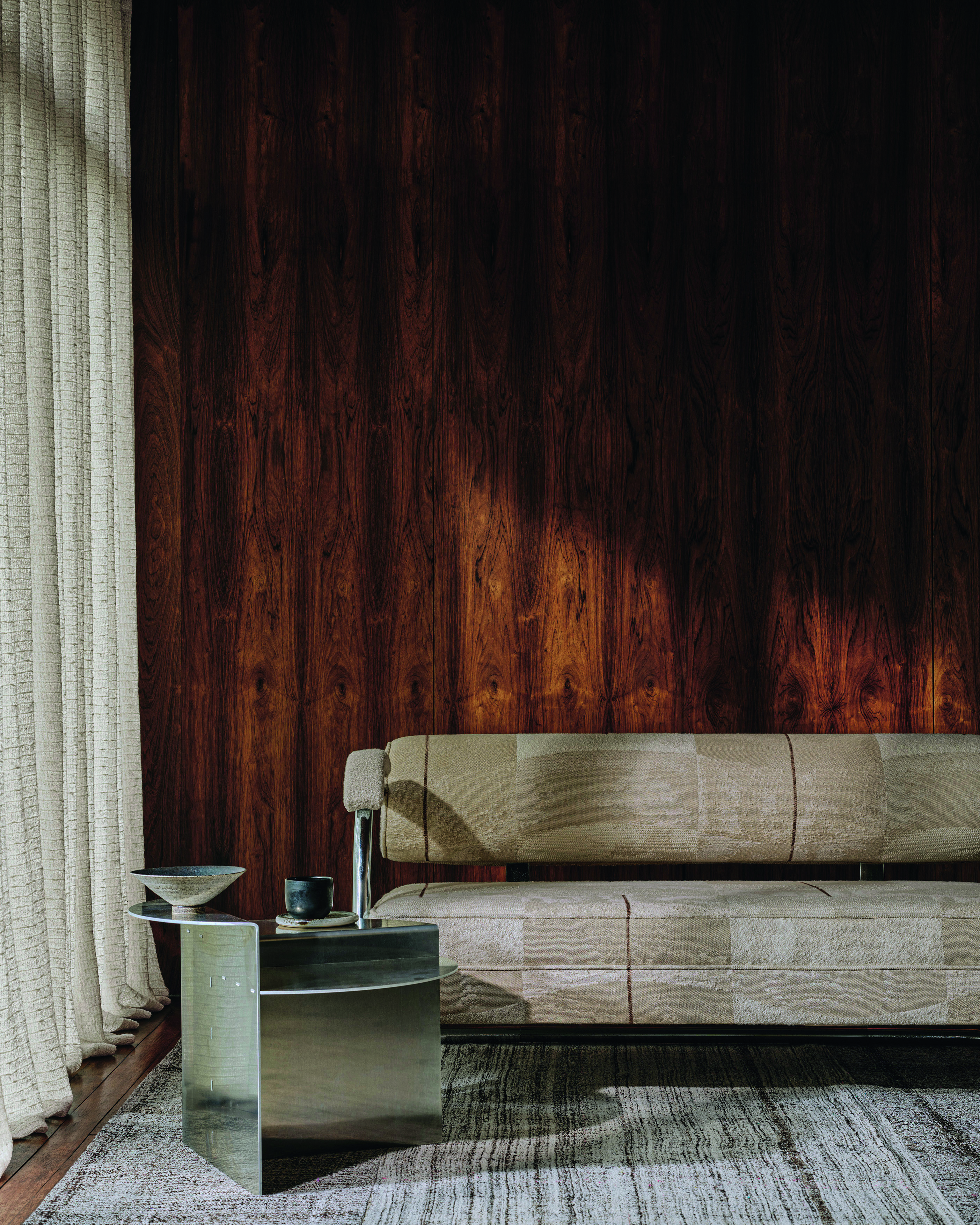
Aluminum is gaining traction as a preferred material, appreciated for its lightness and versatility. At Alcova, Arthur Vandergucht presented industrial tables and stools made of aluminum, emphasizing minimalist design and functional adornments. Kiki Goti’s debut collection also featured aluminum components in sconces, candlesticks, and mirrors, showcasing its playful potential. Ledongil Workshop from Korea presented functional objects with stainless steel bases and aluminum plates coated in glass fiber, creating a light, plastic-like appearance.
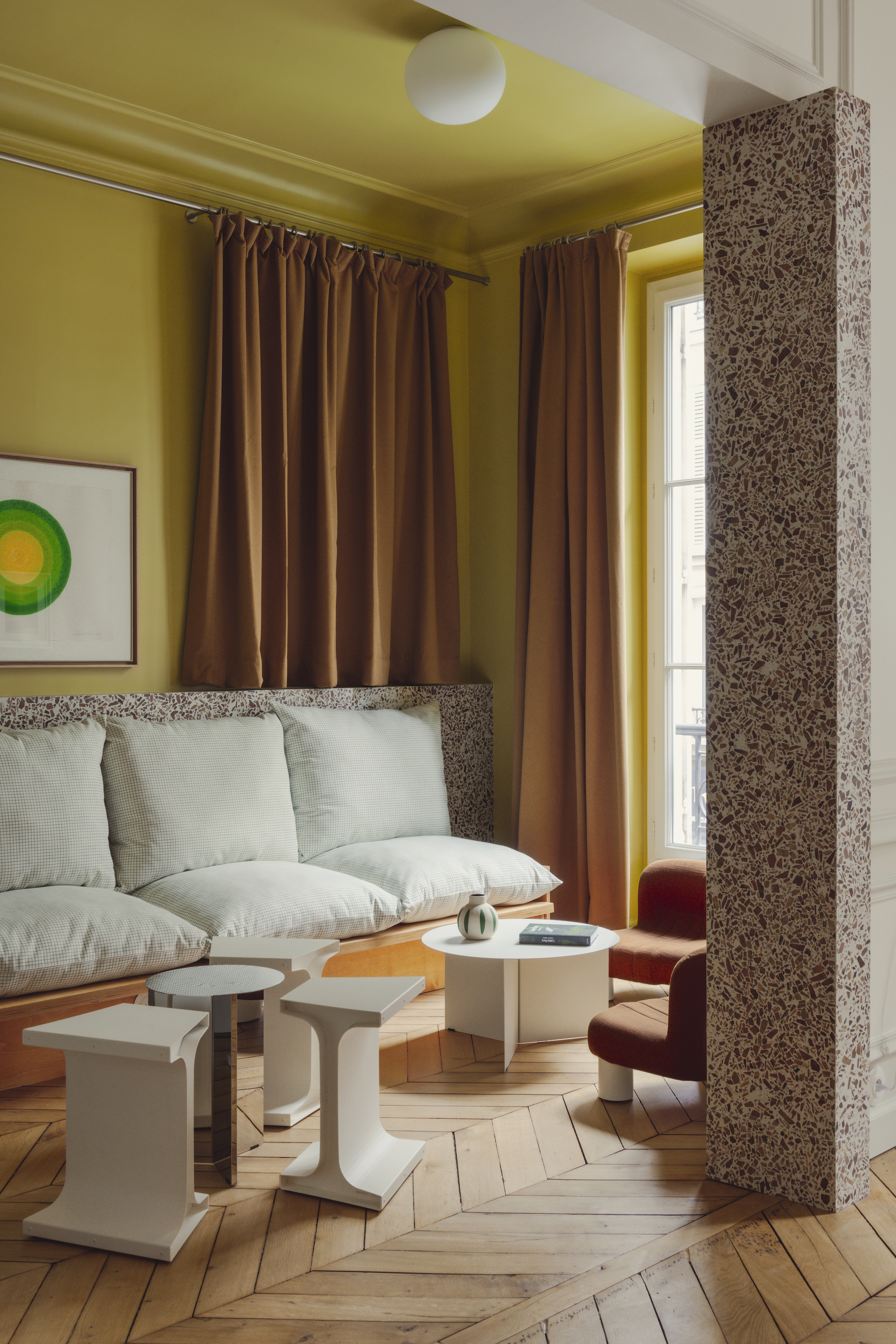
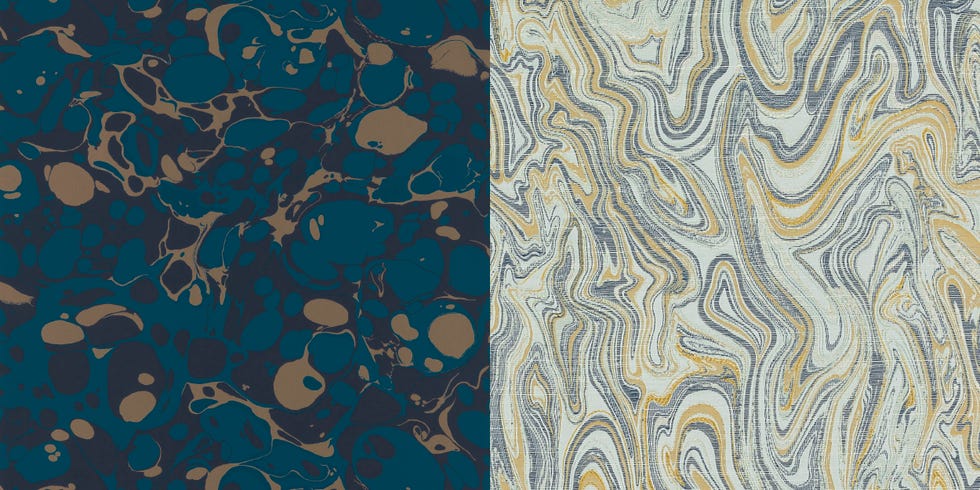
Trompe-l’œil effects are adding a chic, deceptive element to design. Rinck, the French cabinetmaker, presented furnishings with subtly marbled surfaces that, upon closer inspection, were revealed to be lightweight composites. The Touch Wood duo developed a unique terrazzo using wood chips, challenging traditional material perceptions. Additionally, N/A, a design partnership between Natalia Triantafylli and Andrew Scott, utilized 3D printing to create clay mirrors and vessels based on scanned objects, blending traditional craft with digital aesthetics.
Finally, textile design is focusing on sustainability and innovative production methods. Goran Sidjimovski’s BOI collection featured home textiles knitted from dead-stock yarns, organic cotton, and recycled polyester, with a production process that minimizes waste. Atelier LUMA presented a wool tent with a working felt machine and floor pillows woven from palm leaves, highlighting alternate uses for underloved textiles. Demeter Fogarasi’s “Frozen Textile” chair, made from a heat-pressed jute-based biocomposite, showcased how innovation can create inviting and comfortable forms from unexpected materials.
#MilanDesignWeek #InteriorDesignTrends #FurnitureDesign #SustainableDesign #LightingDesign #MaterialInnovation #OutdoorLiving #TextileArt #DesignExhibitions #MilanDesignWeek #InteriorDesignTrends #FurnitureDesign #SustainableDesign #LightingDesign #MaterialInnovation #OutdoorLiving #TextileArt #DesignExhibitions
0 commentaire au total
 Aucun commentaire pour le moment
Vous aimerez aussi
Ticking Trends: What’s New, Now, Next

6 Tile Trends Spotted at Coverings 2024

The New Fabric Launches Worth Knowing About
Designers Say These 5 Trends Will Be Everywhere This Fall—But This One Is Officially Out

6 Sustainable Material Trends That Prove It's No Longer Just a Buzzword, but an Exciting Design Opportunity

Patchwork Stripes and Jungle Florals—These Are the 7 Big Tile Trends

Lighting Trends We’re Loving
The Design Industry’s Coolest Trend Is Hiding in Plain Sight
6 inspiring sensory surface trends to expect in 2023
2025 Design Trends We're Loving
A new vision for cork, that is attractive and utilizes contemporary digital designs

Get Your Scissors Ready! Here are 5 Fabric Trends You Need to Know Now
The High-Gloss Trend We’re Loving
Patchwork Stripes and Jungle Florals—These Are the 7 Big Tile Trends

These Are The Top Design Trends Worth Trying

6 Fabric Trends Editors Want You to Use More in 2025 — Because There's More to Life Than Just Boucle
New products, trends create exciting time for outdoor living projects
32 Spectacular Fabrics and Trims Coming to Market This Year

Glass Is Red-Hot: Here Are 6 New Collections to Know
7 Spring Trends Designers Are Loving For 2025