Is it an okay temperature to paint outside? Why it might be too cold to decorate your home's exterior right now
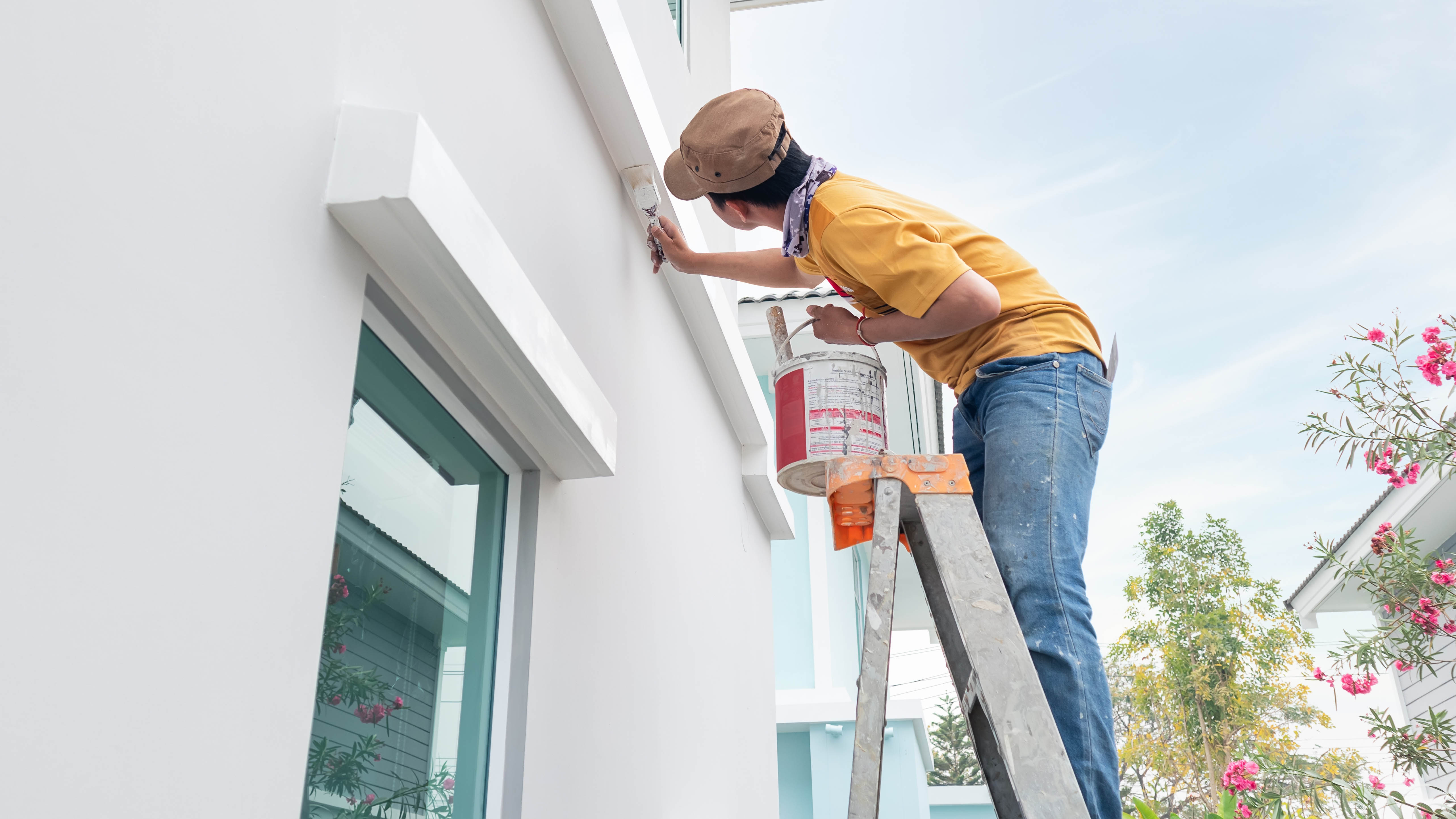
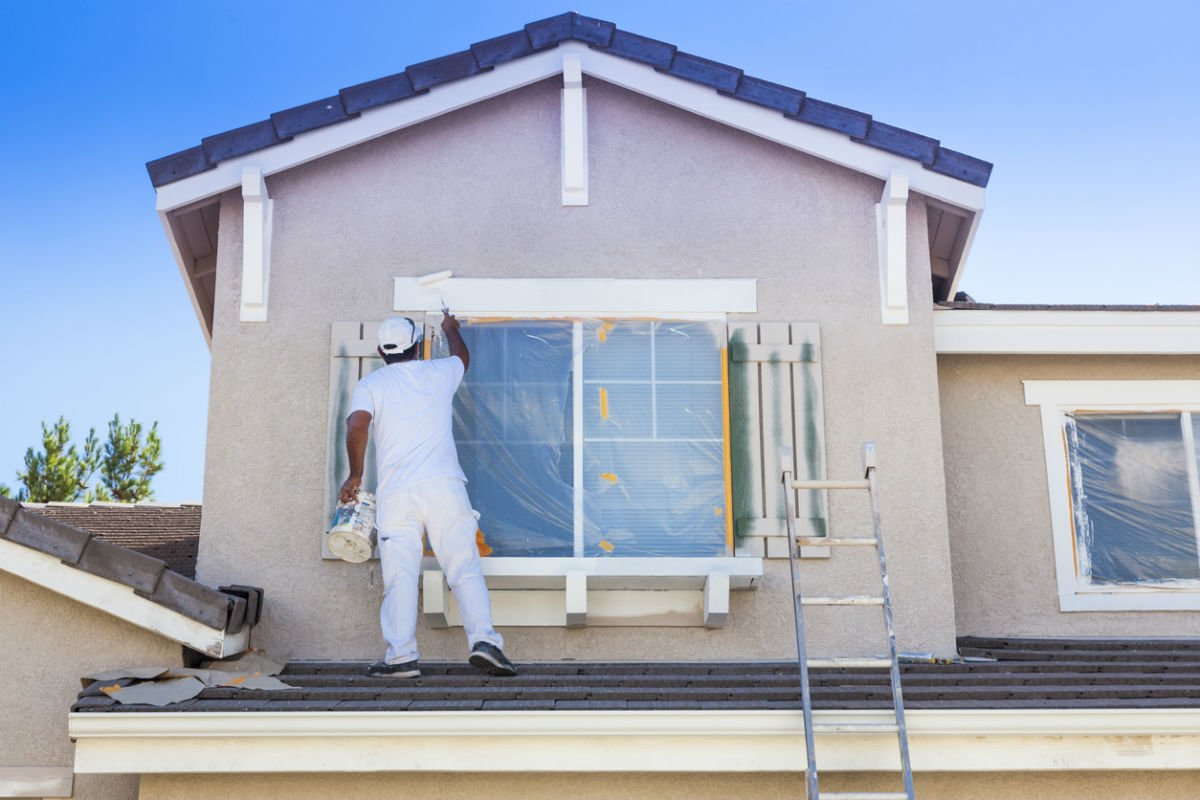
Achieving a pristine exterior paint finish for a home necessitates adherence to specific temperature guidelines, as extreme weather conditions can significantly compromise the paint's integrity and aesthetic appeal. Professional painters and decorators advise against undertaking outdoor painting projects when temperatures are either too high or too low, as this can lead to various issues such as bubbling, uneven texture, cracking, and premature paint failure. The ideal temperature range for painting exteriors is generally between 55 and 80 degrees Fahrenheit. This range allows for proper paint drying and adhesion without the risks associated with rapid drying in heat or slow curing in cold.
Different paint types also have varying temperature tolerances. Latex paints, commonly used for exteriors, are more susceptible to drying too quickly in high temperatures, potentially causing peeling. For latex paint, an ideal temperature range is between 50-70°F. Oil-based paints, conversely, have a broader tolerance, typically performing well between 45-90°F, owing to their slower drying properties. Beyond temperature, other environmental factors such as humidity, wind, and precipitation should also be considered and ideally avoided to ensure a smooth and durable finish. Wet, windy, or excessively humid conditions can hinder proper paint binding and curing.
Painting in excessively cold conditions, particularly below 40 degrees Fahrenheit overnight, poses significant risks. Low temperatures prolong the drying time, preventing the paint from curing correctly. This can result in moisture entrapment, leading to bubbles, cracking, and a reduced lifespan for the paintwork. Furthermore, cold temperatures can increase paint viscosity, making it difficult to apply evenly and resulting in an inconsistent coverage. A general rule of thumb suggests that if temperatures are expected to drop below freezing within a week of painting, it's best to postpone the project to prevent early paint failure.
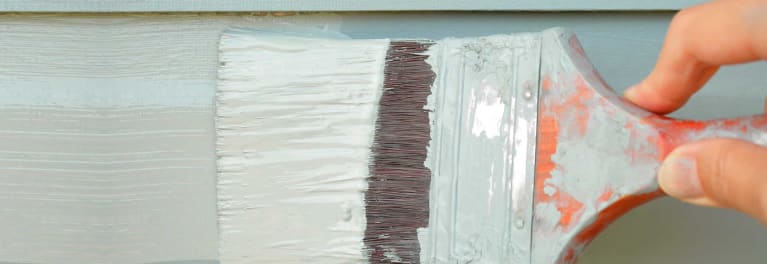
Conversely, painting in hot conditions, especially under direct sunlight, can cause the paint to dry too rapidly. This accelerated drying process can lead to the formation of bumps, blisters, and an uneven sheen or texture. Paint drying too quickly upon application prevents the painter from maintaining a 'wet edge,' which is crucial for a uniform finish. Some experts even suggest that extreme heat can be more detrimental than extreme cold, as it can create a 'gel' layer beneath what appears to be a dry surface, leading to peeling. Given the substantial investment involved in exterior house painting, avoiding these extreme conditions is paramount to ensuring a long-lasting and aesthetically pleasing result.
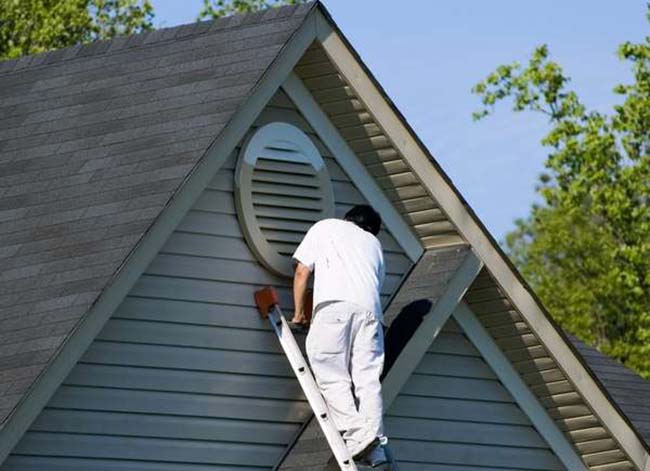
Regarding the best time of day for outdoor painting, it is advisable to start early in the morning on the side of the house that is in the shade. This strategy prevents direct sun exposure on freshly applied paint, allowing it to dry properly throughout the day. While this approach might be feasible in moderate climates, regions with intense midday sun, such as parts of the desert or southern states, may require avoiding painting during the hottest hours altogether. Ultimately, the goal is to prevent direct sunlight exposure and ensure stable temperatures, with no freezing forecasts for at least a week post-painting, to achieve an exterior finish that enhances the home's curb appeal effectively.
#ExteriorPainting #HomeMaintenance #TemperatureGuidelines #PaintApplication #DIYHomeImprovement #PaintFinishes #WeatherConsiderations #CurbAppeal #HomeRenovation #ExteriorPainting #HomeMaintenance #TemperatureGuidelines #PaintApplication #DIYHomeImprovement #PaintFinishes #WeatherConsiderations #CurbAppeal #HomeRenovation
0 commentaire au total
 Aucun commentaire pour le moment
Vous aimerez aussi
The best time to paint a house exterior, according to pros

Decorating expert reveals this is the best time of year to paint your home

How Often Should You Repaint Your House Exterior? Expert Explain When it's Time to Paint Your Outside Walls
Don't Wait Much Longer—This Is the Best Time of Year to Paint a House, Reno Pros Say

The Best Exterior House Paint Colors for Hot and Cold Climates
Exterior Paint | Outdoor Painting & Decorating

Can You Use Interior Paint Outside? Pros Say It's Not Worth Your Time — Here's Why
The Moody Shade That Will One-Up White Exteriors in 2026

The Best Exterior House Paint Colors for Hot and Cold Climates


What's the Ideal Outdoor Temperature Range for Using Exterior Paint?
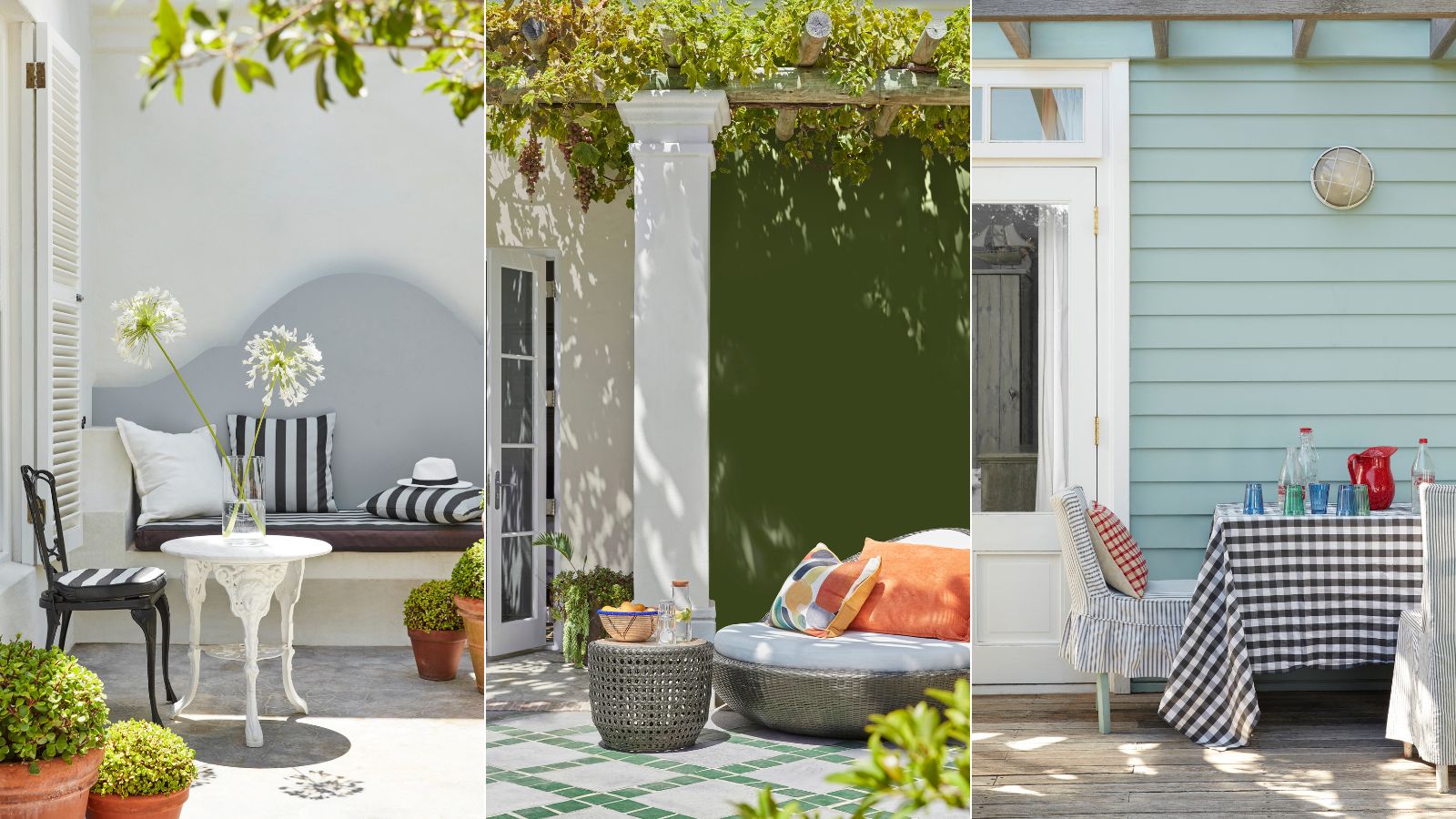
Exterior paint trends 2025 – 8 stylish color ideas for the outside of your home
12 Exterior Paint Colors That’ll Help Sell Your House
What Is the Best Temperature to Paint Outside?
The Best Exterior Paints for Every Outdoor Surface
There's still time! I’m a painting expert and it's the best month to paint inside your home for a silky-smooth finish
Hottest Exterior Paint Colors of 2020
How often to paint a house – and three things that impact longevity
5 Exterior Paint Mistakes to Avoid If You Don't Want Your House to Become the Worst-Looking on the Street
6 Best Exterior Paints for Your Home, According to Experts

You Should Paint Your Home's Exterior Right Now, a Pro Says—Here's Why