1/2
In conversation with Esther Van Eeden on Passive House design
This article explores the Passive House design standard, emphasizing its role in achieving energy efficiency and sustainability for a zero-carbon future, particularly within the United States. It features insights from Esther Van Eeden, an associate at Buro Happold's Boston office, highlighting her contributions to sustainable architecture and her expertise in guiding design teams to meet environmental goals and stringent energy standards.
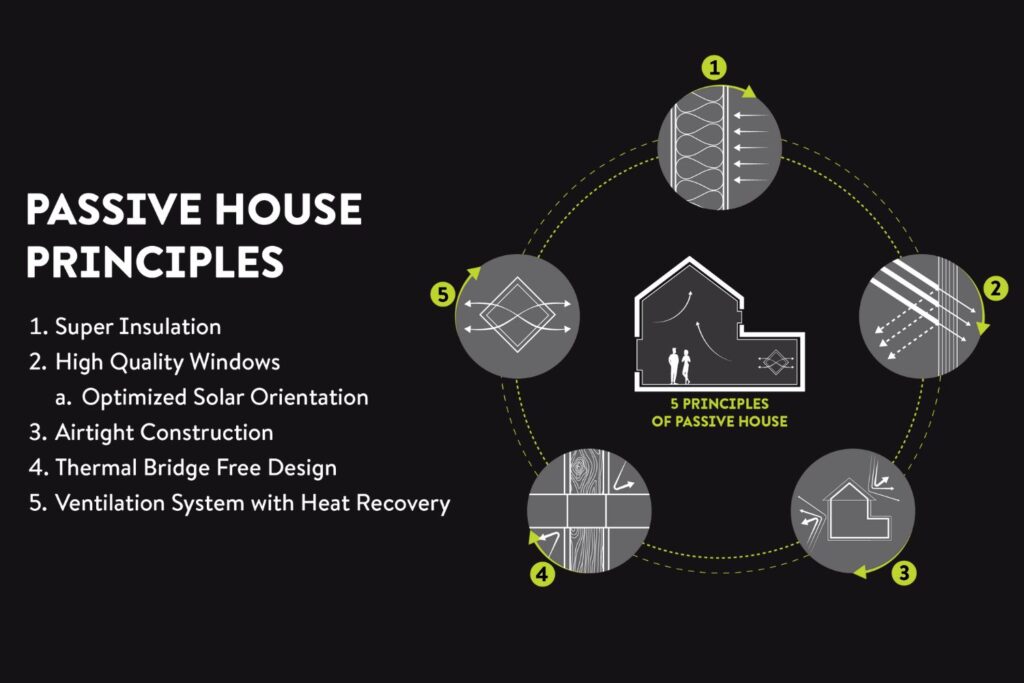
The Passive House standard, developed in the 1980s and 1990s, is a performance-driven design approach that focuses on a whole-systems perspective rather than prescriptive measures. This flexibility allows for adjustments in elements like insulation levels to meet specific energy performance criteria. In the U.S., buildings can achieve certification from either the Passive House Institute (PHI) or Phius. Recent changes to the 2024 Massachusetts Stretch and Specialized Opt-In codes have made Passive House a viable pathway for code compliance across various building types. The core principles of Passive House design, applicable to any building in any climate, include enhanced continuous insulation, high-quality windows, an airtight envelope, reduced thermal bridges, and certified, high-quality ventilation equipment.
Buro Happold's approach to Passive House design involves optimizing architectural elements such as form, orientation, scale, and window proportions. By adhering to Passive House minimum requirements, the firm can optimize mechanical systems, leading to space savings and reduced operational costs for building owners. Successful Passive House projects necessitate strong client engagement and a collaborative design process, with a Certified Passive House Designer (CPHD) crucial for coordinating various design disciplines. A notable example is The House at Cornell Tech, which is recognized as the world's tallest and largest residential Passive House building. Buro Happold's multidisciplinary engineering services were instrumental in achieving Passive House standards for this project, resulting in significantly reduced energy consumption, operational energy savings, and superior indoor air quality and comfort. This project demonstrated the feasibility of Passive House at an unprecedented scale through close collaboration with the owner, design team, and the New York City Department of Buildings.
The certification process for Passive House projects, similar to LEED certification, involves submission to a certifier at Phius or PHI. These certifiers act as auditors, providing expertise and conducting multiple reviews of the energy model at key design milestones. Early involvement of contractors and commissioning agents ensures that buildings operate as designed, minimizing onsite problems during construction and promoting better maintenance practices. Unlike many green building certifications that adopt a prescriptive approach with specific targets for individual components, Passive House employs a whole-systems performance approach, prioritizing operational energy efficiency. PH-certified buildings typically use 40% to 80% less energy than code-built structures, marking a substantial contribution to a zero-carbon future. Beyond certification, Passive House serves as a valuable framework for designing high-performance buildings, guiding project teams toward enhanced comfort, durability, and resilience, while also reducing long-term energy costs. Successful implementation requires collaboration among all stakeholders, including the owner, architect, design team, Passive House consultant, MEP engineers, general contractor, trades, and third-party certifier.
Buro Happold assists clients in navigating the Passive House process, including eligibility for grants and incentives such as Mass Save Passive House Incentives, federal programs like the Inflation Reduction Act (IRA), and the Energy-Efficient Commercial Building Tax Deduction (179D). Their services include feasibility studies, energy modeling, and quality assurance tests, guiding projects from design through certification. The firm emphasizes collaboration among all stakeholders and offers customized, performance-based solutions to achieve high-performance, sustainable buildings.
#PassiveHouse #SustainableArchitecture #EnergyEfficiency #ZeroCarbon #BuildingPerformance #GreenBuildingCertification #CornellTech #MassachusettsBuildingCode #BuroHappold #PassiveHouse #SustainableArchitecture #EnergyEfficiency #ZeroCarbon #BuildingPerformance #GreenBuildingCertification #CornellTech #MassachusettsBuildingCode #BuroHappold
0 commentaire au total
 Aucun commentaire pour le moment
Vous aimerez aussi
Interiors: Why home design is getting smart, sustainable and health conscious
In Texas, a Passive House Blends Style and Sustainability

schneider electric and oliver heath design sustainable homes of the future
Interior Design Trends for 2021
Eight of the world's most remarkable homes
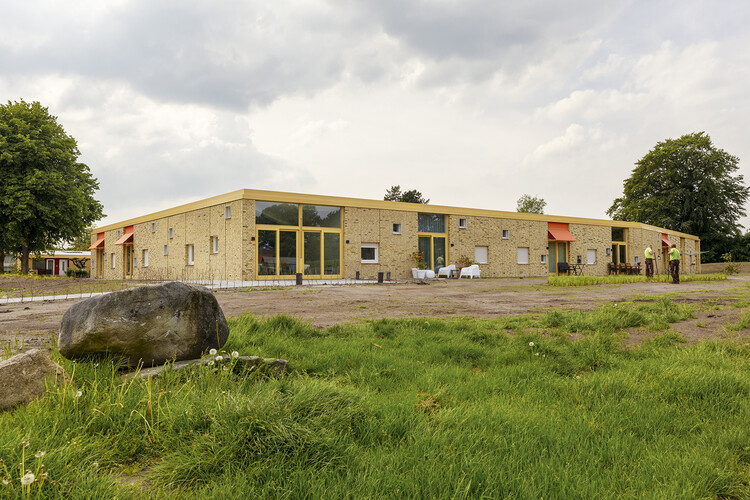
Elzenhof Veenoord Courtyard for Elderly / Specht architects & planners

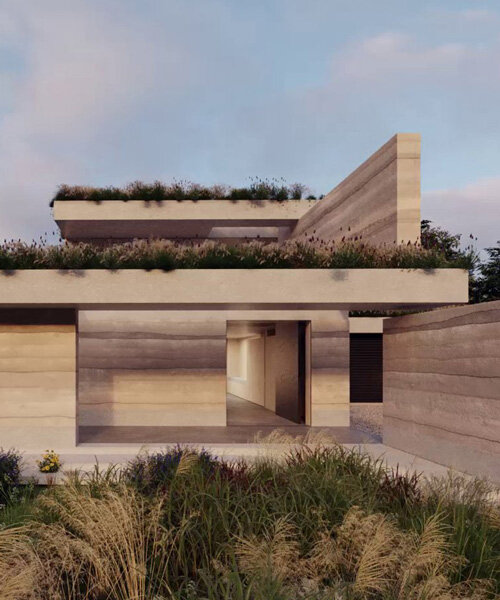
DHaus sculpts eco-friendly home in surrey's countryside from rammed earth

A Curving Rammed Earth Addition Expands a Family Bungalow in Melbourne

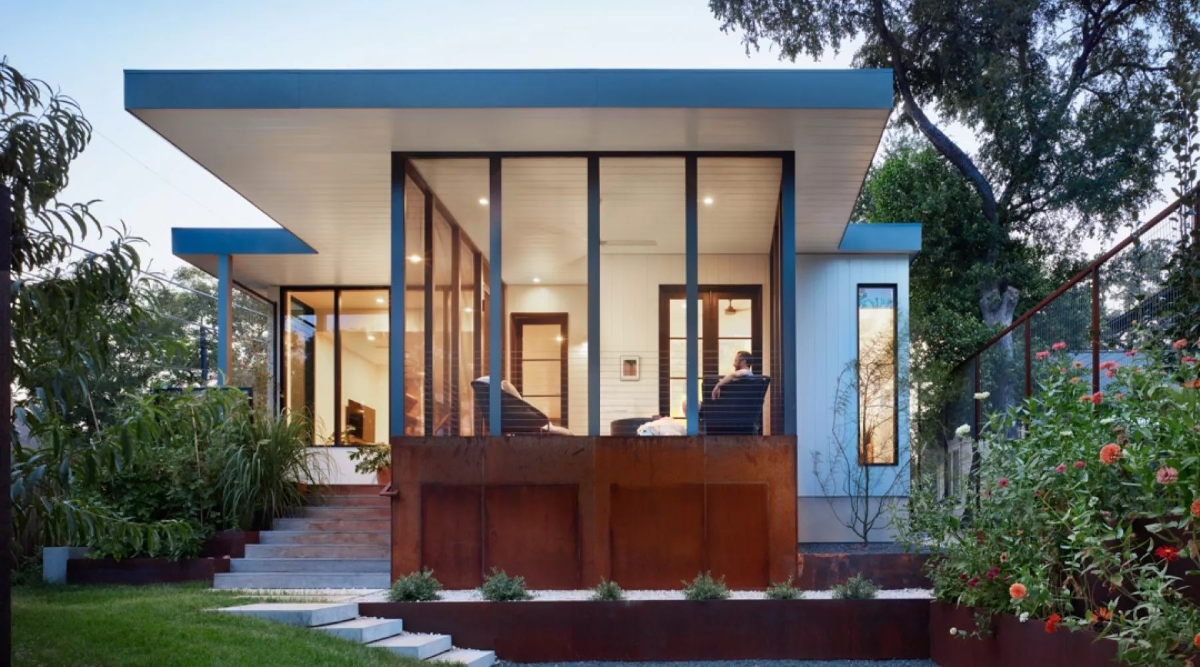
Passive House Design: What All Energy-Conscious Homeowners Should Know
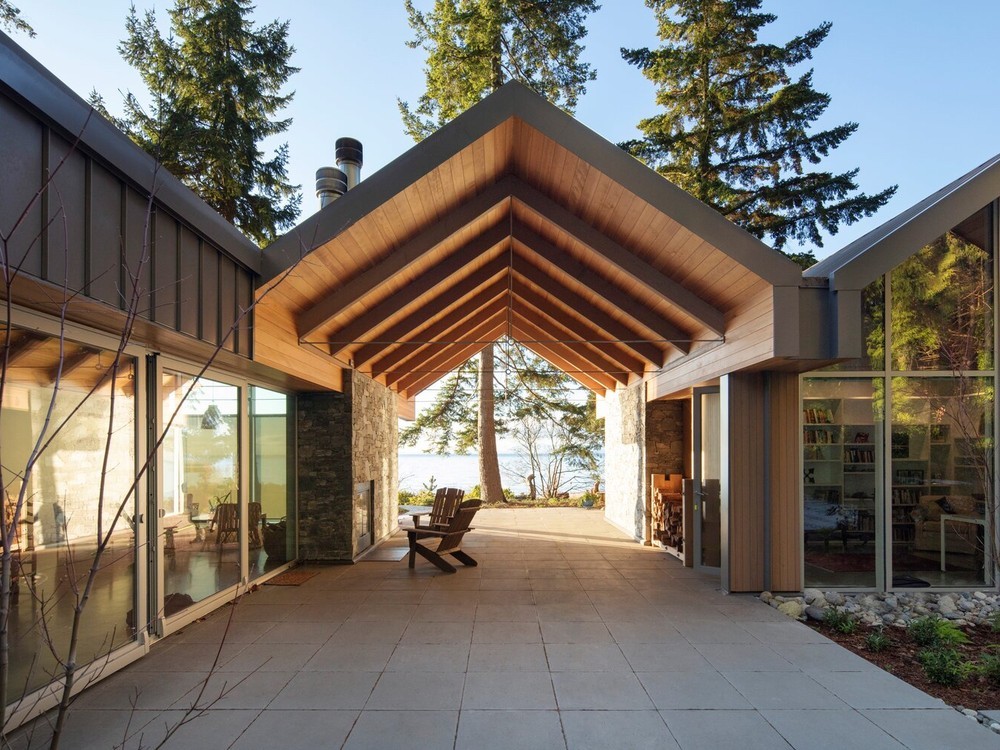
The Home Front: How Vancouver architect Cedric Burgers came to fully embrace passive house design
Habitat Design Consulting Expert Interior Design Advice

10 New Trends in Multifamily Housing Design

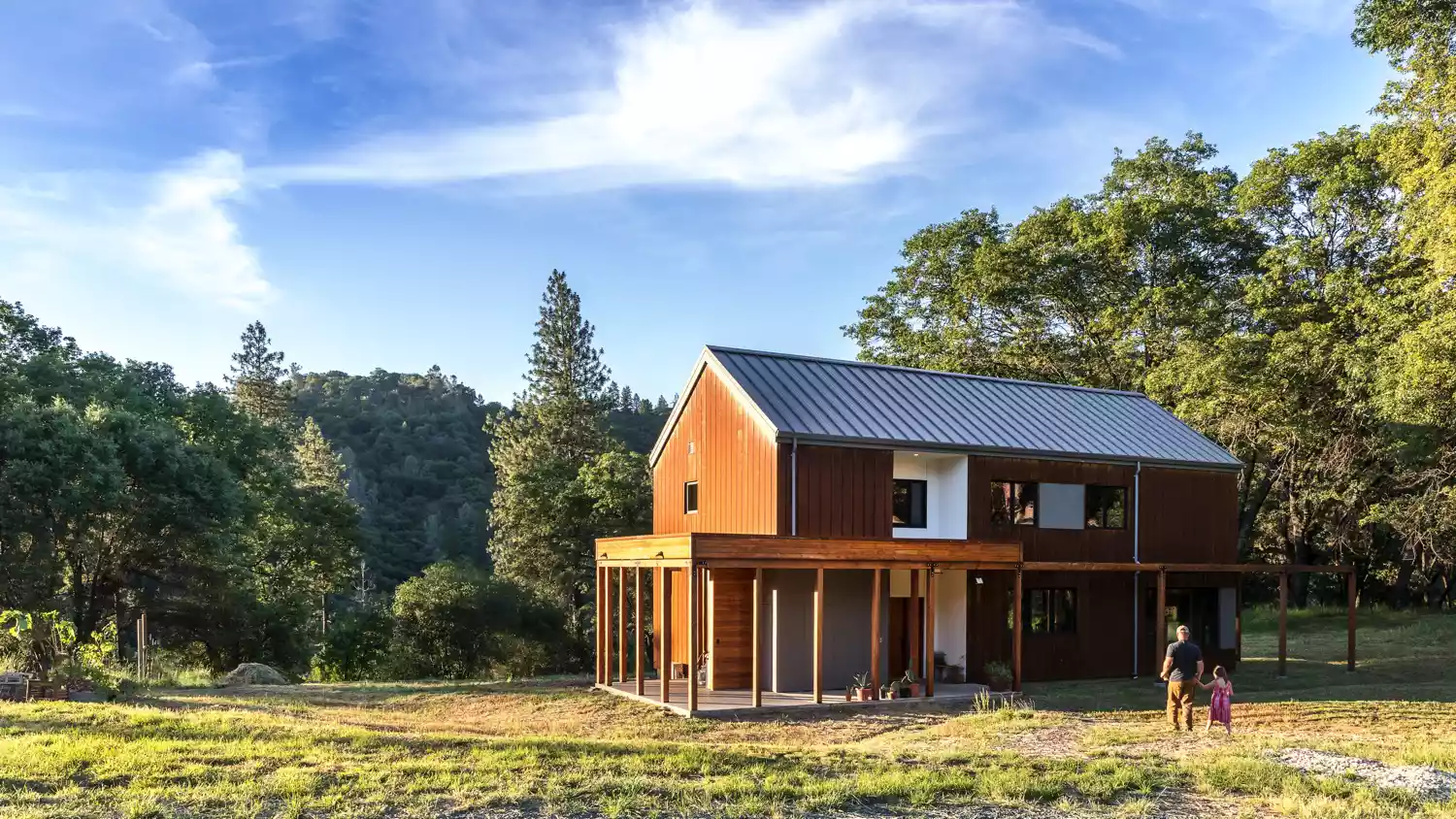
Architect Jeff Adams Designs a "Pretty Good House"
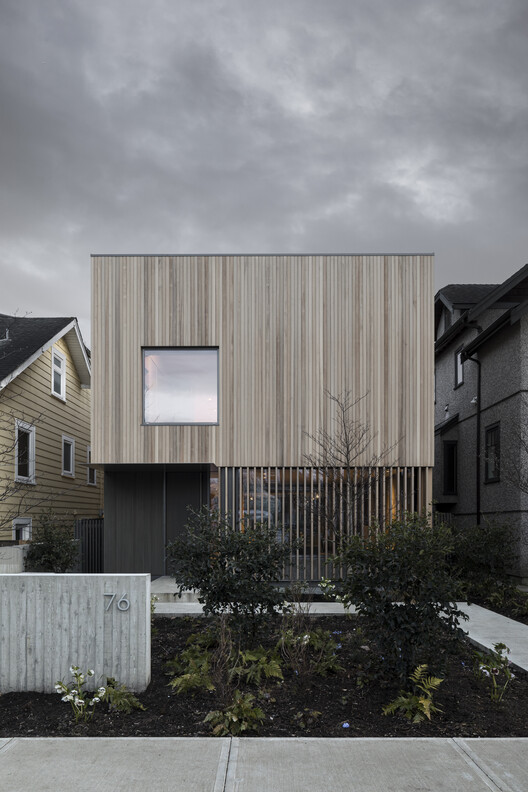
Courtyard House / Leckie Studio Architecture + Design Inc.
How residential design offers opportunities for sustainability
A South African Architect Designs an Off-Grid, Modern Home For Her Parents
Stand Out with 2026 Home Trends
A Passive House Renovation Makes This Historic Townhouse More Livable
Fibre-cement tiles create a latticed facade for Leeuw House by NU Architectuuratelier
Delaware Experts Share Advice on Creating a Sustainable Home