1/3
How Much Wind Can a Pergola Withstand? The One Thing to Know for Outdoor Structures That Last
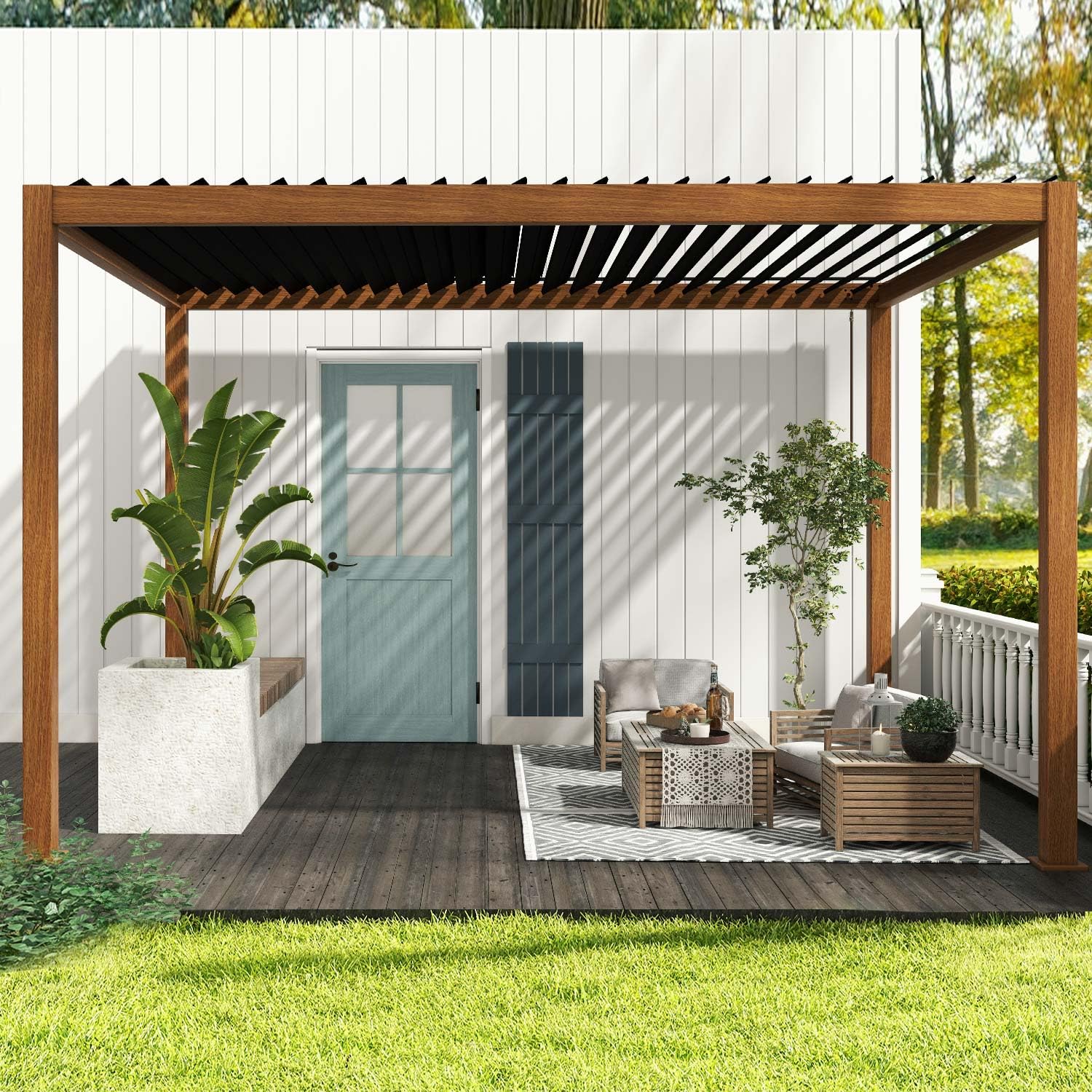
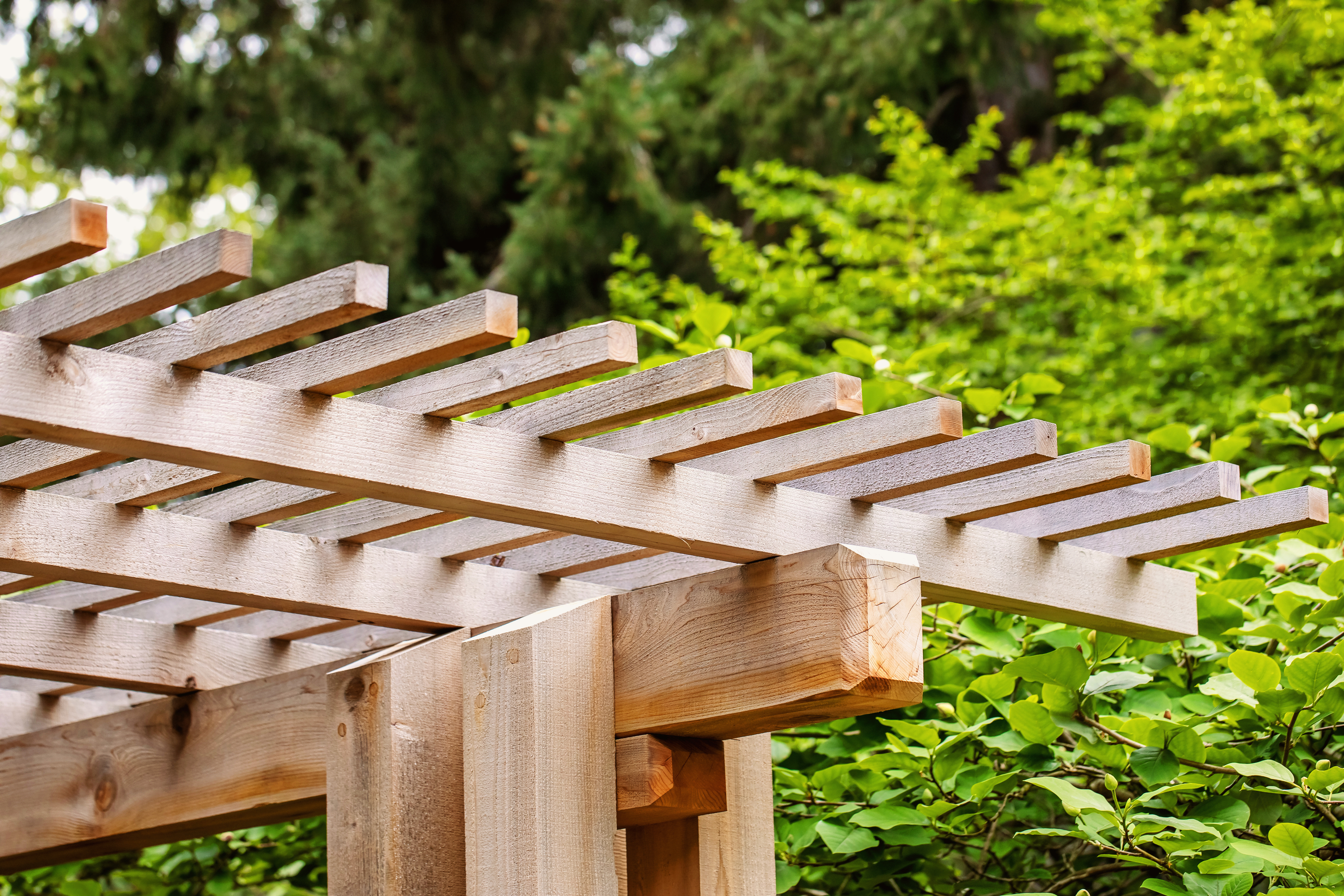
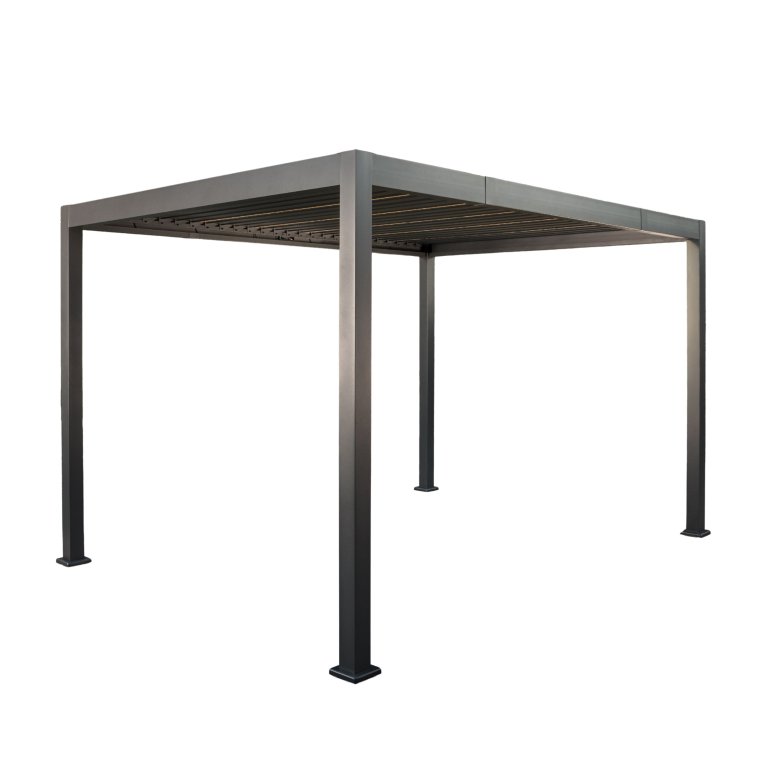
Pergolas are significant outdoor investments, and ensuring their stability, especially in adverse weather conditions like high winds, is crucial. The wind resistance of a pergola is primarily determined by its design, material, and professional installation. Typical pergolas can withstand wind speeds ranging from 70 to 100 miles per hour, but this can vary significantly—from as low as 50 mph for some DIY kits to over 130 mph for professionally installed and reinforced structures. This highlights the importance of choosing a pergola appropriate for the local climate and ensuring correct installation.
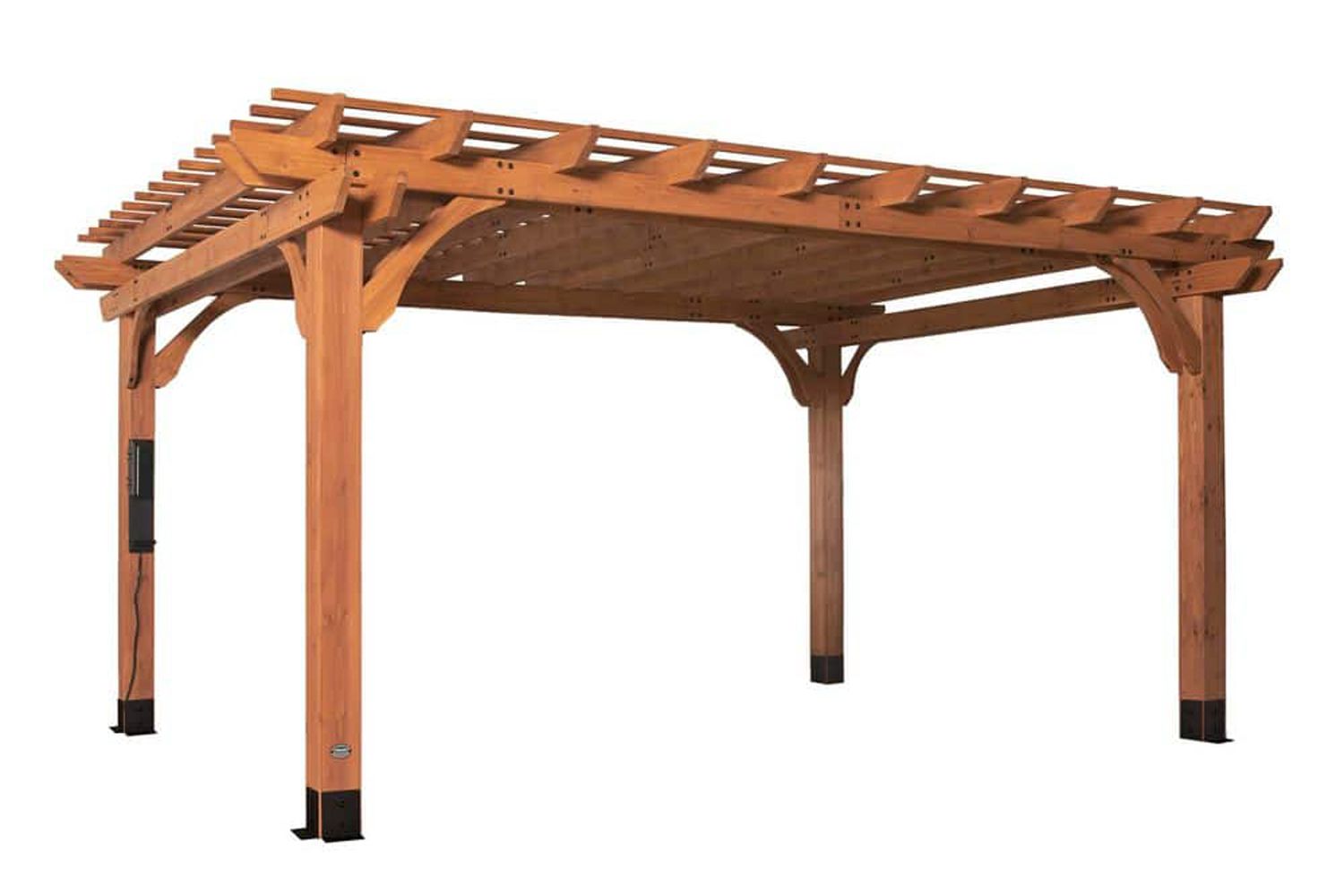
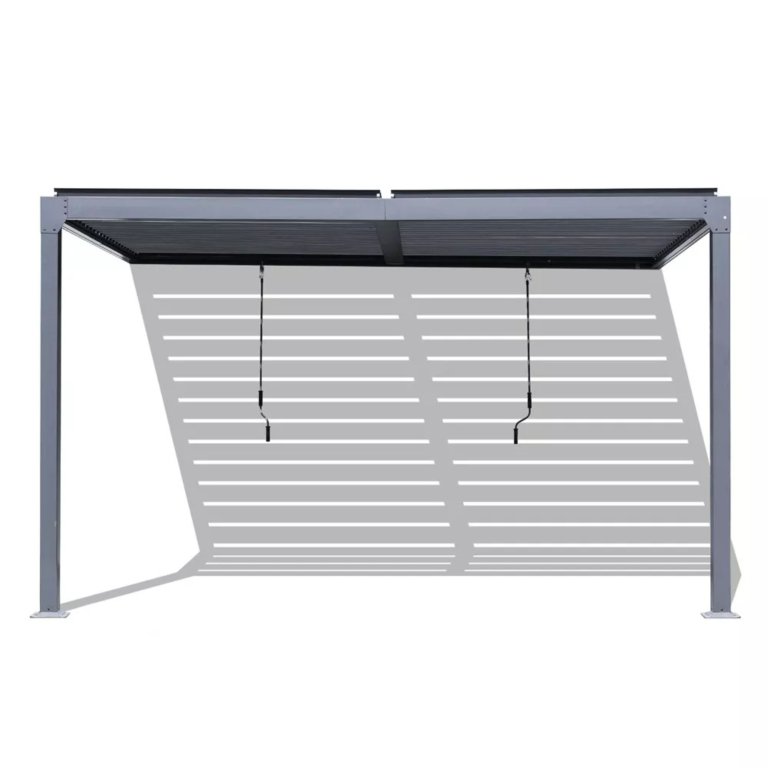
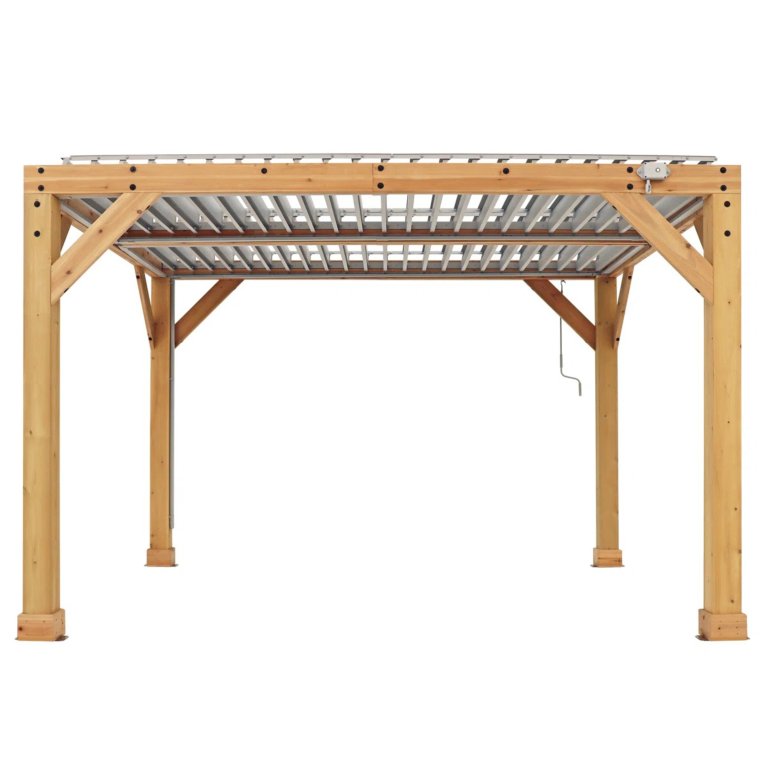
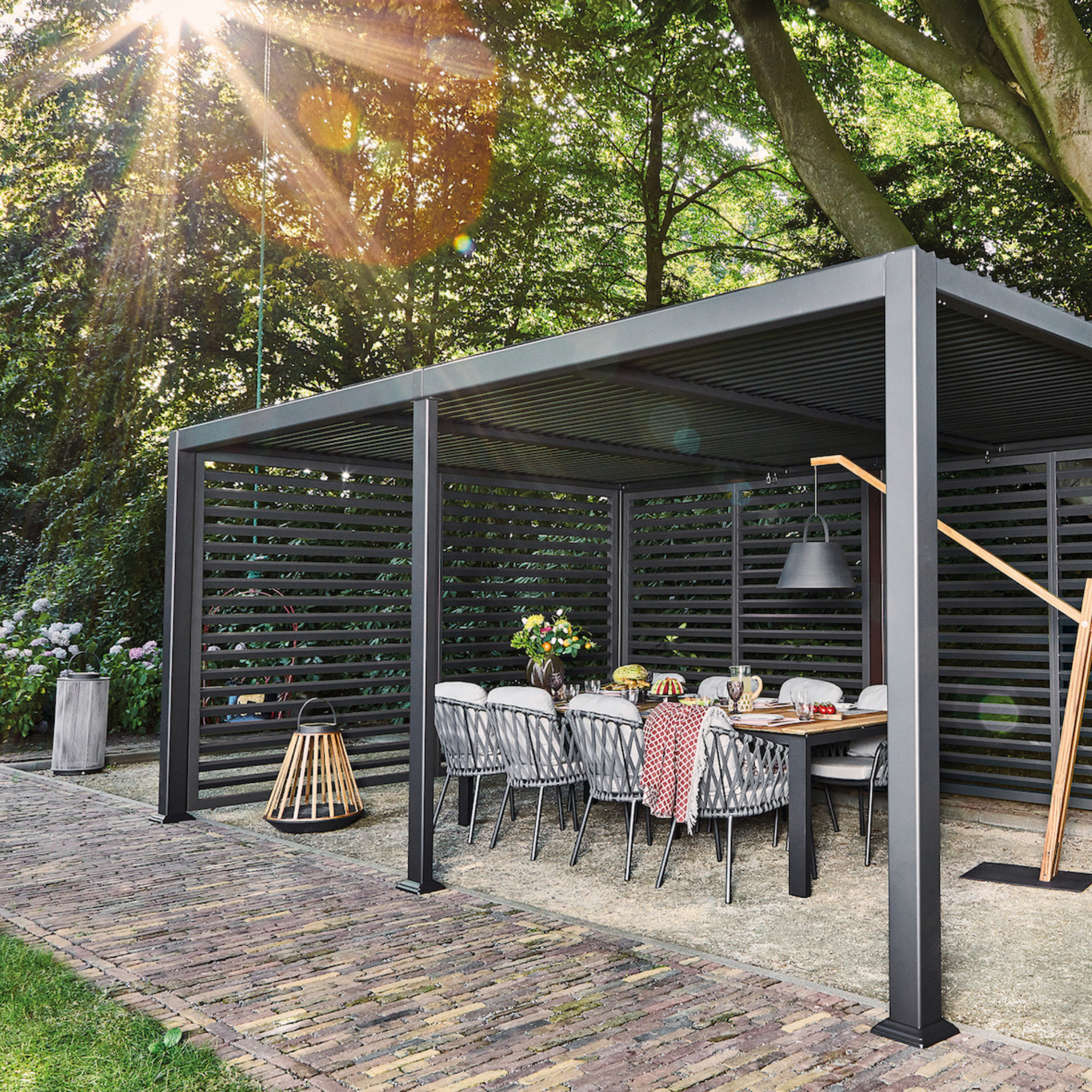
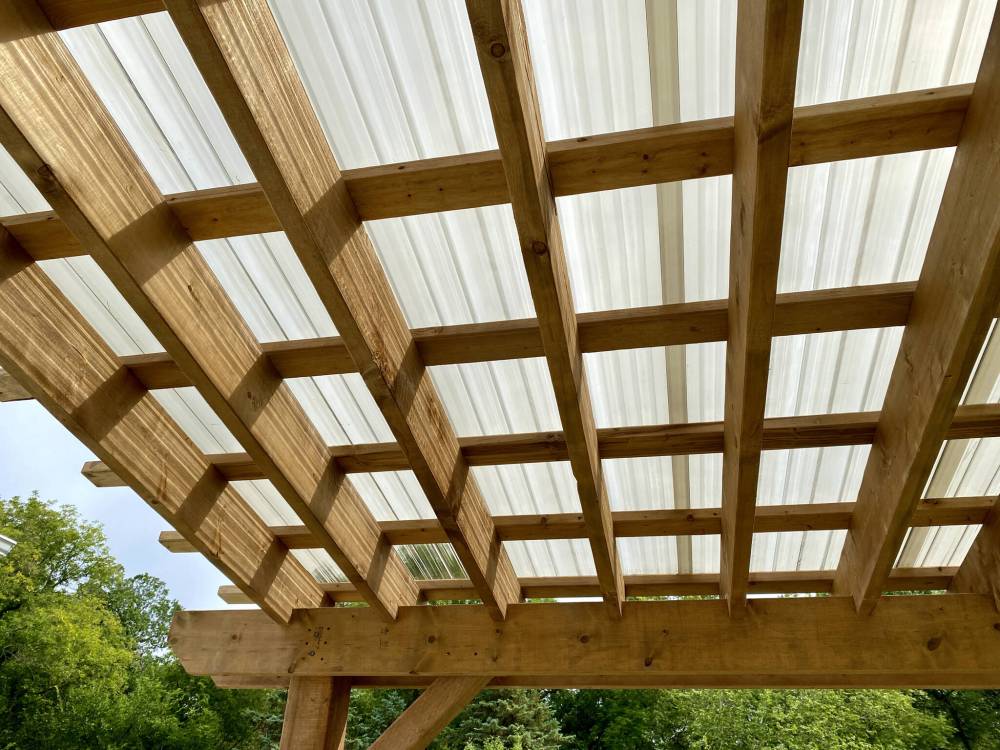
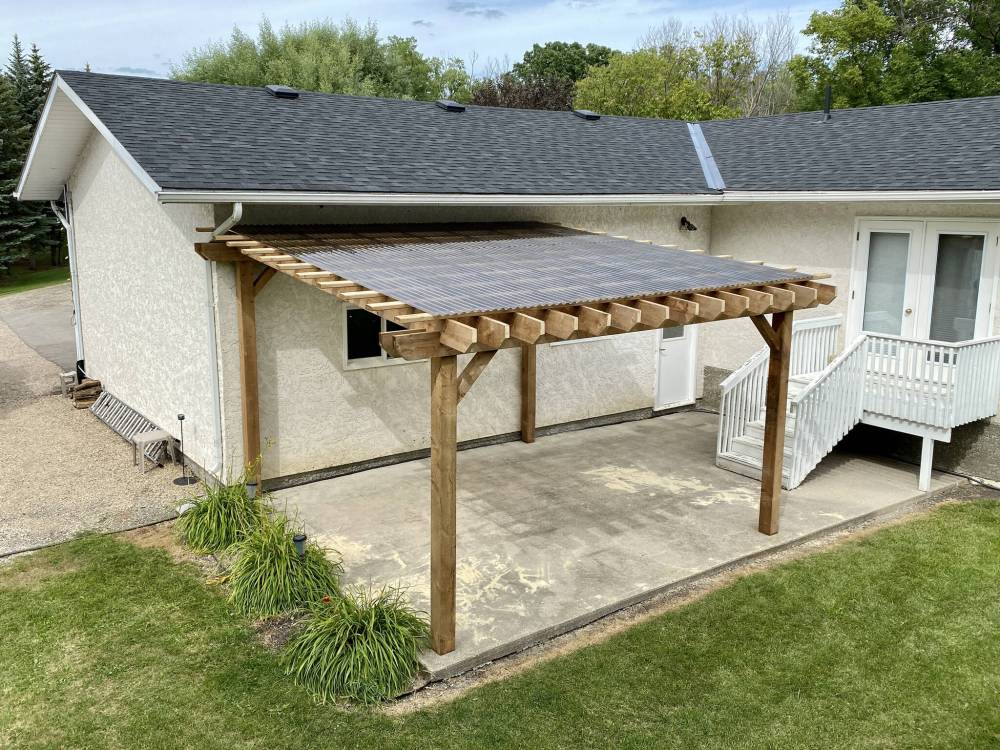
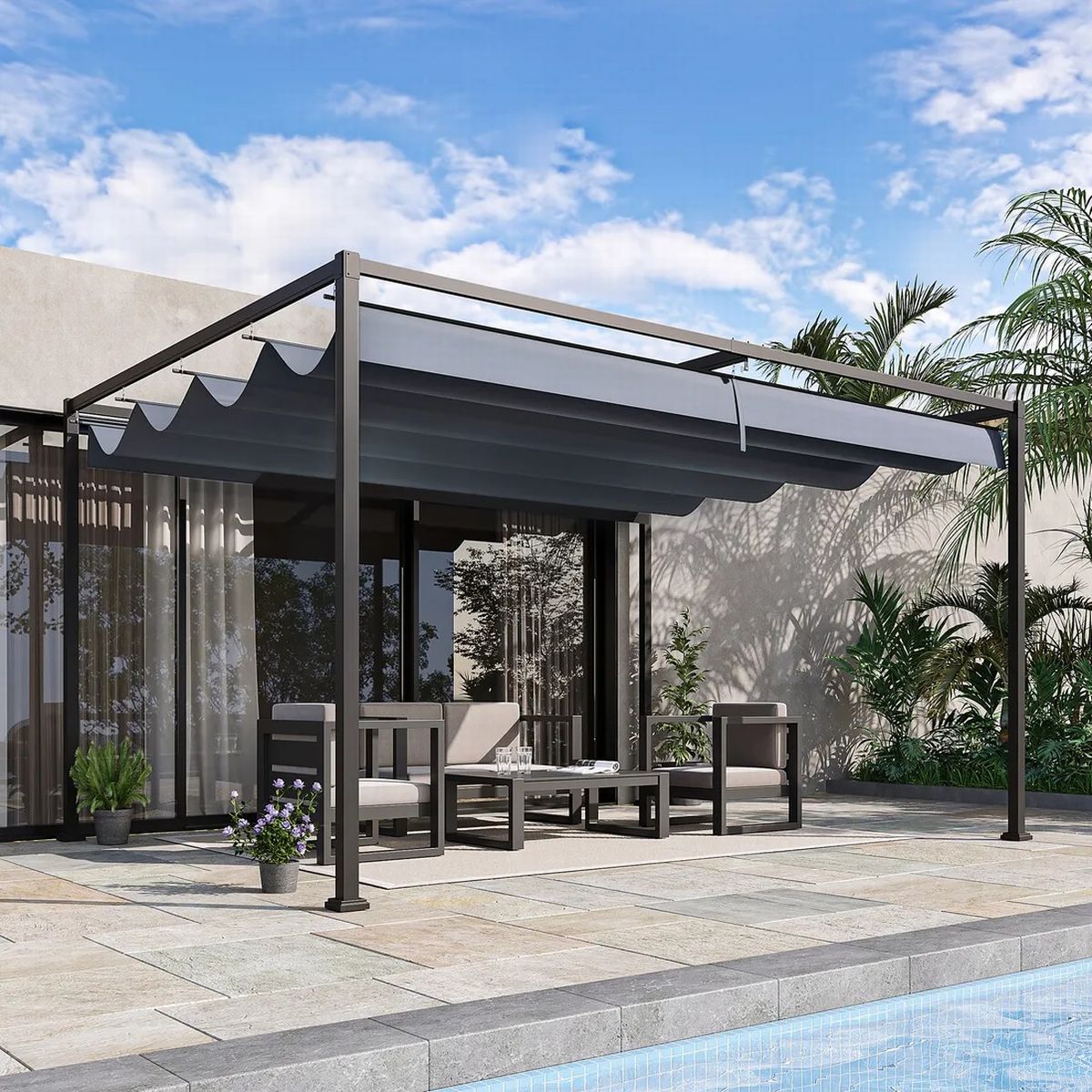
Experts emphasize that two main factors influence a pergola's ability to endure high winds: sturdy design and professional installation. DIY pergola kits, while cost-effective, may not be suitable for areas prone to strong winds and can pose safety risks. For climates with high-speed winds, consulting a professional is recommended to select a pergola with an adequate wind rating and to guarantee proper installation. Wood pergolas generally tolerate winds of 50-70 mph, whereas aluminum pergolas, due to their inherent strength, are often rated for winds exceeding 70 mph, albeit at a higher cost.
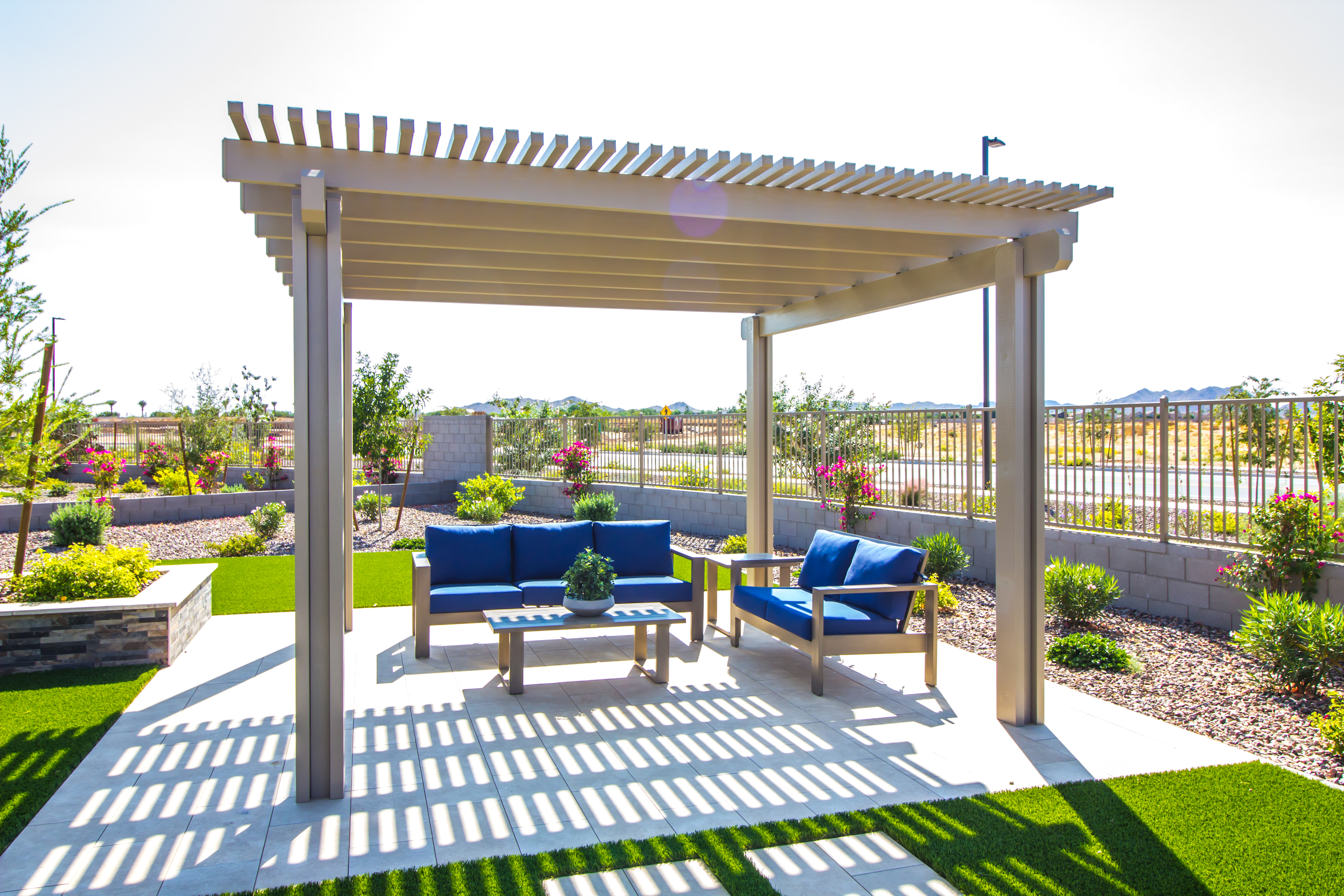
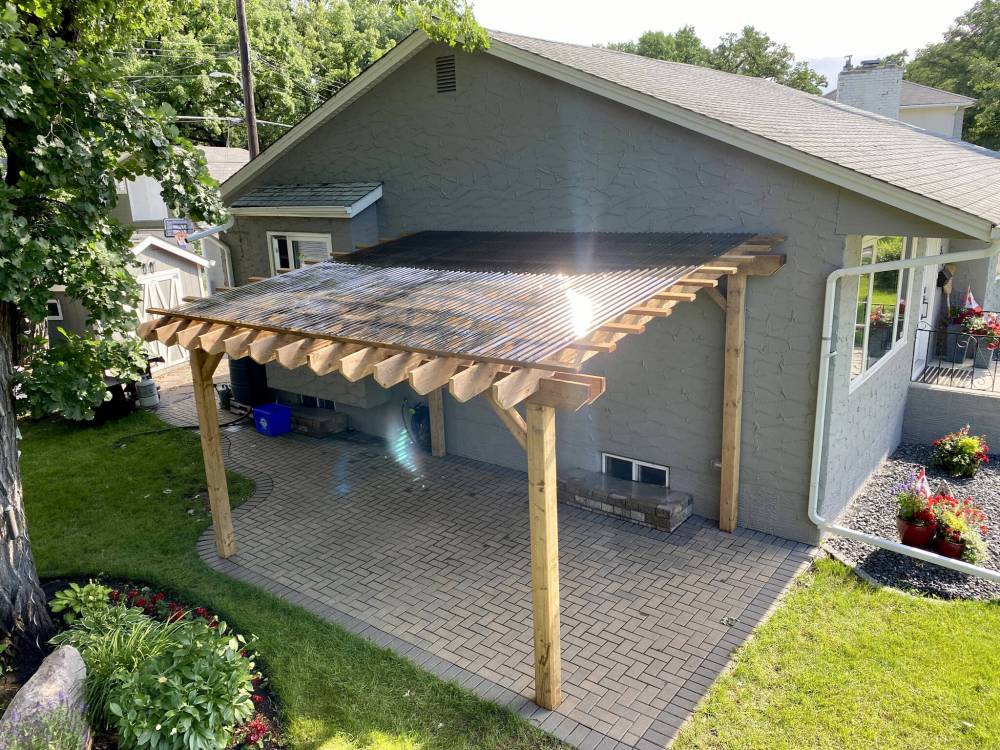
To enhance a pergola's wind resistance, several measures can be implemented. Opting for aluminum pergolas is advisable in high-wind regions. Strategic placement in a protected location, such as near existing structures or flanked by trees and tall shrubs that act as natural windbreakers, can significantly improve stability. In areas with severe weather, including heavy snowfall and extreme temperature fluctuations, reinforcing the pergola is essential. Construction methods recommended by professionals include using 4x4 posts set in concrete, incorporating diagonal cross-bracing, and bolting the structure to adjacent buildings for added resilience.
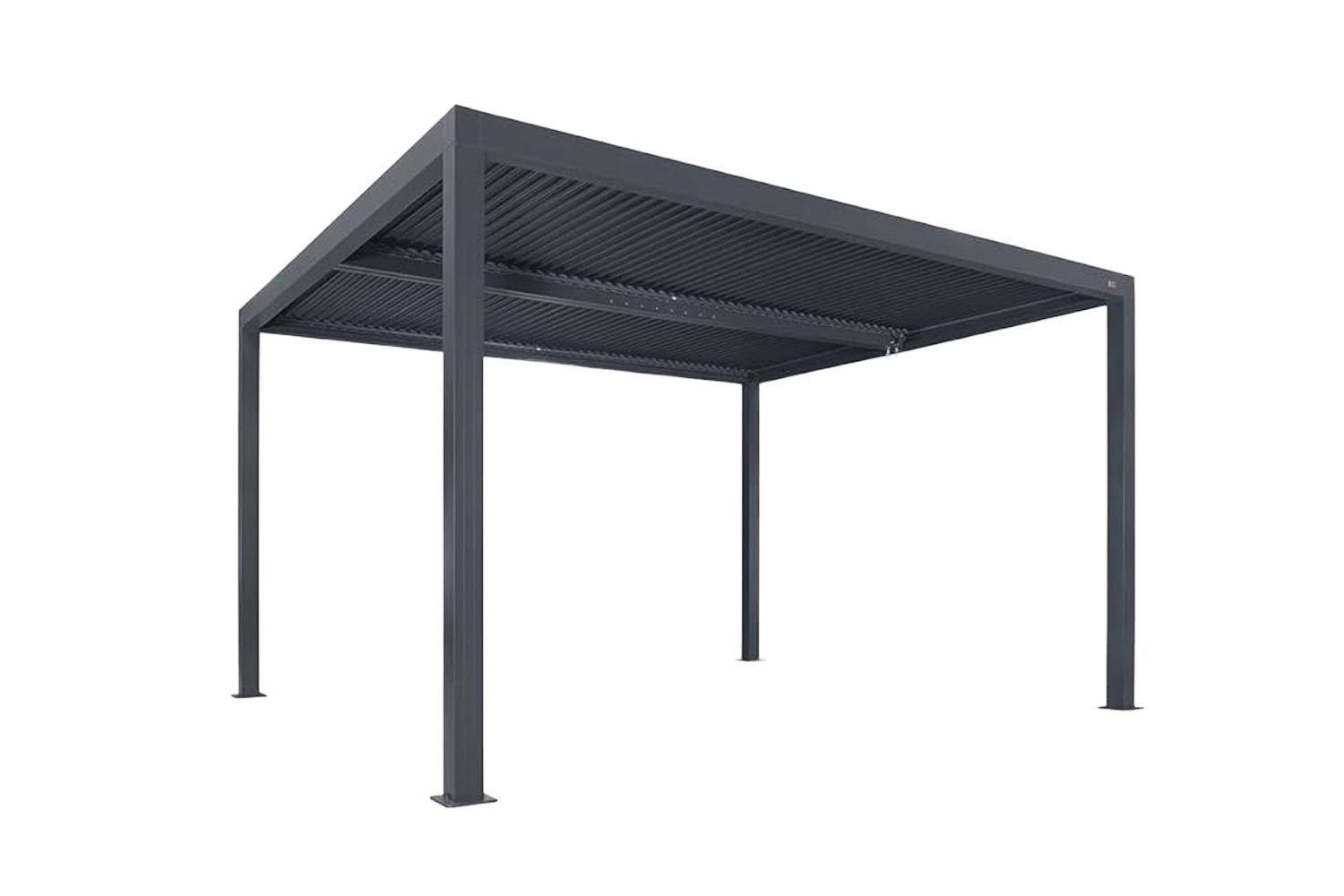
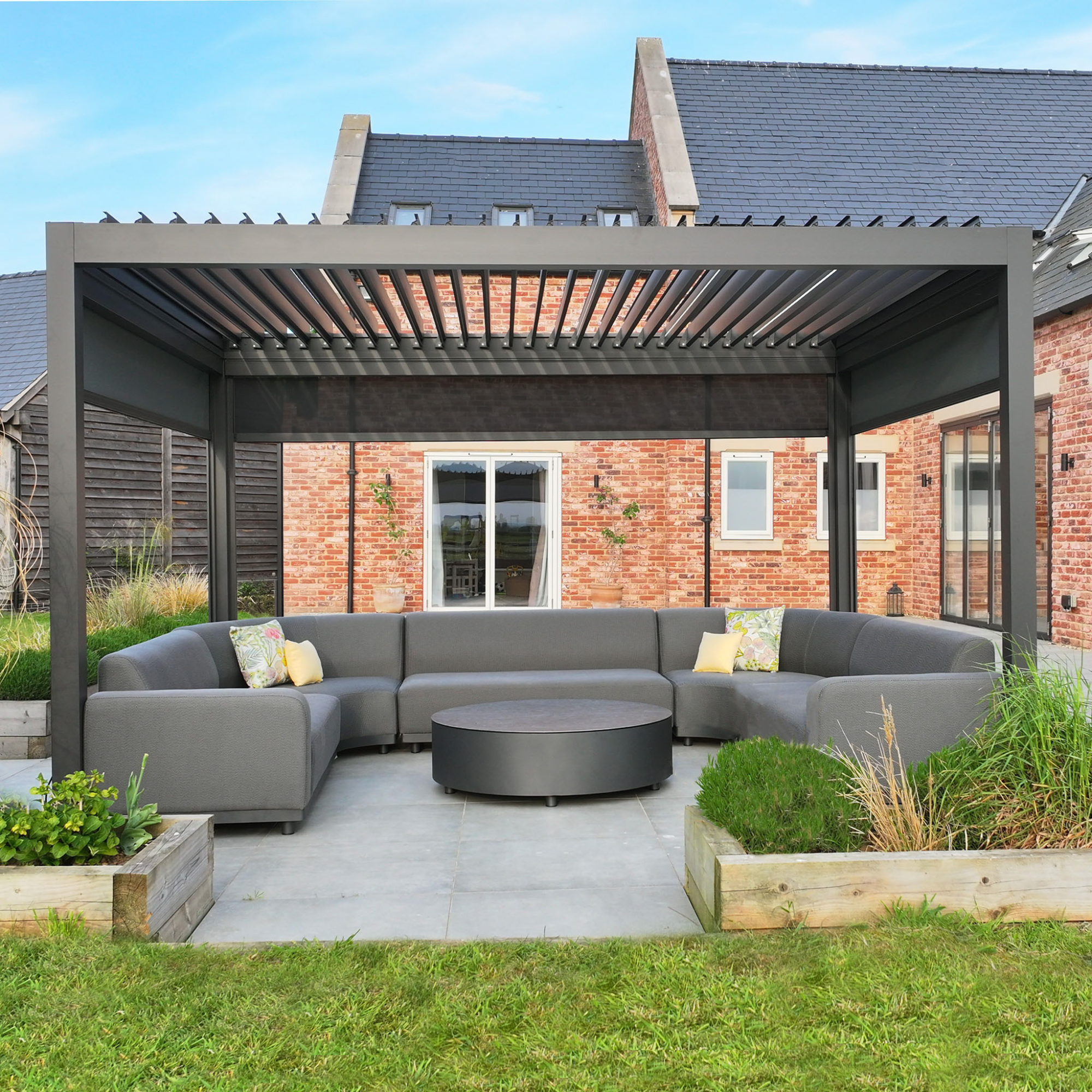
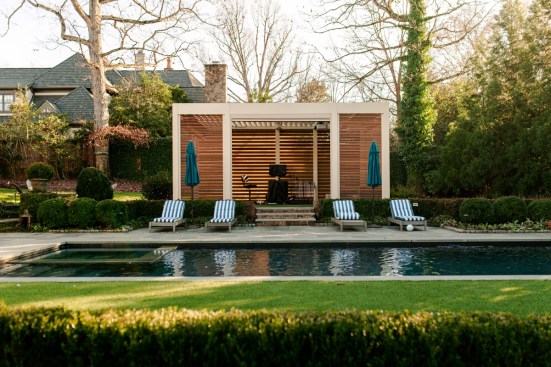
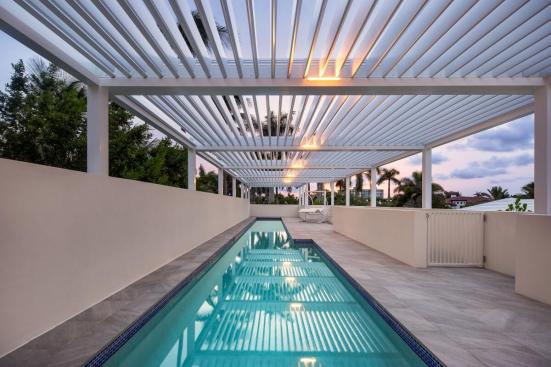
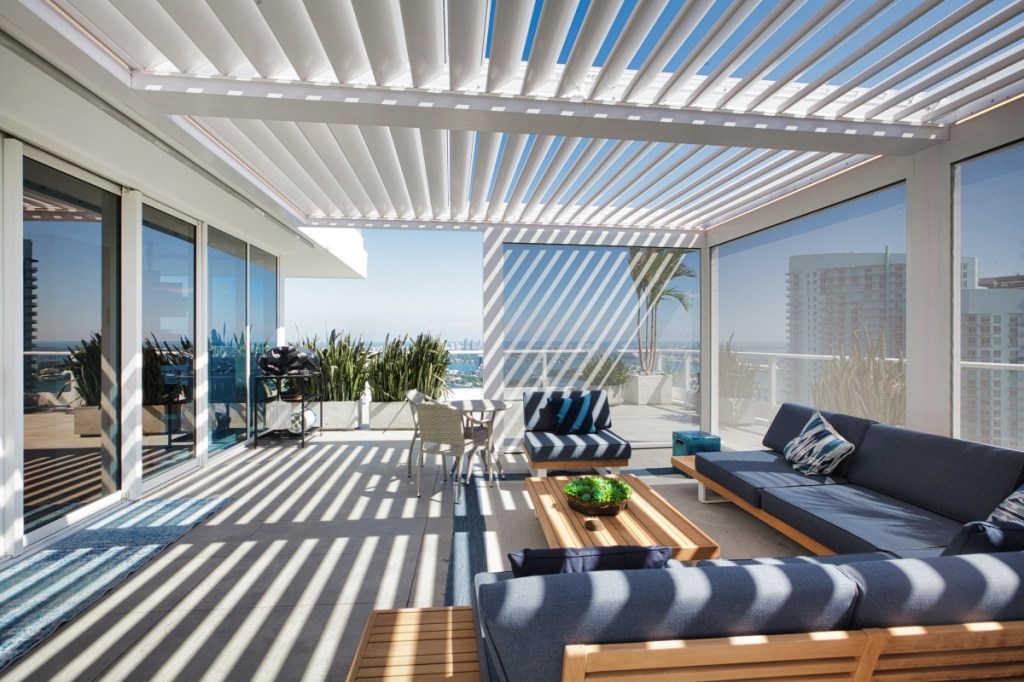
For coastal regions, where wind forces are particularly strong, a more robust approach is necessary, such as burying concrete footings up to 6 feet deep for posts. Homeowners considering building or reinforcing a pergola should seek advice from local professionals. This ensures that the structure is not only safe but also durable against various weather elements. When high wind alerts are issued, keeping the pergola partially open, especially if it has a louvered roof, allows wind to pass through, reducing stress on the structure and minimizing the risk of damage. Additionally, using resilient materials and adding hurricane ties for rafters can further secure the pergola in wind-prone areas. Making informed decisions based on local climate and professional guidance ensures the longevity and safety of a pergola, allowing homeowners to enjoy their outdoor space without constant worry.
#Pergola #WindResistance #OutdoorStructures #HomeImprovement #LandscapeDesign #WeatherProofing #ProfessionalInstallation #Pergola #WindResistance #OutdoorStructures #HomeImprovement #LandscapeDesign #WeatherProofing #ProfessionalInstallation
0 commentaire au total
 Aucun commentaire pour le moment
Vous aimerez aussi
This Umbrella Survived the Windiest of Days During Our Tests

Amazon's Newest Pergola Will Transform Your Backyard—And It's $200 Off

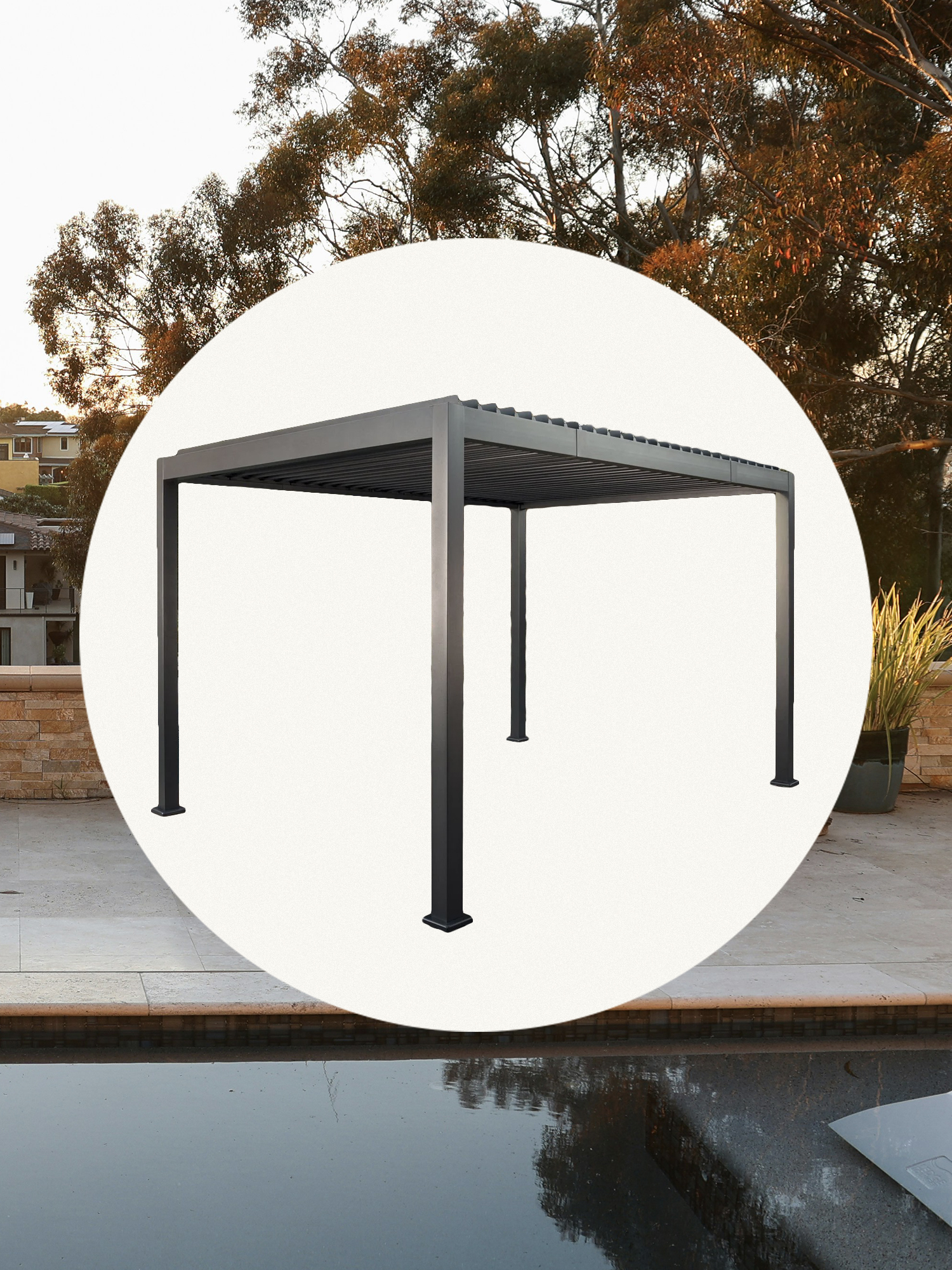
This Sleek Pergola Already Sold Out This Summer—Now It’s Back

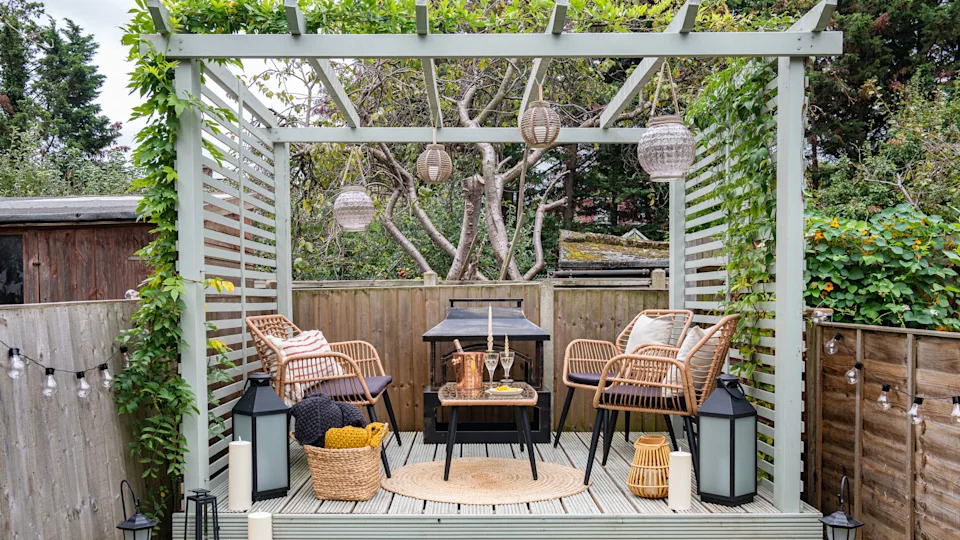
27 pergola ideas to add shade, privacy and style to your outside space

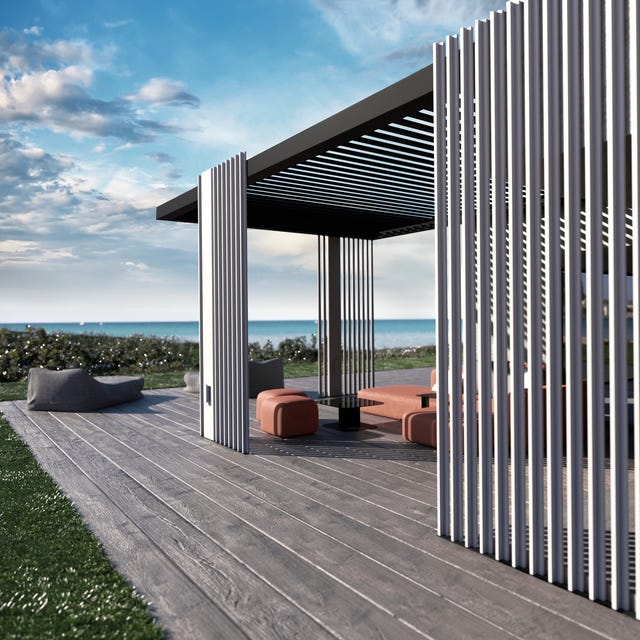
Tailor-made pergolas designed to enjoy the outdoors all year long

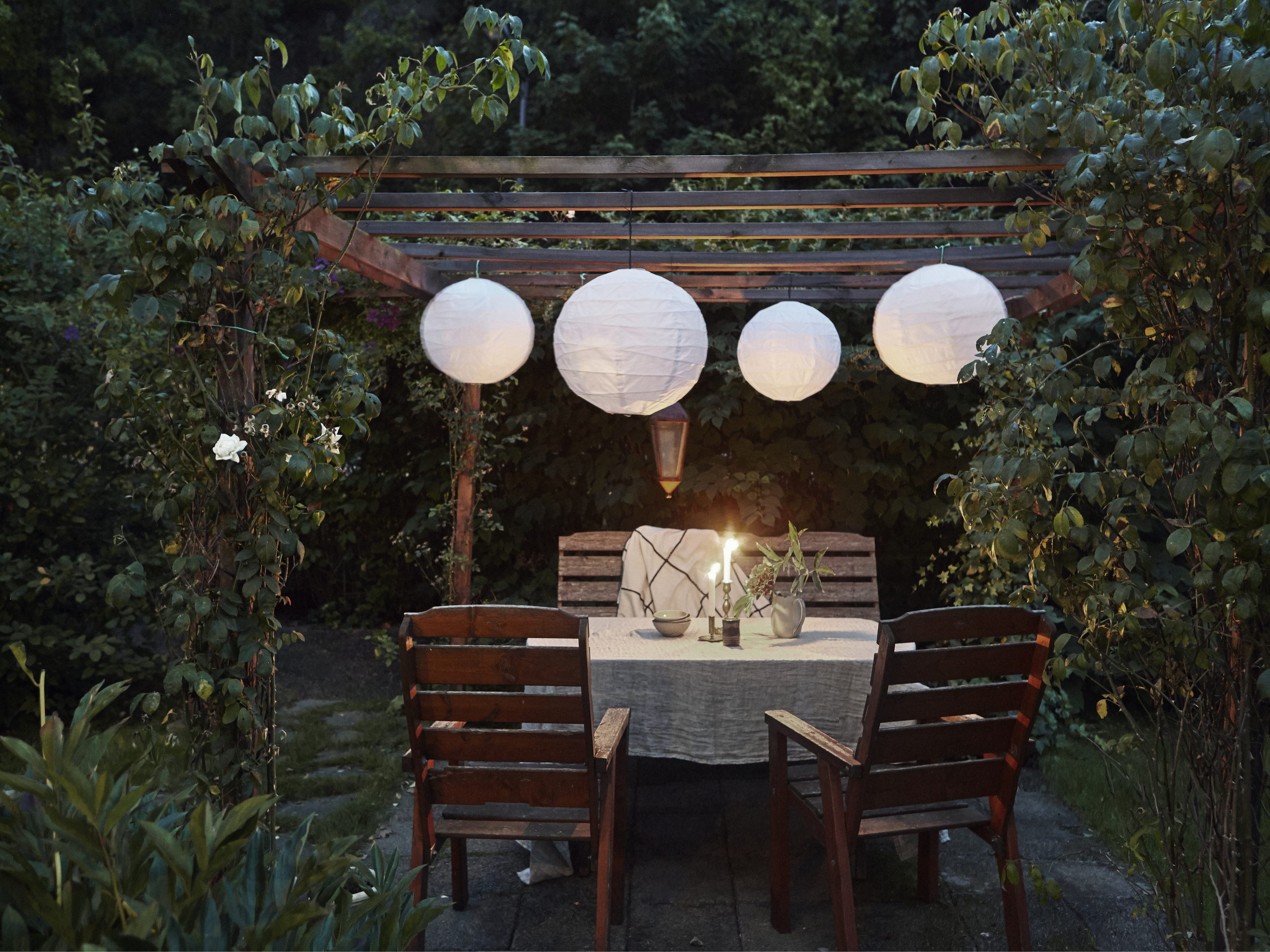
How do you build a pergola? Experts explains their methods so you can enjoy the best parts of open-air living
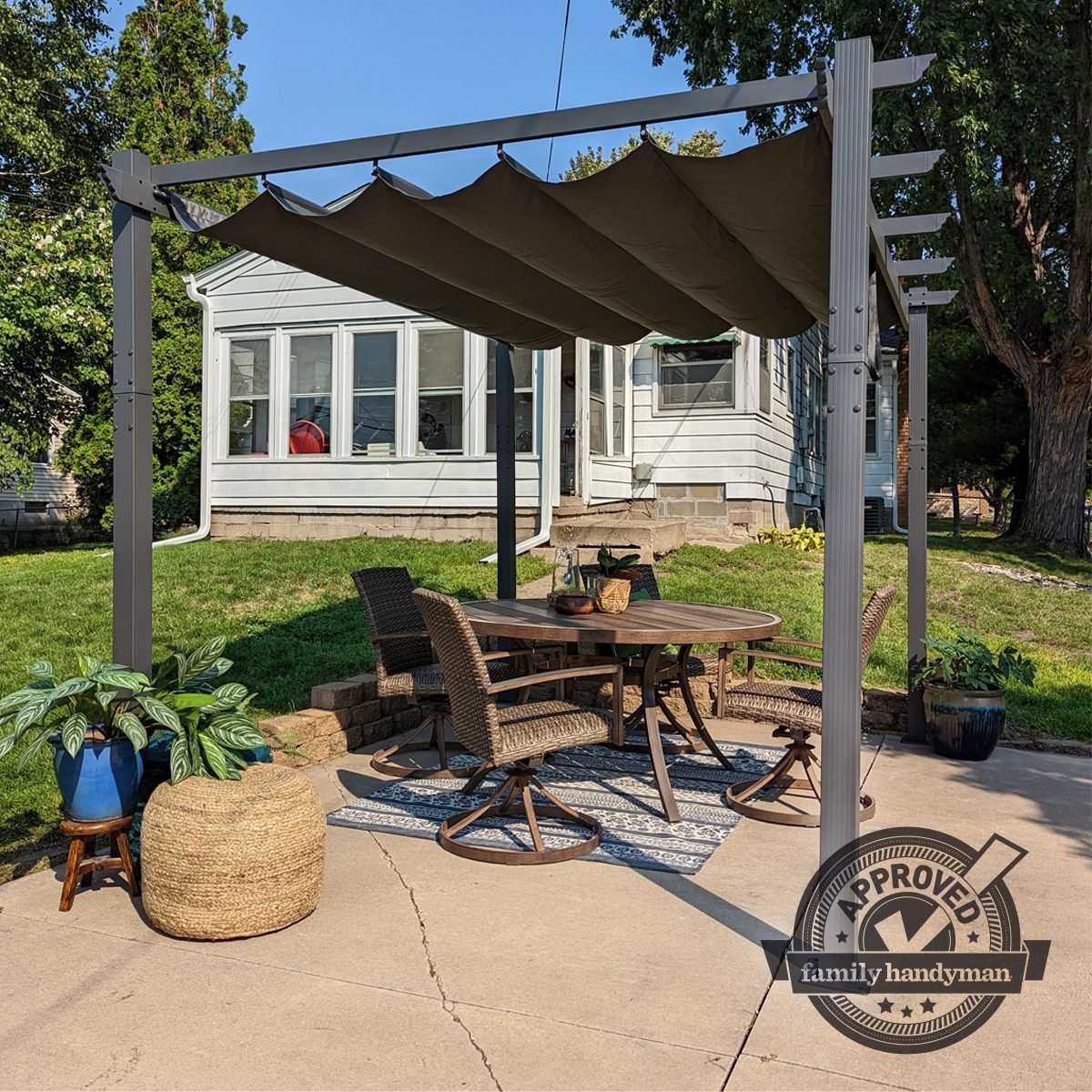
Purple Leaf Pergola Kit Review: Is It The Best Louvered Pergola Kit of 2024?

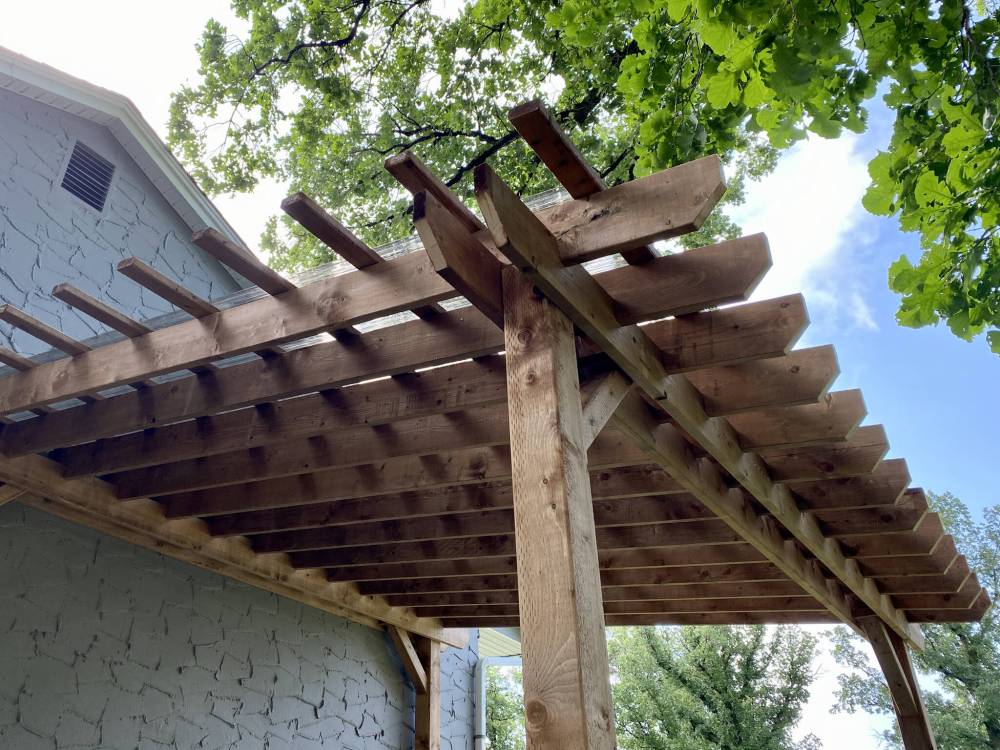
Nov 2022: The endless pergola summer

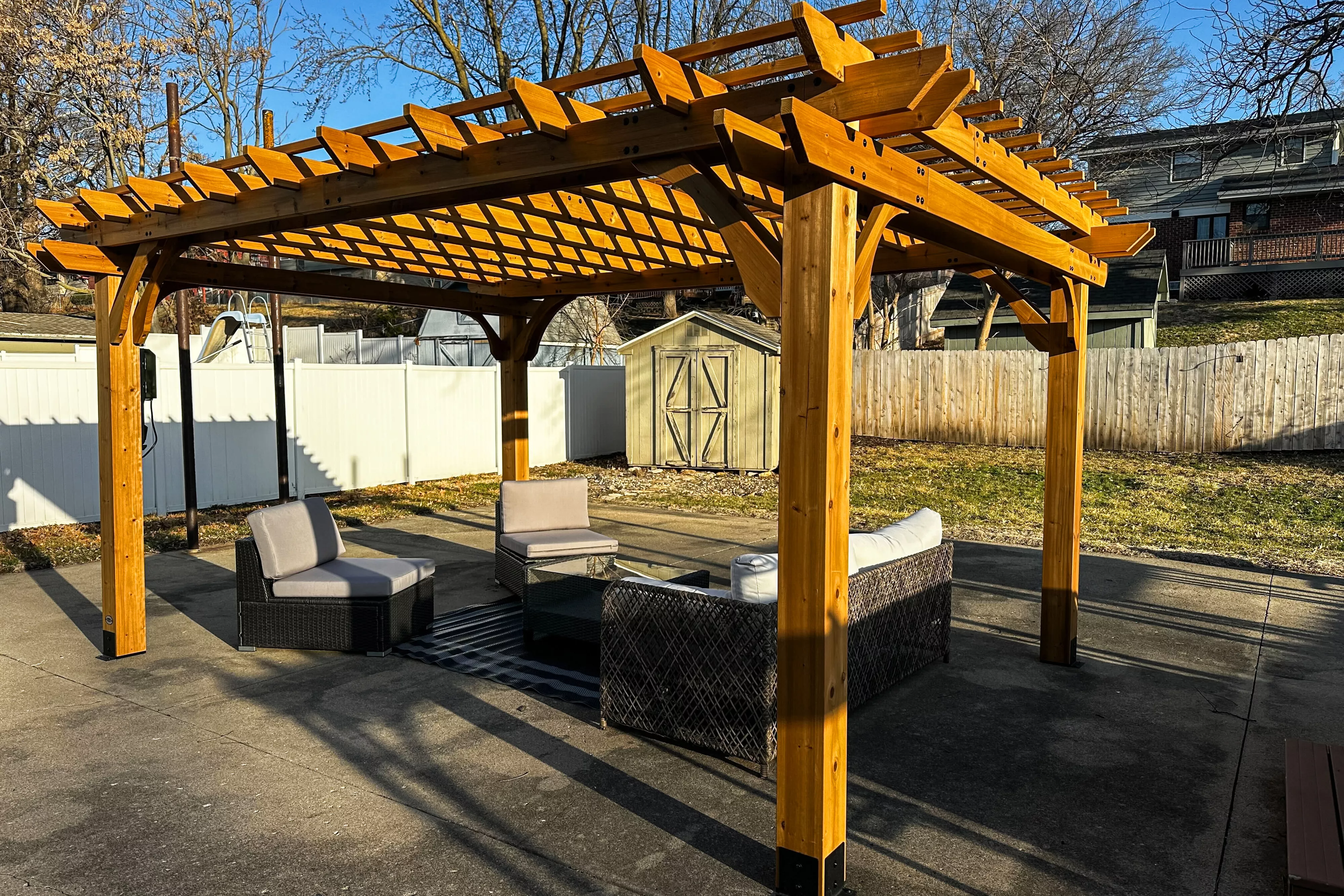
The 4 Best Pergola Kits, Tested by BHG

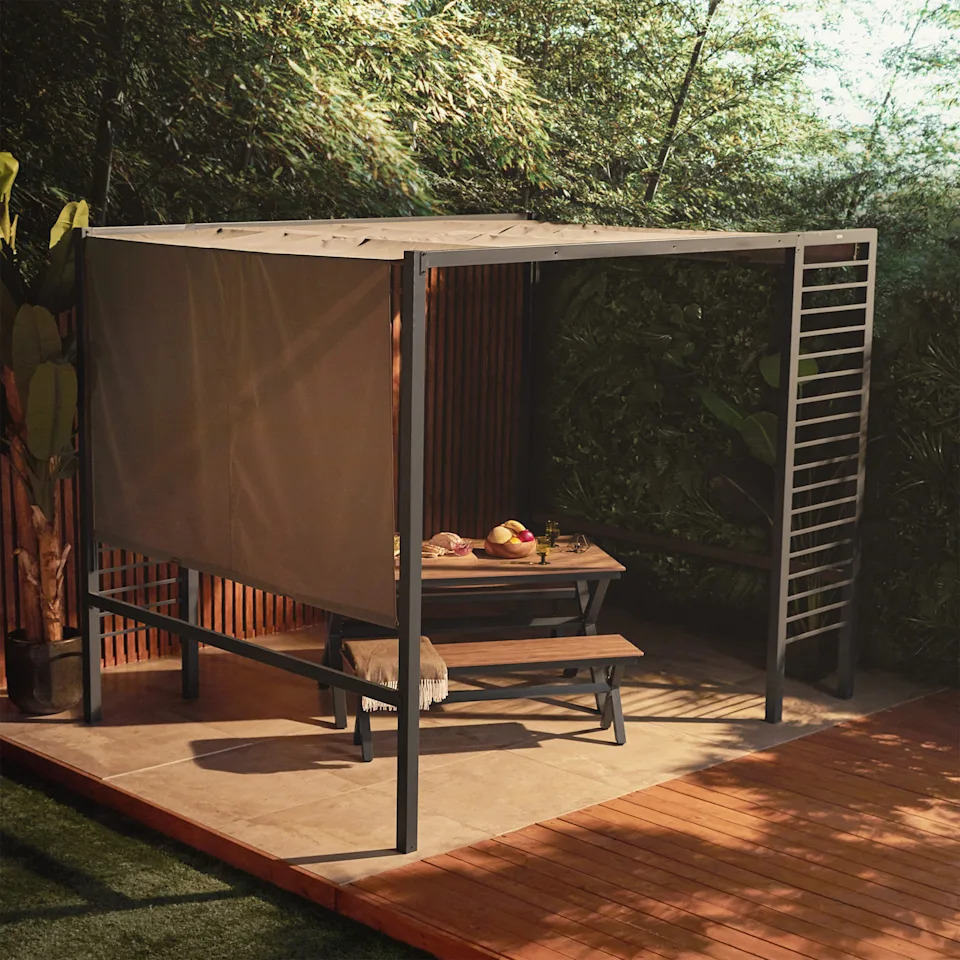
Pergola ideas: 16 stunning garden structures for added style and shade
Home Sale Differentiators: The Pergola
‘Very sturdy’ pergola with retractable canopy that ‘looks amazing’ has £110 discount
Trumpeting beauty of a pergola

Pergola mistakes: a pro reveals 9 common pergola errors

Framing Failures in Wood-Frame Hip Roofs under Extreme Wind Loads
Pass Off Your DIY Skills As Those of a Pro With An Easy-To-Assemble Pergola Kit

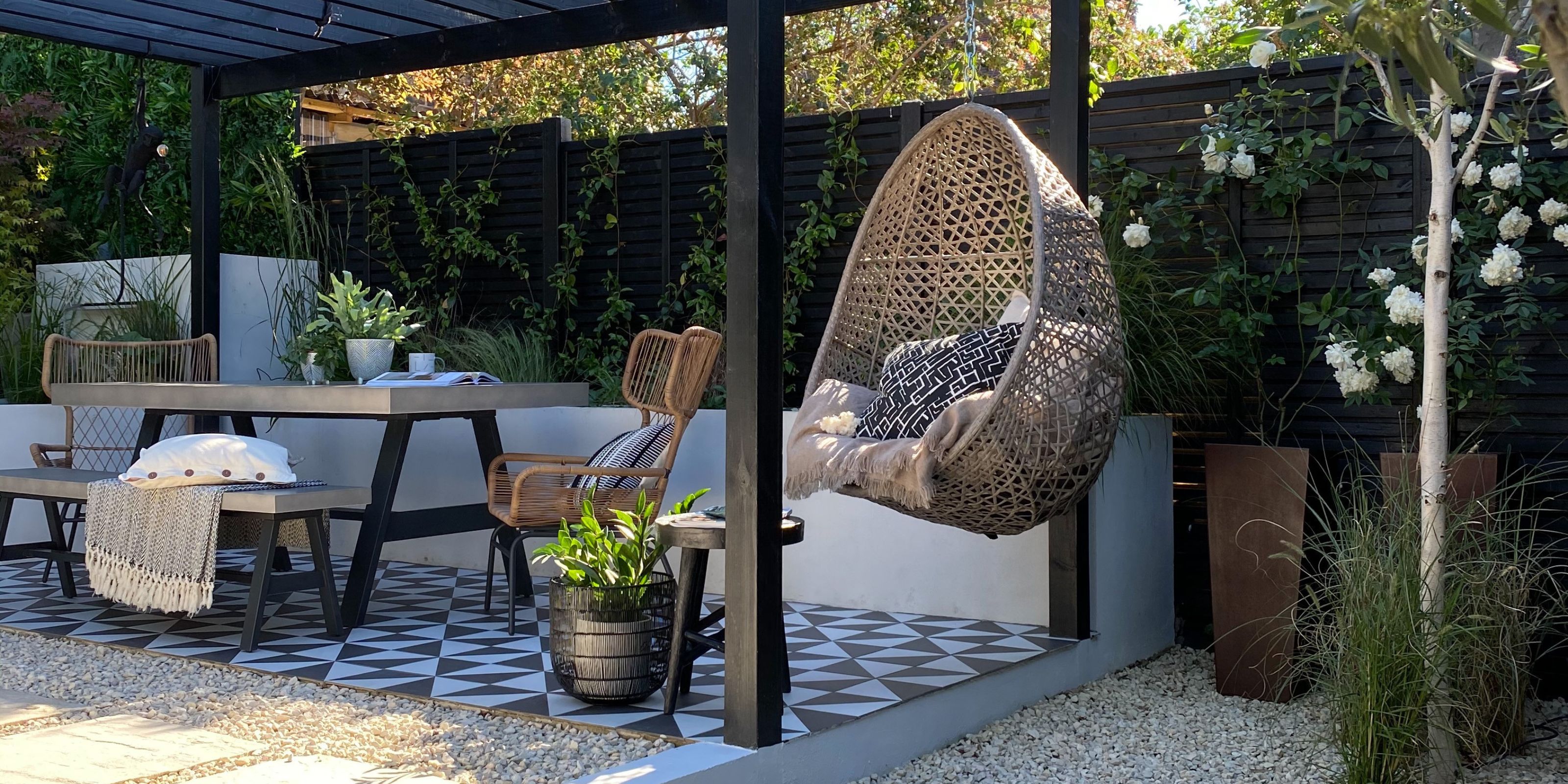
How to weatherproof a pergola – 6 solutions to get the most out of your outdoor space all year round
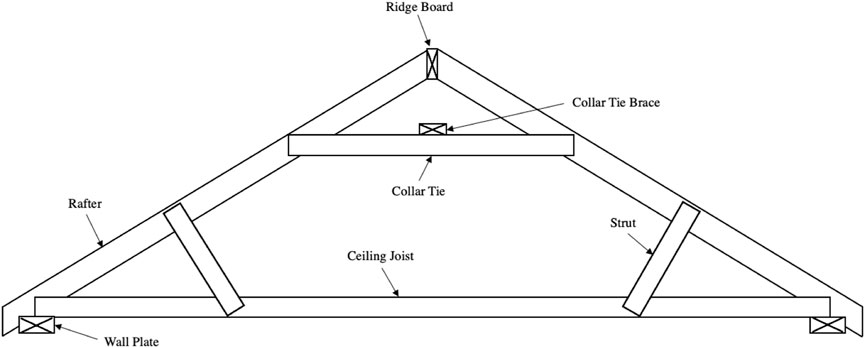
Design of stick-framed wood roofs under tornado wind loads

Pergola ideas - 14 gorgeous garden structures to add style and shade
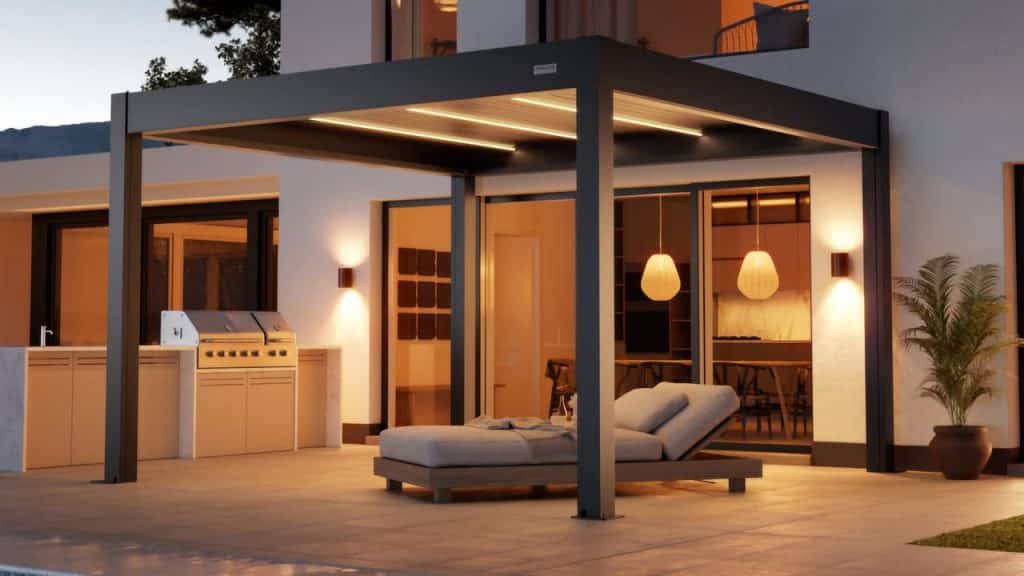
Pergolas with Matter from Pergolux