1/12
Here's What Nobody Tells You About Buying and Renovating a Historic Home
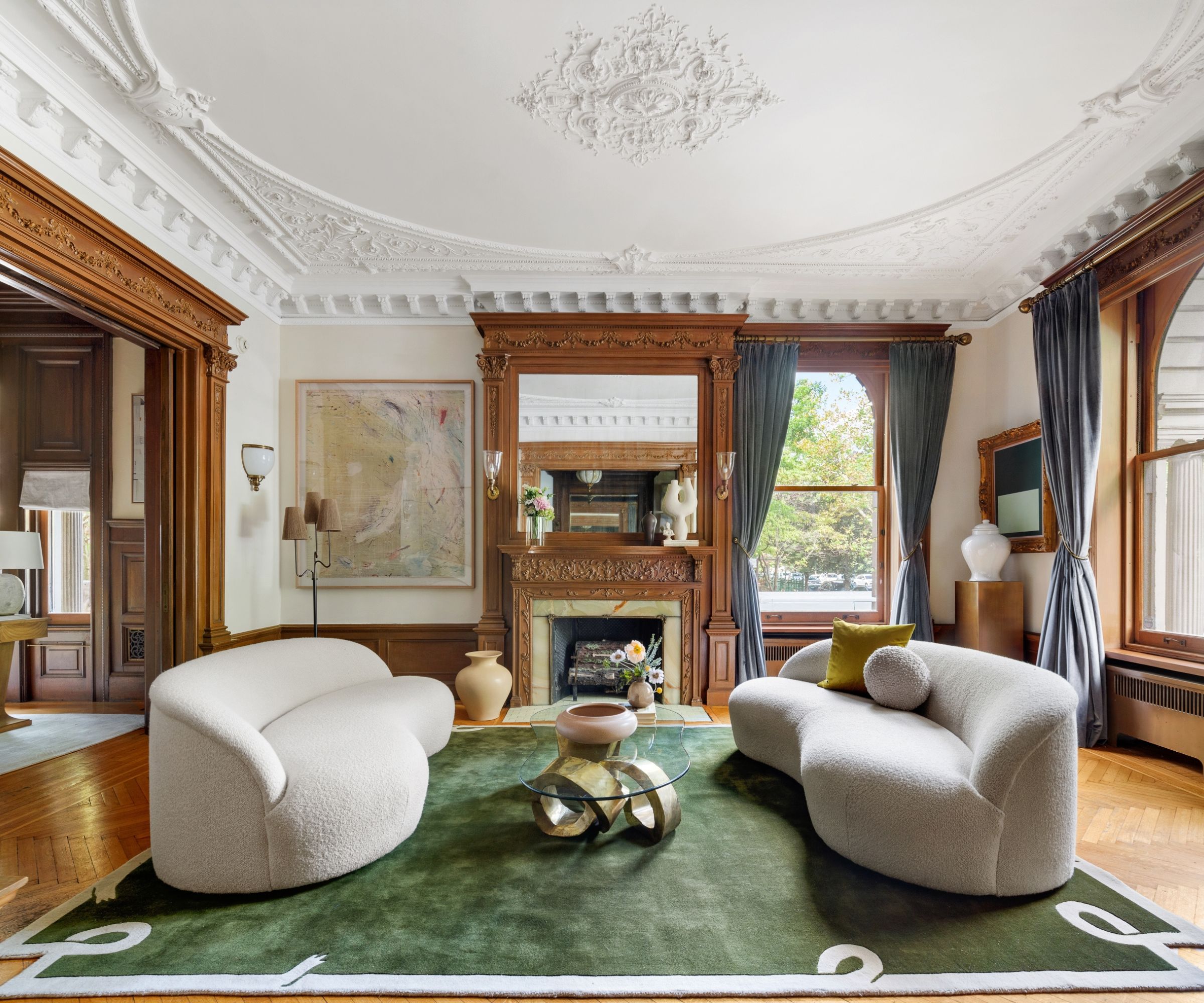
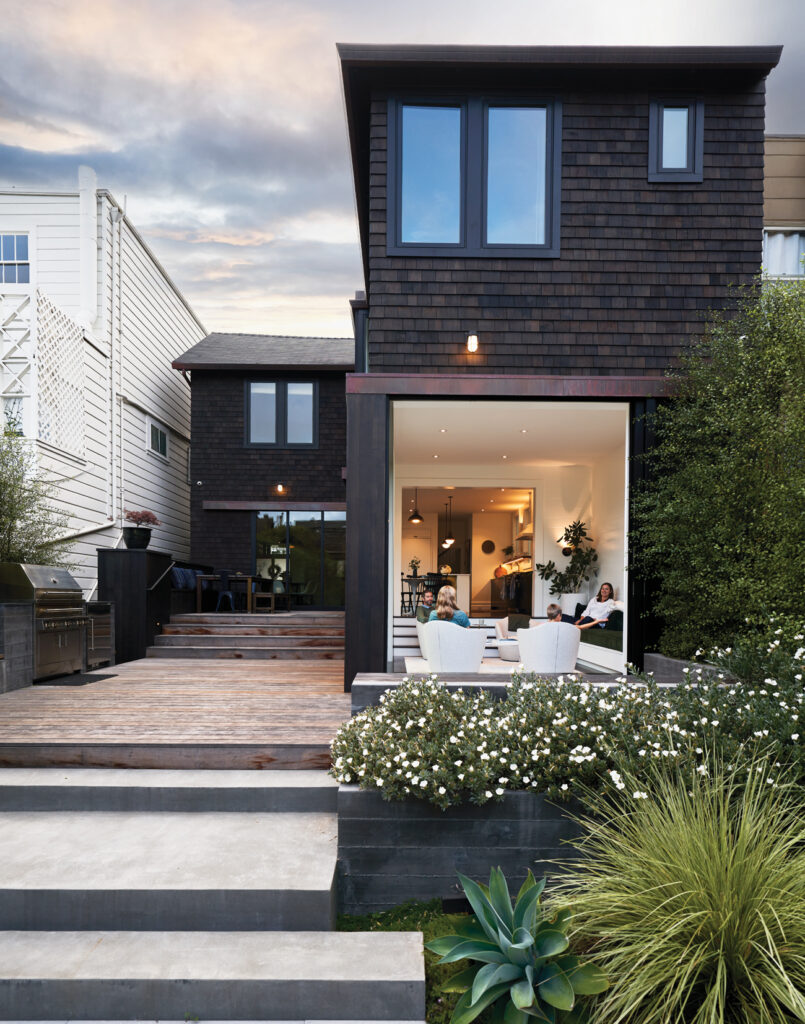
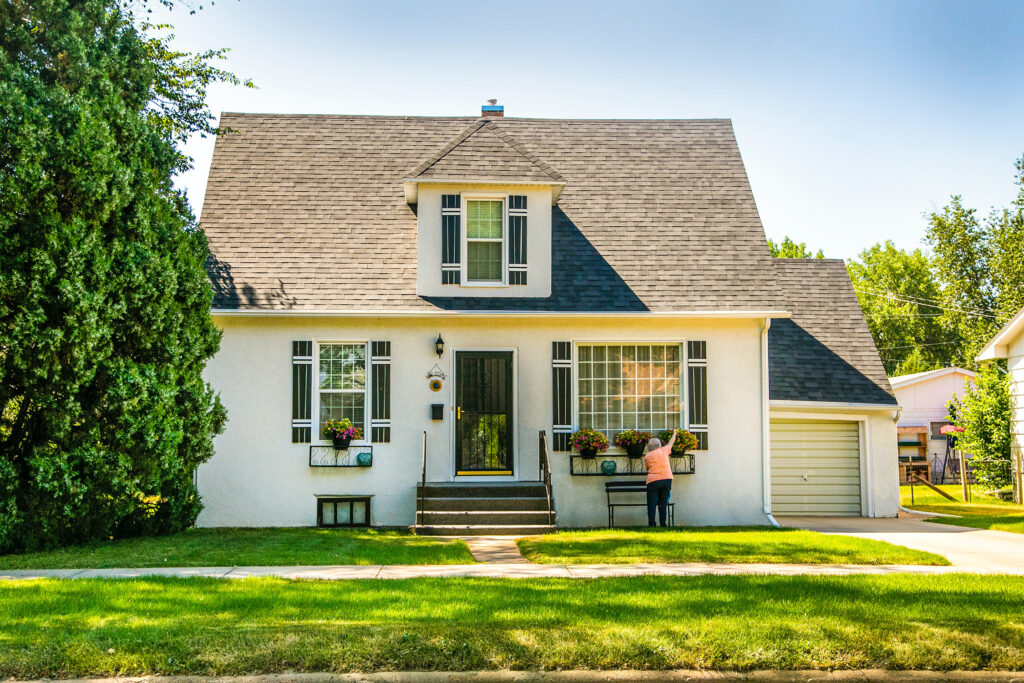
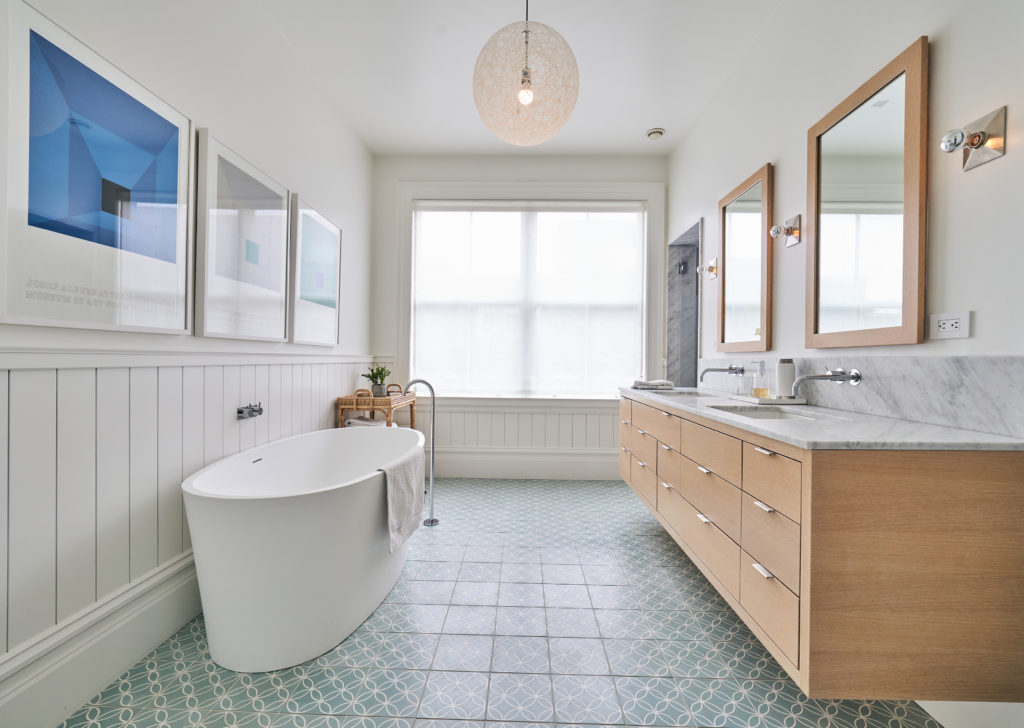
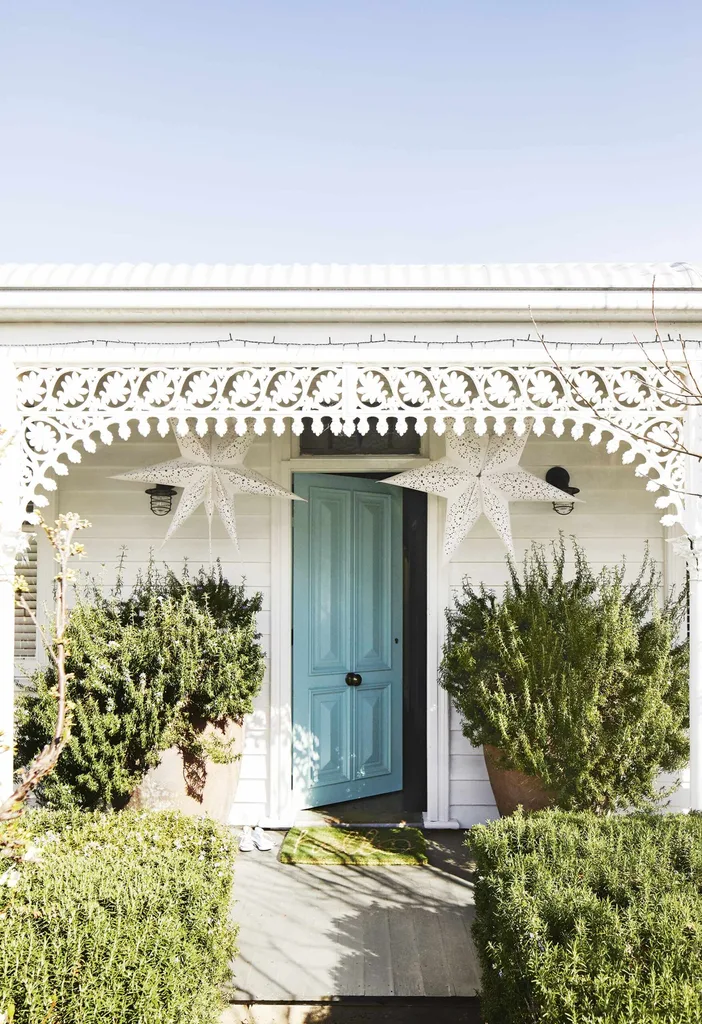
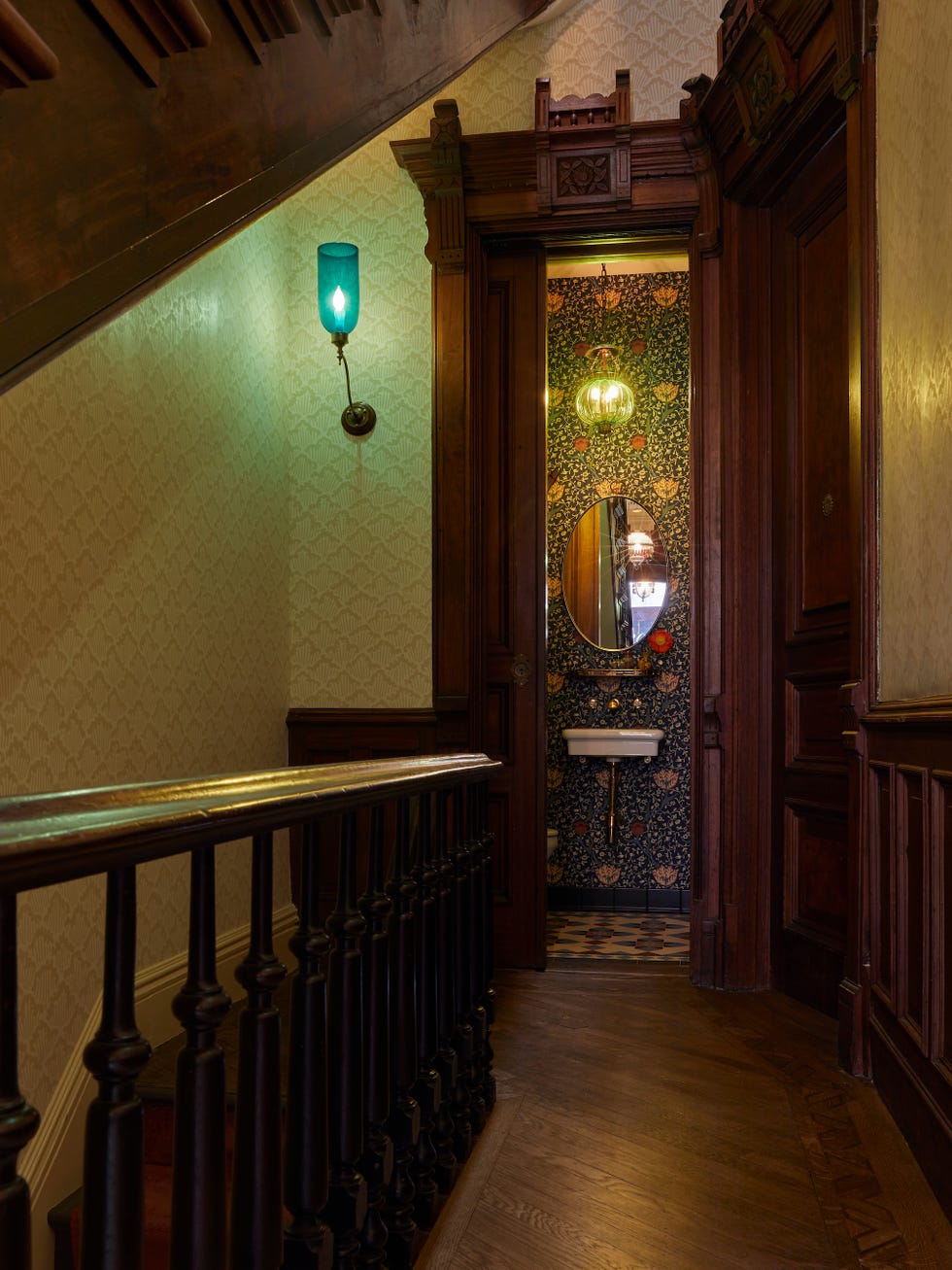
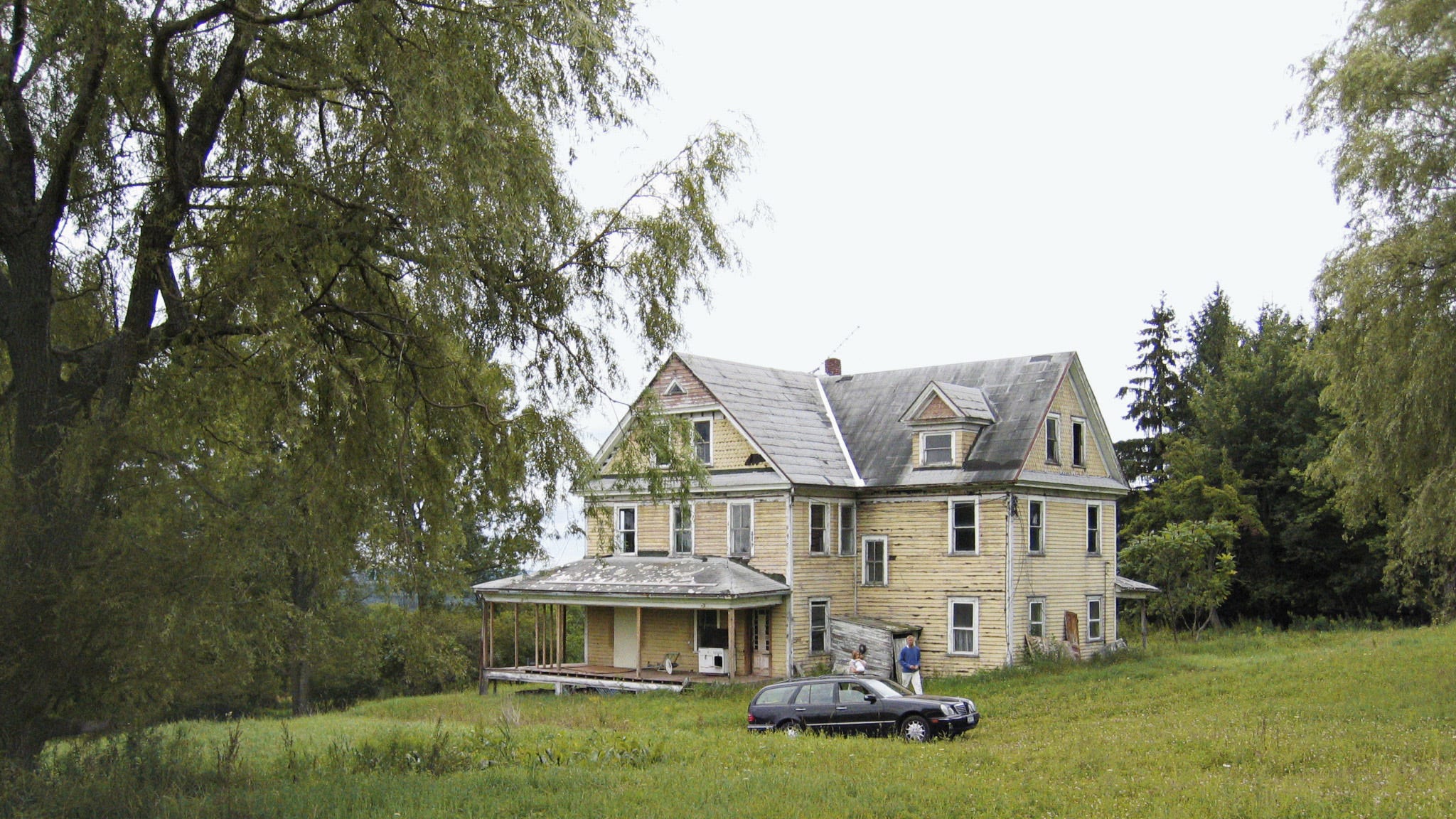
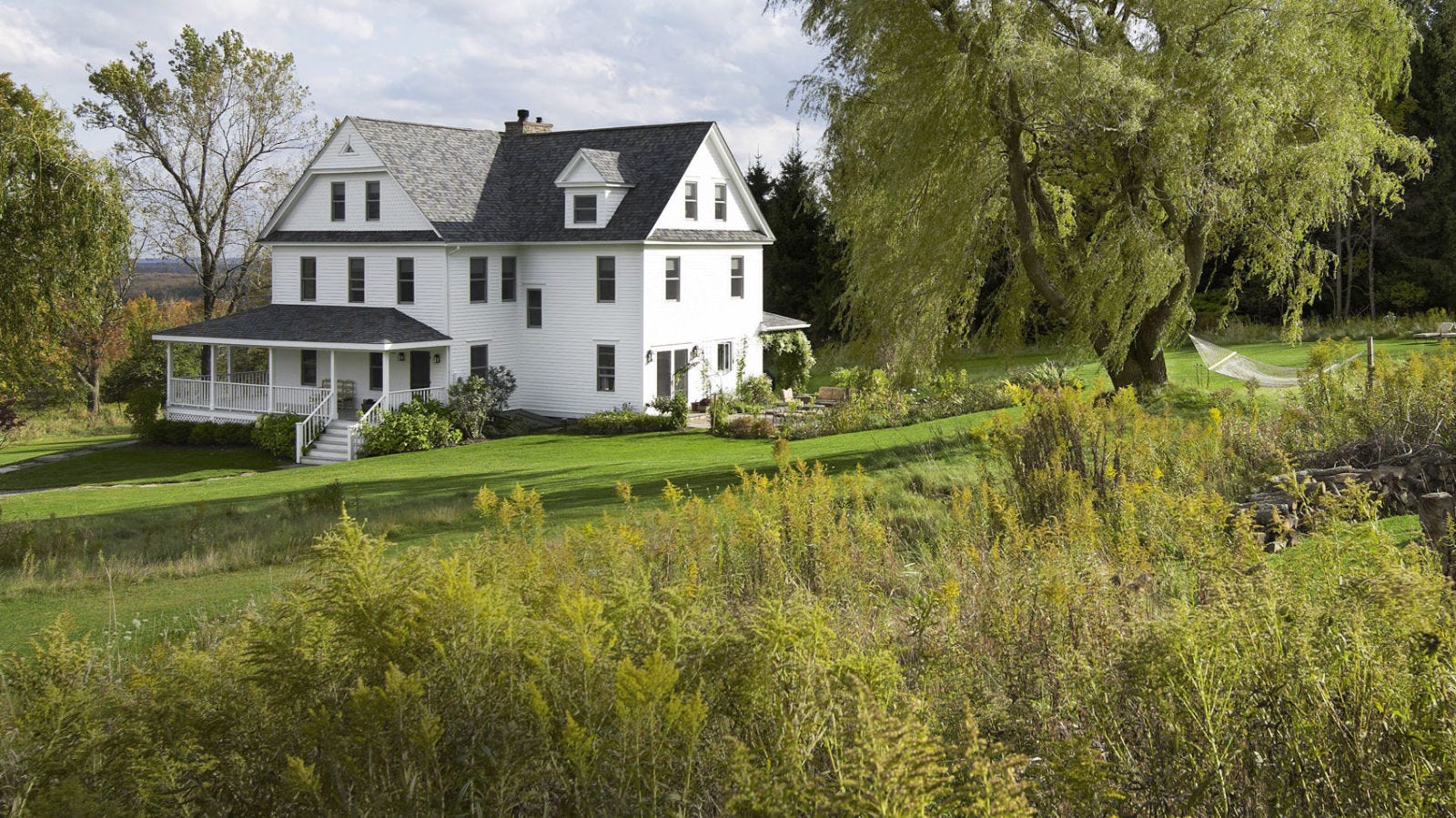
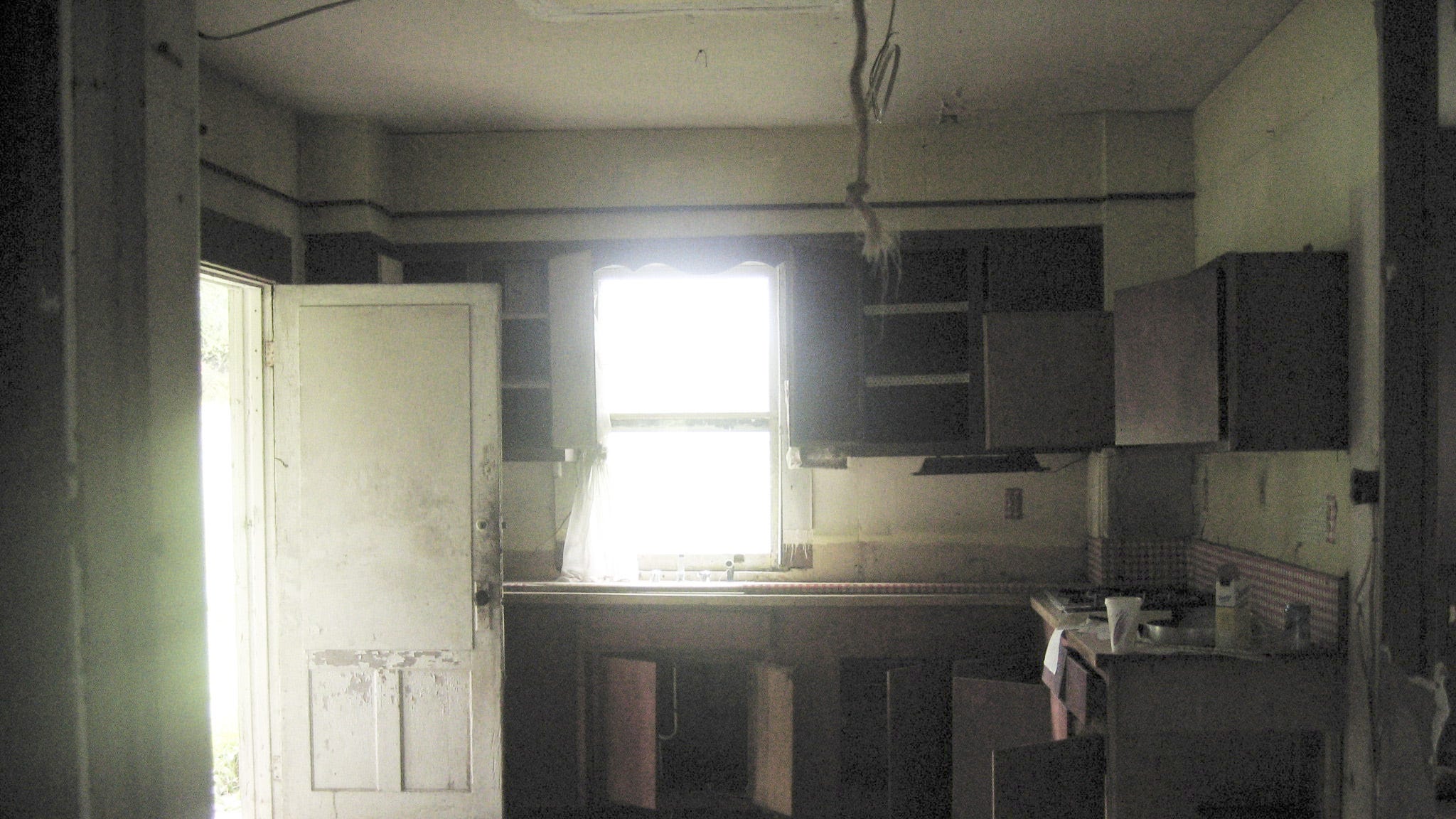
Architectural trends today often favor streamlined designs and technological integration. However, historic homes offer an undeniable charm, characterized by artistry and meticulous hand-crafted details rarely found in modern constructions. While the prospect of buying and renovating a property over 80 years old presents a significant financial and emotional commitment, many homeowners find the investment deeply rewarding. This article explores the experiences of five individuals who embraced the challenge of preserving and modernizing historic residences, delving into their motivations, the obstacles they faced, and ultimately, whether the endeavor was worthwhile.
Sarah Magness, an interior designer, acquired a Frank Lloyd Wright-designed home built in 1959. Her renovation focused on meticulous restoration, preserving original millwork, plaster, concrete, linoleum, and tile, while introducing contemporary furnishings to bridge the past and present. She highlights the profound satisfaction of being a "caretaker of a home designed by a legendary American architect" and the unexpected discovery of the architect's field notes. Despite the challenge of replacing angled plaster ceilings, Magness firmly believes the continuous effort, cost, and love invested are justified to maintain the home's original design intent and legacy.
John and Mandy McCauley undertook a gut renovation of their 1936 Coronado, California bungalow, which expanded to include an extensive remodel of a 1970s back house. Their project aimed to balance honoring the original Cliff May house's character with necessary modernizations, particularly in plumbing, electric, HVAC, kitchen, and bathrooms. Despite doubling their initial budget and the difficulties of living in a construction zone, especially during COVID, they credit their success to a skilled team of architects, landscapers, and interior designers. The McCauleys emphasize the importance of preserving historic homes and community character, finding unique value in elements like 100-year-old Douglas fir and original tiled floors, which a new build could not replicate.
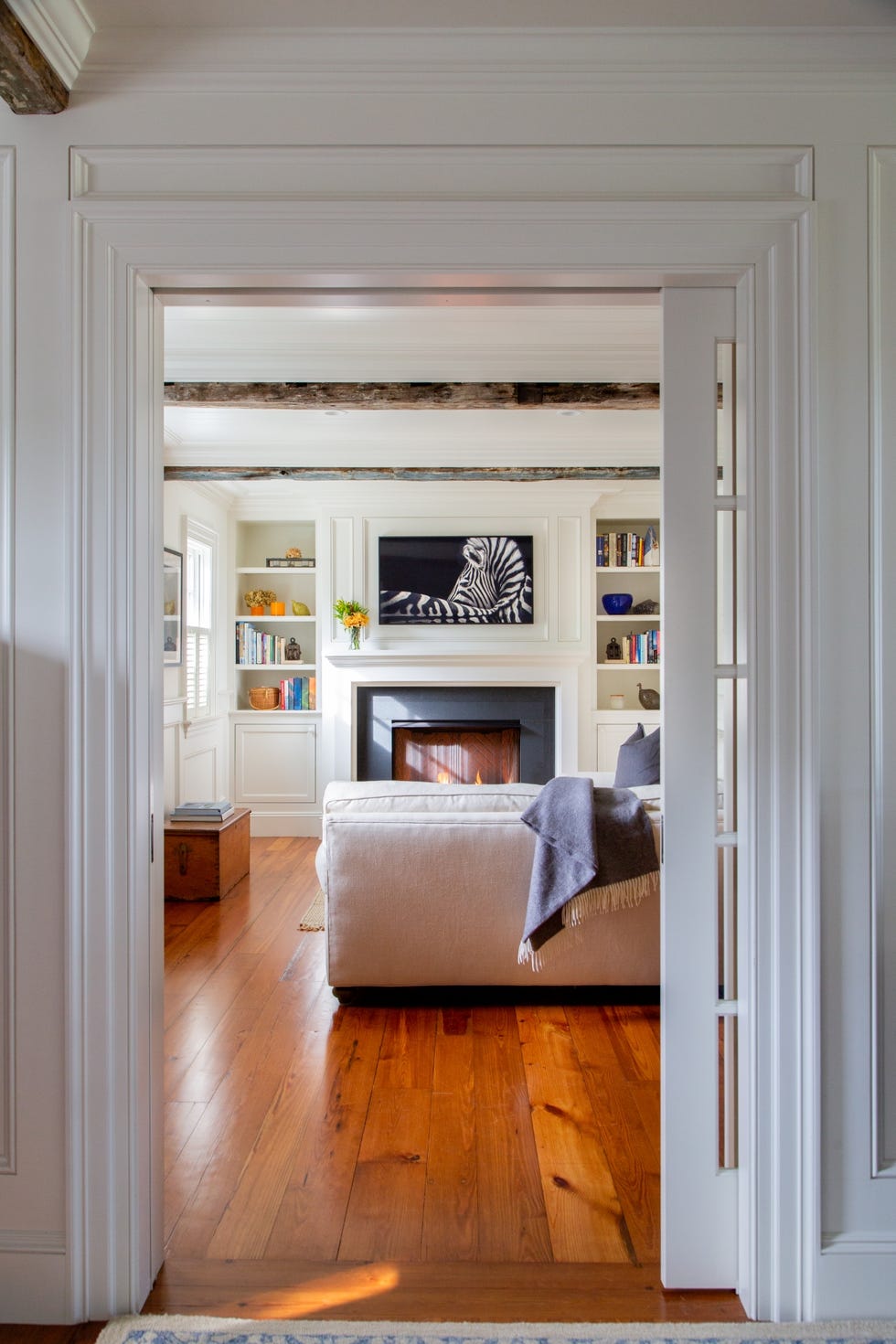
Becky Shea, an interior designer, and her husband Jake purchased a 1940 two-bedroom home in Mamakating, New York. They were fortunate to find a well-maintained property, allowing their renovations to focus primarily on aesthetic preferences. Shea preserved original elements like the floors while gutting the mudroom, undertaking extensive painting, installing shiplap in lofted rooms, and incorporating reclaimed beams and modern electrical fixtures. The couple valued the property's size and affordability, which allowed regular visits to Manhattan. Despite a devastating flood caused by frozen pipes nine months post-renovation, Shea finds immense satisfaction in preserving the cultural significance and architectural beauty of historic structures, affirming the experience as incredibly enjoyable.
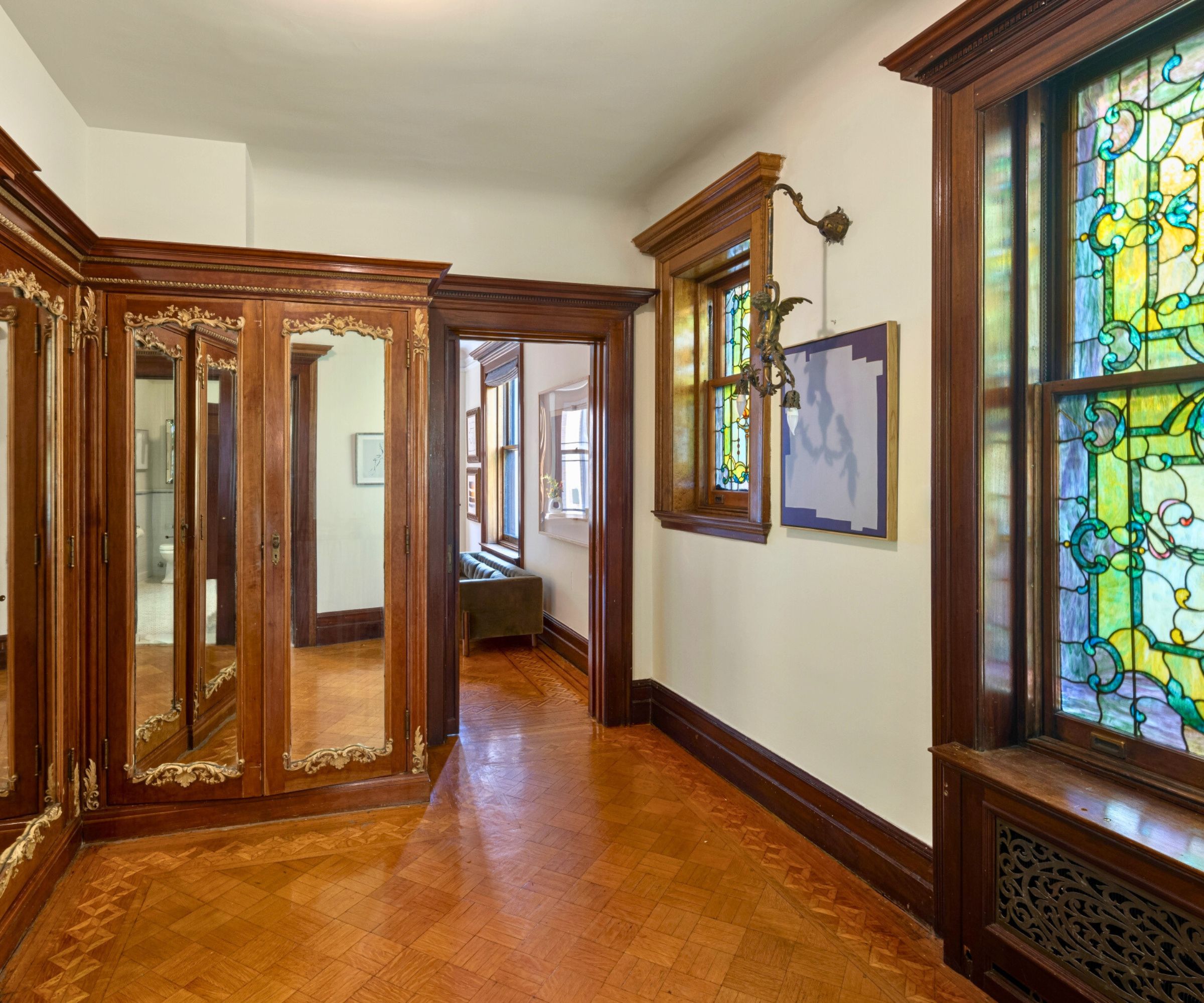
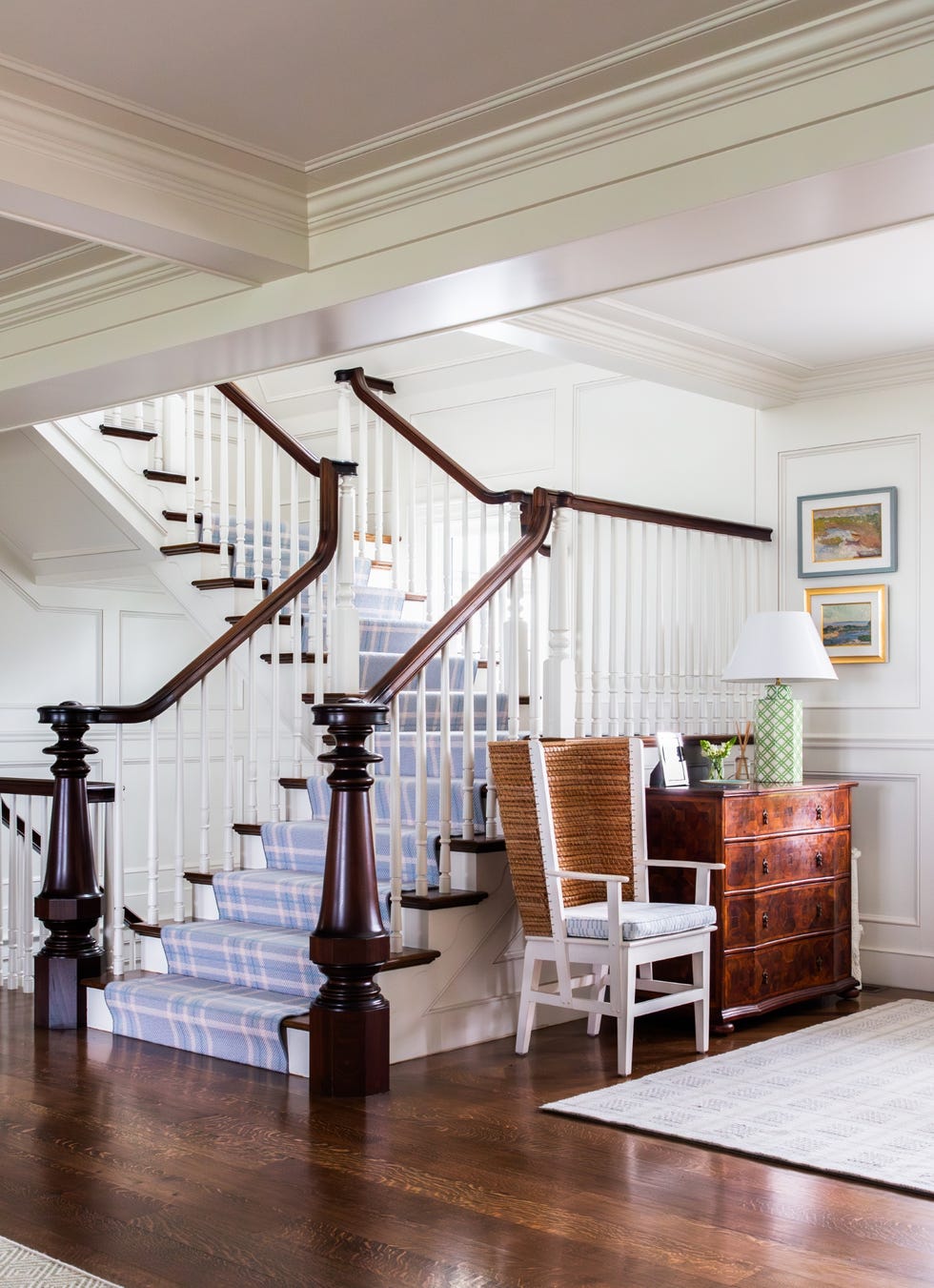
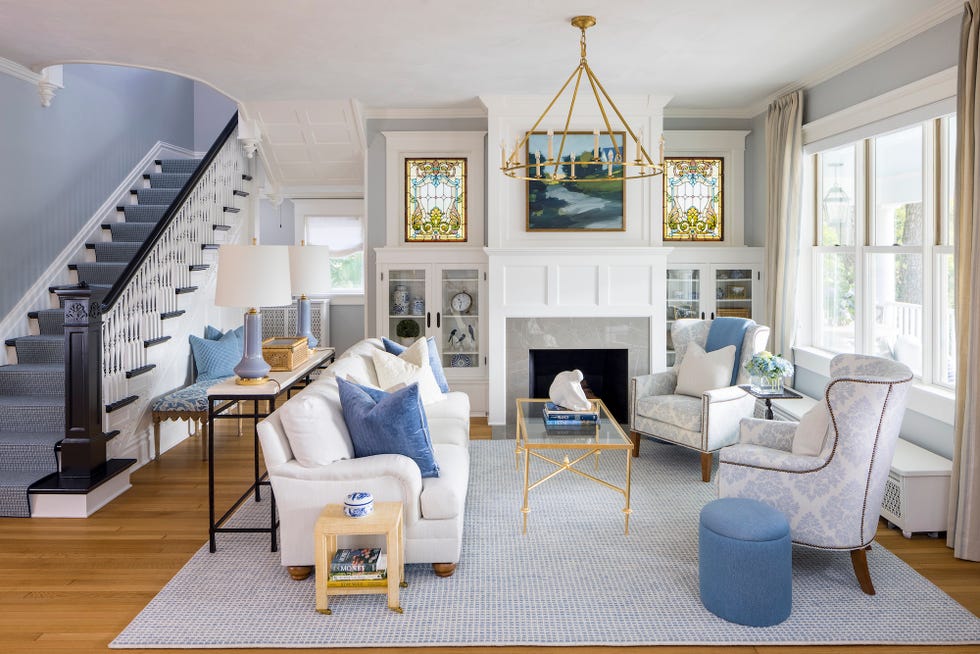
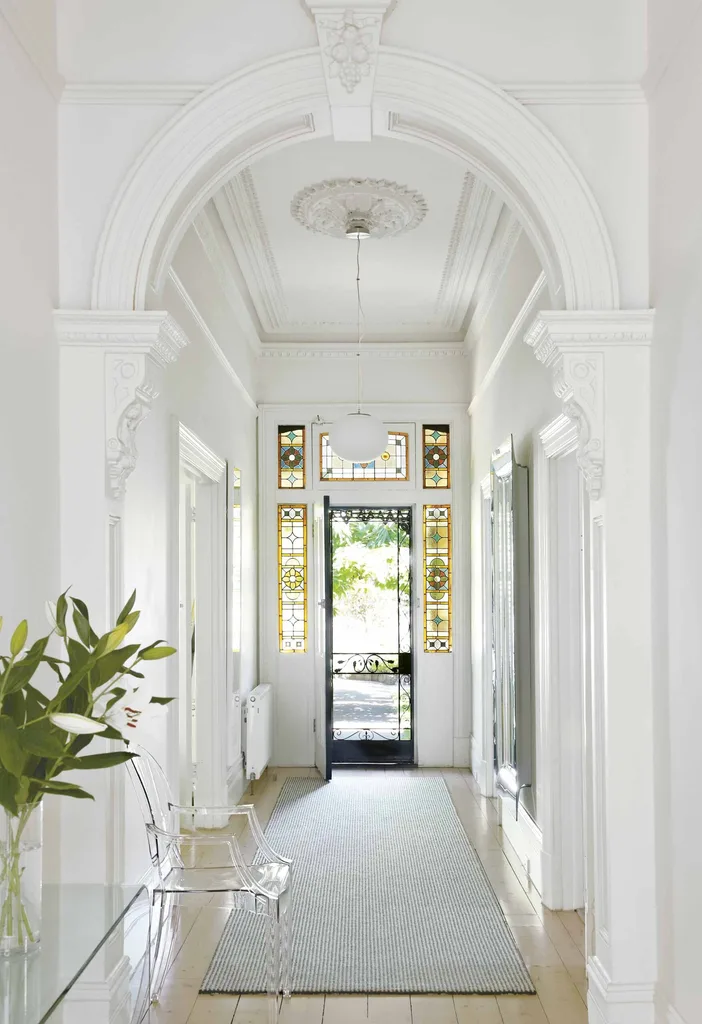
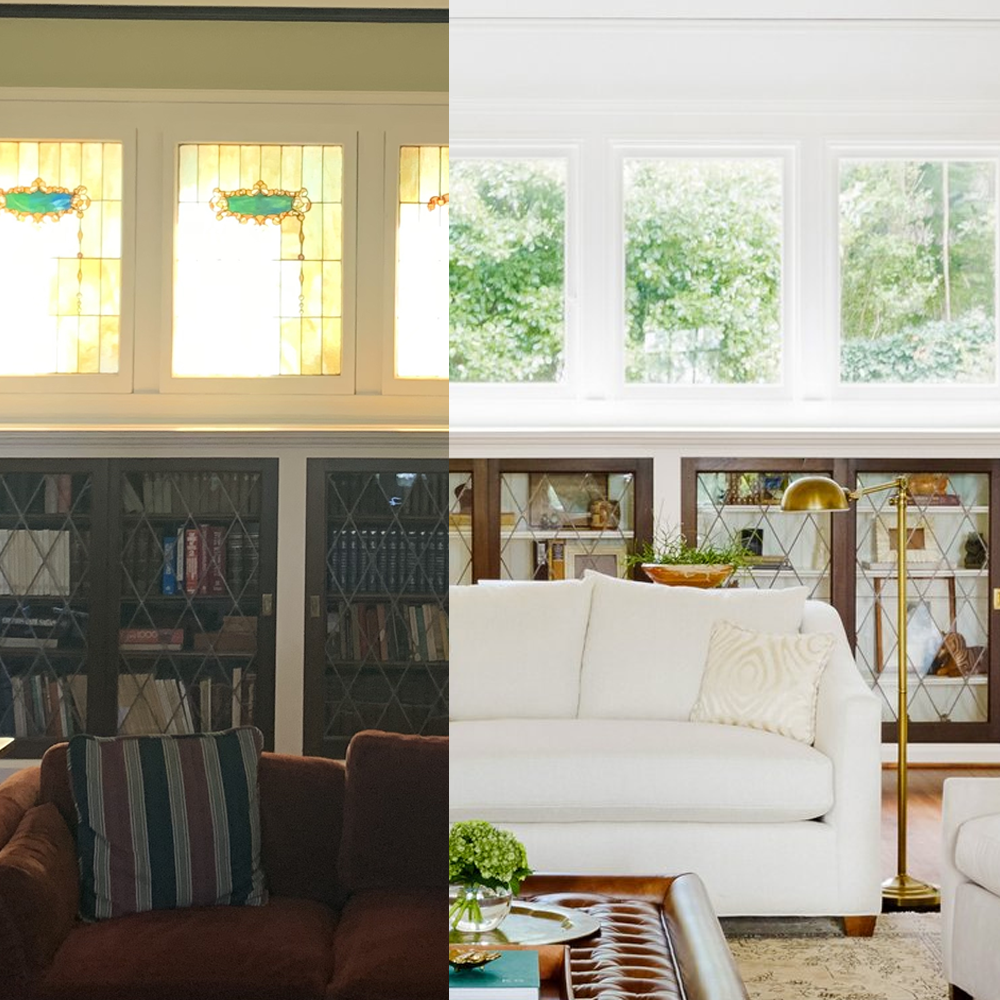
Lisa Knobloch and her family acquired a 1901 four-story home near Chicago during the early days of COVID-19, intending a minor renovation that evolved into a full-gut overhaul across all four levels. They worked with architect Diana Melichar and interior designer Kendall Severson to address outdated 1970s finishes and reconfigure spaces for functionality, particularly to maximize river views. The renovation transformed a "creepy basement" into an entertainment hub and re-imagined the primary suite, all while carefully retaining character-defining features like the main staircase, moldings, stained glass, and millwork. Knobloch acknowledges the emotional and financial toll but views the process as transformative, appreciating the irreplaceable charm and unique elements of their Victorian home that a new construction could not offer.
Lisa Schwert, founder of Innate Studio, faced the additional challenge of renovating her 1905 Pelham, NY home during the onset of the pandemic. Her partial gut renovation included replacing HVAC and electrical systems, removing non-load-bearing walls, reconfiguring the kitchen, and restoring original Douglas fir hardwood floors. She prioritized preserving existing finishes and original details. Although unforeseen circumstances led her to sell the home after completing the renovation, the significant upgrades allowed her to recoup costs and make a profit, which she then invested in her new home. Schwert cherishes the "beautiful proportions and details" of older homes and highlights the value of addressing systemic issues like outdated wiring early in the process. She found the experience gratifying, reinforcing her passion for working on single-family, especially older, homes.
Ultimately, the consensus among these homeowners is a resounding "yes" to the worthiness of renovating historic homes. However, this commitment requires a willingness to invest substantial time, financial resources, and effort to adapt these venerable structures for a 21st-century lifestyle. The decision to embark on such a project hinges on an appreciation for both the aesthetic appeal and the inherent costs, emphasizing that historic home renovation is not for everyone, but for those who commit, it offers unparalleled rewards.
#HistoricHomes #HomeRenovation #InteriorDesign #ArchitecturalPreservation #HomeRemodeling #RealEstateInvestment #RenovationChallenges #LuxuryHomes #SustainableDesign #HistoricHomes #HomeRenovation #InteriorDesign #ArchitecturalPreservation #HomeRemodeling #RealEstateInvestment #RenovationChallenges #LuxuryHomes #SustainableDesign
0 commentaire au total
 Aucun commentaire pour le moment
Vous aimerez aussi
5 Common Mistakes Homeowners Make When Restoring Old Houses
9 Things You Need to Know Before Renovating Your Home, According to Experts
How to Keep Your Old Home From Becoming a Money Pit

Home renovation trends to watch: What homeowners need to know
The Truths About Buying and Living in an Old House

7 tips for restoring heritage homes to their former glory


At Home with Marni Jameson: How to update older homes without messing them up
How to update a historic home for modern living – 9 lessons we learned from this artful redesign

9 ways to update a historic home while still keeping its vintage charm – tips from a NYC reno
How to Update an Older Home While Honoring Its History

Guide to Buying Older Homes by Decade
15 Old House Features We Were Wrong to Abandon
How to Renovate a Historic Home—and Keep Its Character—According to Designers

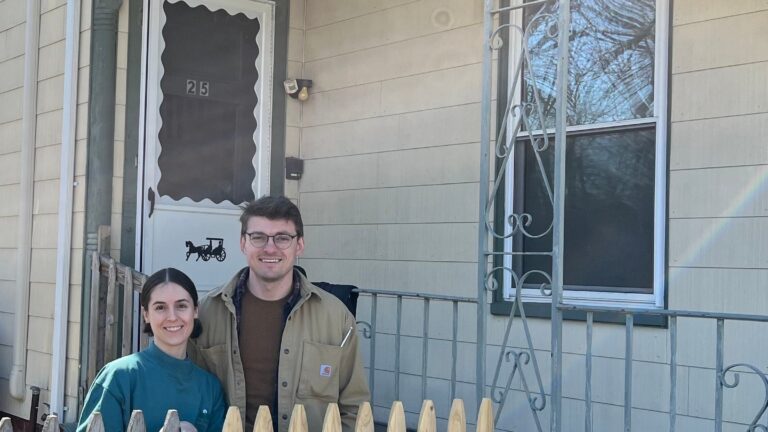
When restoring historic homes, what’s old is new again

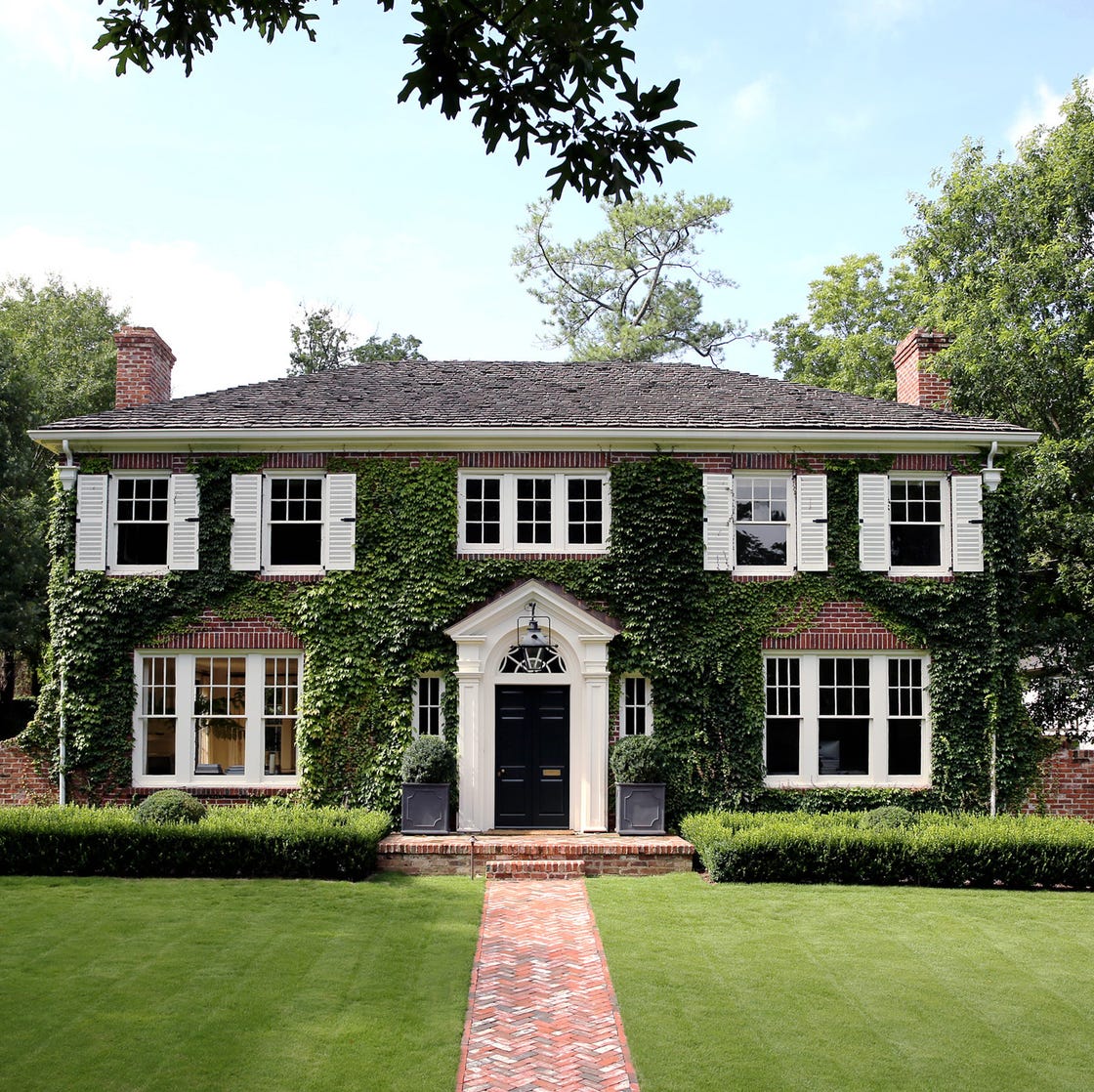
7 Things You Should Always Preserve or Try to Save in an Old Home, According to Designers

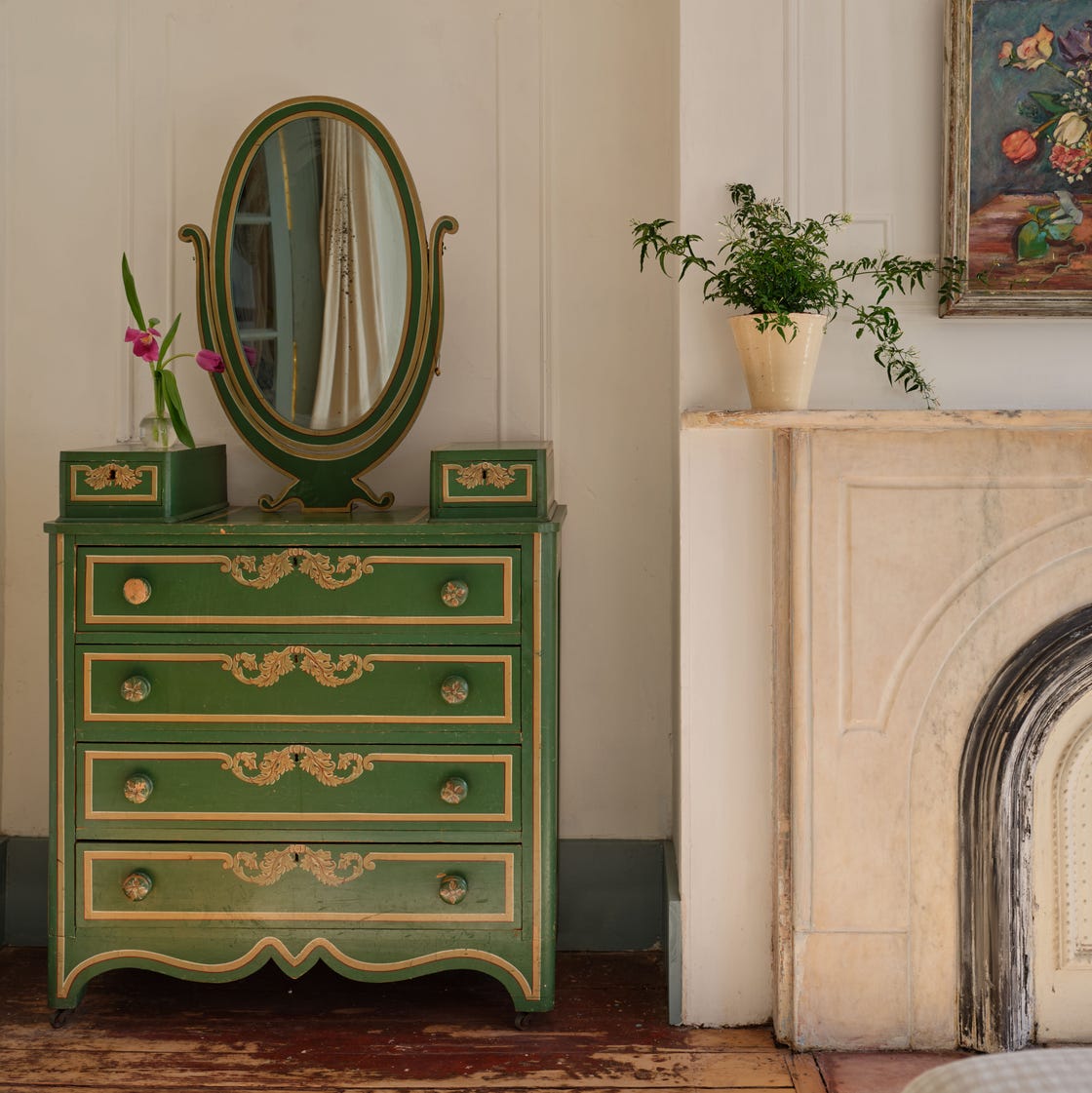
7 Vintage Home Details Experts Want to Bring Back
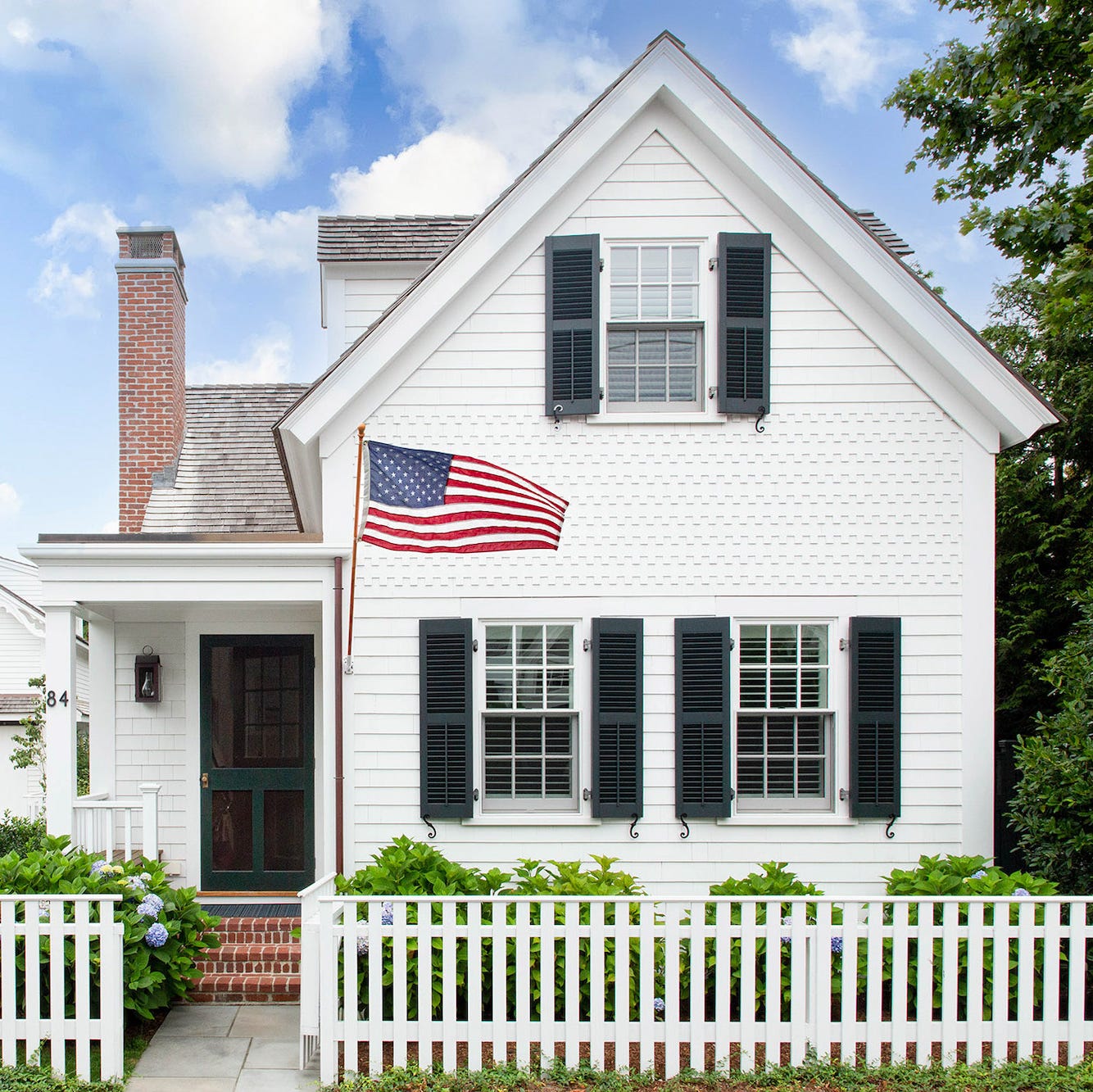
7 Architectural Details You Should NEVER Get Rid of in a Historic Home
Dallas Preservation Experts on How to Keep Your Historic Home and Why It Matters

You Need to See the Amazing Renovation of This 106-Year-Old House

Renovate your home or buy a new one? Here's what experts suggest