1/5
Guide to Hardwood Floor Finishes
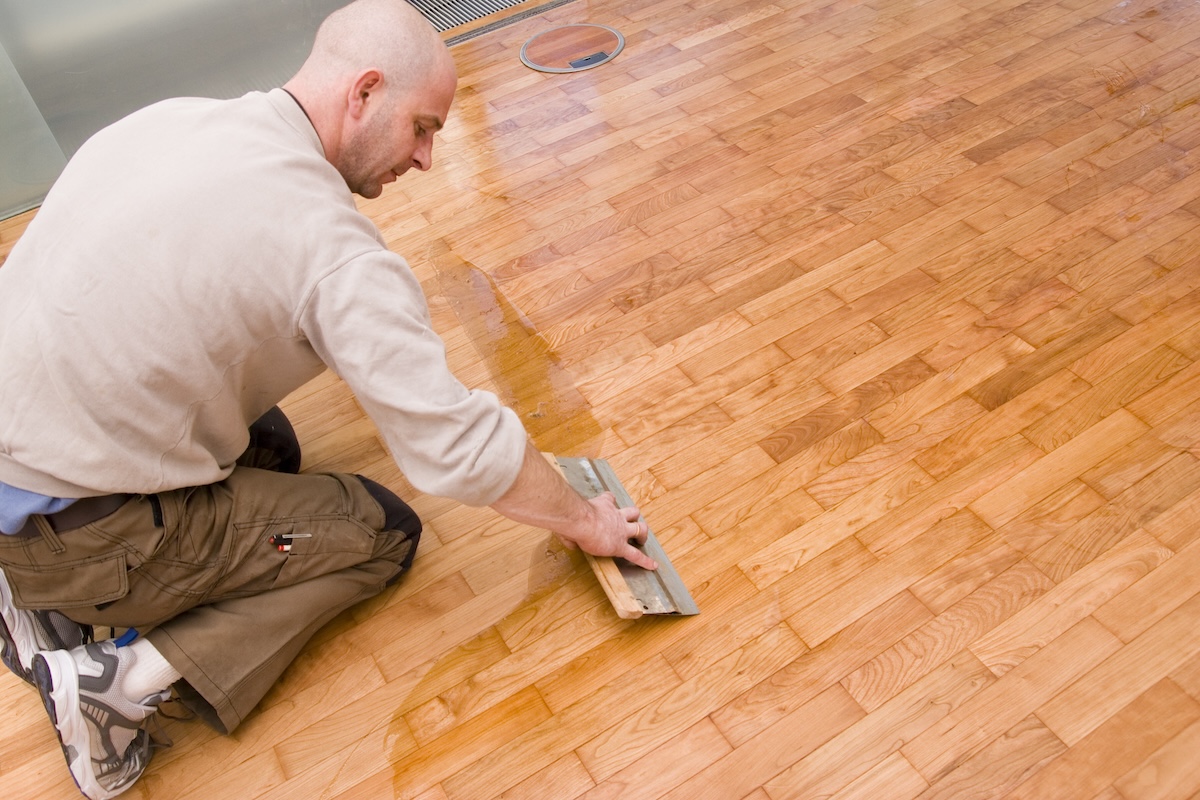
Protecting hardwood floors, whether new or old, requires selecting an appropriate top coat. This choice is influenced by factors such as ease of application, durability, and desired glossiness. Eight common types of hardwood floor finishes are available, each with unique characteristics.
Water-based polyurethane, made from synthetic resins and plasticizers, offers a durable finish resistant to moisture. It is easy to apply and clean, has low odor and VOCs, dries clear, and resists yellowing. It typically requires three to four coats, with 2 to 4 hours between applications, and is suitable for light-colored woods and areas with low ventilation. However, it is not recommended for very large surfaces and is more prone to scratches than oil-based options. Minwax Polycrylic Protective Clear Finish Topcoat is an example of a recommended water-based polyurethane.
Oil-based polyurethane, composed of linseed oil, synthetic resins, and plasticizers, is known for its strength and durability, making it ideal for high-traffic areas. It enhances wood grain and provides excellent scratch resistance, often requiring only one or two coats. This finish can have a slight amber or yellowish tint that deepens over time, enriching the wood's color. Application takes longer than water-based options, with 8 to 10 hours of drying time per coat, and it releases high levels of VOCs, necessitating good ventilation. Minwax Super Fast Drying Polyurethane for Floors is a recommended product.
Moisture-cure urethane, originally developed for bowling alleys, is exceptionally tough and durable, resisting moisture, scratches, and stains with a high-gloss finish. However, its application is challenging, requiring professional expertise due to very high VOC levels that can linger for weeks, necessitating household relocation for up to two weeks. It also requires specific humidity conditions to cure properly; it won't dry in very dry climates and can dry too quickly in overly humid ones. Safety precautions, including turning off pilot lights, are essential due to its flammability. Dunham’s Moisture Cure Urethane is a suggested option.
Wax, a traditional finish, hides small scratches and offers a low-sheen, natural appearance. It is easy to apply and repair, often chosen for its historic appeal. Available in liquid and paste forms, it requires several buffed-in coats. Wax finishes are less durable than polyurethanes, susceptible to water marks, and require more frequent maintenance. They can also yellow or darken over time and must be completely stripped before applying polyurethane. Minwax Paste Finishing Wax is a recommended product.
Shellac, derived from lac bug secretions mixed with denatured alcohol, is a natural and sustainable option. It adheres well to oily tropical woods and is easy to repair. Shellac dries quickly, but this can make even application difficult, leading to visible lap lines. It is less durable than polyurethane, vulnerable to water and alcohol damage, and must be applied with pilot lights off due to flammability. Zinsser’s Bulls Eye Clear Shellac is a suggested product.
Penetrating oil sealers, popular before polyurethane, enhance wood's grain, beauty, and depth without a high gloss. They are suitable for bare, sanded flooring in low-moisture, lightly trafficked areas. These oils dry very slowly and require more frequent reapplication (every 3 to 5 years) compared to other finishes. They don't form a hard "shell" on the wood, so a final wax coat is often applied for added protection. Ready Seal Goof Proof Penetrating Wood Stain/Sealer is a recommended product.
Acid-cured finishes, also known as Swedish finishes or conversion varnishes, are highly durable, even surpassing polyurethane. They dry quickly and leave a clear to amber tone, highlighting natural wood beauty. These finishes release very high levels of VOCs, are highly flammable, and require professional application with strict ventilation and safety measures. Due to strong odors and curing times, homes are uninhabitable for several days. They are incompatible with some wood types like teak and rosewood. Glitsa Lite Scent acid-cured finish is a recommended option.
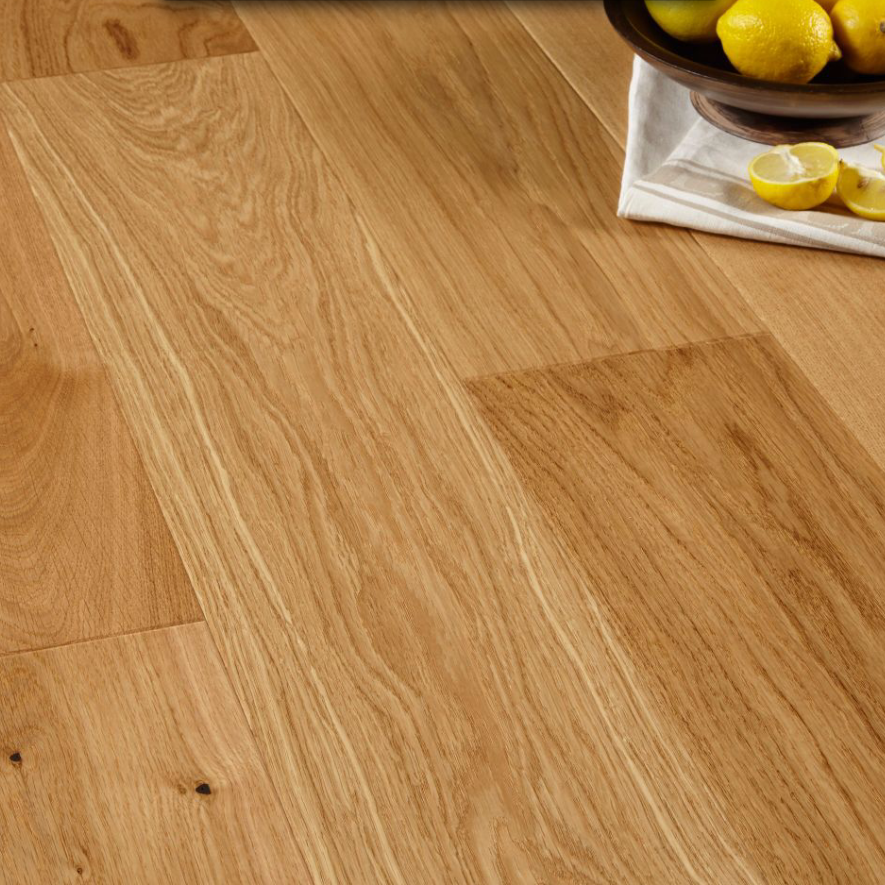
Aluminum oxide is an extremely durable, factory-applied finish available only on prefinished wood planks. It protects against scratches, fading, water damage, and scuffs without altering wood color or grain. It requires UV light to dry and multiple coats during manufacturing, making it impossible for DIY application. While exceptionally long-lasting (up to 25 years) and low-maintenance, it is difficult to touch up or refinish, potentially requiring professional intervention or board replacement. Prefinished wide-plank rustic white oak flooring from Sustainable Lumber Company is an example of a product with an aluminum oxide finish.
Choosing the right finish involves balancing durability, appearance, application ease, and environmental considerations. For instance, gloss finishes hide imperfections better in high-traffic areas, while satin finishes reveal scratches more readily. For optimal scratch resistance, aluminum oxide is top-tier, while oil-based polyurethane offers a DIY-friendly, scratch-resistant alternative.
#HardwoodFlooring #FloorFinishes #WaterBasedPolyurethane #OilBasedPolyurethane #MoistureCureUrethane #WaxFinish #Shellac #PenetratingOilSealer #AcidCuredFinish #AluminumOxide #HardwoodFlooring #FloorFinishes #WaterBasedPolyurethane #OilBasedPolyurethane #MoistureCureUrethane #WaxFinish #Shellac #PenetratingOilSealer #AcidCuredFinish #AluminumOxide
0 commentaire au total
 Aucun commentaire pour le moment
Vous aimerez aussi
Beauty of hardwood flooring
Types of wood flooring
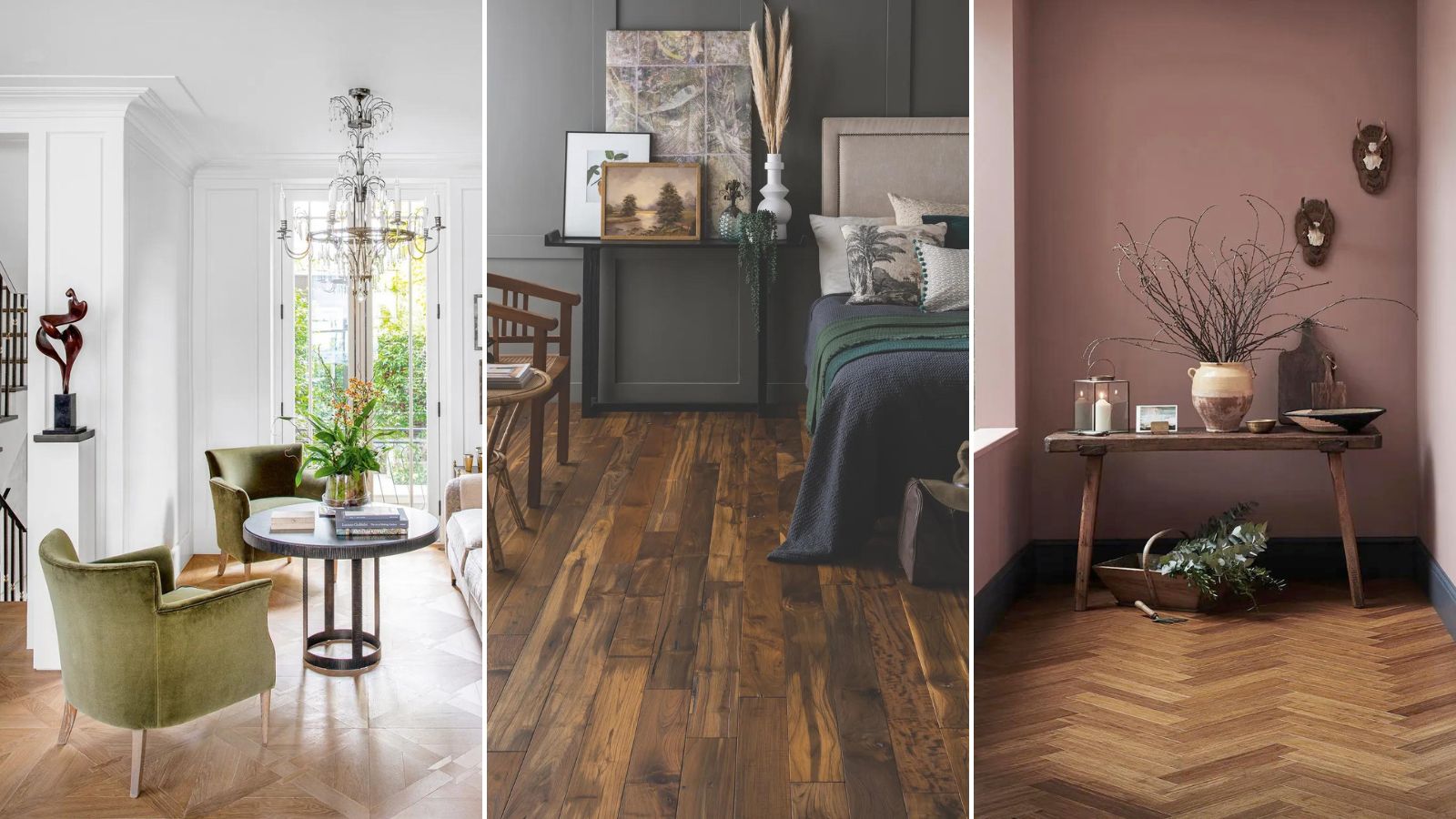
I swear by this incredibly easy 5-step method for cleaning real wood floors

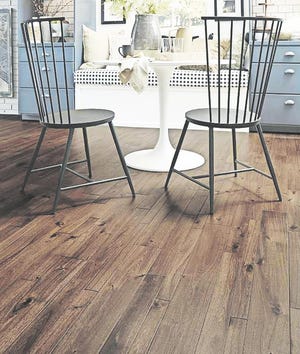
Hardwood floor color advice
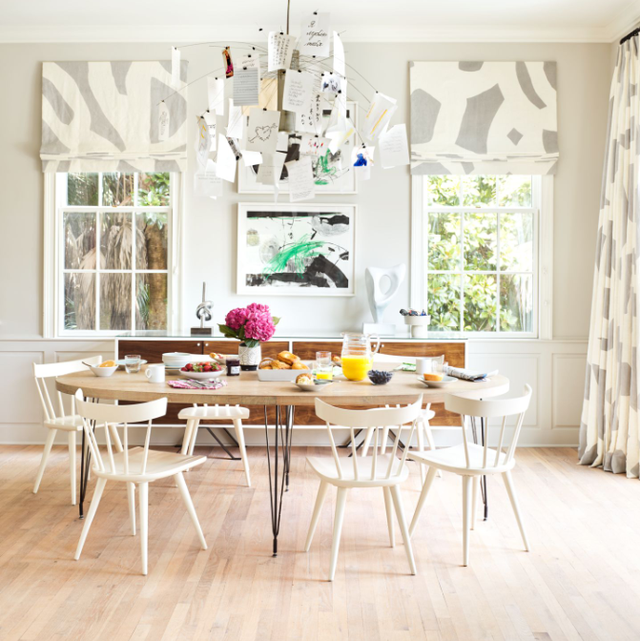
What You Should Know Before Painting Hardwood Floors

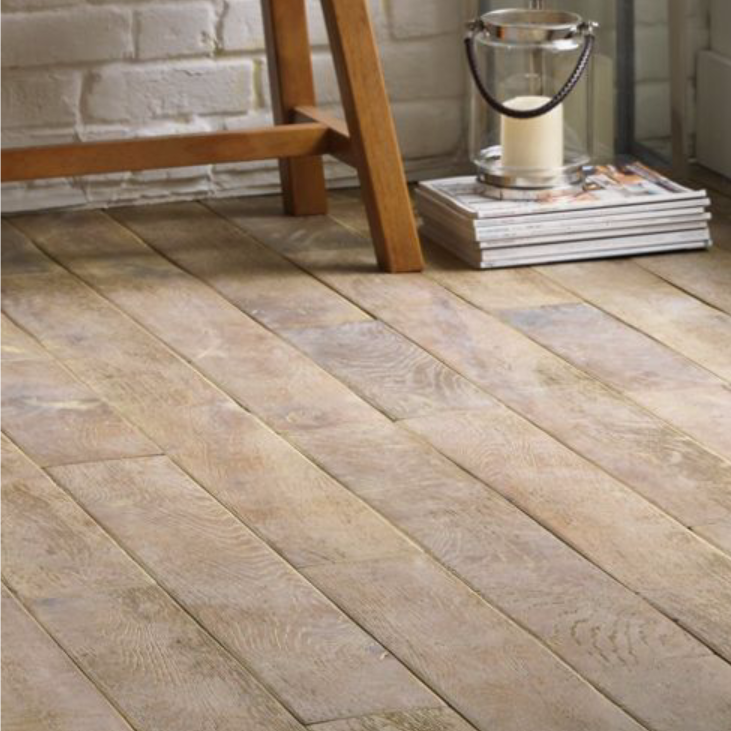
Wood Flooring – Our Pick of the Best

Your Guide to Wood Flooring

5 things designers look at to compare carpet vs hardwood floors – they'll help you choose the right one for your room

A Home Improvement Expert Reveal the Best Hardwood Flooring

6 Mistakes You Should Avoid When Choosing Hardwood Floors, According to Home Reno Pros

6 Flooring Upgrades That Are Worth The Extra Cost (And 3 To Skip)
5 flooring choices that will make it harder to sell your home
Today’s evolving hardwood floors offer myriad choices
How to restore hardwood floors without sanding – a step-by-step guide
11 Reasons Hardwood Flooring Might Not Be Right for Your Home
Here Are 2025's 8 Best Floor Stain Colors To Choose From
12 color trends for hardwood floors
8 Flooring Trends You Should Know for 2022
Your Step-By-Step Guide To Sanding A Hardwood Floor

Recommendations for hardwood floor refinishing?