Design Forward: 7 Cutting-Edge Modular Furniture Trends of 2024
Modular furniture has become a prominent choice in both home and commercial design due to its versatility and practicality, offering solutions for maximizing space in various environments, from compact offices to urban apartments. This adaptability is driven by flexible and customizable features that allow pieces to serve multiple functions, such as guest beds, home offices, multiple workstations, or organized storage solutions. Several key trends are shaping the modular furniture landscape in 2024, addressing modern living needs and aesthetic preferences.
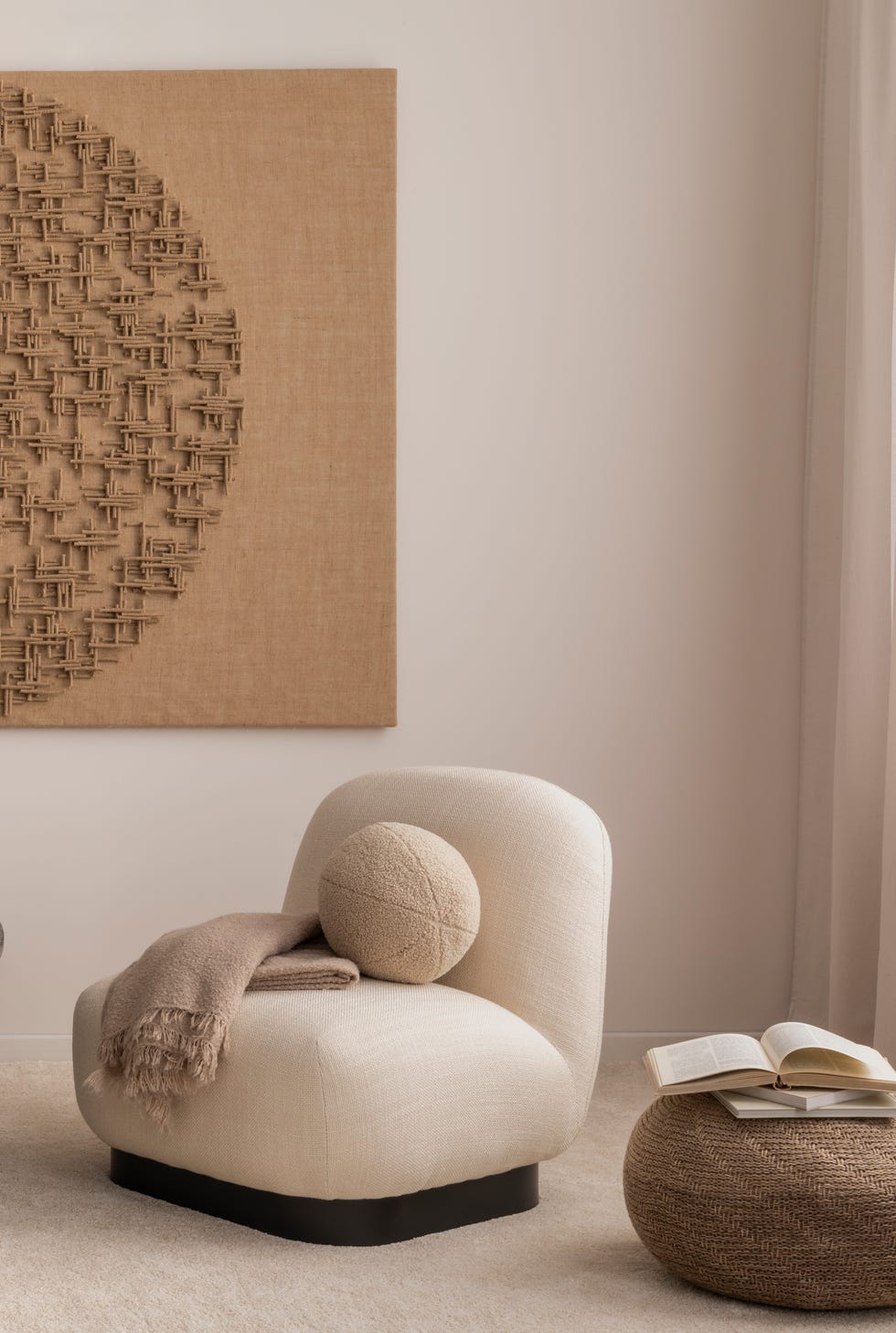
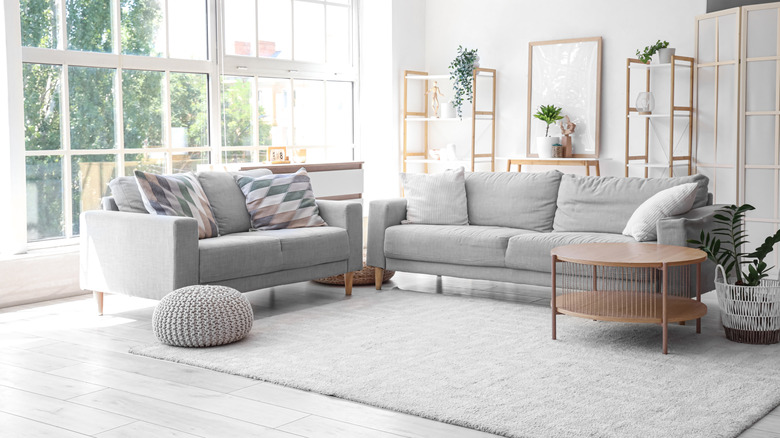
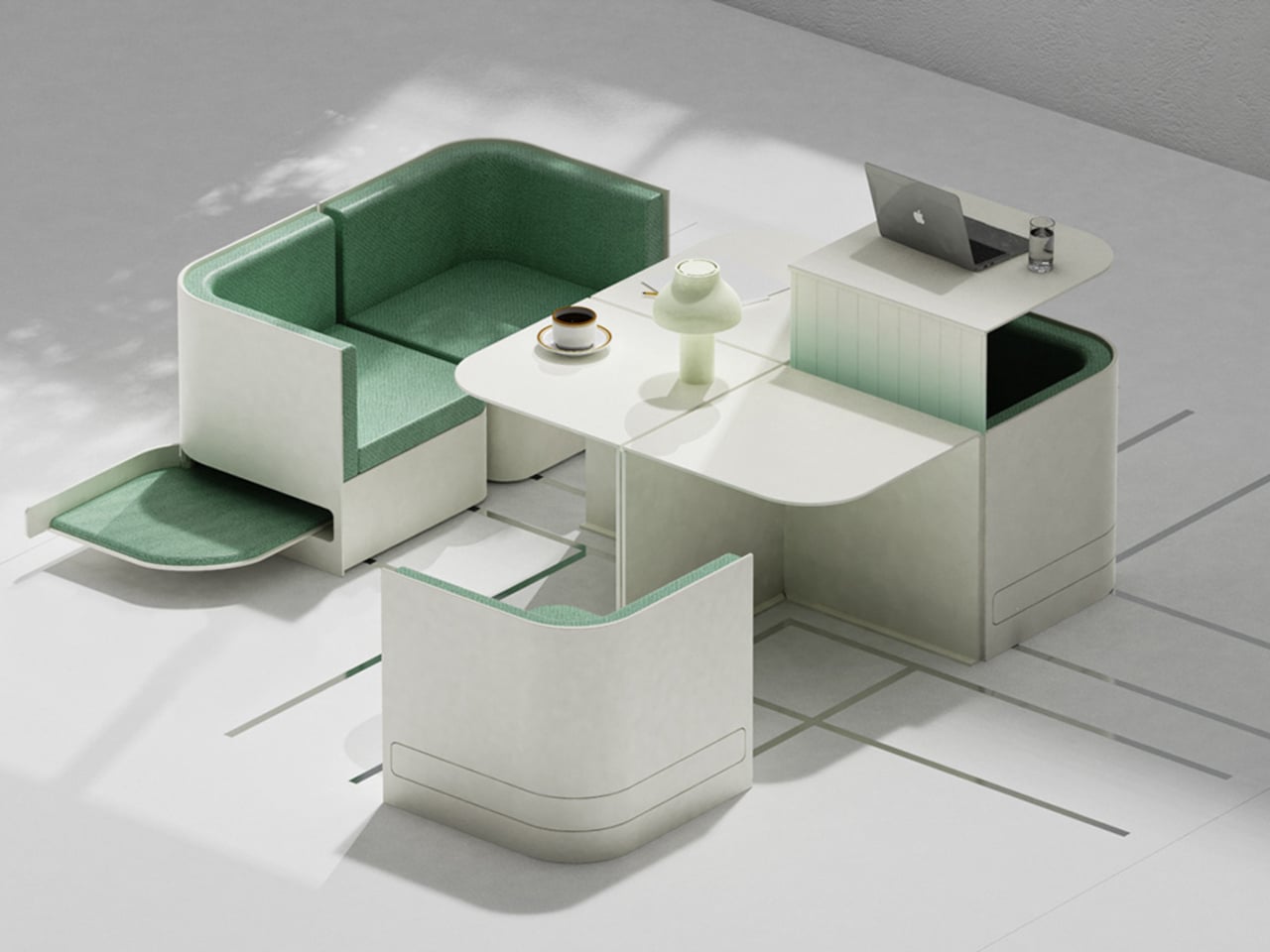
One significant trend is minimalistic furniture design, characterized by sleek forms and light wood tones. These designs incorporate clean lines and sophisticated aesthetics, creating a sense of openness and tranquility. An example is the 'Square to Square' concept, which transitions from a table or ottoman into a dining table or workspace with hidden pull-out shelves and cushioned booths, all powered by an internal sliding grid system. Similarly, the Summit Sofa by Mousarris exemplifies this trend by integrating magnets that allow curved cushions to be reconfigured into various sofa layouts or displayed as wall art, offering versatility for small living spaces.
Another crucial trend focuses on the use of sustainable materials. Modular furniture increasingly incorporates eco-friendly options such as FSC-certified wood, recycled plastic, bamboo, oak, and low-emission finishes. This trend meets the growing consumer demand for ethically sourced and environmentally responsible products. The modular cork stool concept, which can transform two stools into a single bench, demonstrates this commitment to sustainability by utilizing sturdy cork and offering easy maintenance and customization while minimizing environmental impact.
Multifunctional design is also a dominant trend, especially given the decreasing square footage of urban residences. Modular furniture pieces are designed to transition effortlessly between various functions to optimize space efficiency. An example is a rotating picture book rack that can hold up to 1200 books, offering adjustable height and innovative shapes to grow with a child. Crafted from sustainable materials with plug-in acrylic panels, it promotes safety, adaptability, and enhances color perception. Another example is Deku, a modular furniture system by Takuto Ohta, which uses interlocking wooden planks to create versatile configurations like tabletops and benches, emphasizing an artistic and playful approach to furniture construction.
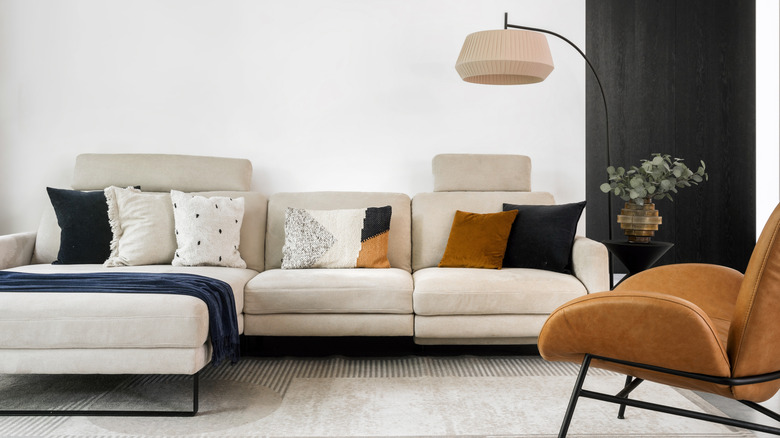
Modular furniture also offers flexible options, allowing users to arrange and dismantle pieces to suit individual needs. This includes items like storage ottomans, Murphy beds, flexible sofas, and expandable modular shelving. The Futo, a sustainable modular seating solution by Dymitr Malcew, exemplifies this by providing flexible configurations for private work zones and collaborative meetings without extensive rebuilding, catering to the post-pandemic workforce's need for privacy. Similarly, Summit, a modular furniture system by Snøhetta, features five versatile modules that can be reconfigured for different office needs, incorporating built-in charging outlets and comfortable designs.
Budget-friendliness is another key aspect, making modular furniture an accessible choice for furnishing homes, particularly rented apartments, due to its affordability and ease of relocation. The Len Furniture collection, inspired by Bauhaus principles, showcases this with customizable, plush, knitted sofa pieces that encourage playful arrangements and celebrate craftsmanship while remaining budget-conscious.
The integration of technology into modular furniture is also on the rise, aligning with smart home trends. This includes built-in USB ports, wireless charging pads, and integrated speakers. An ultimate bed design exemplifies this, featuring an integrated reclining massage chair, Bluetooth speaker, bookshelf, reading lamp, air cleaning system, device charging ports, a foot-stool with storage, and a pop-up desk. Furthermore, smart furniture systems like those from Bumblebee Spaces, seen in 'The Smile' apartment complex, offer modular units for storage, beds, workspaces, and wardrobes that ascend and descend from the ceiling, controlled by voice commands to optimize living space. The Layout desk concept further integrates technology with entertainment and work modules, featuring a foldable upper cover, front display panel, light controllers, phone chargers, and music players.
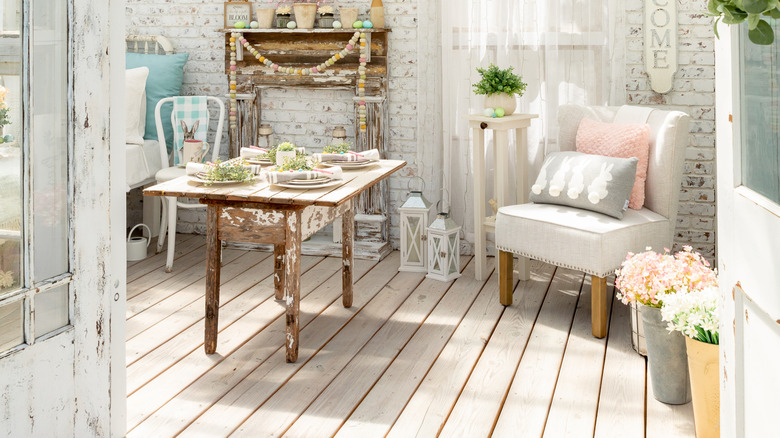
Finally, the focus on outdoor modular furniture is expanding, allowing homeowners to create flexible seating arrangements in gardens, patios, and balconies, extending indoor living spaces outdoors. The Uuma, a portable fiberglass table-chair combo by Gökçe Nafak, illustrates this trend, offering a stackable and customizable unit suitable for both indoor and outdoor workspaces, designed for durability and portability.
#ModularFurniture #HomeDesignTrends #SustainableDesign #MultifunctionalFurniture #SpaceSavingSolutions #SmartHomeIntegration #OutdoorFurniture #MinimalisticDesign #InteriorDesign #ModularFurniture #HomeDesignTrends #SustainableDesign #MultifunctionalFurniture #SpaceSavingSolutions #SmartHomeIntegration #OutdoorFurniture #MinimalisticDesign #InteriorDesign
0 commentaire au total
 Aucun commentaire pour le moment
Vous aimerez aussi
The 7 Furniture Trends You Need to Know for 2025, According to Design Pros

Interior Design Trends of 2024

The 7 Bedroom Design Trends Designers Can't Wait to See in 2025

6 Living Room Design Trends to Watch for in 2024

The Best New Furniture of 2024

The new interior design trends: 24 looks for 2024

7 Interior Design Trends We're Saying Goodbye to in 2024

Designers have shared the top 17 living room trends of 2025

10 furniture trends that designers are loving for 2025
7 interior-design trends you'll see everywhere in 2024, and 5 that'll disappear
8 Interior Design Trends to Watch in 2024

Designers Are Calling It: These Furniture Trends Will Be Everywhere in 2026

Designers Say These Furniture Trends Will Be Everywhere In 2024
Designers Predict These 7 Interior Design Trends Will Be Everywhere in 2025
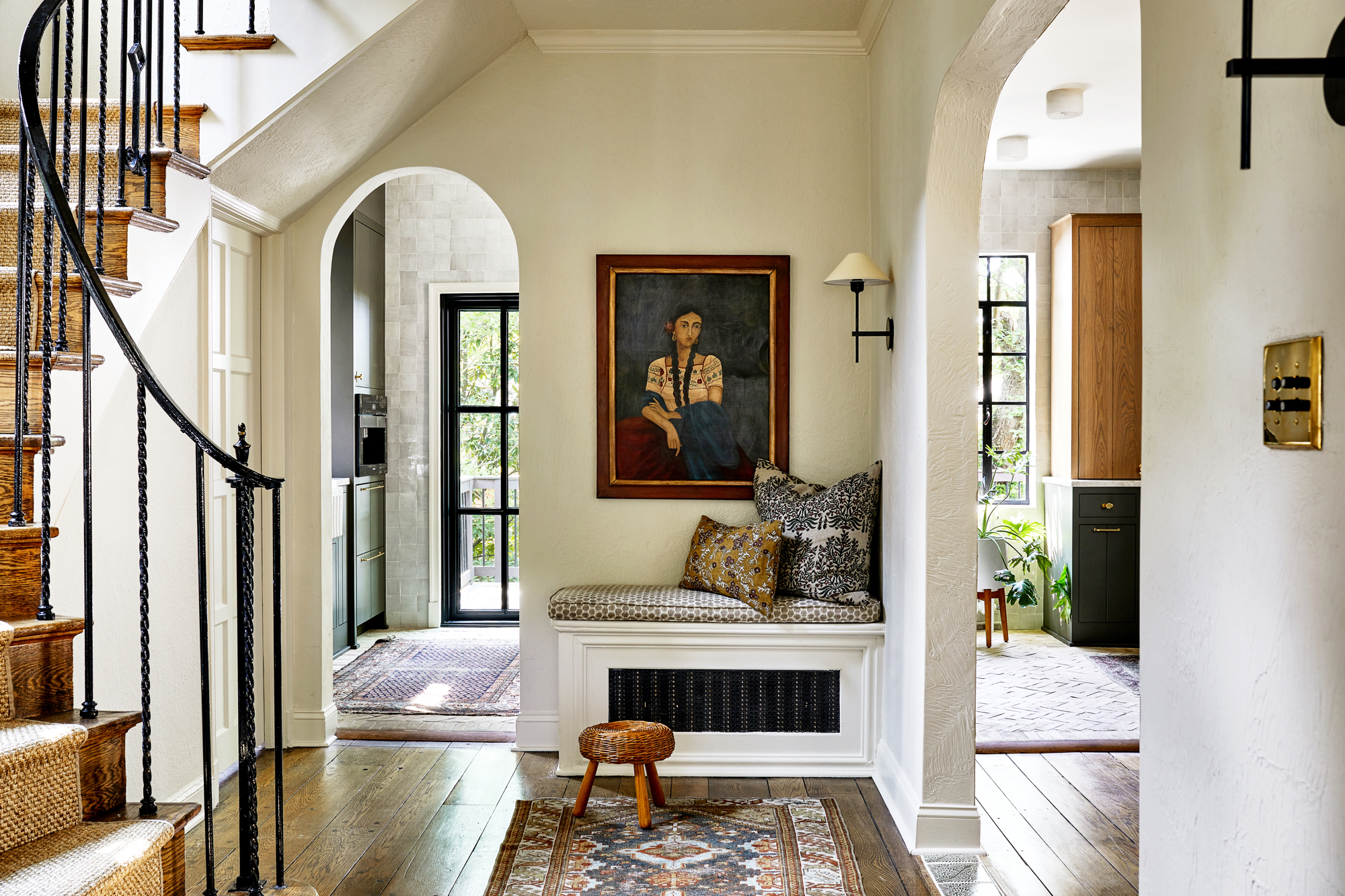
Home-Design Trends You’ll See Everywhere in 2024

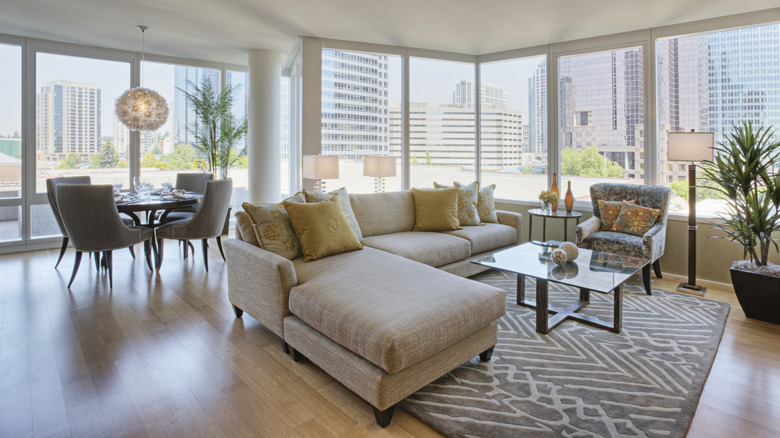
Tired Furniture Trends That Are Now Becoming A Thing Of The Past
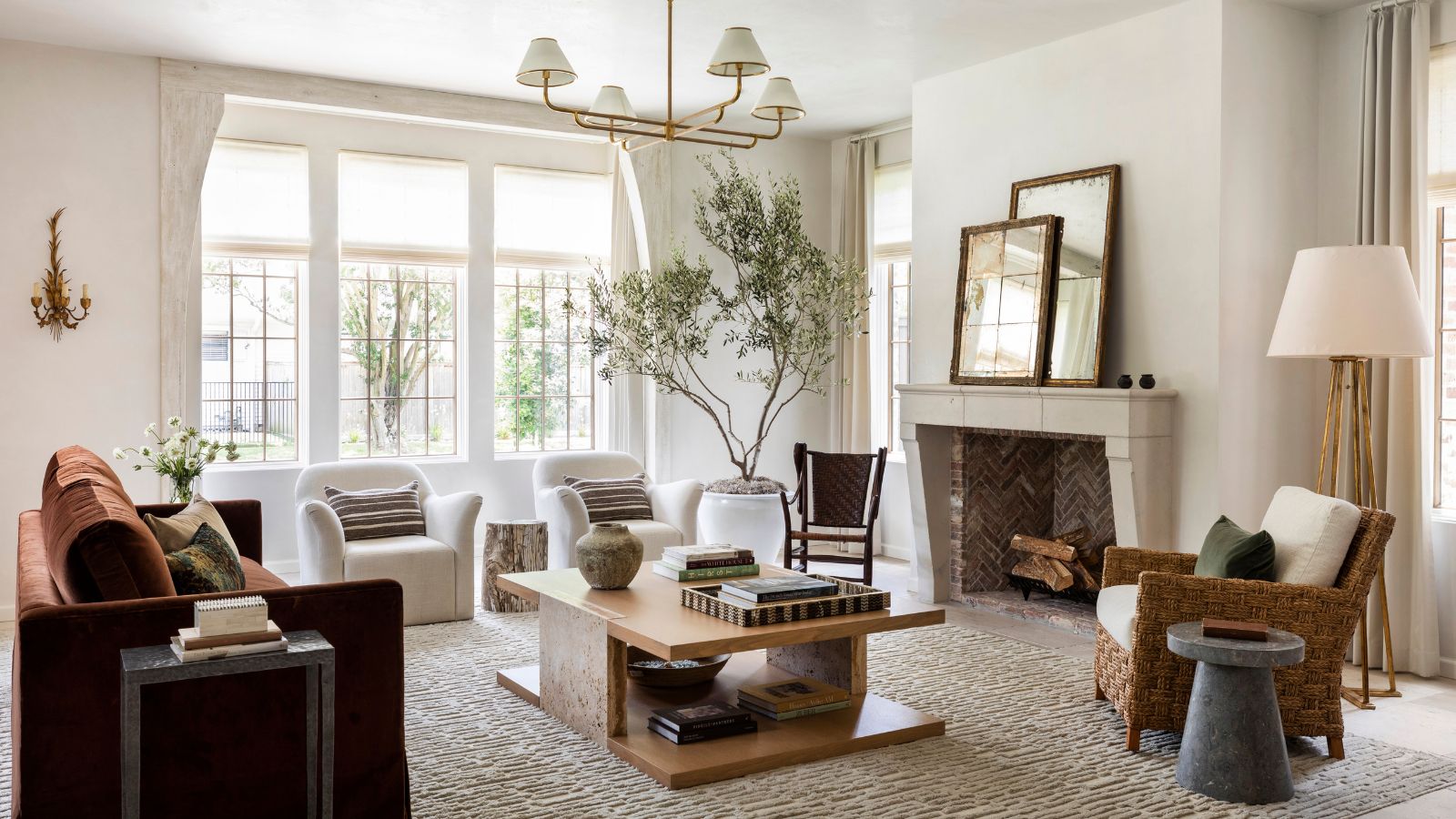
10 furniture trends that designers are loving for 2025 and beyond
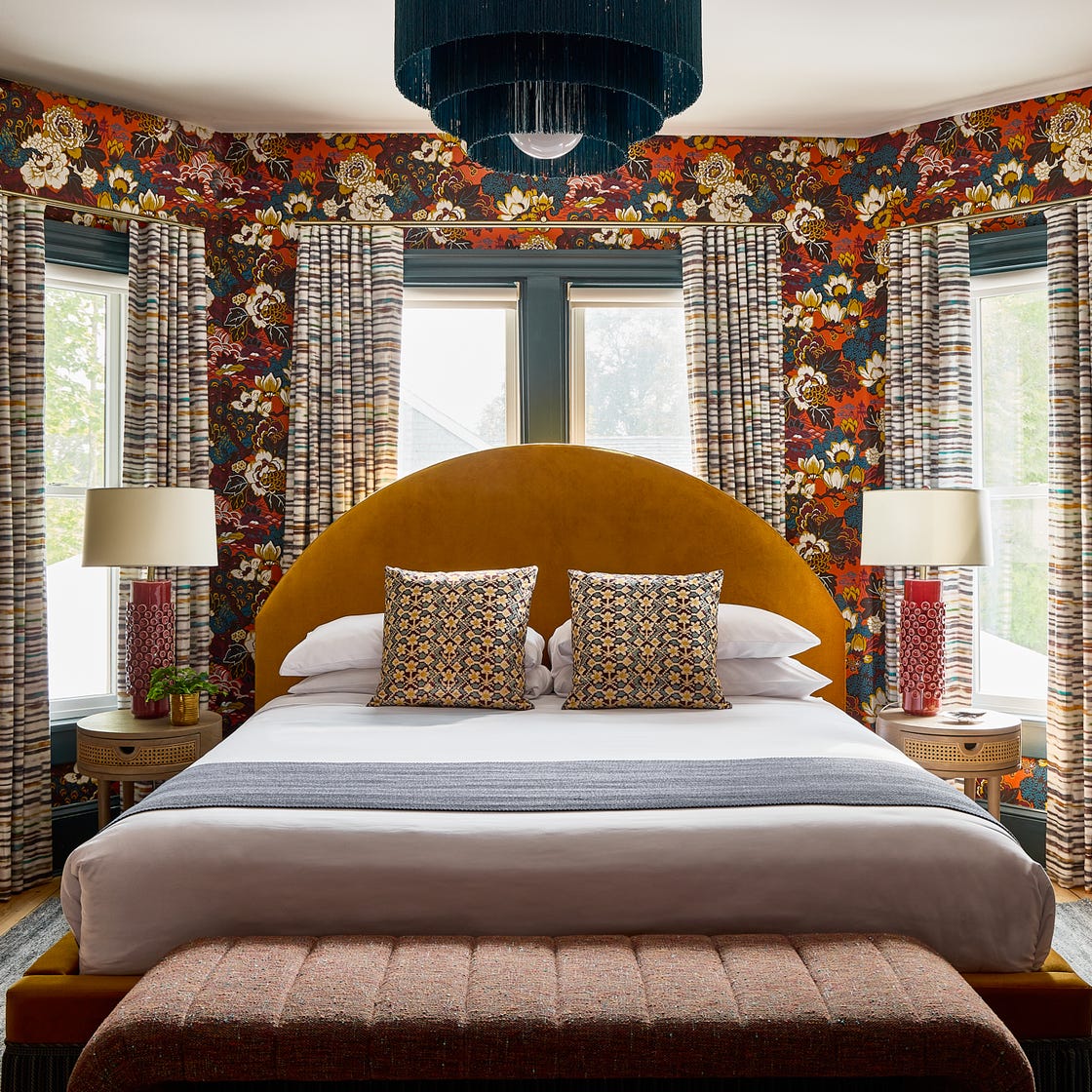
12 Furniture Trends That Will Dominate 2025, According to Designers
The Furnishing Fabrics of 2024
7 Fabric Trends Taking Over Interior Design in 2024