1/6
Delftware porcelain – the global story of a Dutch icon
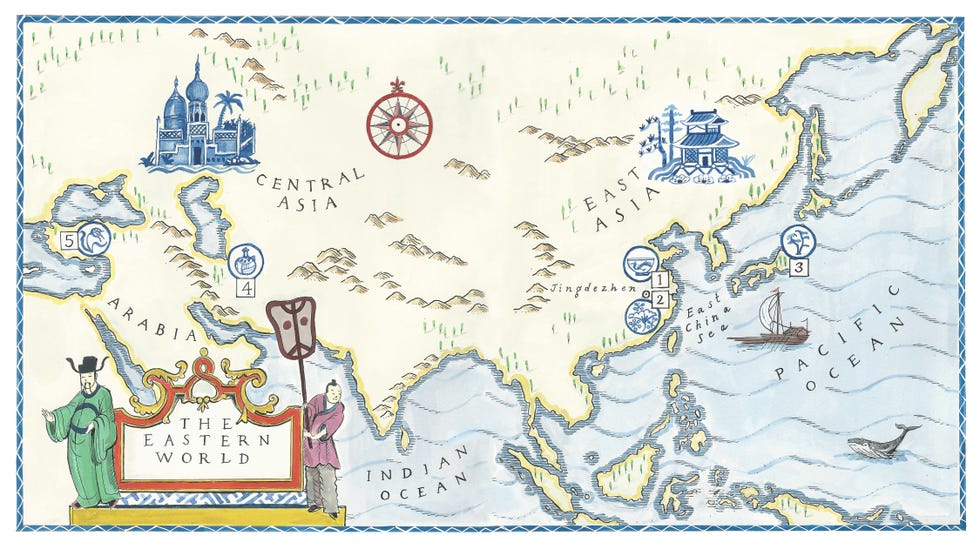
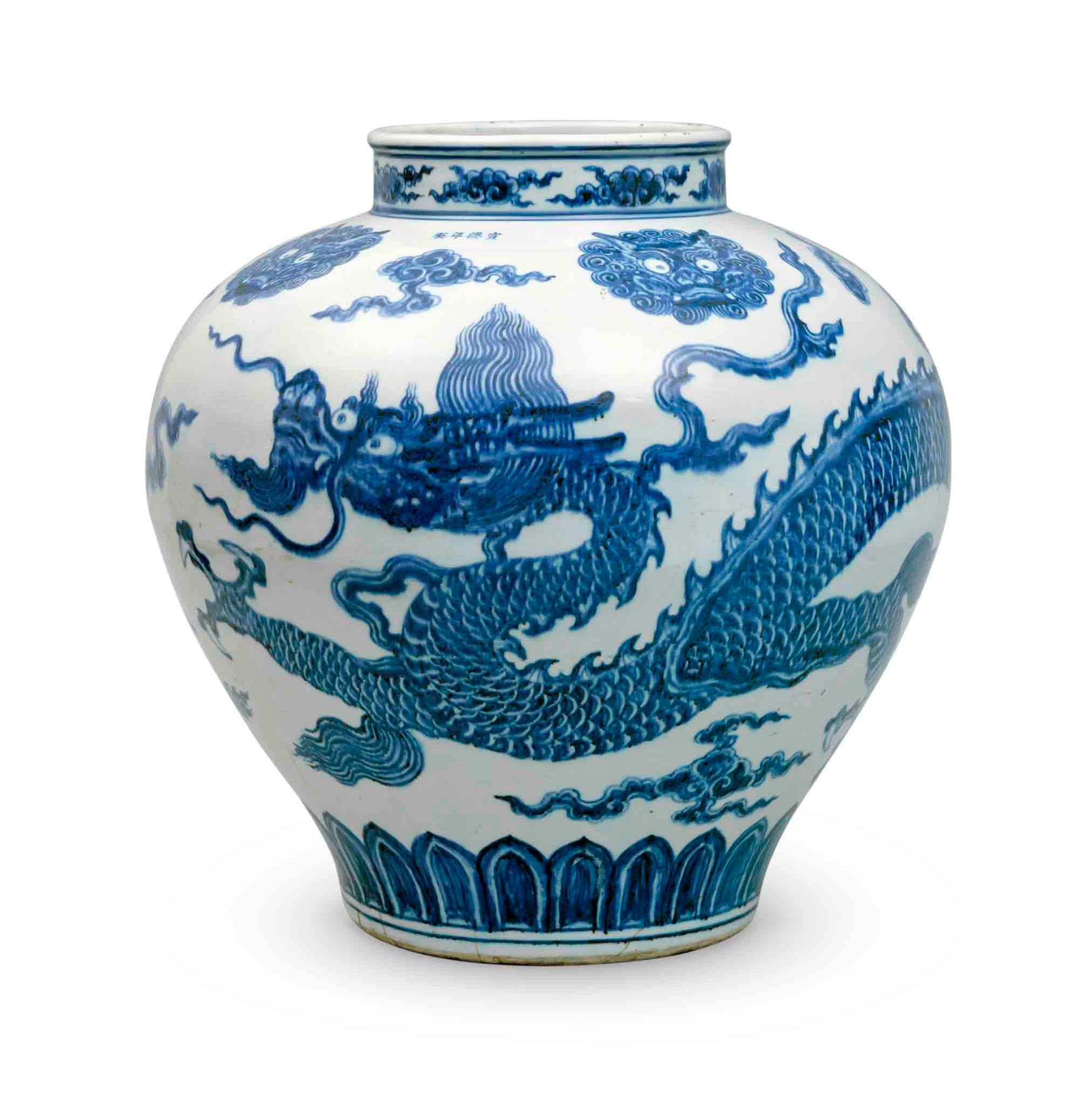
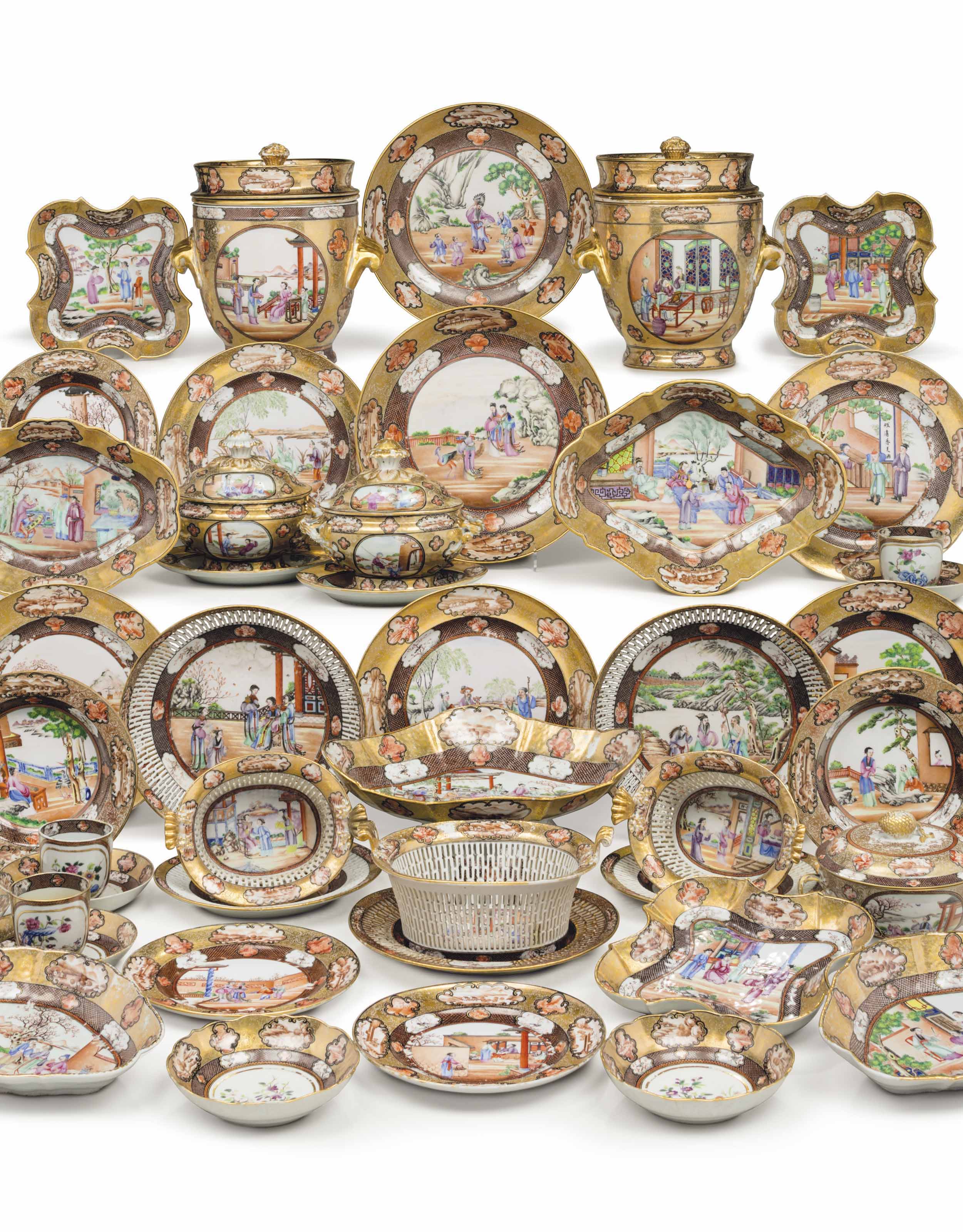
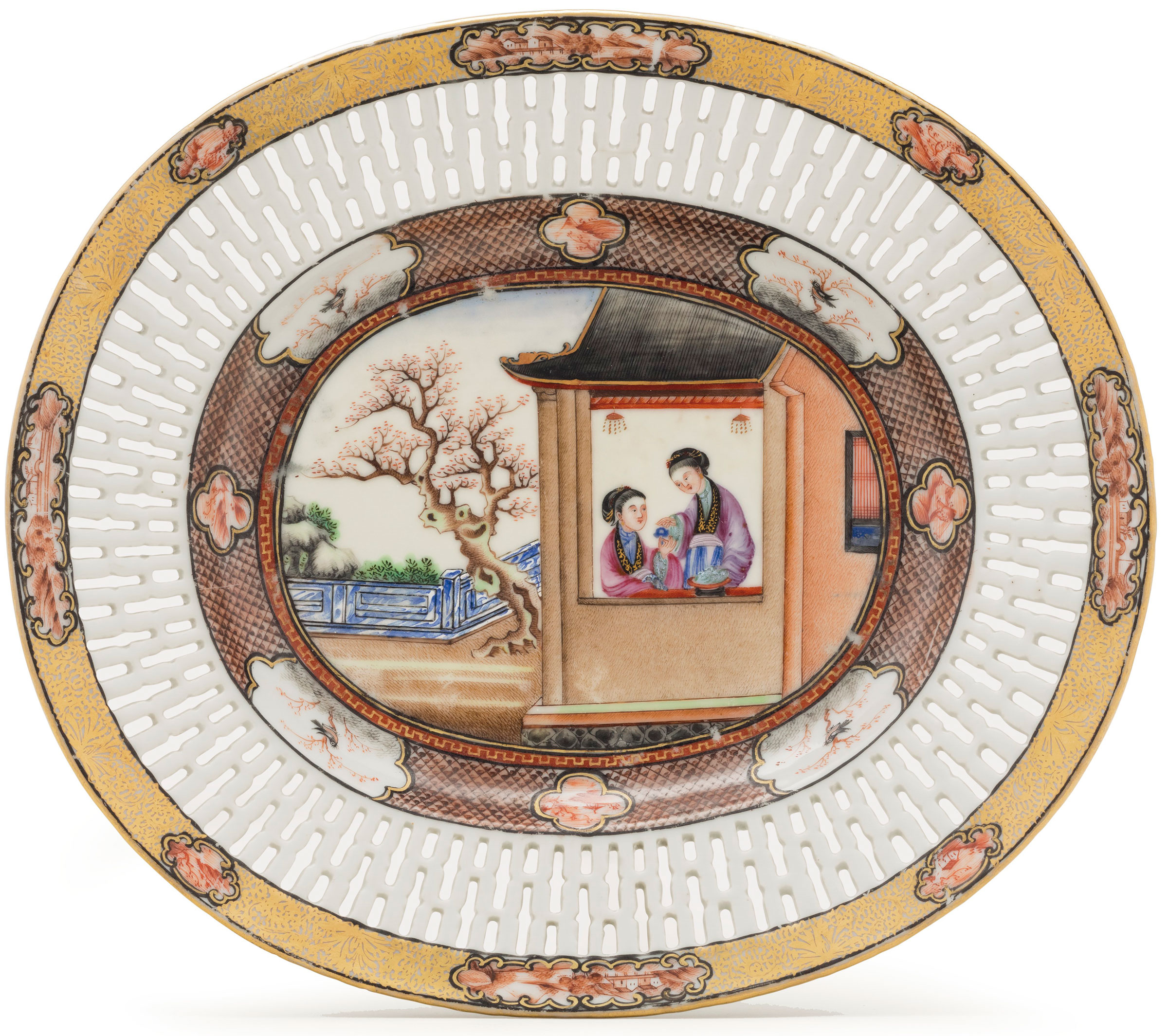
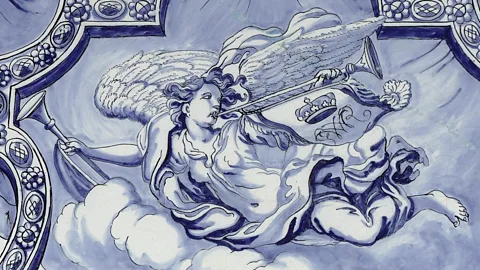
The article delves into the rich and multifaceted history of Delftware, the iconic blue-and-white ceramics that have become synonymous with the Netherlands. Far from being a purely Dutch invention, Delftware's origins are deeply intertwined with global trade, cultural exchange, and technological innovation spanning centuries and continents. The journey begins in 14th Century China, specifically the kiln city of Jingdezhen, where potters mastered the complex technique of firing true porcelain at extremely high temperatures. This process created a translucent, durable material with designs trapped beneath a glassy glaze, an aesthetic originally crafted to appeal to the Persian market, which favored cobalt blue decorations but lacked porcelain's pristine whiteness. European elites first encountered these exquisite Chinese porcelains in the late 16th Century, transported via the Silk Roads and Venetian traders, sparking widespread fascination due to the unknown nature of their production.
A pivotal moment in Delftware's history was not through trade but piracy. In the early 17th Century, Dutch fleets seized Portuguese ships laden with Chinese porcelain, introducing a large quantity of these coveted items to Europe through auctions in Middleburgh and Amsterdam. The demand was instantaneous and immense, fueled by the novelty of the shiny glaze, white body, and exotic patterns. This spurred the Dutch East India Company, founded in 1602, to establish legitimate trading links with China, although they remained largely subservient to Chinese ceramicists who protected their production secrets. The Chinese porcelain was ordered through intermediaries and delivered to Batavia, the Dutch trading outpost, with Dutch merchants paying homage to the Emperor to maintain these rights.
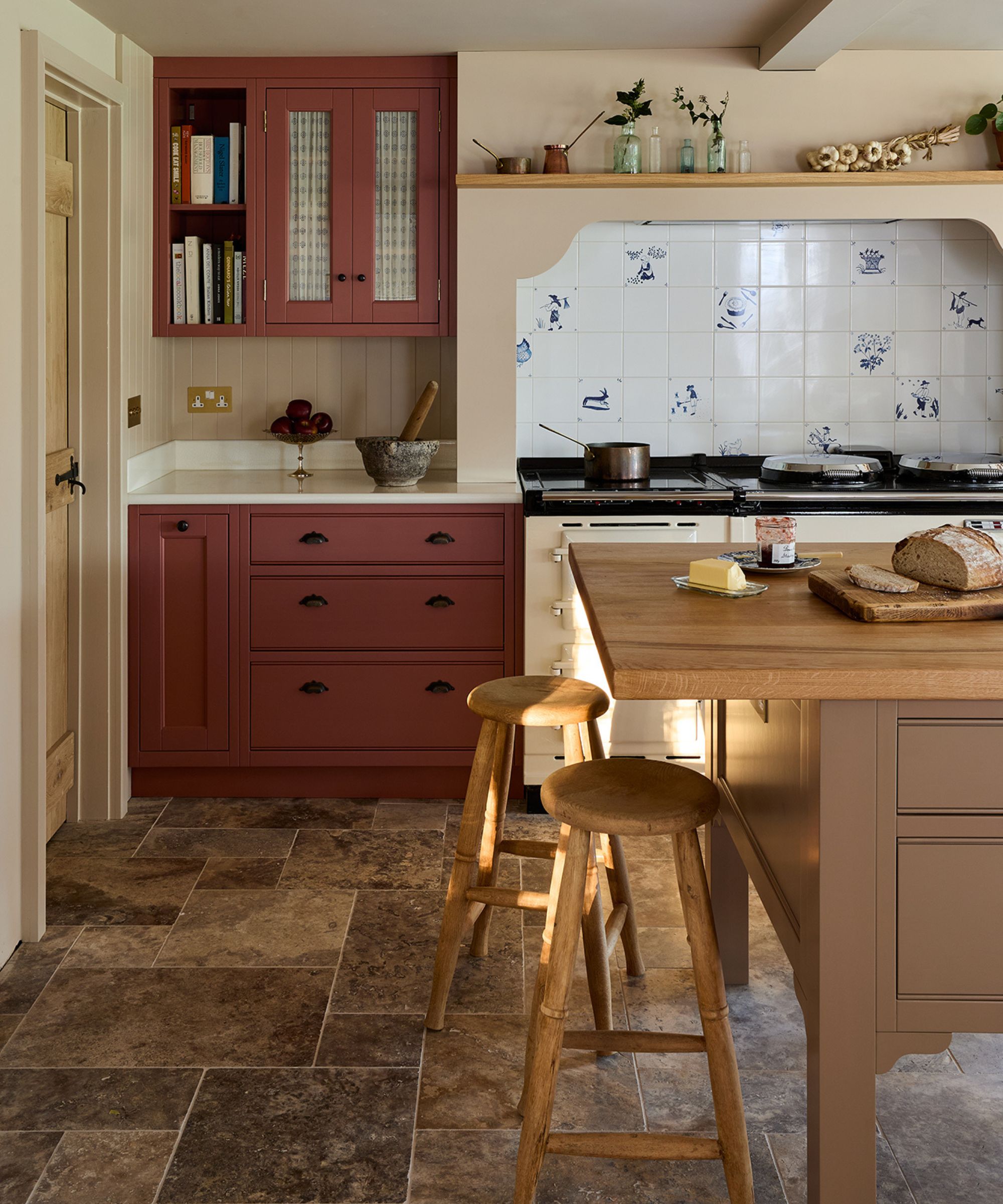
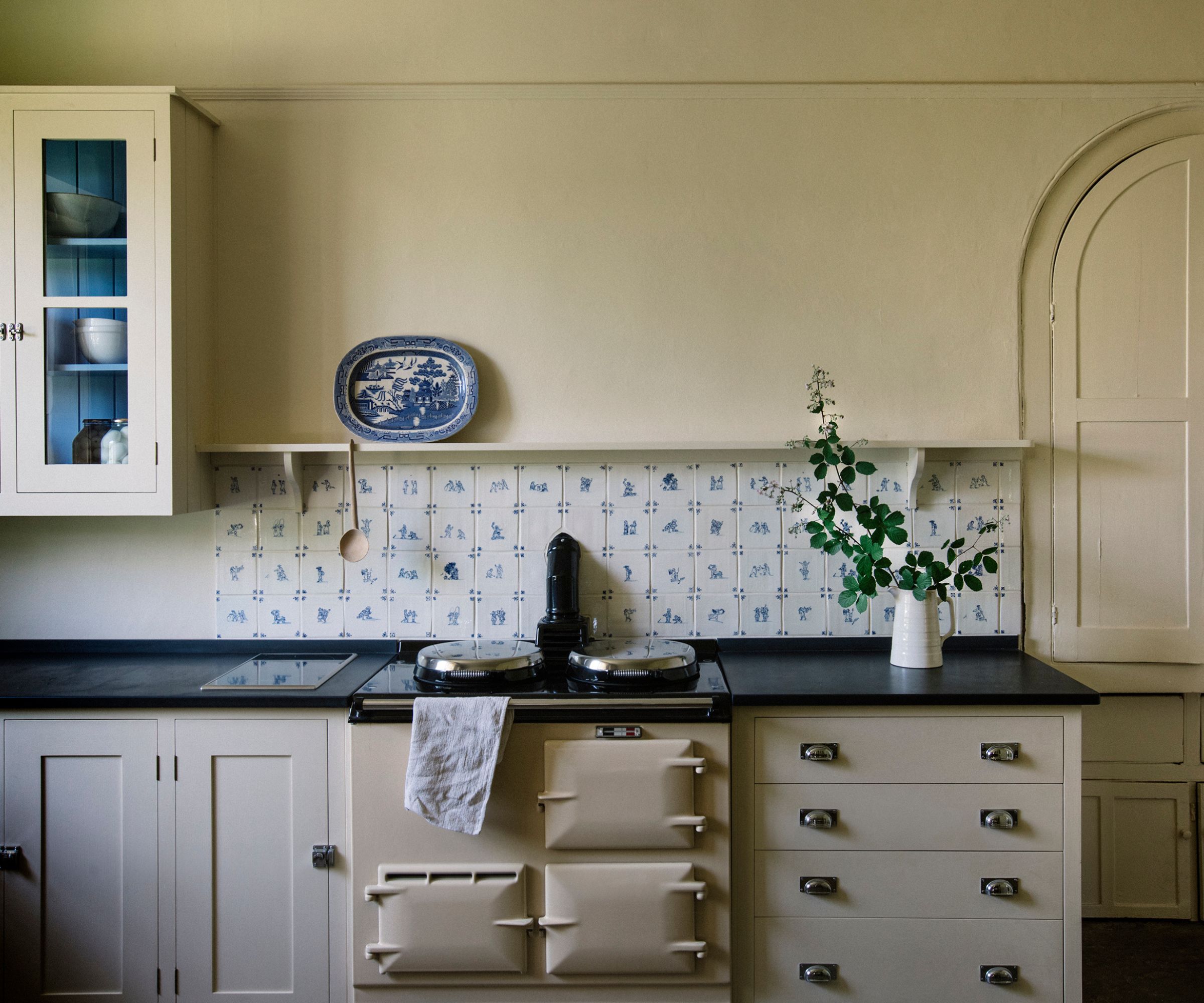
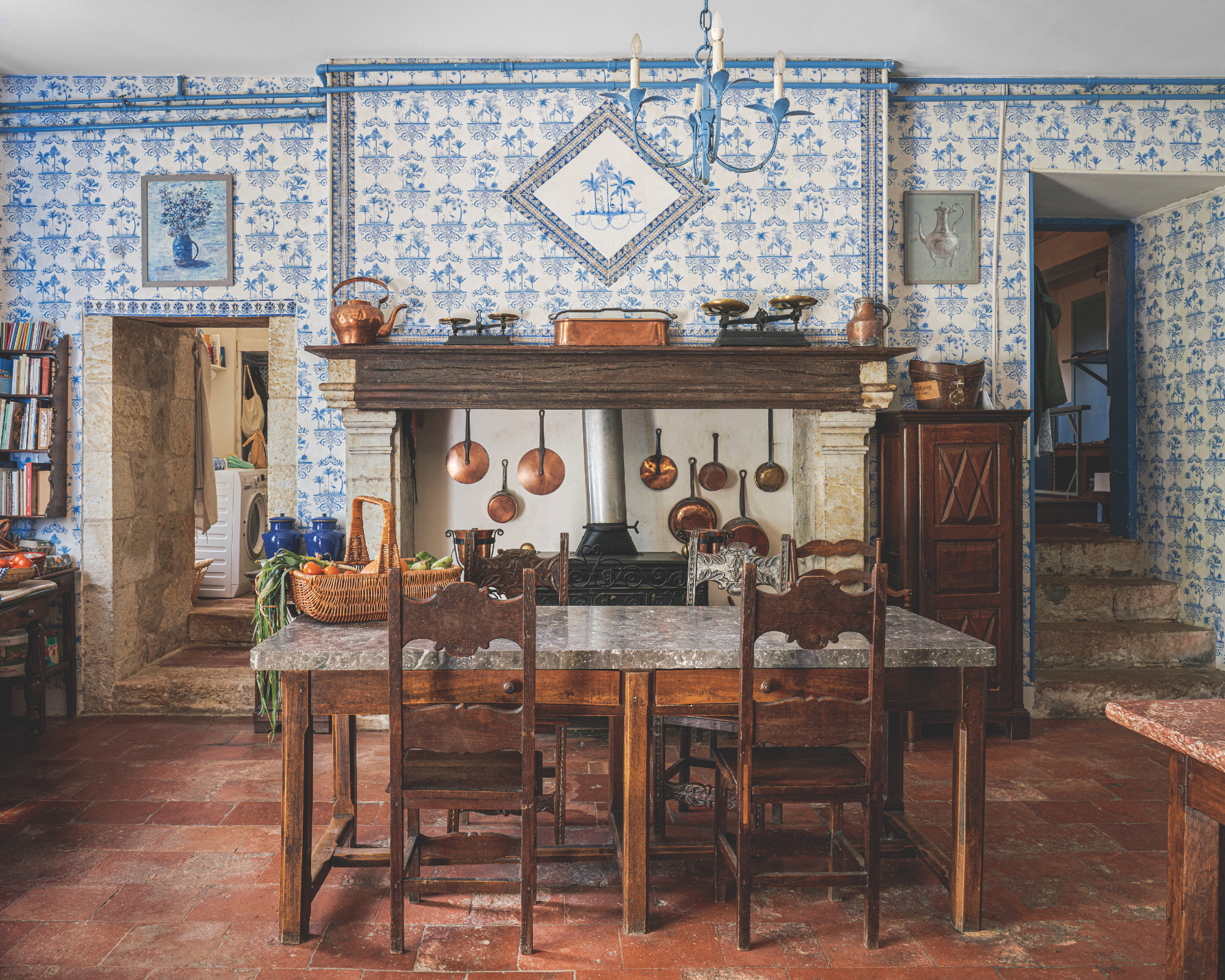
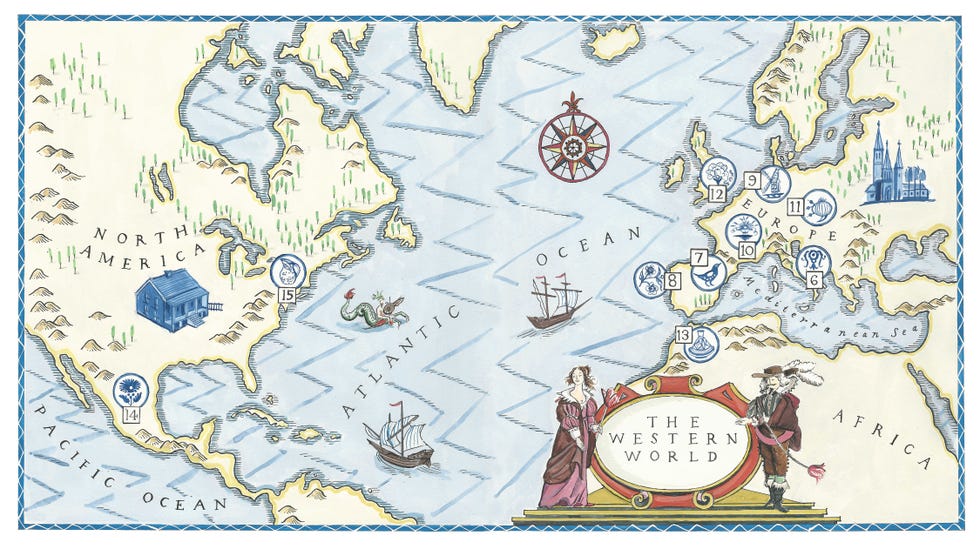
Simultaneously, ceramicists across Europe, particularly in Delft, began to imitate Chinese porcelain. The tin-glazing technique crucial to Delftware originated in the Middle East, traveled through Islamic Spain (giving rise to majolica), then to Faenza (faience pottery), and finally to France. Huguenot refugees, fleeing persecution, brought these pottery traditions to Antwerp and then further north to Delft. While the exact reasons for Delft becoming the prominent center for this imitation are debated, theories suggest the availability of disused beer breweries for potteries and Delft's status as a major East India Company hub, providing access to original Chinese pieces for replication. By 1620, Delft potters had developed their characteristic tin-glazed Delftware, initially combining Dutch countryside scenes with Ming Dynasty-style segmented rims and sometimes misinterpreting Chinese symbolism, such as peaches resembling oranges. Notably, the famous Delft tiles were a national product made throughout Holland.
Though initially a cheaper alternative to Chinese porcelain, Delftware quickly achieved a high level of quality, attracting patronage from European royalty, including Louis XIV. However, it was British Queen Mary II, wife of William of Orange, who elevated Delftware to a luxurious status. Having developed an appreciation for Chinese porcelain and Delftware in the Netherlands, her tastes became more lavish upon becoming Queen of England, Scotland, and Ireland. Her commissions led to the creation of the largest and most technically challenging Delftware pieces, such as elaborate vases and flower pyramids. These pyramids, now strongly associated with Dutch culture and tulip displays, were once believed to be inspired by the Nanjing porcelain pagoda. However, evidence suggests French interior designer Daniel Marot, who designed a strikingly similar pyramid-shaped grave monument, may have influenced their design, combining French form with Chinese-inspired decoration and color. Smaller Delftware items also reflected the Dutch Republic's colonial expansion, with some vases even depicting black slaves, indicating an awareness of slavery within Dutch culture.
Delftware's popularity waned in the 18th Century with the discovery of porcelain's secret in Meissen and the rise of English creamware. Yet, it experienced a revival in the late 19th Century with the resurgence of 17th Century Dutch style in antique collecting, during which it began to be perceived as a distinctly Dutch product rather than a mere imitation. Its continued relevance into the present day is partly attributed to Queen Máxima, who promoted an elaborate new Delftware dinner service for state functions. This illustrates Delftware's enduring international journey, from its global origins to its modern-day symbolic significance in the Netherlands, continuously shaped by diverse influences and historical events.
#Delftware #DutchCeramics #ChinesePorcelain #GlobalTrade #CulturalExchange #ArtHistory #EuropeanDesign #MaryII #TileDesign #Delftware #DutchCeramics #ChinesePorcelain #GlobalTrade #CulturalExchange #ArtHistory #EuropeanDesign #MaryII #TileDesign
0 commentaire au total
 Aucun commentaire pour le moment
Vous aimerez aussi
I’m looking to use this little-known vintage tile in my home reno, here’s why I think it is high time for a revival

Piet Hein Eek’s Work with Wood Scrap: “There Are No Poor Materials”

Maison&Objet Highlights Dutch Design Through Rising Talent Awards Program

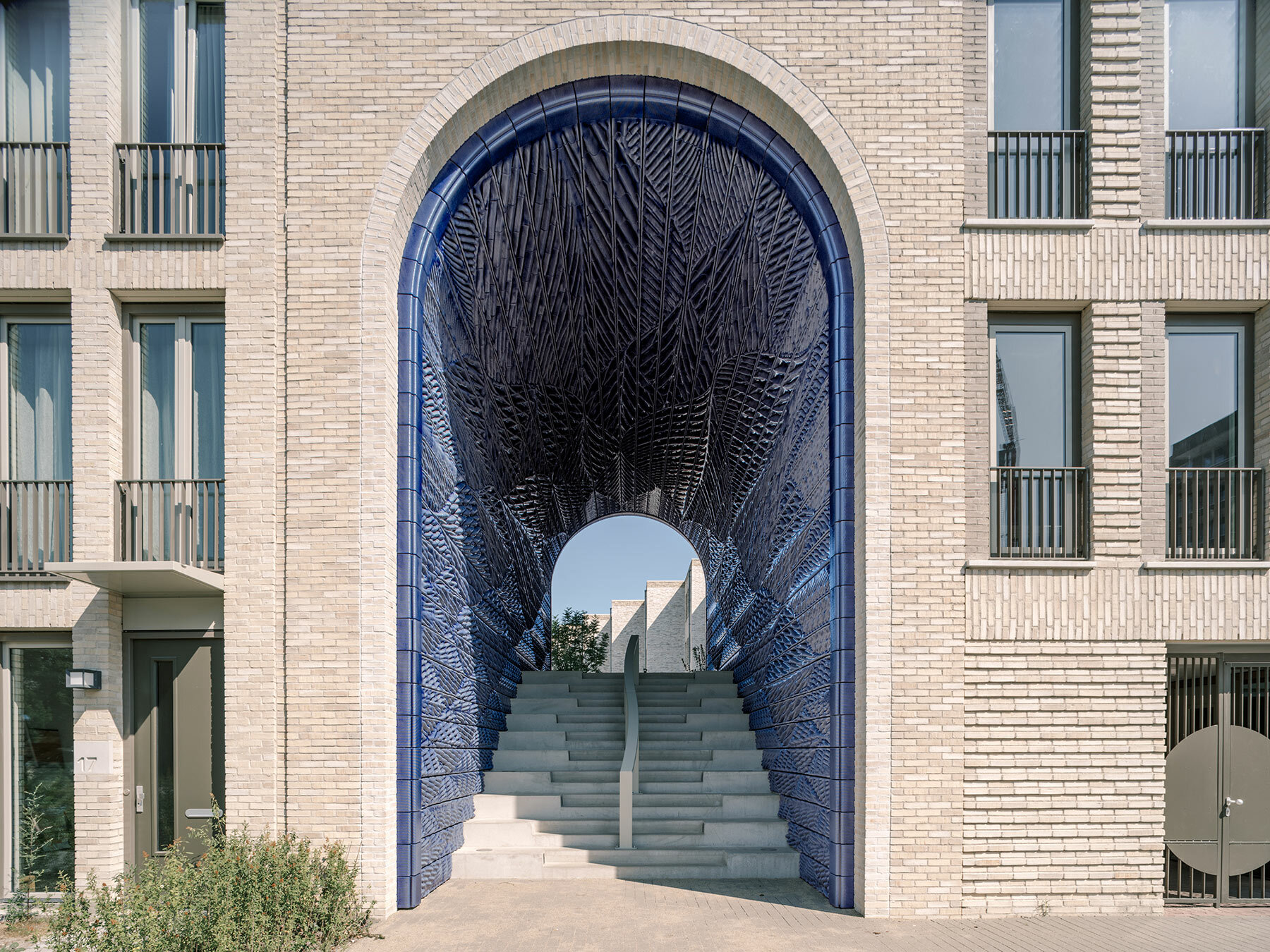
studio RAP 3D-prints blue ceramic tiles for an undulating threshold in delft
The Manufacturing Process Behind Ceramic District's Porcelain Tiles


Design Guru Henry Holland Talks Style, Inspiration & More
Mutina Italian Ceramic Tiles: Diarama by Dutch Industrial Designer, Hella Jongerius
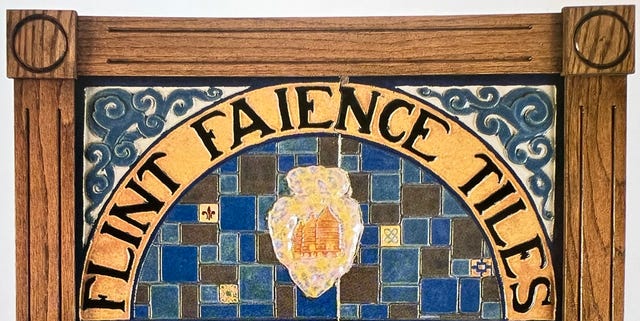
Photos from Flint Faience's History

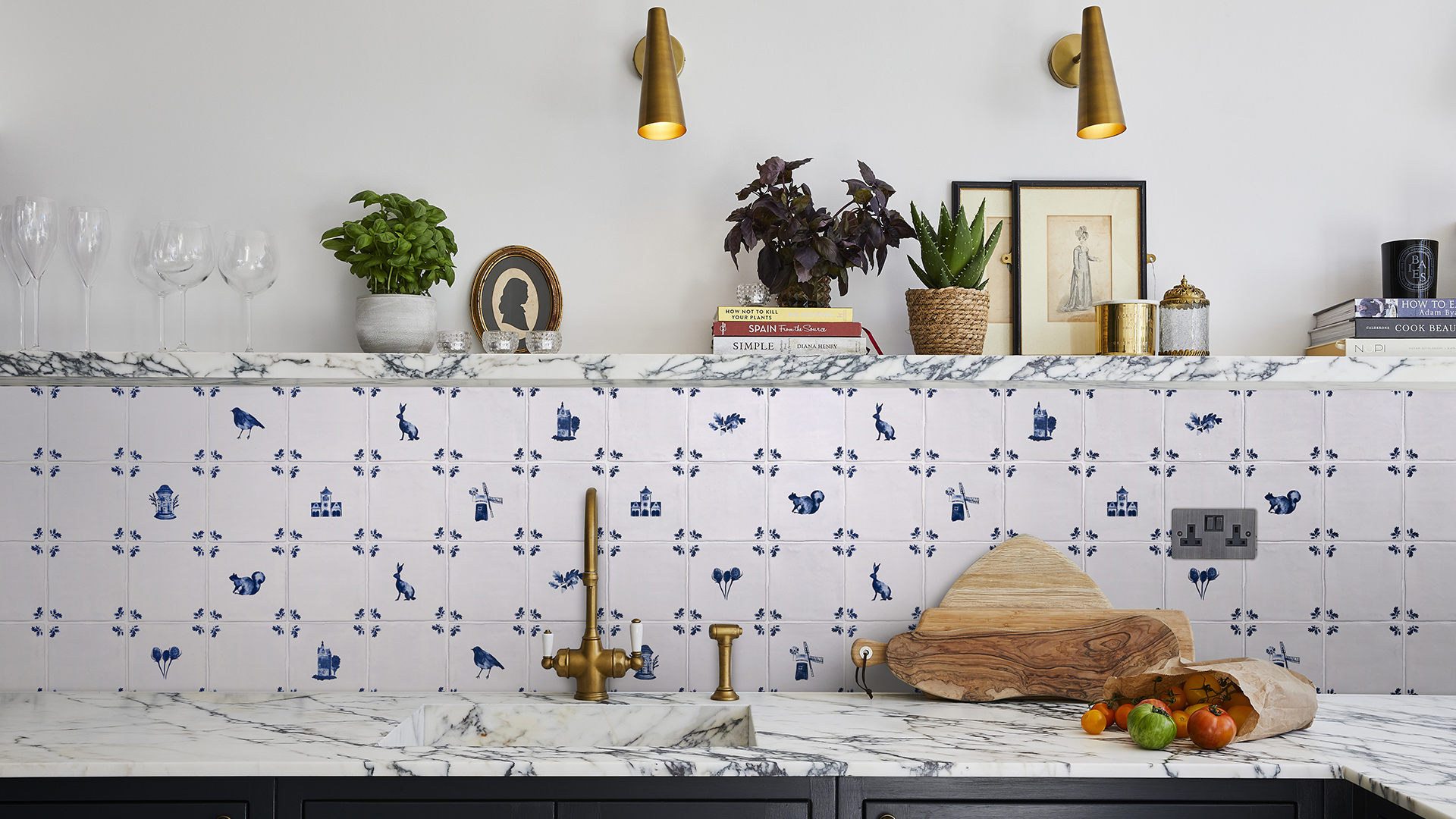
This vintage tile trend is back for 2024 and it's the easiest way to give a kitchen a modern rustic feel
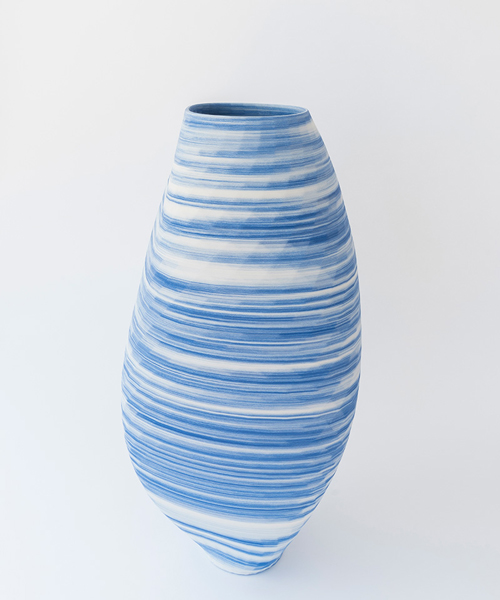
3D-printed porcelain vases by olivier van herpt in blue and white
Ornament is no longer a crime. And the new trims on the coatings confirm it
Why top designers are turning to porcelain for contemporary surface solutions
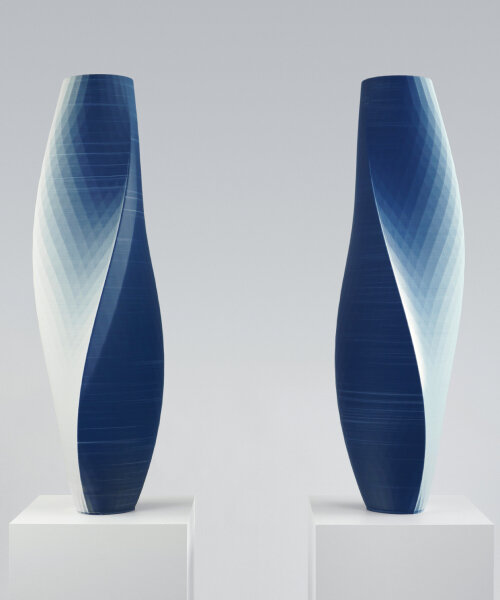
olivier van herpt’s 3D printer can form large-scale, white porcelain vases without collapsing
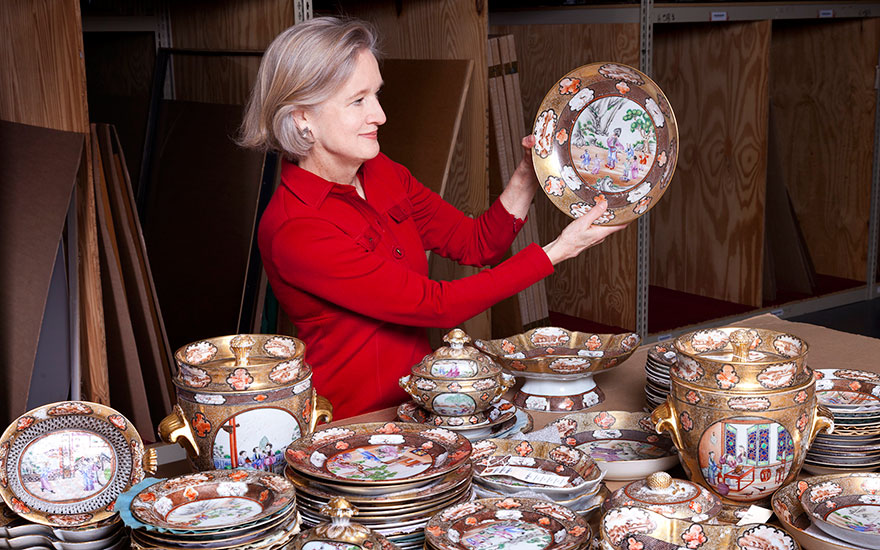
Live like a Rockefeller — A Chinese export dinner service in the ‘Rockefeller’ pattern

Spotlighting 8 projects from Isola’s showcase at Dutch Design Week 2023

D-FW designers hone in on bold, colorful marbles for a modern take on a traditional look

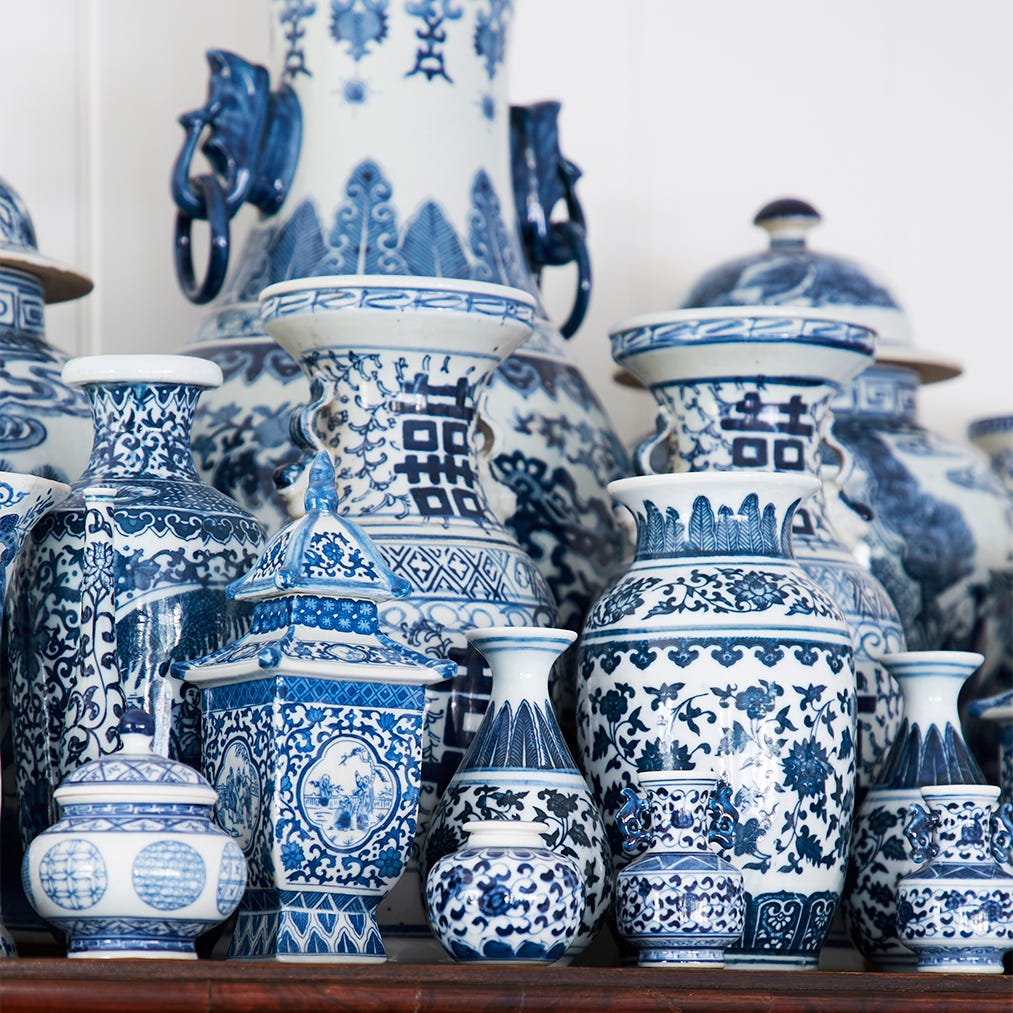
The Extraordinary History of Blue-and-White Ceramics

The colourful story behind the Danish paint giant’s state-of-the-art coatings

Glassware Traditions We Love From Around the World—and Their Modern Interpretations

Porcelain Surfaces