1/22
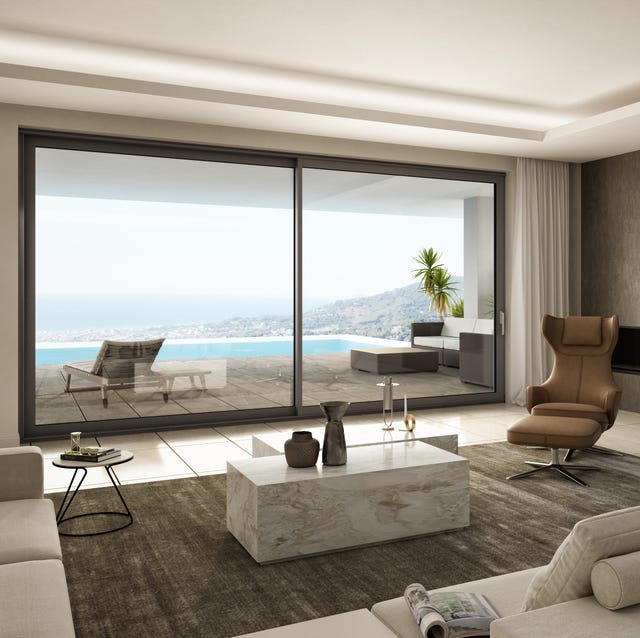
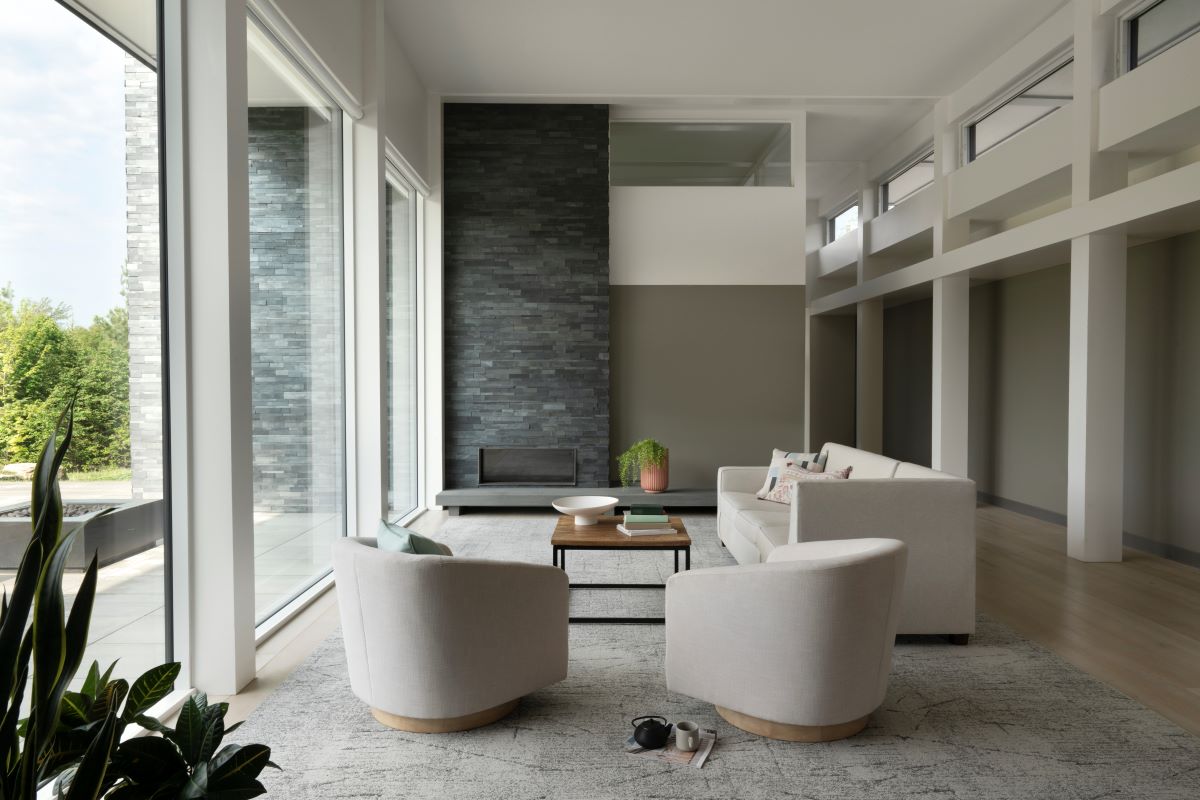
Framing Interiors and Landscapes in Aluminum and Glass to Master the View
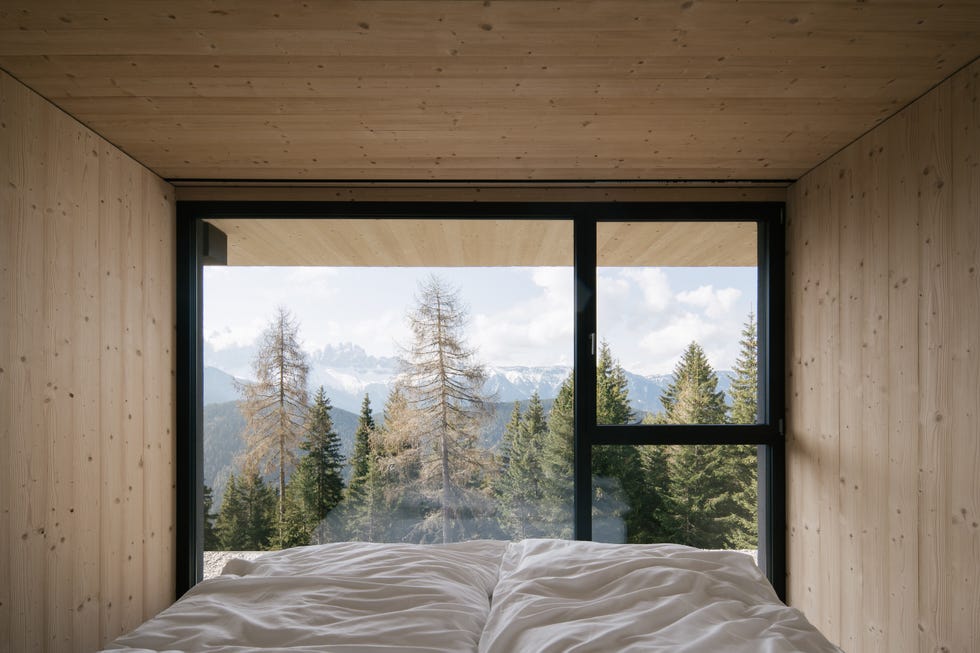
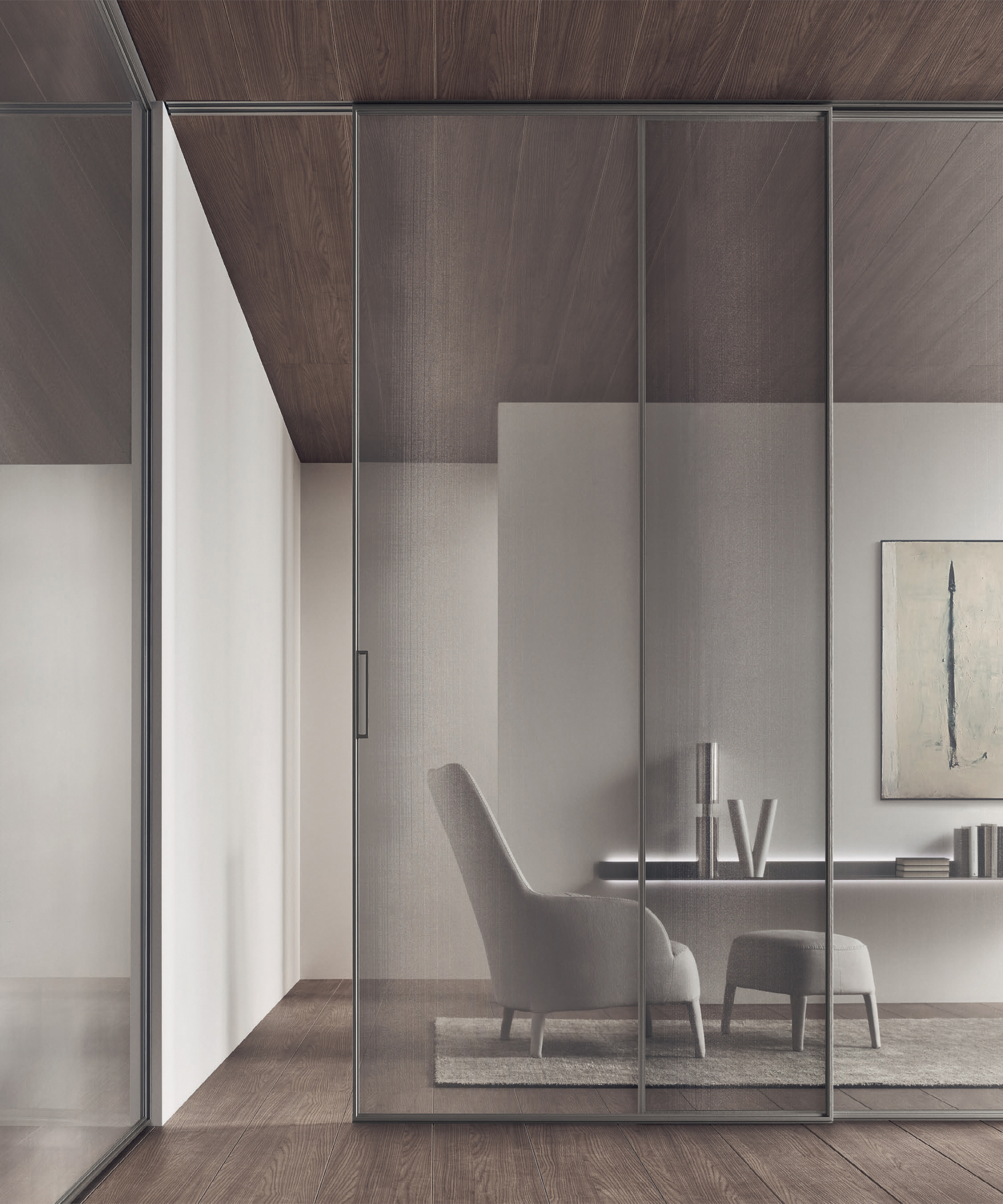
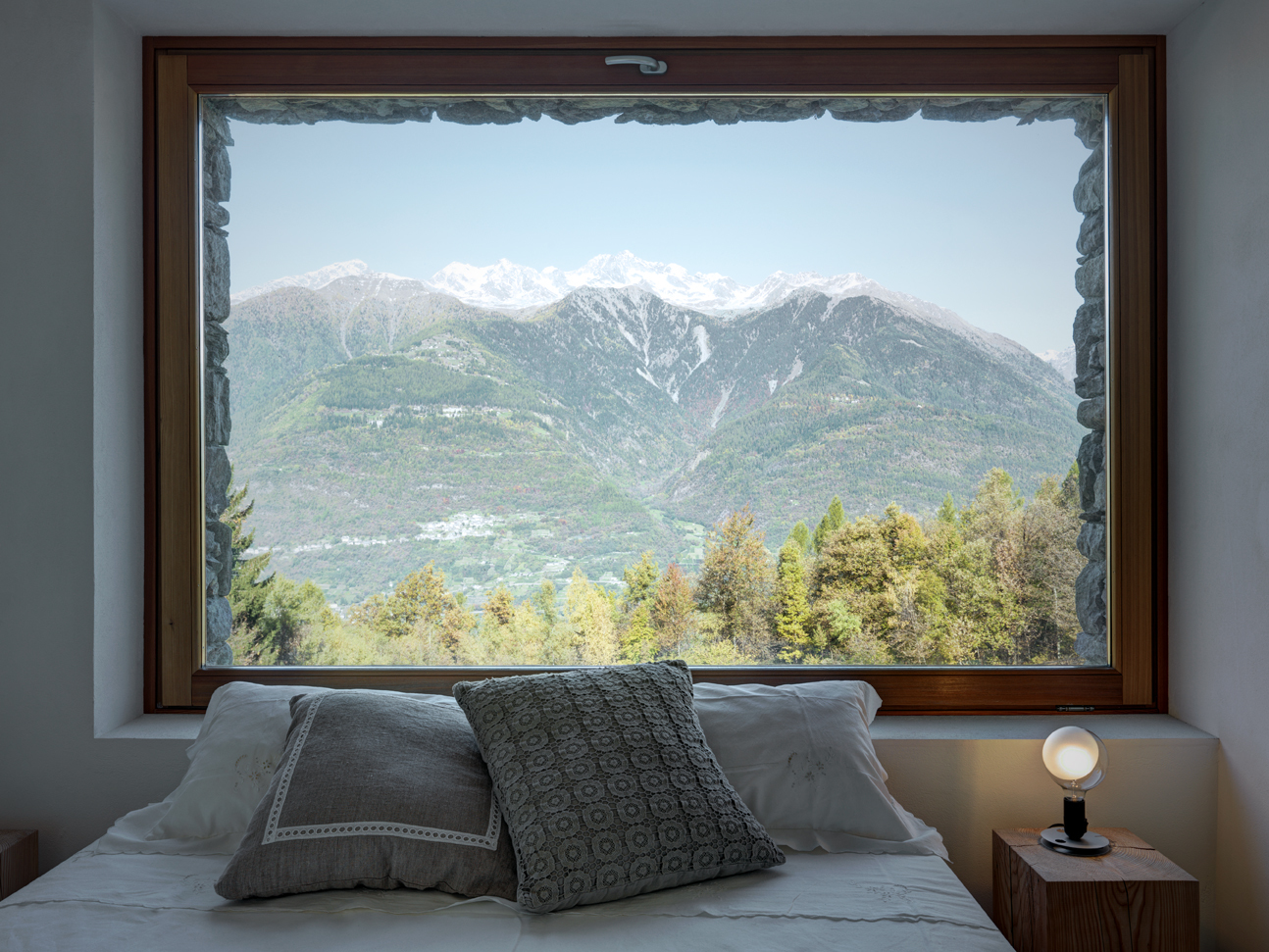
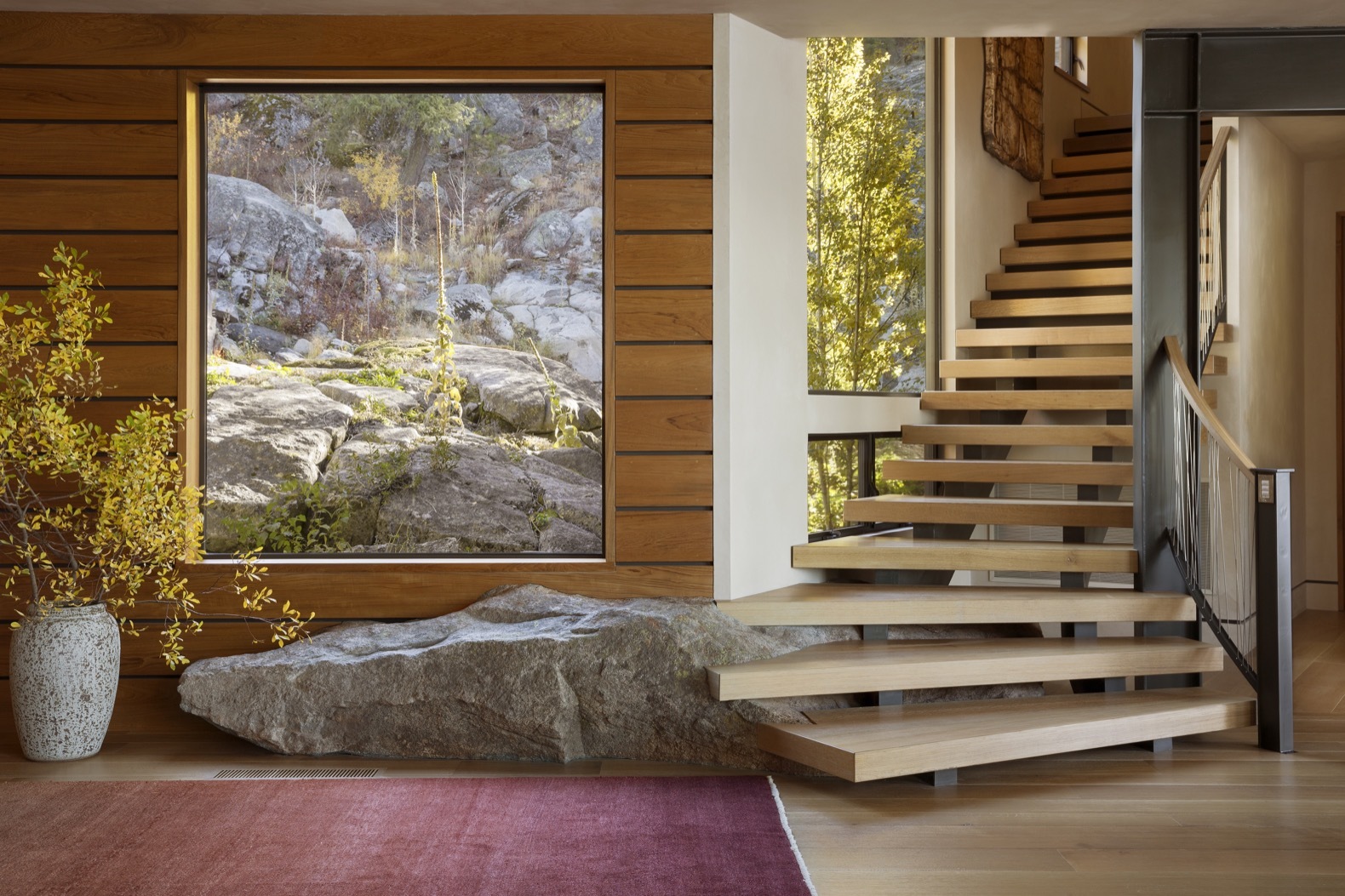
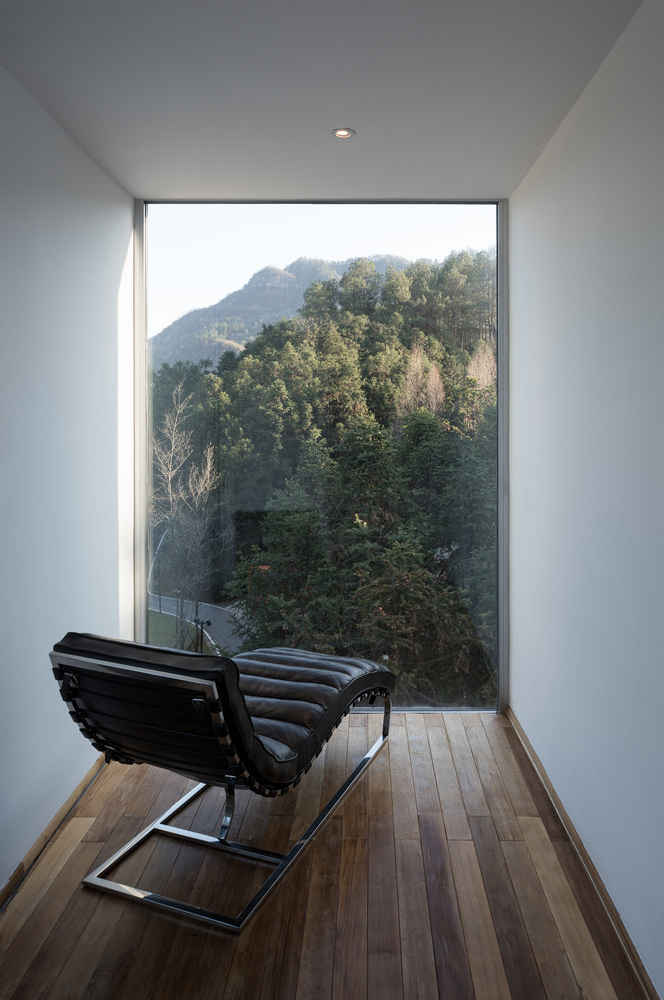
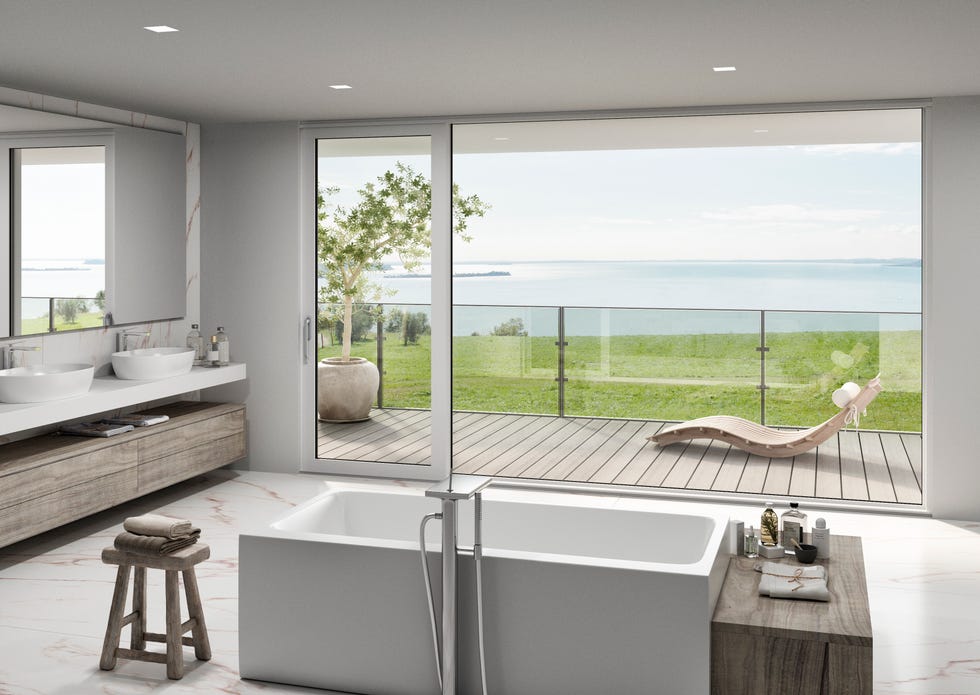
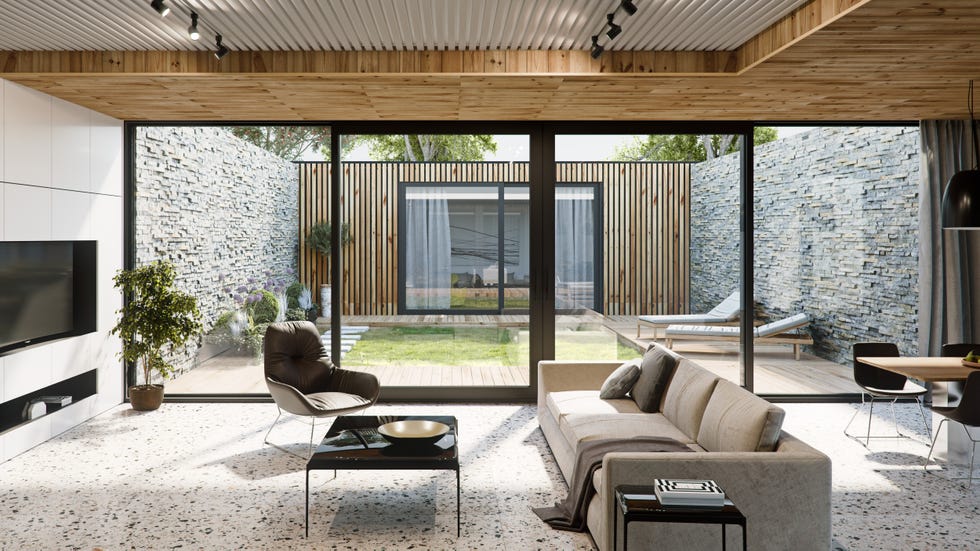
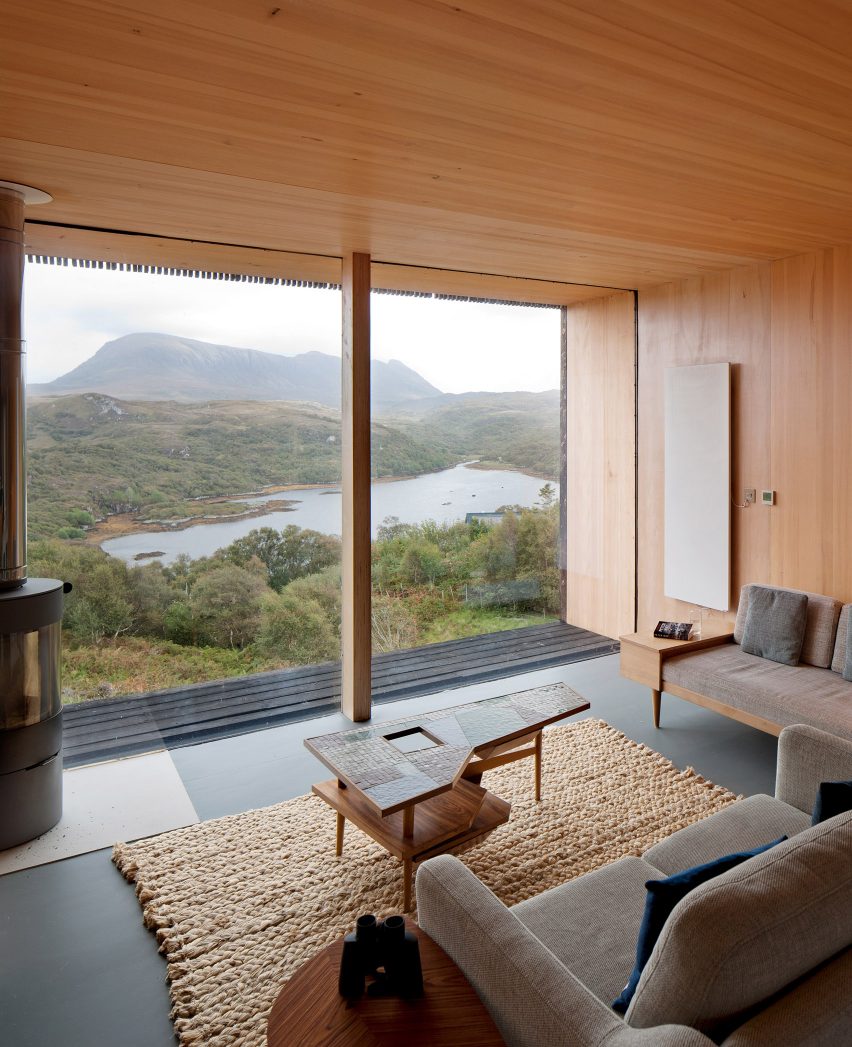
The role of windows in architectural design is complex, serving both to enclose interiors and to establish a connection with the external environment. Historically, windows have evolved from simple openings to sophisticated elements that significantly influence how occupants perceive and interact with views. The introduction of materials such as steel, aluminum, and glass in the 20th century revolutionized window design, enabling thinner frames and larger panes. This innovation enhanced transparency and strengthened the visual link between indoor and outdoor spaces.
Prominent American architects like Frank Lloyd Wright and Philip Johnson were pioneers in exploring these possibilities. Wright's Fallingwater House exemplifies the seamless integration of architecture with its natural surroundings, where windows and terraces extend the living space into the landscape. Philip Johnson's Glass House, with its minimal framing, almost completely blurs the line between the interior and exterior, inviting the natural environment directly into the home. This progression highlights how windows have become crucial in unifying space, materials, and perception, thereby offering new avenues for understanding the relationship between buildings and their environments.
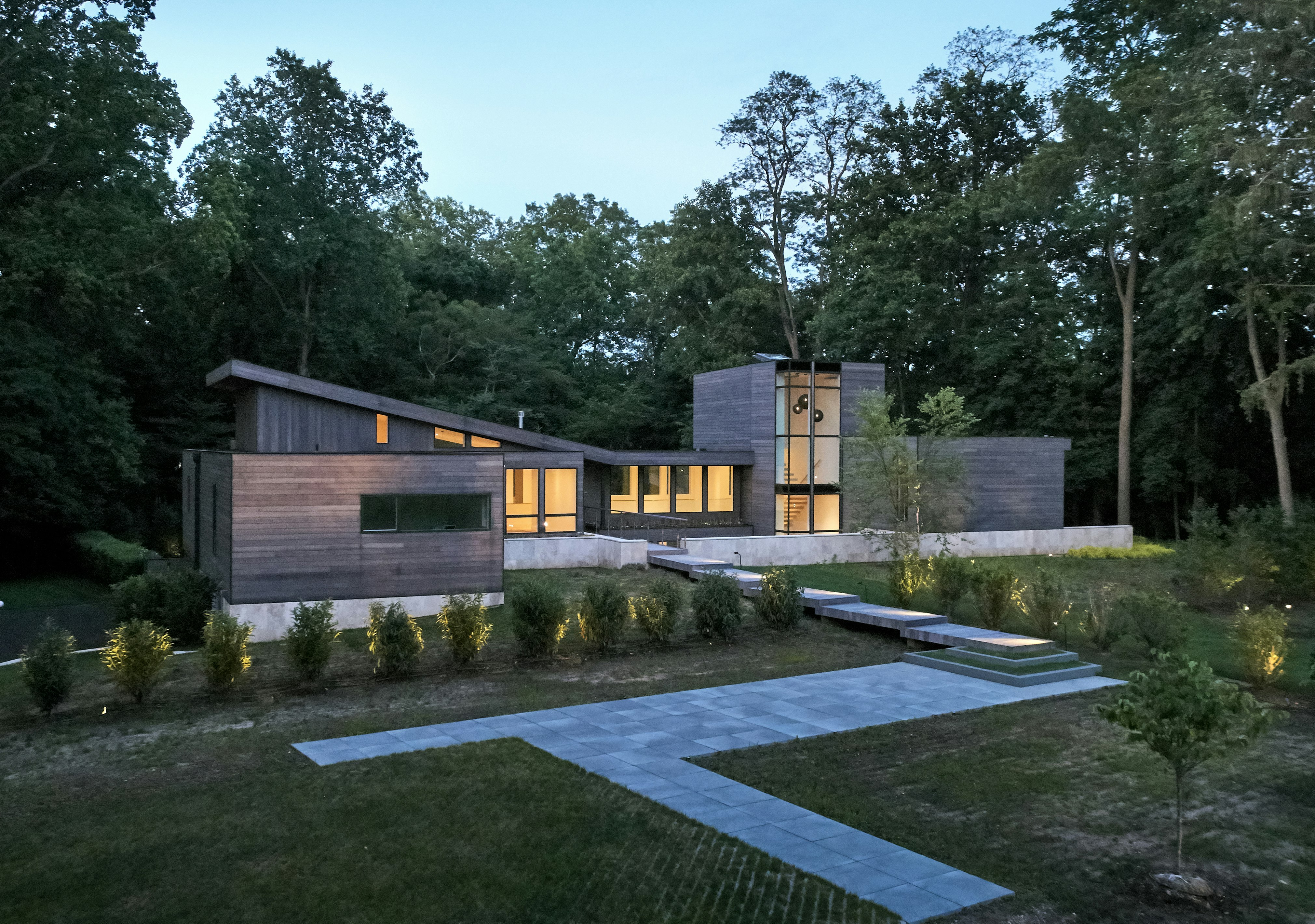
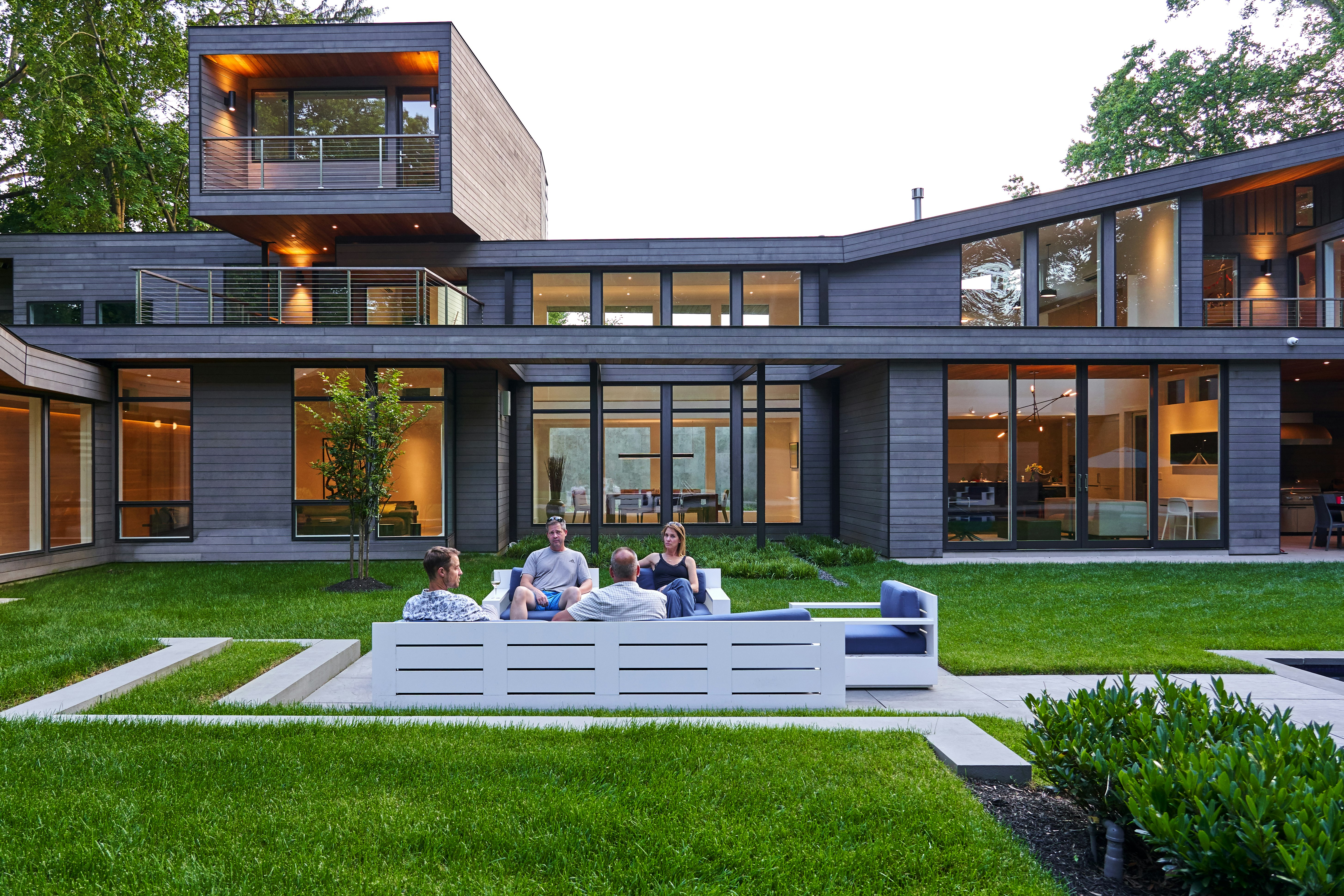

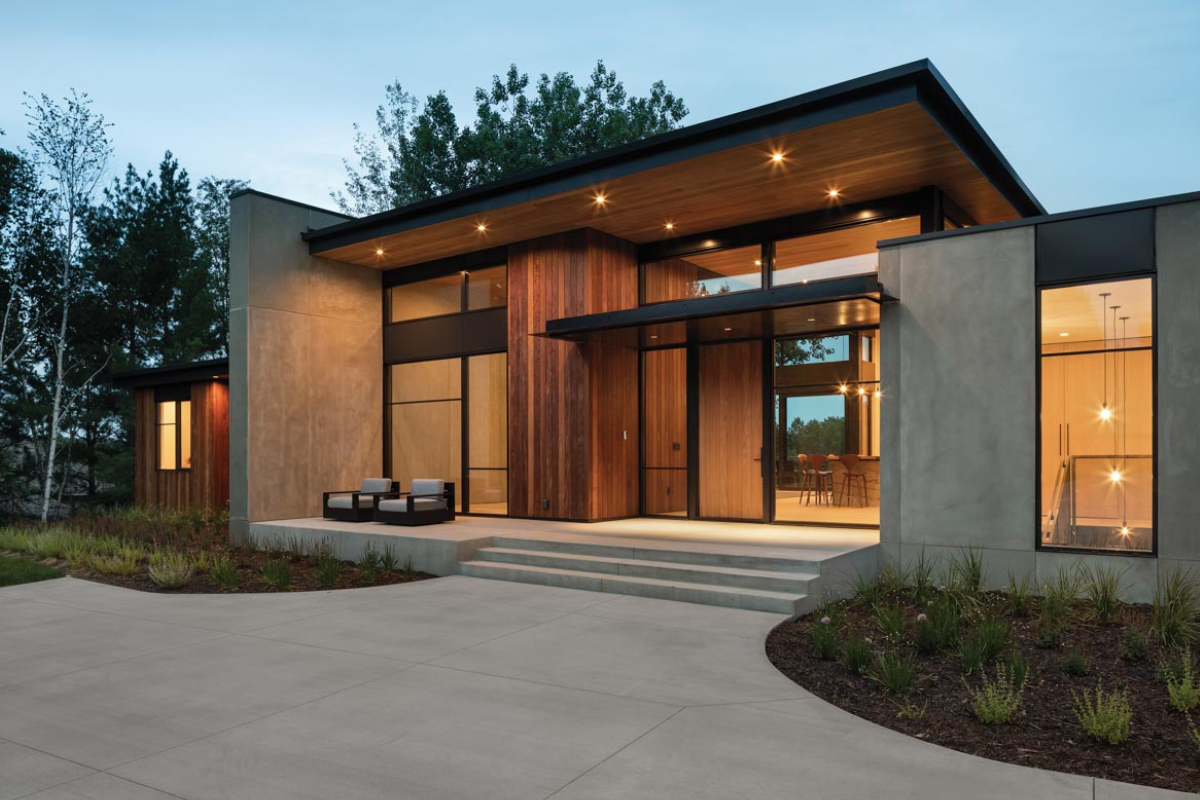
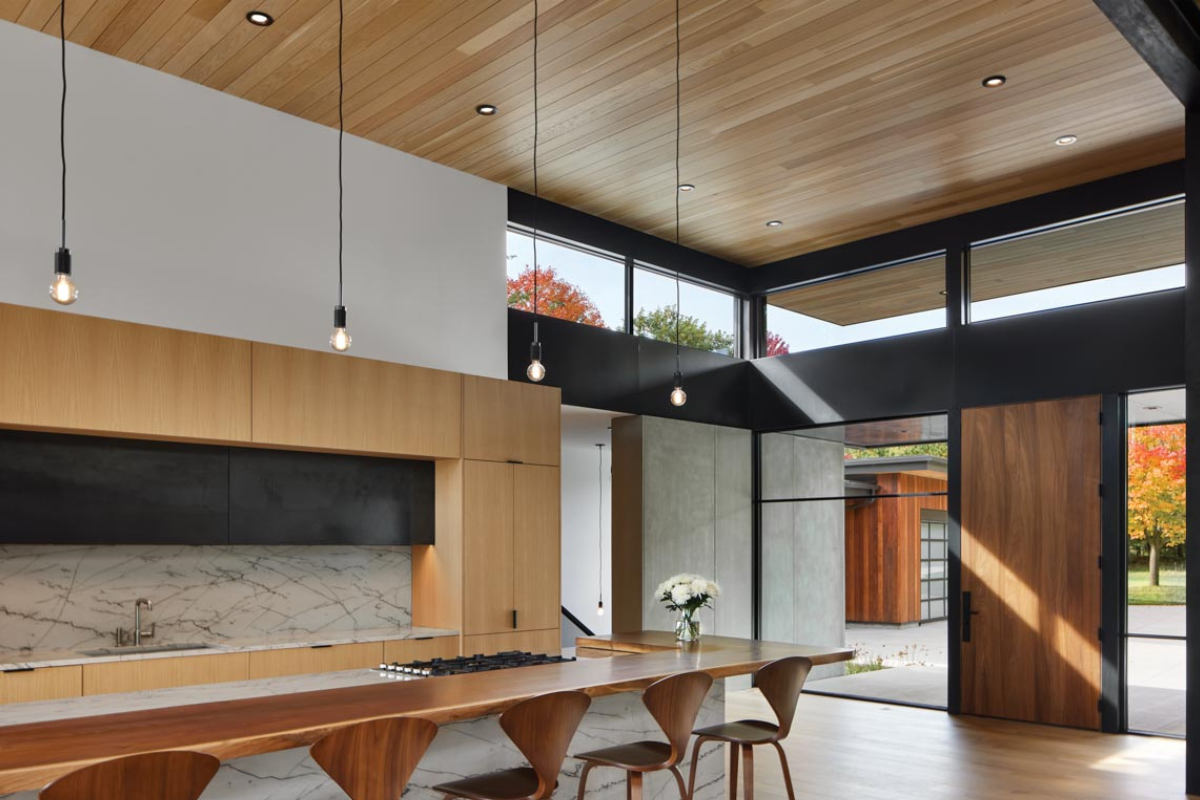
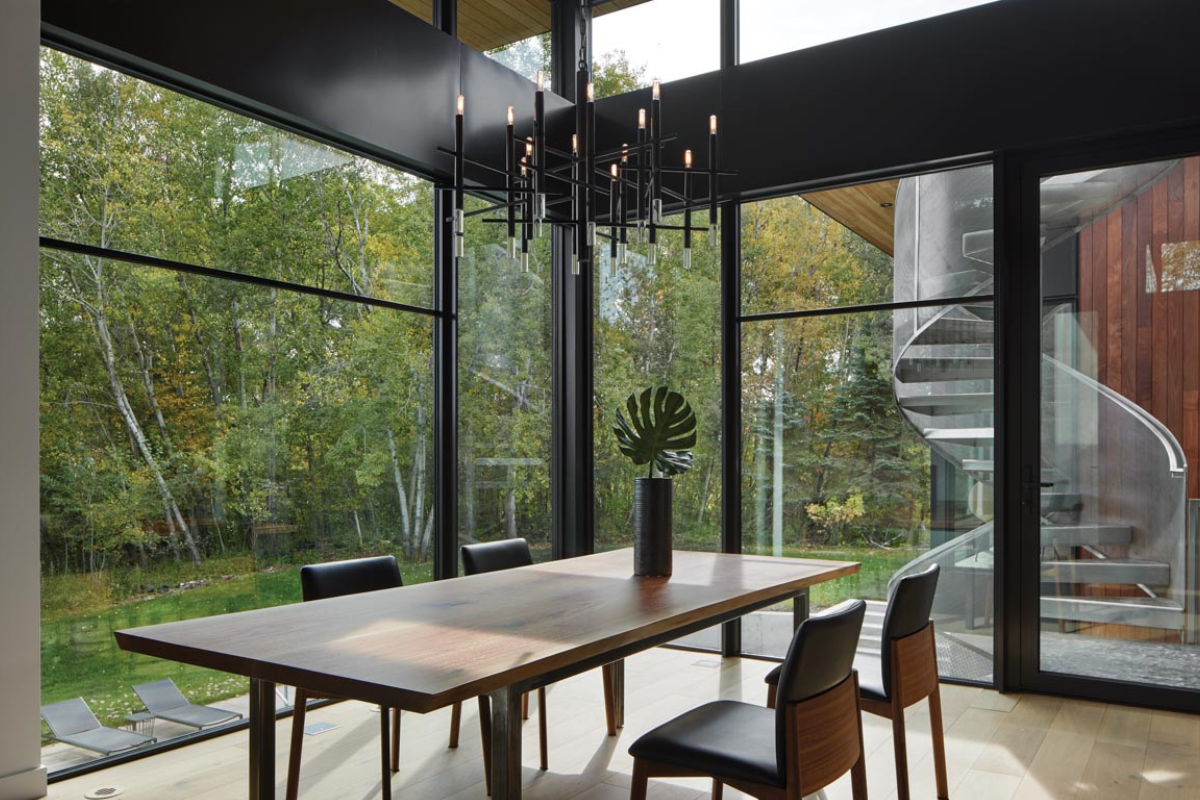
Modern window design prioritizes both functionality and aesthetic appeal. Technological advancements have led to increased customization options, improved performance, and slimmer profiles, all while focusing on energy efficiency. Western Window Systems' Series 8000 Vantage Line showcases these innovations, featuring ultra-thin frames that minimize visual obstructions and seamlessly connect indoor and outdoor areas. This line is designed to meet stringent energy efficiency standards, such as California's Title 24, incorporating thermal break technology and dual continuous weather seals to ensure high air, water, and structural performance. The manufacturing process combines traditional craftsmanship with advanced automation, integrating aluminum and glass into a cohesive unit.
Sustainability is a core principle of the Series 8000 Vantage Line, where dual-paned low-E glass not only provides transparency but also enhances thermal insulation. Glass can be customized in various types, colors, and thicknesses to meet specific design requirements, offering options for privacy, protection, and noise control without compromising visual clarity. The inclusion of corrosion-resistant stainless steel hardware further contributes to durability and sustainability by reducing the need for frequent replacements.
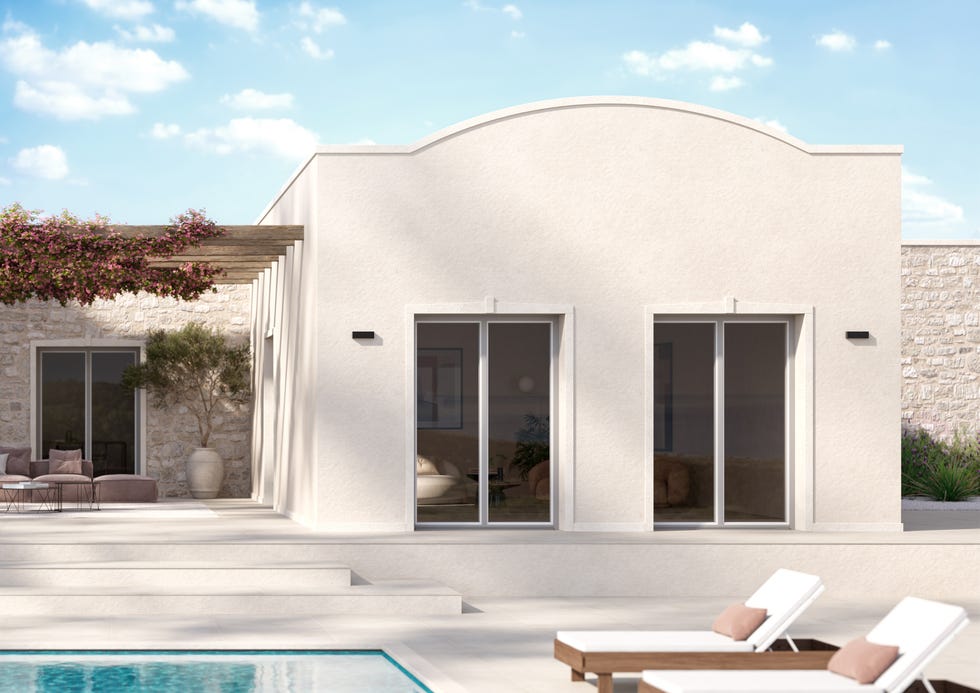
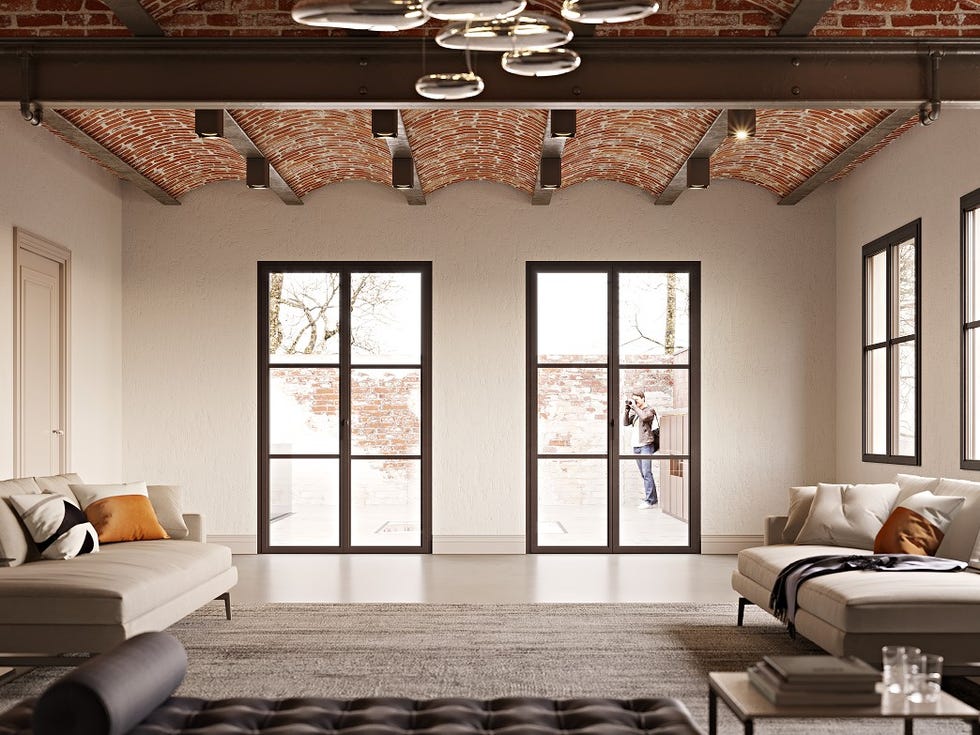
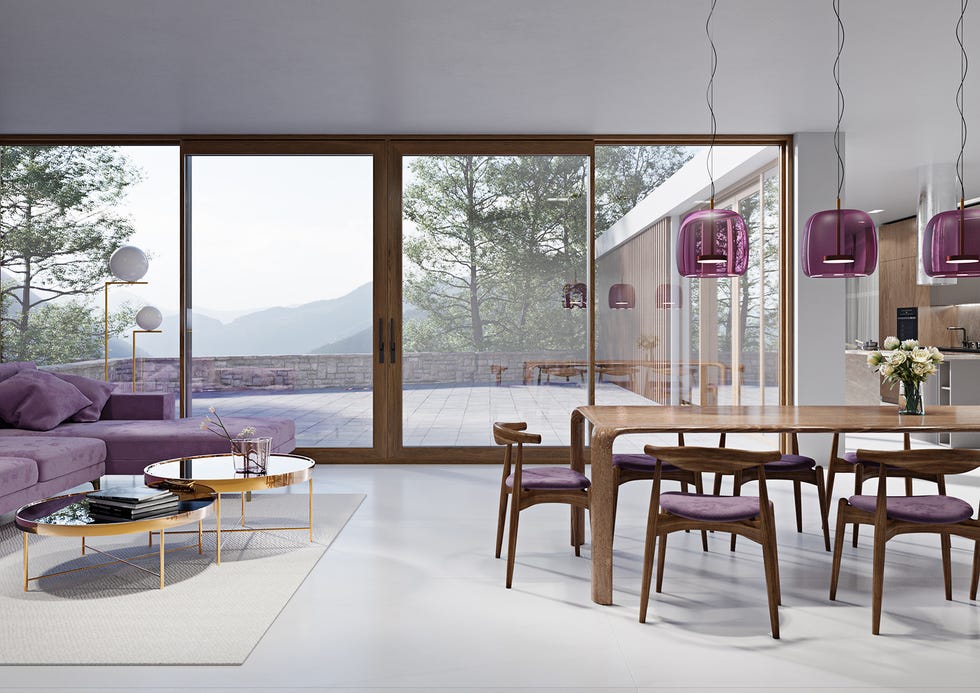
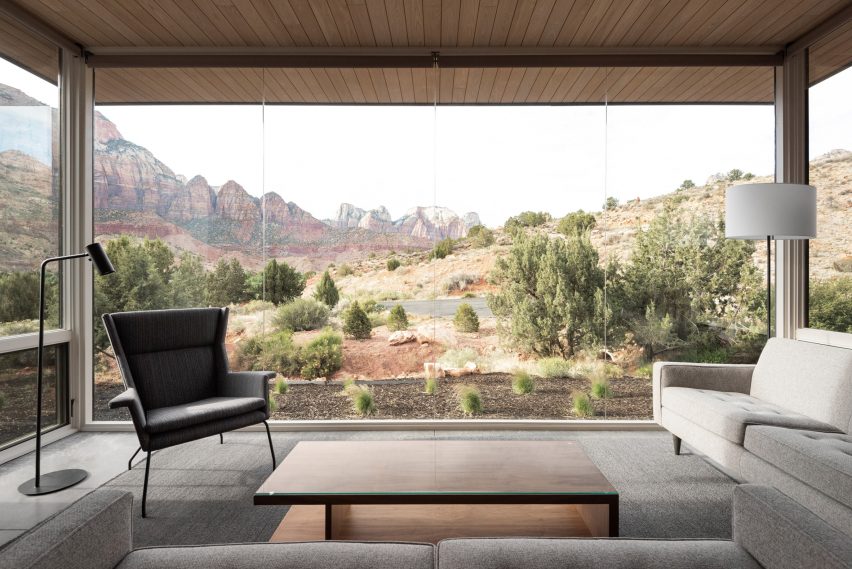
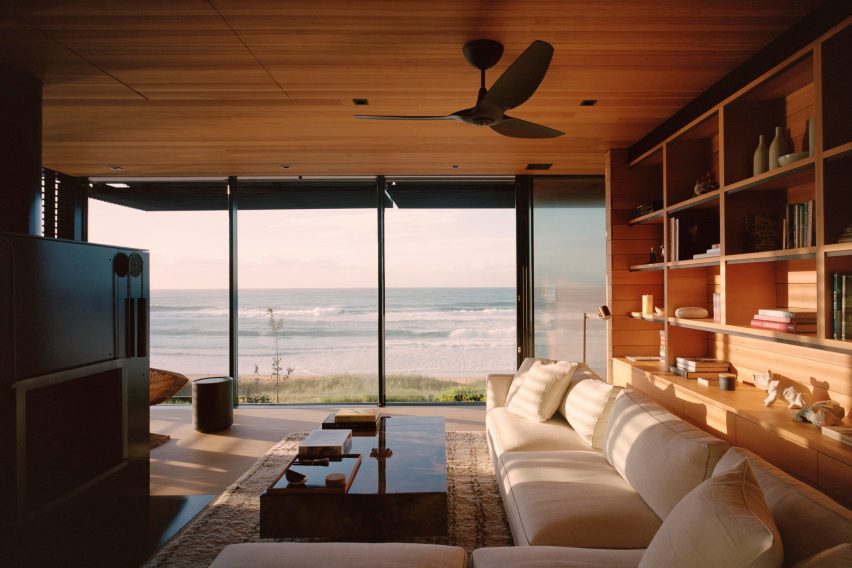
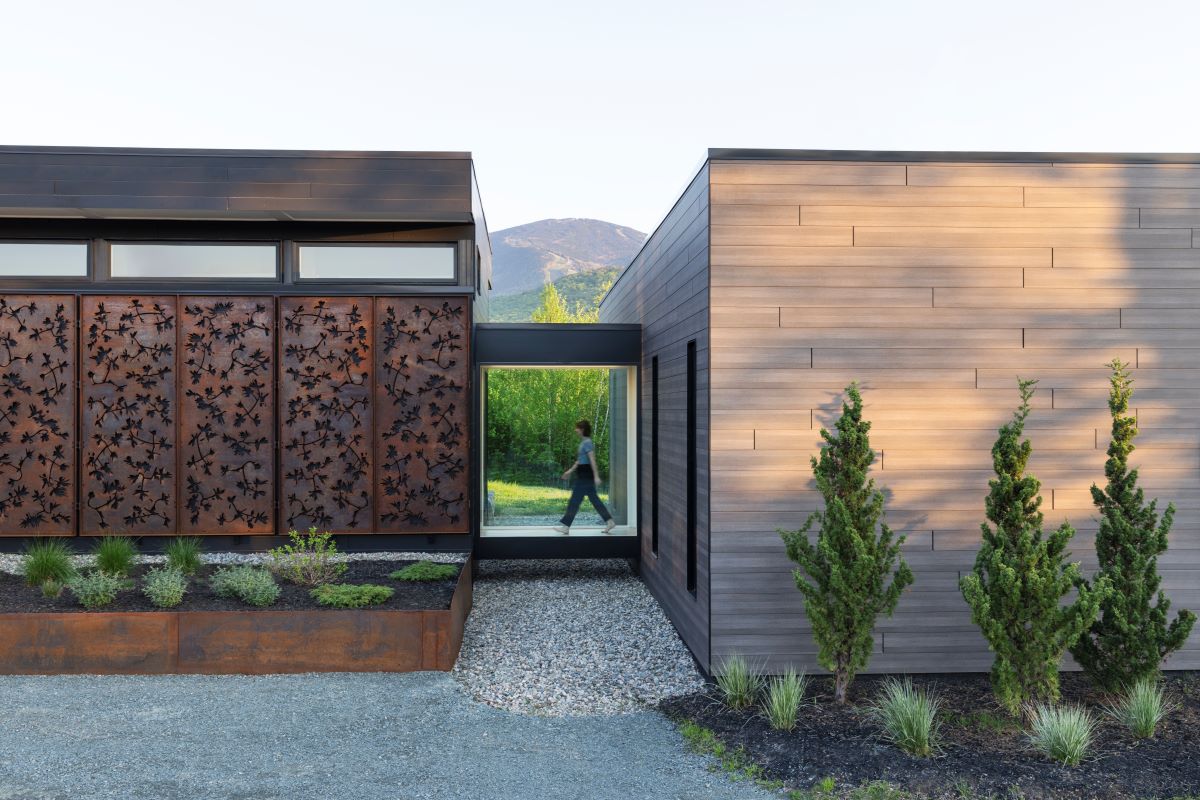
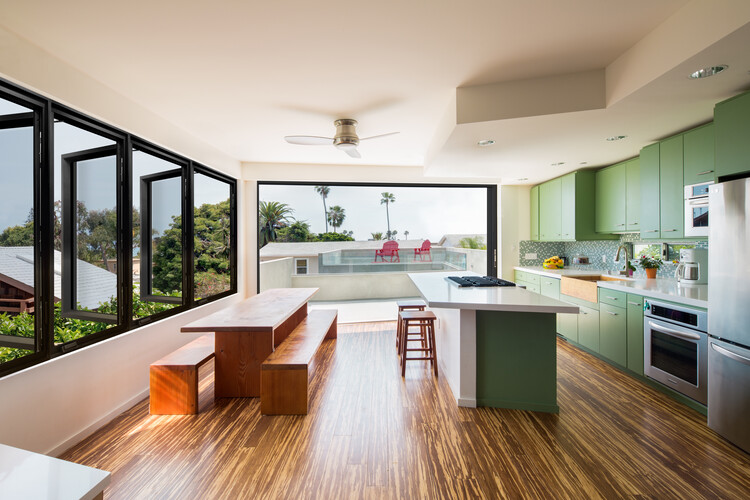
Selecting the appropriate window type for a project involves considering several factors beyond aesthetics, including light, ventilation, and thermal performance (measured by CW50 and AW90 ratings, and U-Factor values ranging from 0.24 to 0.30). The Series 8000 offers diverse options, each with distinct advantages. Fixed windows or window walls, with their thin sightlines and deep frames, are ideal for single-panel openings and large custom designs, fostering a continuous connection between spaces in homes, galleries, and hospitality settings. Awning windows, hinged at the top and opening outwards, are well-suited for spaces requiring balanced natural light, ventilation, and privacy, such as dormitories or facades close to adjacent buildings. Casement windows, featuring side hinges, allow for ample natural ventilation and can be strategically angled to direct airflow, making them suitable for facades facing prevailing winds or multi-window compositions. Pass-through awning windows facilitate seamless transitions between indoor and outdoor areas, perfect for living rooms extending to patios or kitchens connected to terraces, offering a no-sill option for an unobstructed flow.
These windows are built and tested to endure various environmental conditions, with certifications from organizations like the National Fenestration Rating Council (NFRC) and the American Architectural Manufacturers Association (AAMA). Available in standard bronze anodized and satin anodized aluminum finishes with Class 1 coating thickness, they offer resistance to wear and consistency in appearance. Custom color options are also available to match specific design schemes. Additional features like ADA-compliant hardware and multi-point locking systems enhance versatility and security. Ultimately, these advanced window systems not only frame views but also enhance the functionality and atmosphere of architectural spaces, providing adaptable solutions for a wide array of projects.
#Architecture #Interiors #Landscape #Windows #Glass #Aluminum #Materials #EnergyEfficiency #ThermalComfort #Architecture #Interiors #Landscape #Windows #Glass #Aluminum #Materials #EnergyEfficiency #ThermalComfort
0 commentaire au total
 Aucun commentaire pour le moment
Vous aimerez aussi
Glass partition walls – how to replace internal walls and create a timeless design feature

glass art and design Archives
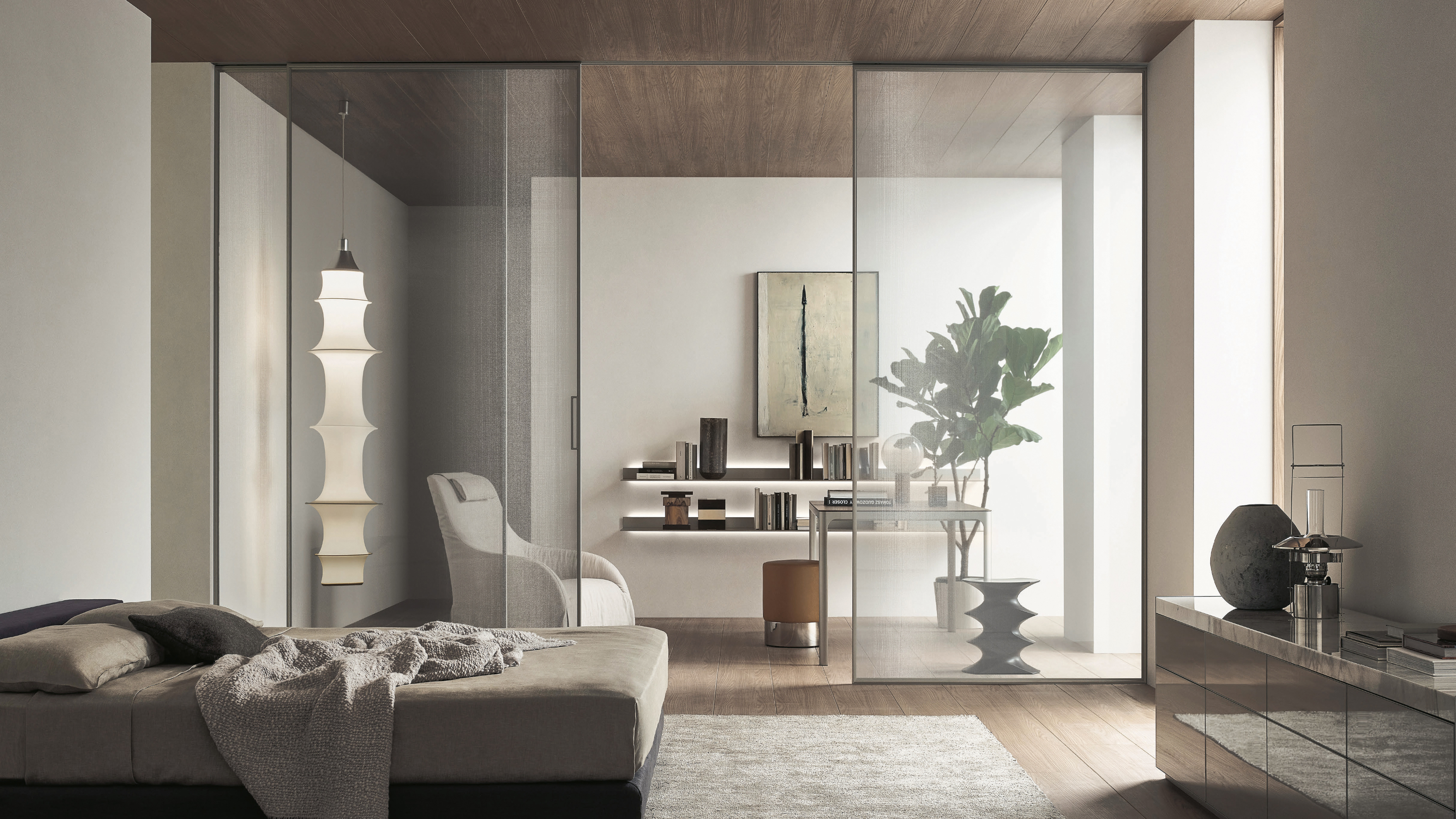
Internal glass doors – a guide to using doors to add light and style to your home

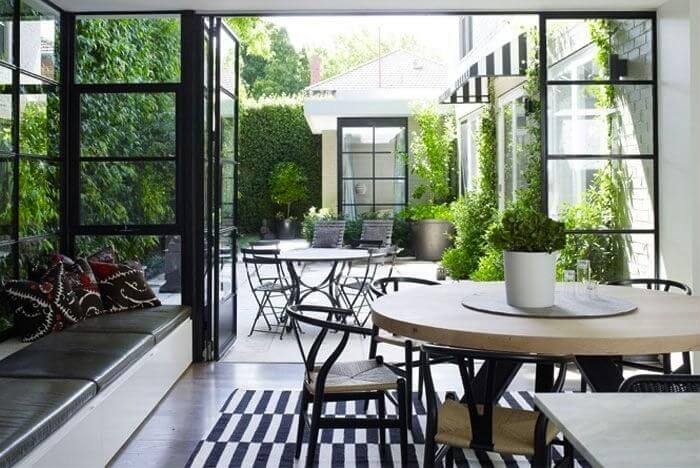
Beautiful Homes with Floor-to-Ceiling Glass and Steel Windows

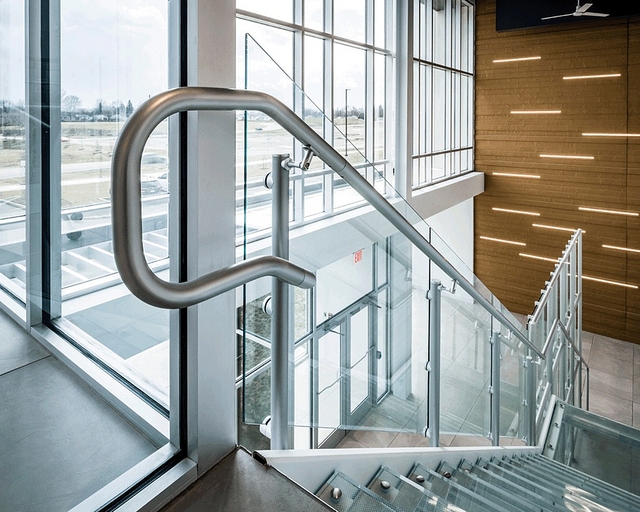
Interna-Rail® KLEAR Aluminum Railing from Hollaender

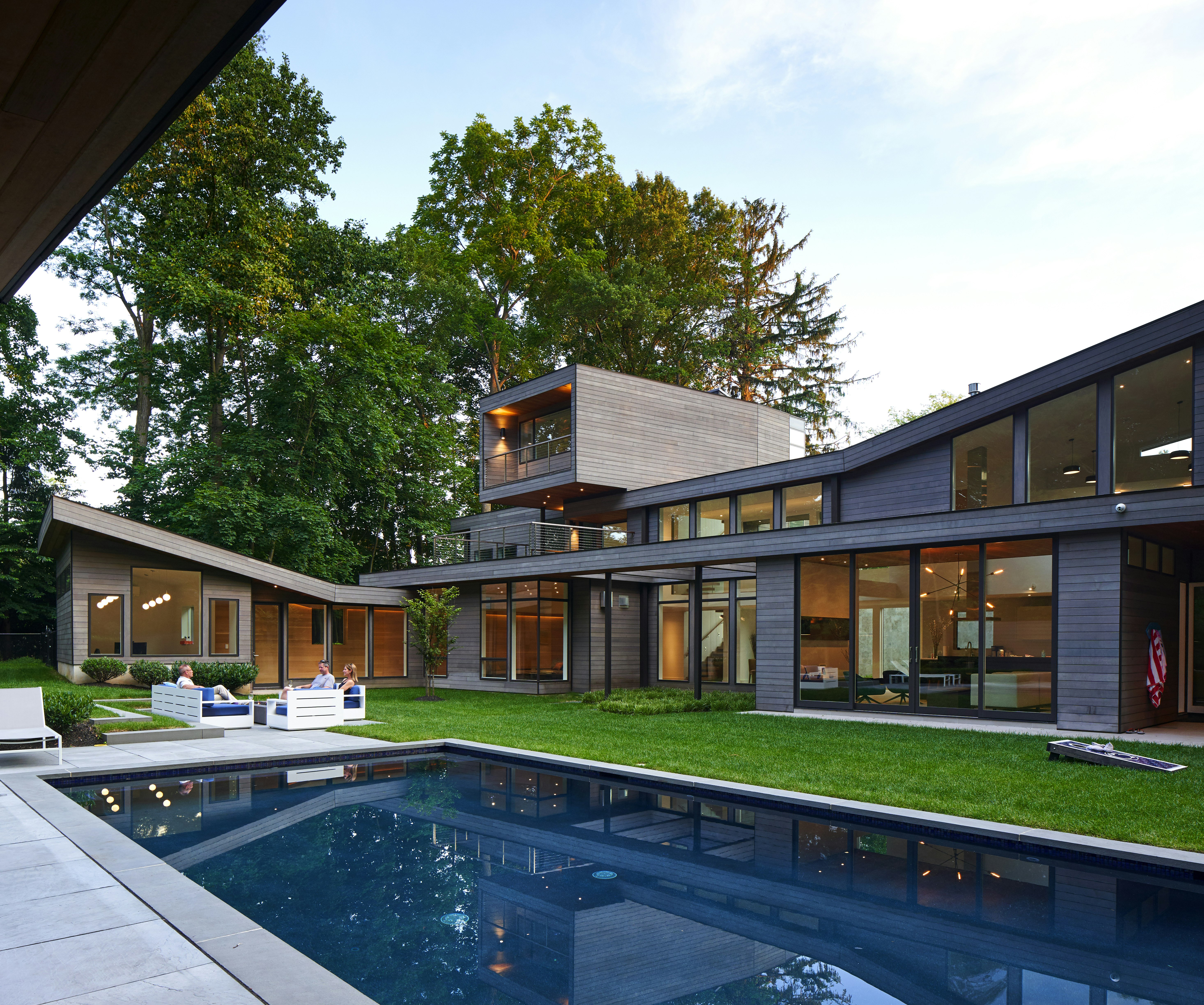
Walls of Windows Connect a Home With Earth and Sky

Color play: How to use hues and neutrals in architectural design
Kolbe Windows & Doors Enhances a Sleek Indoor/Outdoor Oasis
Windows and Frames: The Silent Revolution Changing the Way We See Light and Landscapes

tecnografica's ultralight wallcoverings redefine interiors with glossy, matte & 3D finishes
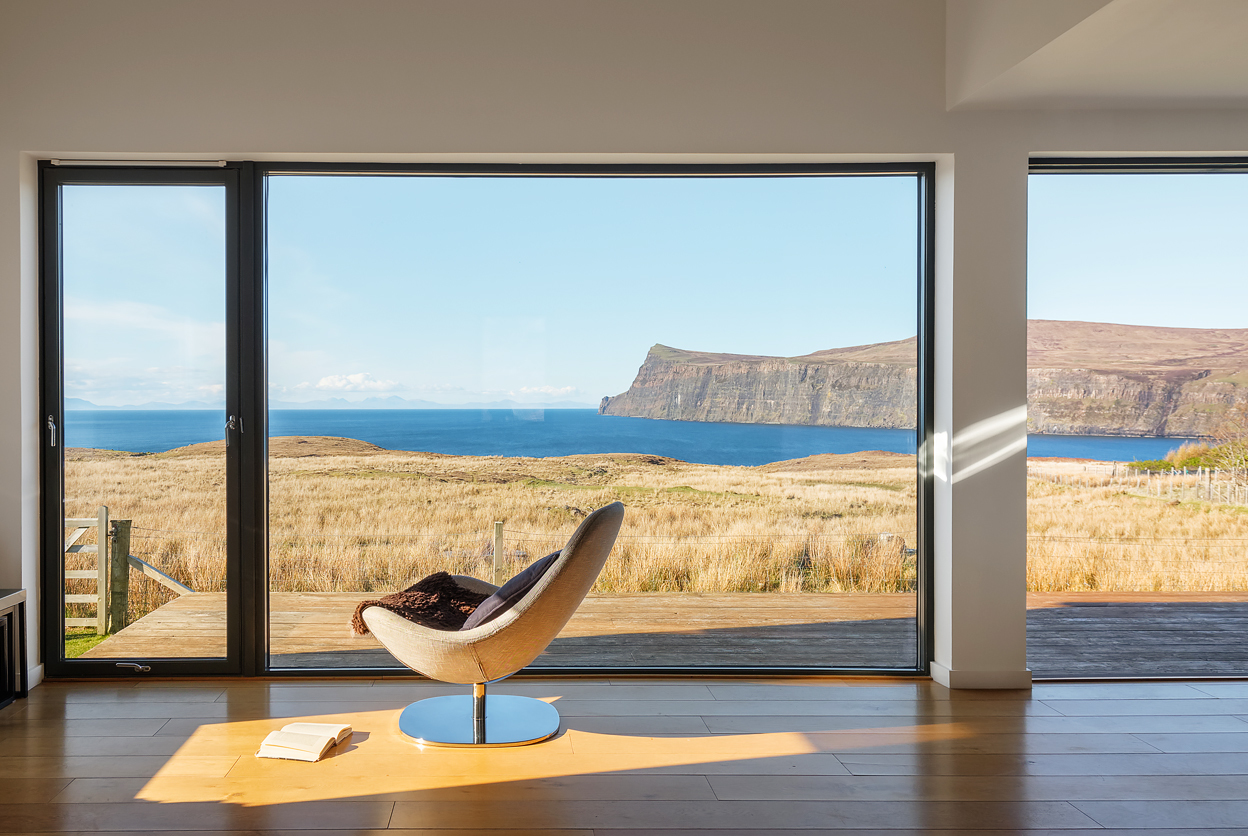
15 Magnificent Picture Windows That Frame Enviable Views
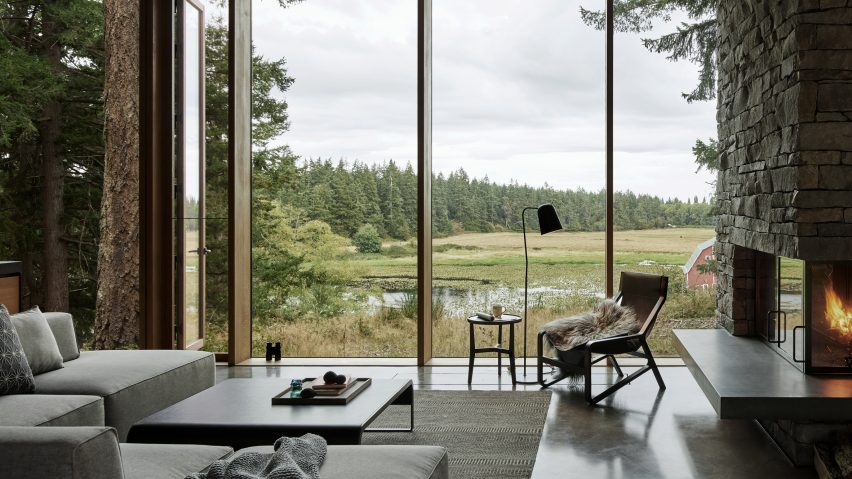
Ten living rooms that use floor-to-ceiling glazing to bring the outdoors in
Design tips to use glass in interior spaces and decoration | Hindustan Times

Glass wall design ideas - all you need to know about glass partition walls
Ten interiors that use glass-block walls to play with light and shadow
Unique, chic steel doors bring new life to the heart of your home

Eight buildings bejewelled with glass bricks and blocks
15 most beautiful glass houses around the world

Glass door design: light and luminous in a glass architecture
Framing Nature in the Wilderness