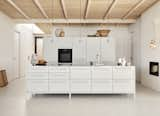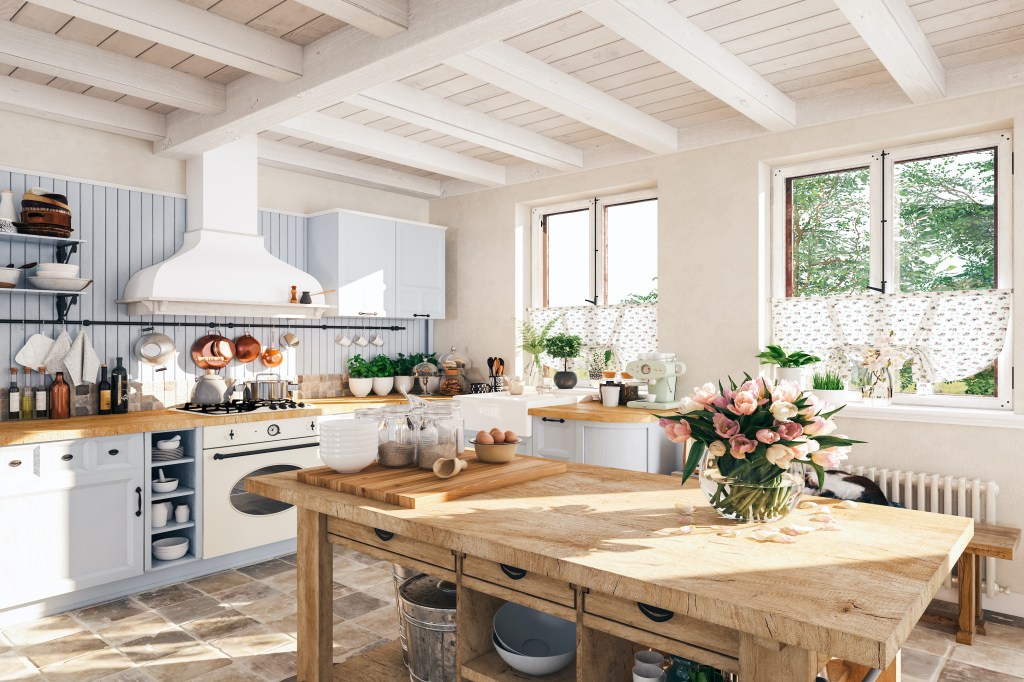
1/6
The best kitchen island ideas for a captivating (and functional) prep space
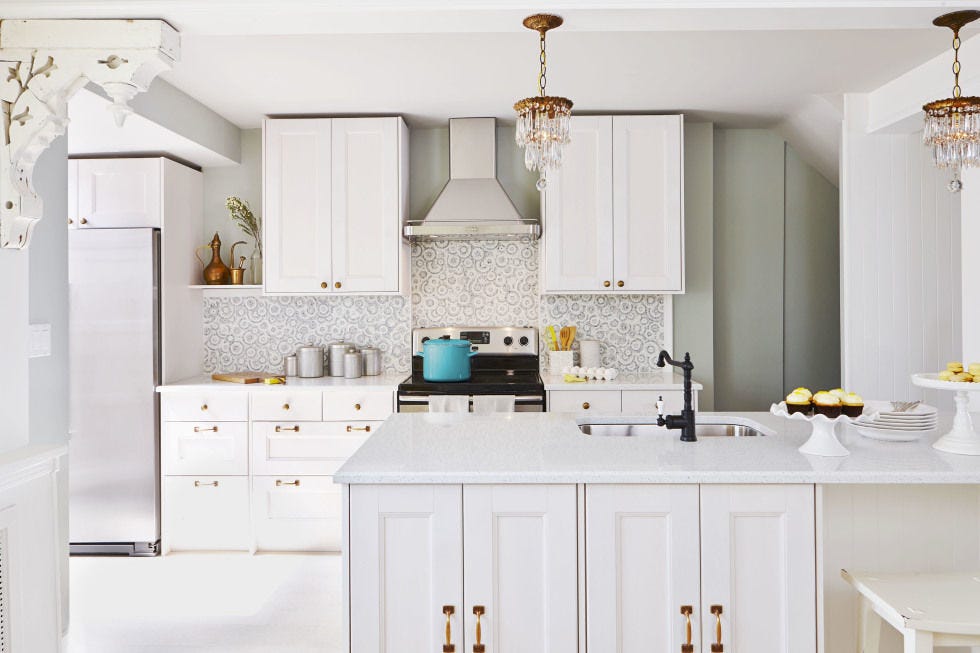
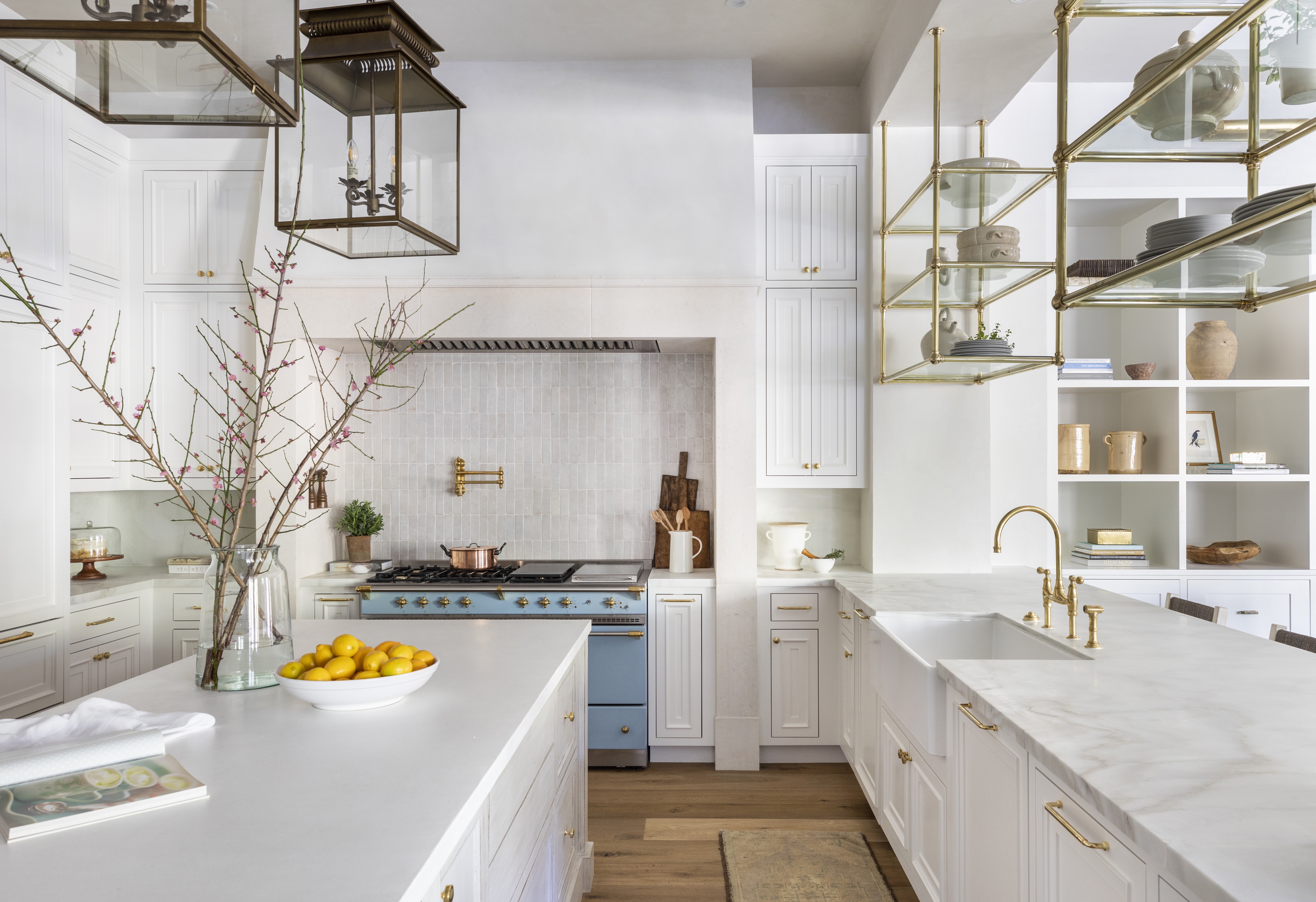
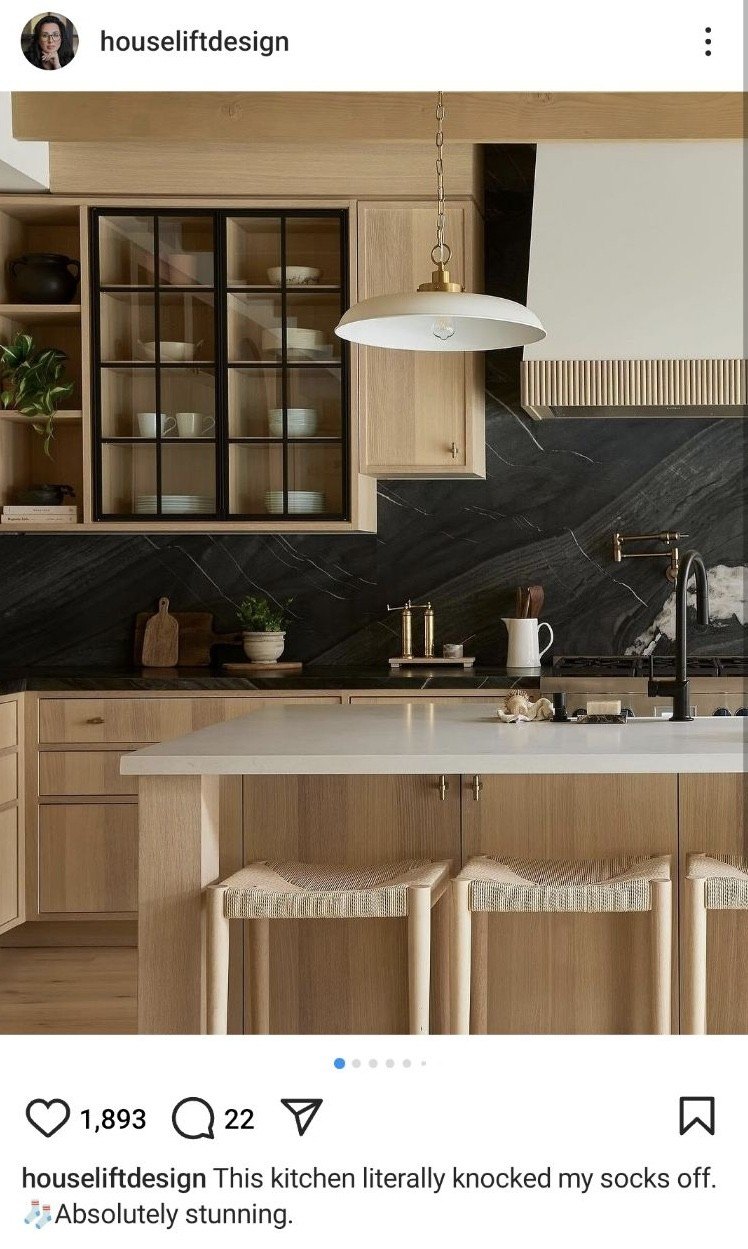
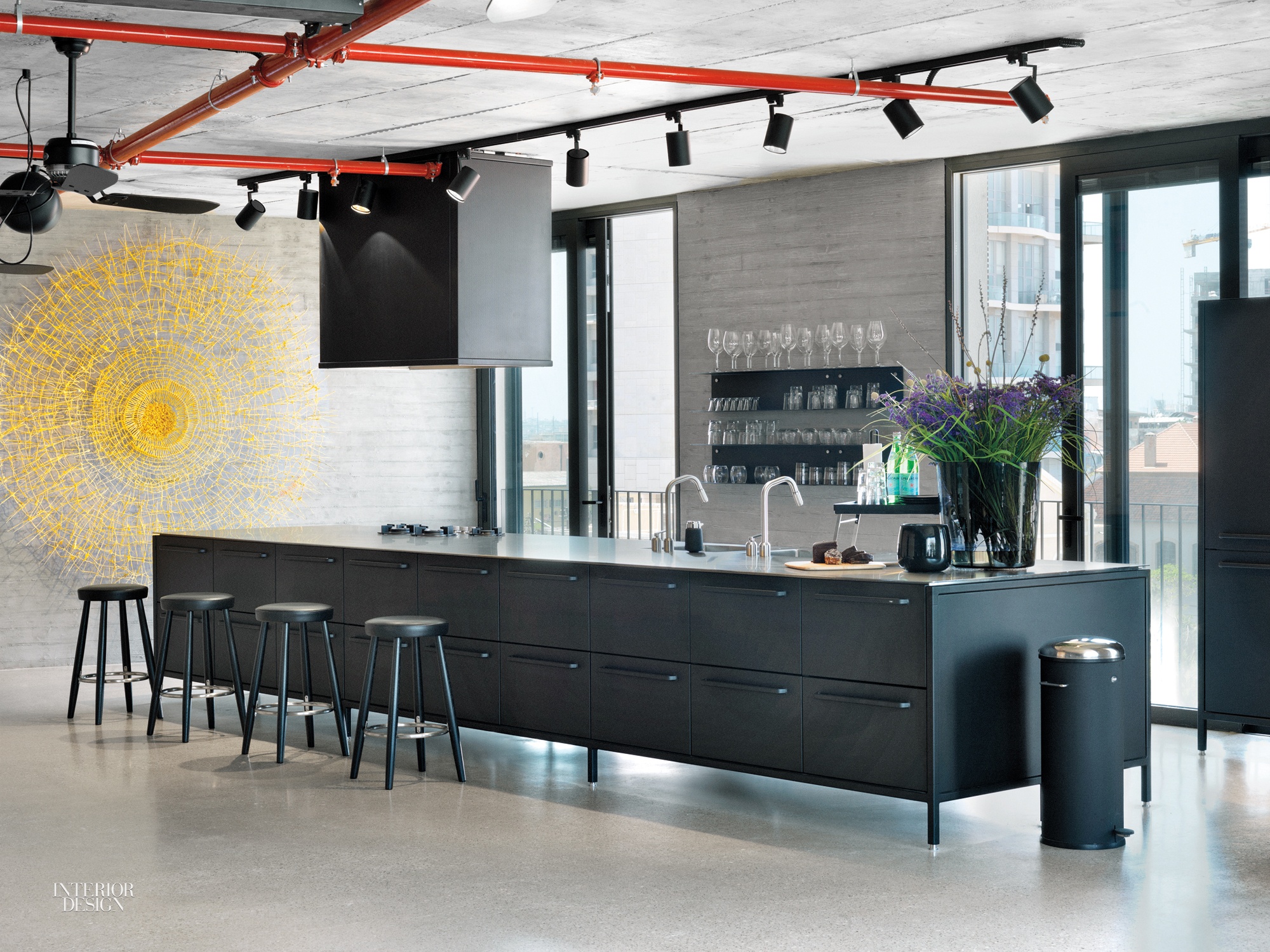
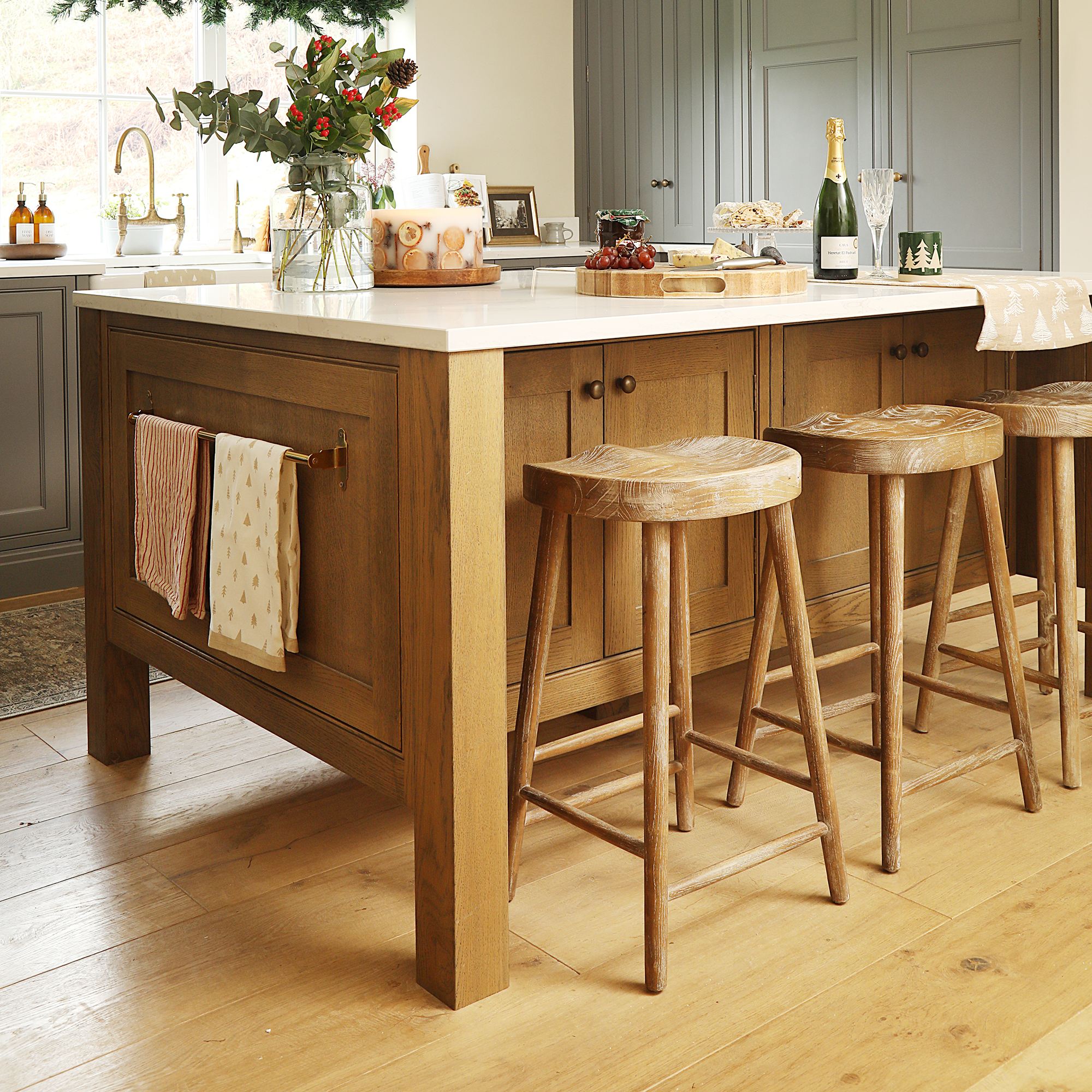
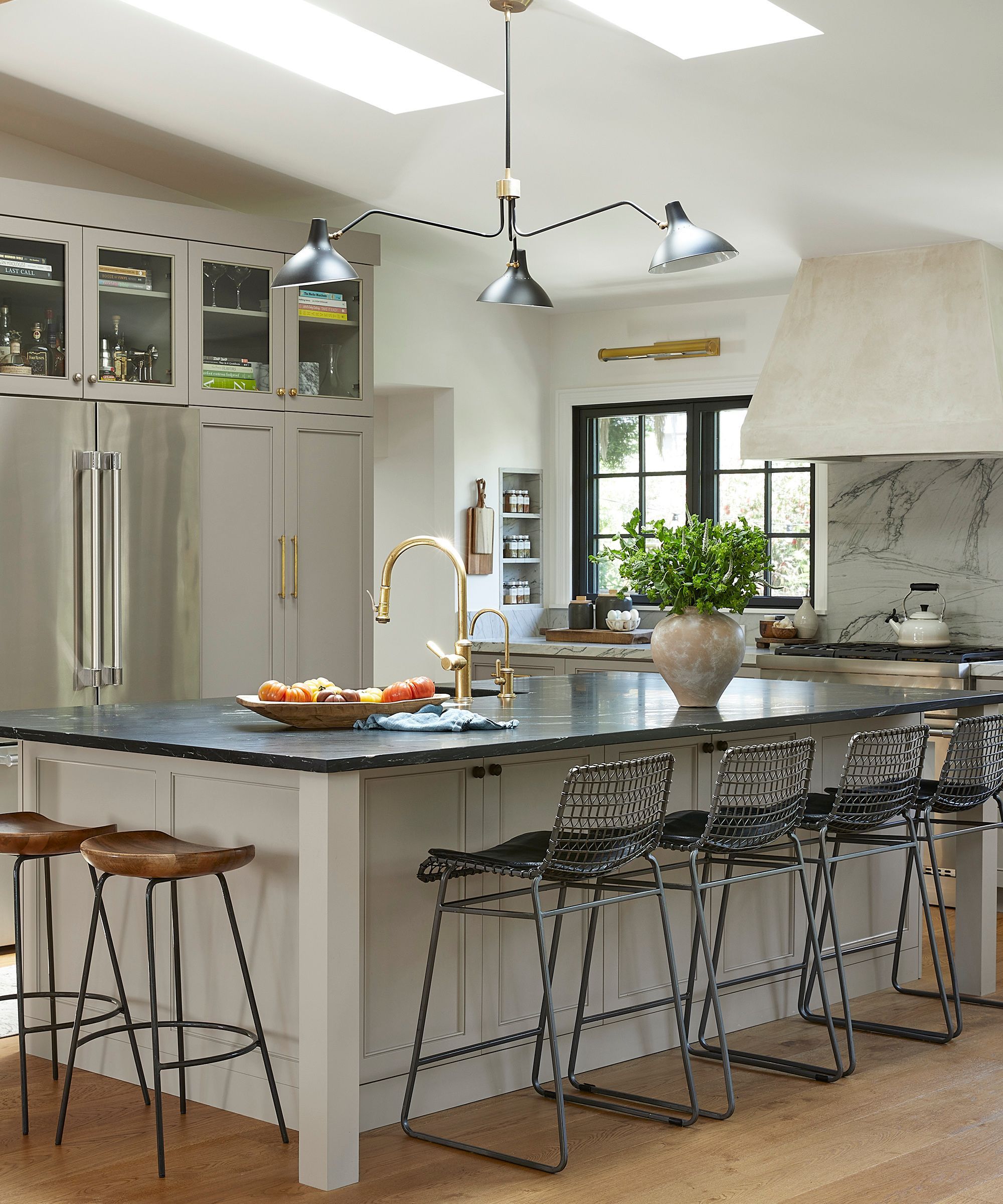
The kitchen island remains a highly sought-after feature in kitchen design due to its aesthetic appeal and functionality. Islands provide additional counter space, act as a gathering spot, and can help create an L-shaped layout for seamless movement. However, improper planning can turn a kitchen island into a design flaw, particularly if it is too large or too small, or if it obstructs kitchen flow. Careful measurement and consideration of appliance placement are crucial to ensure the island enhances rather than hinders kitchen operations.
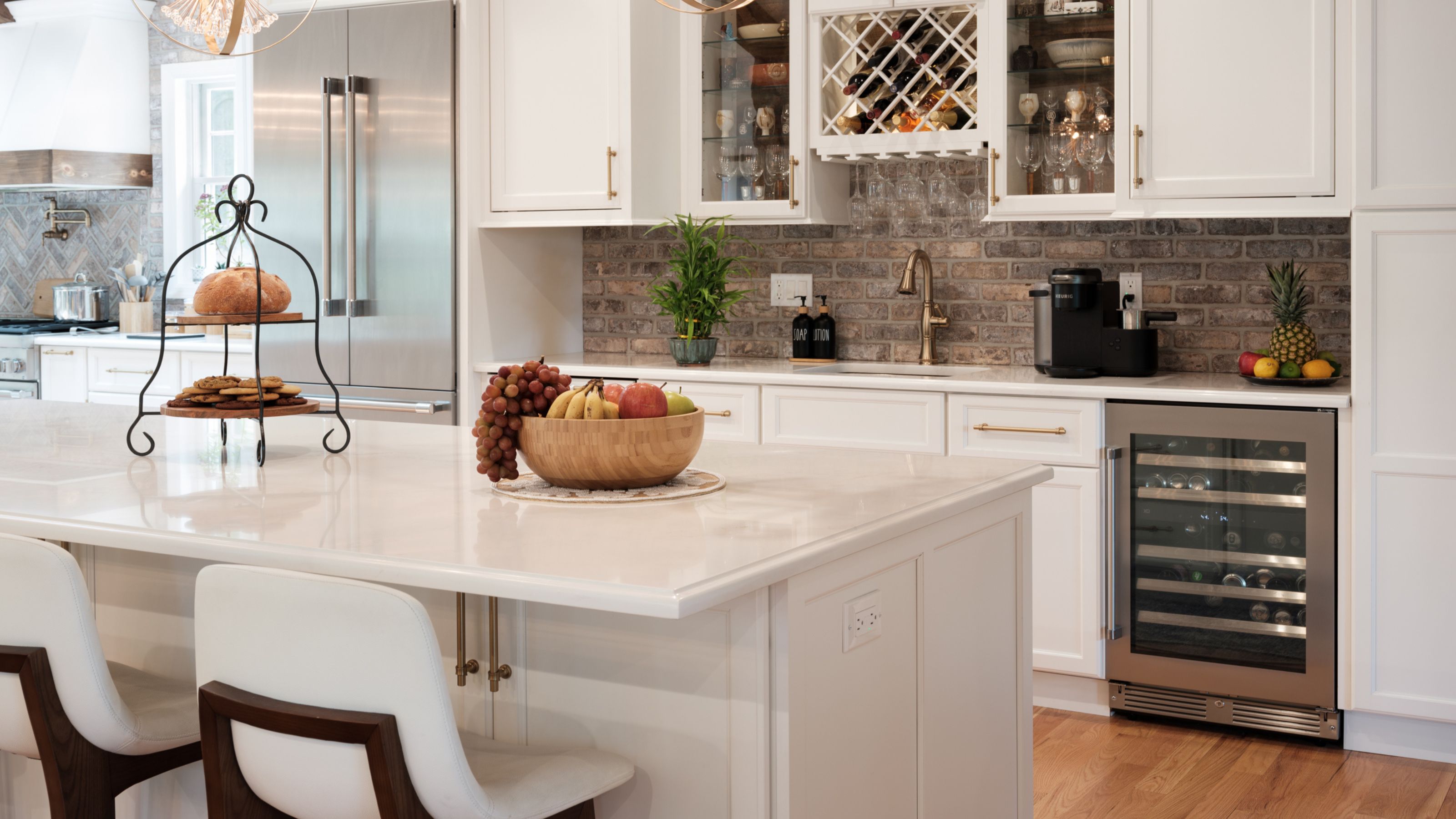
Kitchen islands offer significant benefits, including ample counter space and integrated storage options such as drawers, shelves, electrical outlets, and appliances, which can free up other areas of the kitchen. The critical aspect of incorporating an island is precise measurement to guarantee proper fit and unobstructed movement, preventing issues like interference with appliances like dishwashers. It is equally important to avoid overly large islands, even in spacious kitchens, as excessive unused space in the center can be difficult to clean and inefficient.
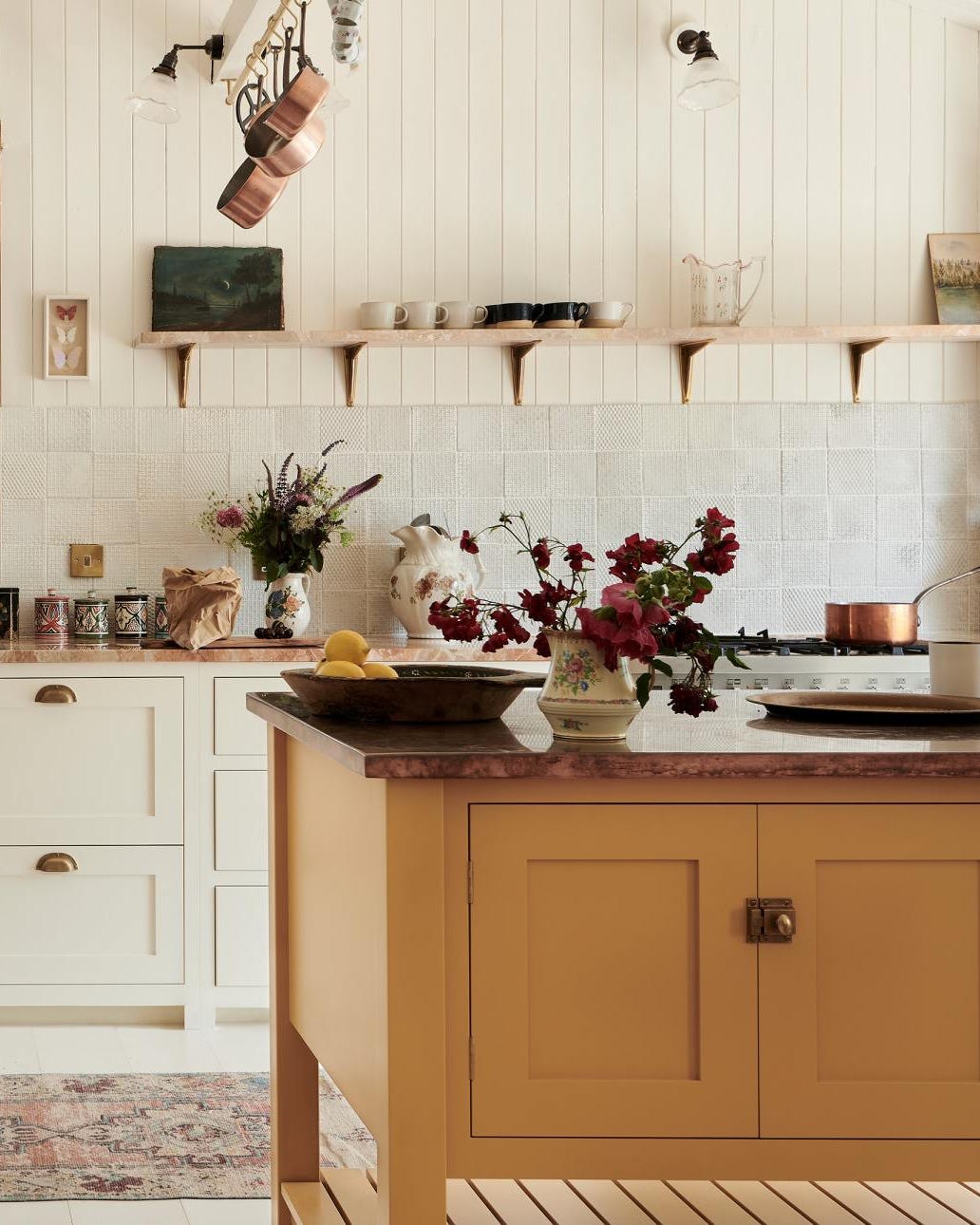
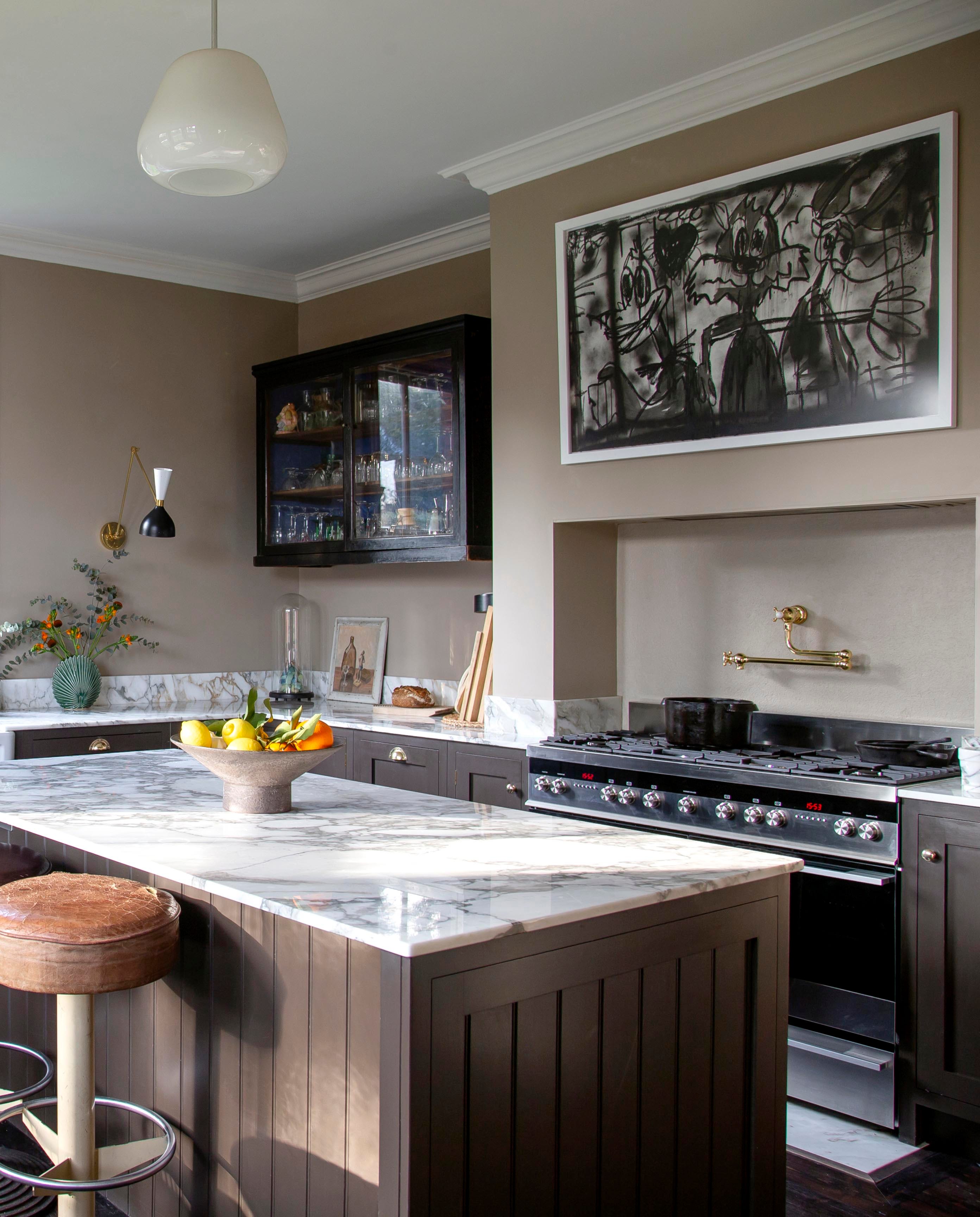
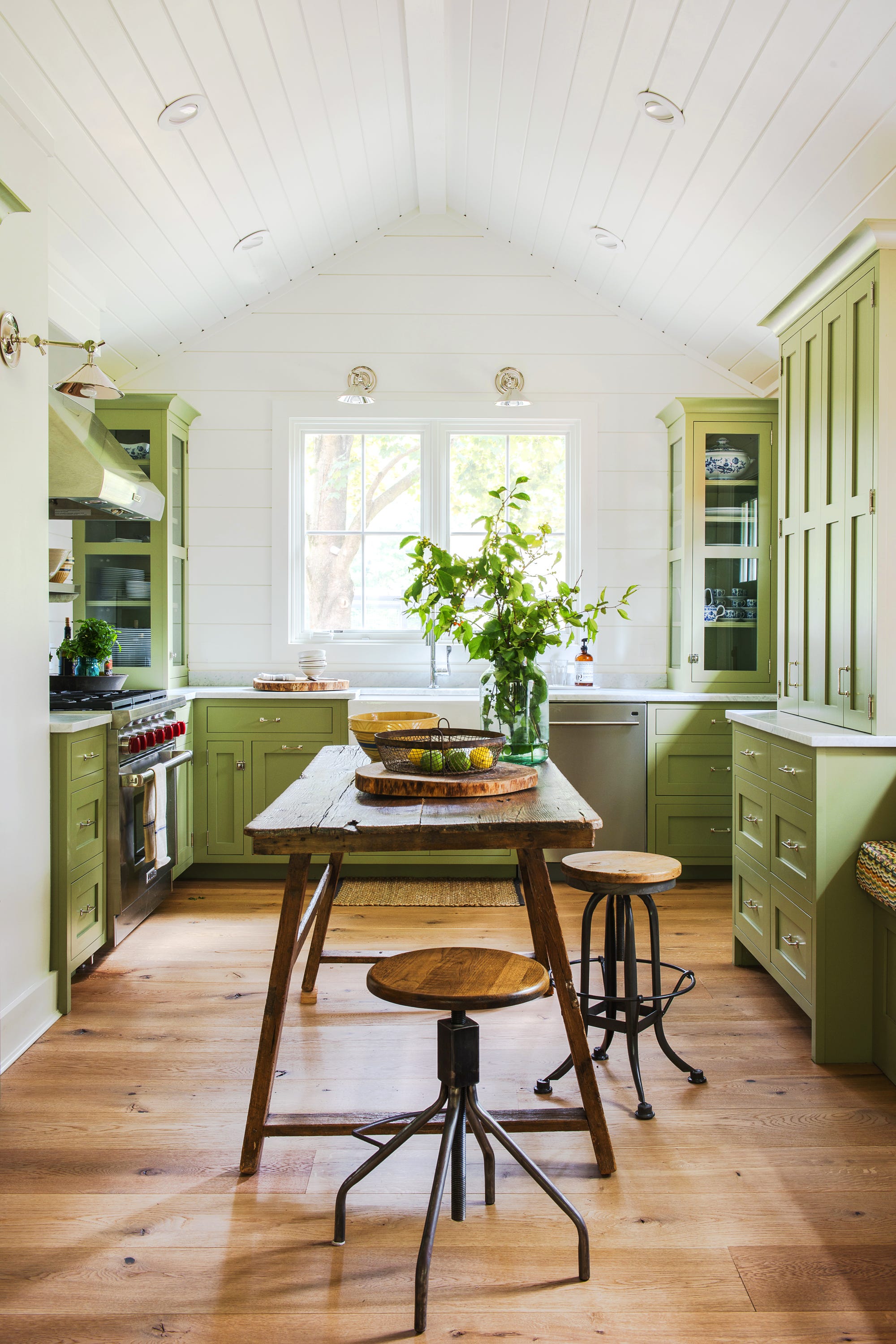
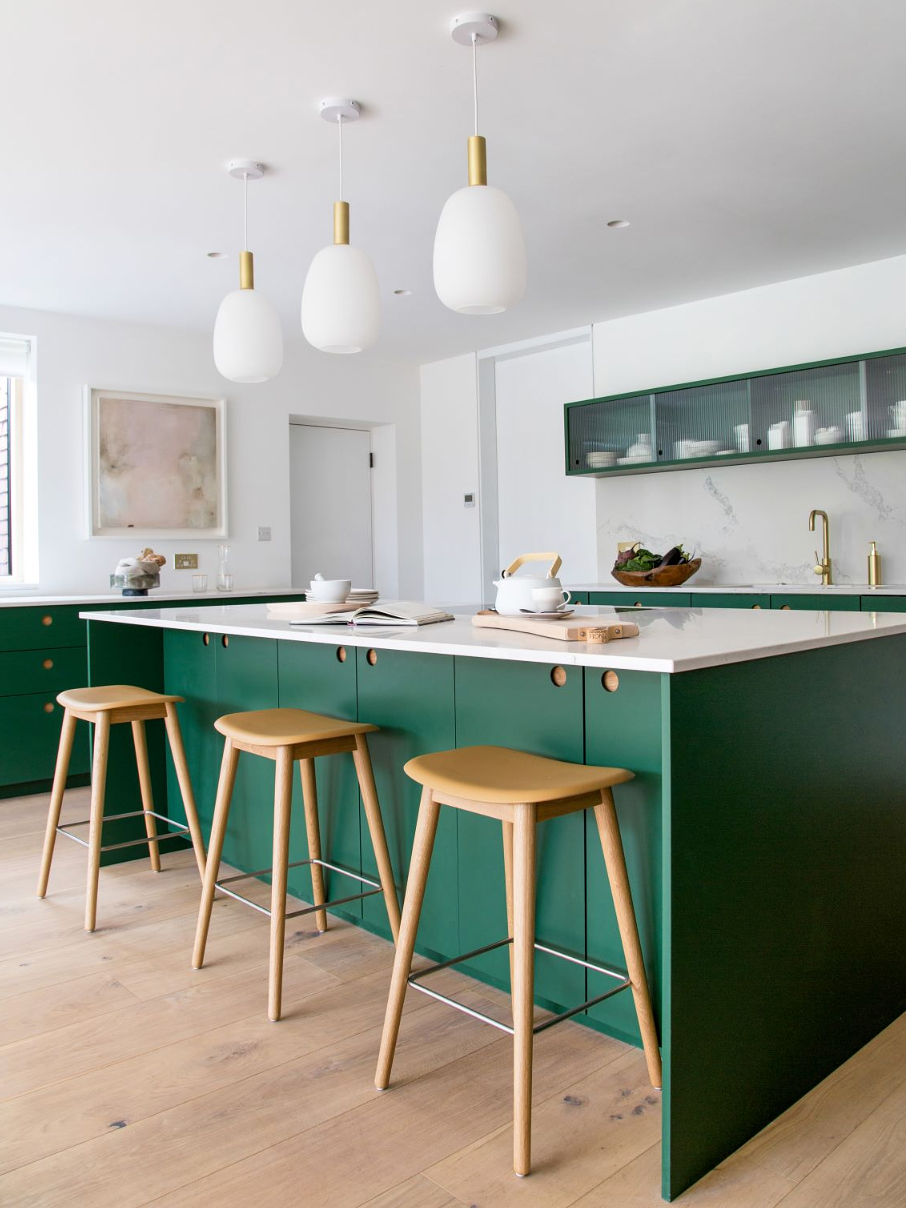
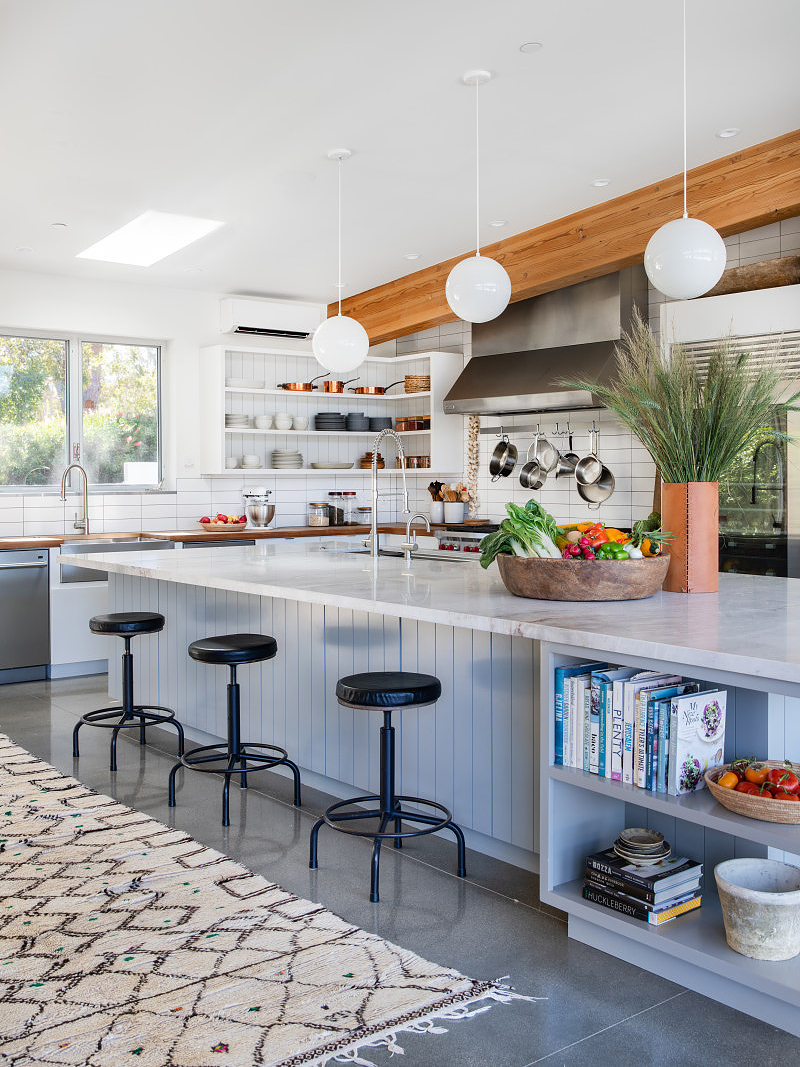
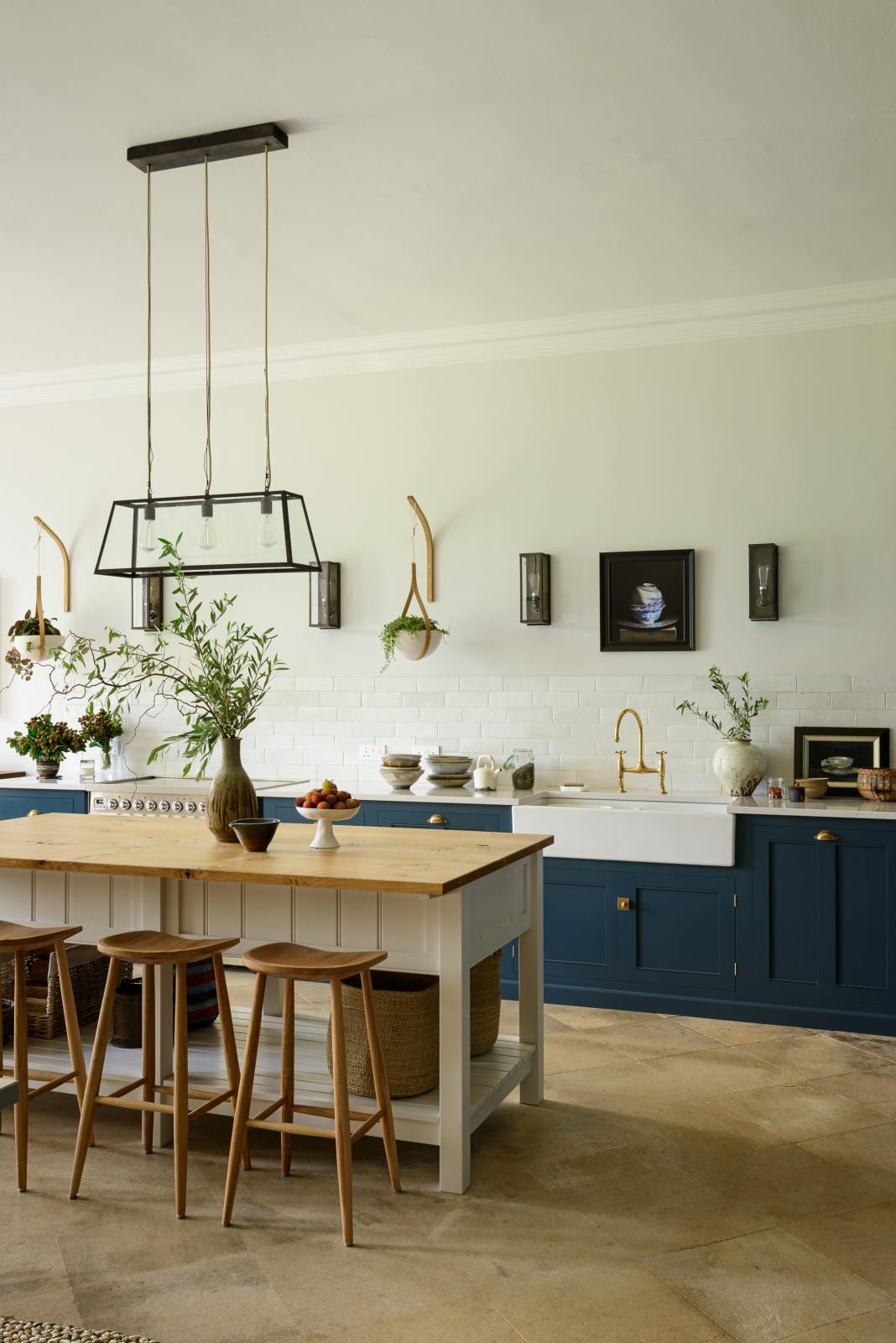
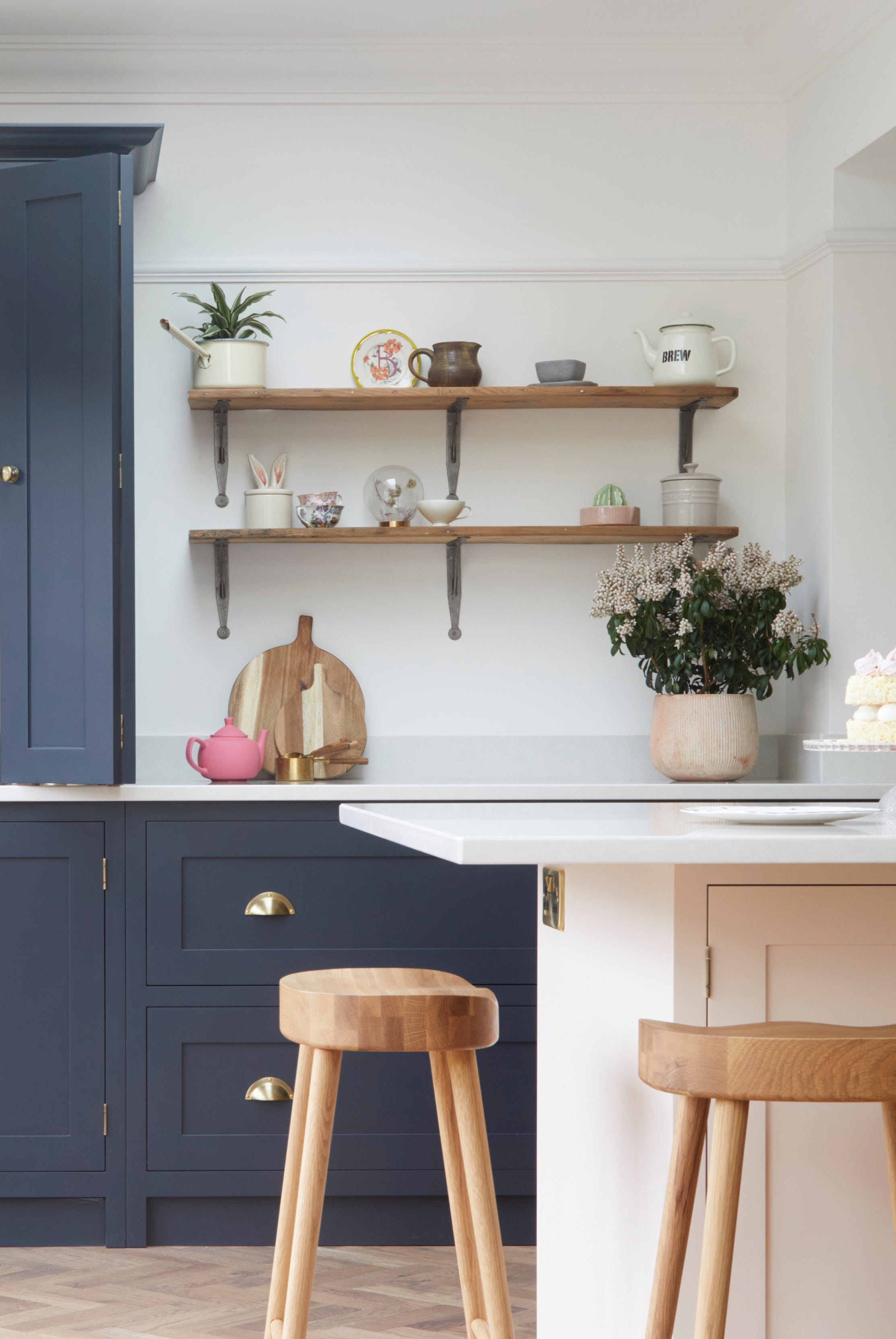
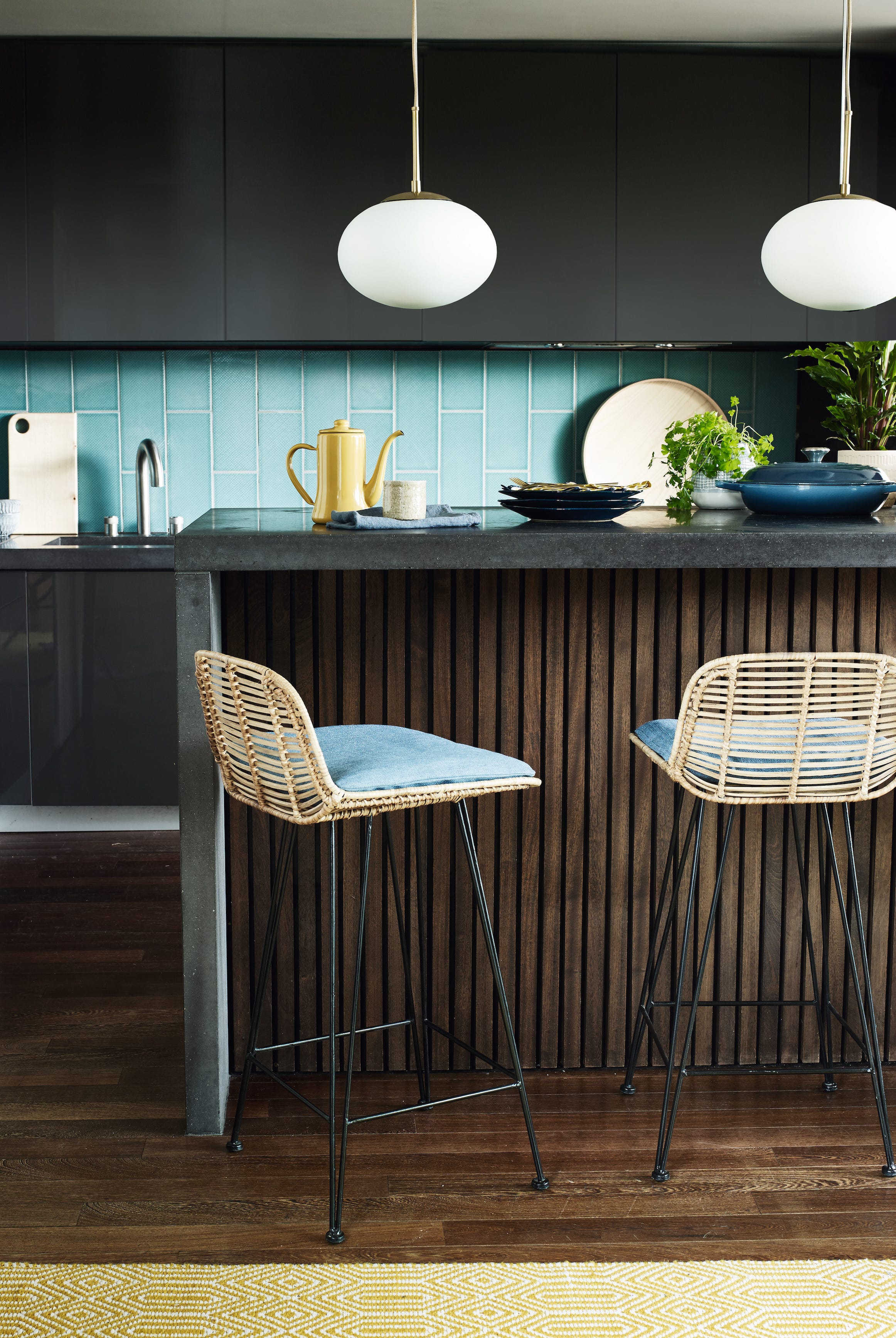
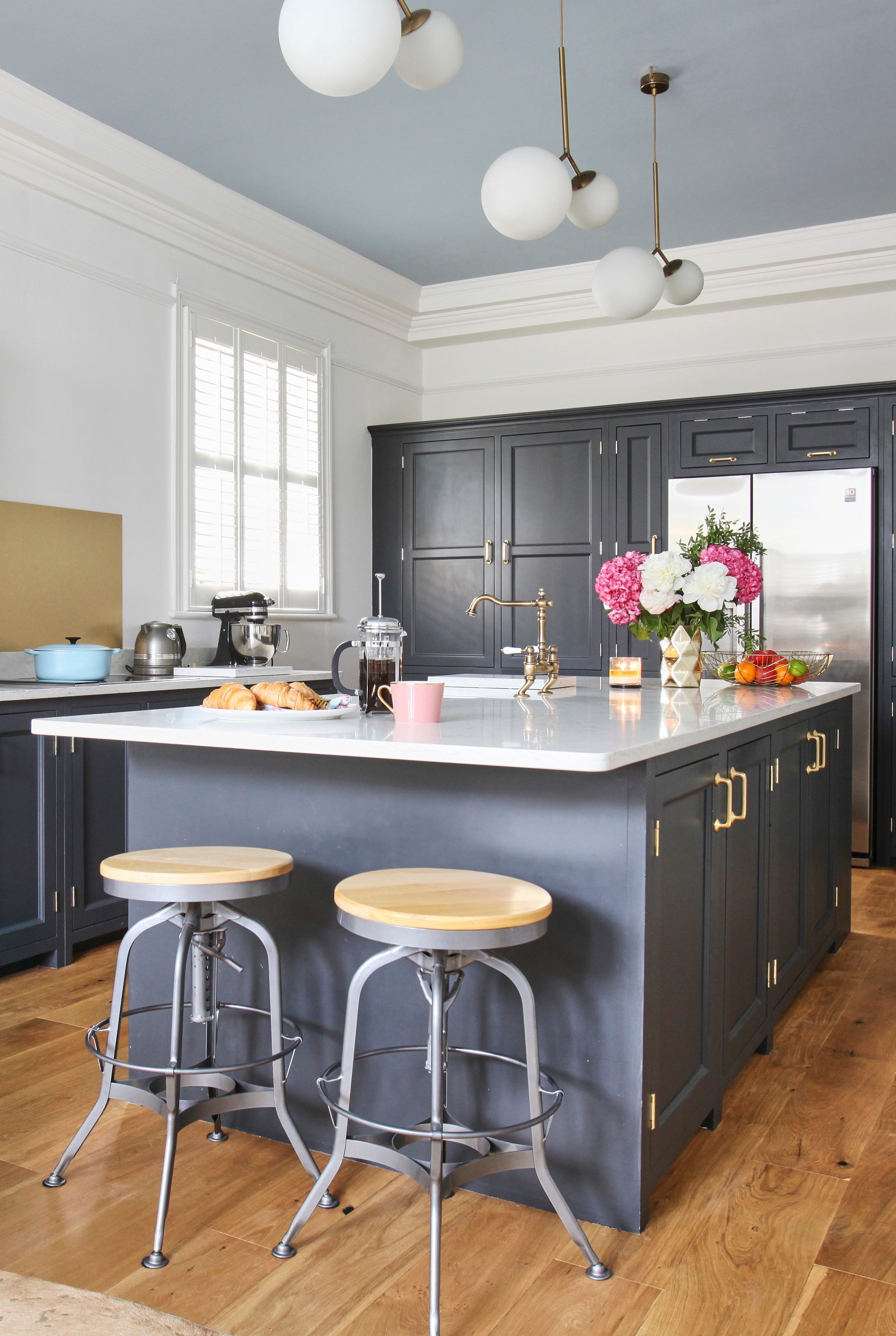
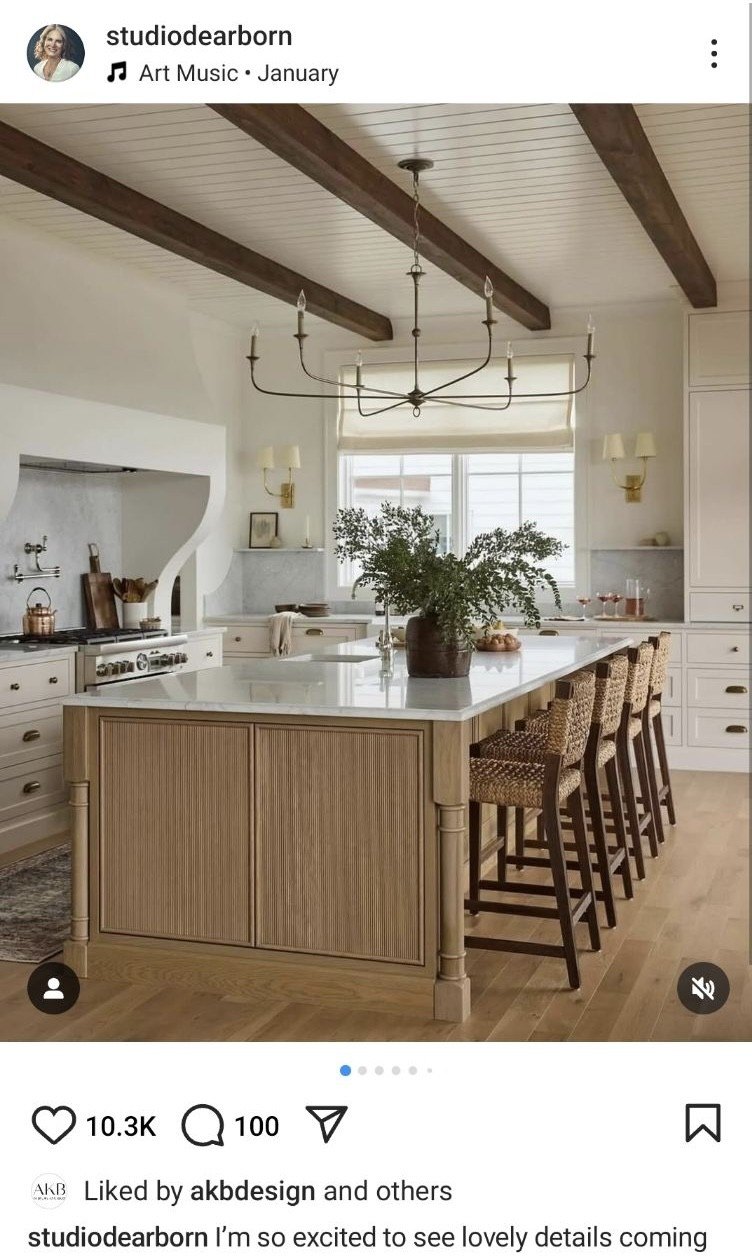
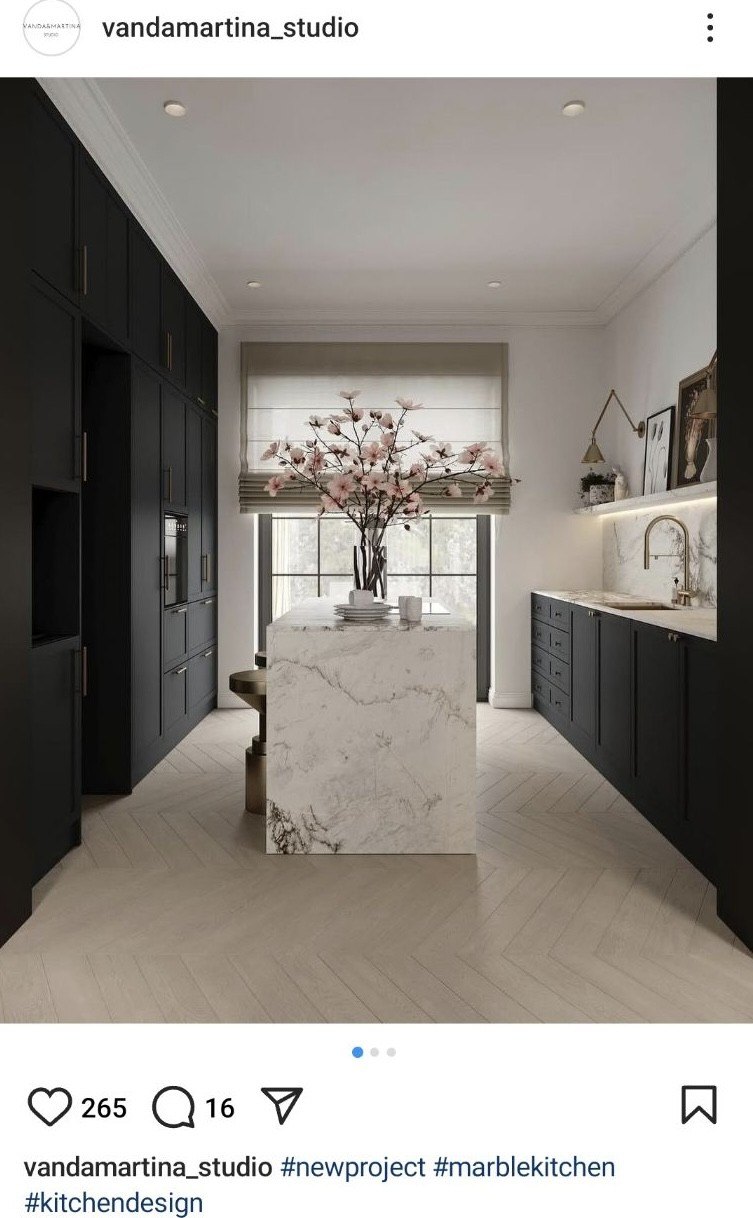
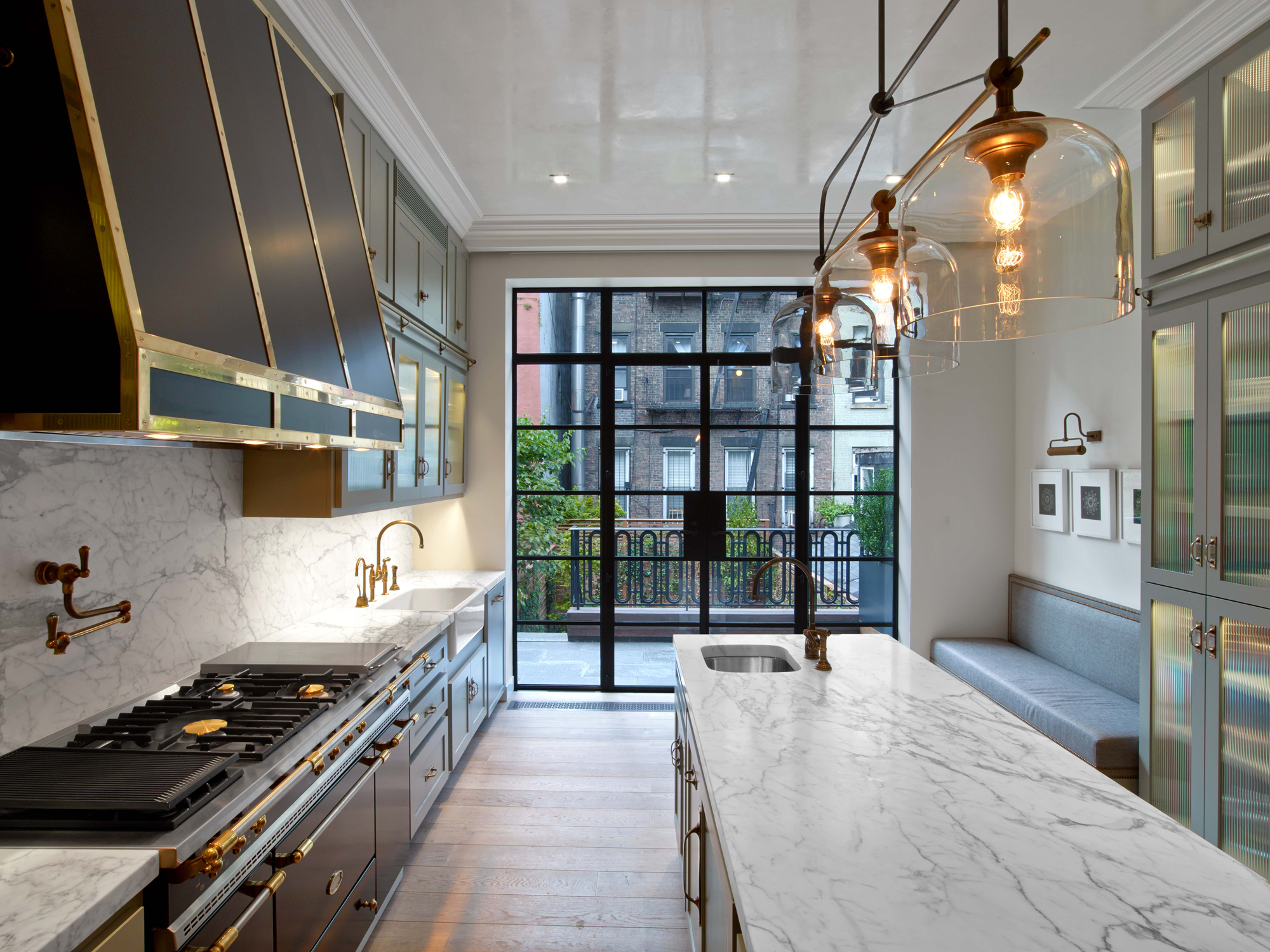
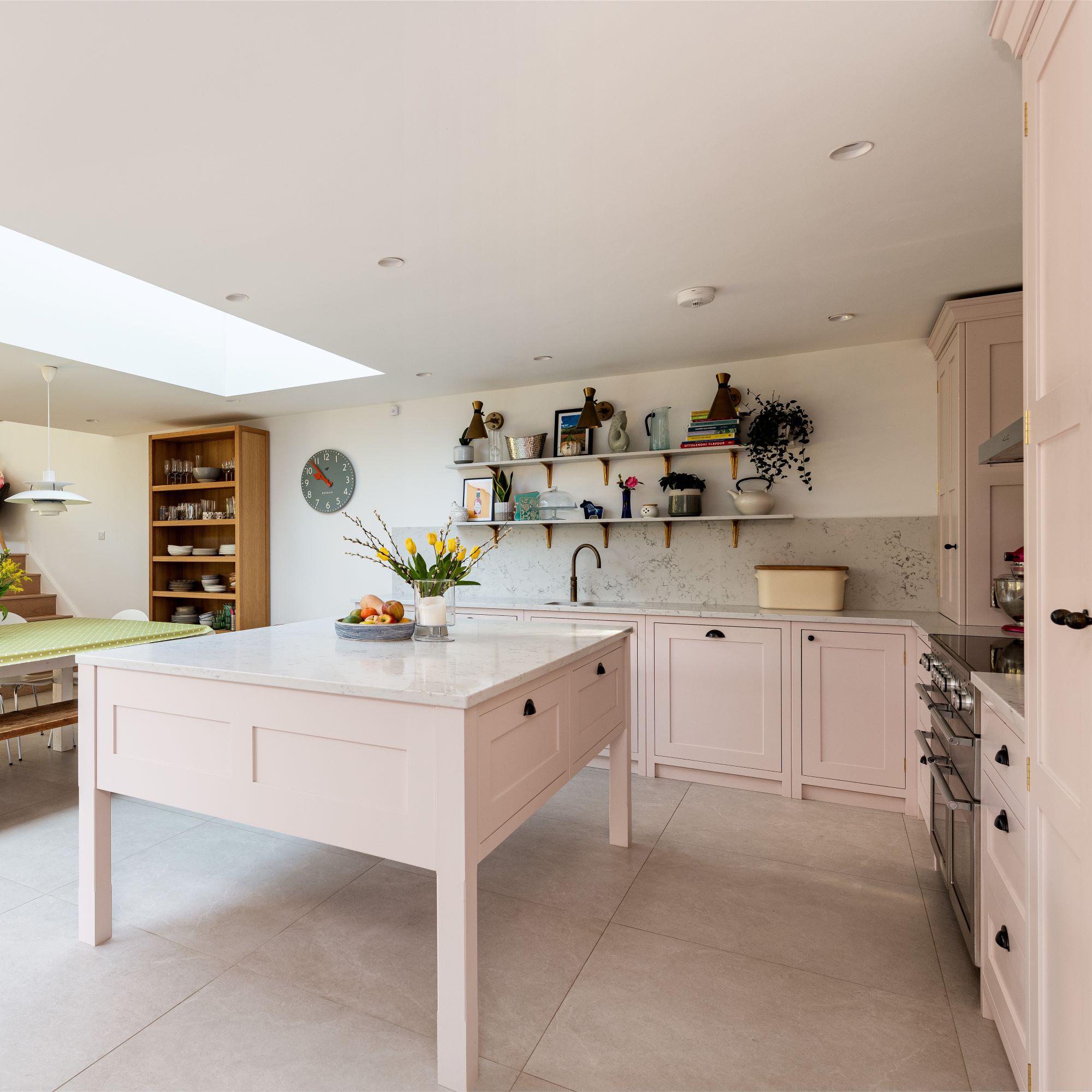
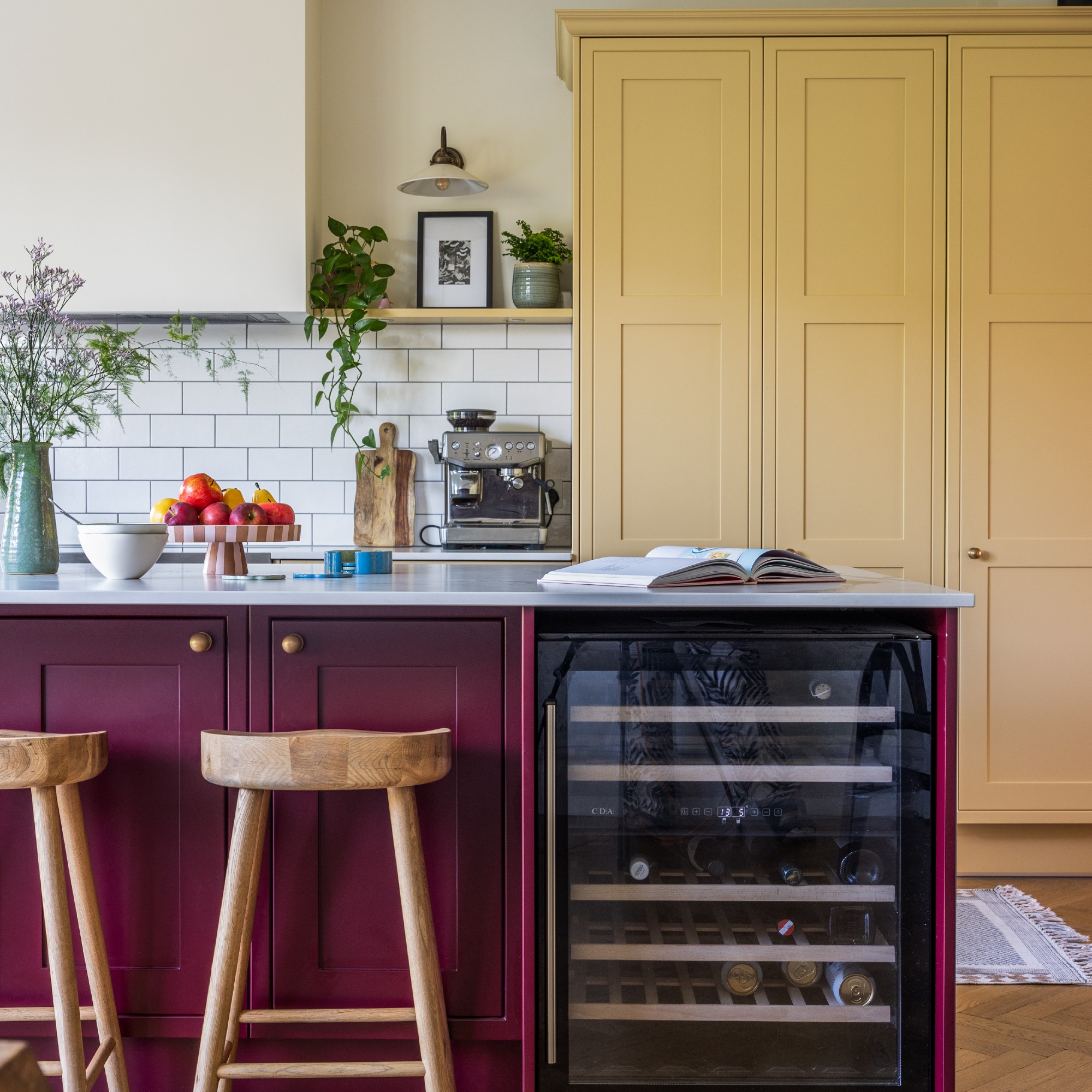
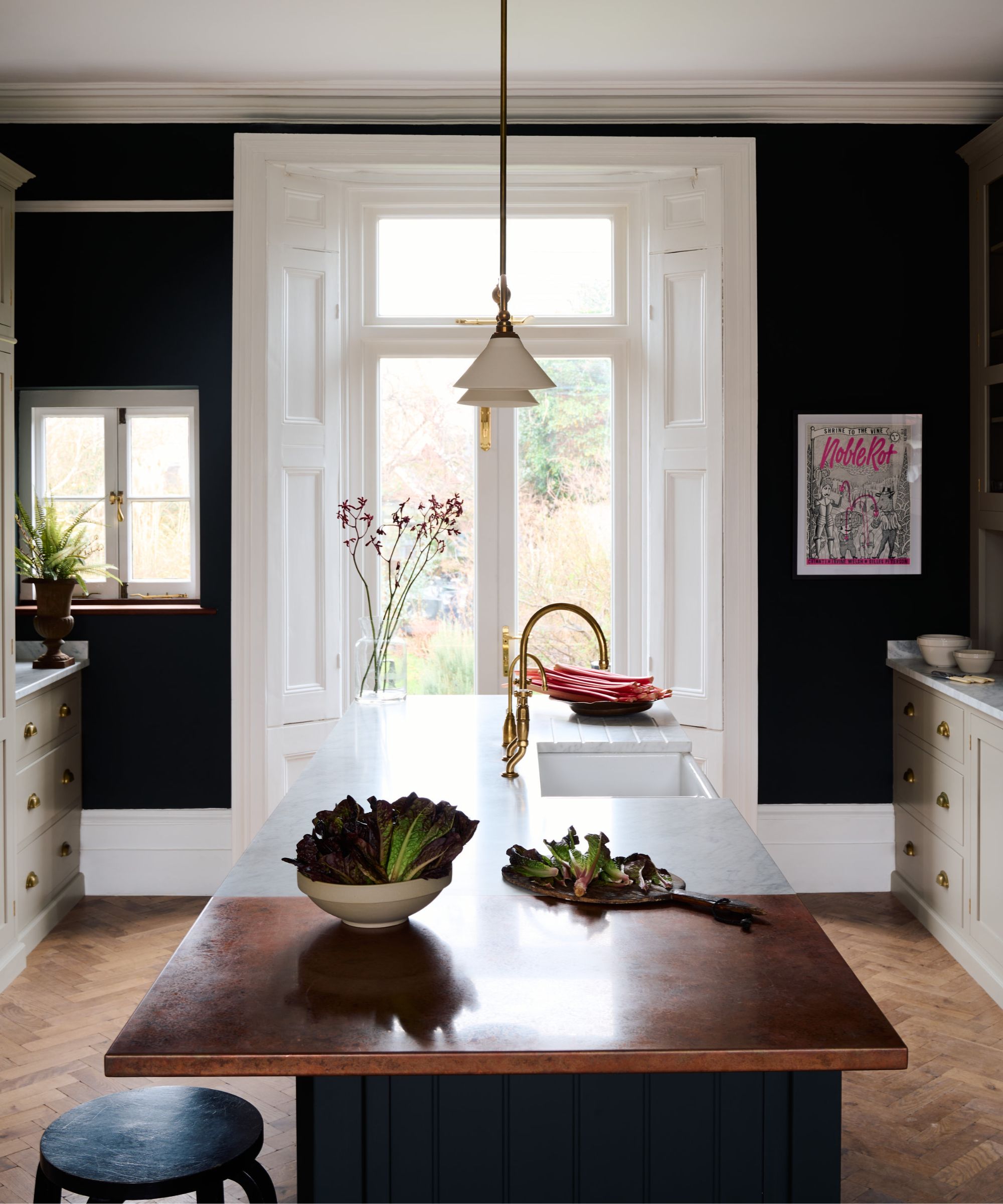
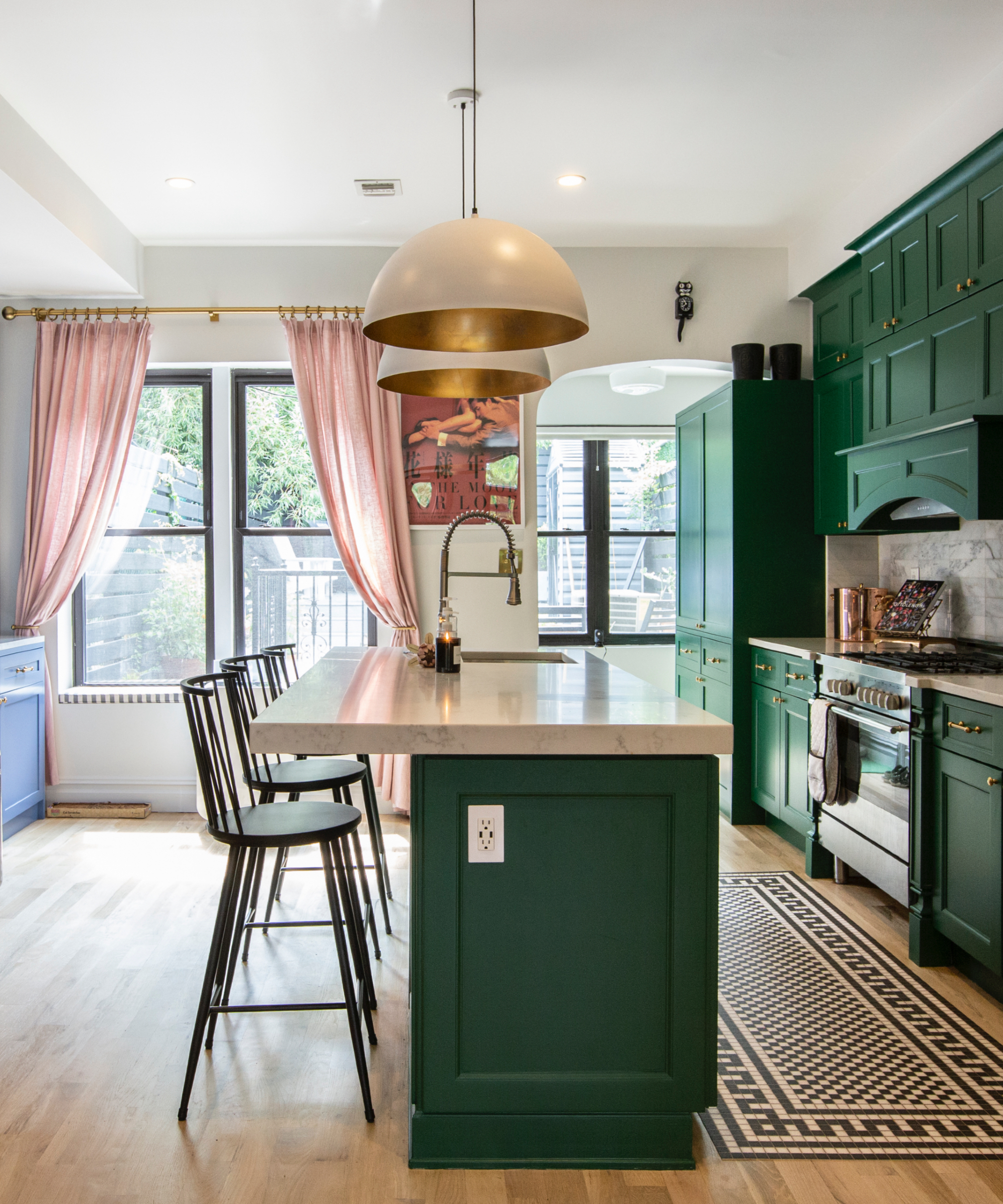
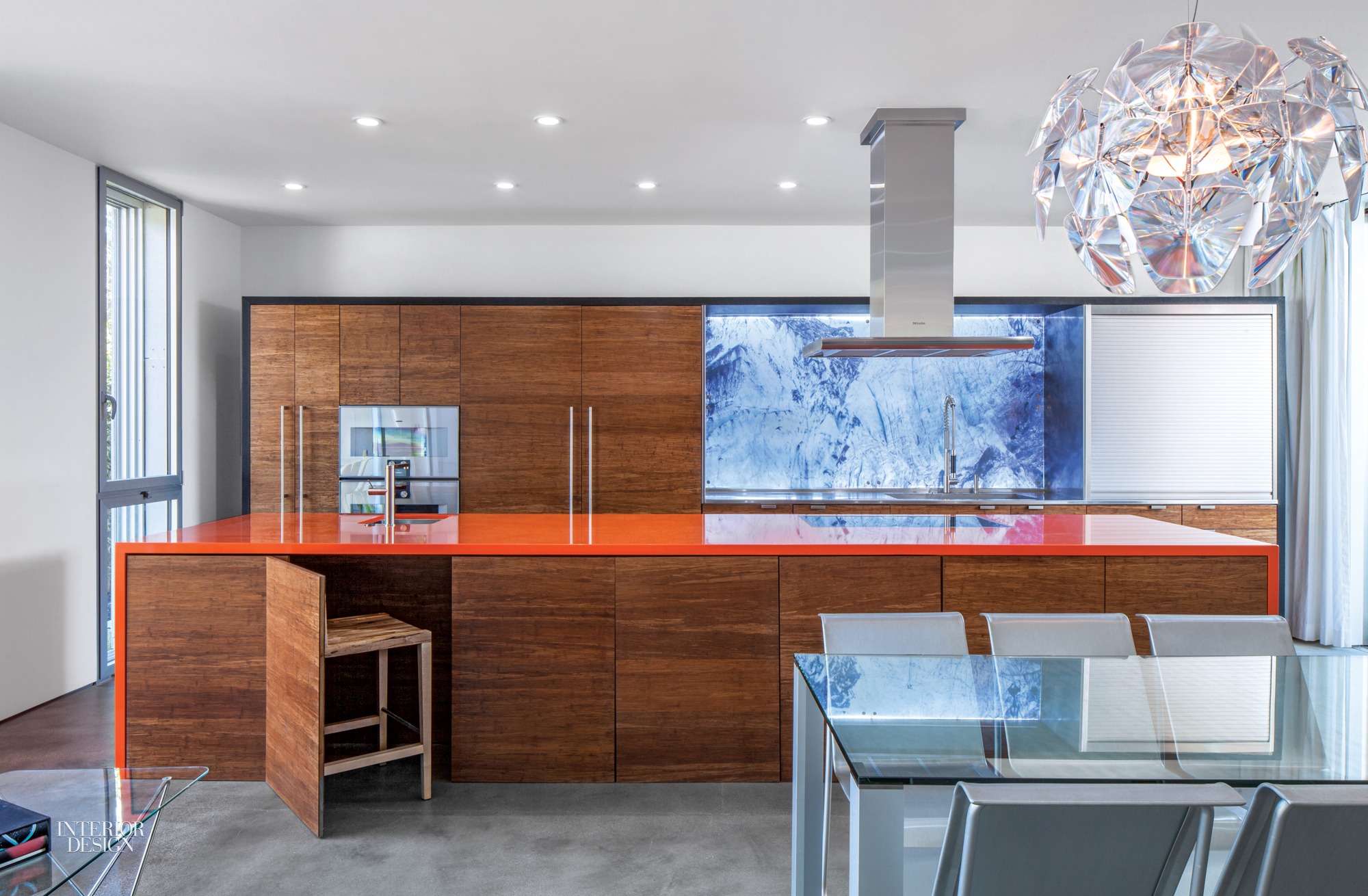
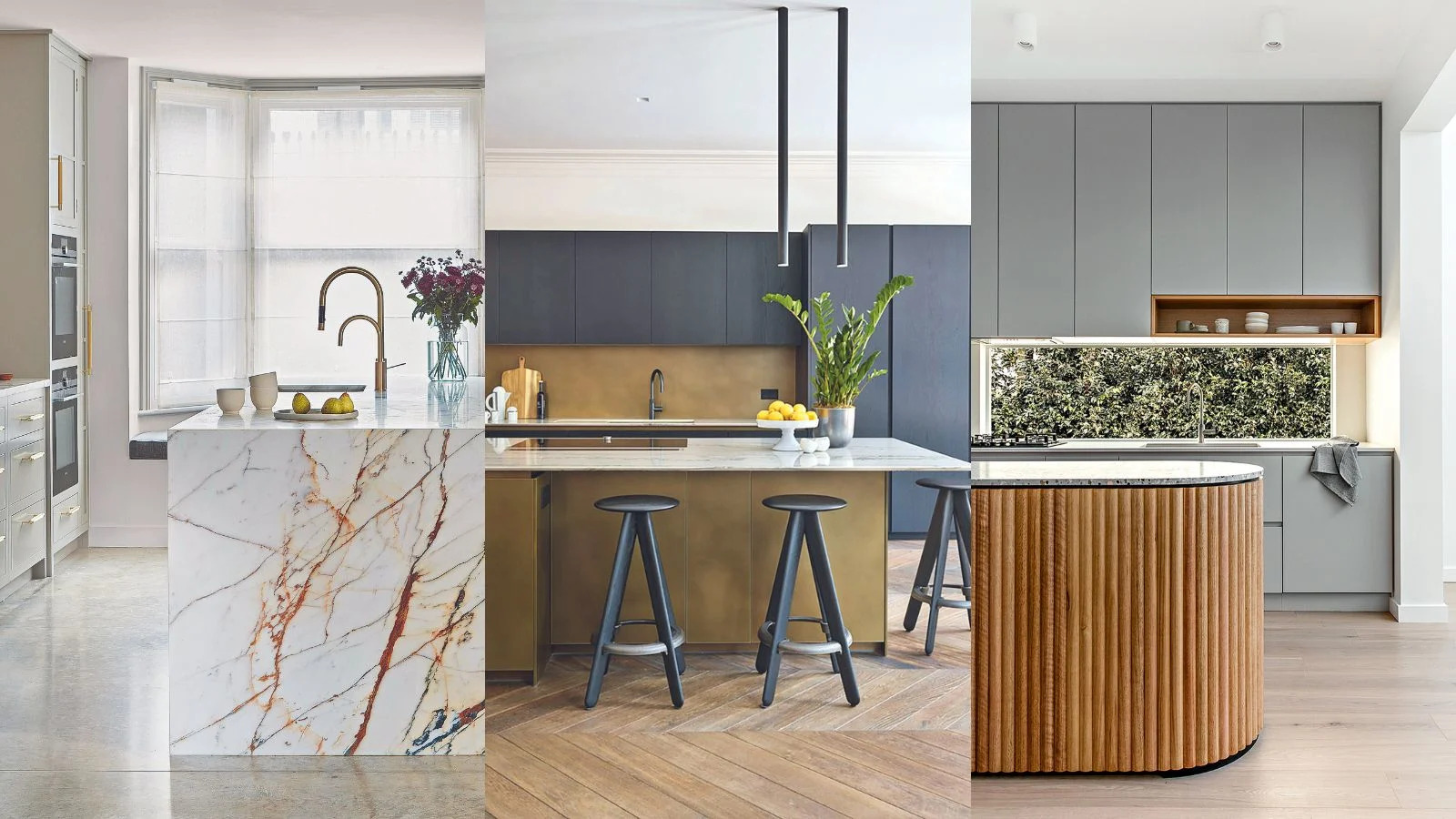
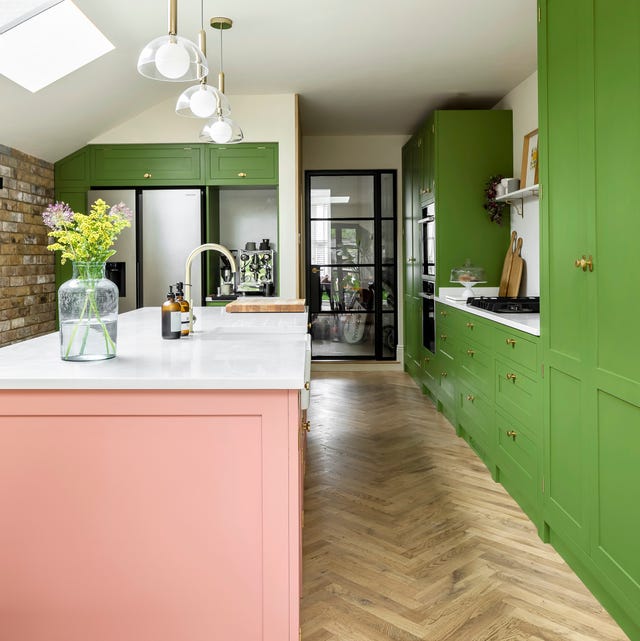
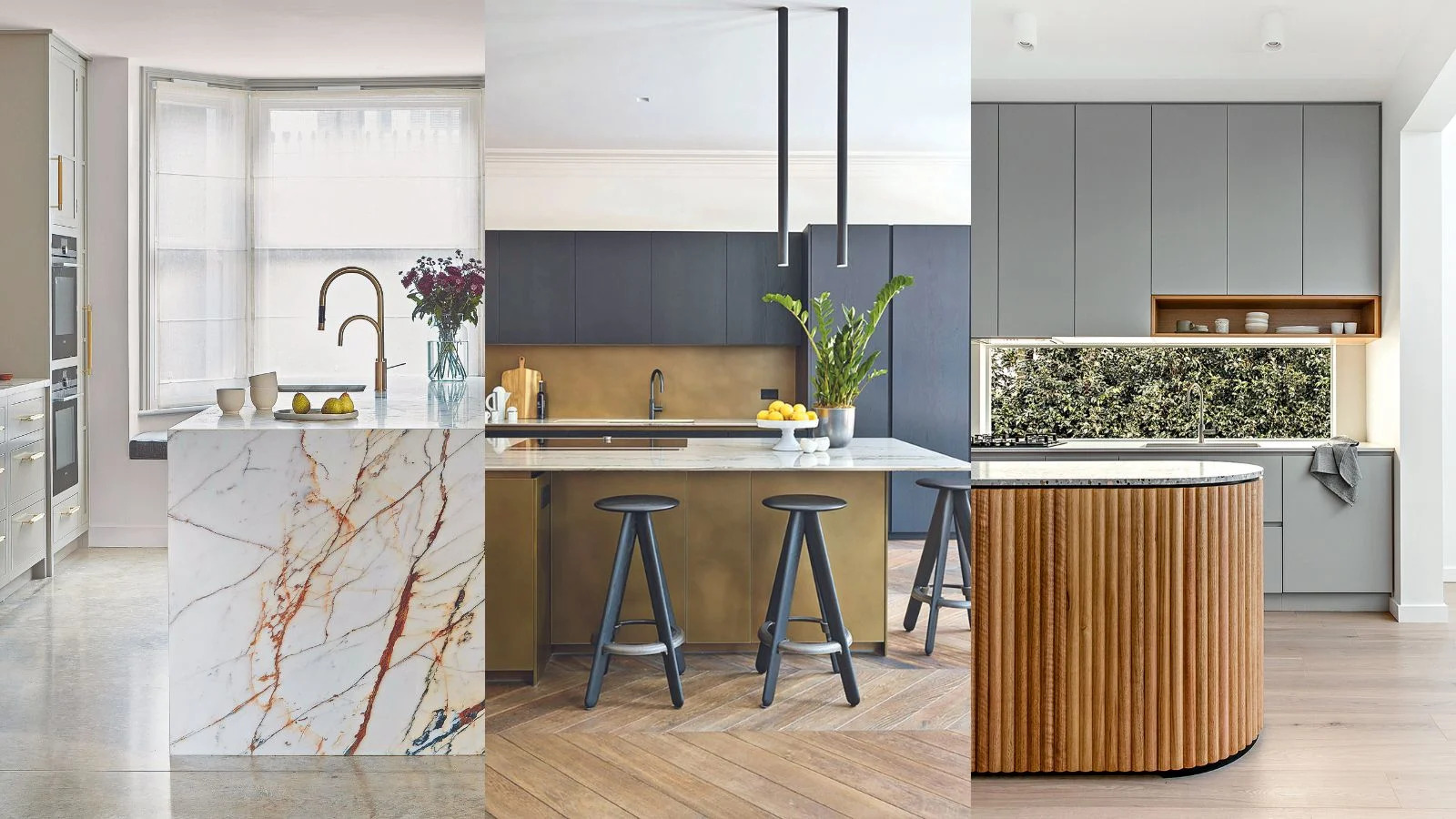
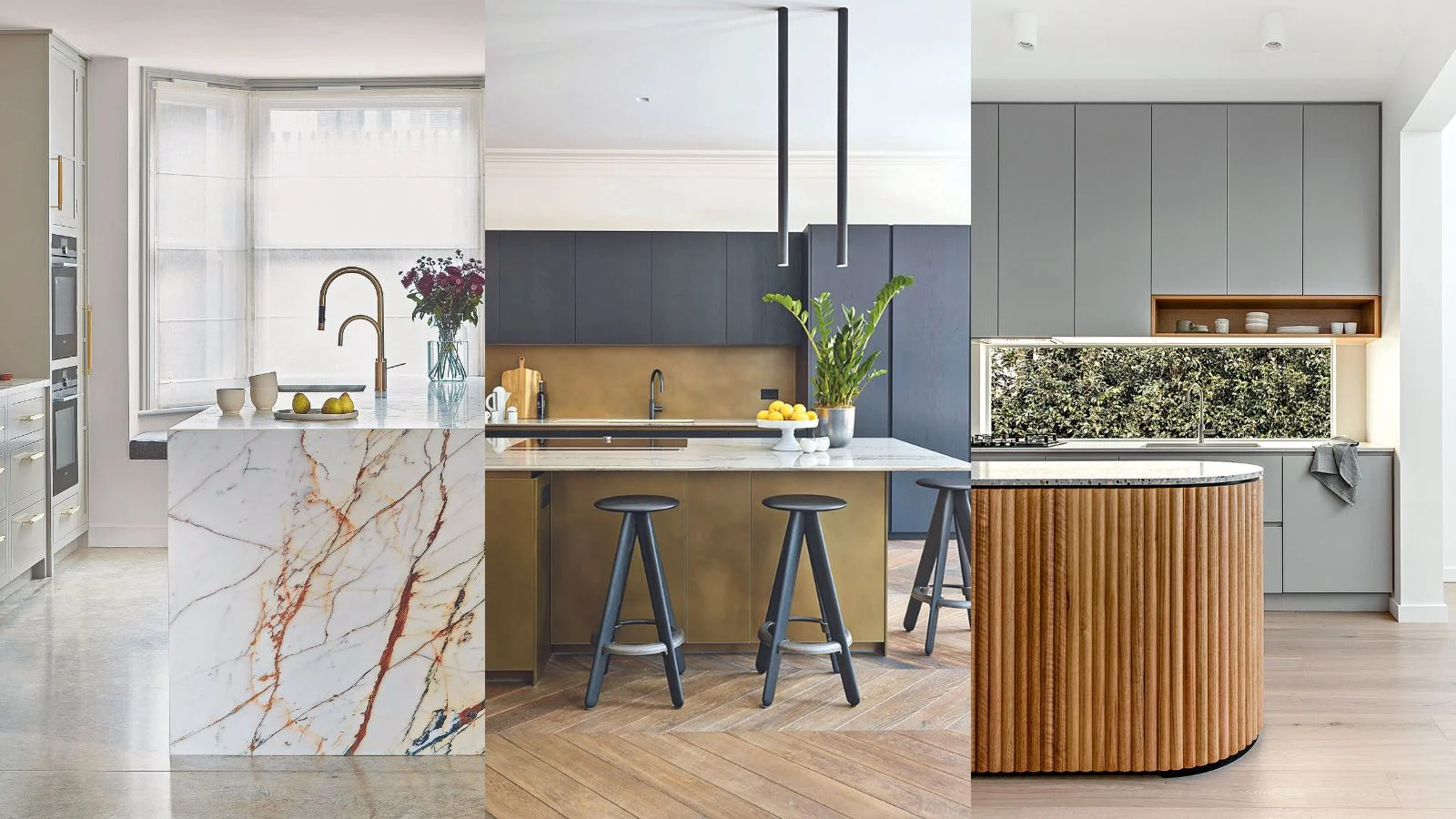
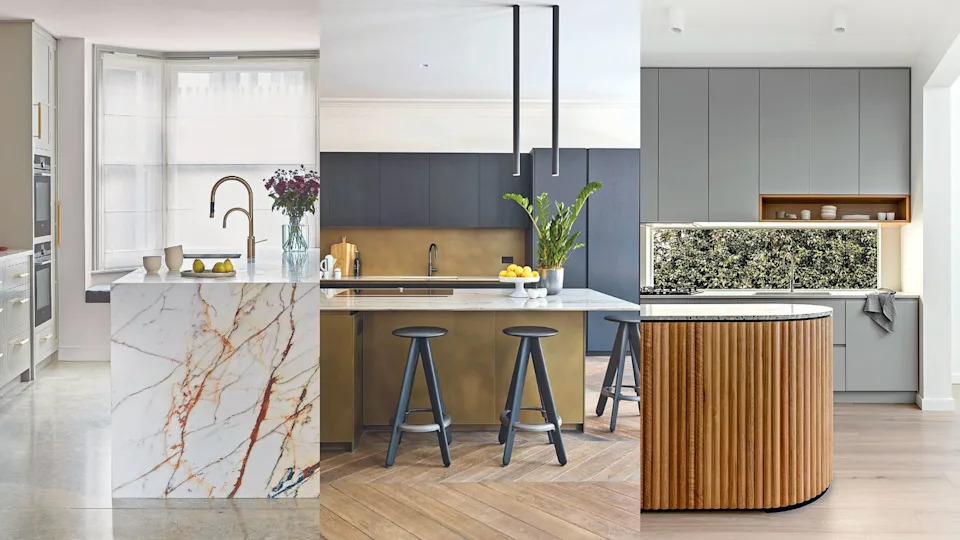
Current kitchen island design trends focus on personalization and enhanced functionality. One popular trend involves painting the island a contrasting color to the surrounding cabinetry, using shades like navy, sage green, or teal blue, to make it a focal point. Adding wainscoting or shiplap to the sides can further enhance its character. Another significant trend is the rise of waterfall islands, where the countertop material extends down one or both sides, creating a modern and dramatic visual effect. While these can be more costly due to increased material usage (especially with stone, concrete, or quartz), their sophisticated appearance is often considered worthwhile.
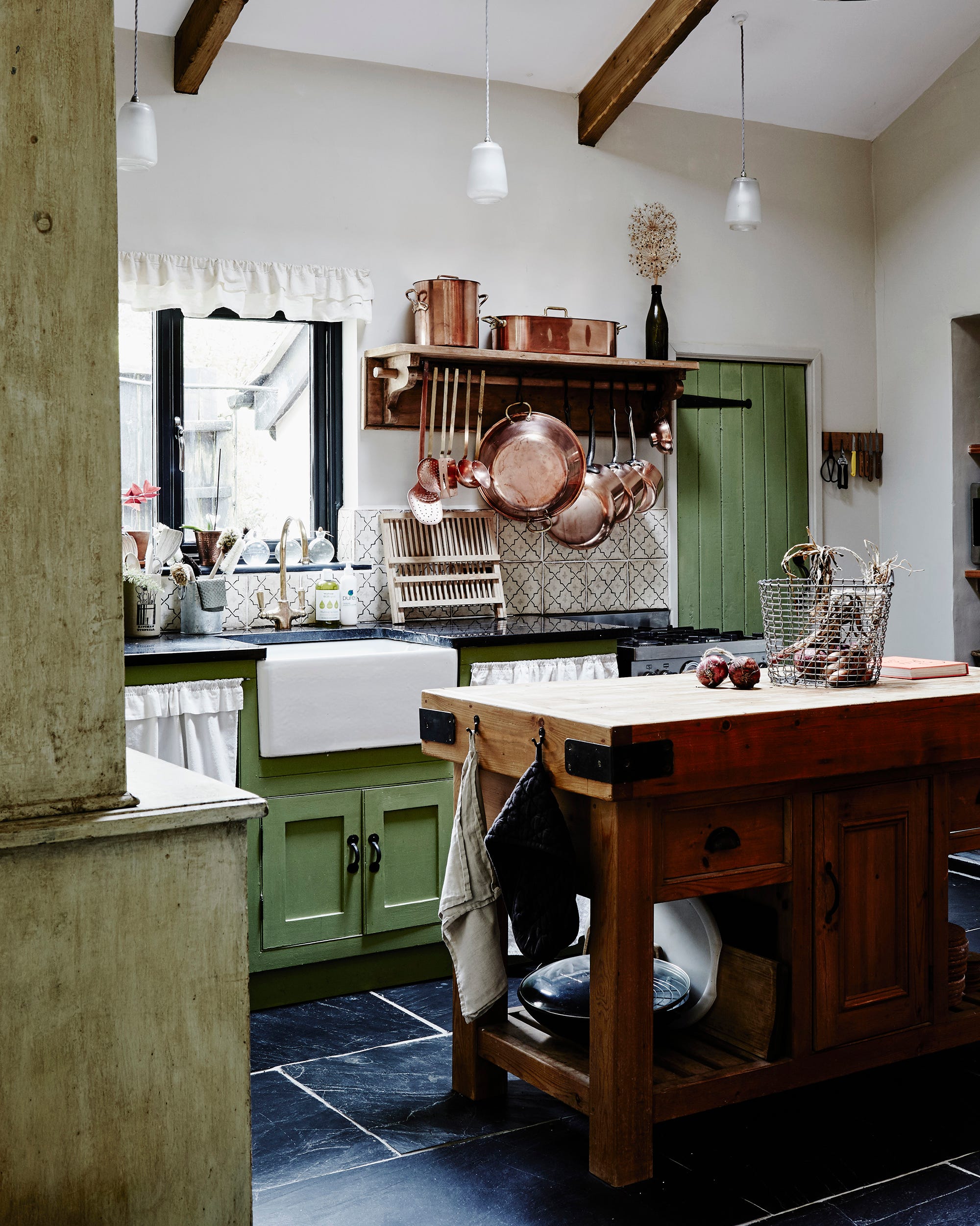
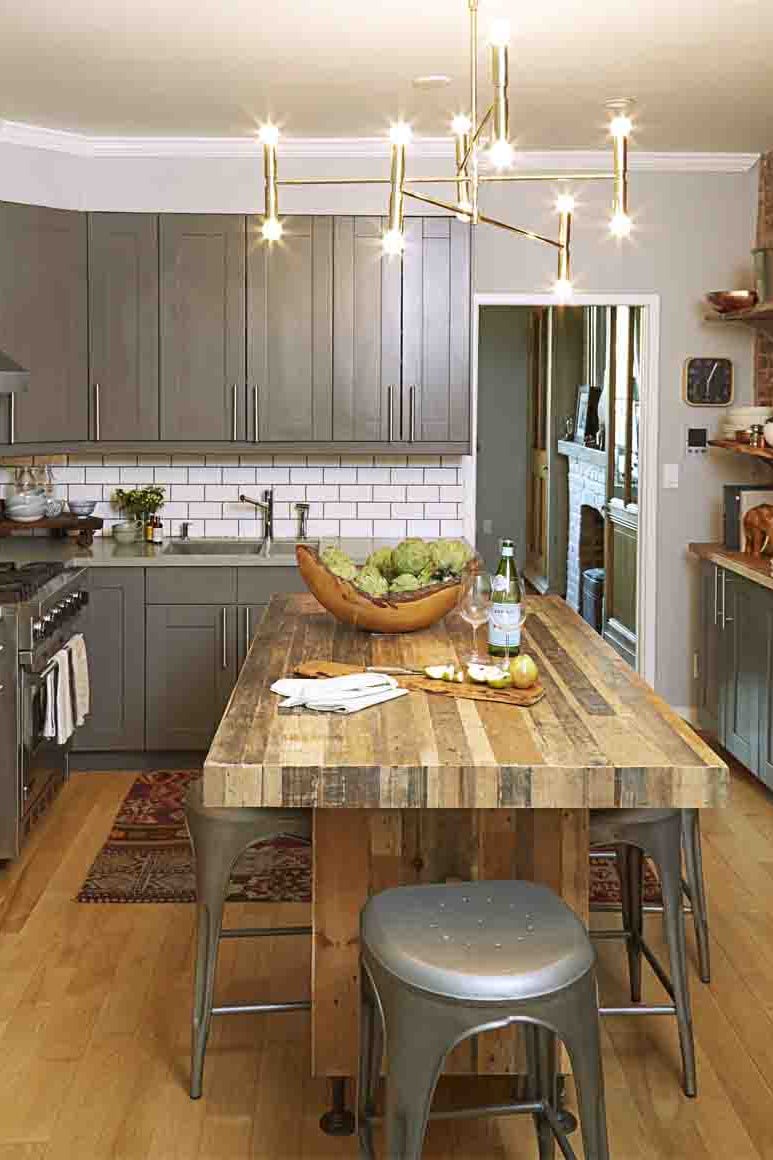
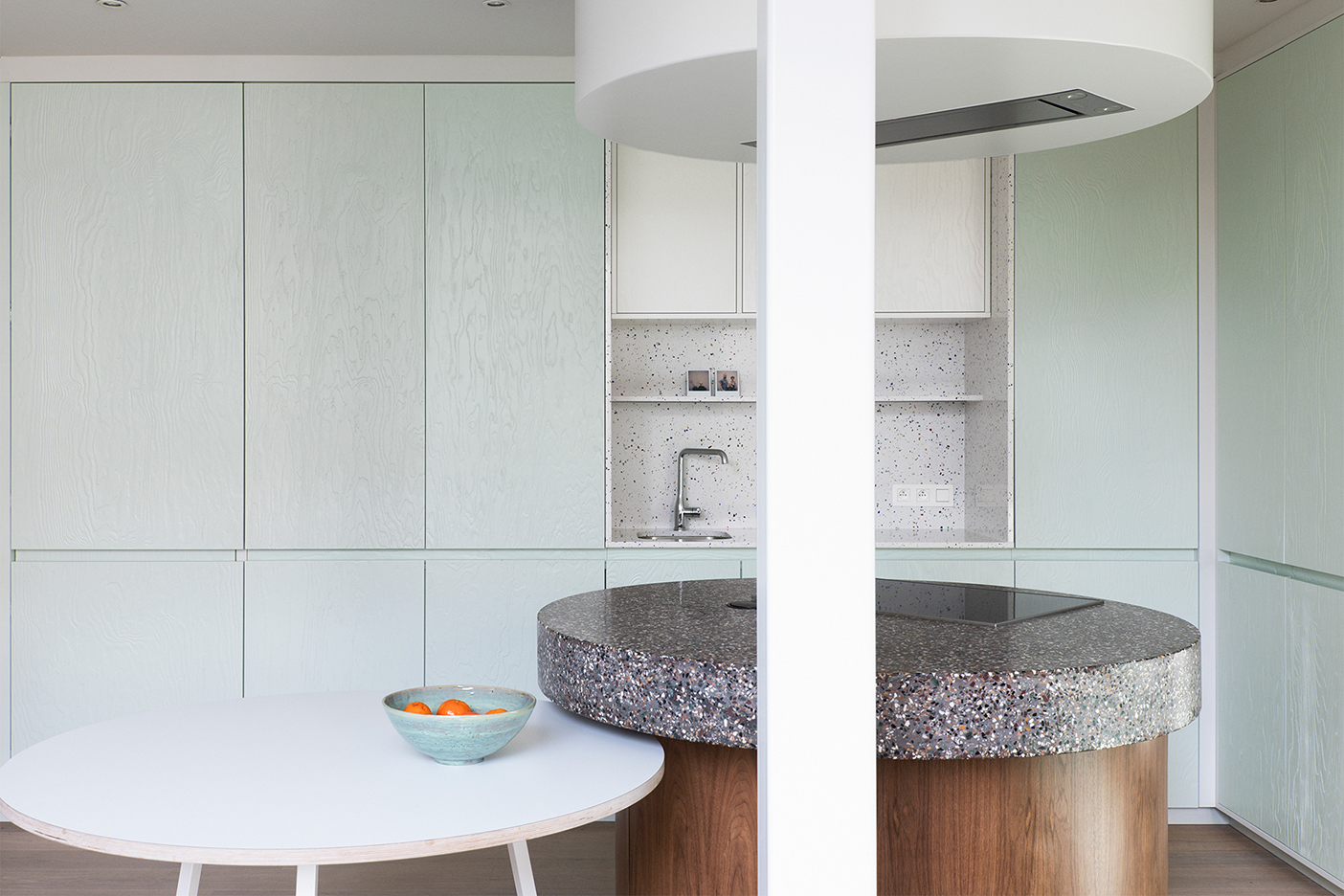
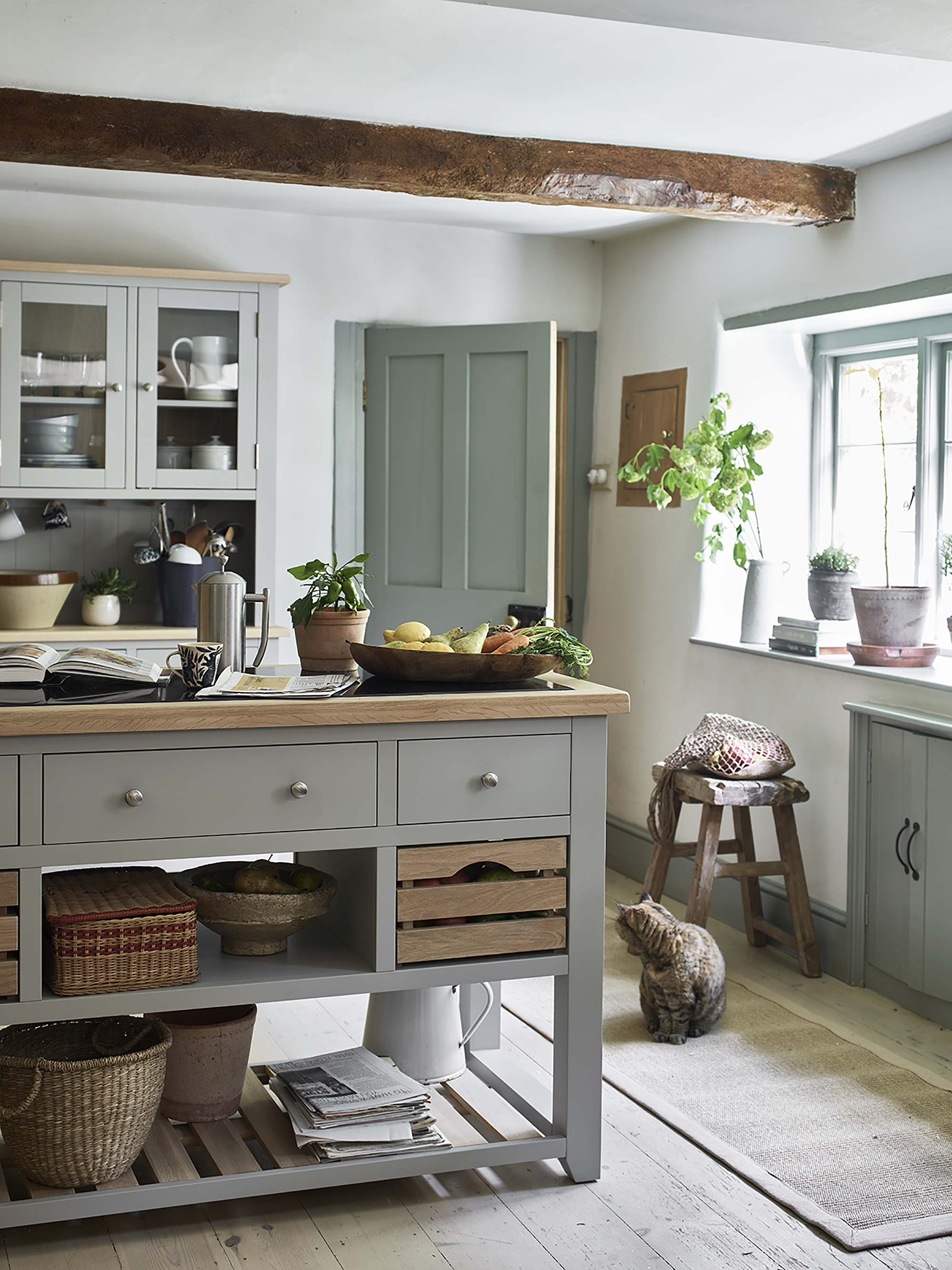
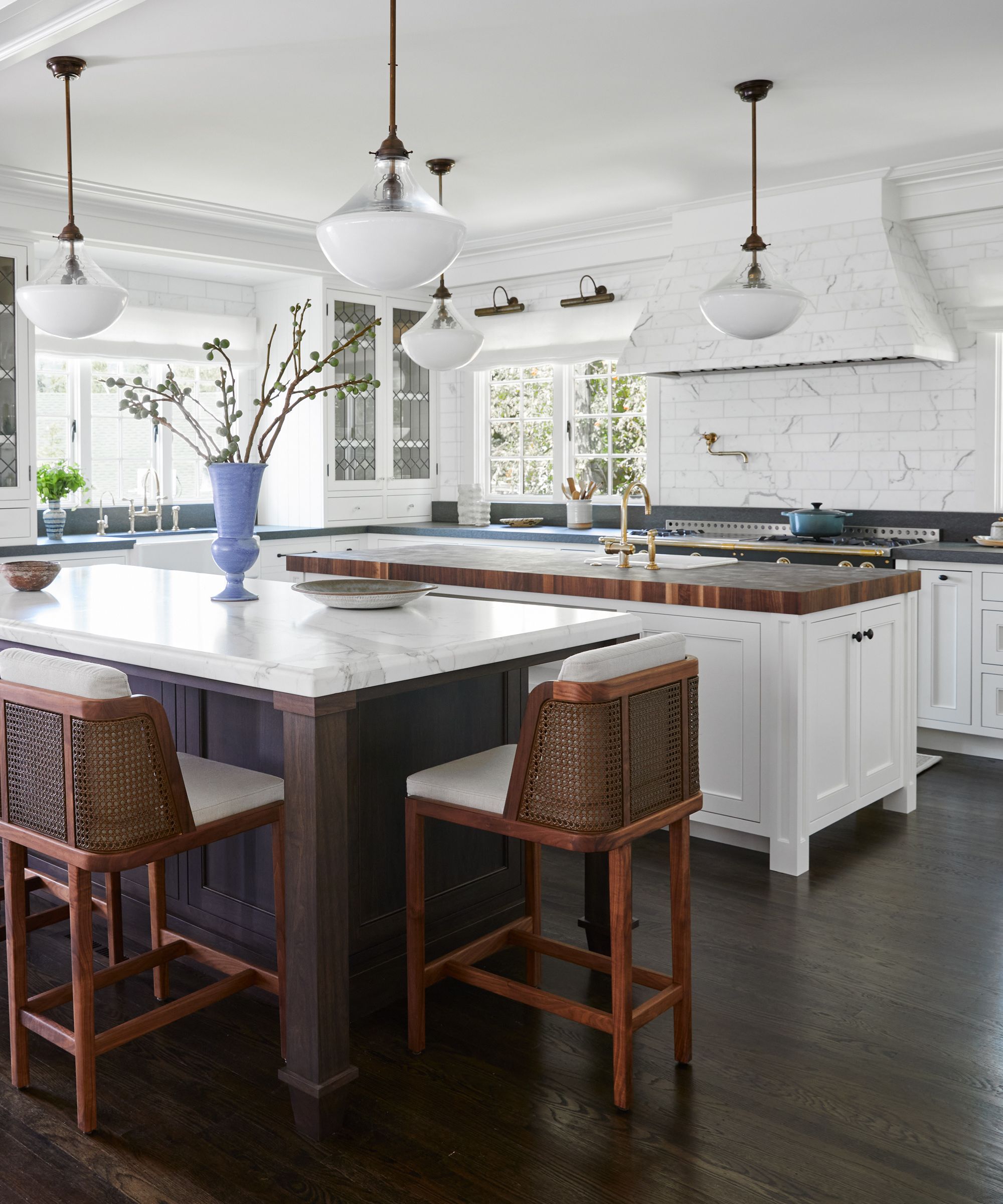
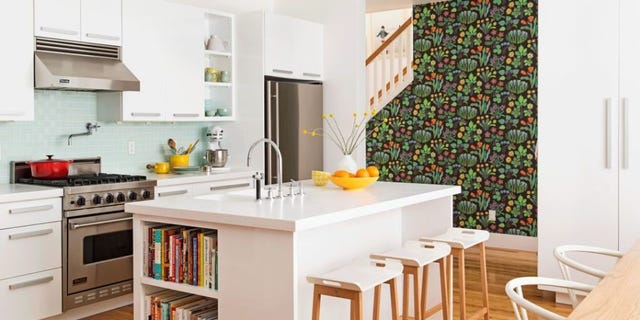
Additional design considerations for kitchen islands include incorporating a mix of cabinets, shelves, and drawers for varied storage, opting for unique countertop shapes like round or curved designs, and integrating functional features such as a butler sink. Decorative details like paneling or brick can also add character. For smaller kitchens, an island is still viable, though careful selection of color and size is necessary to avoid overwhelming the space. Mobile islands on wheels are an excellent solution for small areas, offering flexibility to move or remove the island as needed. These can be particularly useful for meal preparation and storing kitchen essentials.
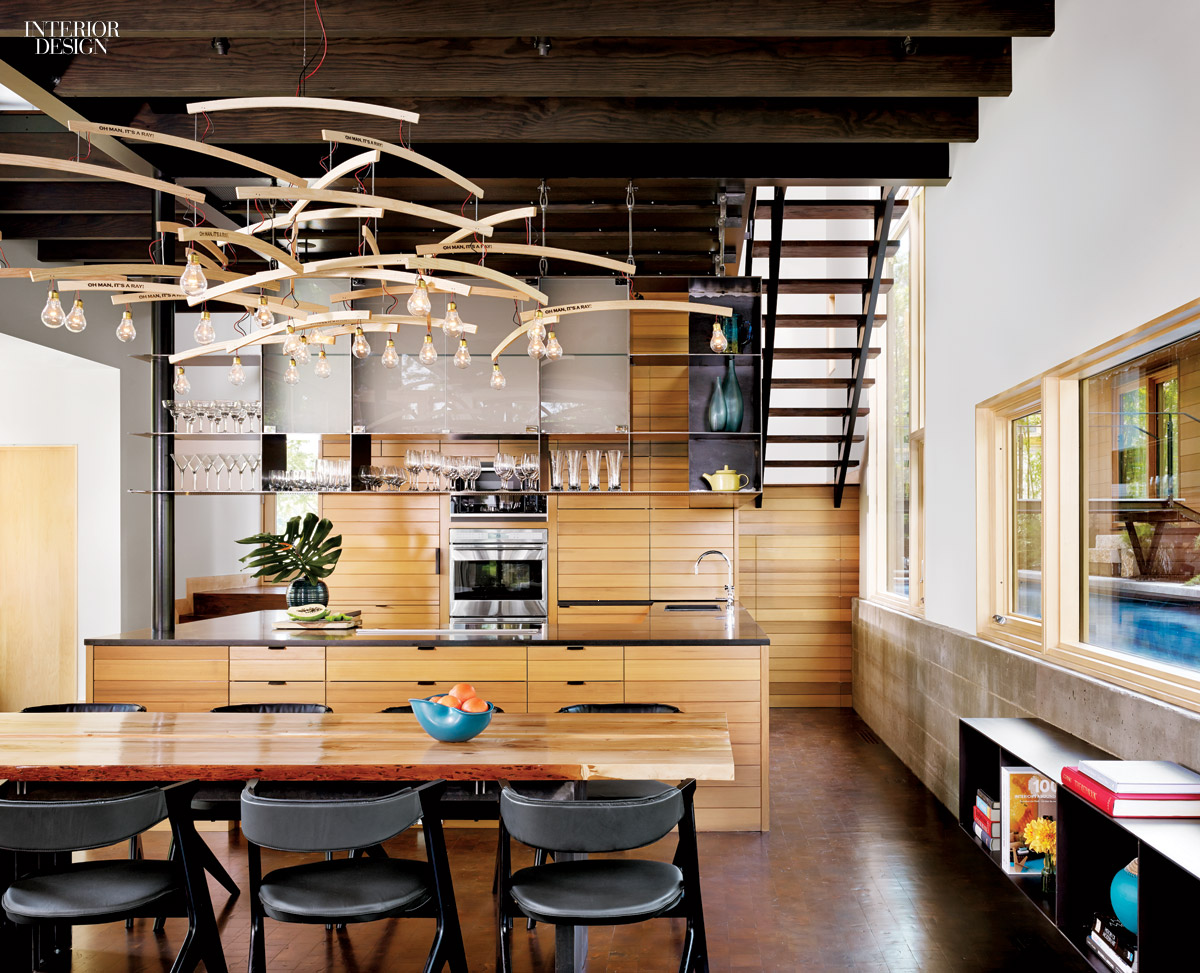
Choosing the right countertop material is another critical decision. Designers advise researching thermal properties, resistance to acids, and chip susceptibility, as well as repairability. Solid materials like quartz or granite are recommended for durability against cracks and stains. Understanding the cleaning and care requirements for any chosen material before purchase is essential. Modern kitchen islands are increasingly designed to be multifunctional, serving as central hubs for various family activities beyond cooking, such as homework, board games, or entertaining guests. Features like additional storage for diverse items, integrated bar seating, countertop extenders, hidden stovetops, and folding tabletops transform the island into a versatile center for the home. Proper planning, precise measurements, and thoughtful material selection ensure the kitchen island is both functional and a valuable design element.
#KitchenIsland #KitchenDesign #HomeRemodeling #InteriorDesign #CountertopMaterials #SmallKitchenSolutions #MultifunctionalKitchen #KitchenInspiration #KitchenIsland #KitchenDesign #HomeRemodeling #InteriorDesign #CountertopMaterials #SmallKitchenSolutions #MultifunctionalKitchen #KitchenInspiration
0 comment in total
 No comments yet
You may also like
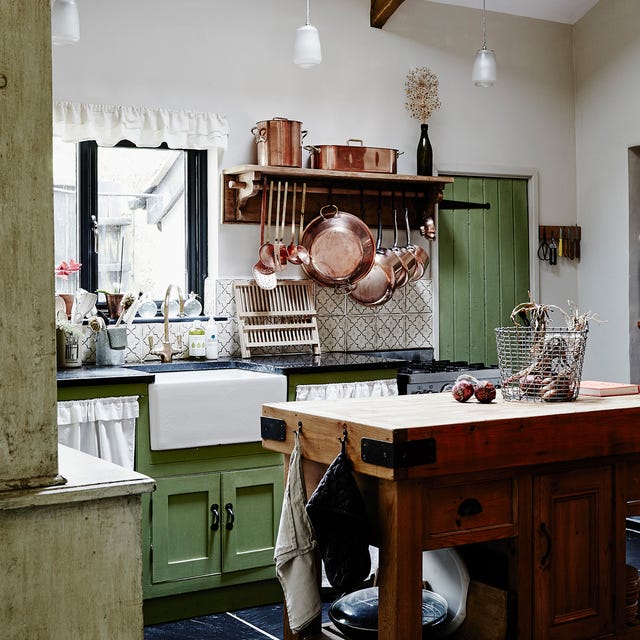
The best kitchen island ideas for a sophisticated and functional feature
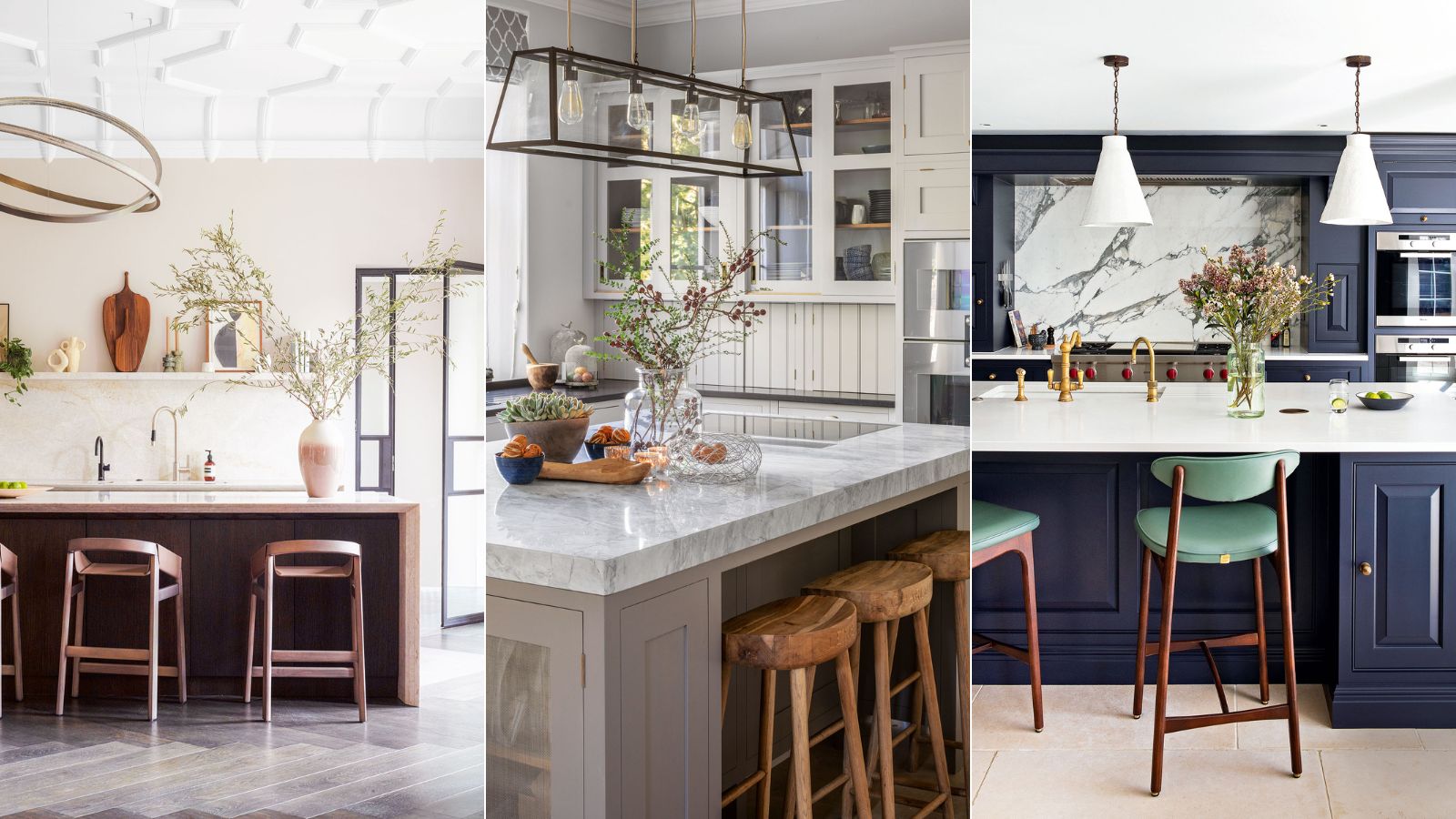
Kitchen island styling ideas – 10 ways to make a practical space look beautiful

7 Simply Amazing Kitchen Islands

Kitchen island ideas – 37 ways to create a fabulous and functional feature

Inspiration and ideas for a kitchen island that delivers big wow factor

37 stunning kitchen island ideas to transform any space into a dream kitchen

Kitchen island ideas – 37 ways to create a fabulous and functional feature

7 kitchen island style ideas that are easy and eye-catching

15 Dreamy Kitchen Island Ideas

Kitchen island ideas – 37 ways to create a fabulous and functional feature
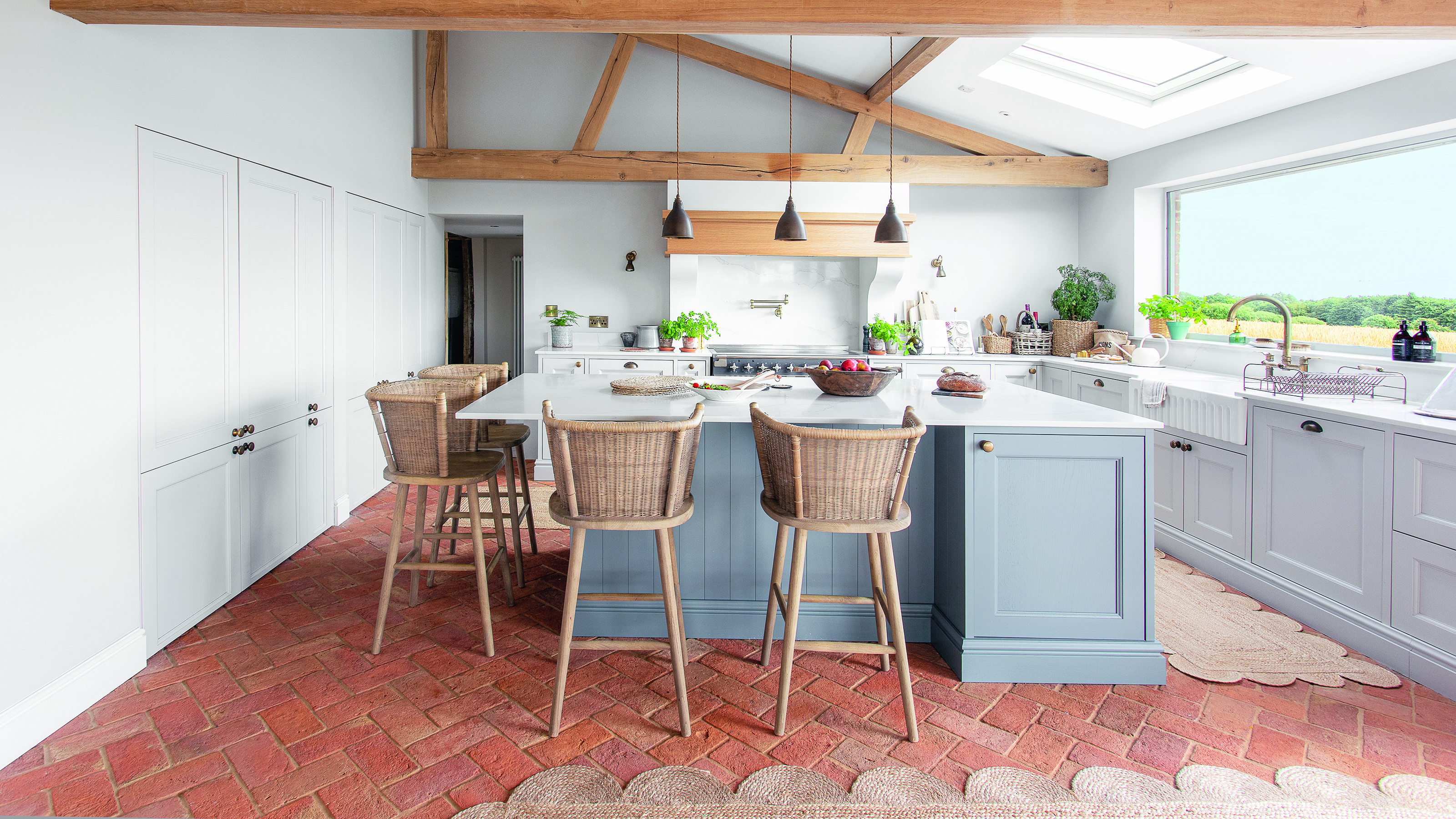
25 kitchen island ideas to make it the most used, and most stylish, area of your cooking space

15 Modern Kitchen Island Ideas

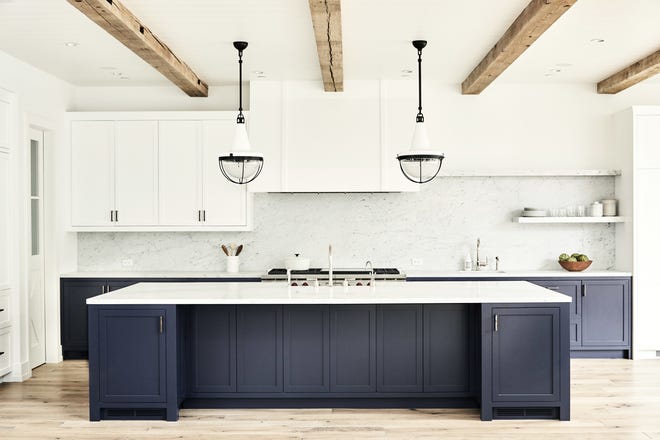
Creating the perfect kitchen island

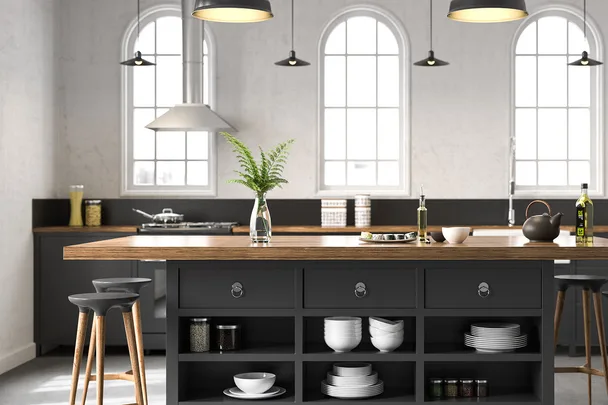
10 inspiring kitchen island design ideas

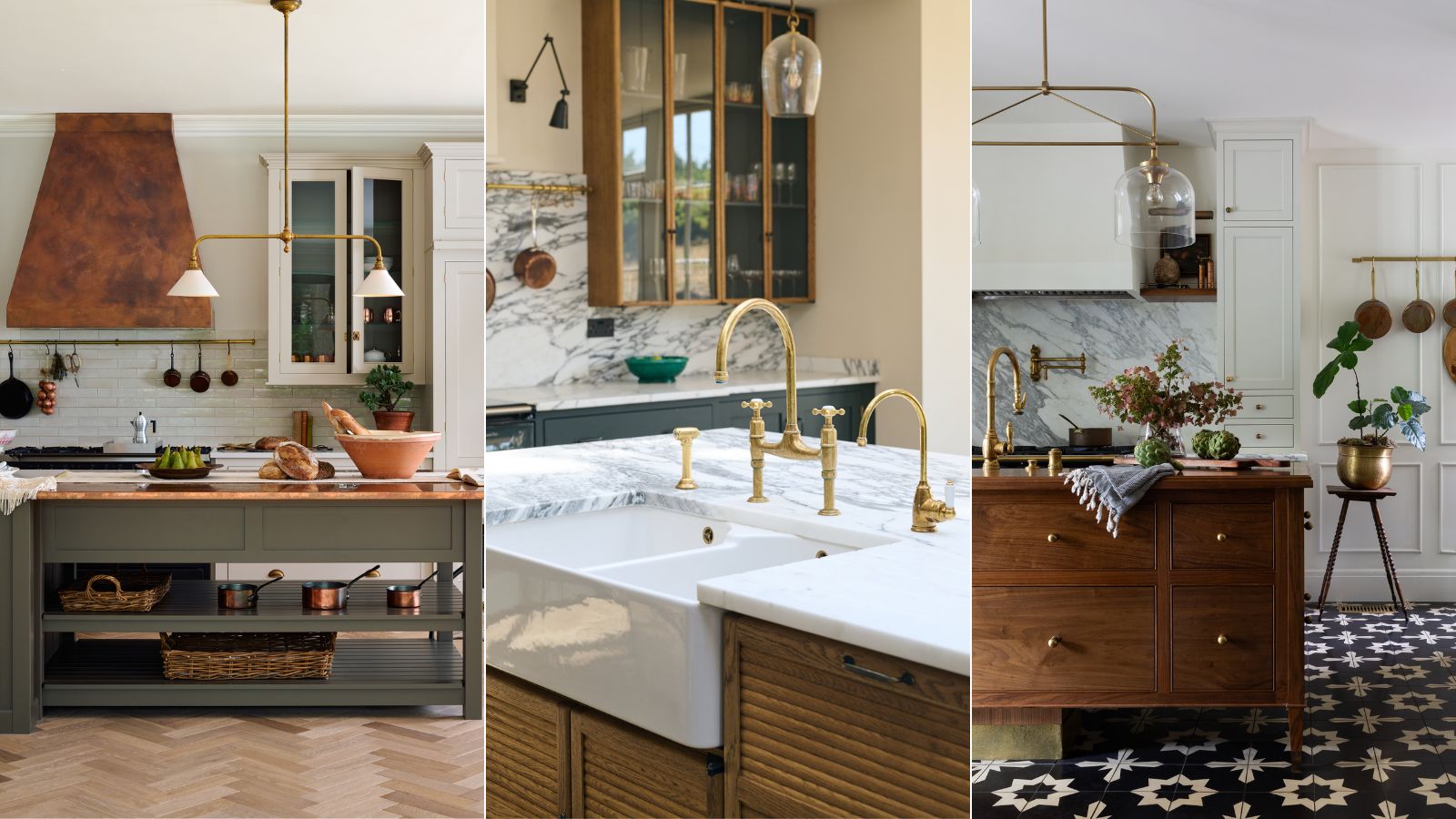
7 successful kitchen island layout ideas experts swear by
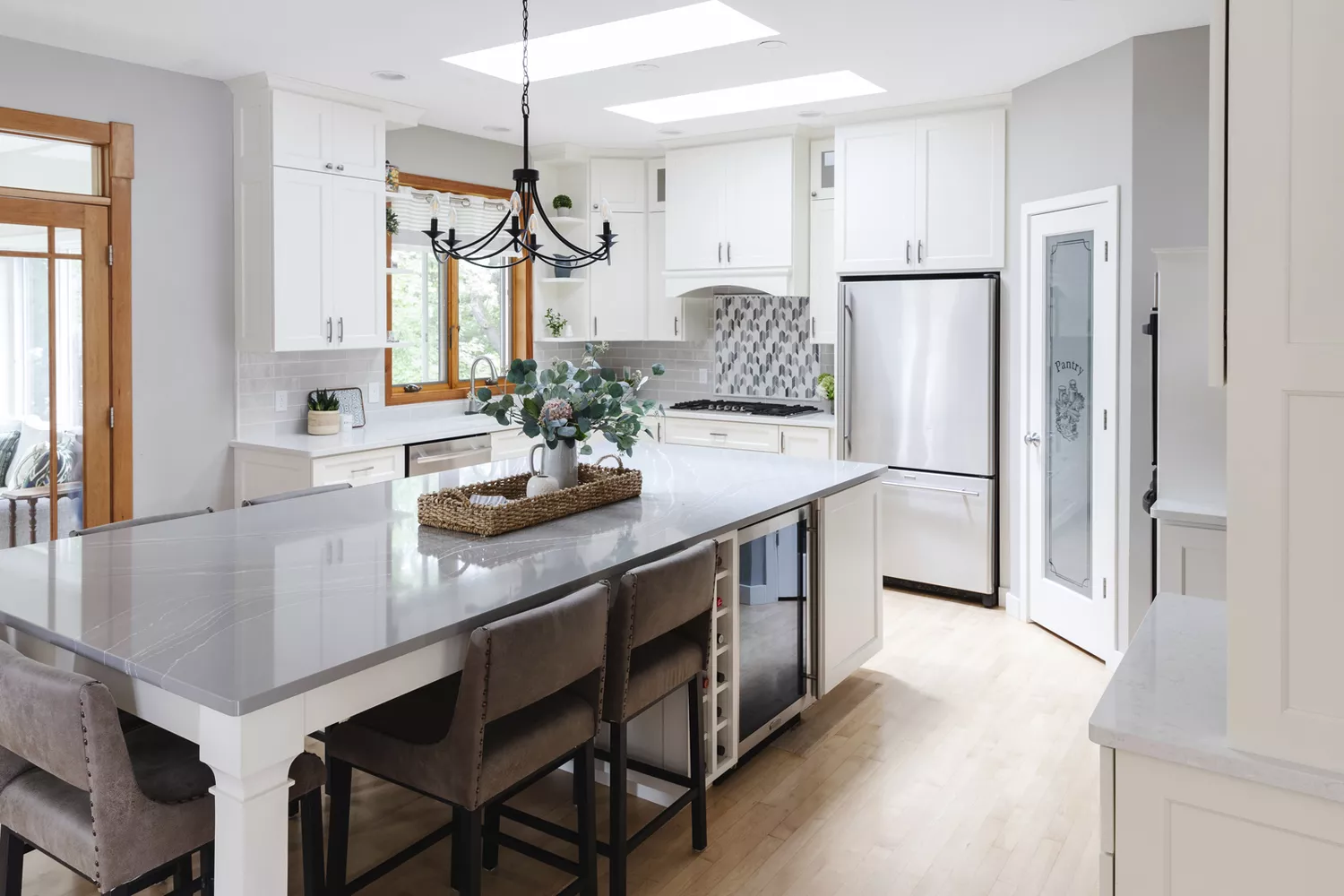
Your Guide to Kitchen Island Centerpiece Ideas and Styling

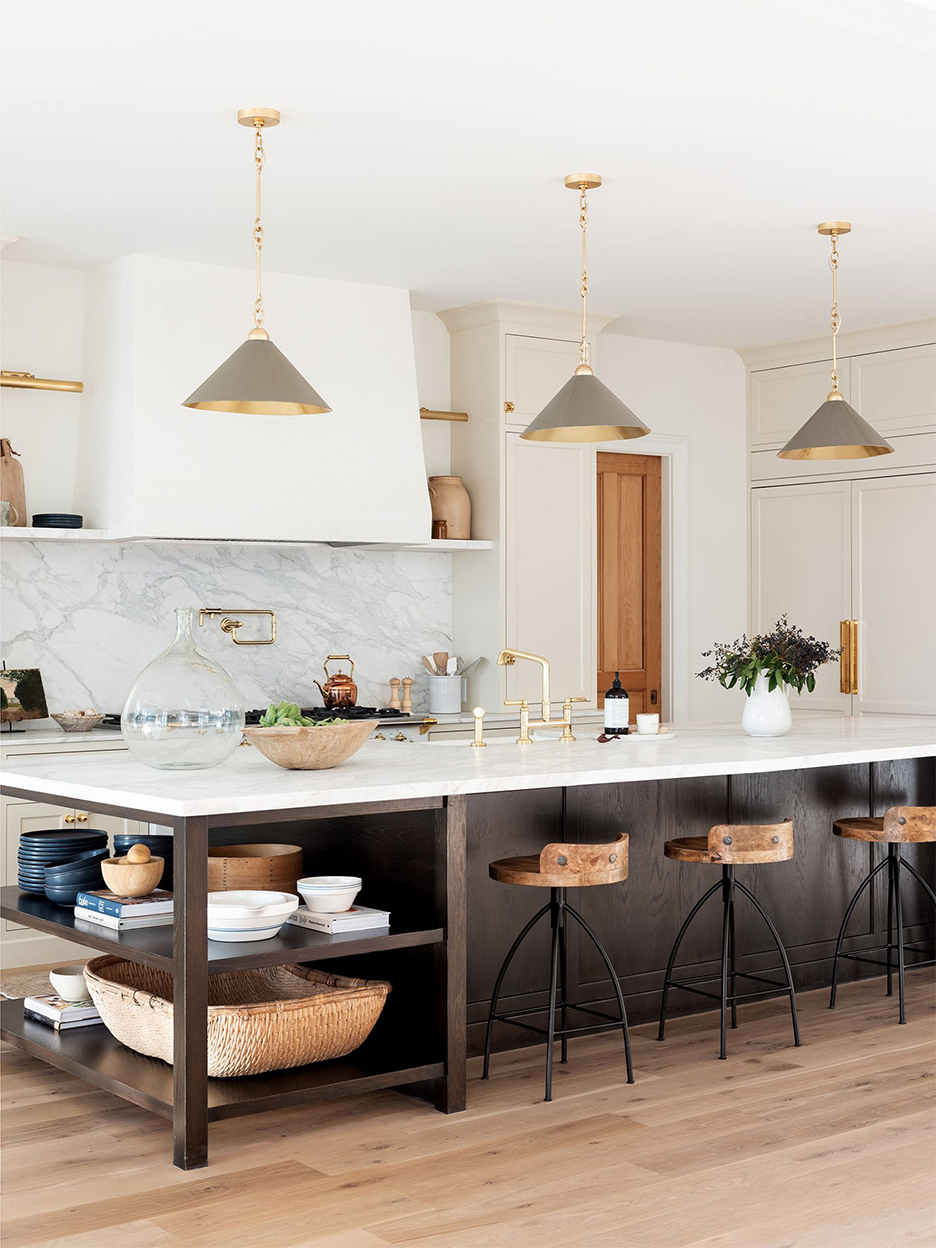
Cleverly Designed Kitchen Islands That Check Off Storage and Seating
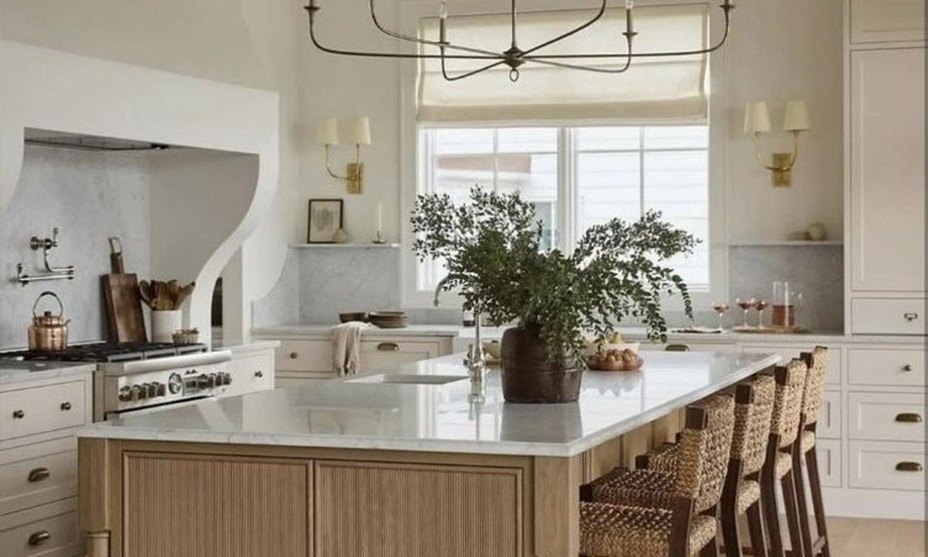
5 Showstopping Kitchen Island Looks That Will Redefine Your Cook Space
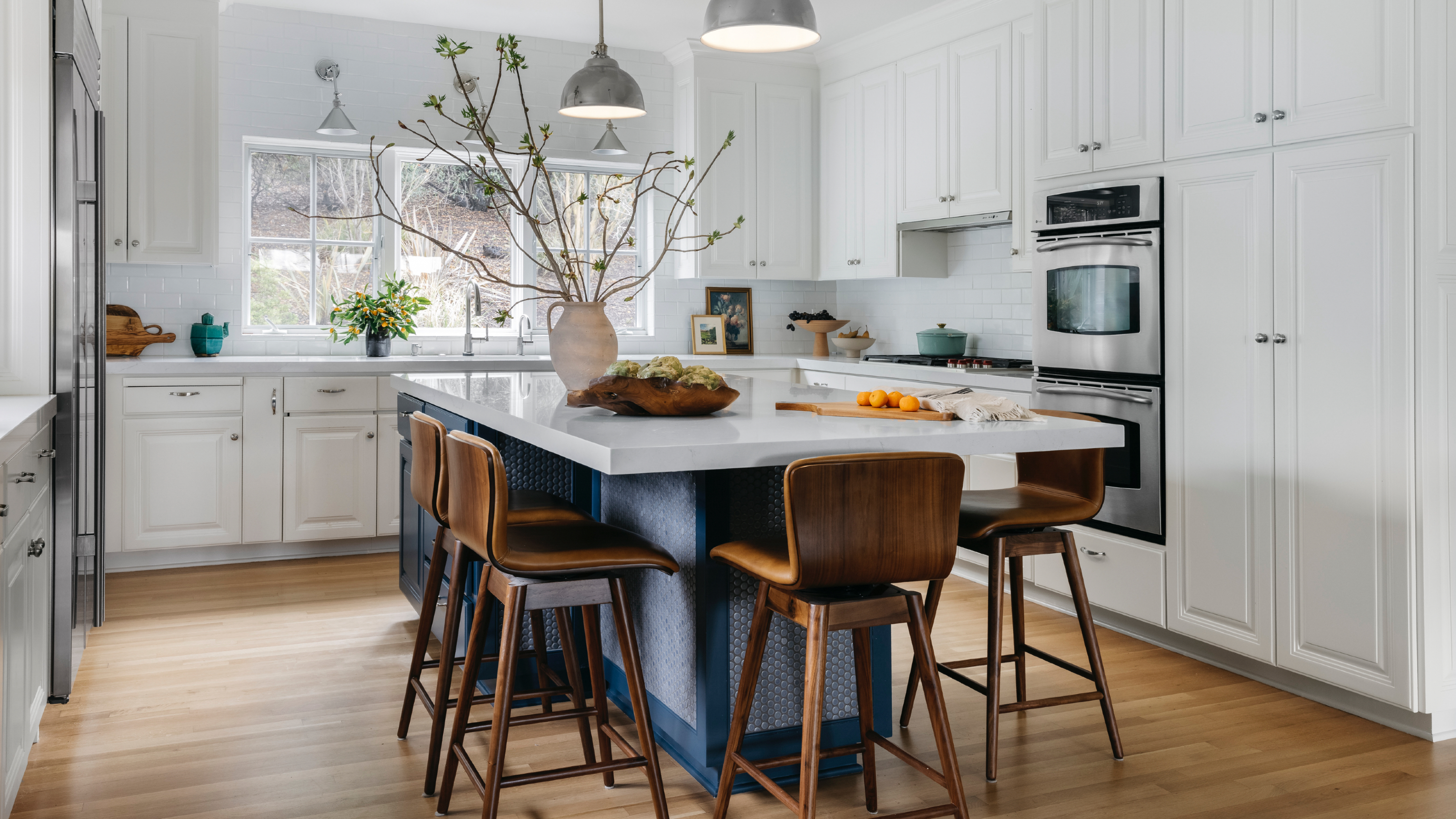
Kitchen island makeover ideas – 10 nifty ways to update this key space
Kitchen island ideas – 24 ways to create a fabulous and functional feature