1/5
Zen master: Carlo Scarpa and Japan's guiding influence
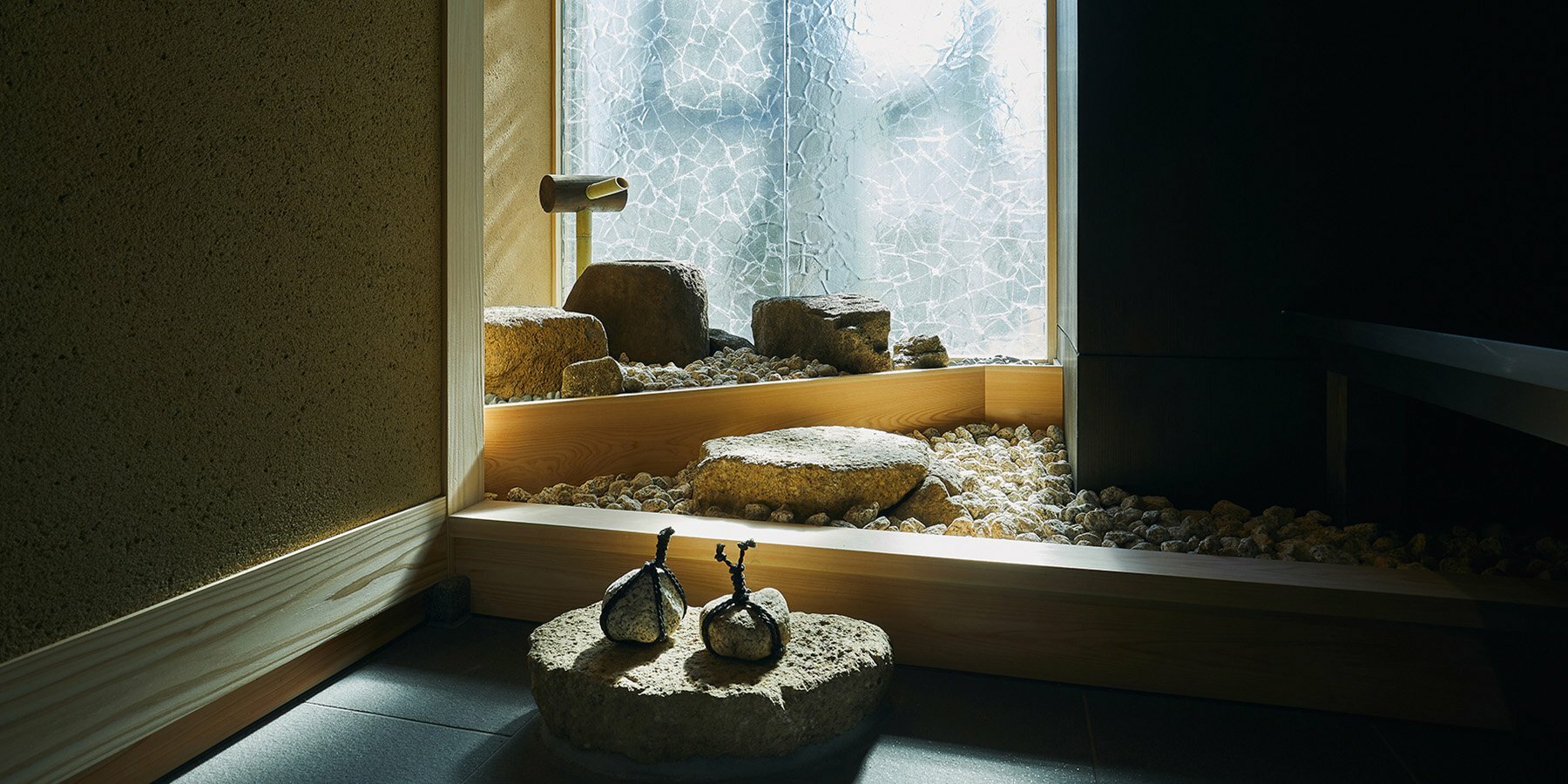
Carlo Scarpa, a distinguished Venetian architect, is widely acknowledged for integrating Japanese aesthetic principles into his architectural works. Although his visits to Japan were limited to two, in 1969 and 1978, the influence of Japanese culture, design, and Zen spiritualism profoundly shaped his creative output. This impact is evident in iconic features across his projects, such as the symbolic interlocking circles at the Brion Cemetery, which represent male/female union and where Scarpa is interred. Other notable examples include the Shoji-esque latticed doors at the Castelvecchio Museum and the stark minimalism of his Olivetti showroom, all demonstrating a deep sensitivity to detail aimed at achieving harmony with natural elements and seasons.
Scarpa's architectural philosophy revolved around a unique synthesis of ancient techniques and modern innovation, a characteristic deeply resonant with post-war Japanese architectural thought. Despite the clear parallels, the extent of Japanese influence on Scarpa's work has traditionally been under-investigated, with earlier documentaries often omitting any mention of this crucial connection. However, long before his initial visit to Japan, Scarpa was exposed to Japonism through the works of artists and architects he admired, including Gustav Klimt and Frank Lloyd Wright, who had already incorporated elements of Japanese aesthetics into their creations. This exposure laid a foundation for his later direct engagement with Japanese culture.
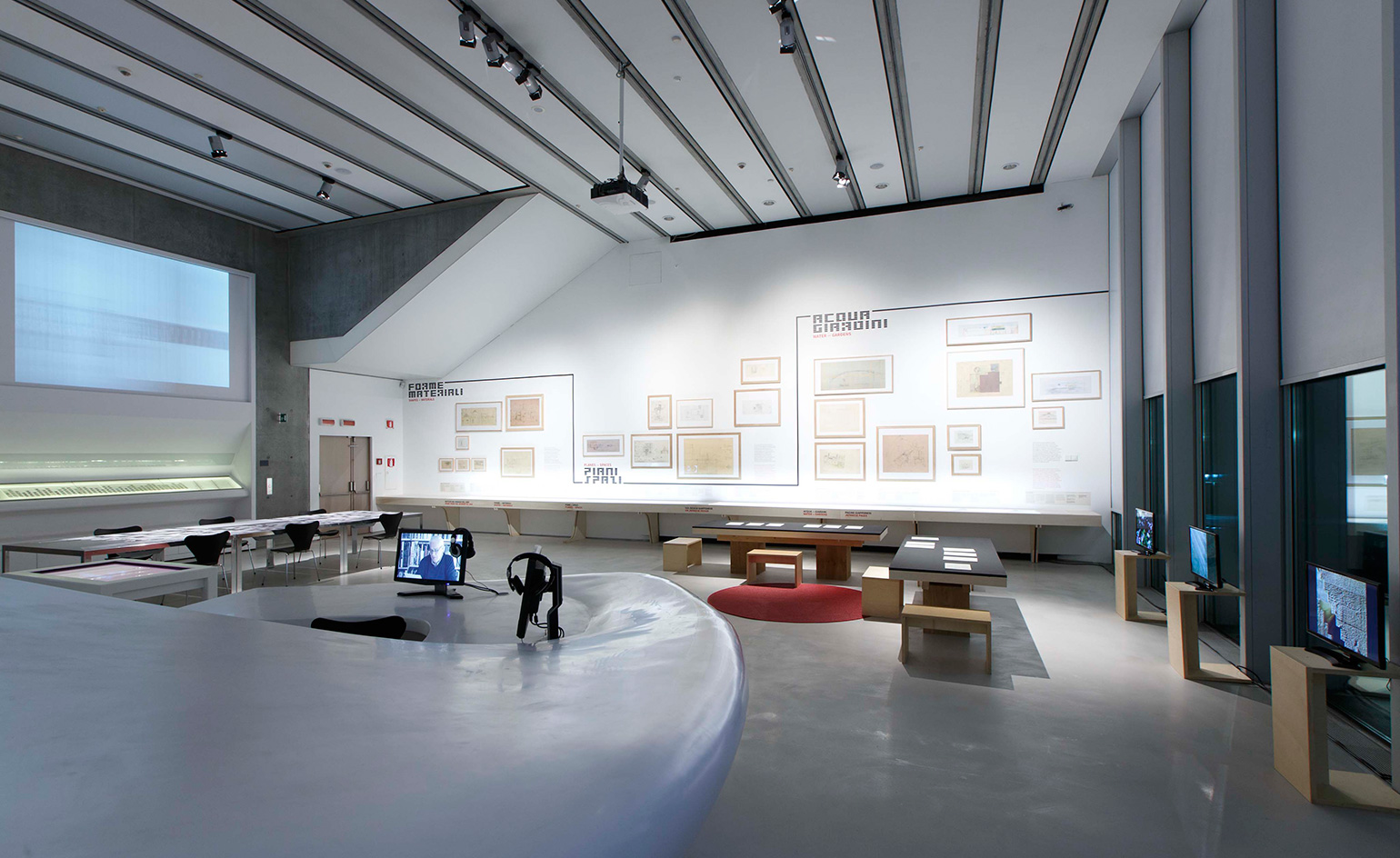
An exhibition at the MAXXI Foundation in Rome, titled 'The Japanese House. Architecture & Life after 1945,' sheds new light on this significant aspect of Scarpa's career. The exhibition features a comprehensive collection of Scarpa’s personal documents, photographs, and library materials, including his decade-long collection of 'Japan Design House' magazines. It also displays books on Japan by Fosco Maraini and Mario Gromo, which served as travel guides and contain Scarpa's own annotations and reflections, offering intimate insights into his thought process and inspirations.
A revealing interview conducted just a month before his final, fateful trip to Japan in 1978 captures Scarpa's own acknowledgment of this profound connection. He stated, "Yes, I am very much influenced by Japan, and not just because I visited it, but because even before I went there, I admired their essentiality and above all their supreme good taste. What we call good taste is present everywhere in Japan." This statement underscores his admiration for the inherent elegance and essential nature he perceived in Japanese design and culture.
This focused exploration of Scarpa’s relationship with Japan provides fresh perspectives on one of the 20th century's most influential architects and his lasting legacy. Furthermore, it contributes significantly to a broader understanding of the cultural exchange between East and West during the last century, illustrating how cross-cultural influences can inspire groundbreaking architectural innovation.
#CarloScarpa #JapaneseInfluence #Architecture #MAXXIFoundation #BrionCemetery #CastelvecchioMuseum #Japonism #ArchitecturalHistory #CulturalExchange #CarloScarpa #JapaneseInfluence #Architecture #MAXXIFoundation #BrionCemetery #CastelvecchioMuseum #Japonism #ArchitecturalHistory #CulturalExchange
 Aún no hay comentarios
An Expert Guide to Japanese Zen Gardens
Take your worries away: How Zen garden can become your daily dose of mindfulness | Hindustan Times

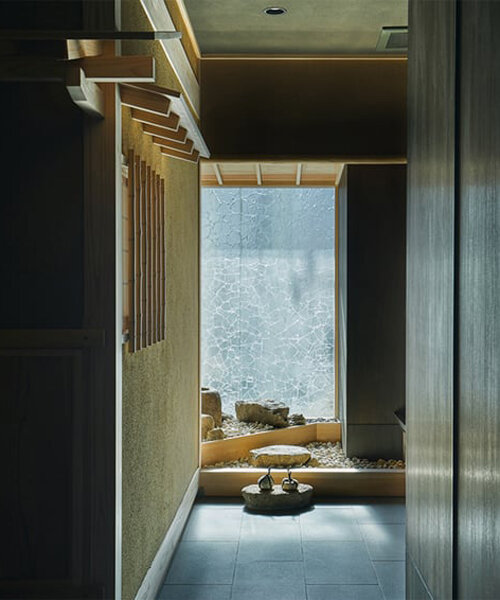
sunaba's zen, nature-infused japanese tearoom fosters sense of spirituality in urban tokyo
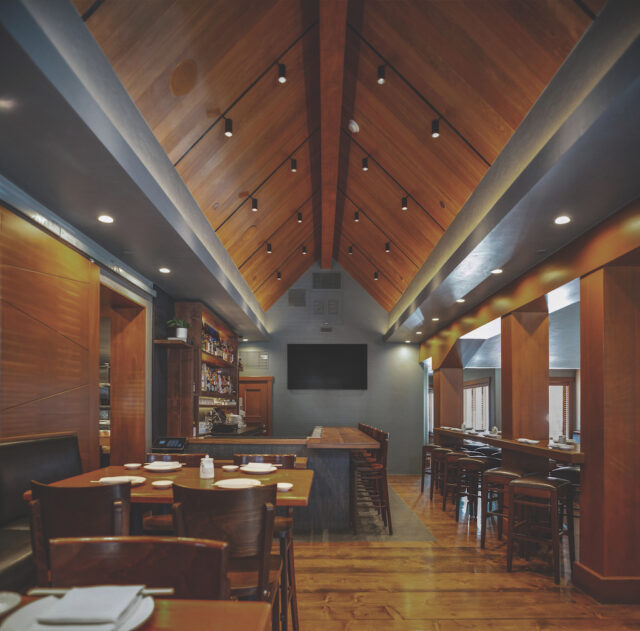
Matsuhisa’s Zen Palate

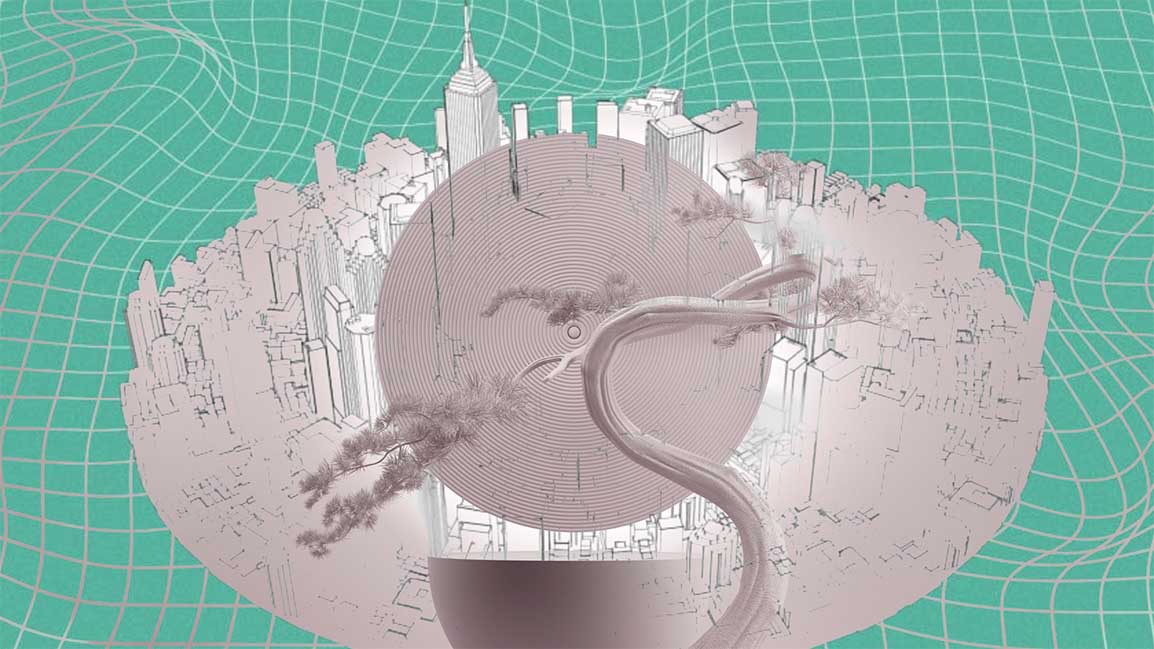
Can Middle East designers bring zen to spaces with Japanese aesthetics?
More than just rocks: Symbolic meanings behind common Zen garden elements | Hindustan Times