1/9
Wall art trends – interior designers on the new ideas to watch for in 2023 and beyond
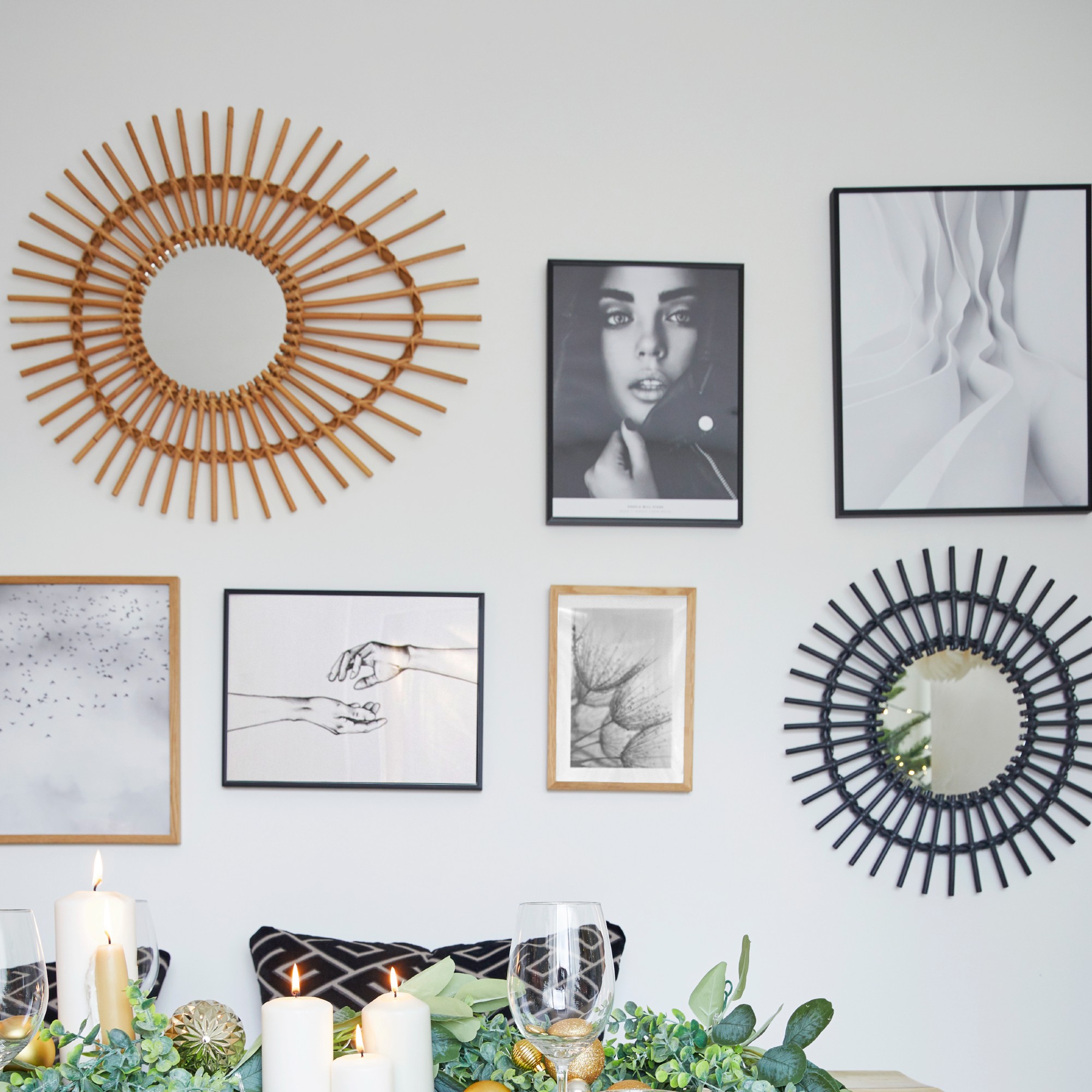
The article explores current and emerging wall art trends, emphasizing art's crucial role in interior design. It highlights how art, often a significant investment, shapes the mood, texture, and personality of a home. Designers such as Amy Lau and Natalia Miyar view art as a foundational element, using it to introduce color and build a cohesive design narrative. The piece focuses on several key trends that are gaining traction or experiencing a resurgence in popularity.
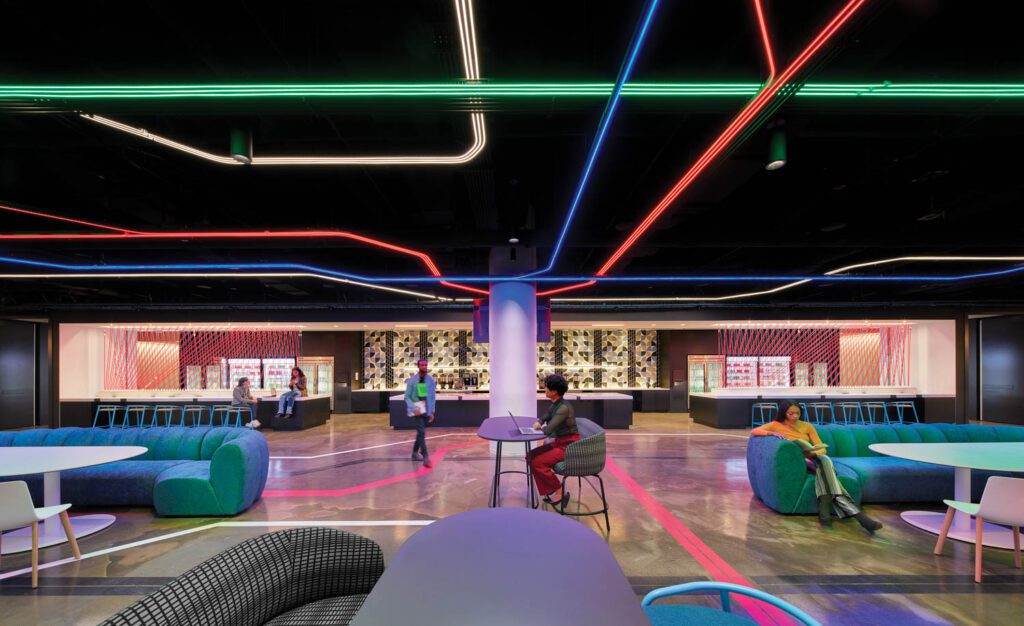
One prominent trend is the revival of vintage neon signs, which add a distinctive character and retro charm to interiors. Originating from advertisements in the 1960s, these brightly lit artworks are now seeing a boom, partly fueled by social media platforms like TikTok. Designers like Molly Torres Portnof utilize custom neon signs to create visual interest and infuse energy into living spaces, demonstrating how they can be tastefully integrated into modern decor.
Textured tapestries and wall hangings are another significant trend, moving beyond their traditional associations to find a place in contemporary settings. Designers, including Pablo López Navarro of Casa Josephine, are incorporating textiles like patchwork, Asian textiles, and historical tapestries to bring warmth, coziness, and depth to rooms. This approach challenges the conventional use of tapestries, proving their versatility in blending with modern pieces and creating a unique aesthetic.
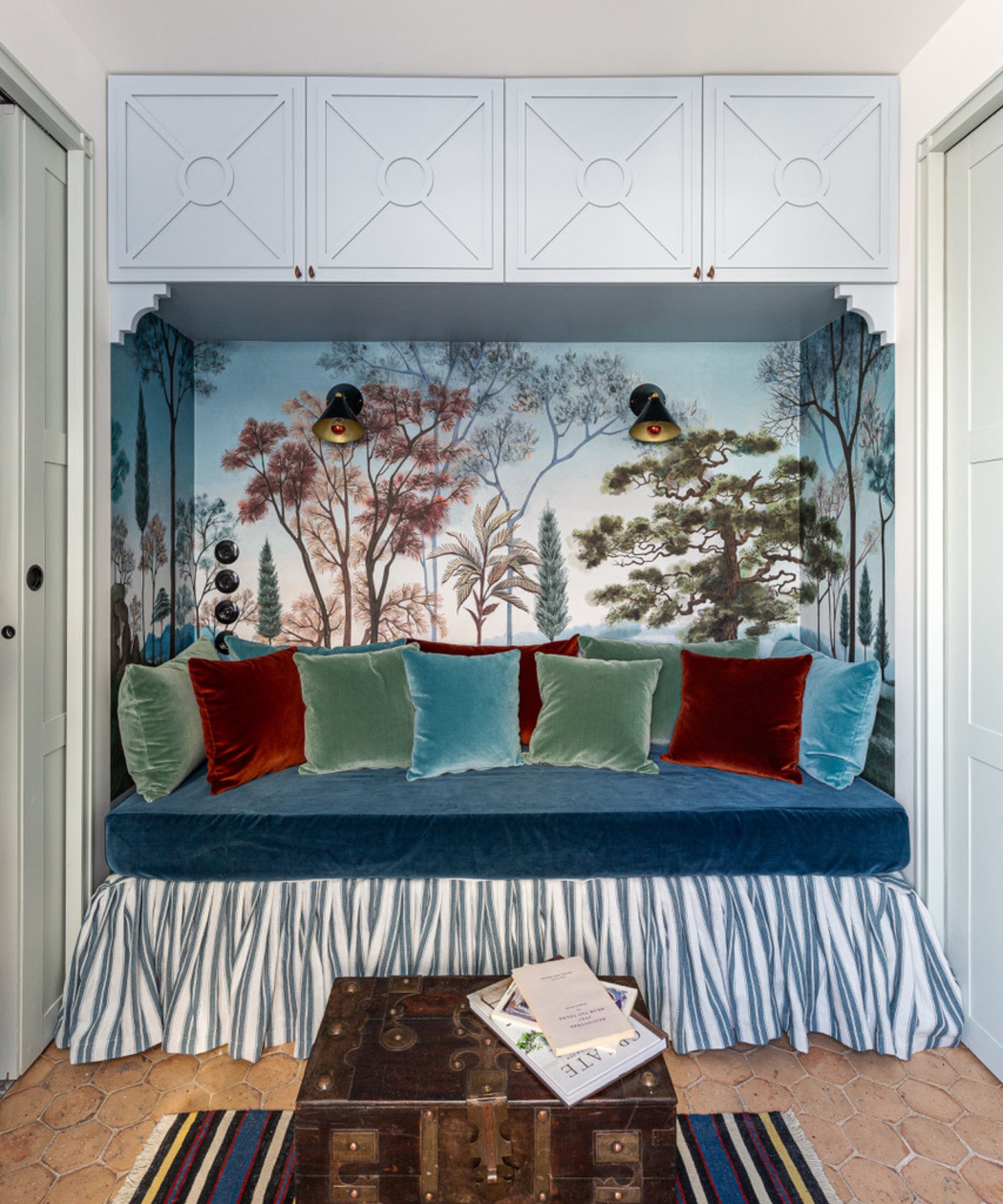
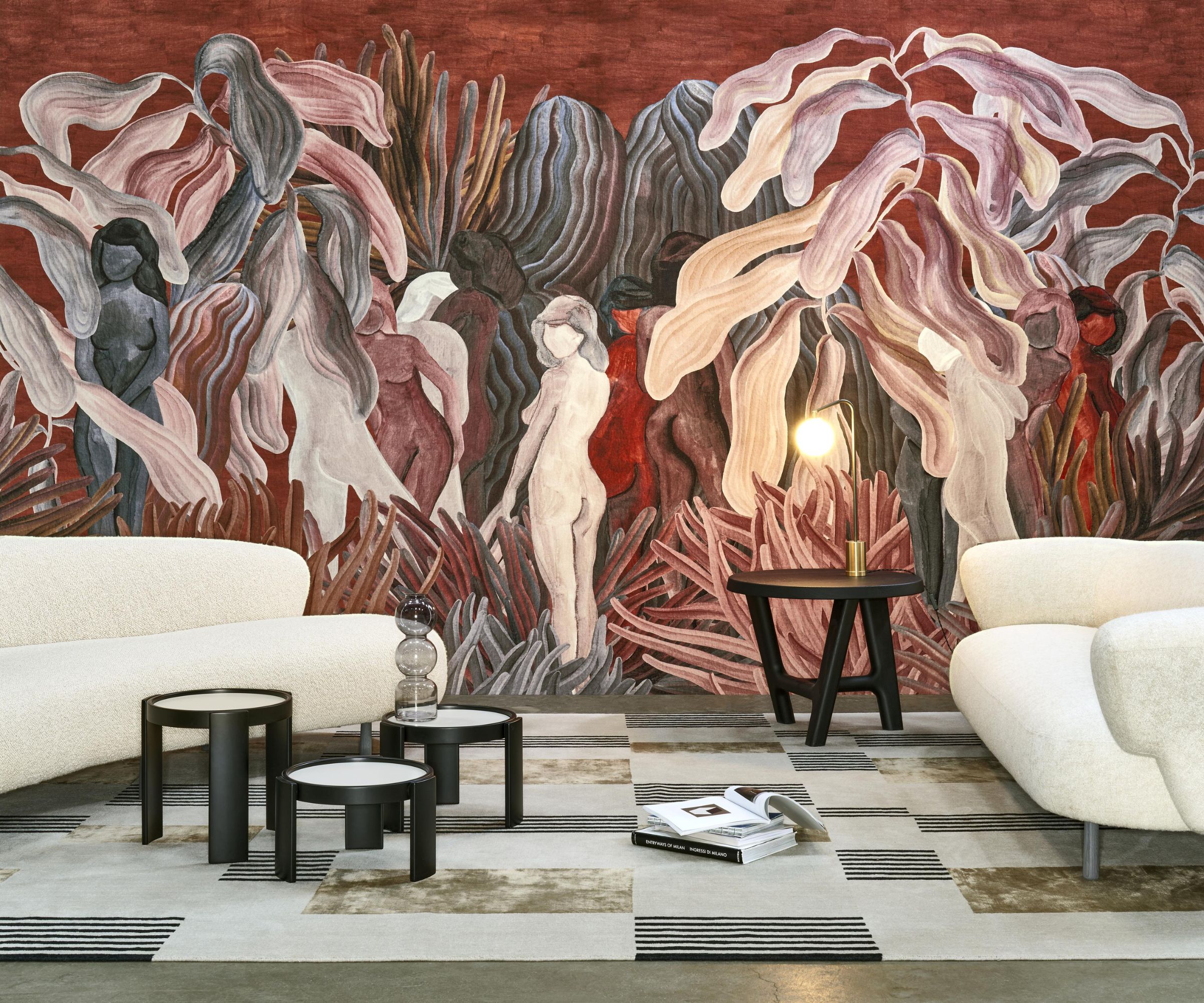
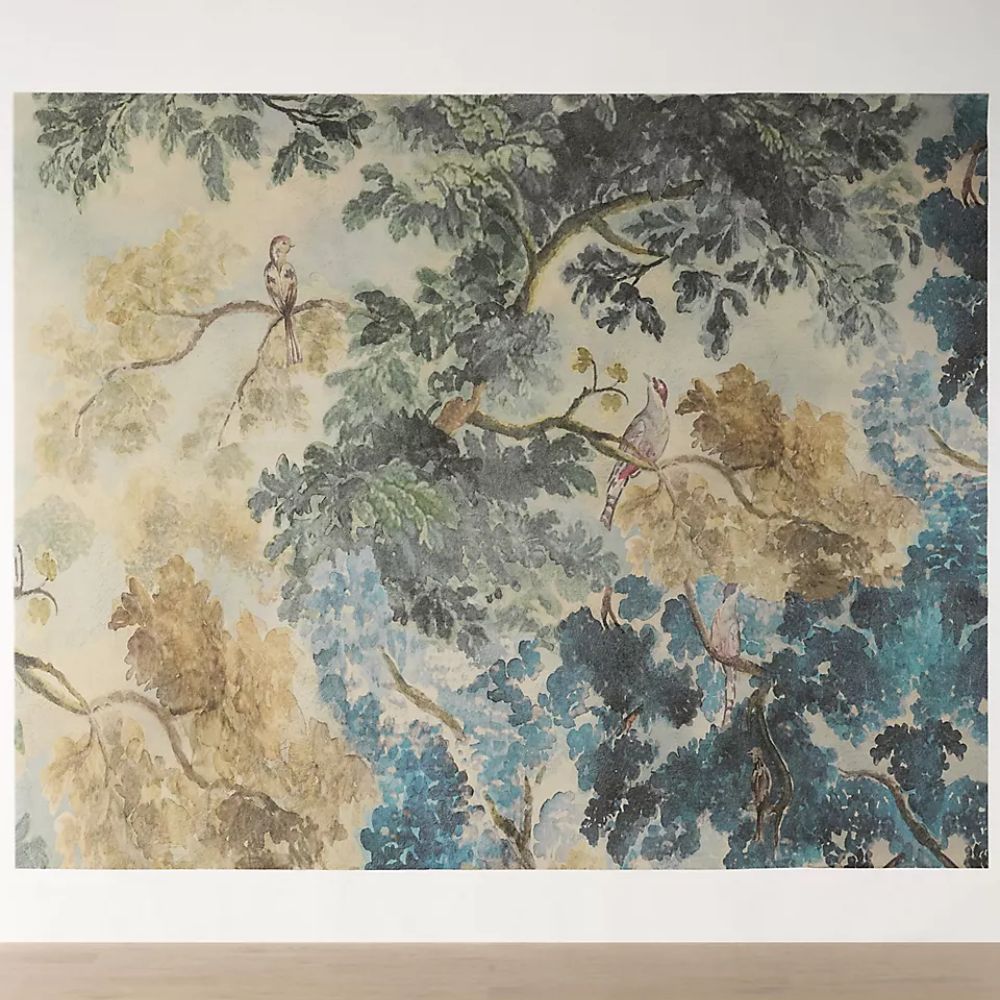
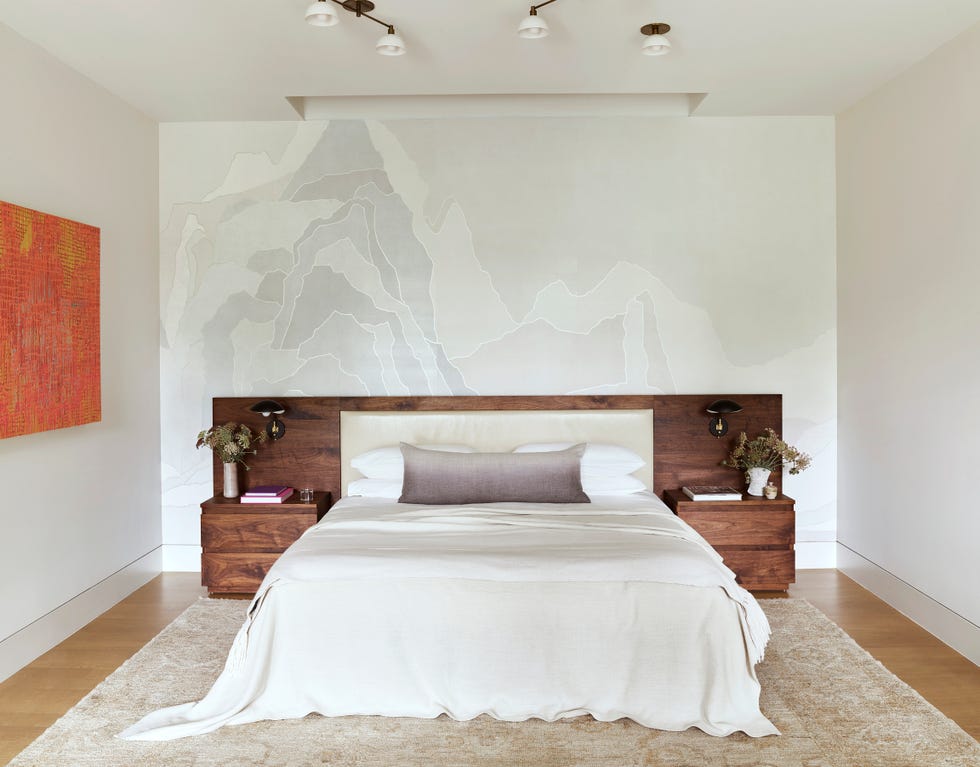
The article also discusses the growing interest in line-drawn frescos, which transform walls into canvases for minimalist and elegant art. By eliminating traditional framing, these murals, exemplified by the work of Florence Bamberger, offer an architectural and graphic quality, reflecting the surrounding environment or specific design inspirations. This trend provides a unique, personalized artwork that becomes an integral part of the interior's structure.
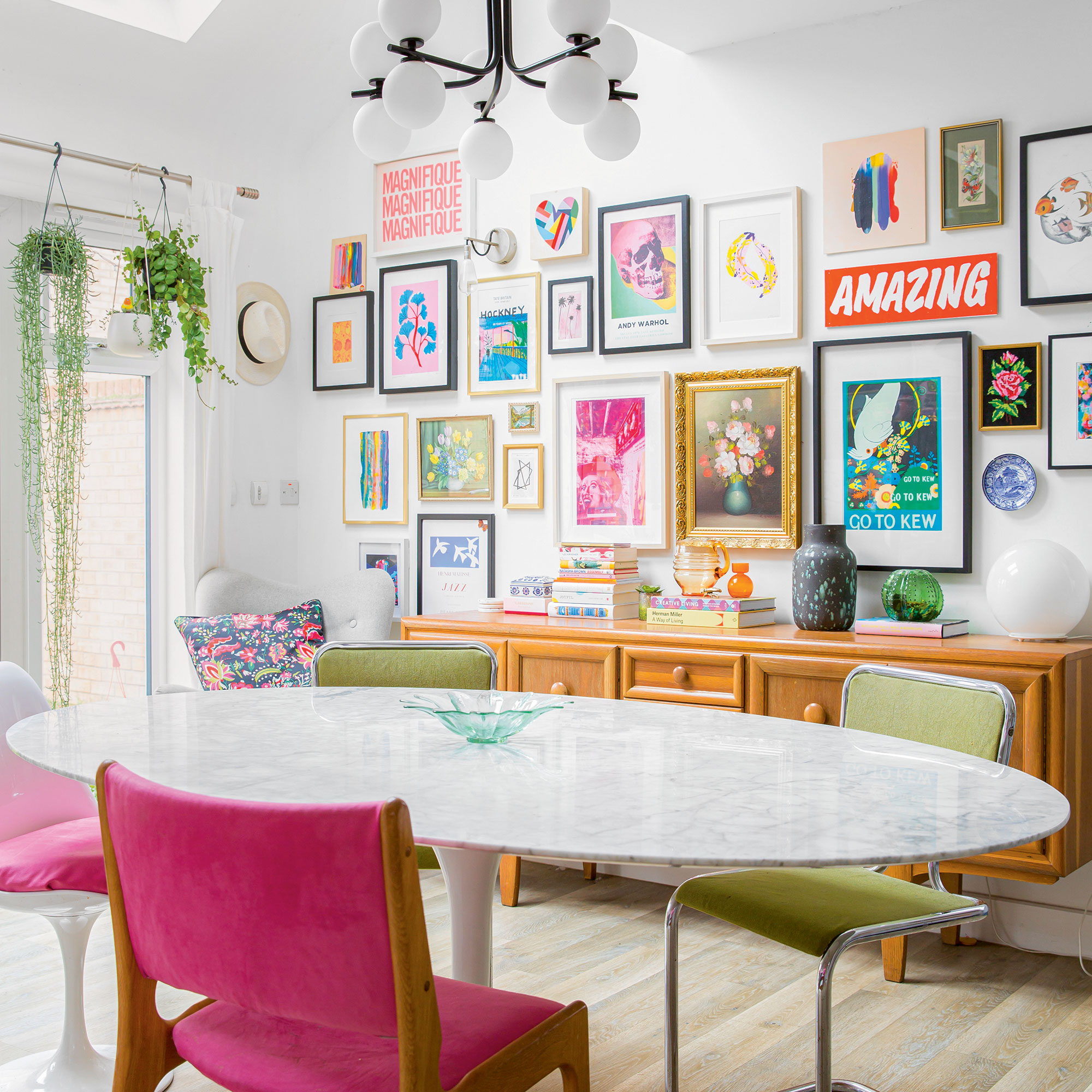
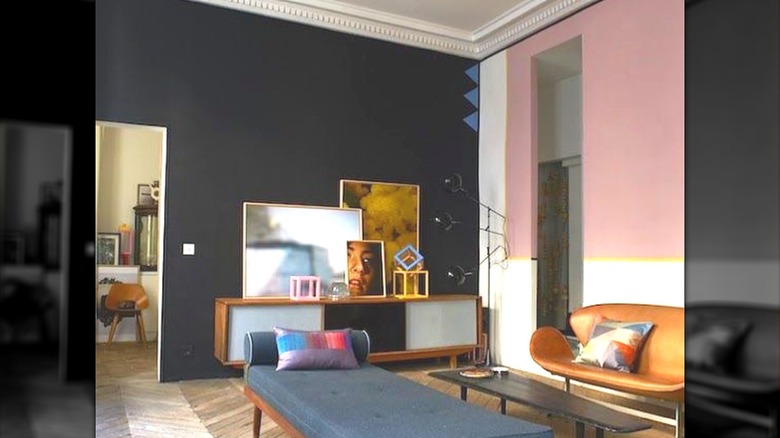
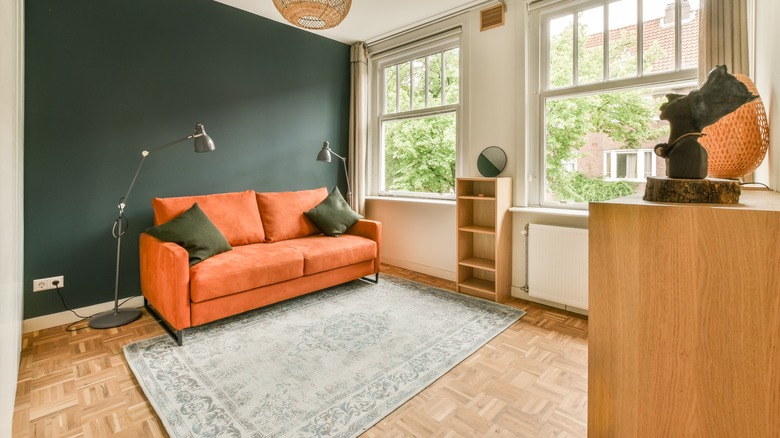
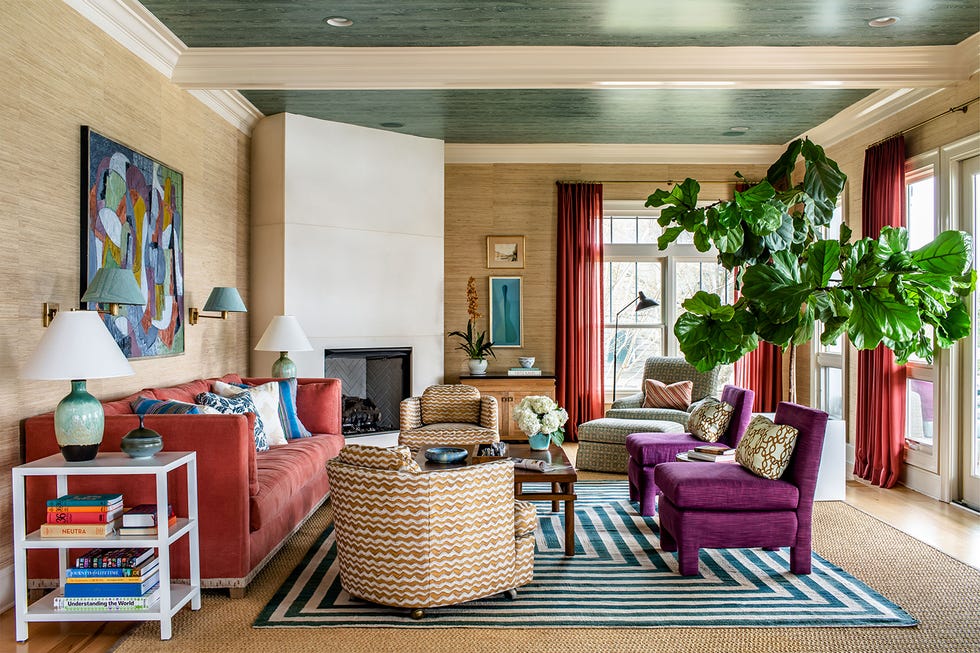
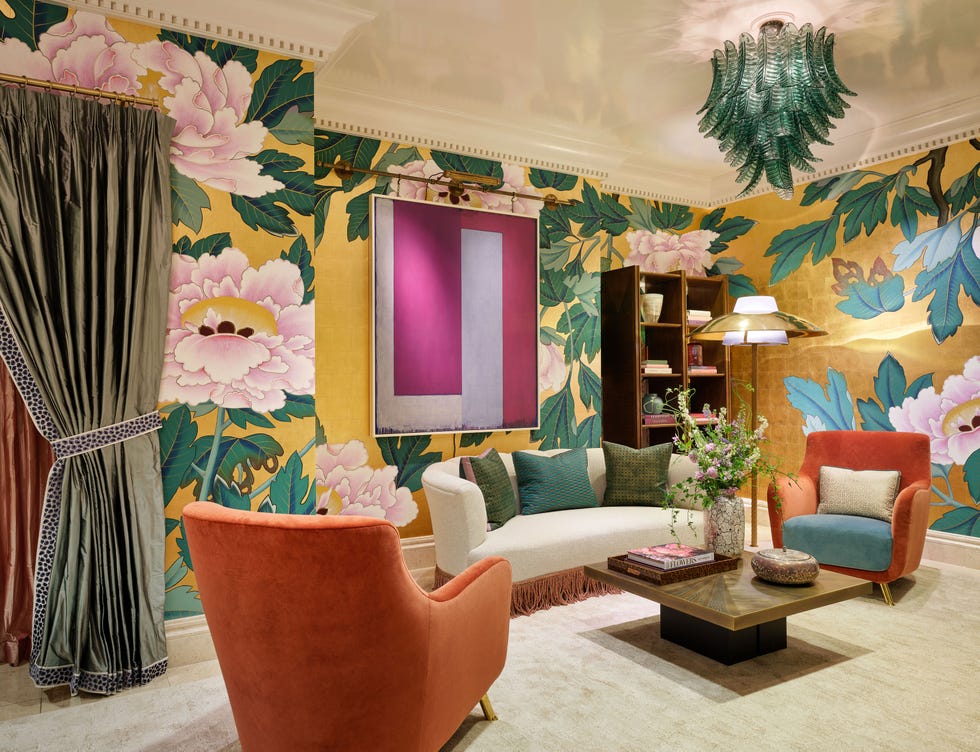
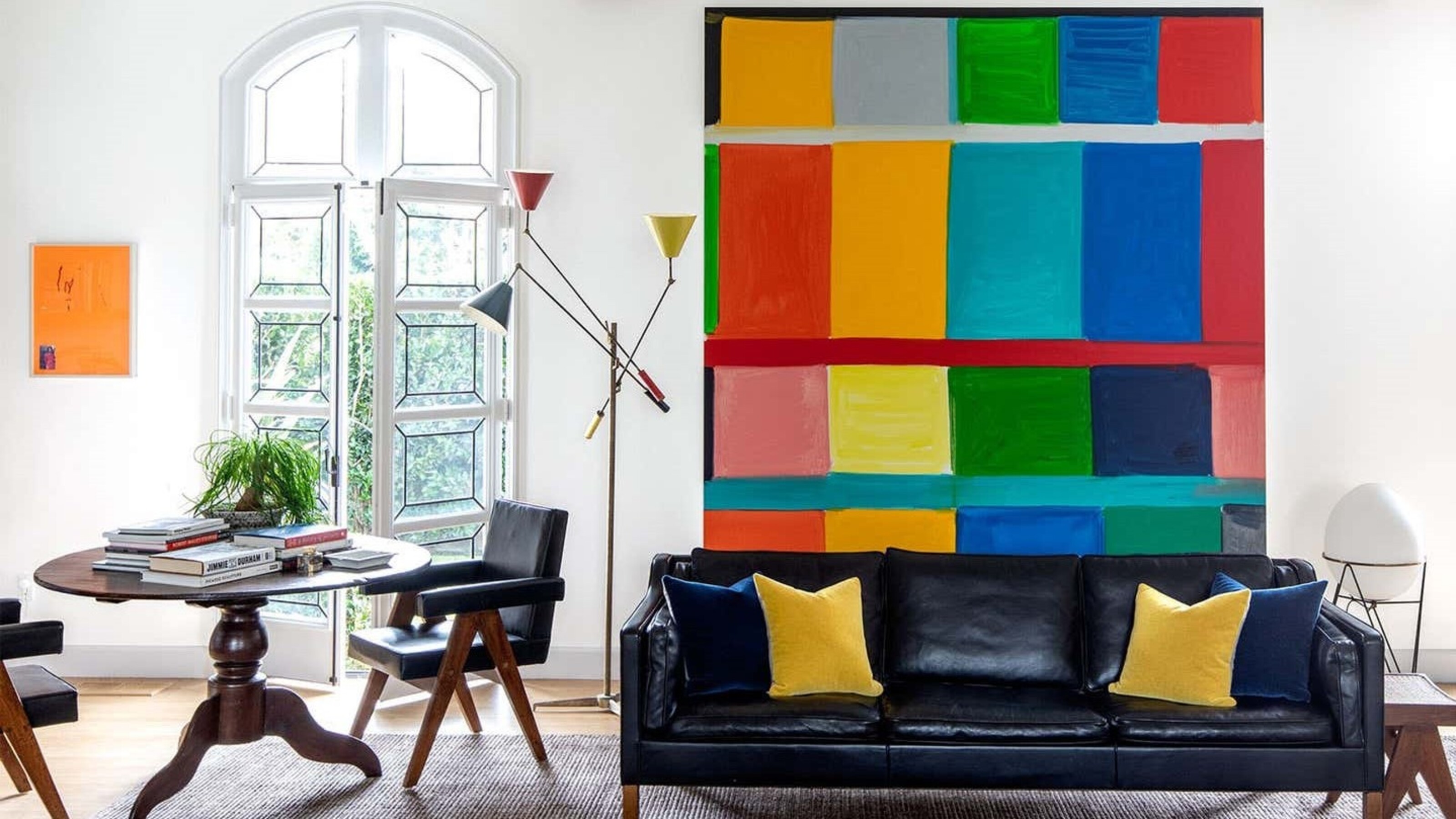
Abstract and colorful art is presented as a strong trend, driven by its psychological impact and ability to uplift spirits. Celine Erlam from Indie & Co notes that clients are increasingly seeking vibrant, block-color prints to brighten their schemes. The article advises thoughtful integration of these pieces, ensuring they either complement or deliberately contrast with the room's existing color palette to create focal points.
The use of colorful art to invigorate subdued or neutral palettes is highlighted as a strategic design choice. Mead Quin’s design, featuring a Damien Hirst piece in a white room, illustrates how bold art can provide expression and personality within a restrained interior. This allows homeowners to invest in art that holds personal meaning, regardless of the artist's renown, as a means of personal expression.
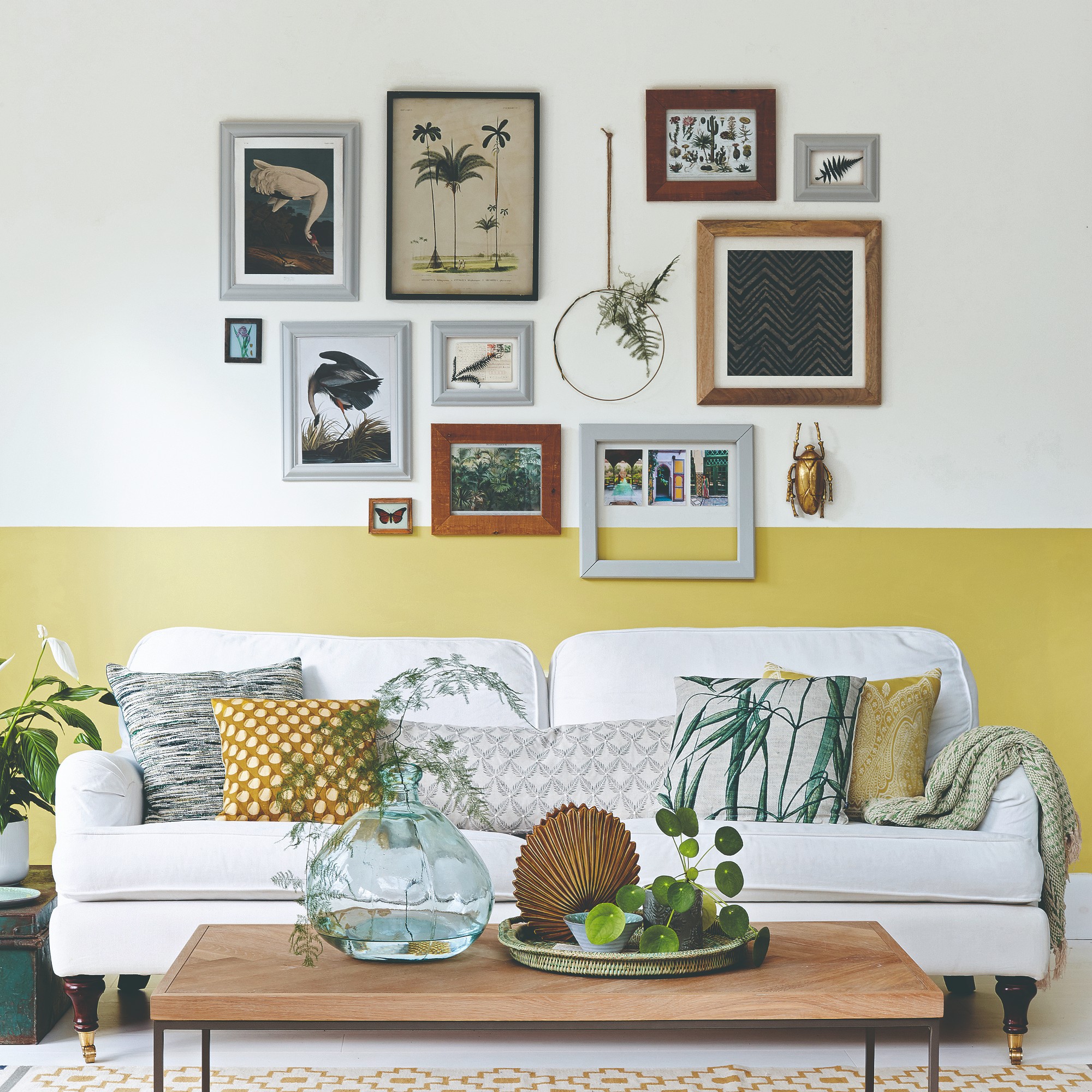
The growing emphasis on establishing personal art collections, rather than solely focusing on well-known pieces, is also discussed. Kati Curtis encourages homeowners to collect art that resonates with them, including affordable finds from charity shops or antique stores. This approach prioritizes personal narrative and style, allowing individuals to curate a diverse collection that reflects their life experiences and artistic preferences.
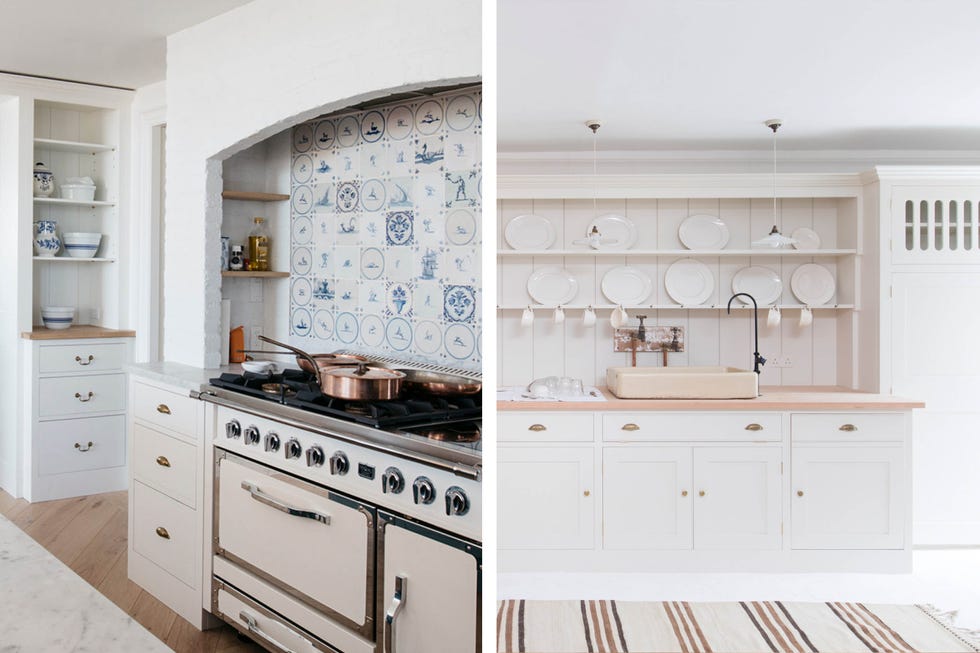
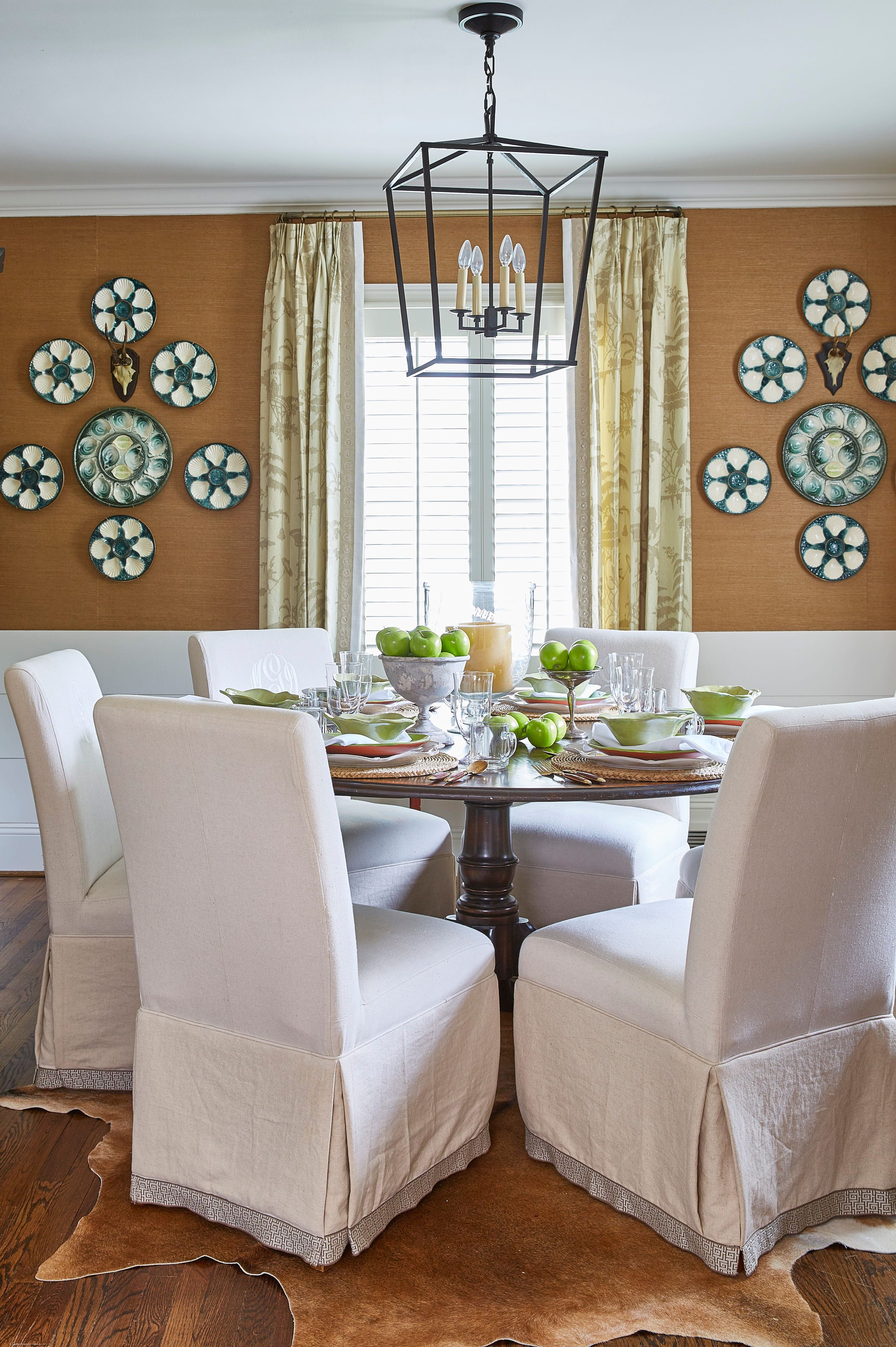
Ceramic wall art, featuring tastefully hung plates and bowls, offers a rustic yet modern aesthetic. This trend, seen in high-profile homes like Gwyneth Paltrow's, brings texture and a sense of local craftsmanship to interiors. Pablo López Navarro explains that this trend evokes traditional decoration while maintaining a contemporary feel, conveying casualness and relaxation through handmade ceramics.
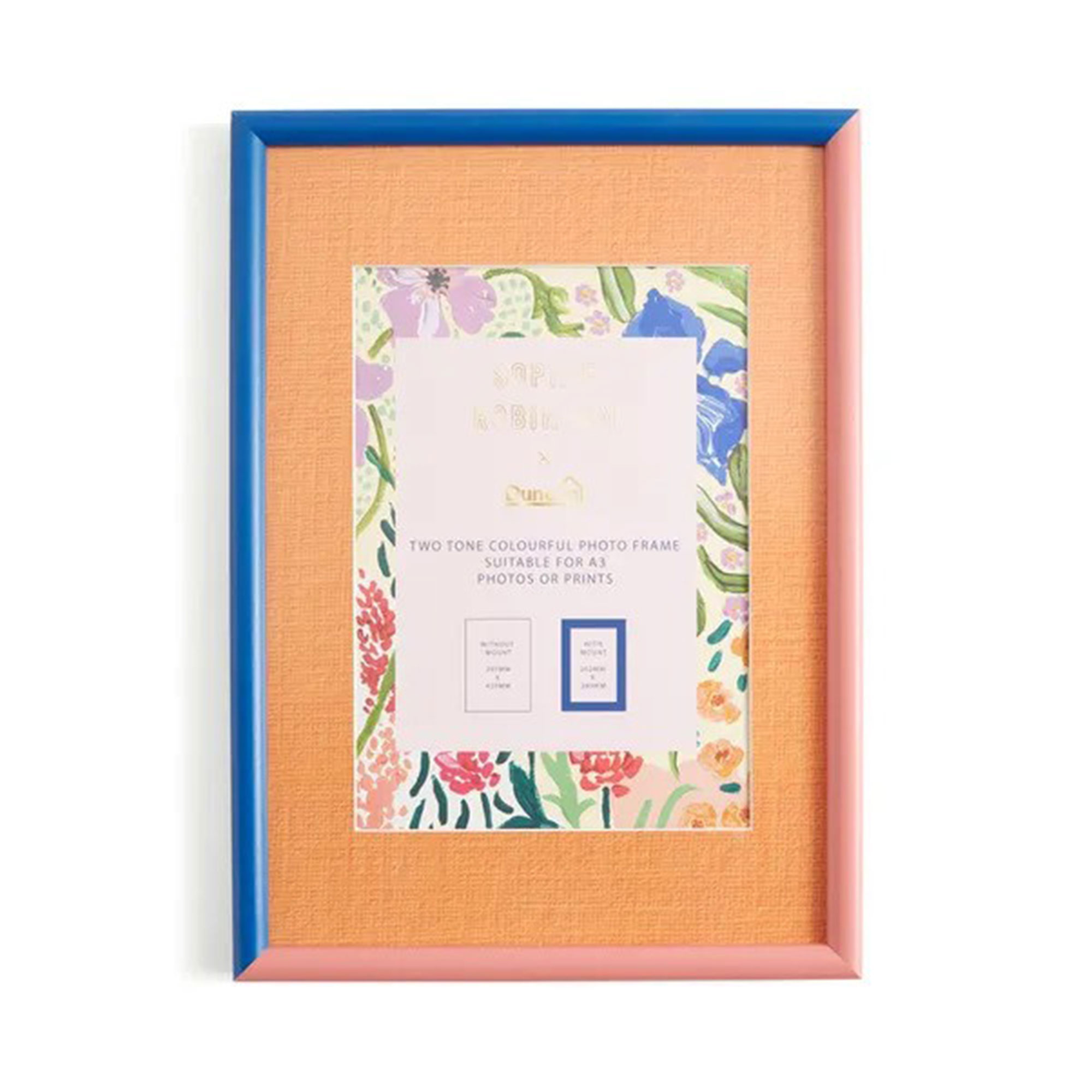
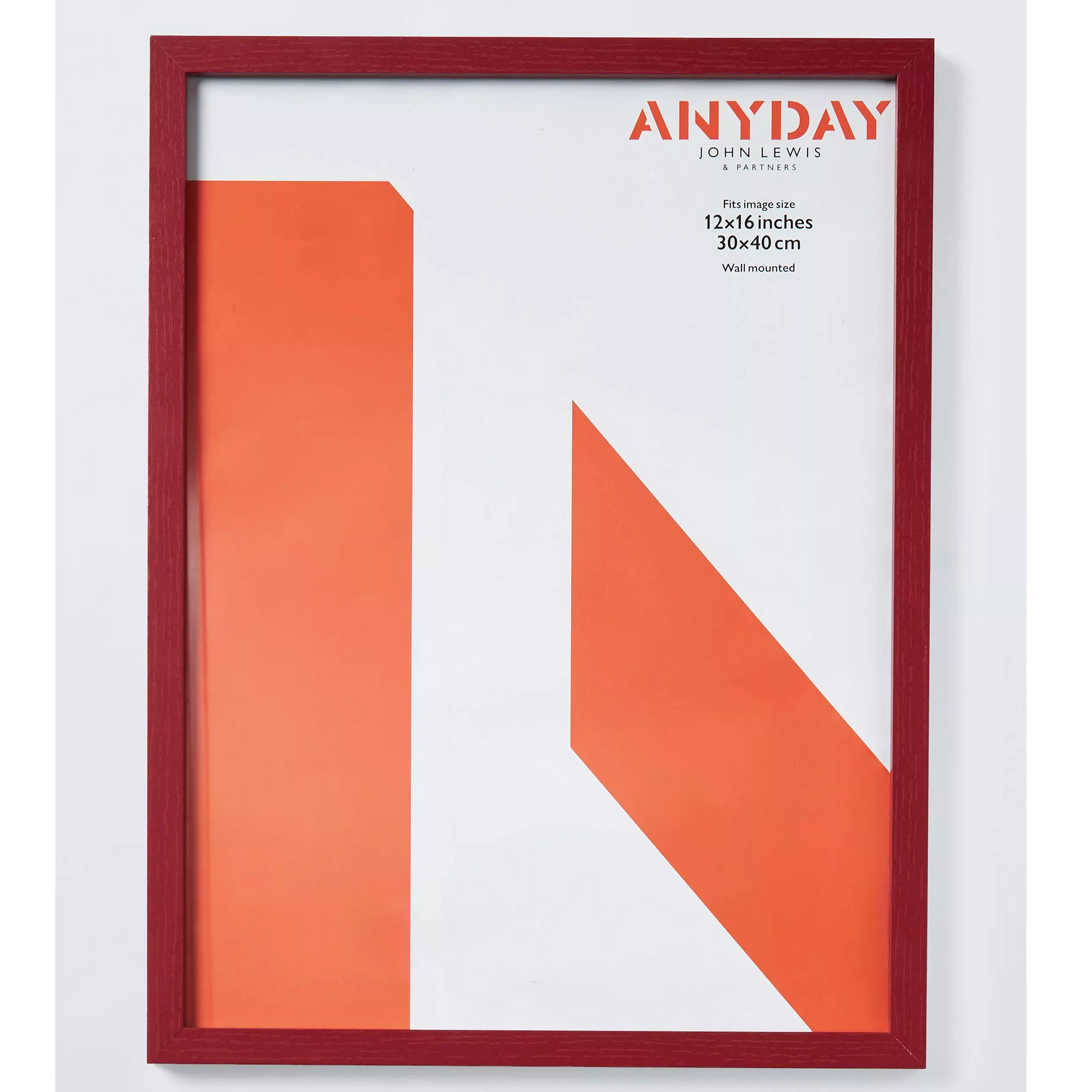
Finally, the article touches upon the trend of incorporating tongue-in-cheek and playful wall art, aligning with a broader appreciation for kitsch and vintage styles. Designs like Studio HÁM's colorful Andy Warhol-inspired kitchen piece demonstrate how art can introduce humor and upliftment. The article concludes by stressing the importance of adventurous framing, suggesting that mixed frames and thoughtful use of negative space can enhance each artwork's identity and visual impact.
#WallArtTrends #InteriorDesign #HomeDecor #NeonSigns #Tapestries #FrescoArt #AbstractArt #ArtCollection #CeramicArt #WallArtTrends #InteriorDesign #HomeDecor #NeonSigns #Tapestries #FrescoArt #AbstractArt #ArtCollection #CeramicArt
Hay 0 comentarios en total
 Aún no hay comentarios
También te puede gustar
Interior Design Trends to Know in 2023—And What’s on Its Way Out
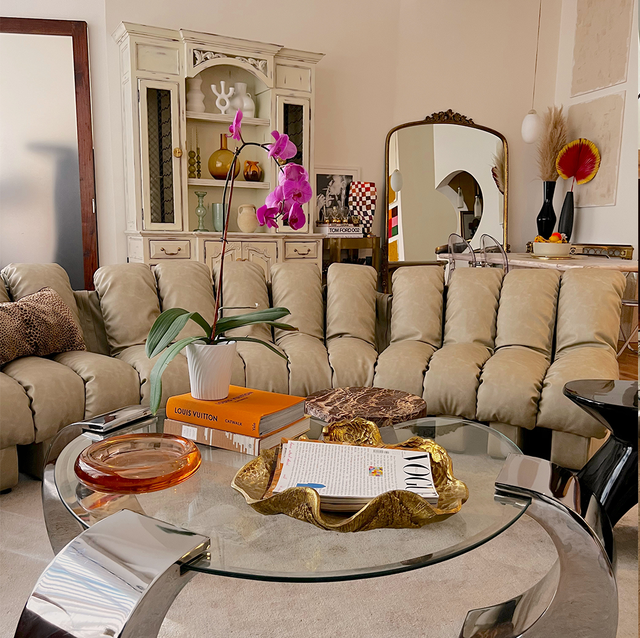
You’re About to See These 2023 Interior Design Trends All Over Your FYP
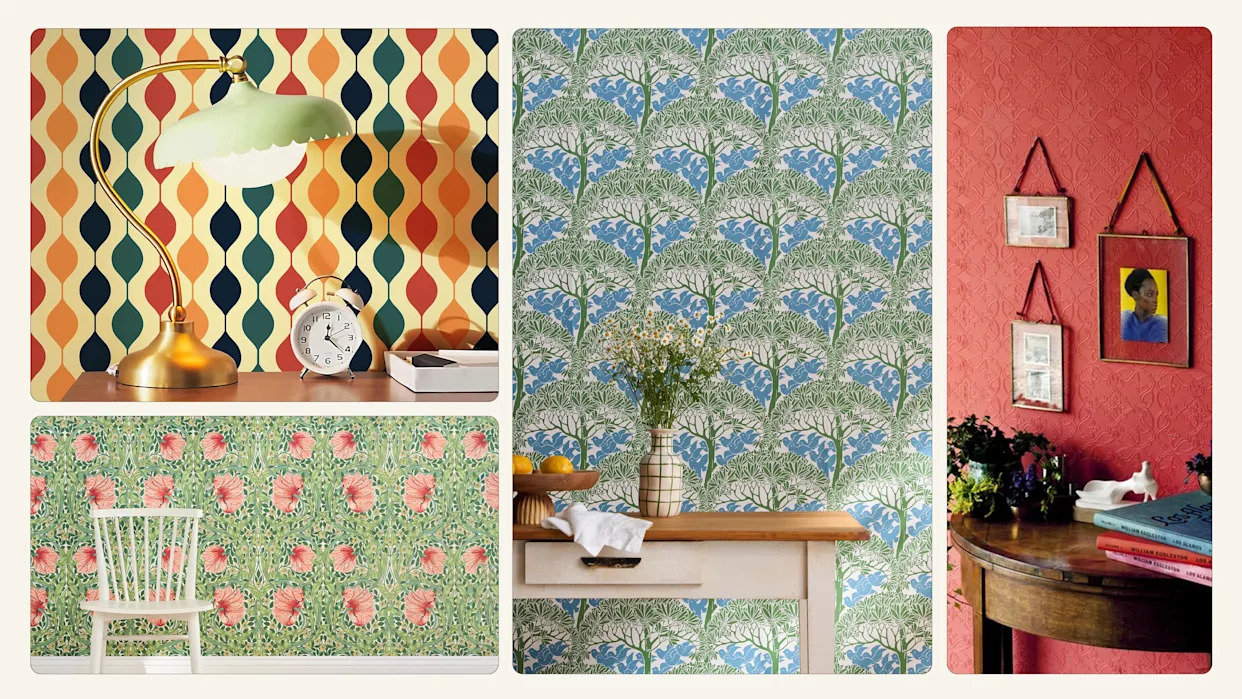
3 Wallpaper Trends We’re Loving (& Shopping) for in 2025
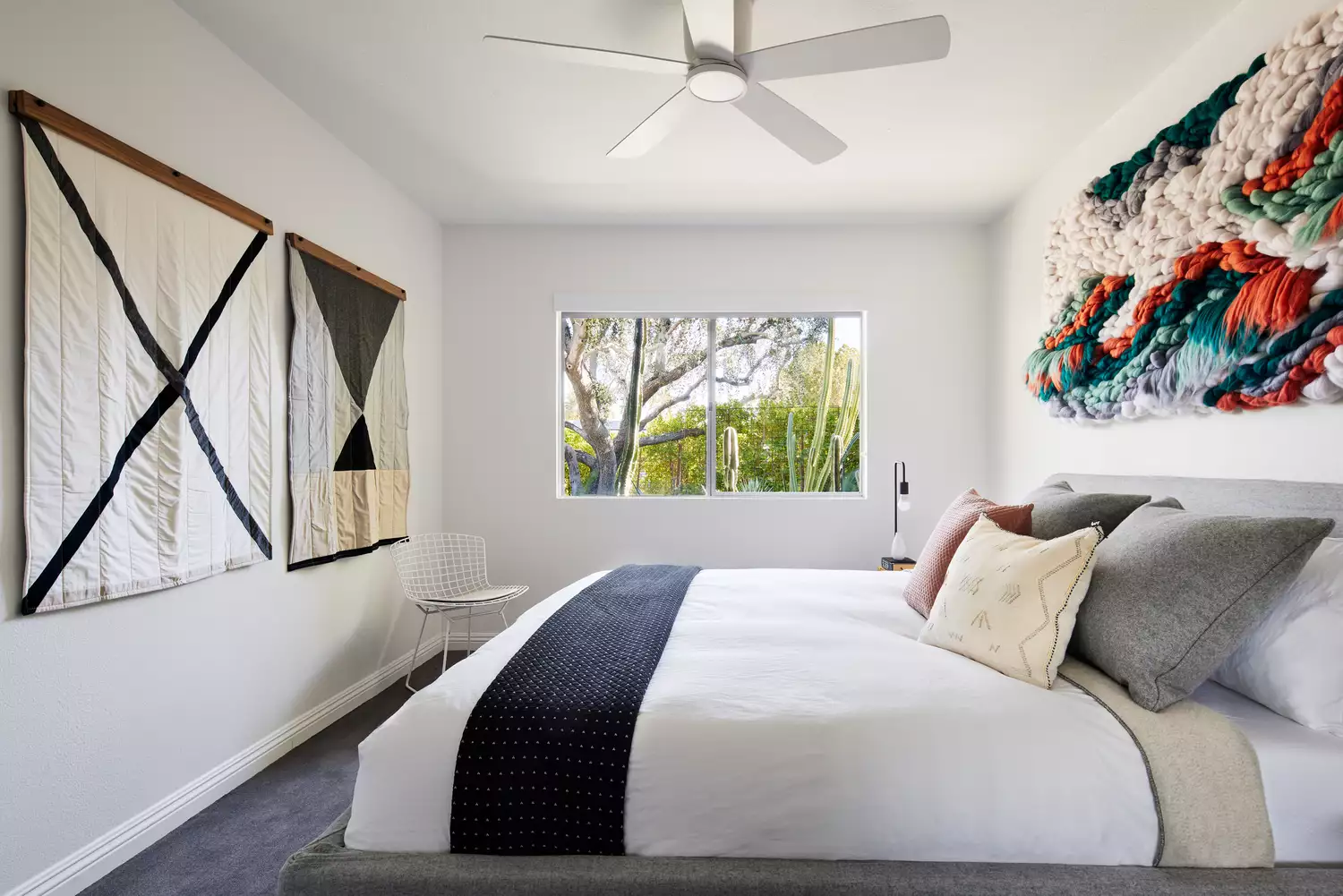
Fabric Wall Décor Is One of the Biggest Design Trends of 2025

7 Home Decor Trends to Look for in 2023 According to Interior Designers
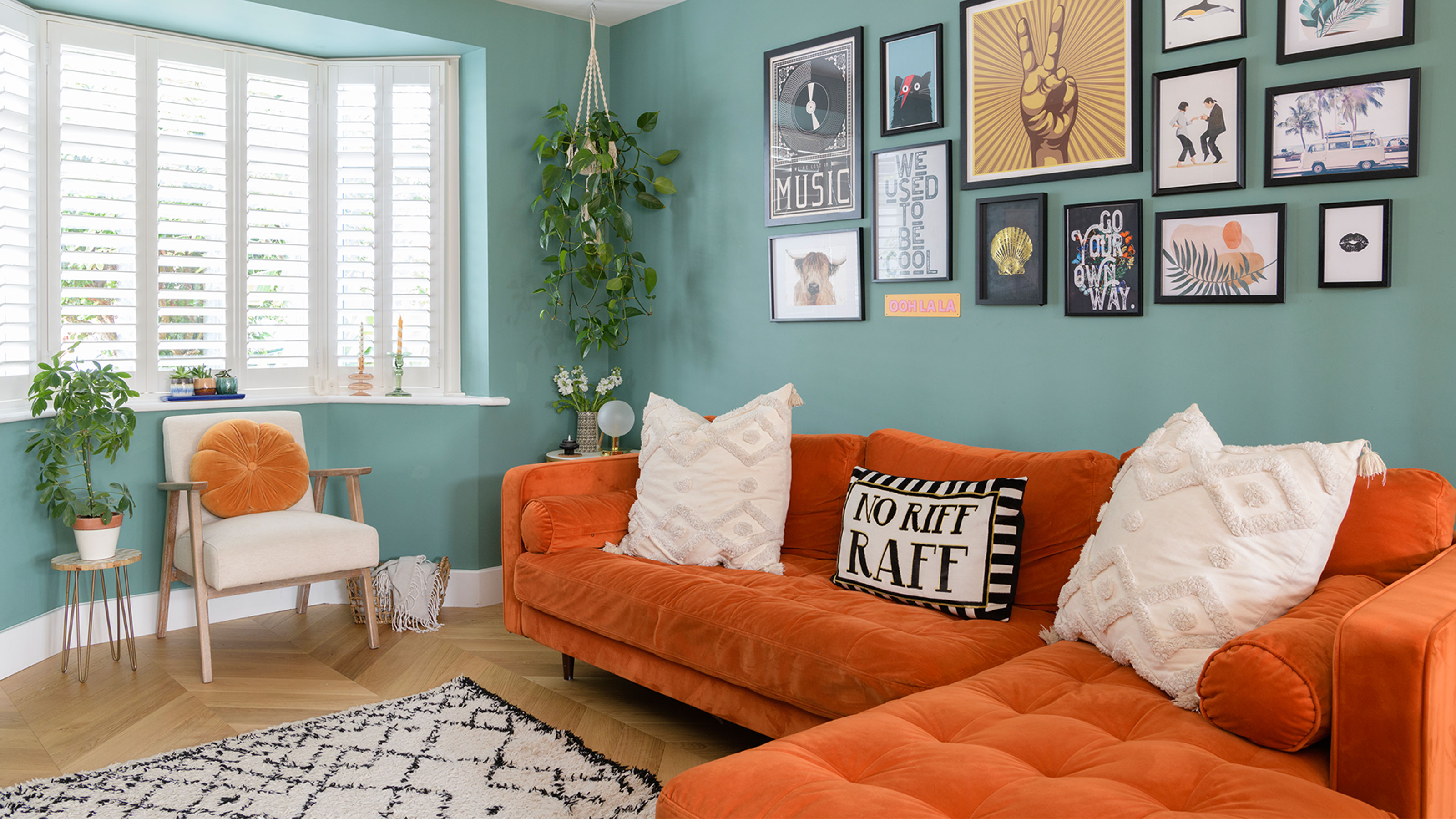
Are gallery walls still in style for 2025? 5 fresh new twists that are shaking up this decorating staple
A Guide To The Most Popular Home Decor Styles In 2023
The Best New Wall, Floor, and Window Products of 2025
8 interior trends predicted to be huge in 2023, according to designers
2025 Trends in Wooden Wall Art

16 Latest Wallpaper Trends That Designers Are Loving for 2023

So Long Accent Walls, Here Are the Biggest Wallpaper Trends of 2025

10 Designer-Approved Wall Art Trends of 2024

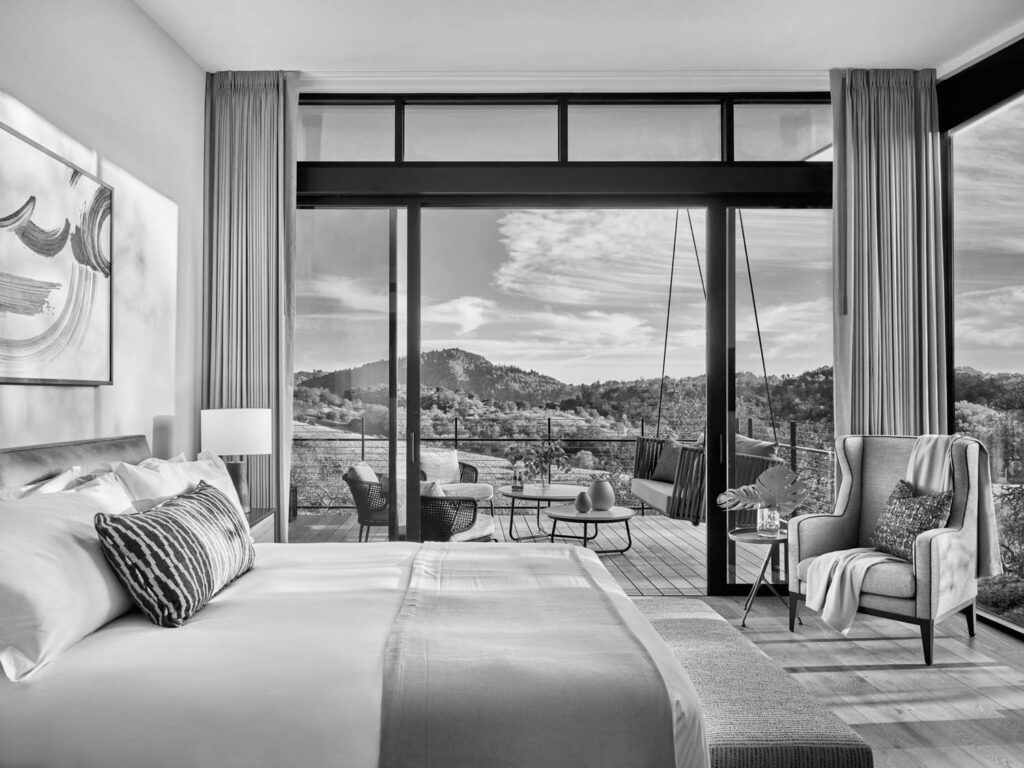
Interior Design Reveals the 2023 Rising Giants

16 Accent Wall Ideas That You'll Start Seeing Everywhere In 2025
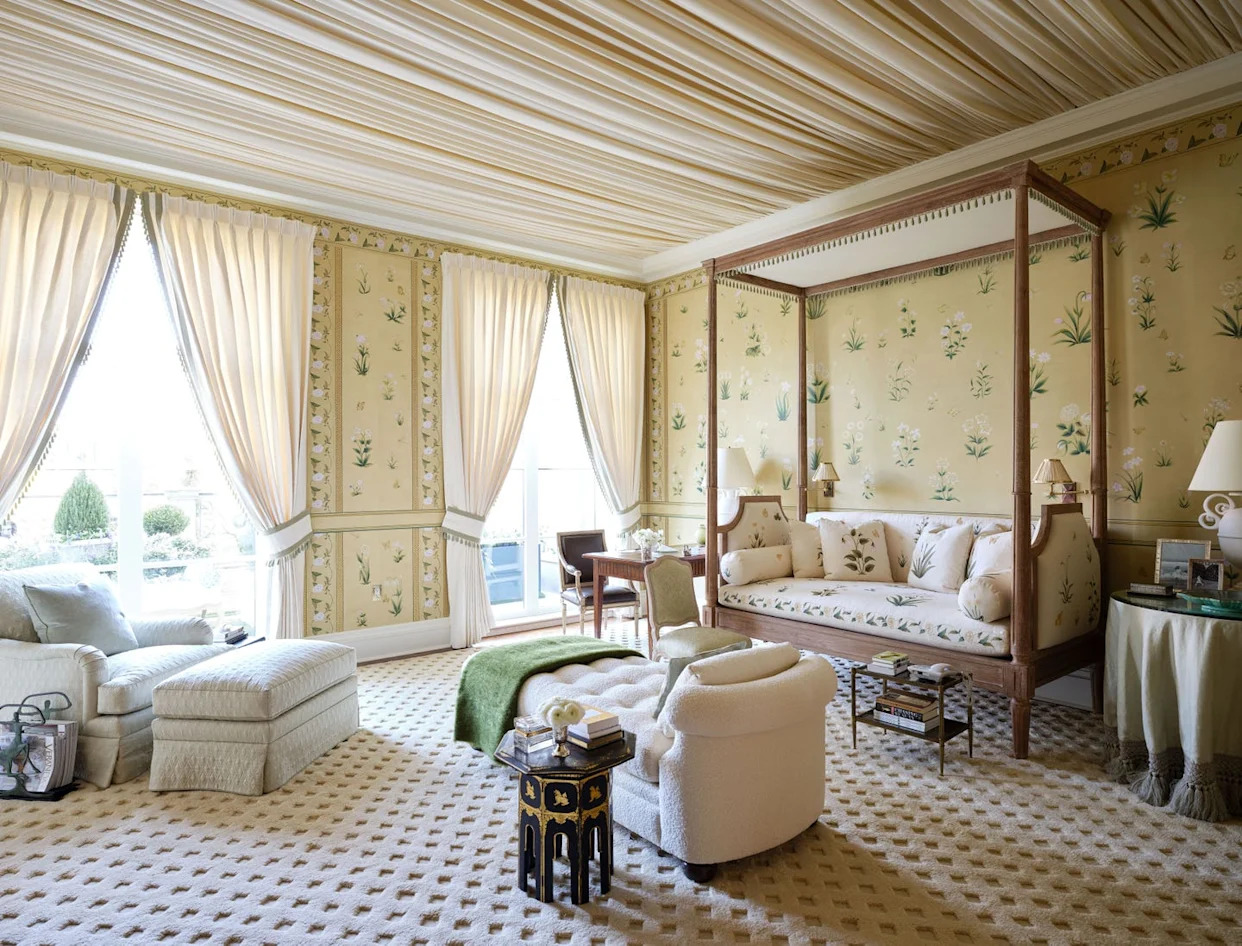
So Long Accent Walls, Here Are the Biggest Wallpaper Trends of 2025

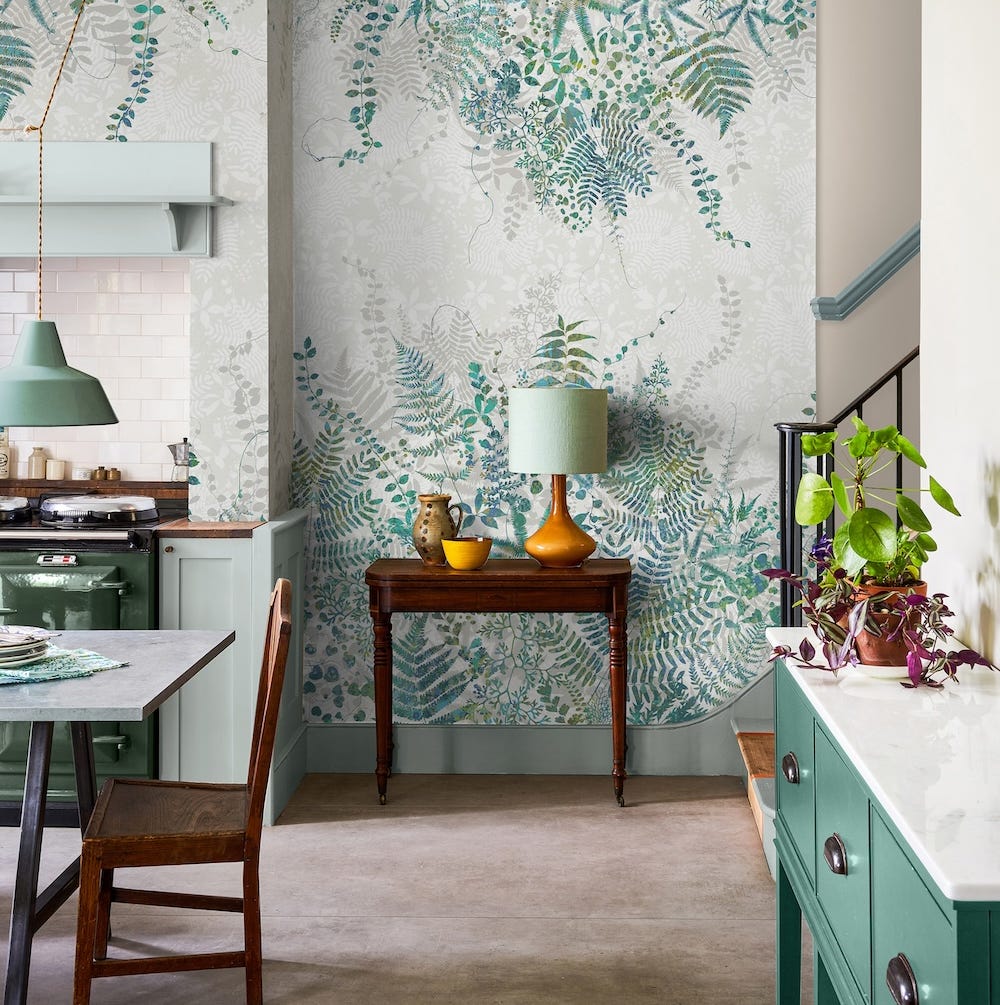
Explore 2025's Most Exciting Wallpaper Trends: From Botanical Murals To Curated Clashing

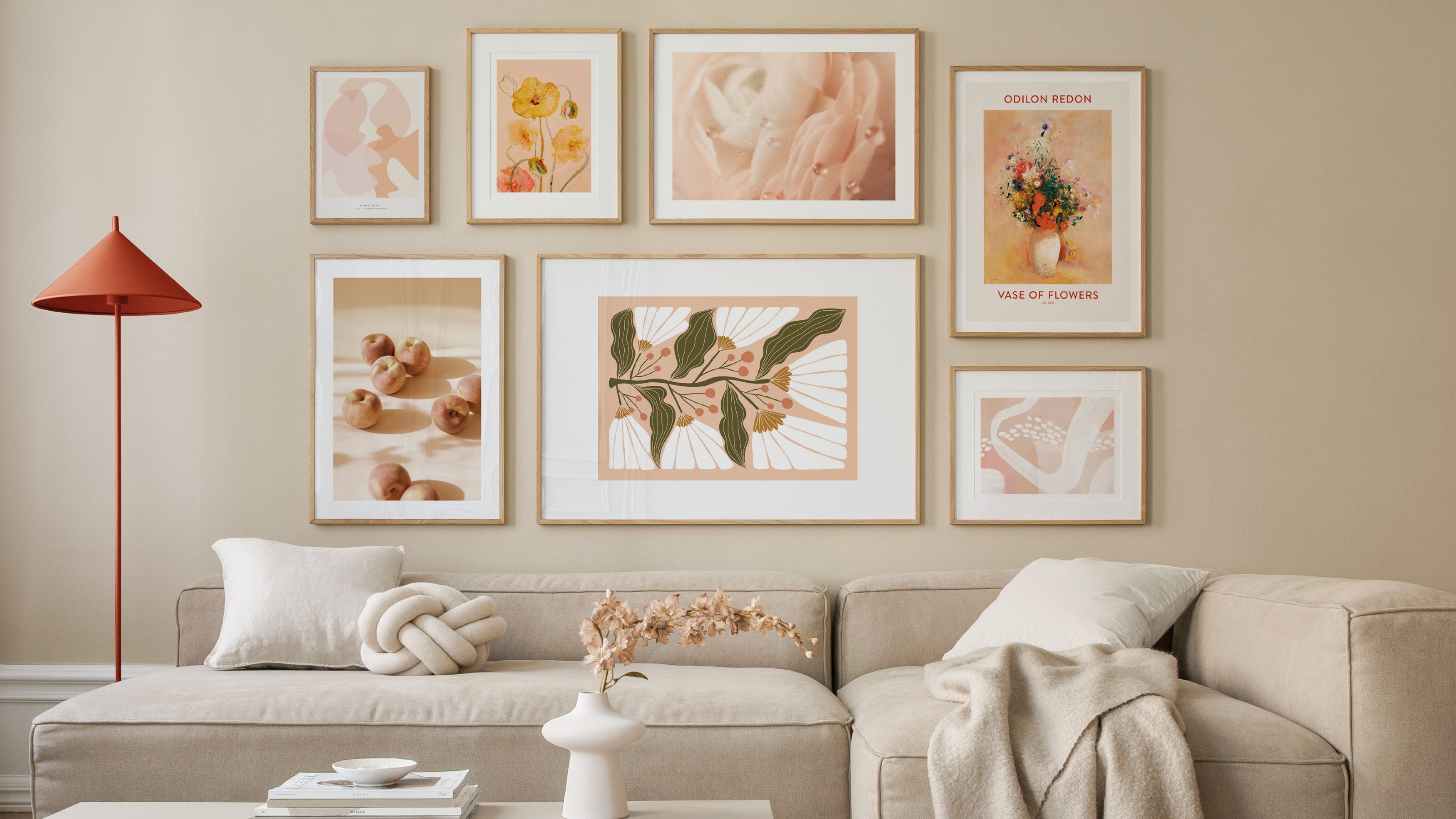
Etsy’s controversial trend report for 2024 predicts gallery walls are on their way out – but are they really?
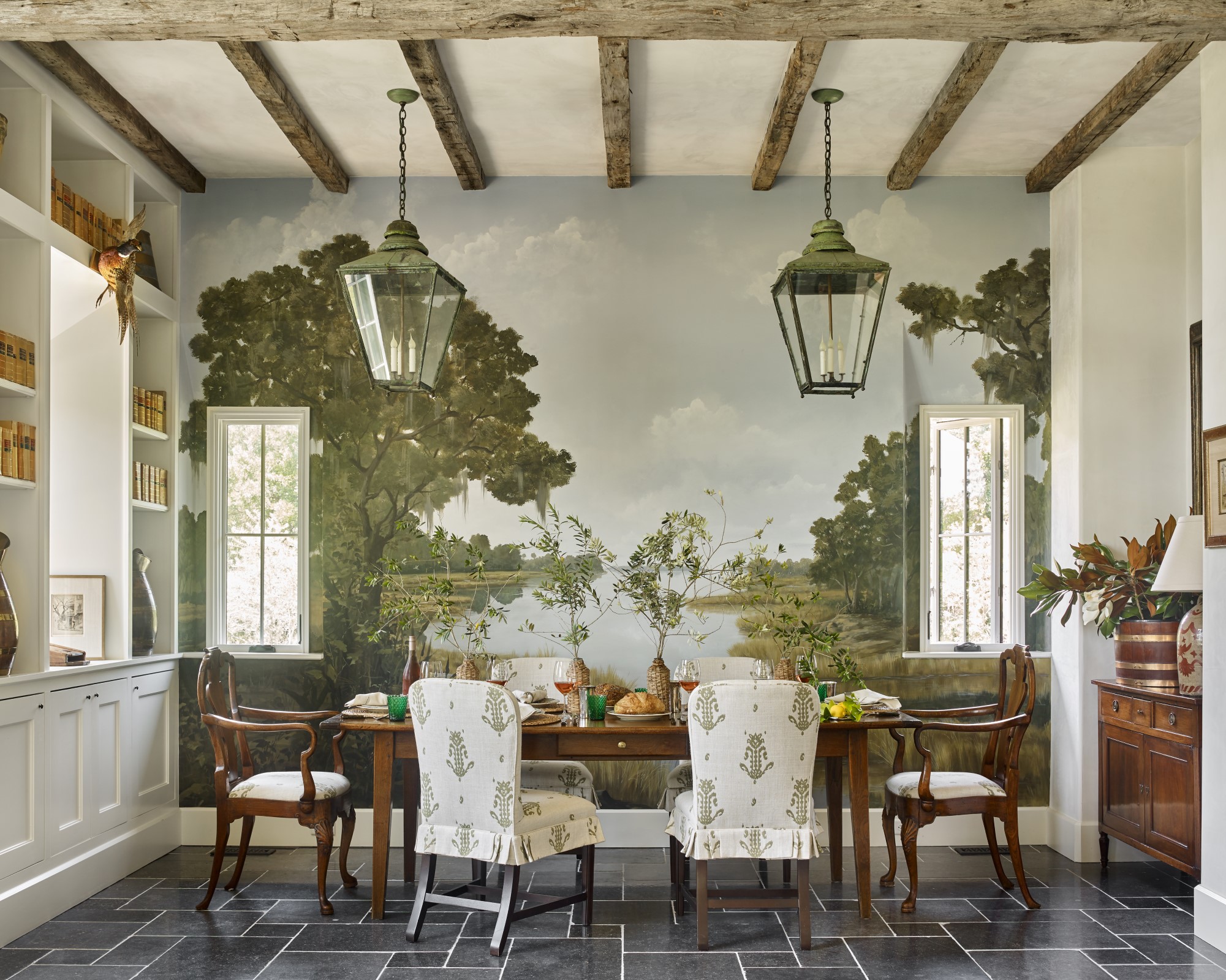
Designers say mural wallpaper is the only acceptable way to do an accent wall in 2025 – here are the best ones I've found

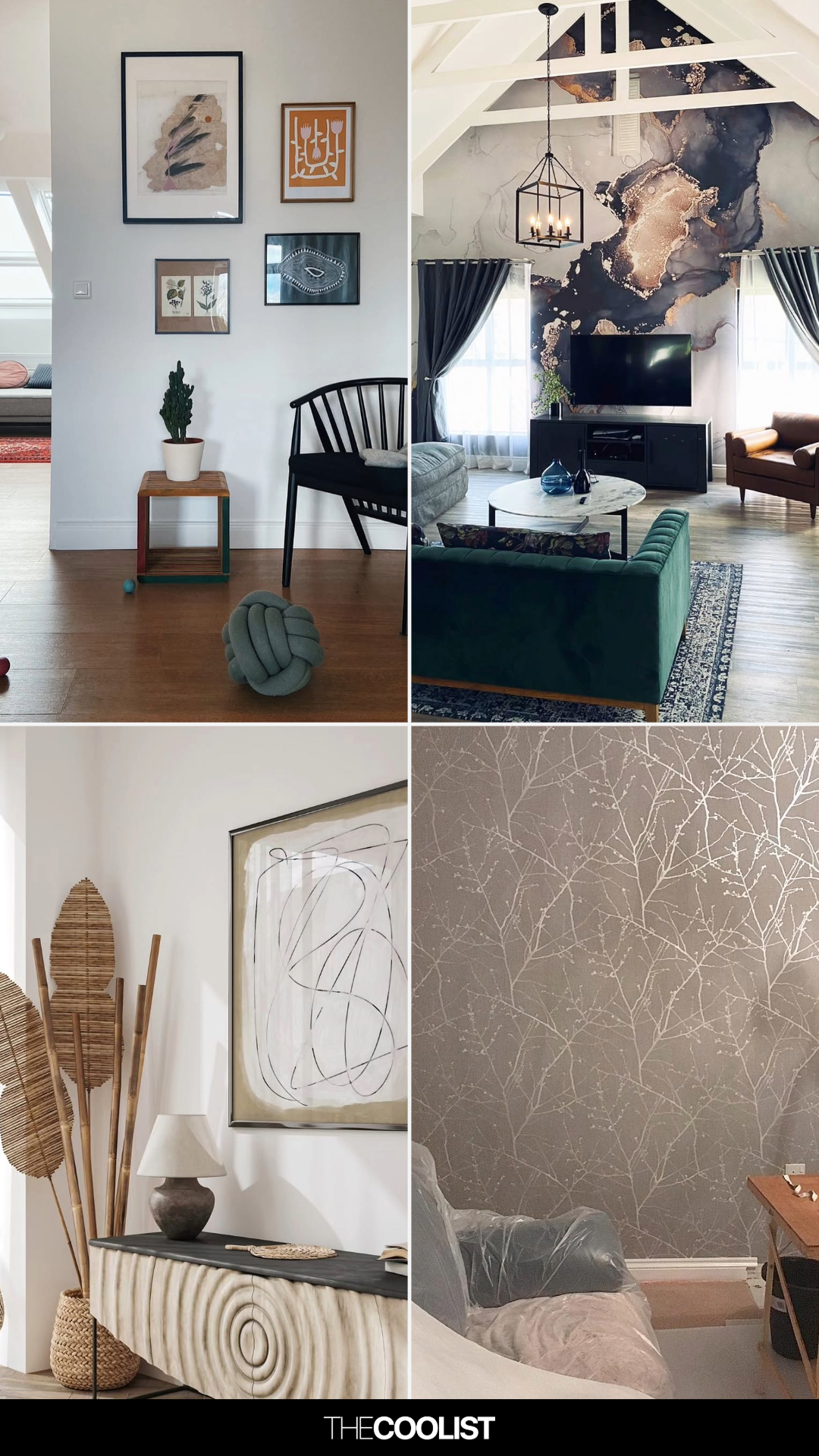
29 Living Room Wall Decor Trends That Make Your Space Feel Updated Without Repainting Everything