1/8
This Very "Controversial" Color Is About To Be Everywhere Again
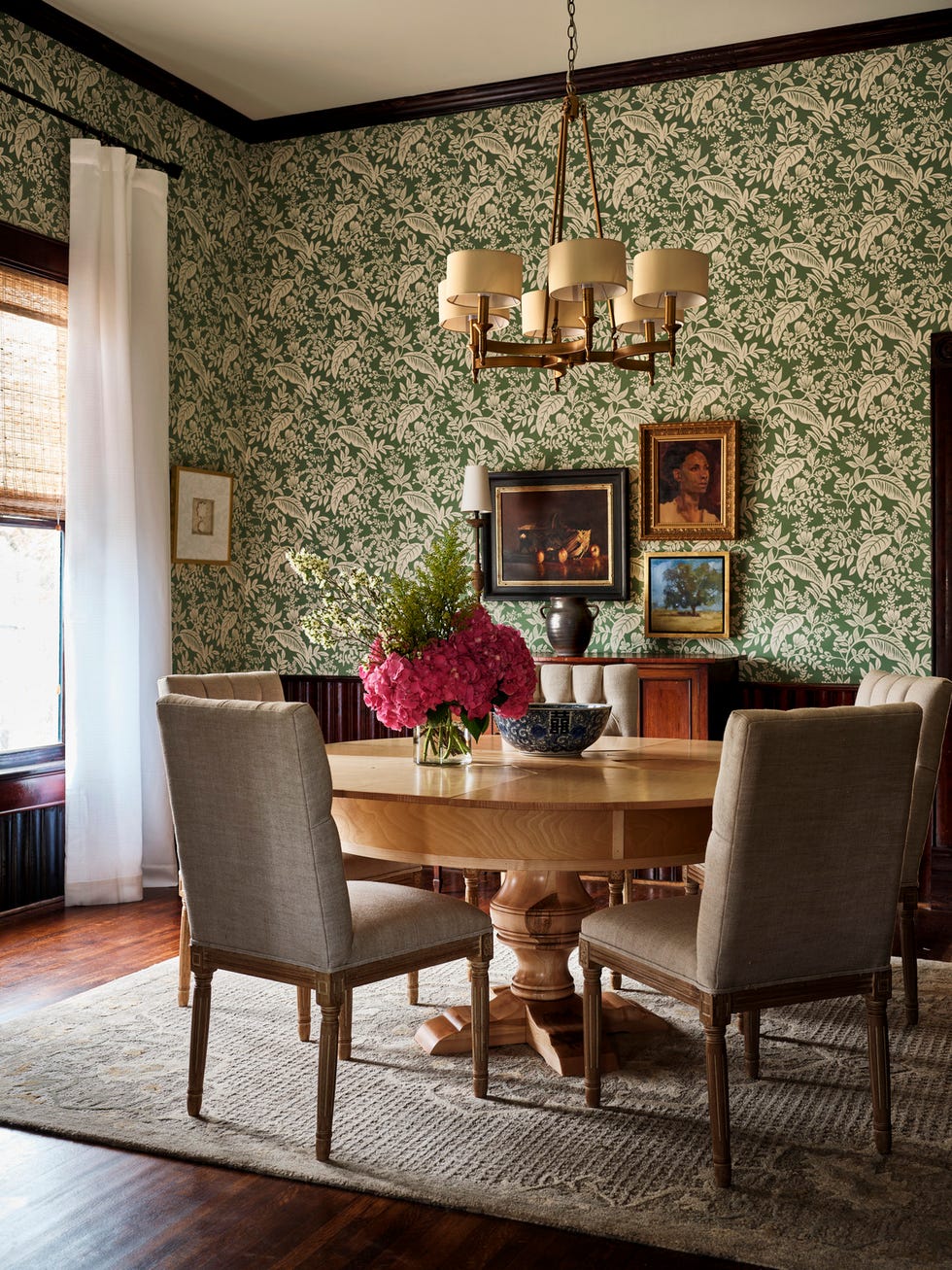
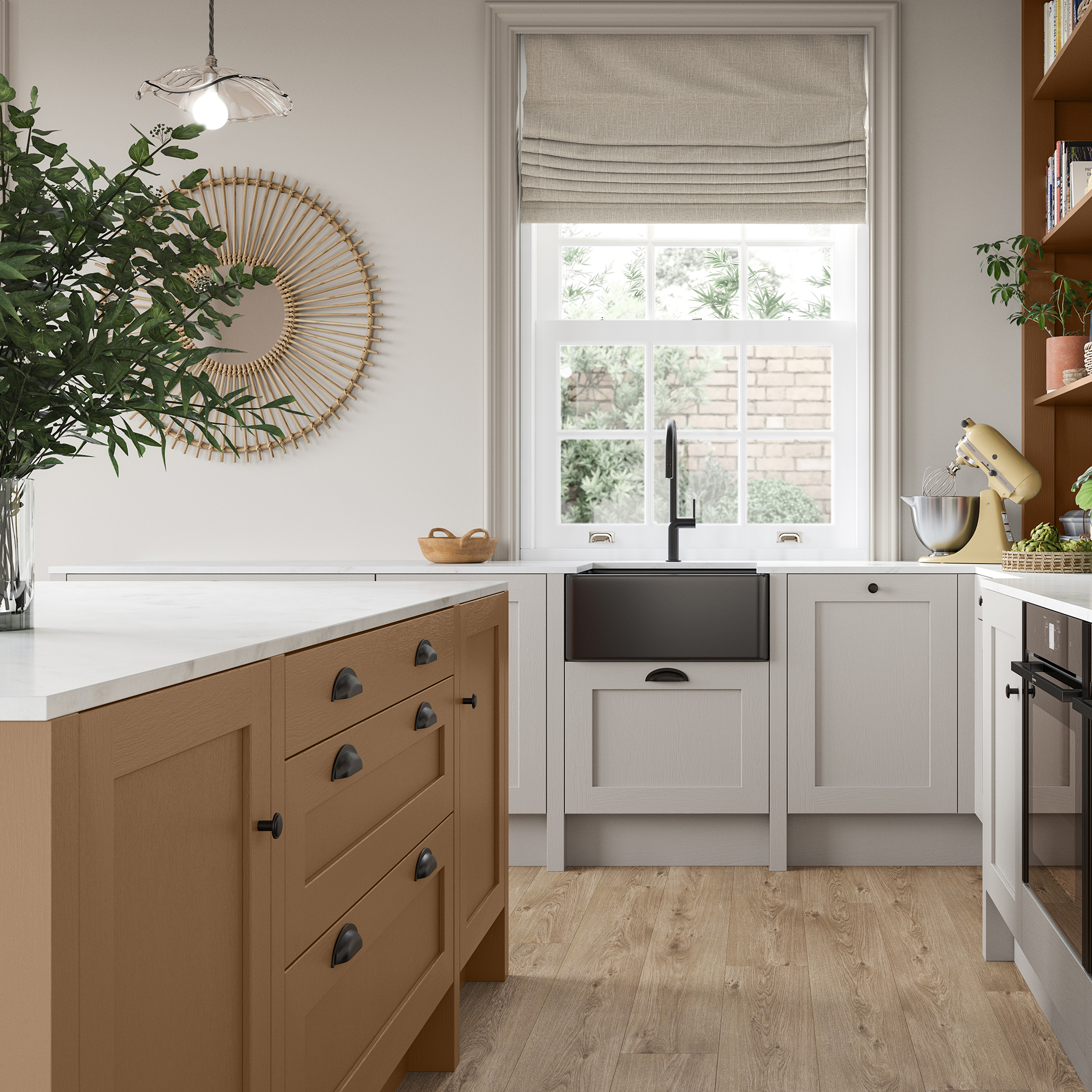
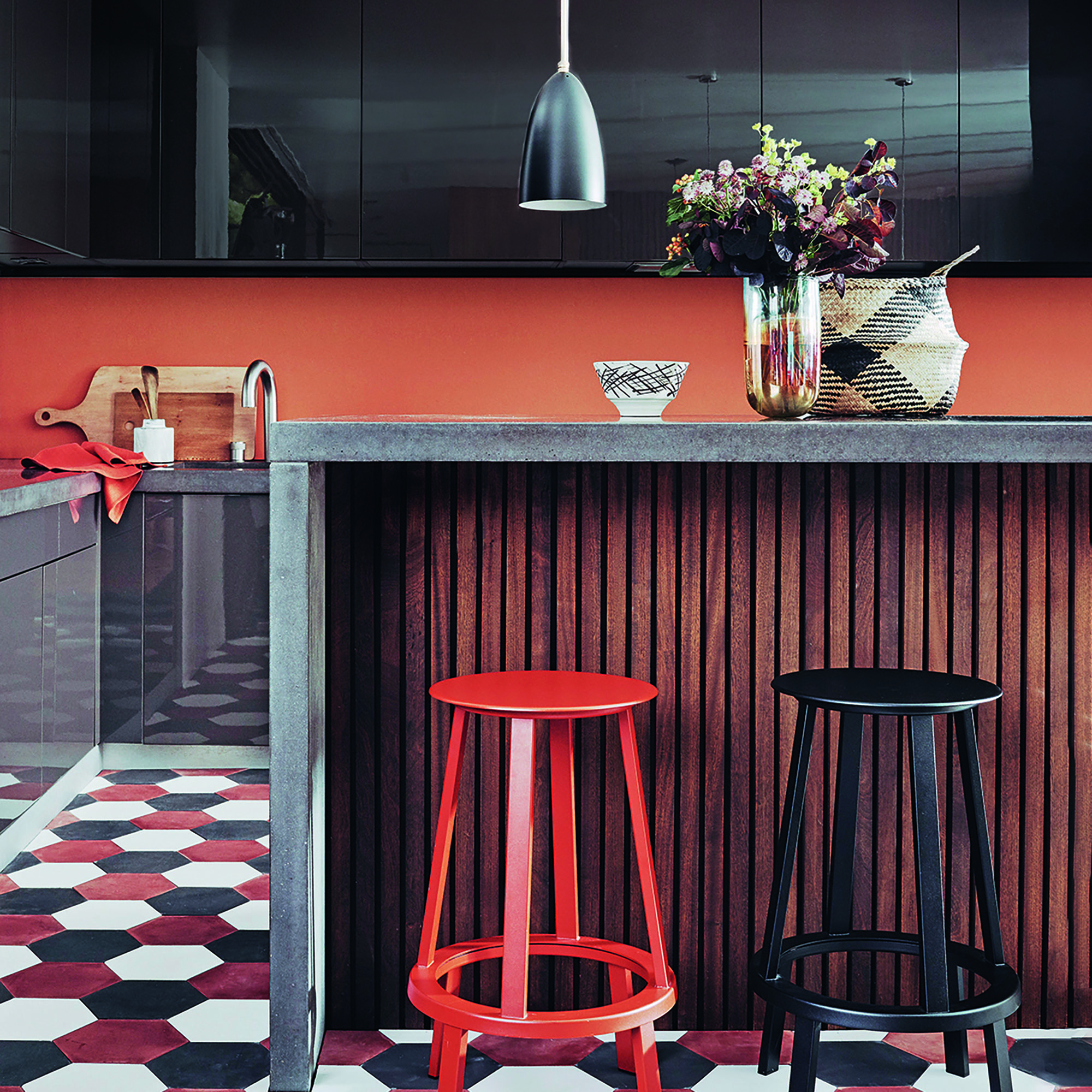
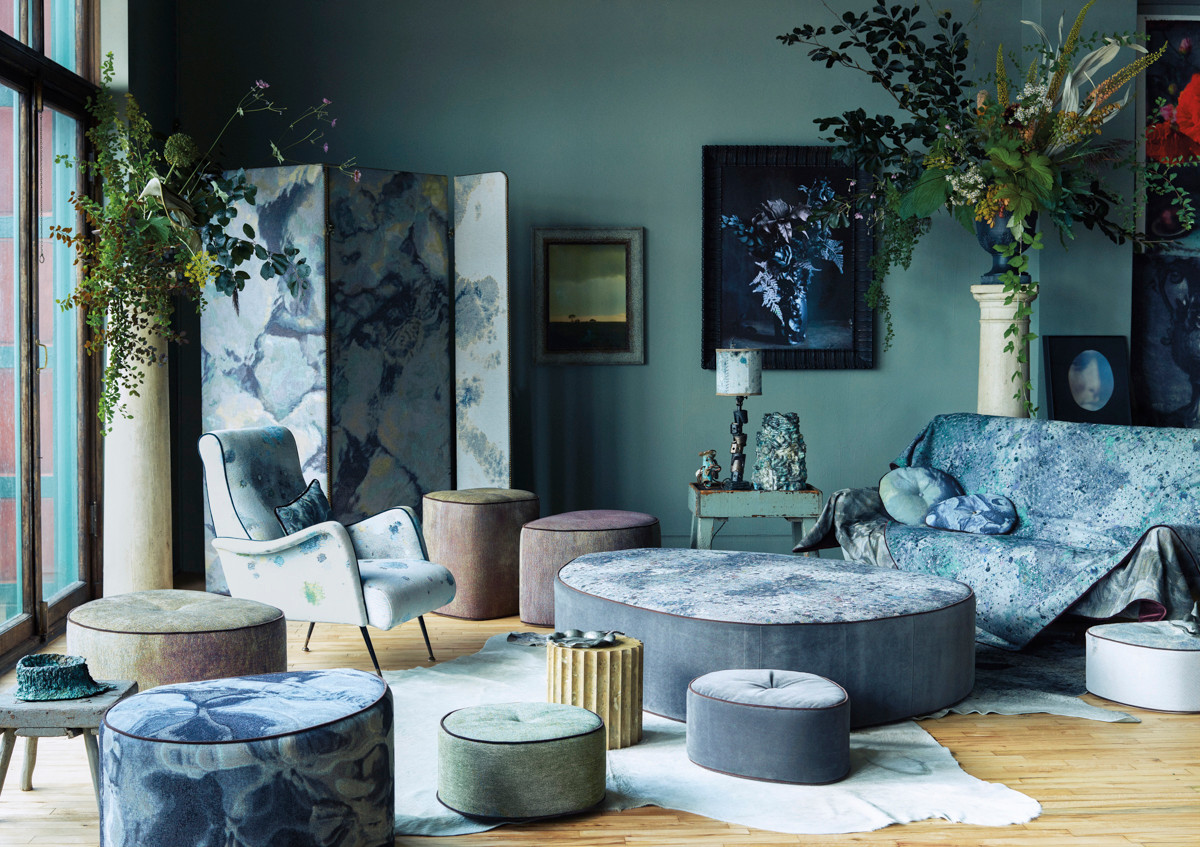
The article discusses the resurgence of teal in interior design, highlighting its shift from a controversial hue to a trending color for 2025 and 2026. Experts emphasize that recent design trends prioritize personality and joyful decorating over strict neutrality, leading to a greater acceptance and demand for bolder, deeper tones like oxblood, martini olive green, plum, and teal. While teal has historically been polarizing, its timelessness depends significantly on the specific tones used. Past associations with bright, saturated teals from the 1990s and 2010s contributed to its outdated perception. However, contemporary approaches to teal lean towards deeper, richer shades, drawing inspiration from various cultural contexts, including Indian sarees and architectural ceilings, to infuse sophistication into interiors.
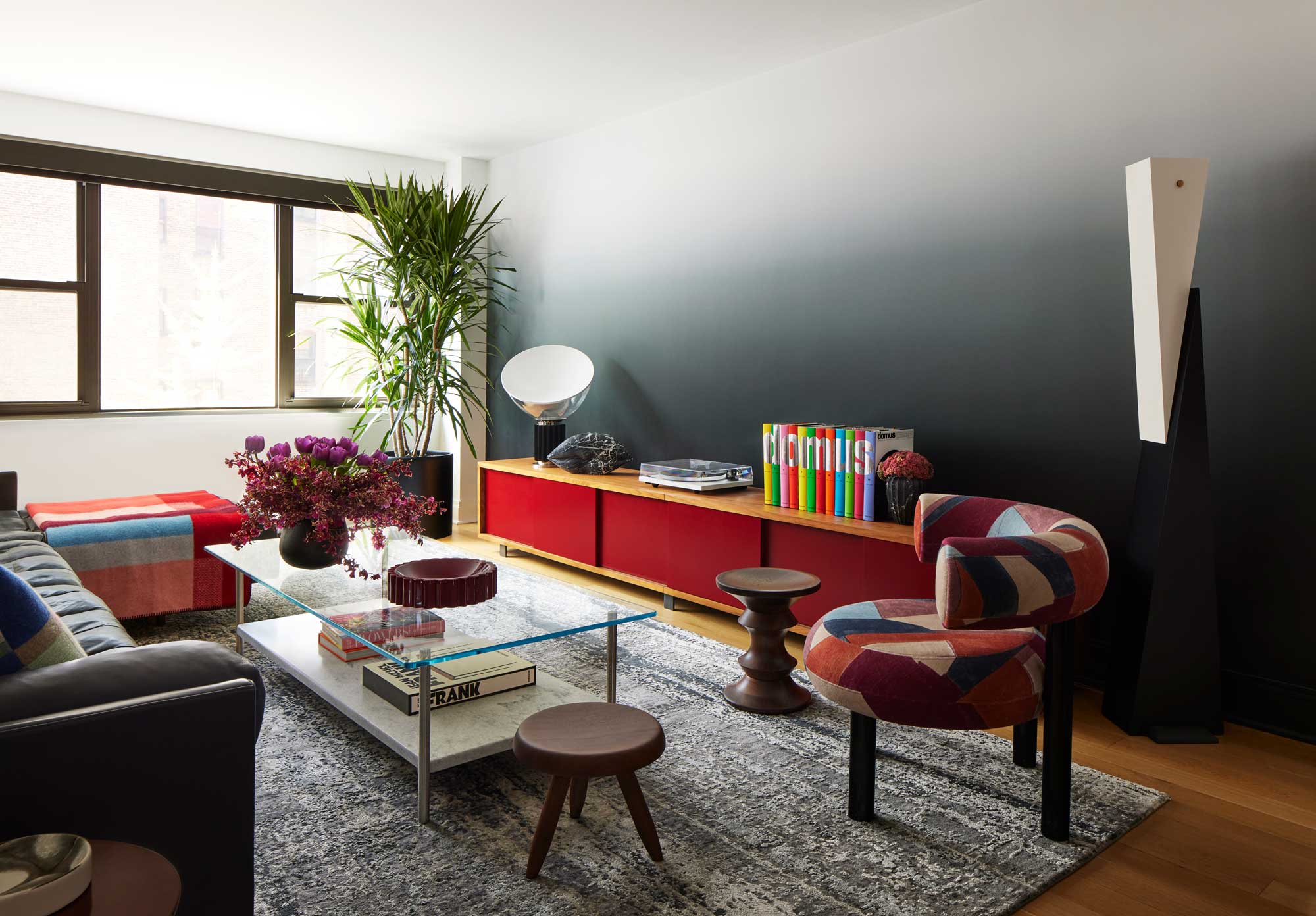
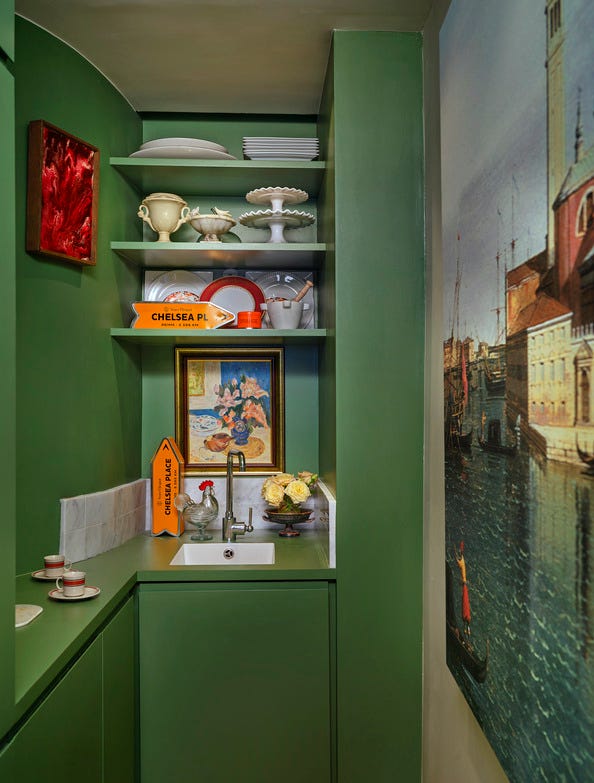
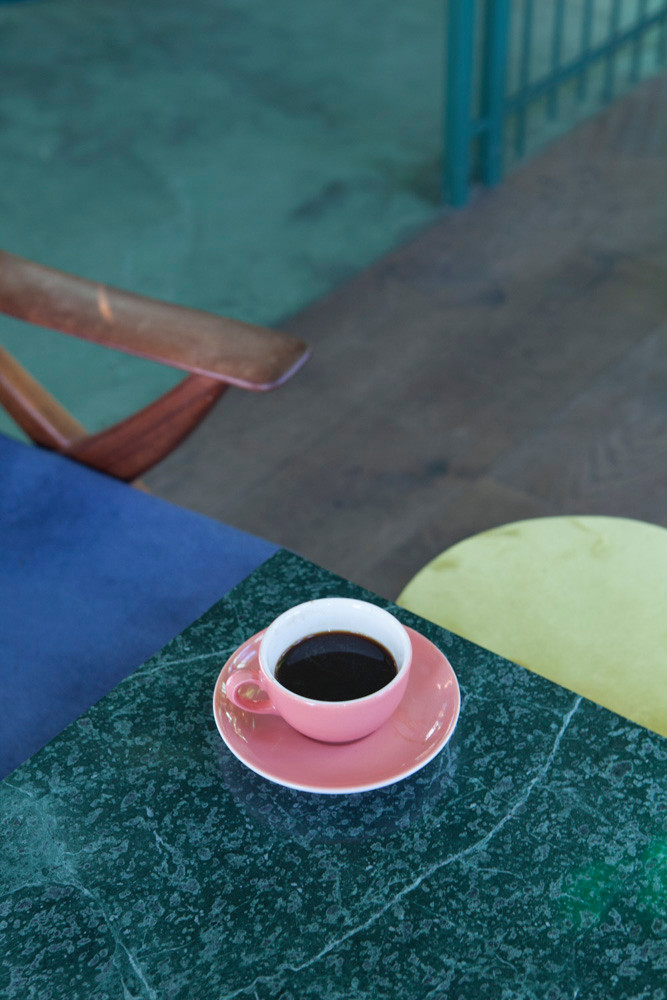
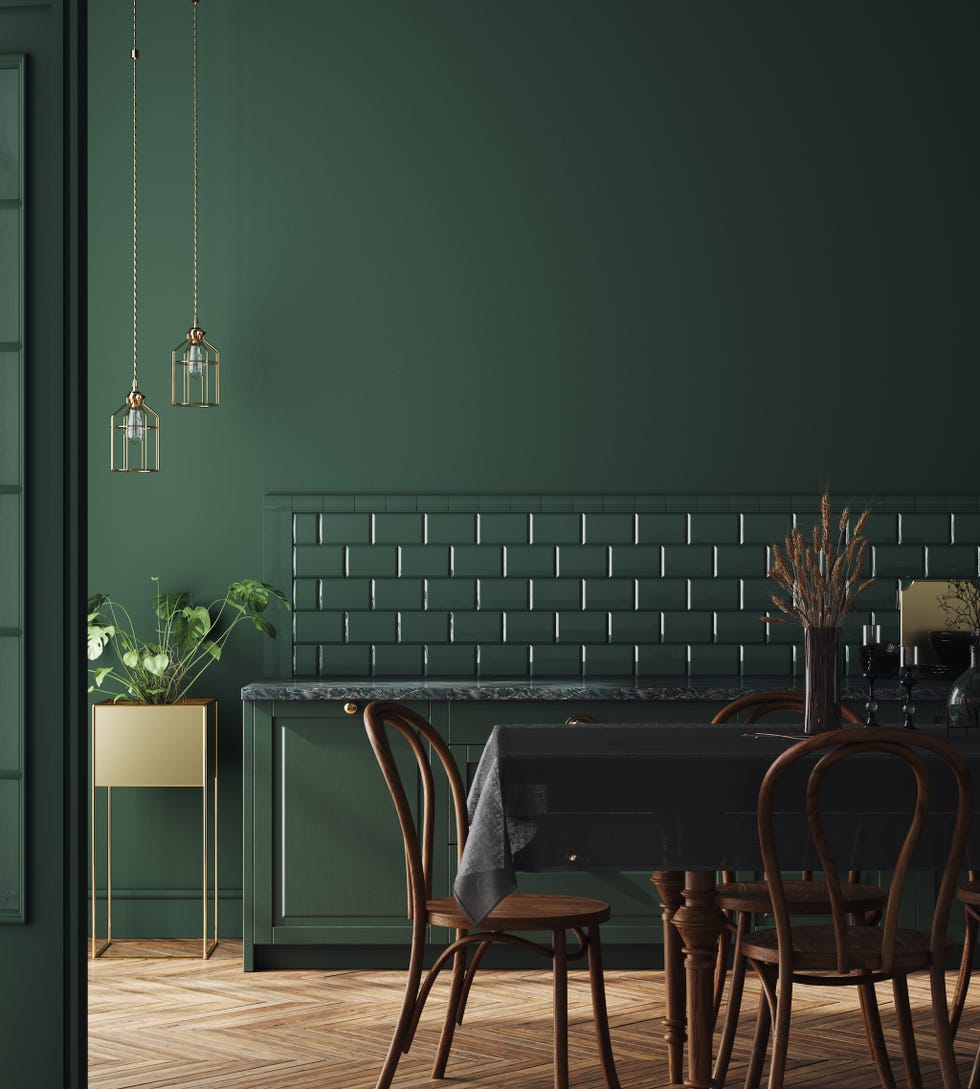
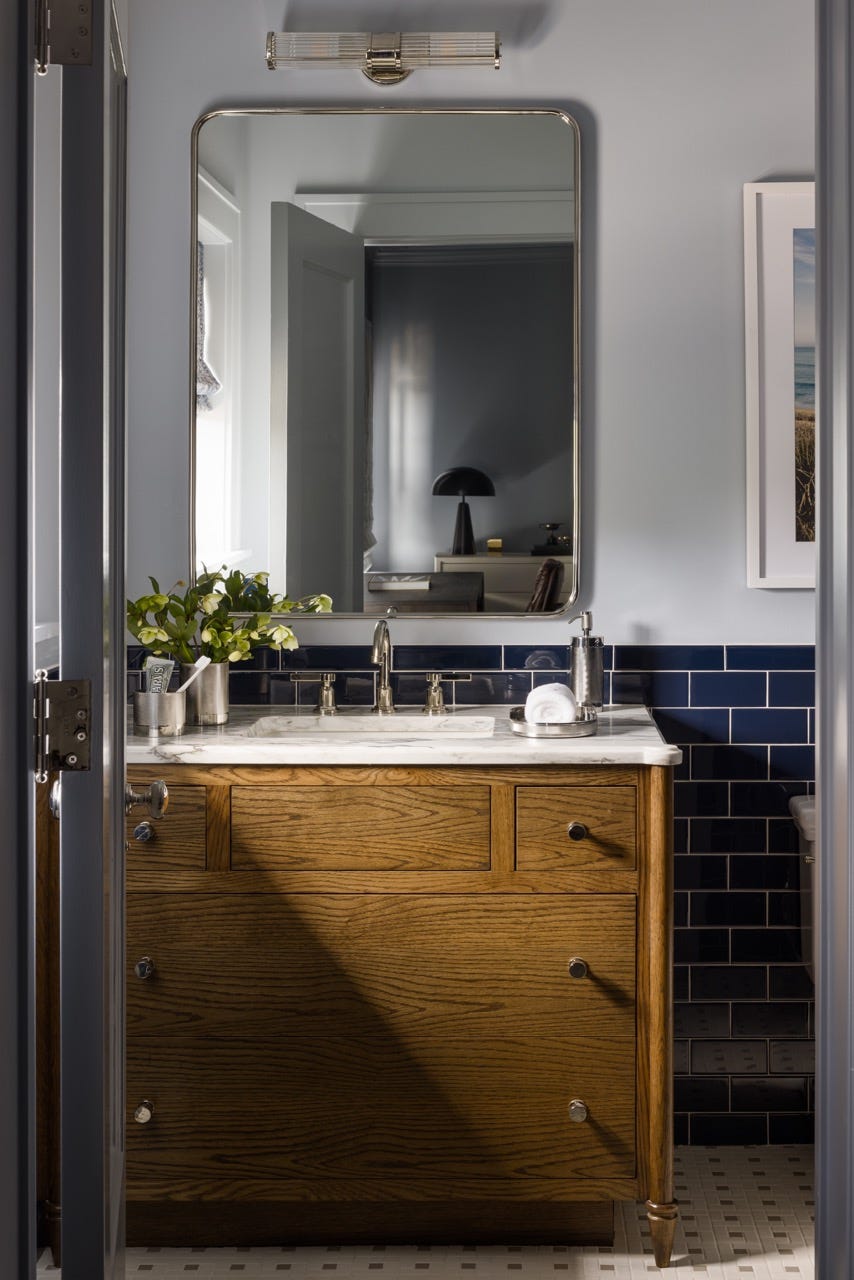
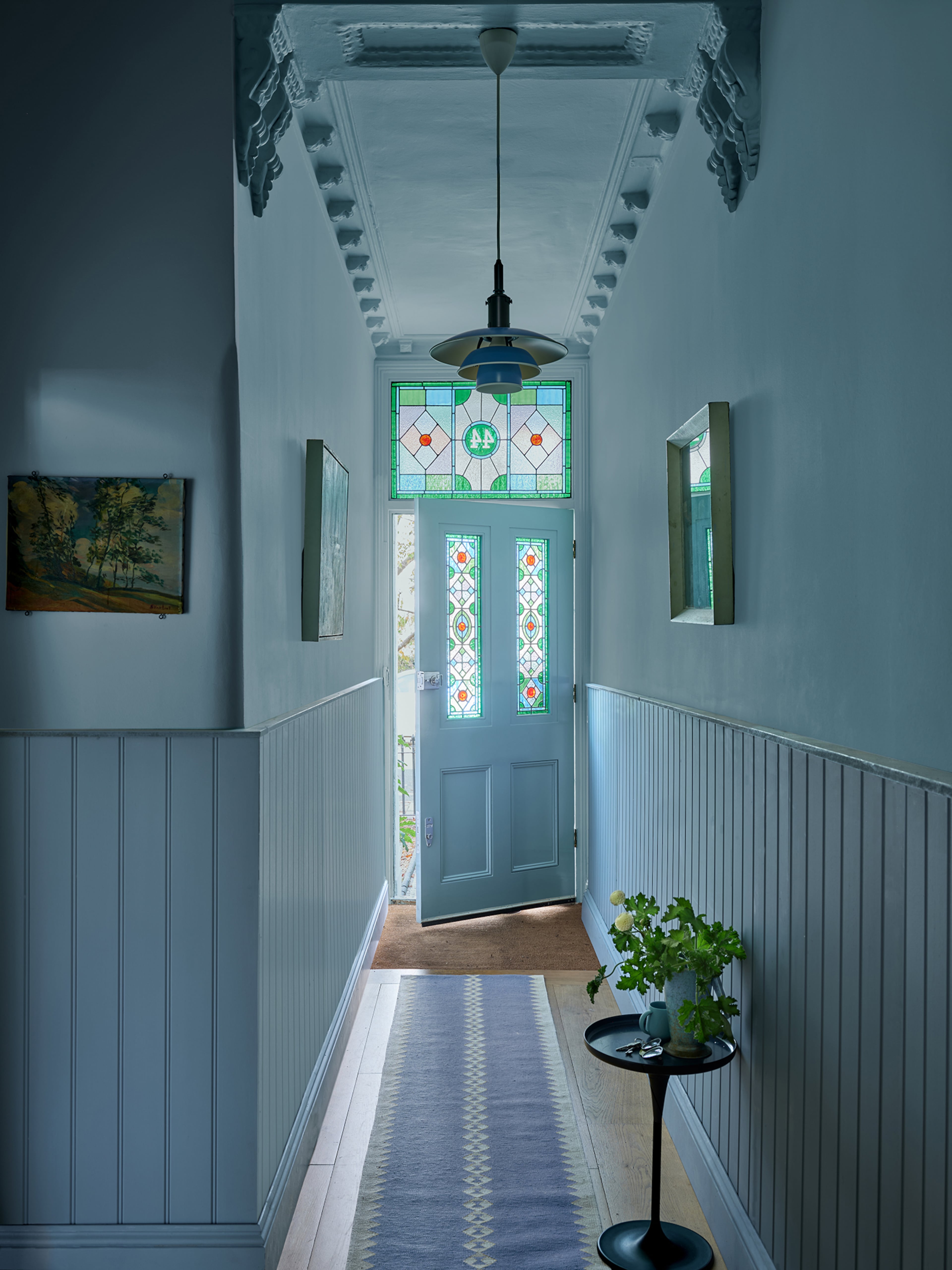
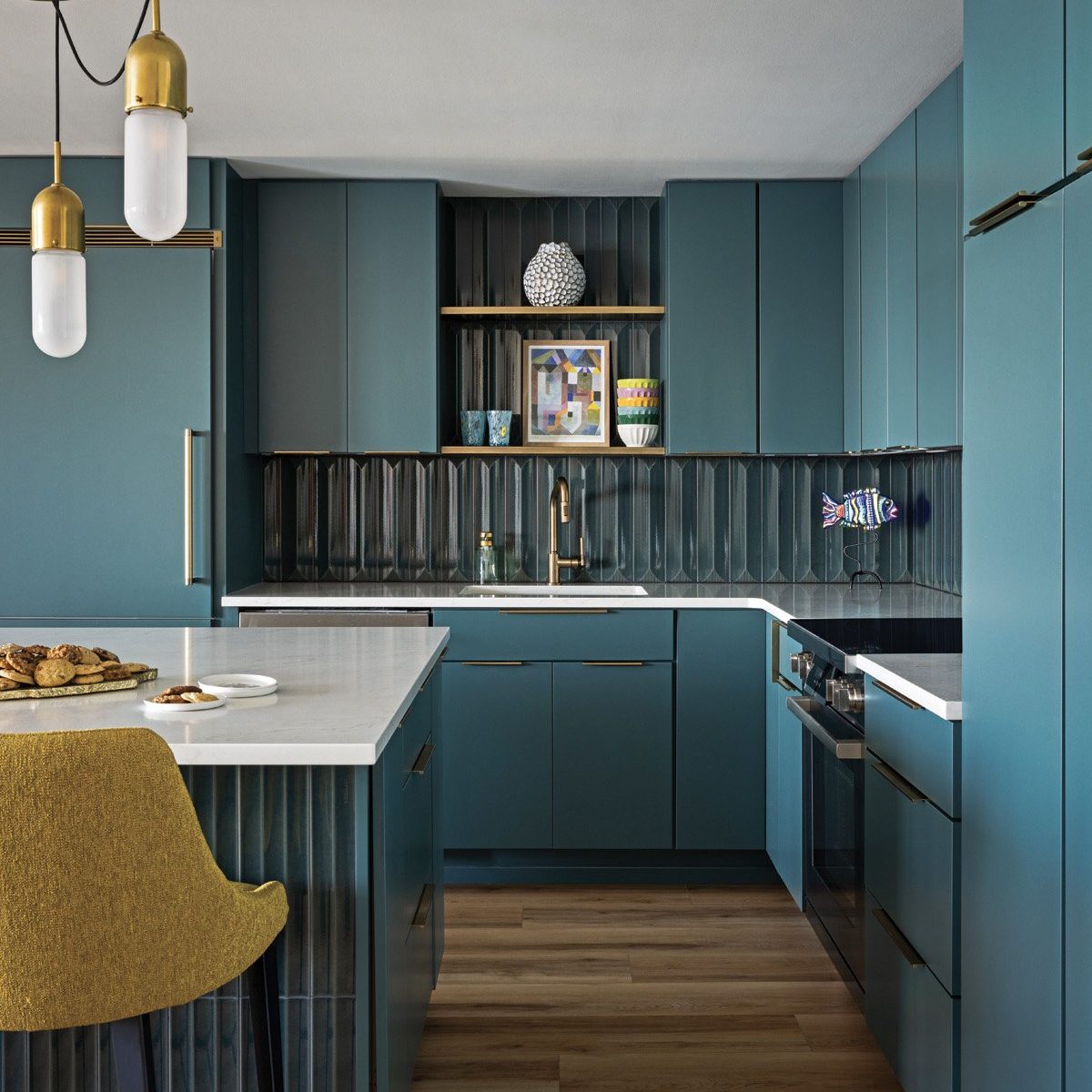
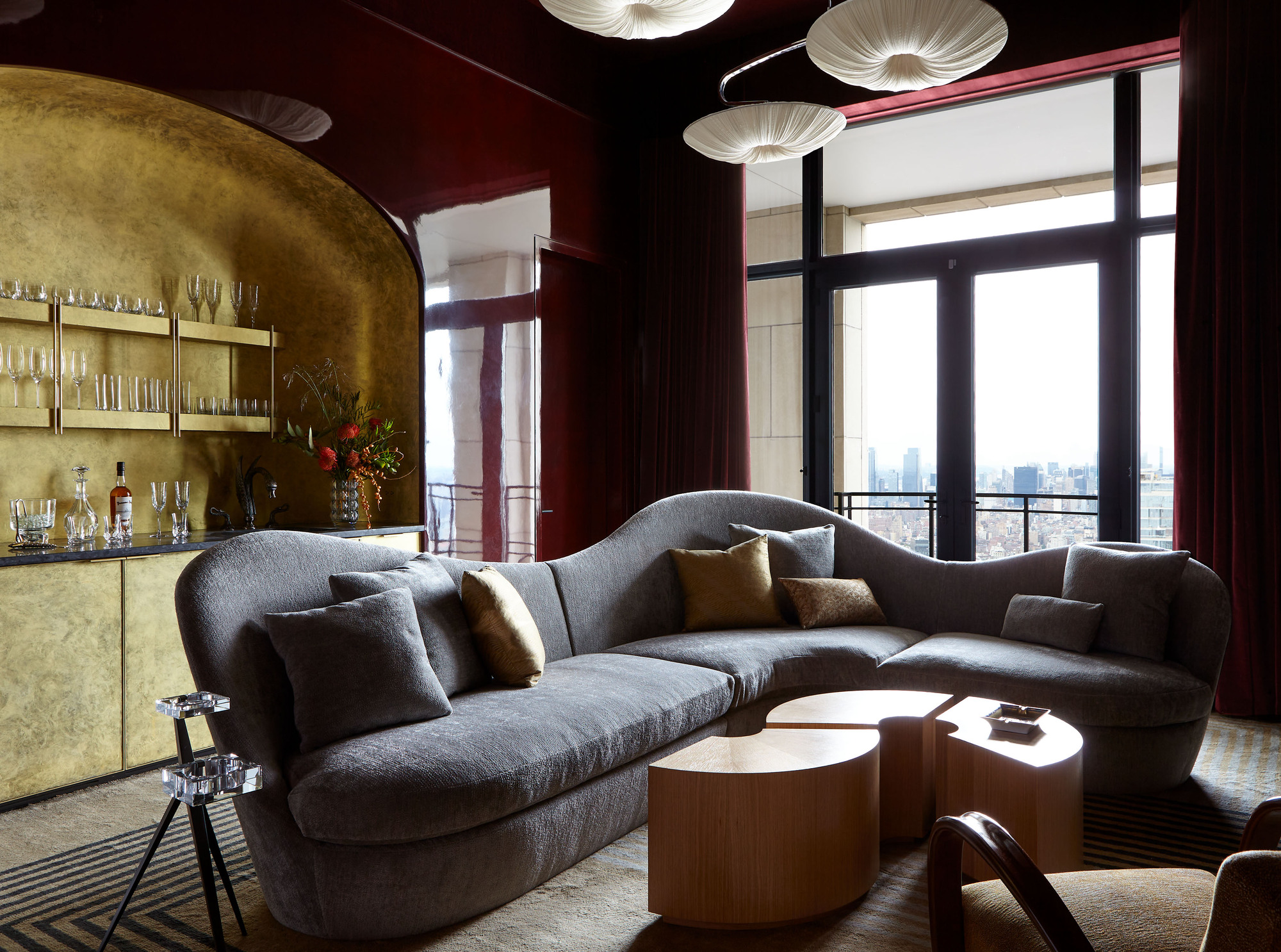
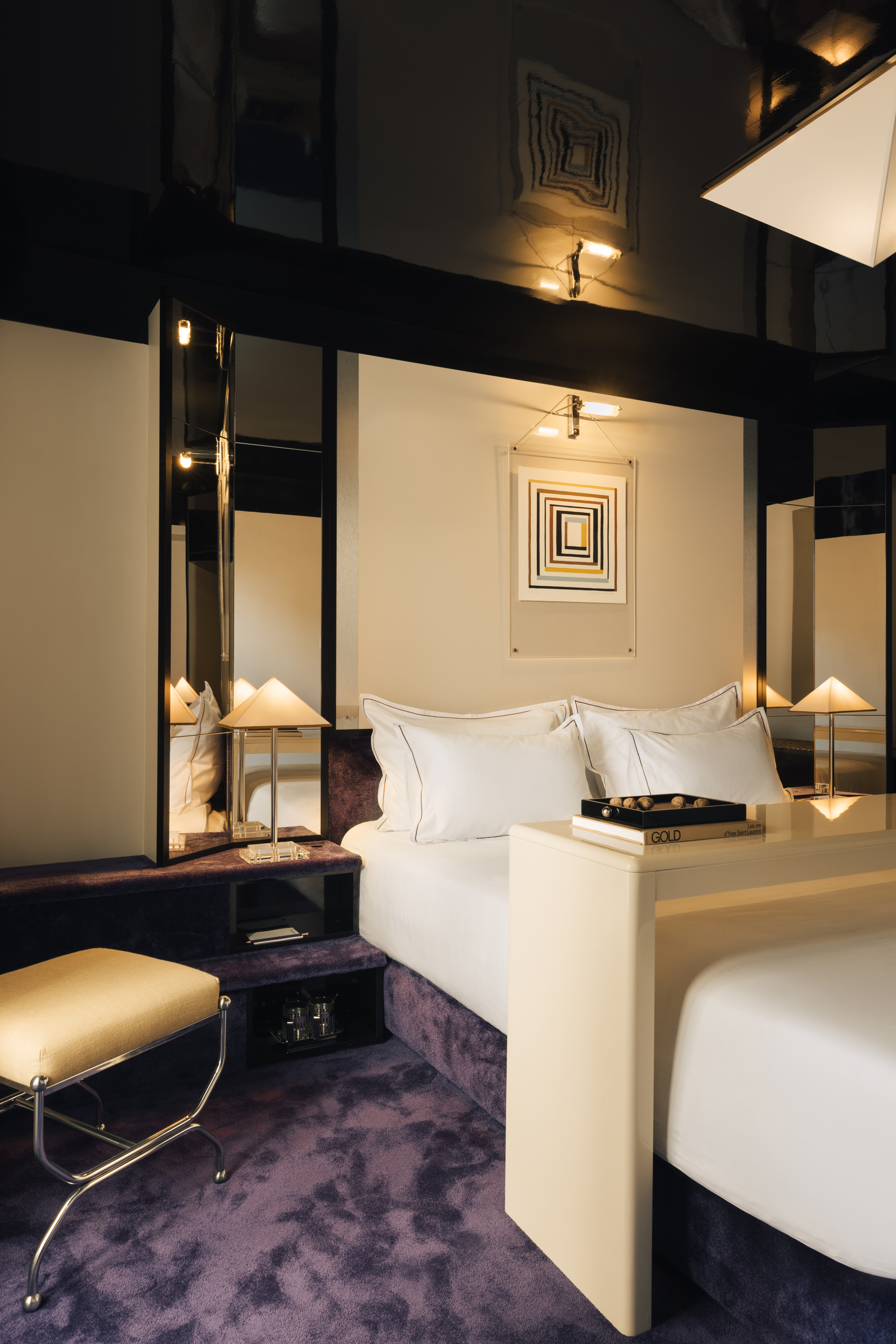
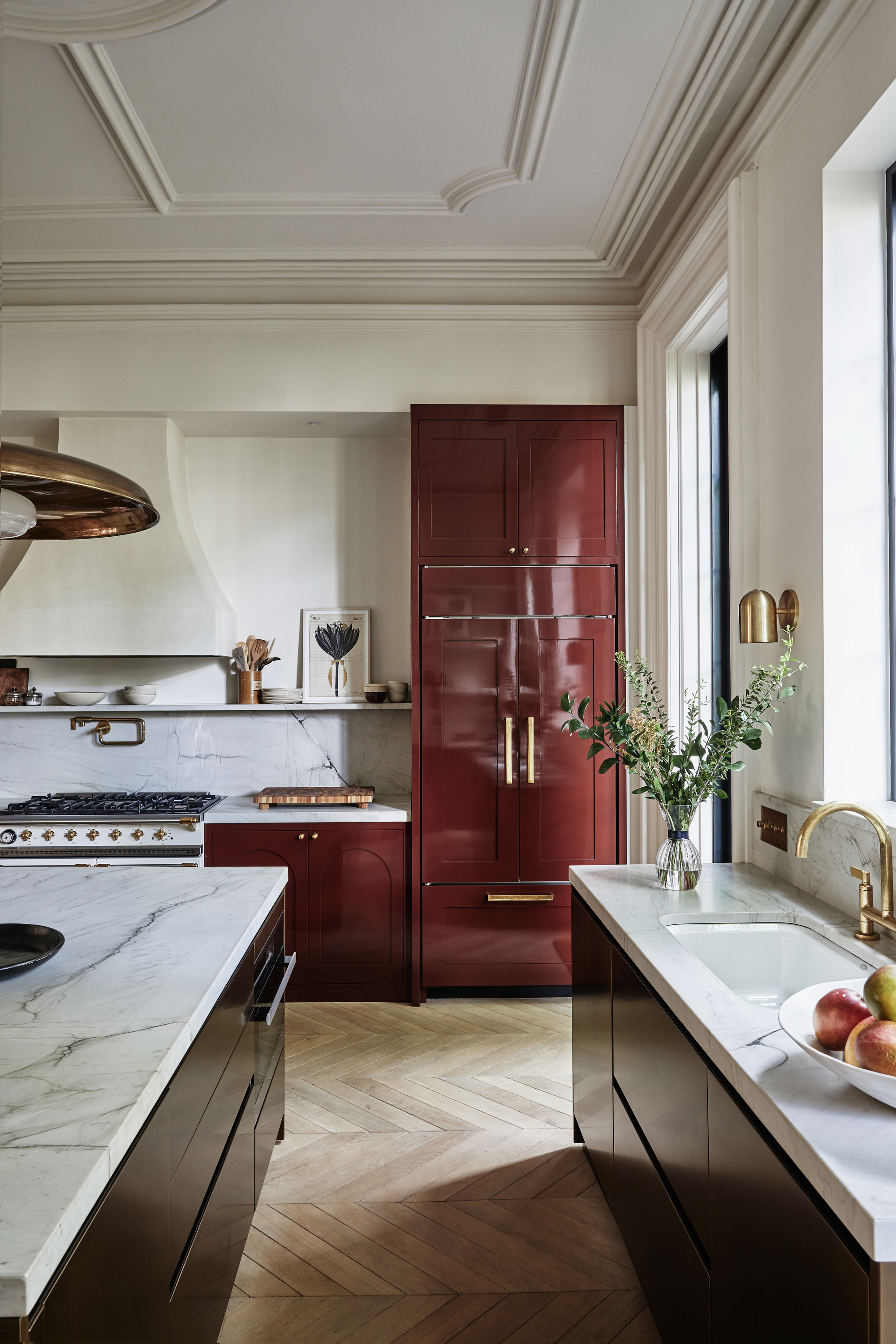
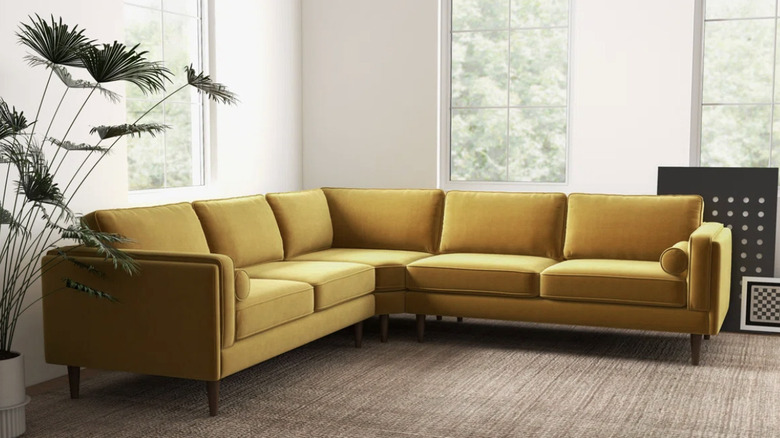
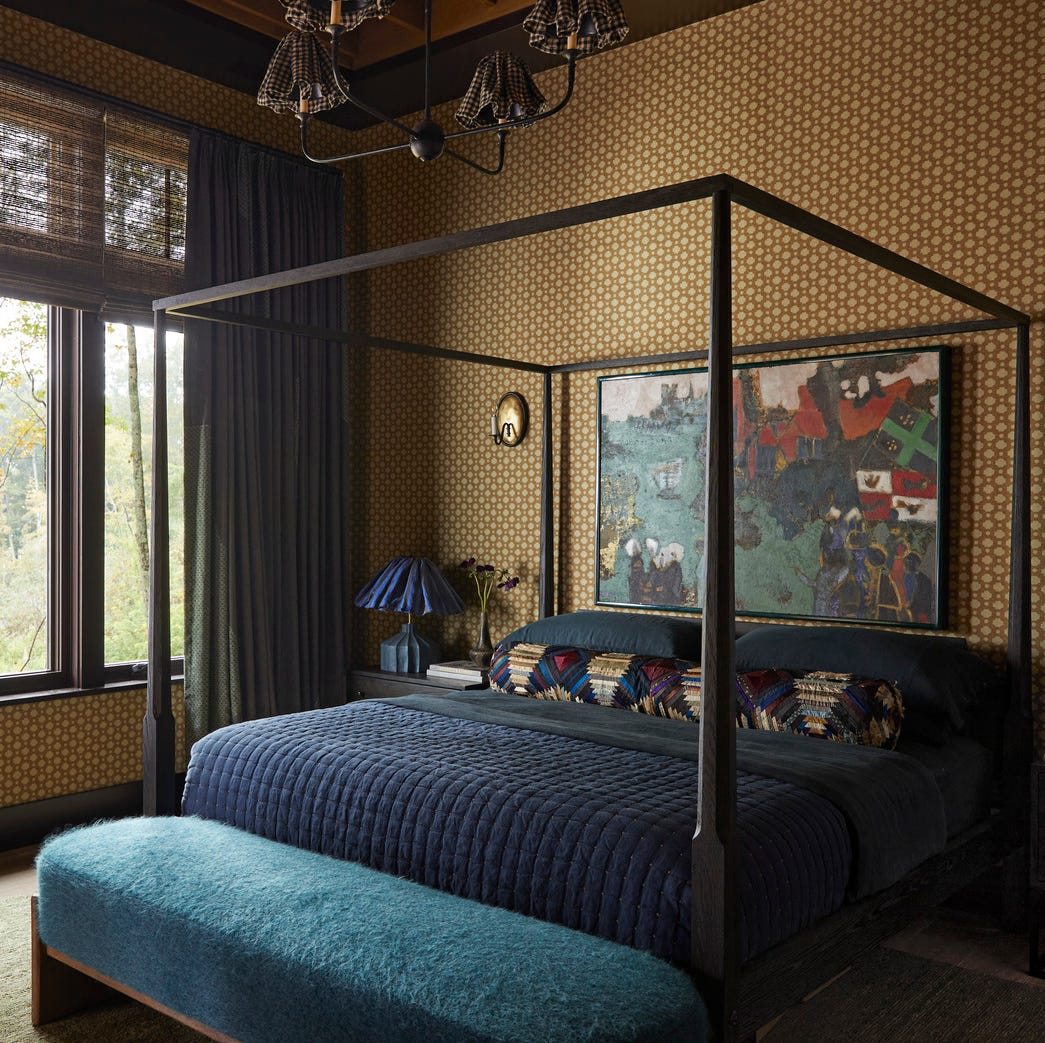
Interior designer Brad Ramsey notes a departure from using teal merely as a statement wall or accent pillow. Instead, current trends showcase a more integrated and luxurious application, such as deep teal kitchen cabinetry, velvet teal sofas, or entire rooms enveloped in the color for a dramatic and cocooning effect. This reflects a broader movement towards design that embraces personal expression and creates a sense of coziness and opulence. The article further explores how to effectively incorporate both dark and light variations of teal into interior spaces. Darker teals are recommended for creating intimate, jewel-box-like environments, such as powder rooms, home bar areas, or entertaining spaces, offering a lounge-like and cozy ambiance. These deeper shades pair well with warmer tones like golden yellow, red, tan, antique brass lighting, and warm leather accents to balance their coolness and introduce a glamorous feel.
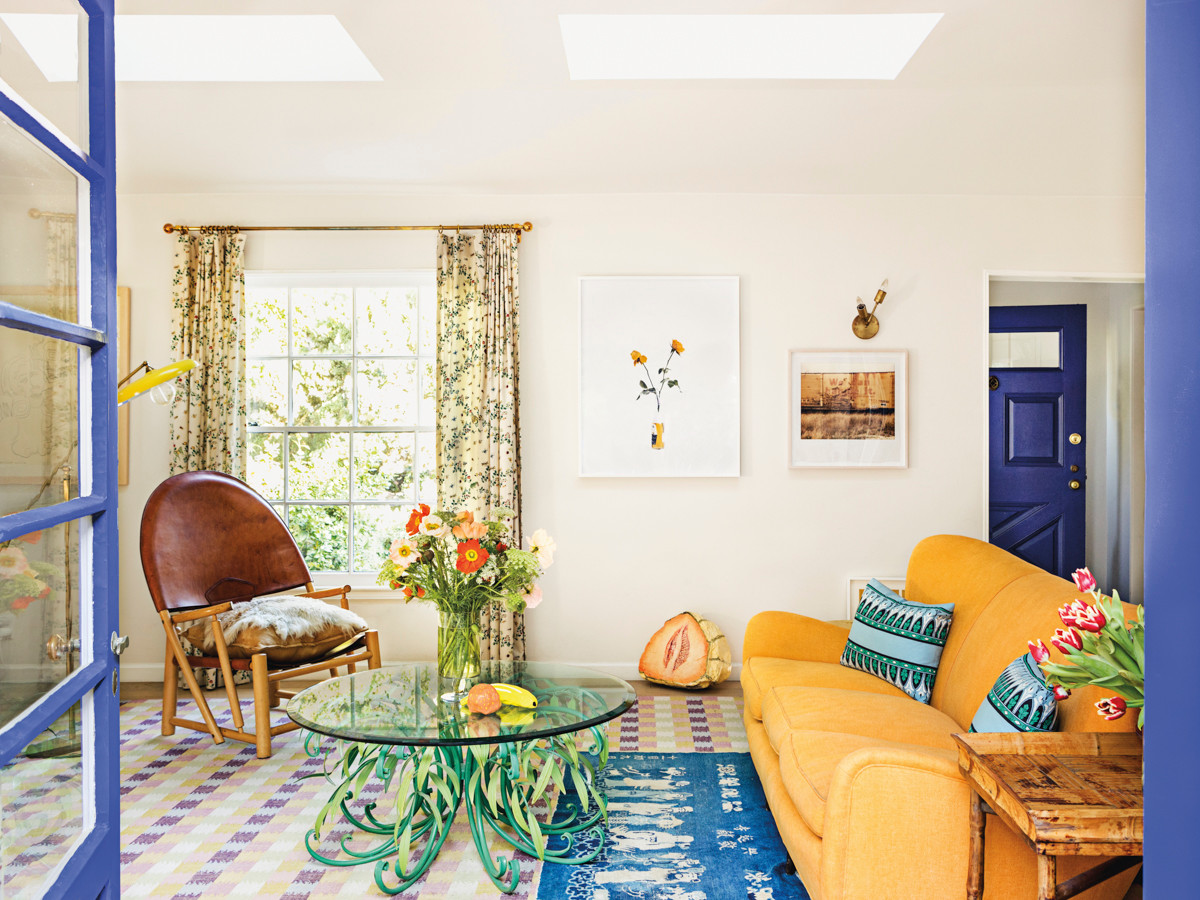
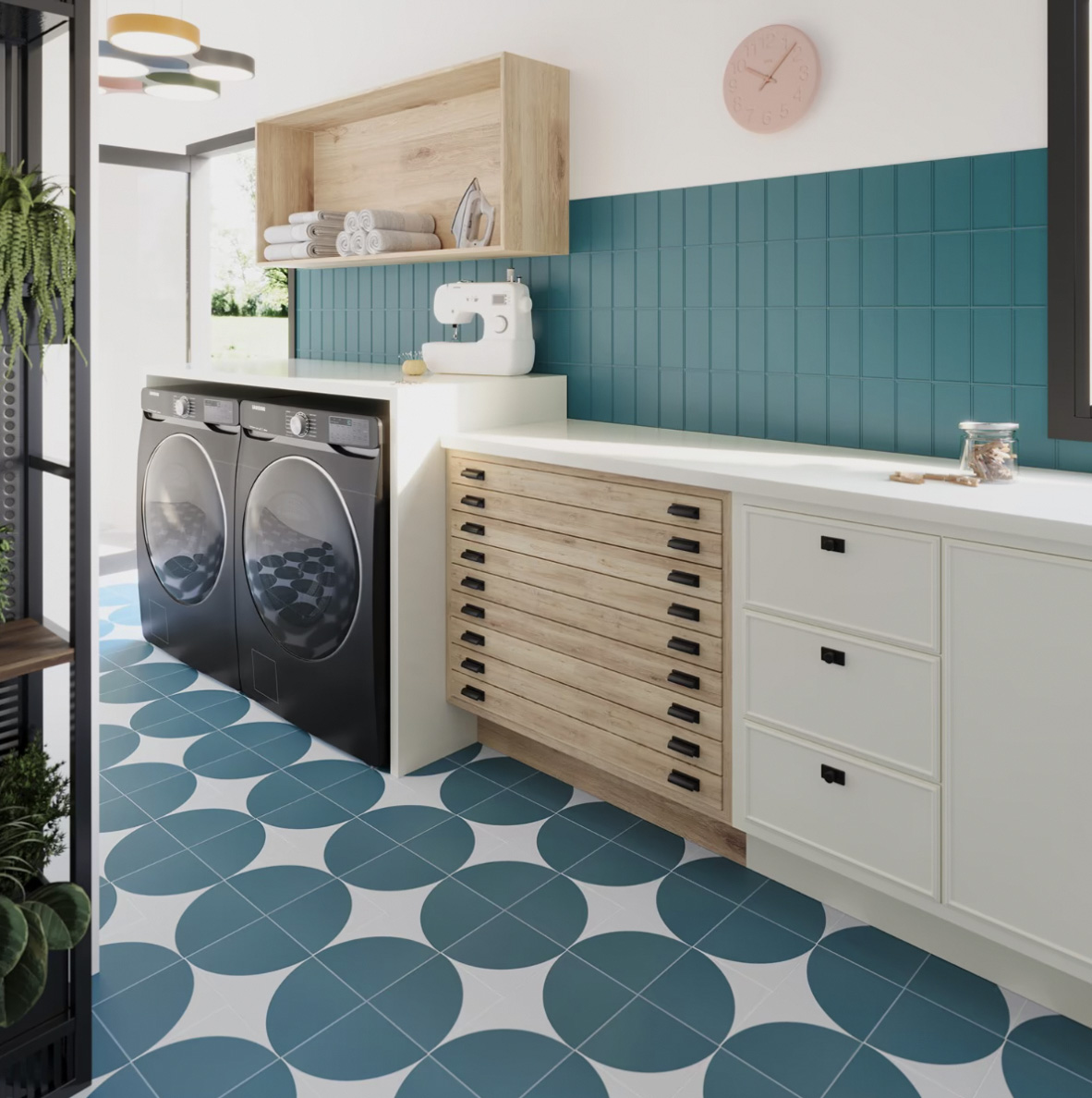
Conversely, lighter teals are presented as a means to brighten a space without introducing excessive warmth. They are often found in coastal or Palm Beach-inspired interiors, encouraging a sense of serenity. While vivid 90s-era light teals are generally avoided, softer variations are suitable for living room furnishings, kitchen backsplashes, and bedroom walls. To achieve a sophisticated look with lighter teals, the article suggests pairing them with creamy whites, lighter wood tones, pale pinks, and slate grays, rather than overly juvenile color combinations. The overarching message is that teal, when applied with careful consideration for texture and tone, can be an incredibly timeless and elegant addition to any interior design scheme.
#InteriorDesign #ColorTrends #TealDecor #HomeDecor #DesignInspiration #ColorPsychology #LuxuryInteriors #ModernLiving #DecoratingTips #InteriorDesign #ColorTrends #TealDecor #HomeDecor #DesignInspiration #ColorPsychology #LuxuryInteriors #ModernLiving #DecoratingTips
Hay 0 comentarios en total
 Aún no hay comentarios
También te puede gustar
This surprising color trend is having a comeback

Designers Say These Vintage Paint Colors Are Back

The Most DIVISIVE Wood Stain From the '90s Is Back in a Big Way
The return of the fashion colour consultation

This SURPRISING Color Is About to Be Everywhere, According to Designers

Forget Millennial Pink: When It Comes to Wall Paint, "Boring" Beige is Back
Every Designer I Talked to Said This Popular Paint Color Is on Its Way Out

This Outdated Paint Trend is now Predicted to Return — Designers Love its "Fun, Eye-Catching Glamor"
The Color Combo You’re About to See Everywhere
The Outdated Paint Color That's Coming Back In A Major Way In 2026
‘Unexpected Yellow Theory’: The Bold New Interior Trend Replacing Red in 2025
It's Official: Chartreuse Is the New Slime Green
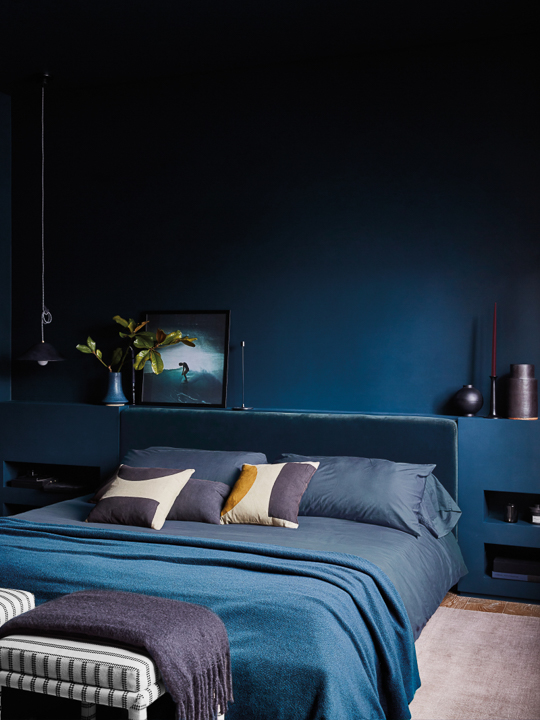
It’s Official: Designers Are Ditching This Once-Classic Color
This Controversial ’90s Hue Deserves a Second Chance in 2026
Bold, edgy color drenching is going to be big in 2024
Backdrop + Coming Soon Reveal Bold Color of the Year
"Magnolia 2.0" is the New Color Trend That's Re-Imagining This Controversial Shade for 2024
Kitchen colour experts are calling this the 'it' colour of 2024 that will go down as a future classic
Color Explosion: 2025 Color Trends

Goodbye To Butter Yellow: The Moodier Hue That's On Trend