The Home Edit Founders Reveal Their Secrets To Keeping Your Entryway Organized
Clea Shearer and Joanna Teplin, the founders of The Home Edit, renowned for their aesthetically pleasing and functional home organization, emphasize that their goal extends beyond creating beautiful spaces to making homes work effectively for their inhabitants. As mothers themselves, they understand the daily challenges families face, especially during busy times like back-to-school season. Their professional insights, shared through their company, TV show, book, and product lines, highlight the critical role of an organized entryway or mudroom in streamlining morning routines and reducing household stress.
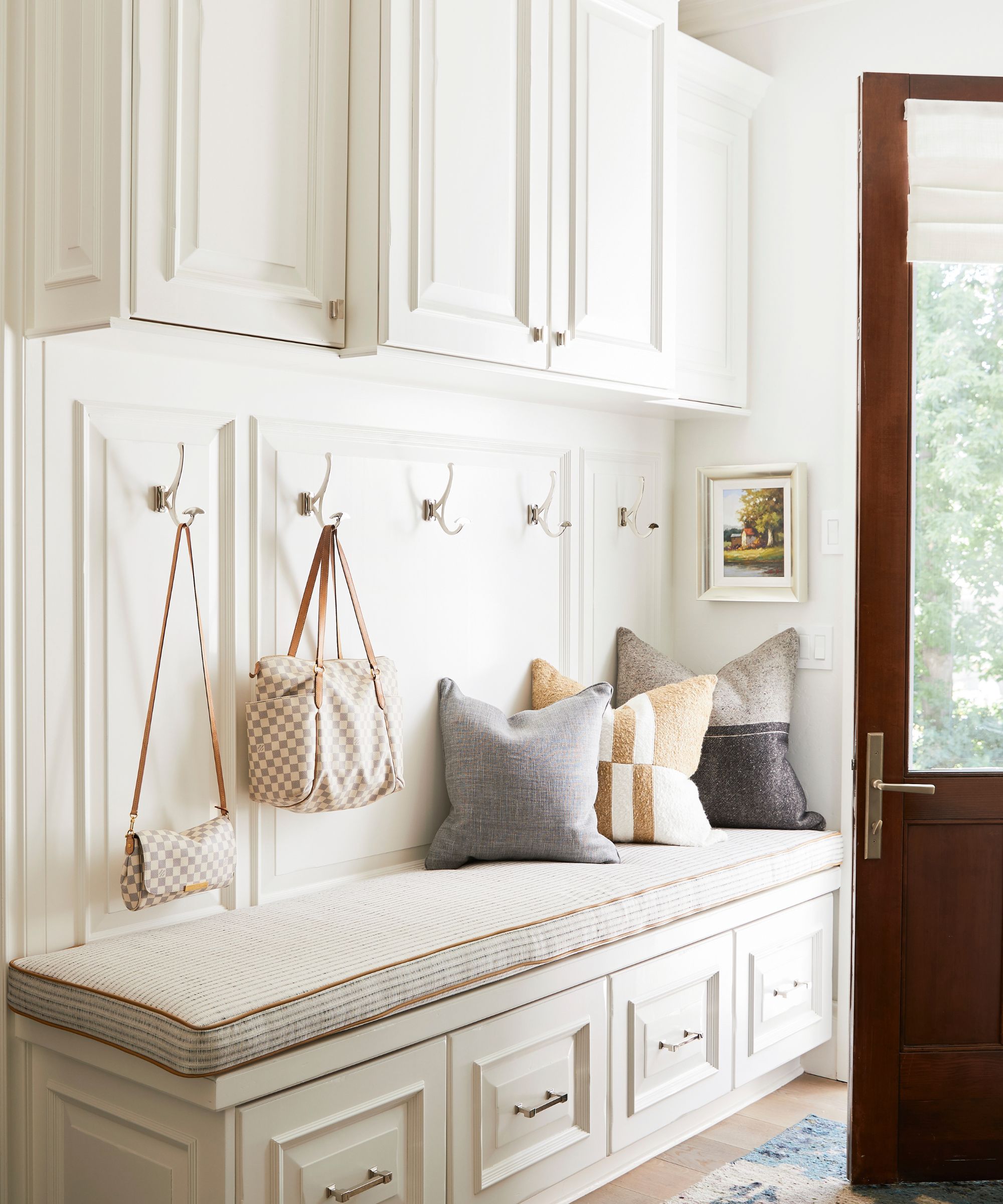
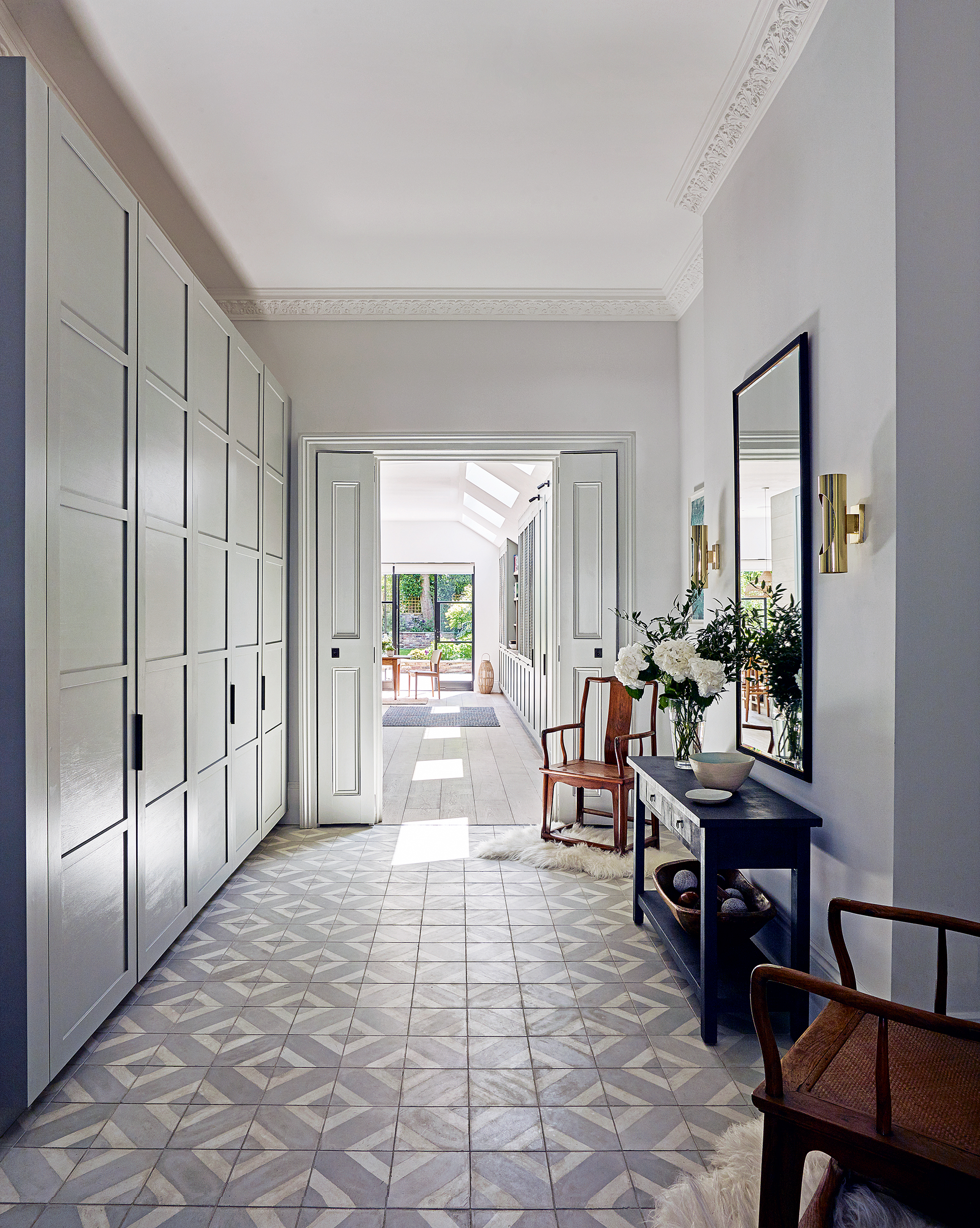
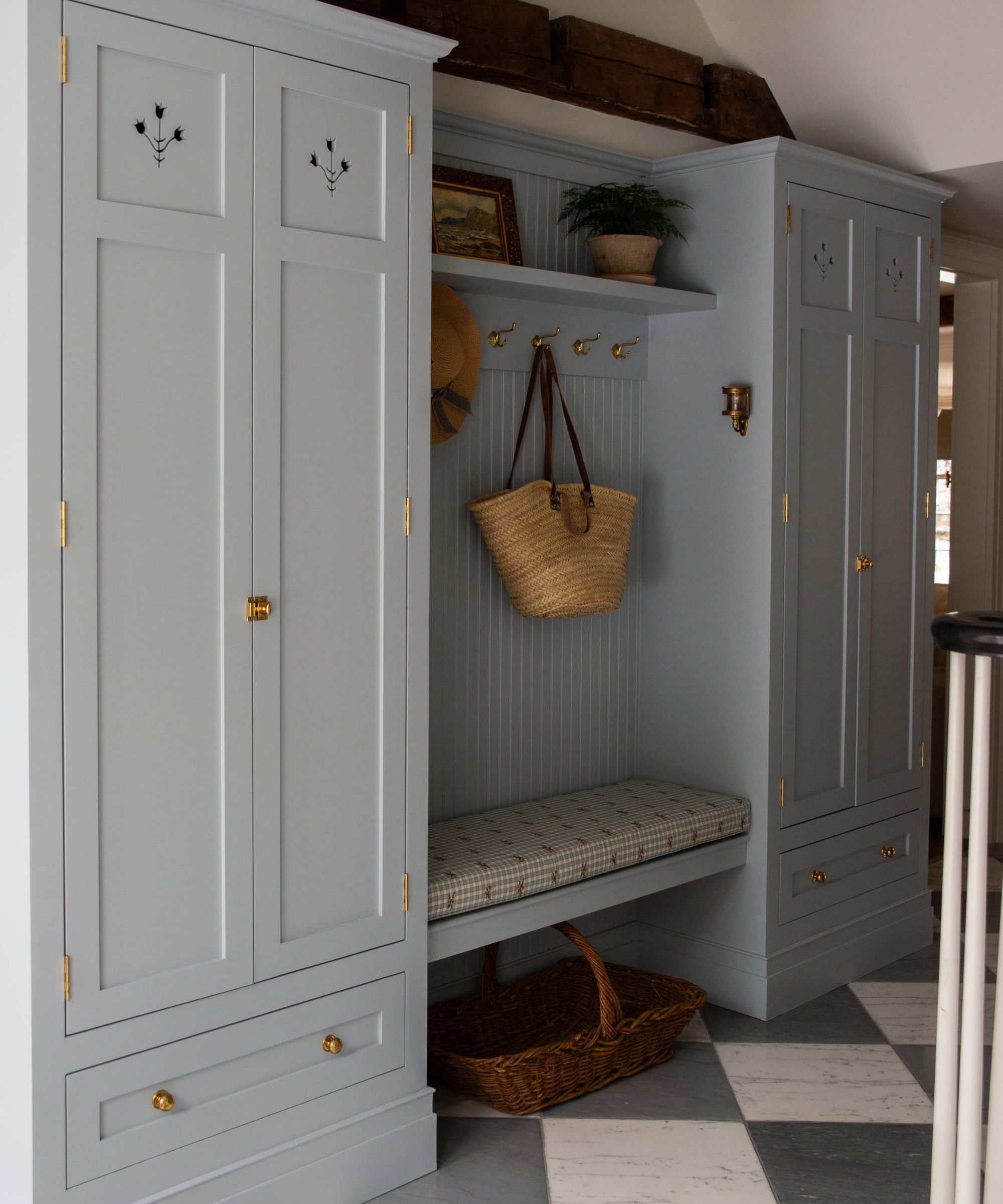
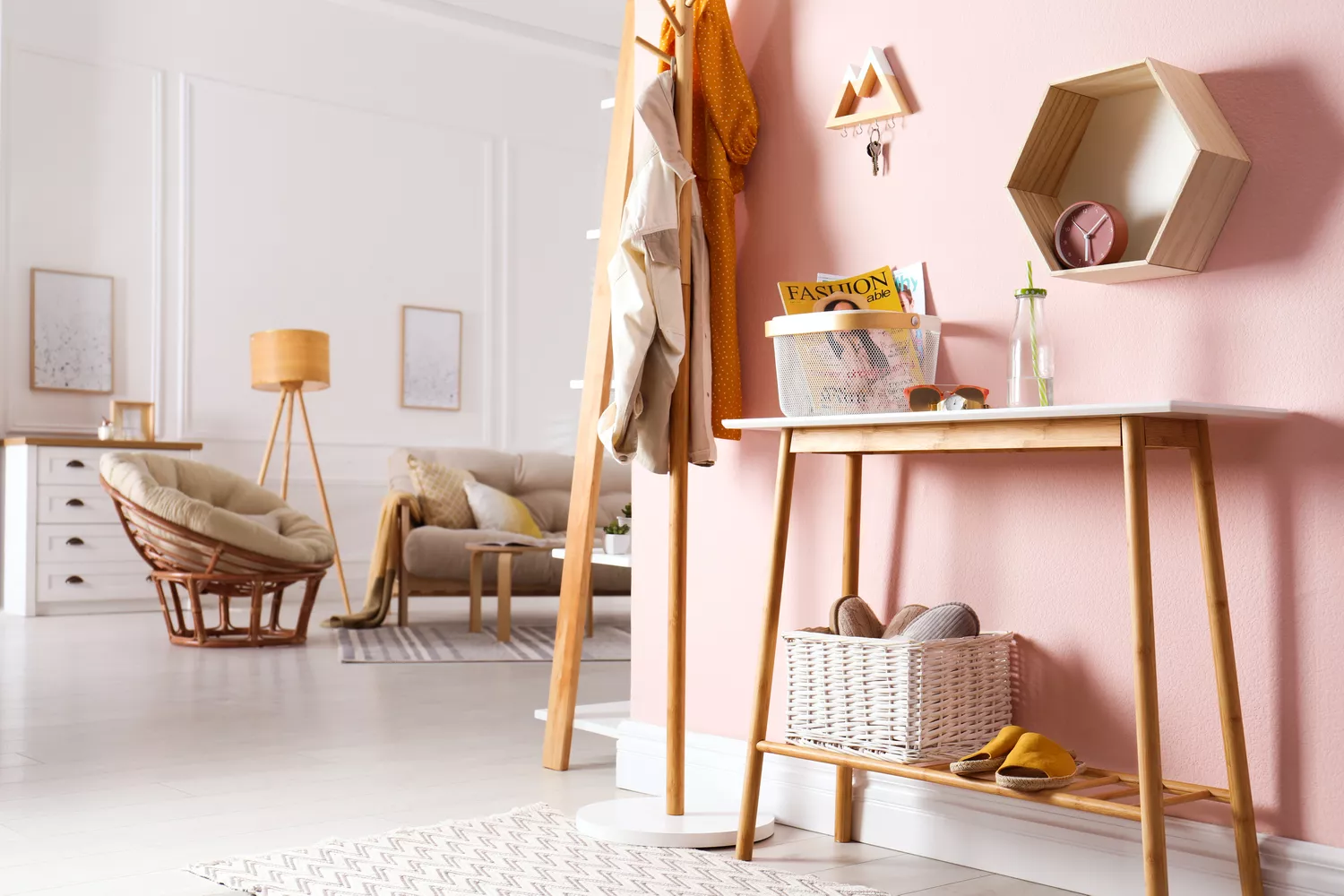
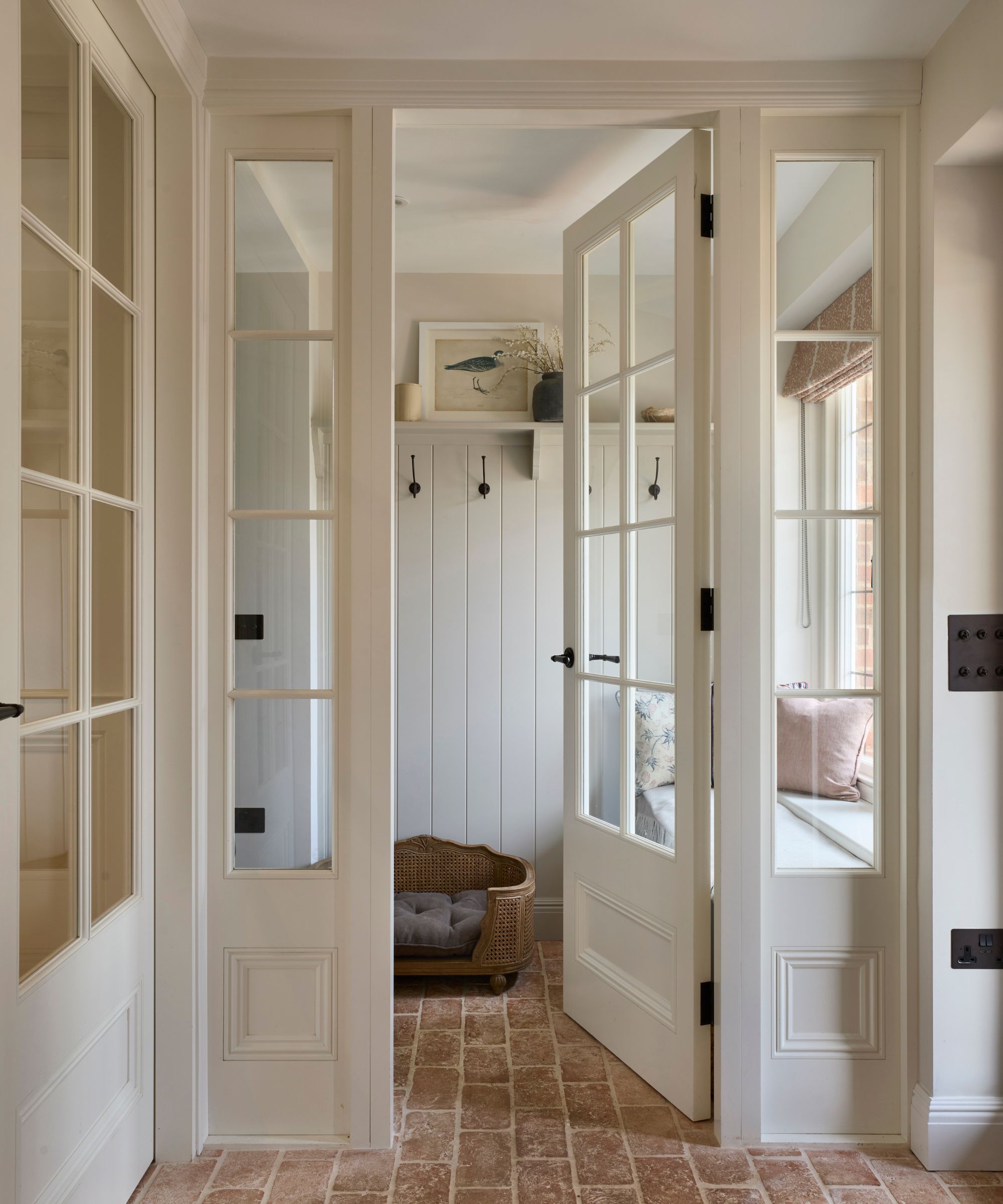
Shearer describes the entryway as an "artery that gets clogged" with items like shoes, backpacks, coats, and mail, making effective organization crucial. To combat this, they advocate for creating "drop zones"—designated areas for specific items—at entry and exit points. This strategy aims to prevent piles from accumulating and ensure smoother transitions in and out of the house. For example, instead of keeping all socks upstairs, Teplin suggests having a basket of socks in the entryway to prevent children from needing to run back up for them, saving precious time.
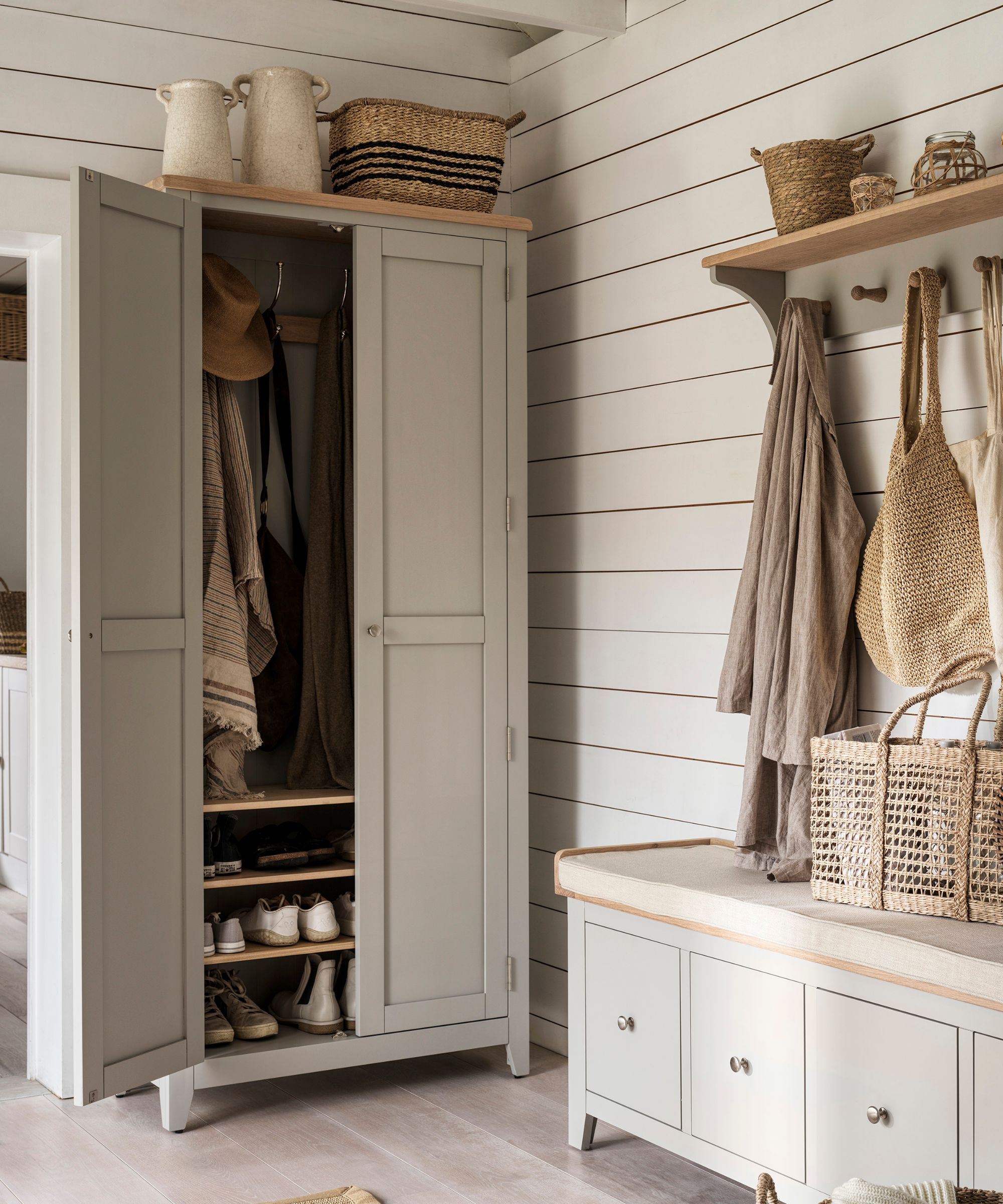
The key to establishing effective drop zones lies in observing and addressing a family's typical morning routines and recurring challenges. If children frequently forget to brush their teeth or hair, setting up a small station with these items downstairs can eliminate trips back upstairs. Similarly, a "hobby basket" in the mudroom for sports gear like shin guards or kneepads ensures that these items are readily accessible and contained, preventing clutter and last-minute searches. Shearer and Teplin stress that while the concept of where items "belong" might traditionally be upstairs, if an item is used daily as part of the exit routine, it belongs in the entryway.
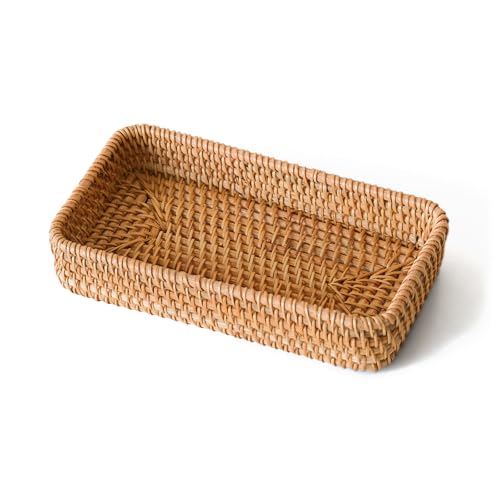
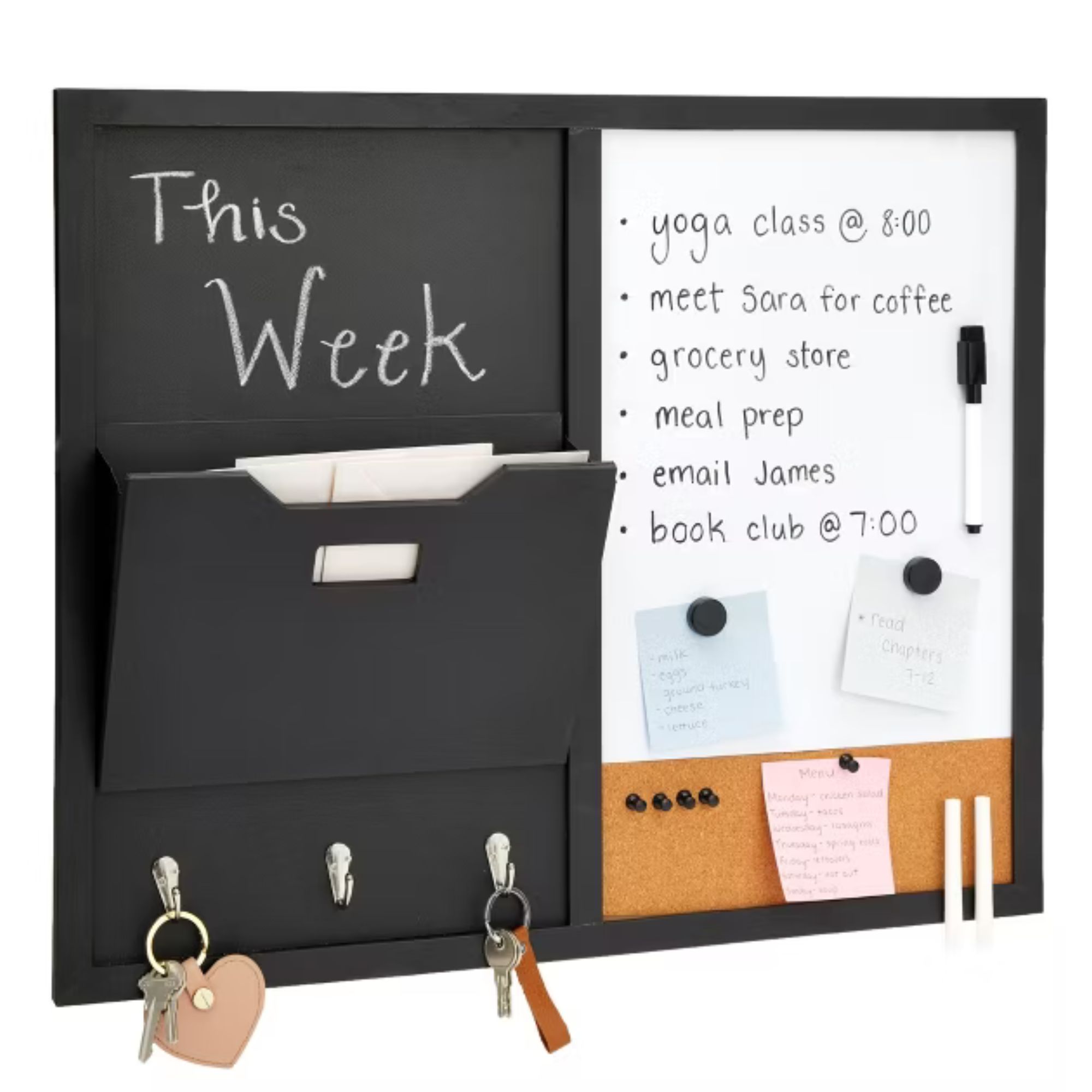
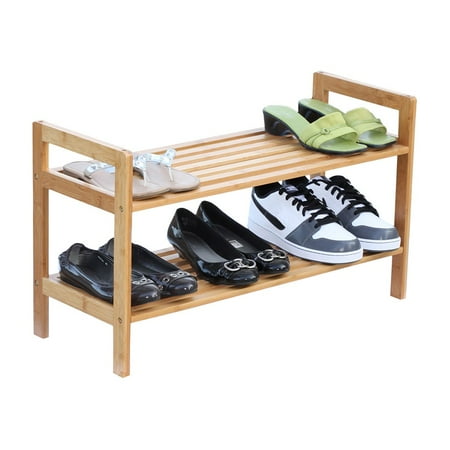
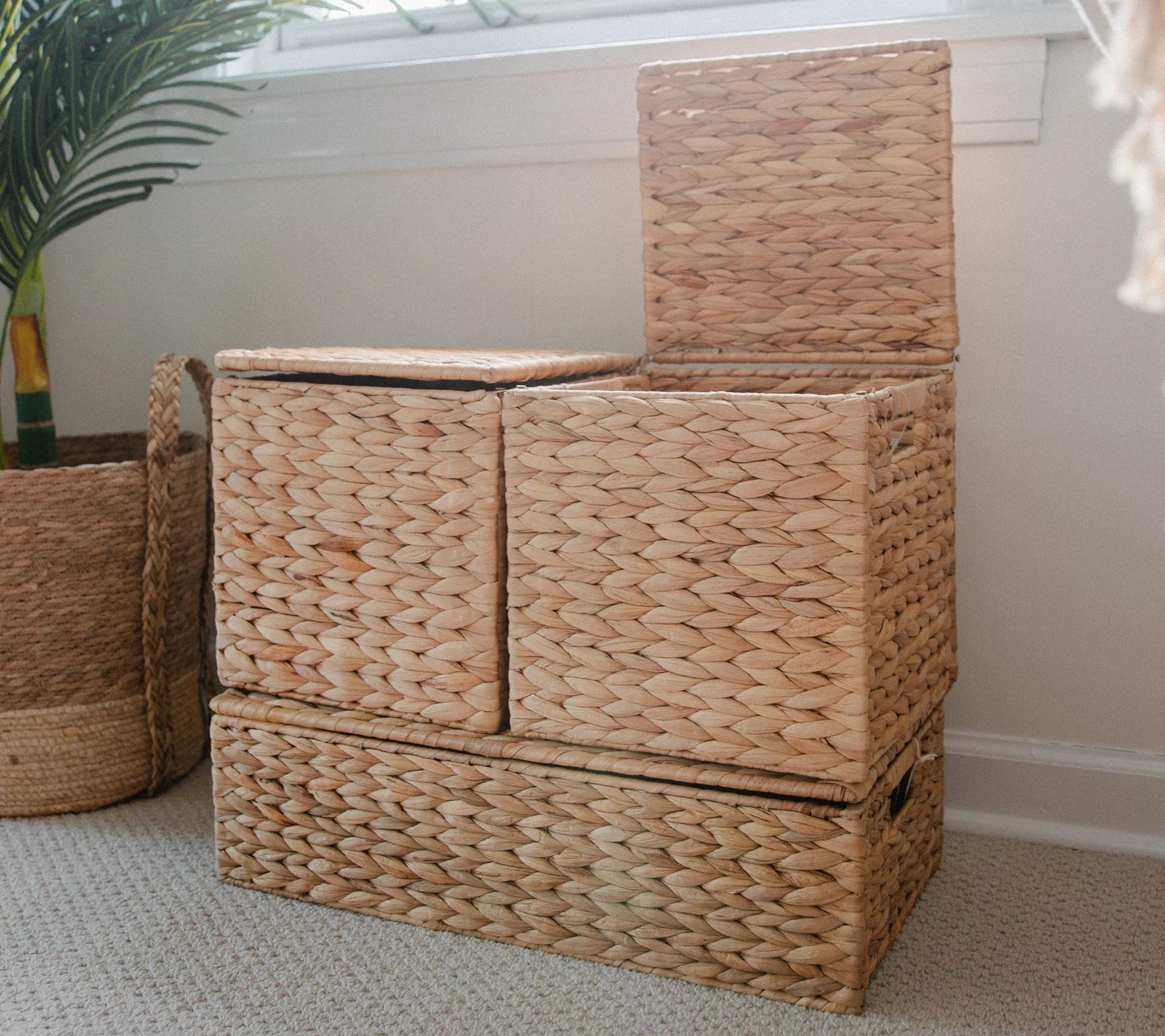
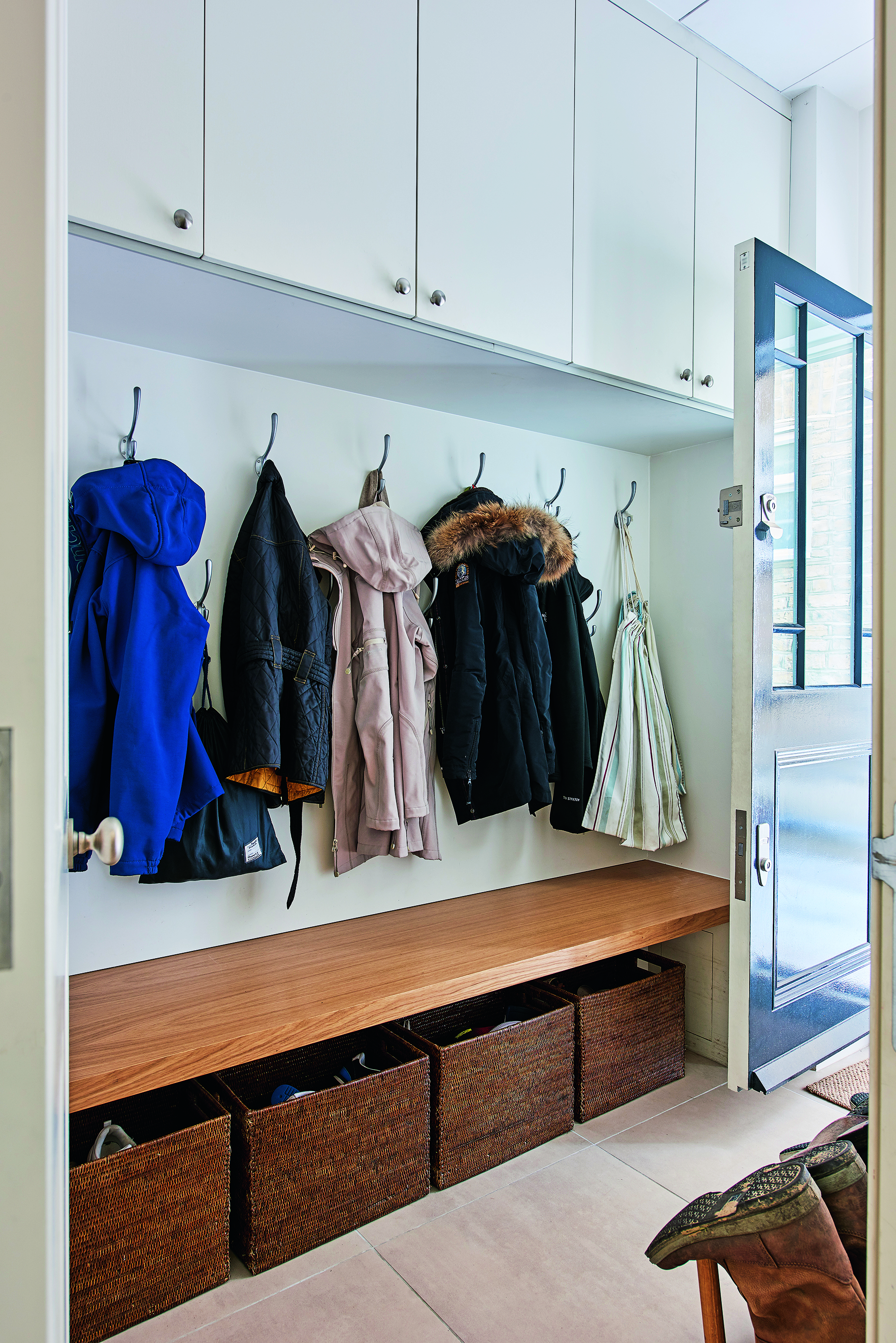
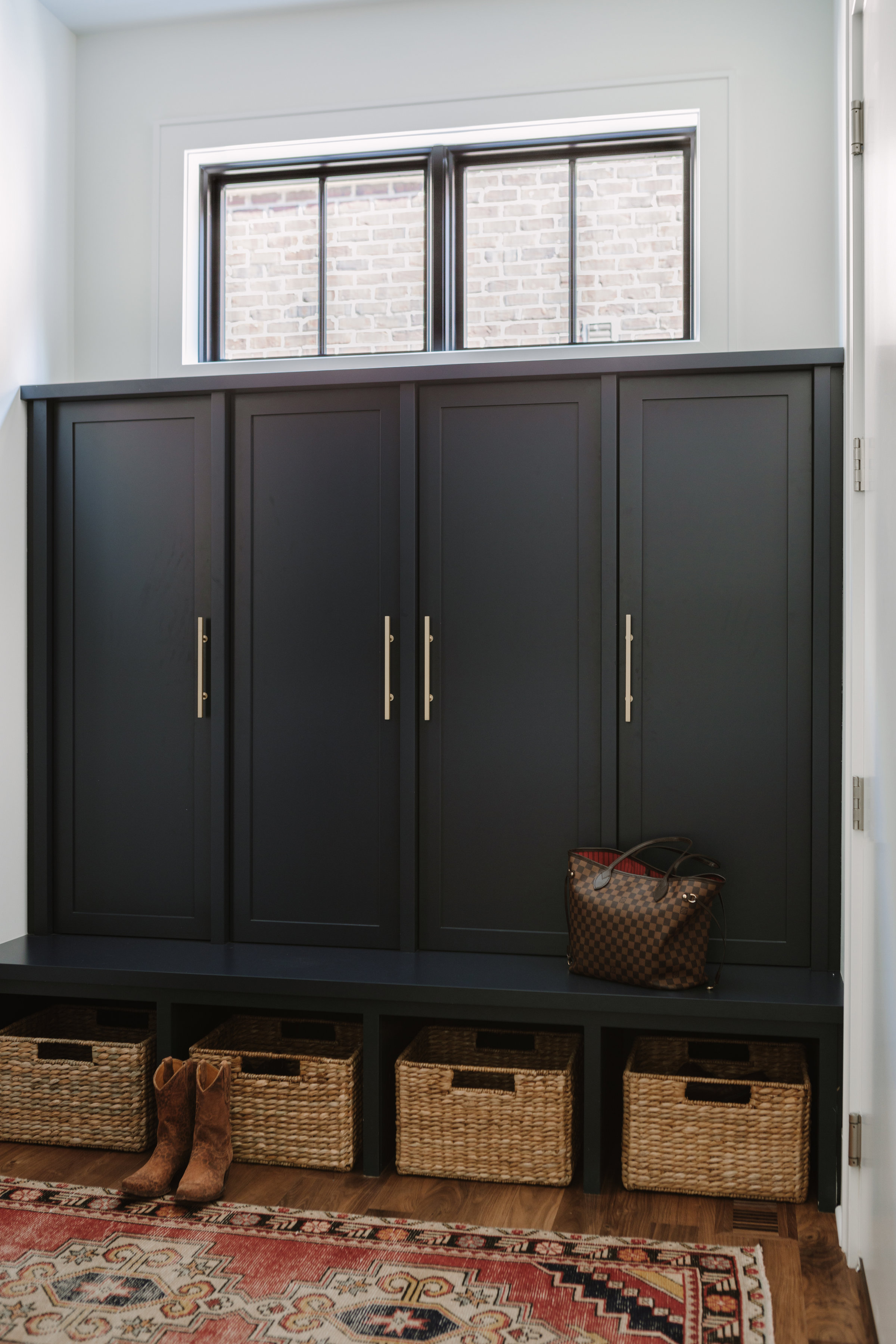
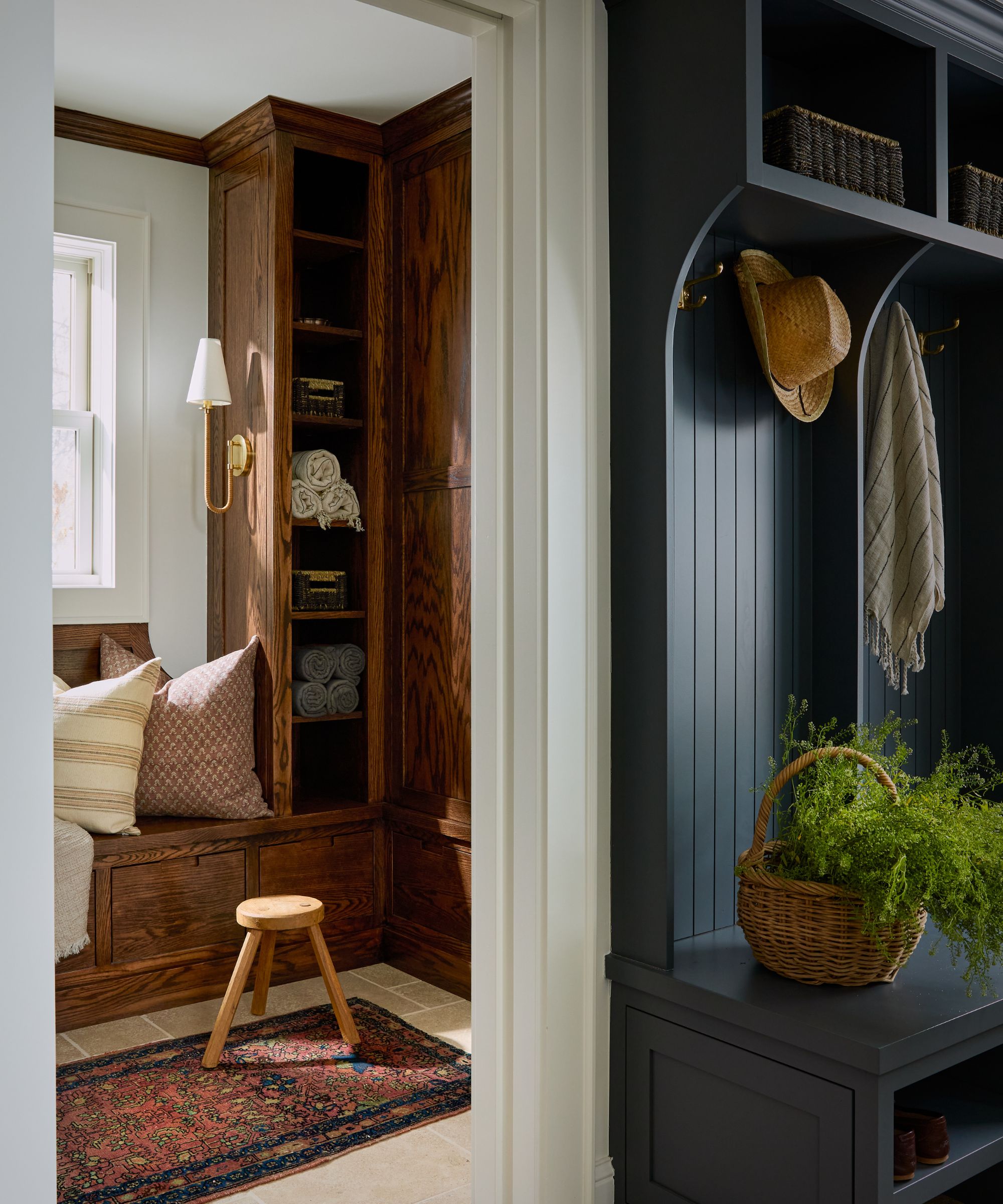
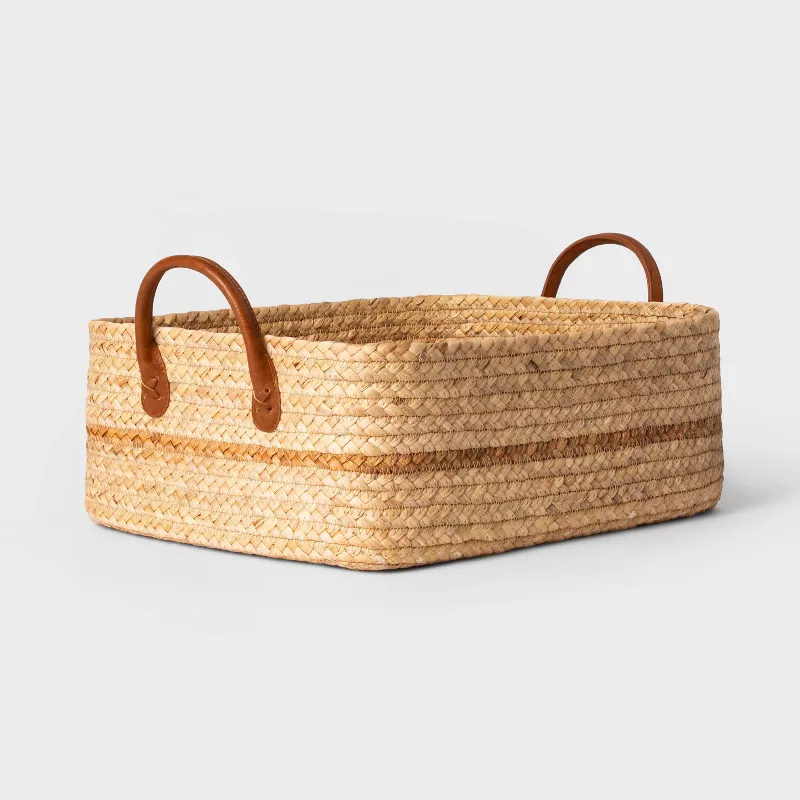
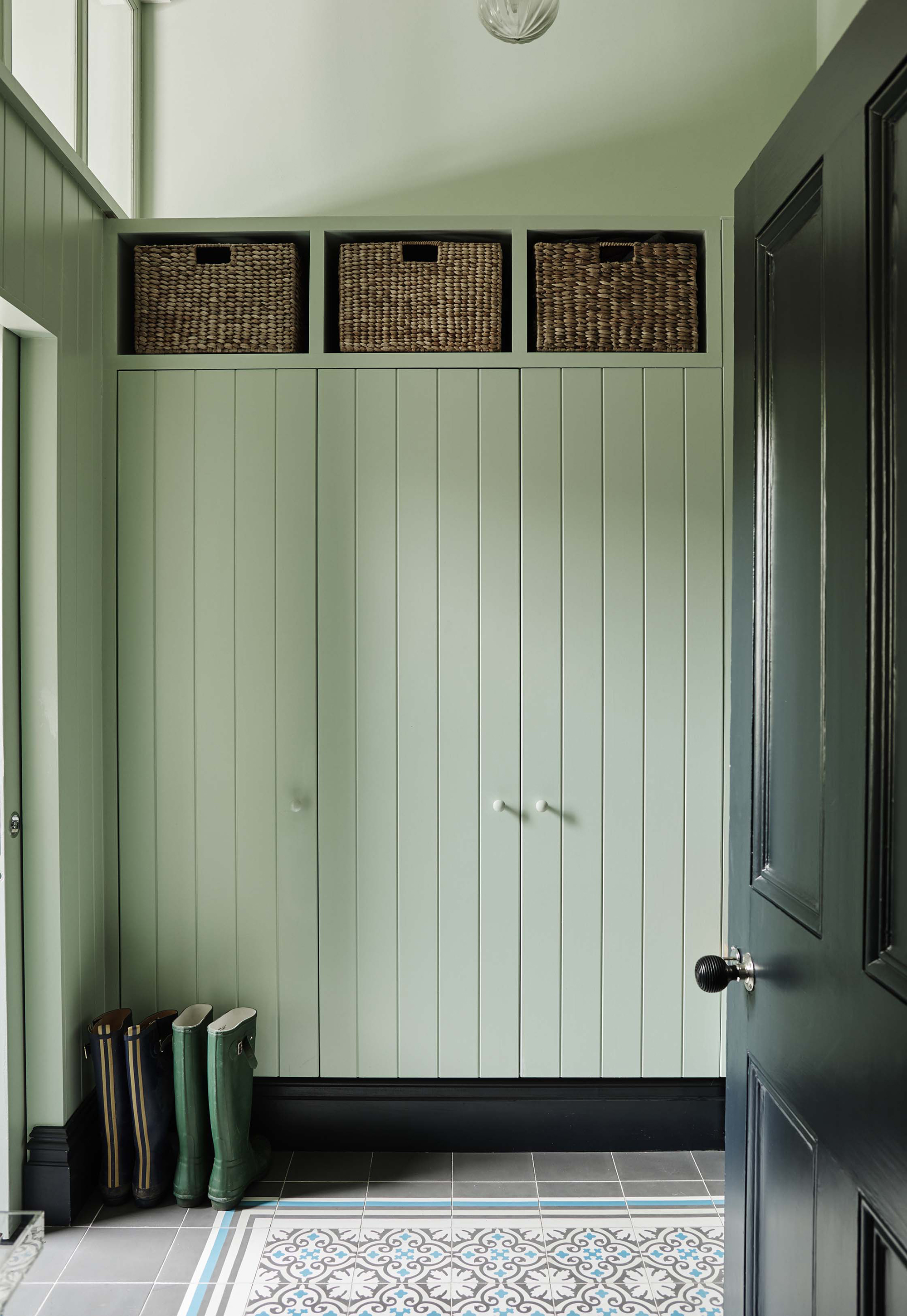
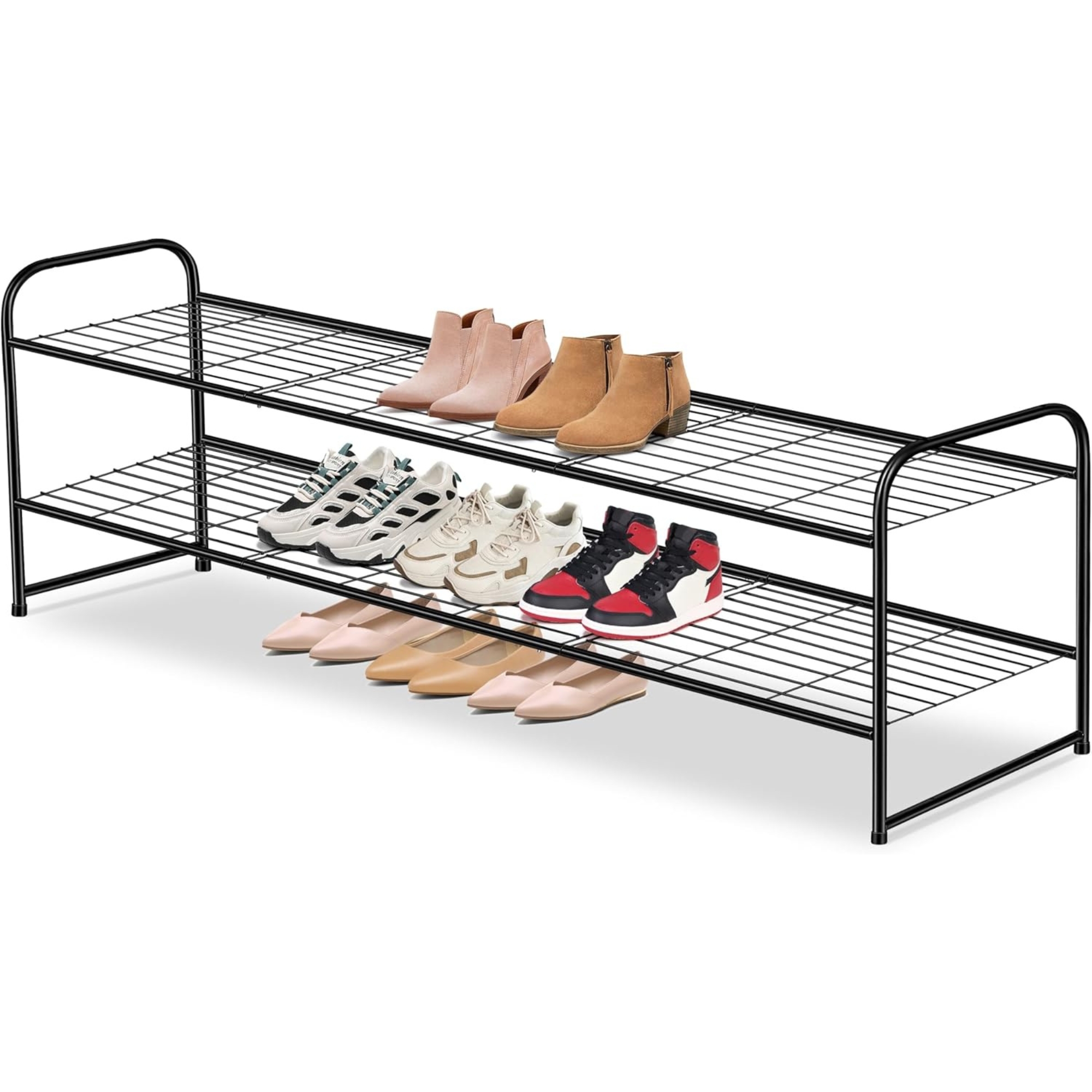
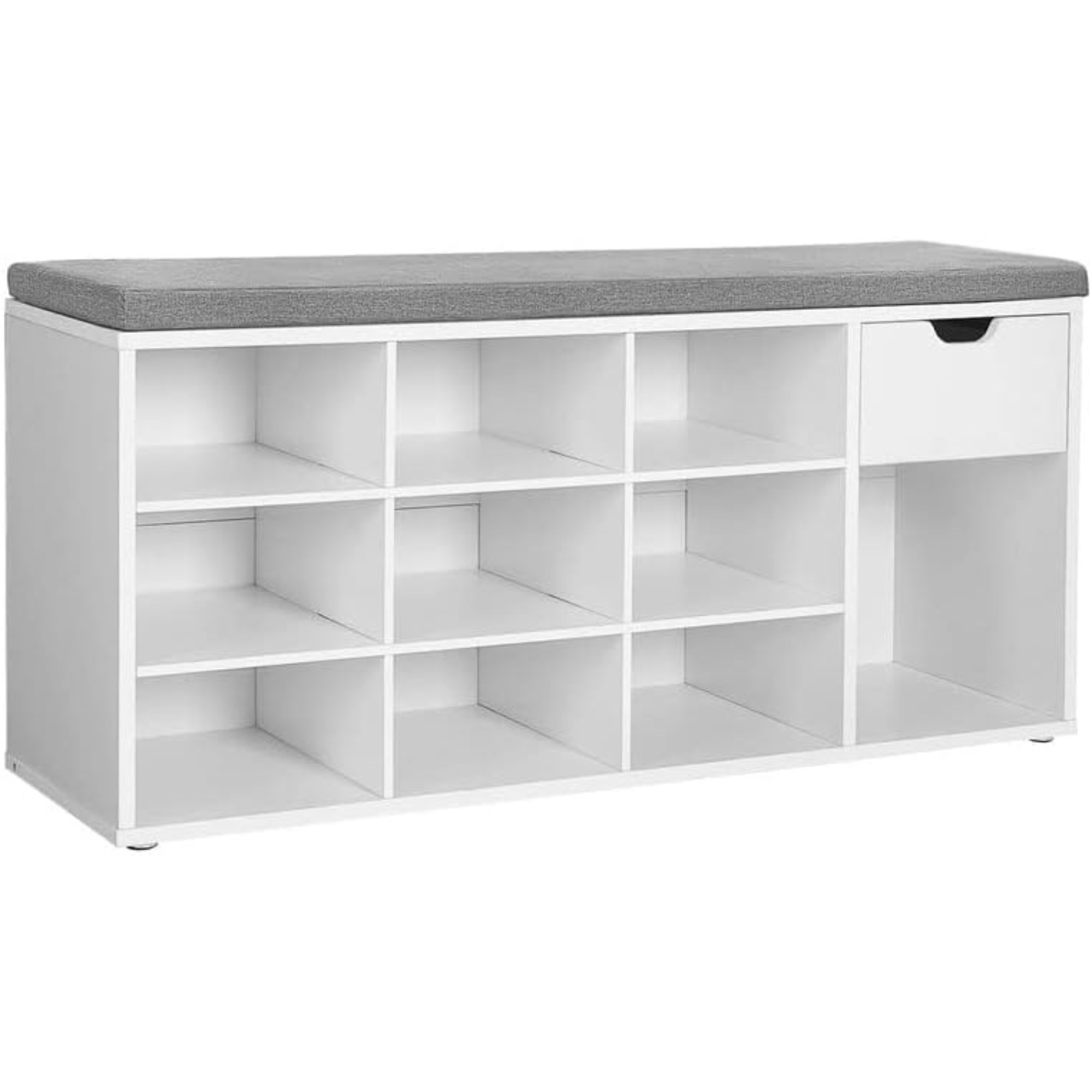
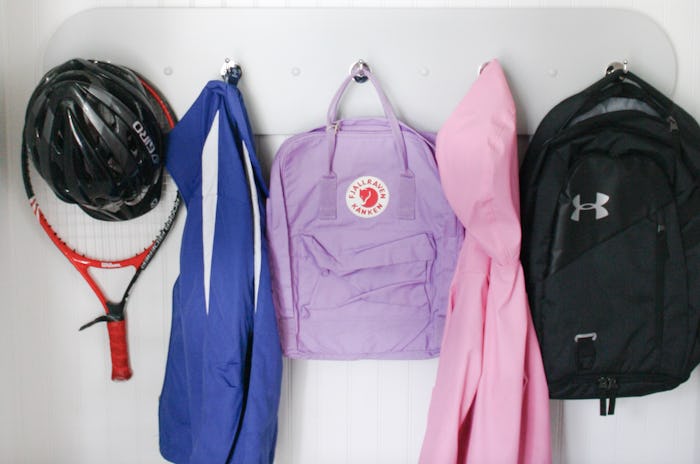
Practical organization includes dedicated spots for shoes, bags (including backpacks), and mail. They even suggest toothbrush stations for families whose children struggle with going back upstairs to brush their teeth. For seasonal items like mittens or sunscreen, interchangeable bins that can be swapped out depending on the season maintain order without requiring constant re-organization. The Home Edit philosophy prioritizes flexibility and simplicity, acknowledging that family needs evolve. They advise starting with large organizational elements like baskets and then refining smaller details, always considering the specific space constraints, whether it's a dedicated mudroom or a small bench near the front door. Uniformity in storage solutions, such as matching baskets, and accessible cleaning supplies like paper towels contribute to maintaining a visually appealing and tidy space.
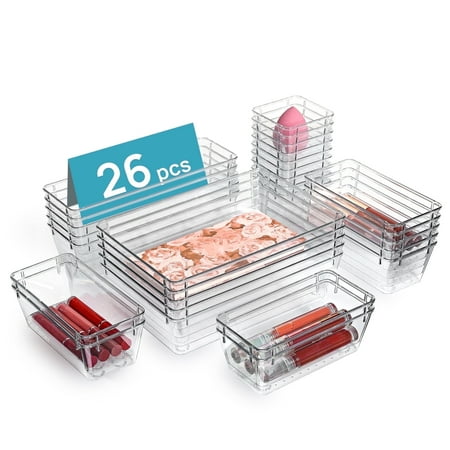
Despite their expertise, both Shearer and Teplin admit that even their own families don't always perfectly adhere to the organizational systems. They jokingly note that children (and partners) might place shoes next to a labeled bin rather than in it. However, they emphasize that providing a designated zone is a significant step, and picking up the last few items becomes a "me issue" rather than a systemic failure. Their product recommendations include versatile items like drawer units with divided bins and divided turntables, which can hold various items from small accessories to keys. Ultimately, the goal is to create systems that align with how a family lives and functions, making daily routines easier and less chaotic, even if it means rethinking traditional notions of where things "belong."
#HomeOrganization #EntrywayDesign #MudroomOrganization #FamilyLife #ParentingTips #Decluttering #HomeEdit #StorageSolutions #BackToSchool #HomeOrganization #EntrywayDesign #MudroomOrganization #FamilyLife #ParentingTips #Decluttering #HomeEdit #StorageSolutions #BackToSchool
Hay 0 comentarios en total
 Aún no hay comentarios
También te puede gustar
Setting Up 'Launch Pads' by the Front Door is This Expert's Easy Fix for Banishing The Morning Rush for Keys and Coats

10 things the most organized people have in their entryways, according to organization and interior experts
6 golden rules for a clutter-free entryway and how a 'landing pad' is crucial, say experts
How a Dedicated “Drop Zone” Can Keep Your Whole Household More Organized

'Where there are hooks, people will always hang coats' – 8 things you should never store in your entryway to avoid it becoming a dumping ground
Your house will be less messy, clutter won't spread, and you'll feel less stressed if you tidy 1 vital but tiny area daily – it's why pro organizers prioritize it
5 Things Making Your Entryway Look Messy—and How to Fix Them

4 things that people with an organised hallway always do – expert tips that guarantee a neat entranceway
Items to never store in an entryway, according to cleaning, organizing and interiors experts
7 Hacks That Will Keep Your Small Entryway Clutter-Free, According to Pro Organizers

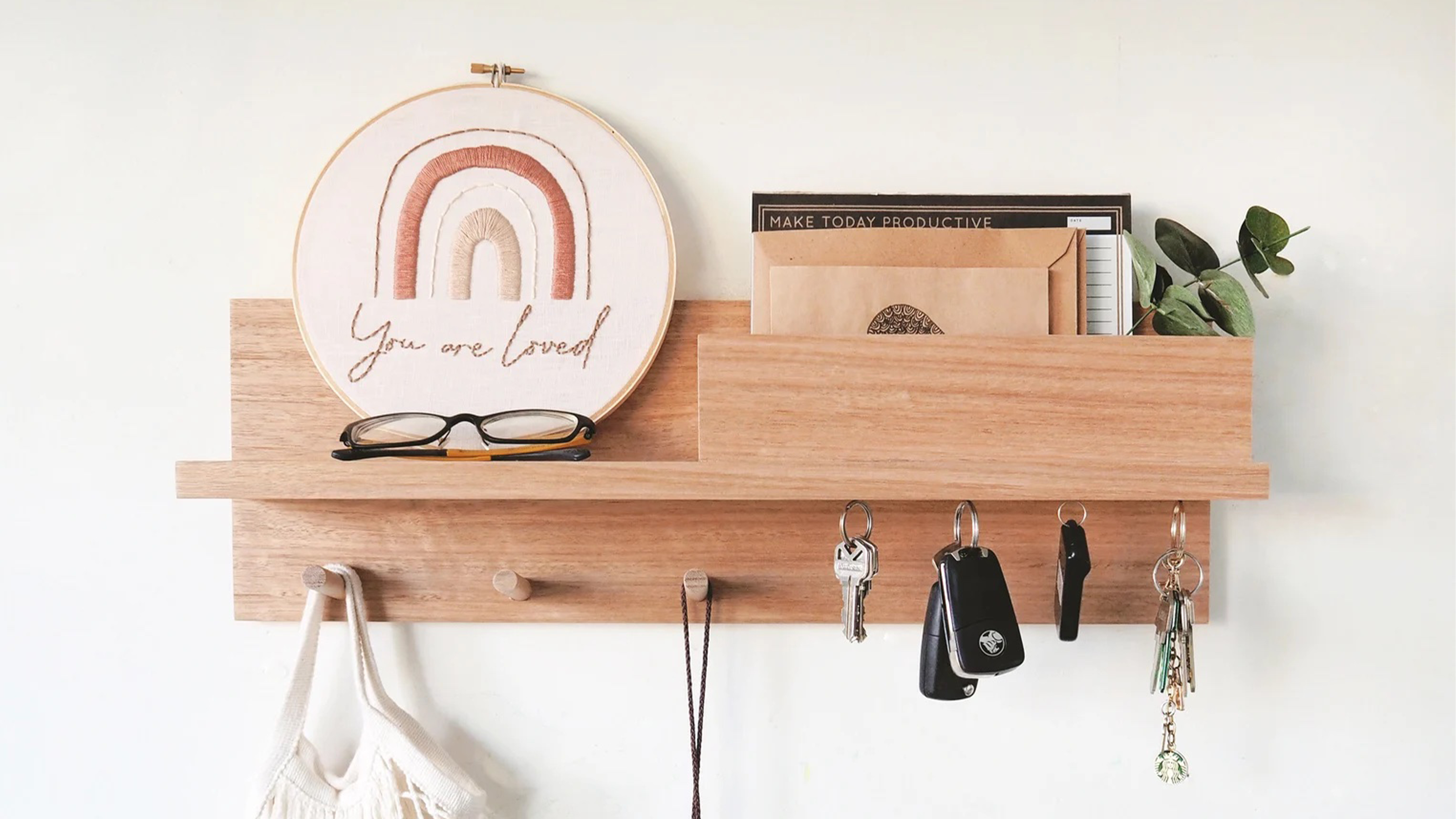
These are the 12 buys professionals say will keep your small entryway organized

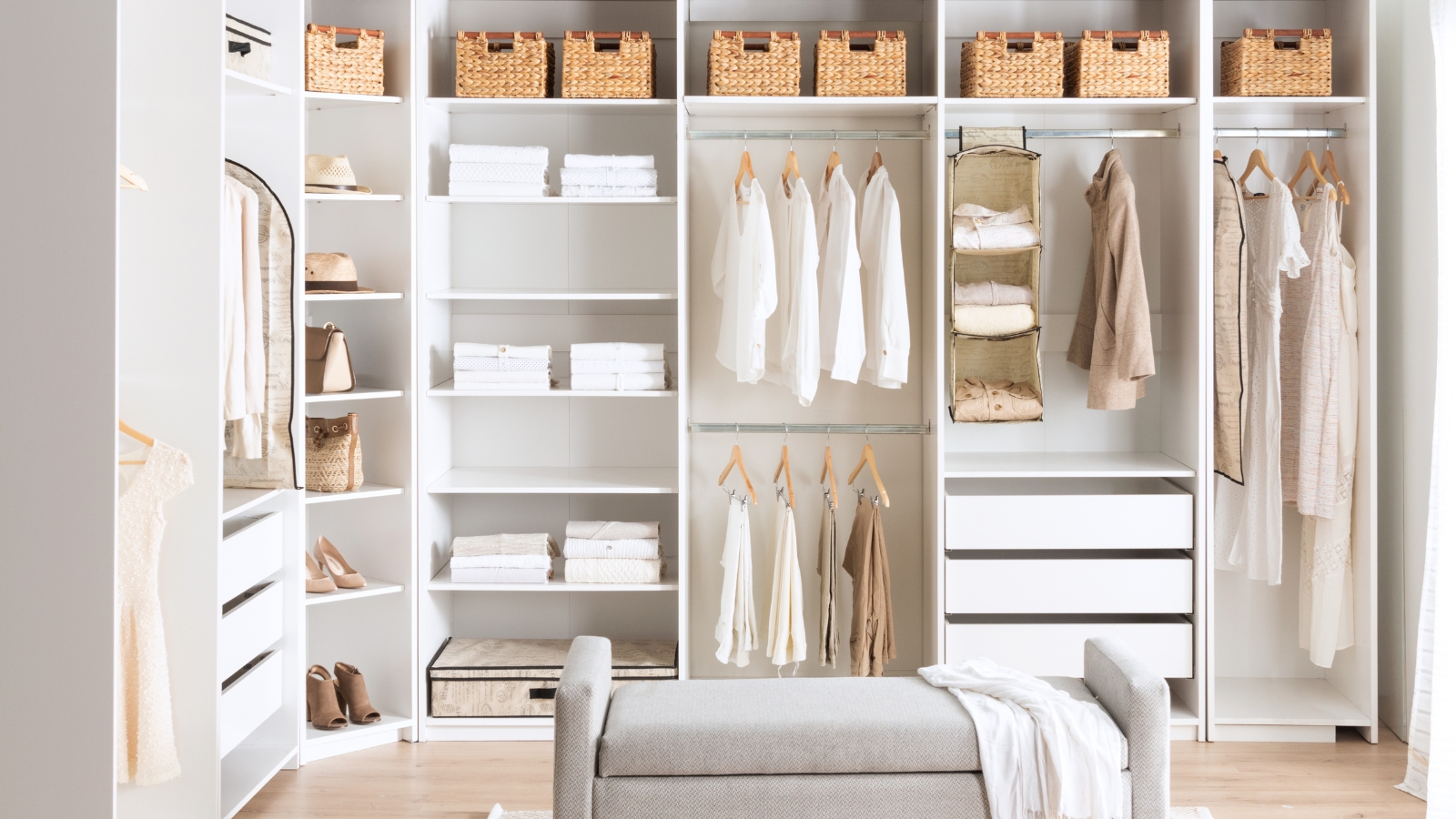
9 things professional organizers wish you wouldn't spend your money on – and what's worth the spend instead
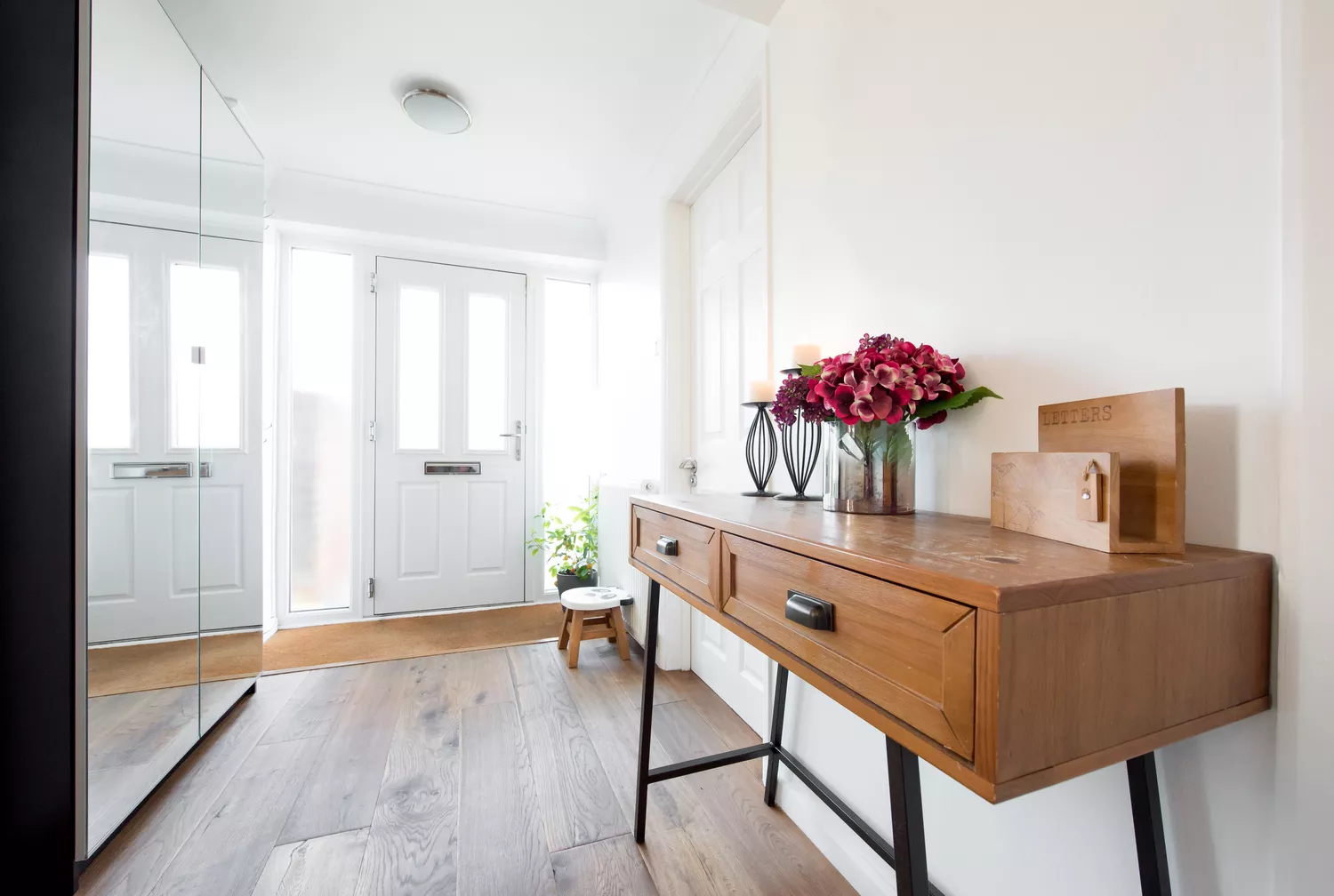
If This One Spot Isn't Organized, Your Whole Home Looks Cluttered, Organizers Say

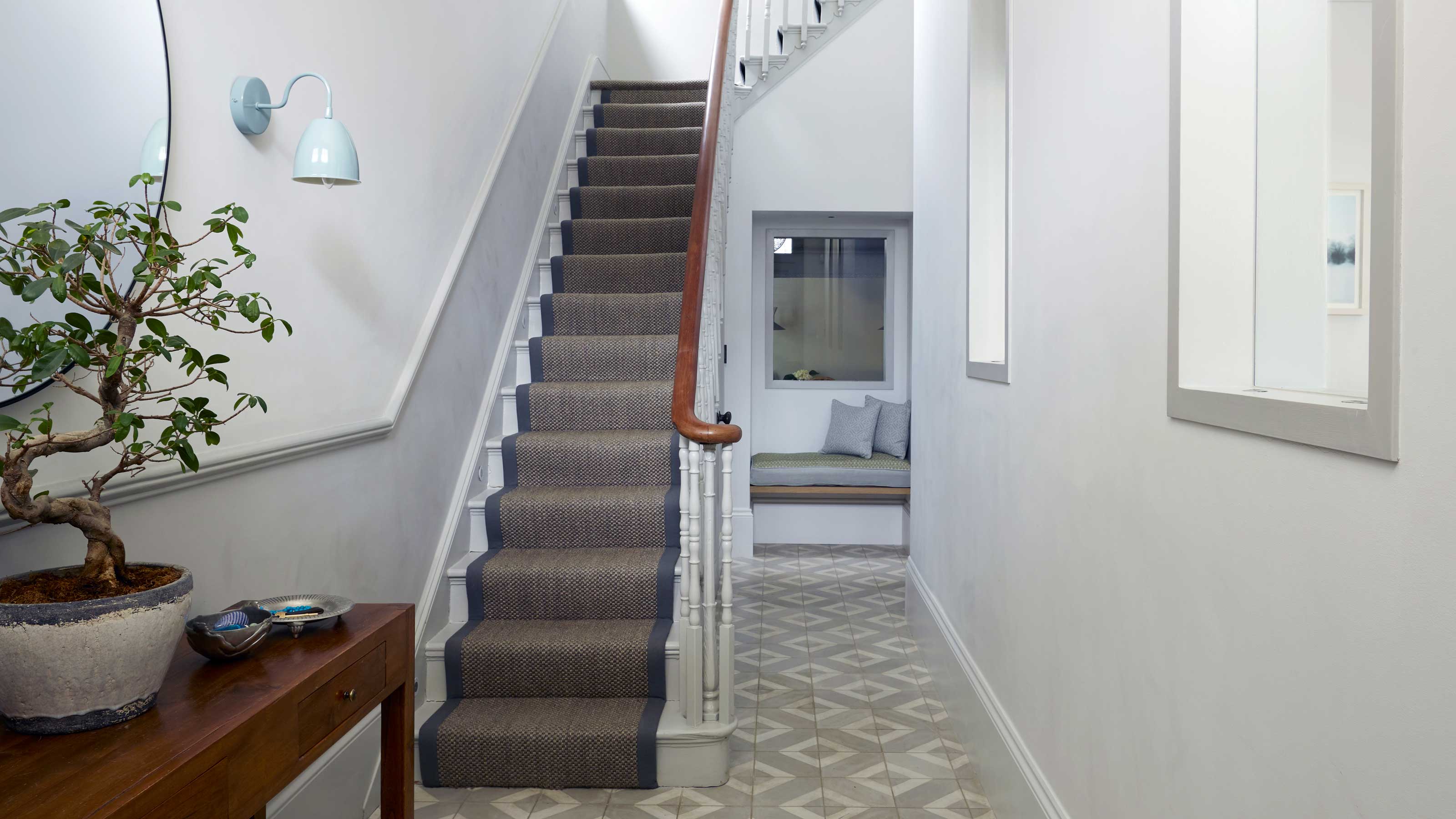
4 golden rules for an organized entryway, from interiors editors and designers
Eco-friendly organizing tips for a more sustainable home
13 Things EVERY Professional Organizer Does to Keep Their Home Clutter-Free

Organizing an entryway – 10 clever ways to arrange a home’s entrance
Entryway decluttering rules pro organizers always follow – and you should too
I love this renter-friendly solution for purses in entryways
The Home Edit's Clea and Joanna on the Biggest Closet Organizing Mistake They See People Make