1/20
Sustainable kitchen ideas – 19 ways to design an eco-friendly cook space
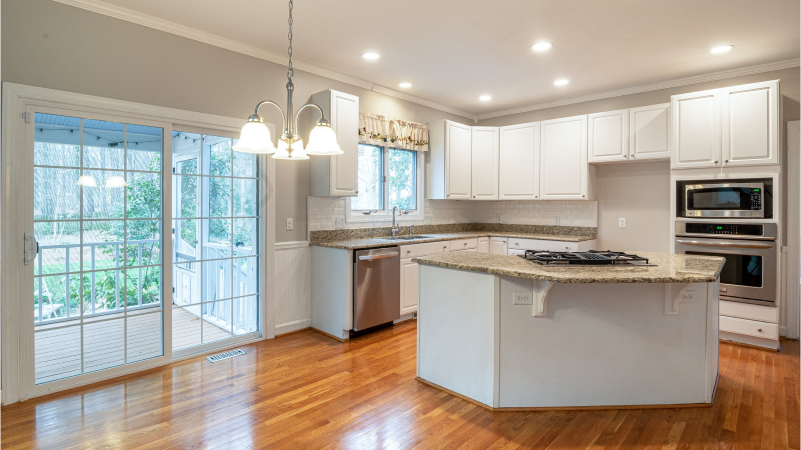
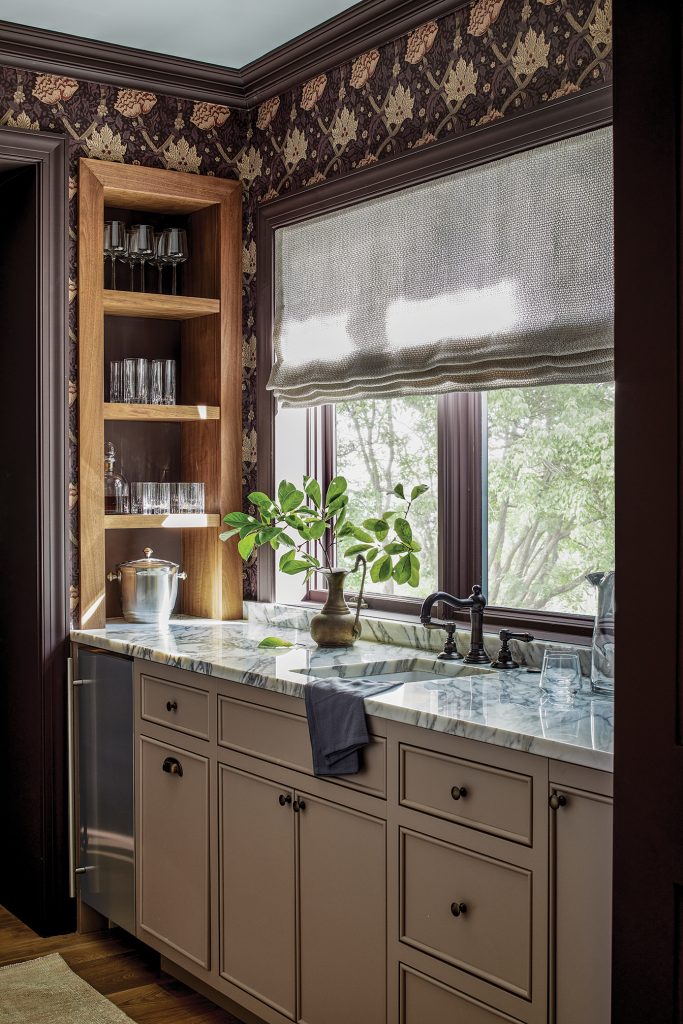
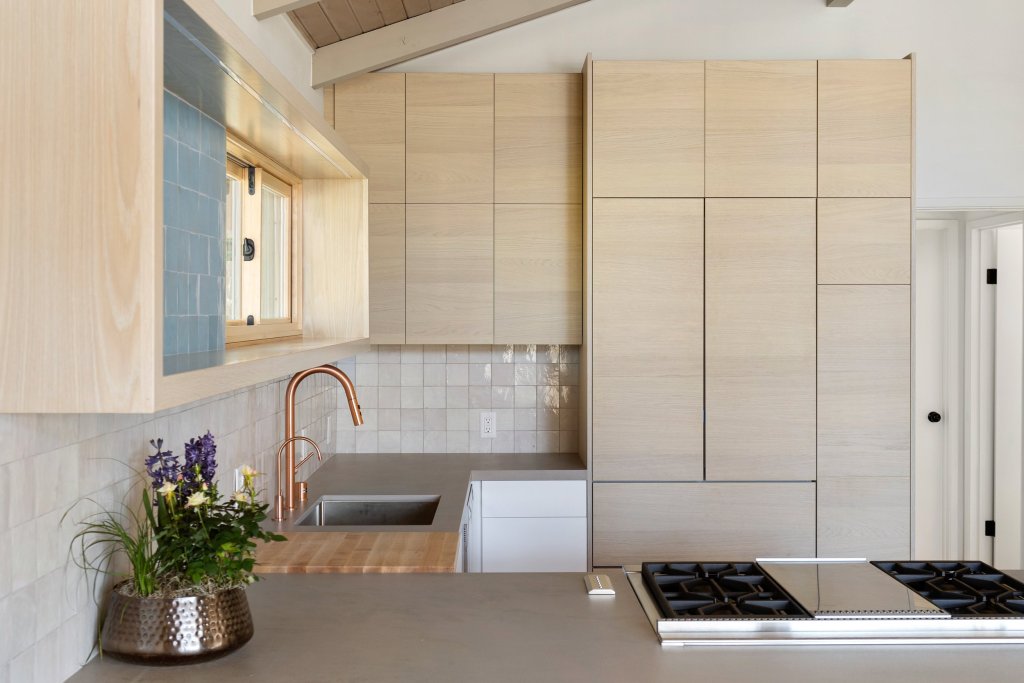
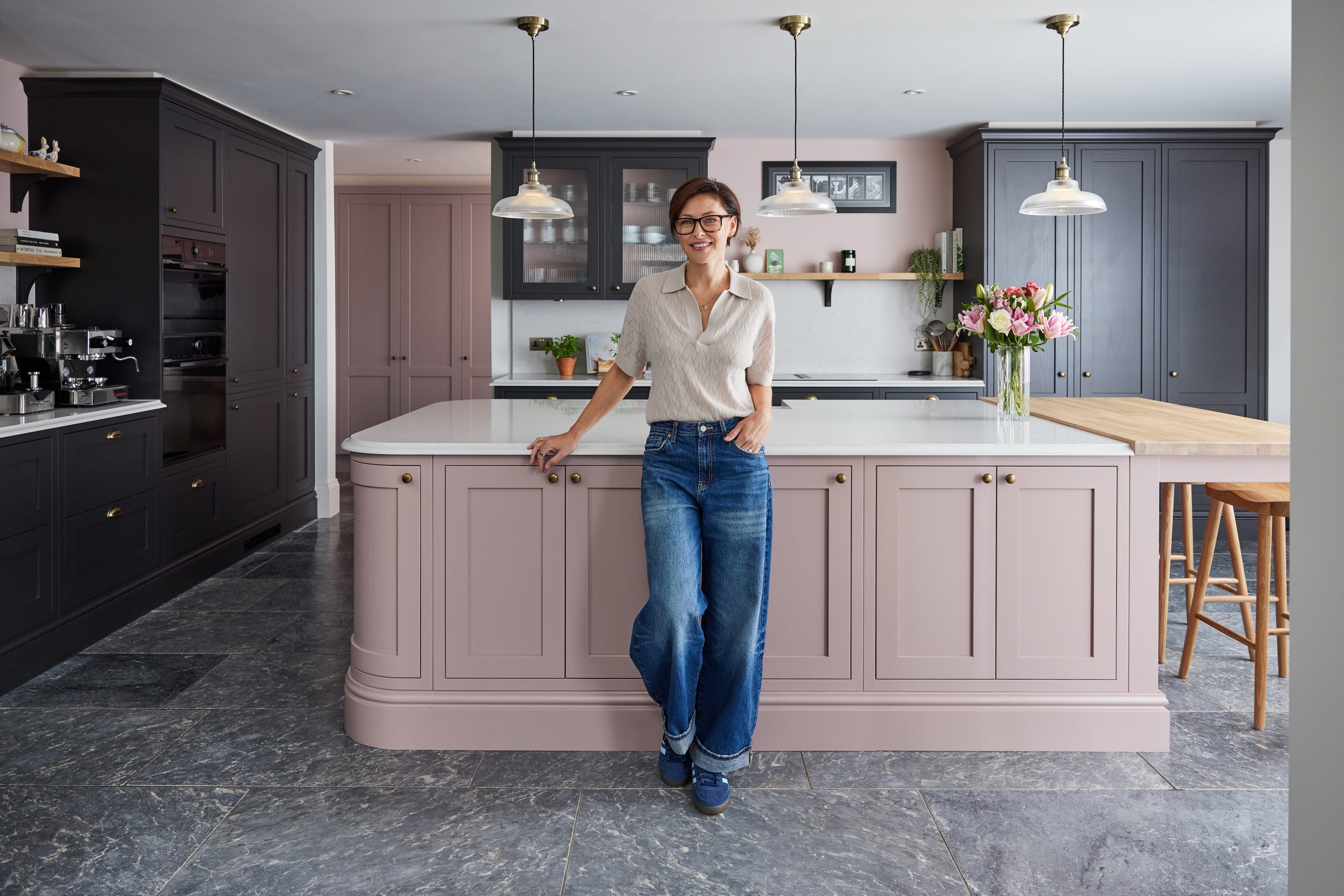
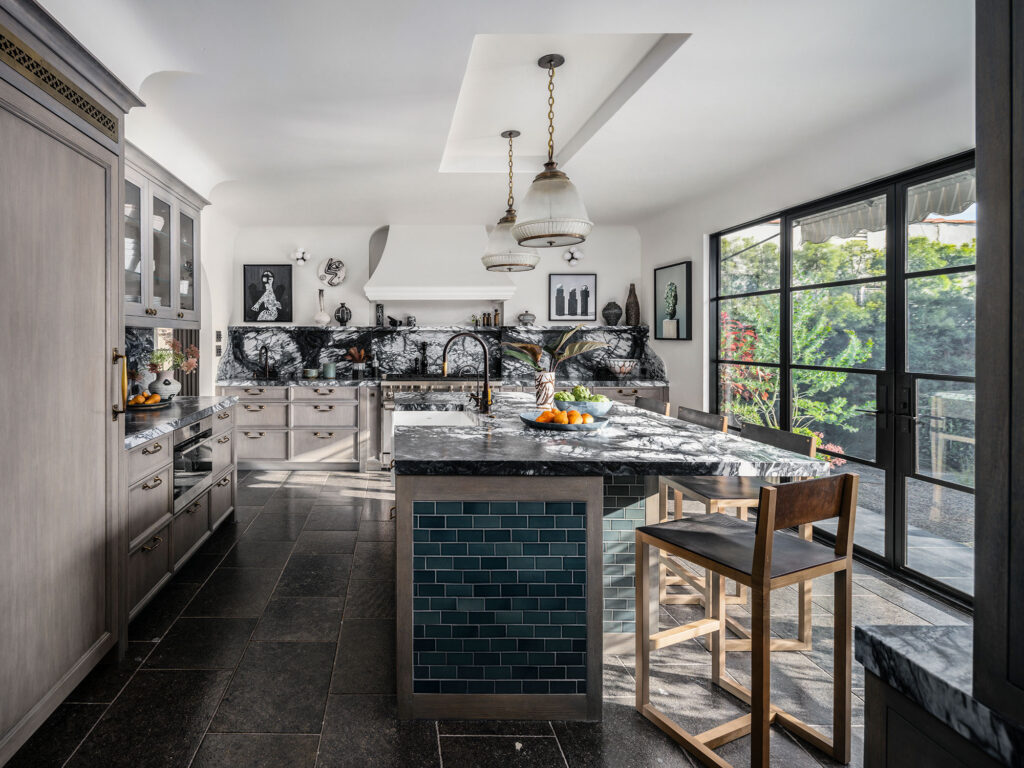
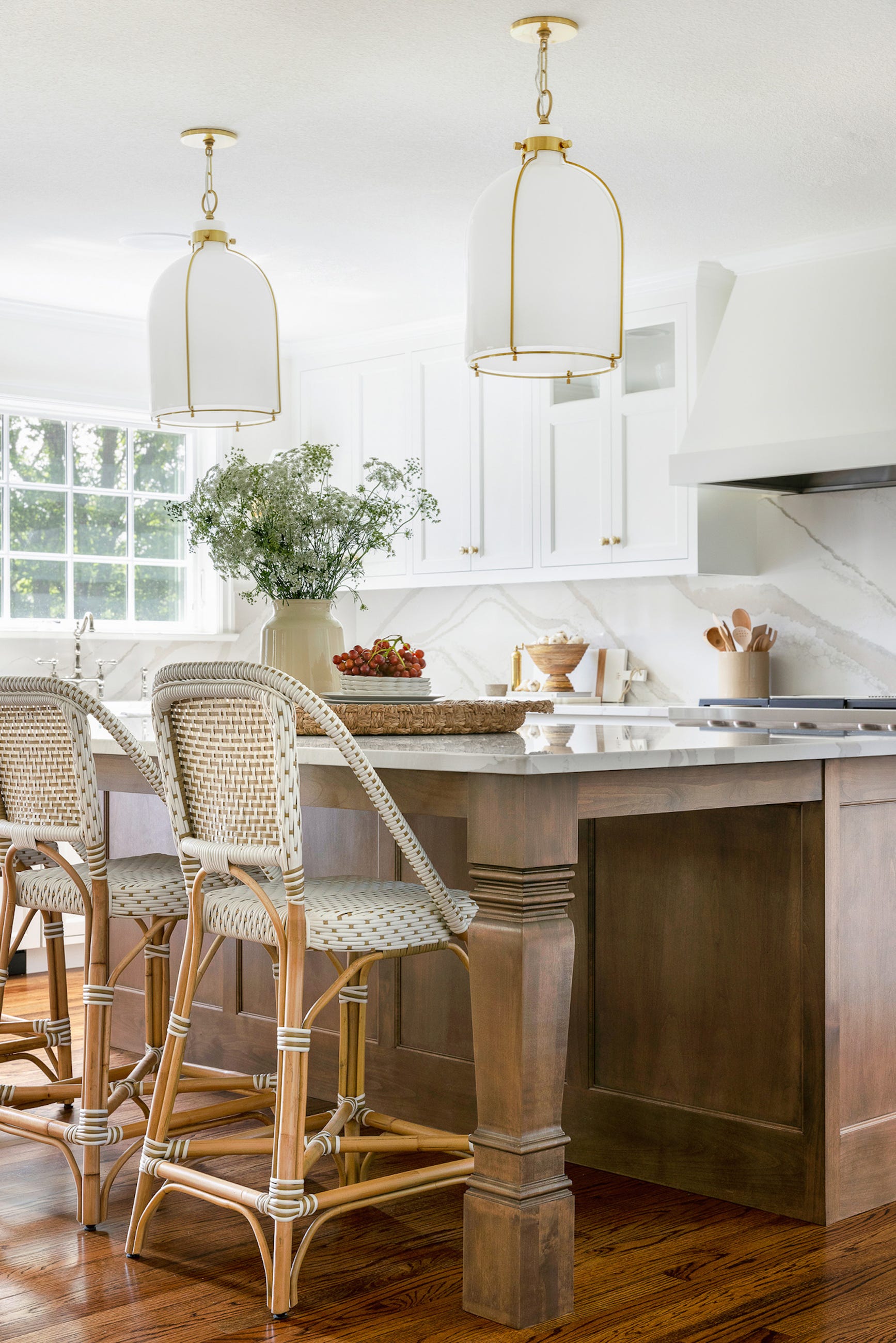
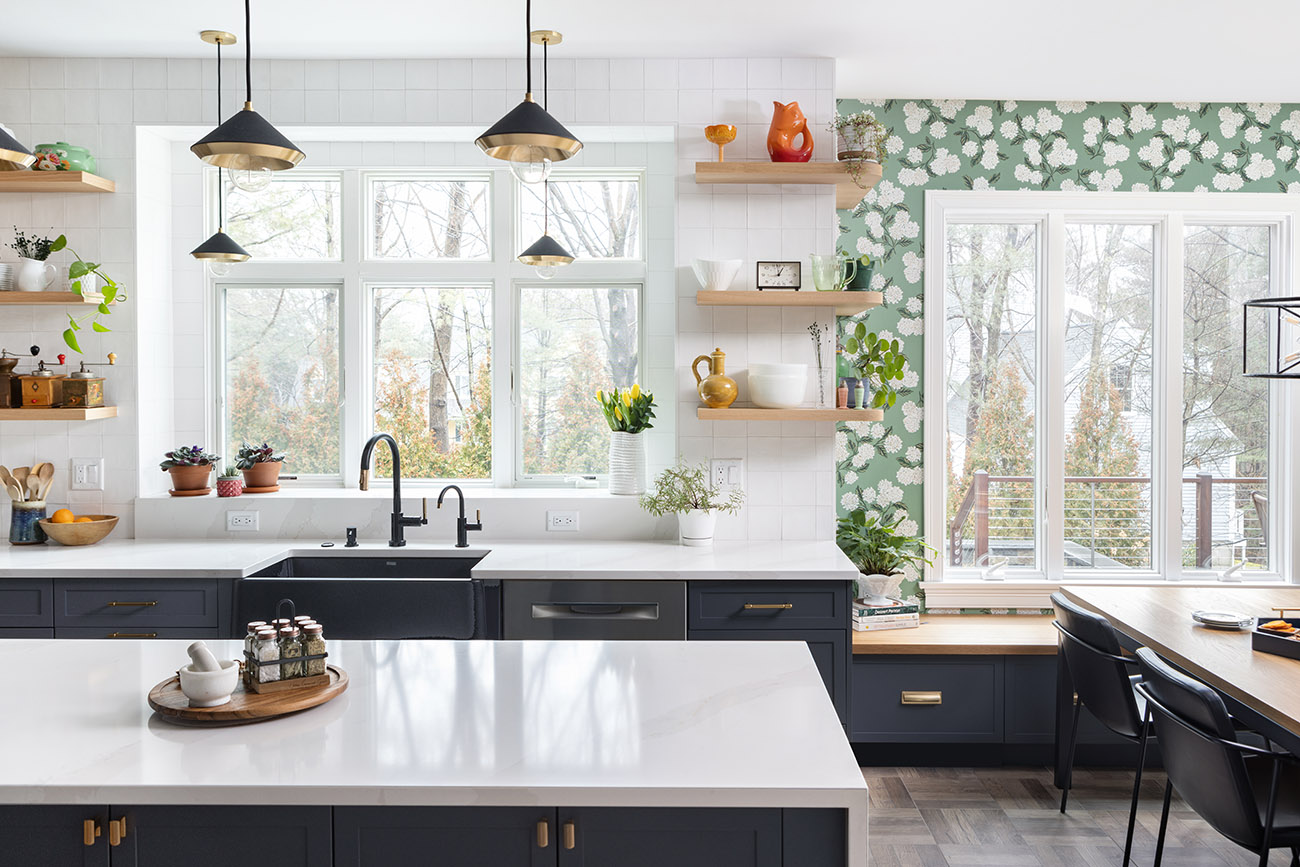
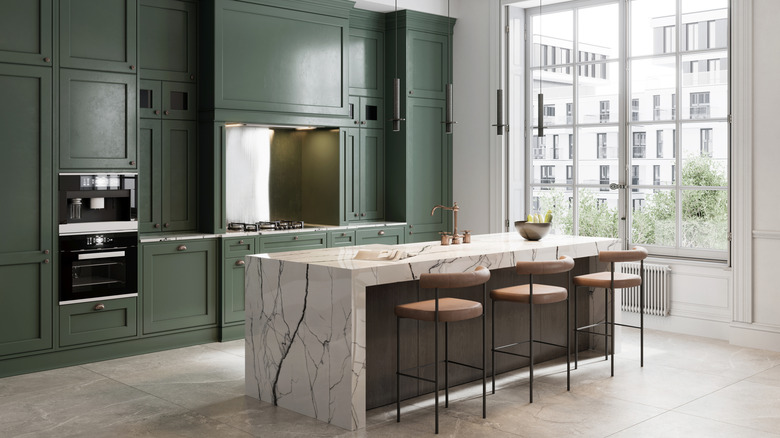
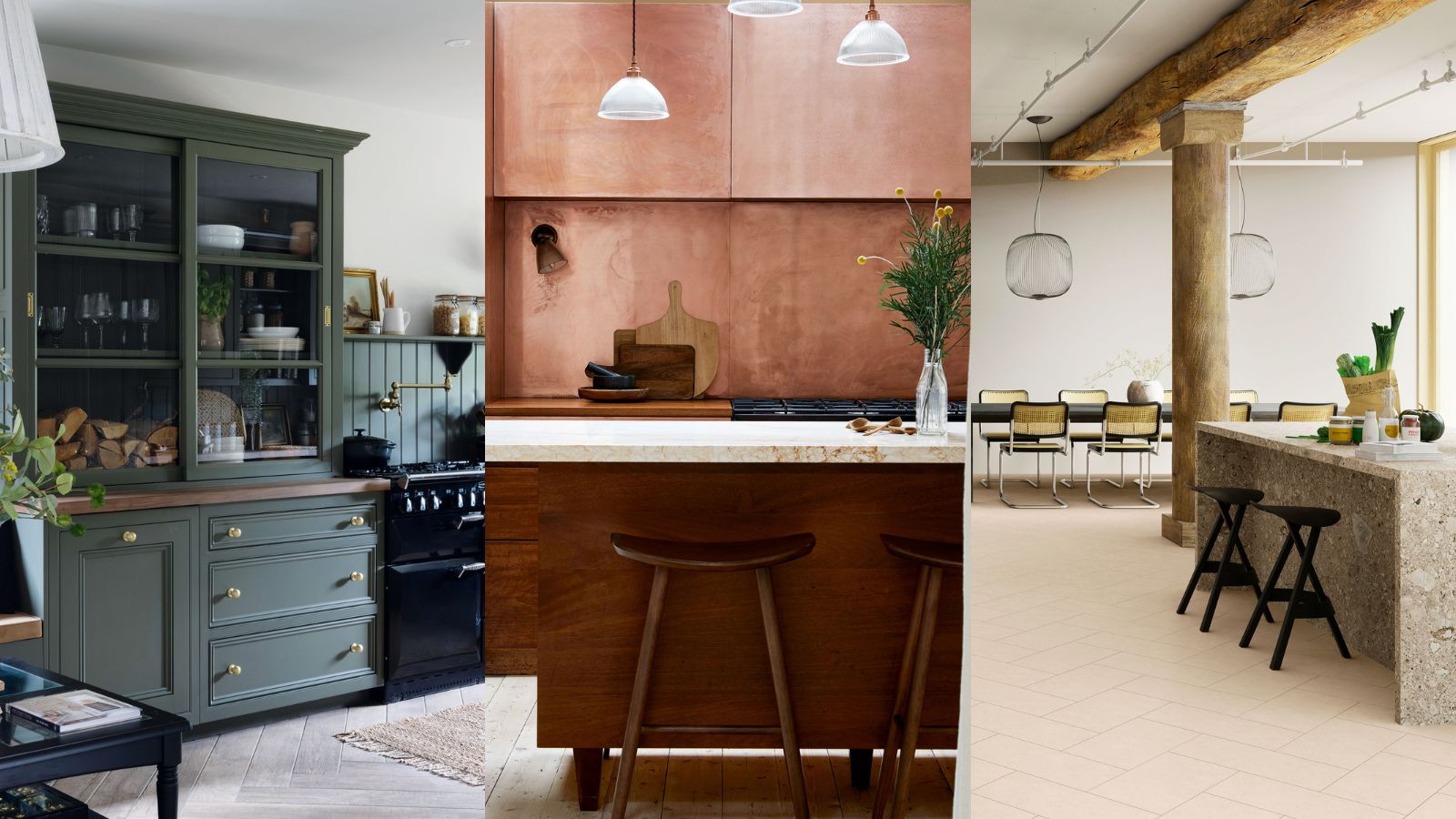
Designing a sustainable kitchen integrates environmental consciousness with modern or traditional aesthetics, ensuring that kitchen remodels minimize ecological impact. This approach encompasses both visible sustainable elements, like natural and reclaimed materials, and less apparent choices, such as carbon-neutral products and energy-efficient appliances. The core principle revolves around reducing waste, conserving resources, and making long-lasting, eco-friendly decisions throughout the kitchen's lifecycle.
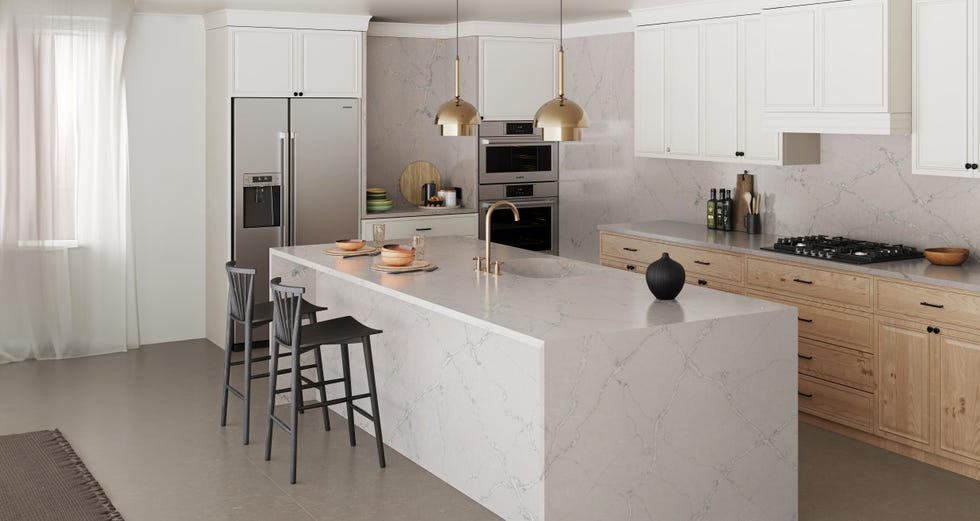
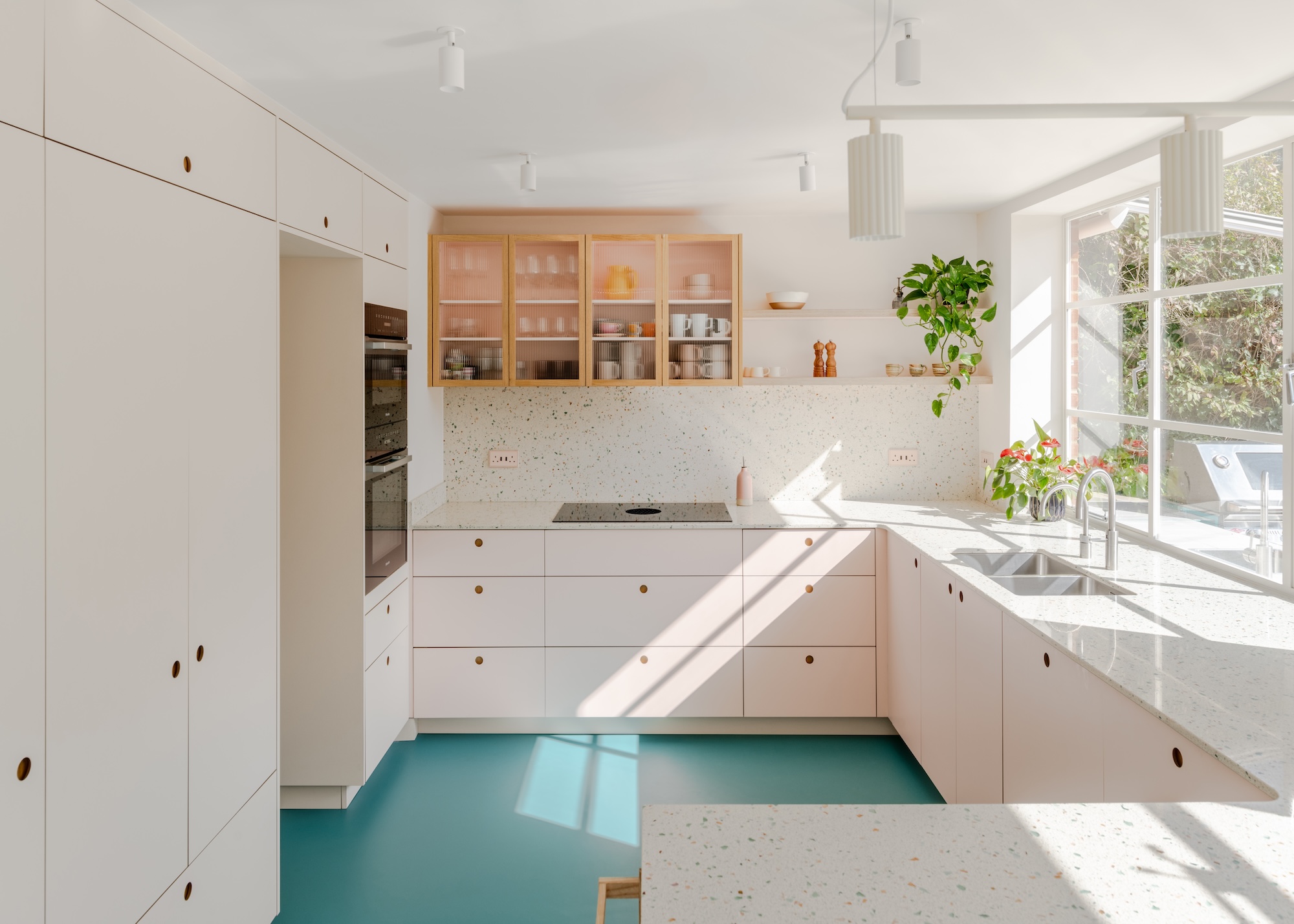
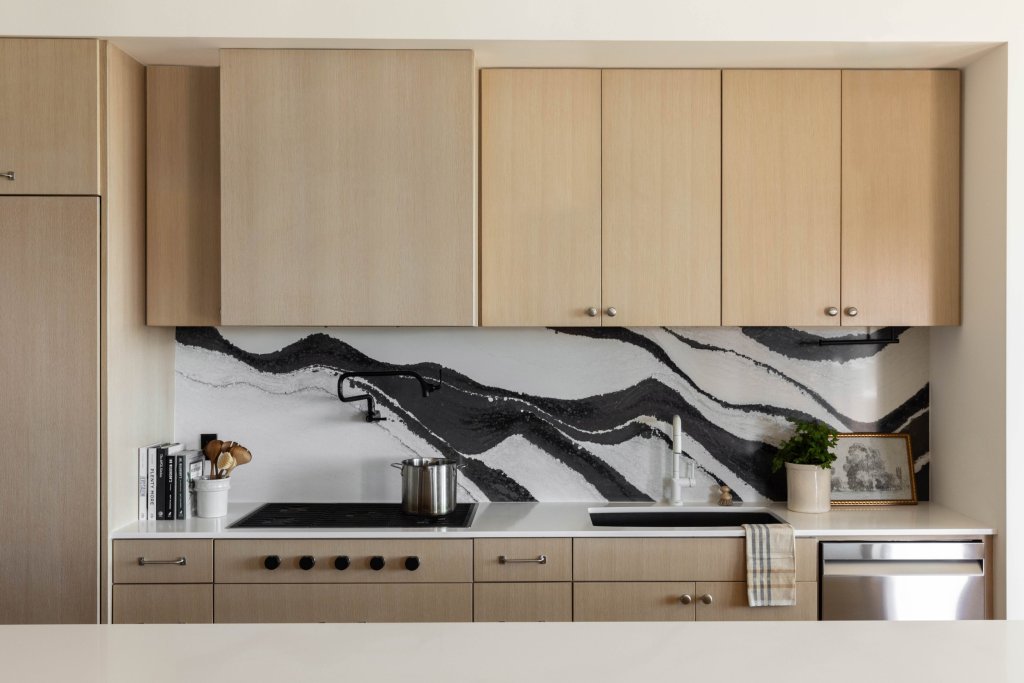
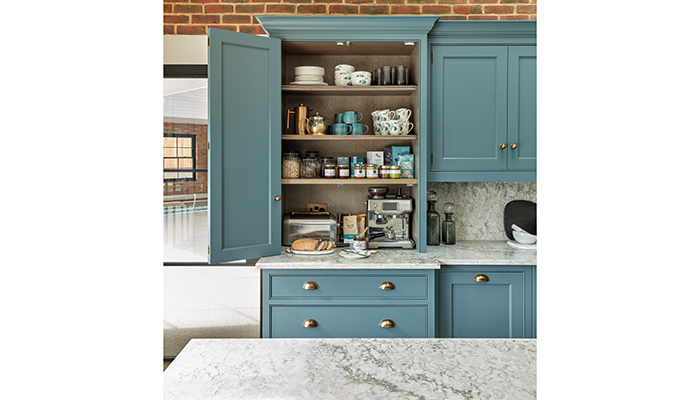
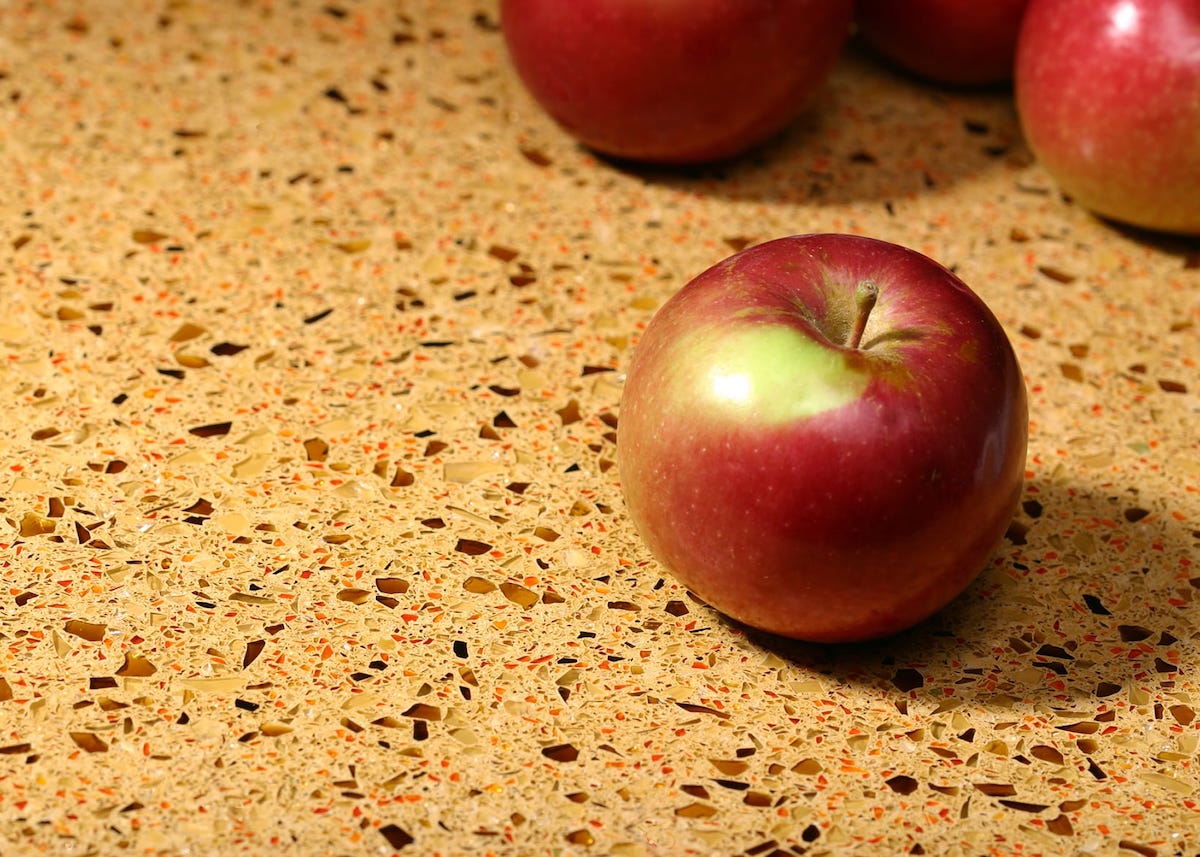
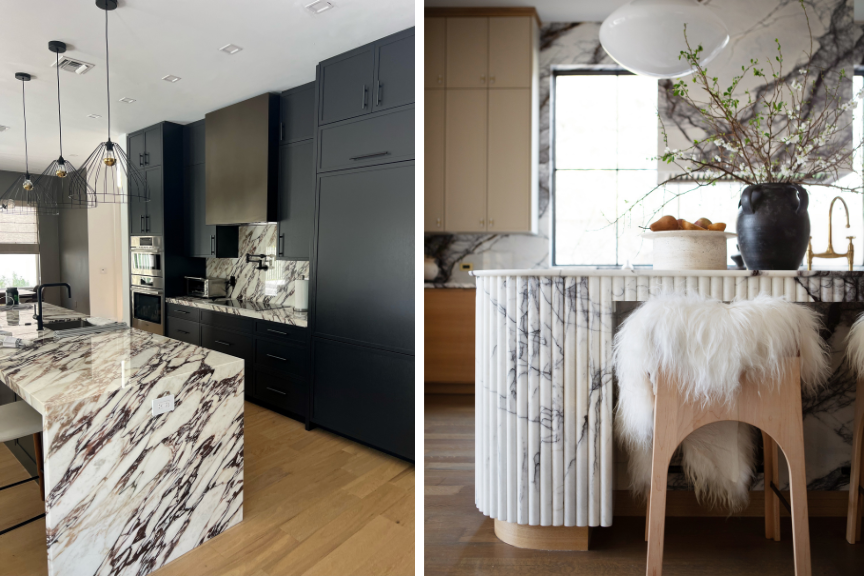
One fundamental strategy is to give pre-loved kitchens a second chance. Opting for second-hand kitchen units diverts waste from landfills and reduces the demand for new manufacturing. These units can be revitalized with fresh paint and new worktops, extending their usability and offering a cost-effective, sustainable alternative. Carbon neutrality in materials, like Silestone’s Sunlit Days range, highlights the shift towards surfaces produced with renewable energy, recycled content, and offset CO2 emissions, providing durable and environmentally responsible choices for countertops.
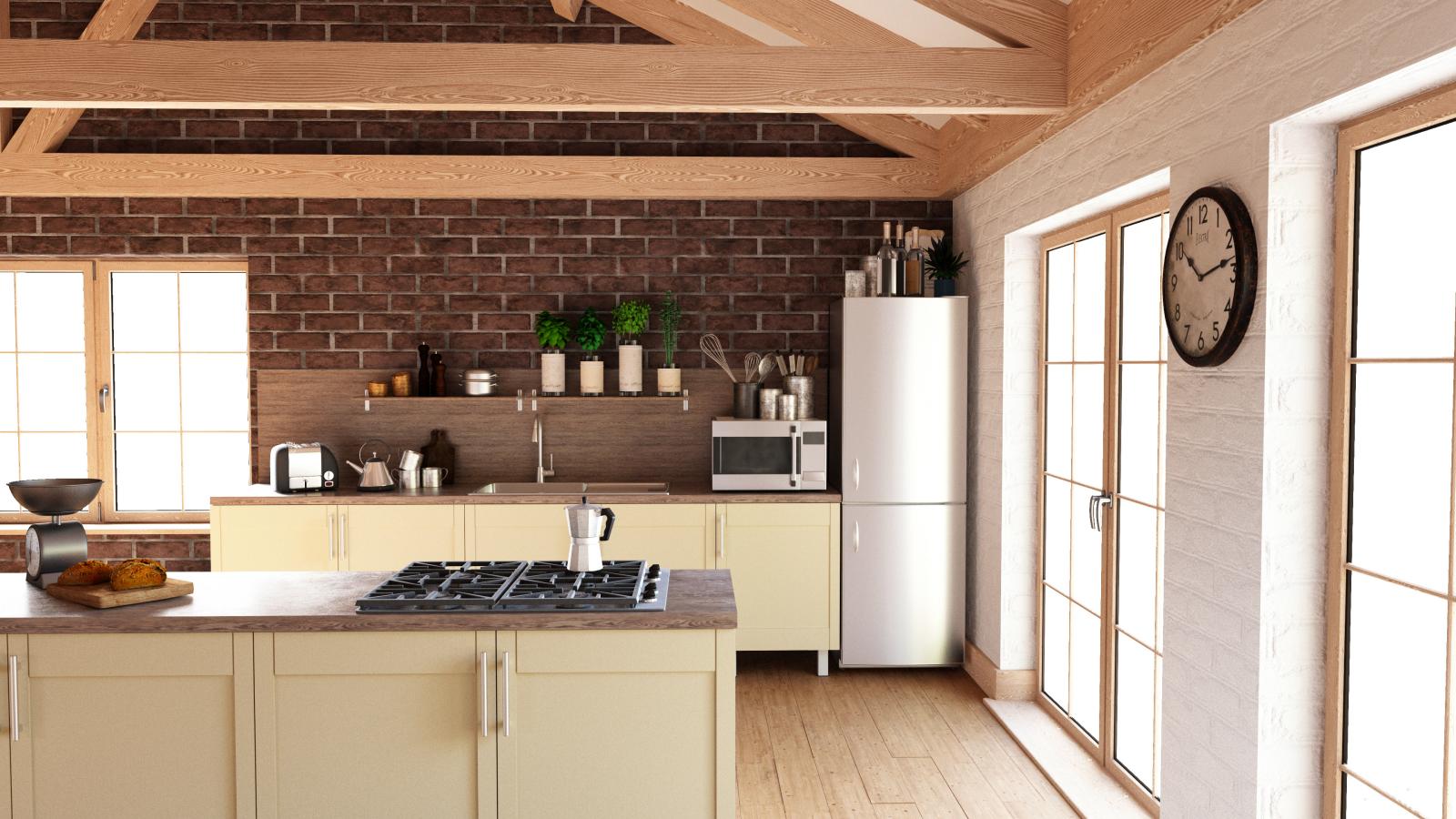
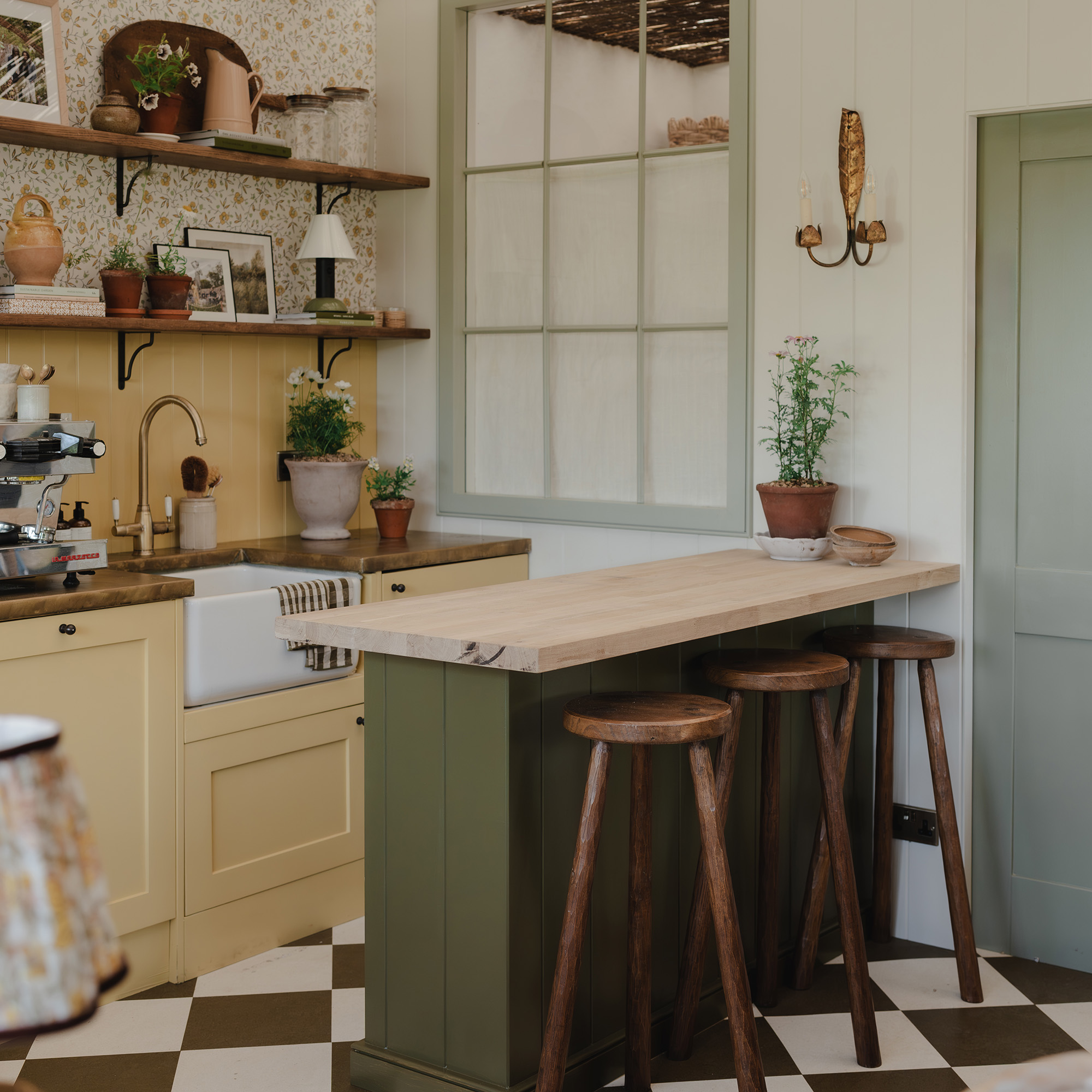
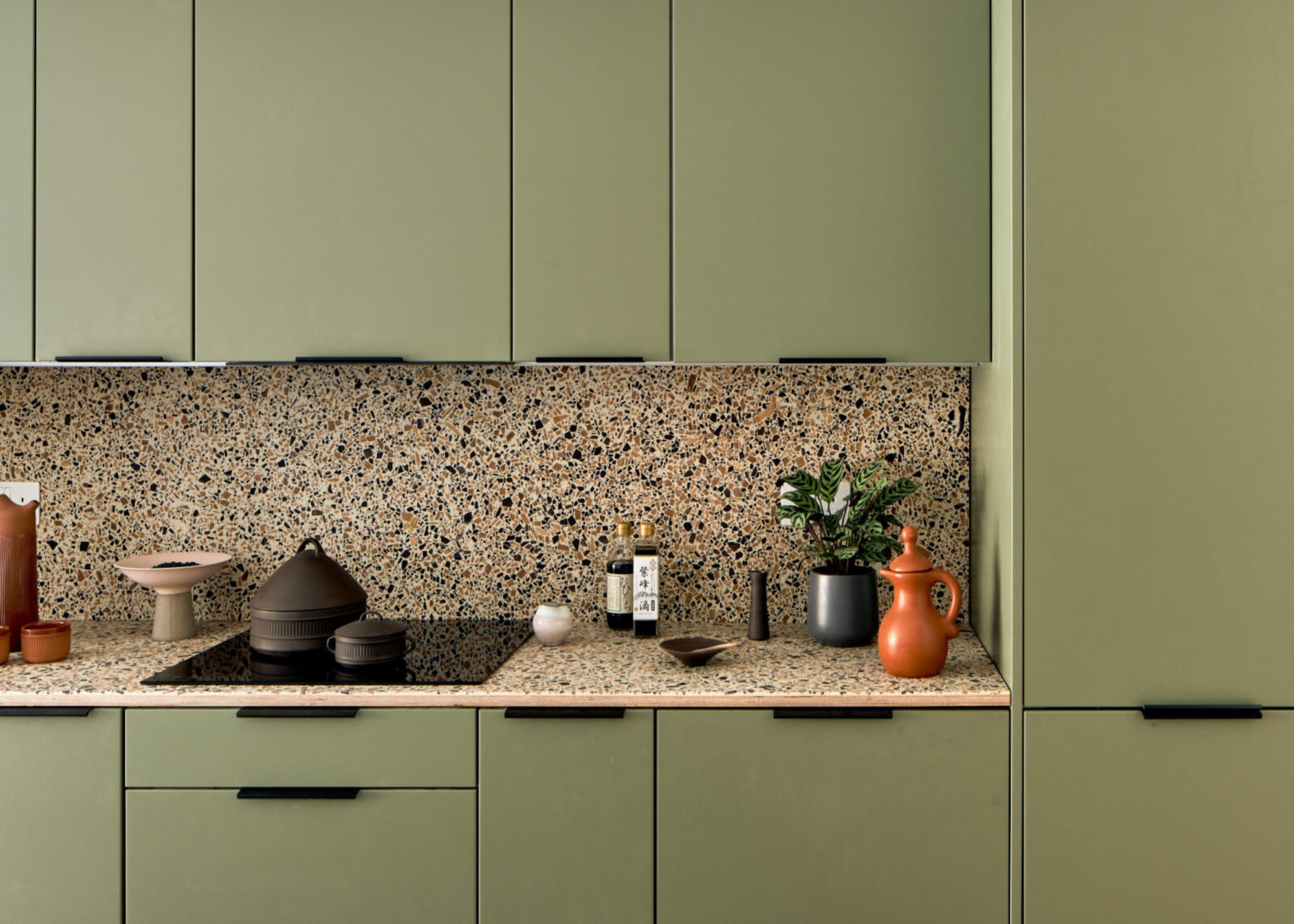
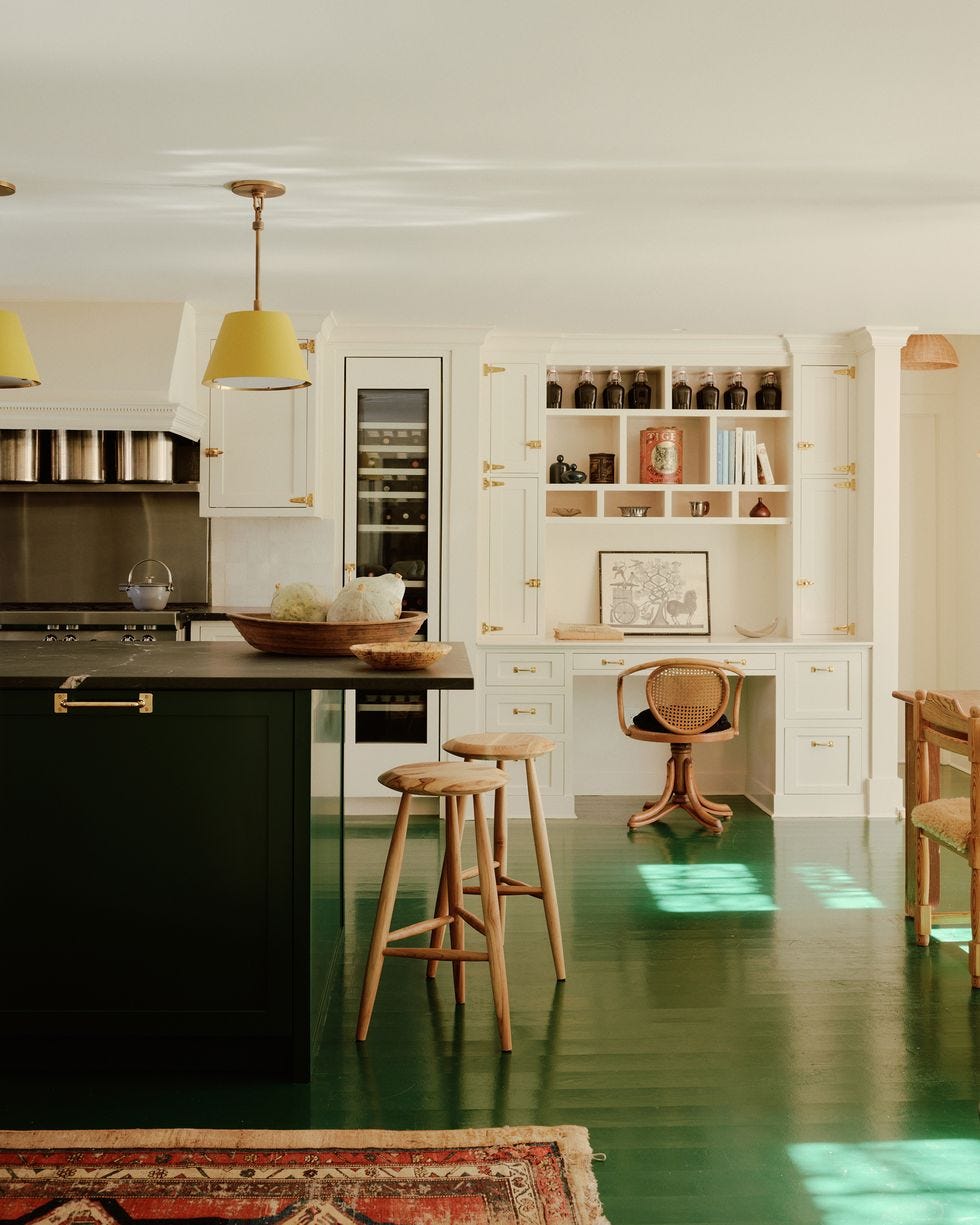
Plywood, particularly FSC-certified and B/BB grade, offers a durable, chemical-minimal, and sustainable option for cabinetry. Its longevity and low off-gassing properties contribute to healthier indoor environments. Integrating vintage and antique pieces, including reclaimed flooring, antique furniture, and repurposed materials, not only reduces environmental strain but also infuses a unique character and history into the kitchen. This mix-and-match approach often proves more authentic and cost-effective than exclusively new purchases. For example, using salvaged oak parquet for a kitchen island or reclaimed quarry tiles for flooring showcases creative reuse.
Innovative techniques are also emerging, such as floor tiles made from mycelium (mushroom fibers). These plastic-free tiles, incorporating various low-value biomasses, offer strong, scratch-resistant, and sustainable flooring solutions. Interior architects demonstrate how reclaimed materials like iroko worktops from school laboratories can be repurposed into cabinets and shelving, proving that sustainable design can be both uniquely special and aesthetically appealing, even when initial costs might be higher.
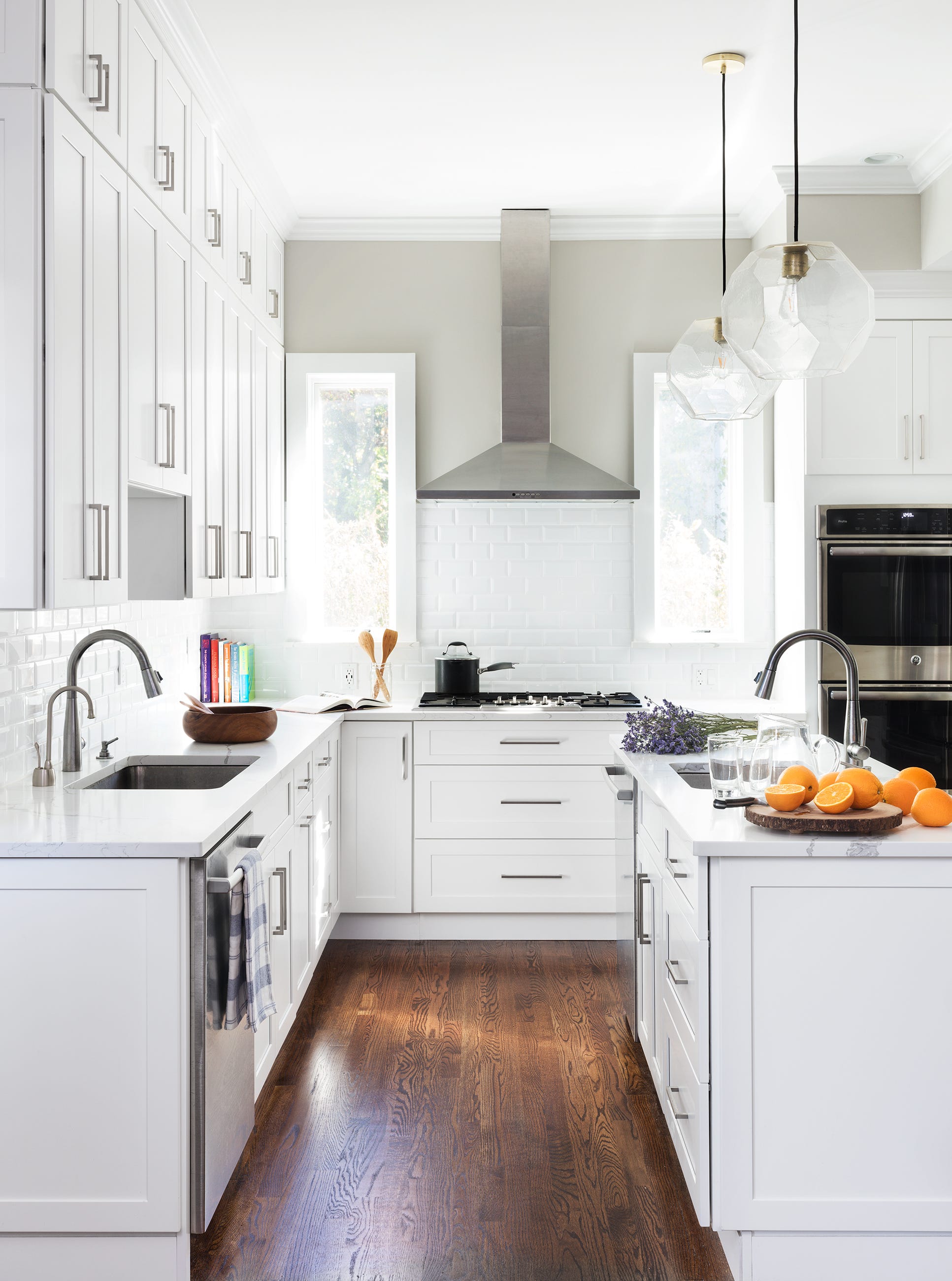
Beyond structural elements, sustainability extends to paint choices. Selecting plastic-free, eco-friendly paints, such as those made with natural pigments and plant-based binders, prevents microplastic pollution and supports a healthier home environment. Shopping locally for materials and products reduces transportation-related carbon footprints and fosters unique, bespoke kitchen designs. Small changes, like switching to LED lighting, offer significant energy savings and longer lifespans, reducing demand on power plants and greenhouse gas emissions.
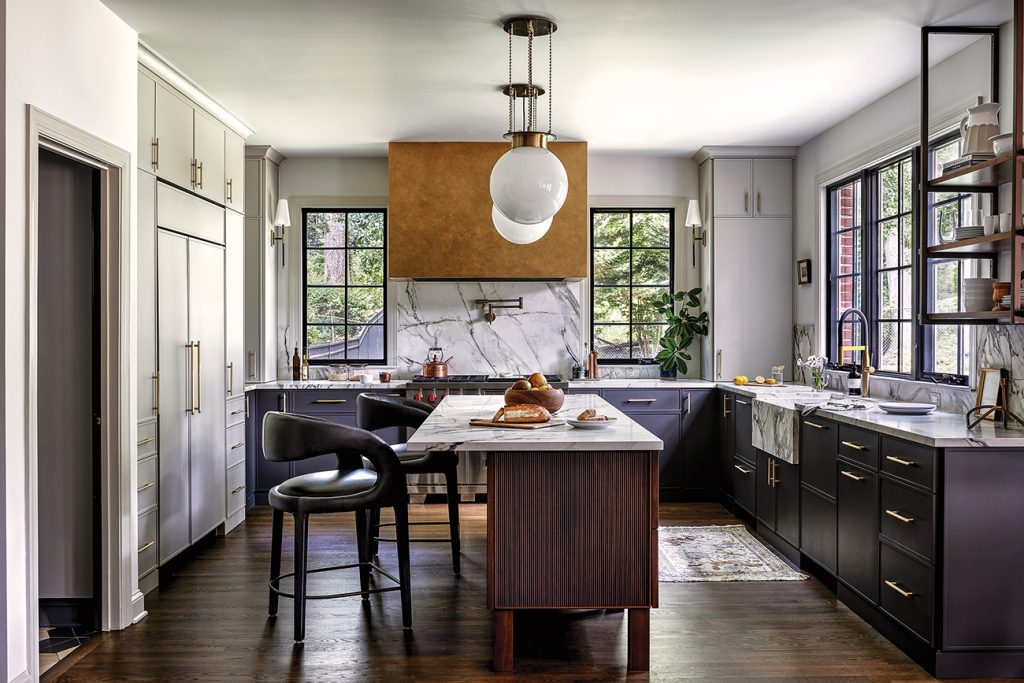
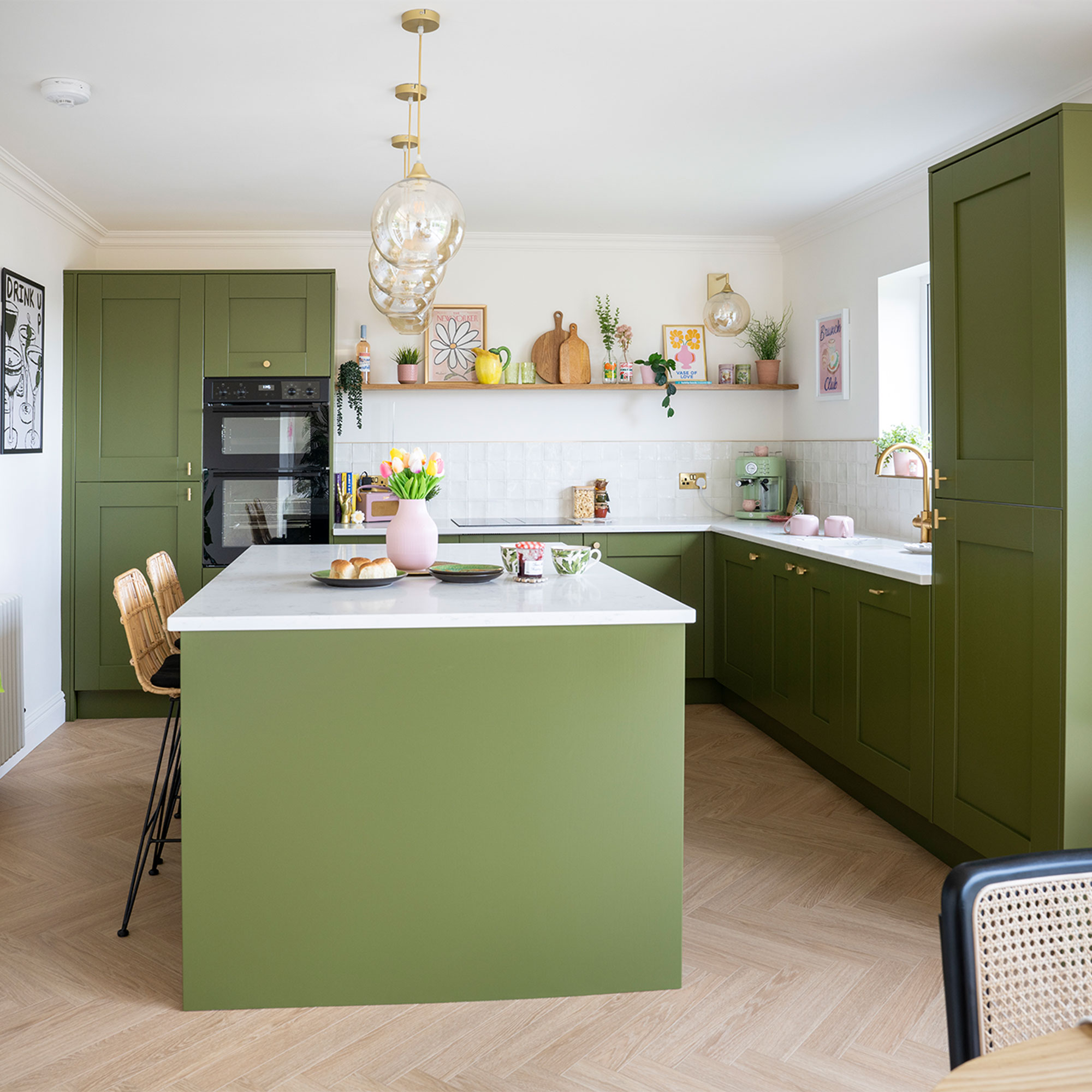
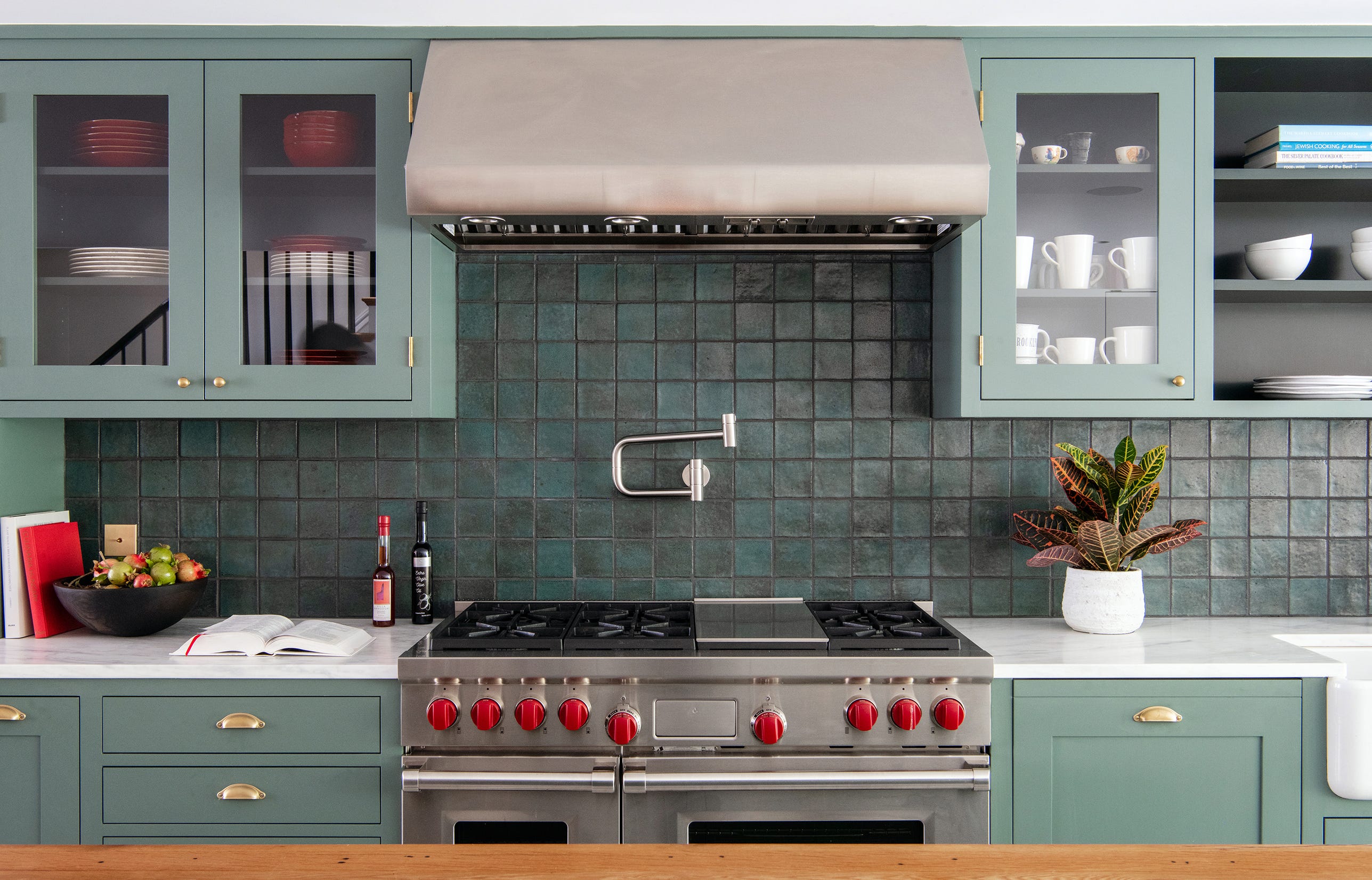
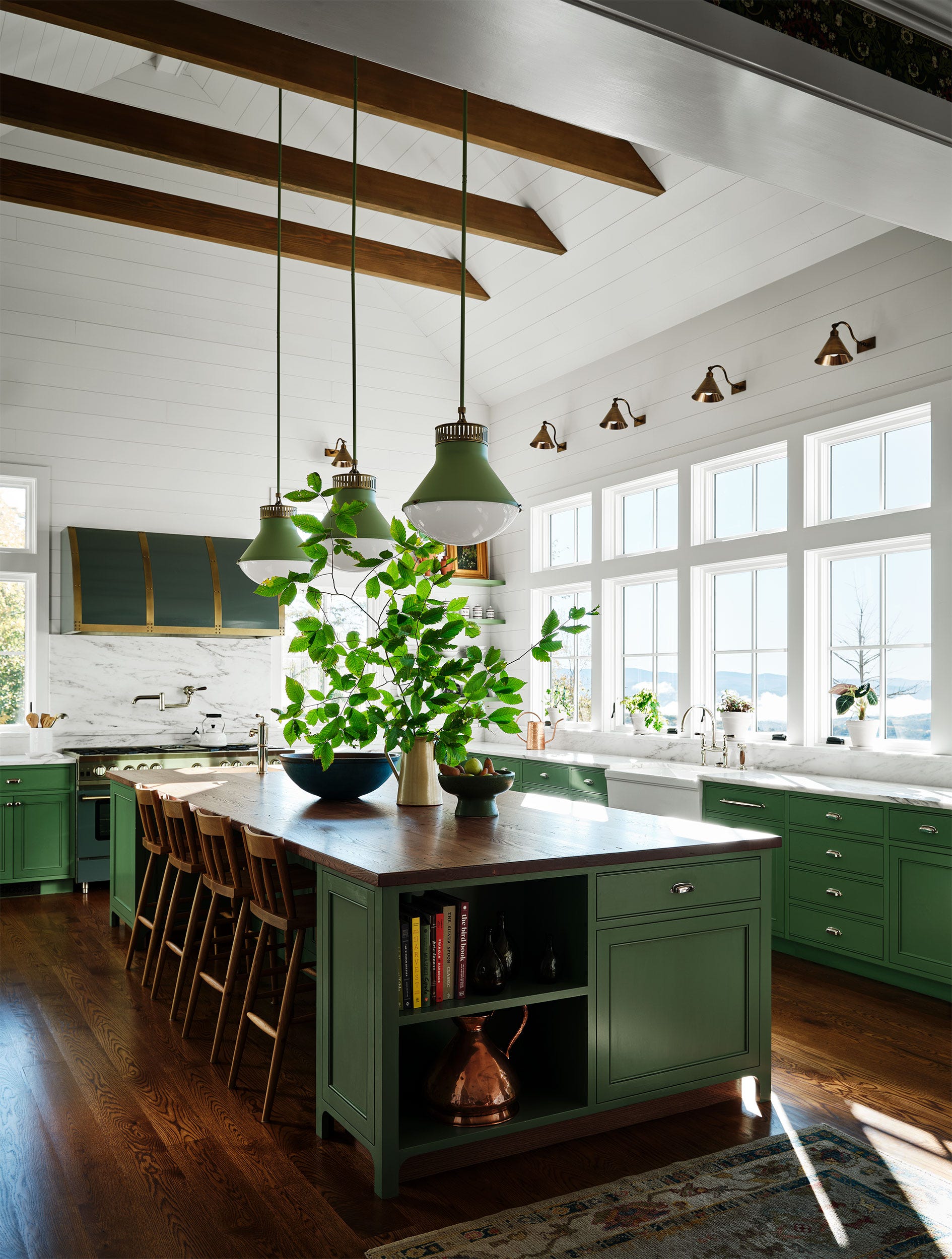
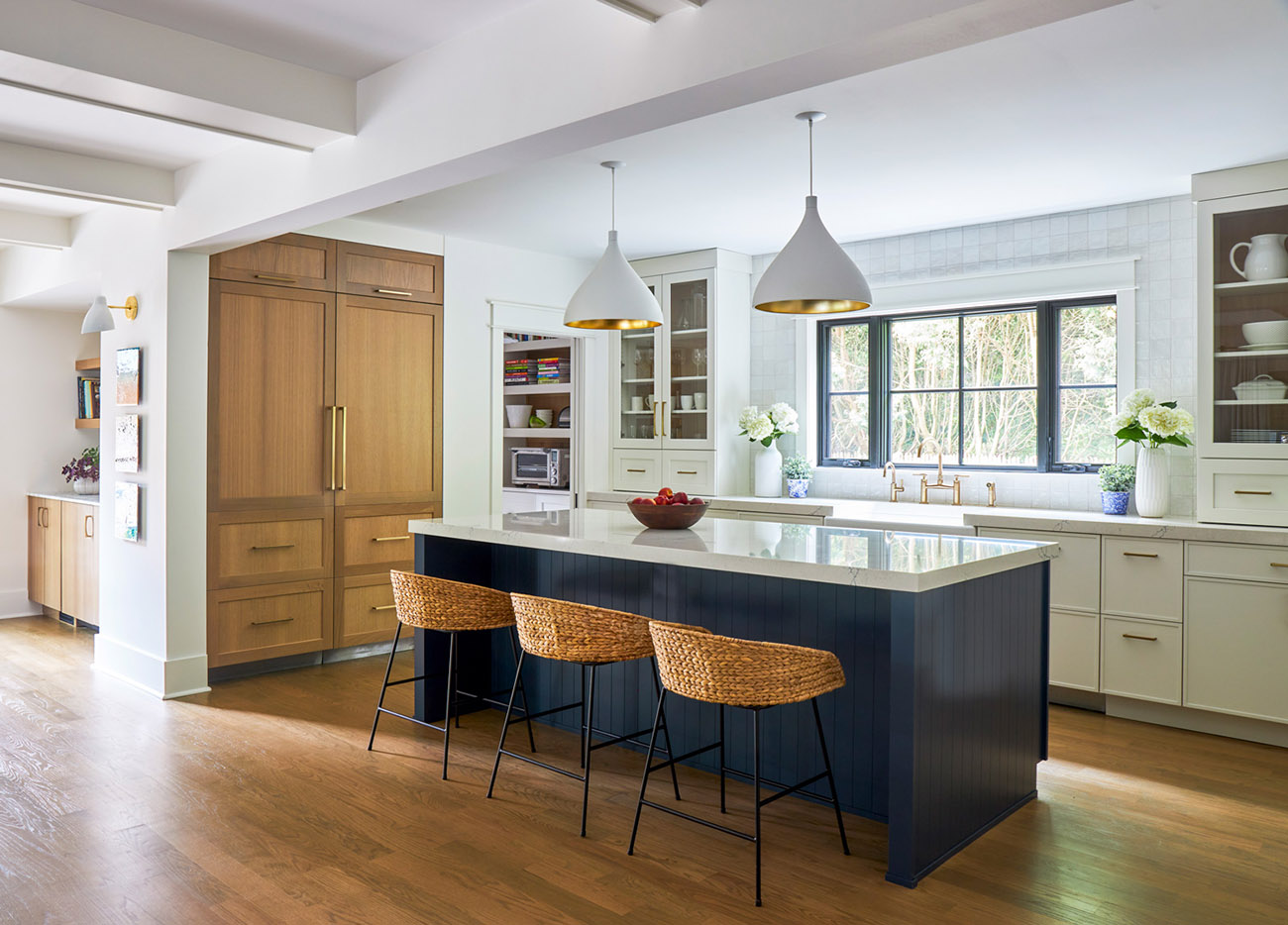
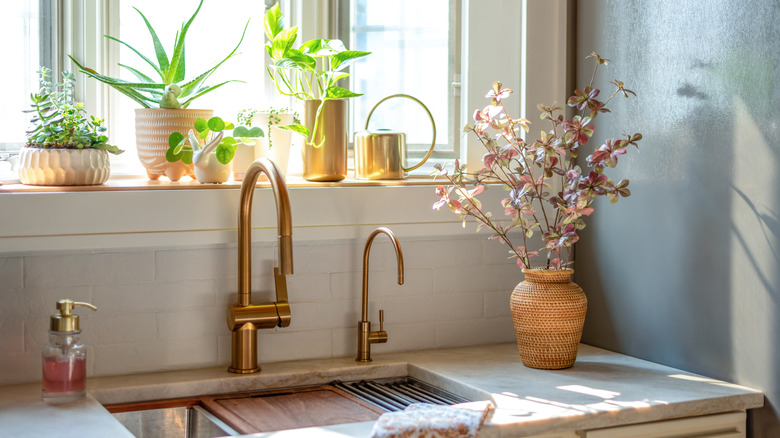
Window treatments made from rapidly renewable resources like bamboo provide a sustainable alternative to other materials, offering both aesthetic appeal and environmental benefits. Boiling water taps, like Quooker, contribute to water and energy conservation by dispensing precise amounts and eliminating the need for re-boiling. For existing kitchens, replacing only cabinet doors rather than entire units extends the life of functional cabinetry, reducing waste and renovation costs. Choosing neutral cabinetry and classic designs, such as Shaker styles made from wood, ensures timeless appeal and allows for future repainting and adaptation, enhancing longevity.
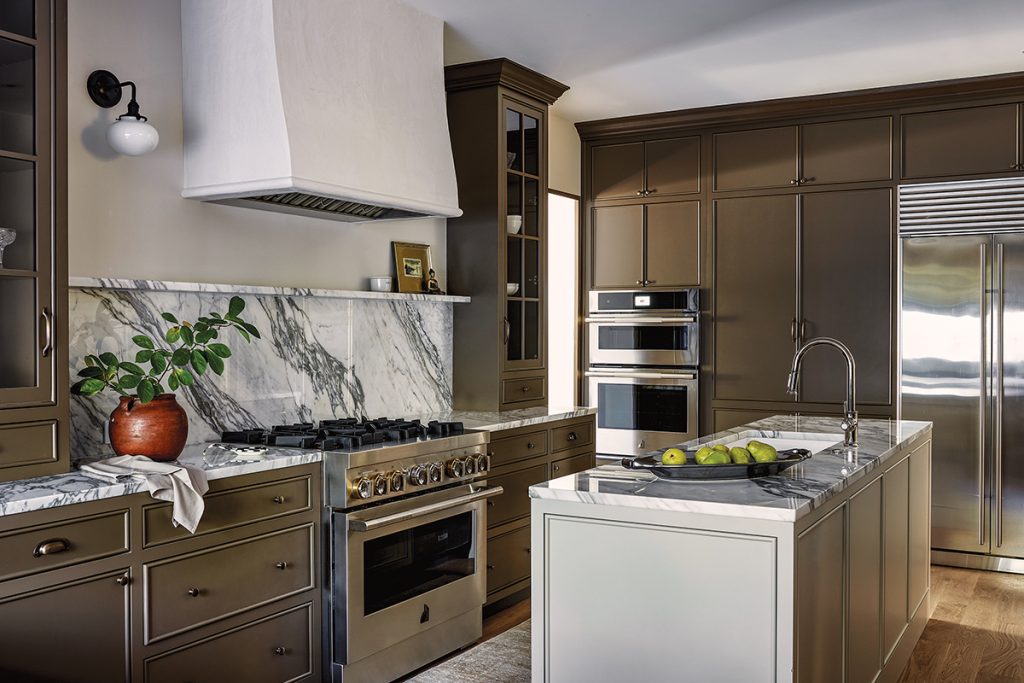
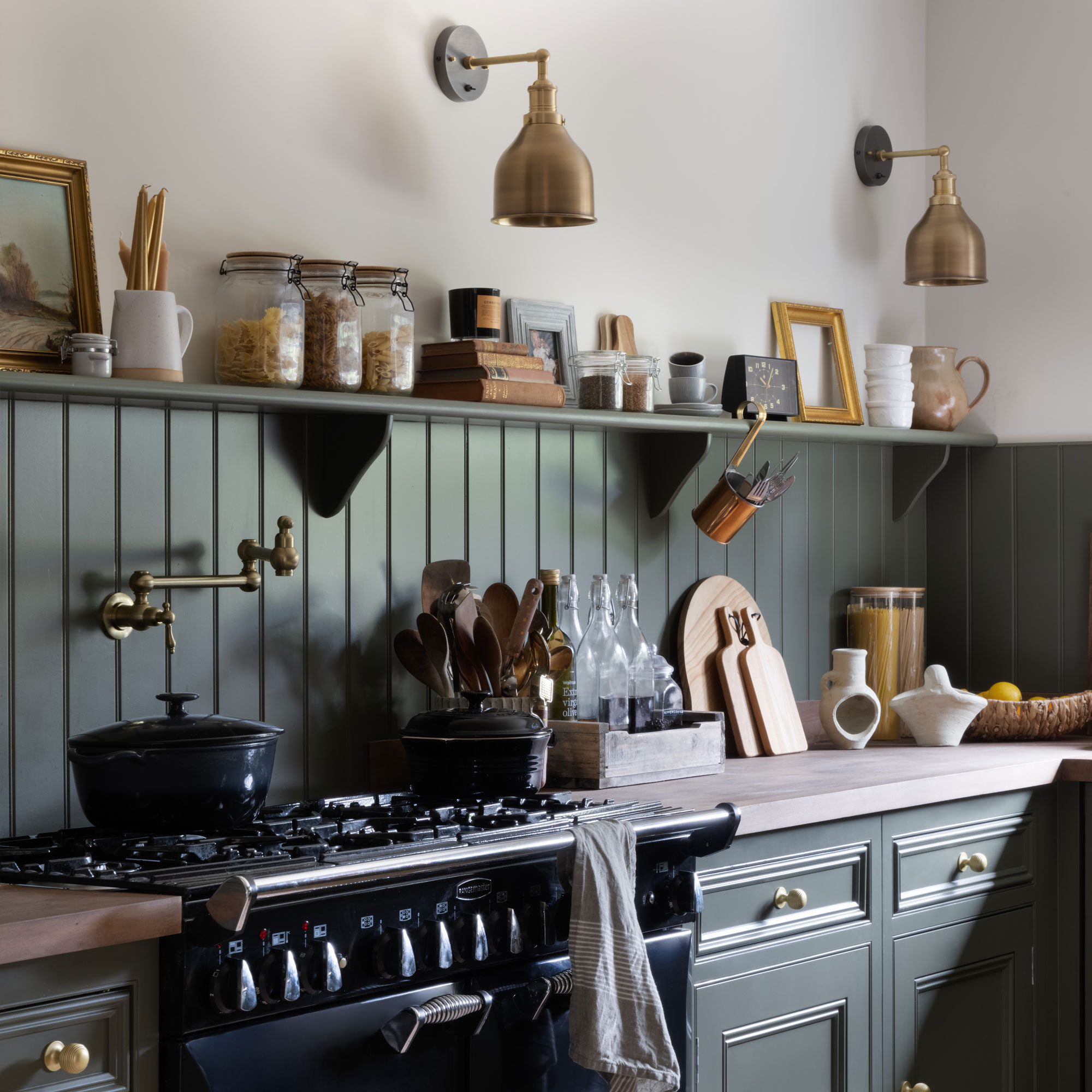
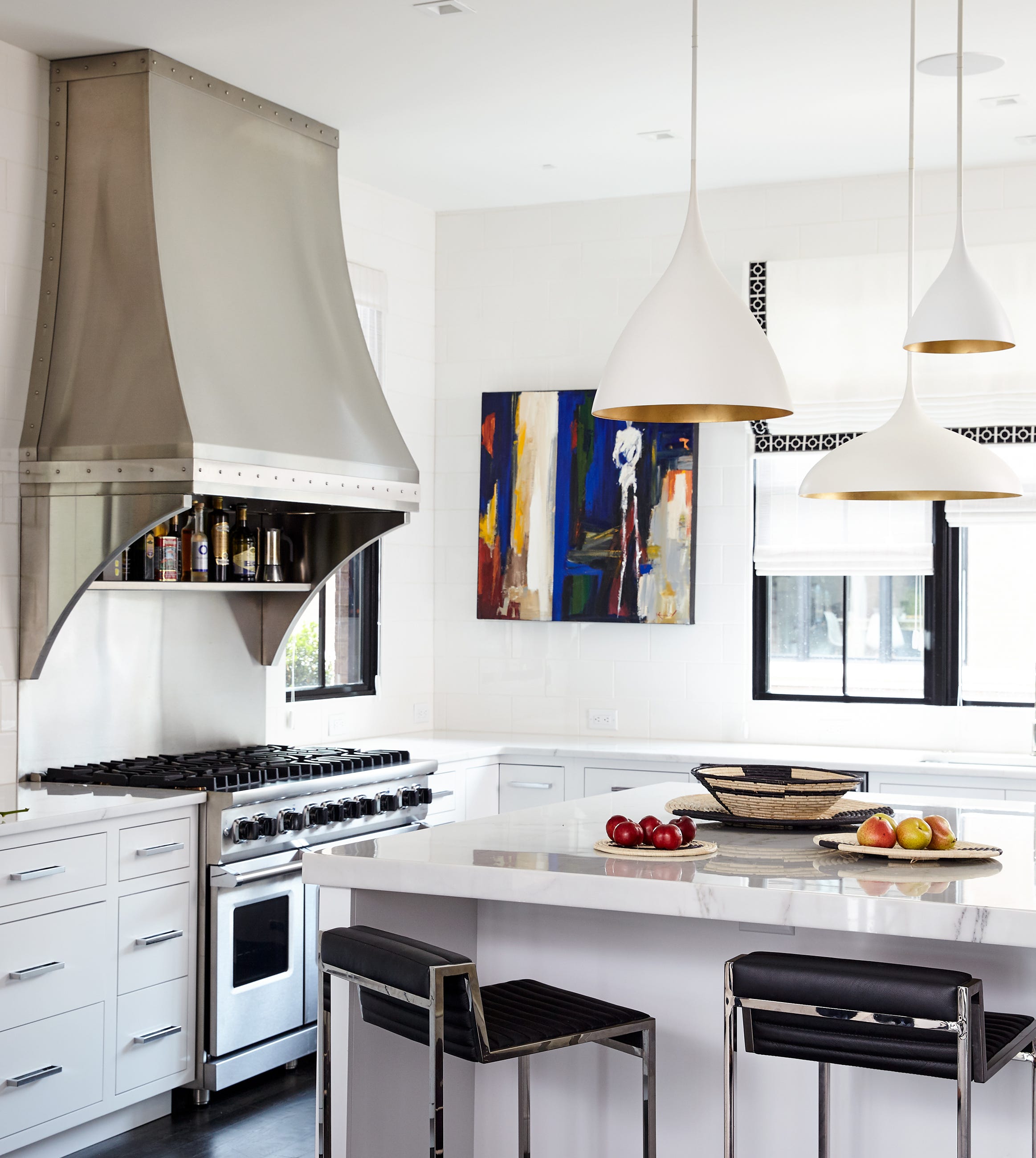
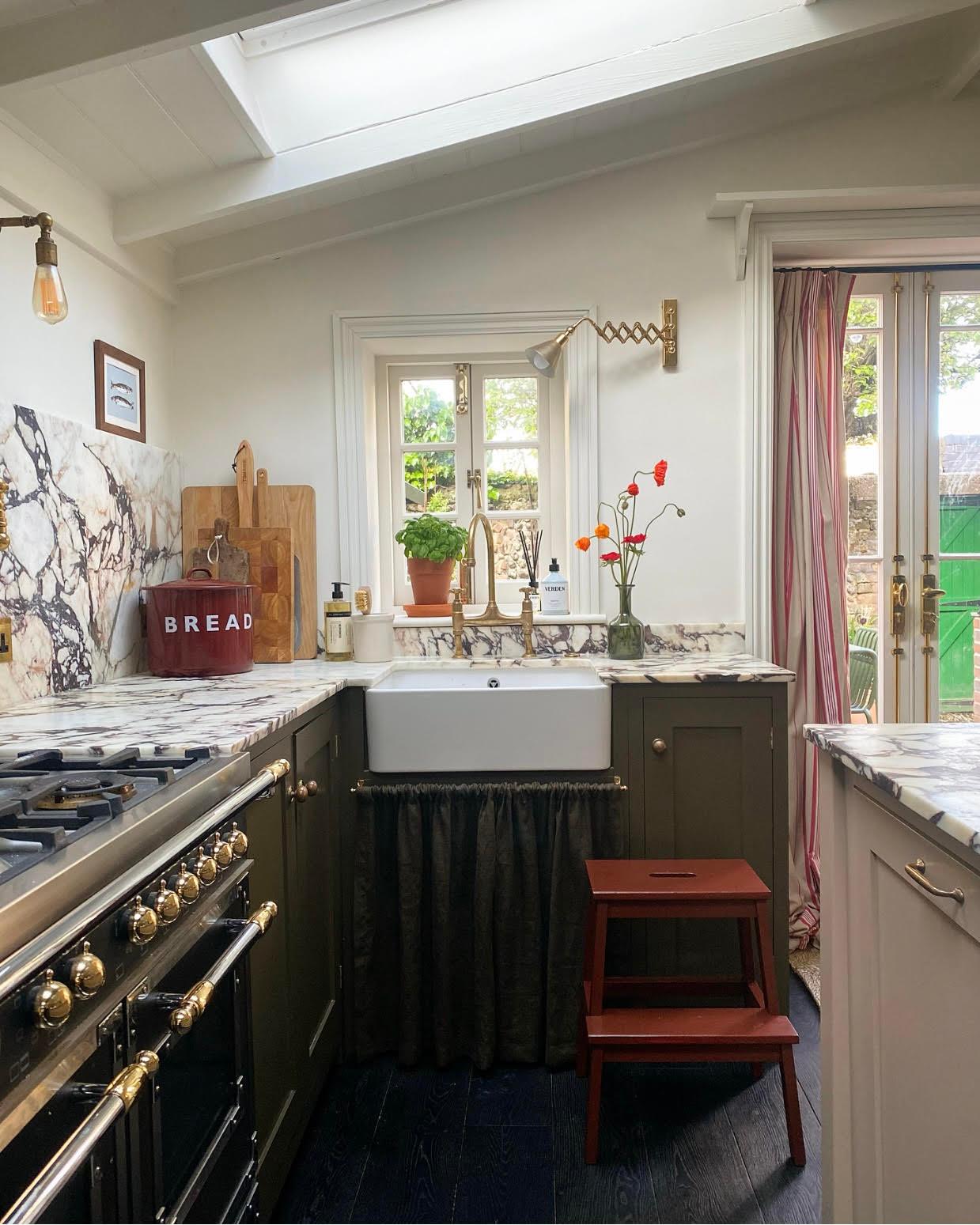
Finally, integrating multi-functional, energy-efficient appliances, like heat-storage range cookers, reduces the need for multiple single-use gadgets and supports long-term sustainability. Minor renovations, like reconfiguring a layout or repositioning a sink, can maximize space and functionality with a fraction of the ecological cost and material consumption compared to large-scale extensions, highlighting that small, thoughtful changes can collectively have a substantial positive impact on a kitchen's environmental footprint. A truly sustainable kitchen prioritizes the longevity of materials, thoughtful consumption, and the minimal environmental impact of its components and operations.
#SustainableKitchen #EcoFriendlyDesign #KitchenRemodel #ReclaimedMaterials #EnergyEfficiency #PlasticFreePaint #LocalSourcing #UpcyclingFurniture #Biomaterials #SustainableKitchen #EcoFriendlyDesign #KitchenRemodel #ReclaimedMaterials #EnergyEfficiency #PlasticFreePaint #LocalSourcing #UpcyclingFurniture #Biomaterials
Hay 0 comentarios en total
 Aún no hay comentarios
También te puede gustar
Designer Advice for a More Sustainable Kitchen Renovation

What Are the Most Eco-Friendly Kitchen Countertops? 6 Materials to Explore for Your Kitchen Plans

How wellbeing in kitchen design is now a priority for homeowners
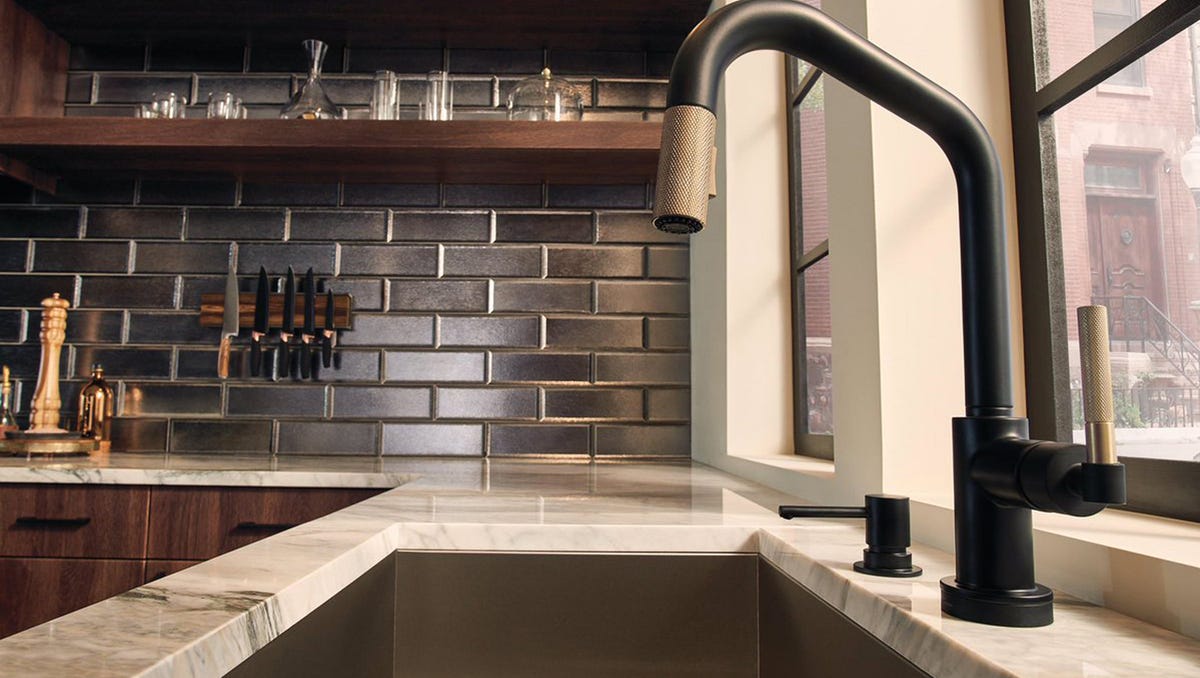
Kitchen trends
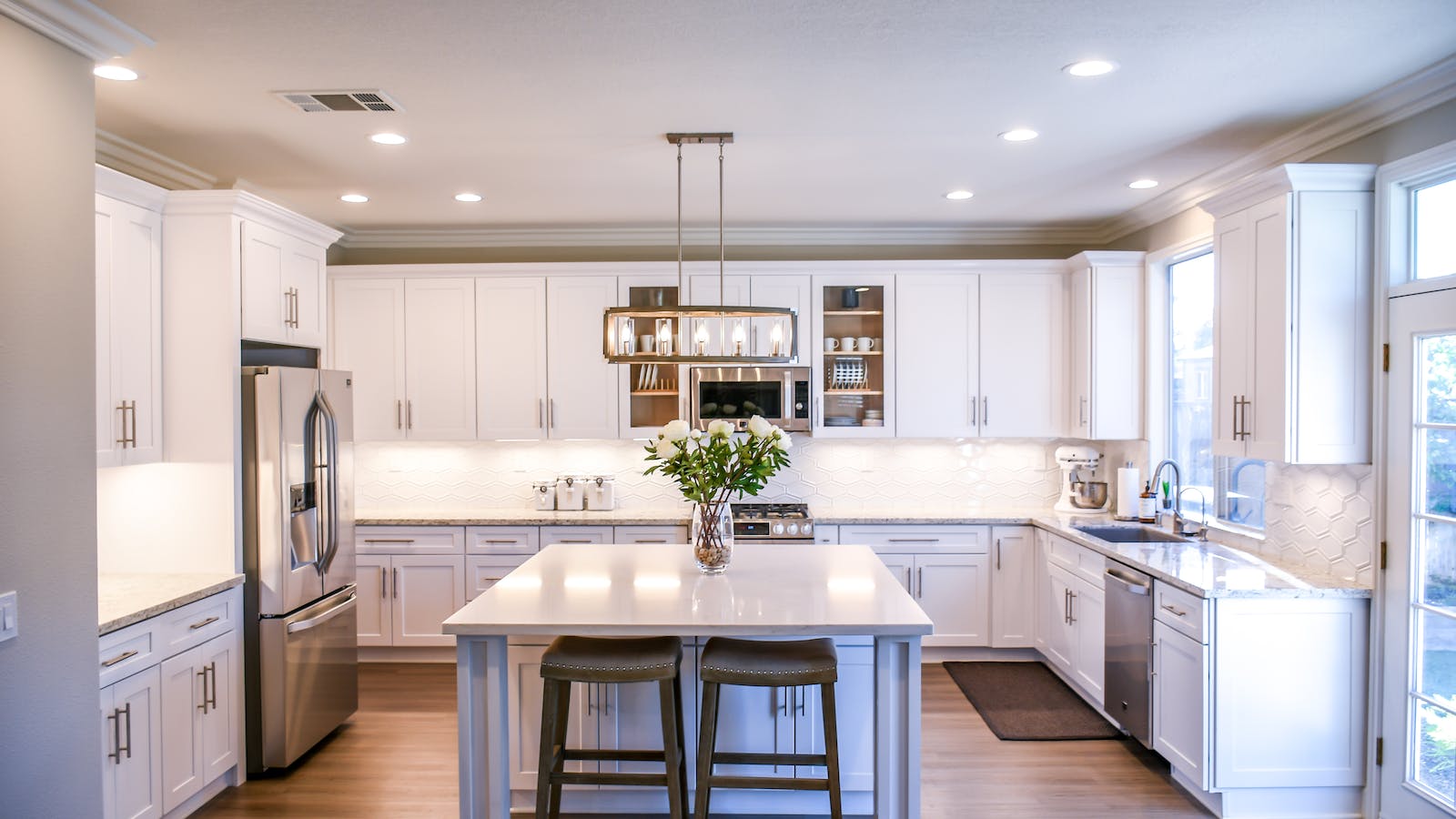
8 Kitchen Trends for 2025
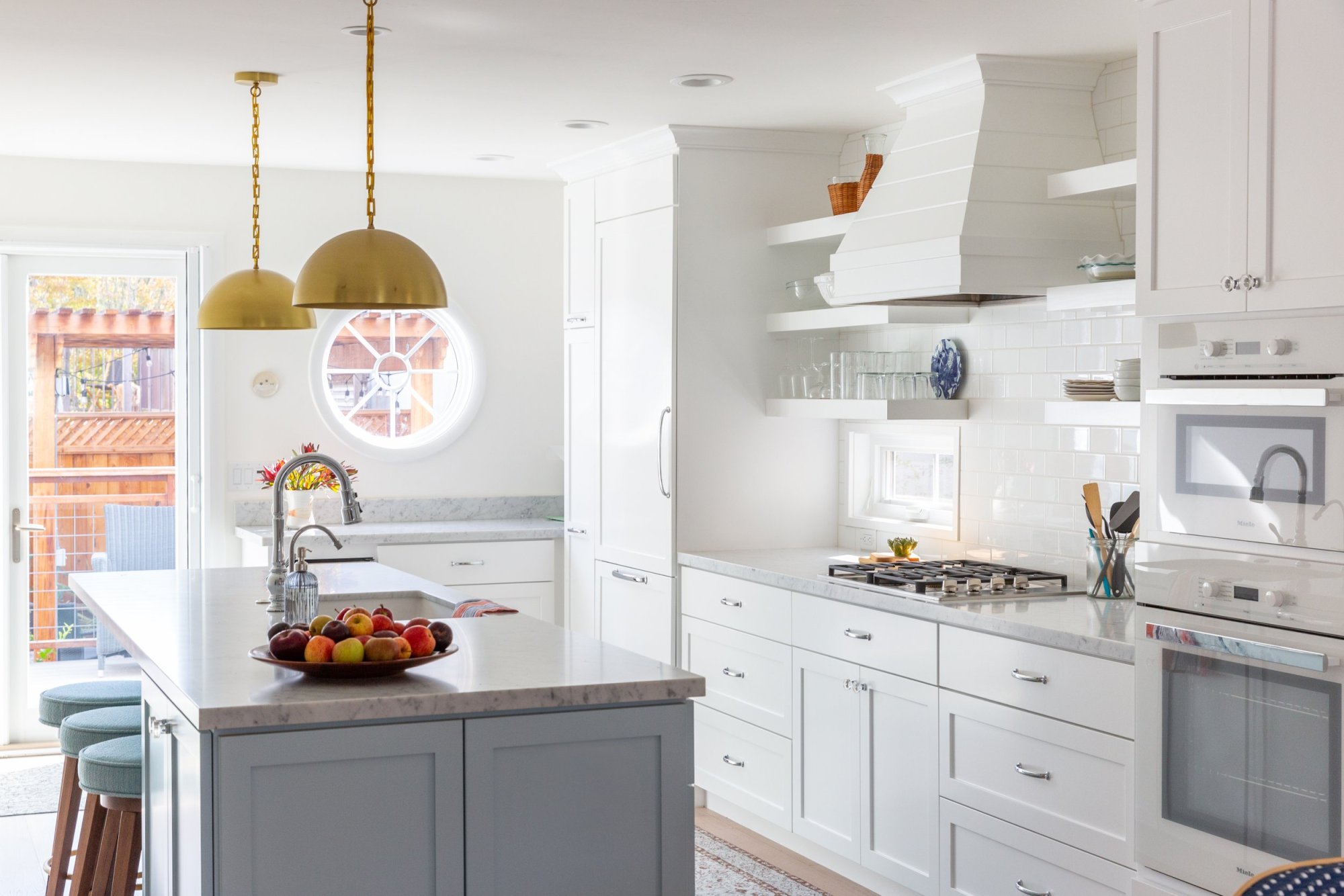
3 Santa Cruz home design experts share their advice for remodeling your kitchen in 2025
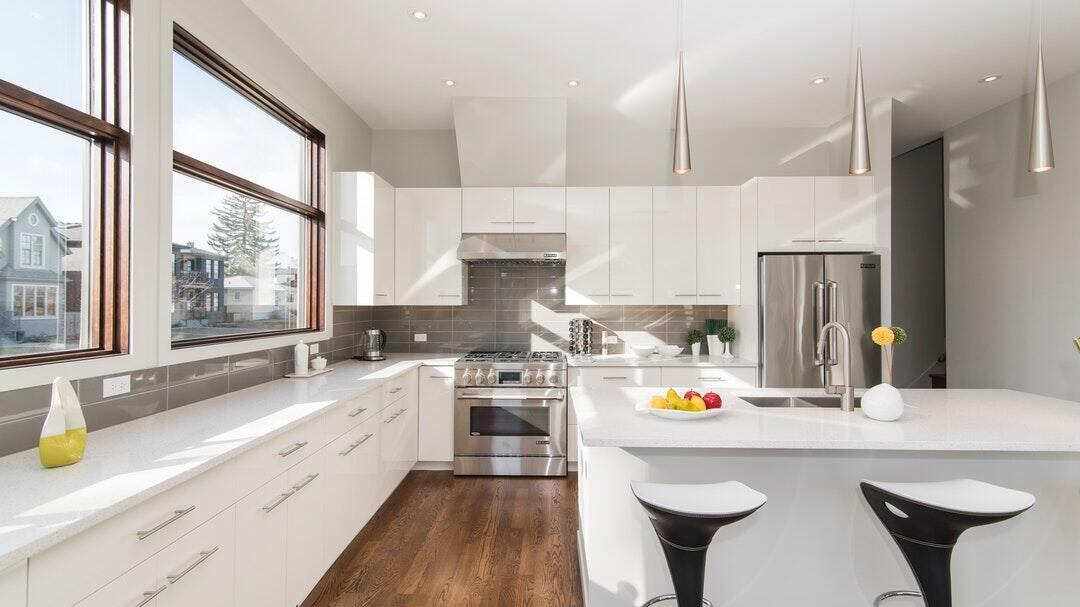
Kitchen remodeling trends taking home design by storm
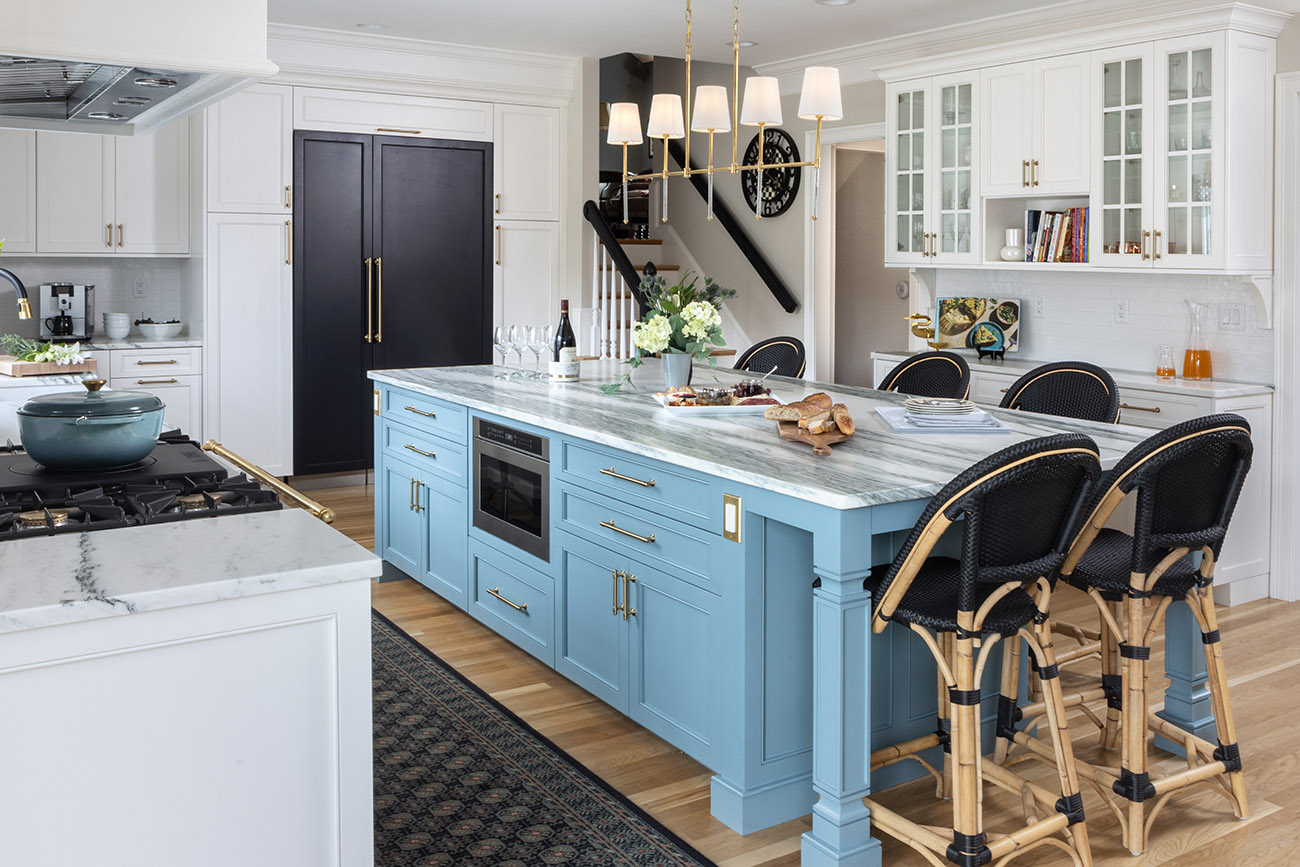
Must-Haves in Today’s Kitchen
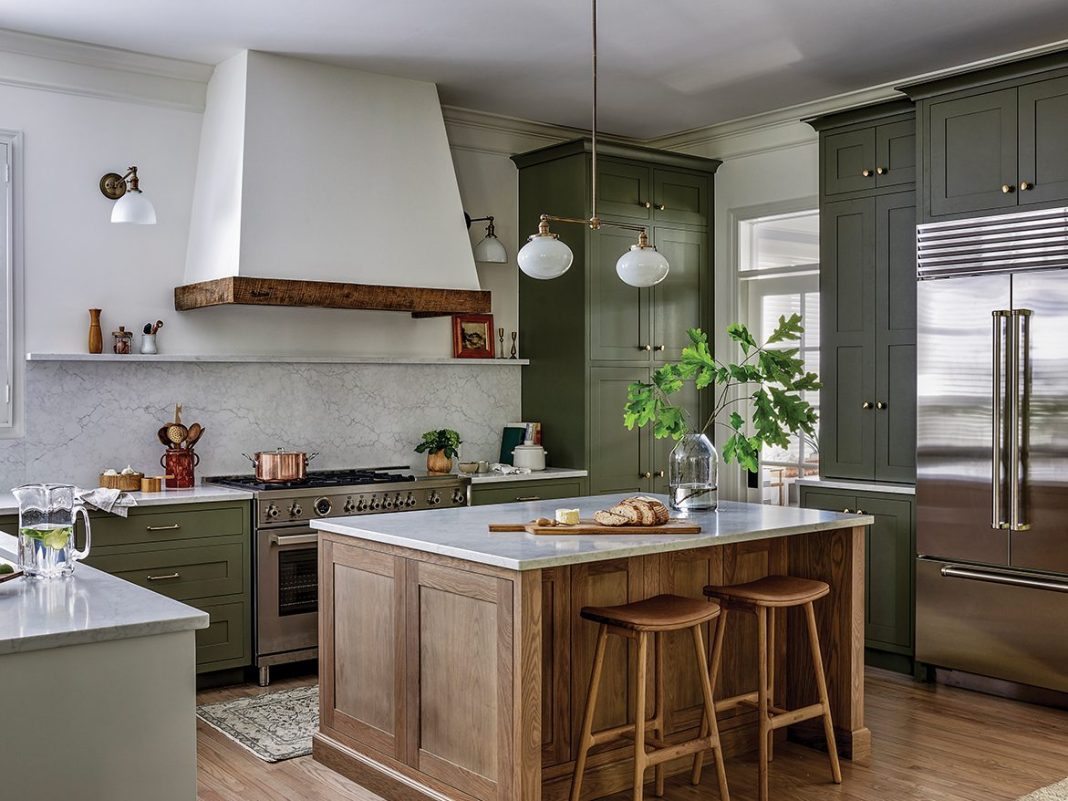
How to incorporate greener living into your kitchen

Kitchen Decor Ideas 2025: Elevate Your Cooking Space with Modern Kitchen Ideas

A Sustainable Kitchen Remodel Can Actually Save You Money—Here’s How

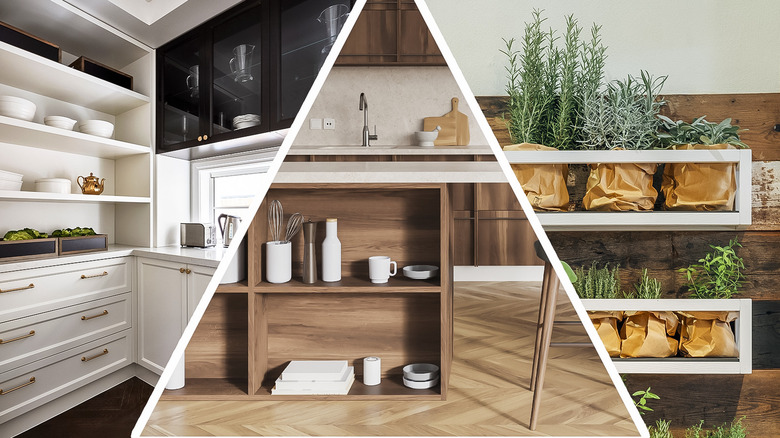
13 Kitchen Trends That We Are Following In 2025

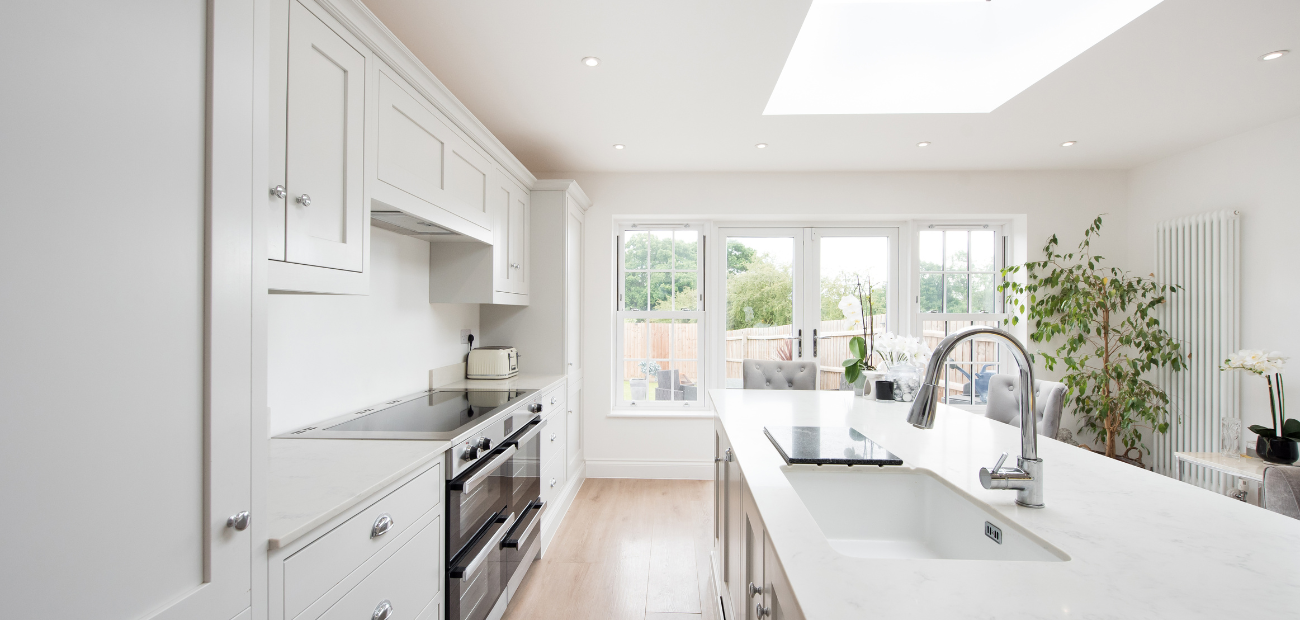
Sustainable Spaces: The Kitchen
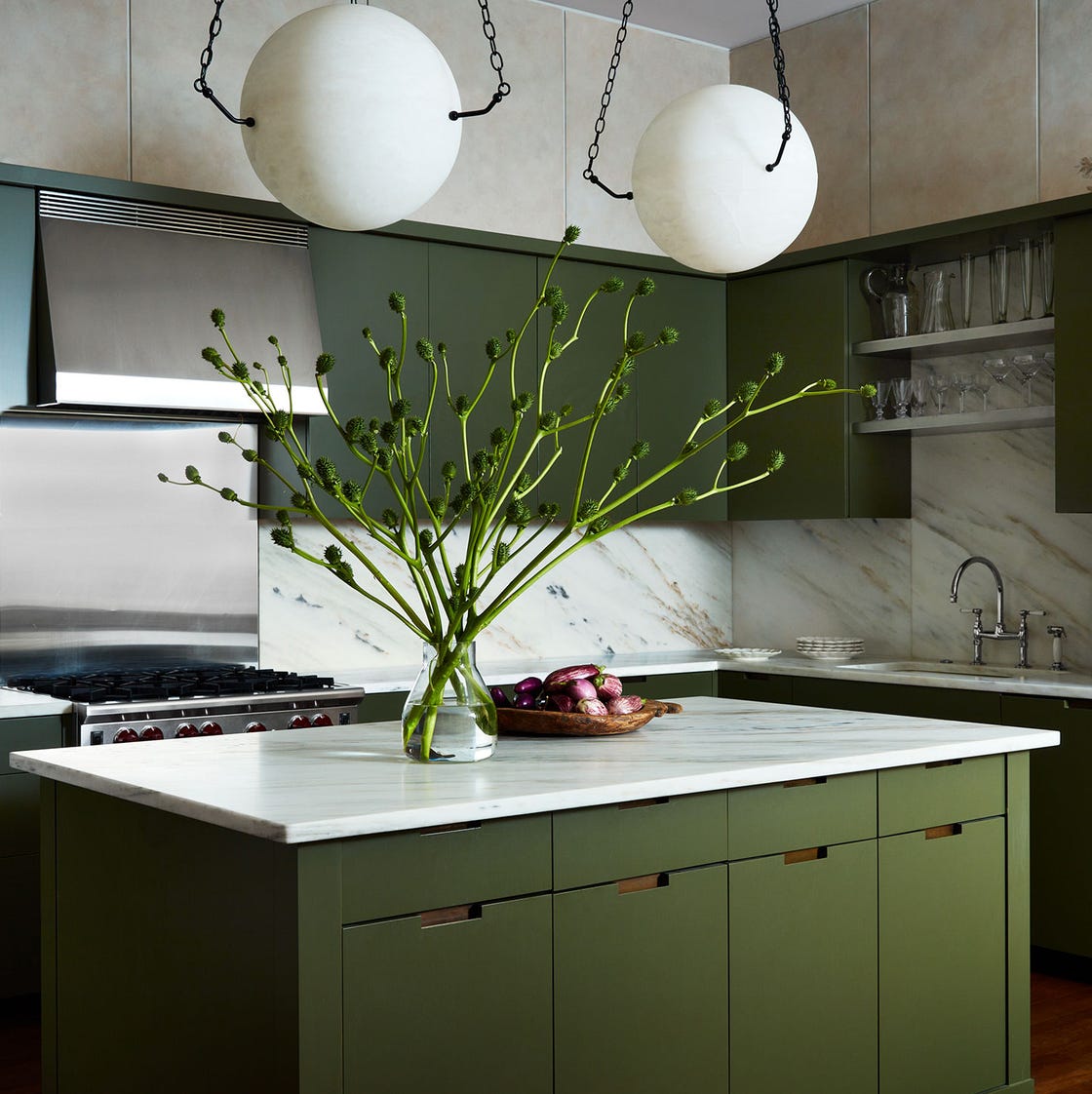
37 Green Kitchen Ideas for the Freshest Cooking Space Ever in 2025
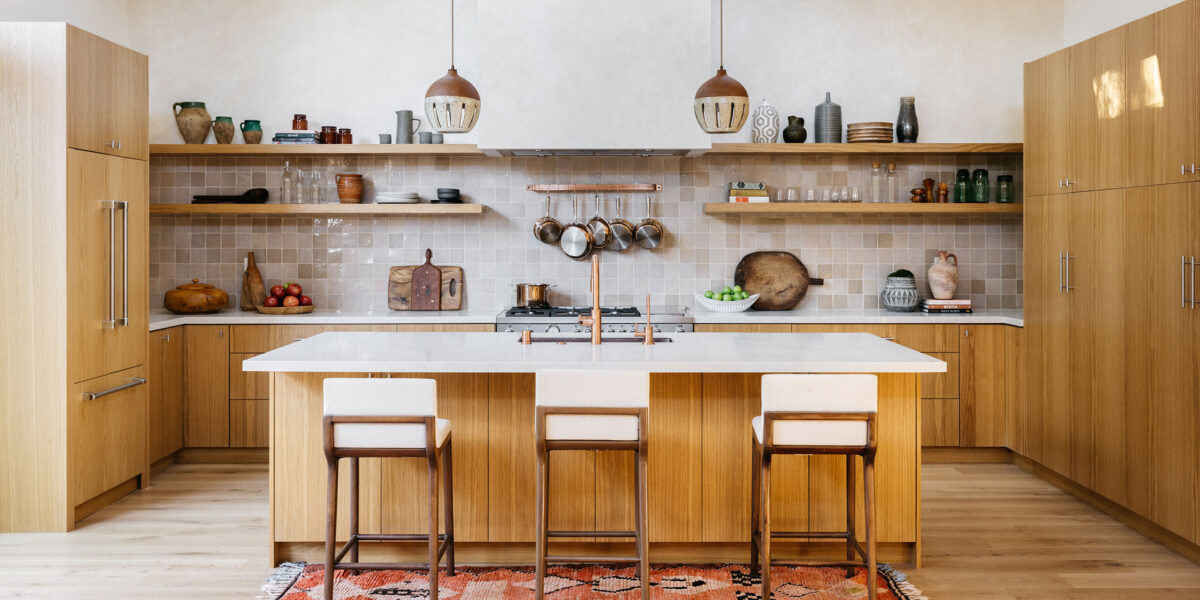
This Outdated Kitchen Design Style Is Coming Back (and That’s a Good Thing)
Budget kitchen trends, from benches to open shelving
19 green kitchen ideas – verdant shades guaranteed to breathe life into your cooking space
Kitchen

21 of the Biggest Kitchen Trends Design Pros Love Right Now


Sustainable home decor: Eco-friendly interior design trends to watch