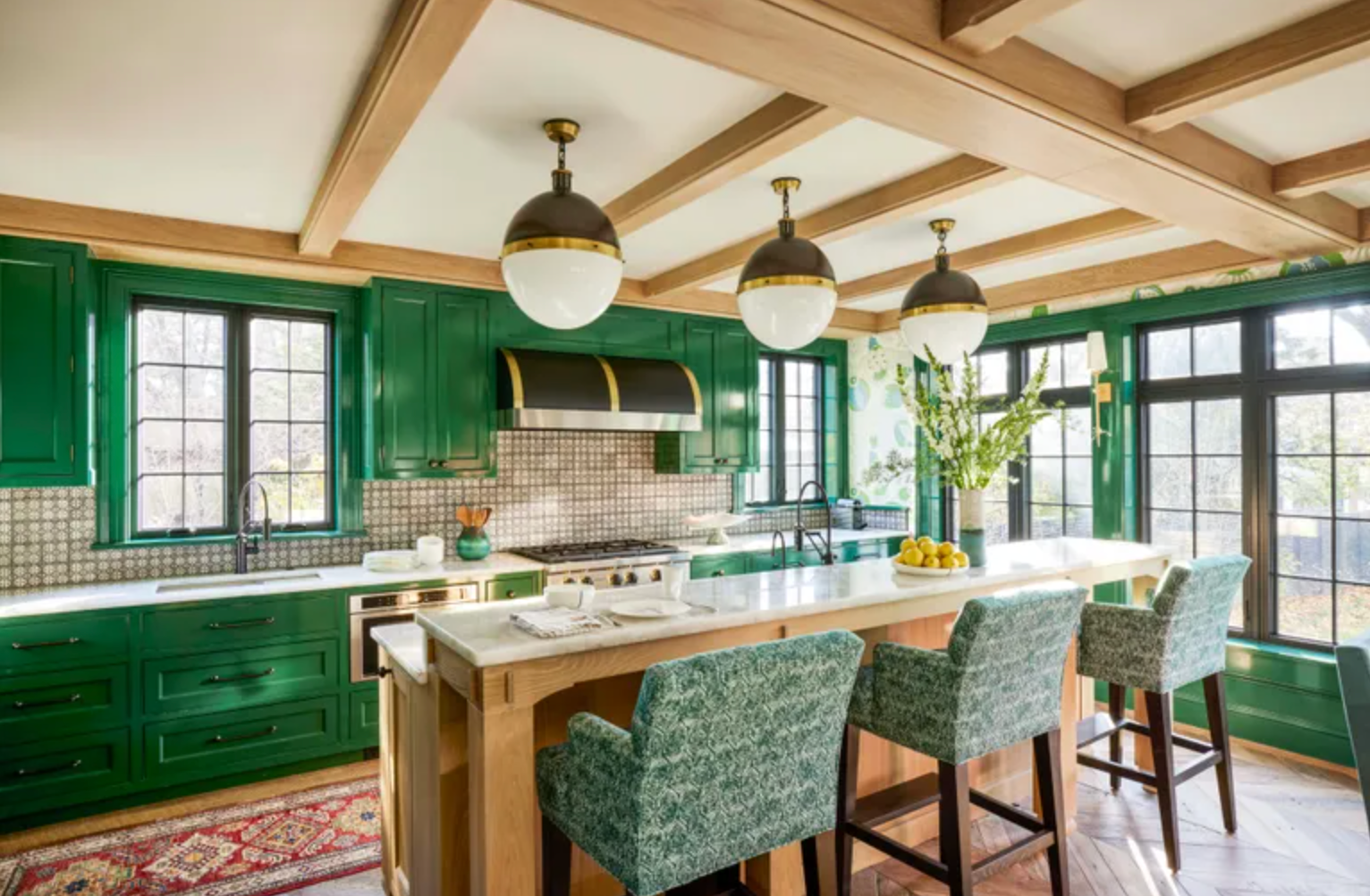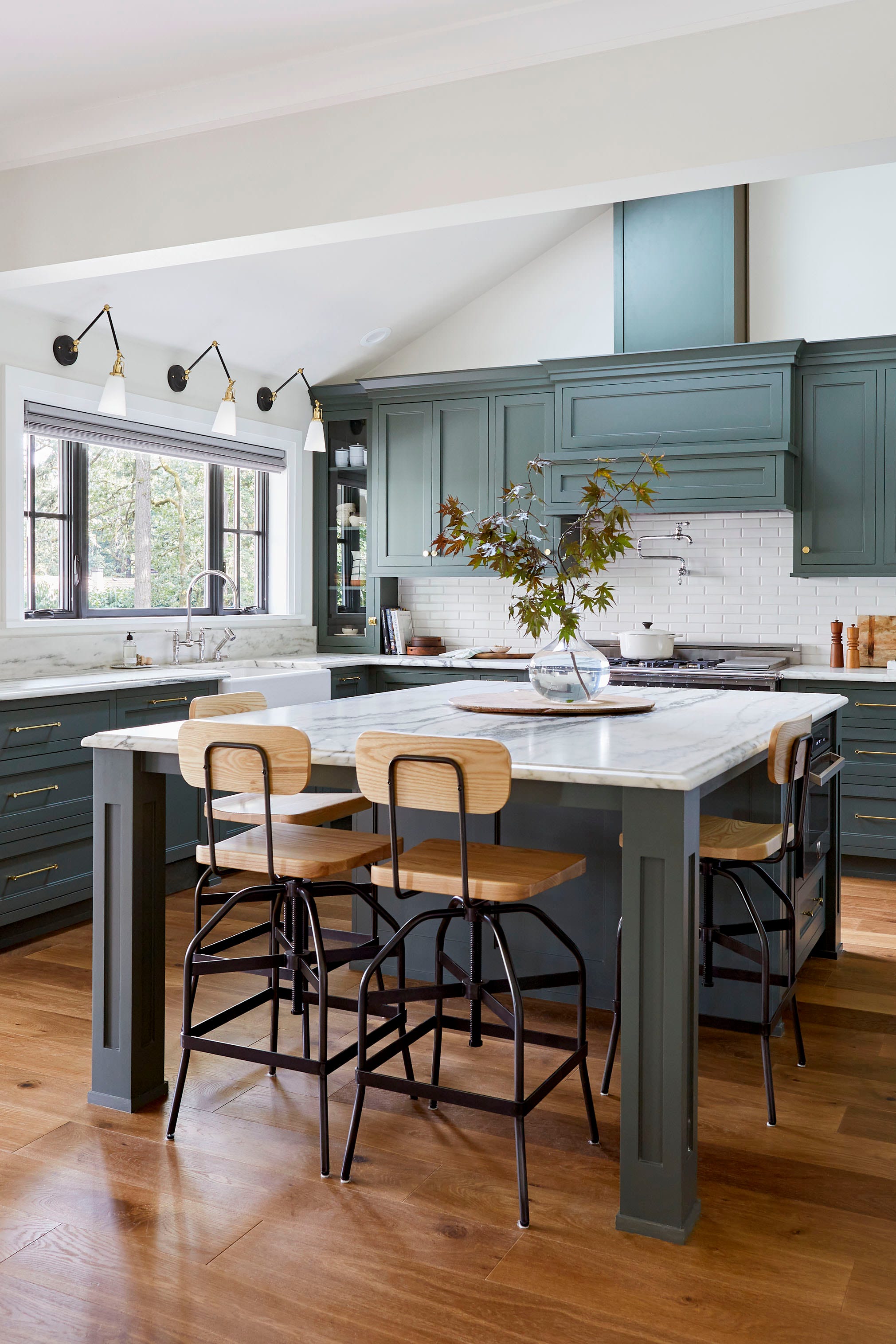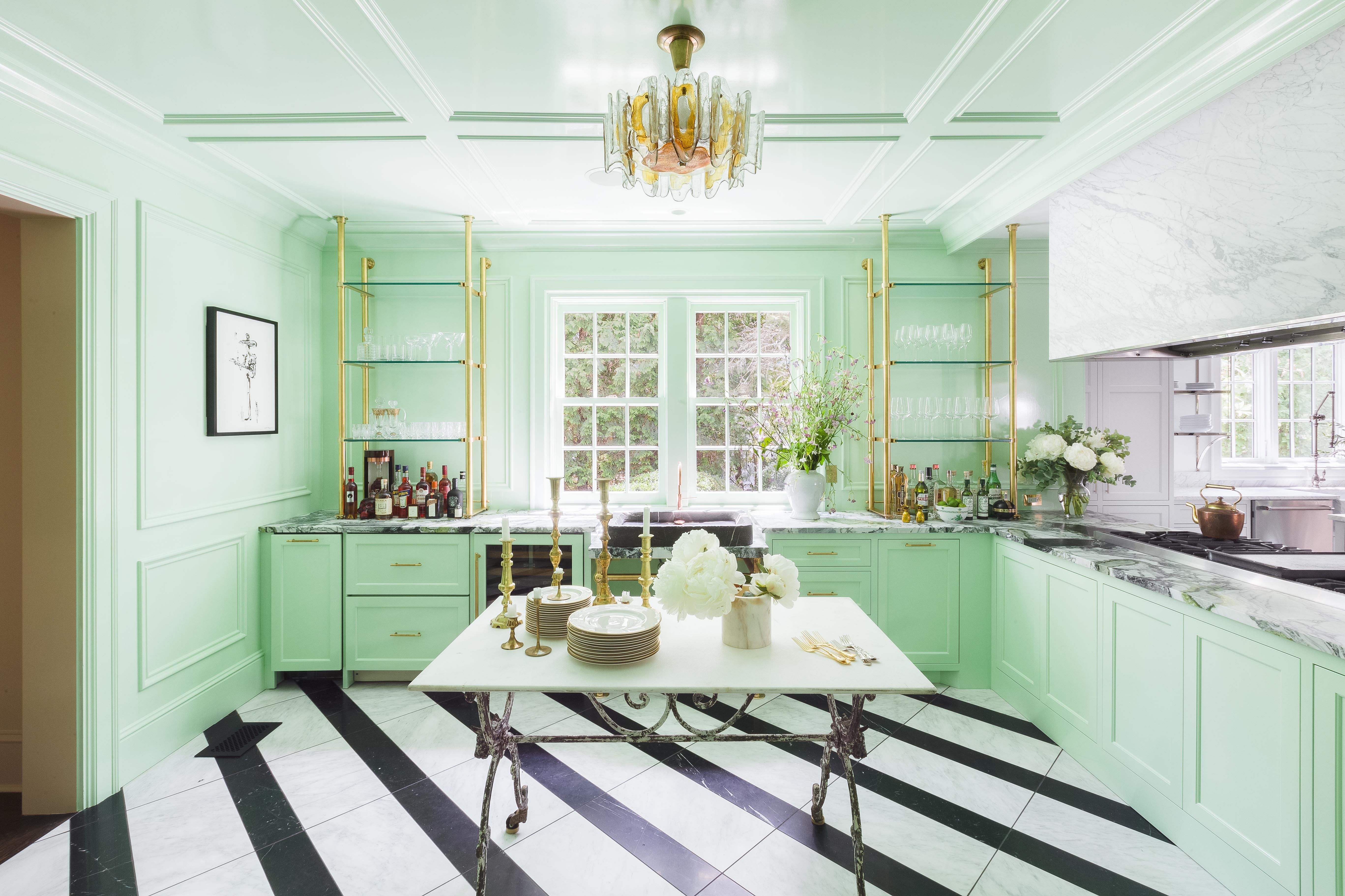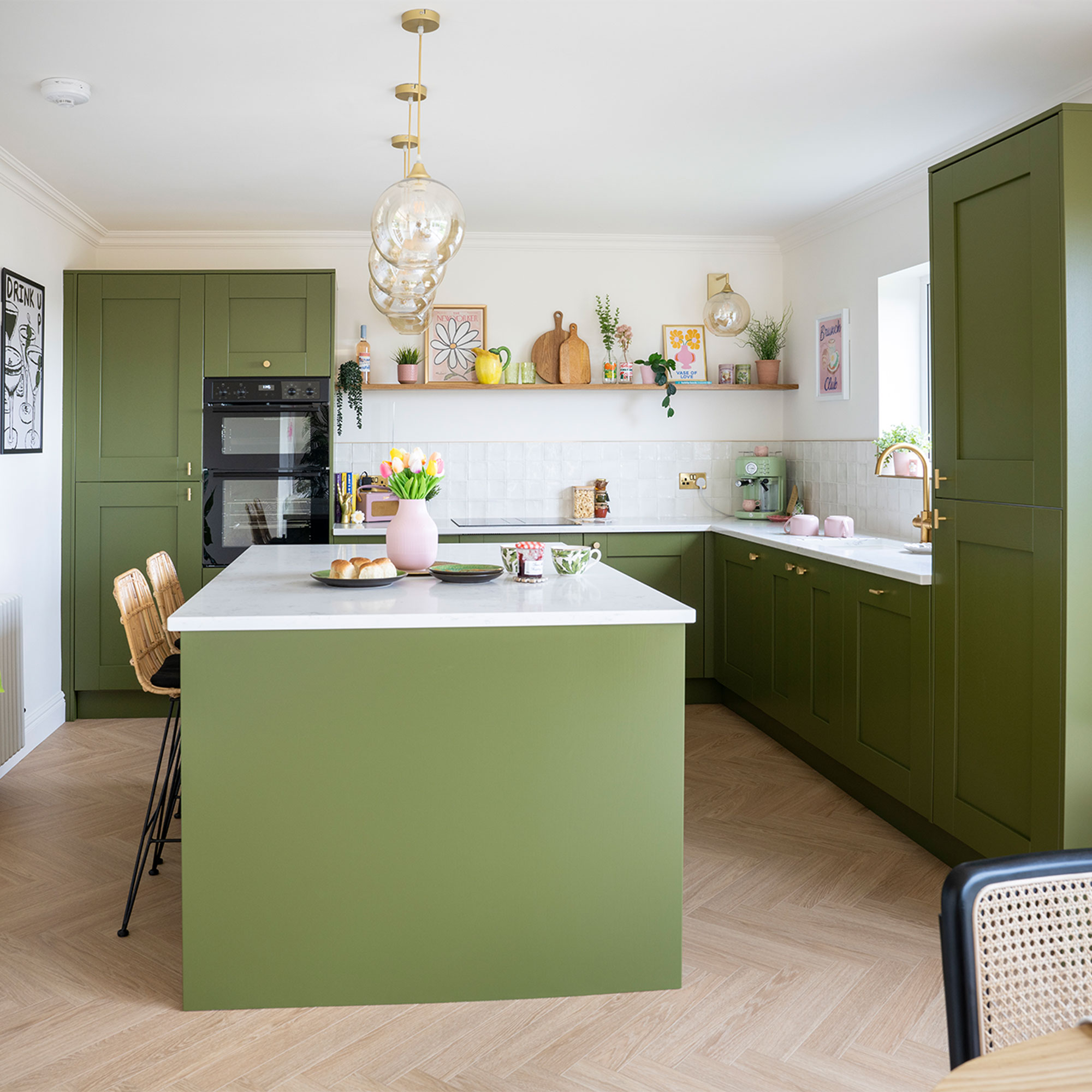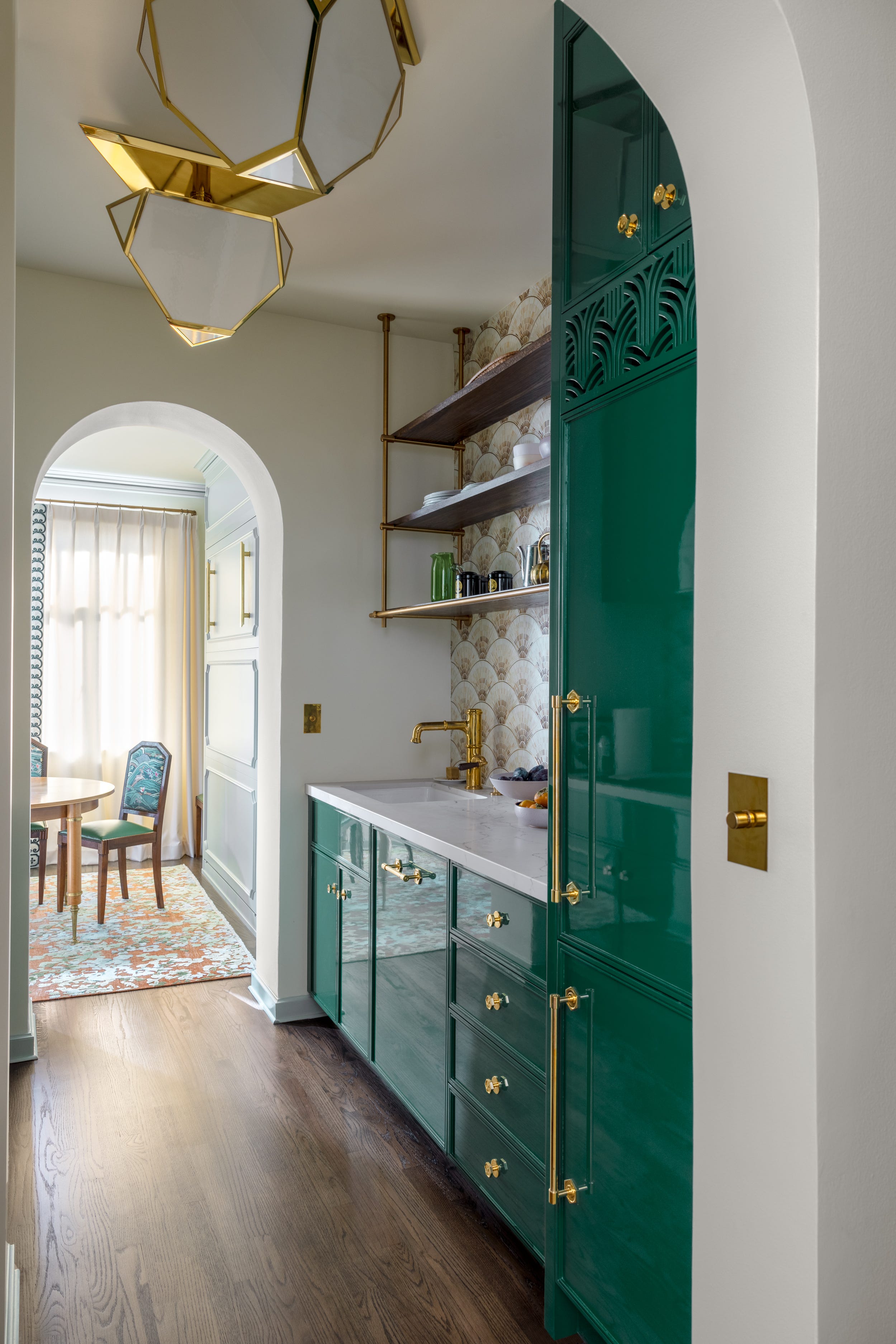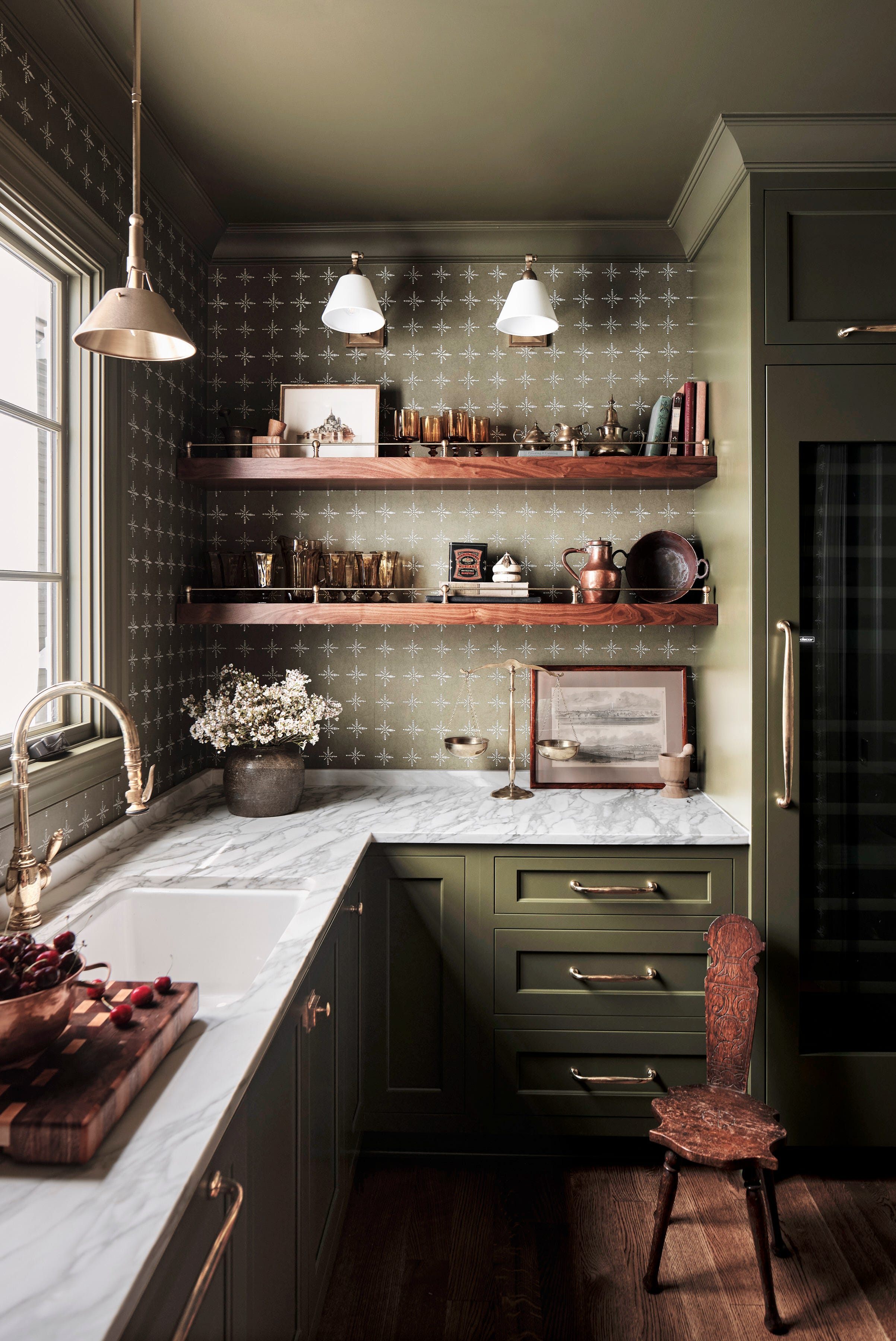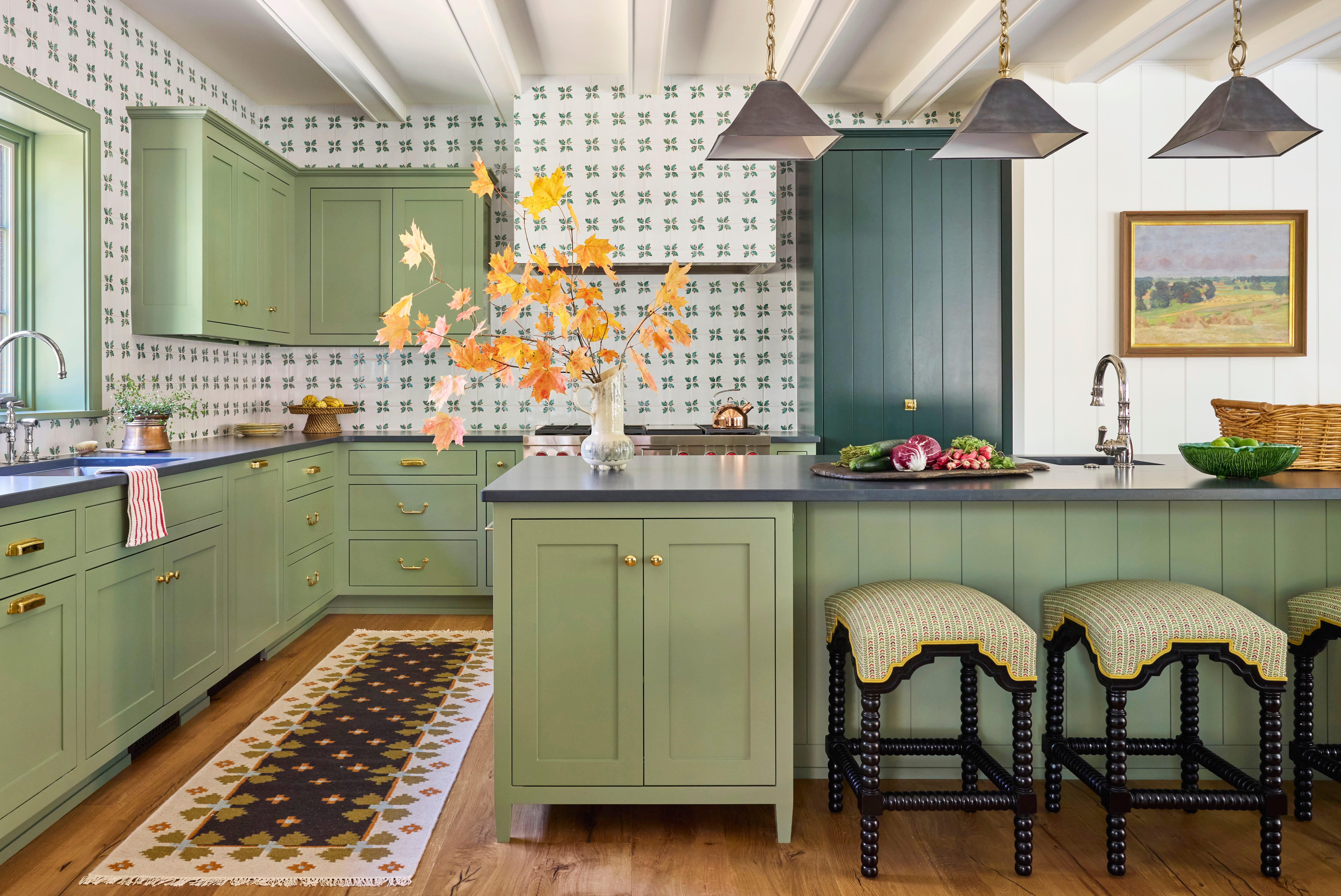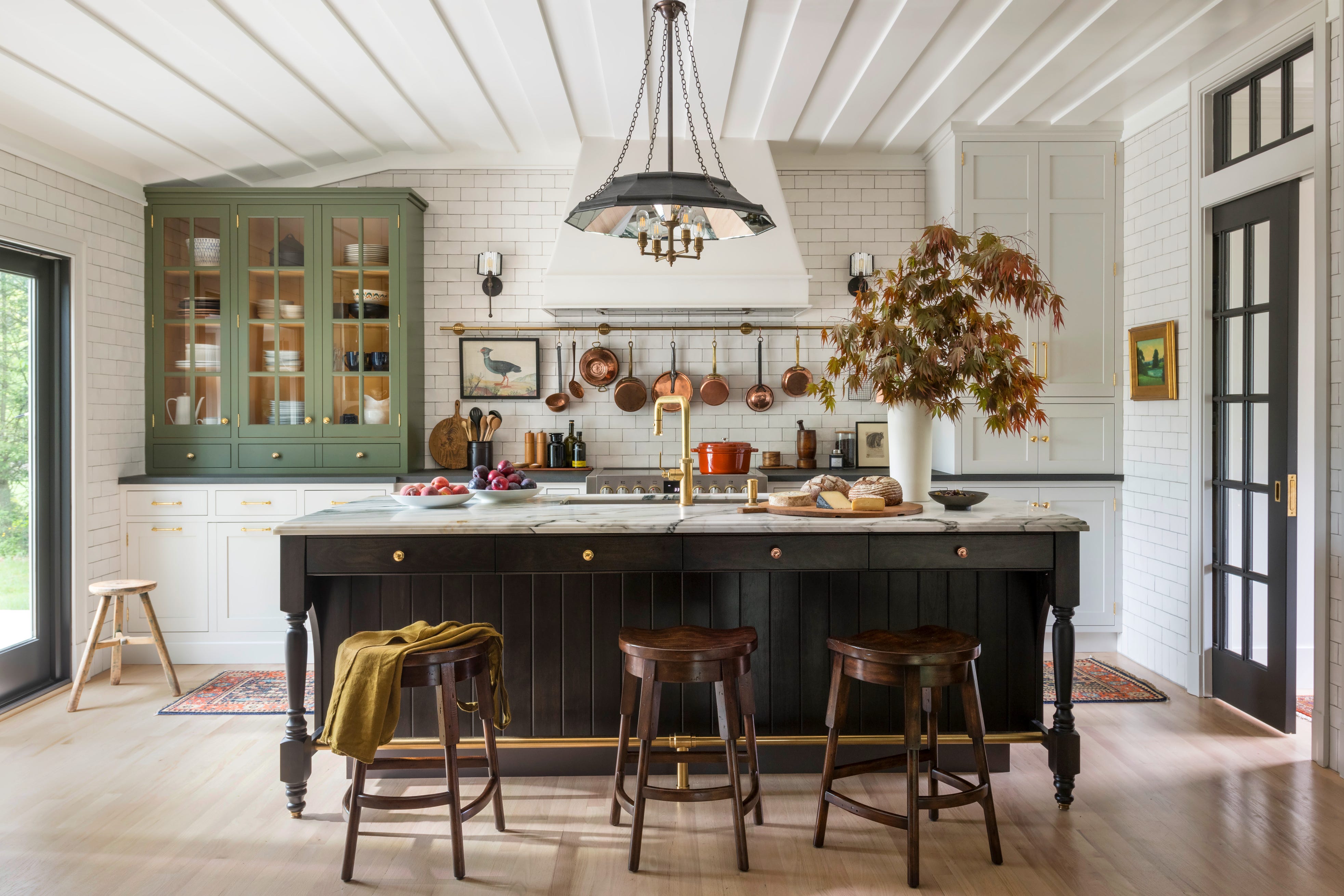
1/4
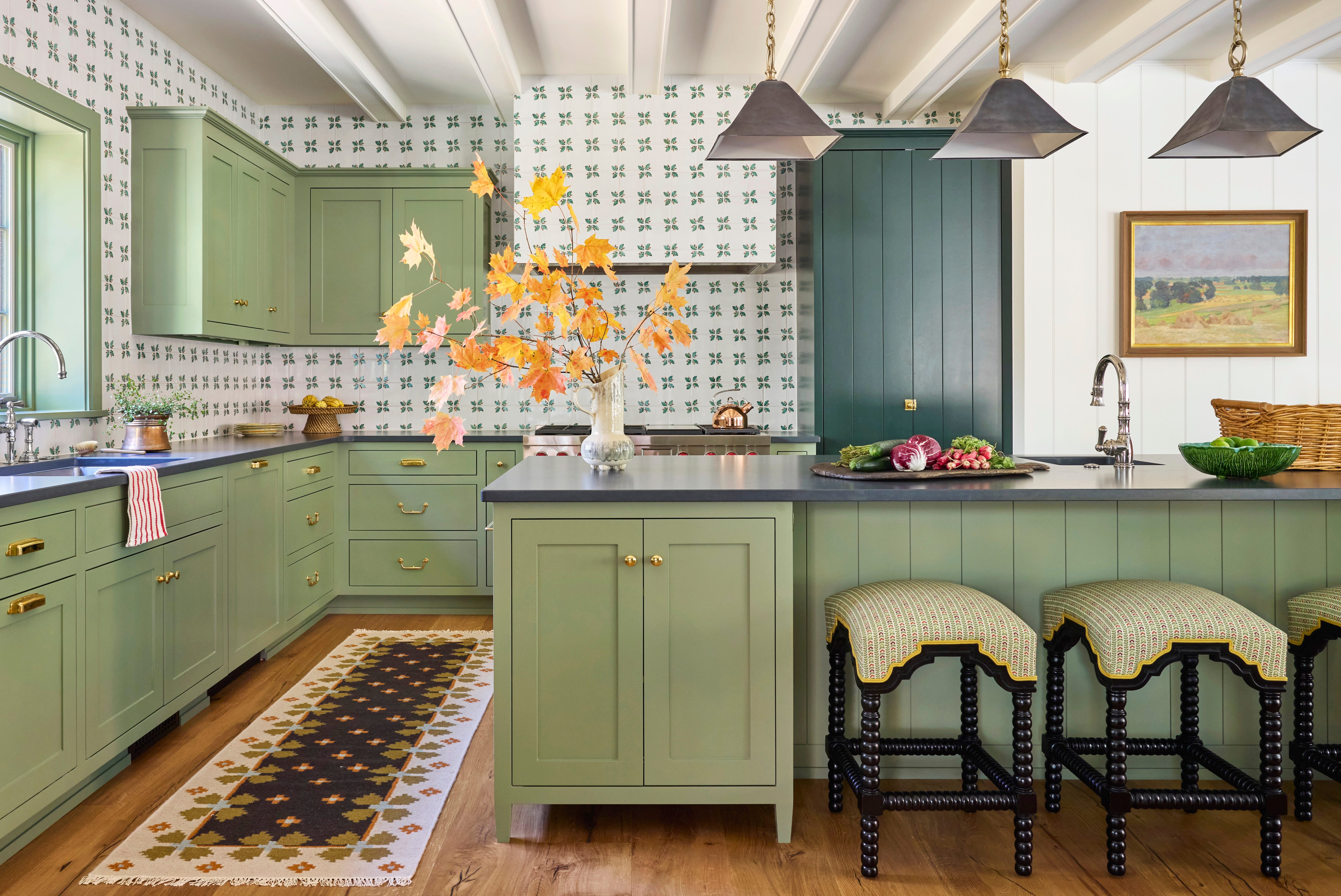
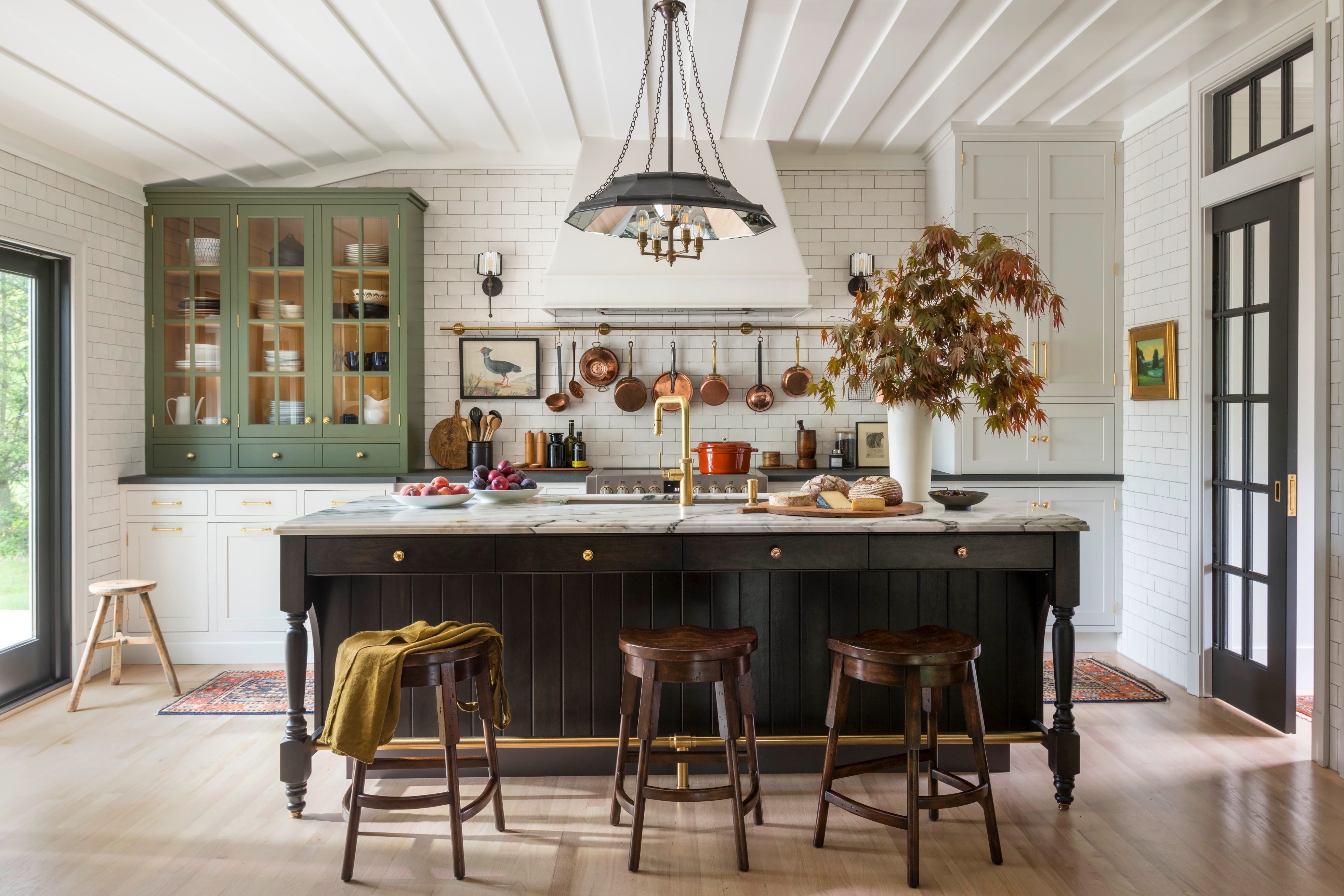
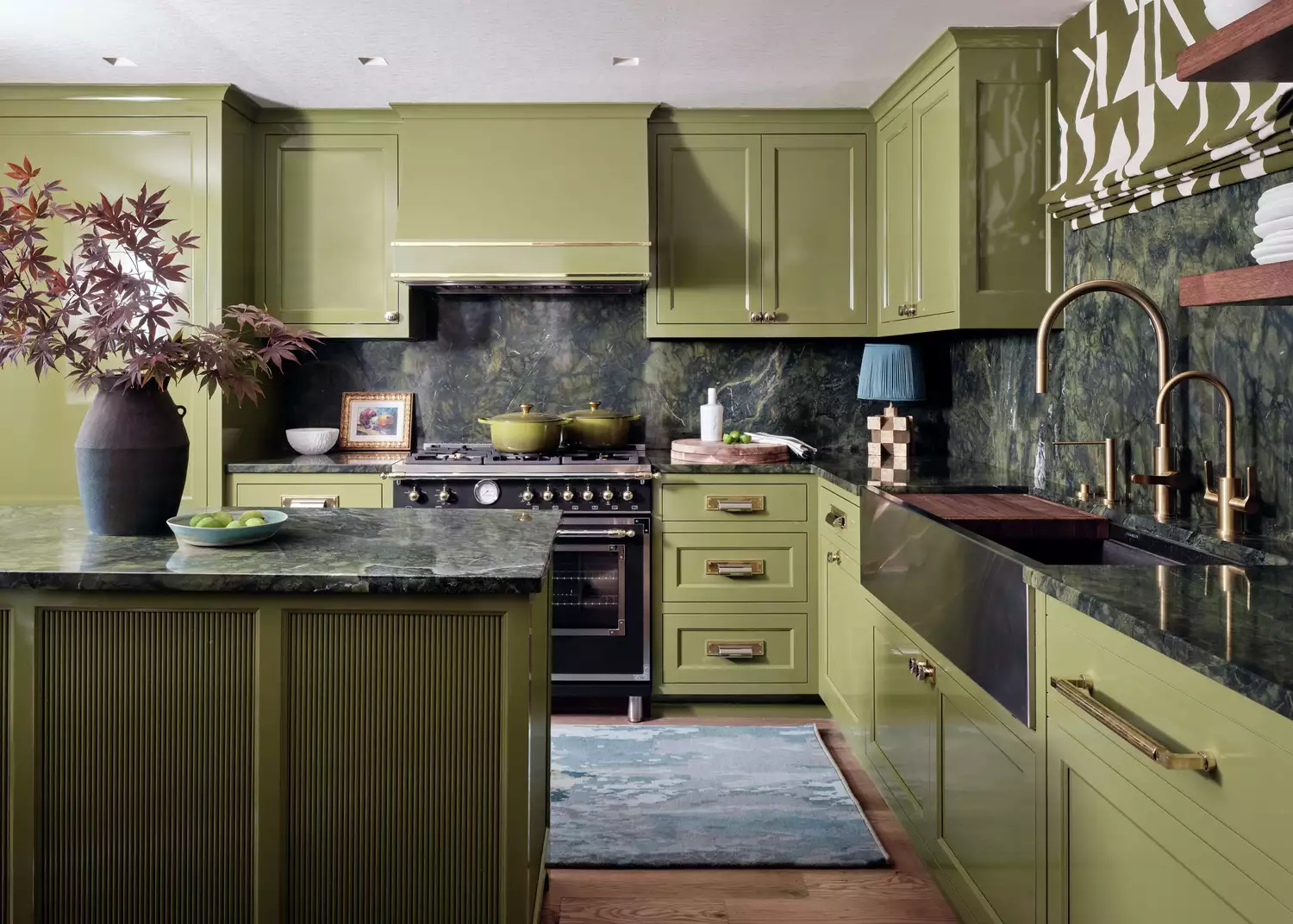
How to incorporate greener living into your kitchen
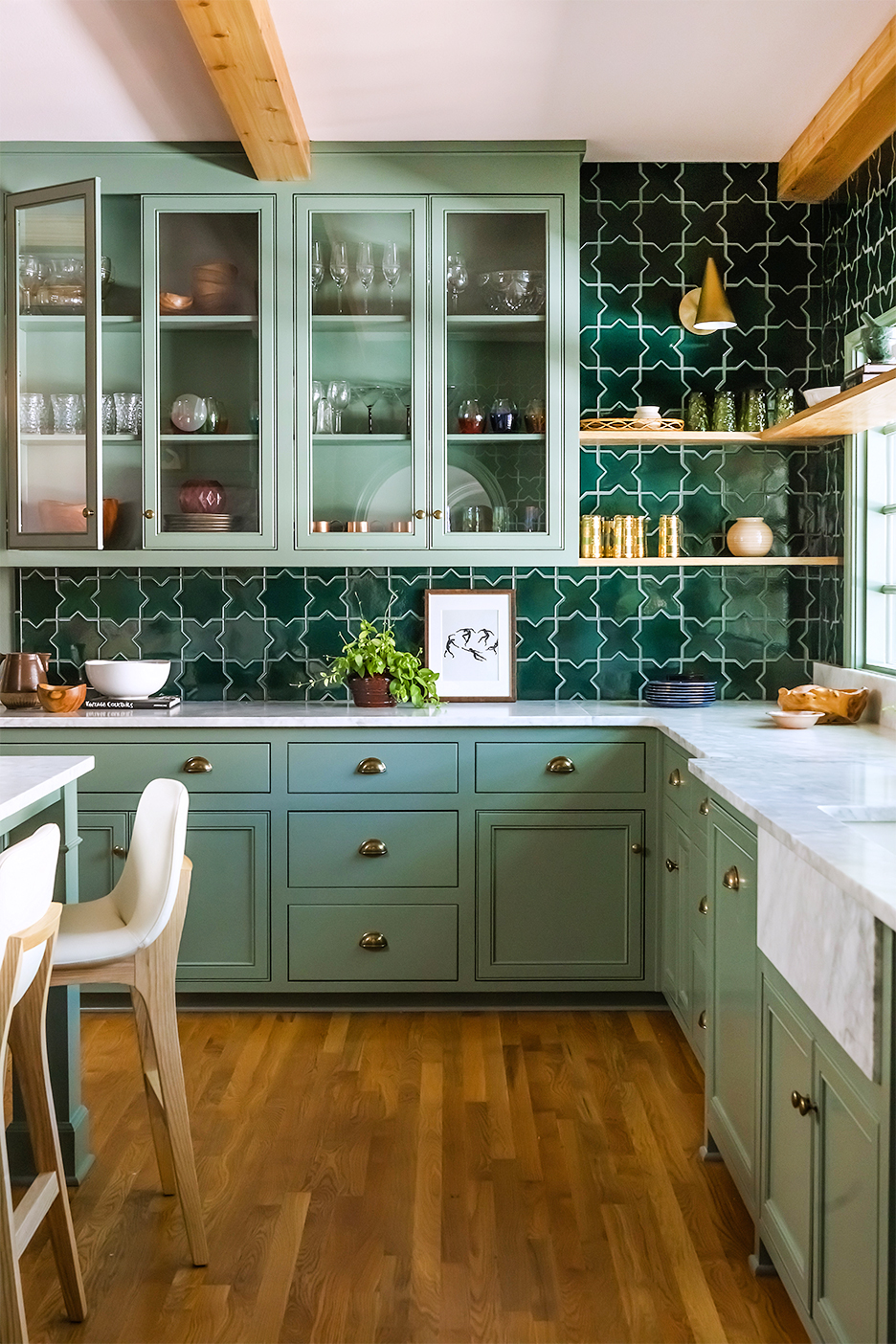
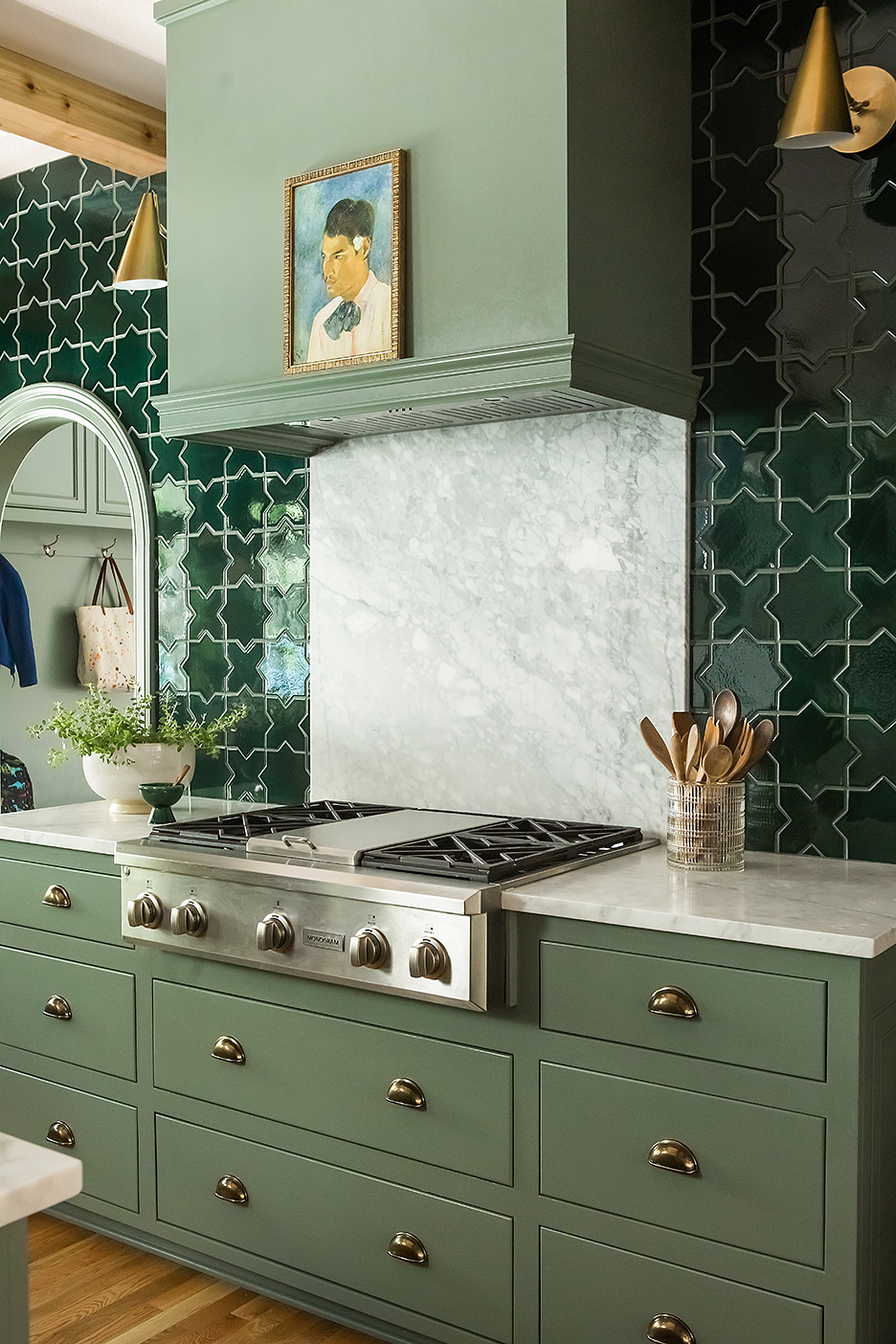
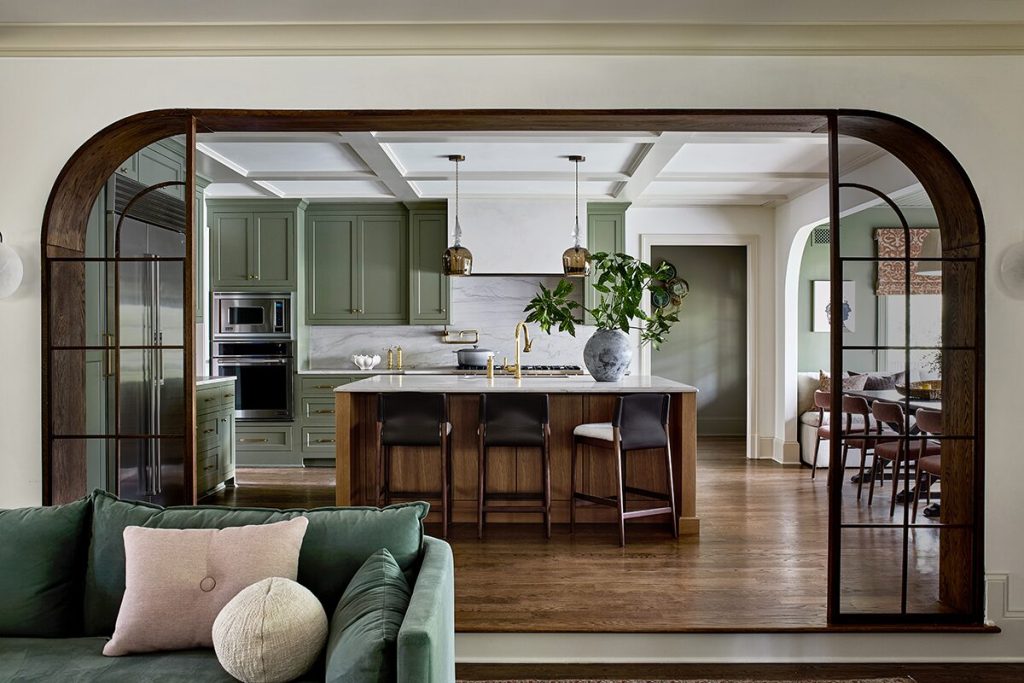
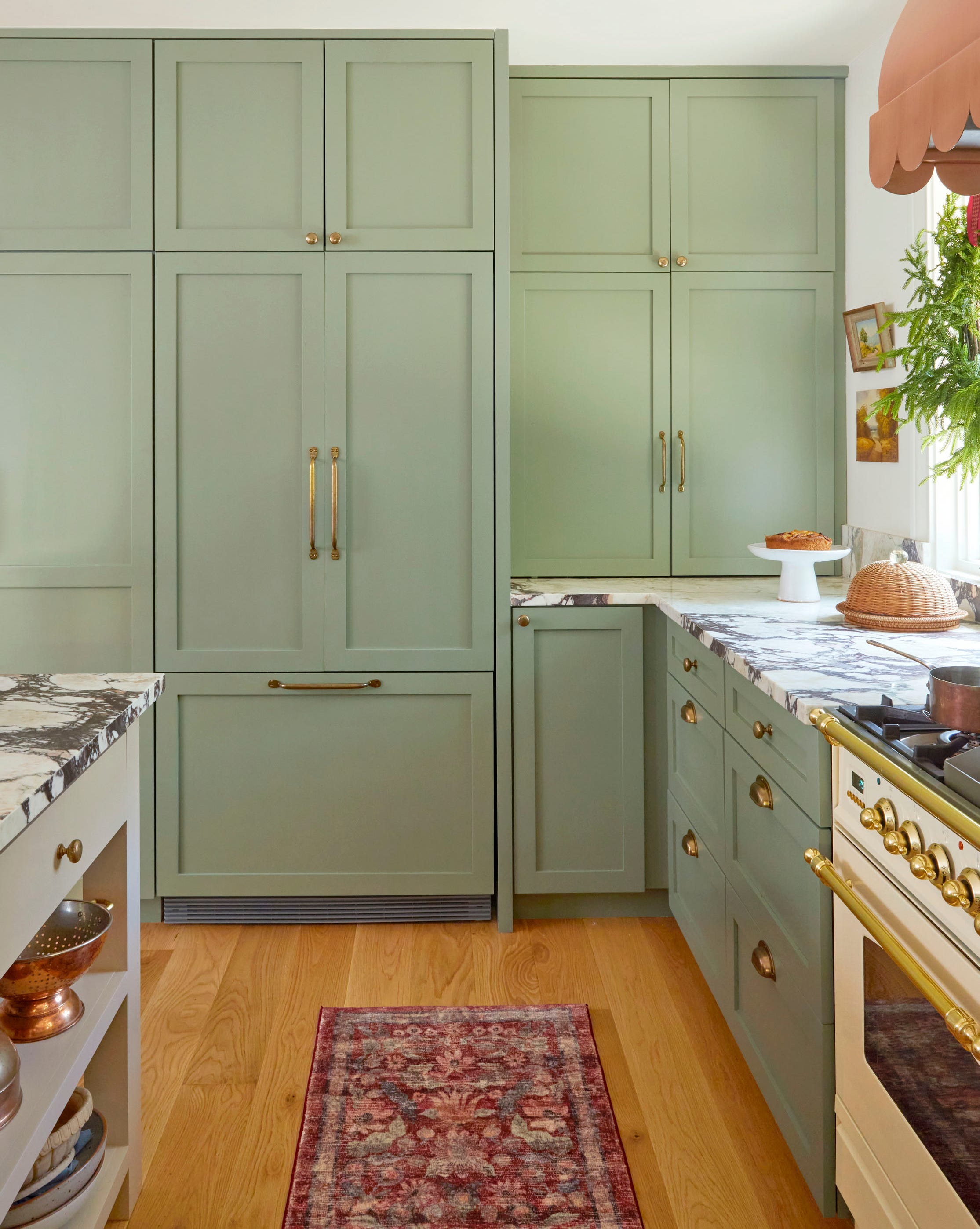
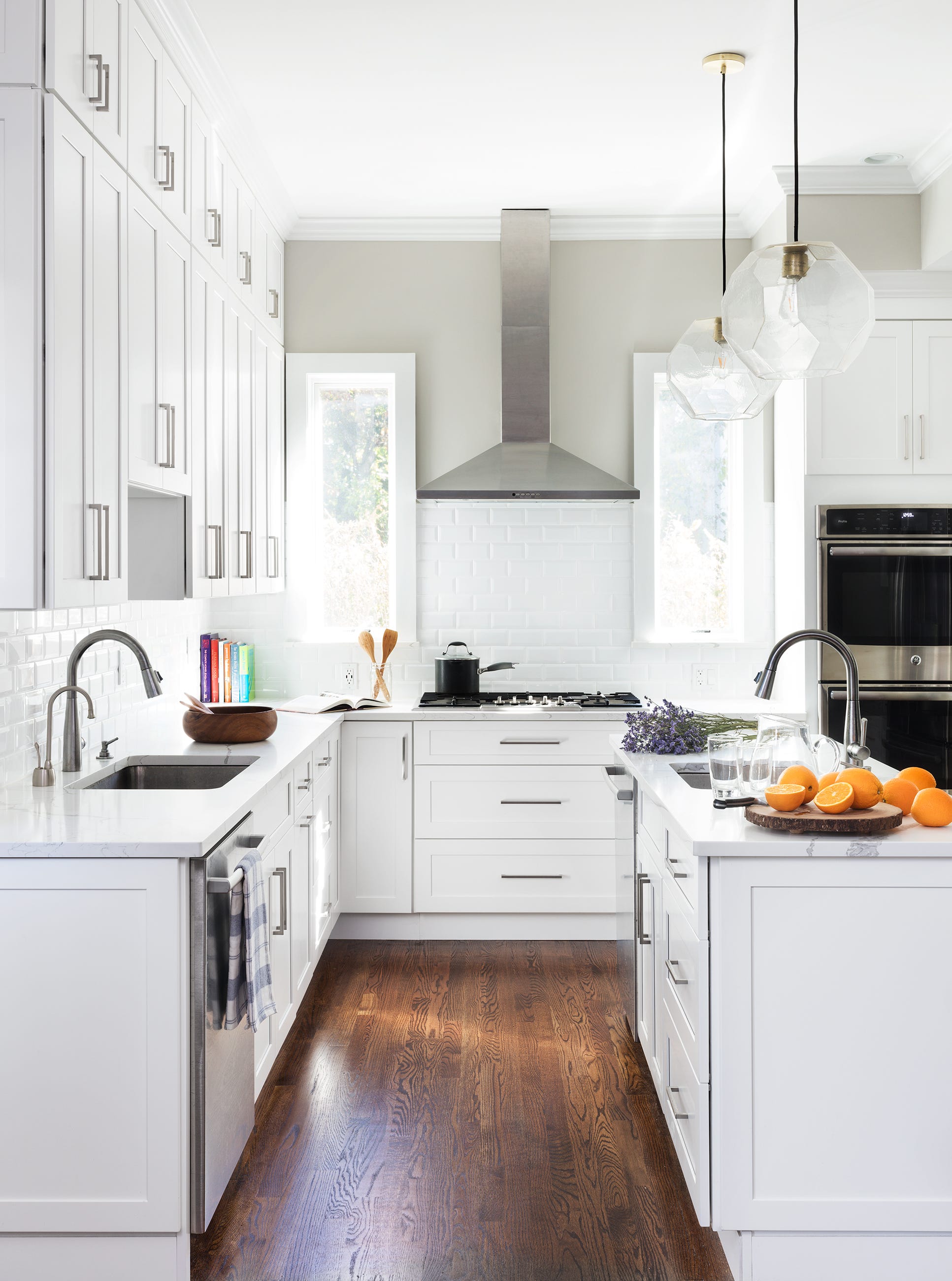
This article explores strategies for integrating sustainable practices into kitchen design and renovation, emphasizing both environmental responsibility and aesthetic appeal. The discussion begins with the experience of interior designer Sheryl Steinberg, who prioritized a clean, sustainable, high-quality, modern, and inviting kitchen a decade ago. Her choices, such as an induction cooktop over a gas range and cabinets free of VOCs and PVC, highlight early adoption of green design principles.
The increasing importance of sustainable kitchen features is underscored by the 2023 U.S. Houzz Kitchen Trends Study, which indicates that 92% of homeowners incorporate sustainable elements in renovations. Common choices include LED bulbs (65%), energy-efficient appliances (61%), and water-efficient fixtures (34%). Jennifer Owens, quality director of the U.S. Green Building Council’s LEED Residential program, advises focusing on energy, water, materials, indoor air quality, and functionality when designing a green kitchen.
Energy-efficient appliances are a cornerstone of a sustainable kitchen. Technological advancements have led to more efficient dishwashers and “smart” refrigerators that reduce waste. The Environmental Protection Agency’s Energy Star rating program, established in 1992, helps consumers identify products that save energy and reduce costs, with certified appliances potentially saving a typical family around $450 annually. The blue Energy Star label serves as a clear indicator for efficient stoves, refrigerators, and other products.
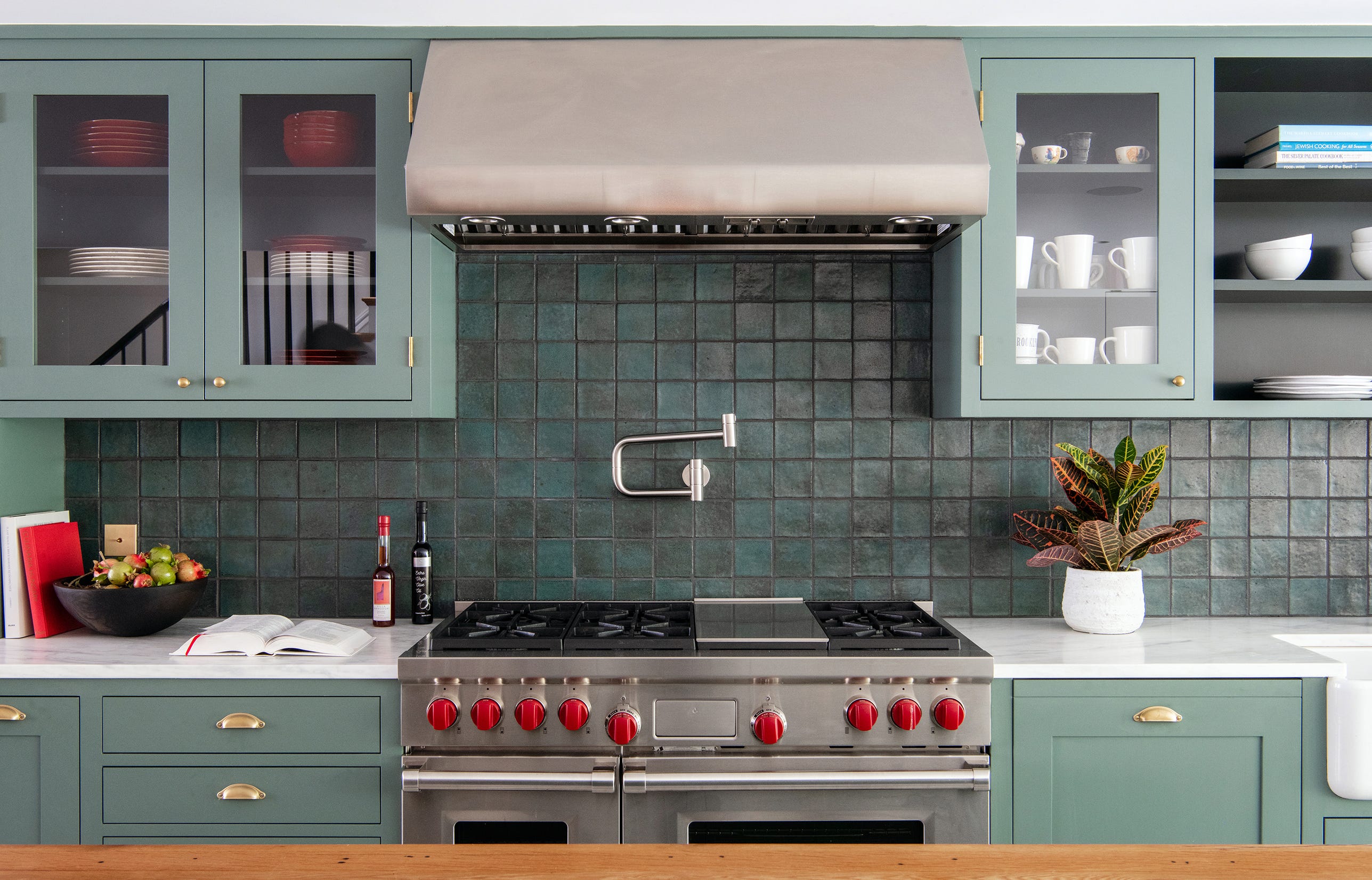
The choice of stove is a critical aspect, particularly with the ongoing debate surrounding gas stoves. Scientific studies, including a 2022 Harvard T.H. Chan School of Public Health report, have linked gas stoves to the emission of methane, nitrogen dioxide, and airborne particles that can negatively impact respiratory health. Induction stoves are presented as a greener alternative, utilizing electromagnetic energy for cooking and being approximately three times more energy-efficient than gas units, according to Energy Star. Kitchen designers like Nadia Subaran advocate for induction cooking due to its efficiency, ease of cleaning, and reduced ventilation requirements.
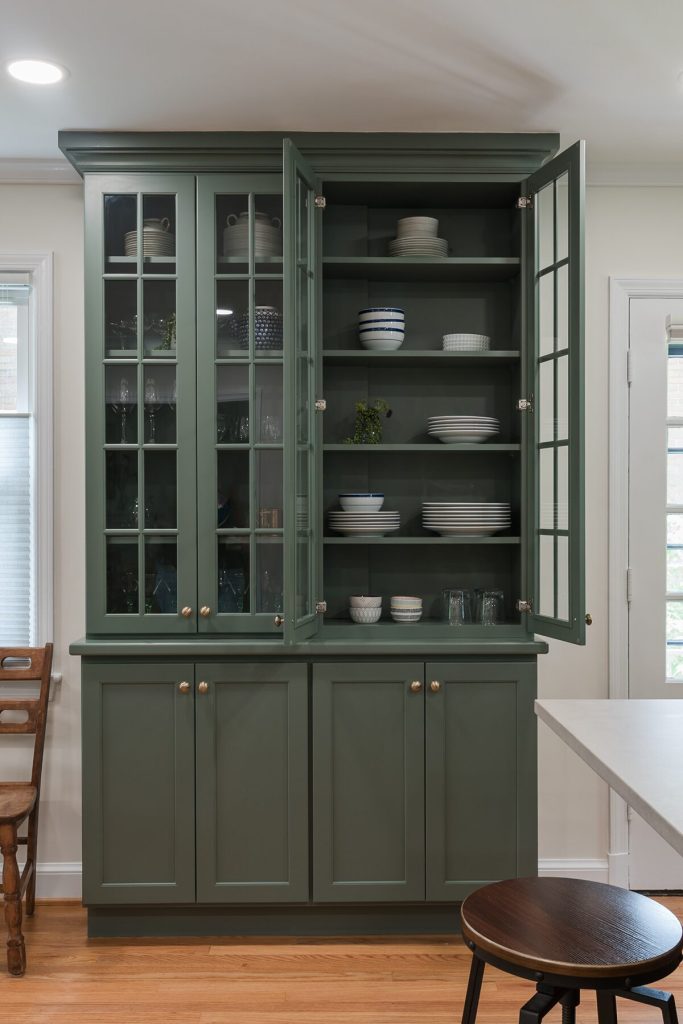
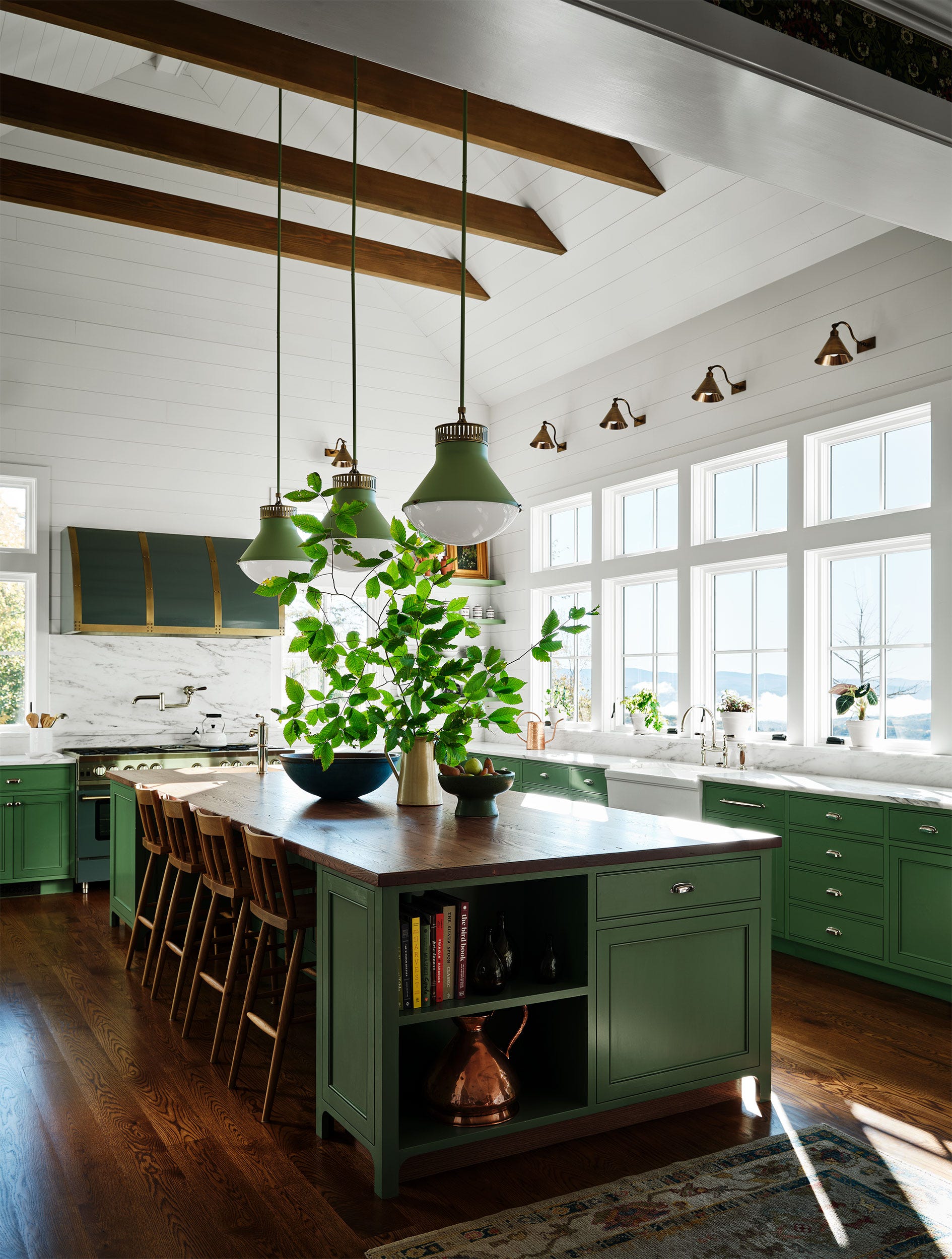
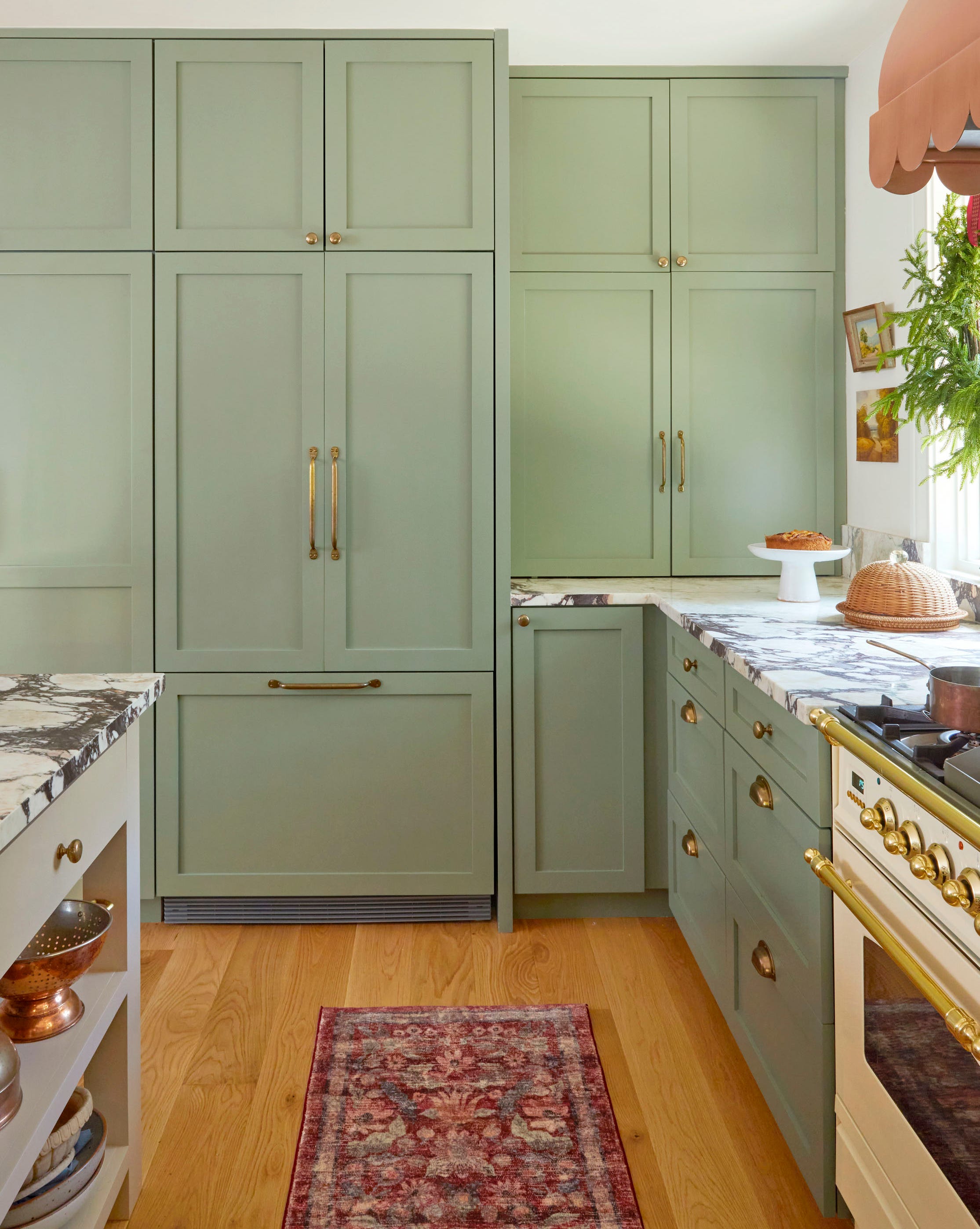
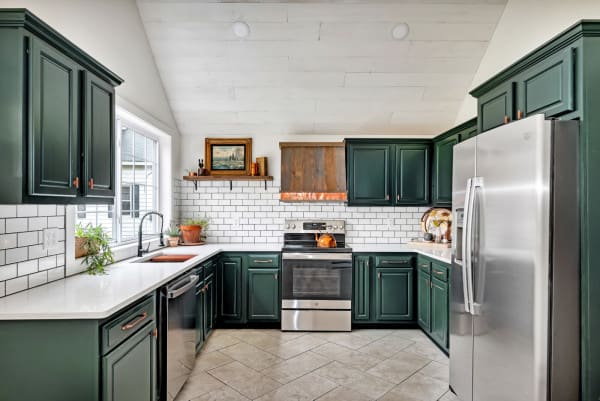
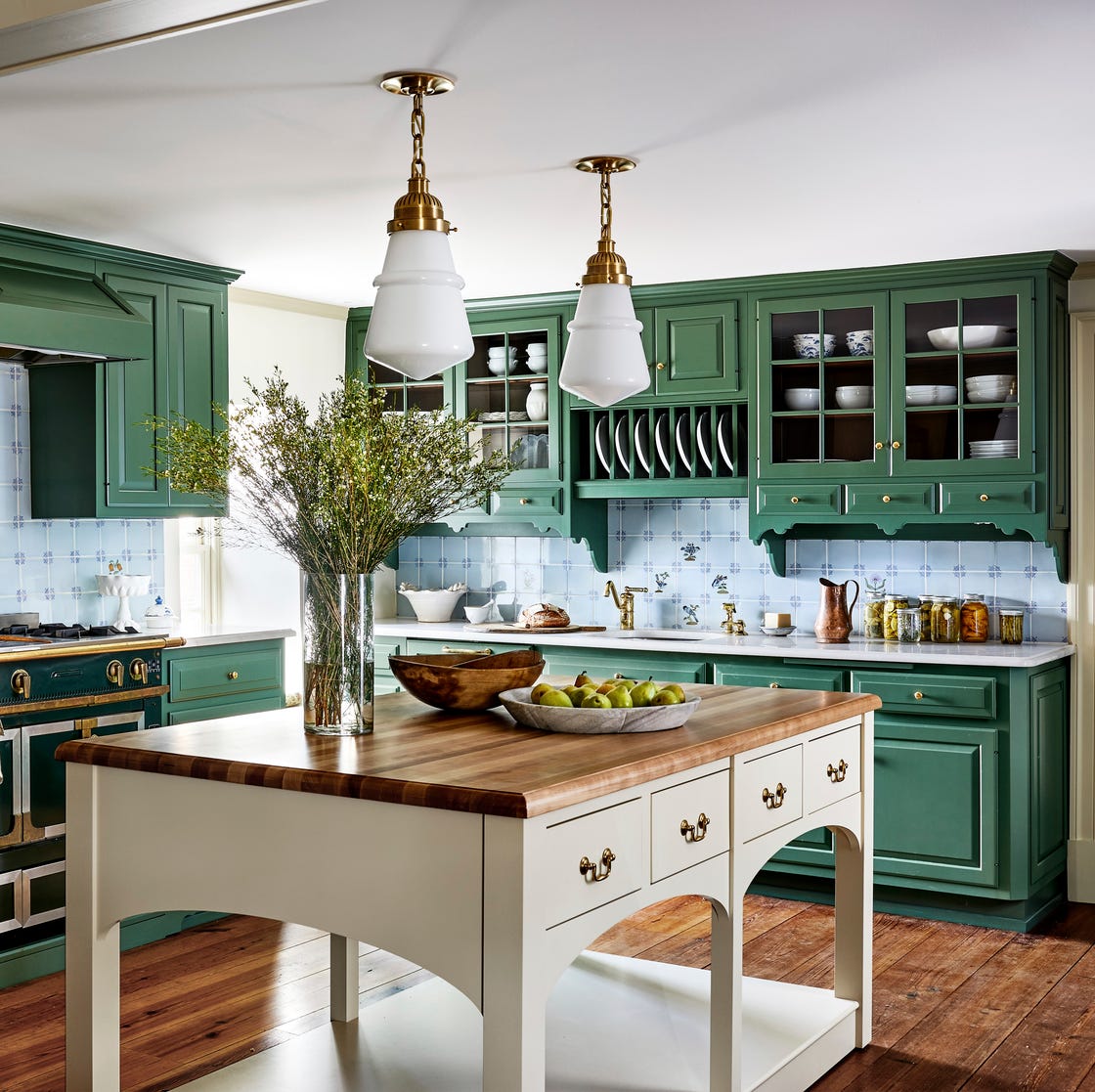
Cabinetry, often the largest expense and space-consumer in a kitchen remodel, also offers opportunities for green choices. Homeowners can opt to repaint or refinish existing cabinets to reduce landfill waste, particularly if the kitchen footprint remains unchanged. When repainting or purchasing new cabinets, the use of no- or low-VOC paints is recommended to minimize hazardous chemical emissions. Tanya Smith-Shiflett of Unique Kitchens & Baths highlights the use of honeybee oil and simple wax finishes for cabinets. For new cabinets, seeking certifications like the Forest Stewardship Council (FSC) or Environmental Stewardship Program (ESP) ensures adherence to environmental responsibility and product resource management. Sourcing locally-made cabinetry also helps reduce carbon emissions from transportation.
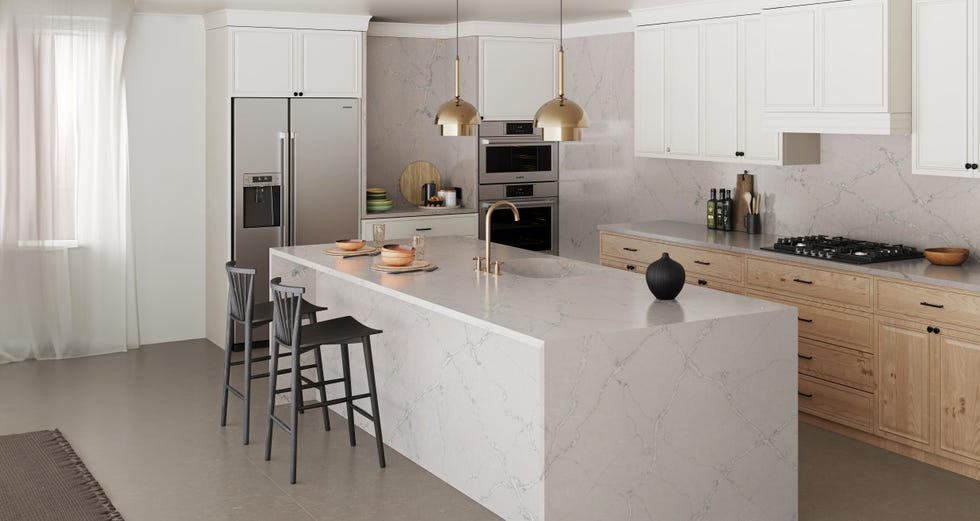
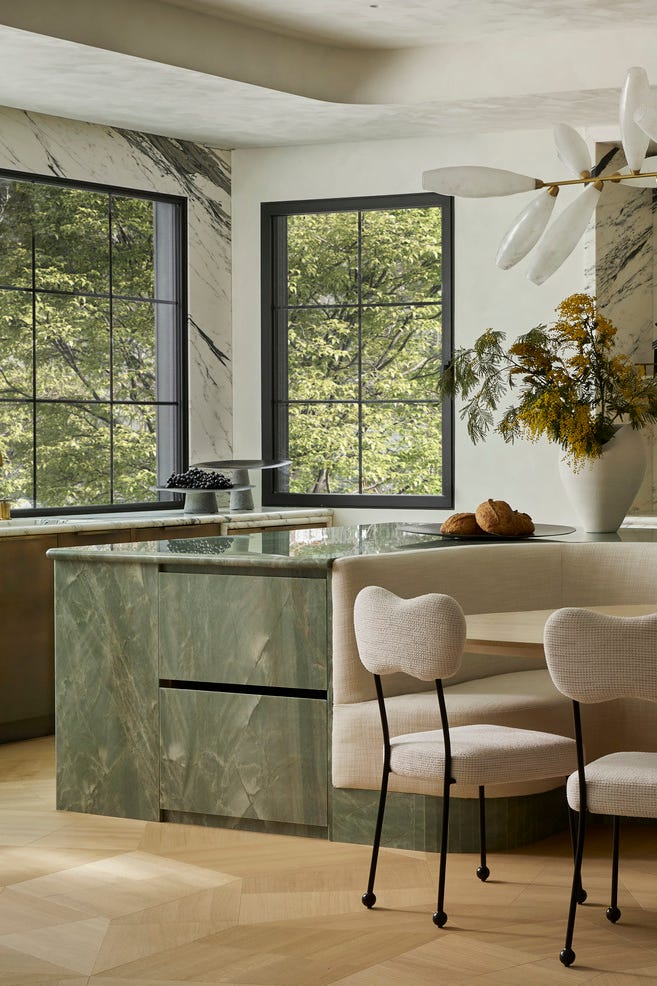
Countertop materials provide another avenue for sustainable choices. Silestone, a composite of natural quartz crystals, polyester resins, and color pigments, is noted for its Greenguard certification, indicating limited off-gassing. IceStone, made from recycled glass and concrete, offers an alternative with a natural stone aesthetic. Other eco-friendly options include fast-growing bamboo, stainless steel (often recycled), and PaperStone, a composite of post-consumer paper waste and resin. The article cautions against toxic adhesives used during installation, regardless of the material chosen.
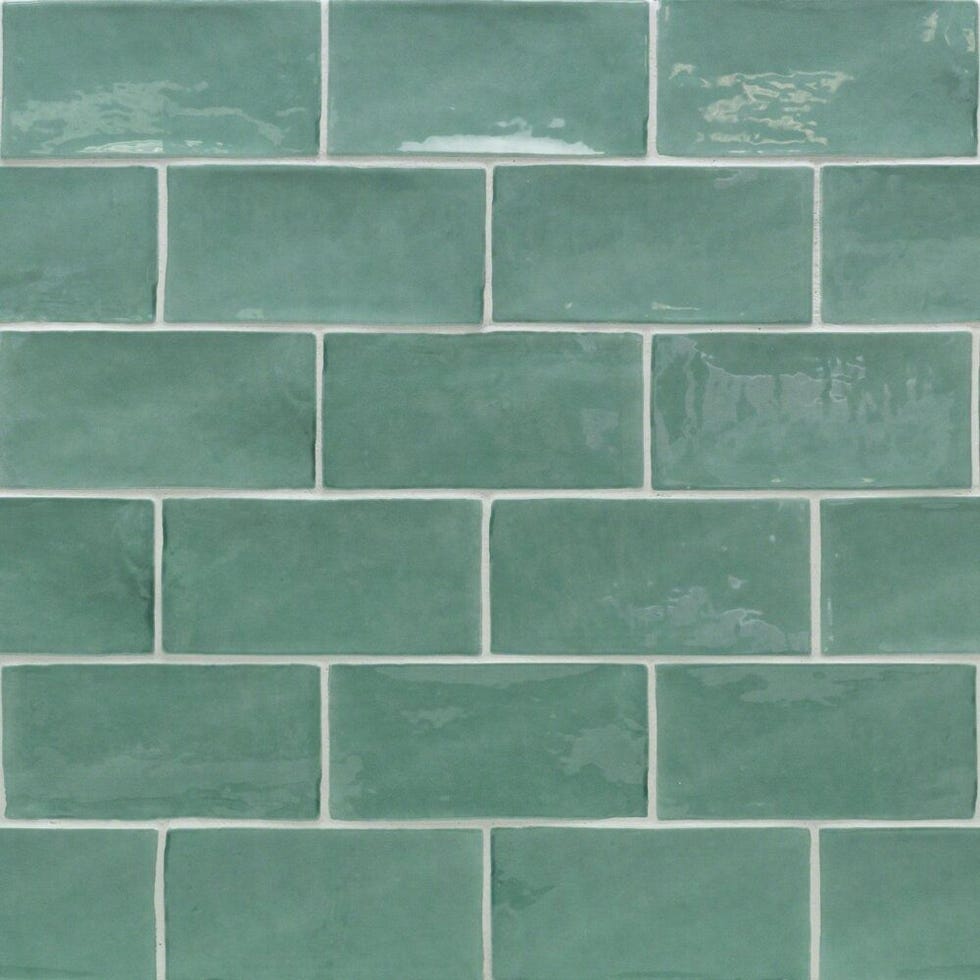
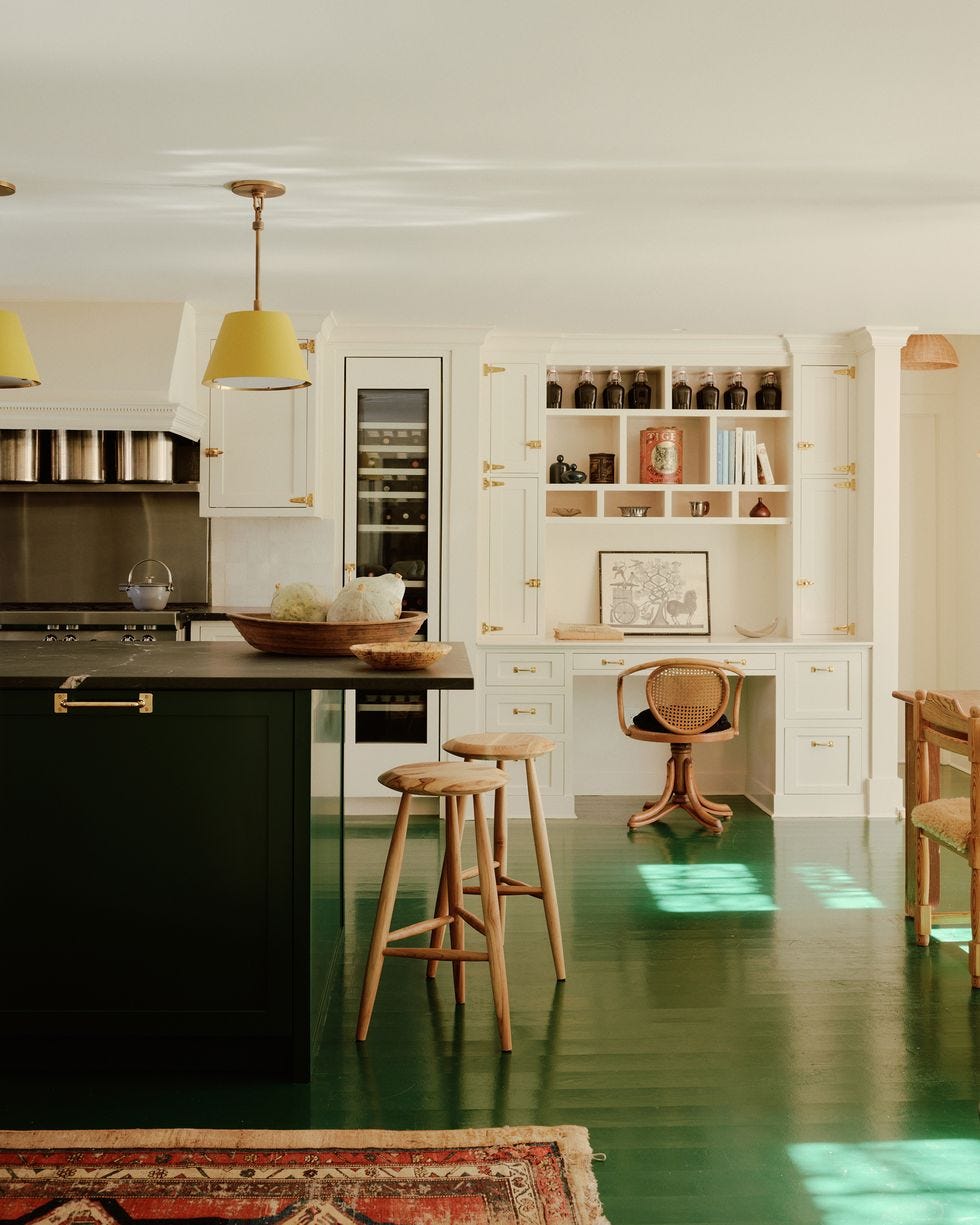
Flooring installation and material selection are also crucial. Adhesives used for flooring can emit dangerous chemicals, and popular vinyl flooring is noted for potentially toxic fumes. Sustainable flooring options include hardwood, fast-growing cork, and traditional linoleum made from natural materials. Ceramic tiles are also a good choice due to their cement aggregate composition, minimal need for adhesive, and durability, which allows for a longer lifespan and potential recycling into cement. Checking manufacturer websites for material sourcing and production processes, such as the use of recycled water or glass, is advised.
Water-efficient fixtures, specifically kitchen faucets, contribute to overall water conservation. Modern faucets are designed to use less water, with efficient models flowing at 1.5 gallons per minute (GPM) or less, compared to the standard 2.2 GPM. These low-flow faucets often incorporate air-infusion technology to reduce water usage without compromising effectiveness. While filling a pasta pot might take slightly longer, the shift to water-efficient fixtures is compared to the successful adoption of low-flush toilets, indicating a broader acceptance of such changes. The article concludes by encouraging homeowners to consider these diverse aspects to create kitchens that are both stylish and environmentally conscious.
#GreenKitchen #SustainableDesign #EnergyEfficientAppliances #LowVOCPaints #EcoFriendlyMaterials #WaterSavingFixtures #InductionCooking #KitchenRenovation #HomeImprovement #GreenKitchen #SustainableDesign #EnergyEfficientAppliances #LowVOCPaints #EcoFriendlyMaterials #WaterSavingFixtures #InductionCooking #KitchenRenovation #HomeImprovement
0 comment in total
 No comments yet
You may also like
15 Green Kitchens You're About to Envy Hard

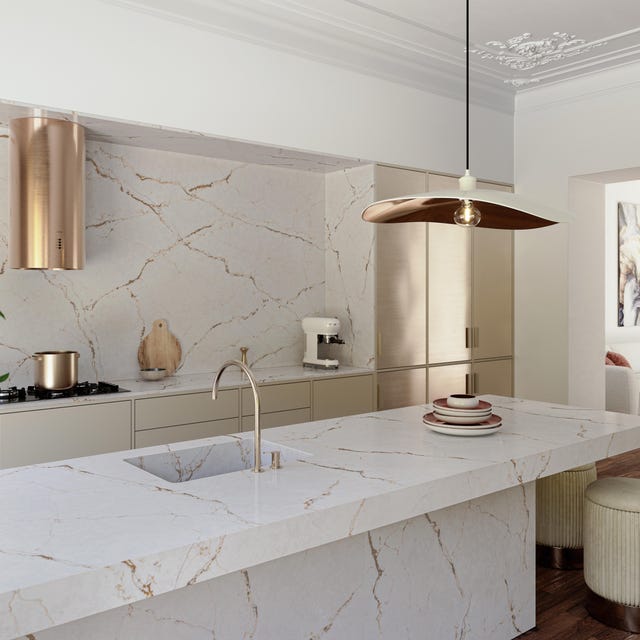
Designer Advice for a More Sustainable Kitchen Renovation

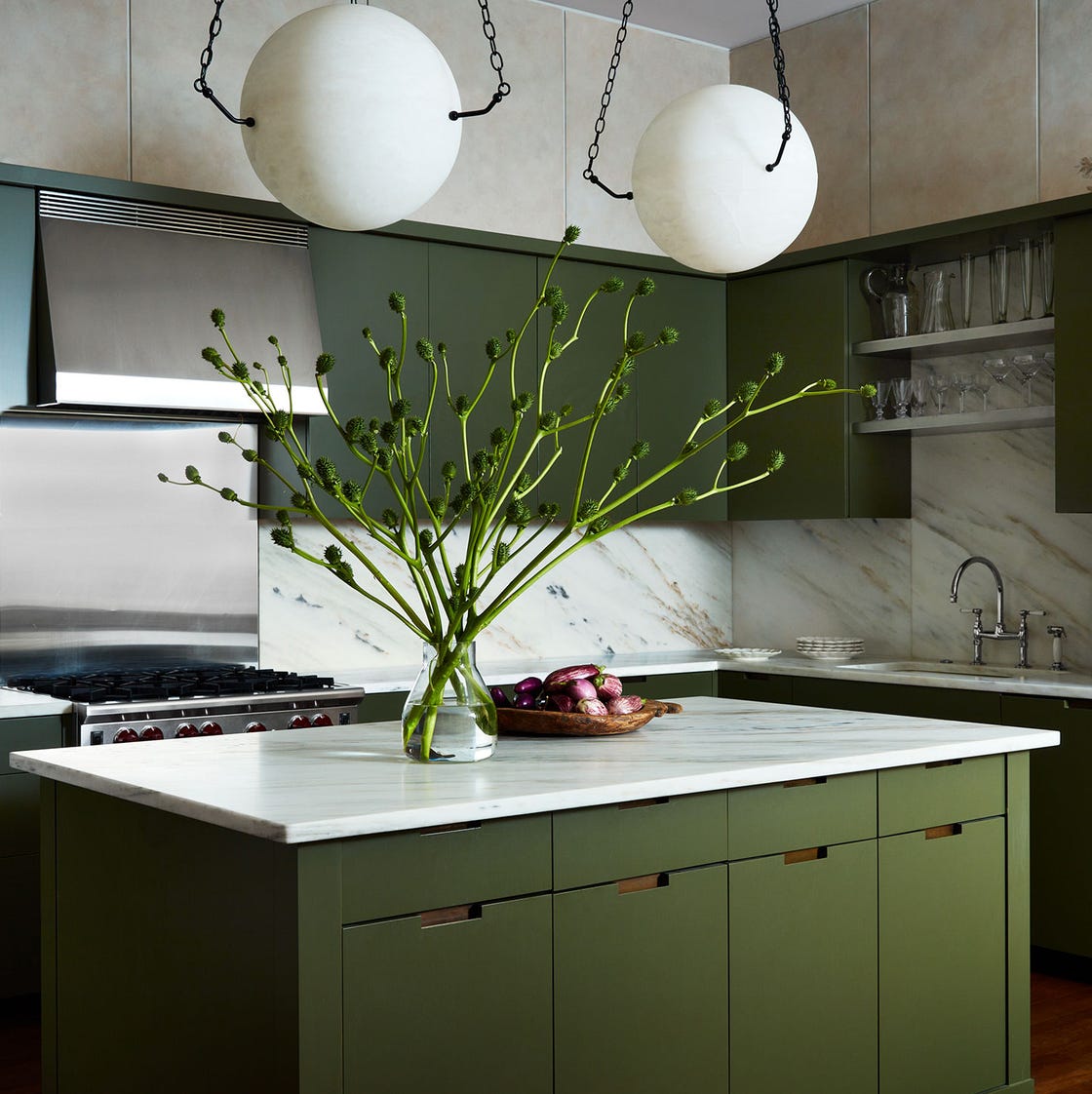
37 Green Kitchen Ideas for the Freshest Cooking Space Ever in 2025

Jonathan Scott and Zooey Deschanel mastered a cabinet and tile color pairing that's topping 2024 kitchen trends
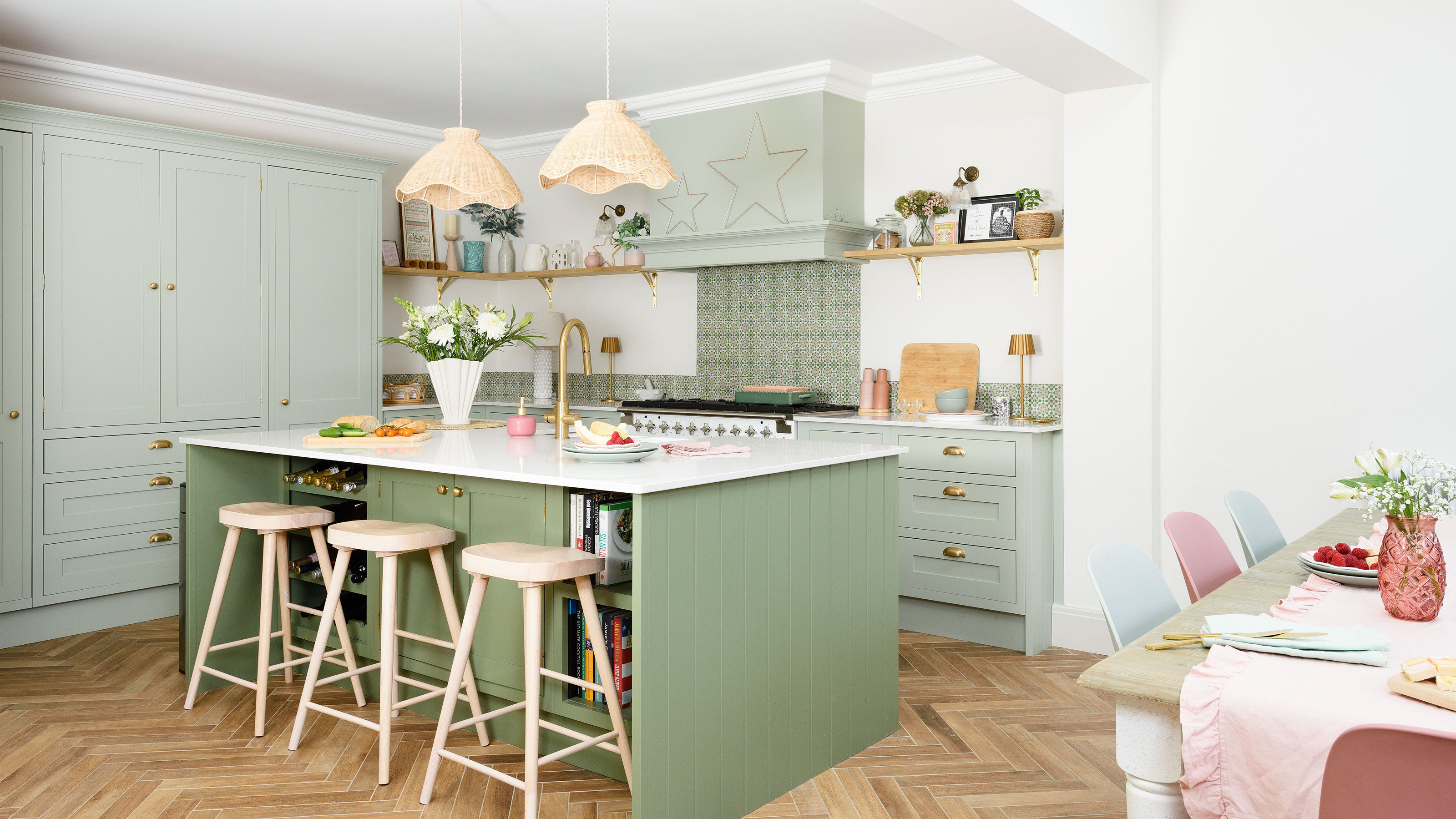
19 green kitchen ideas – verdant shades guaranteed to breathe life into your cooking space
Green and serene kitchens

16 Green Kitchen Cabinet Ideas for a Timeless and Stylish Space
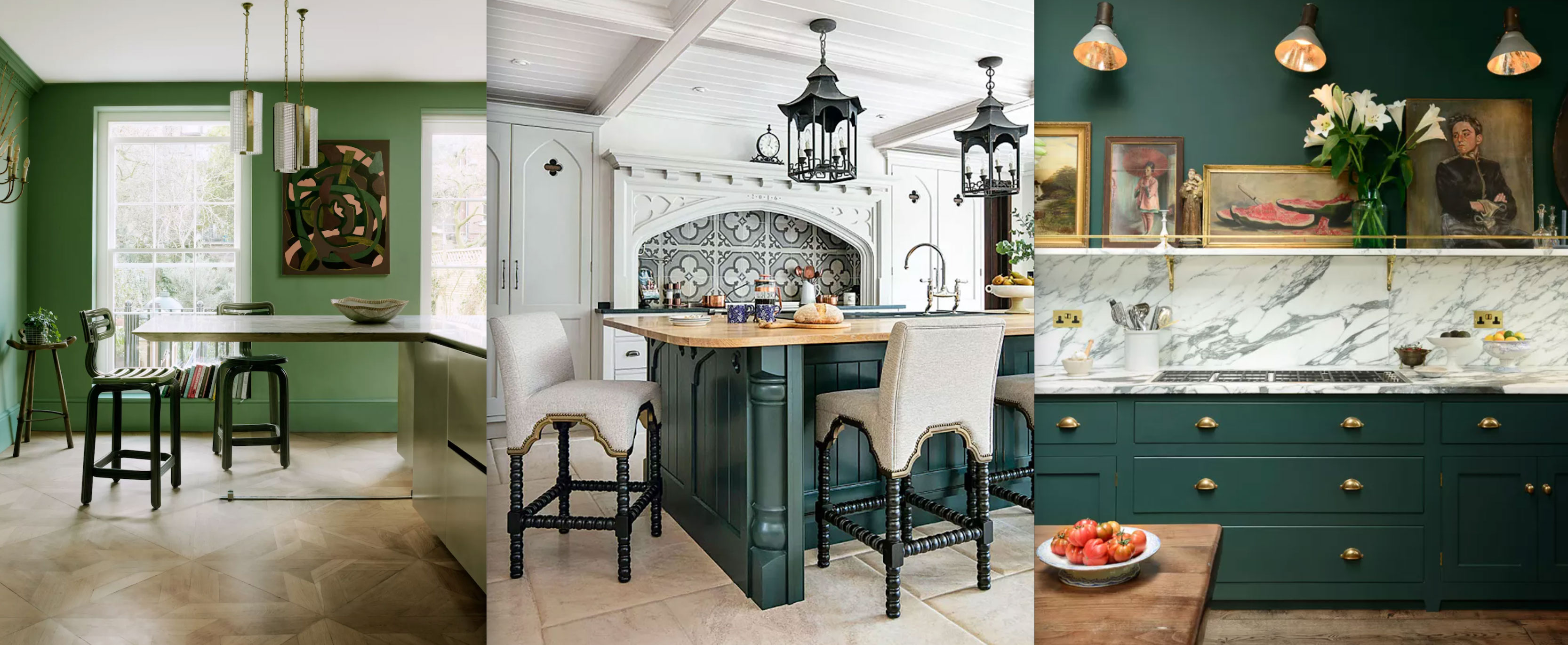
Green kitchen ideas: 16 ways to use olive, sage, apple and more

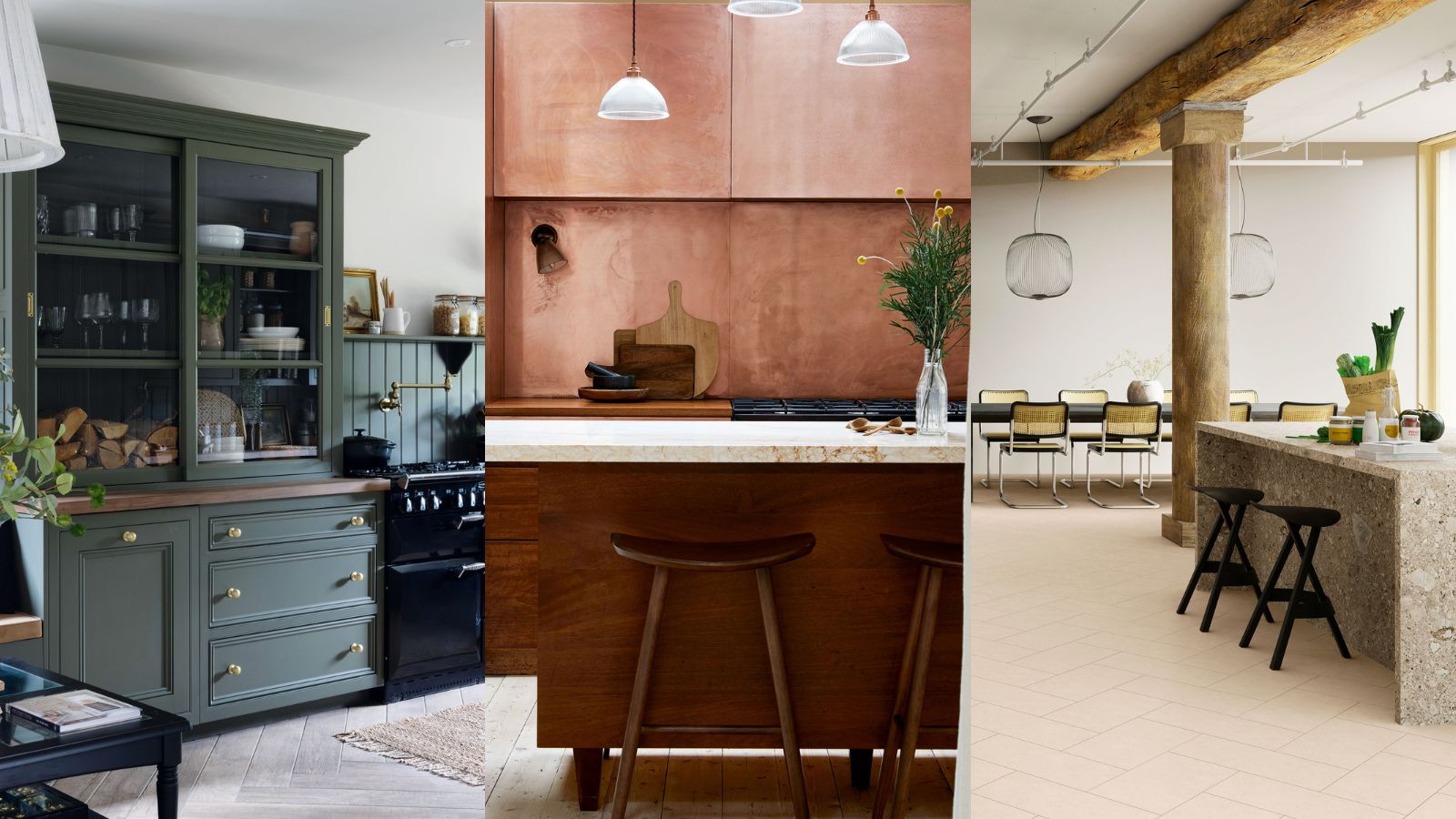
Sustainable kitchen ideas – 19 ways to design an eco-friendly cook space
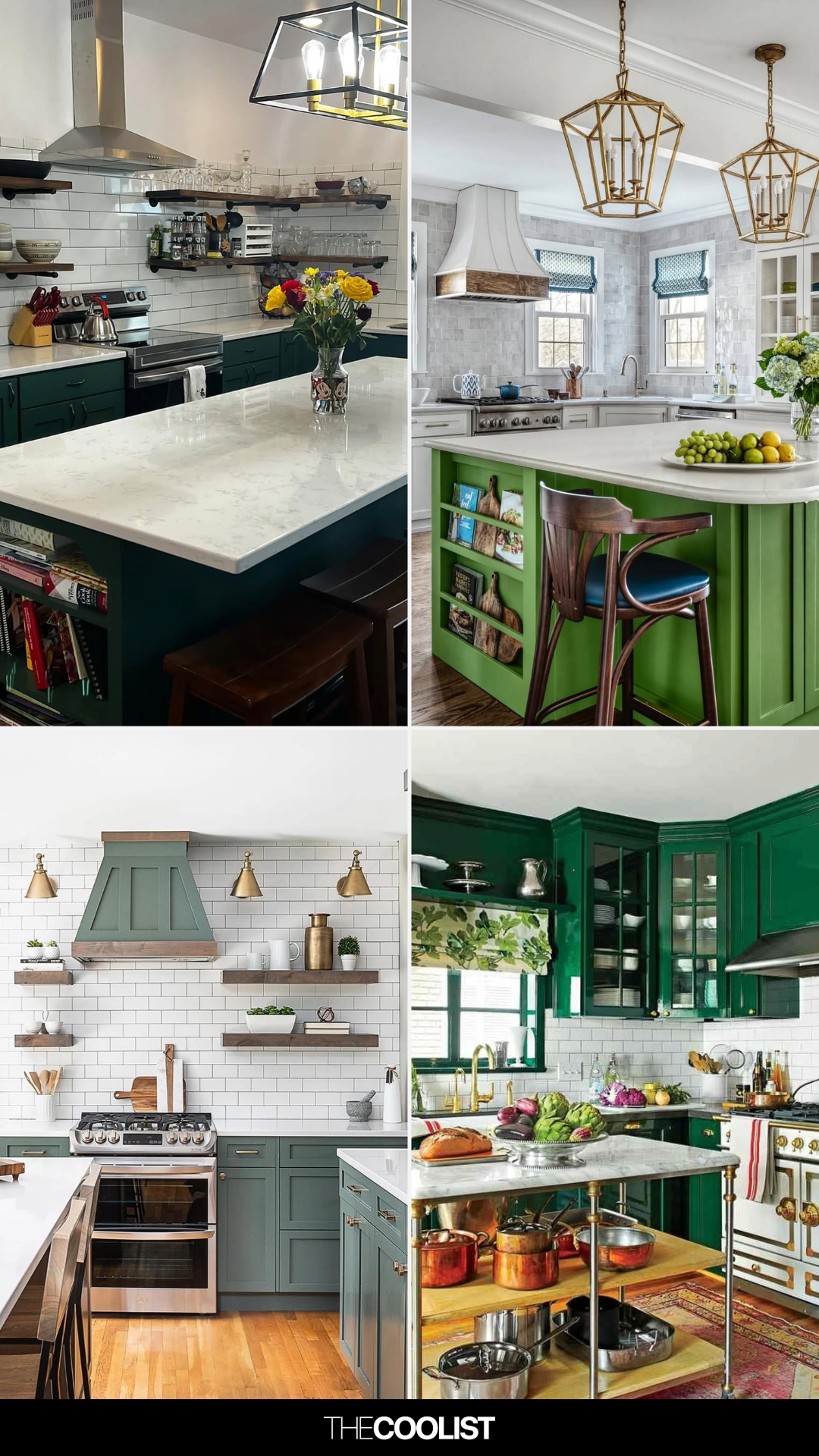
28 Pinterest-Wrecking Green Kitchen Design Ideas That Are Already Going Mainstream
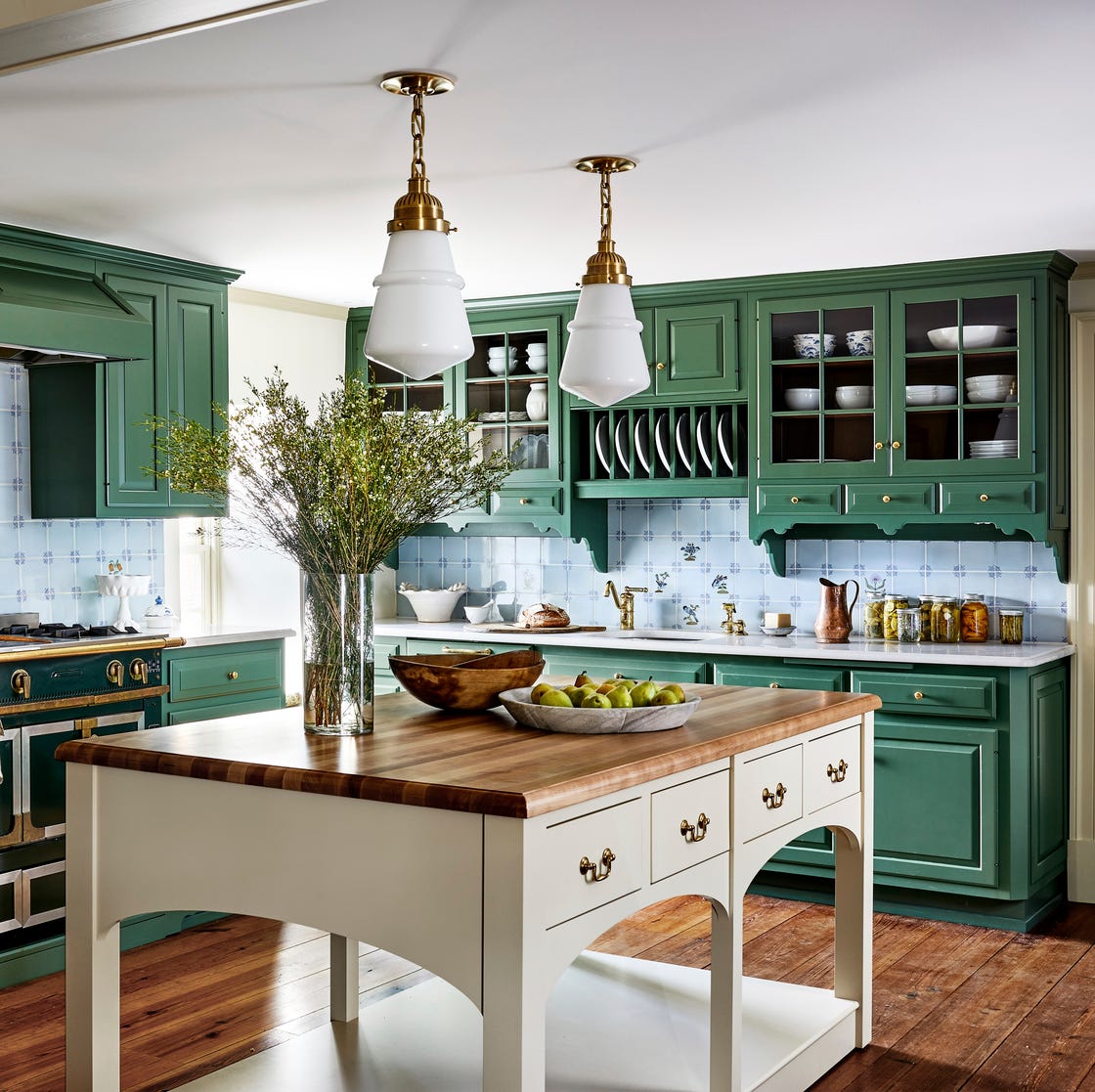
From Racing Green to Barbour Coat Green: The British-Inspired Kitchen Look You’ll See Everywhere
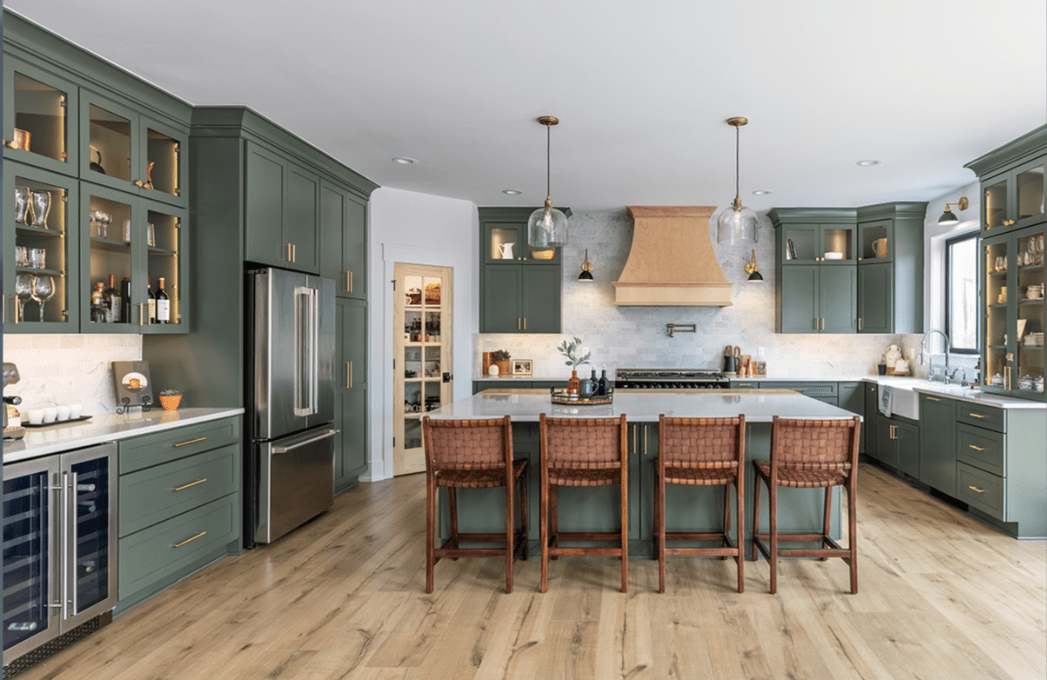
37 Green Kitchen Cabinet Ideas To Start 2025 in Style
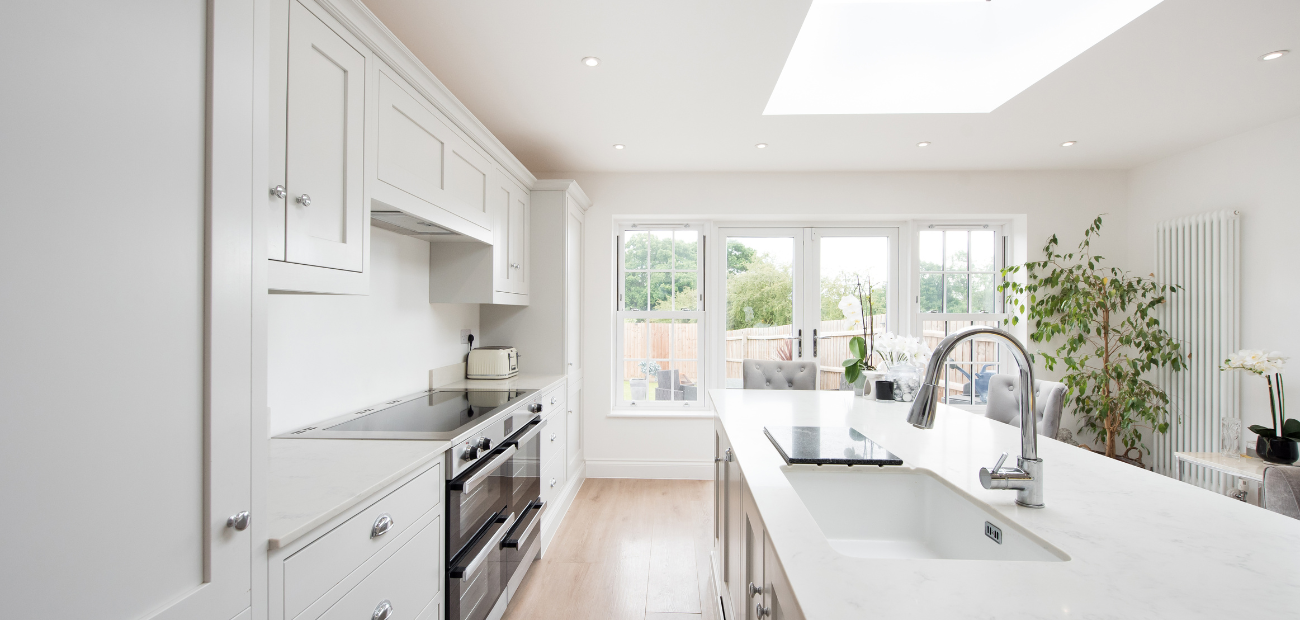
Sustainable Spaces: The Kitchen
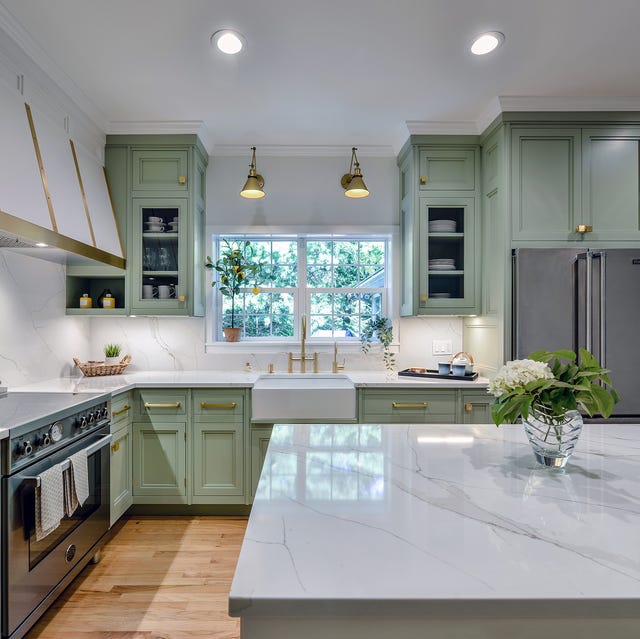
The Kitchen Color You're Going to Be Seeing Everywhere in 2024

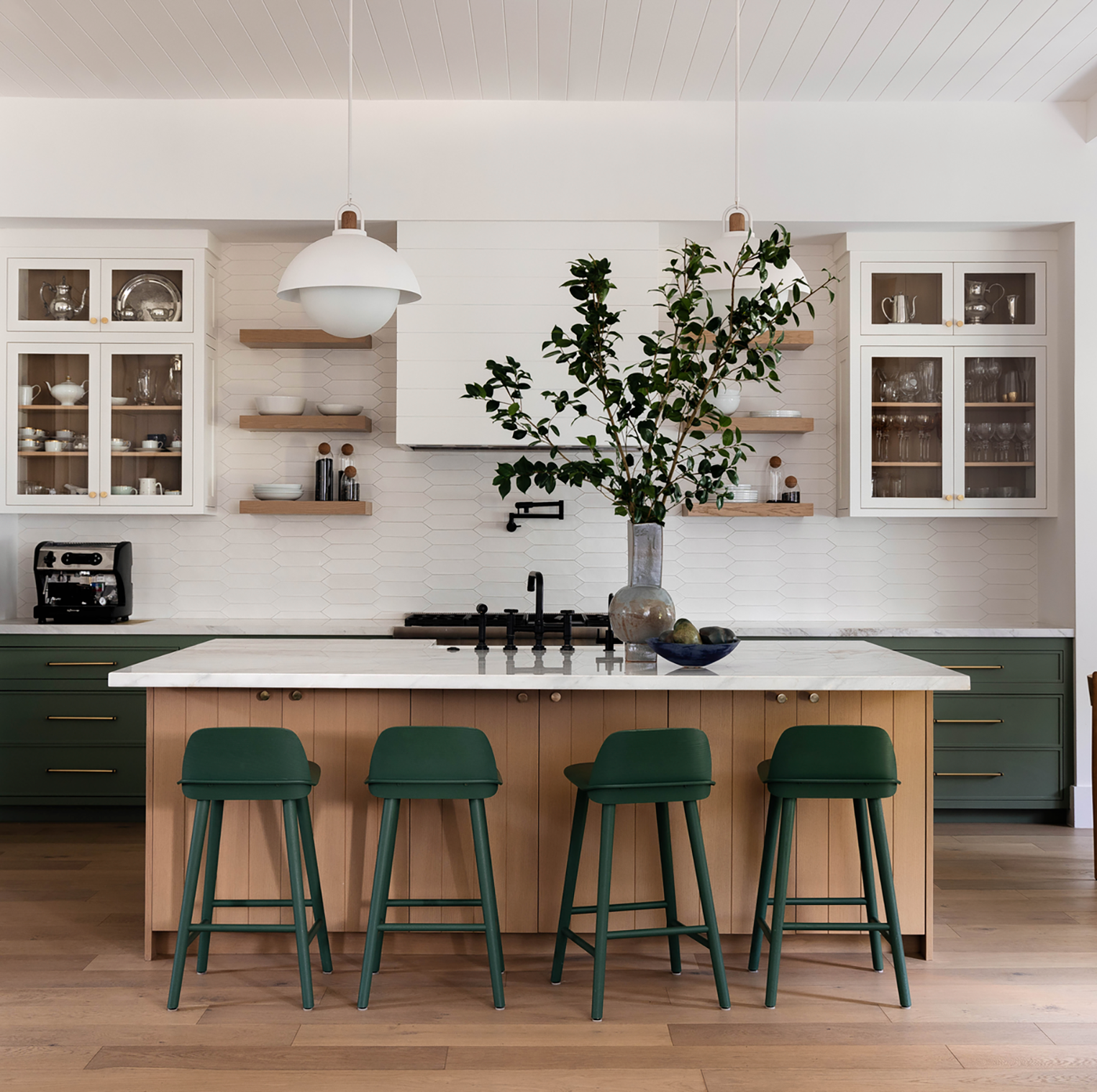
Designers Love Using THIS Color to Make a Kitchen Look More "Expensive"
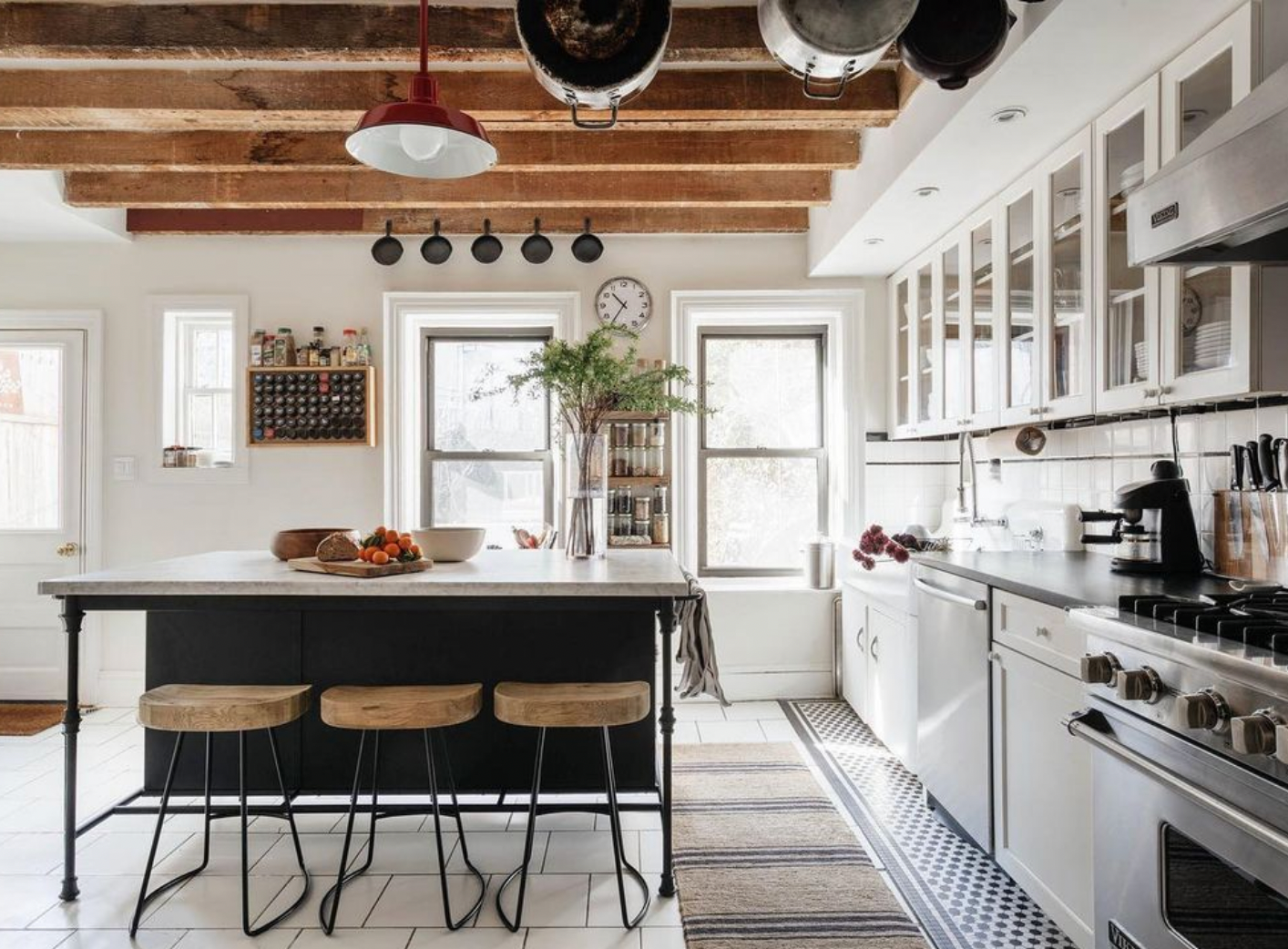
21 of the Biggest Kitchen Trends Design Pros Love Right Now
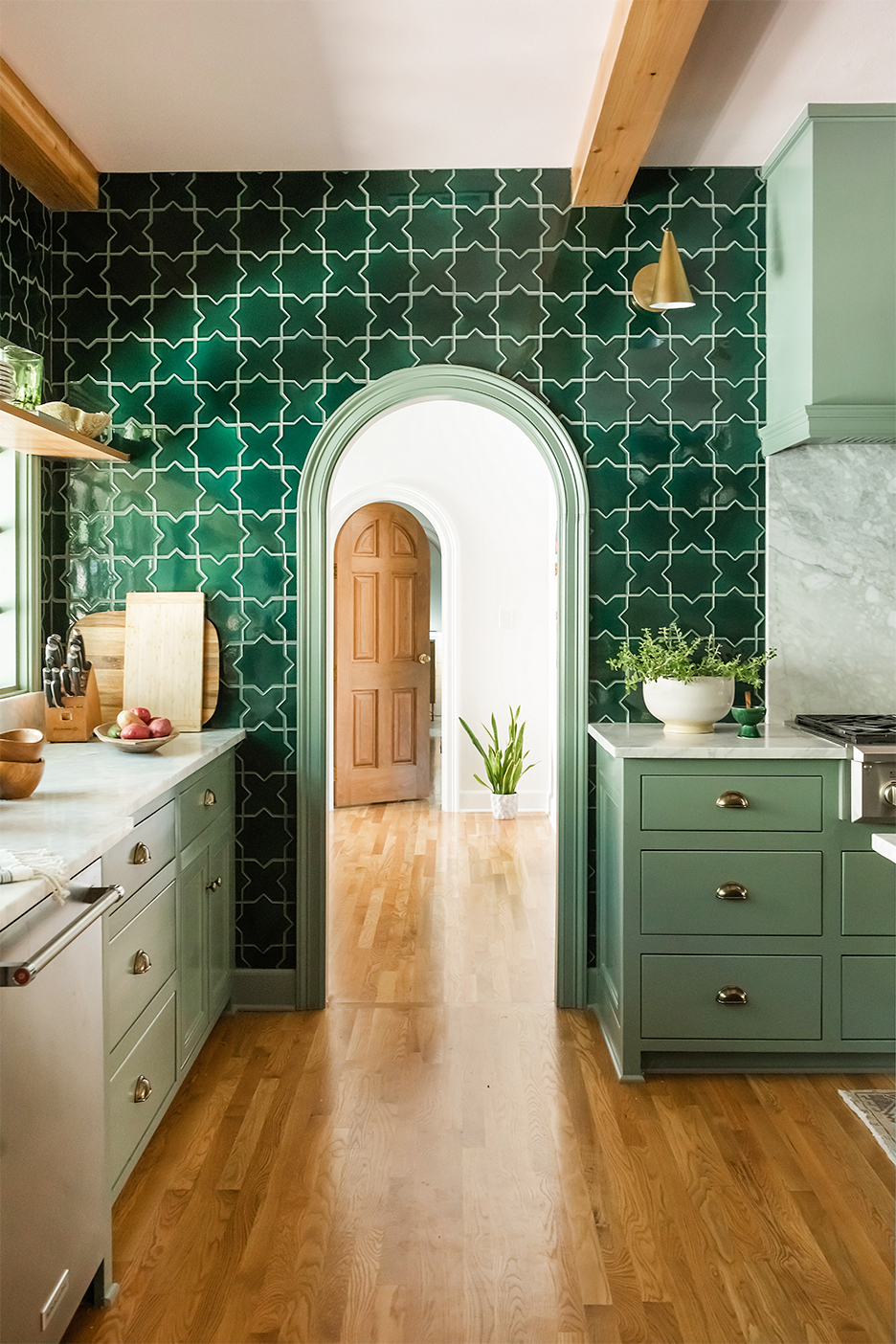
So You Want a Green Kitchen—Here’s a Pretty Perfect Example
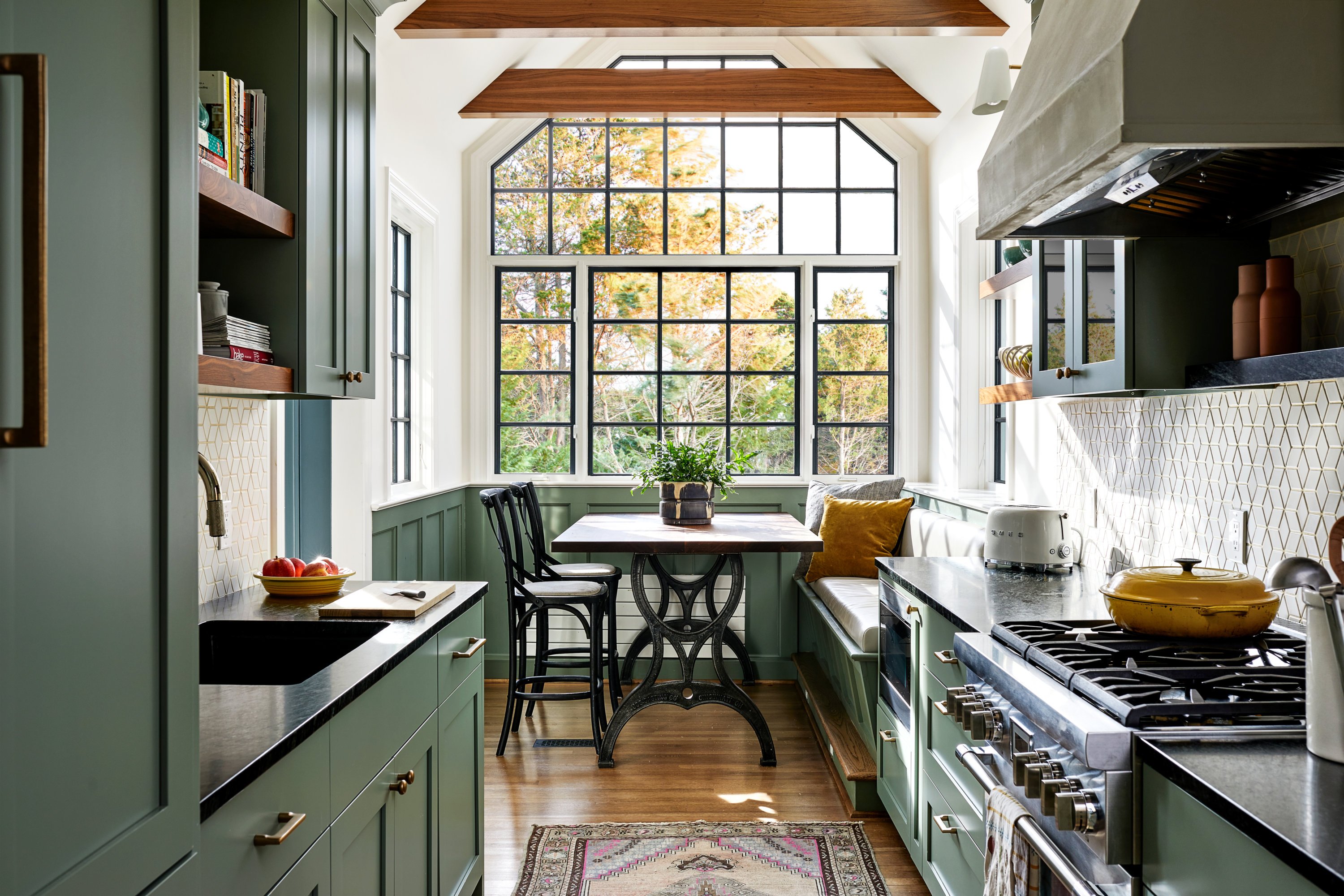
Are Green Kitchen Cabinets a Good Idea?
Green Kitchens Are Here to Stay!

Kitchen Remodeling in 2025