1/21
Plant These Flowering Shrubs Today If You Want a Vibrant Summer Yard
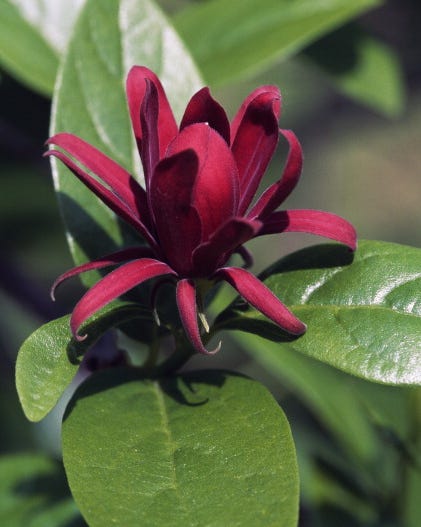
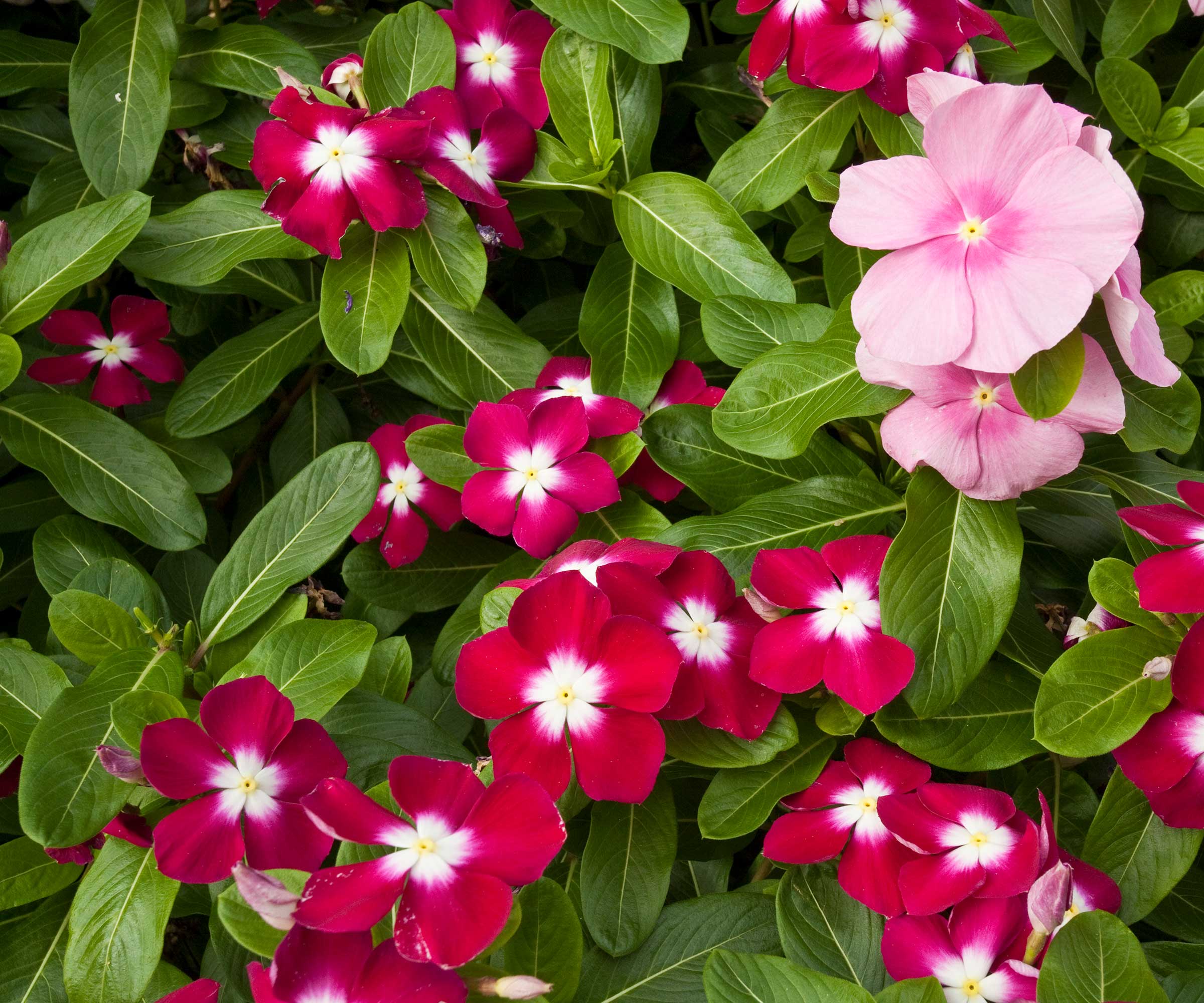
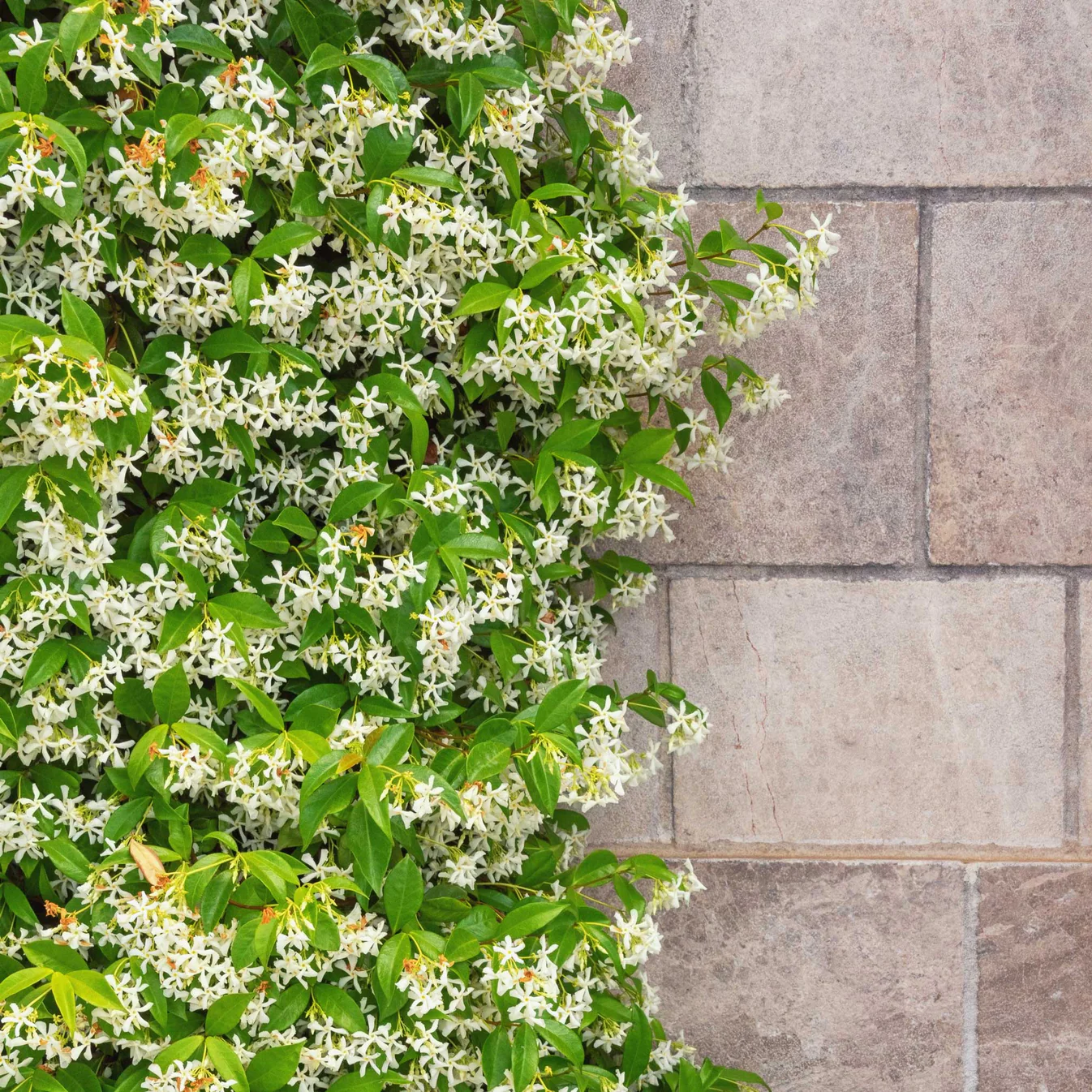
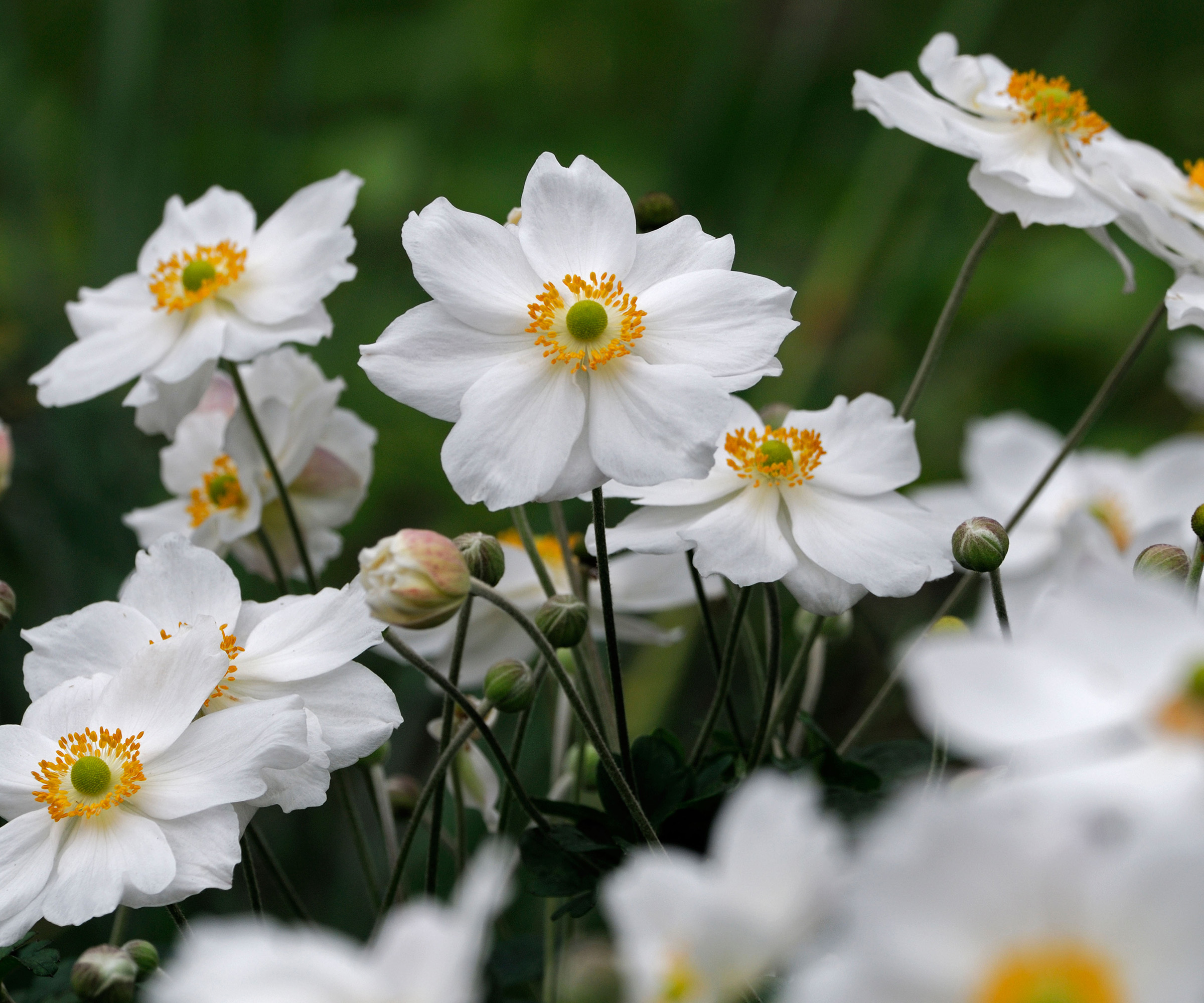
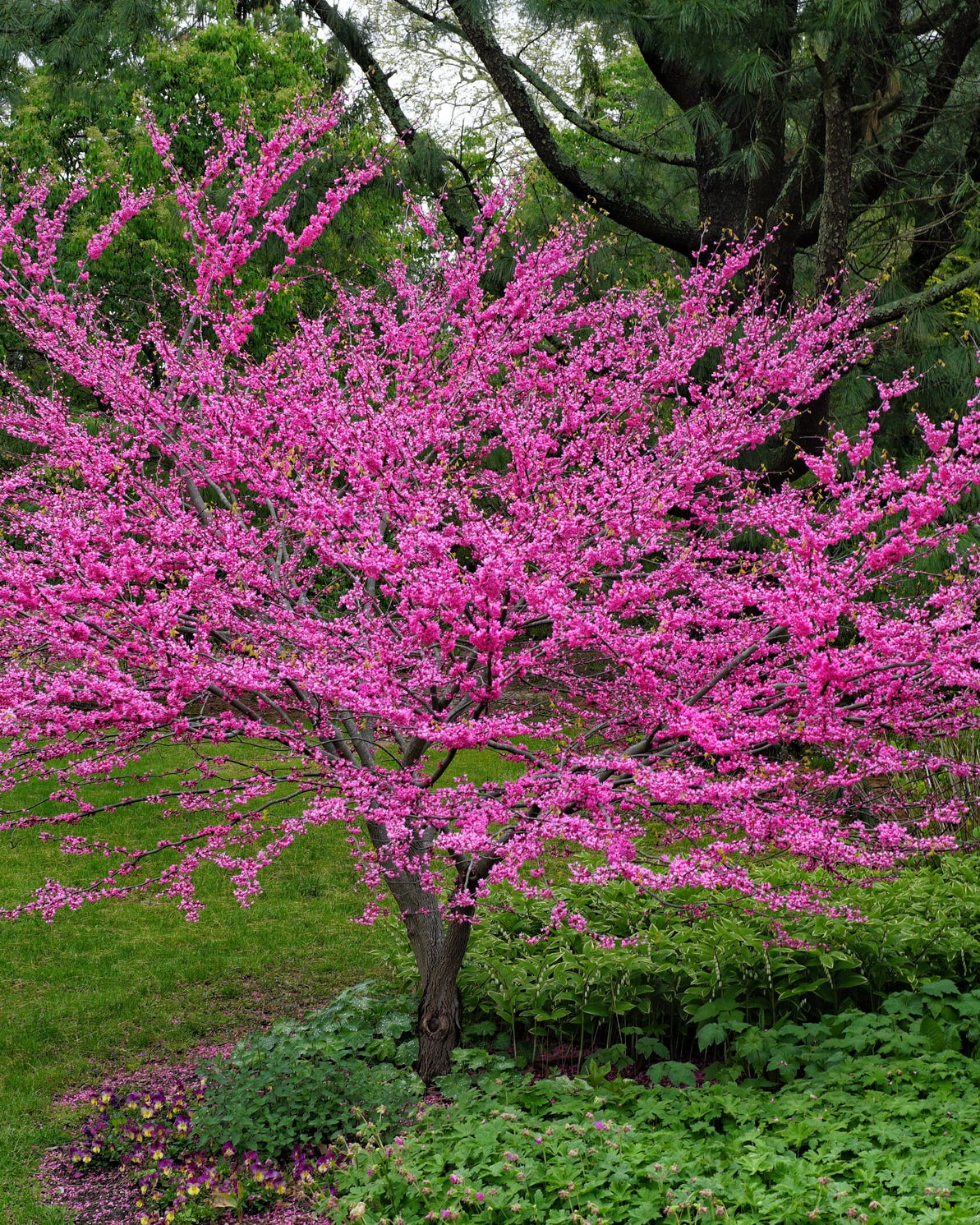
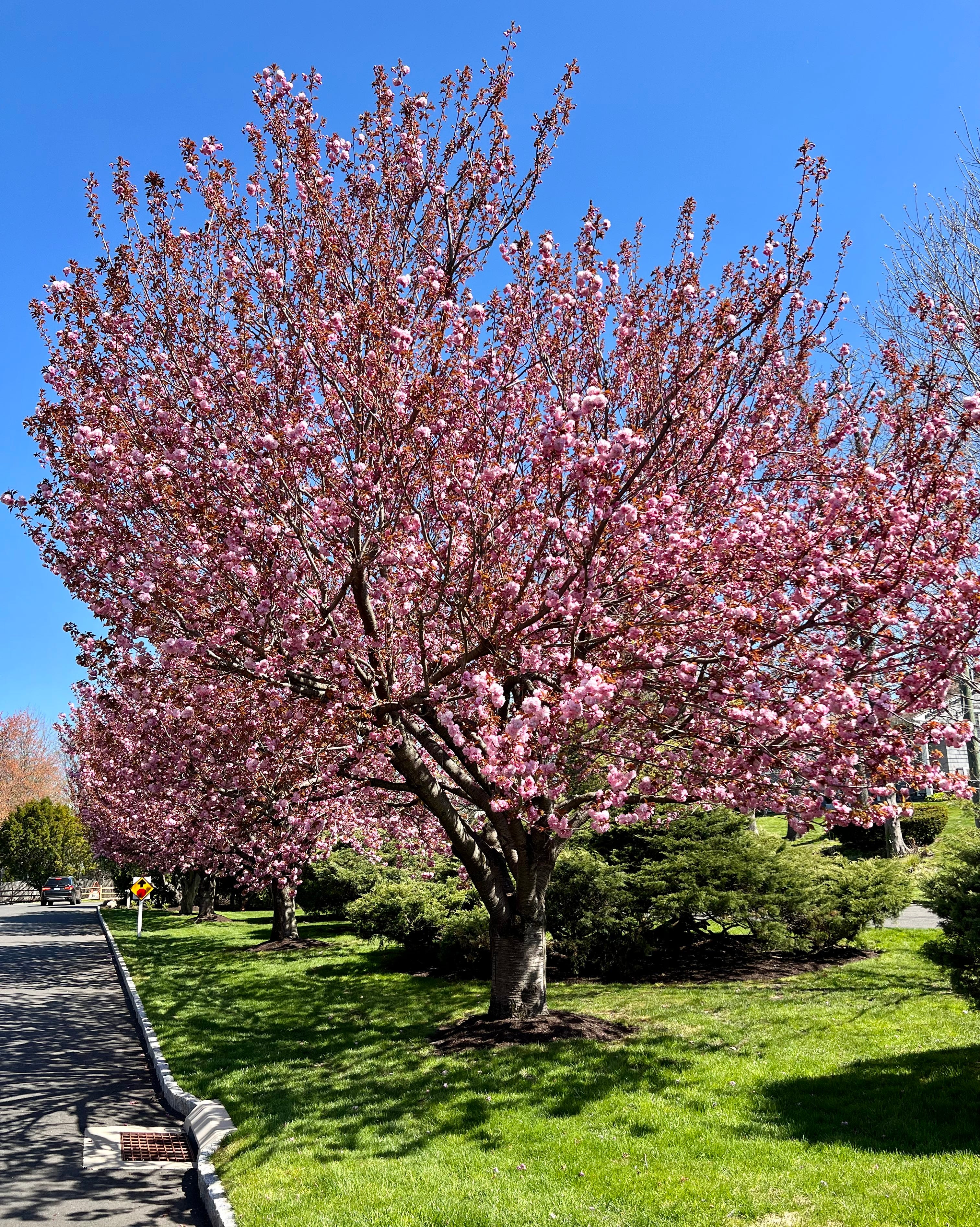
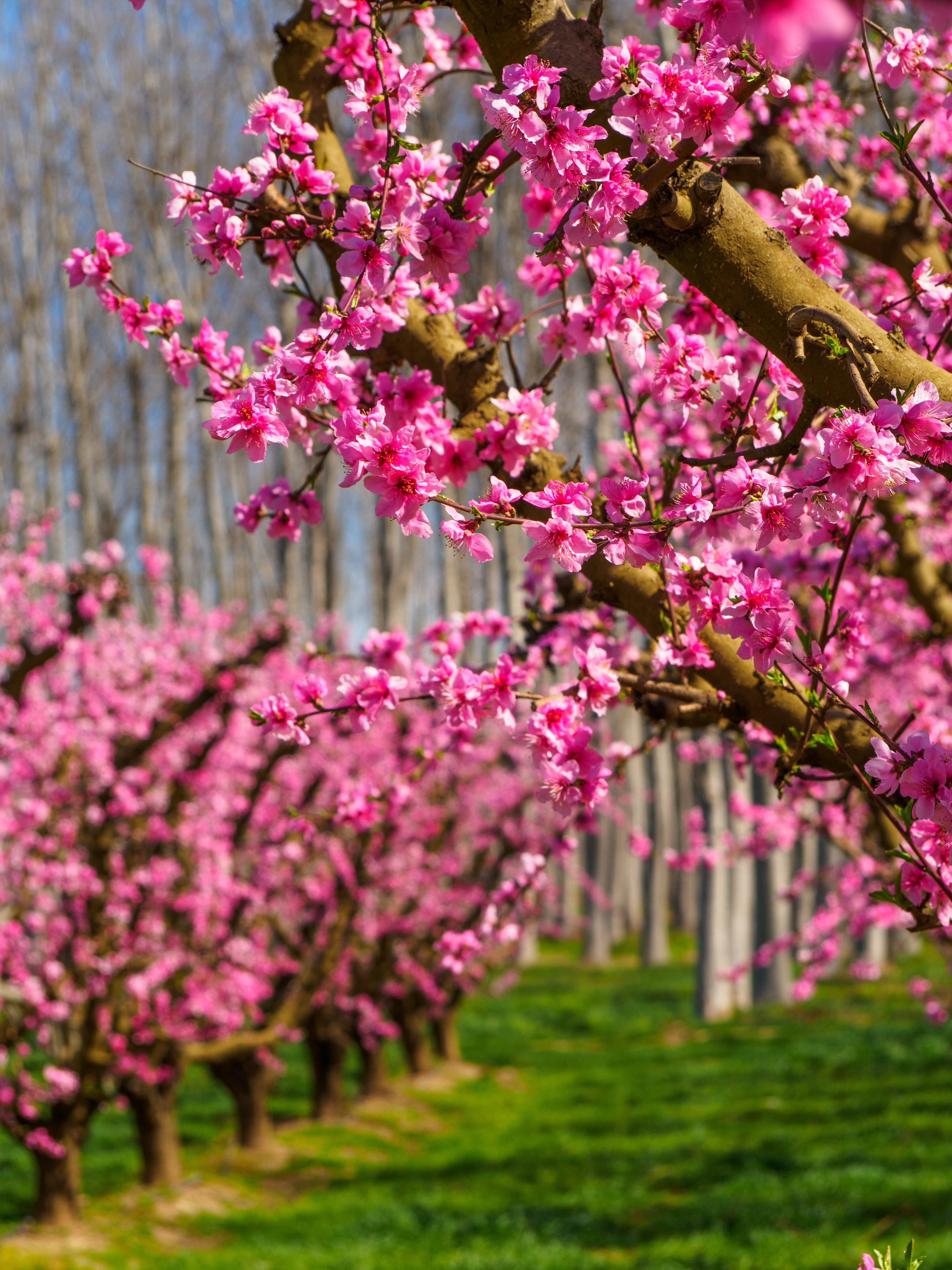
Flowering shrubs are an excellent way to enhance the aesthetic appeal and privacy of a yard, while also attracting vital pollinators. These plants are a favorite among landscape designers due to their ability to thrive in diverse environments and provide vibrant blooms for extended periods. This article features 30 flowering shrub varieties, offering guidance on their care and optimal growing conditions. While no single shrub blooms year-round, plant breeders have developed many reblooming and long-lasting varieties, such as hydrangeas, azaleas, and lilacs, ensuring continuous color throughout spring, summer, and autumn.
Most flowering shrubs can flourish in full sunlight, but it is crucial to consider specific environmental factors. The USDA Hardiness Zone is a key determinant in selecting appropriate shrubs for a given location. Additionally, understanding each variety's water requirements, soil preferences, and reblooming characteristics is essential for successful growth. The article highlights several examples of flowering shrubs, detailing their unique features. Mountain laurel, for instance, is an evergreen shrub with bell-shaped flowers that transition from deep pink buds to white or pale pink blooms in late spring to early summer. Its glossy leaves shift from light green to a deep purplish hue throughout the year. Japanese Kerria, native to China and Japan, produces striking bright yellow, pom-pom-like flowers in spring, with its stems remaining bright green in winter after the flowers fall.
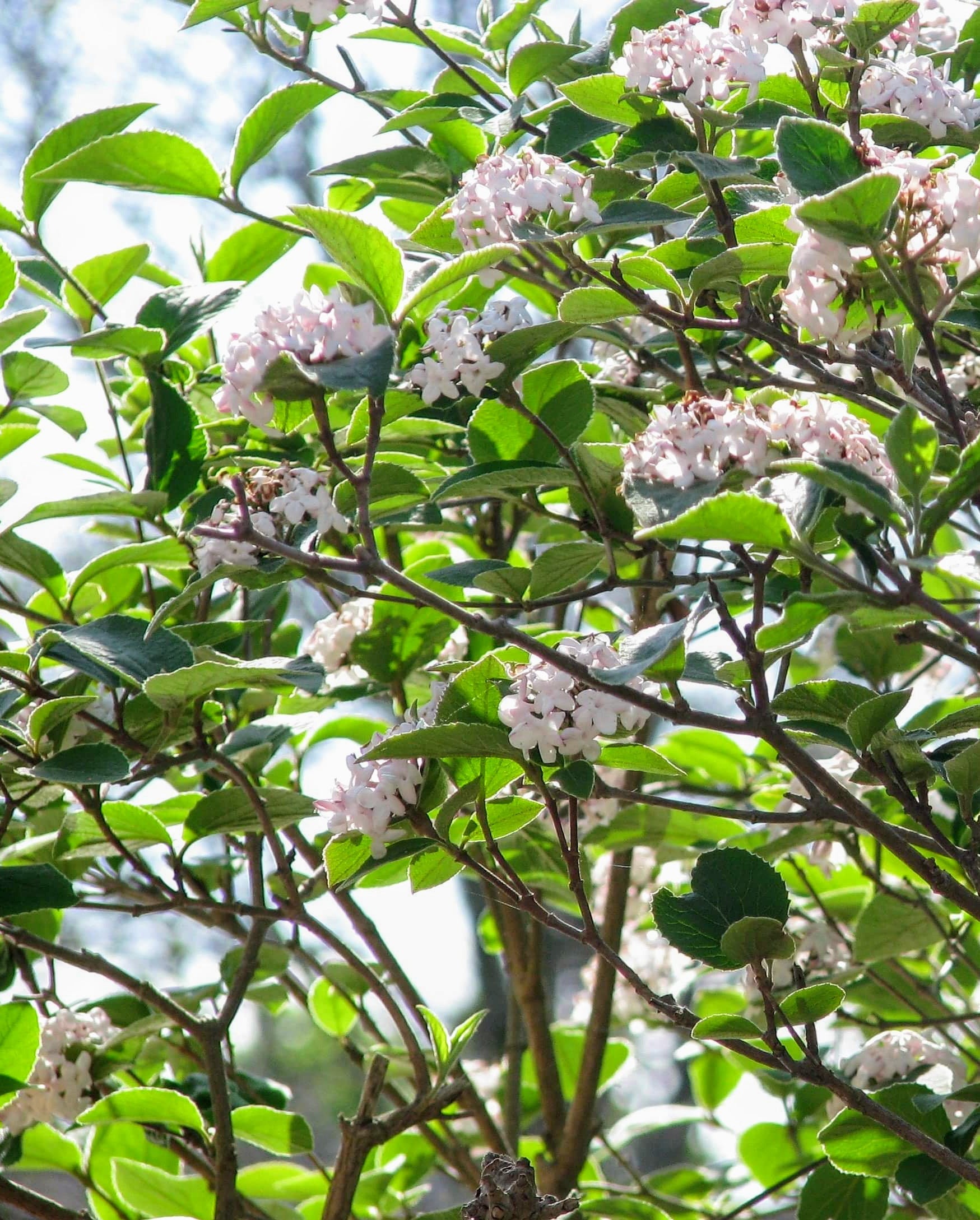
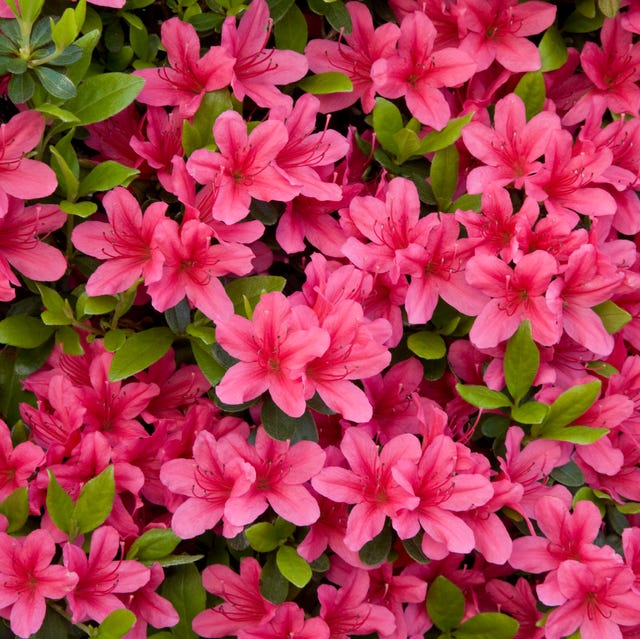
Azaleas, another popular choice, come in various shapes and sizes, primarily blooming in spring with evergreen foliage and funnel-shaped flowers in shades of pink, white, red, and purple. Flowering quince offers early spring blooms in vibrant hues from scarlet-orange to pink and white, complemented by dark green foliage. Carol Mackie, an evergreen shrub, features fragrant clusters of pale pink flowers in late spring, which later develop into small red fruits in autumn. Despite their delicate beauty, these shrubs are toxic if ingested and prefer partial shade. Mock orange provides an intensely fragrant bloom reminiscent of orange blossoms with a hint of pineapple, flourishing for several weeks in late spring to early summer with elegant white flowers.
Japanese Andromeda is notable for its dangling bell-shaped flowers, blooming in pink or white during early spring, making it an elegant evergreen addition to any garden. The Nanking cherry, a winter-hardy shrub, produces beautiful pink buds that open into fragrant white flowers from early spring to early summer, eventually yielding red cherries. The American cranberrybush showcases delicate white florets before developing vibrant red fruits and is visually appealing across all four seasons. Flowering currant, a medium-sized shrub, yields clusters of pink or red flowers in early to mid-spring, which mature into dark blue edible berries. These early bloomers also serve as an important nectar source for butterflies and hummingbirds. Ceanothus, or California lilac, is a fast-growing, native North American shrub characterized by tiny purple flower clusters and dark green foliage.
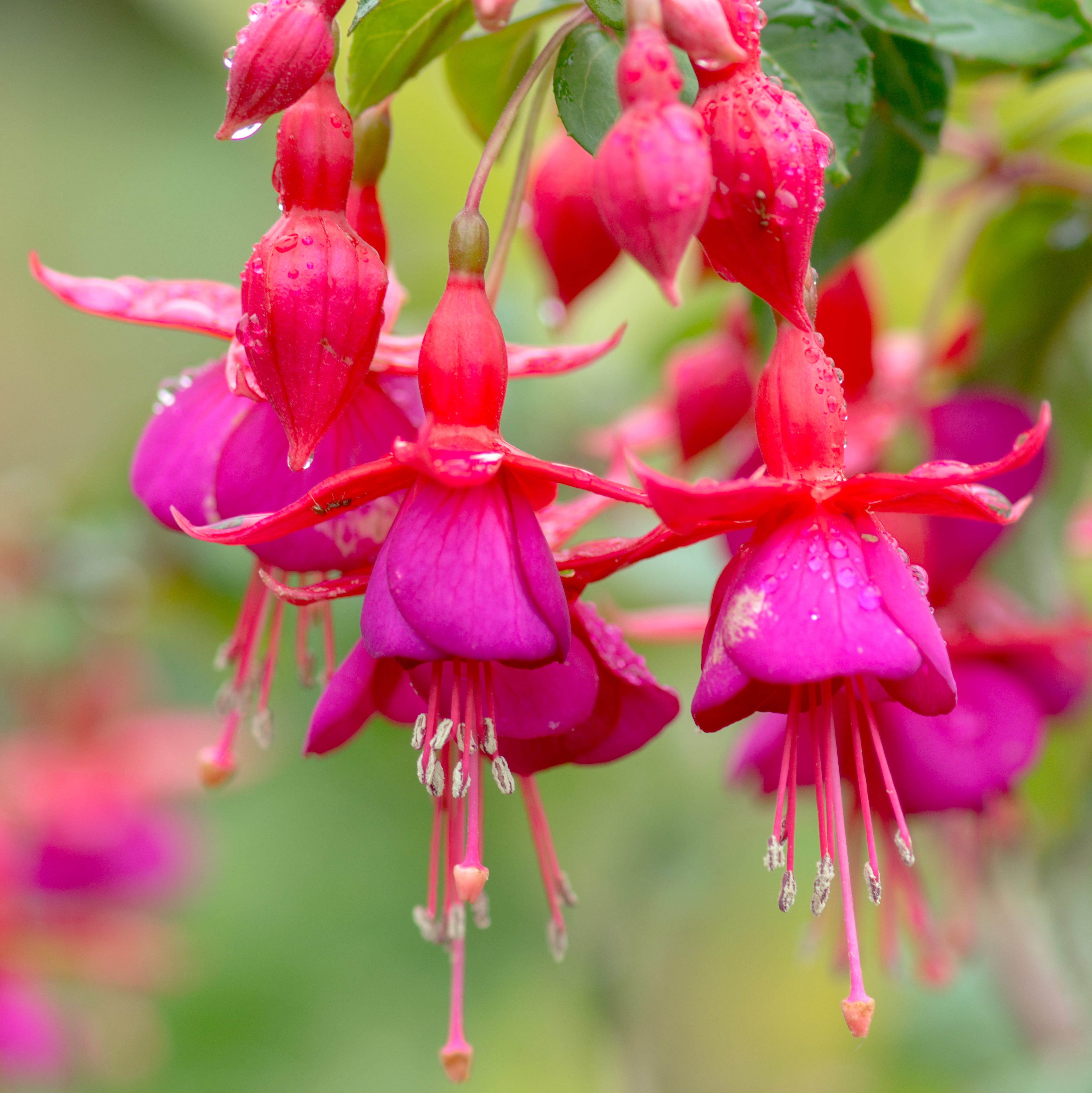
Japanese dogwood features striking star-shaped creamy white blooms that transition into pinkish-red fruits by summer and fall, maintaining its beauty year-round despite losing leaves and flowers in winter. Lavatera, resembling hibiscus, produces large, showy, funnel-shaped flowers in pink, purple, and white, with varieties ranging from two to ten feet tall. Fuchsia plants yield unique and ornamental flowers from late spring into early fall, with some varieties blooming continuously depending on conditions. Rockrose, or Cistus, is an evergreen shrub with white to purple flowers and golden stamens, thriving in full sun and exhibiting drought resistance once established. Weigela, a spring-blooming shrub, features tubular flowers attractive to hummingbirds, with reblooming types offering sporadic blossoms throughout summer. Camellias, with their almost artificial-looking blooms, are evergreen shrubs flowering from late winter into summer, depending on the specific variety.
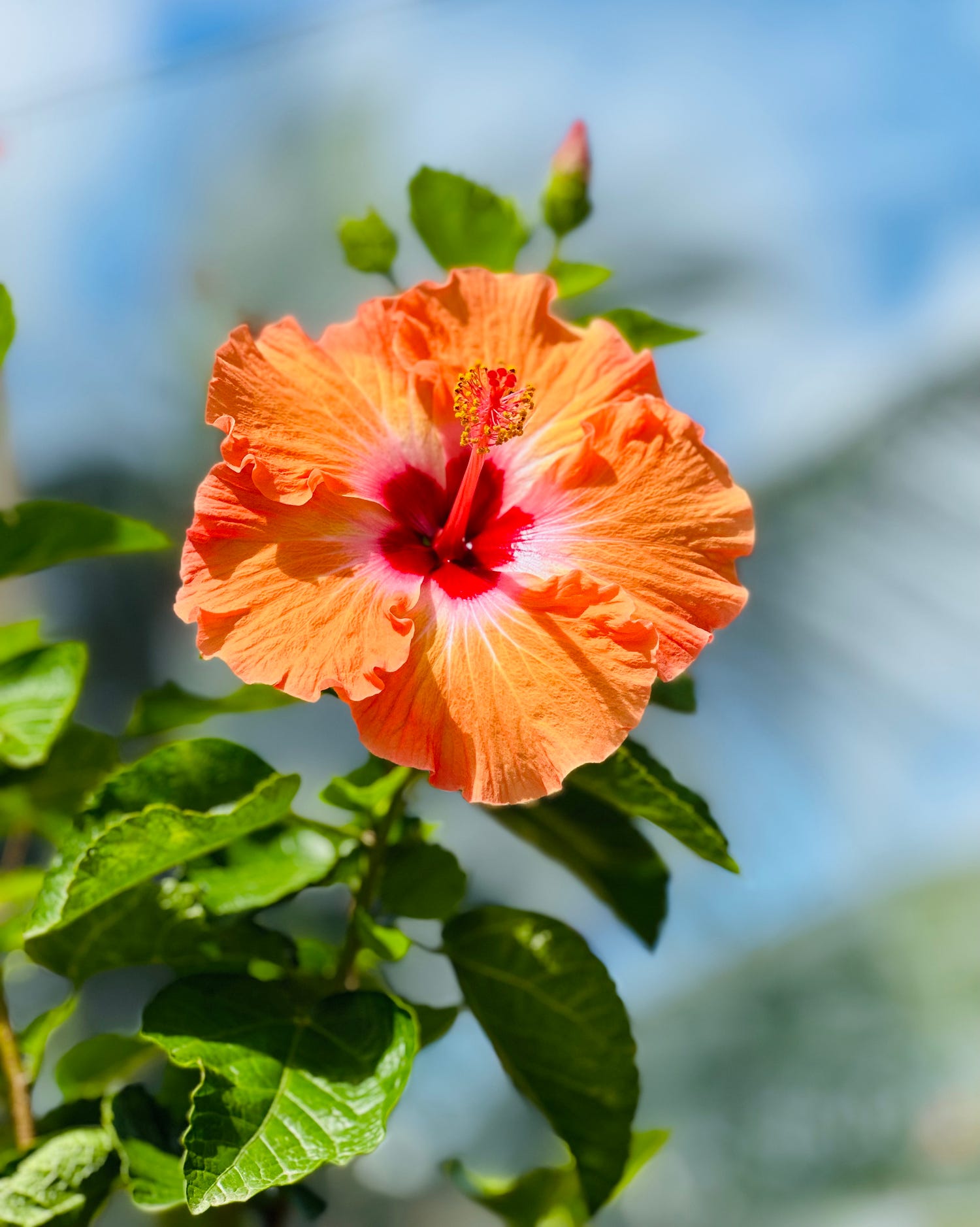
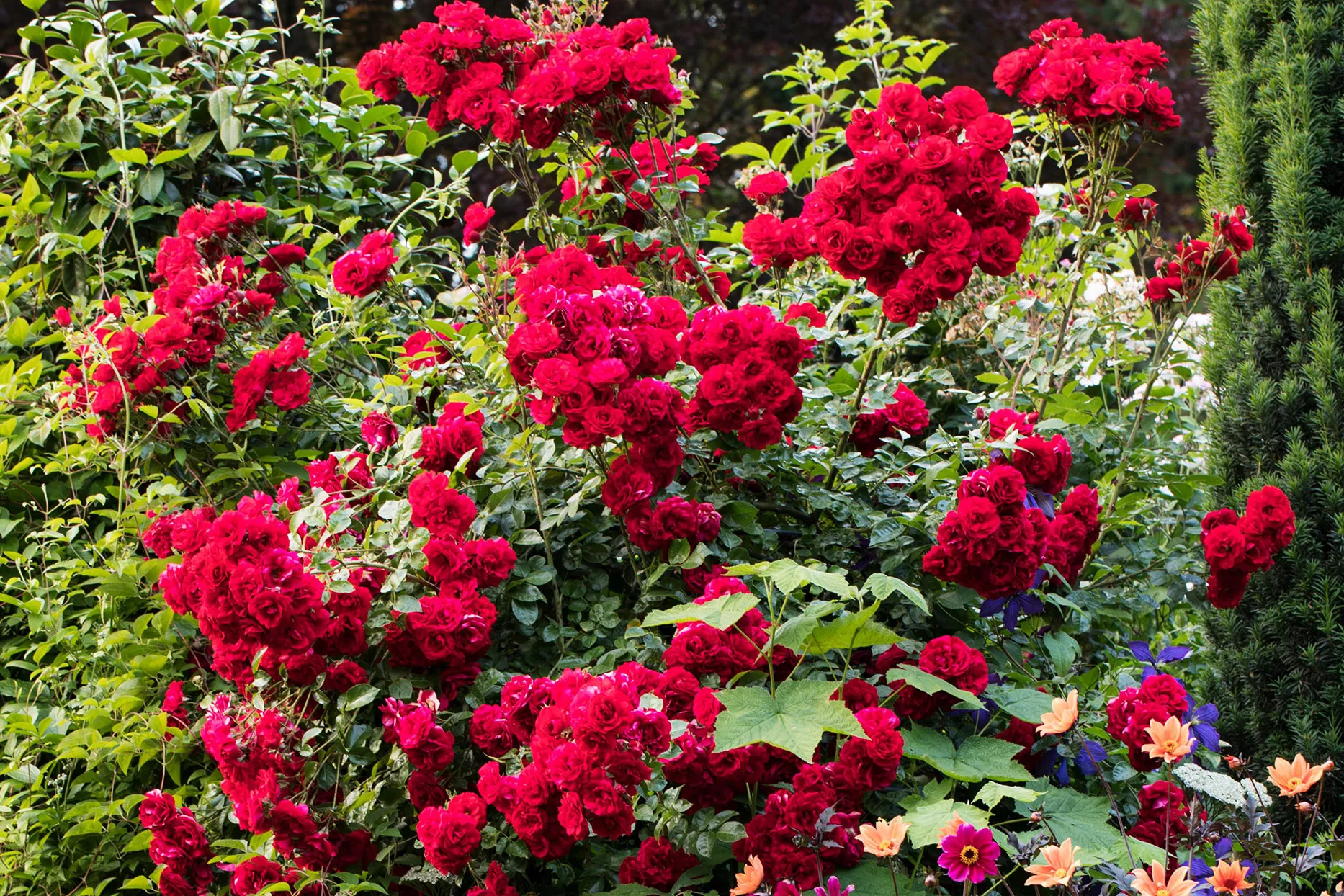
Forsythia signals the end of winter with its bright yellow blooms appearing even before foliage, serving as an easy-to-care-for privacy screen. Butterfly bush, a fast-growing shrub, attracts numerous butterflies and pollinators, with newer compact, non-invasive types available. Shrub roses are resilient and easy to grow, with modern varieties offering increased cold hardiness and disease resistance. Lilacs, known for their intoxicatingly fragrant conical blooms in shades of pink to purple, are excellent for hedges and attract butterflies. Abelia produces bell-shaped flowers in pink, purple, or peach in late spring, with newer types being more cold-hardy. Rhododendrons display vibrant spring flowers against glossy green leaves and prefer dappled shade. Rose of Sharon blooms in late summer to fall with pink, white, lavender, or blue flowers, thriving when other plants fade. Deutzia is a spring-blooming shrub with arching branches, and some varieties function as ground covers. Ninebark, a native plant, features arching branches with white or pink flower clusters in late spring, with some types offering wine-colored or golden-orange foliage. Crape Myrtle flourishes in heat, blooming all summer with frilly flowers in white, purple, crimson, or pink, with dwarf options available. Caryopteris, or bluebeard, blooms with charming blue flowers from late summer to fall, attracting bees and butterflies. Spirea is a low-maintenance shrub with long-lasting red, white, or pink flower clusters. Lastly, Hydrangea provides three seasons of display with bright summer flowers, faded fall tones, and dried winter blooms, with various types having distinct care requirements. Detailed research on each shrub's needs and hardiness zone is critical for successful cultivation.
#FloweringShrubs #GardeningTips #SeasonalColor #LandscapeDesign #PlantCare #PollinatorPlants #CurbAppeal #USDAHardinessZone #SpringBlooms #FloweringShrubs #GardeningTips #SeasonalColor #LandscapeDesign #PlantCare #PollinatorPlants #CurbAppeal #USDAHardinessZone #SpringBlooms
Hay 0 comentarios en total
 Aún no hay comentarios
También te puede gustar
Hey, Gardeners! Plant These Summer Flowers for a Bright and Beautiful Yard

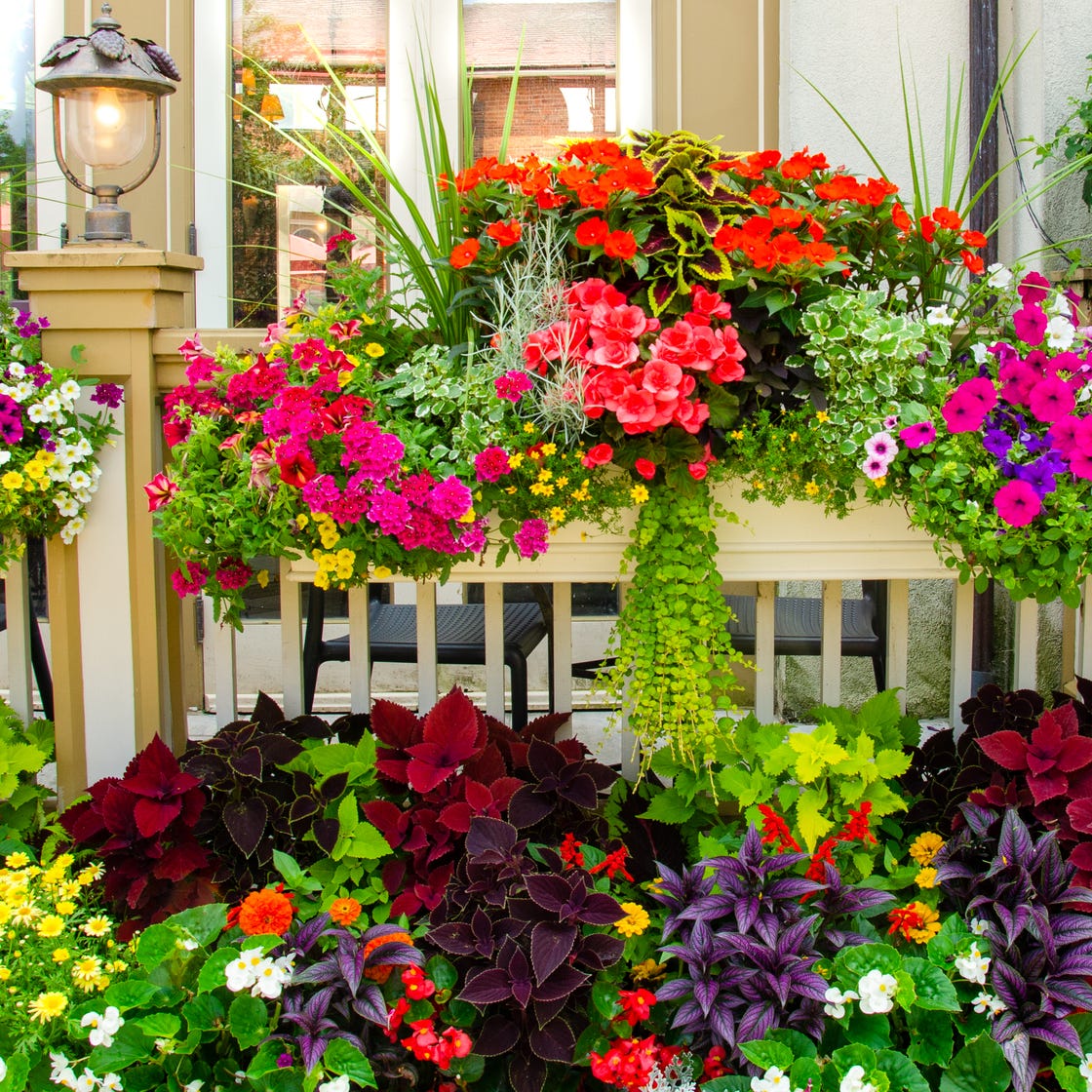
We Discovered the BEST Outdoor Patio Plants That'll Brighten Up Your Home All Summer Long
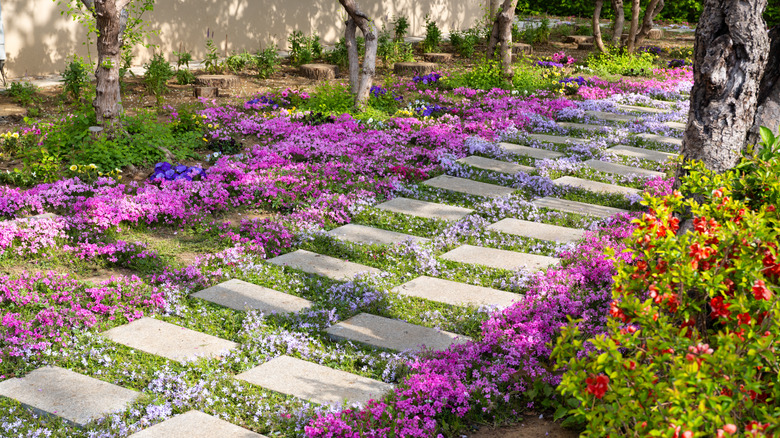
16 Best Fast-Growing Purple Plants For A Beautiful Shade Garden In No Time
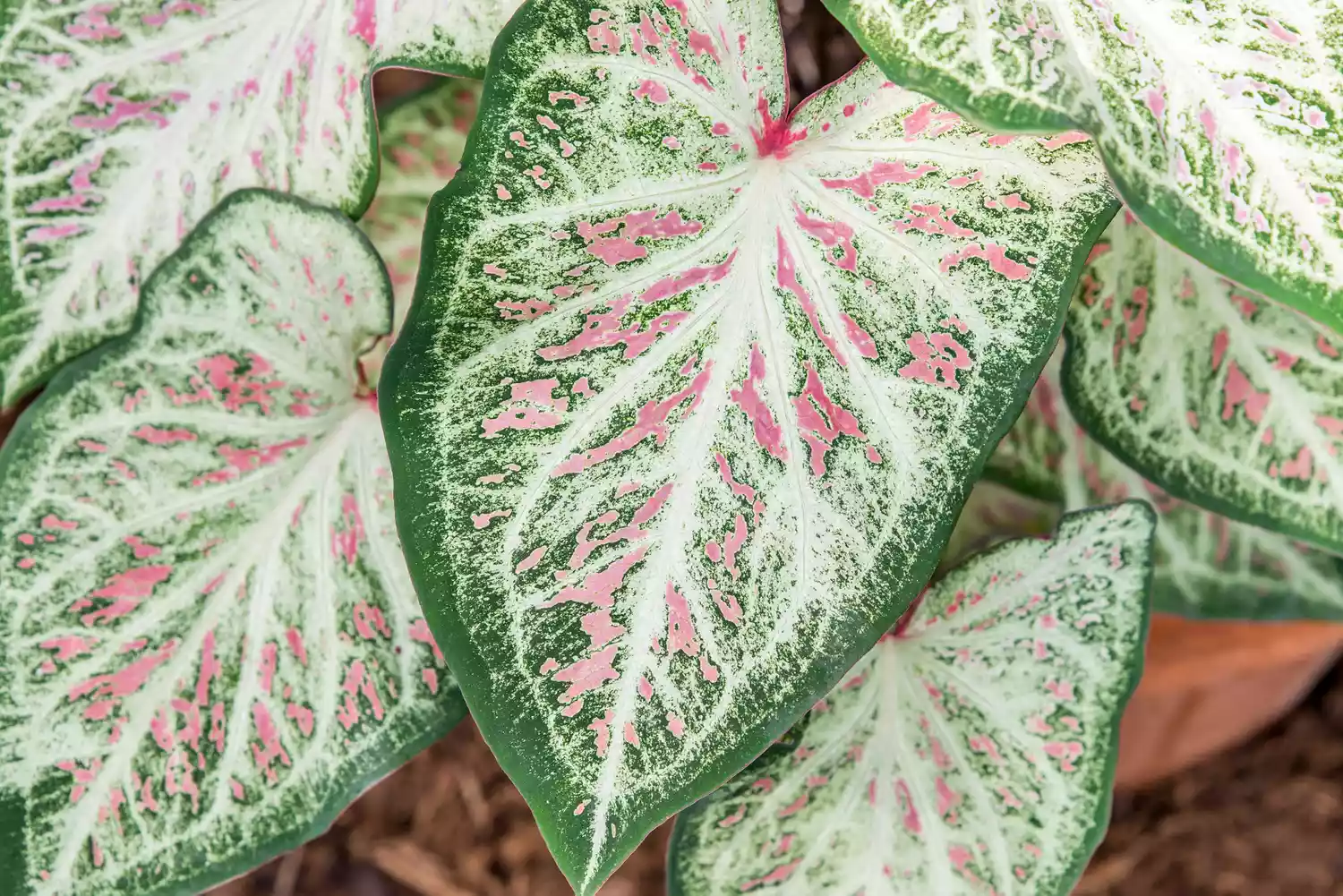
8 Beautiful Plants We Love to Add Color and Texture to Your Yard

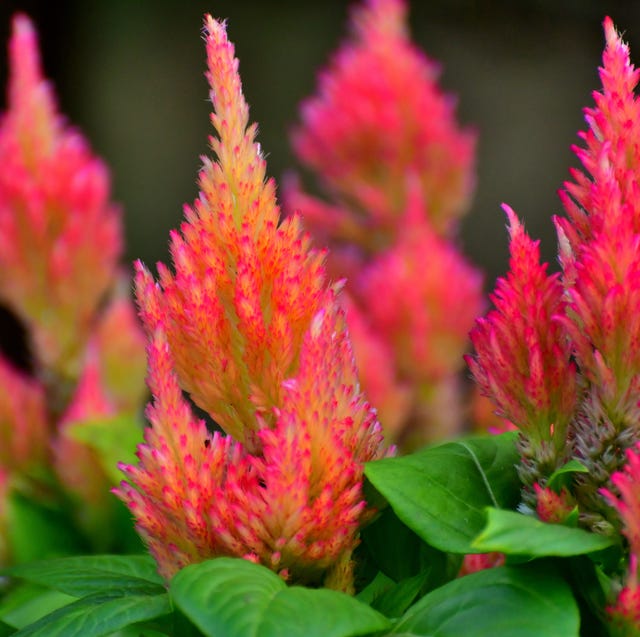
It's Gardening Time! We Found the Best Summer Flowers for Your Yard

8 Seasonal Summer Flowers to Style in a Vase Right Now for Sweet Scents and Beautiful Blooms

9 Fragrant Flowers to Plant in Spring for a Beautiful, Sweet-Smelling Garden
These Pink-Blooming Beauties Are the Ultimate Yard Upgrade
These Beautiful Flowering Shrubs Will Add Major Color to Your Garden

August Isn't Too Late To Plant These Gorgeous Purple Blooms

8 Summer Arrangement Ideas
These Are the Best Shade-Loving Flowers and Plants for Your Yard
8 Colorful Flowering Shrubs to Grow for Cut Flowers
Grow These Stunning Spring Flowers to Welcome in the Season
15 Colorful Plants to Brighten Up Your Landscape

The ONLY Plants That Can Outshine the Summer Sun

7 patio plants for instant summer color – my go-to fast-growing flowers to plant in July, as a professional gardener
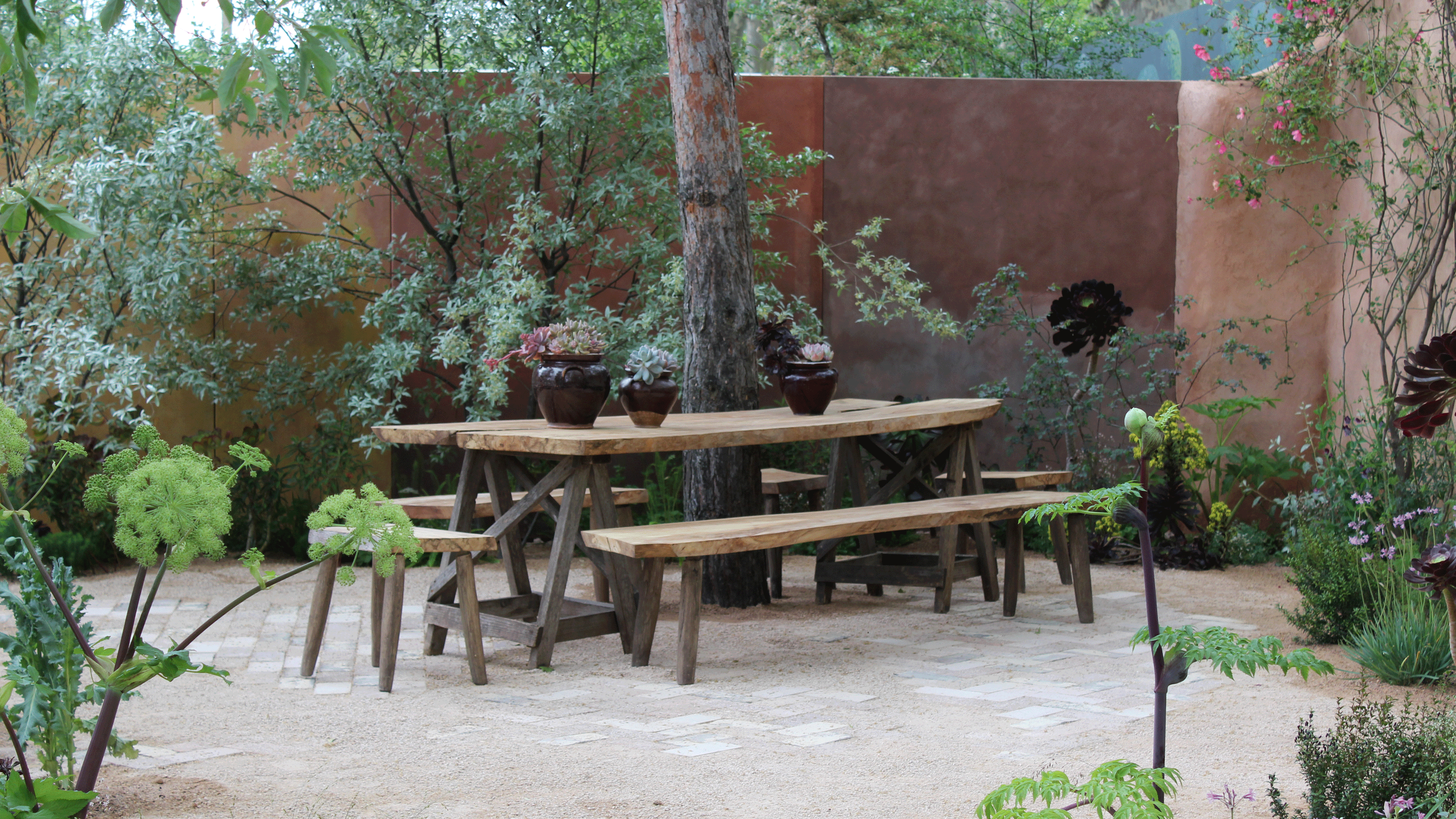
The colour trend taking over our gardens for summer holiday vibes all year round
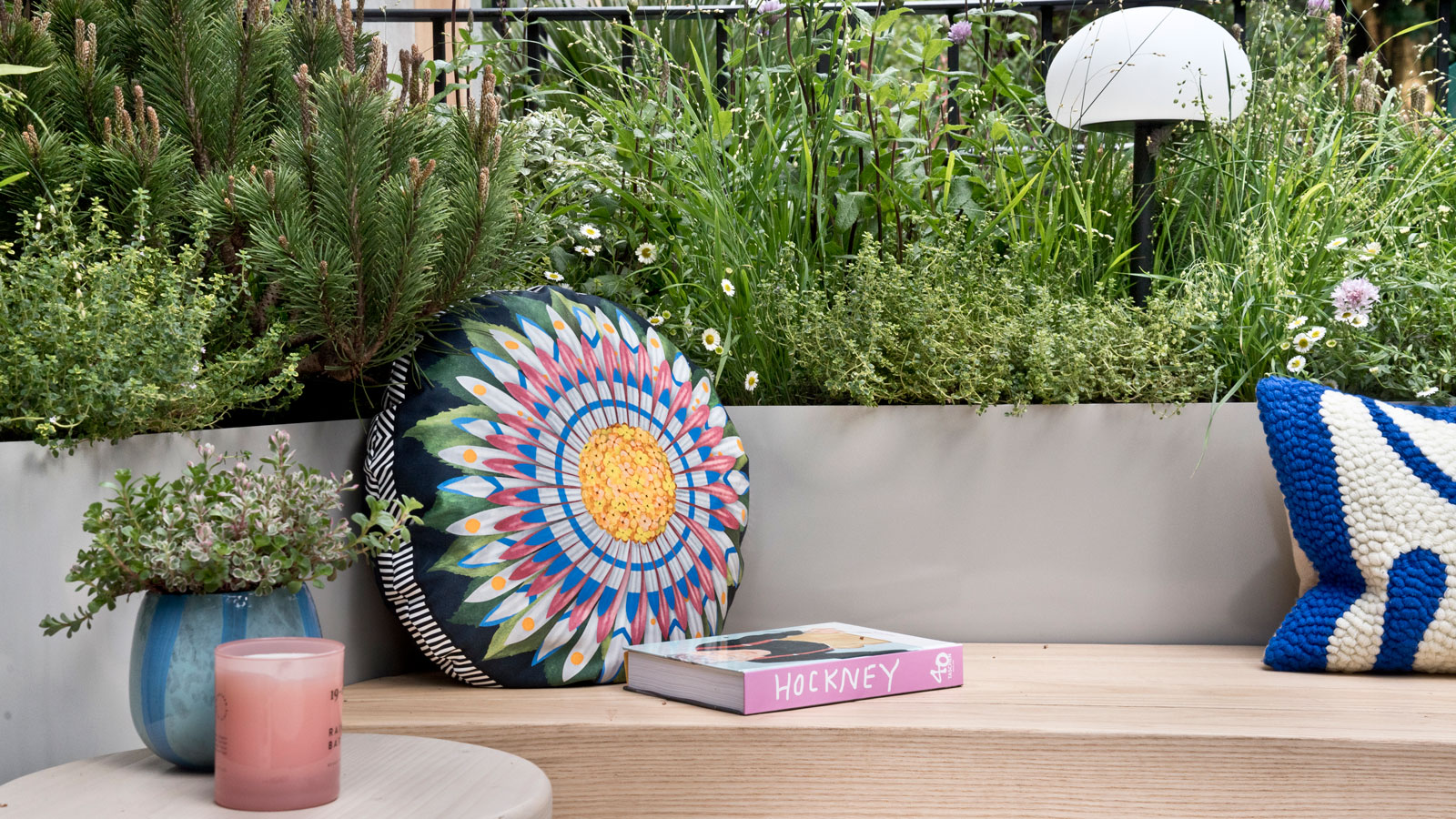
Best plants for a courtyard garden – 8 favorites to grow for maximum impact in a small space

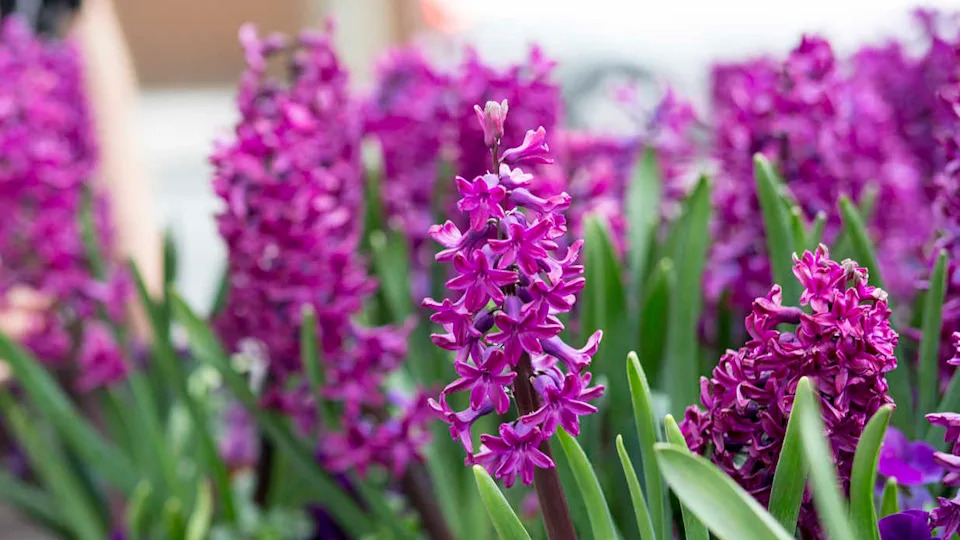
11 Pretty Purple Flowers to Plant in Your Garden