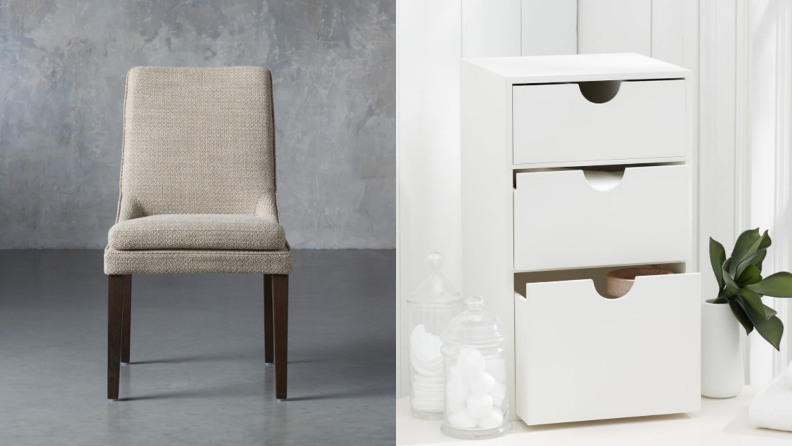
Is this Scandinavian home décor trend about to be as big as hygge?
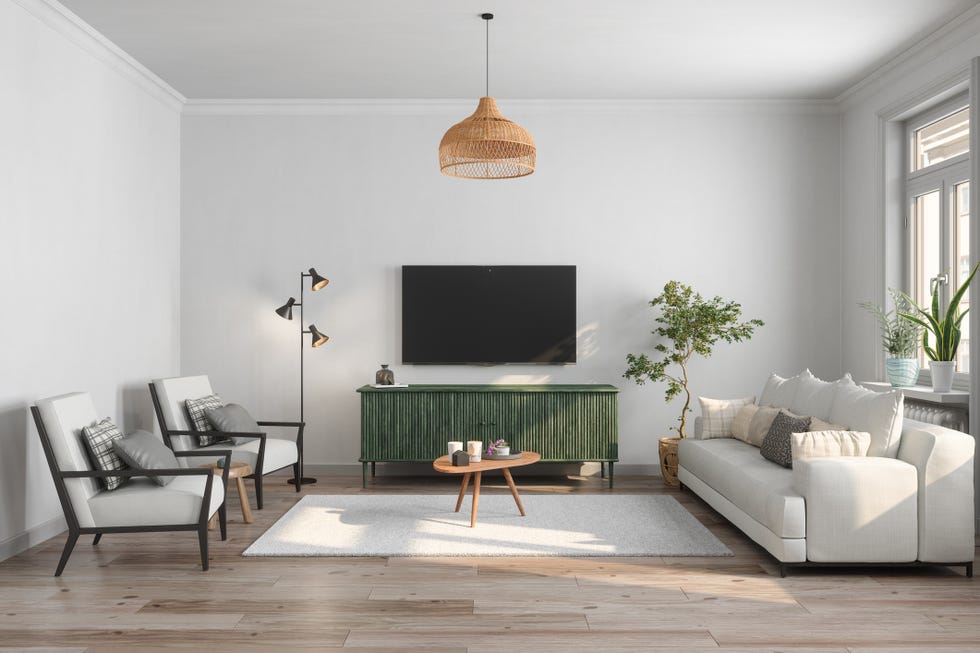
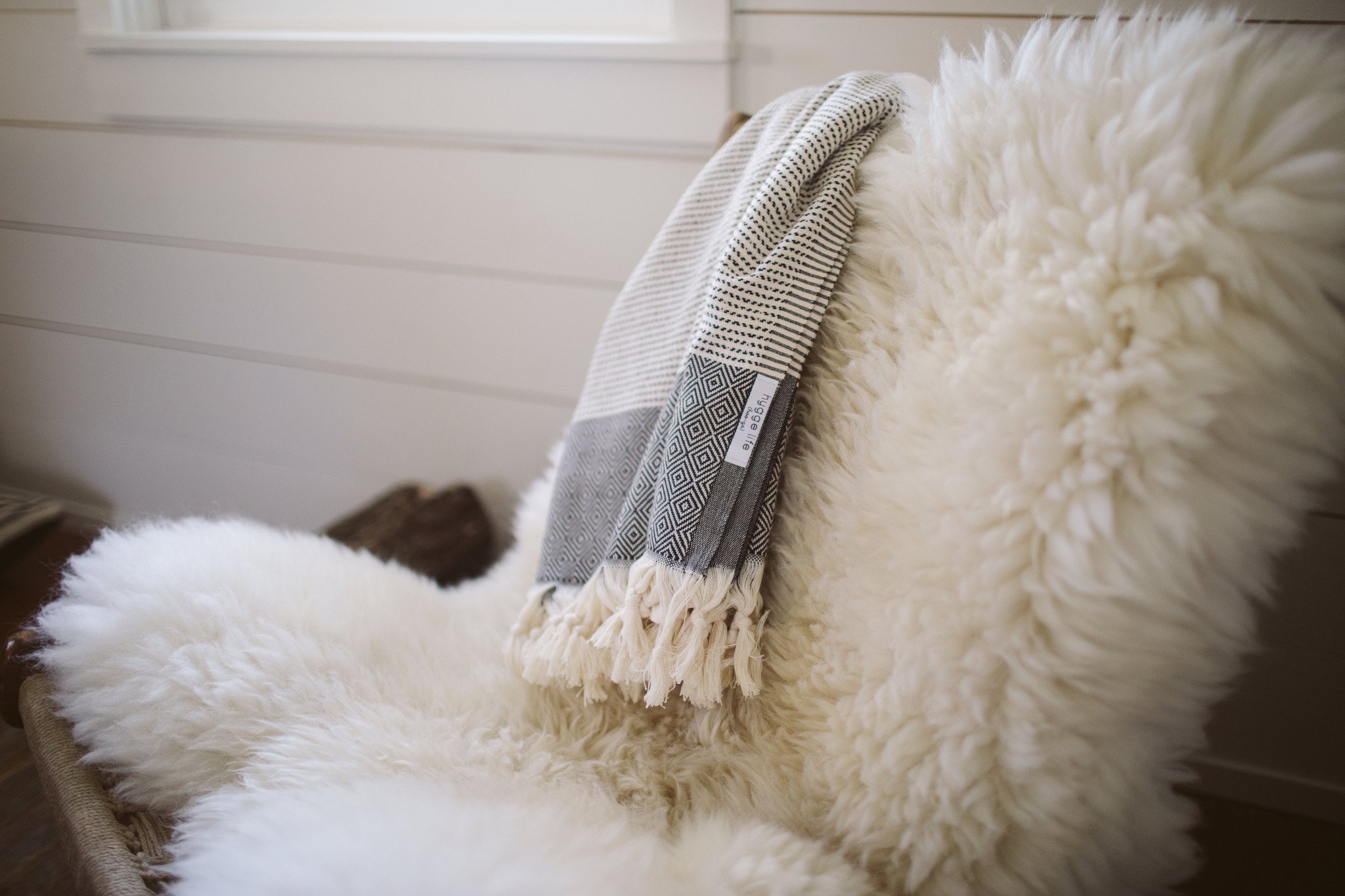
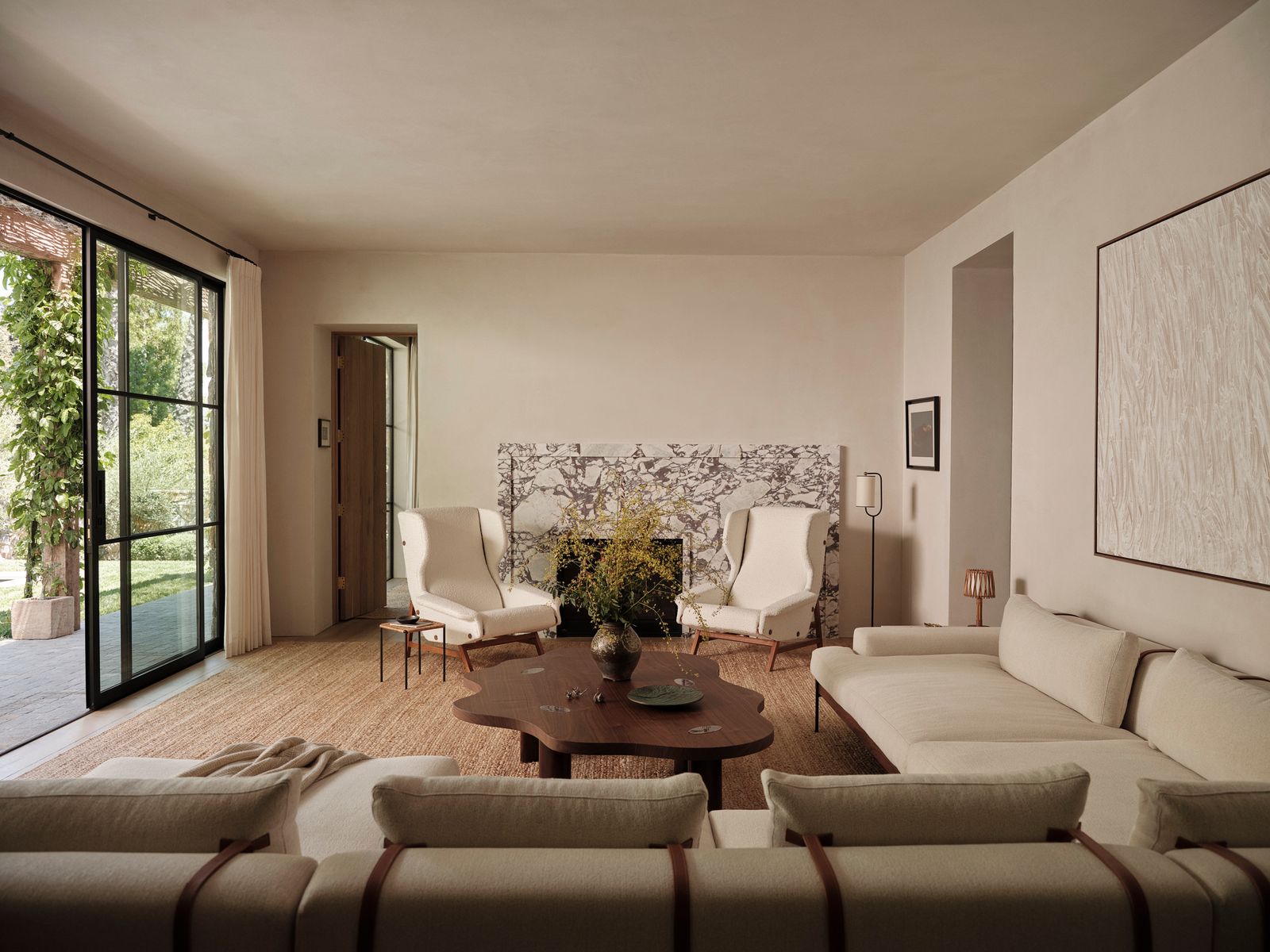
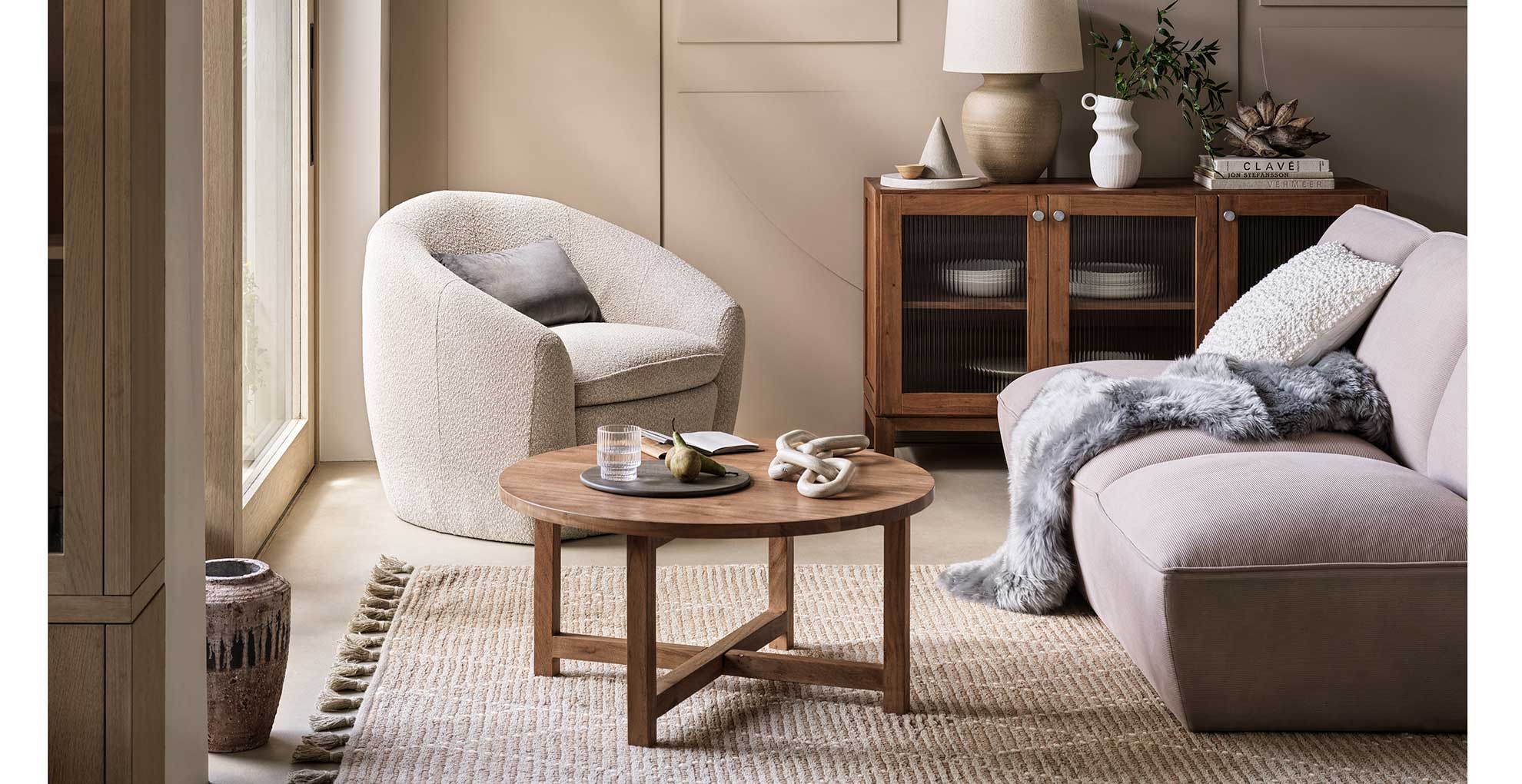
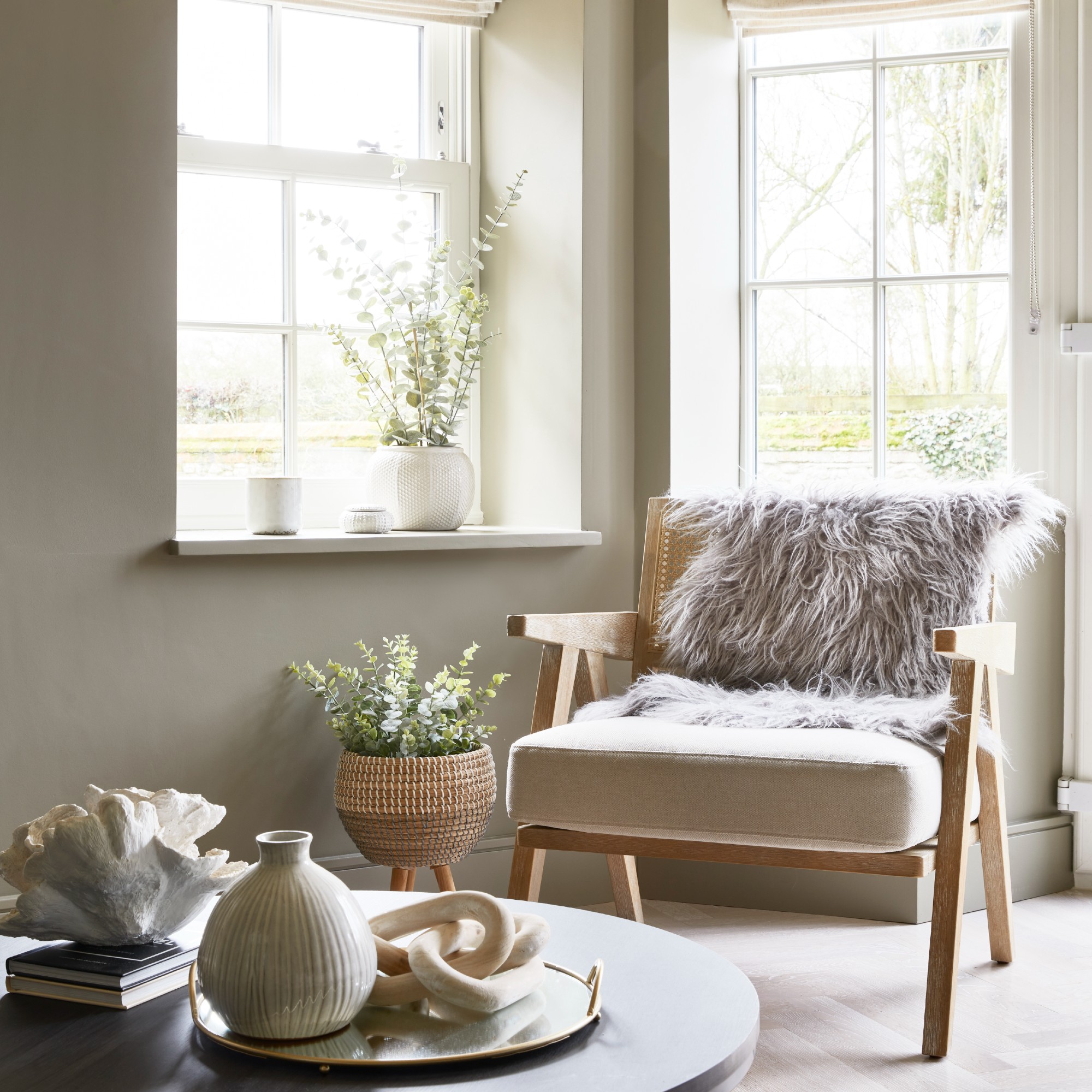
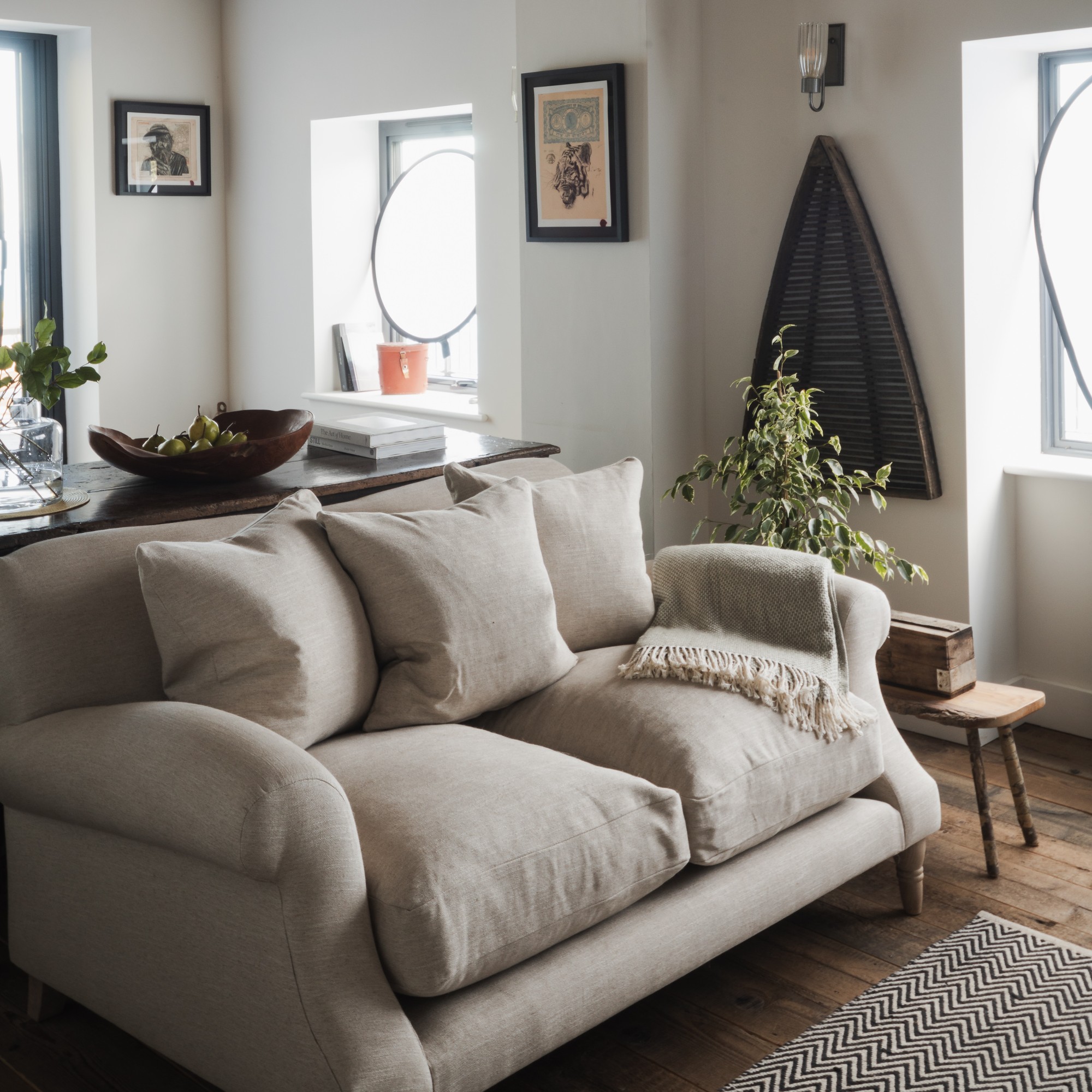
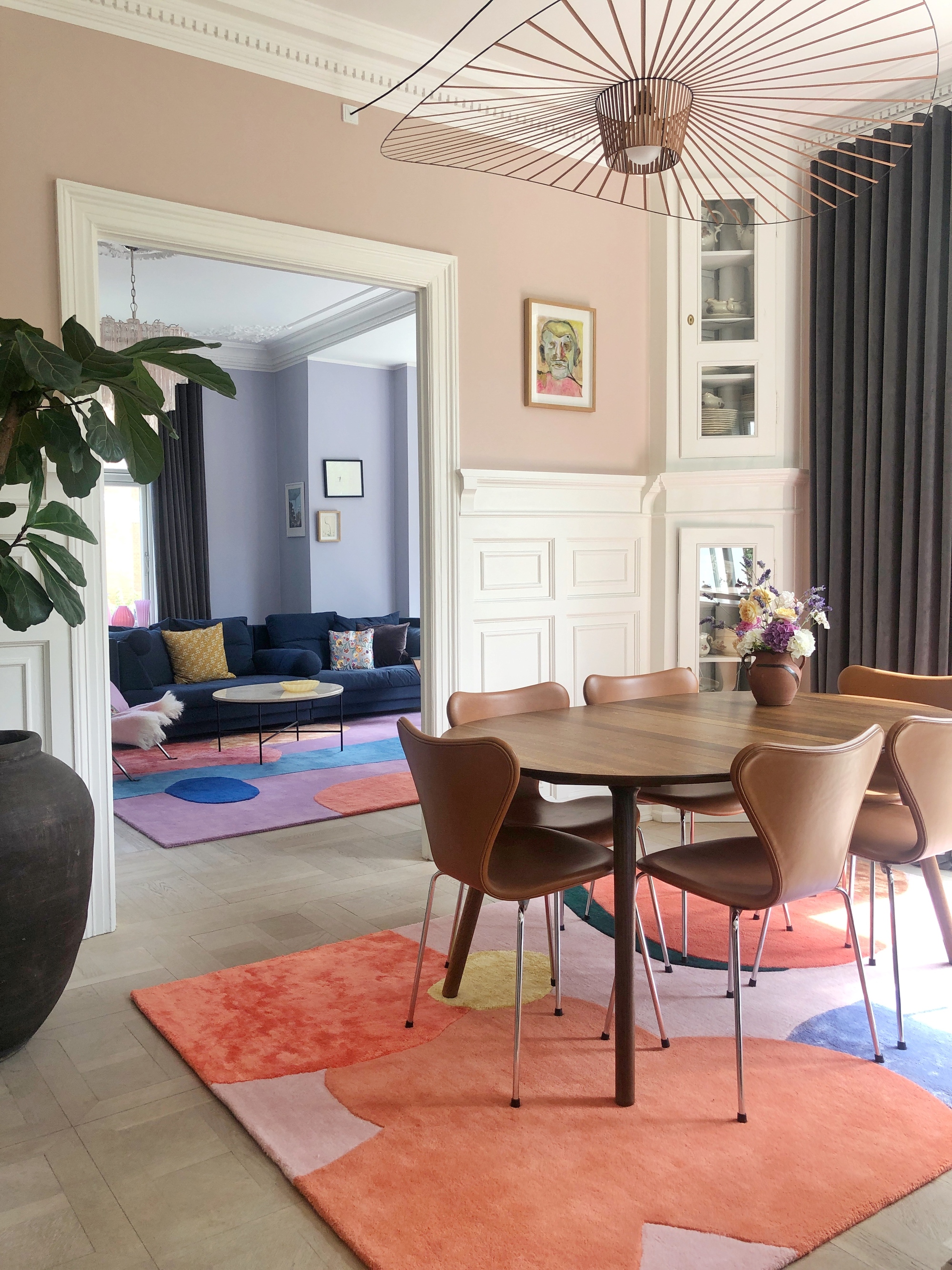
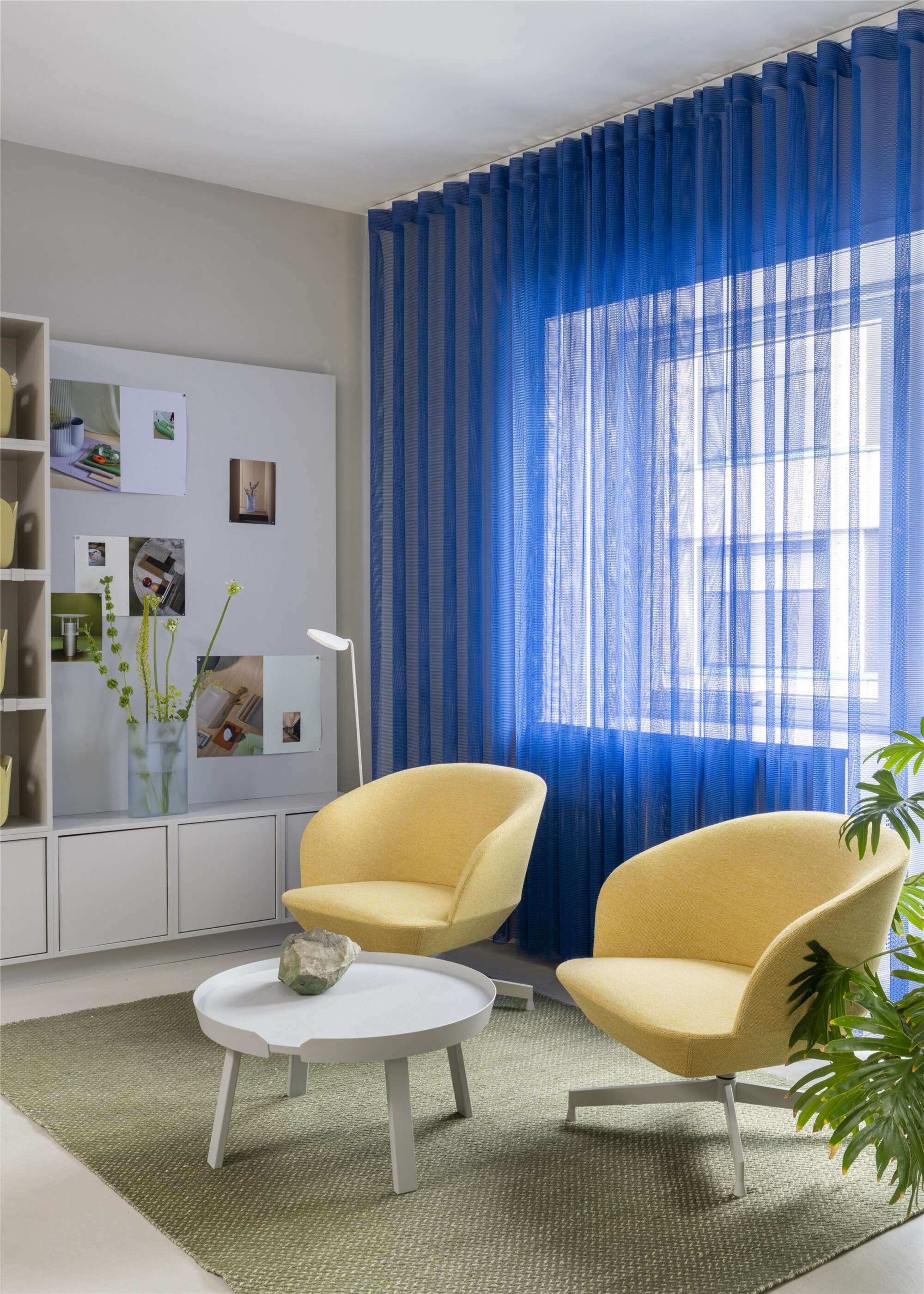
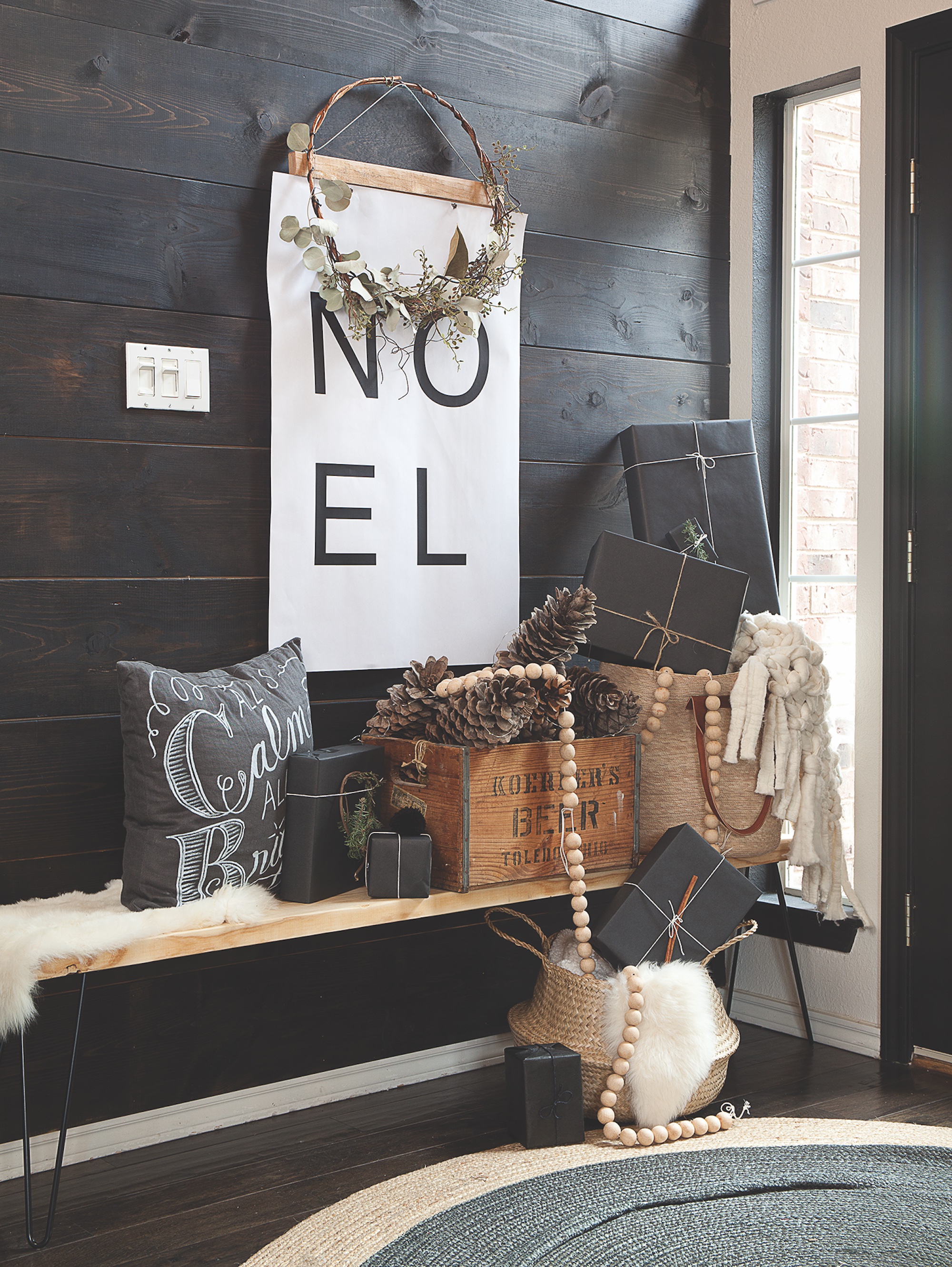
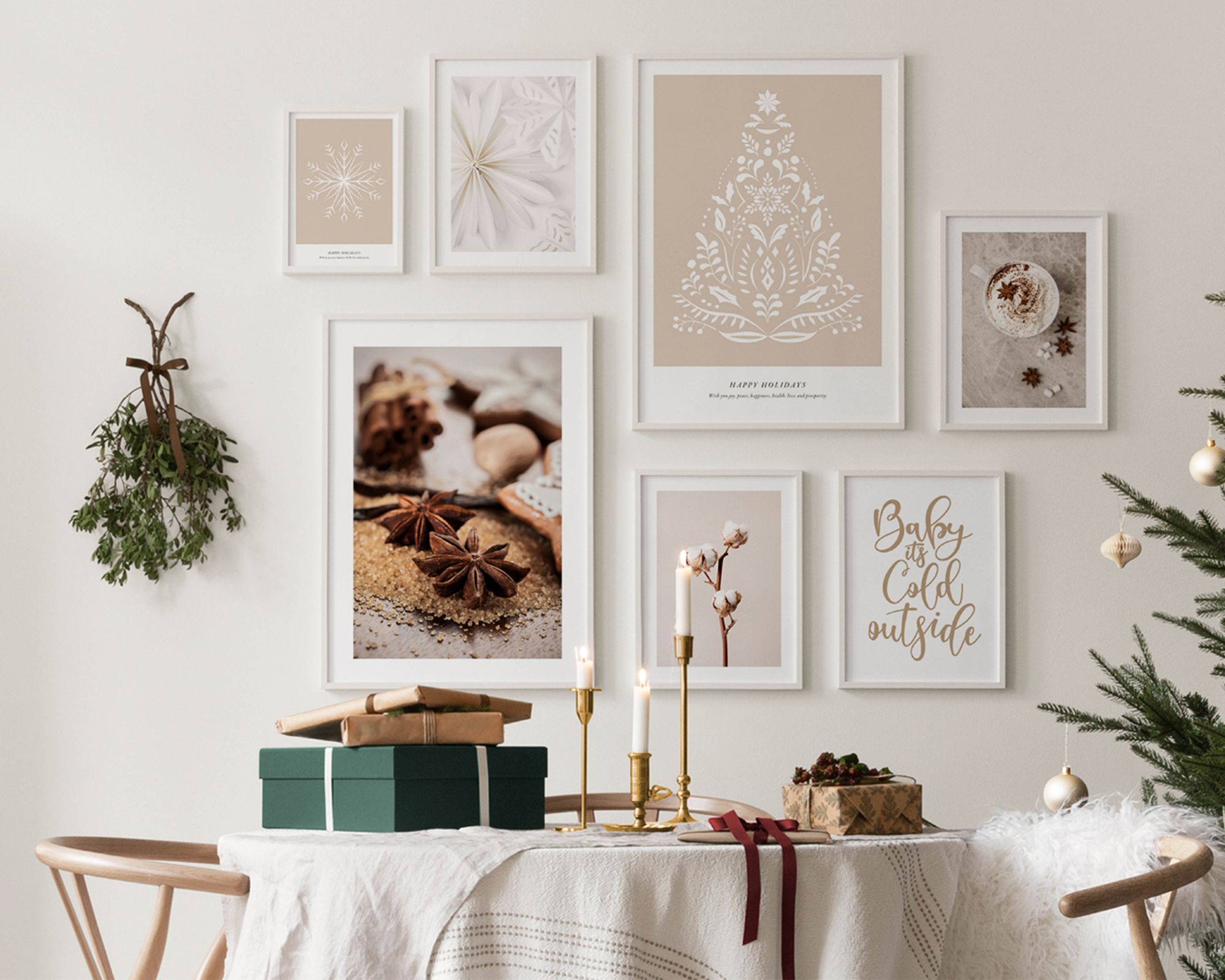
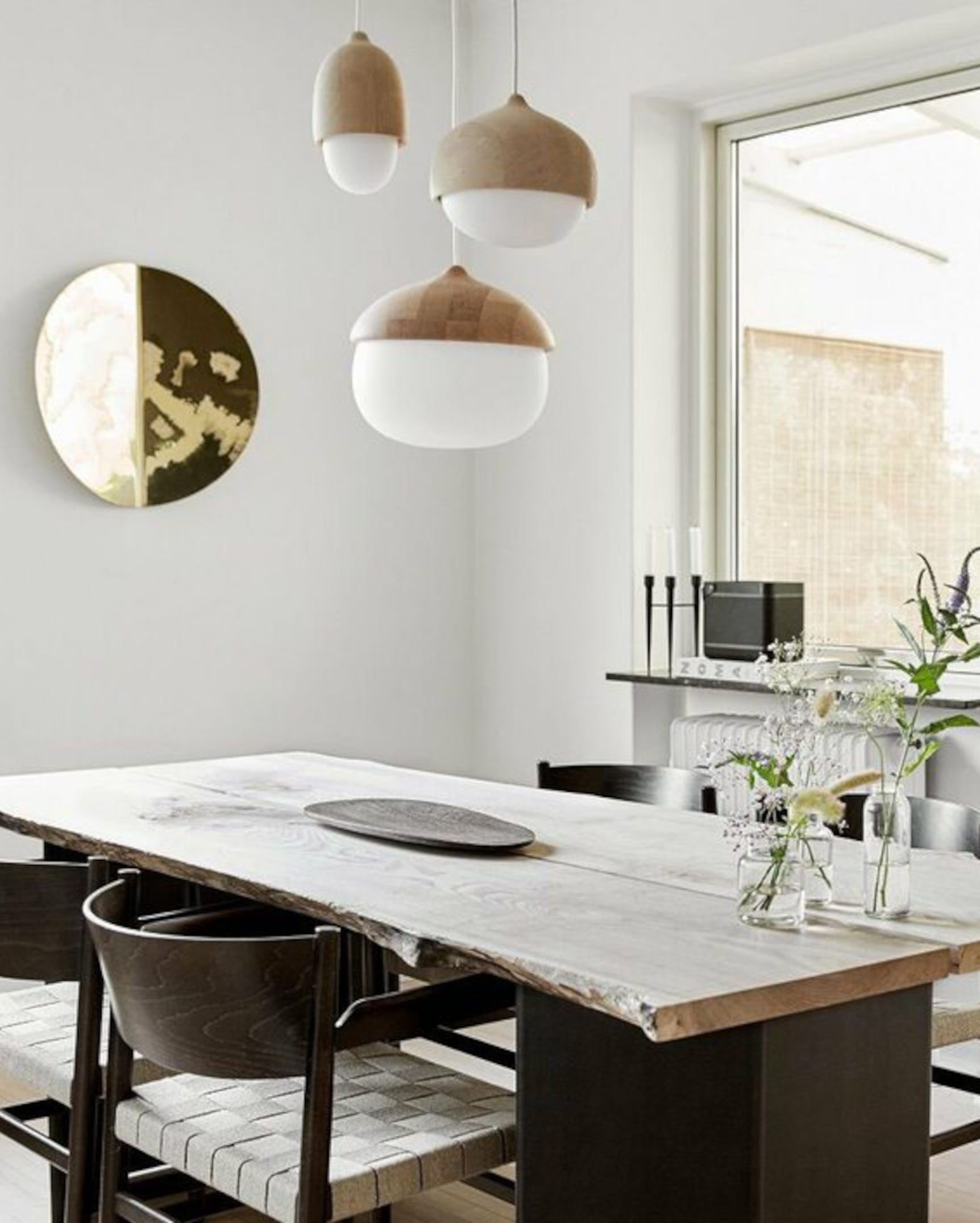
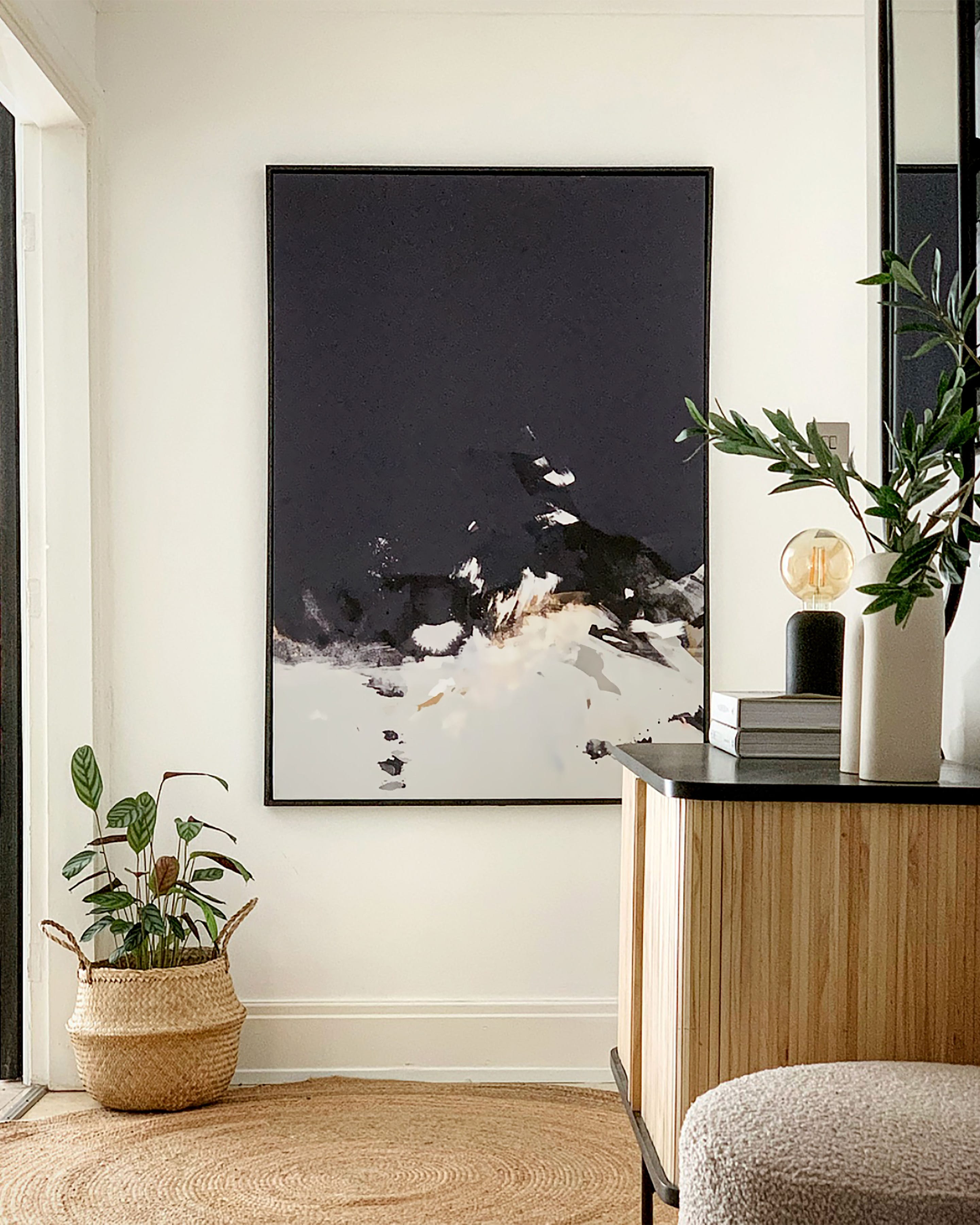
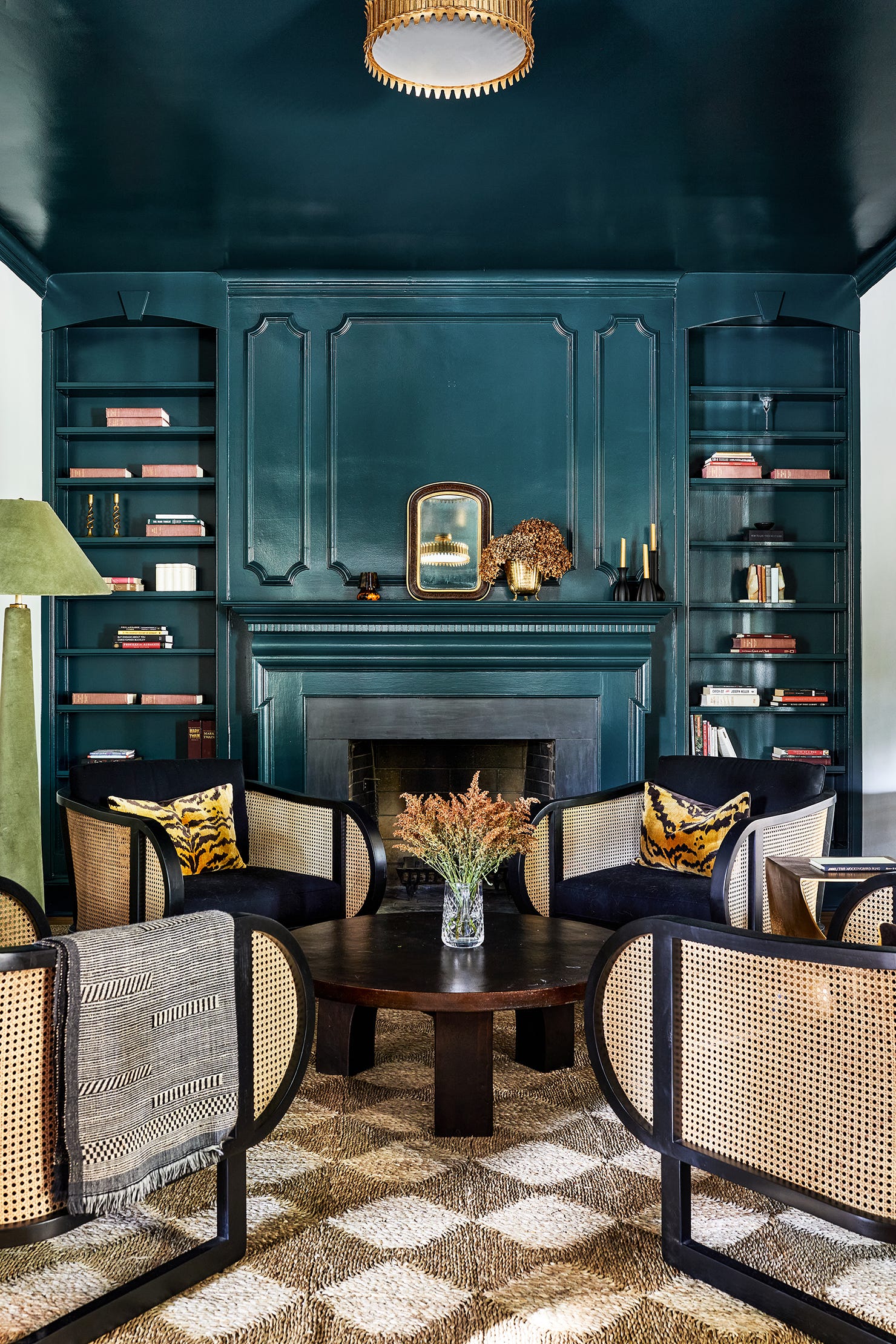
The Scandinavian design philosophy, characterized by its soothing colors, natural light, negative space, and clutter-free environments, has maintained its popularity for years. This approach allows individuals to create home settings conducive to relaxation and mindfulness. One well-known concept is the Danish _hygge_ (pronounced “hyoo-guh”), which emphasizes comfort and coziness through elements like candles, blankets, and soft furnishings, a trend that has significantly influenced U.S. home interiors in recent years. Emerging alongside _hygge_ is another Scandinavian concept, _lagom_ (pronounced “lar-gohm”), a Swedish term meaning "just the right amount." This philosophy champions a minimalist lifestyle centered on balance, suggesting that one possesses only what is necessary, avoiding both excess and waste. This raises a pertinent question regarding the consistent high ranking of the Swedish population among the happiest globally.
_Lagom_ aligns well with contemporary global concerns, particularly the need to balance environmental stewardship with personal well-being, a necessity amplified by recent global events. Homes have evolved into multi-functional hubs for work, education, and relaxation, making a simplified living environment increasingly essential. There is a growing interest in achieving this balance, as evidenced by initiatives like IKEA’s Live Lagom Project, which promotes upcycling and sustainable design, and Netflix’s “Tiny House Nation,” showcasing individuals embracing simpler living and reducing their environmental footprint by downsizing. Gavin Brodin, founder of Brodin Design Build, emphasizes the critical role of sustainable living and design in creating new spaces, advocating for mindful recycling and repurposing in interior design.
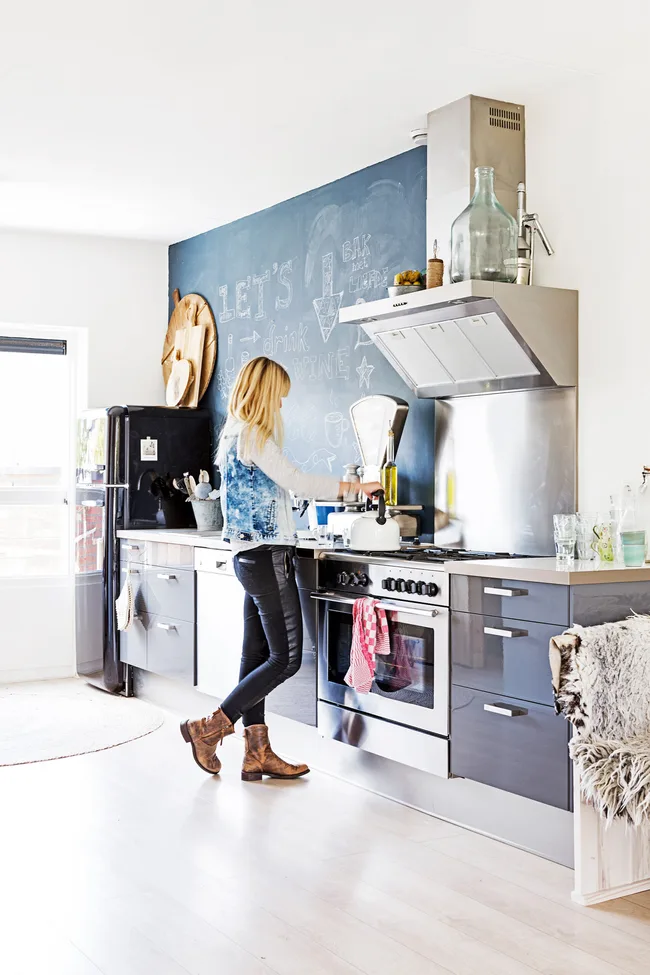
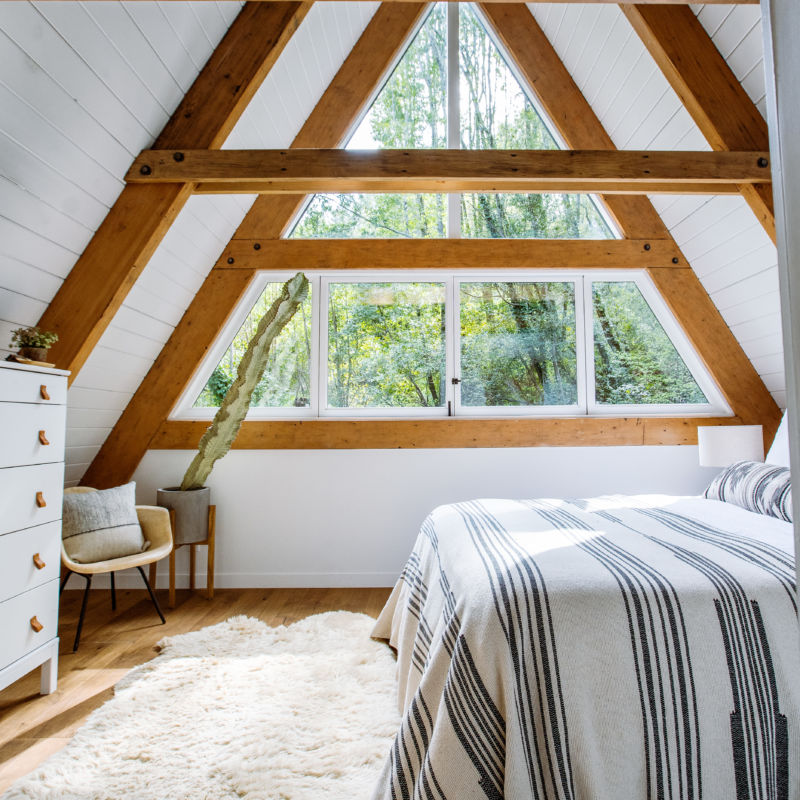
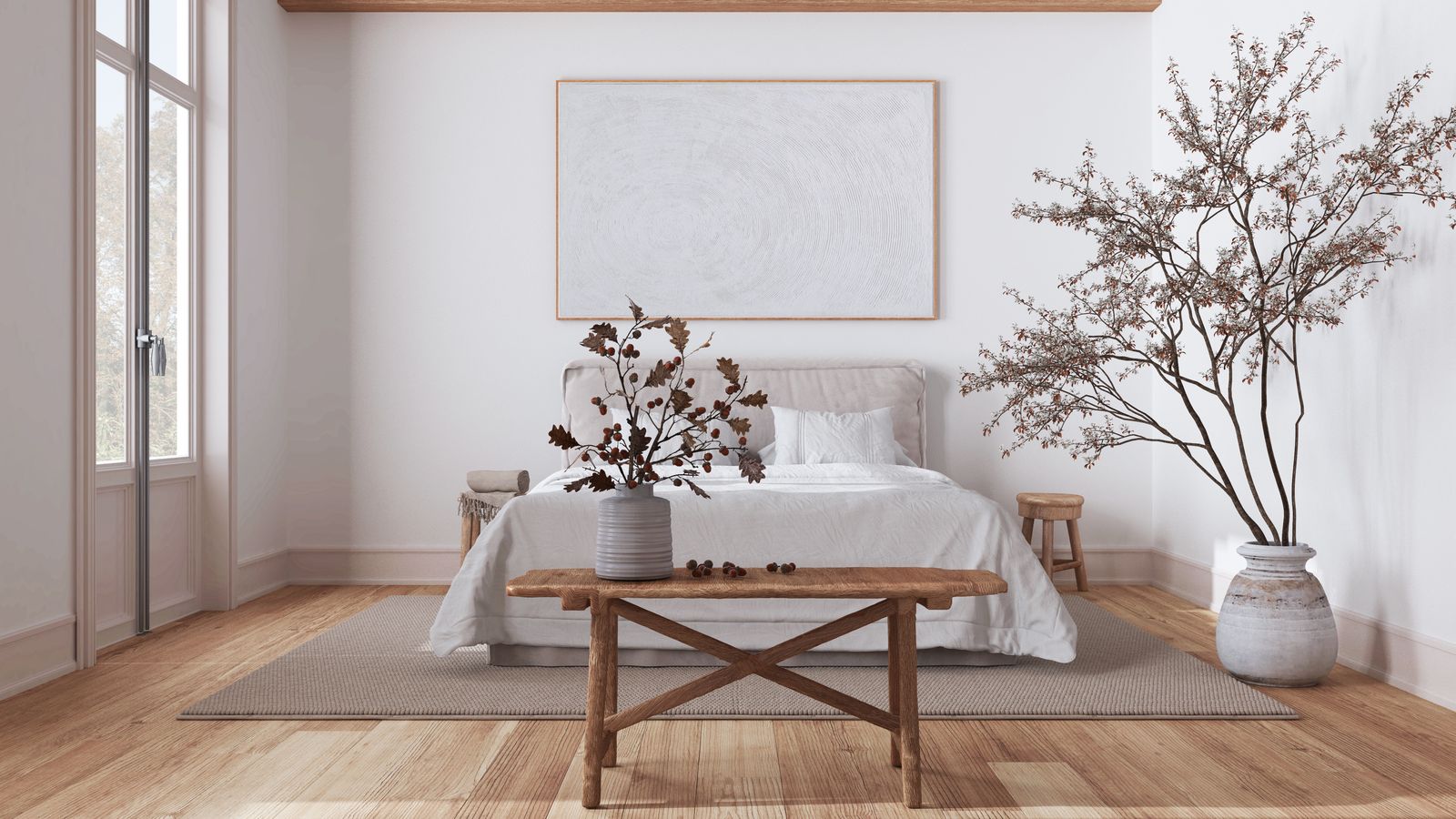
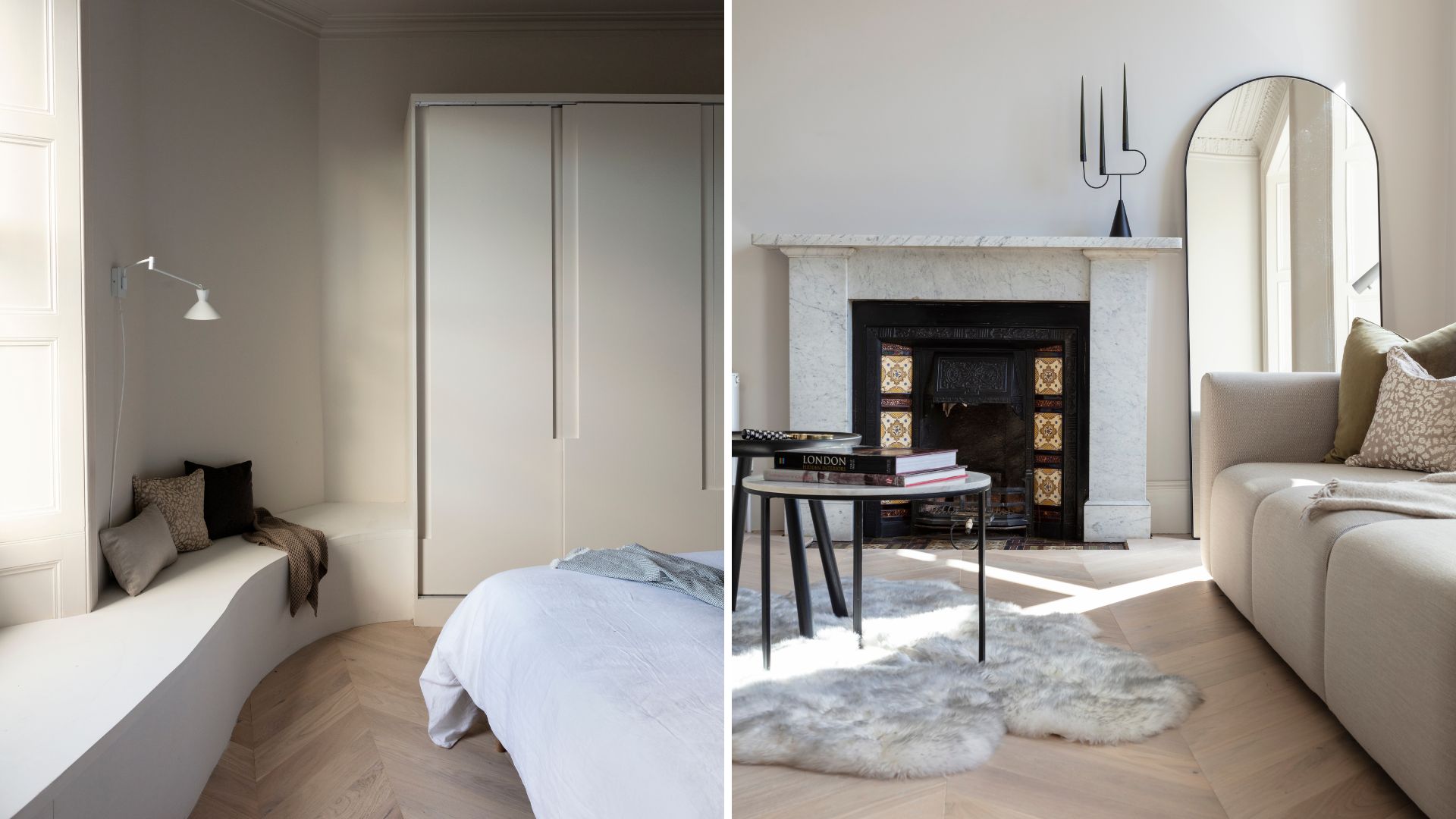
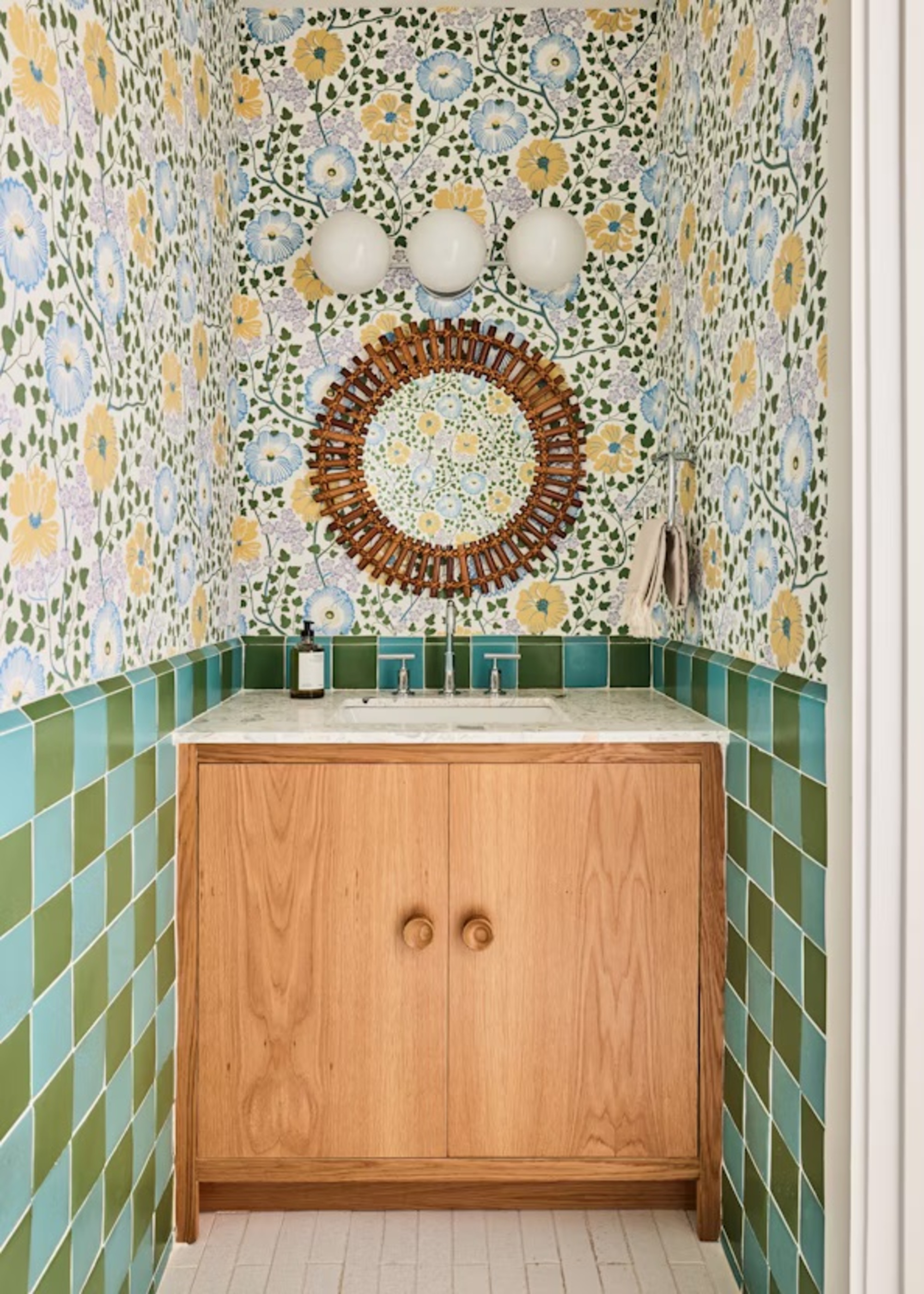
Adopting _lagom_ principles in home design involves several practical steps. Firstly, it requires maintaining a clutter-free environment. Certain areas, like the kitchen, often accumulate numerous unused items and gadgets. The _lagom_ approach encourages avoiding unnecessary purchases and keeping only essential items, thereby preventing clutter. Secondly, mindful purchasing is crucial. Brodin advises supporting local businesses to reduce the environmental impact associated with transporting goods from distant manufacturers. Furthermore, investing in high-quality, durable furniture is encouraged to minimize frequent replacements, as design classics retain their relevance over time. Thirdly, regifting unused items is a sustainable practice that prevents them from ending up in landfills. Platforms like Facebook Marketplace or Offer Up provide avenues for passing on items that are no longer needed but could benefit others. Lastly, while storage is important for keeping spaces tidy, it should be used judiciously. The goal is to store items out of sight, but not to accumulate unnecessary possessions merely because storage space is available. A critical eye is necessary to ensure that storage solutions do not encourage excessive ownership. The bathroom, often a zone for clutter, should not be filled with organizing bins if the contents are superfluous. Similarly, the bedroom should be kept minimal to foster a sense of mindfulness and peace, serving as a sanctuary rather than a storage area.
#ScandinavianDesign #Lagom #Hygge #MinimalistLiving #SustainableDesign #ClutterFreeHome #MindfulConsumption #HomeDecorTrends #ScandinavianDesign #Lagom #Hygge #MinimalistLiving #SustainableDesign #ClutterFreeHome #MindfulConsumption #HomeDecorTrends
Hay 0 comentarios en total
 Aún no hay comentarios
También te puede gustar
5 Design Choices That Make Your House Look Super Dated, According to Designers

2010-2020: The top interior trends from the past decade

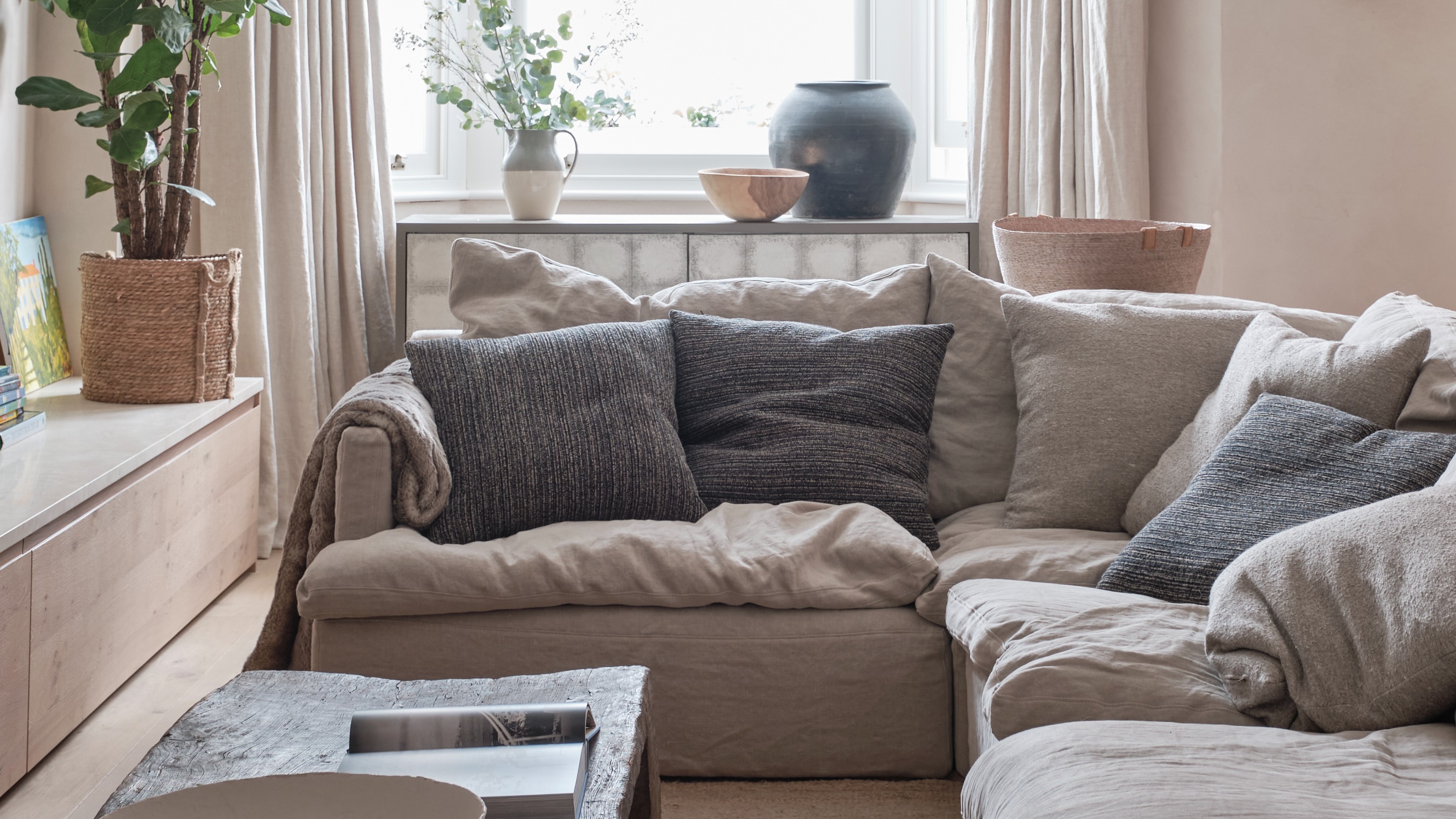
Scandinavian living room ideas – 8 ways to nail the Scandis’ signature minimalist yet cosy style in your lounge
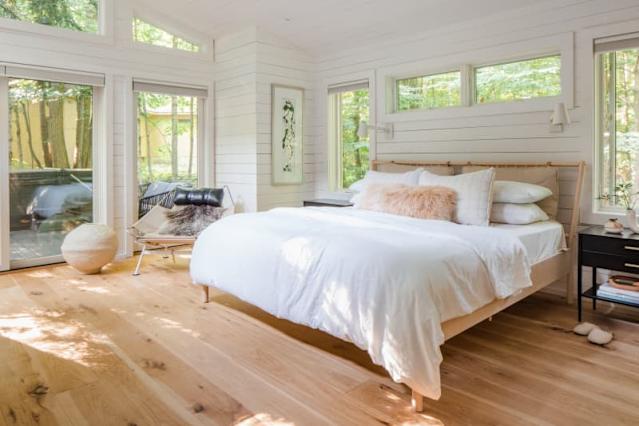
This Style Creates a “Livable Aesthetic” That’s Instantly Cozy, Designers Say


How to Master the Fine Art of Cozy Living This Fall

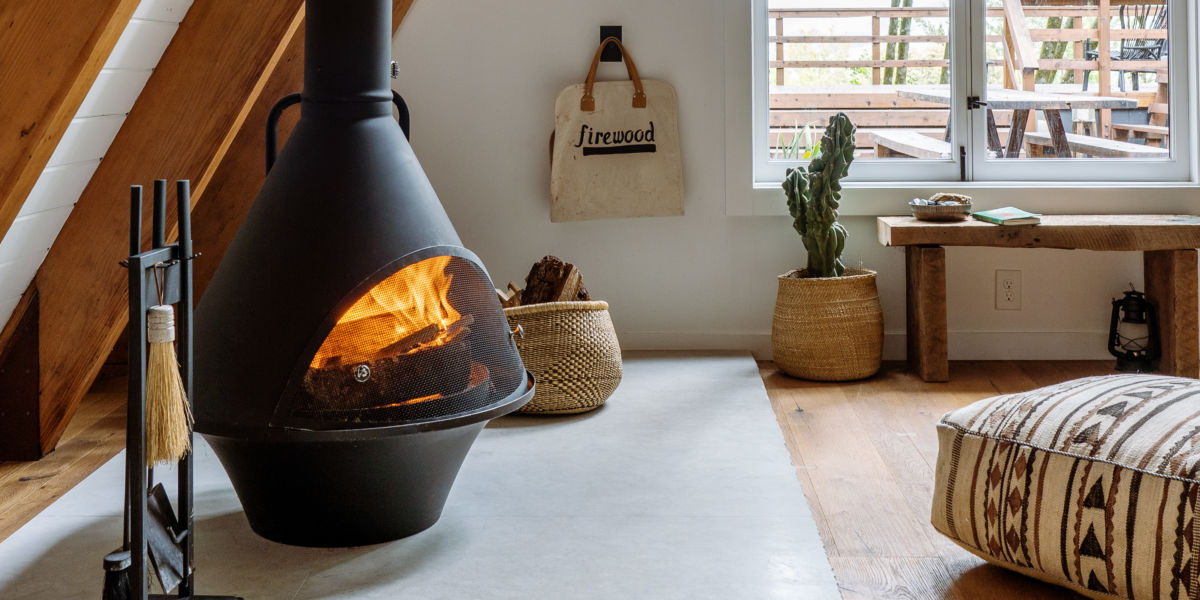
Five Easy Hacks for a Hygge Home

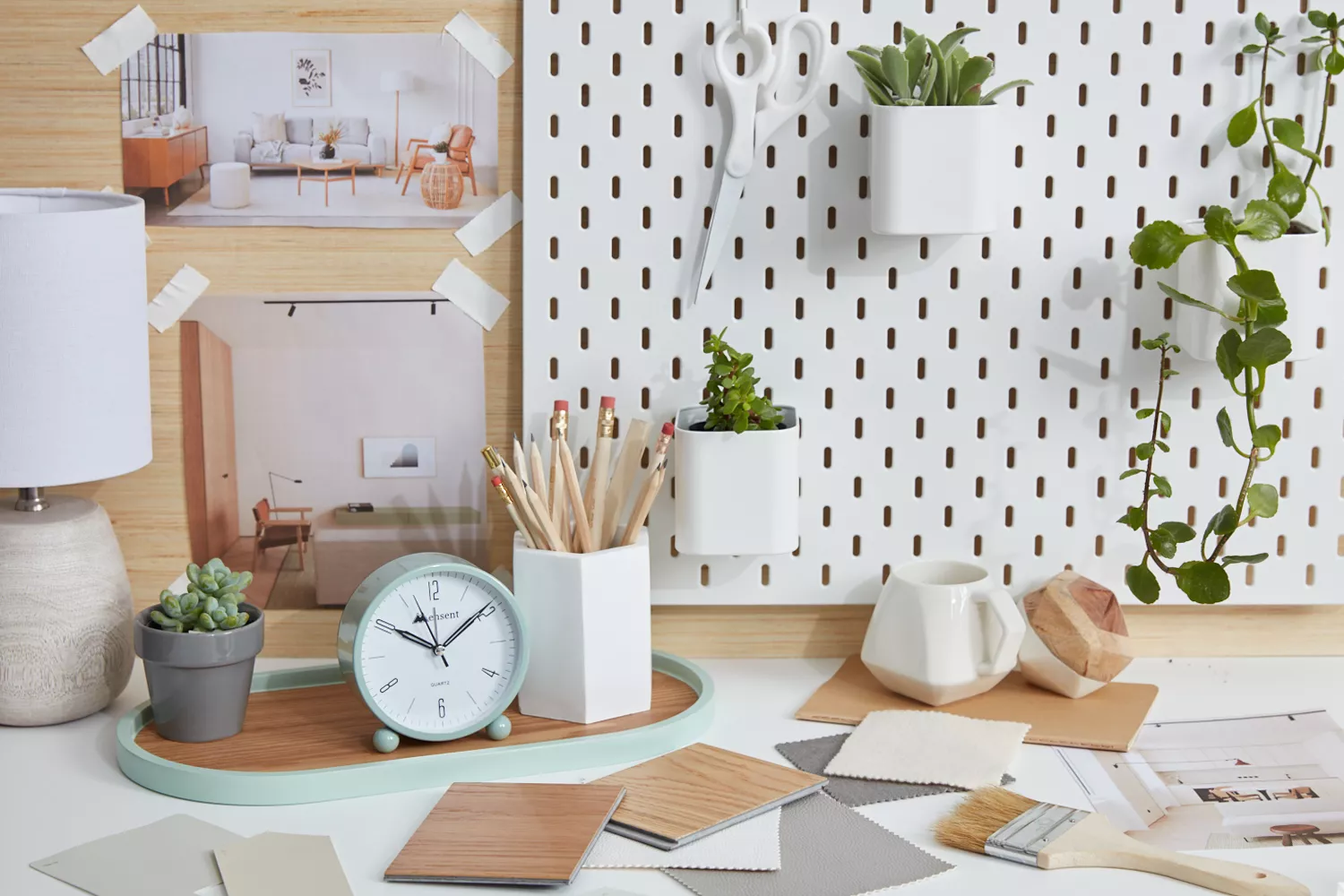
What Is Scandinavian Style? We Break Down the Popular Style

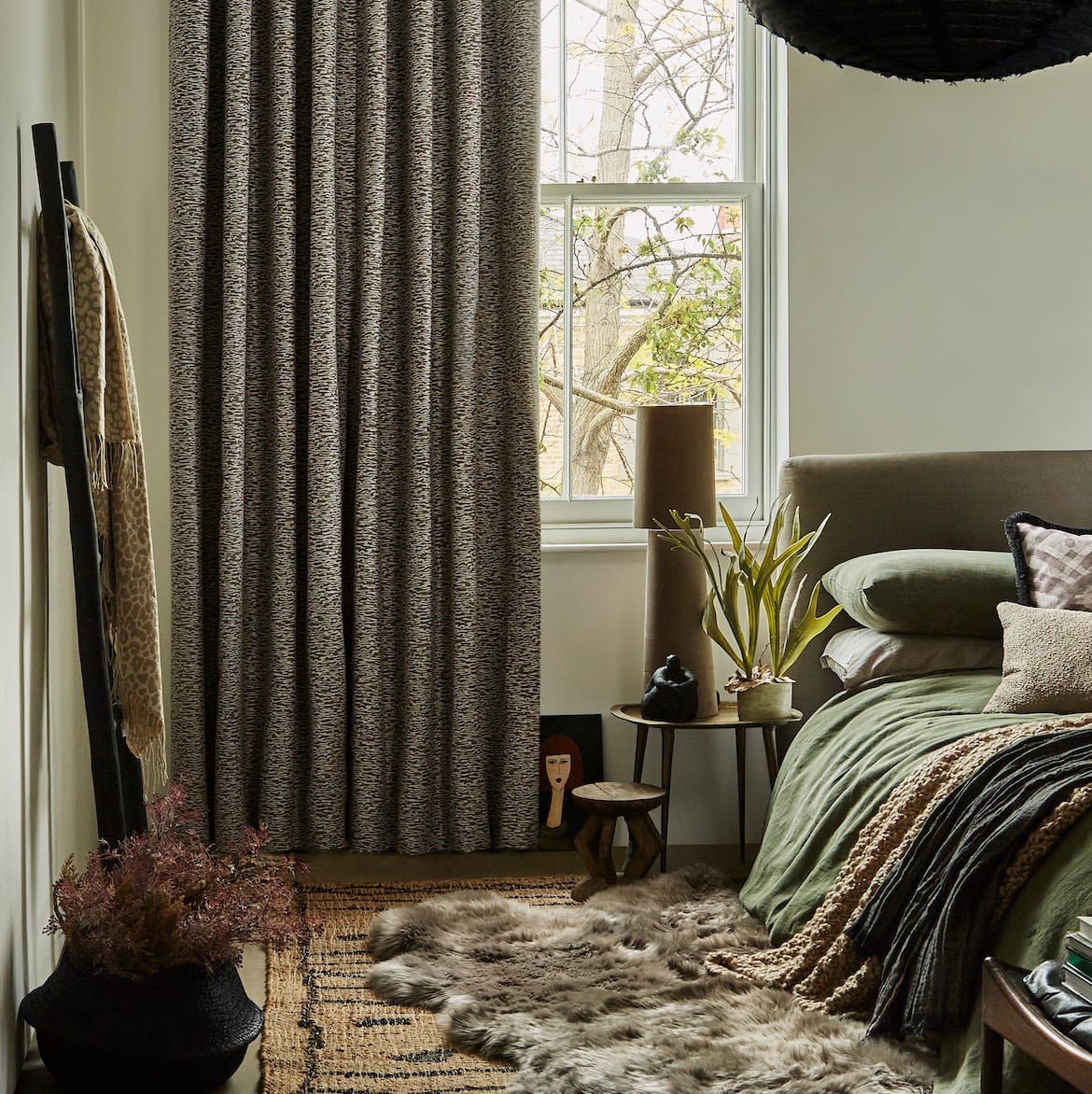
Revealed: the countries inspiring interior design trends the most

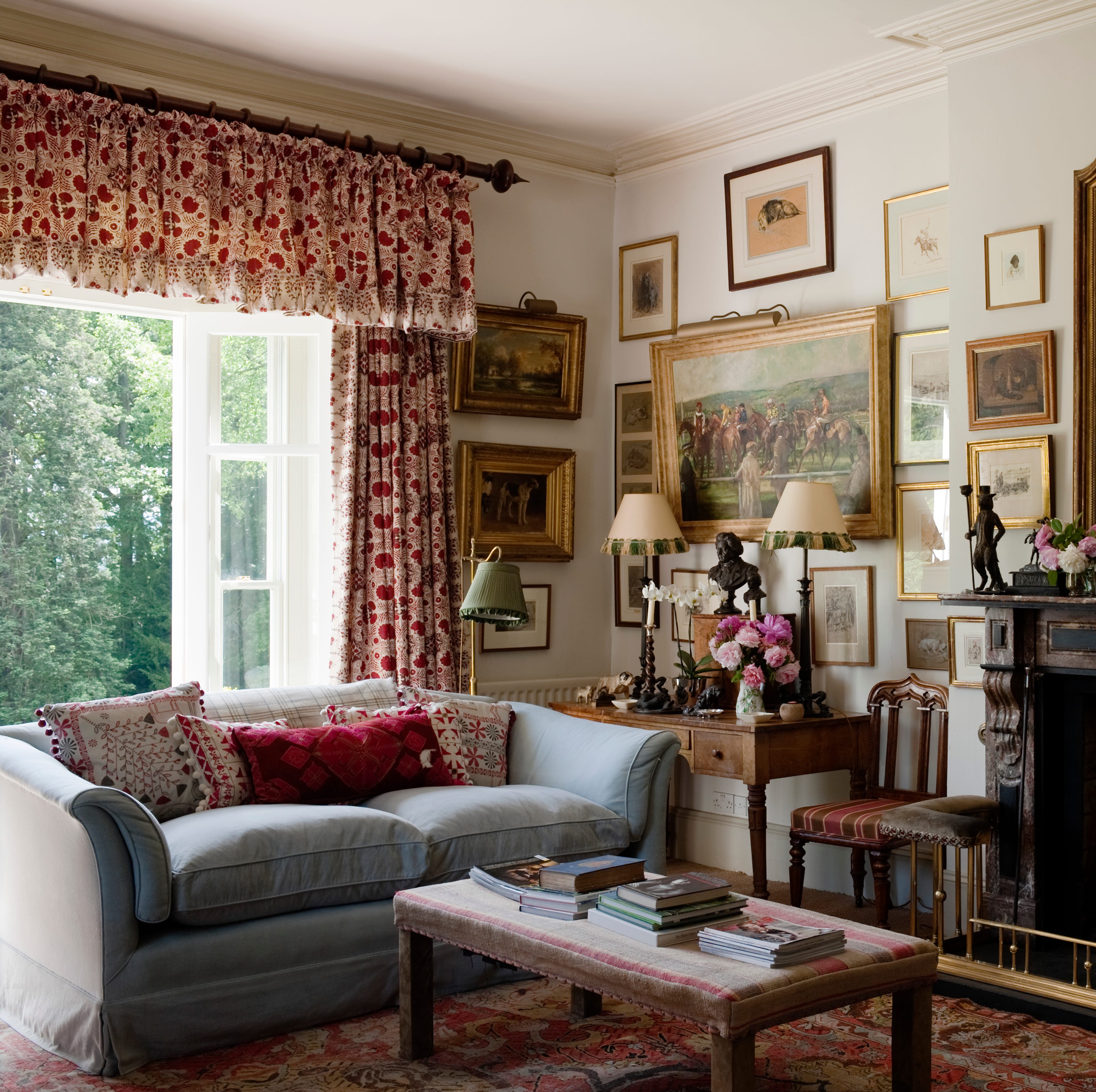
Interior Designers Reveal 6 Surprising Things Making Your House Look Dated

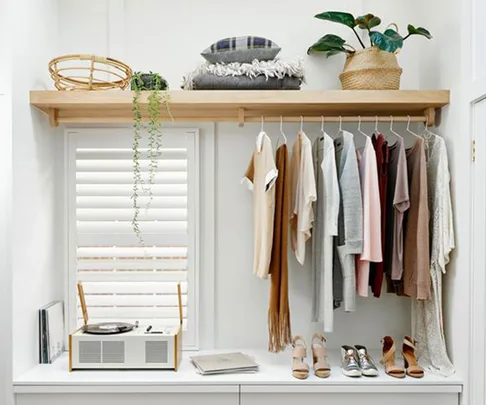
15 Instagram accounts to follow if you love Scandinavian design
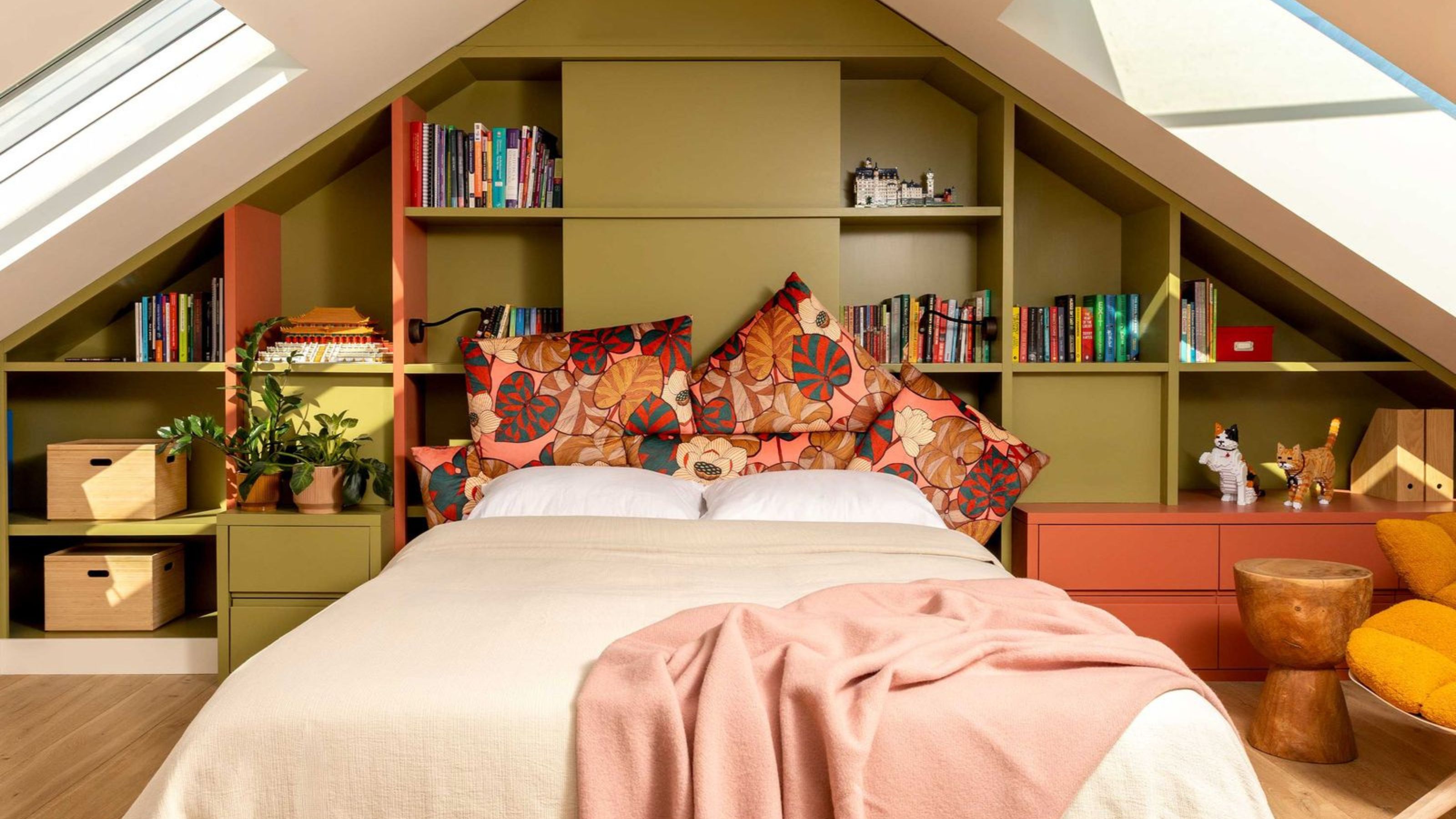
10 Colorful Scandinavian Schemes That Prove This Style Is So Much More Than Pared-Back White Rooms

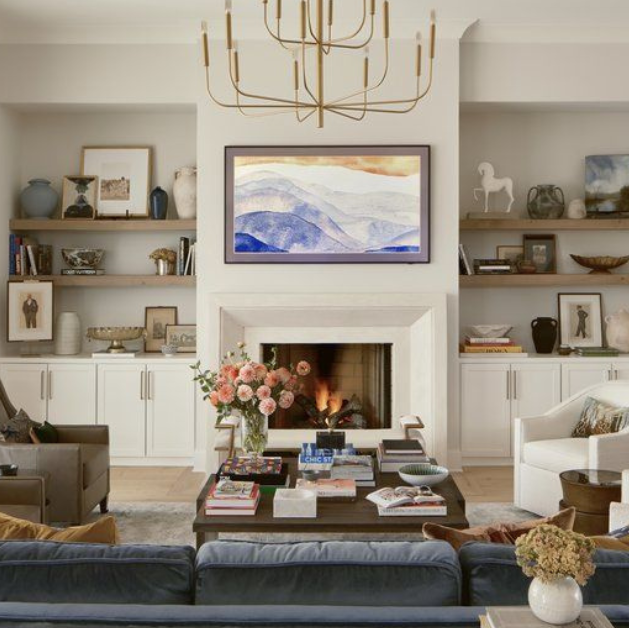
Designers Reveal the Surprising Home Trend That's Taking Over Right Now

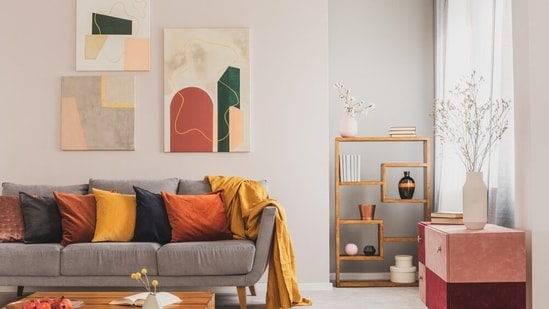
Hygge vs Lagom: Scandinavian design secrets that make homes feel like a warm hug | Hindustan Times

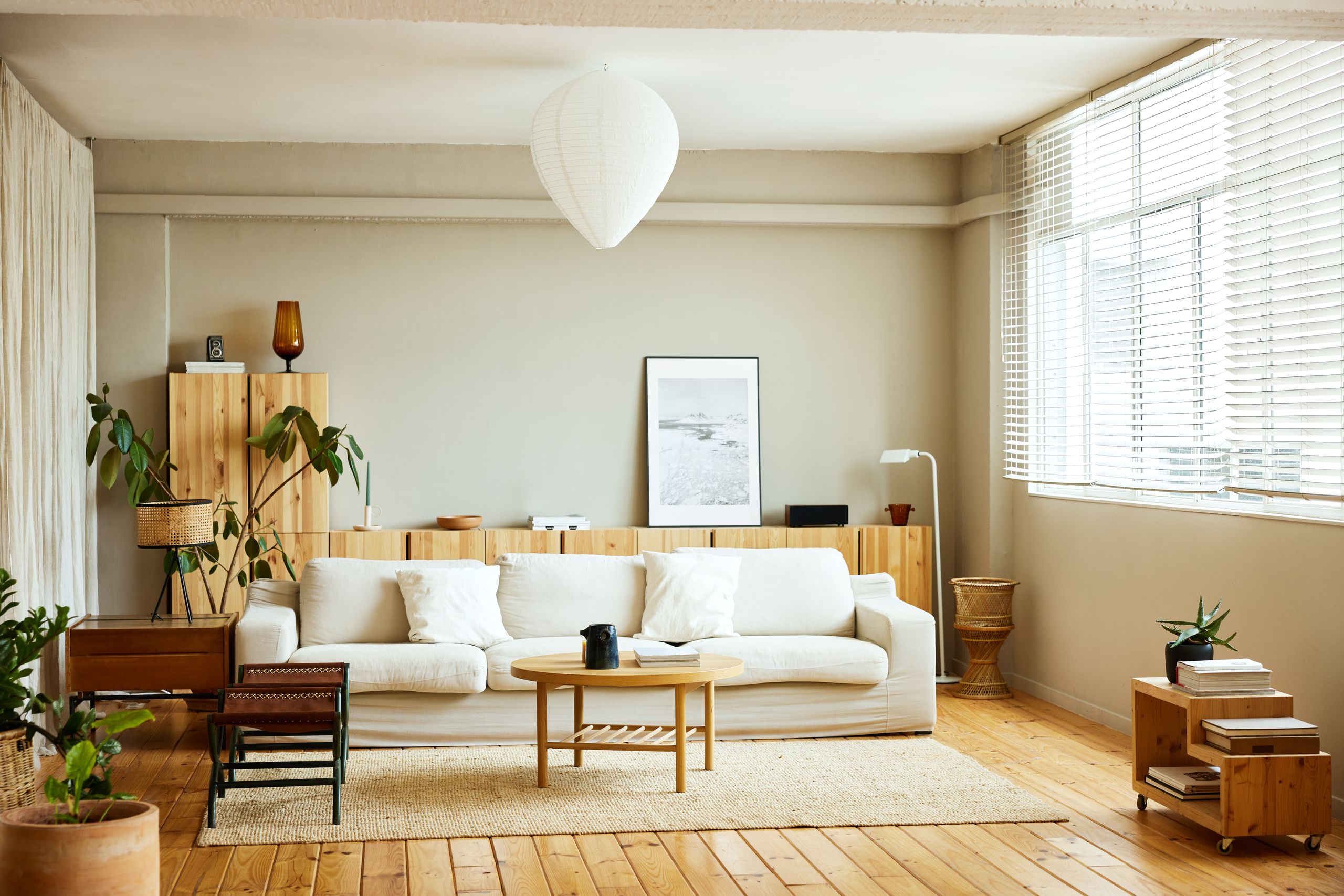
Scandinavian Style 101: Everything You Need to Know About Scandi Design
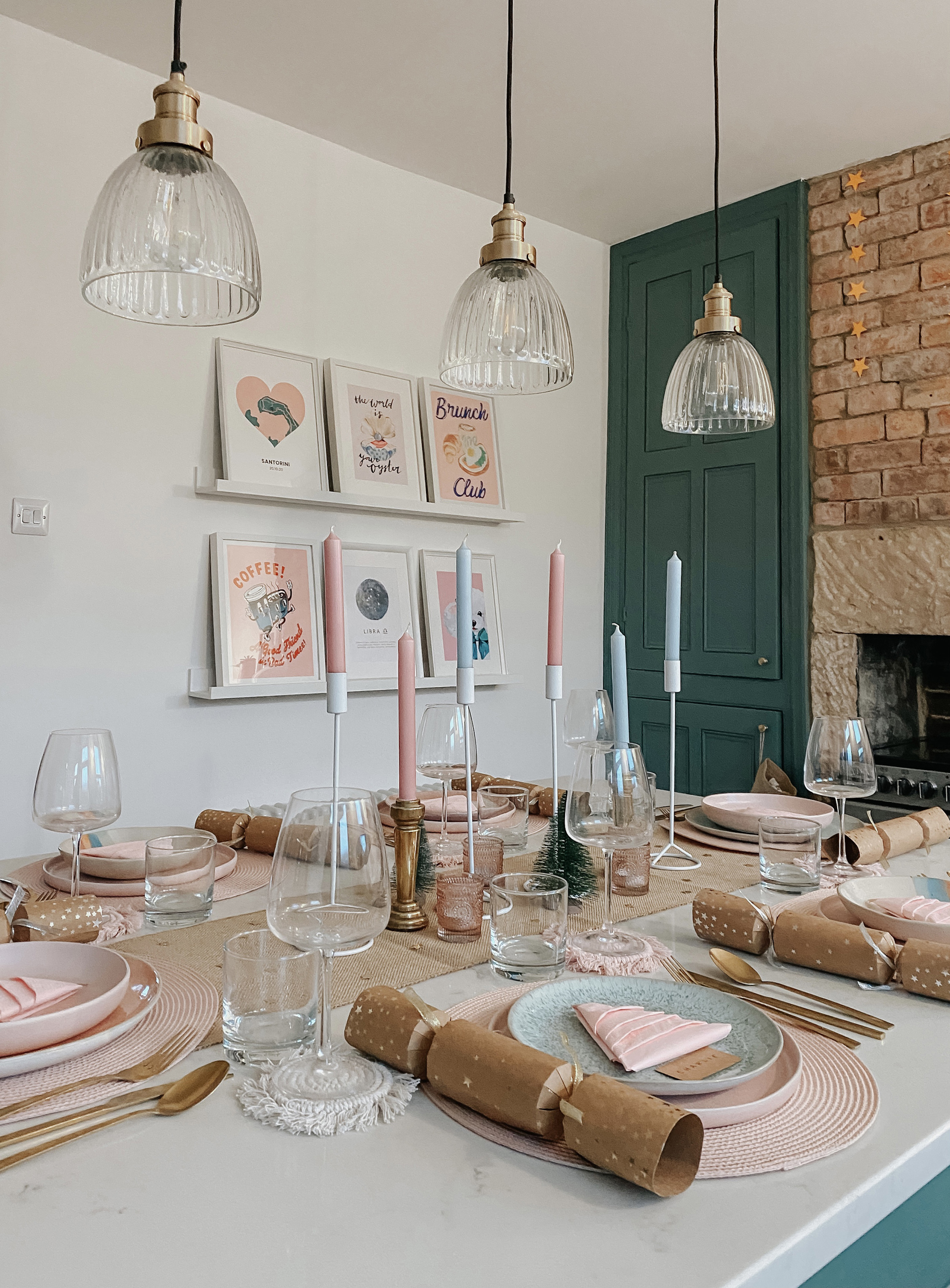
17 Scandi Christmas decorations to hygge up your home

3 Nordic Women Designers Defining Modern Hygge
Scandinavian quilts are the cozy fall bedding trend to try
Interior Design Trends 2024: 10 home decor trends to inspire

You're About To See This Rustic Home Decor Trend Everywhere

Try This Key Decor Item To Give Your Home That Signature Scandinavian Style