1/7
Interior Designer Jennifer Hunter Talks About Traditional Design And Her Career
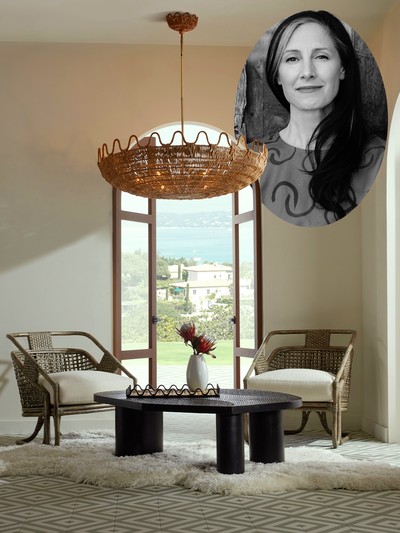
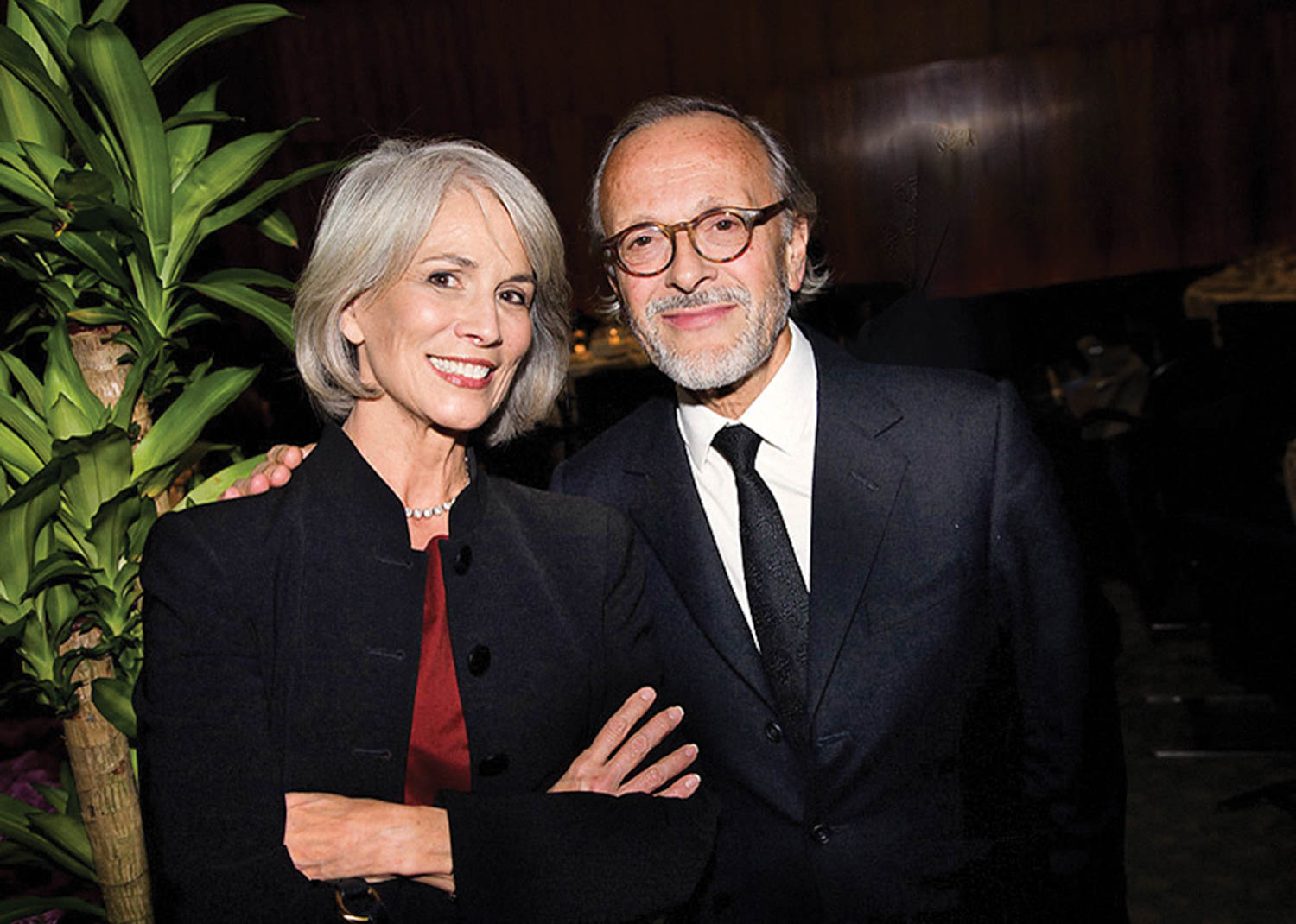
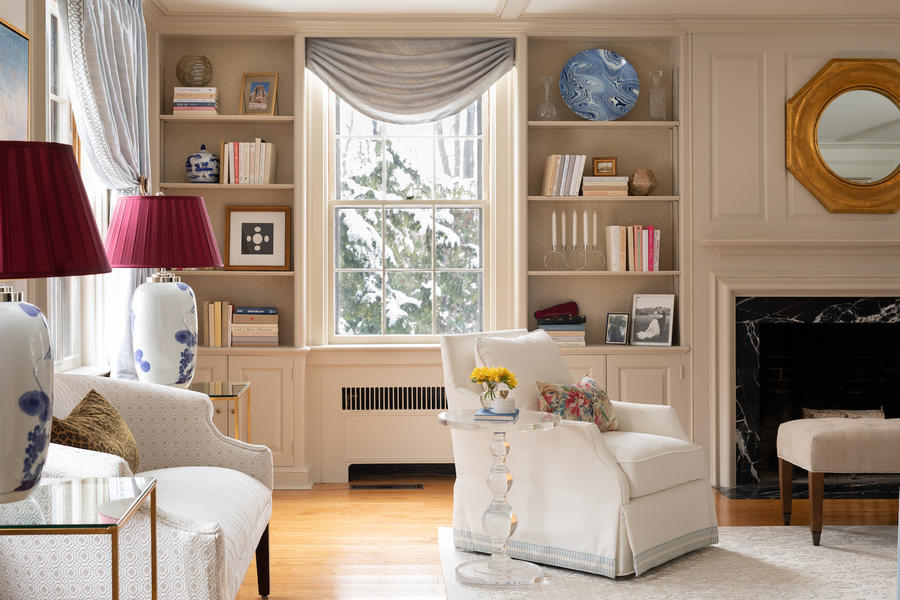
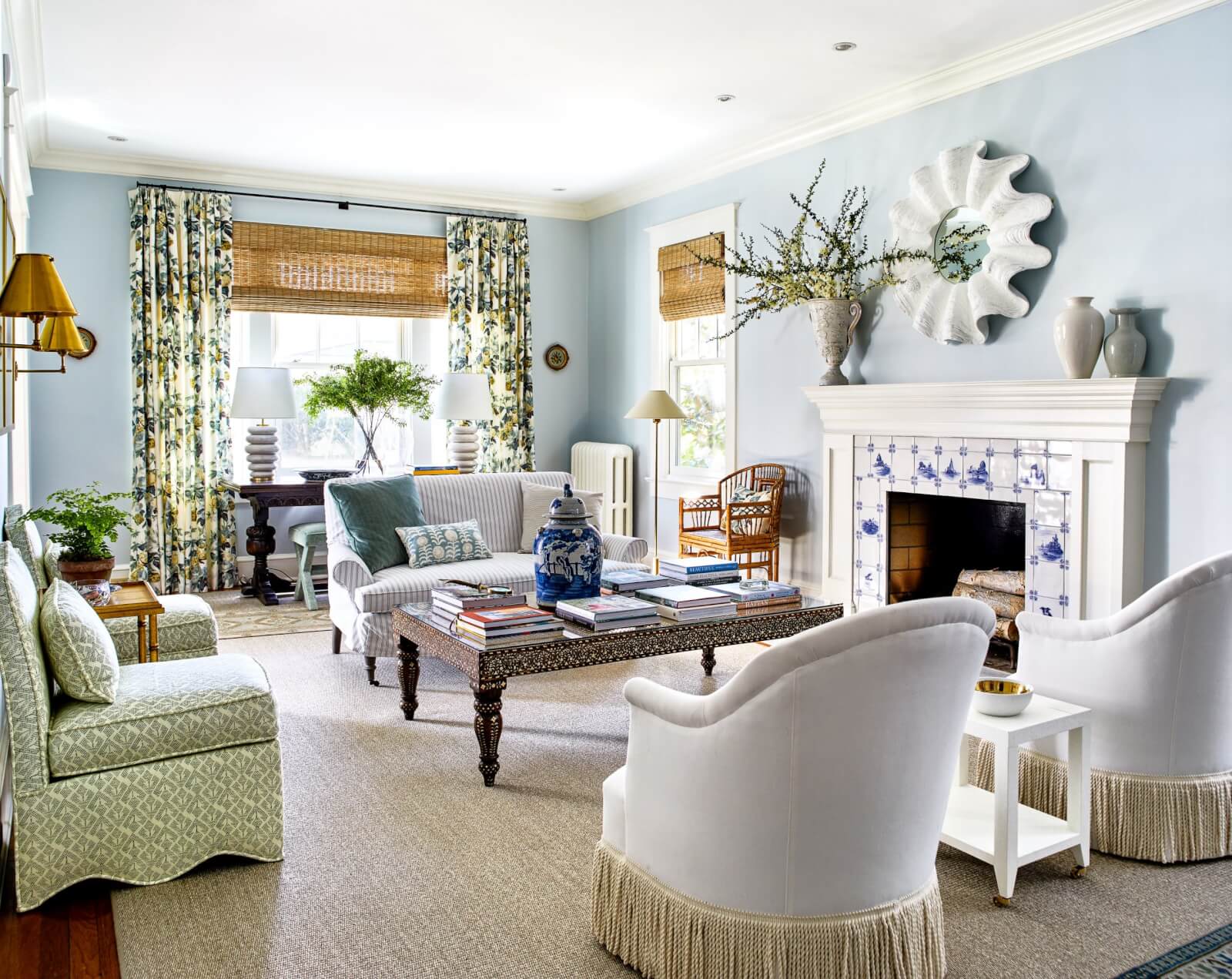
The article features an interview with interior designer Jennifer Hunter, who shares insights into her career and her approach to traditional design. Hunter's journey into interior design began at a young age, influenced by her family's background in development and real estate. This early exposure led her to pursue a five-year architecture program at the University of Texas at Austin. During her studies, she interned with renowned designer Albert Hadley, who advised her to further her education in American Fine and Decorative Arts at Sotheby's Institute of Art to gain historical knowledge. After completing her master's, she helped establish Harry Heissmann's design office before founding Jennifer Hunter Design four years prior to the interview.
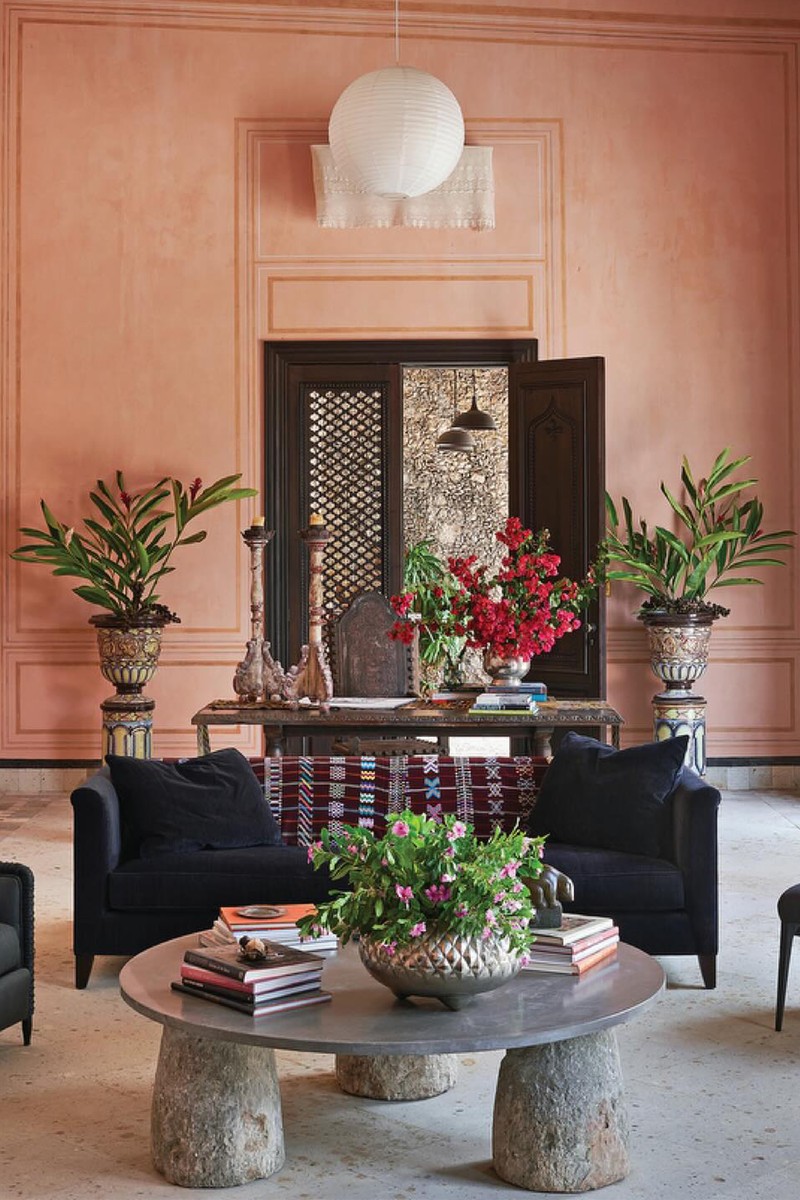
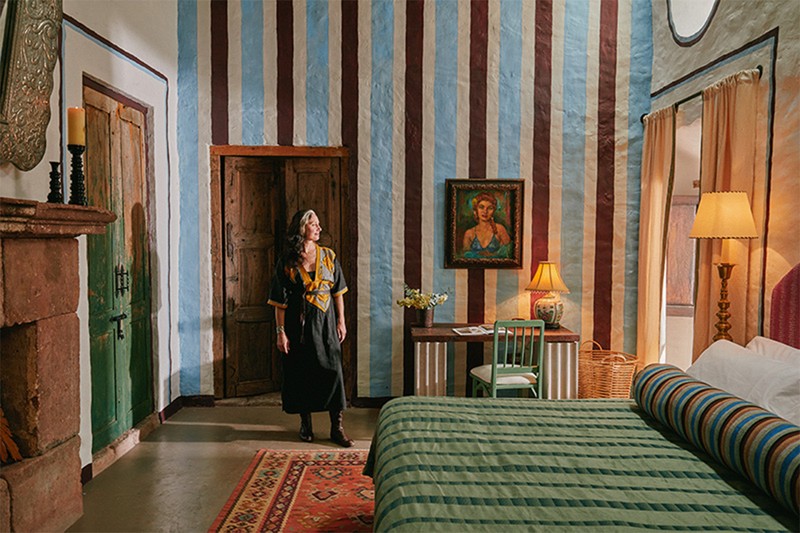
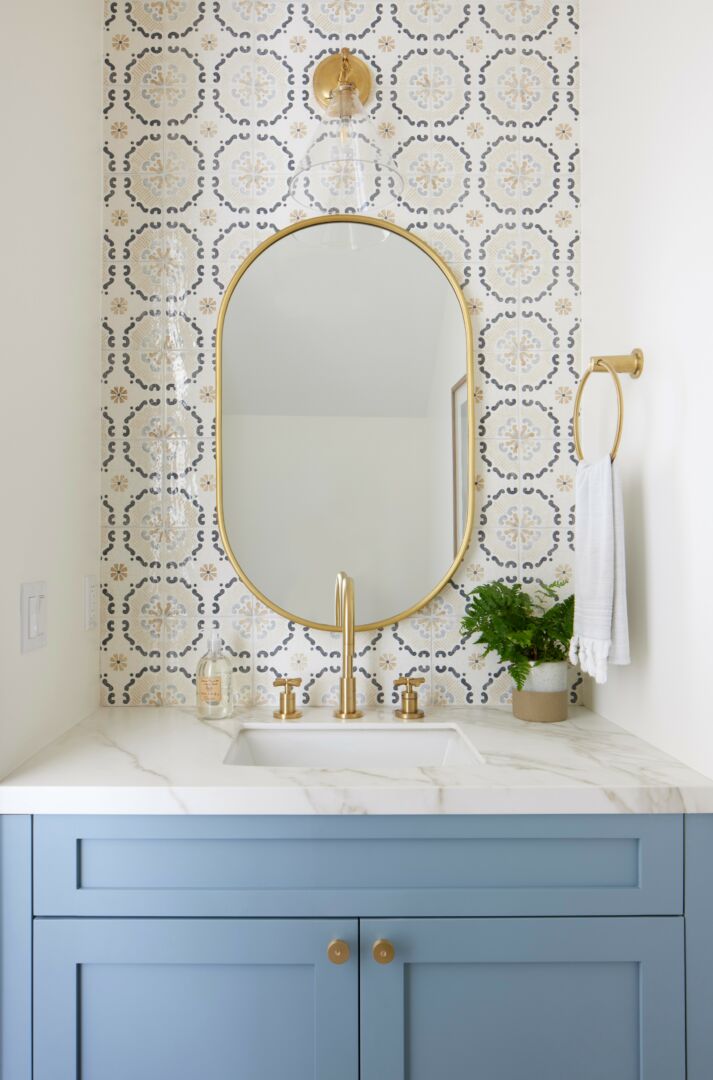
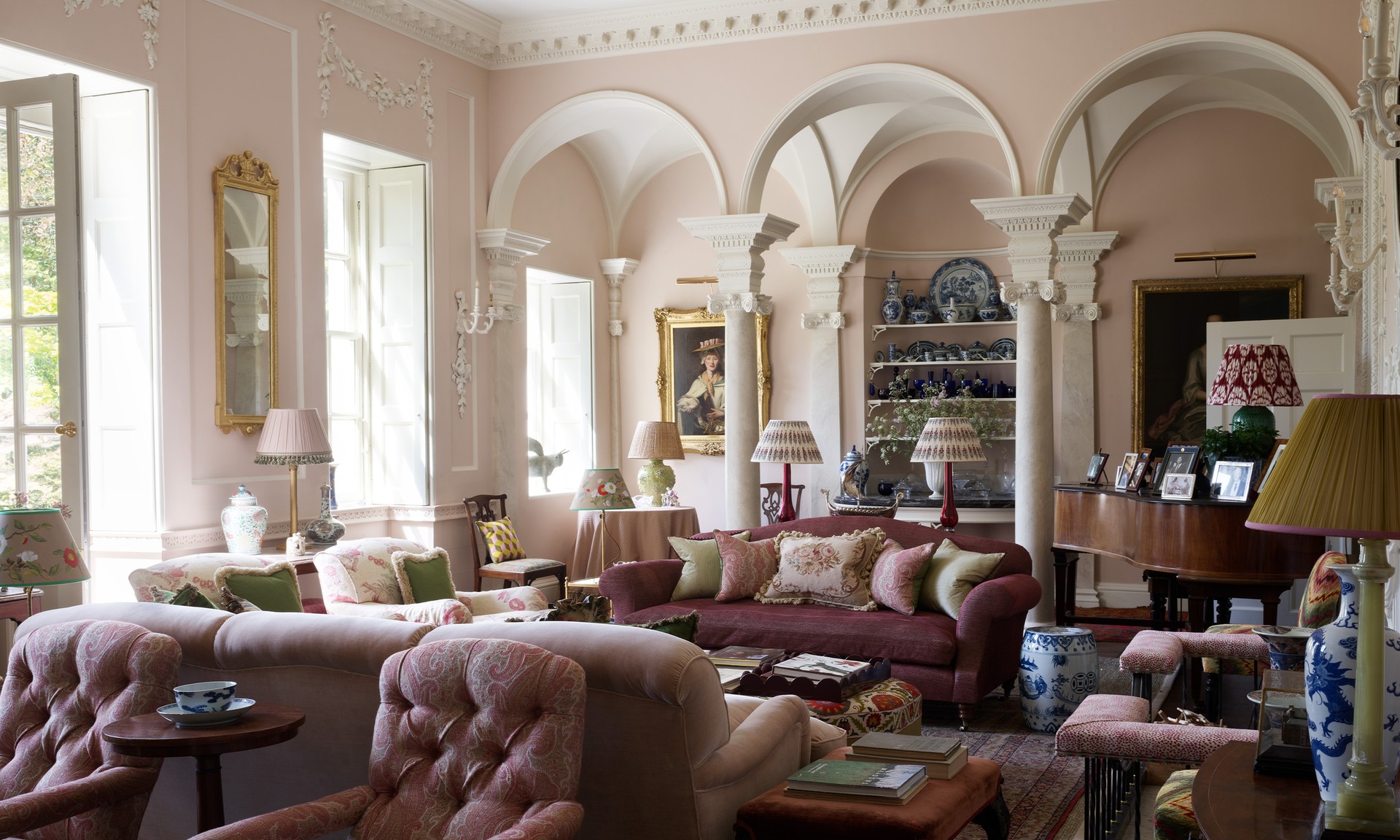
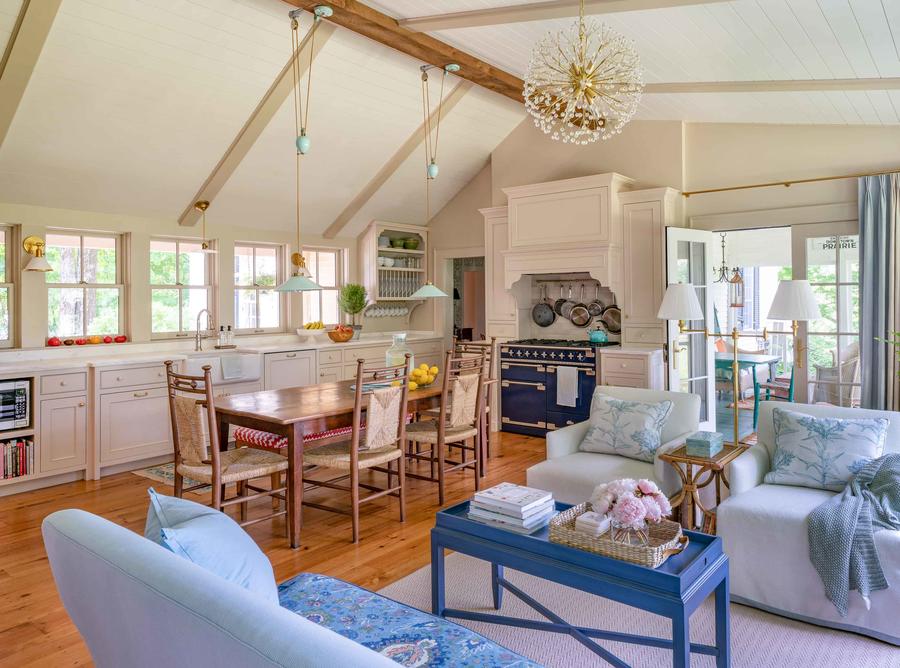
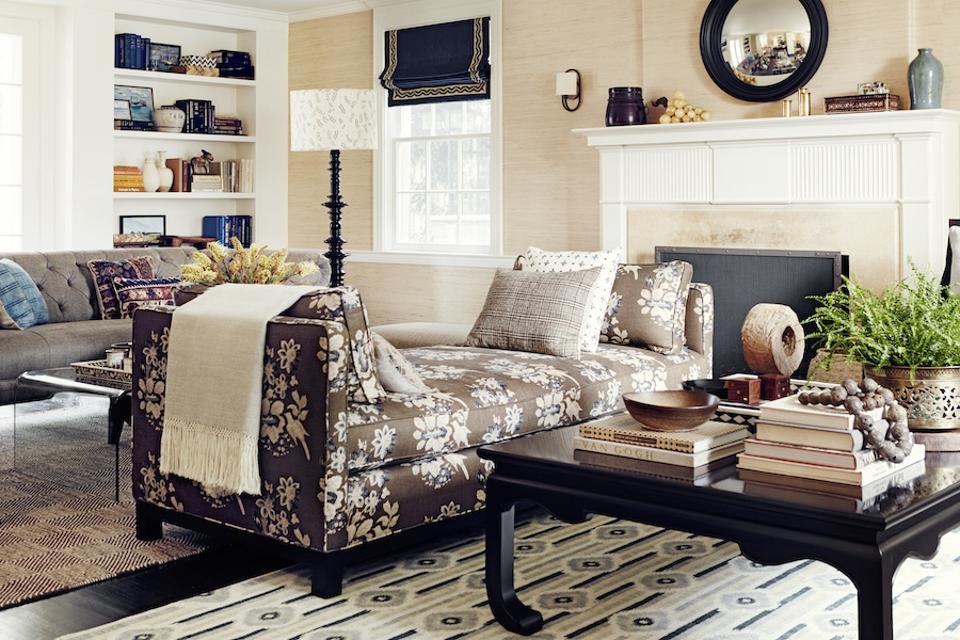
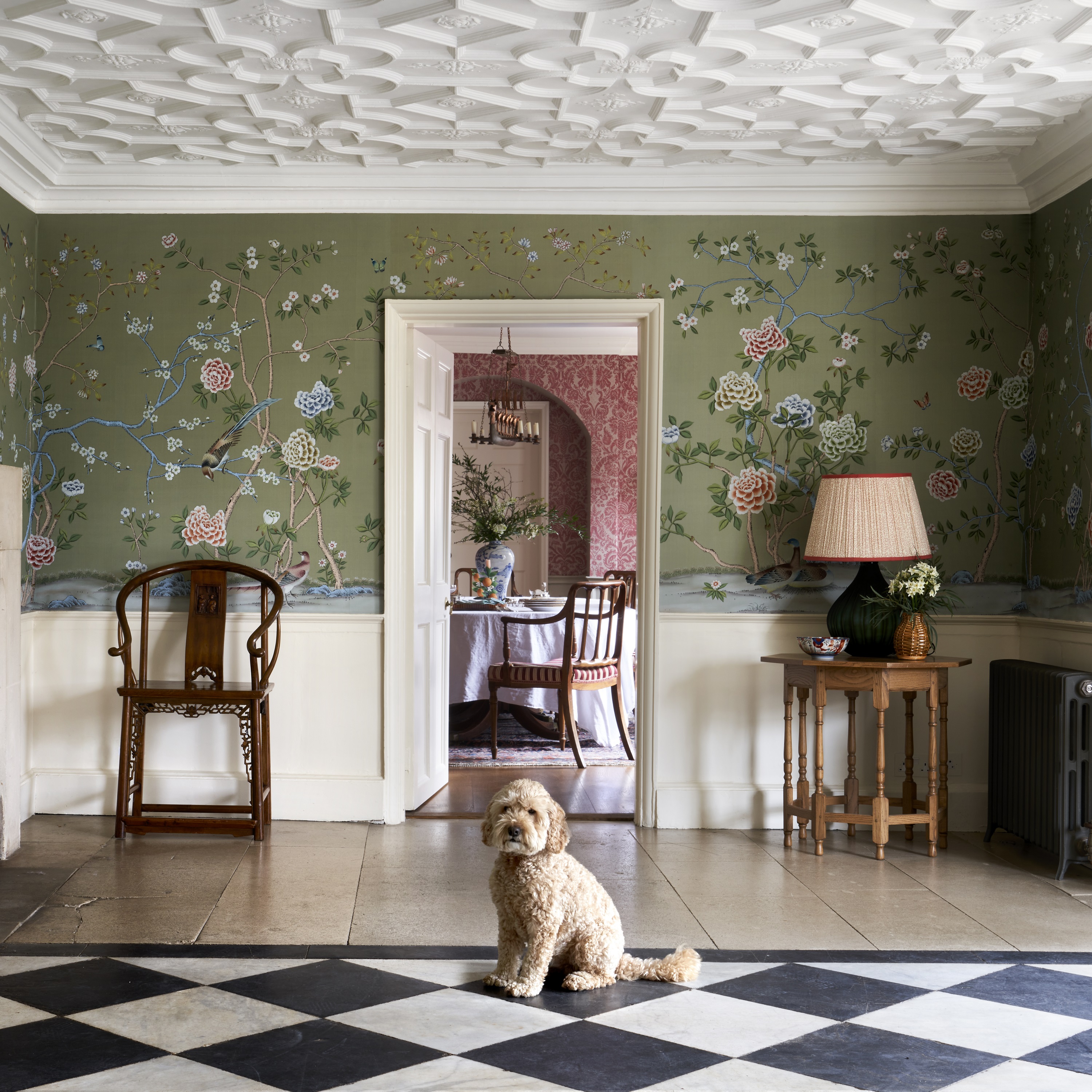
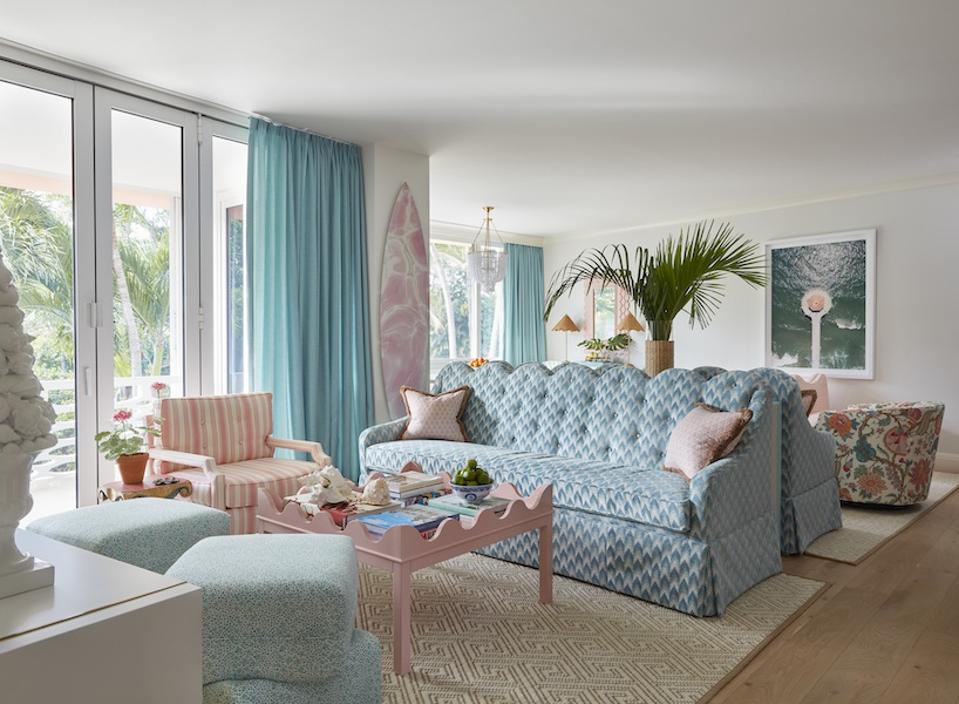
Hunter describes her personal design style as traditional yet seen through fresh eyes, characterized by a unique balance of tailored and eclectic, glamorous and relaxed, bold and subtle elements. She expresses enthusiasm for the resurgence of traditional design, believing that classic styles are enduring. She notes that both designers and clients are increasingly drawn to the playful patterns, bolder color palettes, and classic silhouettes inherent in traditional furniture. She acknowledges contemporary trends like "new traditional" and "grand millennial" (or "coastal grandmother") as fun interpretations that incorporate traditional design with a playful twist, and she is relieved to see a shift away from minimalist and sterile aesthetics.
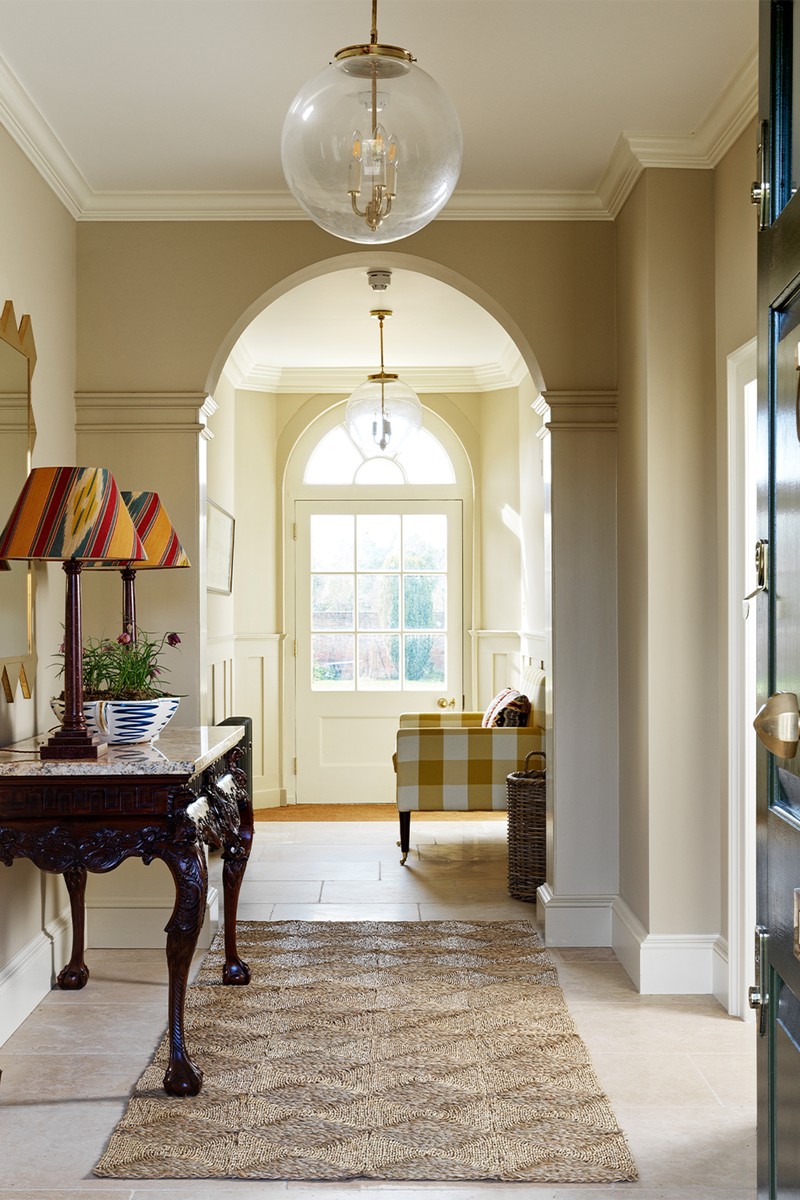
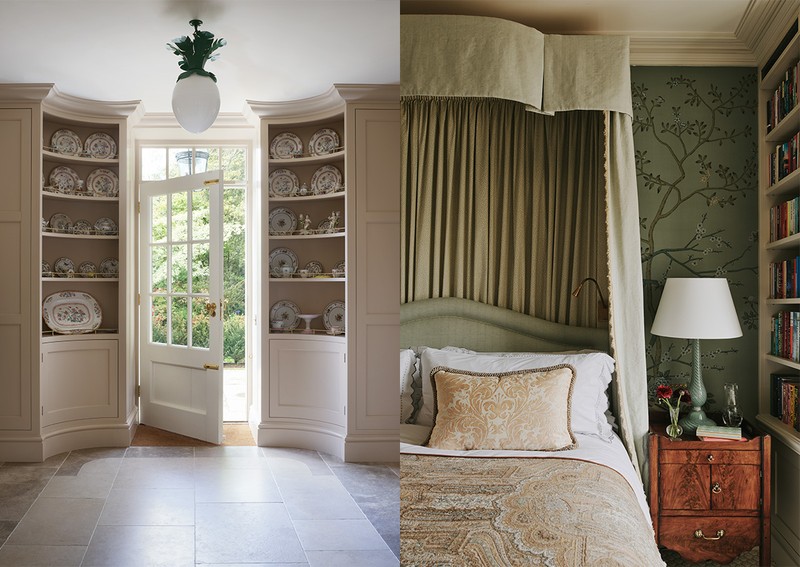
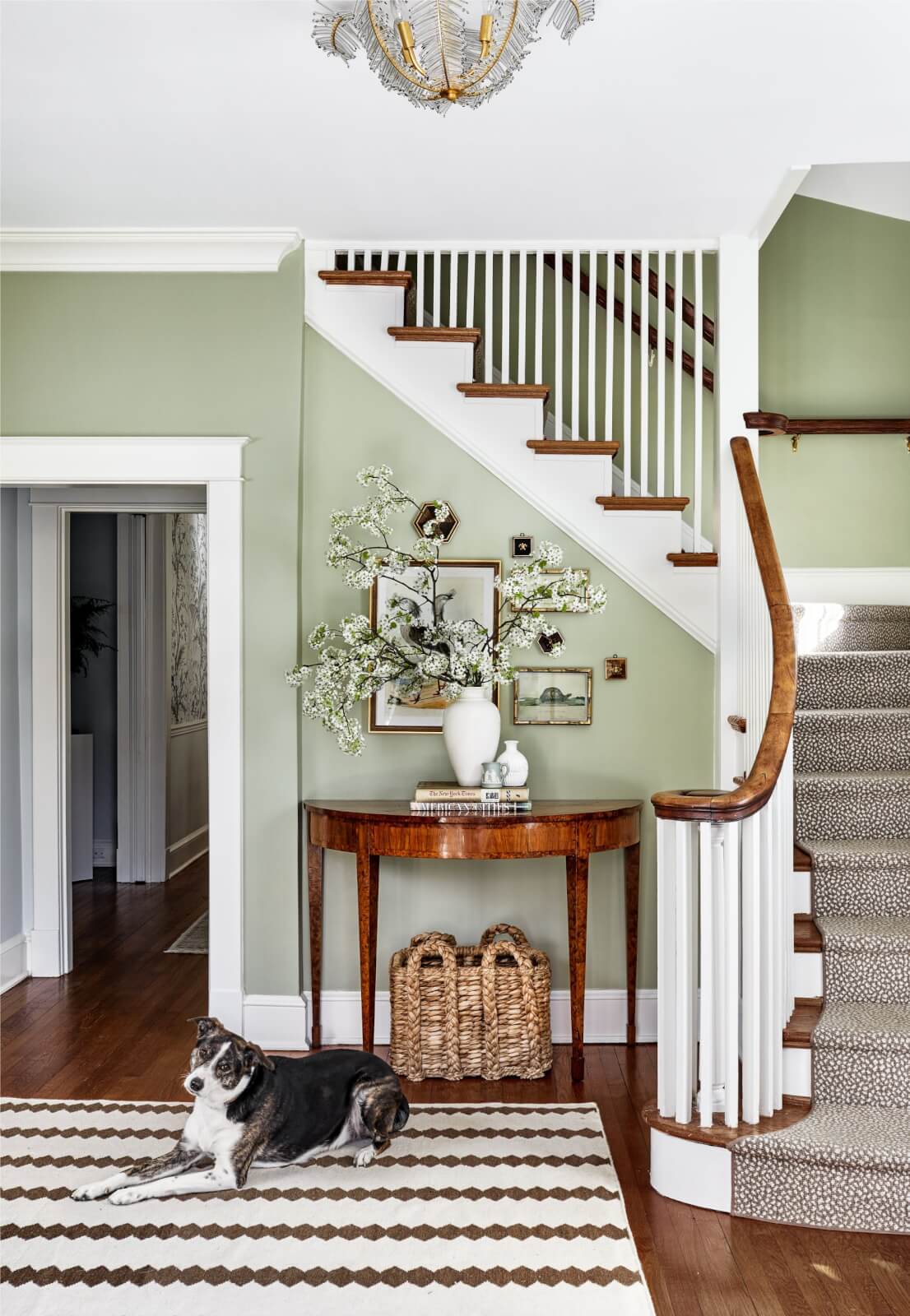
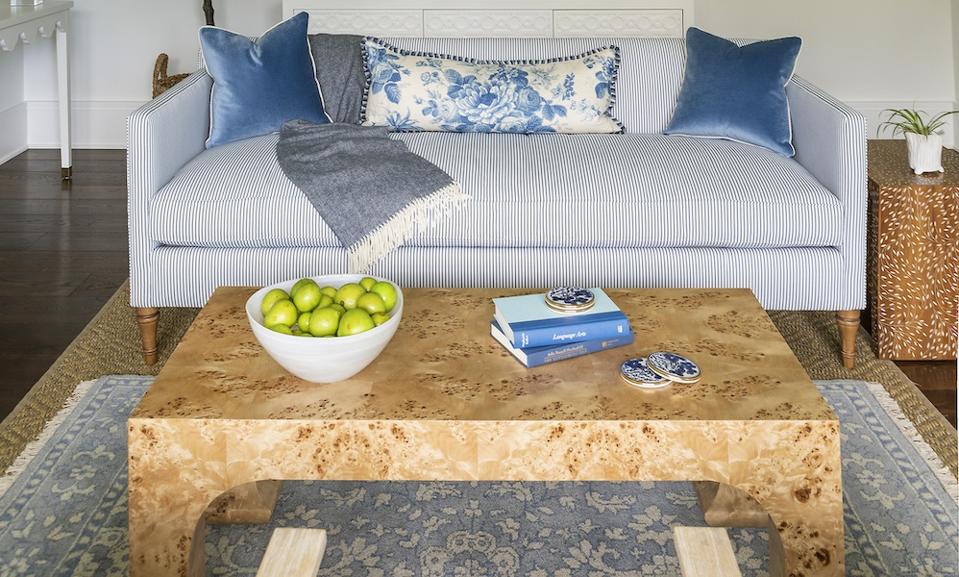
When sourcing furniture and decor outside of trade channels, Hunter recommends online platforms and retailers such as Chairish, Serena and Lily, Scout and Nimble, and Annie Selke. For a traditional home, she emphasizes the importance of good "bones," including quality hardware, doors, and moldings. These foundational elements should be complemented by significant pieces such as art, an heirloom case piece, or a vintage Oushak rug, which then inform the rest of the design. Layers can then be added, including floral prints, classic ticking stripes, timeless paint colors, and meaningful accessory items.
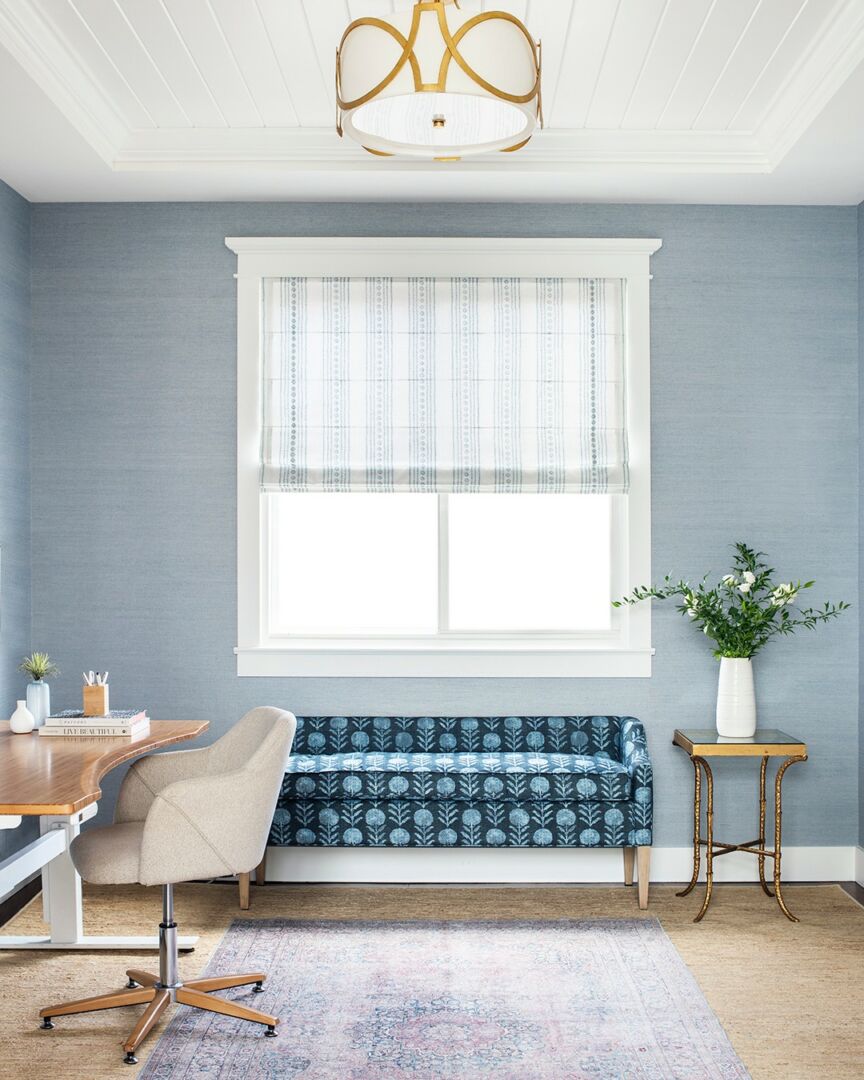
Looking ahead, Hunter anticipates seeing traditional design trends with a modern edge in the coming year, such as oversized floral patterns or bolder recolorations. She also observes a growing demand for more intricate trims and moldings in renovations and new builds, including multi-piece crown moldings, picture moldings, and paneling. Clients are also requesting these architectural details to be painted in accent colors. Conversely, Hunter predicts that minimalism and monochromatic, "no-color" aesthetics will be phasing out in 2023. She shares her expertise on mixing patterns, explaining that the key lies in balancing color and scale; for instance, a large-scale floral in saturated colors can be effectively paired with a small-scale pinstripe in a more muted tone.
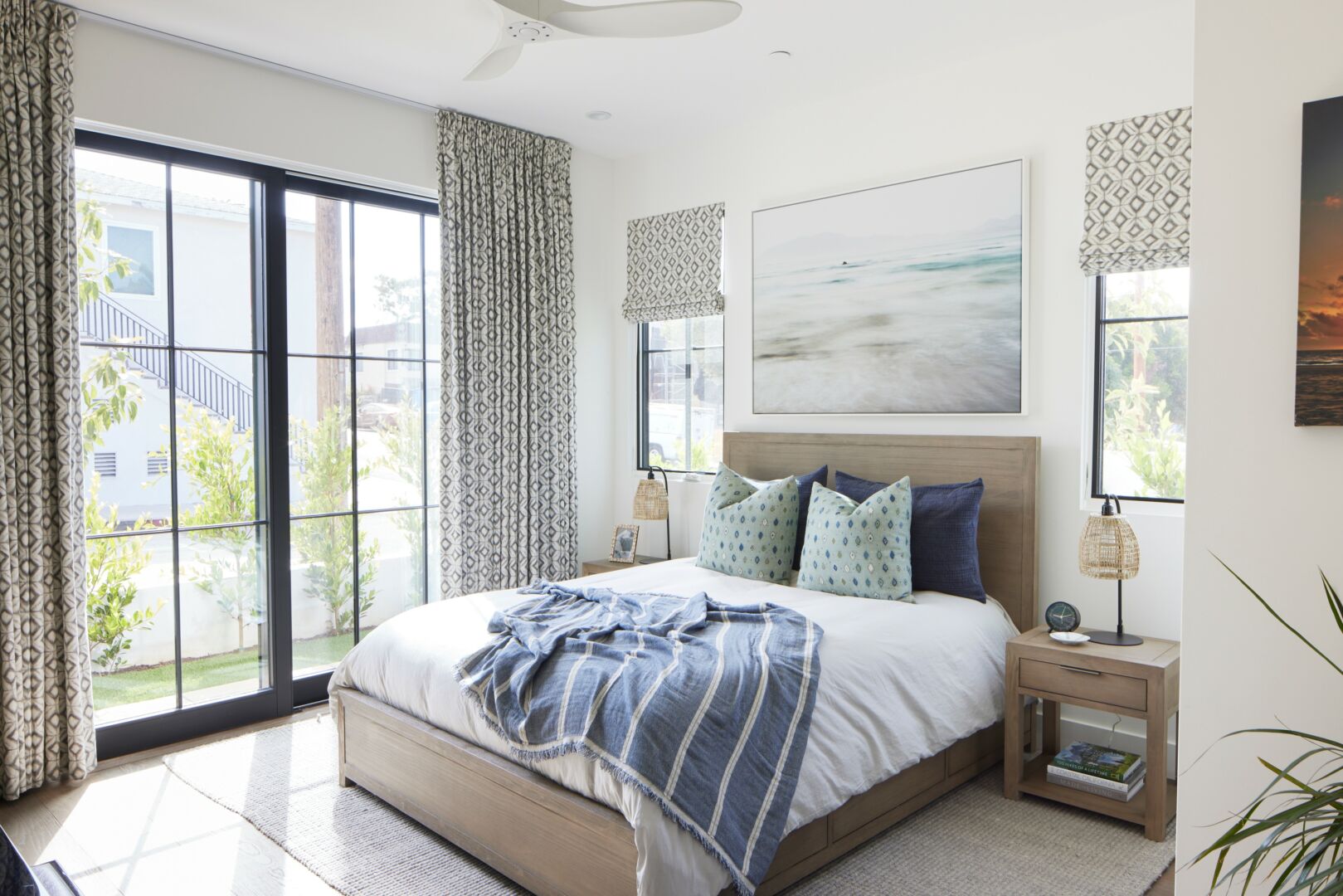
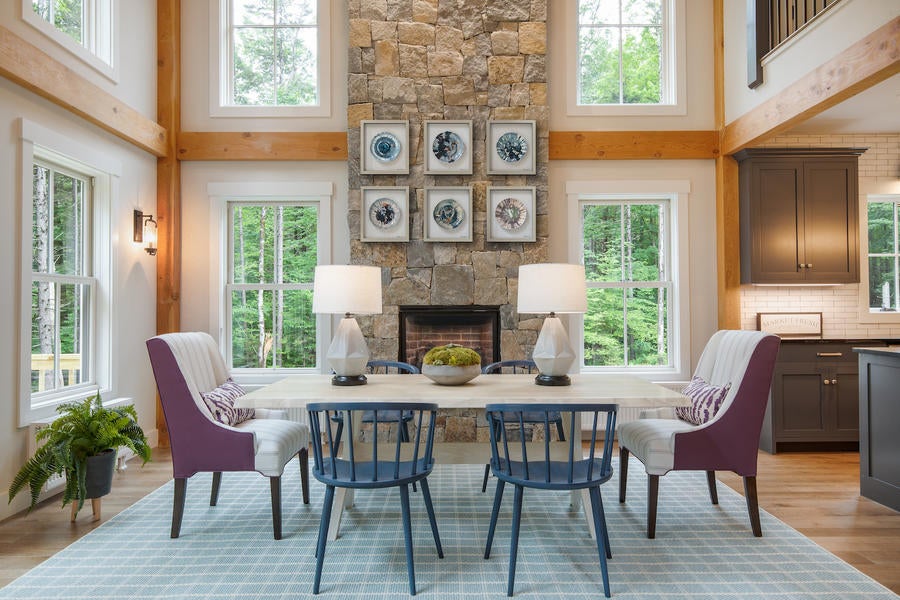
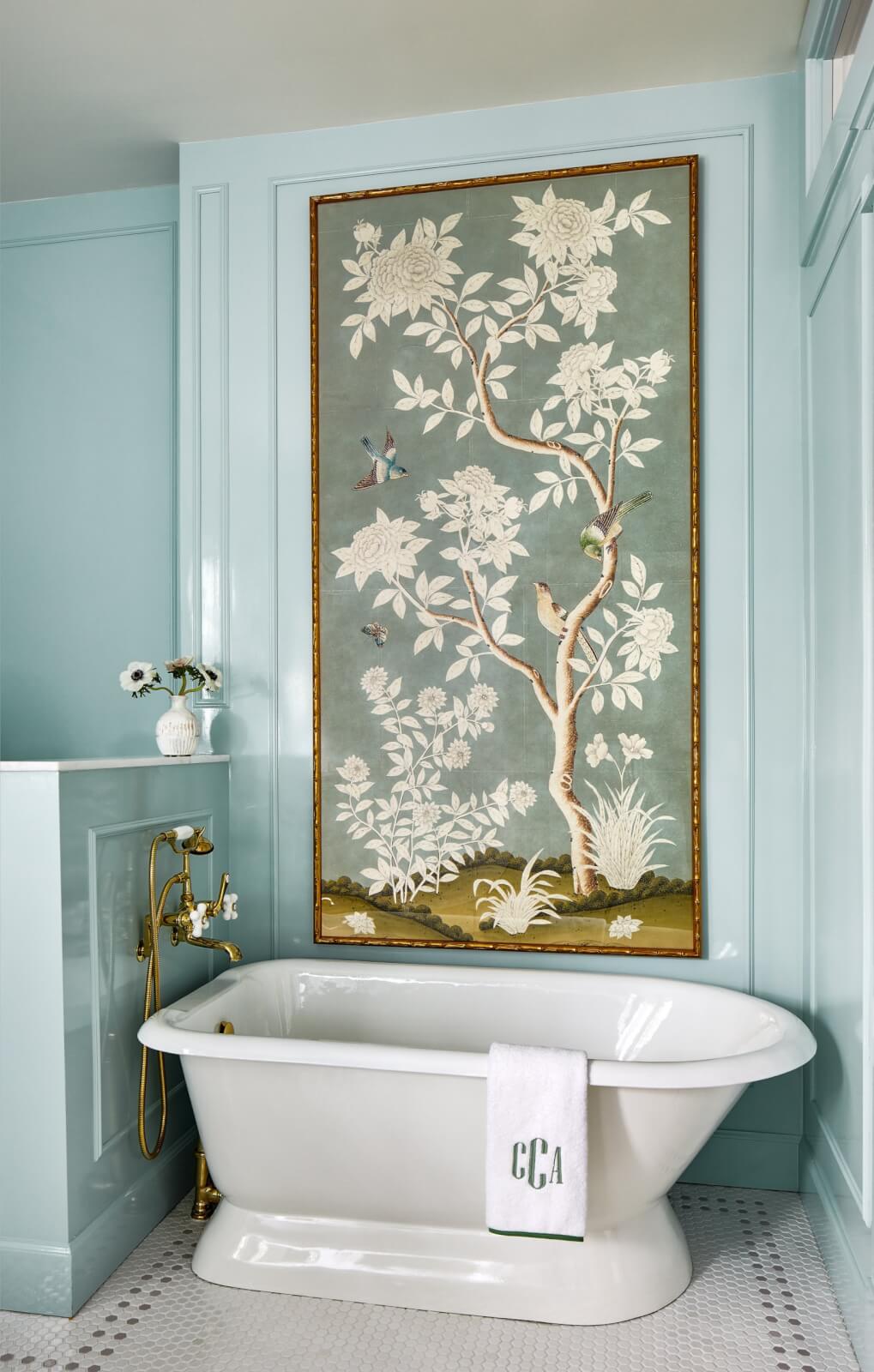
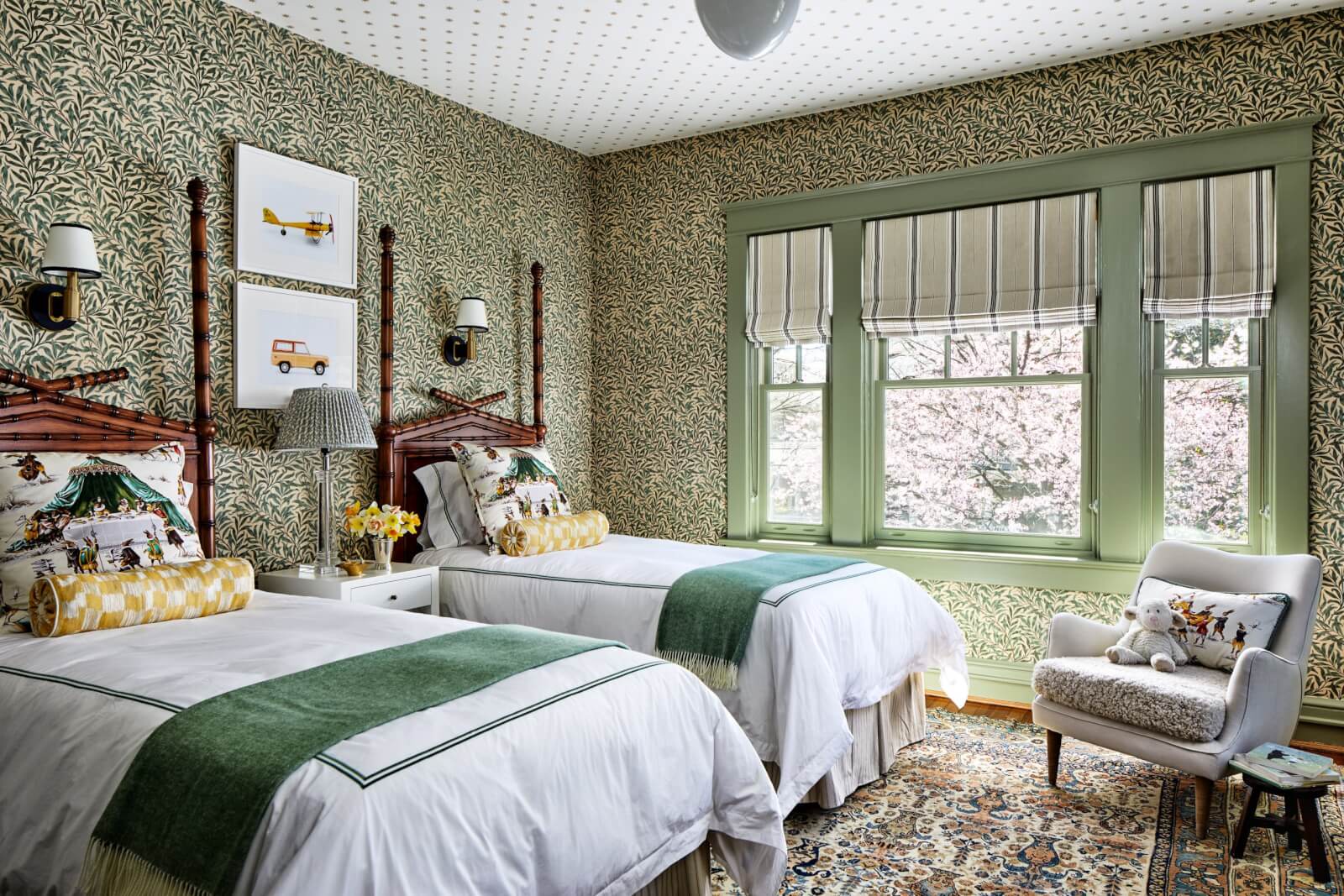
Regarding challenges in the interior design industry, Hunter highlights the lingering impact of supply chain issues, which particularly affect new-build and gut renovation projects. While her firm has established reliable vendors, they remain dependent on contractors and their material procurement during construction, necessitating flexibility and adaptability. She expresses particular pride in her Bronxville project, completed during the pandemic, where she successfully created a sophisticated yet family-friendly dream home for clients, integrating vibrant colors and playful patterns.
#InteriorDesign #JenniferHunter #TraditionalDesign #HomeDecor #DesignTrends #PatternMixing #SupplyChainIssues #InteriorDesign #JenniferHunter #TraditionalDesign #HomeDecor #DesignTrends #PatternMixing #SupplyChainIssues
Hay 0 comentarios en total
 Aún no hay comentarios
También te puede gustar
A Cool Interior Designer Talks Style, Inspiration & More
Holly Hunt: 2024 Interior Design Hall of Fame Inductee

How This Designer Fashions Interiors To Stand The Test Of Time
Q&A: Interior Designer Jacqueline Wood Wheeler

Design Guru Henry Holland Talks Style, Inspiration & More
A Cool Furniture Designer Talks Style, Inspiration & More
Interior Design Inspirations: Trends & Personal Aesthetics
Year in review: top 10 design stories of 2022, selected by Wallpaper* design editor Rosa Bertoli

An Interior Designer Talks Style Inspiration, Wish List Items & Her Clever New Launch

Craft, Culture, and Character: Telling Stories Through Interior Design
Meet The Interior Designer: Fanny Ward

Interior Designers Share Their Best Traditional Design Tips
Q&A: Interior Designer Wanda Horton
2 Interiors Designers Talk Style, Inspiration & The Concept Of ‘Future Heritage’
How this New Hampshire designer found her ‘forever home’ niche

Timeless Traditions Abound in a Local Designer’s Home


Meet Jennifer Harkavy | Interior Designer
Cuniform Stylist Expands Into Vintage and Sustainable Interior Design

For Beautiful Traditional Interior Design, Meet ‘Murray Khouri’


The home is more than just 'a machine for living in': how architects, interior designers and builders respect the past, embrace the present and define the future