1/9
Interactive Pavilion Lets You Create Zen Patterns With Solar Power
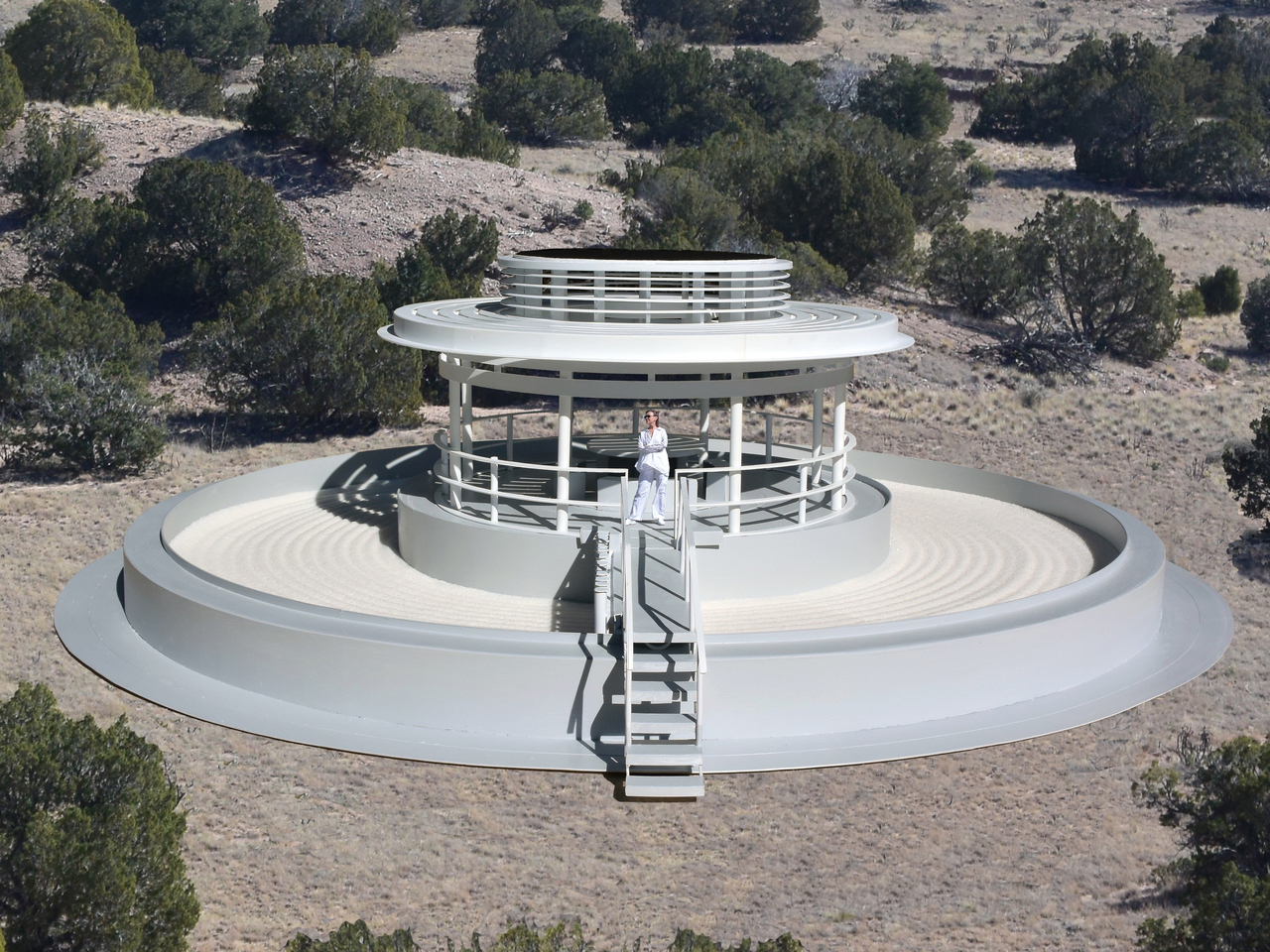
Michael Jantzen's Interactive Circular Pattern Forming Pavilion merges the architectural concept of pavilions with the contemplative practice of Japanese sand gardens. Unlike static architectural structures, this pavilion actively shapes its environment through innovative mechanical systems, providing a unique and engaging experience for visitors. The pavilion's design centers around a circular structure featuring concentric composite cement rings that extend outwards from a central solar array. This solar array serves a dual purpose: it provides natural shade and powers the entire interactive system, ensuring the structure operates on clean, renewable energy.
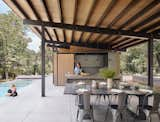
Eight painted steel columns support the layered roof, beneath which a large disc-shaped solar light is suspended. This area also includes a communal table and bench seating, inviting visitors to relax and engage with the space. The core interactive element lies in the space between the central pavilion and an outer perimeter wall, where fine white gravel acts as a dynamic canvas. A narrow footbridge, mounted on steel rails, can rotate around the entire structure. This movement is facilitated by solar-driven gear motors that allow for variable speeds, enabling a range of pattern creation.
Attached to this rotating bridge are thirteen adjustable rods and tubes. These components can be positioned at different heights and angles, and as the bridge rotates, they drag through the gravel, forming intricate patterns. The nature of these patterns is directly influenced by user interaction, including the speed of rotation, the specific positioning of each rod, and the back-and-forth motion of the entire assembly. To ensure a continuous flow of creative possibilities, a blade is mounted at the front of the footbridge. This blade consistently smooths out previously formed patterns, providing a fresh surface for each new design.
The experience offered by the pavilion combines ancient meditative practices with modern technology. Visitors can manipulate the rods from the central table, observing how their adjustments translate into flowing patterns in the surrounding gravel. This process encourages both individual contemplation and collaborative creativity, as multiple users can work together to produce complex and beautiful designs. The pavilion addresses contemporary concerns regarding sustainability and user engagement. Its solar integration allows for off-grid operation, while the interactive elements transform passive observation into active participation. Visitors become co-creators of the landscape, leaving temporary imprints that are eventually reset for the next group.
Jantzen's design represents an evolution in architectural thought, demonstrating that structures can be both contemplative and dynamic, blending traditional principles with innovative approaches to user experience. This concept suggests a future where buildings are not merely shelters but actively involve individuals in shaping their inhabited spaces. Such participatory architecture opens new avenues for understanding the relationship between people, technology, and the built environment.
#ConceptDesigns #SolarPowered #Zen #InteractiveArchitecture #SustainableDesign #UserEngagement #ArchitecturalInnovation #EnvironmentalDesign #MeditativeSpace #ConceptDesigns #SolarPowered #Zen #InteractiveArchitecture #SustainableDesign #UserEngagement #ArchitecturalInnovation #EnvironmentalDesign #MeditativeSpace
Hay 0 comentarios en total
 Aún no hay comentarios
También te puede gustar

Zen out with a miniature Zen garden

35 Outdoor Decor Pieces That’ll Make Your Neighbors Green With Envy
We Designed These Lamps To Grow Plants In Windowless Spaces

Discover serenity: 5 ways to create your zen corner at home | Hindustan Times

Randy Polumbo Converts 1899 Lighthouse Into a Green-Powered Artist’s Retreat

I've Just Discovered a Solar Outdoor Floor Lamp That's Going to Change the Garden Party Game


7 Great Weekend Solar Power Projects


High Society converts agricultural waste and human vices into pure bright light

Designers showcase creative lighting solutions at recent exhibit

Portable Zen Garden: Crystal SANDSARA Perfectly Blends Meditation, Creation, and Automation
Where to place solar lights – 6 rules from solar specialists

6 Easy Things You Can Do Today to Feng Shui Your Front Door — And Supercharge Your Home's Good Energy
YouTuber custom-builds coffee table with functional star system around an exploding sun
26 Peaceful Homes That Feel Like Zen Sanctuaries

From China, Solar-Powered Pergolas

6 beautiful homes that run on solar power

Sunroom ideas to create spaces where the sun feels like it shines all year round
14 sunroom design ideas that bring the outdoors in

An Epic Skylight, Barely There Windows, and More Sunroom Ideas to Get You Through January


More than just rocks: Symbolic meanings behind common Zen garden elements | Hindustan Times