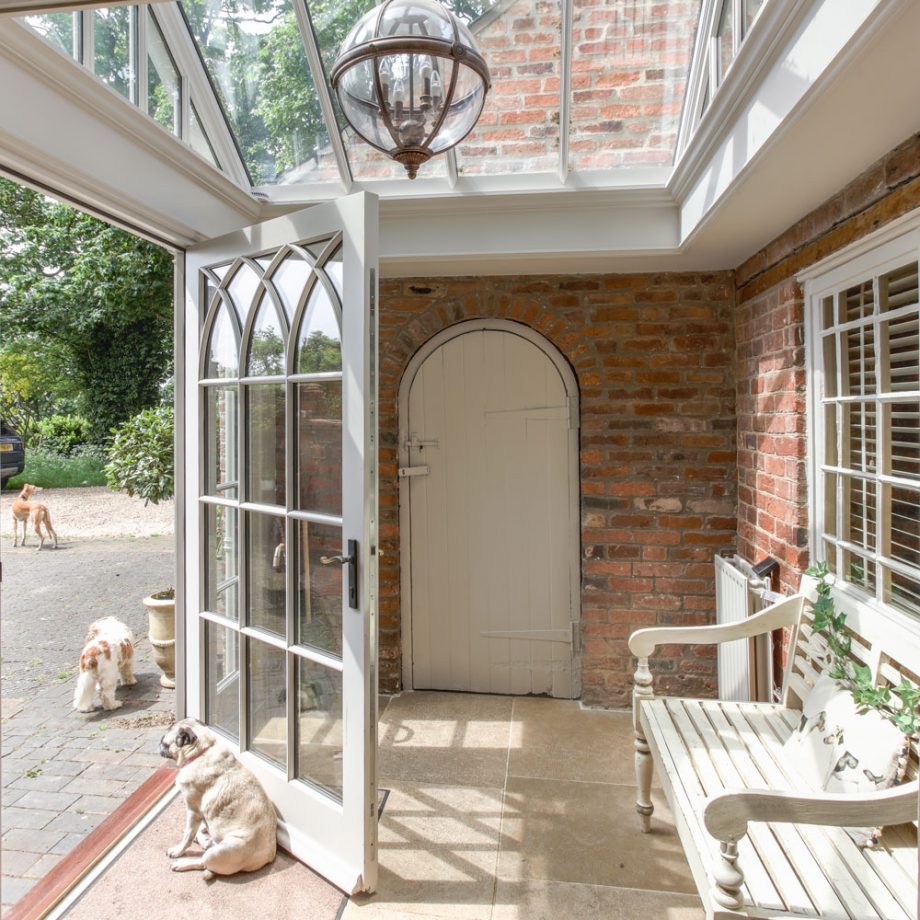
1/6
How to make a conservatory warmer - ways to heat and insulate for all-year round use
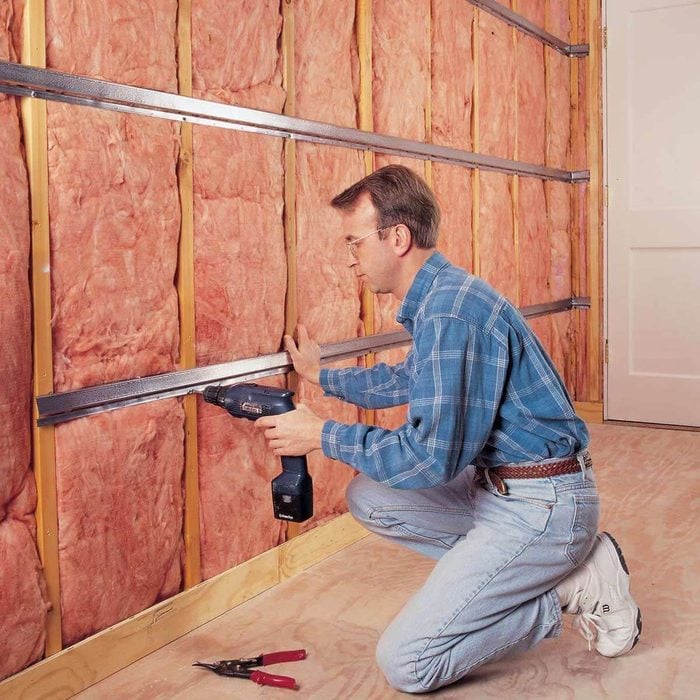
Conservatories, while offering beautiful natural light, often pose a challenge in maintaining a comfortable temperature, especially during colder months. This article provides expert advice on various strategies to make a conservatory warmer, ensuring its usability throughout the year. It emphasizes that conservatories are versatile spaces, suitable for all seasons, and require specific heating and insulation considerations.
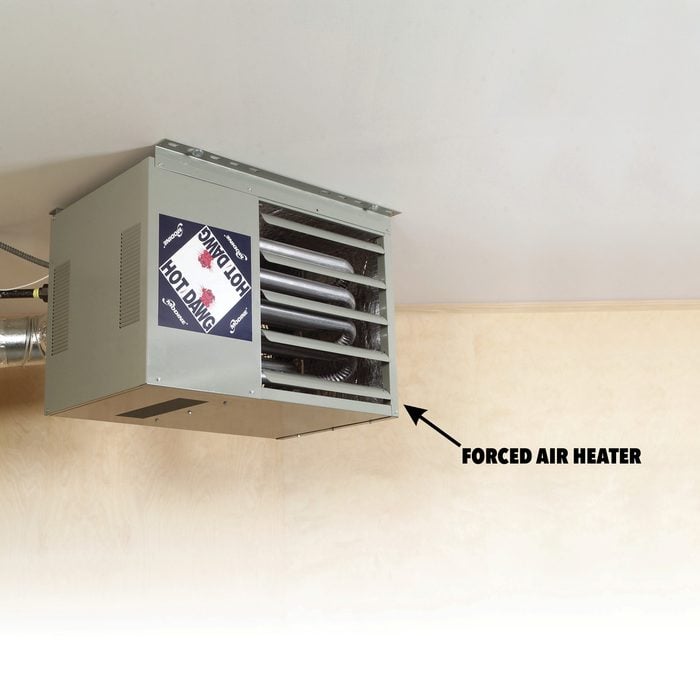
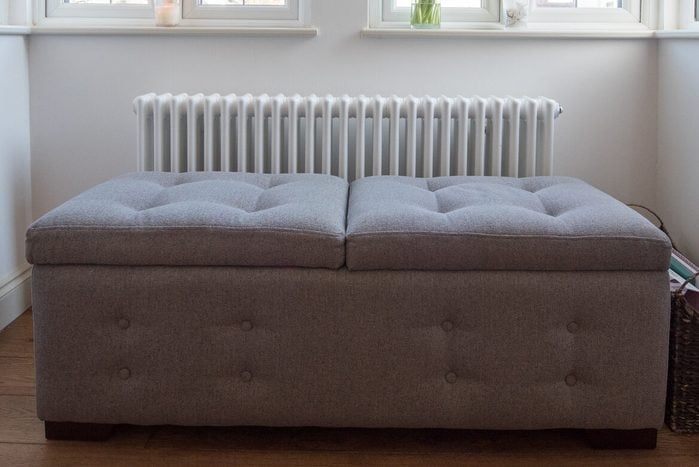
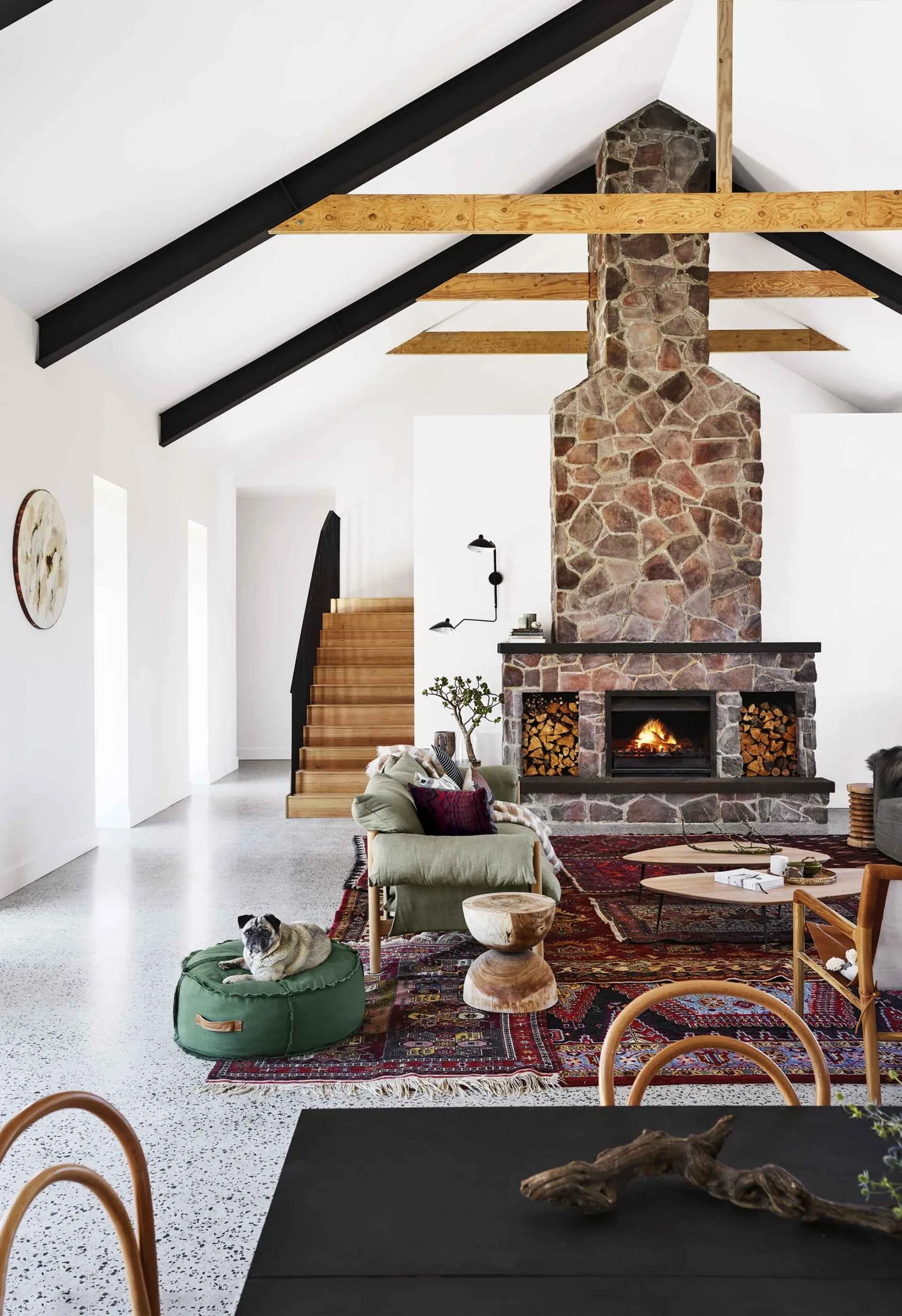
The first key recommendation involves selecting an appropriate heating element based on the conservatory's size. For larger conservatories with sufficient wall space, radiators can be an option. However, for smaller conservatories, alternative heating solutions are necessary. The article highlights the importance of considering the conservatory's orientation from the outset of a project. A south-facing conservatory benefits from natural warmth most of the year, potentially needing only supplemental heating for unexpected cold nights. Conversely, a north-facing conservatory will consistently be colder, necessitating more permanent heating solutions. The intended use of the space, such as a kitchen conservatory, also influences heating requirements, balancing solar gain with internal heat sources.
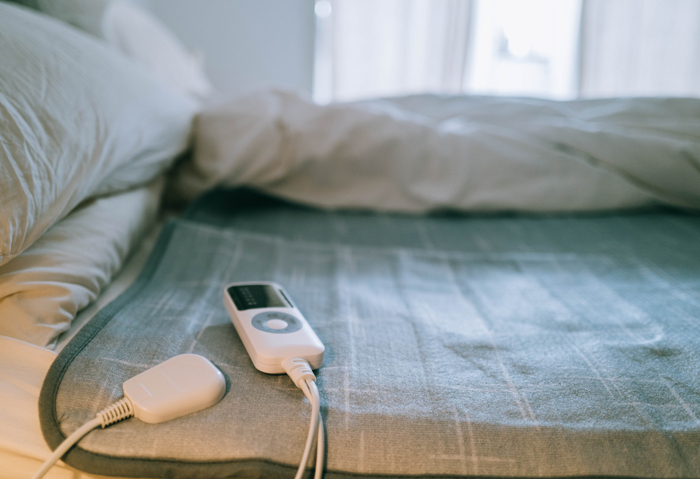
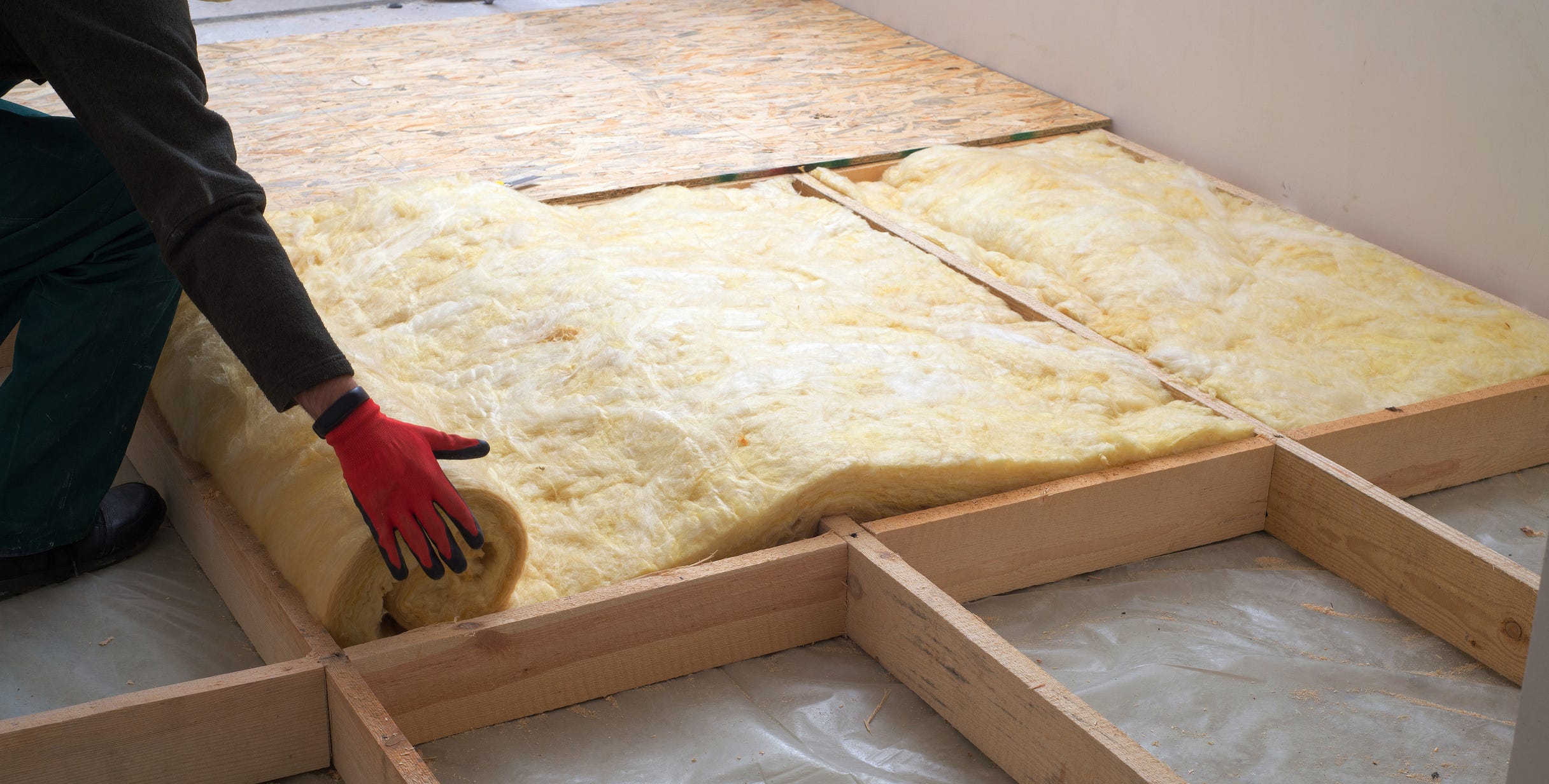
Underfloor heating is presented as a popular method for warming conservatories, though expert opinions on its effectiveness vary. Some view it primarily as a space-saving solution, noting its slow warm-up time. Others advocate for it as the most effective heating method, especially given that many conservatories have cold stone or ceramic floors. The article explains that underfloor heating, particularly water-driven systems, minimizes "cold zones" compared to radiator-heated spaces. It also addresses common safety concerns regarding leaks in underfloor systems, clarifying that water-driven systems are designed to prevent leaks under the floor. For electric cable underfloor heating, proper installation, ensuring cables are completely covered with screed and correctly positioned, is crucial to prevent burnout.
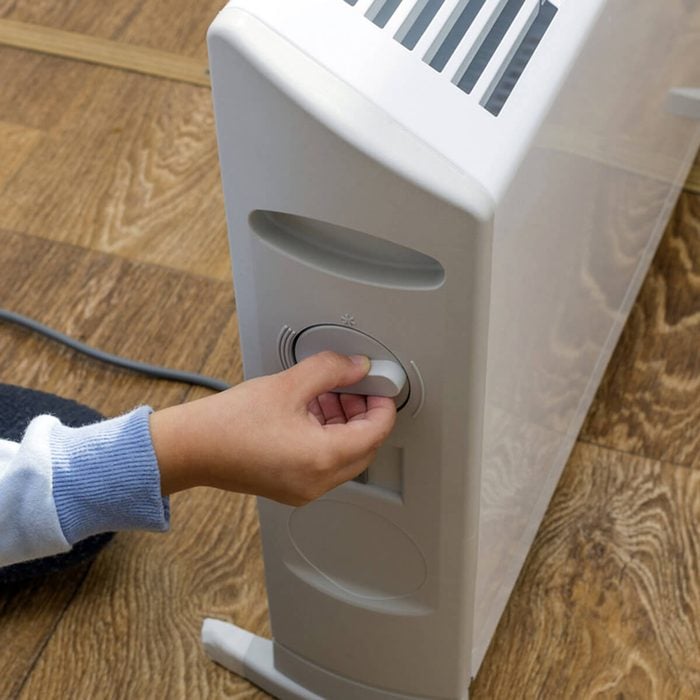
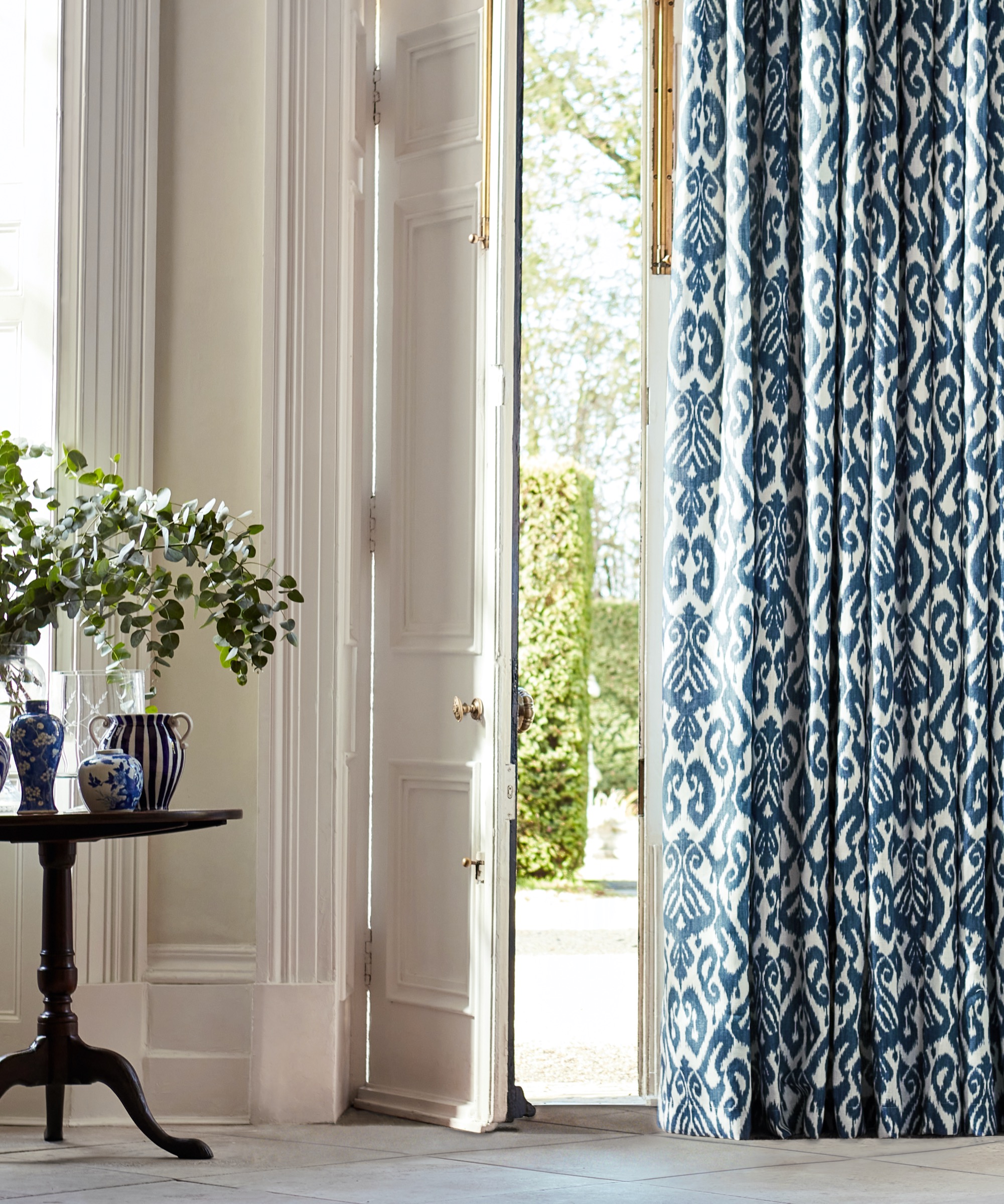
Insulation through window treatments is another vital aspect. While double-glazed windows are a fundamental step, adding blinds and curtains significantly enhances insulation. Cellular blinds, with their honeycomb structure, are particularly effective in trapping air and reducing heat transfer. Made-to-measure blinds are recommended for a snug fit that minimizes drafts and heat loss. Finally, the article discusses the role of portable heaters. While acknowledging their simplicity and immediate heating capabilities, it cautions against potentially high energy bills associated with oil-filled and convector heaters. Infrared heaters or panels are suggested as more energy-efficient alternatives, as they heat objects directly rather than the air. For budget-conscious individuals, practical tips such as using draught excluders from old jumpers and incorporating rugs for floor insulation are offered, along with the simple comfort of blankets for snuggling during colder periods.
#ConservatoryHeating #HomeInsulation #UnderfloorHeating #WindowTreatments #EnergyEfficiency #PortableHeaters #HomeComfort #SeasonalLiving #HomeRenovation #ConservatoryHeating #HomeInsulation #UnderfloorHeating #WindowTreatments #EnergyEfficiency #PortableHeaters #HomeComfort #SeasonalLiving #HomeRenovation
Hay 0 comentarios en total
 Aún no hay comentarios
También te puede gustar
11 Best Ways to Heat a Garage In the Winter

How to keep an entryway warm and cozy in winter – without heating
6 of the best heater ideas to warm up your home this winter

How to create a winter-friendly outdoor living space

17 Tips and Hacks to Help Keep Your House Warm This Winter
Are shelves over radiators a good idea? Our experts share pros, cons and what to consider if you go for it

Installing Electric Radiant-Floor Heating Will Have You Staying Warm All Winter
The 6 Best Garage Door Insulation Kits for Temperature Control
I used to struggle to keep my open plan layout warm in winter — but these 4 methods now keep it cosy all day long

Keep warm for less this winter

It's Time to Prepare Your Home for Winter With These 10 Quick, Easy Ways
£14 heating trick has kept my house warm and thermostat lower as energy bills set to rise

Heat your home efficiently this winter

The 4 areas of your home pros say to always insulate to keep it toasty in colder weather – plus, where to never insulate

Conservatory ideas – 15 wonderful ways to boost light and space

7 easy and efficient ways to keep your house warm this winter
How to keep your mudroom warm – 5 expert-recommended tips

The must-have items to get you through winter
This $8 hack to keep the cold out works almost as well as double glazing
Take cover / Turn your unsightly radiator into a thing of beauty with an enclosure