From Cows to Cabinetry: Milk Paint and 6 Awesome Uses for It
Milk paint, an eco-friendly and natural paint, has a long history, dating back to cave drawings 6,000 years ago. Its primary ingredients are milk protein (casein), lime, and natural earth or mineral pigments. Casein acts as a binder, while lime contributes to the paint's hardness and durability. The paint is typically sold in powder form because, once mixed with water, it begins to spoil. This powdered format allows users to mix only the amount needed, ensuring freshness and reducing waste. One of the significant advantages of milk paint, as highlighted by home-improvement coordinator Eva Bowker, is that it often doesn't require priming or sanding before application, significantly reducing preparation time compared to oil-based paints. Furthermore, it dries exceptionally fast, often in under 30 minutes, which can be crucial for time-sensitive projects.
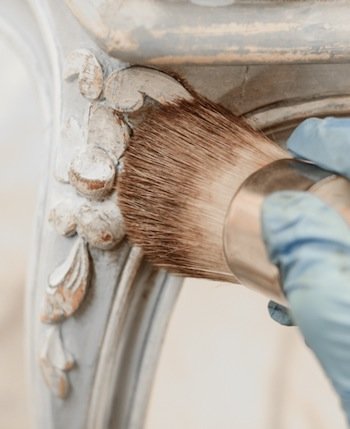
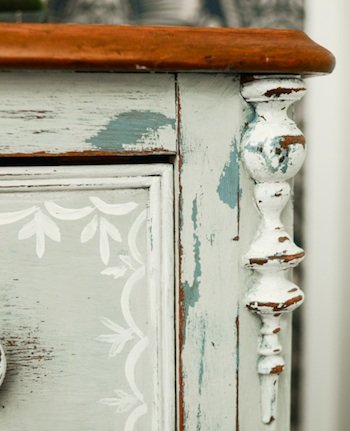
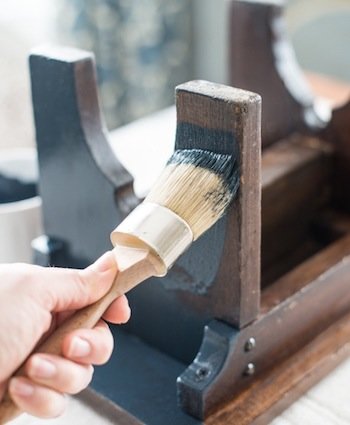
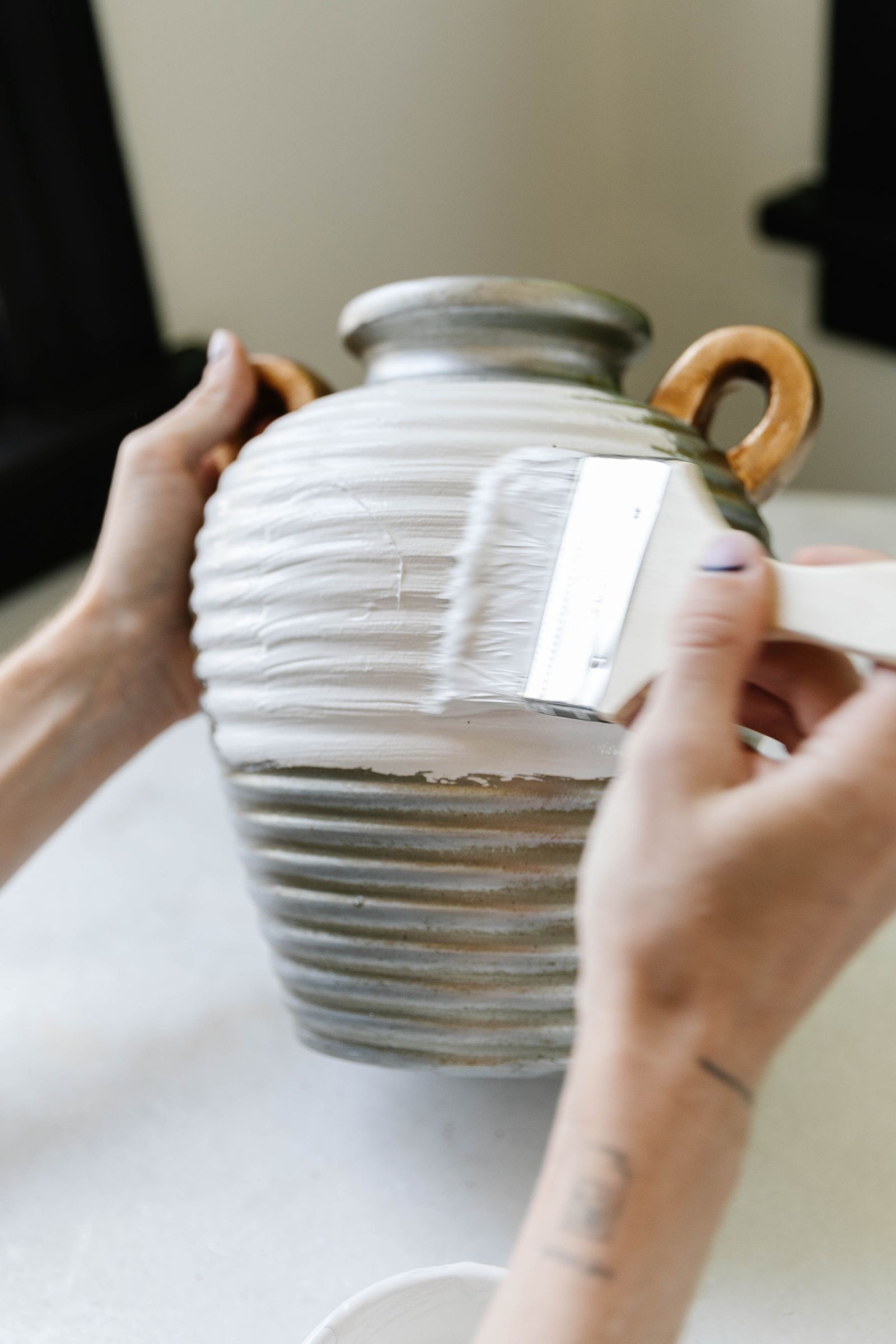
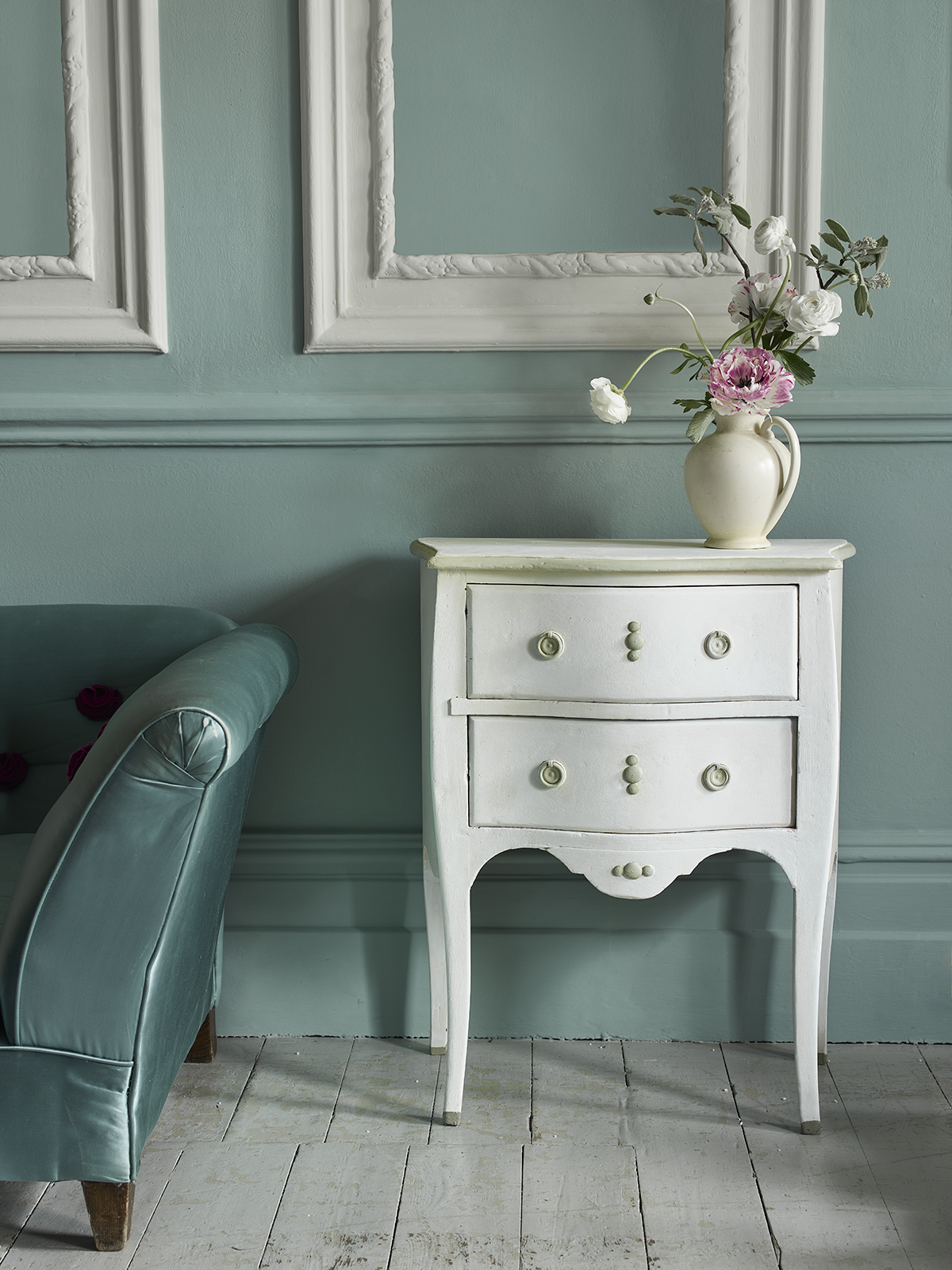
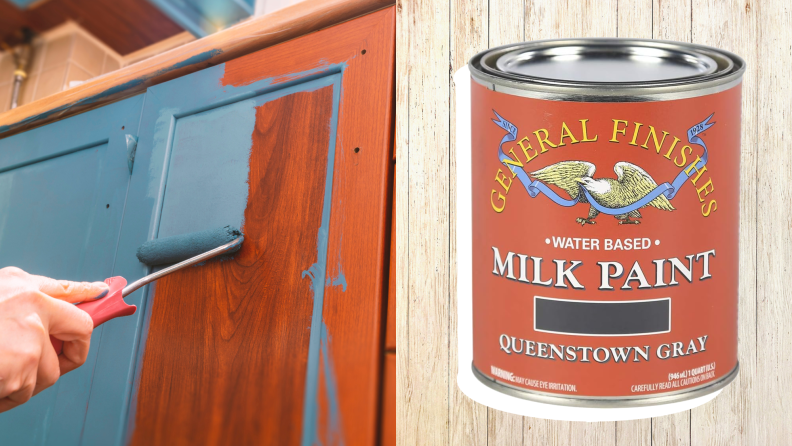
The process of using milk paint is described as "super easy." It involves mixing the powder with water at a 1:1 ratio until smooth and creamy. After application, a light sanding creates a soft finish, and then a sealer can be applied. The paint is forgiving, blending well for touch-ups, and brush marks are typically not visible. Its versatility in thickness, from a thin wash or stain to a thick textured application, makes it suitable for various creative effects. While it shares some similarities with chalk paint, particularly in its suitability for distressed looks, key differences exist. Milk paint, in its true form, is always powdered and composed of all-natural ingredients like limestone and casein. Chalk paints, conversely, are typically pre-mixed and may not be entirely natural. Milk paint is distinguished by its unique depth, dimension, and mottled, Old World appearance, even without distressing, which sets it apart from the flatter finishes of other paints. Another characteristic of milk paint is its tendency to naturally chip, flake, or crackle over certain existing finishes, a quality that chalk paints do not inherently possess and require artificial methods to achieve.
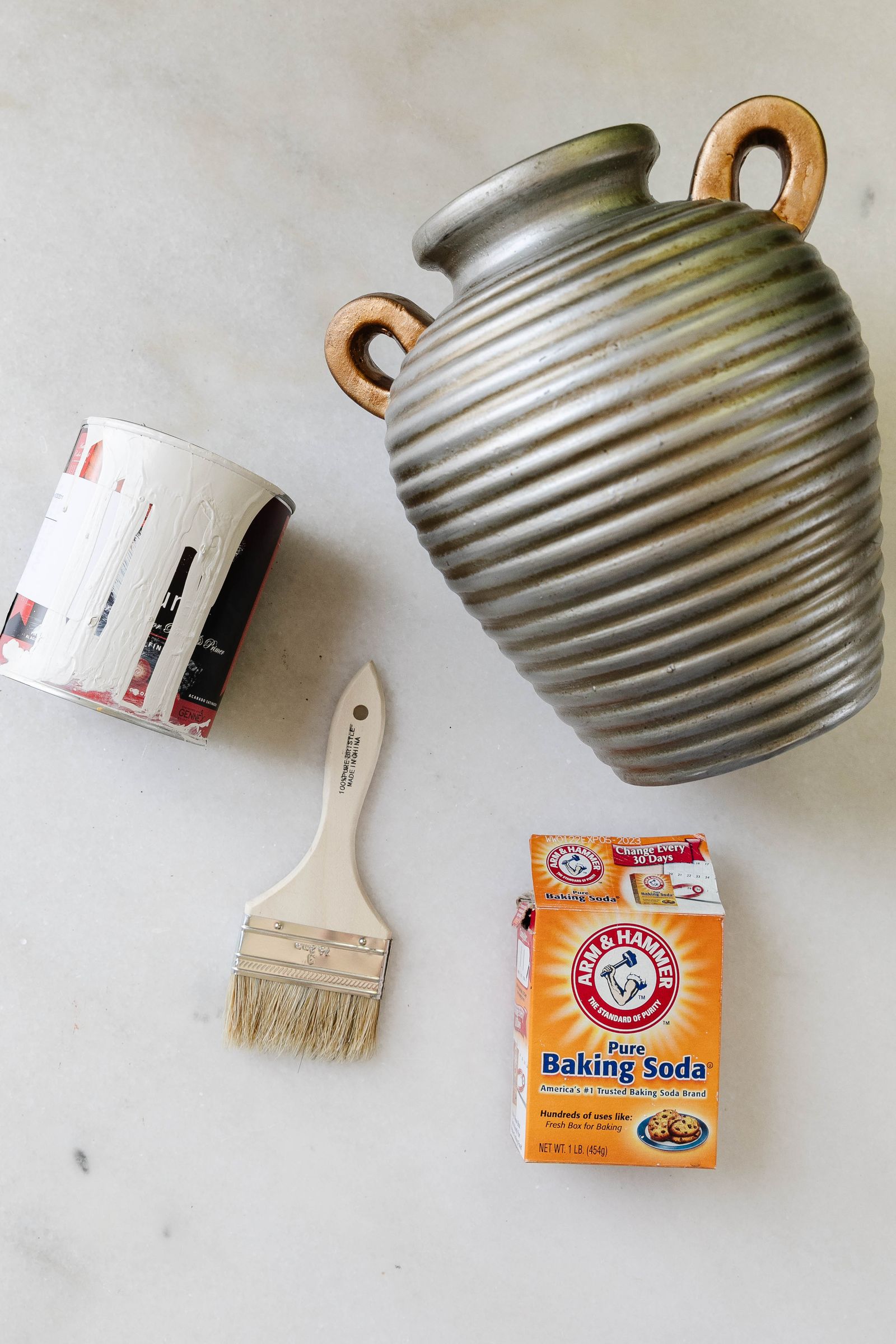
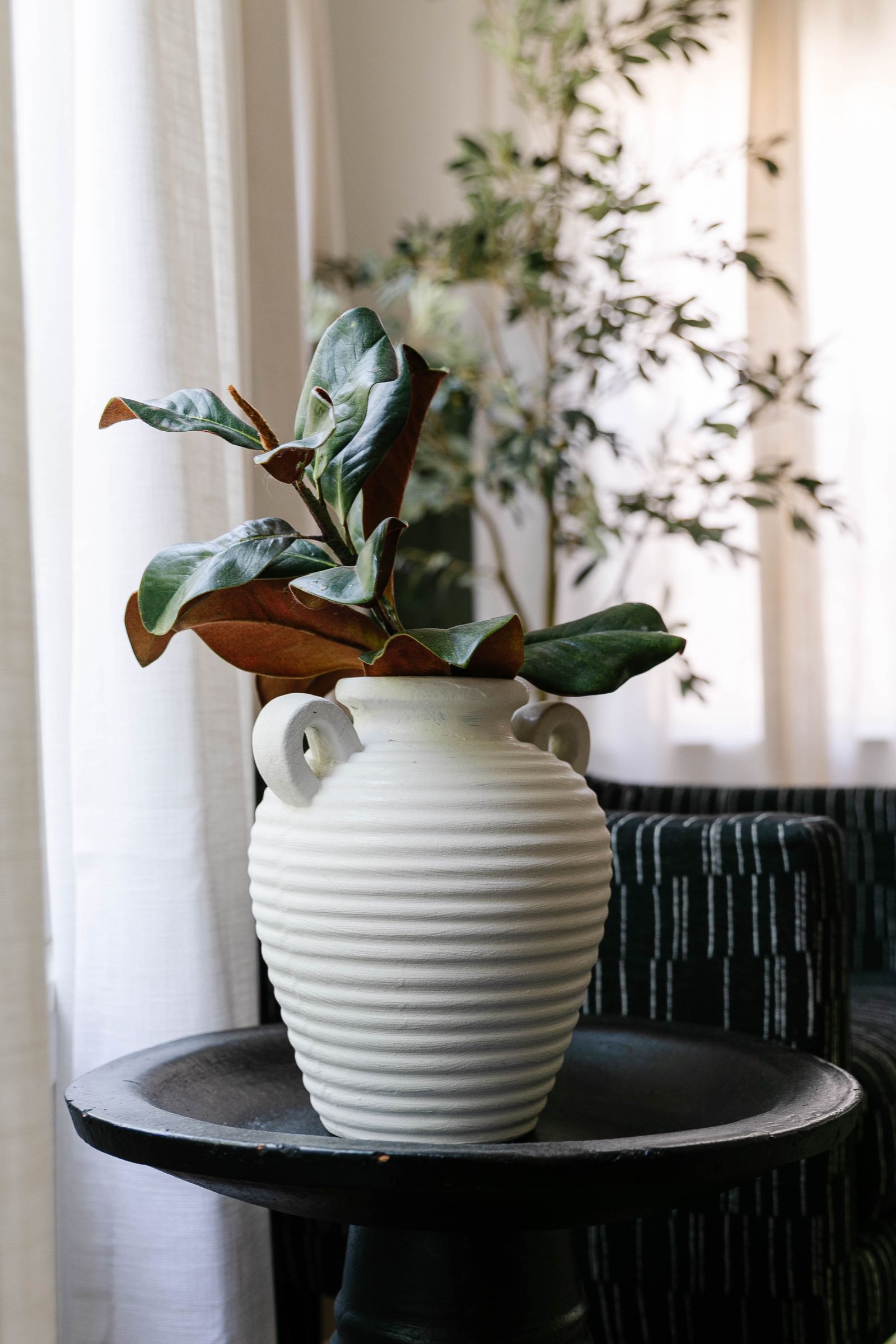
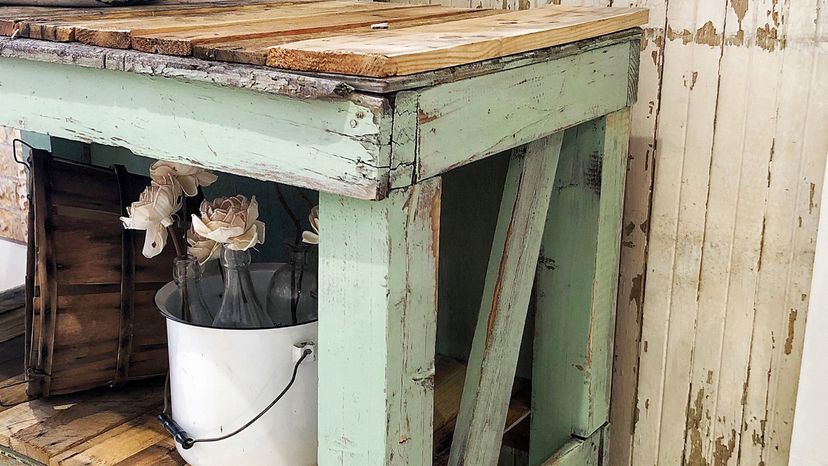
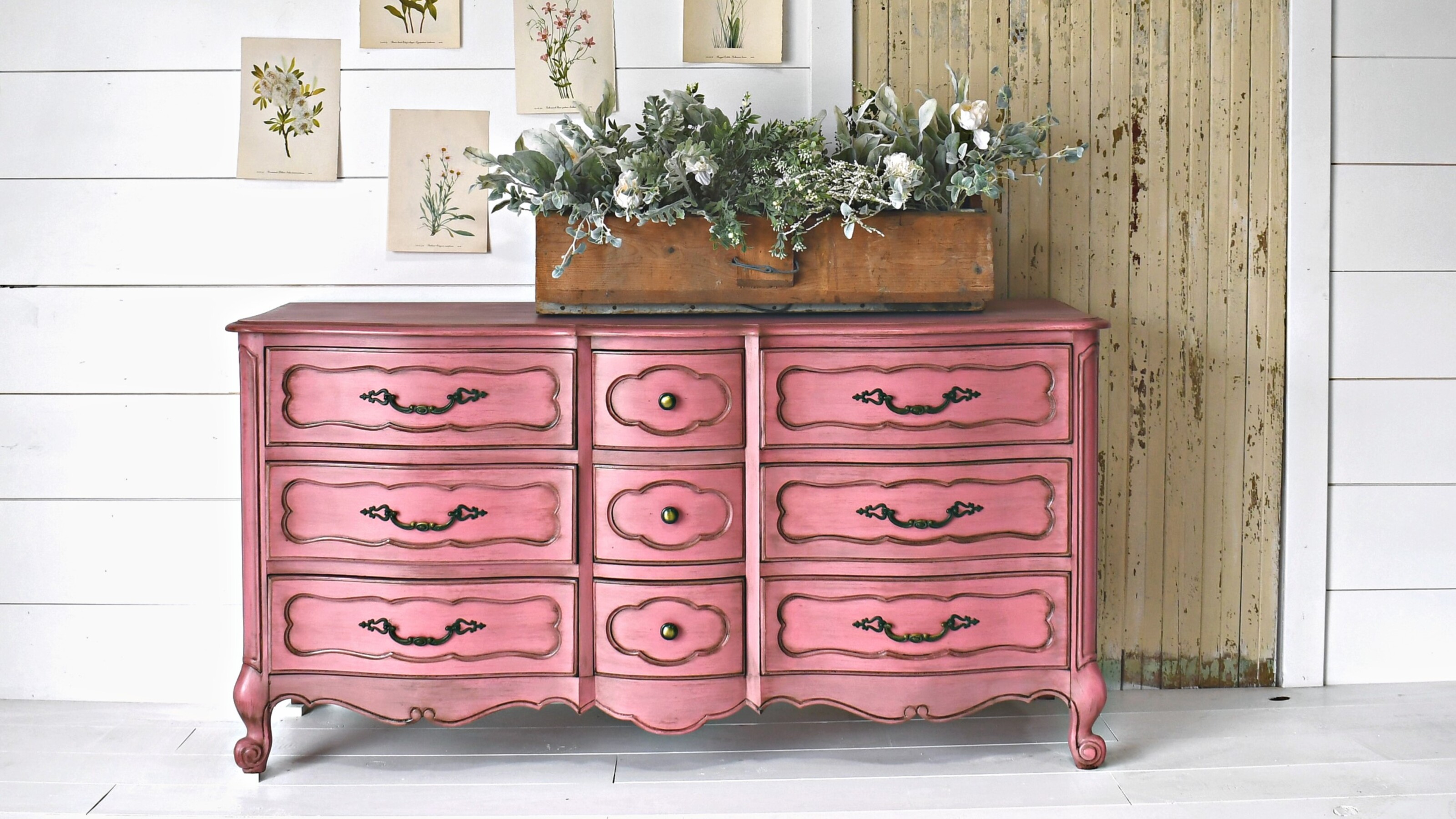
Beyond furniture and woodworking, milk paint has a broader range of applications. Vatican City notably used a traditional milk-based paint to restore the exterior walls of Belvedere Palace, utilizing milk from local cows mixed with slaked lime and natural pigments. This exemplifies the paint's historical and architectural significance. Woodworkers appreciate milk paint for its ability to mimic techniques found on historic Colonial furniture and its strong adhesion to wood, while also being easy to layer and distress. The current trend among furniture painters involves using milk paint to achieve an authentically aged, worn, and "chippy" look on various surfaces. The article suggests six DIY projects: birdhouses, decorative Mason jars, accent walls, headboards, boxes and crates, and wood cutouts or frames. These projects demonstrate how milk paint can be used to transform inexpensive or old items into trendy decor, particularly for achieving the popular farmhouse style without significant financial investment. The article also provides a practical tip for mixing milk paint, suggesting the use of an immersion blender and warm water to achieve an extra creamy consistency and allow the paint to thicken properly.
#MilkPaint #DIYProjects #HomeDecor #NaturalPaint #HomeImprovement #FurnitureRefinishing #EcoFriendly #DecoratingTechniques #MilkPaint #DIYProjects #HomeDecor #NaturalPaint #HomeImprovement #FurnitureRefinishing #EcoFriendly #DecoratingTechniques
Hay 0 comentarios en total
 Aún no hay comentarios
También te puede gustar
Antiquing vs. Distressing: 8 Tips on Creating the Look and Patina of a Genuine Antique

4 Creative Ways To Use Limewash Paint To Transform Your Home

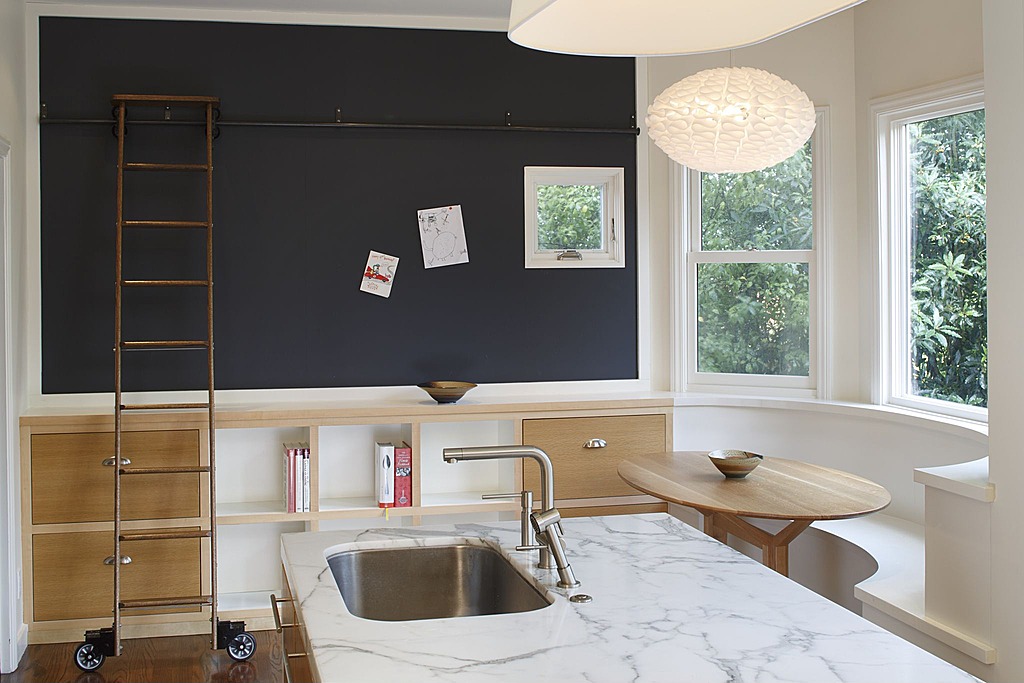
6 ways to add chalkboard paint to the home

This Is Why the Vatican Is Using Milk to Paint Its Walls


3 Mind-Blowing Ways to Use Paint for an Instant Decor Transformation with DIYer Drew Scott
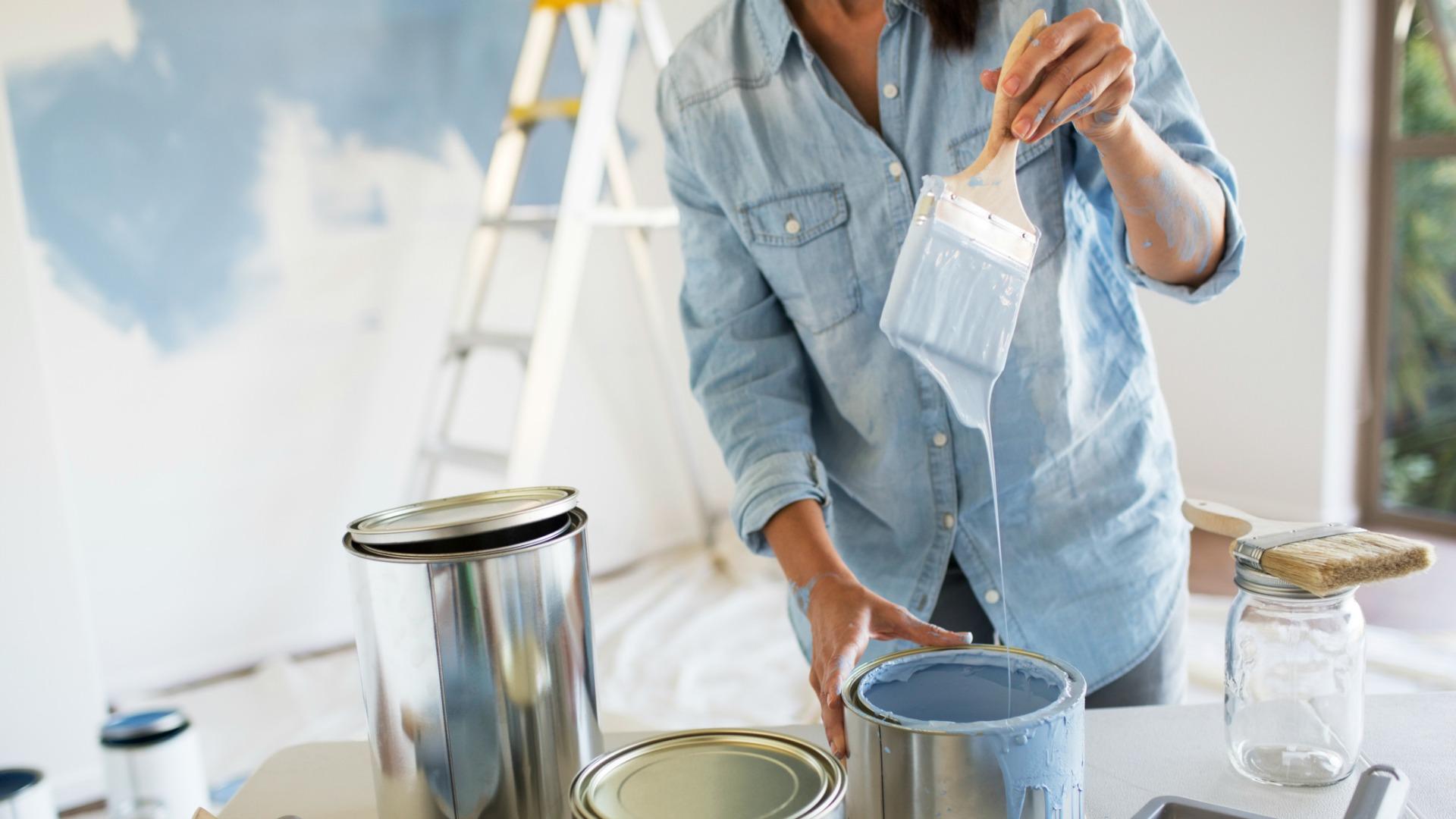
These hacks are all you'll need for your next home painting project

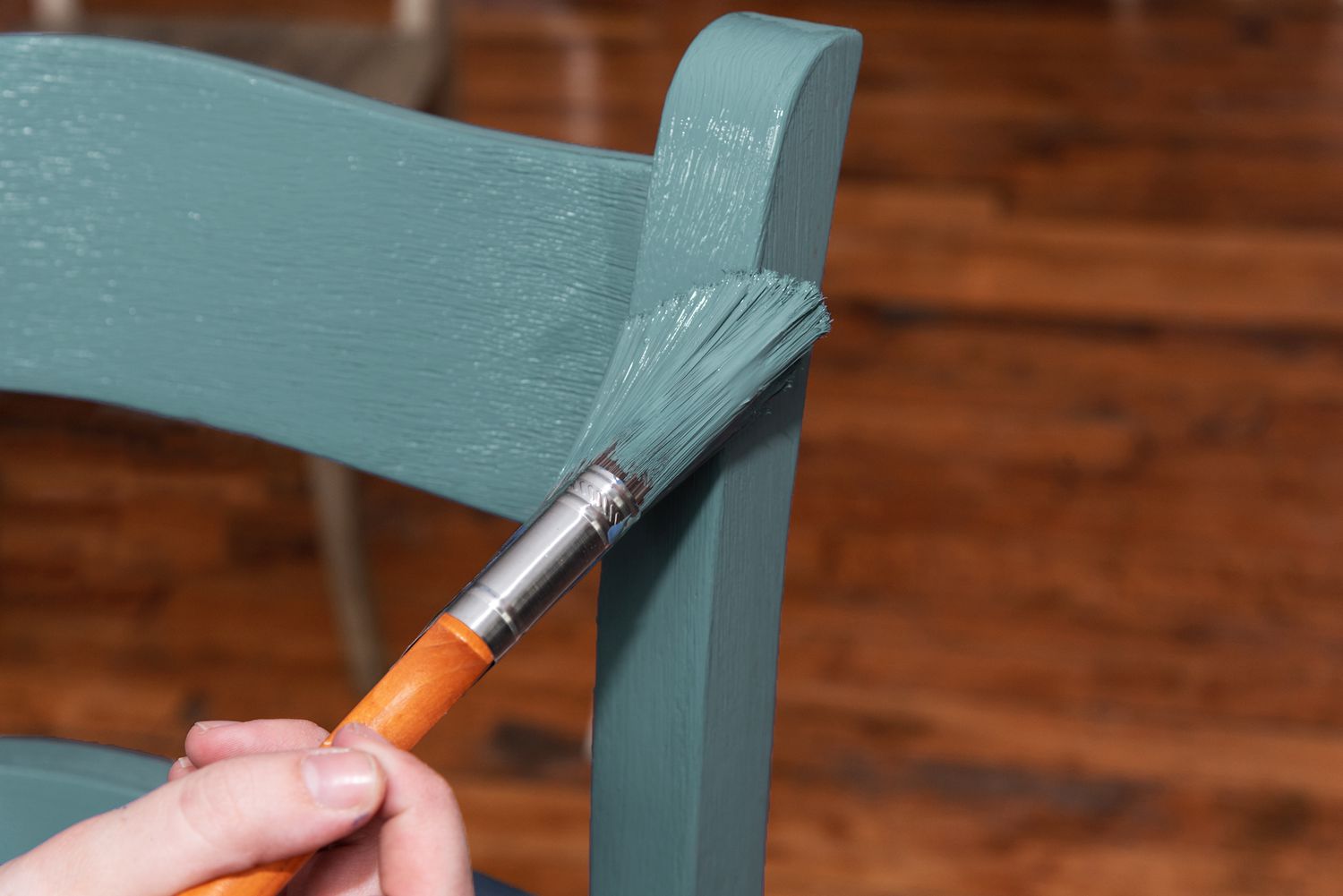
The 6 Best Paint Types for Furniture

a cow byre is transformed into a colourful family home

6 great ways to use colour drenching in your home
Milk paint and chalk paint are more alike than you think

Best paint for furniture – 9 quick and easy paints for upcycling
Best paint for furniture: 8 best furniture paints

What is milk paint? And here's why you'll love this new decorating trend

The Best Furniture Paint of 2025

The Best Furniture Paint of 2026
Paint ideas for your home – 36 ways to turn every room into a beautiful space bursting with character
Got milk? New exhibition explores the dark side of dairy

Furniture Paint & Cupboard Paint

10 ways to use textured paint in your home


How to Bring the Milky Nail Trend to Your Decor for a Glowing, Iridescent Space