This Is Why the Vatican Is Using Milk to Paint Its Walls
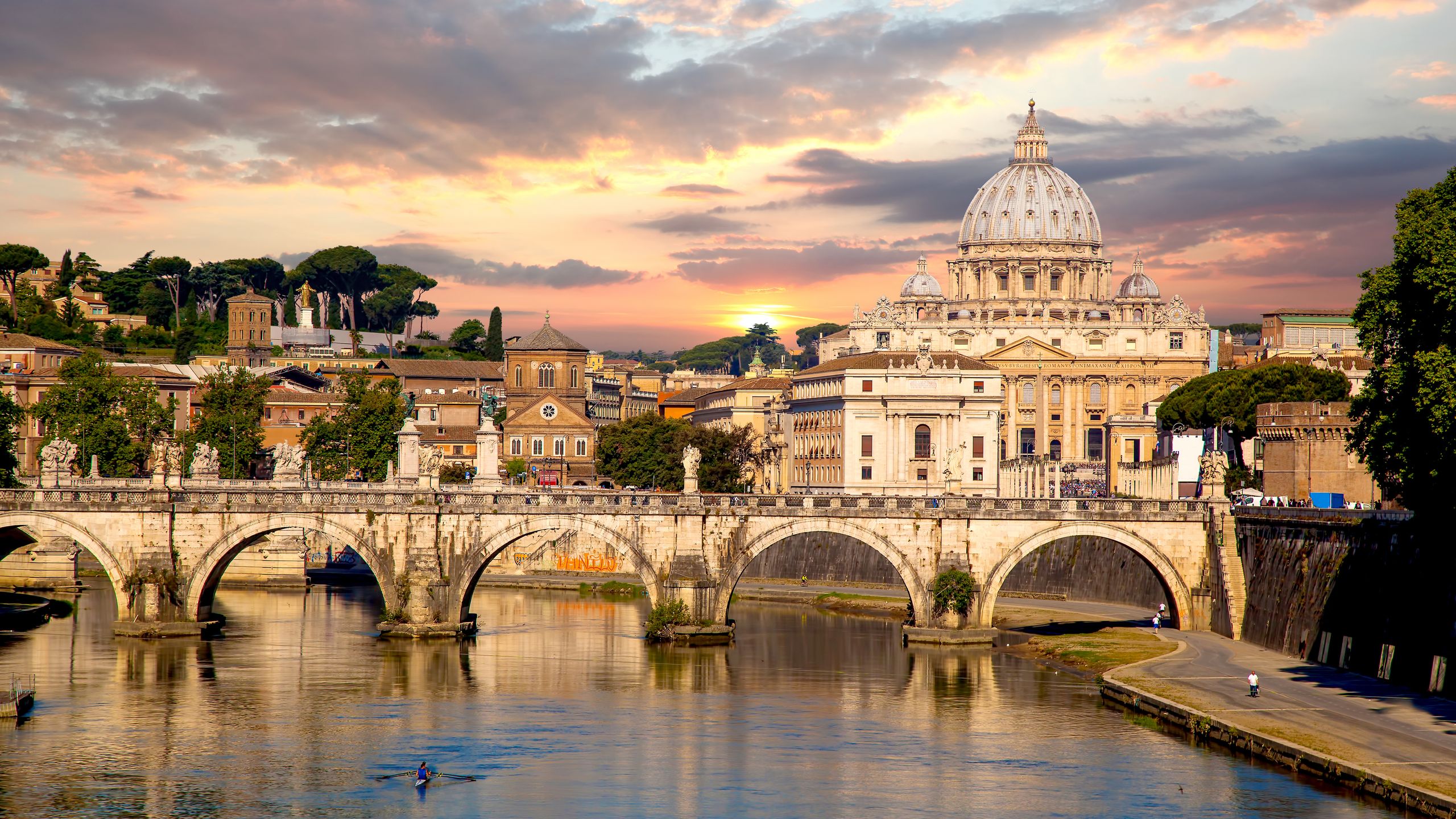
The Vatican continues to employ traditional methods in the maintenance and preservation of its historic buildings and artworks, a practice exemplified by the use of milk in painting the exterior walls of the Belvedere Palace. This technique dates back to the 15th century, specifically to 1484, the year the palace was constructed. Vatican workers combine milk with slaked lime, applying this mixture by hand to the walls. This traditional method is favored for its durability and aesthetic aging properties, which are considered superior to those of modern paint advancements.
The adoption of such age-old techniques aligns with Pope Francis's emphasis on sustainable living. The milk utilized for the painting process is sourced from cows raised at the papal summer residence located near Rome, promoting a localized and environmentally conscious approach. This commitment to noninvasive and sustainable practices extends beyond the Belvedere Palace. The Vatican also employs natural methods for cleaning its numerous marble statues. Approximately 600 statues situated within and around the Vatican gardens are cleaned using a blend of essential oils, including lavender, oregano, and thyme.
These essential oils are organically cultivated in Sicily, further underscoring the Vatican's dedication to natural and sustainable resources. The article highlights a broader humane theme prevalent throughout the Vatican's operations. The ongoing cleaning and repair of the Roman Catholic Church's headquarters are managed by a full-time staff comprising around 100 men and women. This approach prioritizes human employment over cost-effectiveness, as utilizing machinery would lead to job displacement for many workers. The Vatican's decision to maintain a large human workforce, despite the potential for financial savings through automation, indicates a valuation of its employees' well-being above mere monetary considerations.
Overall, the Vatican's maintenance strategies showcase a remarkable blend of historical preservation, environmental sustainability, and social responsibility. The continued use of milk for painting and essential oils for cleaning statues demonstrates a profound respect for tradition and natural resources, while the commitment to employing a substantial human workforce reflects a deep concern for the welfare of its staff. These practices collectively contribute to the unique character and enduring legacy of the Vatican.
#Vatican #SustainableLiving #HistoricPreservation #BelvederePalace #TraditionalTechniques #NaturalMaterials #ArtConservation #RomanCatholicChurch #Vatican #SustainableLiving #HistoricPreservation #BelvederePalace #TraditionalTechniques #NaturalMaterials #ArtConservation #RomanCatholicChurch
 No comments yet
Antiquing vs. Distressing: 8 Tips on Creating the Look and Patina of a Genuine Antique

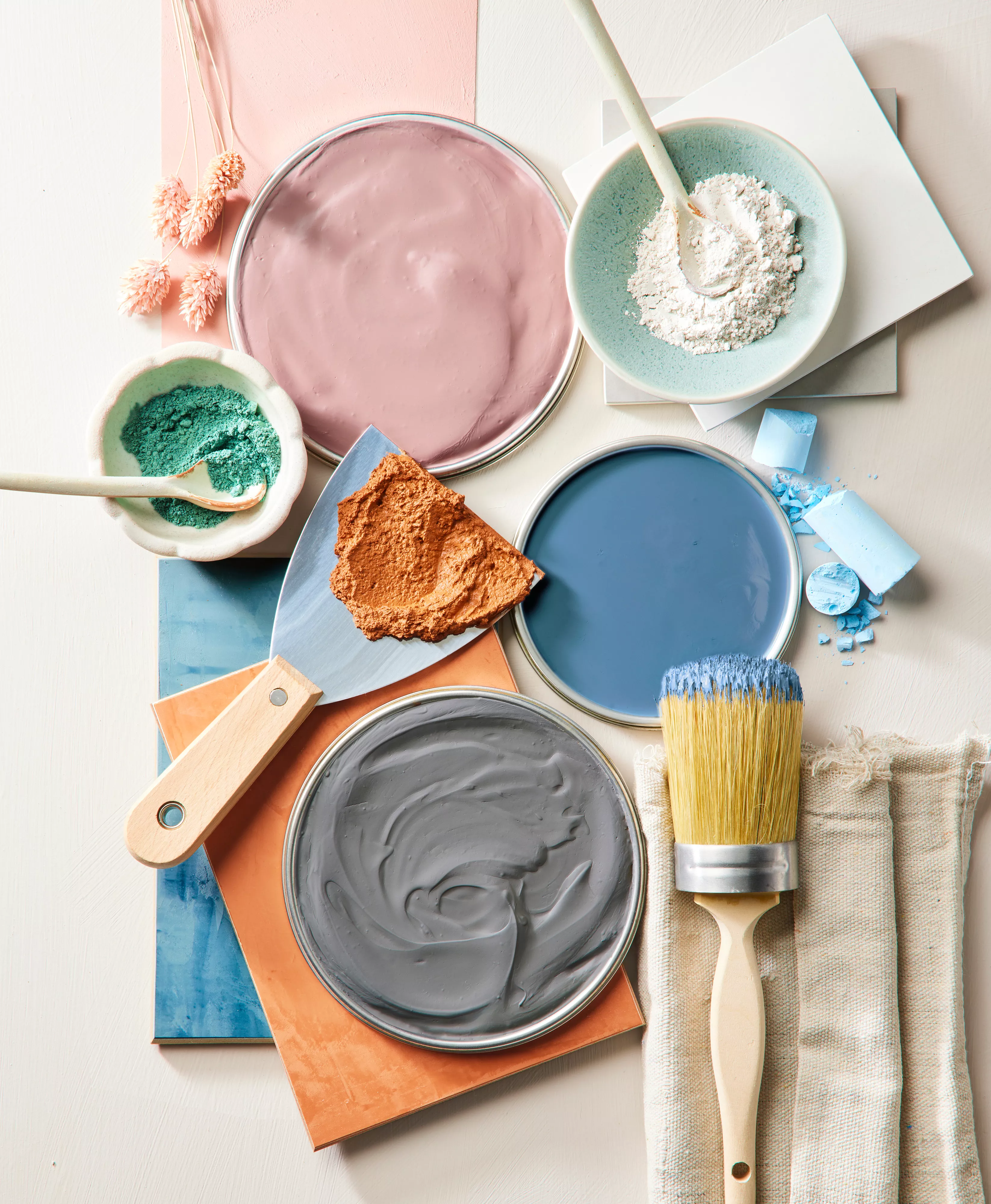
6 Eco-Friendly Wall Finishes and Why Designers Love Them

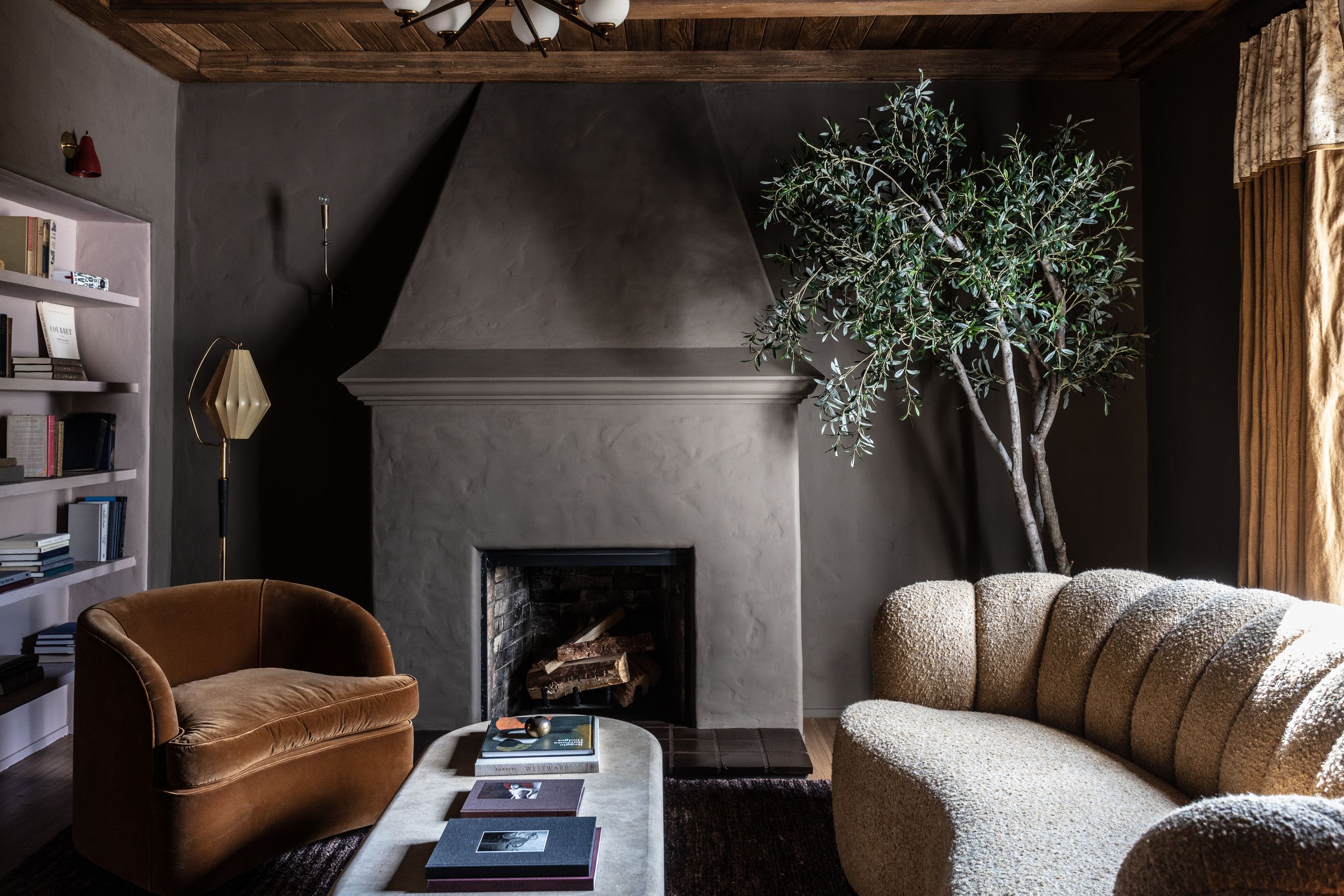
Venetian Plaster—the 15th Century Technique—Is Suddenly Hotter Than Ever
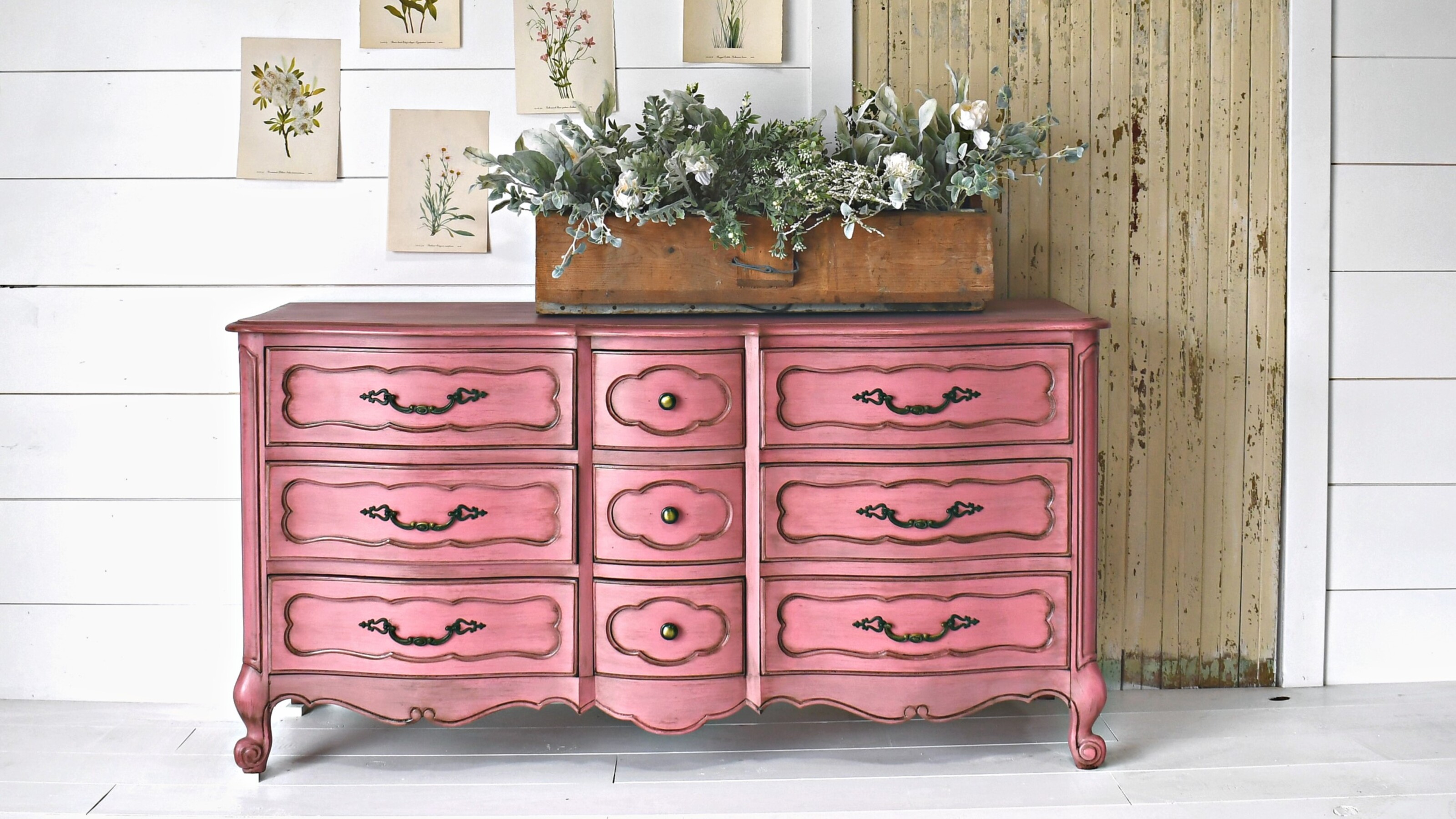
What is milk paint? And here's why you'll love this new decorating trend

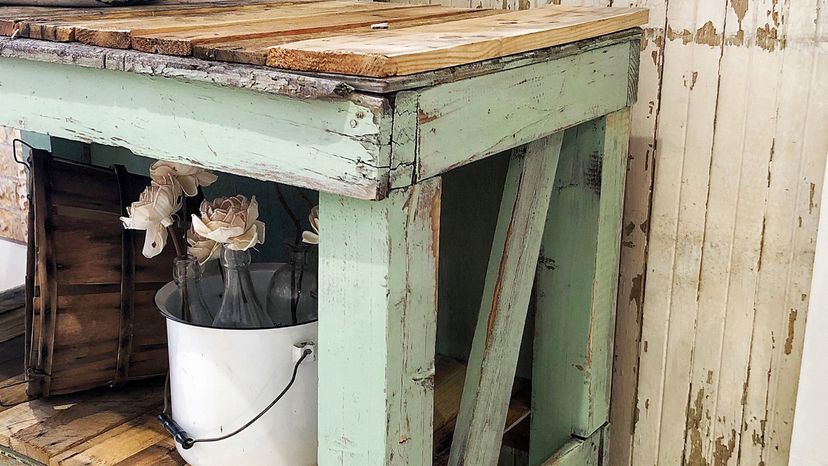
From Cows to Cabinetry: Milk Paint and 6 Awesome Uses for It
Milk paint and chalk paint are more alike than you think