1/9
Can you put lino over tiles? You can, but experts urge you to proceed with caution if you want a flawless finish
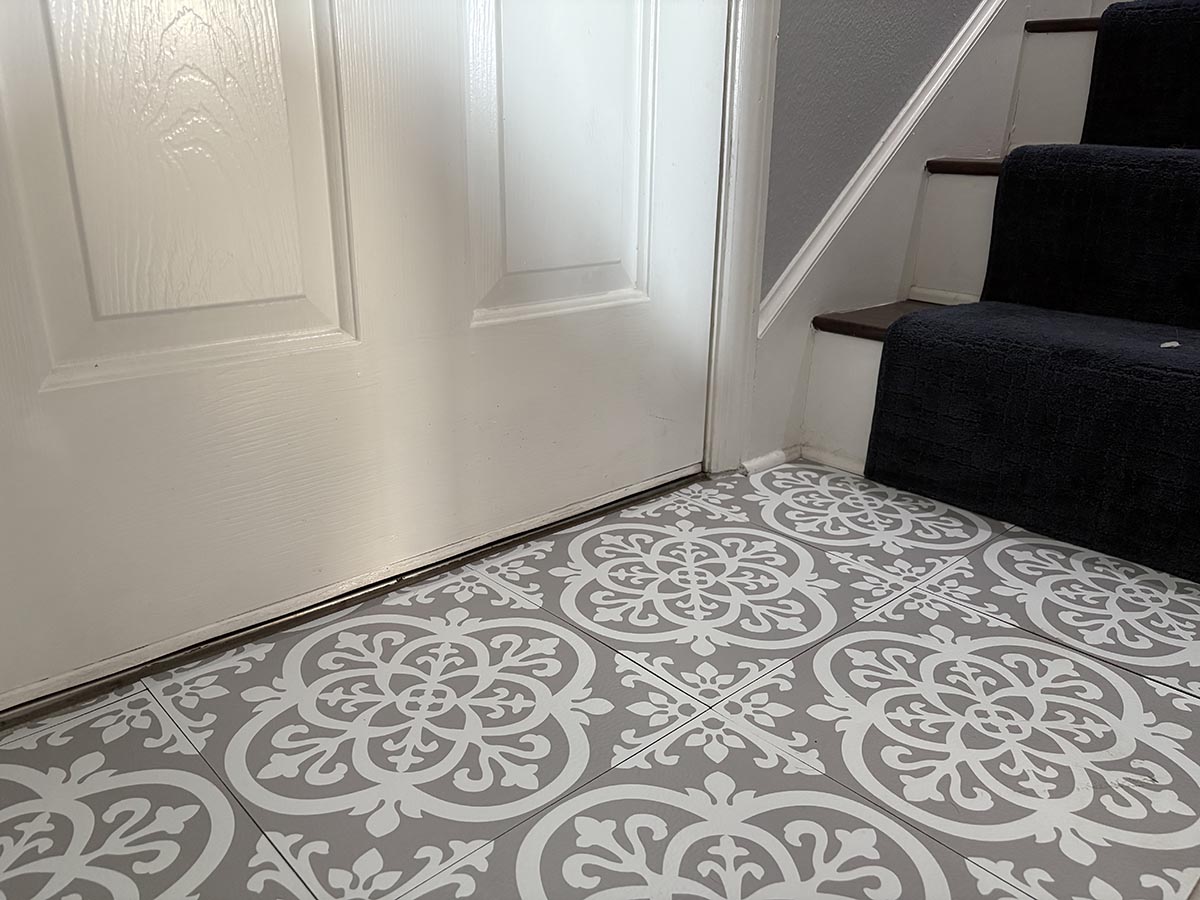
The decision to install linoleum (lino) flooring over existing tiles is a common consideration for homeowners looking for an affordable and less permanent renovation solution. Lino is recognized for its durability, low maintenance, and wide variety of aesthetic options, making it an appealing choice for upgrading tired-looking bathroom or kitchen floors without the extensive labor and cost of full tile removal. While technically feasible, experts advise a cautious approach, emphasizing several critical factors that determine the success and longevity of such a project.
The primary consideration involves the quality and moisture level of the subfloor. The subfloor, typically concrete or plywood, forms the foundational layer beneath the decorative flooring. Its condition is paramount, as laying lino over a compromised subfloor can lead to significant issues. If existing tiles are installed on bare earth or ash, common in older homes, they might be designed to be breathable. Covering these with lino can trap moisture, resulting in damp problems. In such cases, experts recommend removing the tiles and undertaking a more extensive renovation, including installing insulation, damp-proof membranes, and concrete, to ensure a stable and dry base. Assessing the subfloor's quality often requires removing a tile for direct inspection. However, the moisture level can be checked non-invasively using a moisture meter, with a reading below 75% humidity considered ideal for lino installation.
The age and quality of the existing tiles also play a crucial role. Tiles, especially in high-traffic areas like kitchens and bathrooms, are chosen for their resilience. However, over time, they can suffer damage such as cracks, chips, or unevenness. For a flawless lino finish, the underlying surface must be perfectly smooth and level. Imperfections in the tiles can telegraph through the lino, creating an undesirable visual and textural effect. Minor damages might be rectified by thorough cleaning, but significant dents or cracks necessitate the use of a self-levelling compound. This product effectively fills in disparities, creating a uniform surface suitable for lino application.
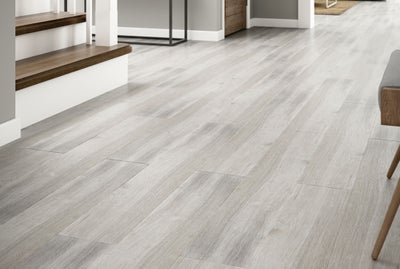
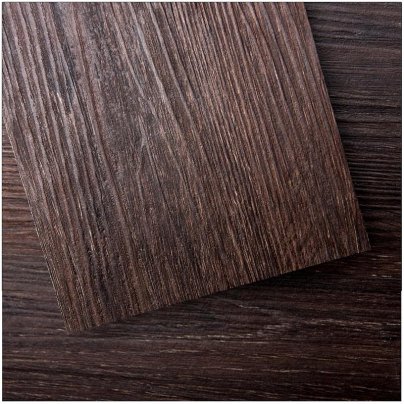
Furthermore, the presence and depth of grout lines are a critical factor. Even if the lino itself doesn't mimic a tiled appearance (e.g., a faux wood design), the indentations of the underlying grout lines can become visible over time, particularly as the lino settles. This can detract from the intended aesthetic. To mitigate this, homeowners can again employ a levelling compound to smooth out the grout lines. Alternatively, opting for a thicker lino, such as felt-backed vinyl, can help mask the grout lines more effectively due to its increased thickness and cushioning layer.
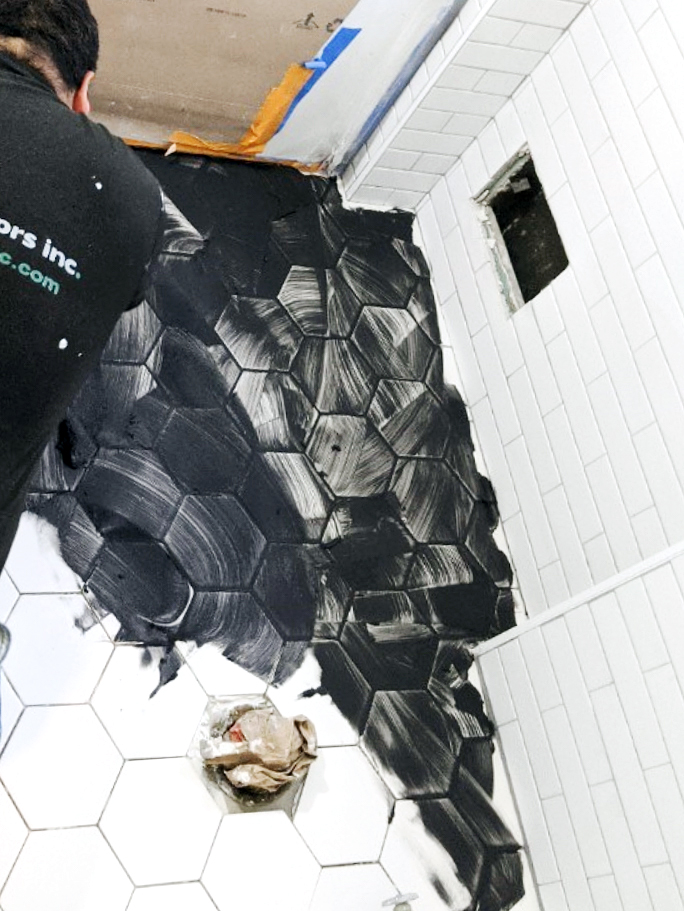
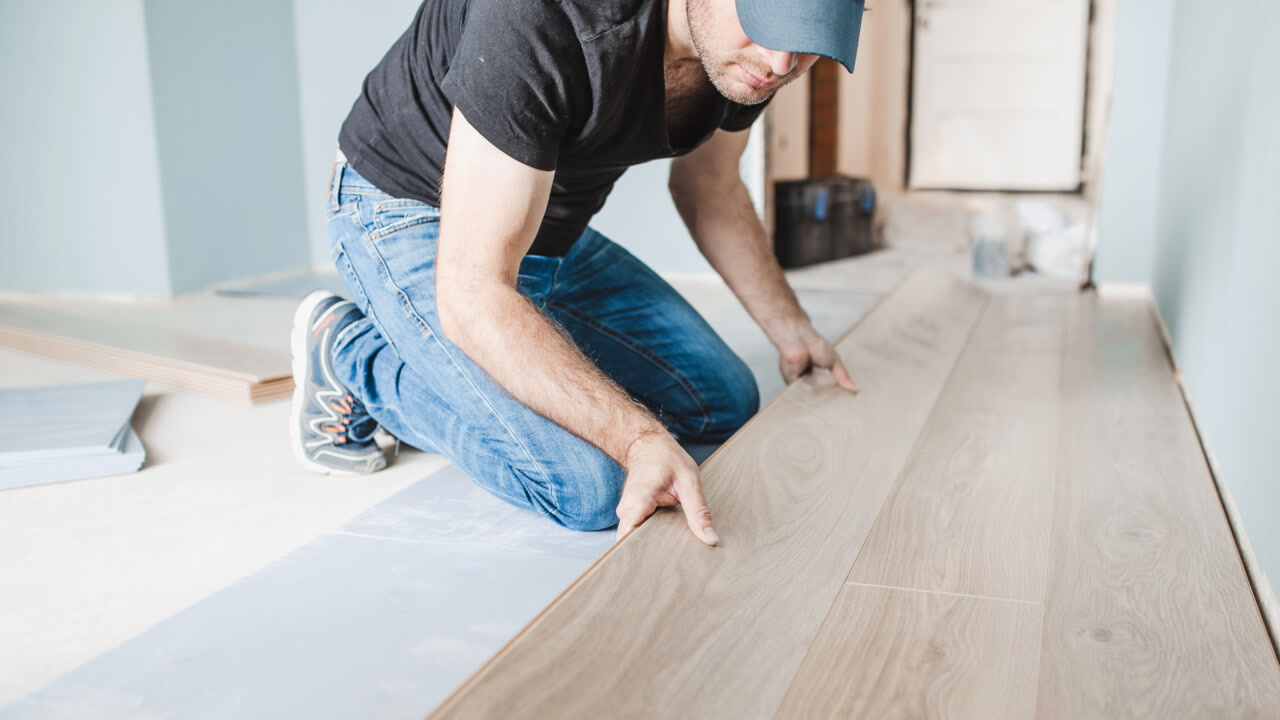
The texture of the existing tiles is another important detail. Glossy or highly textured tiles can pose challenges for adhesive bonding, as lino requires a surface to which it can securely adhere. Slippery or uneven surfaces can compromise the adhesion, leading to premature lifting or detachment of the lino. In these scenarios, additional preparatory steps, such as applying a levelling compound or experimenting with specialized adhesives, may be necessary. It might even involve using a combination of products to achieve adequate adhesion. When applying lino, it is essential to glue it down thoroughly and evenly, spreading the adhesive across the floor. After installation, it is crucial to avoid walking on the newly laid lino for at least 24 hours to allow the adhesive to set properly.
Regarding underlay, it is generally not required when installing lino over tiles, as the existing tiled surface provides a base. Underlay is typically used for initial floor installations or when the subfloor is particularly uneven, in which case a levelling compound on top of the tiles serves a similar purpose. Various other flooring types, such as vinyl and engineered wood, can also be installed over tiles, provided the existing tiled floor is in good condition or can be easily repaired to offer a stable and solid foundation for the new covering. In conclusion, while installing lino over tiles is possible, a successful outcome depends on carefully assessing and preparing the existing floor to address potential issues related to subfloor quality, tile condition, grout lines, and surface texture.
#LinoOverTiles #FlooringInstallation #DIYHomeImprovement #SubfloorPreparation #TileRenovation #HomeRenovationBudget #InteriorDesignTips #LinoleumFlooring #LinoOverTiles #FlooringInstallation #DIYHomeImprovement #SubfloorPreparation #TileRenovation #HomeRenovationBudget #InteriorDesignTips #LinoleumFlooring
Hay 0 comentarios en total
 Aún no hay comentarios
También te puede gustar

Can you plaster over tiles? The experts issue a surprising warning...

How to Tile a Bathroom Floor Yourself
Install Tile Backerboard


Can you paint a tile floor? Expert advice for a durable, long lasting finish


Bathroom Tiles

Should You Install Peel and Stick Floor Tile? An Interior Designer Shares Some Pros and Cons


Yes, Peel-and-Stick Floor Tiles Really Work—And These Are the Best


Fit to be tiled


Thinking About Painting Tile Floors? Here's Why Experts Warn Against It

Don't just settle for white gloss! These expert tips for styling metro tiles will guarantee compliments from guests

The 9 Best Tile Brands of 2023

Can You Paint A Tile Floor? An Expert Weighs In

We've spoken to the experts – this is everything you need to know before trying peel and stick tiles

Flooring

Tile countertop ideas – 10 ways to embrace the look
Can I use mosaic tiles on the floor? Expert advice you need to know before making your decision
Designers love this beautiful new tile trend for mixing gloss and matte together – here's how to get it right
Tile Adhesives

Tile Style