Blog Section
The appearance of a home's siding significantly influences potential buyers' perceptions of its value and appeal, often leading to judgments about maintenance and resale value before they even enter the property. Upgrading siding is therefore a strategic financial investment designed to maximize return on investment (ROI), not merely a cosmetic enhancement. This guide details how thoughtful choices in siding material, color, and style can directly boost a property's curb appeal and resale value.
Investing in quality siding is a direct financial decision. According to the National Association of Realtors (NAR), replacing fiber-cement siding yields a 77.6% ROI, while vinyl siding offers 74.7%. This high ROI is largely due to curb appeal; a new exterior often suggests a well-maintained interior, lowering perceived risk for buyers. Fiber-cement siding is particularly noted for signaling quality craftsmanship, leading to higher sale prices compared to vinyl-clad properties. Beyond aesthetics, modern siding enhances durability, weather resistance, and requires minimal maintenance, appealing to buyers focused on sustainability and long-term savings. Energy-efficient siding also reduces energy consumption through superior insulation, resulting in lower utility bills and increased home value.
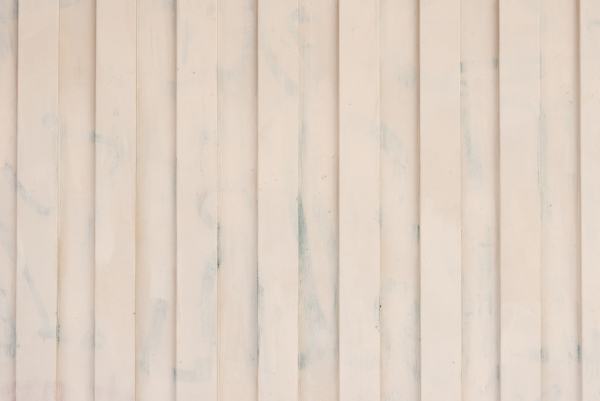
Selecting appropriate siding colors is crucial for maximizing market appeal. Neutral palettes, such as timeless whites and off-whites, versatile grays and charcoals, and warm beiges and taupes, are strategic choices that appeal to a broader audience. These colors create a blank canvas effect, making homes appear larger and more inviting, thereby increasing resale value. Bold or eccentric colors can deter buyers and negatively impact sale price. Color undertones can further refine appeal; for instance, warm greige can evoke comfort for families, while cool charcoal signals modernity for urban buyers. This color choice must also harmonize with the home's architectural style.
Matching siding to architectural style is vital for aesthetic appeal and curb appeal. Traditional homes benefit from classic options like wood or brick, while modern homes suit fiber cement or metal siding for clean lines. The siding, windows, and trim should form a cohesive façade that reflects the home's character. Savvy investors utilize advanced strategies like precision material scaling, using premium materials on visible façades and more economical options elsewhere. Profile layering, which involves varying board widths, can add visual interest. Painting trim a shade darker than the siding creates dimension, mimicking a custom-built look. Ensuring the siding color complements the roof's undertones (warm for brown shingles, cool for gray) maintains visual harmony. These professional techniques transform a façade into a profit multiplier.
Ultimately, the choice of siding is a critical investment impacting curb appeal and overall home value. By selecting durable materials, neutral colors, and a timeless style that complements the architecture, homeowners make a strategic financial decision. This approach not only enhances curb appeal but also attracts more potential buyers and reduces market time. In a competitive real estate market, a siding upgrade acts as a profit-engineering tool, boosting resale value and delivering a strong ROI.
#SidingAesthetics #HomeValue #ReturnOnInvestment #CurbAppeal #SidingMaterials #ColorSelection #ArchitecturalStyle #HomeRenovation #SidingAesthetics #HomeValue #ReturnOnInvestment #CurbAppeal #SidingMaterials #ColorSelection #ArchitecturalStyle #HomeRenovation
 Aún no hay comentarios
The Design Blogs Our Editors Are Reading Right Now