1/13
Awkwardly Placed Windows Are No Match for These Designer Tricks
The article addresses the common challenge of decorating rooms with awkwardly placed windows, offering eleven design solutions from various professionals. It acknowledges that while abundant natural light is desirable, poorly positioned windows can limit furniture placement and aesthetic harmony, especially in smaller spaces. The article highlights that designers have developed clever strategies to integrate these windows into the overall room design.
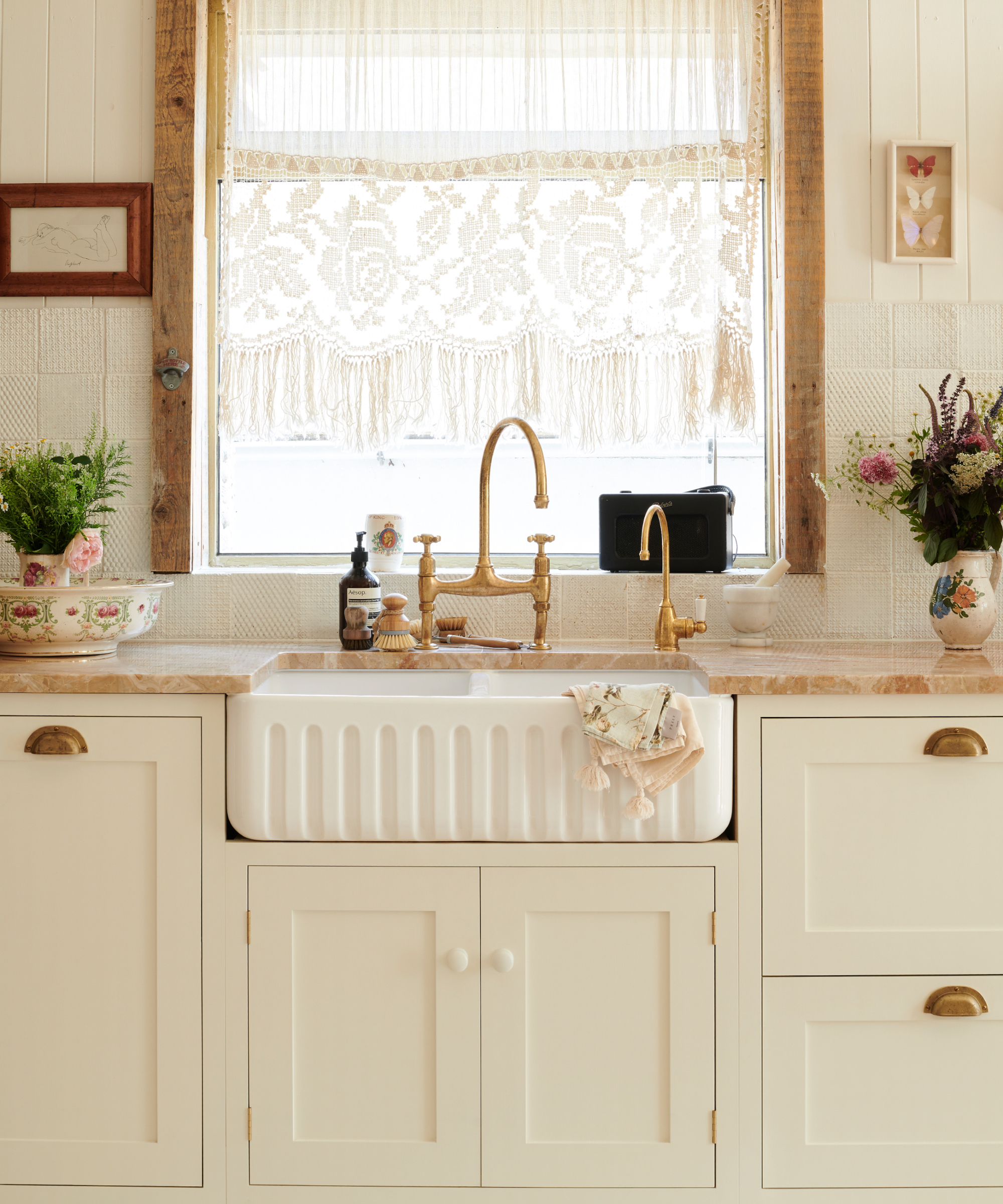
One approach involves maximizing views by situating key functional areas in front of windows. For instance, a kitchen cooktop can be placed directly before a bay window, allowing occupants to enjoy the outdoor scenery while performing daily tasks. This method requires careful consideration of elements like vent hoods, which can be painted to blend seamlessly with surrounding cabinetry, maintaining visual flow. Another solution for privacy, particularly in bathrooms, is to use frosted glass for shower windows, ensuring seclusion without sacrificing natural light. This eliminates the need for blinds or curtains that might clutter a small space or interfere with the bathroom's functionality.
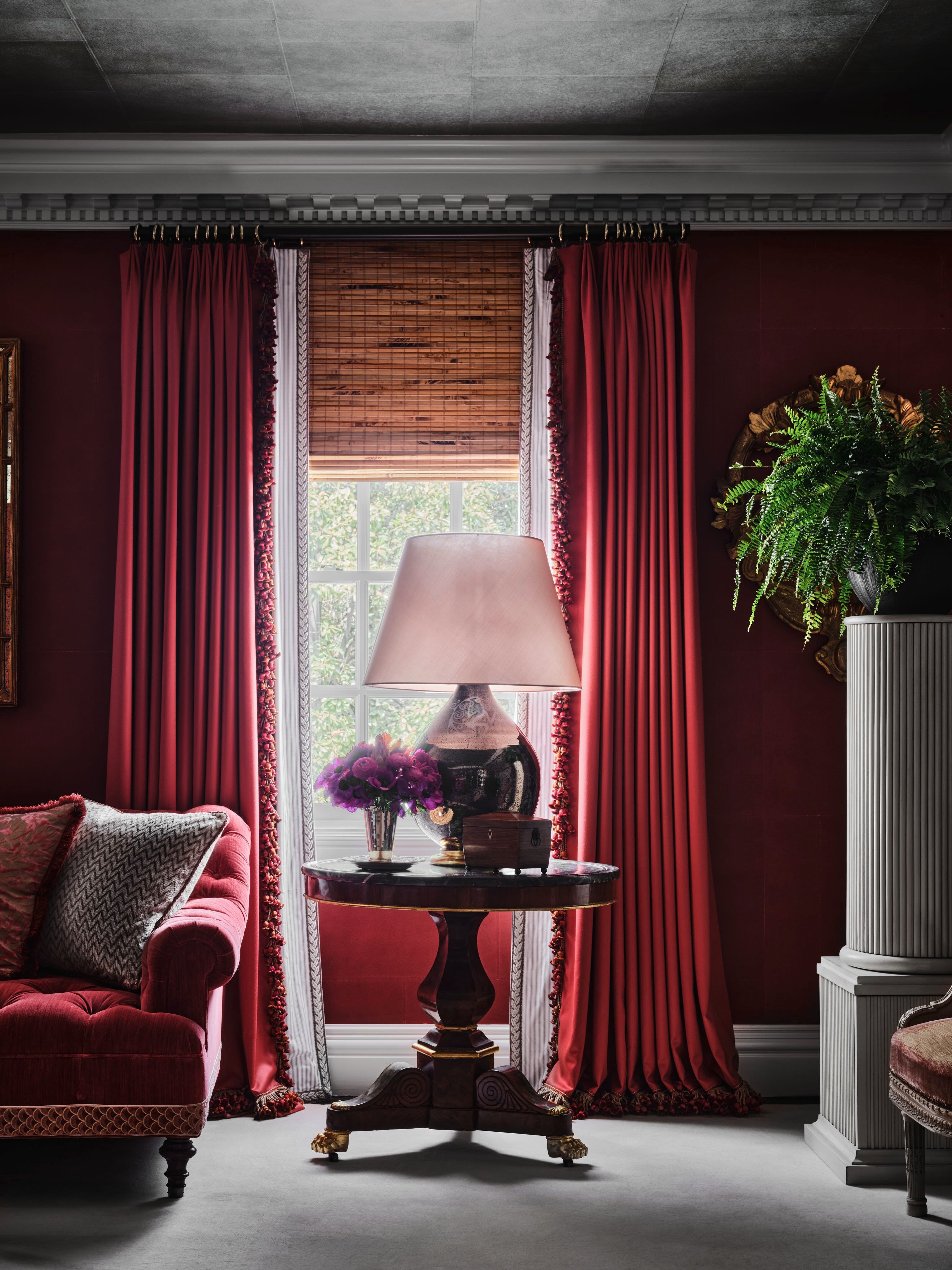
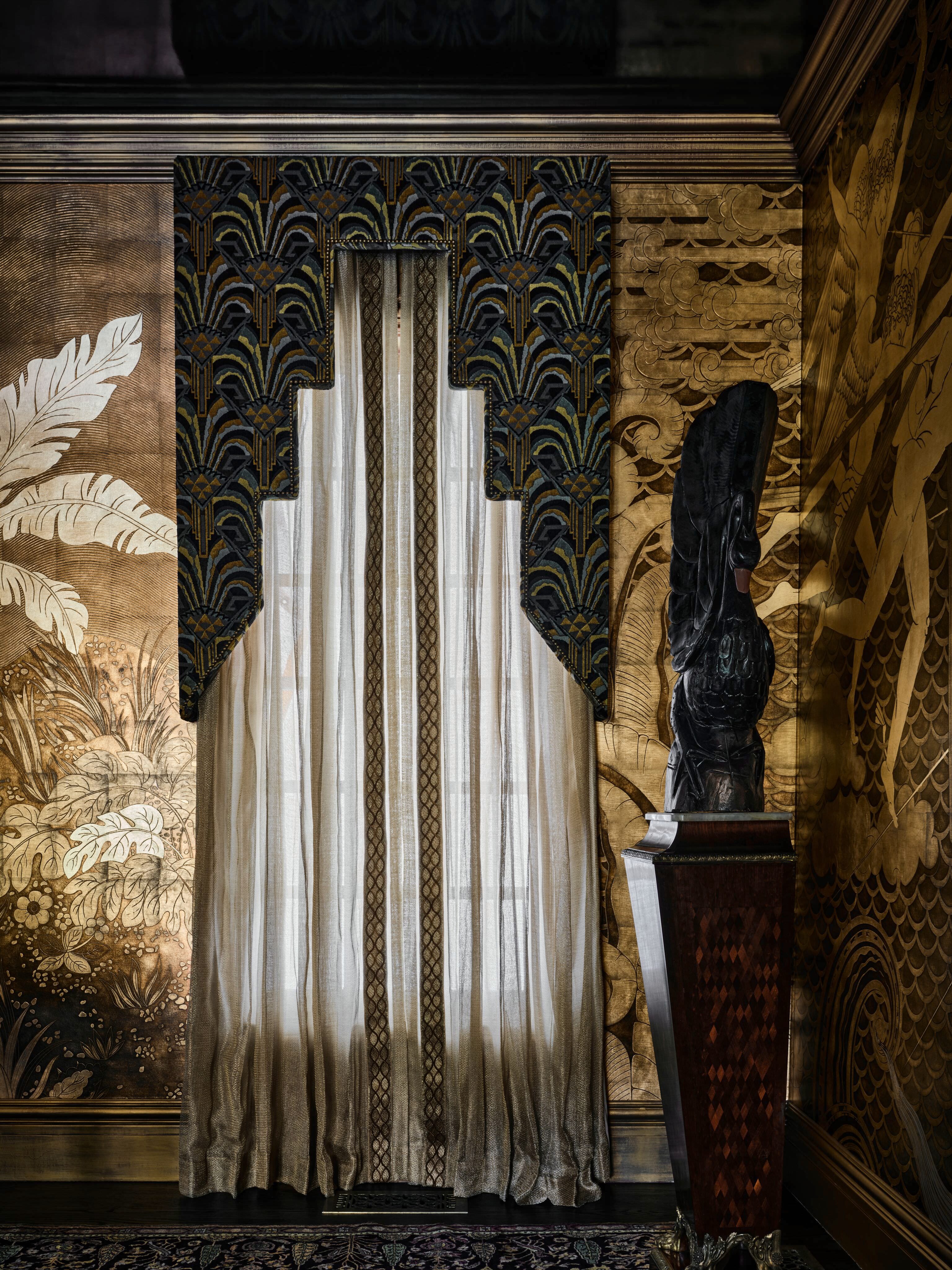
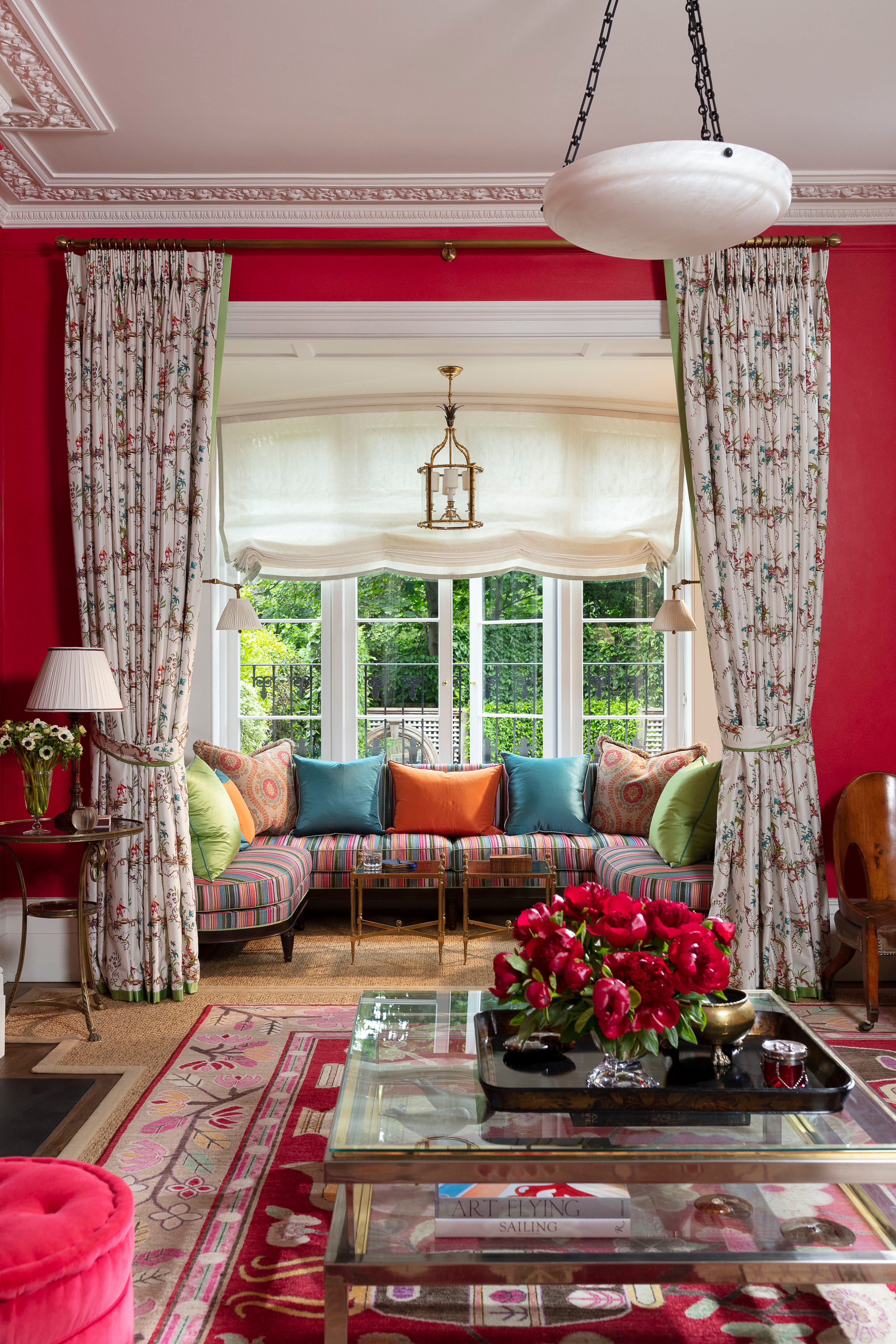
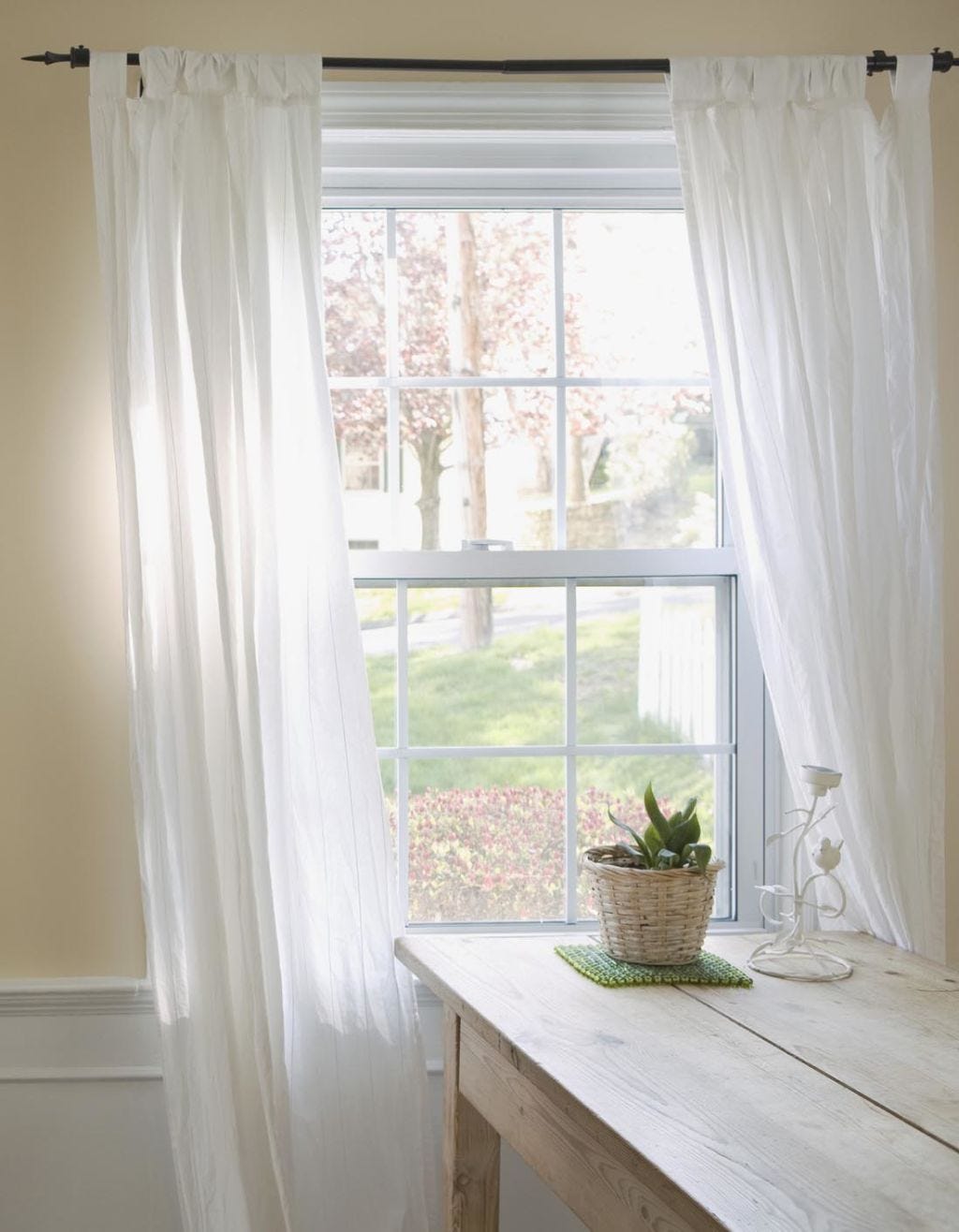
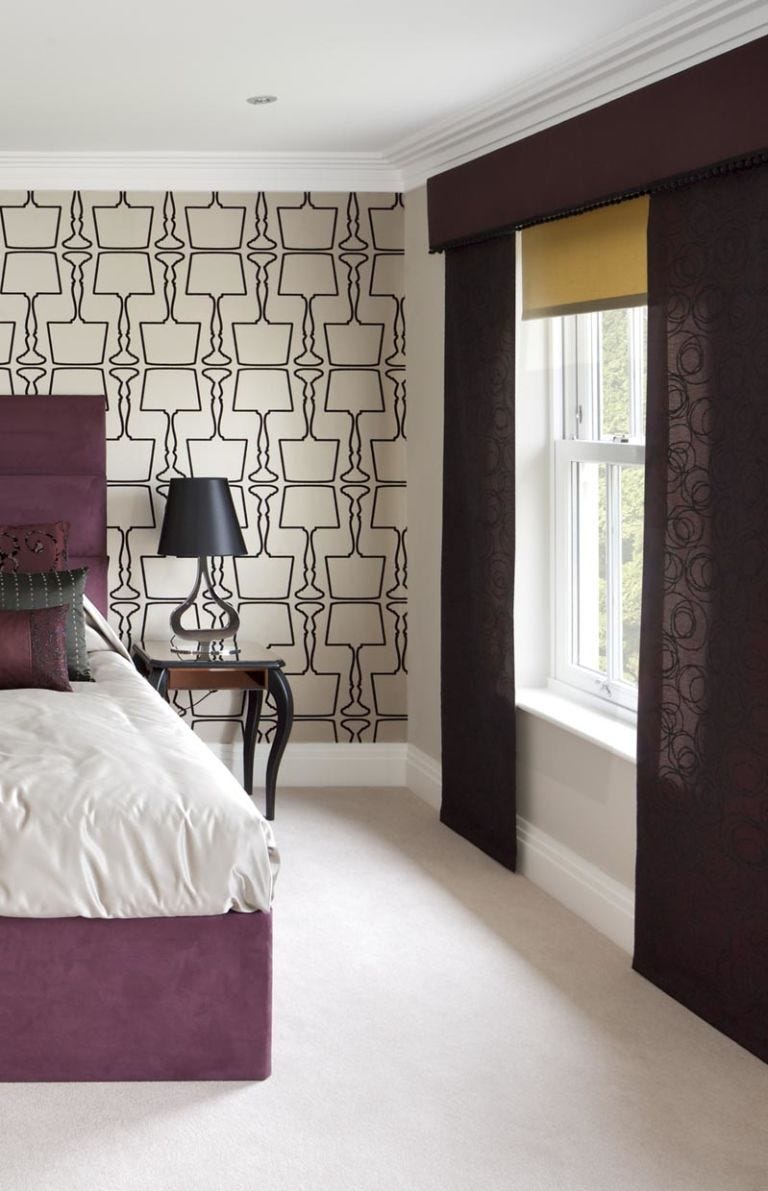
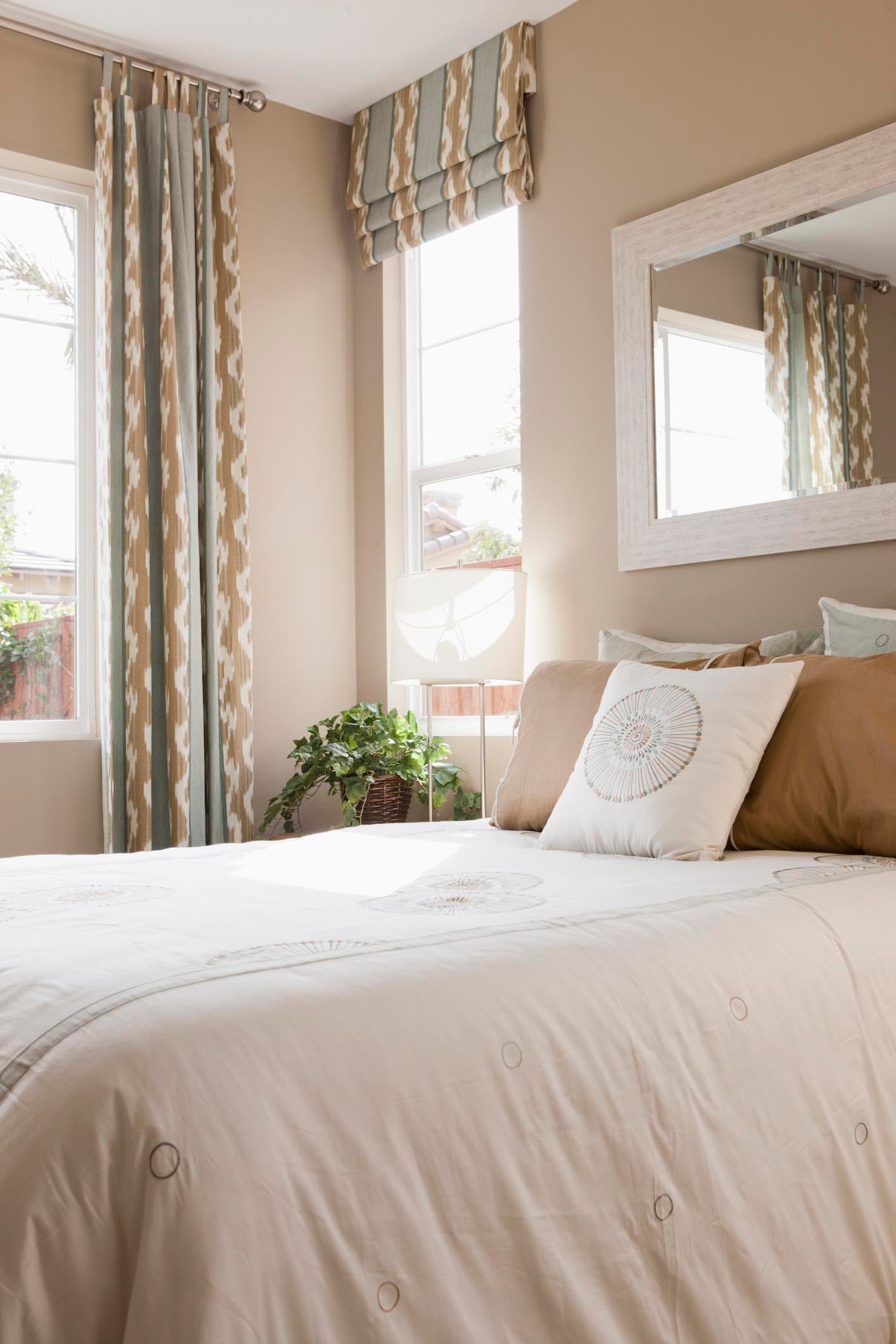
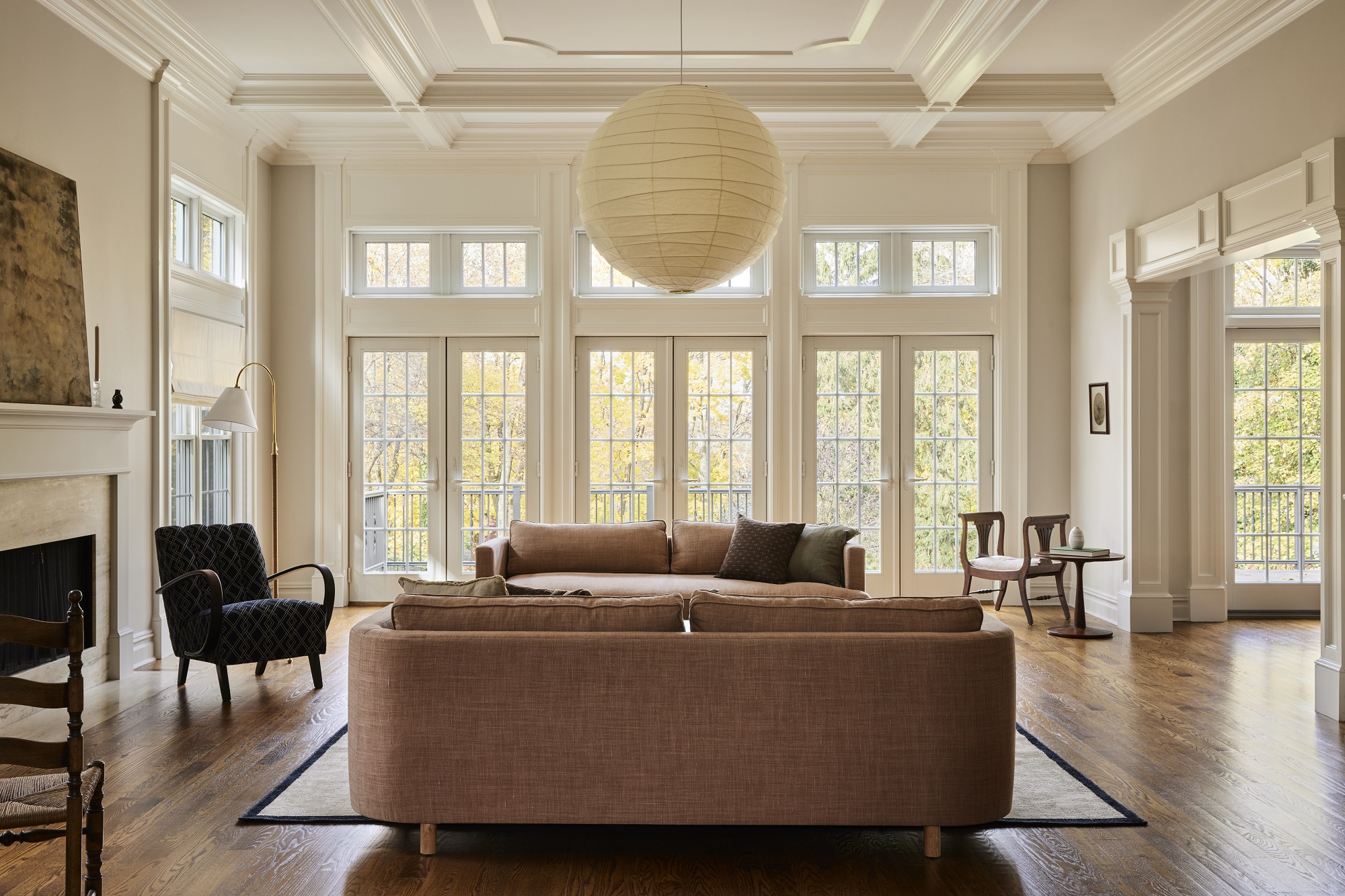
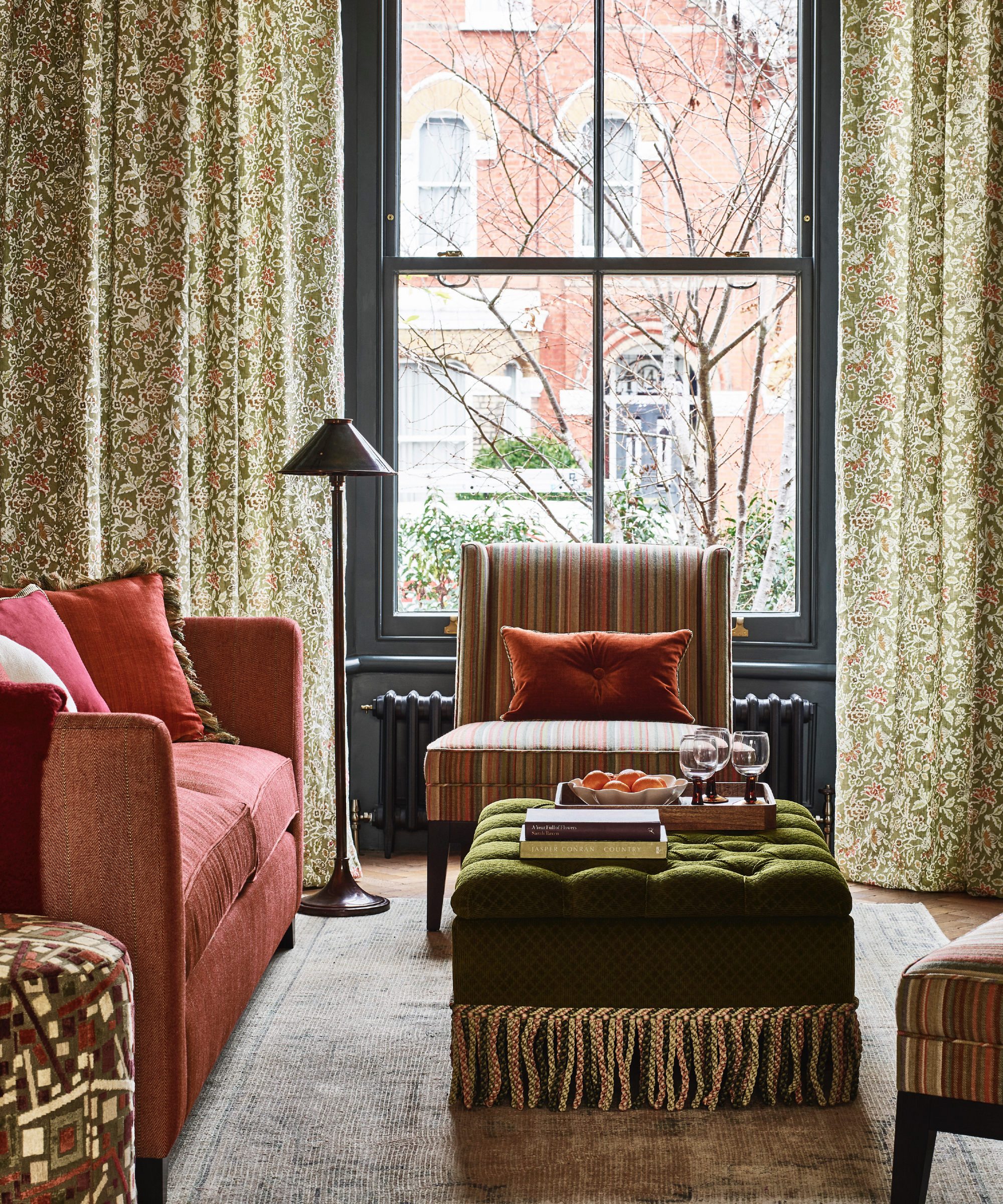
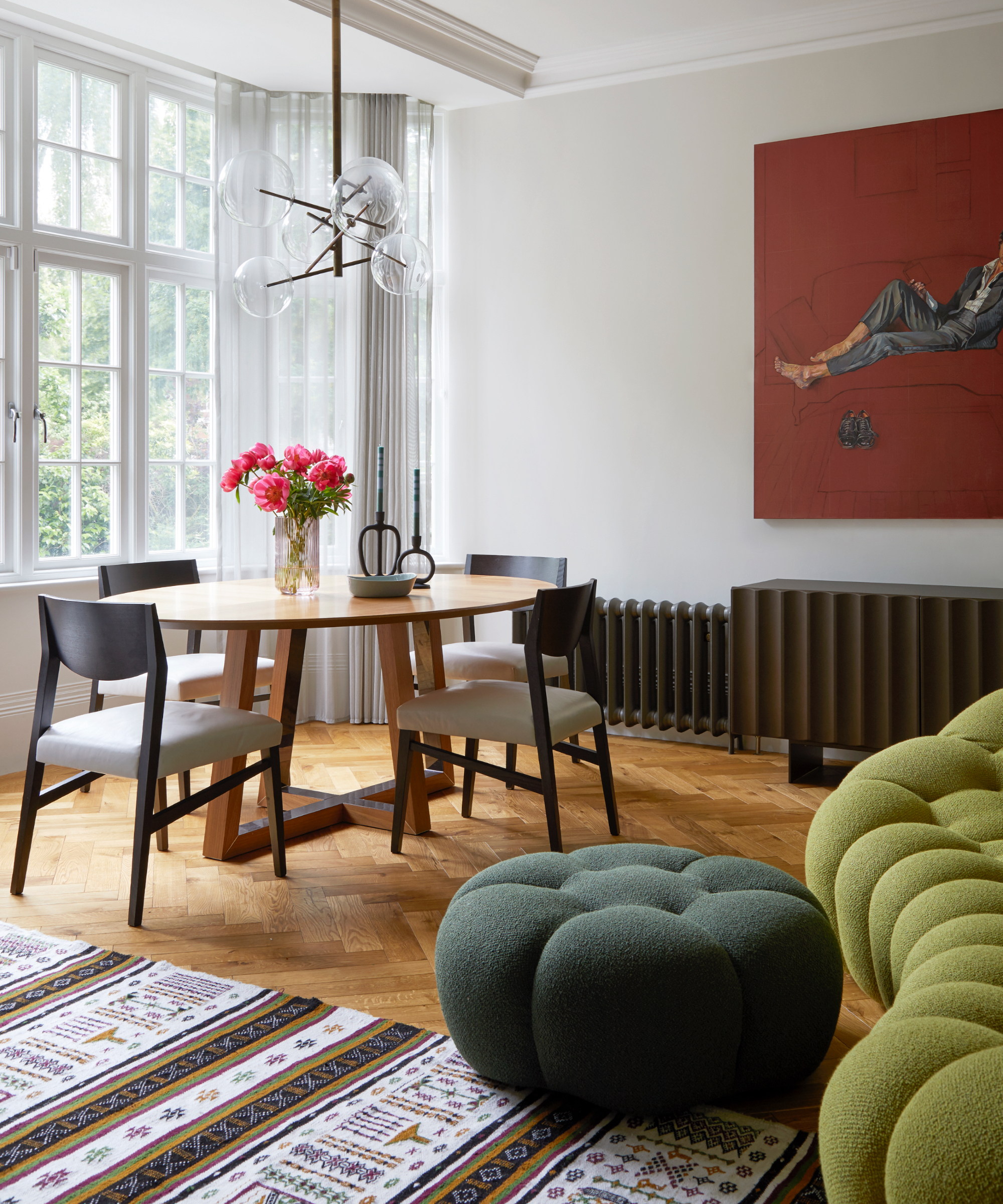
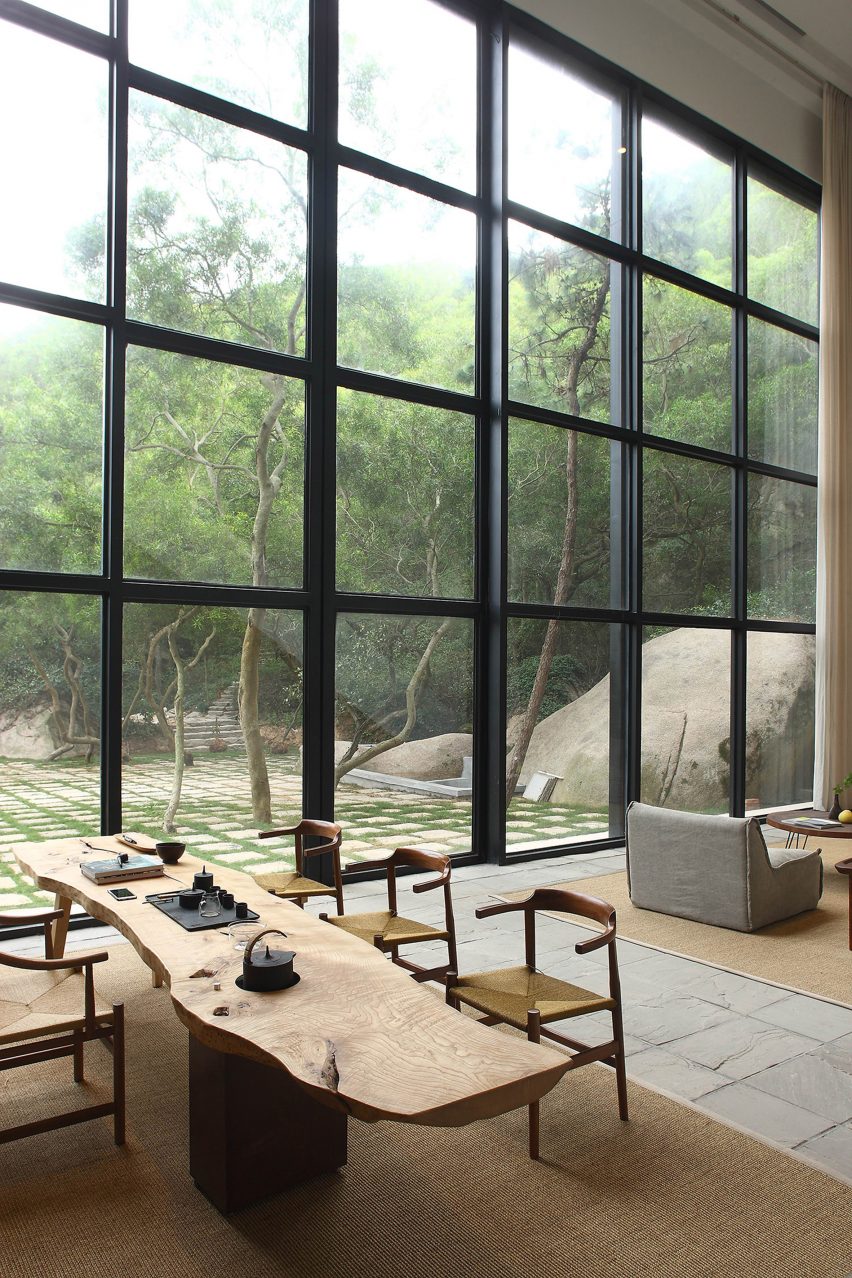
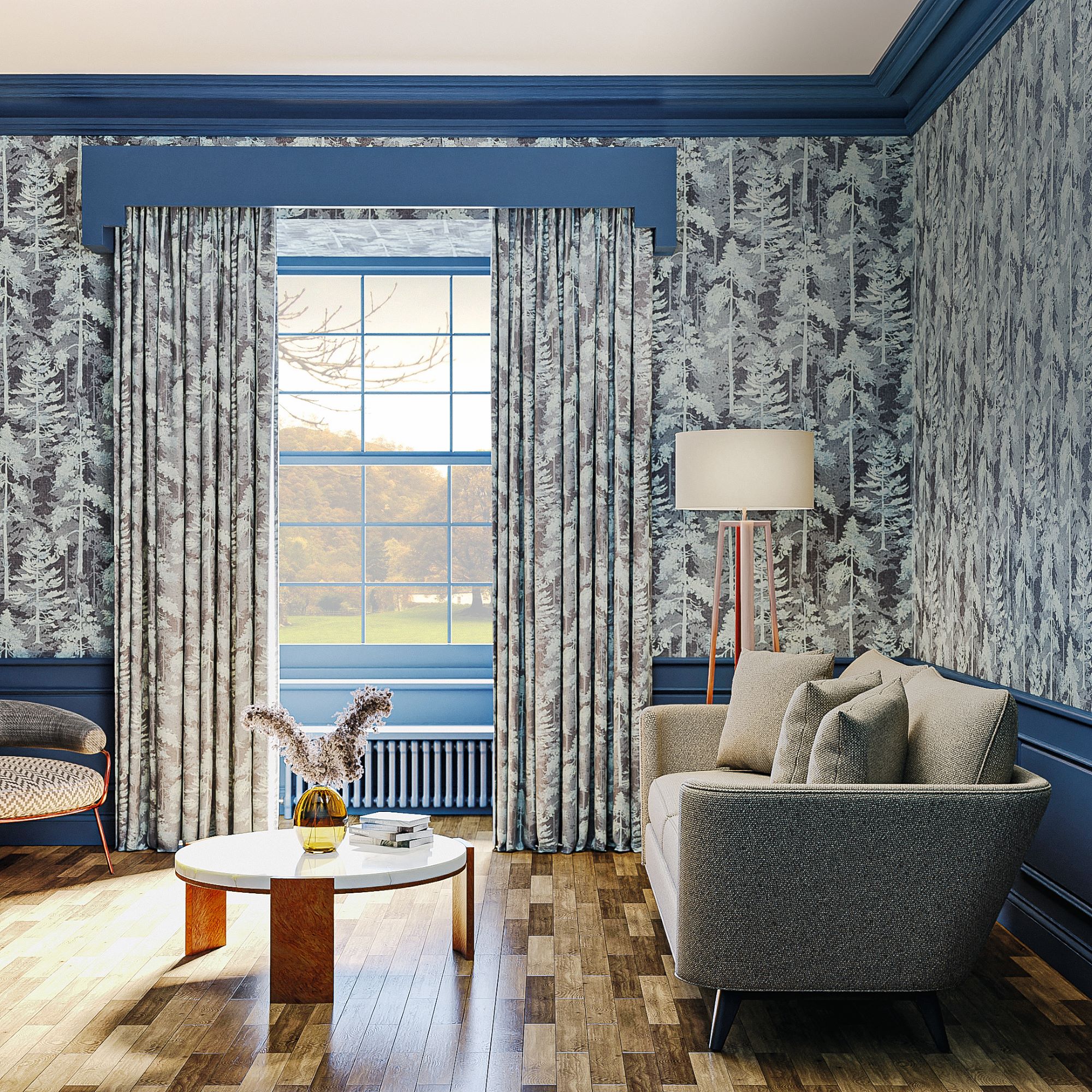
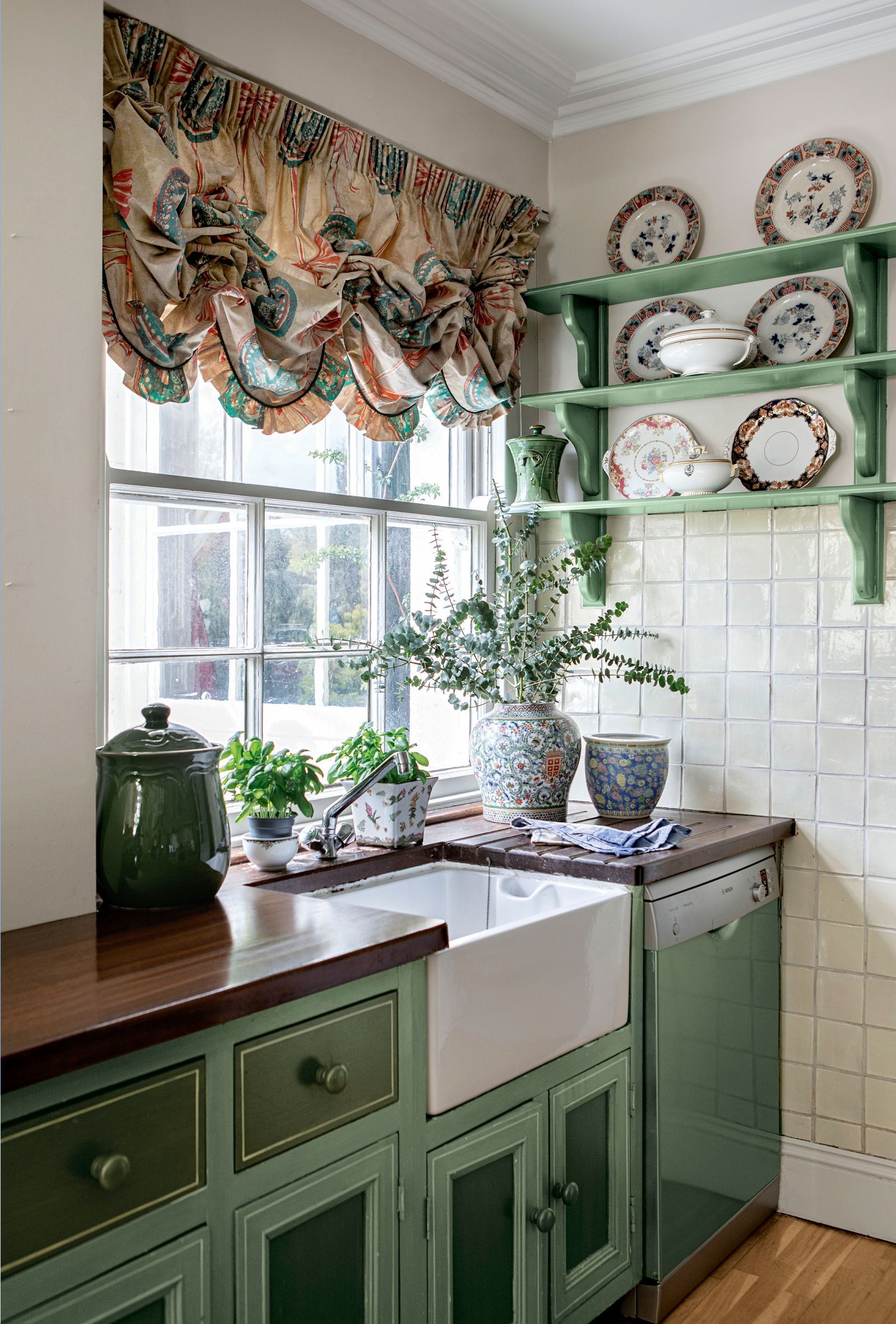
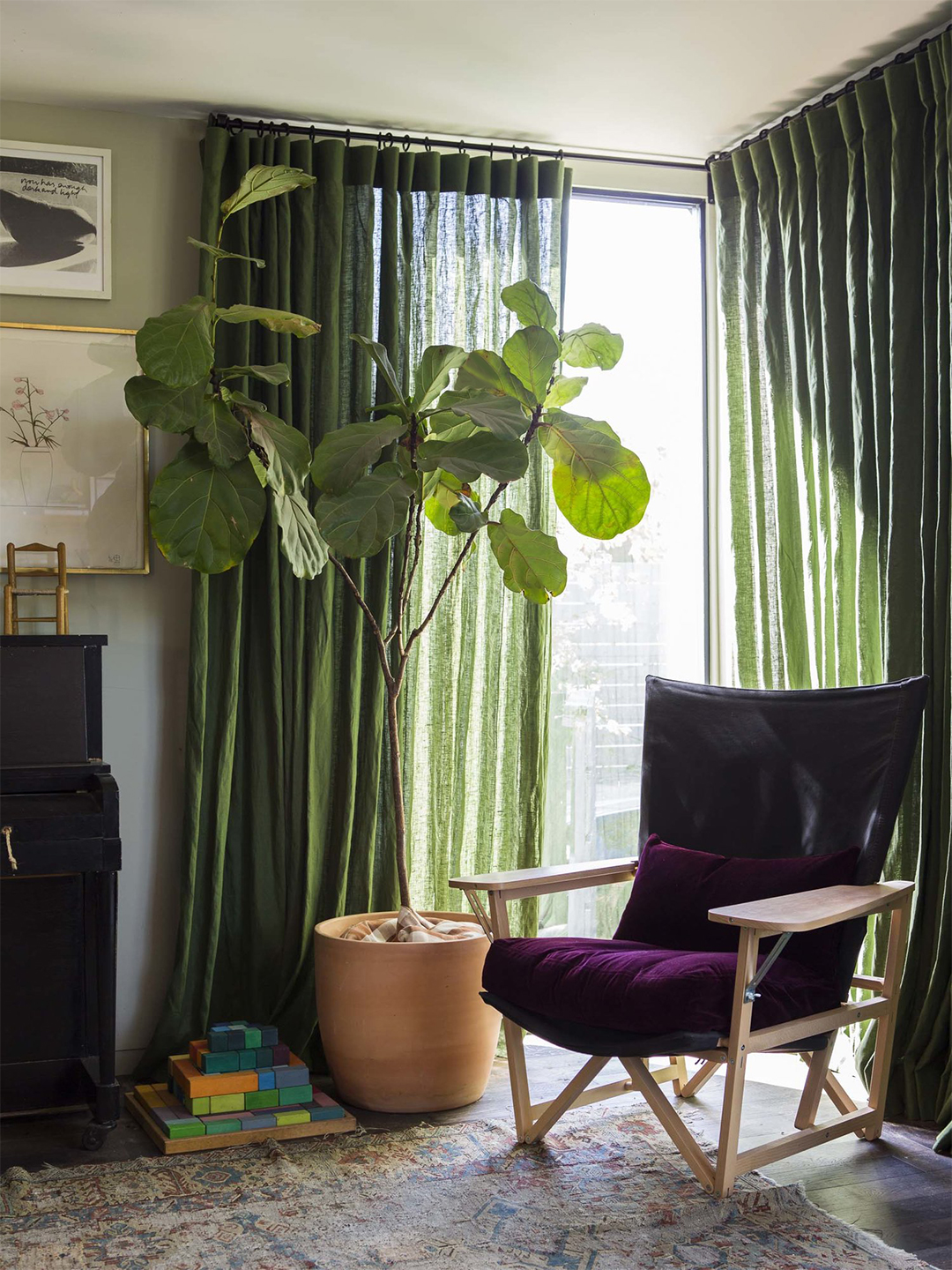
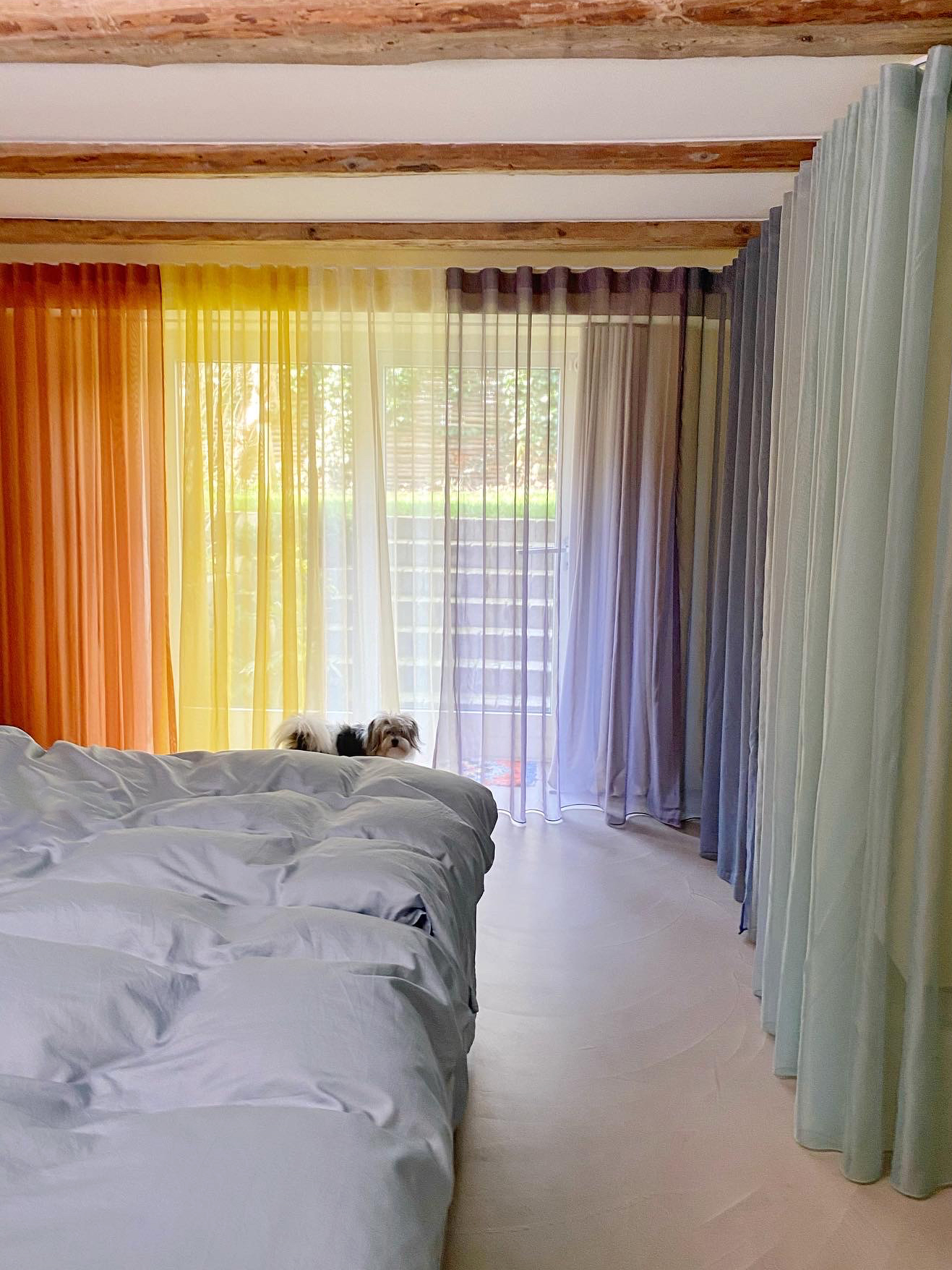
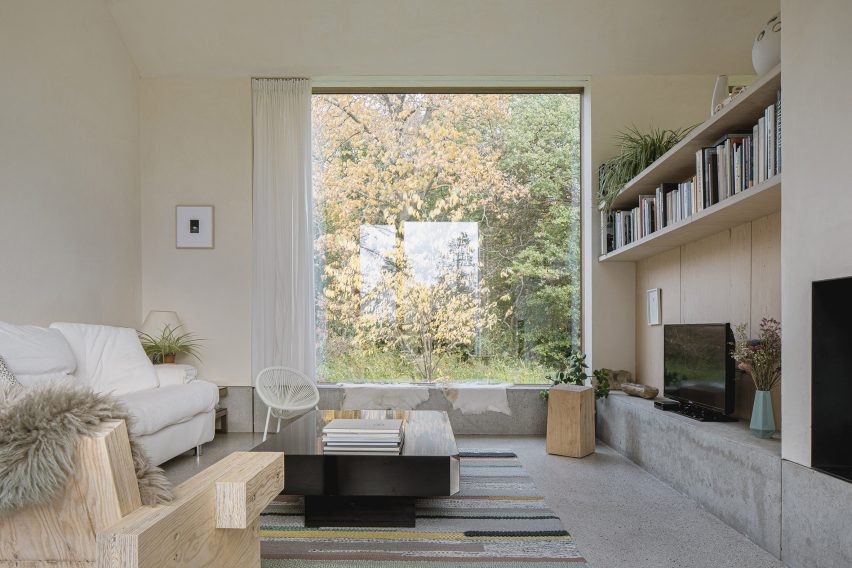
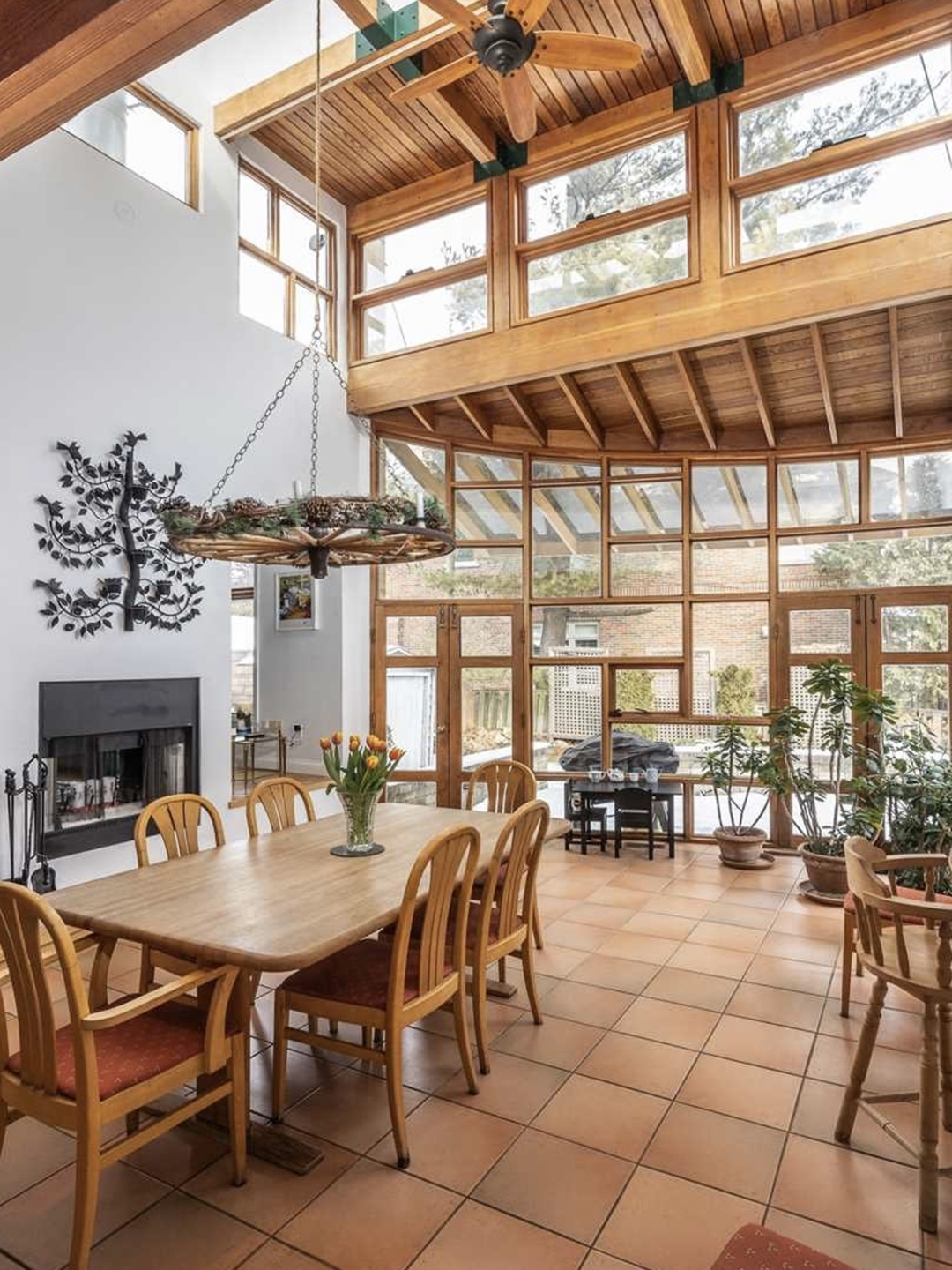
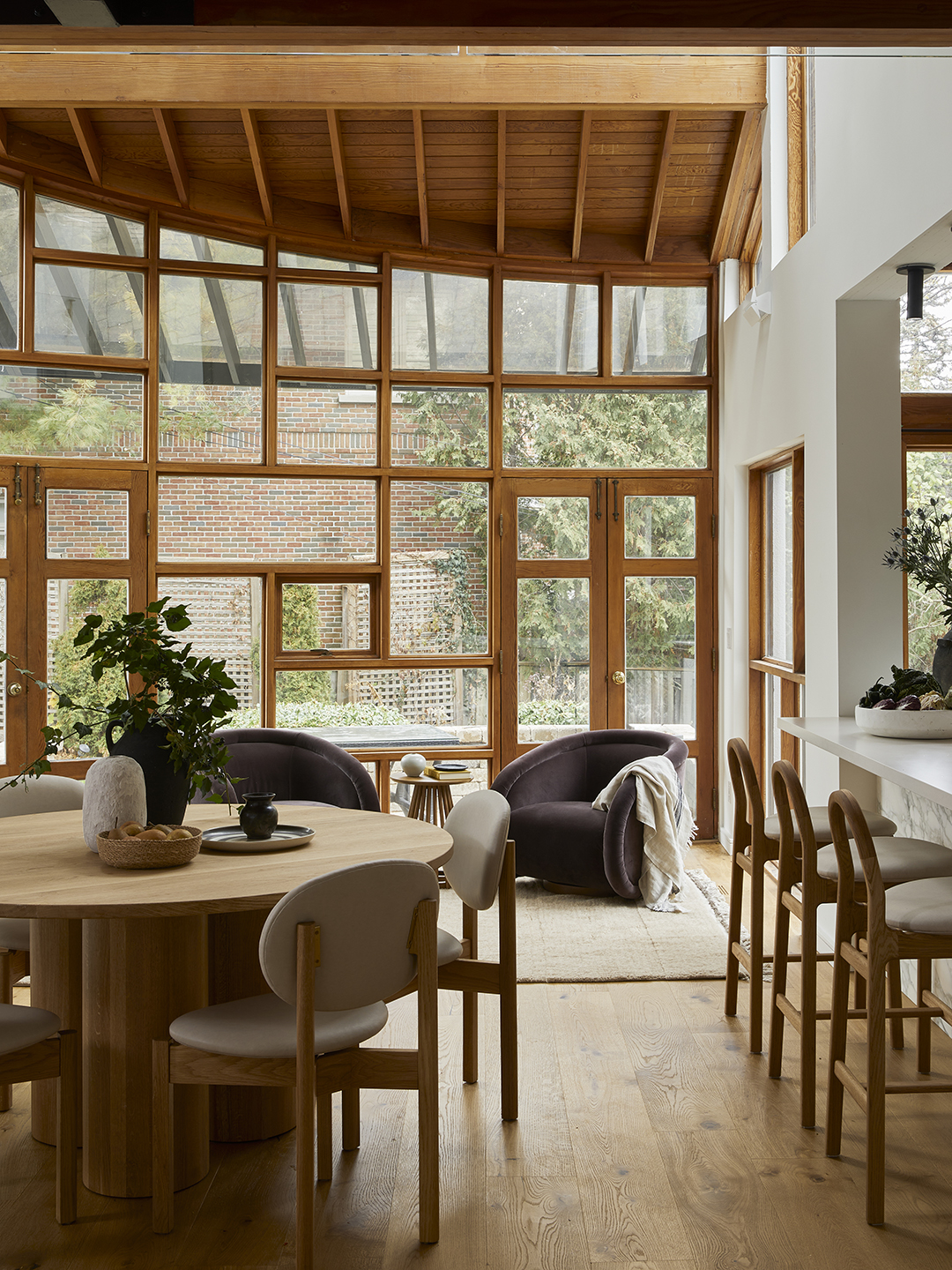
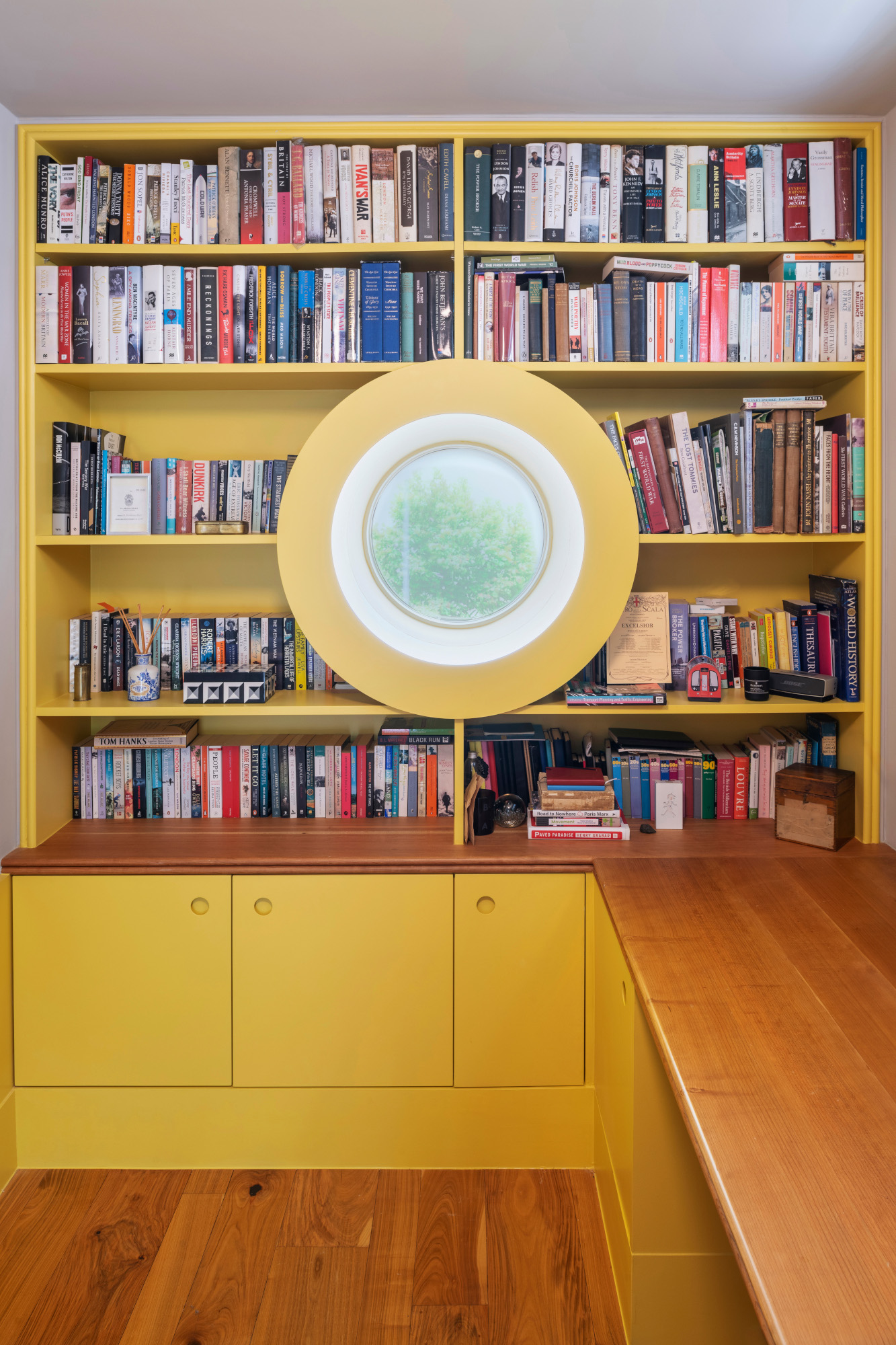
To address multiple or unusually high windows, designers suggest creating a unified look with floor-to-ceiling drapes. This technique can visually combine disparate window placements into a single, cohesive design element, making the room feel more expansive and sophisticated. Sweeping curtains to one side can also soften the overall appearance, catering to less formal aesthetics. Storage solutions can also be integrated with windows; for example, a shelf can bisect a kitchen window to provide additional space for kitchenware, turning a potential obstacle into a practical feature. Materials like African mahogany or brass rails can add aesthetic value while serving a functional purpose.
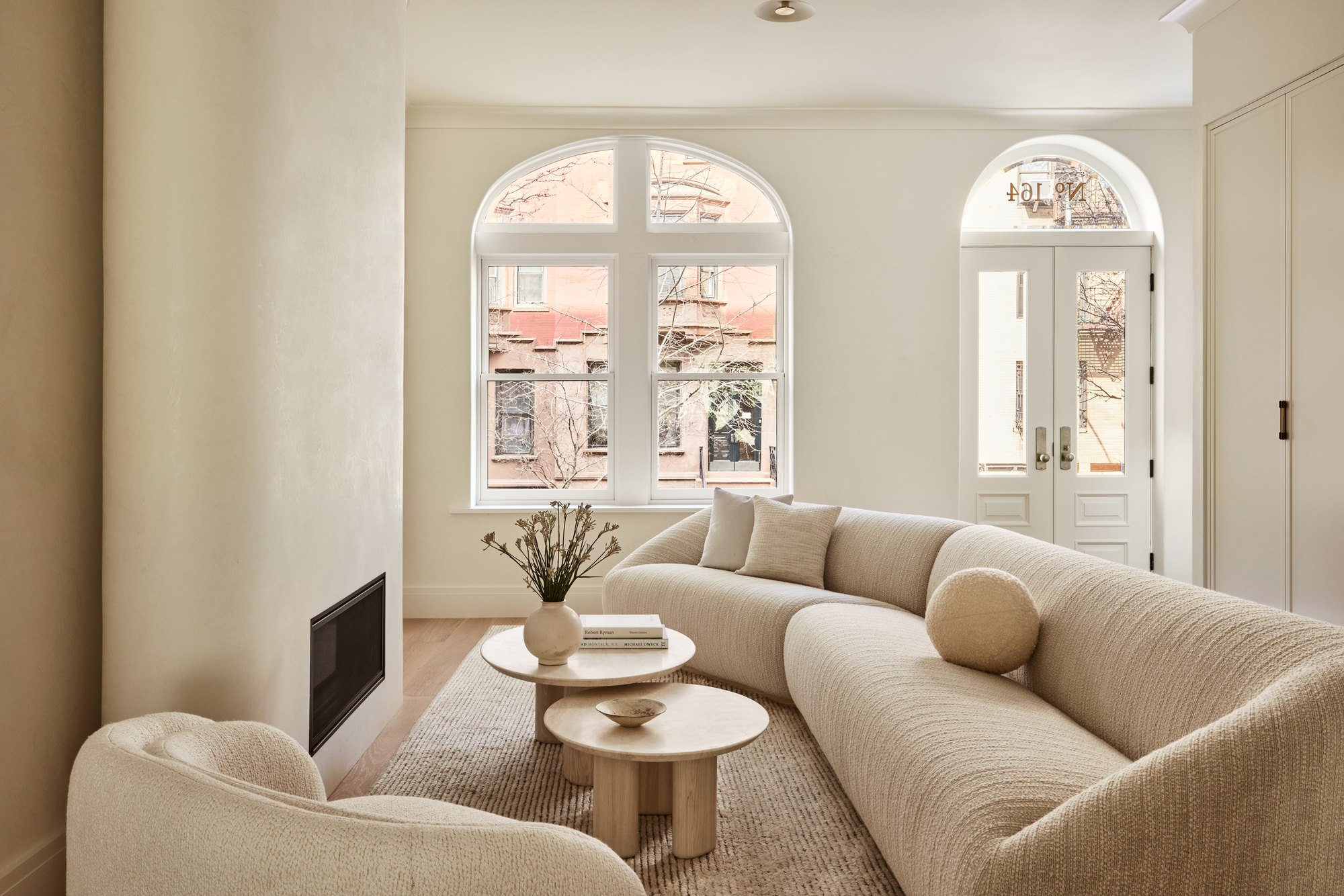
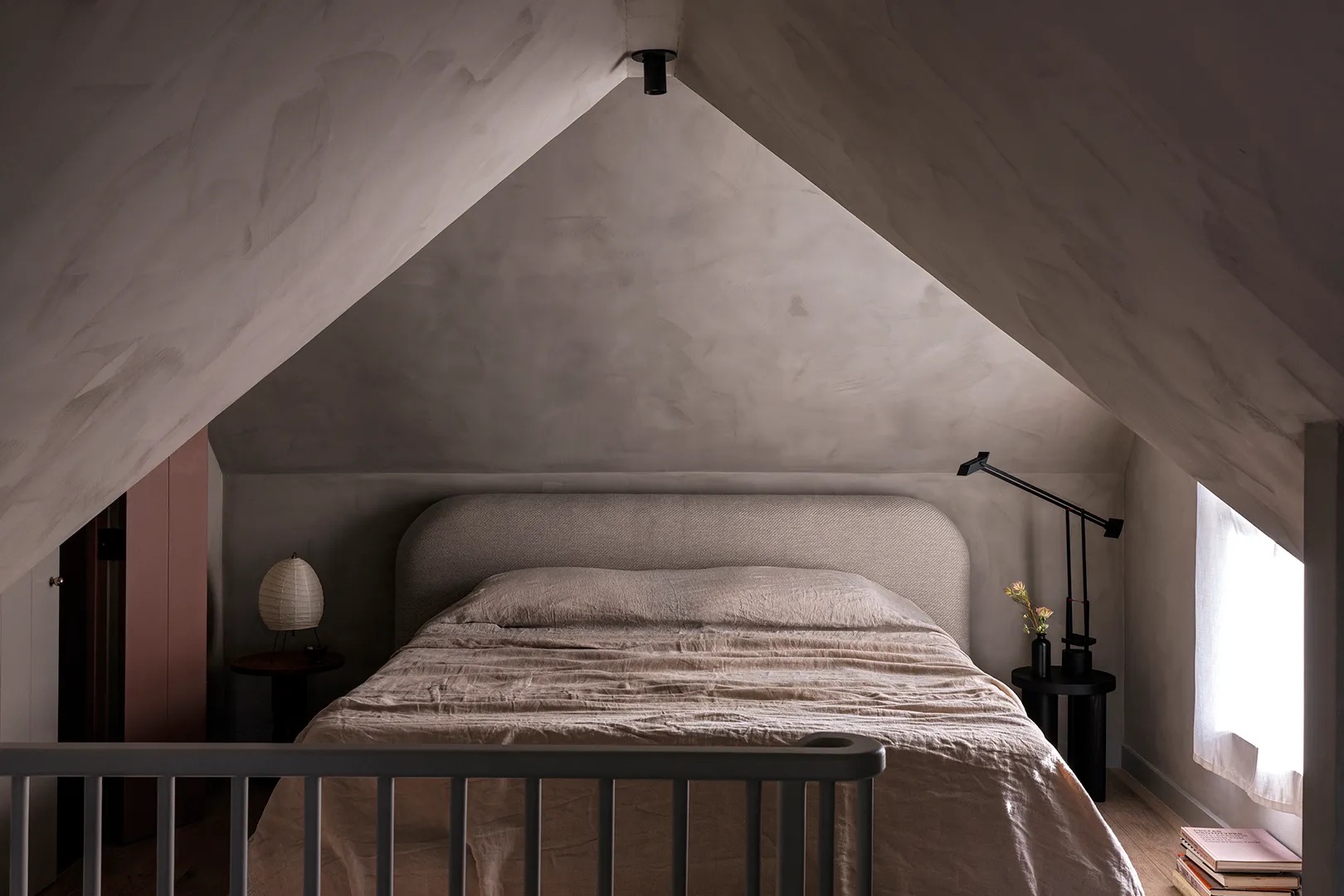
When standard furniture doesn't fit a windowed wall, custom pieces can be designed. An example is a headboard with two plywood wings that frame a window, providing a focal point while allowing views and addressing the need for a bed placement. This demonstrates how bespoke solutions can transform awkward spaces into intentional design statements. Another creative technique involves faking a window wall using wall-to-wall drapery. This can conceal off-center or mismatched windows, creating the illusion of a single, large window and making a room feel both larger and cozier.
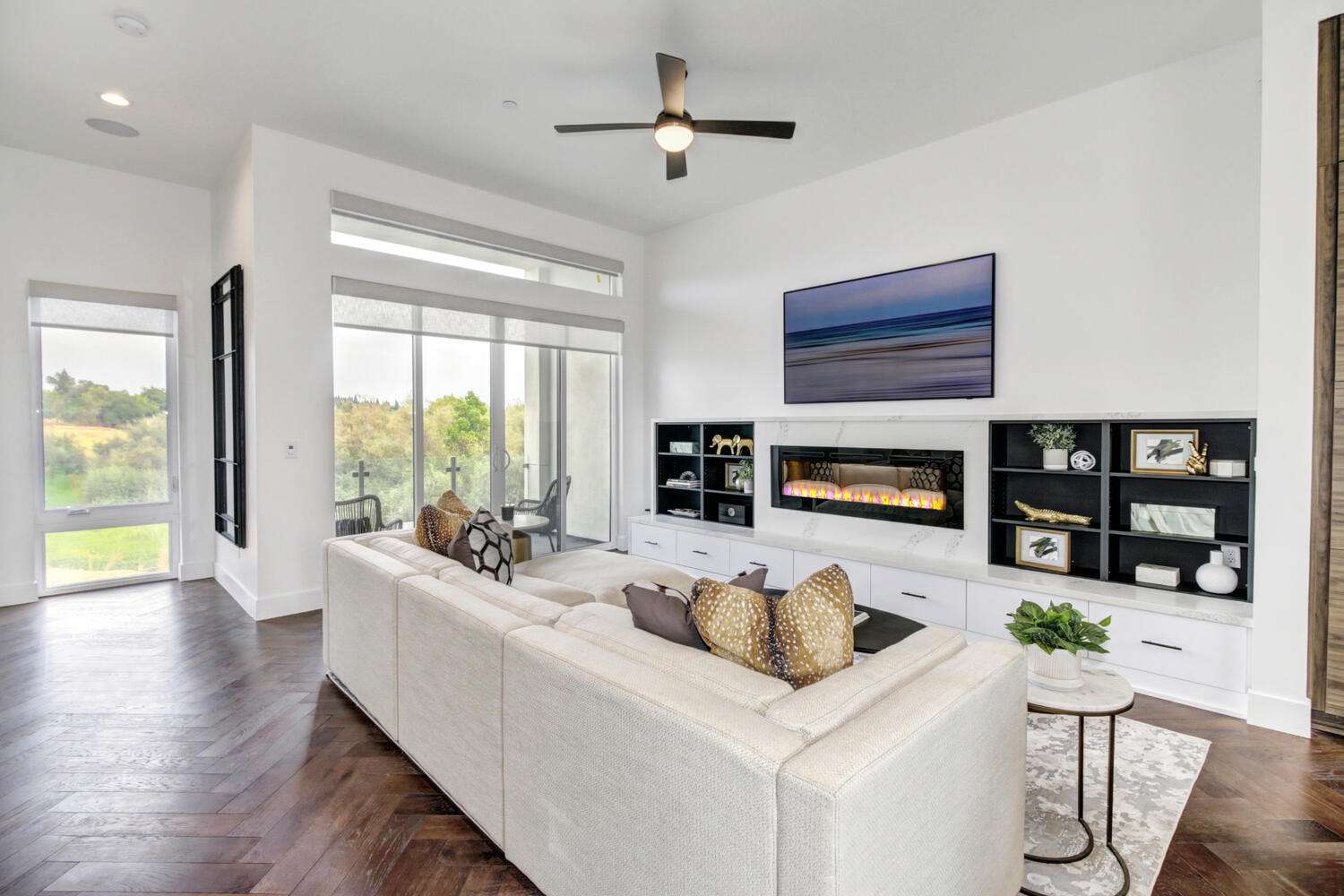
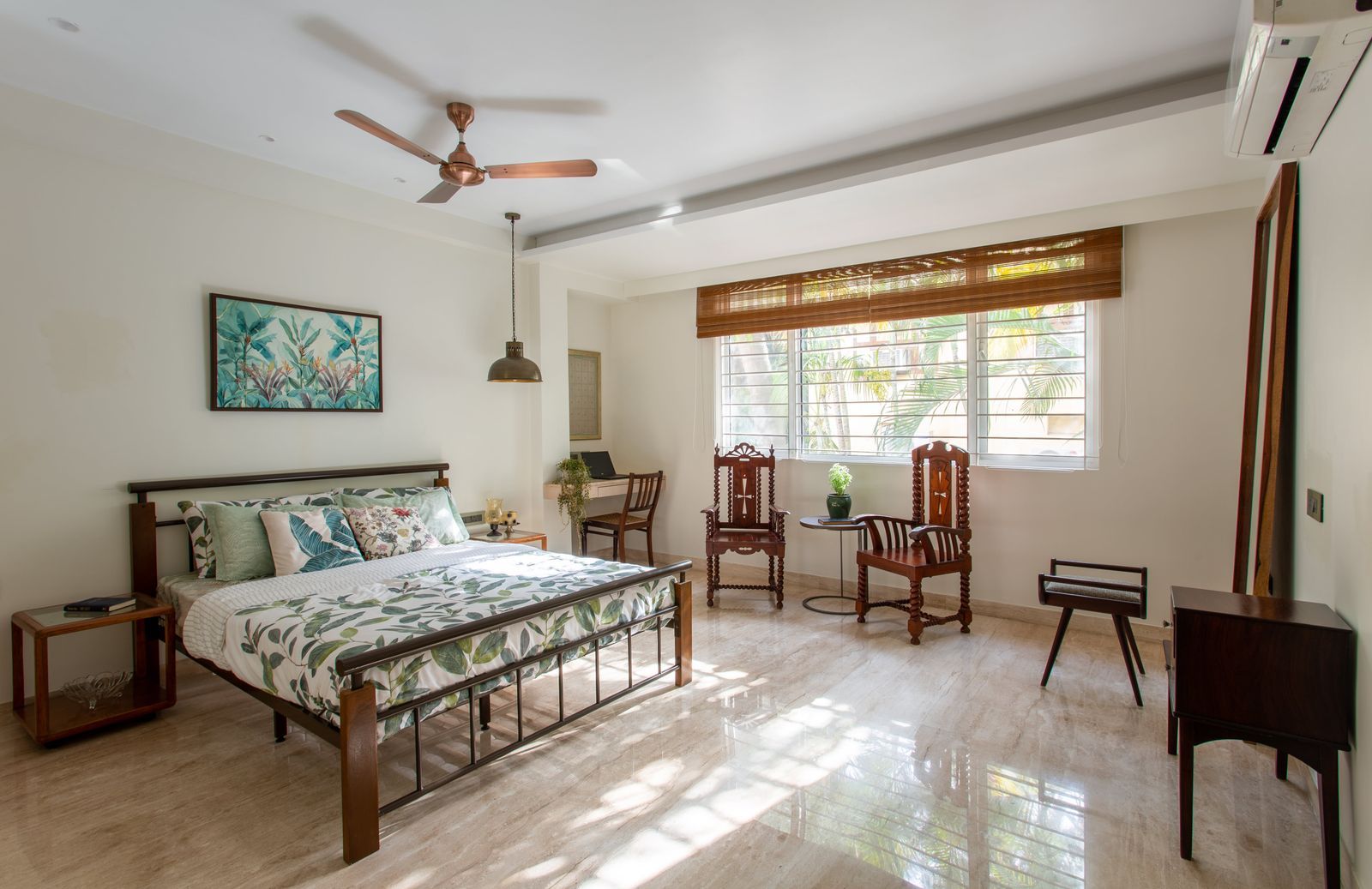
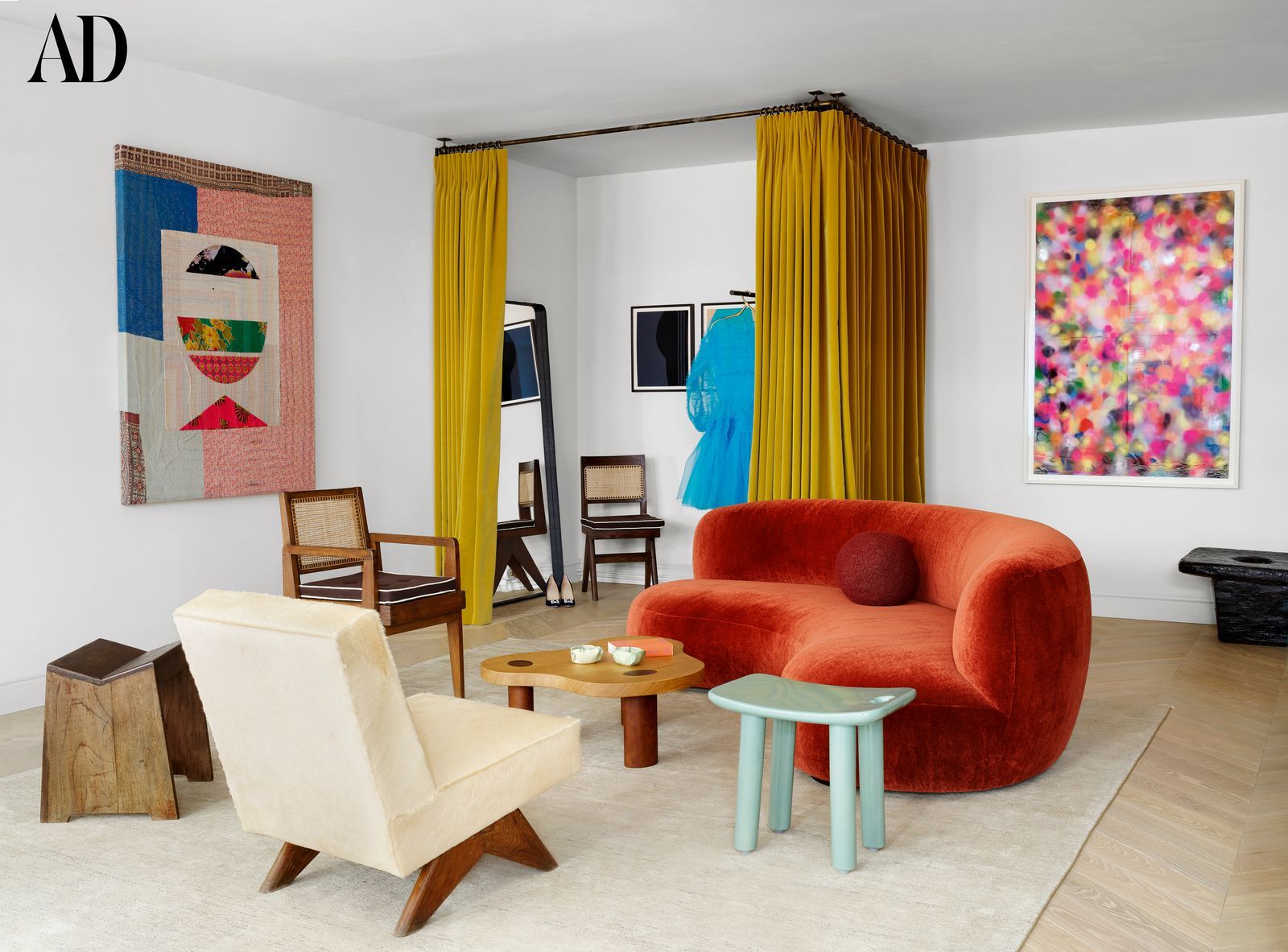
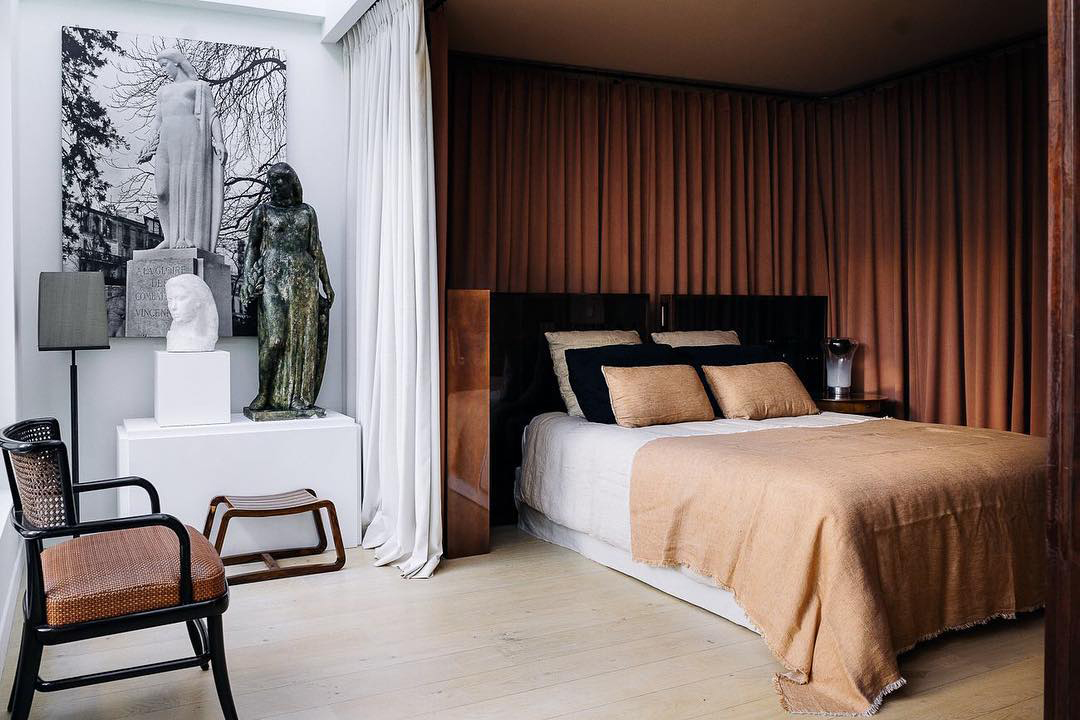
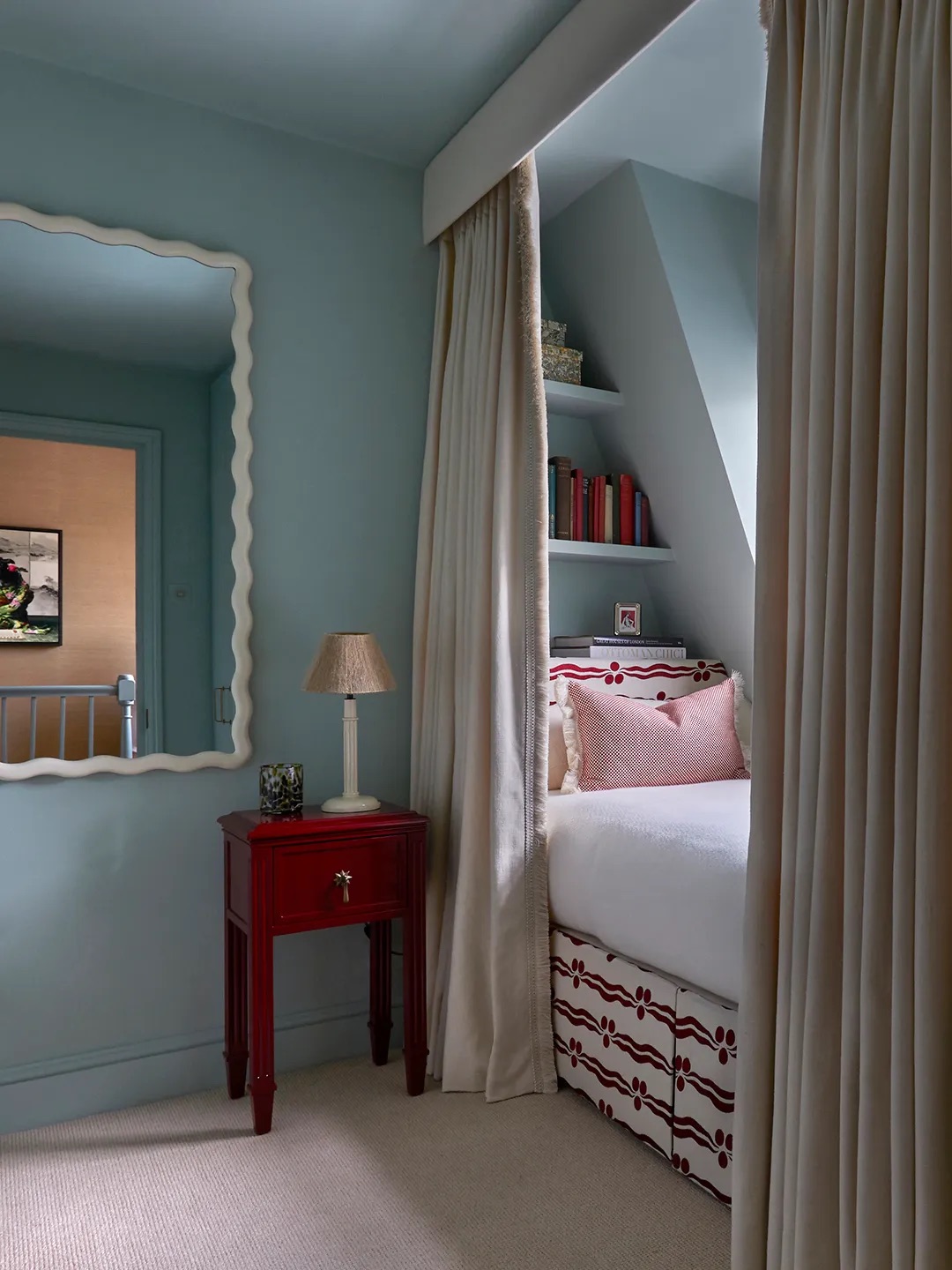
For bedrooms with centered but small windows, the placement of the window can guide the furniture layout, ensuring symmetry and balance. In rooms with dramatic corner windows, automated drapery panels mounted on ceiling tracks can create a flexible 'wall' for floating furniture like canopy beds and even for hanging art, effectively converting a window-heavy wall into a regular gallery space. In cases where natural light is abundant, obscuring one window with a large art canvas can help achieve a more symmetrical room layout, demonstrating that sometimes a window can be temporarily 'removed' from the visual field for design purposes.
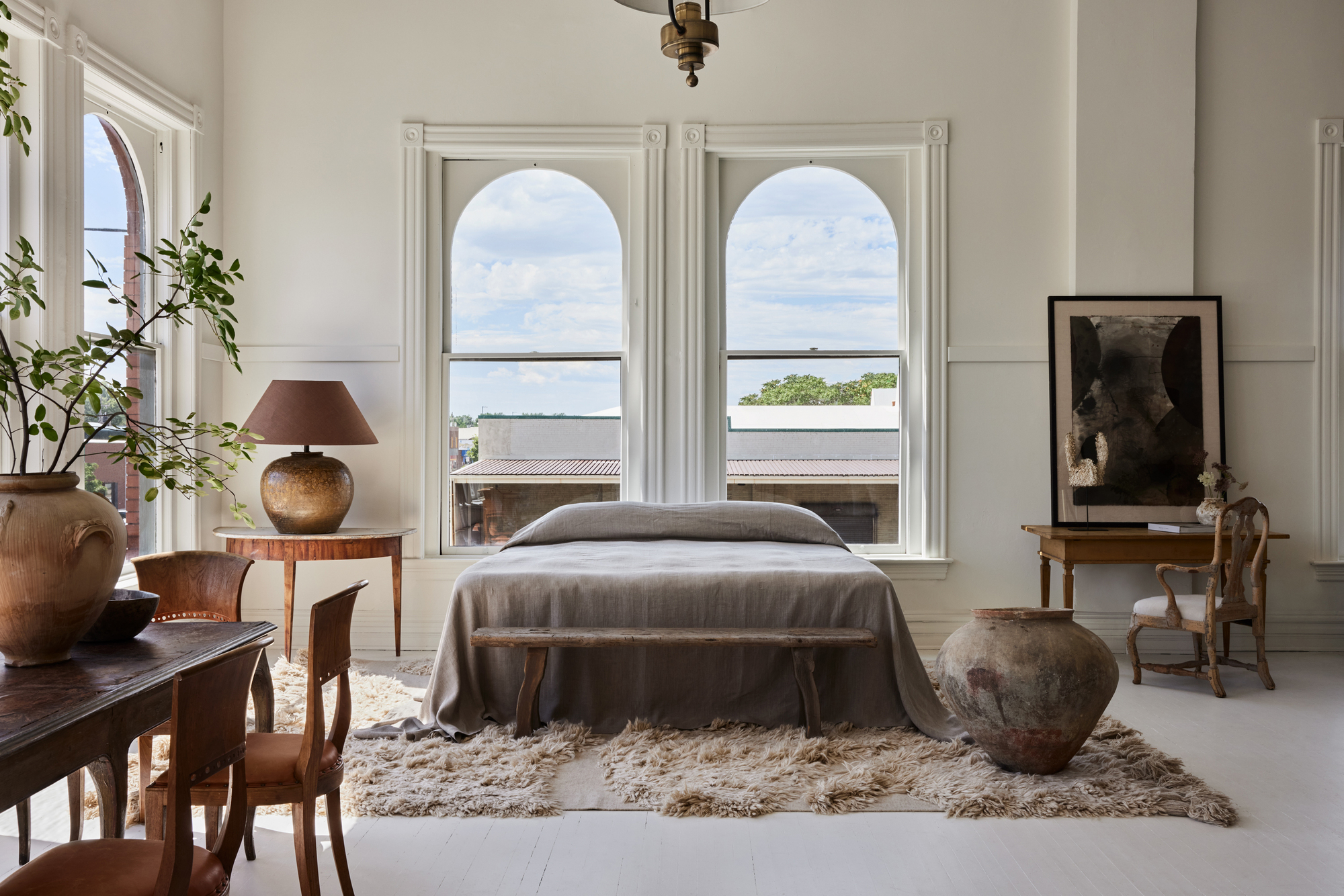
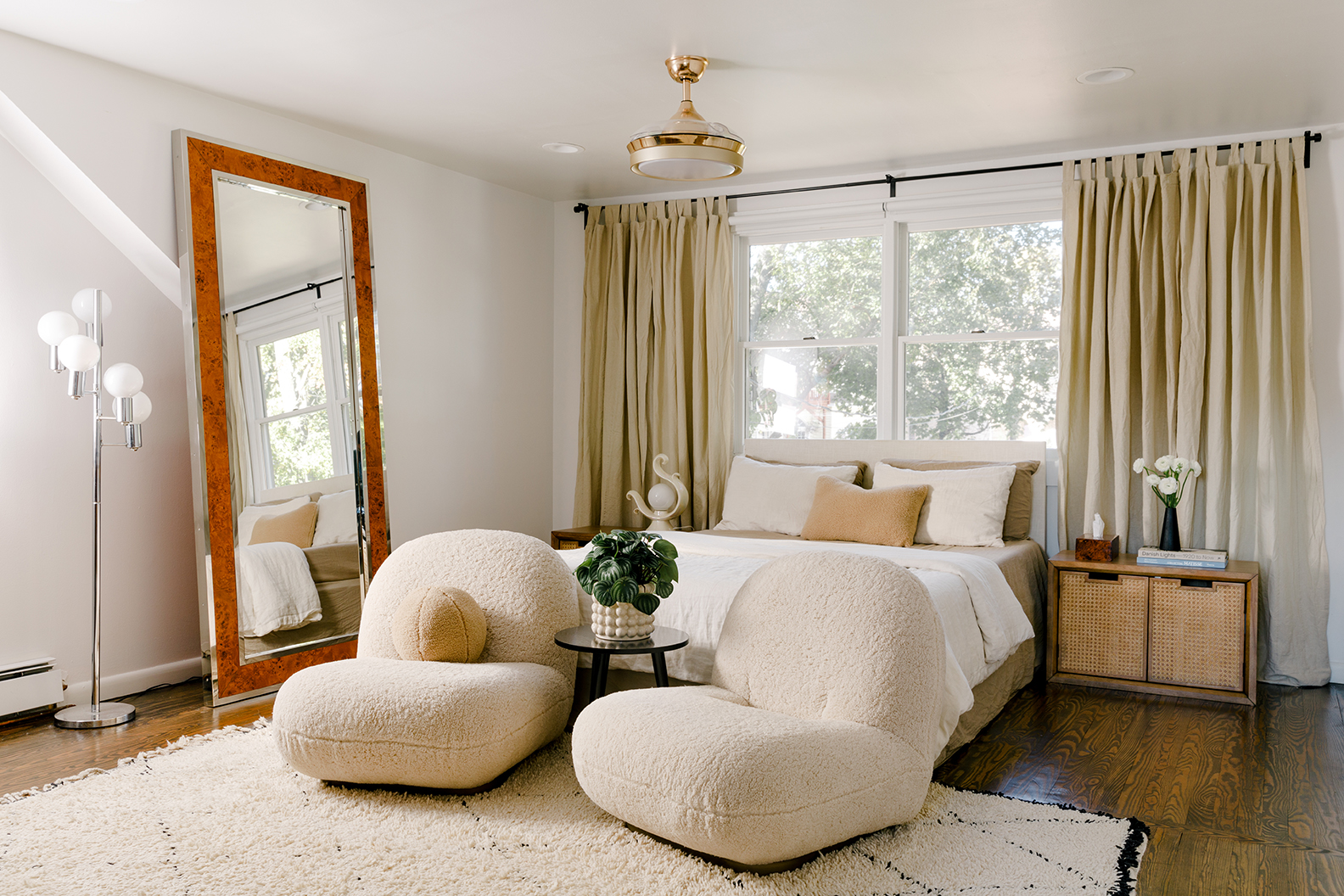
Bathrooms can also benefit from unconventional vanity mirror placements. Instead of traditional wall-mounted mirrors, installing mirrors directly on countertops in front of windows can provide optimal lighting and privacy, opening up new possibilities for sink and vanity arrangements. Finally, in rooms with multiple windows on every wall, designers recommend creating symmetry by positioning twin beds under each window and balancing the space with central furniture and sconces. This makes the numerous windows appear as intentional design elements rather than challenges, transforming a potential design flaw into a harmonious and welcoming addition.
#InteriorDesign #WindowDecor #SmallSpaces #HomeDecor #DesignSolutions #FurniturePlacement #CustomDesign #PrivacySolutions #RoomLayout #InteriorDesign #WindowDecor #SmallSpaces #HomeDecor #DesignSolutions #FurniturePlacement #CustomDesign #PrivacySolutions #RoomLayout
Hay 0 comentarios en total
 Aún no hay comentarios
También te puede gustar
These 8 Unusual Windows Will Take You by Surprise

This Controversial Window Treatment Trick Might Just Make Your Room Feel Bigger and Brighter

How to dress a window - three design experts explain how to plan the perfect window dressing

Skip the Window Treatments, This Designer Says — Here's Why

This New DIY Will Make Your Windows and Wall Treatments Look Way More Luxe and Fun
Designers Love This Clever Decorating Trick (It Takes Up Zero Space)

6 Window Treatments That Instantly Make a Room Look "Tacky," Designers Say
How a Designer Worked With, Not Against, a Wall of 34 Windows

These Brilliant Window Treatment Ideas Will Infuse Luxe Style into Every Room
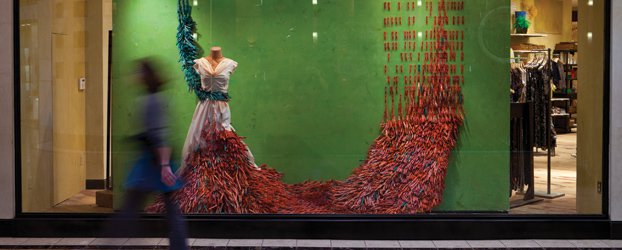
Window Dressing

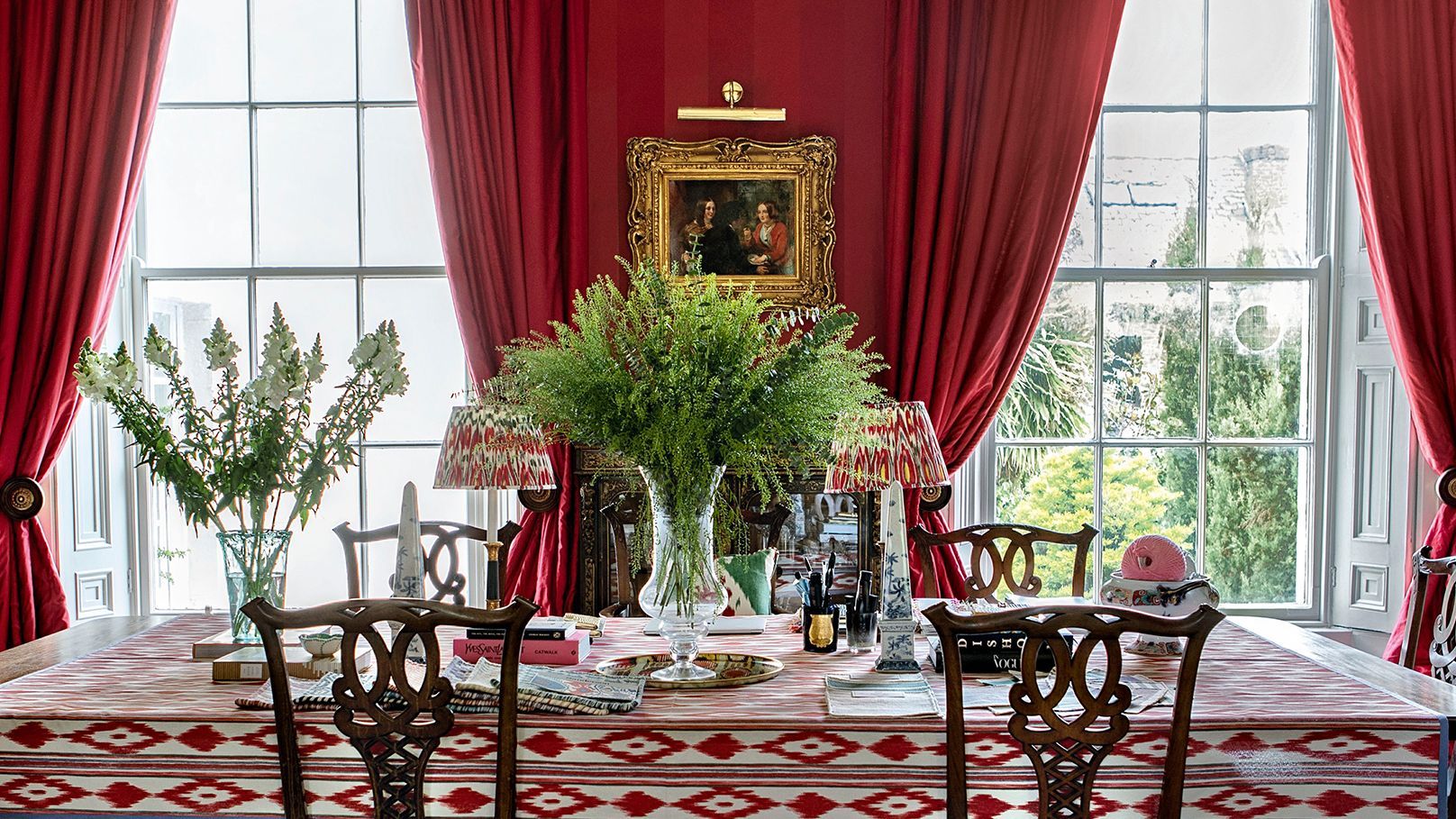
Trend alert: 4 window treatments ruling interiors right now

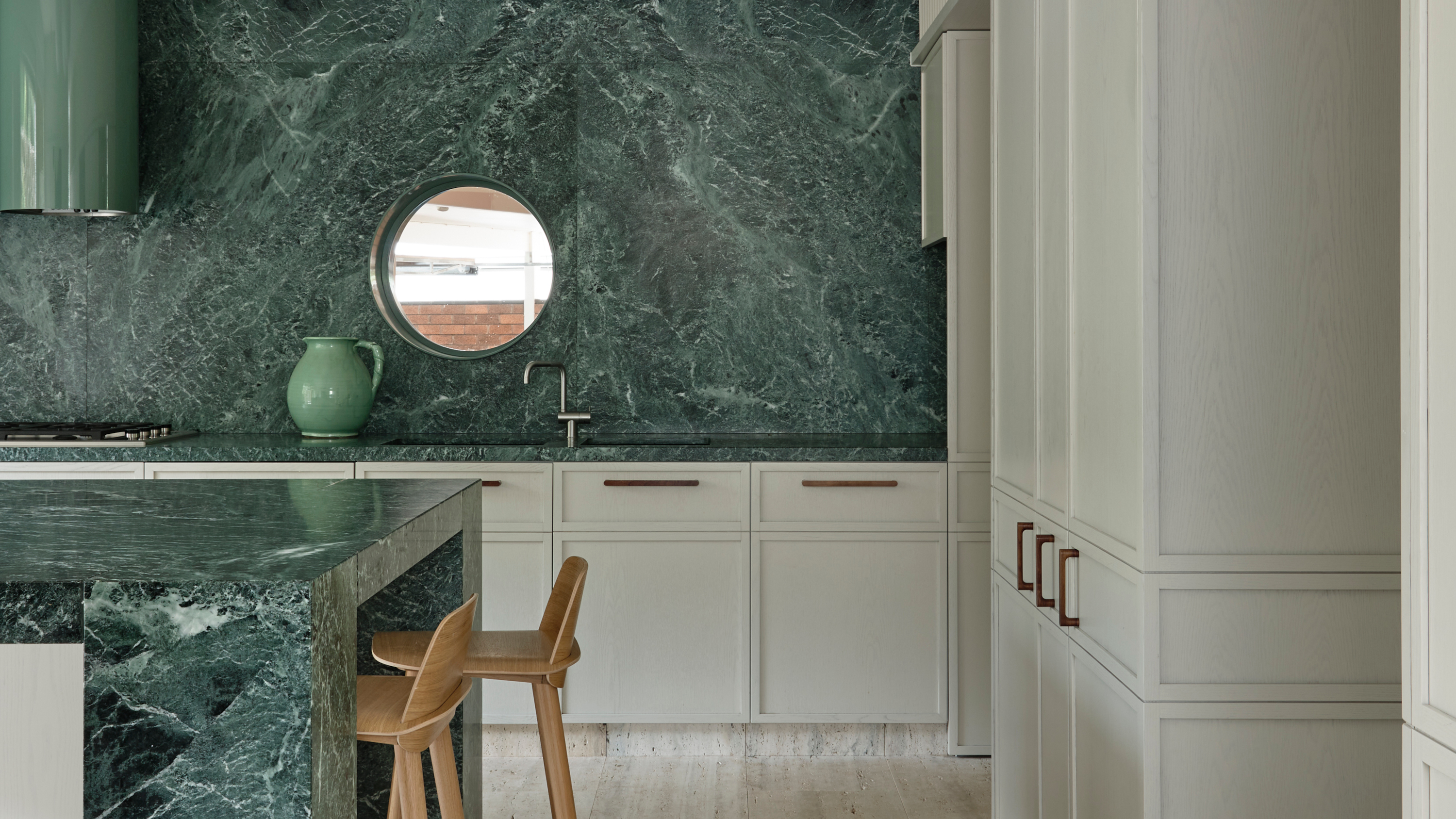
Architects Are Embracing "Porthole" Windows Right Now — And They Make for Such Joyful Spaces
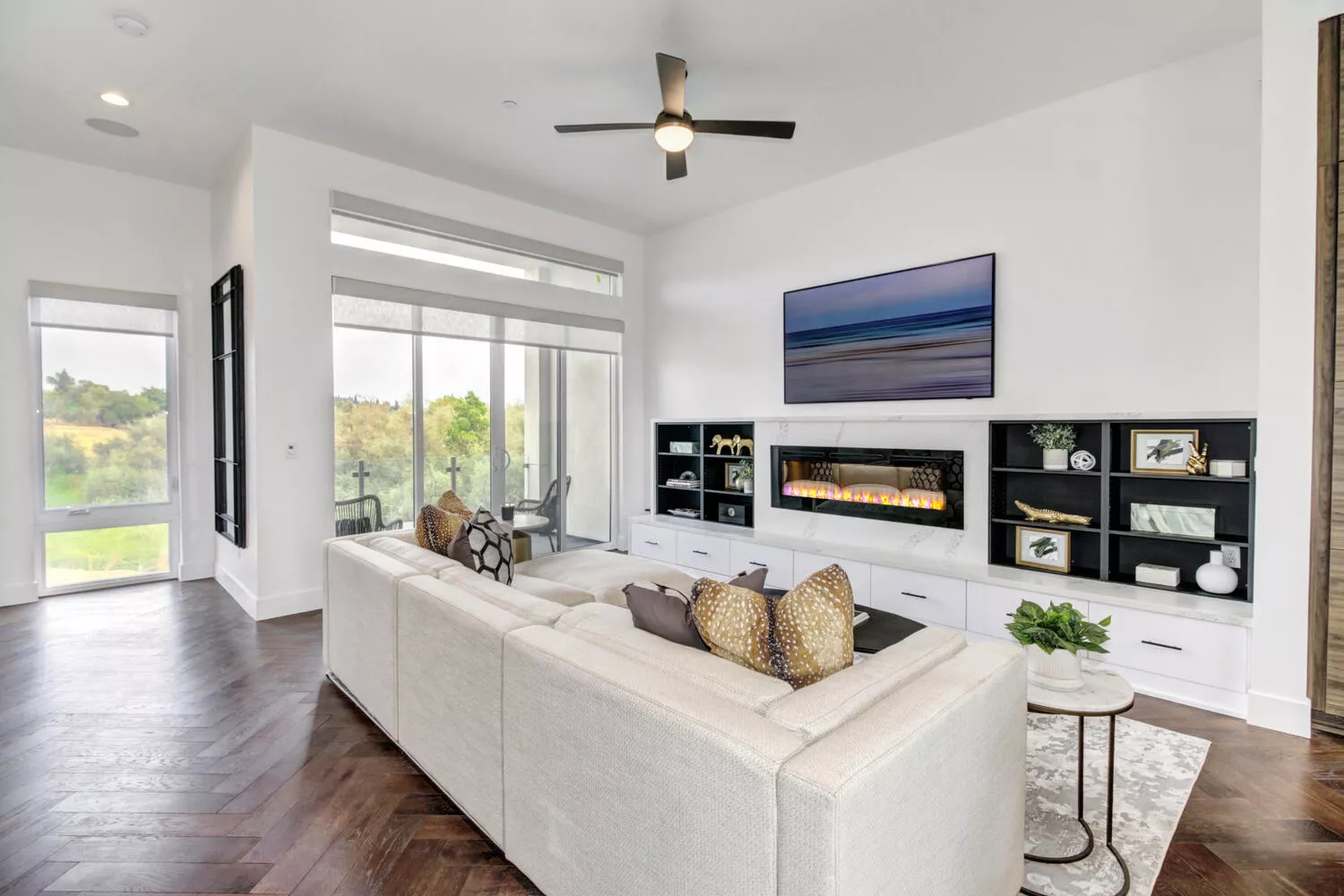
Tackle Oddly Placed Windows Like the Pros With These 7 Design Tips
Should you choose drapes or blinds? We asked interior designers which window treatment is best

Why You Should Be Extending Your Drapes Beyond the Window Frame
Awkward Rooflines Are No Match for These Clever Solutions
13 Professional Tricks to Make Your Windows Look Bigger
Eight living spaces with industrial Crittal-style windows
Ten well-designed window seats for peaceful contemplation
We Asked Designers Which Window Treatments People Always Regret—These 6 Came Up the Most