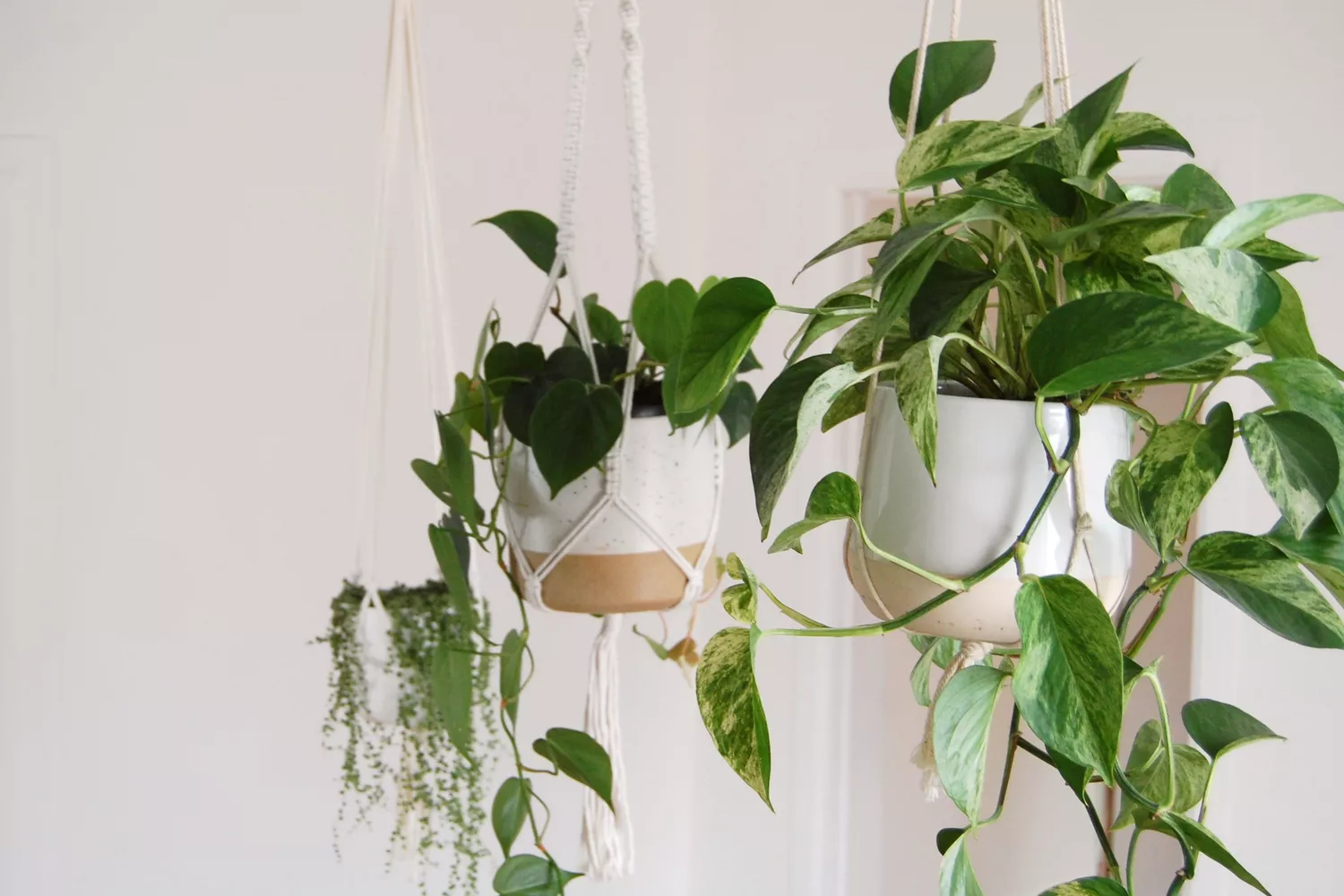
1/2
22 Indoor Vining Plants That'll Make Your Home Look Like a Jungle
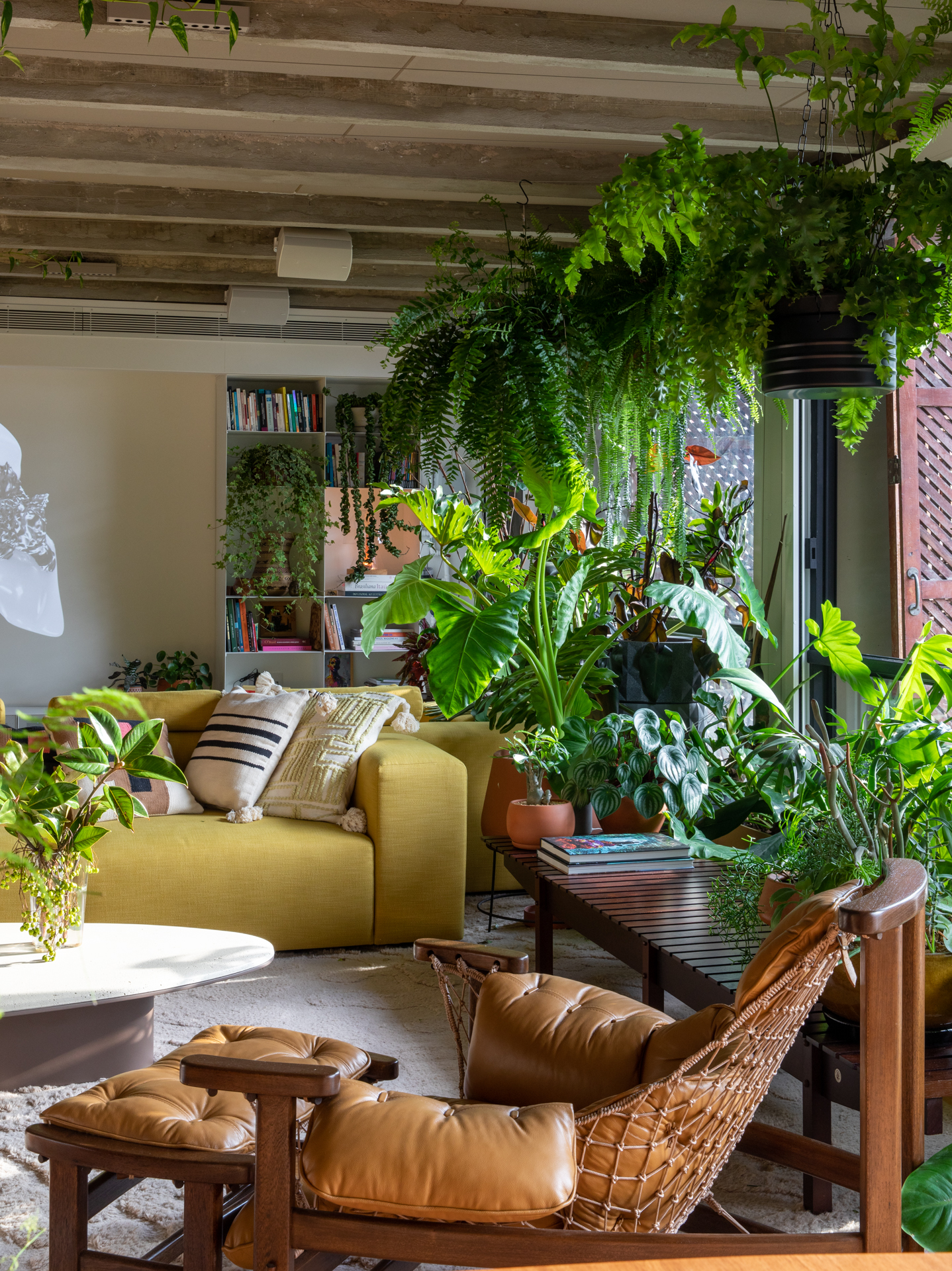
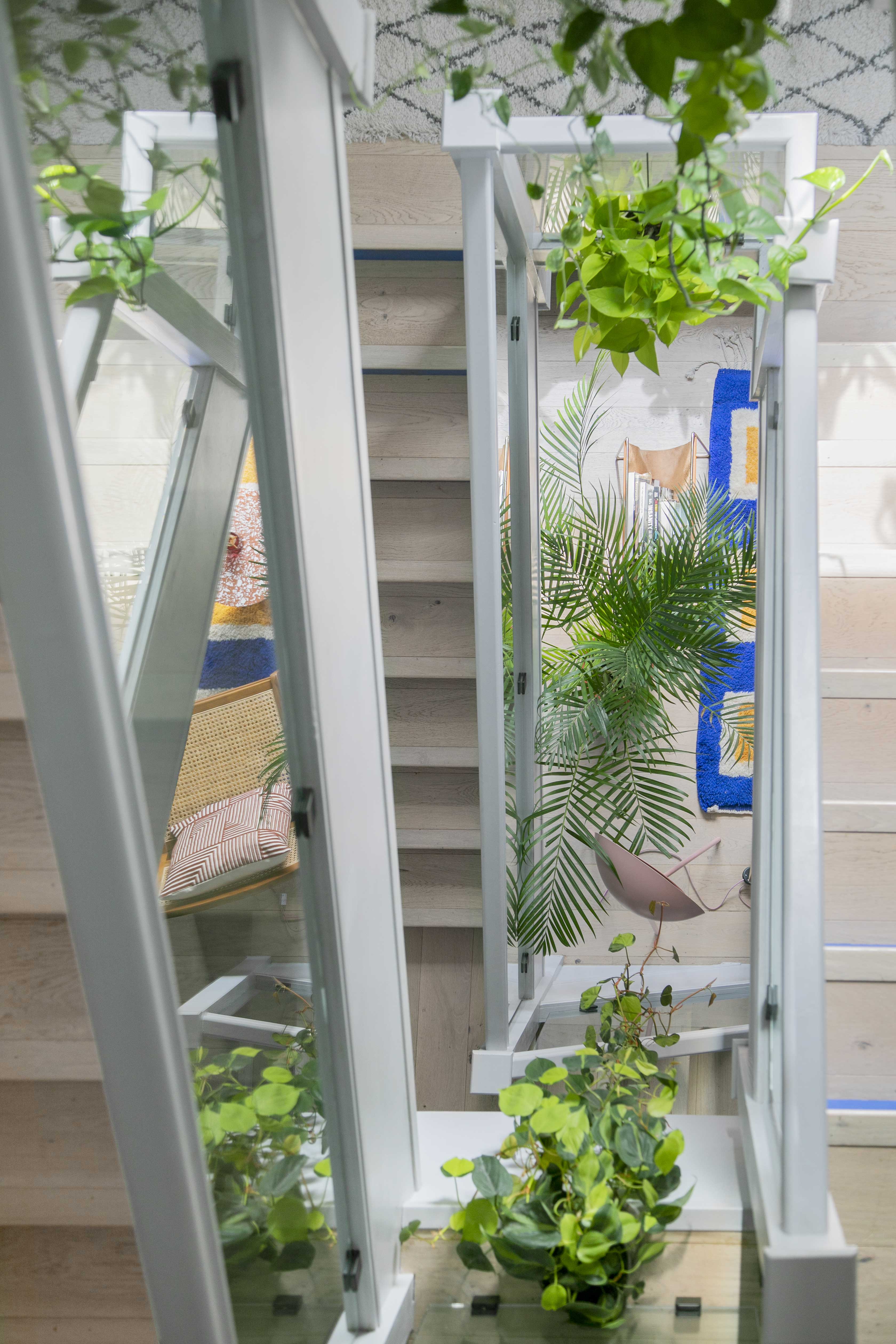
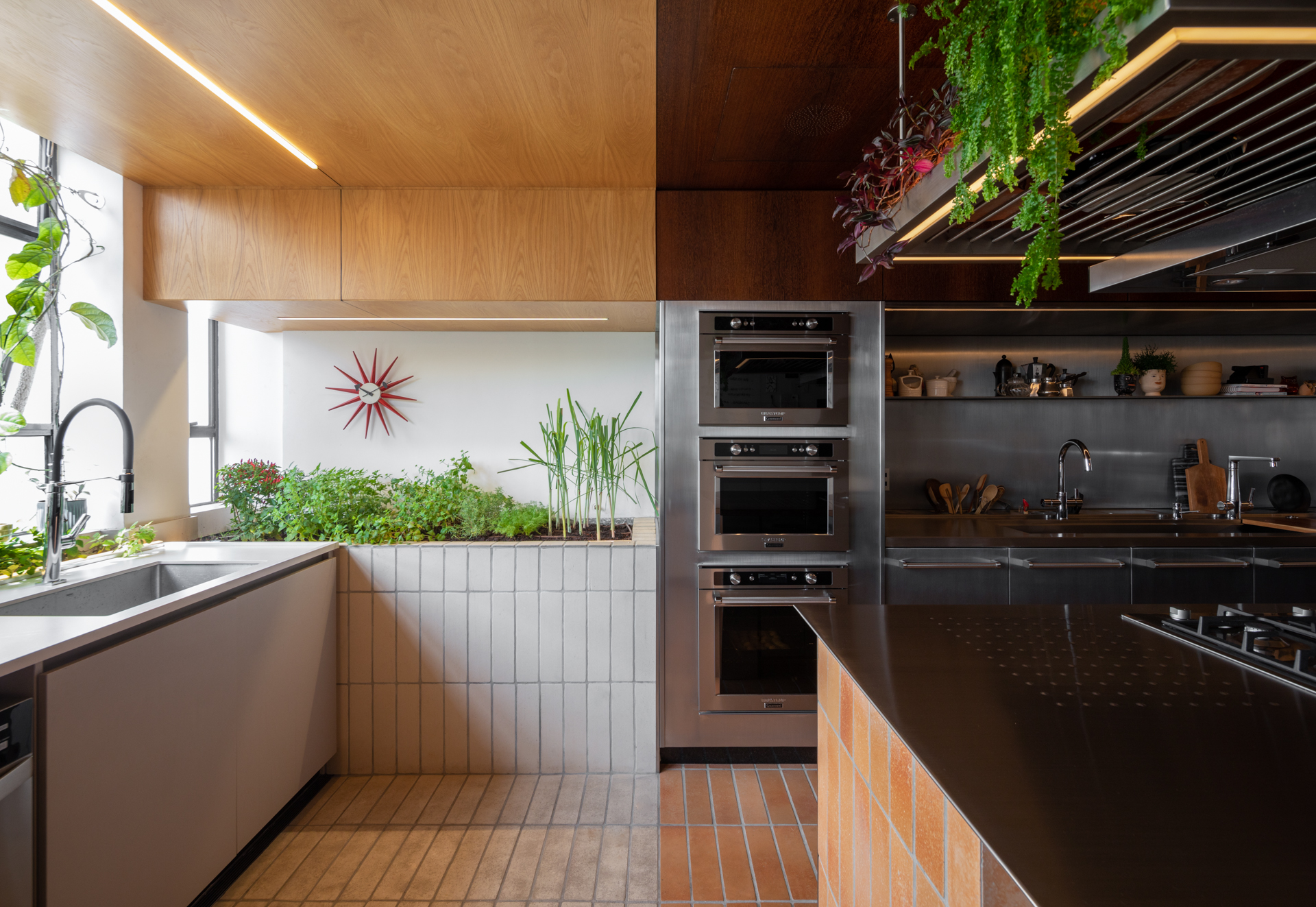
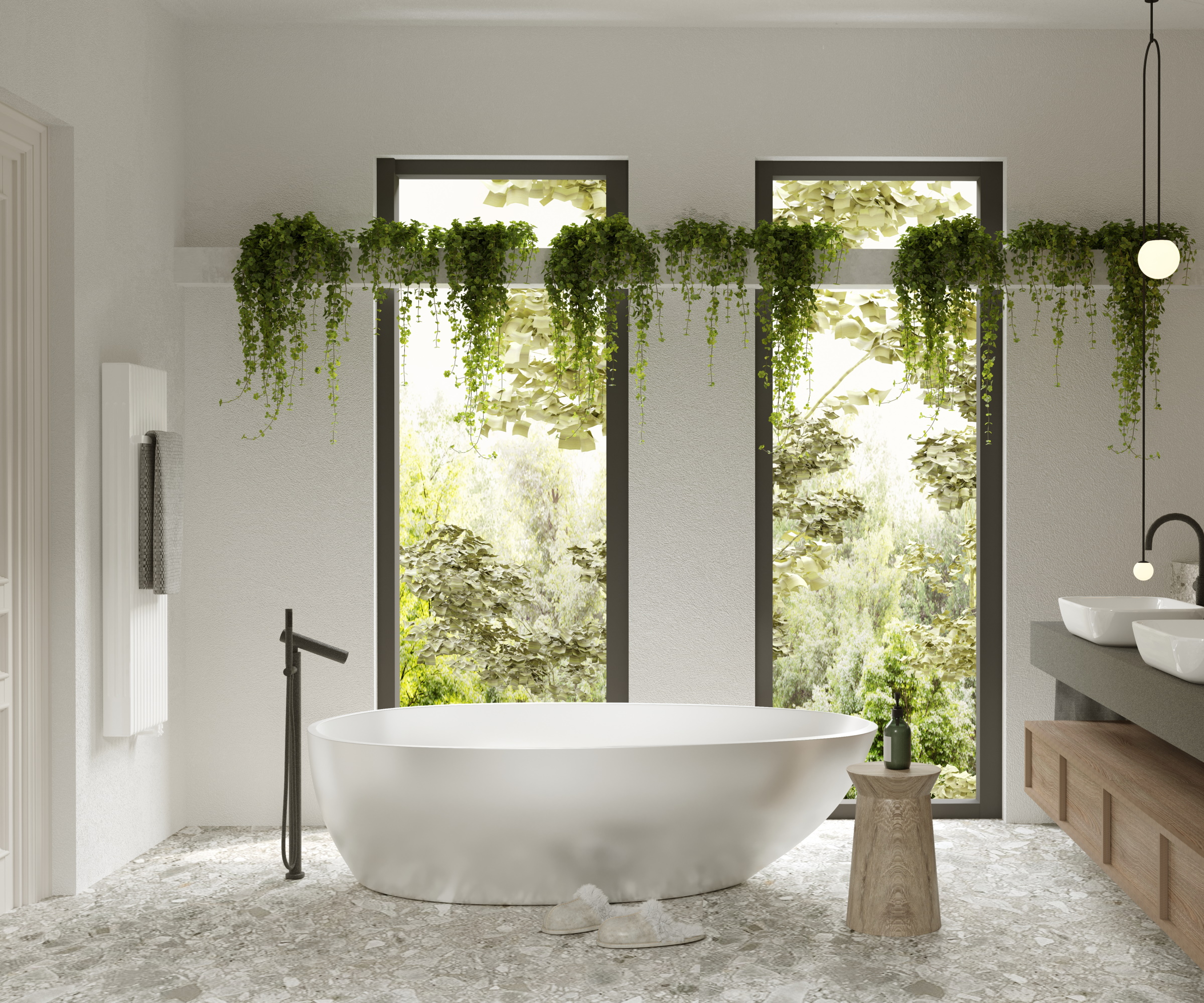
Indoor vine plants offer a versatile and vibrant addition to any home, suitable for various spaces and growing conditions, from low-light environments to small living areas. These plants can be broadly categorized into trailing and climbing varieties. Trailing vines are ideally suited for hanging baskets, allowing their foliage to cascade downwards, while climbing varieties can be trained to ascend structures like trellises or moss poles. Incorporating these vining plants can instantly enhance the aesthetic appeal and liveliness of a room.
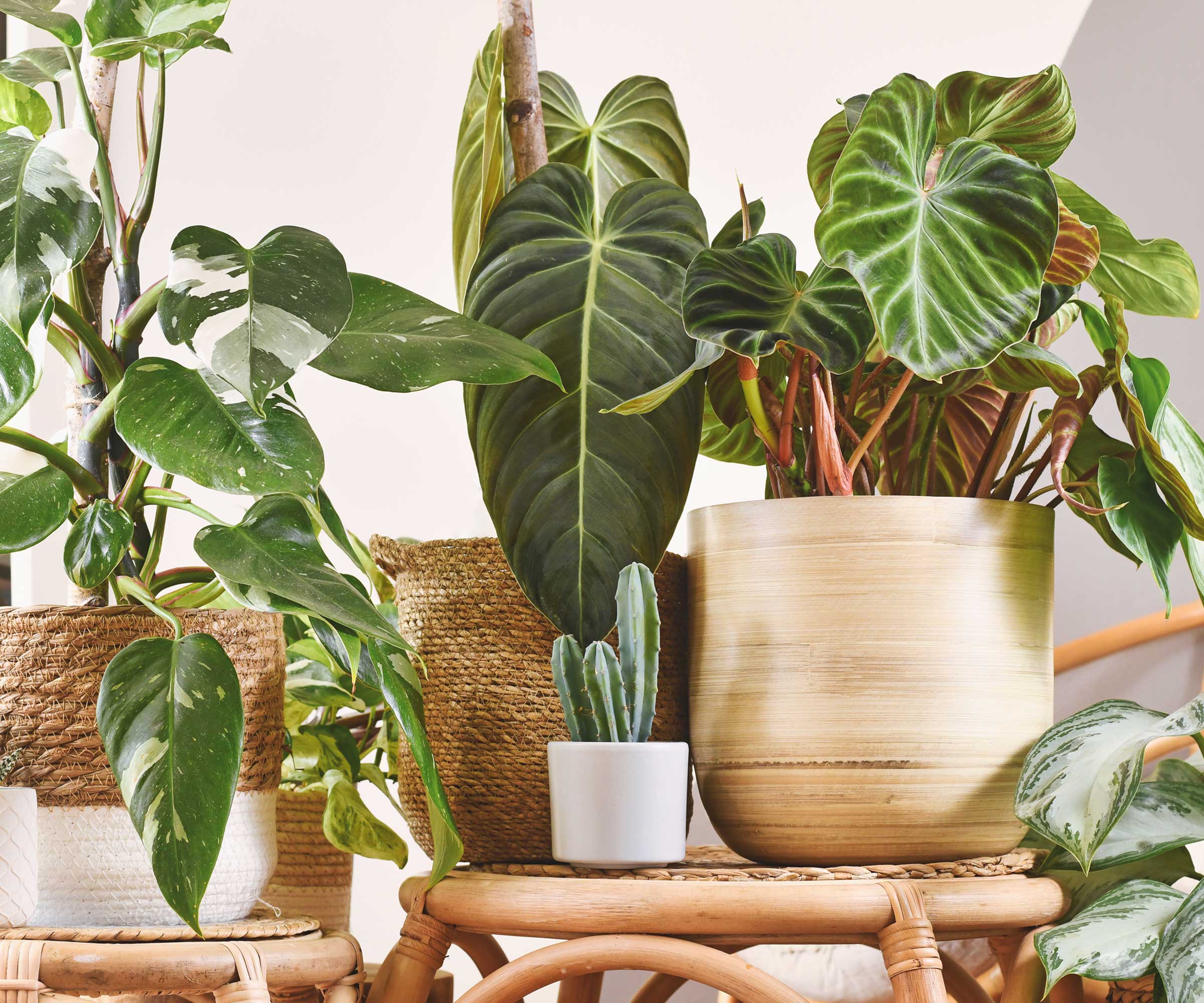
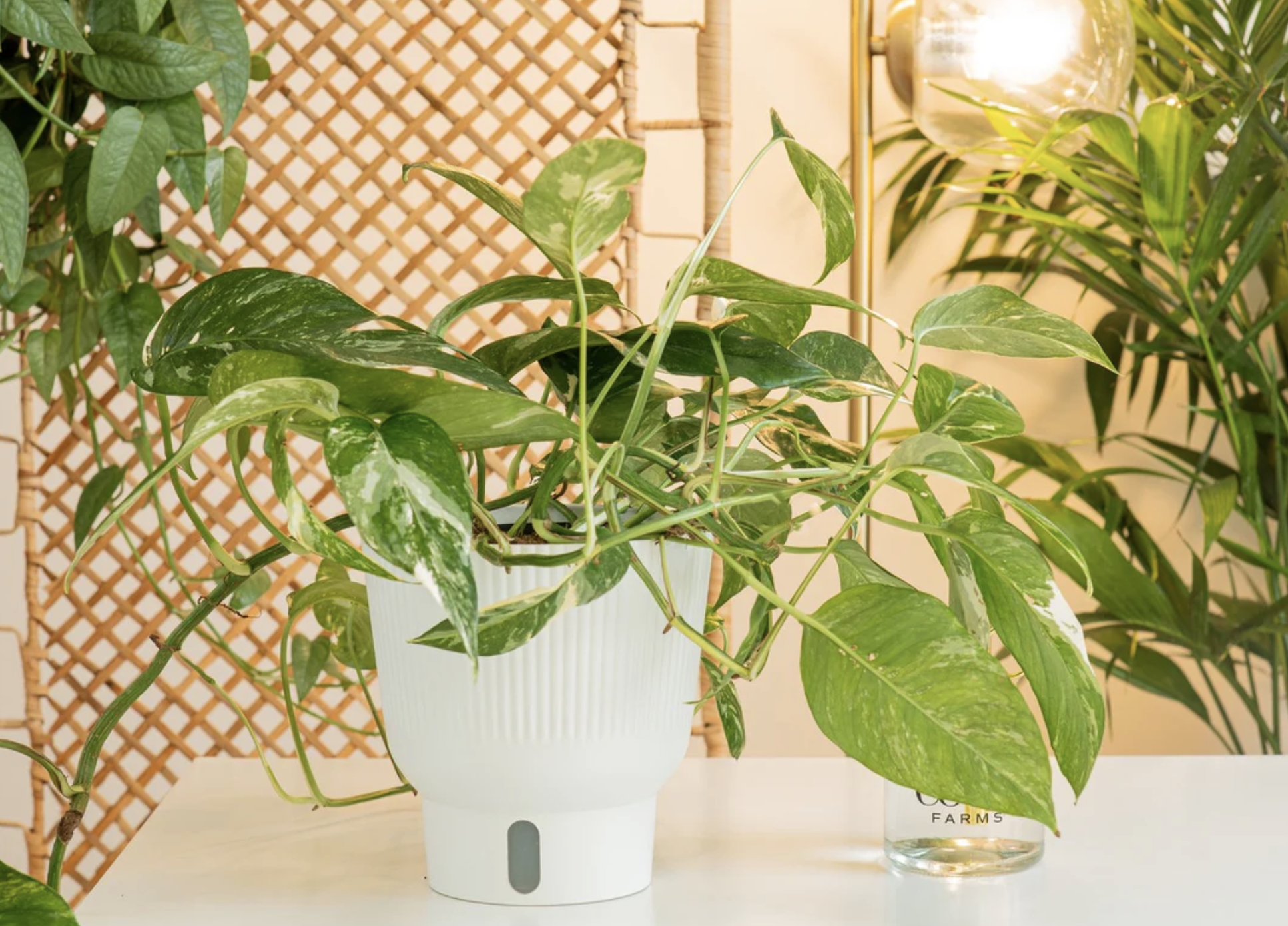
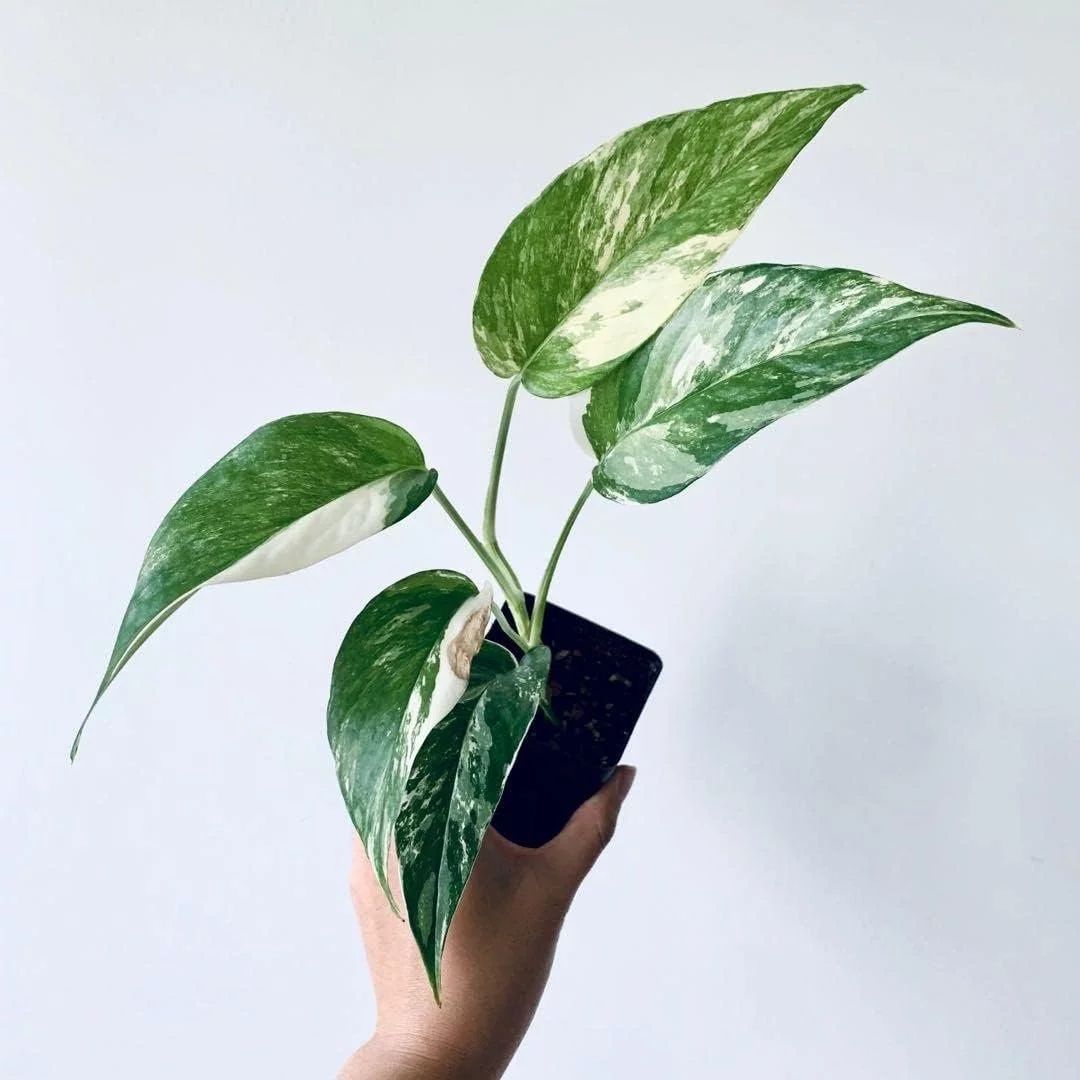
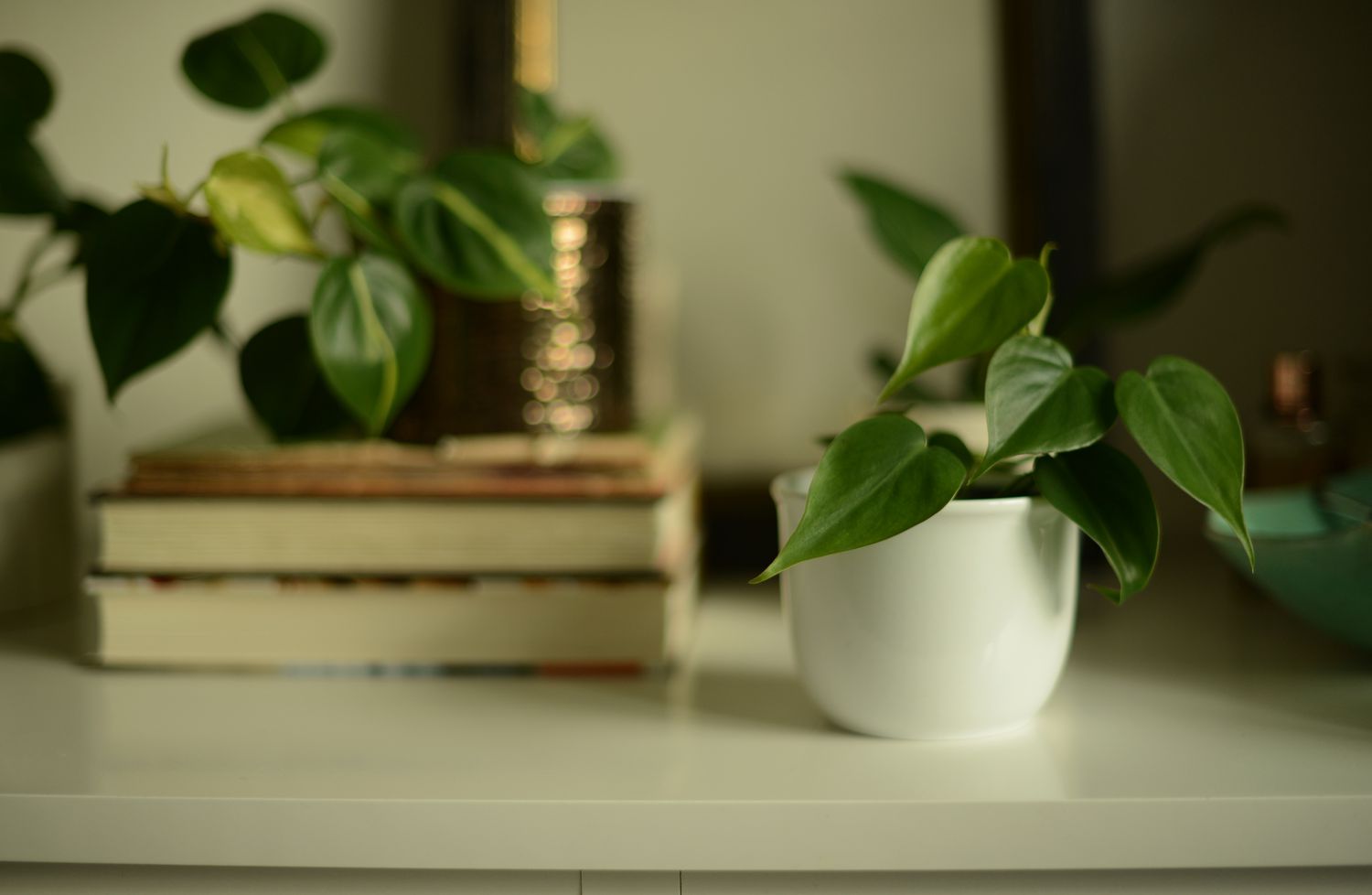
Among the popular and easy-to-grow options is the Pothos (Epipremnum aureum), known for its rapid growth, minimal maintenance requirements, and tolerance to low light. Its vines can reach up to 12 feet, and it's important to note its toxicity to pets. The Heartleaf Philodendron (Philodendron hederaceum) is another common and low-maintenance choice, thriving in various light conditions and growing vines up to 10 feet long, though it is also toxic to pets. A cultivar, the Brasil Philodendron (Philodendron hederaceum ‘Brasil’), features distinctive variegated leaves that intensify with more light, growing similarly to its heartleaf counterpart and sharing its toxicity.
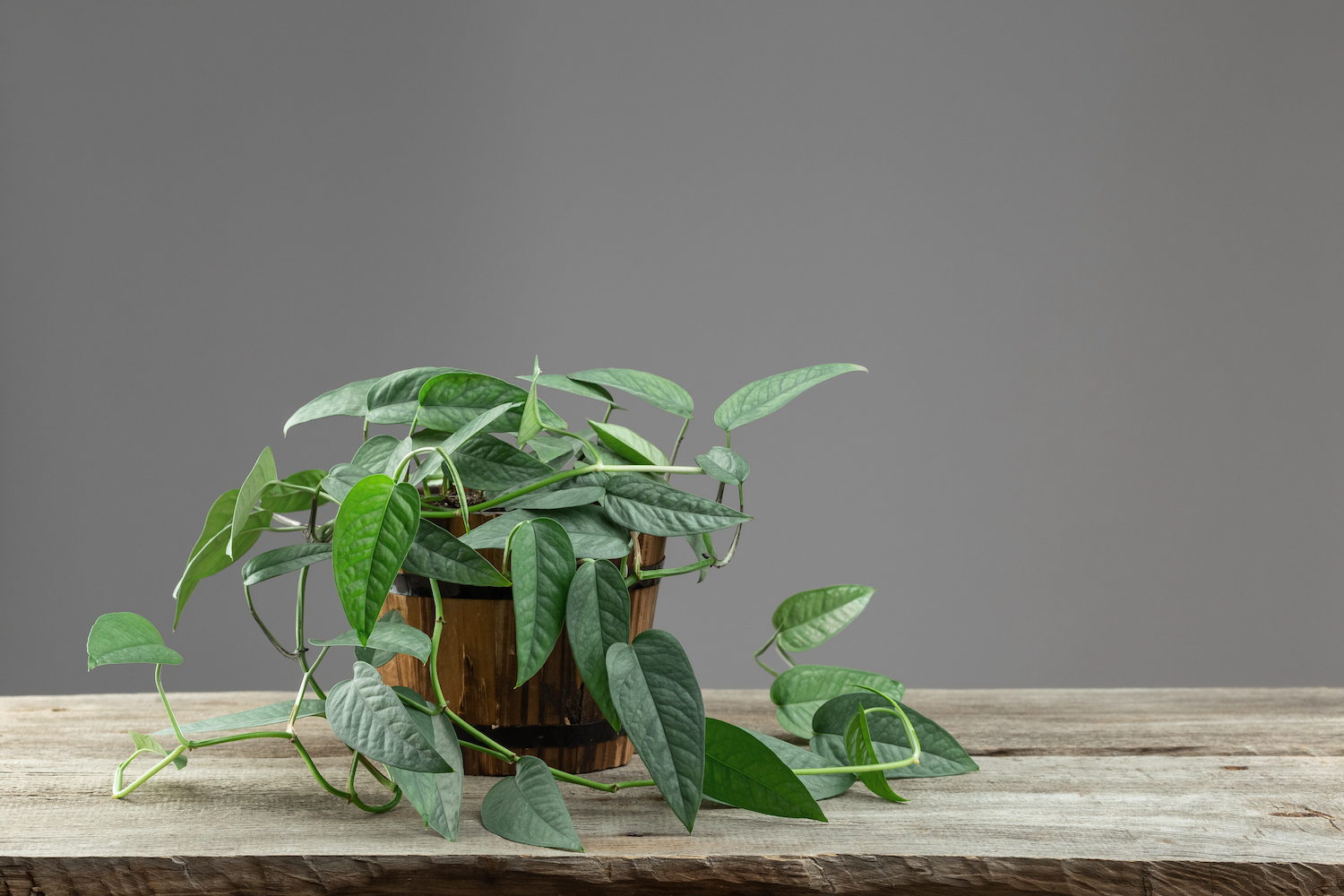
Philodendron Micans stands out with its deep green to maroon velvety leaves and is generally easy to care for, often grown in hanging baskets, with vines reaching up to five feet. Mini Monsteras are climbing plants that require support as they grow, reaching up to 12 feet, and need bright, indirect light, being toxic to pets. The Satin Pothos (Scindapsus pictus ‘Exotica’), despite its name, is a Scindapsus variety with large, thick, velvety leaves marked with silver. It's slower-growing but easy to care for, with vines up to 10 feet, and is toxic to pets. Another Scindapsus, 'Argyraeus,' is smaller and faster growing, with silvery-green leaves, reaching five feet. The rare Scindapsus Treubii 'Moonlight' is a slow-growing variety with waxy, silvery-green leaves, growing up to four feet, and is toxic to both pets and humans.
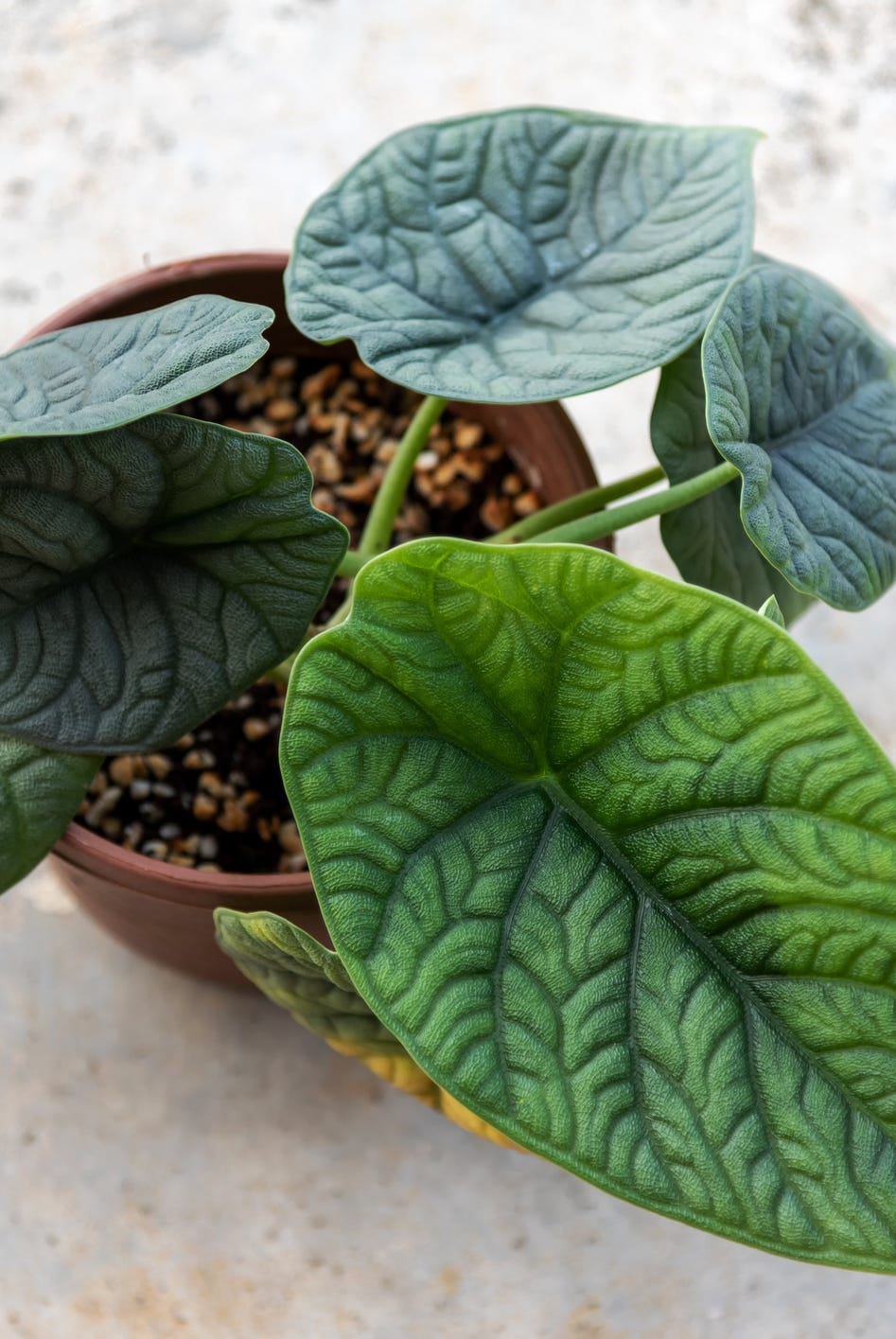
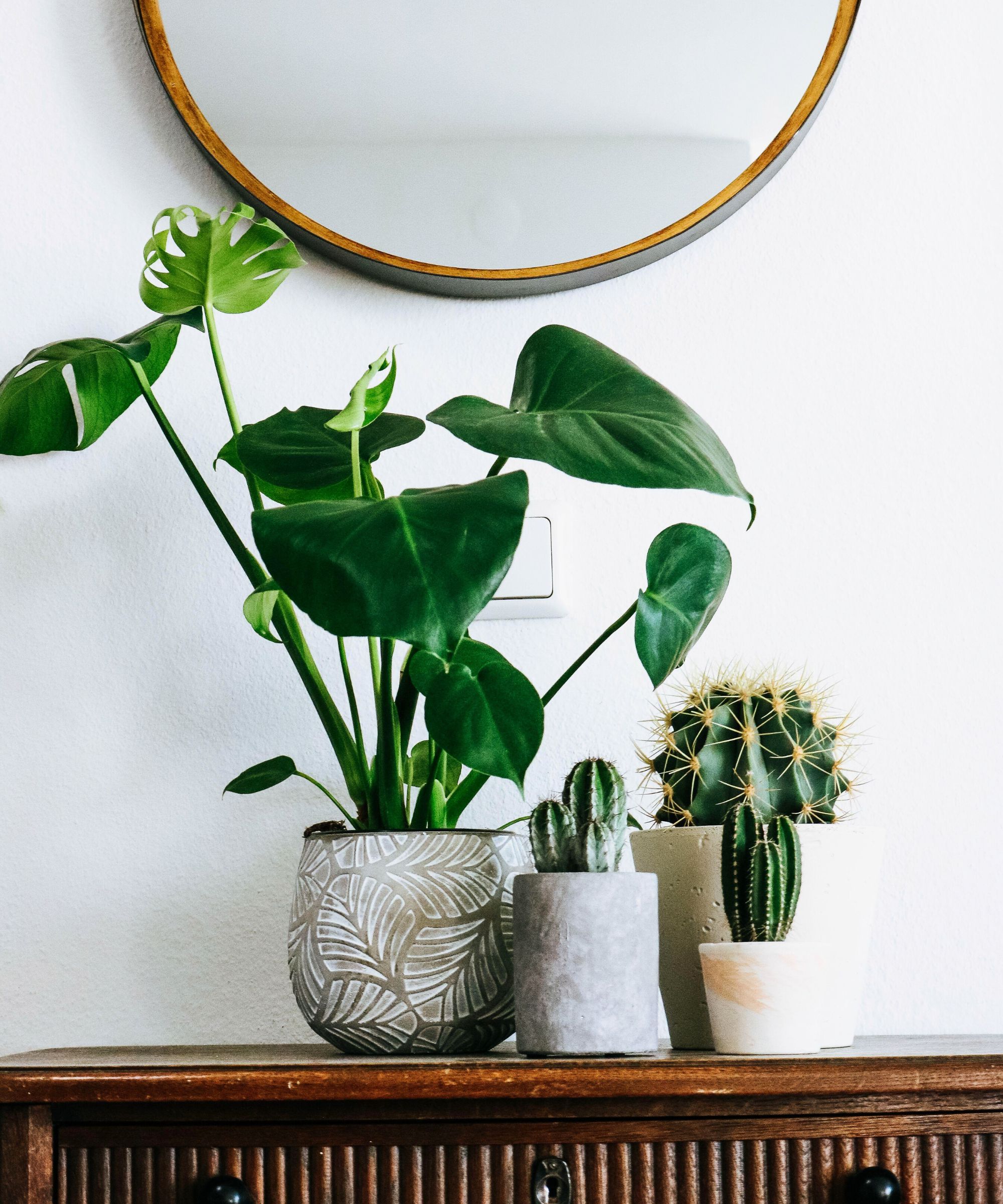
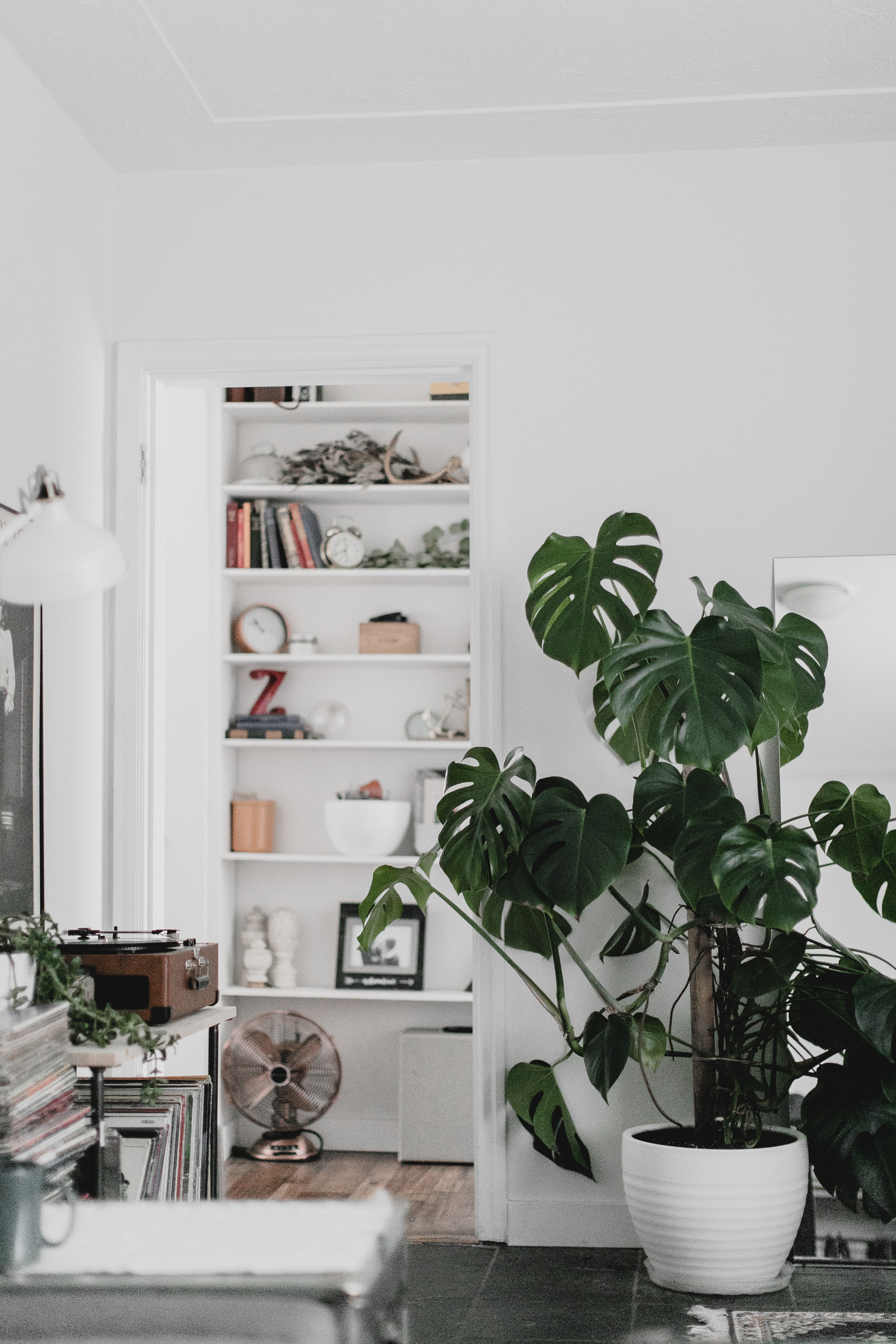
Monstera deliciosa is a forgiving and low-maintenance vining plant that grows 10 to 15 feet tall and benefits from a moss pole or trellis. It can tolerate low light but prefers brighter conditions and is toxic to pets and humans. The Swiss Cheese Plant (Monstera adansonii) is another popular Monstera, known for its fenestrated leaves and climbing habit, with vines up to 12 feet long, and is also toxic. Monstera Peru (Monstera karstenianum), a rarer variety with embossed leaves, is easy to care for and can grow up to 10 feet, being toxic to pets and humans.
Several 'String of' succulents are also highlighted: String of Pearls (Senecio rowleyanus) is challenging, requiring bright, direct sunlight and infrequent watering, growing up to three feet, and is toxic. String of Hearts (Ceropegia woodii) is a semi-succulent with delicate, heart-shaped leaves, easy to grow in hanging planters, reaching up to 12 feet, and is non-toxic. String of Dolphins (Senecio peregrinus) resembles jumping dolphins and needs bright, direct sunlight, growing one to two feet, and is toxic. String of Bananas (Senecio radicans) is an easier-to-care-for and faster-growing alternative to String of Pearls, needing direct sunlight and growing up to three feet, being toxic. String of Turtles (Peperomia prostrata) is a small, low-maintenance peperomia with intricate patterns on its leaves, tolerant of various light conditions, growing up to two feet, and is pet-safe.
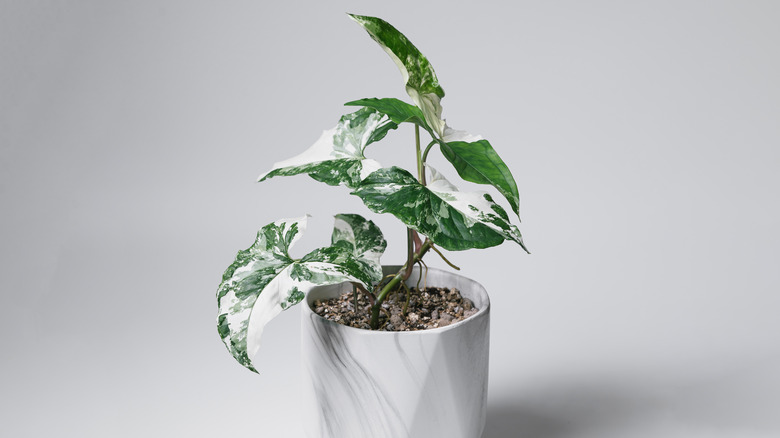
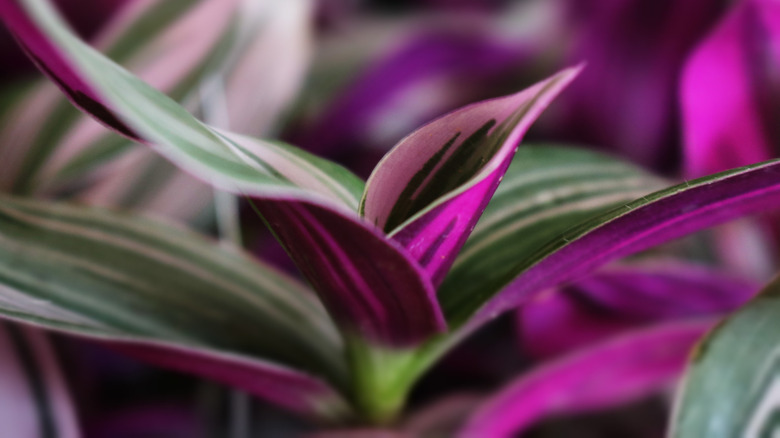
Hoya Carnosa is a common and attractive hoya with long, waxy vines, preferring to be slightly rootbound, growing three to four feet, and is non-toxic. Hoya Compacta, a cultivar of Hoya Carnosa, features twisted, rope-like leaves, similar care requirements, but slower growth, reaching 15 inches, and is also non-toxic. The Arrowhead Plant (Syngonium podophyllum) starts compact but develops vining growth, tolerates low light, and grows three to six feet, being toxic. Spiderwort (Tradescantia) offers a splash of color with purple and green hues, preferring warm, humid, and bright conditions, growing 6-12 inches tall and 12-24 inches wide, and is toxic. String of Nickels (Dischidia nummularia) is a small, epiphytic plant with fleshy, oval leaves, needing well-draining soil, growing 12-18 inches, and is pet-safe. English Ivy (Hedera helix) is a vigorous, fast-growing vine that can reach up to 100 feet, requiring regular pruning, and is toxic.
General care tips include watering when the soil is dry, though specific plant needs vary. Philodendrons, pothos, and monsteras are among the most popular and readily available climbing vines. Issues like under or overwatering, low humidity, or incorrect lighting can cause indoor vine plants to decline. Pothos is noted as the fastest-growing indoor vine, potentially growing 40 inches annually. Like other houseplants, vines can attract pests such as mealybugs, scale, thrips, gnats, and spider mites, emphasizing the importance of quarantining new plants.
#IndoorPlants #ViningPlants #HouseplantCare #HomeDecor #PlantVarieties #LowMaintenancePlants #PetSafePlants #TrailingPlants #ClimbingPlants #IndoorPlants #ViningPlants #HouseplantCare #HomeDecor #PlantVarieties #LowMaintenancePlants #PetSafePlants #TrailingPlants #ClimbingPlants
Hay 0 comentarios en total
 Aún no hay comentarios
También te puede gustar
15 Variegated Plants To Spruce Up Your Indoor Spaces

6 Luscious Living Vertical Gardens That Bring A Breath Of Fresh Air Indoors

Indoor Garden Ideas —14 Ways To Live Amongst Greenery That Will Make Your Life Better

Plant Style: Elevate Your Decor with Indoor Plants
20 Best Indoor Trees and Tropical Plants to Grow in Your Living Room

Best indoor plants: the best house plants for stylish greenery

Jungle fever: 10 ways to style indoor plants

5 Tall Indoor Plants That Make Such an Impact in Your Home
36 best indoor plants that will liven up any room
The 18 Best Houseplants to Instantly Give Your Living Room a Style Upgrade
Indoor garden ideas: 9 ways to create a plant-filled haven

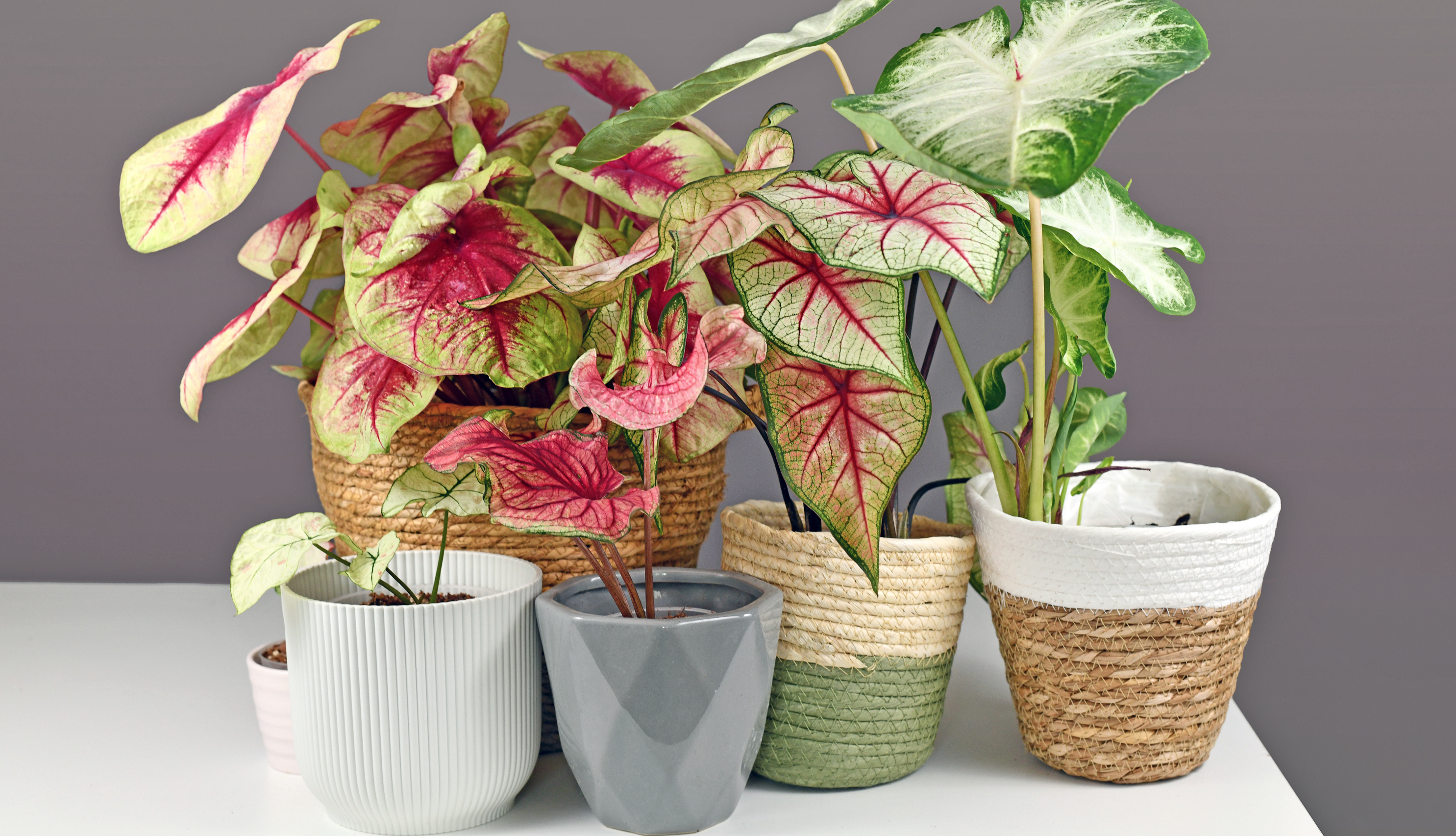
10 colorful indoor plants to give you a beautiful kaleidoscope of joy

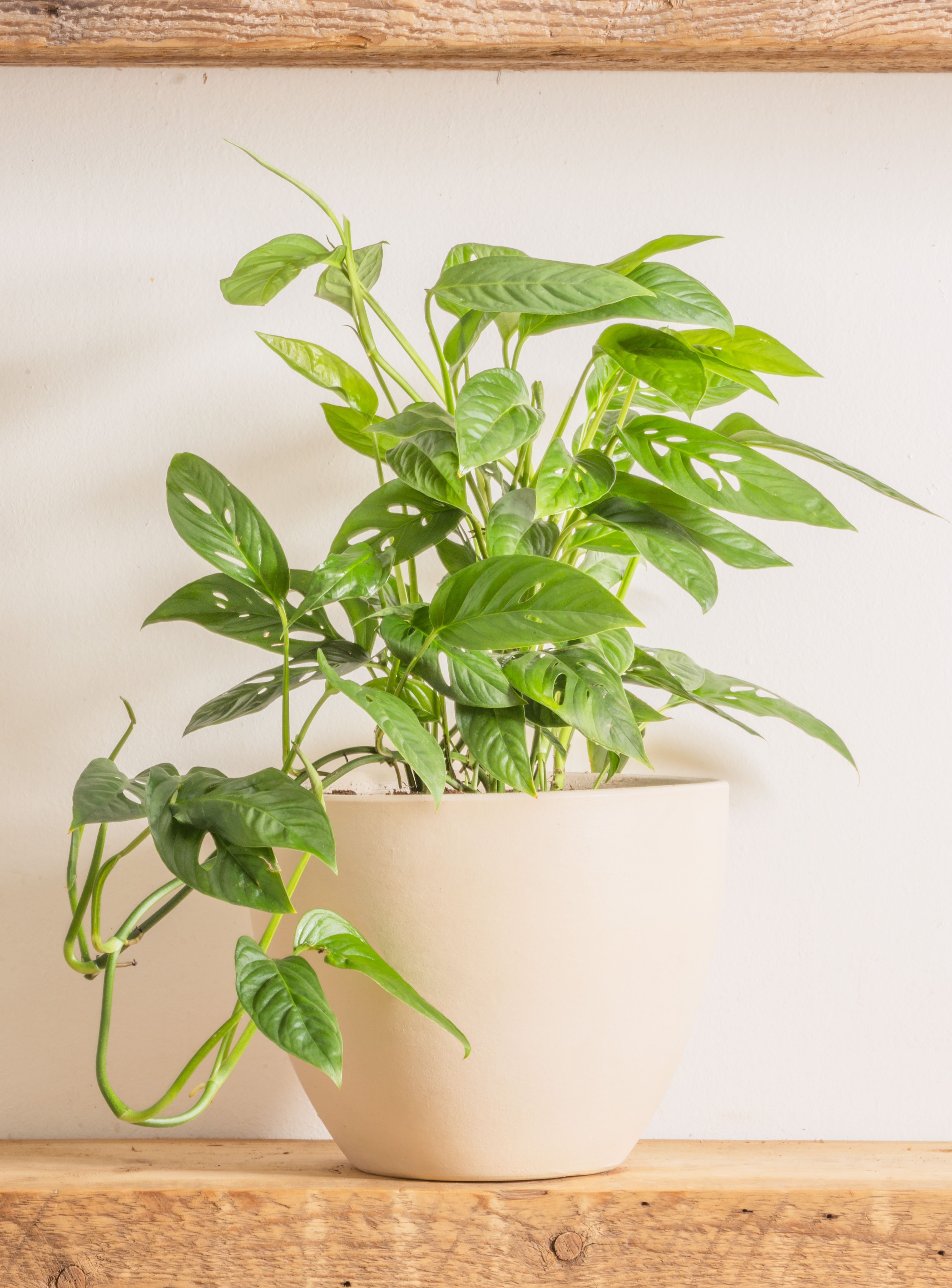
Create an Indoor Jungle with These 16 Indoor Vining Houseplants

How to create an indoor jungle: plant styling tips for every style

10 Indoor Climbing Plants That Will Take Your Blooms to New Heights — And Make Your Home Look Lush
10 Must-Have Indoor Plants To Liven Up Your Entryway

Transform Your Space With Any of These Gorgeous Tall Indoor Plants

8 of the best indoor plants with patterned leaves
6 Plants That Professional Stagers Say Will Actually Help You Sell Your Home
The 24 Best Plants To Grow In Your Living Room