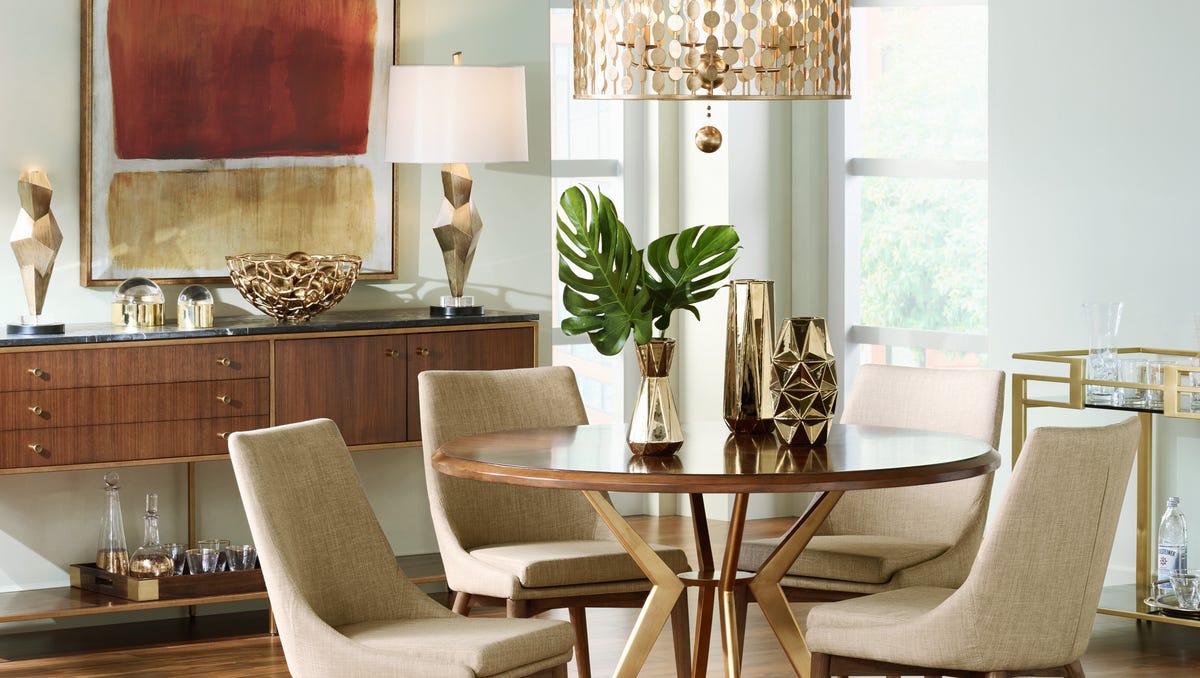
Marni Jameson's six secrets to great lighting
Lighting, often an overlooked design element, significantly impacts the ambiance and functionality of any room. Many homeowners tend to prioritize other aspects of interior design, but experts emphasize that effective lighting can be the most transformative factor. Michael Murphy, an interior designer and lighting expert for Lamps Plus, highlights that lighting is frequently the last consideration for home decorators, despite its profound influence on a space.
The author embarked on a personal lighting renovation project for her home, with guidance from Murphy, to demonstrate the practical application of good lighting principles. This makeover involved selecting new fixtures, incorporating spotlights to highlight artwork, and transitioning from traditional incandescent bulbs to modern, energy-efficient LEDs. A key part of the transformation included removing outdated fluorescent fixtures from areas like a walk-in closet and laundry room, replacing them with more aesthetic and functional alternatives such as a chandelier with an orange silk drum shade and recessed LED canned lights, respectively. Murphy reinforces the importance of proper lighting in utilitarian spaces, noting that inadequate lighting in areas like closets can lead to practical inconveniences.
Another crucial aspect of the author's lighting upgrade was the extensive installation of dimmer switches throughout the house. This allows for greater control over the mood and intensity of lighting, likening the absence of dimmers to not having volume control on a radio. This seemingly small change contributes significantly to the versatility and comfort of a living space.
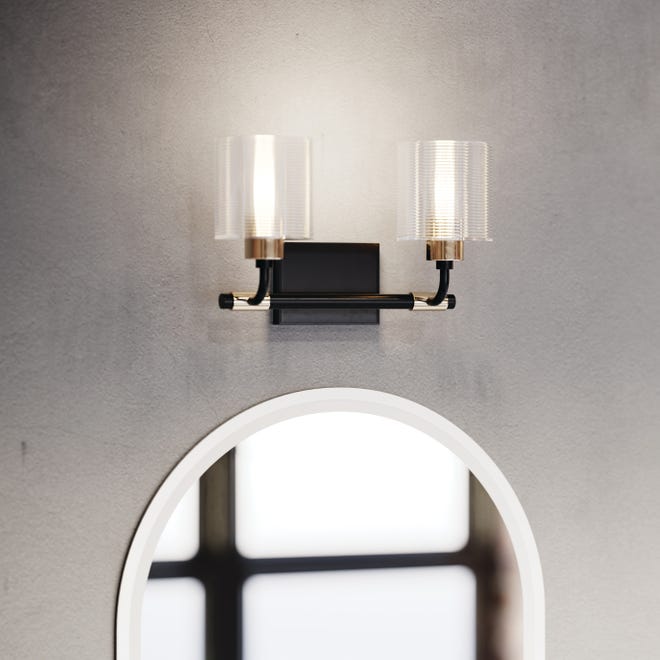
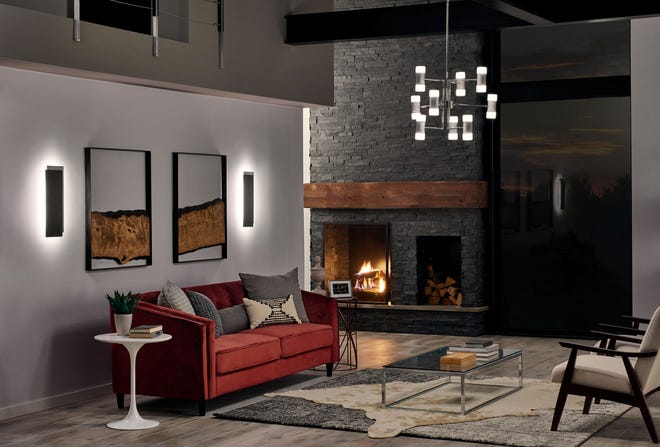
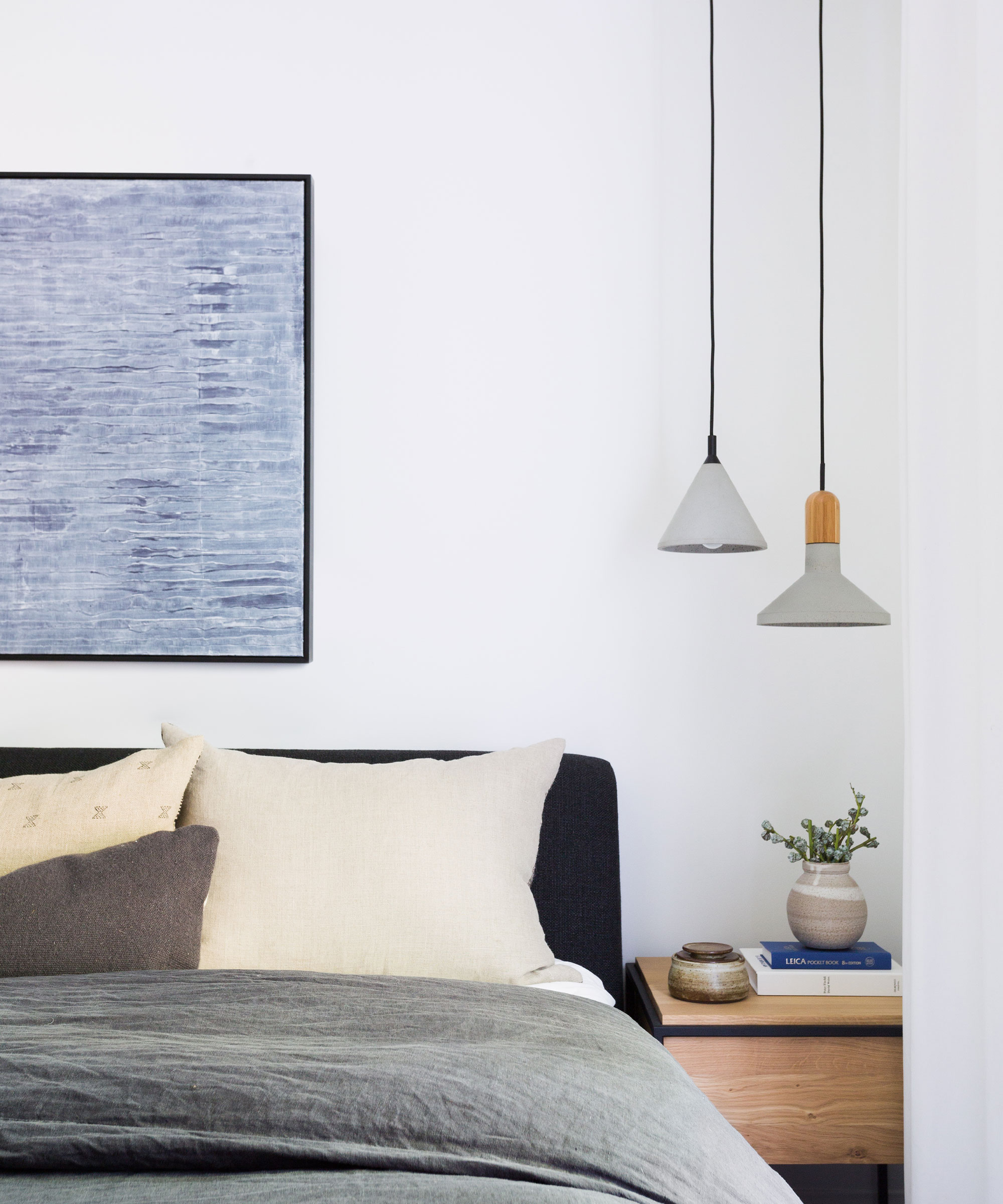
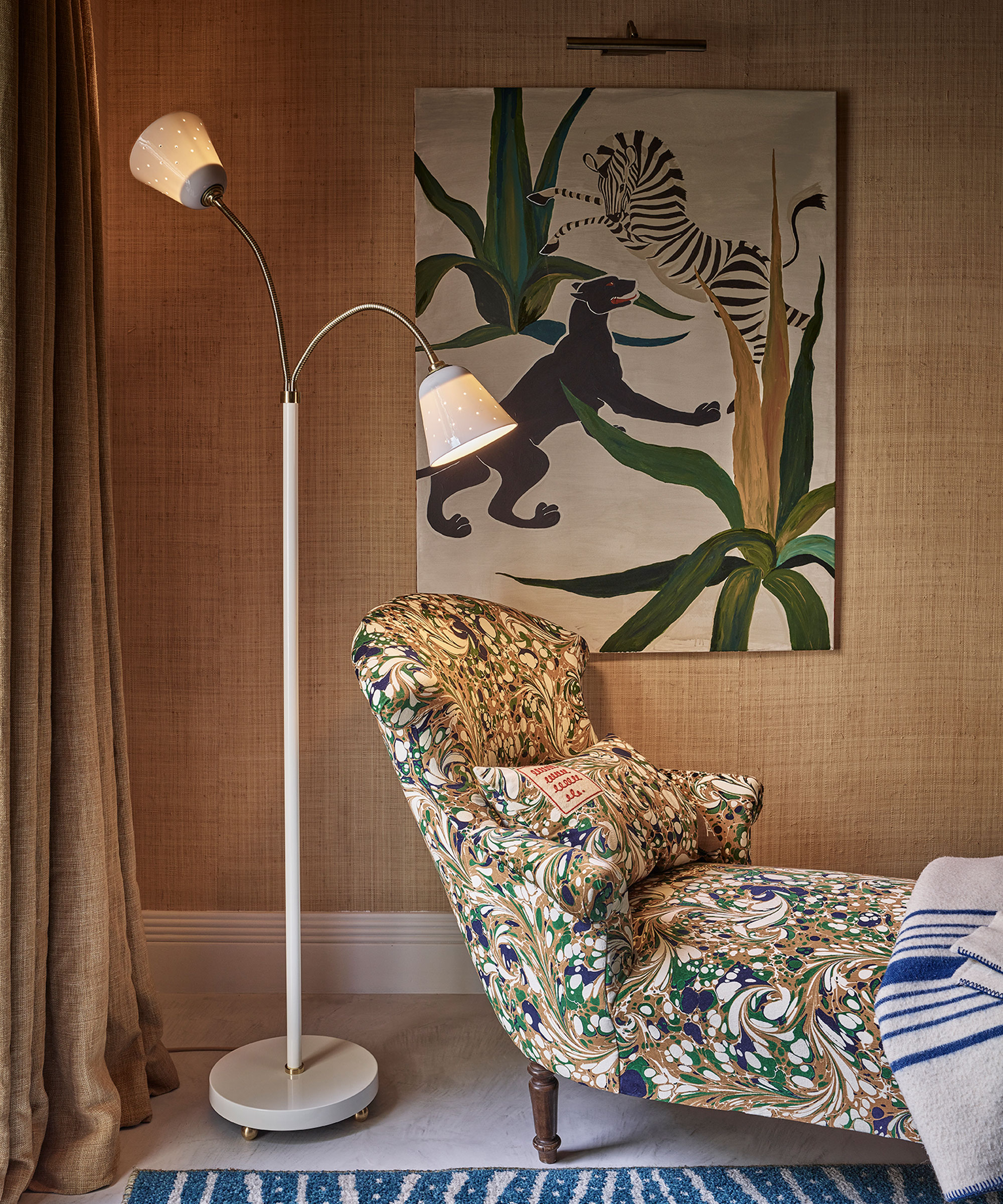
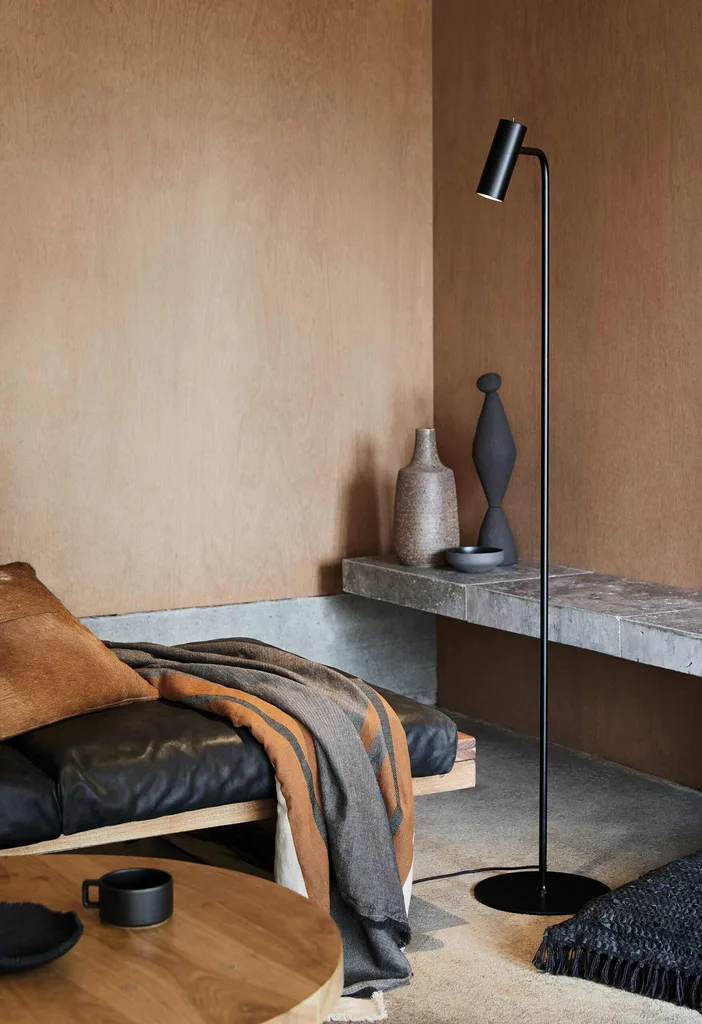
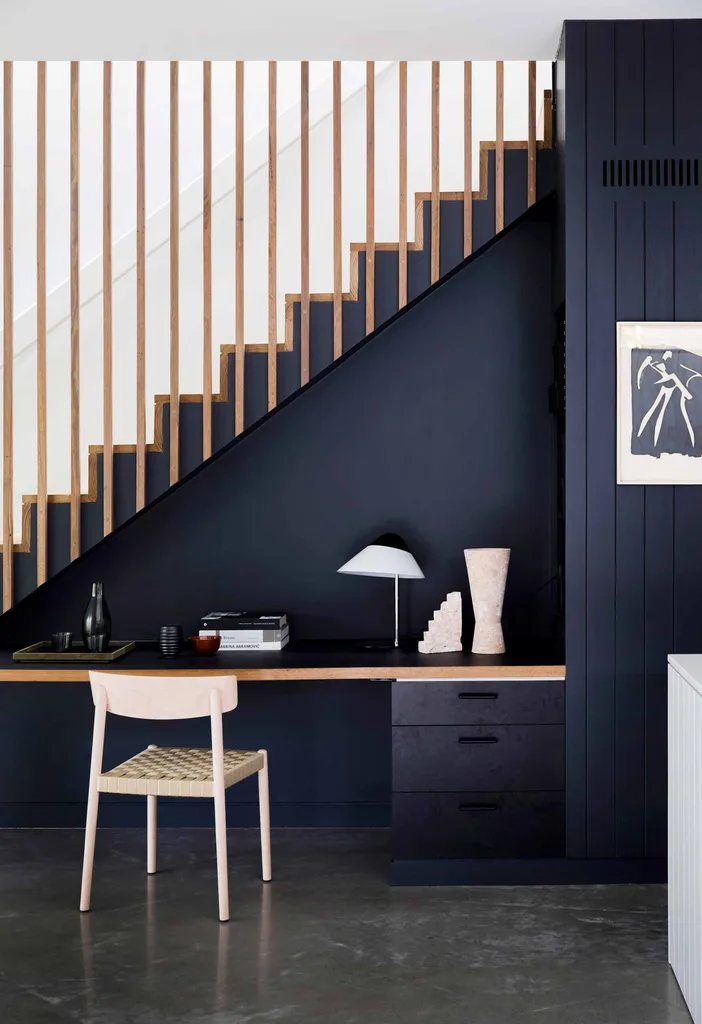
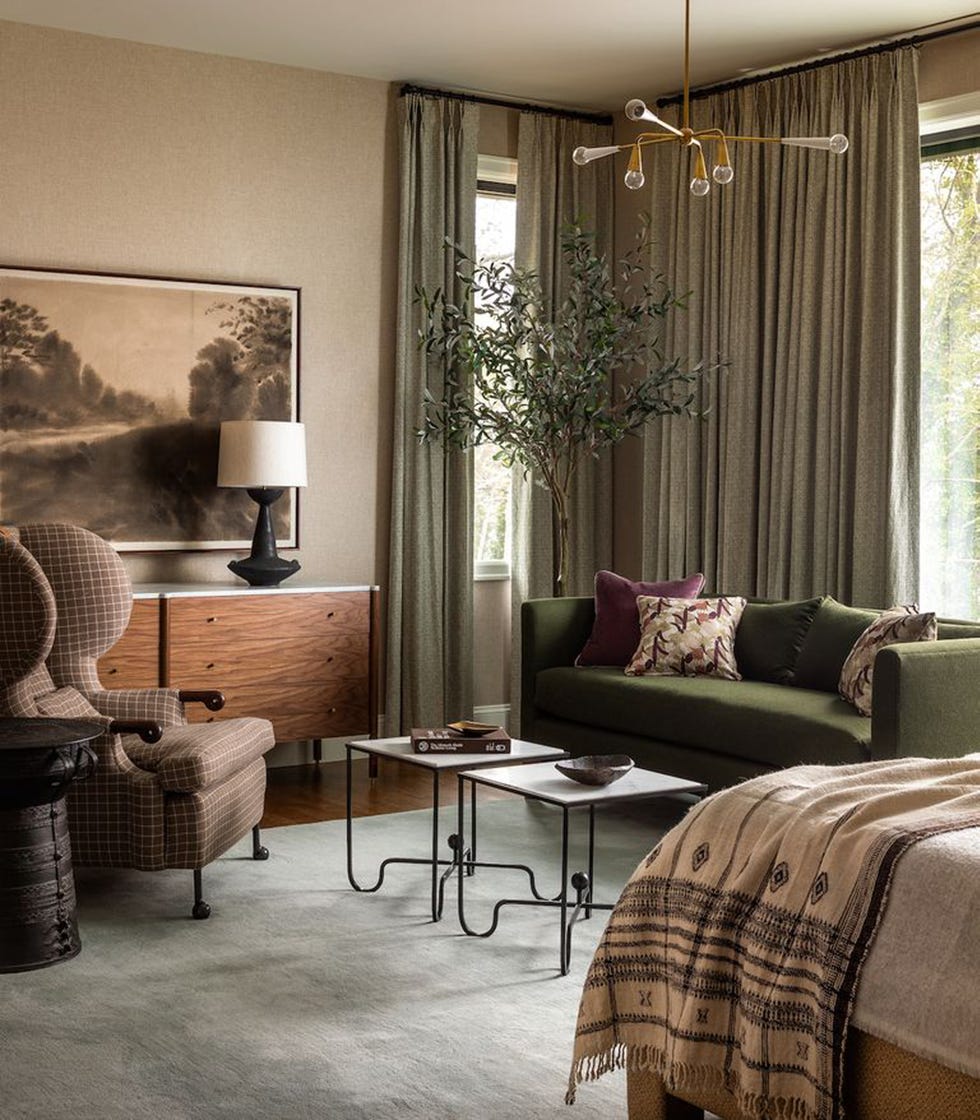
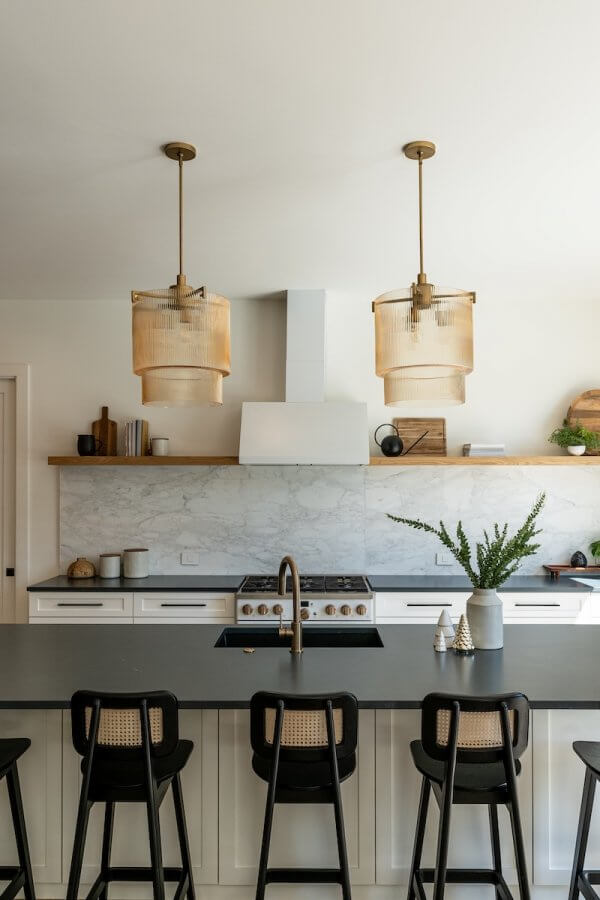
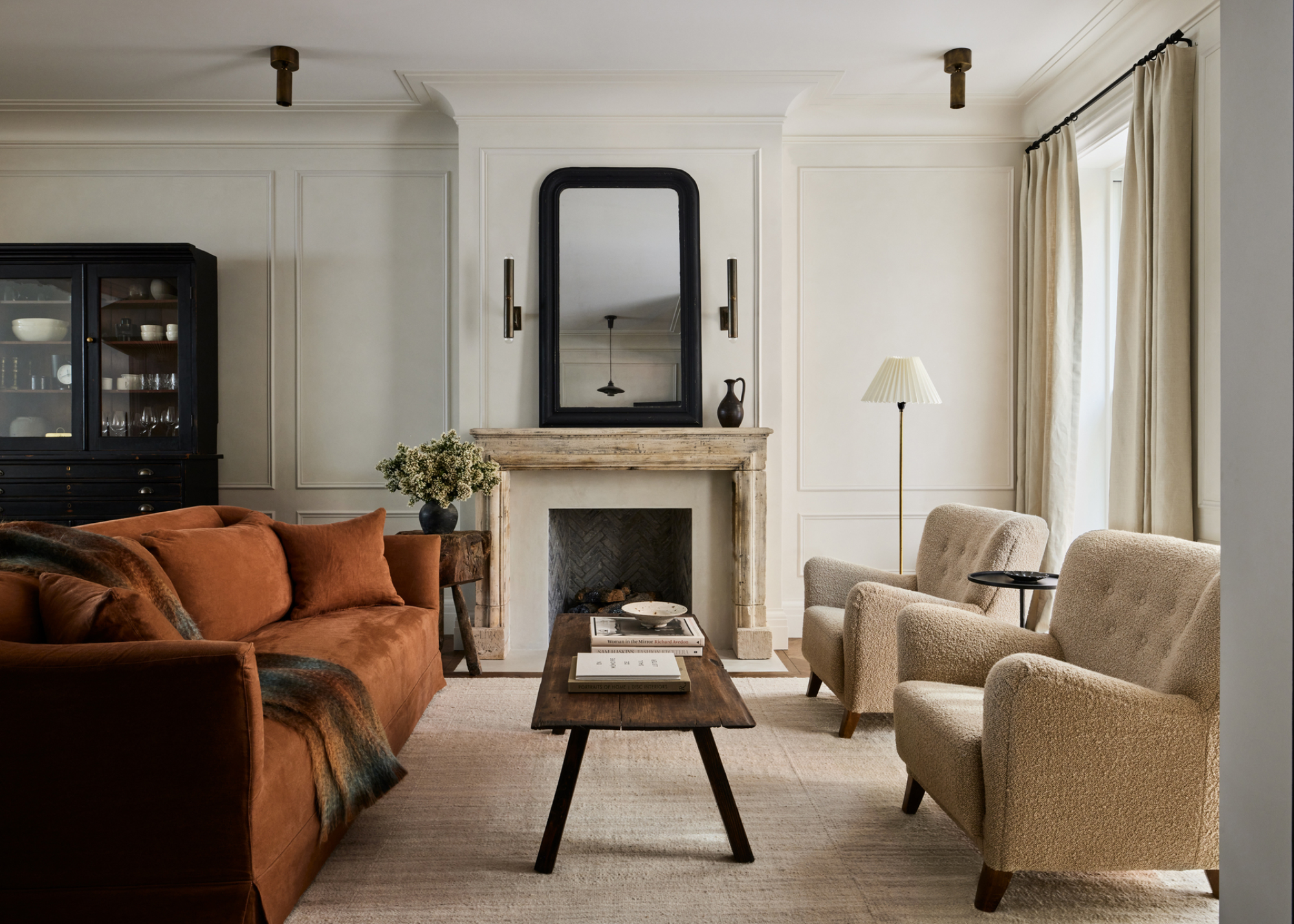
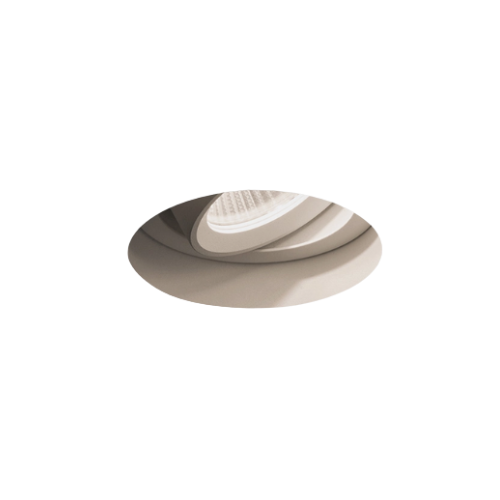
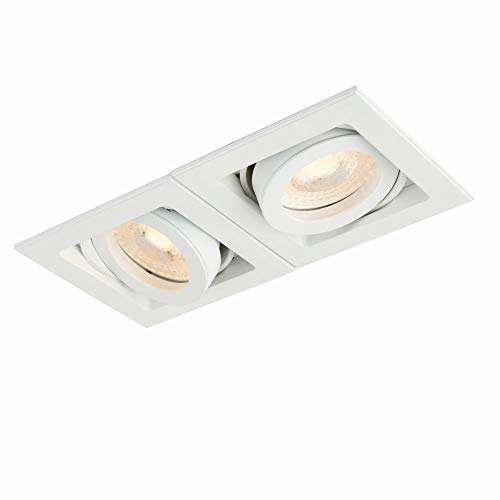
Based on her experience and Murphy's expertise, six essential secrets for residential lighting emerged. Firstly, layering different types of light is crucial. Beyond natural light, every room should integrate ambient light for overall illumination (e.g., recessed cans, ceiling fixtures), task lighting for specific activities (e.g., desk lamps, under-cabinet lights), and accent lighting to emphasize decorative features (e.g., spotlights for artwork or fireplaces). The harmonious combination of these layers creates a balanced and effective lighting scheme.
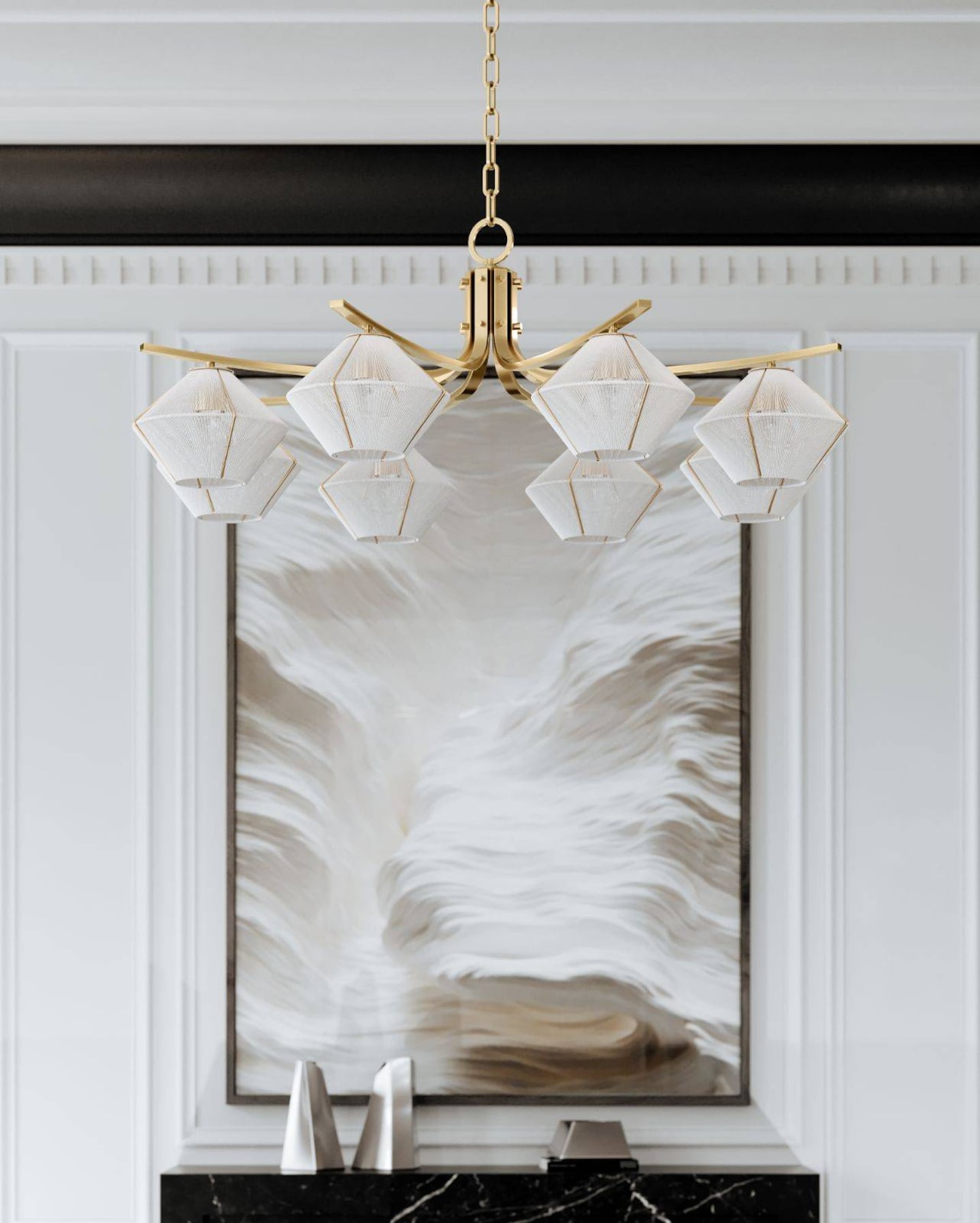
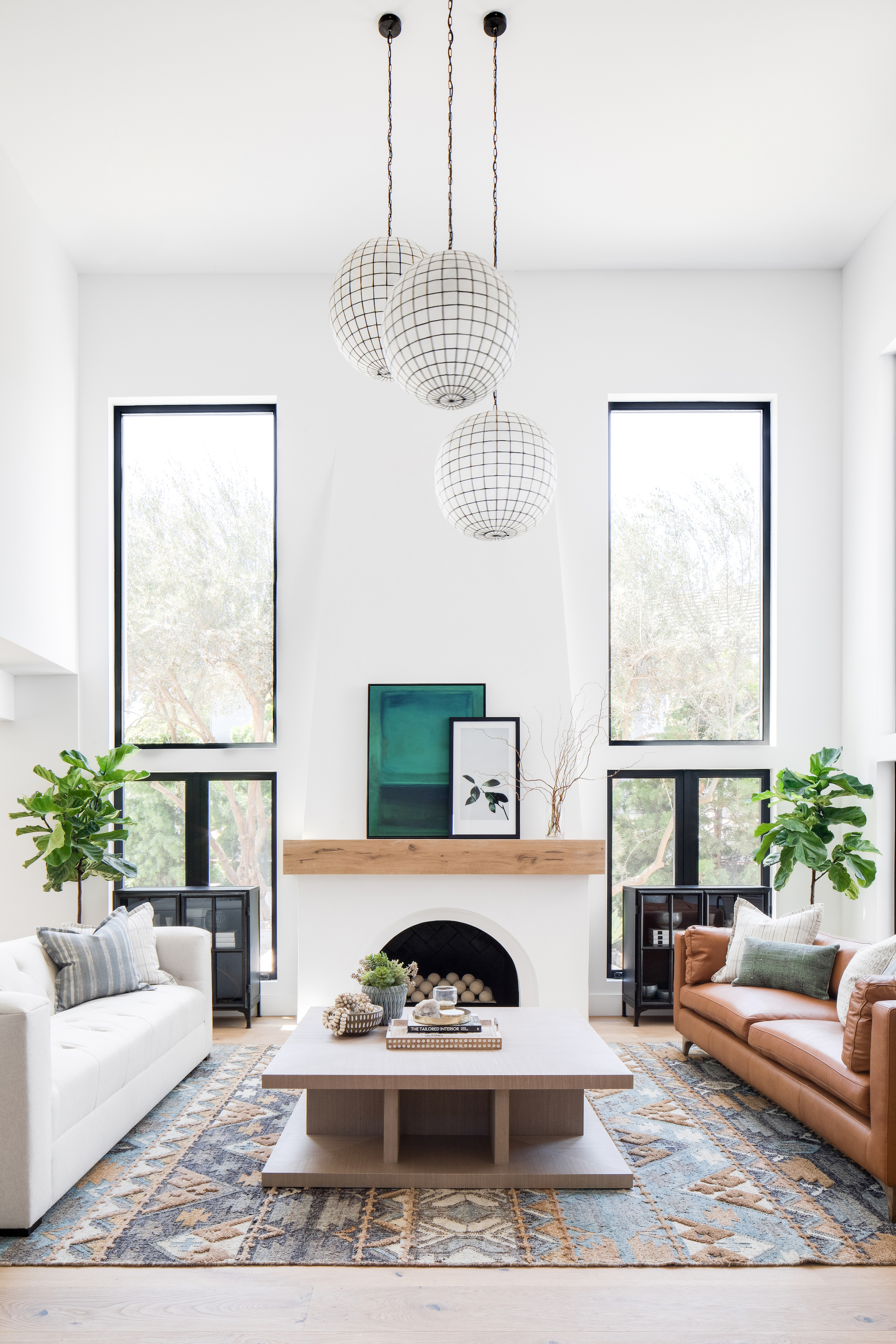
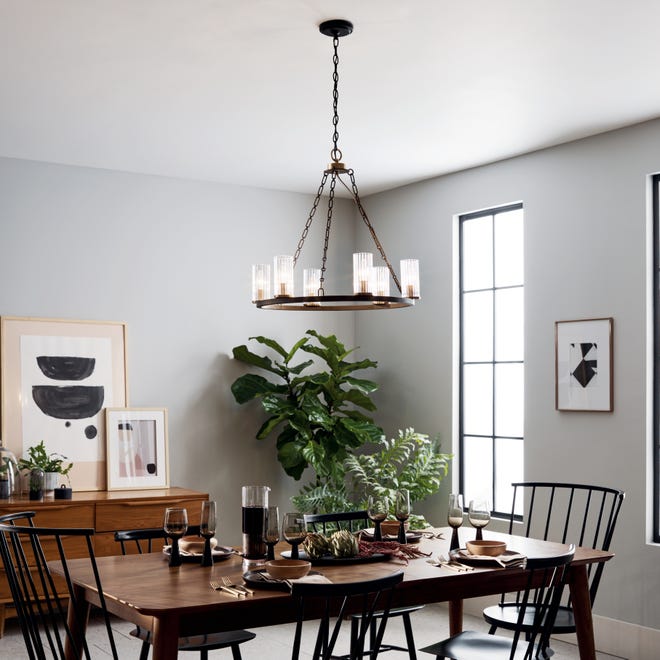
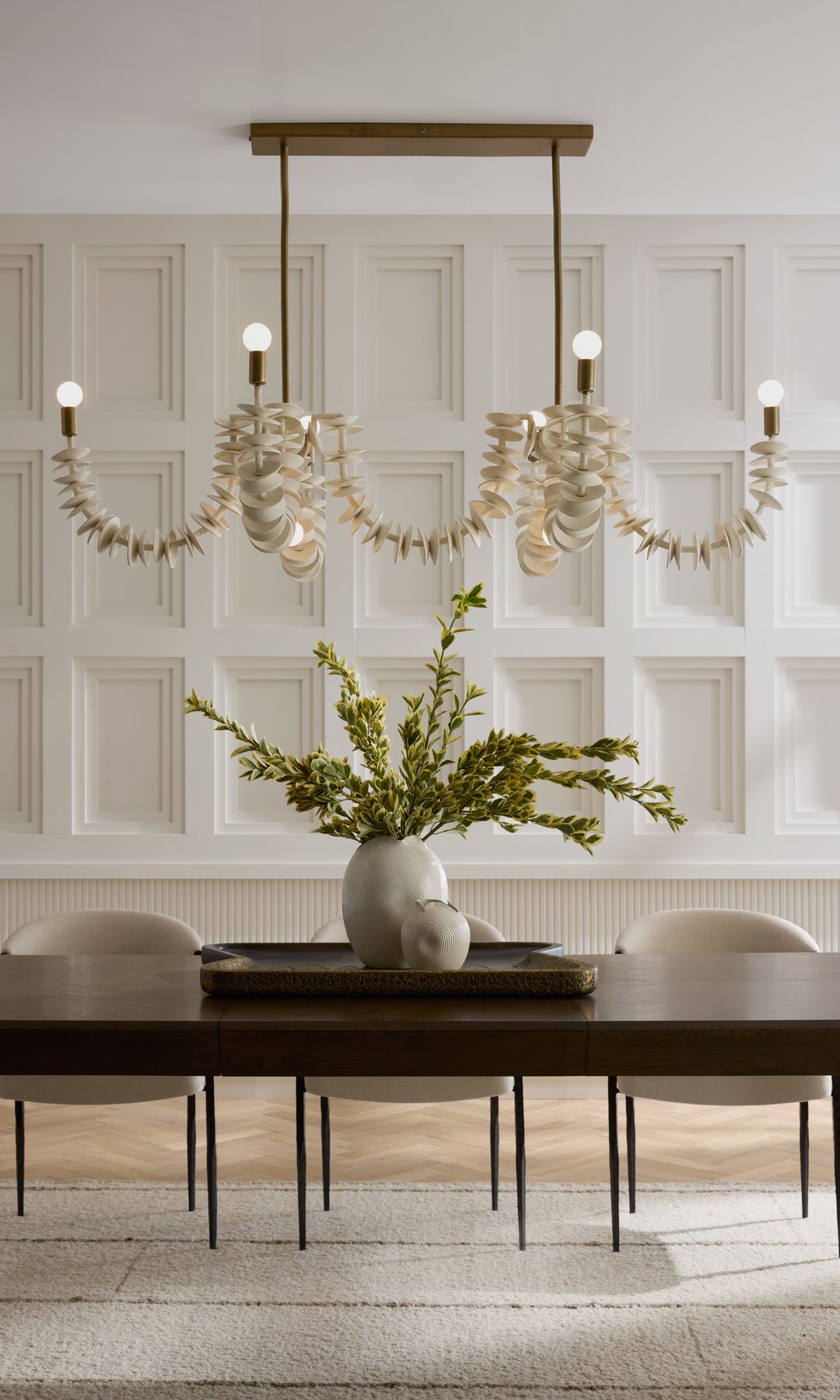
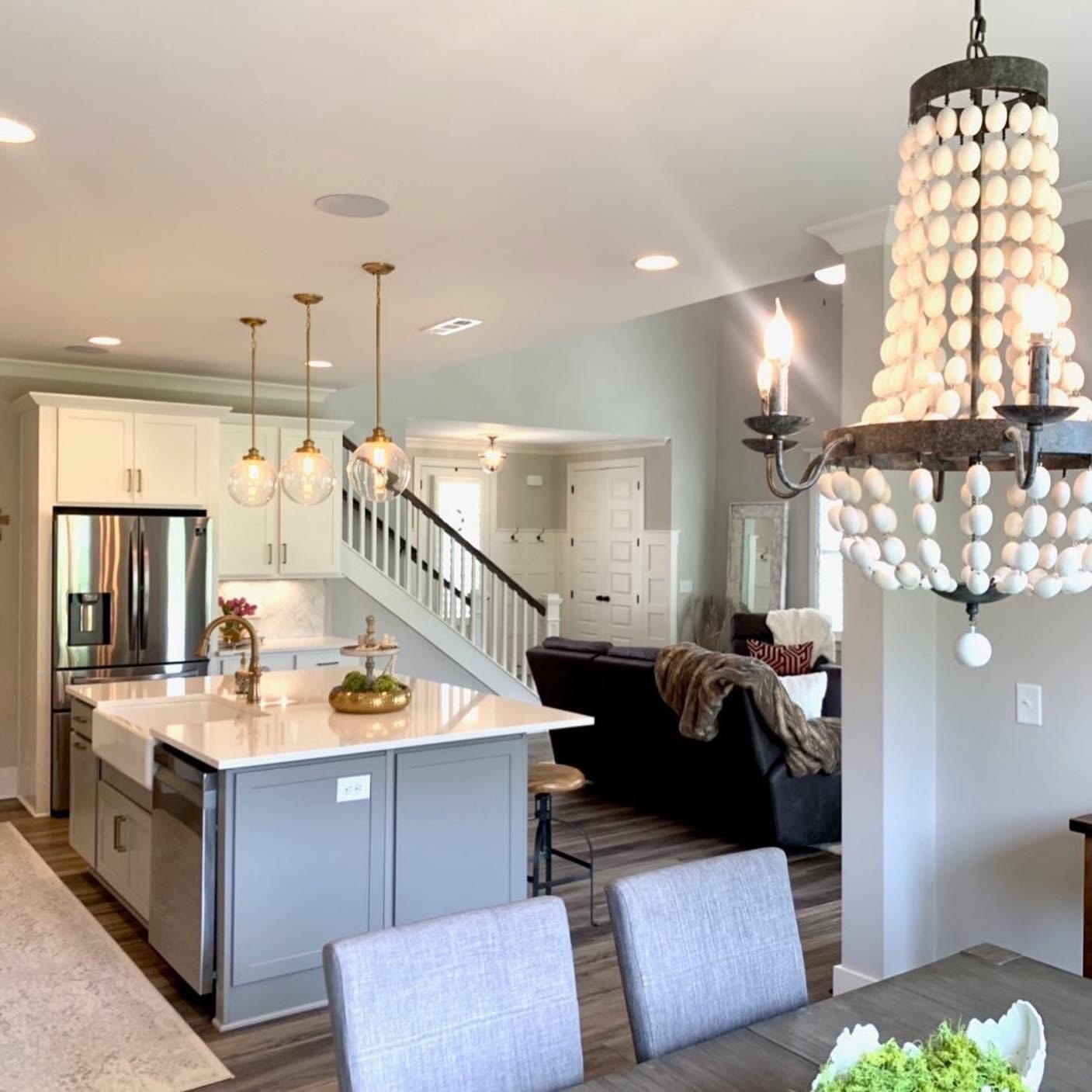
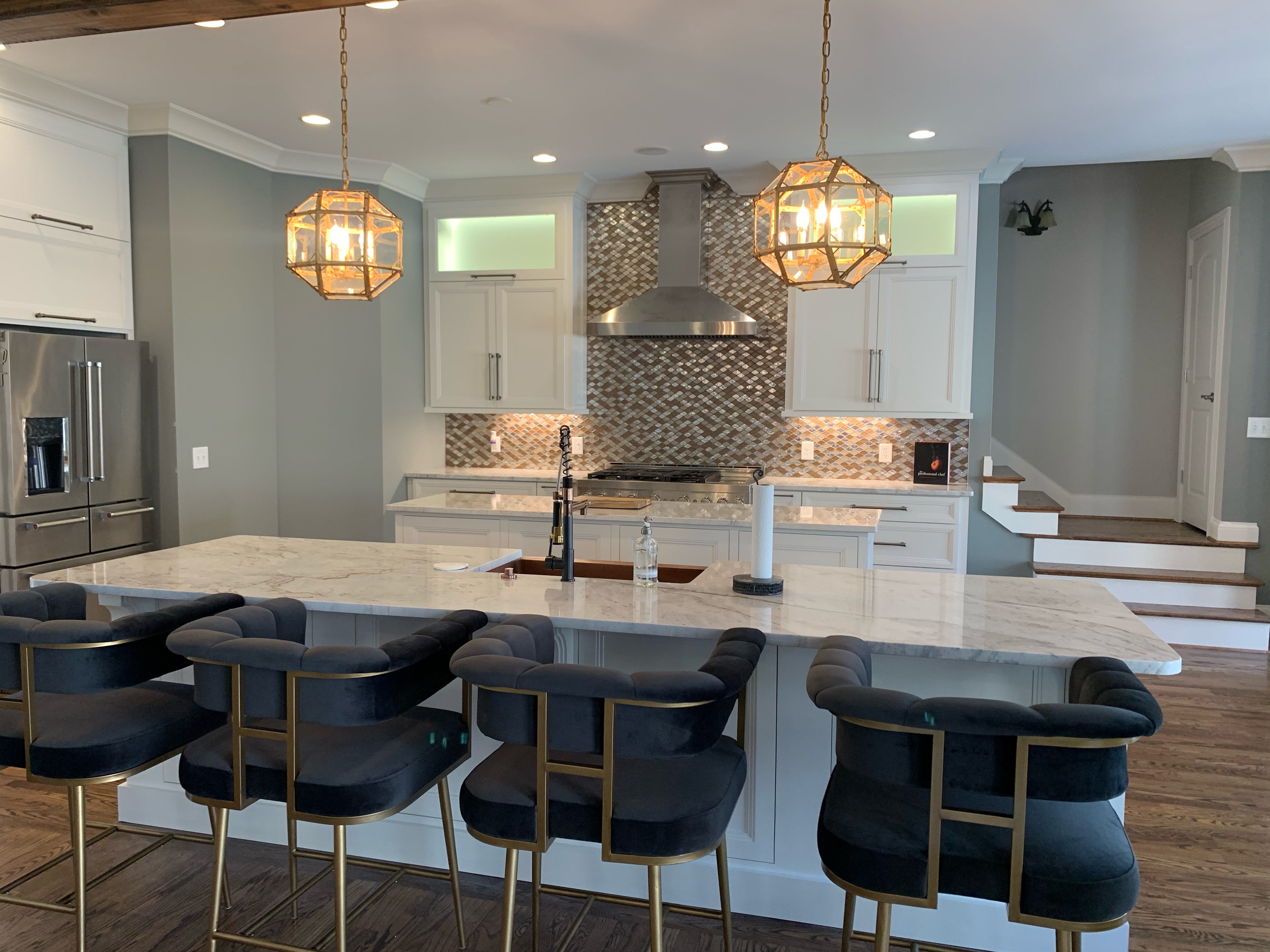
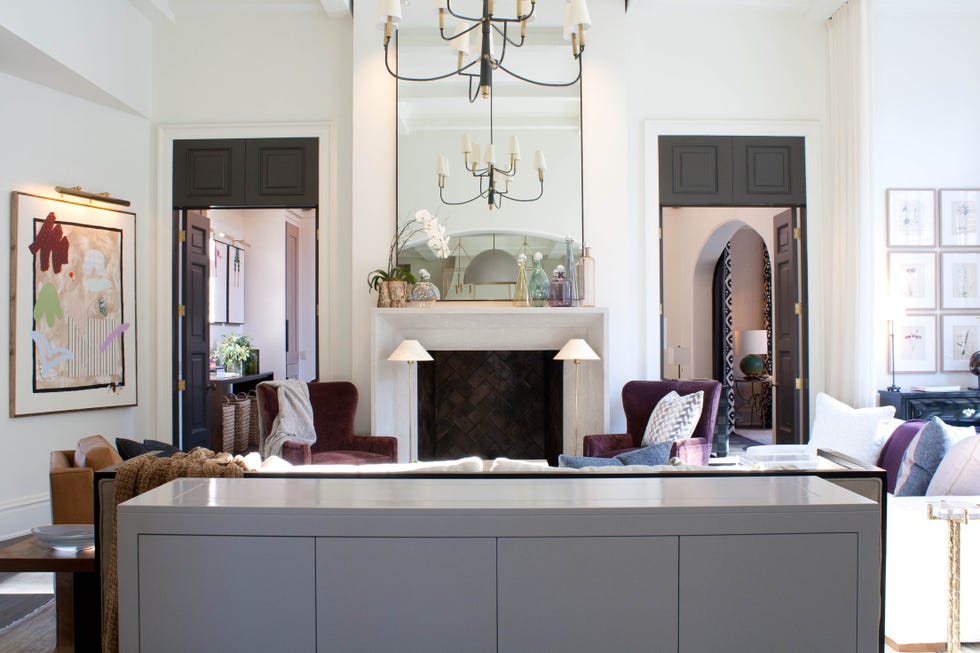
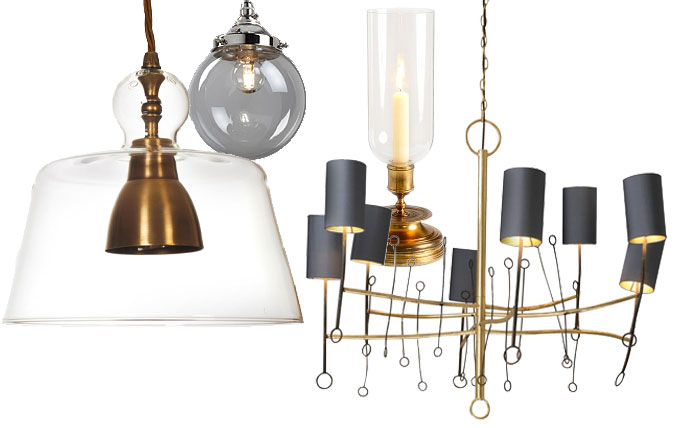
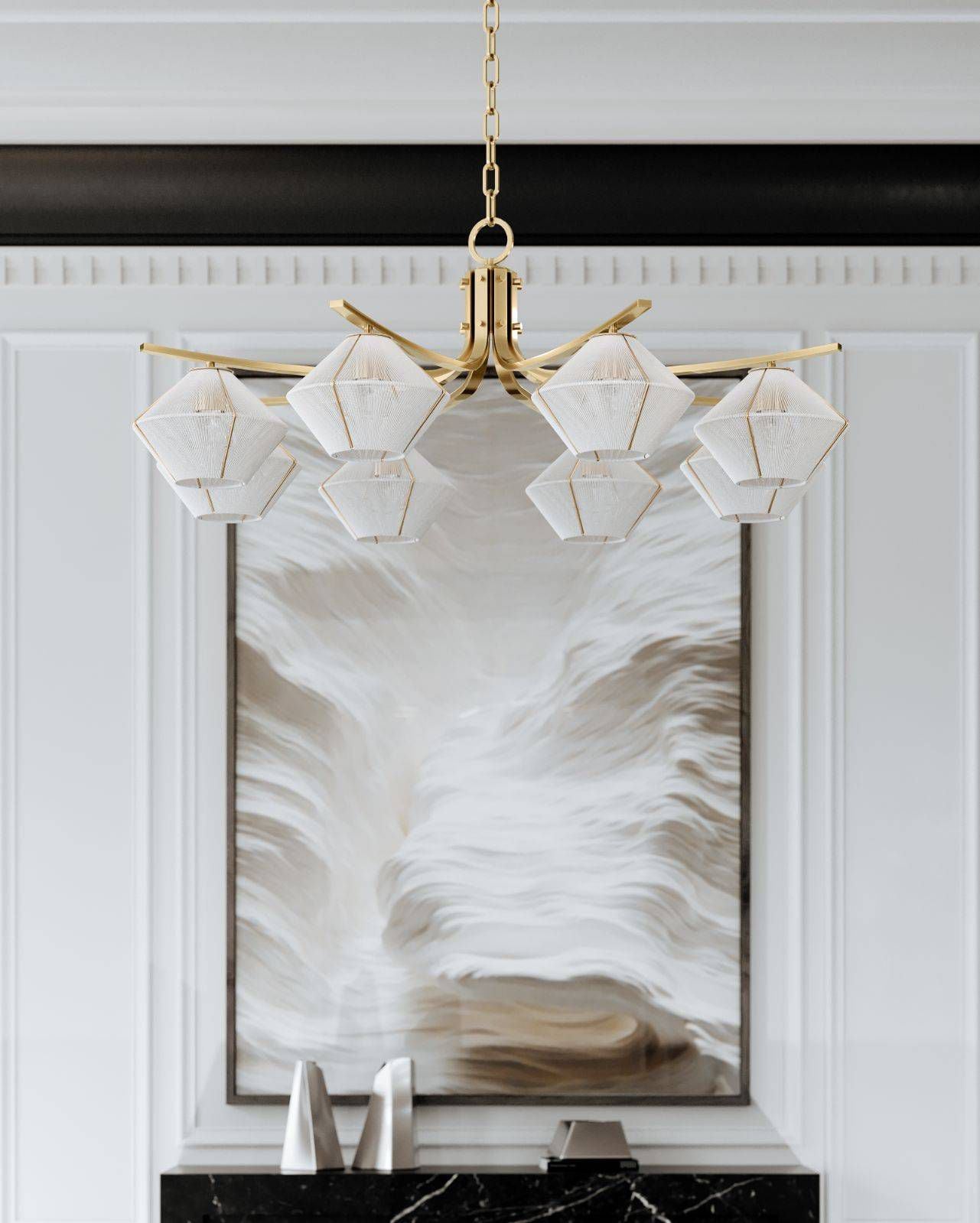
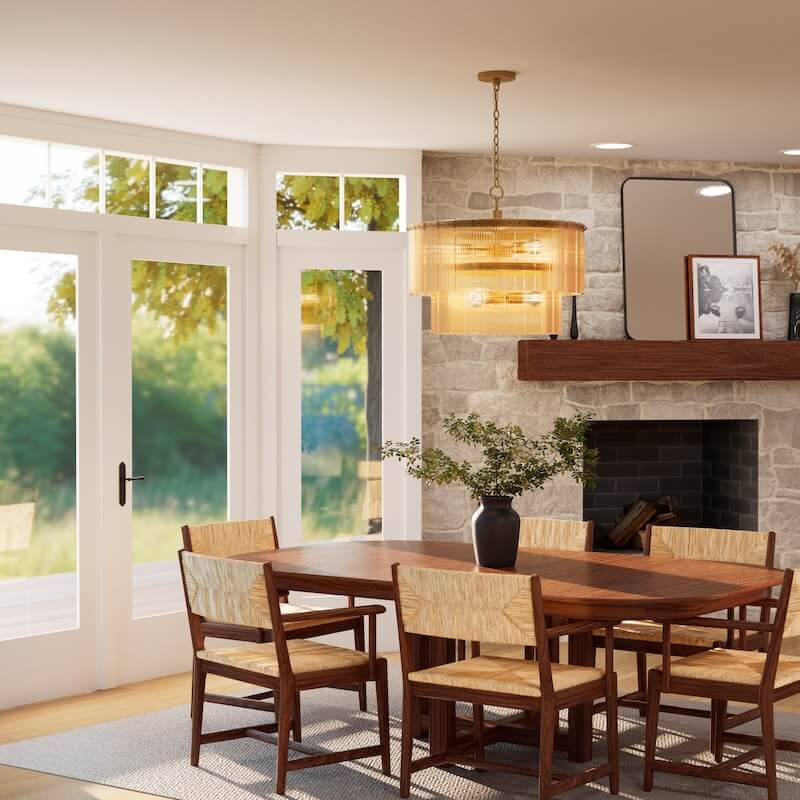
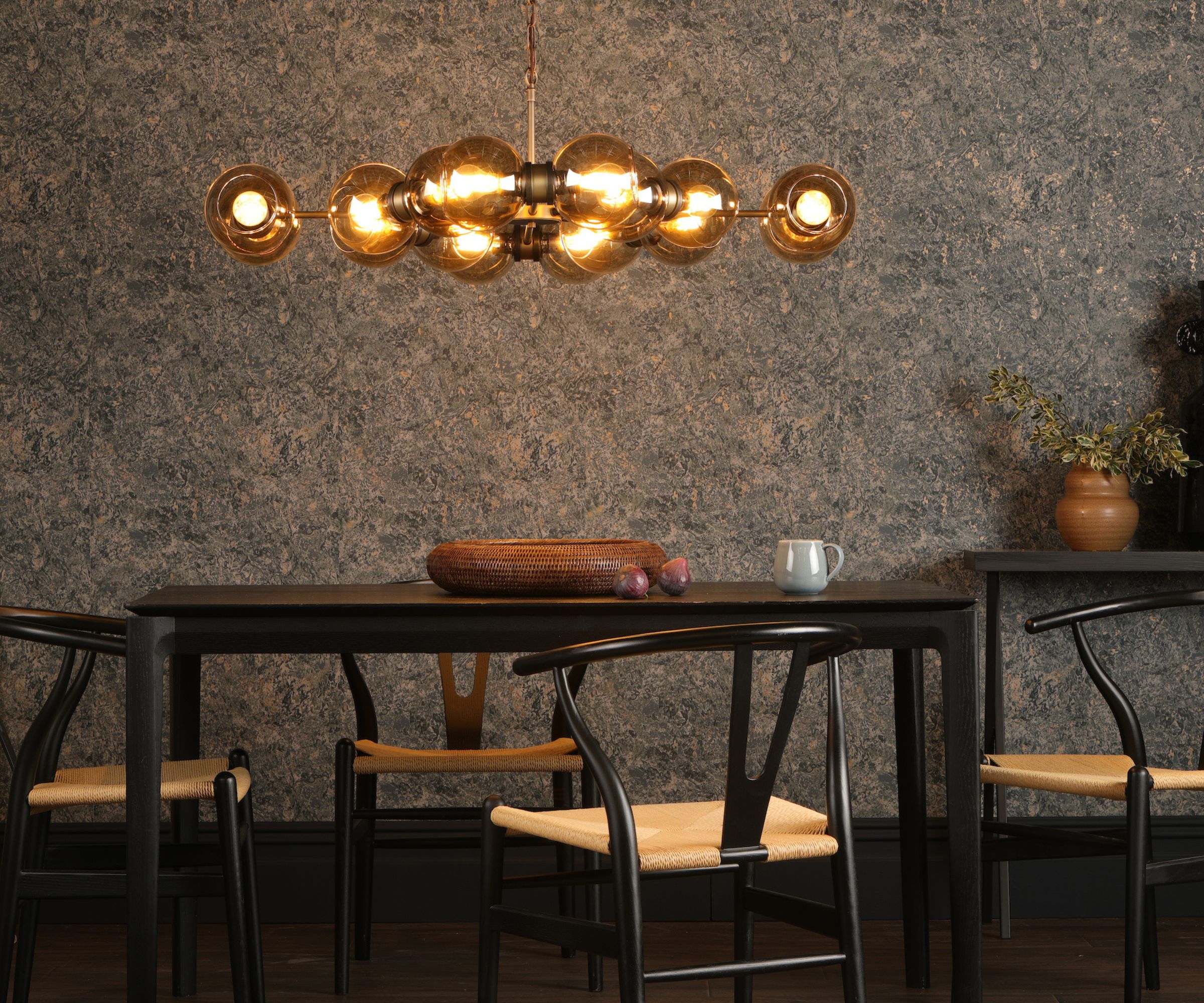
Secondly, homeowners frequently make the mistake of choosing light fixtures that are too small for the space. Murphy advises scaling up, providing formulas for appropriate sizing. For exterior fixtures flanking a front door or garage, the fixture should be one-third the height of the door. For chandeliers, the room's length and width in feet should be added, and the sum converted to inches to determine the ideal fixture width. Additionally, a chandelier should be approximately 12 inches narrower than the table it hangs above, maintaining at least 4 feet of clearance from walls.
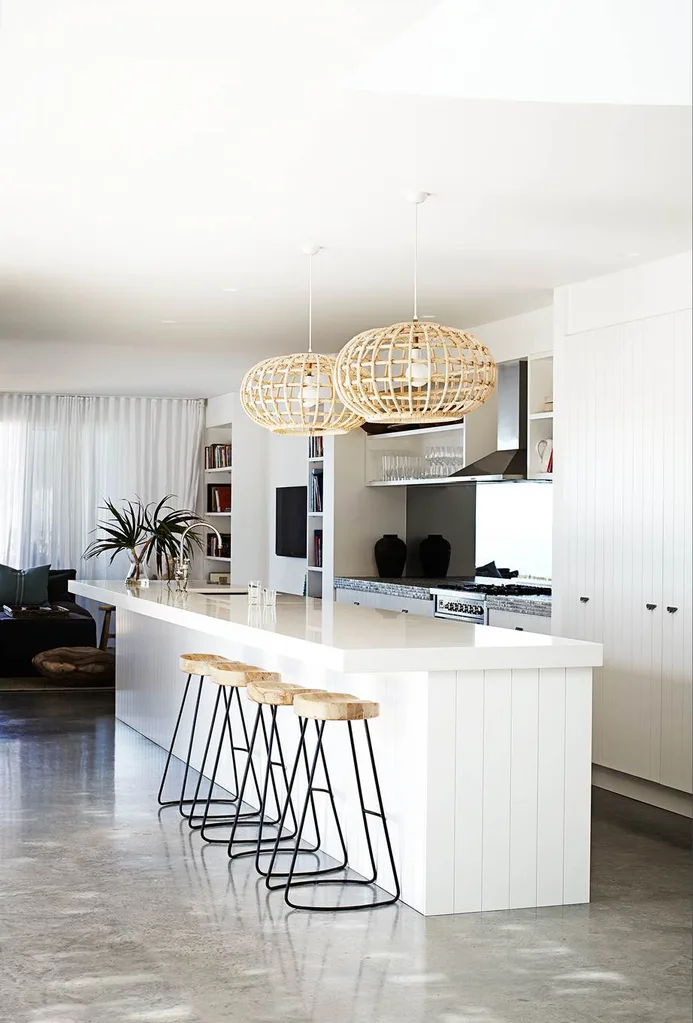
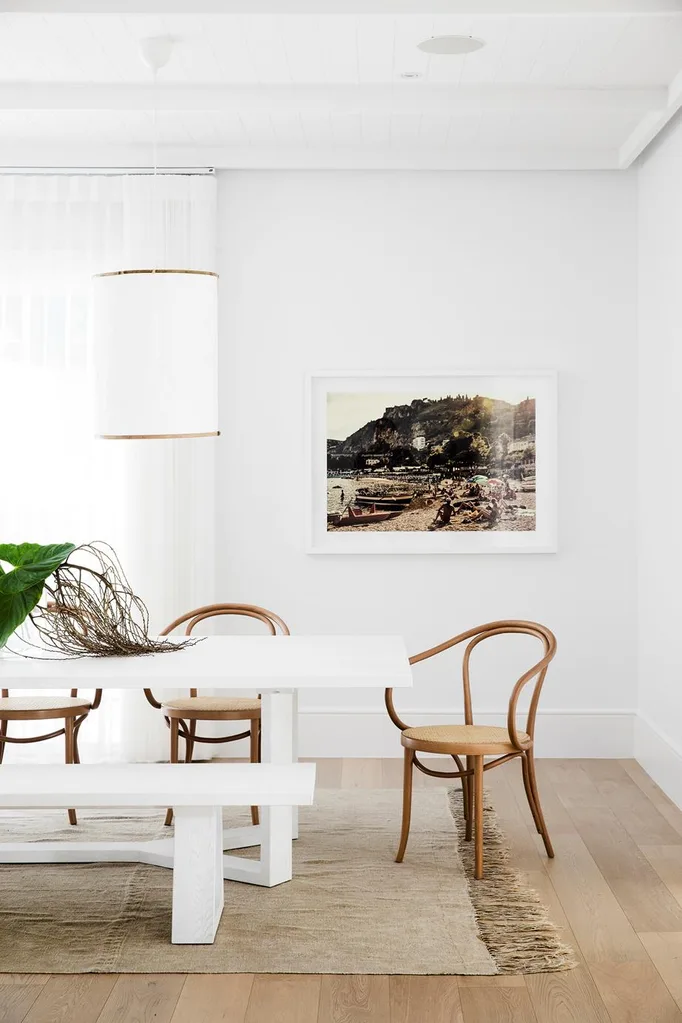
Thirdly, hanging fixtures at the correct height is vital. Chandeliers or pendant lights over dining tables or kitchen islands can hang lower than those in high-traffic areas like entryways or living rooms. Specifically, the bottom of a dining room chandelier should be 30 to 34 inches from the tabletop, while living room or entryway chandeliers require at least 7.5 feet of clearance from the floor. When uncertain, slightly lowering the fixture is often recommended.
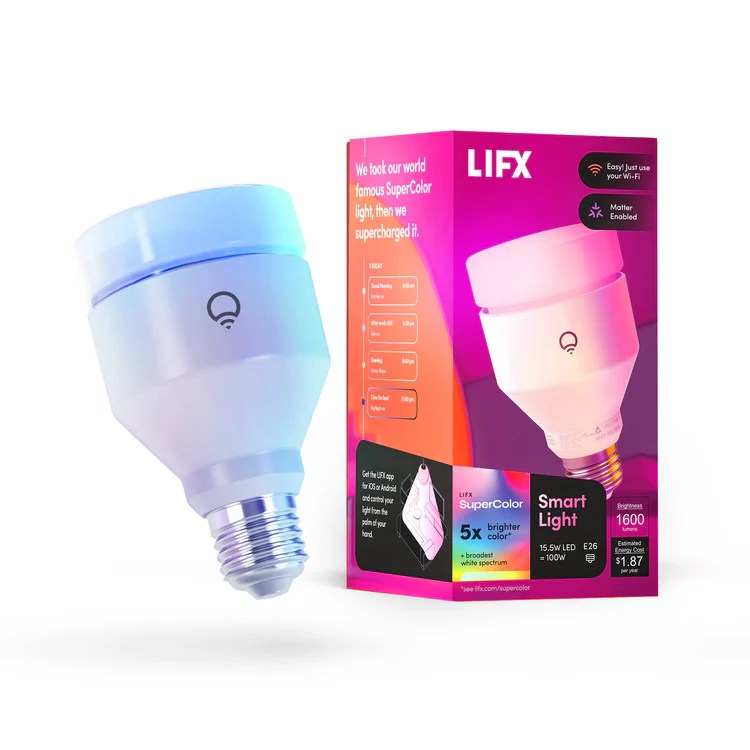
Fourthly, maintaining consistent color temperatures across all lights in a room is essential. Light bulbs have varying color temperatures, ranging from warm to cool, typically indicated on their packaging. Mixing different temperatures, such as a warm incandescent with a cool CFL, can create an unsettling visual discrepancy. The author recommends selecting a preferred temperature, such as 2700K for a warm ambiance, and adhering to it throughout the home.
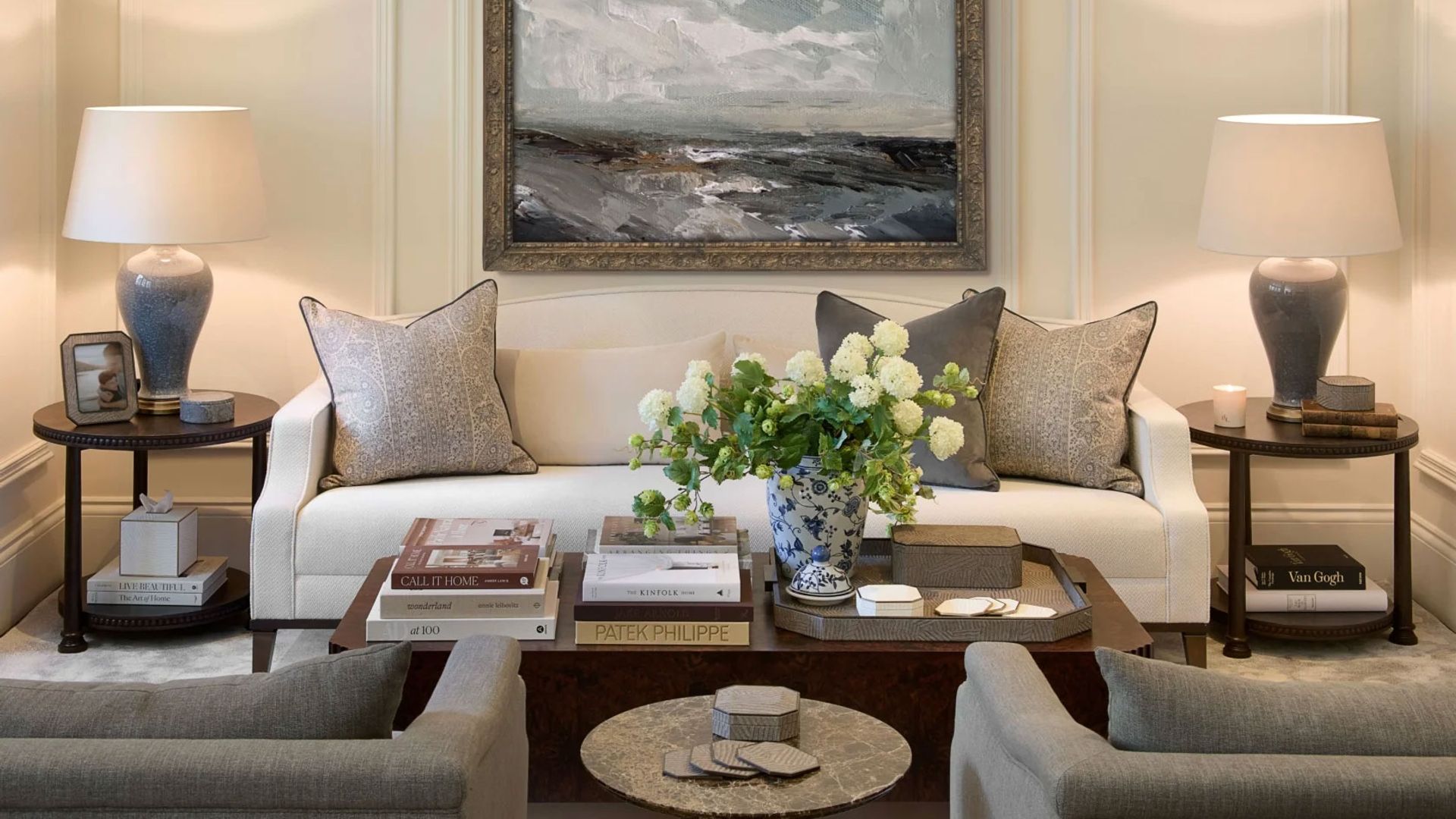
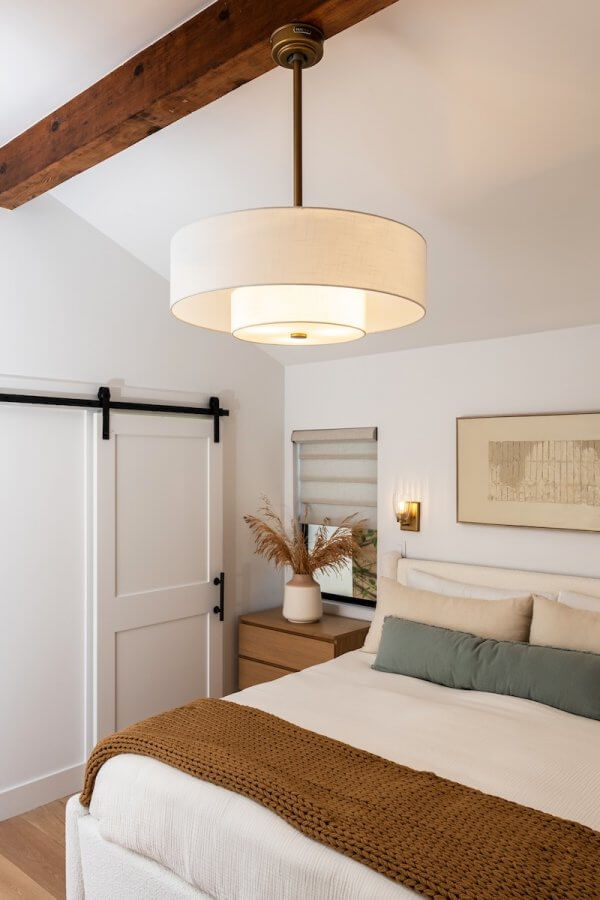
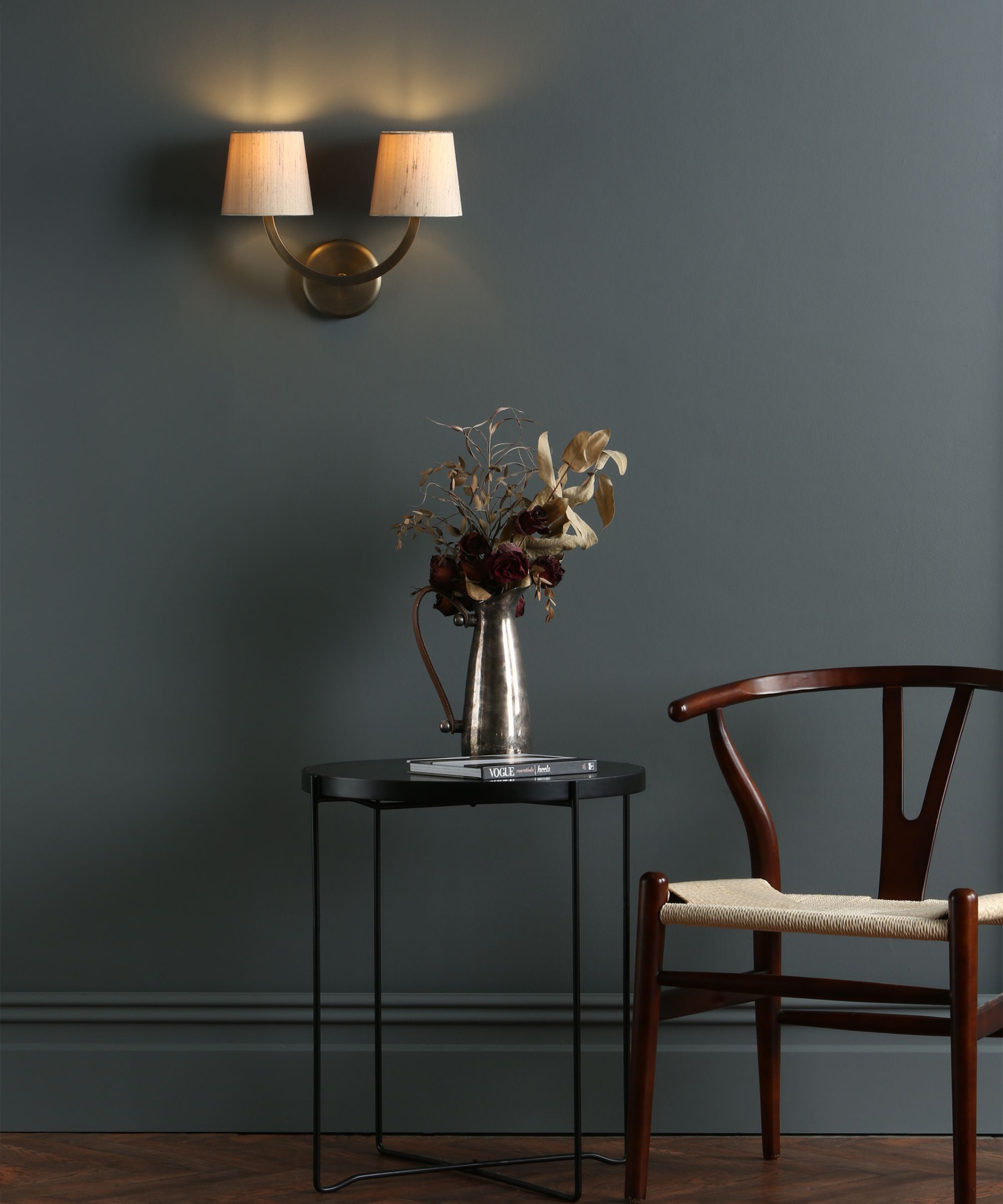
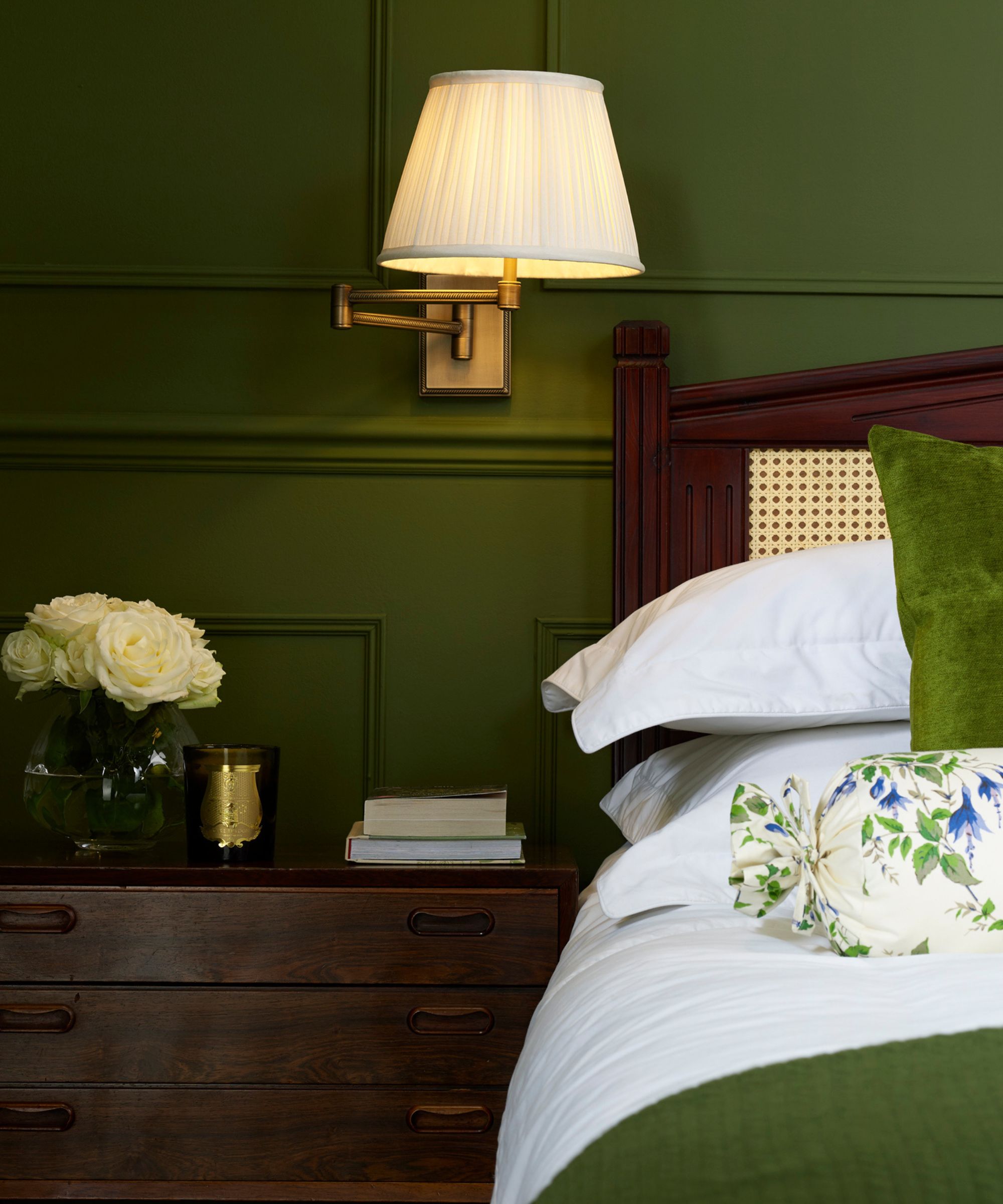
Fifthly, consistency in lampshade color is also important. Most shades are white or cream because these colors allow maximum light transmission. Within a single room, all lampshades should be either white or cream, but not a mixture of both, unless a dramatically colored shade is intentionally used as an accent piece.
Finally, the installation of dimmer switches not only allows for mood control but also offers significant energy savings. Dimming lights, even energy-efficient LEDs, by 50 percent can reduce energy consumption by nearly half. Furthermore, dimming helps lights run cooler, extending their lifespan. Once experienced, the benefits of dimmers are typically undeniable.
#LightingDesign #HomeImprovement #InteriorDesign #HomeLighting #LightFixtures #DimmerSwitches #LEDLighting #ColorTemperature #HomeDecoration #LightingDesign #HomeImprovement #InteriorDesign #HomeLighting #LightFixtures #DimmerSwitches #LEDLighting #ColorTemperature #HomeDecoration
0 commenti in totale
 Nessun commento ancora
Potresti anche gradire
Design experts offer lighting tips for upgrades that shine

4 rules for luxurious lighting according to interior design experts

Designers Share Their Best Tips for Acing Ambience in the Living Room with Lighting
Interior Designers Share Their Secrets for Upgrading Home Lighting—Without Breaking the Bank

Emily Henderson just shared how she chooses lights for tall ceilings – these are her 3 styling secrets

Proper lighting can add drama and coziness to any space

Erin Napier Shares 6 Lighting Tips For A More Welcoming Space
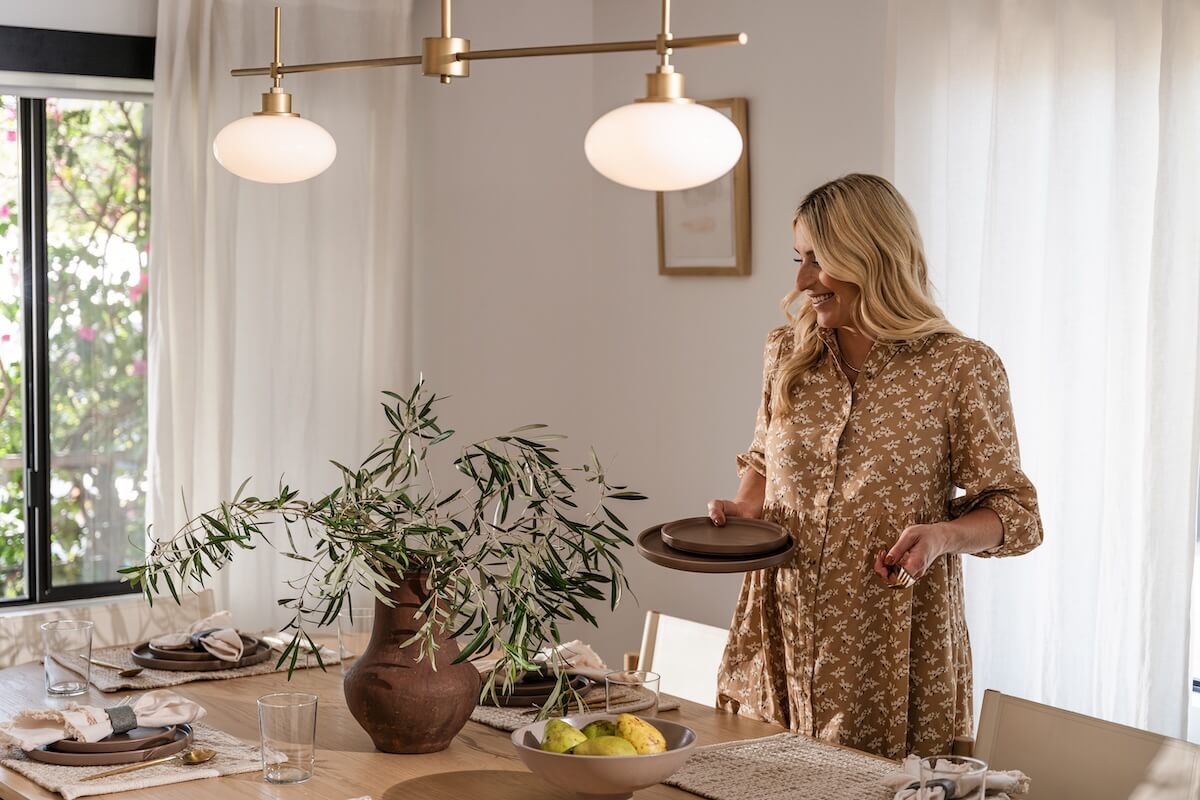
HGTV Star Jasmine Roth Just Launched 23 Stunning Light Fixtures That Will Transform Any Room

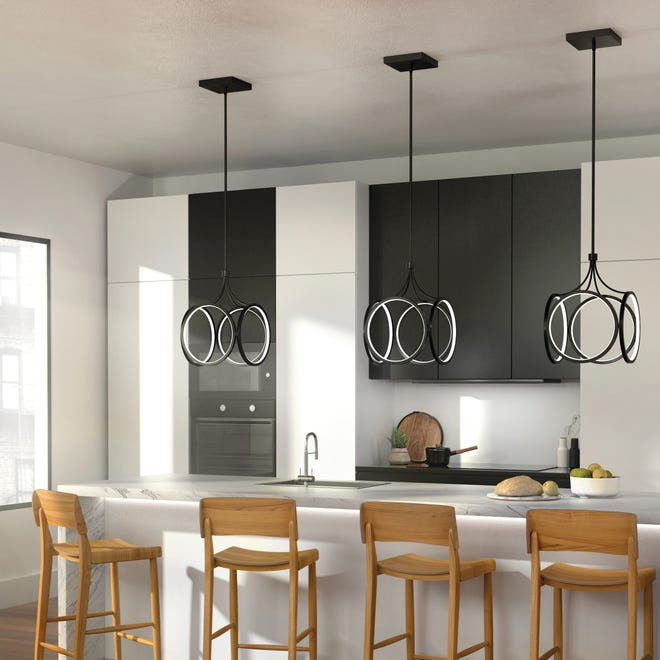
Homestyle: Lighting the way
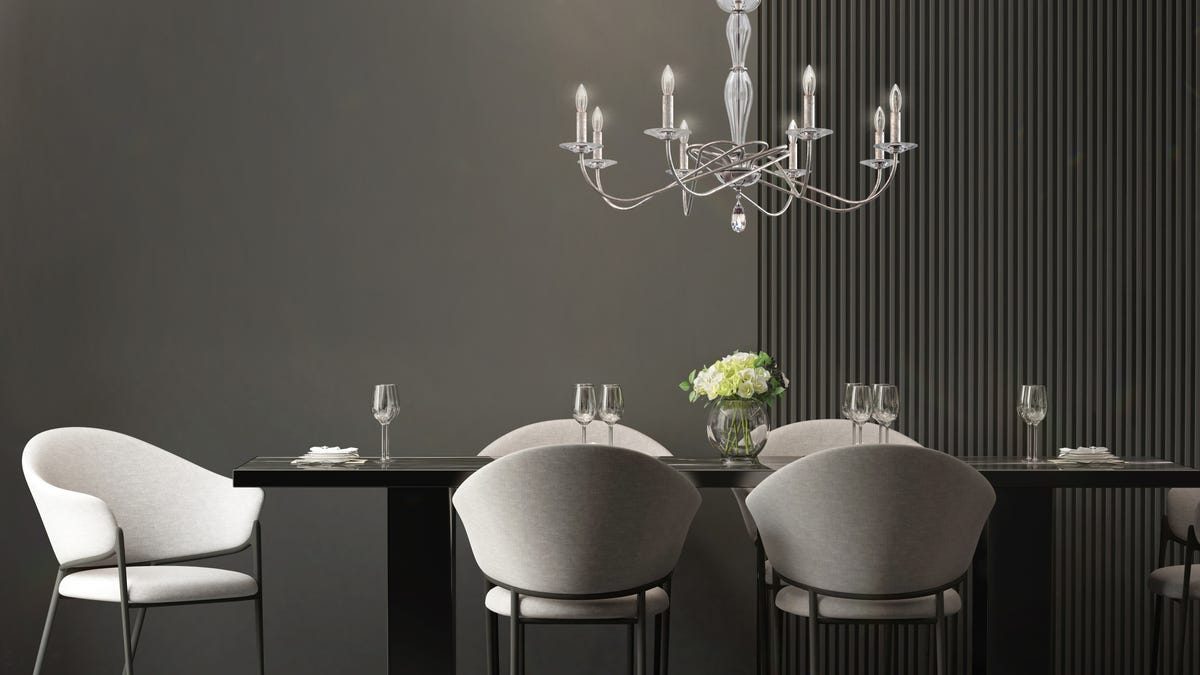
AT HOME WITH MARNI JAMESON: Lighting trends Part I: Pull the plug on dated light fixtures

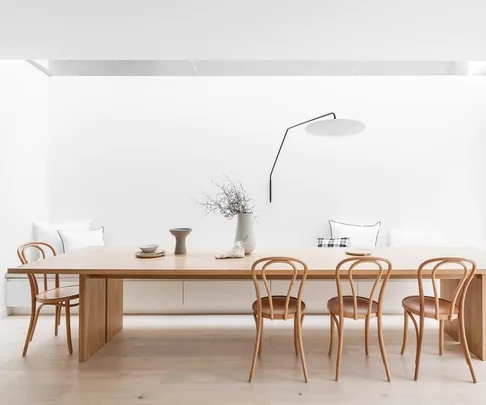
An interior designer’s guide to lighting your home

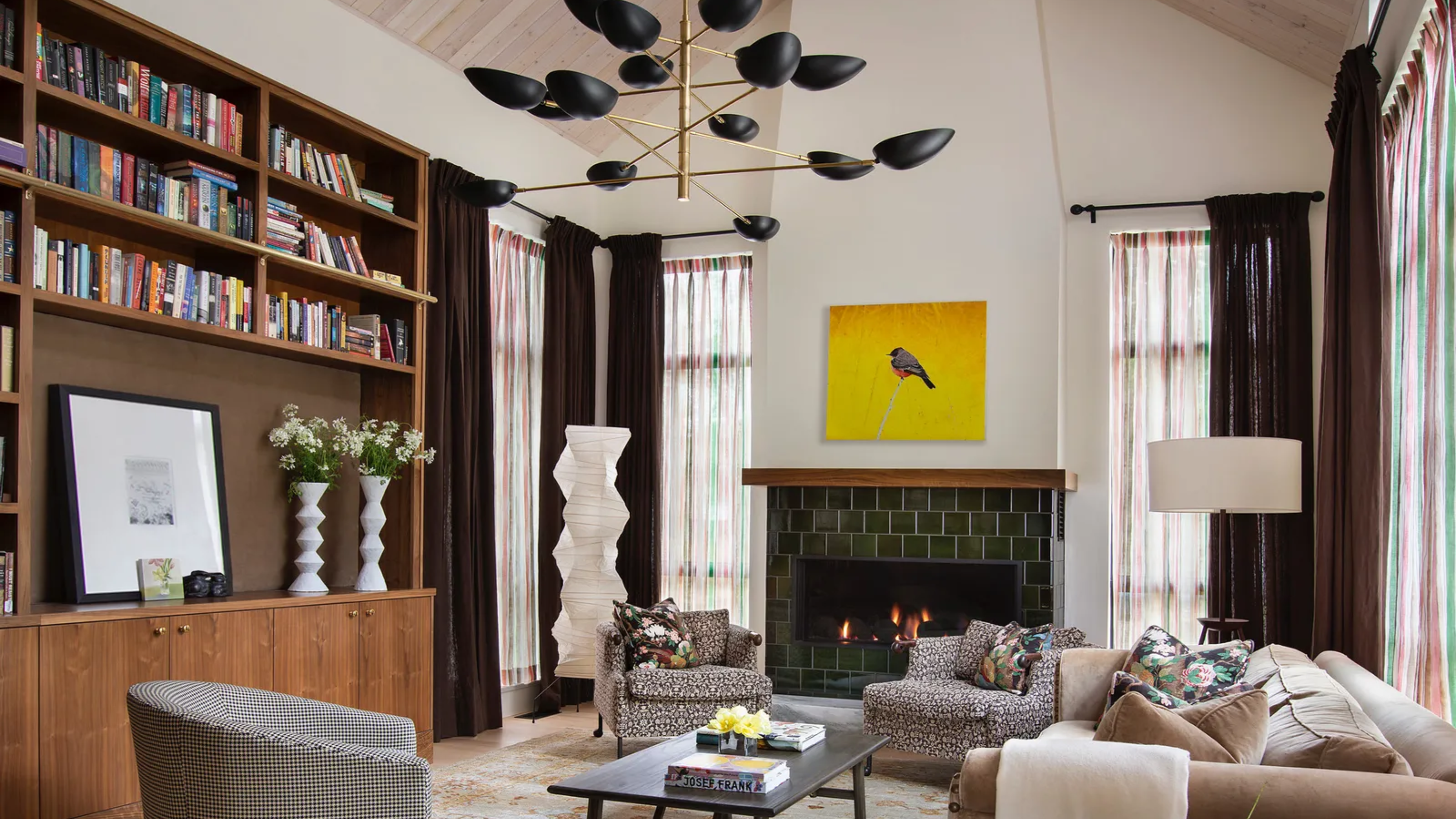
5 Types of Lighting Designers Would Never Use —They're Harsh and Unflattering and Here's Why

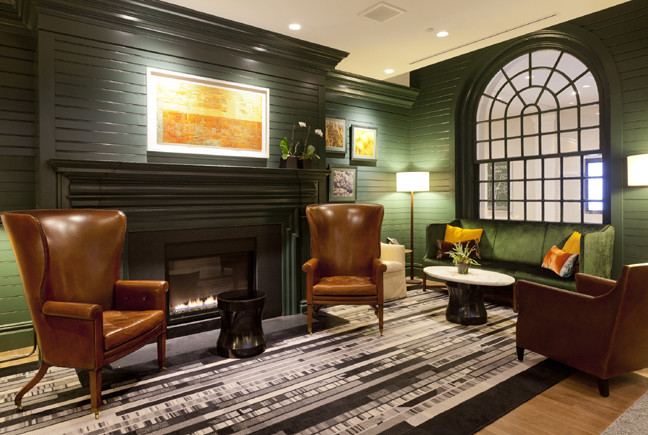
The Secrets Of Good Lighting
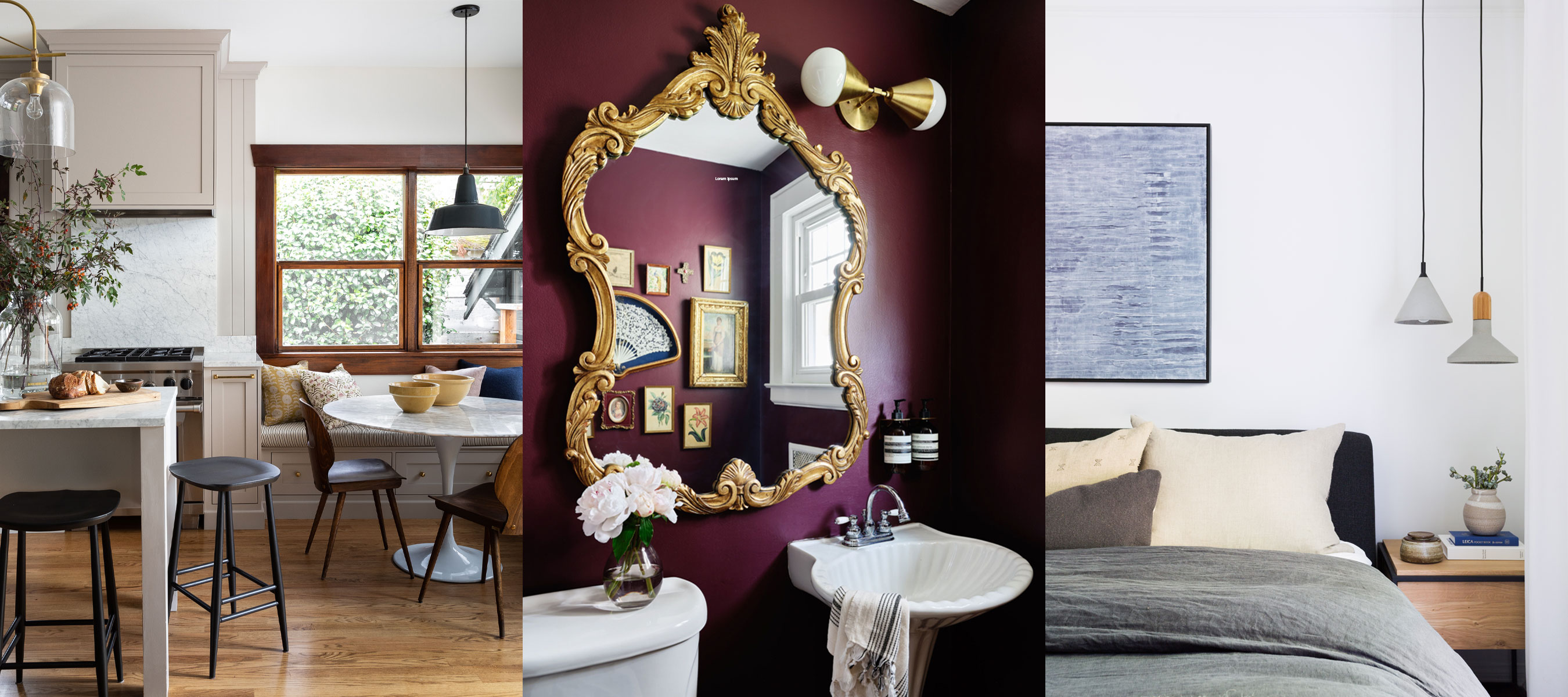
What lighting makes a home look expensive? 5 ideas from the designers in the know
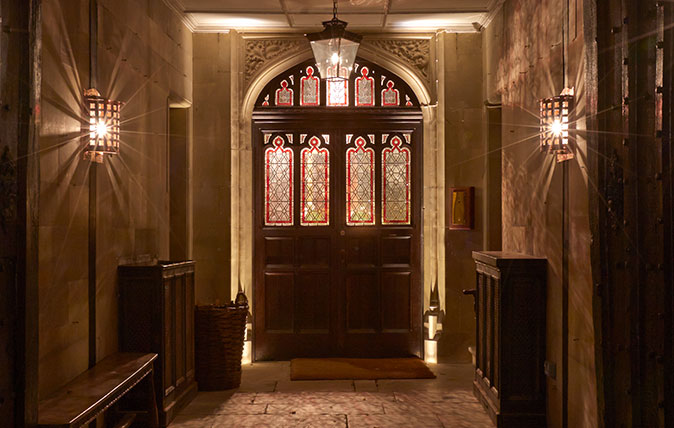
Get your home's lighting just right: Seven questions answered
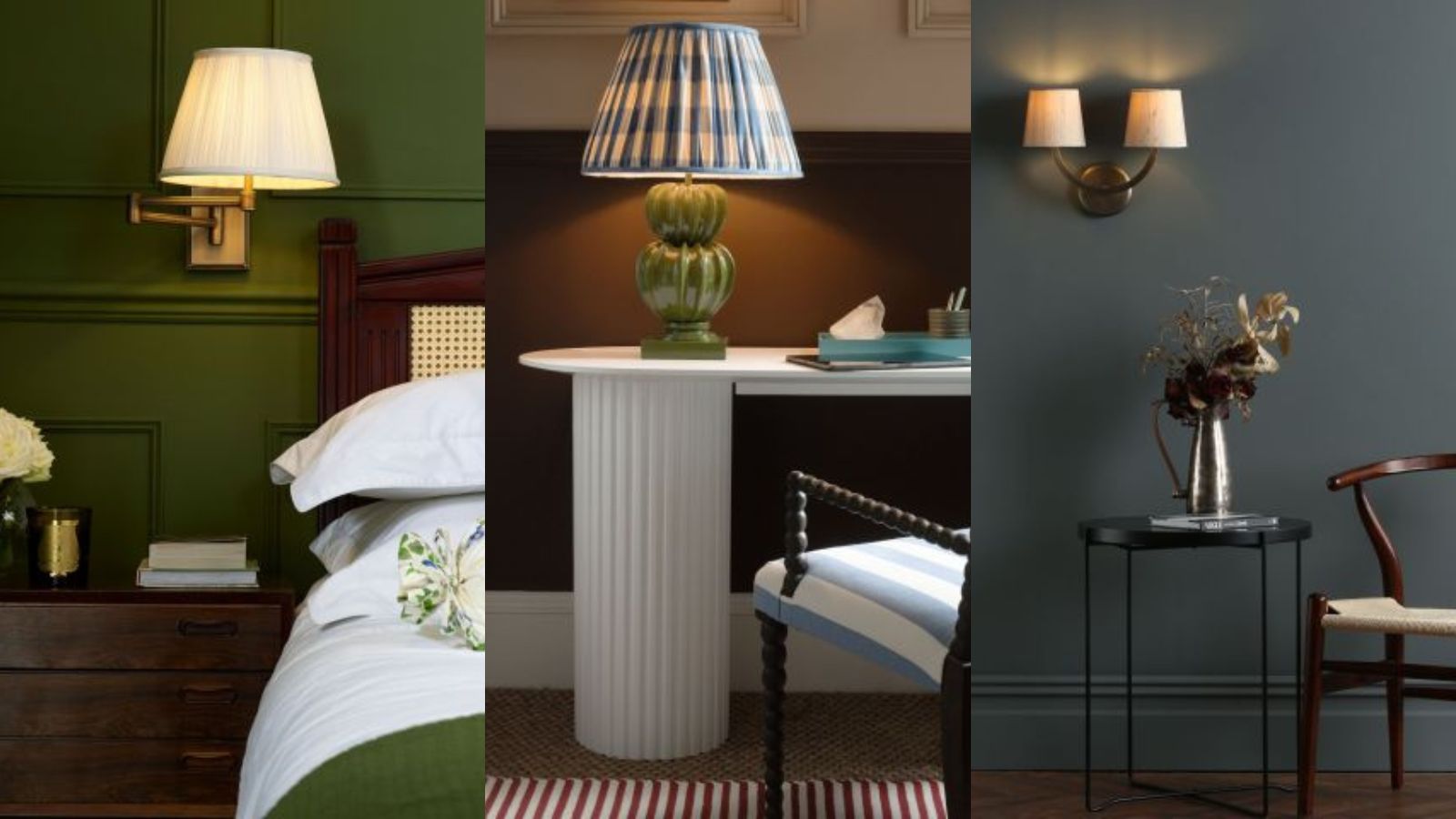
4 expert lighting schemes to make guests feel welcome in the rooms they'll use most

Fall into smarter lighting
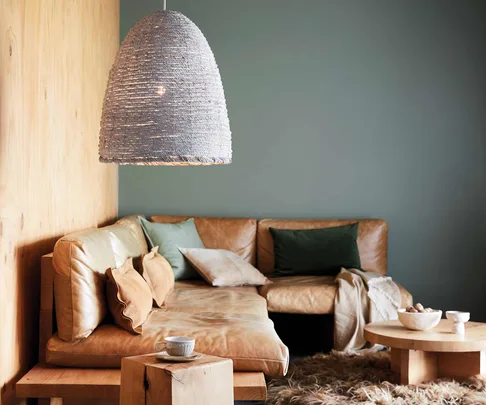
How to nail your ambient lighting and 27 of our top picks
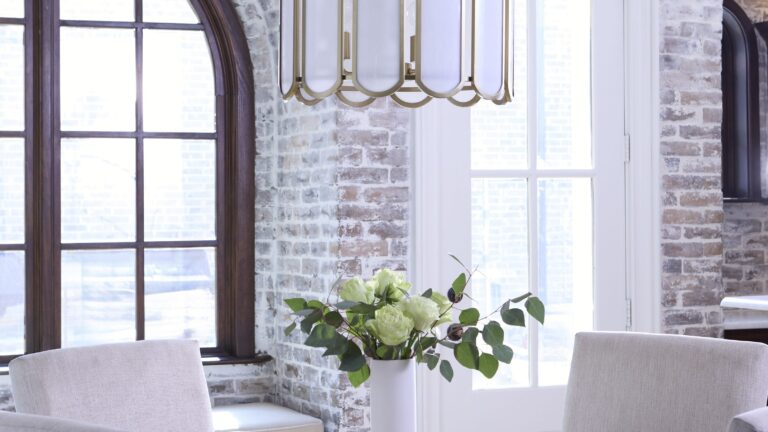
New lighting? Designers offer tips for upgrades that shine.

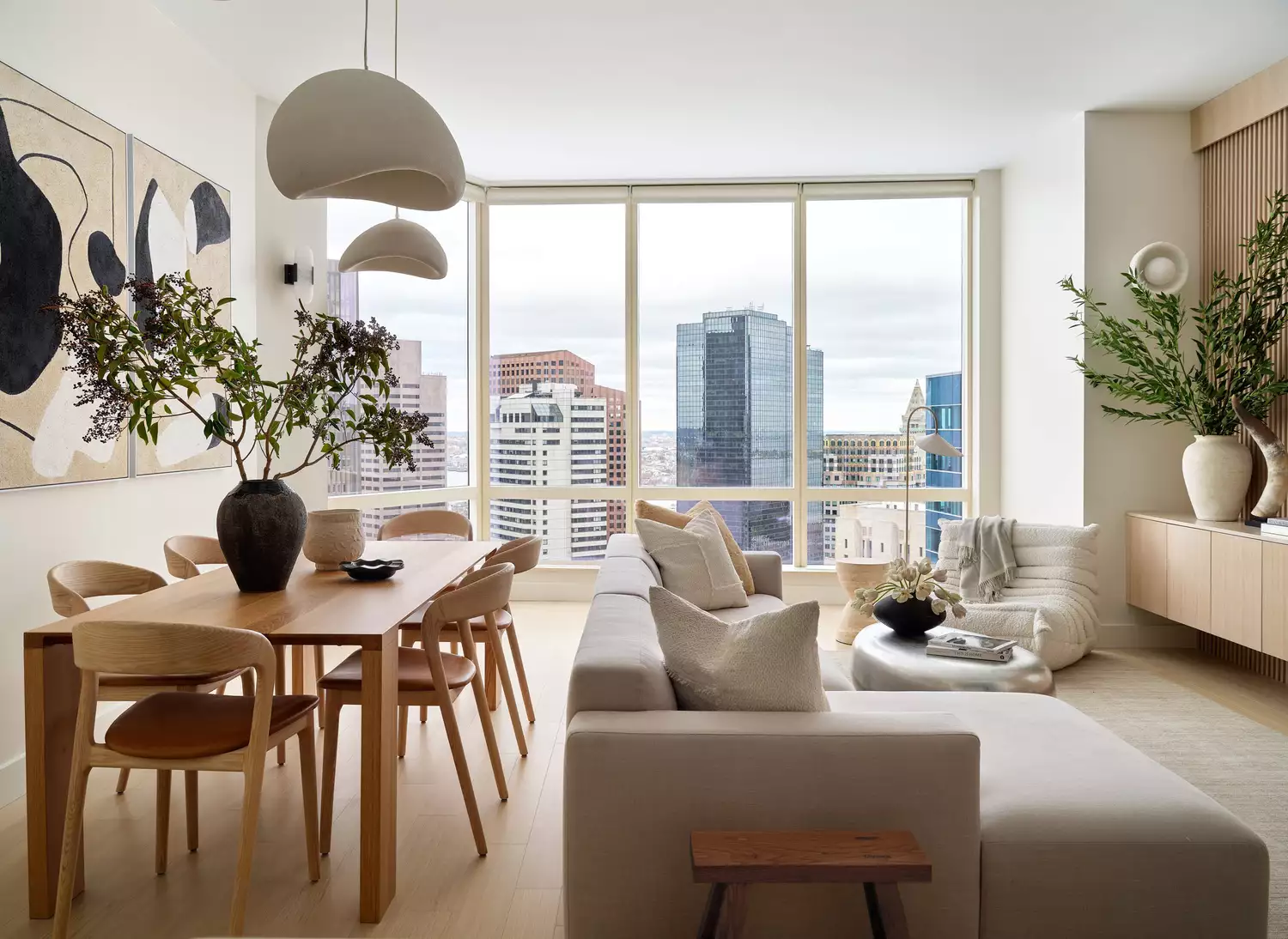
We're Spilling Designers' Go-To Formula for Perfect Lighting in Any Room