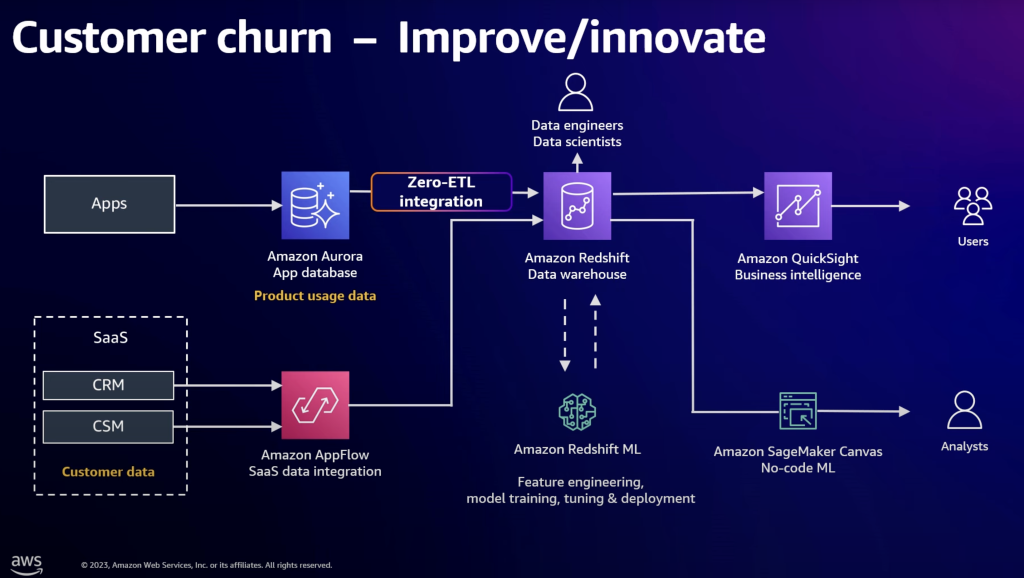
1/4
Let’s Architect! Learn About Machine Learning on AWS
This article discusses the transformative power of machine learning (ML) on AWS, highlighting how a data-driven approach can empower businesses to make informed decisions, optimize operations, and foster continuous innovation. ML systems are capable of self-learning and adapting, which allows organizations to respond dynamically to market changes and customer preferences, thereby enhancing competitiveness. The article emphasizes that by leveraging AWS's machine learning capabilities, businesses can achieve greater efficiency, improved decision-making, and significant growth. It covers various aspects of implementing ML on AWS, including foundational concepts, operational best practices, and real-world customer applications.
The content begins by exploring how organizations with limited resources can initiate their data-driven journey using advanced analytics and ML capabilities. It introduces the AWS Working Backwards methodology as a best practice for guiding data-related projects to deliver tangible business value. The article then delves into AWS analytics and AI/ML services designed to simplify and accelerate data pipeline delivery and extract business value from ML workloads. It specifically mentions low-code and no-code (LCNC) AWS services within the context of a comprehensive data pipeline architecture, making ML accessible to a broader range of users.
A significant portion of the article is dedicated to MLOps (Machine Learning Operations), a discipline that extends DevOps practices to ML. It explains that MLOps is crucial for operationalizing and scaling ML models efficiently. By adopting MLOps principles, organizations can streamline the entire lifecycle of ML models, from building and training to deployment, ensuring reliable and efficient management. This approach helps bridge the gap between AI development and operations, allowing organizations to fully realize the potential of their ML initiatives.
Furthermore, the article provides insights into the generative AI infrastructure at Amazon, detailing how AWS designs and builds specialized machine learning accelerators such as AWS Trainium and AWS Inferentia. These purpose-built hardware solutions are designed for both model training and inference, helping to optimize costs and reduce latency for generative AI applications. It also notes that these ML accelerators are beneficial for other use cases involving deep neural network models, such as representation learning and recommender systems.
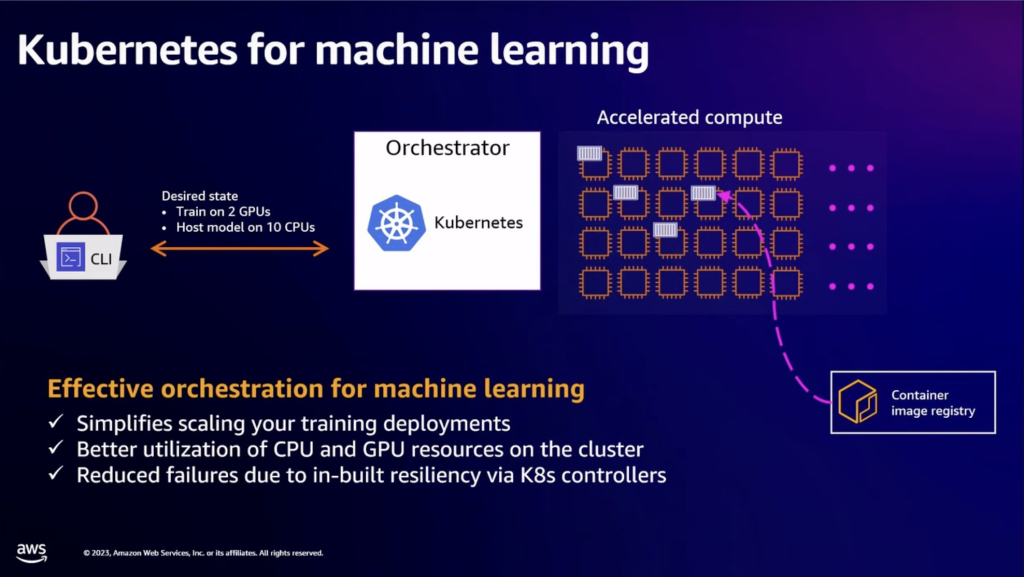
The article also showcases how prominent customers like Pinterest and Booking.com are implementing machine learning on AWS. Pinterest's strategy for creating an ML development environment, orchestrating training jobs, ingesting data, and accelerating training speeds, including the benefits of containers in ML and distributed model training, is discussed. Booking.com's use of Amazon SageMaker to modernize its ML experimentation framework, which led to faster development times for ranking models and increased efficiency for data science teams, is also highlighted. The article concludes by recommending Amazon SageMaker Immersion Day, a workshop designed to provide end-to-end understanding of building ML use cases, from feature engineering to deploying models in production-like scenarios, and covering advanced concepts like model debugging, monitoring, and AutoML.
#MachineLearning #AWS #ArtificialIntelligence #MLOps #AWSInferentia #AWSTrainium #AmazonSageMaker #DataAnalytics #CloudComputing #MachineLearning #AWS #ArtificialIntelligence #MLOps #AWSInferentia #AWSTrainium #AmazonSageMaker #DataAnalytics #CloudComputing
Hay 0 comentarios en total
 Aún no hay comentarios
También te puede gustar
Let’s Architect! Discovering Generative AI on AWS | AWS Architecture Blog
Let’s Architect! Getting started with containers
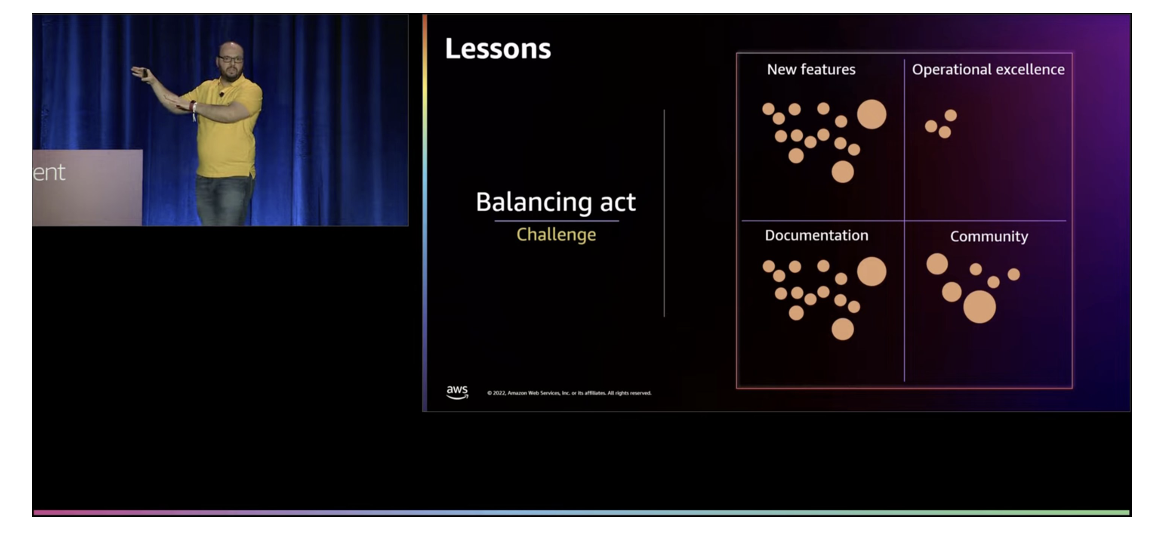
Let’s Architect! Open-source technologies on AWS
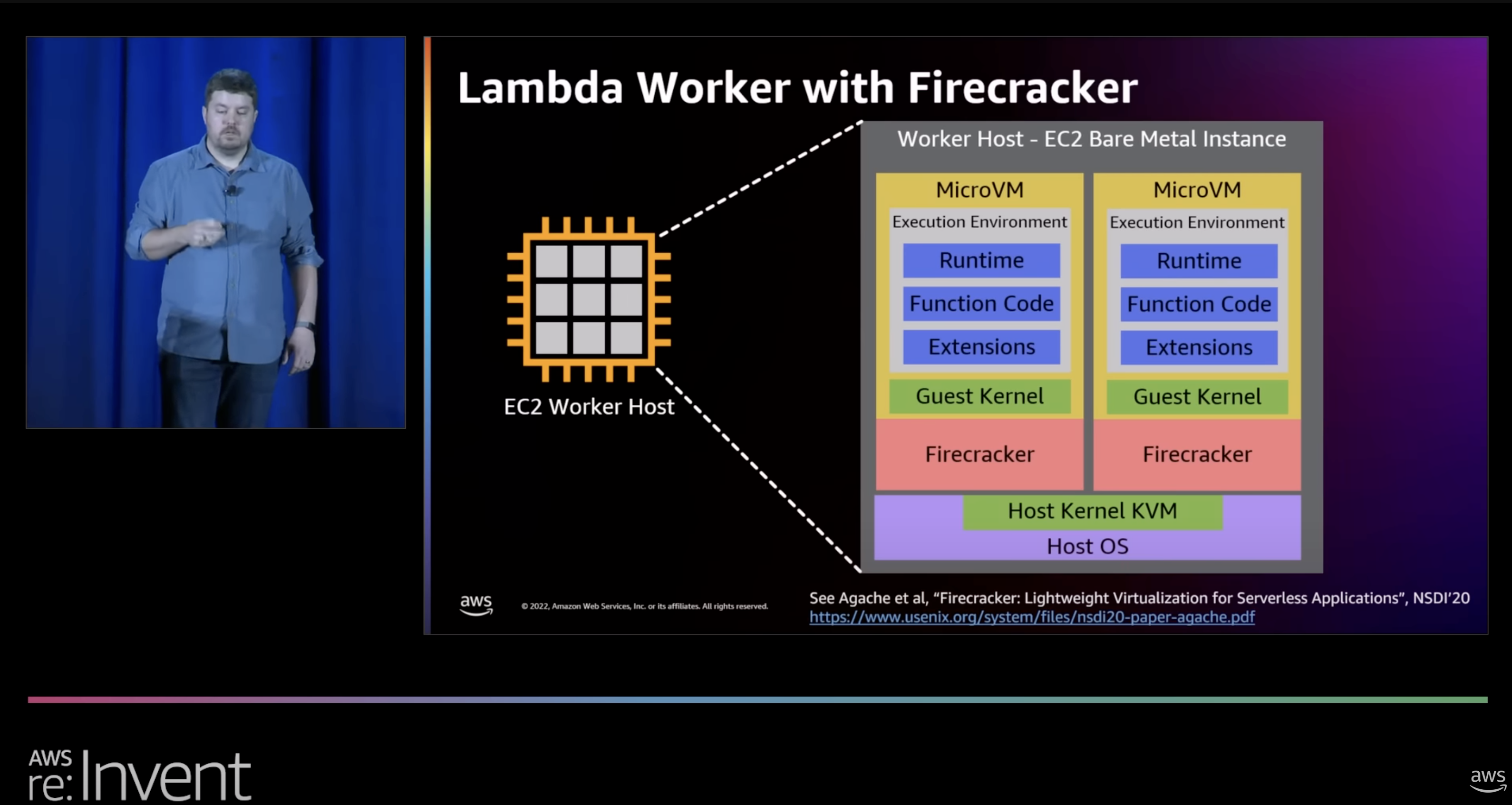
Let’s Architect! Designing serverless solutions
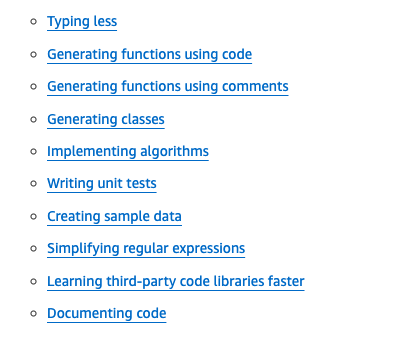
Let’s Architect! Tools for developers
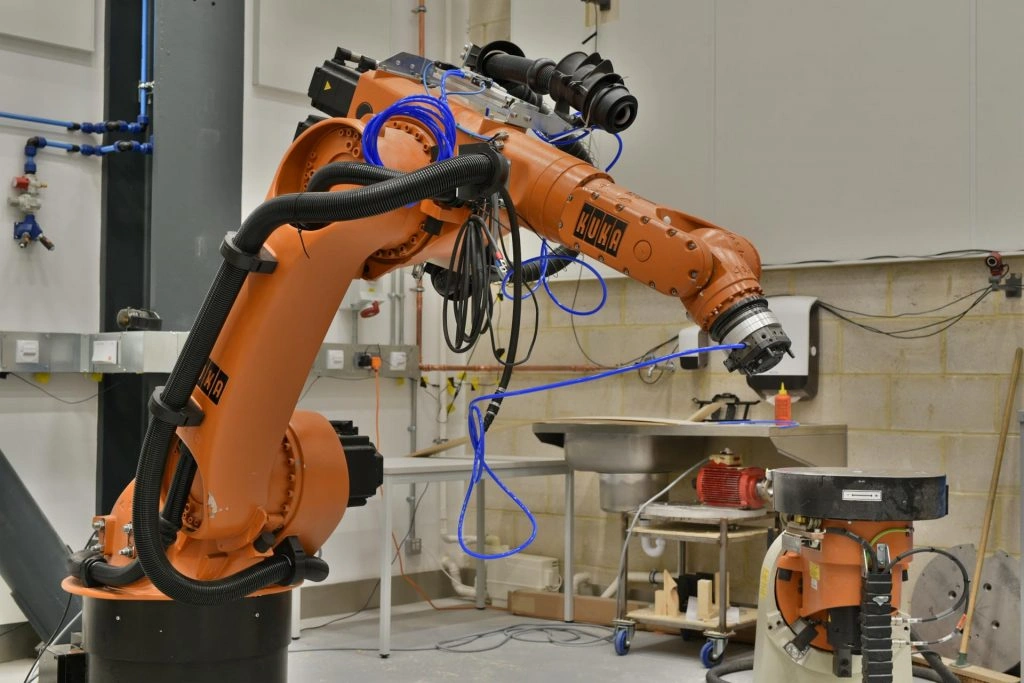
The impact of machine learning on architectural design

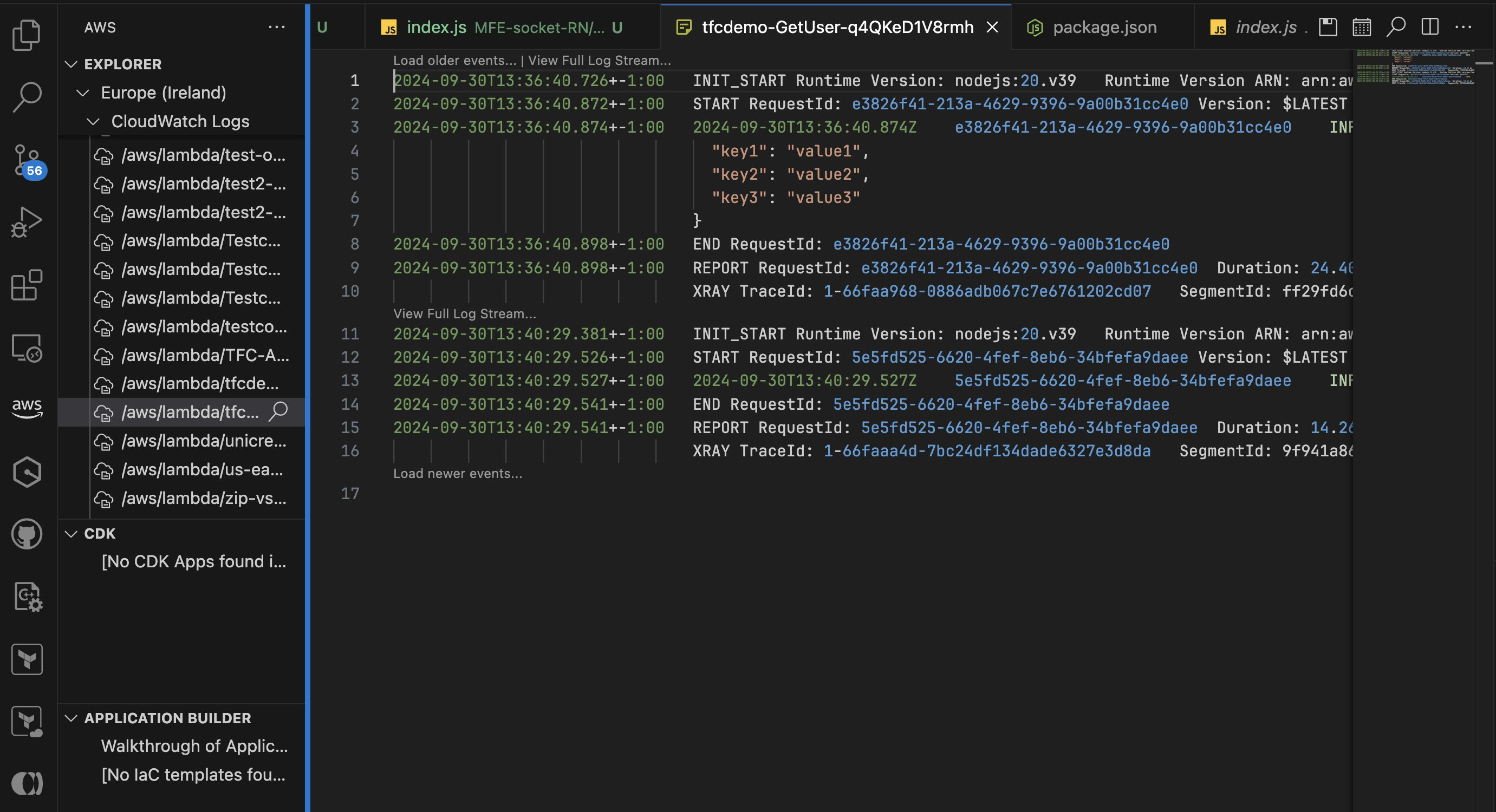
Let’s Architect! Serverless developer experience in AWS | AWS Architecture Blog
Efficient and cost-effective rendering pipelines with Blender and AWS Batch
Architect personalized generative AI SaaS applications on Amazon SageMaker