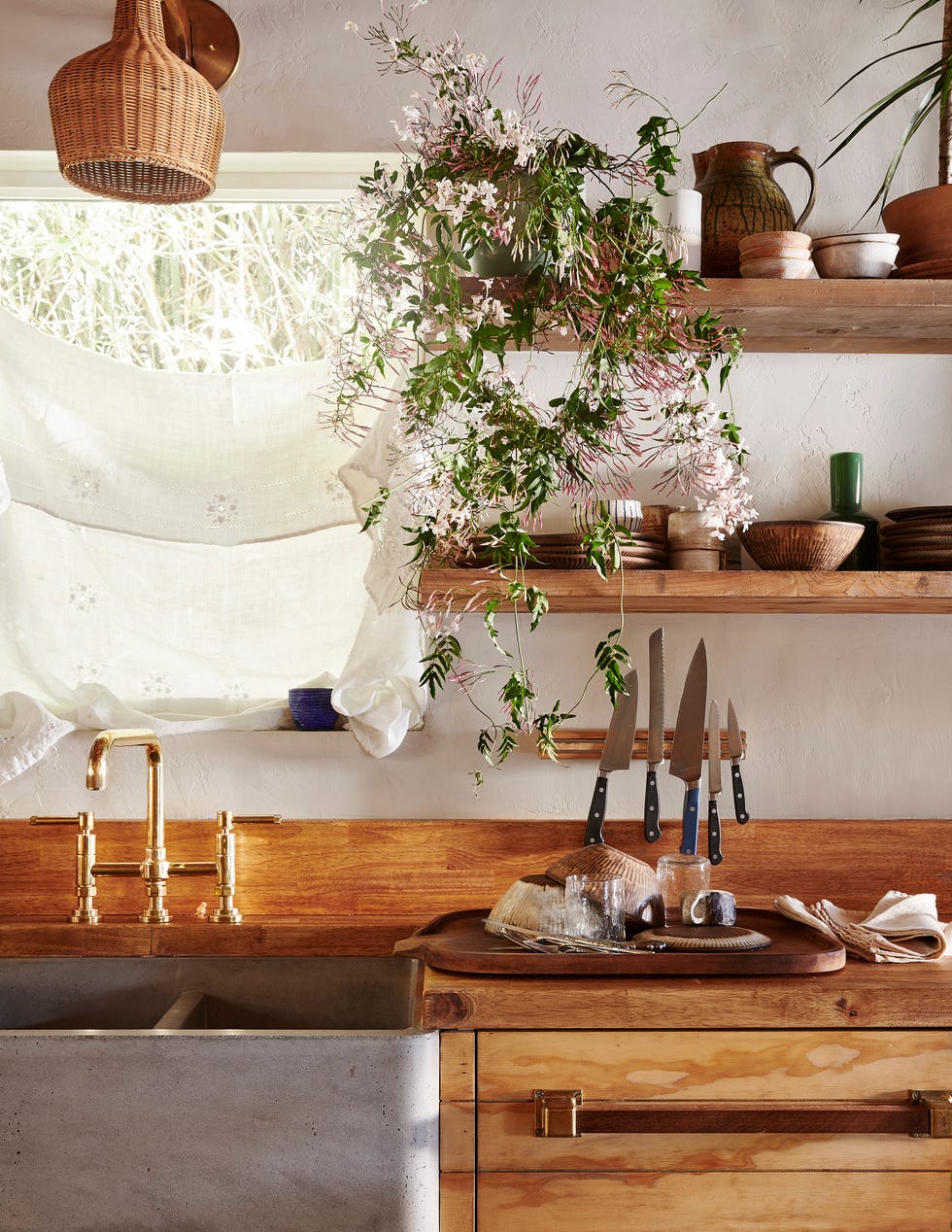

1/11
10 Ways to Use Recycled Materials in Your Home Reno
The home remodeling industry is a significant and growing sector, with billions of dollars spent annually on new constructions and renovations. This expansion, however, carries a substantial environmental burden due to the vast quantities of raw materials required for manufacturing building components like concrete, steel, and drywall. The extraction, transportation, and disposal of these materials contribute to greenhouse gas emissions, various forms of pollution (air, water, land), energy and water consumption, and habitat loss, as highlighted by the Environmental Protection Agency. Adopting sustainable practices and utilizing recycled materials in home improvement projects can mitigate these negative impacts by reducing waste and conserving resources. The market for recycled plastics in construction is projected to reach over $77 billion by 2030, underscoring the growing potential for eco-friendly building solutions.
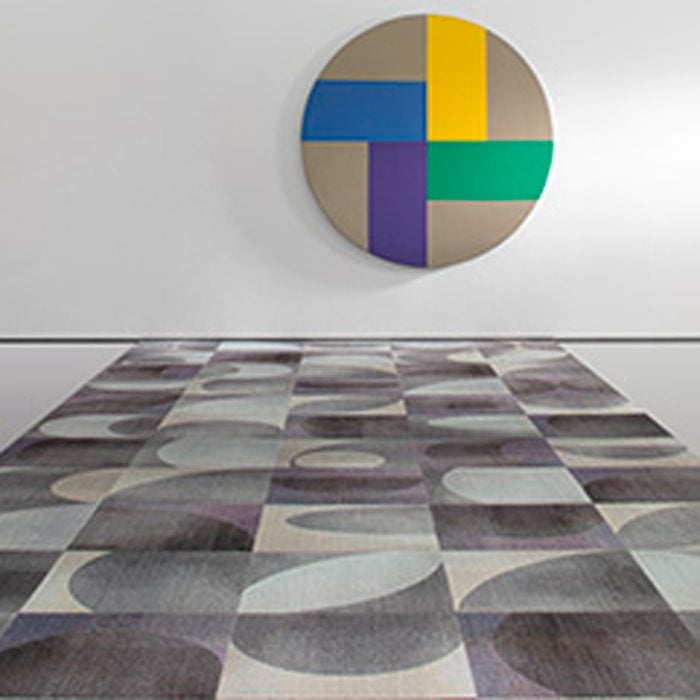
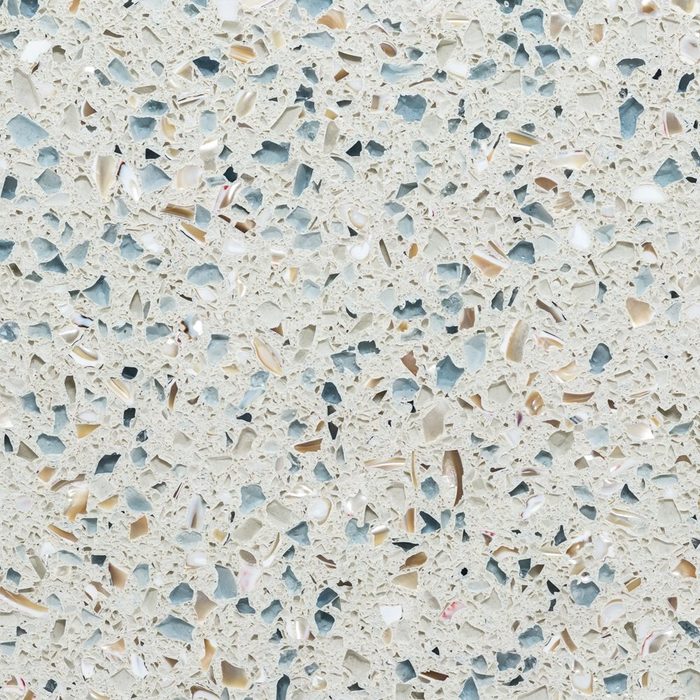
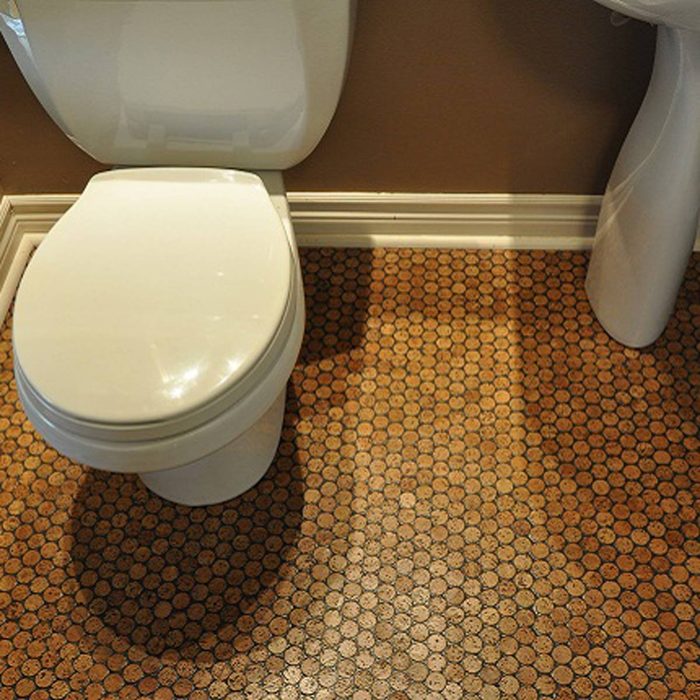
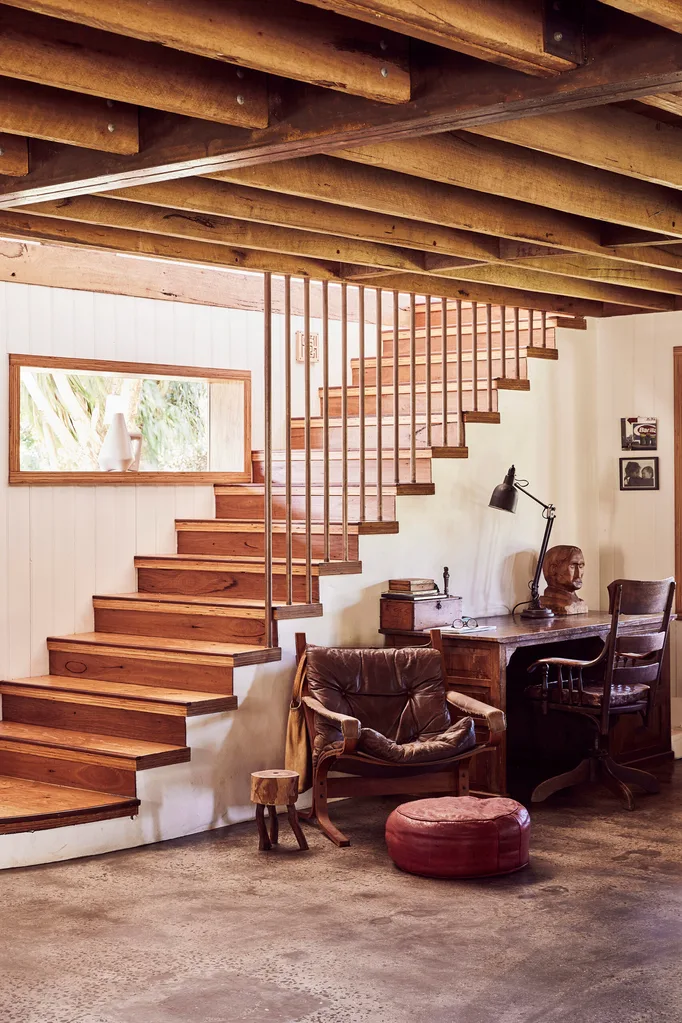
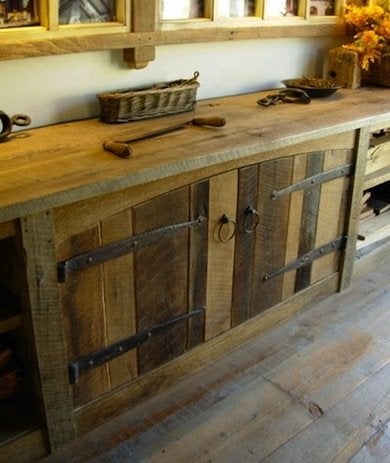
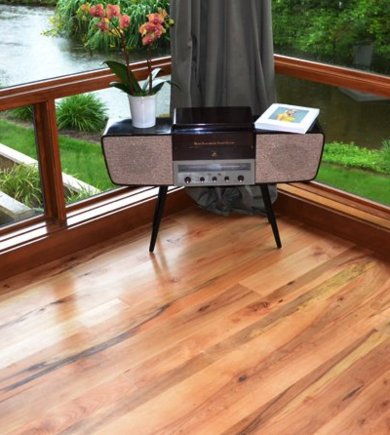
Several areas of home renovation offer opportunities to integrate recycled materials effectively. Flooring, for instance, provides numerous eco-friendly options. Reclaimed barn wood offers a rustic aesthetic, though proper treatment is essential to prevent the emission of toxins. Recycled cork flooring is a sustainable choice known for its moisture resistance and sound-absorbing qualities; companies like Jelinek Cork Group repurpose used wine corks for this purpose. Recycled carpet, such as Mohawk's Everstrand line, and rubber flooring tiles made from recycled materials, like FlooRX’s Precision Lock Rubber Floor, are also readily available for different applications. Countertops can also be made from recycled materials without sacrificing style. IceStone produces countertops from recycled glass, Portland cement, and non-toxic pigments, as well as PaperStone, a durable surface made from 100 percent post-consumer recycled paper. Vetrazzo and Curava utilize pre- and post-consumer recycled glass from various sources to create distinctively patterned countertops.
Roofing offers another avenue for sustainability. Malarkey Roofing Products manufactures shingles from upcycled rubber and plastics, diverting significant amounts of waste from landfills. GAF provides asphalt shingles that incorporate recycled material from both post-consumer and post-manufacture waste. For outdoor spaces, recycled plastic decking and railings serve as a durable and low-maintenance alternative to traditional wood. Companies like TimberTech, NewTechWood, and Trex utilize a high percentage of recycled plastics and reclaimed wood fibers to create their decking products, effectively diverting waste like plastic bottles, bags, and film from the waste stream. However, composite decking can absorb heat and may be more expensive to install.
Paint is a straightforward way to incorporate recycled content into renovations. Sherwin-Williams produces water-based paints from recycled bottles and soybeans. Amazon Select Paints and Recolor offer eco-friendly latex paints made from surplus or unused paint collected from various sources. For driveways and pathways, recycled pavers are an option. Plasphalt incorporates treated recycled plastic into asphalt pavement, while FILTERPAVE uses post-consumer recycled glass and stone aggregate, and PAVERRECO manufactures pavers and tiles from 100 percent recycled plastic, glass, and porcelain. Bricks can be reused from old structures or remade from crushed brick dust. ByFusion’s ByBlocks are an innovative alternative made entirely from repurposed plastic waste.
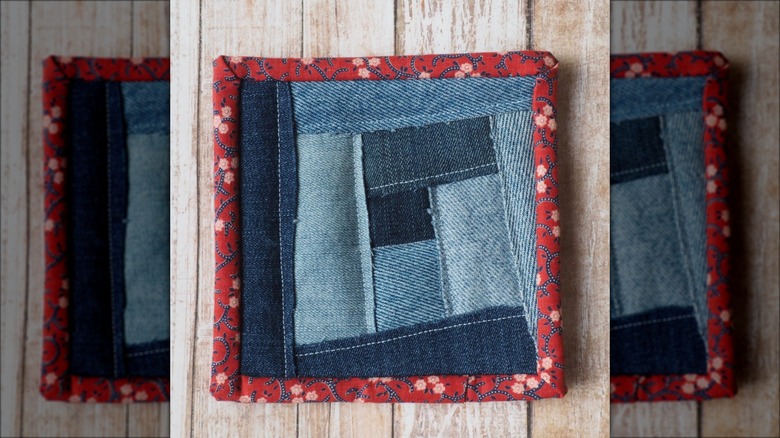
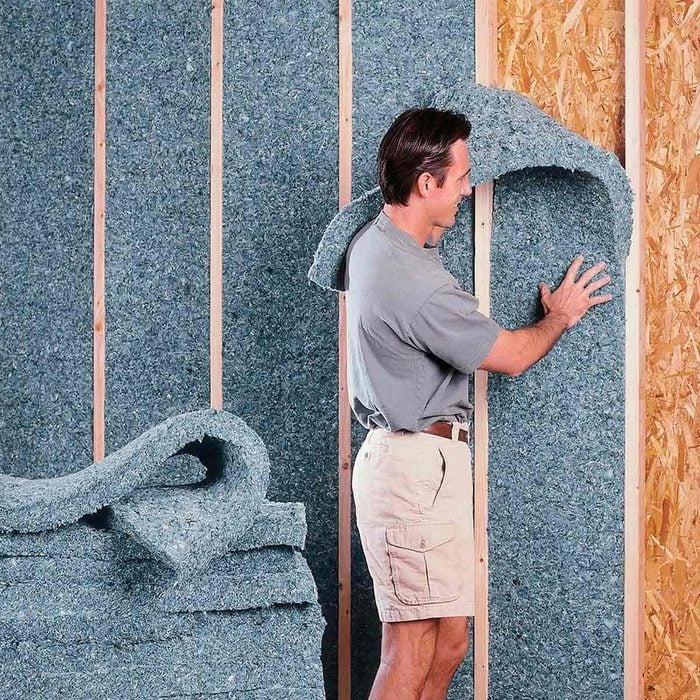
Insulation is critical for energy efficiency, and recycled options are available. Materials like cork, newspaper, cellulose from recycled paper, wool, and denim can be used. UltraTouch Denim Insulation, for example, is made from 80 percent post-consumer recycled denim and carpet fibers. Fiberglass insulation, such as Knauf R-30 EcoBatt, also incorporates a significant percentage of recycled glass. Walls can also be constructed with recycled materials, with steel being a highly recycled material used in framing. Other recycled products like cork, Ashcrete, and ByBlocks can be used for interior finishes. Even hidden components like drainage pipes can be made from post-consumer recycled content, including milk and juice bottles, detergent containers, and shampoo bottles, with companies like Advanced Drainage Systems and Polypipe leading the way in sustainable pipe manufacturing.
#SustainableBuilding #RecycledMaterials #HomeRenovation #EcoFriendlyDesign #GreenBuilding #WasteReduction #EnvironmentalImpact #SustainableLiving #SustainableBuilding #RecycledMaterials #HomeRenovation #EcoFriendlyDesign #GreenBuilding #WasteReduction #EnvironmentalImpact #SustainableLiving
Hay 0 comentarios en total
 Aún no hay comentarios
También te puede gustar
6 clever ways to upcycle leftover decorating materials: to save money and be more eco-friendly


How to Make a Facade with Recycled Materials: 21 Notable Examples


DIY Decor Ideas That Add Personality and Charm to Every Room


How a Plastic Water Bottle Becomes a Sofa (Hint: It’s Complicated)

For These Designers and Homebuilders, the Best Materials Are Ones That Have Already Been Used


7 DIY projects that will elevate your home

5 things that can be used in home upcycling projects
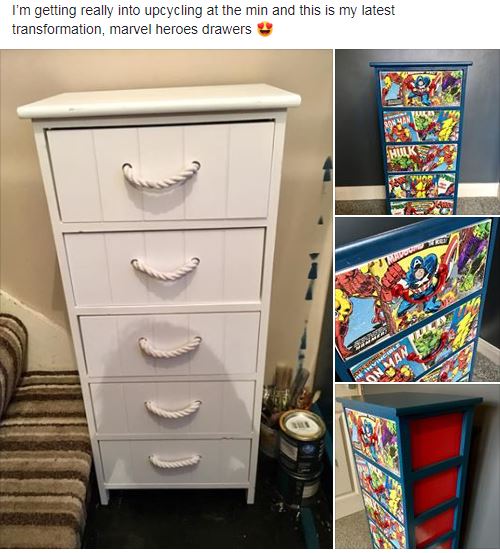
Mum reveals how she transformed dull drawers into a Marvel-themed cabinet with leftover wallpaper and paint

11 Recycled Building Materials Made From Trash

Want to use reclaimed materials and appliances for a renovation? Here's what you should know
A multi-generational family home built from sustainable and recycled timbers

Leanne Ford Shares How a DRAMATIC Home Transformation Can Cost (Almost!) Nothing


Save Money and Cut Waste With These 8 Reno Materials You Didn't Know You Could Reuse


21 Ways To Repurpose Old Clothing In Your Home & Garden If Donation Isn't Possible
These DIY Home Decor Projects Are Way Easier Than They Look
10 Creative Ways to Upcycle Old Tablecloths Into Something Beautiful

Eight interiors that feature reclaimed and recycled materials
27 Inspiring DIY Tiny Homes Built With Recycled Materials
15 Ways to Use Salvaged Wood in Your Home


Home Help: 3 ways to turn discarded wood into beautiful home decor