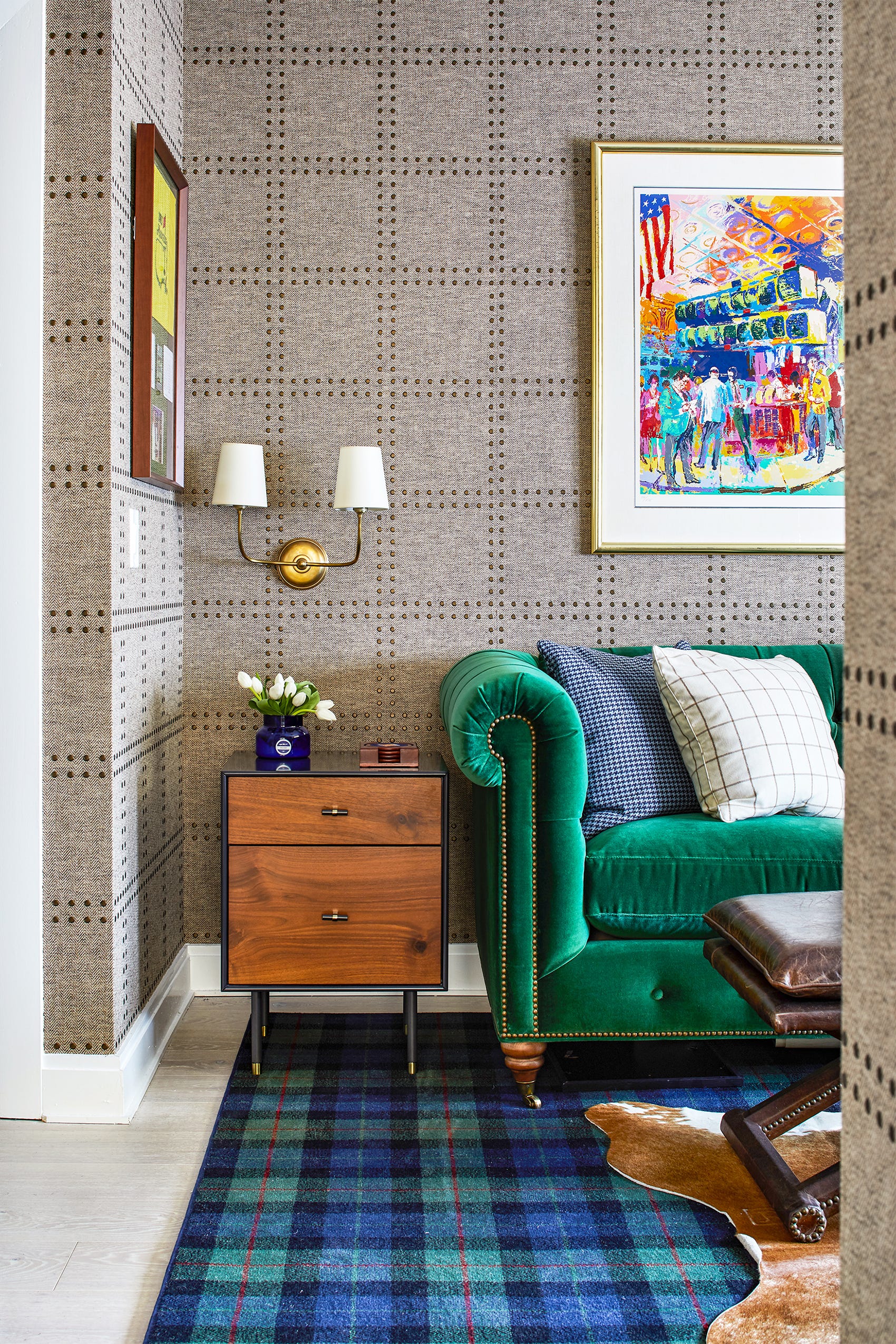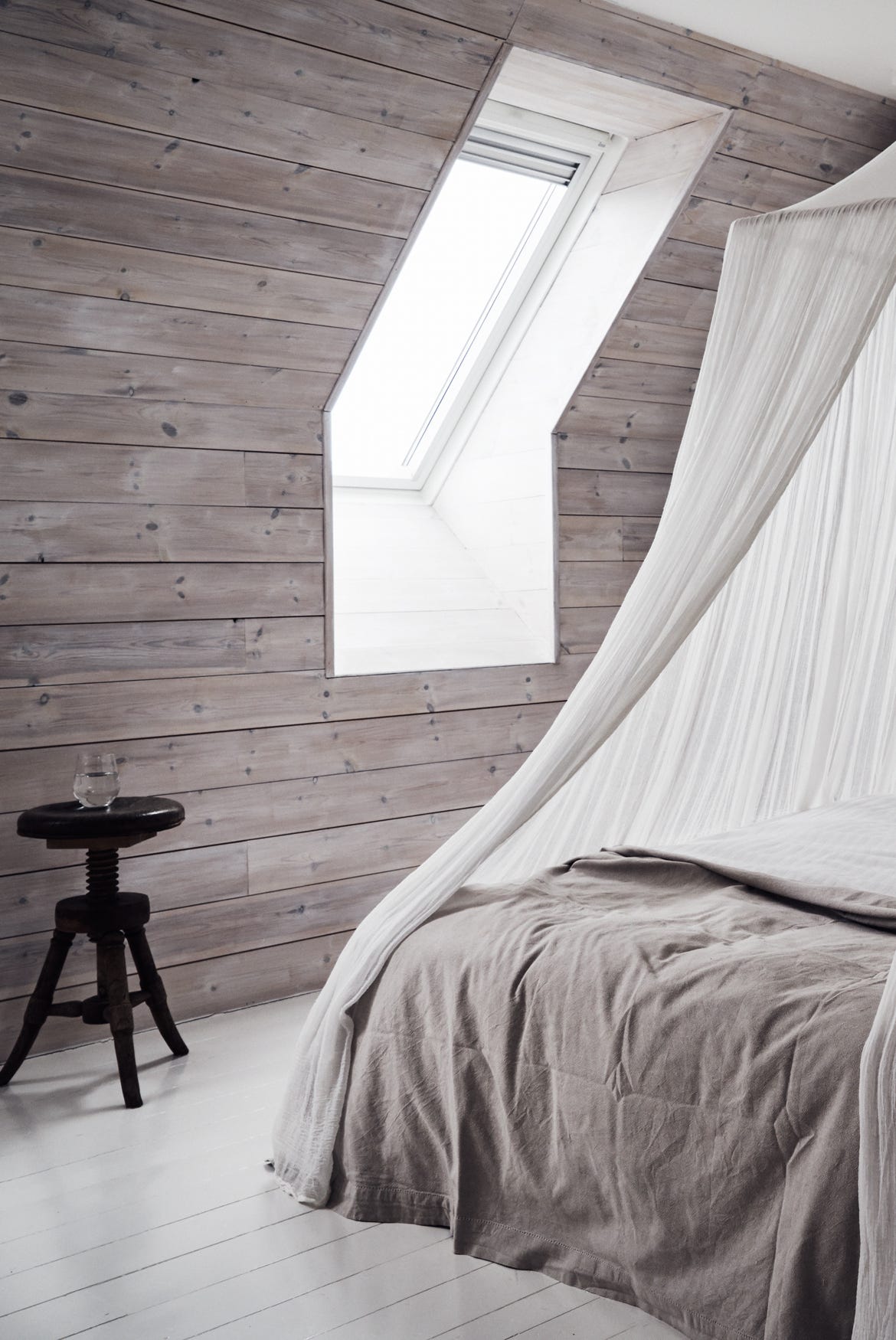
1/10
What are the best paint techniques for walls? 11 inventive effects that go beyond basic
The article explores various paint techniques that go beyond standard wall painting to significantly impact the aesthetic and atmosphere of a room without extensive cost. It highlights that paint techniques encompass different finishes, such as gloss, eggshell, and chalk paint, as well as diverse application styles like stenciling, ombre, and more. The article aims to inspire homeowners and designers to experiment with these decorative approaches.
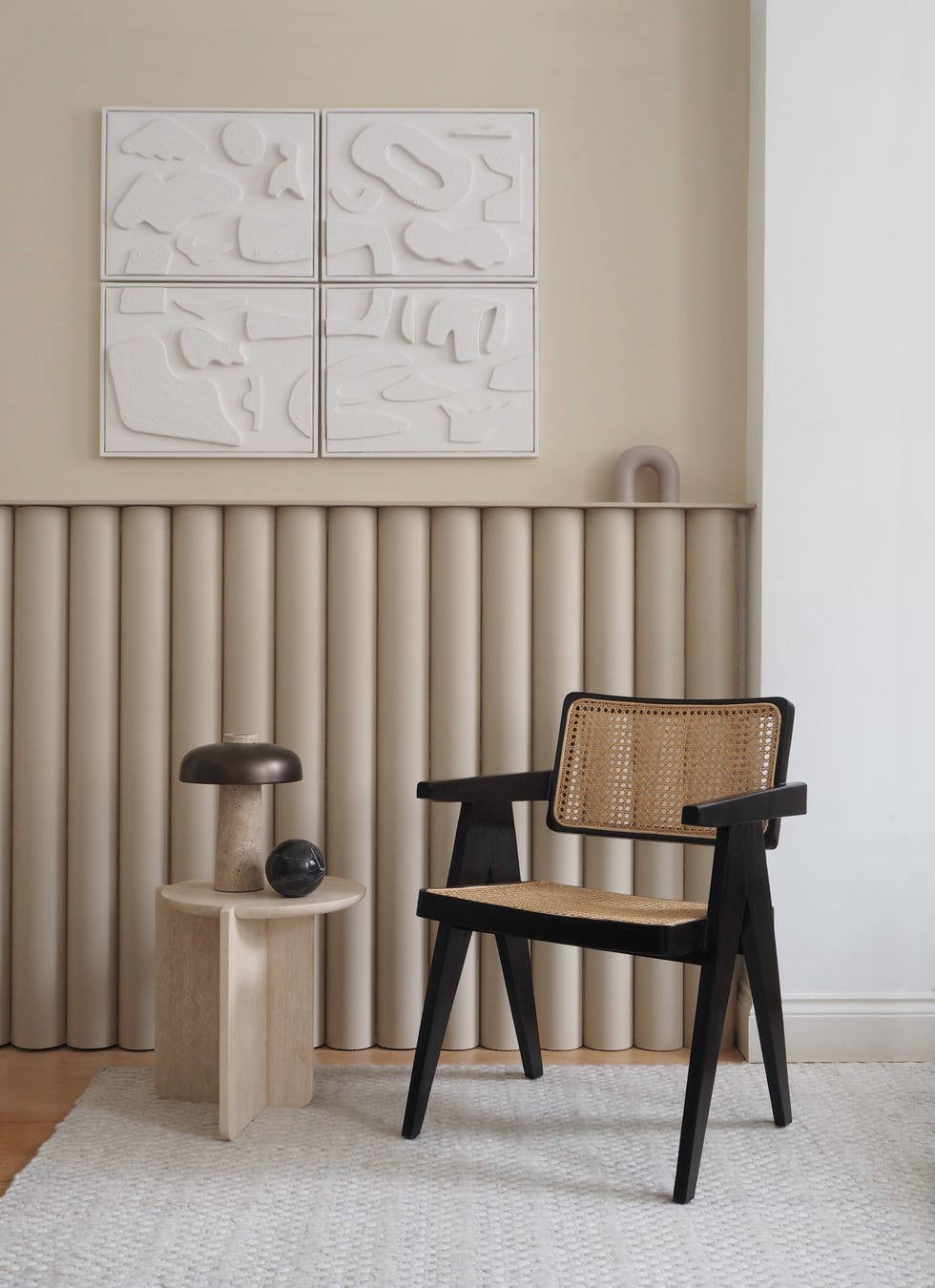
Emma Deterding, founder of Kelling Designs, emphasizes the evolution and historical significance of decorative paint finishes, noting their ability to transform a room and establish its tone and texture. She points out that skilled decorative painters can create bespoke finishes, ranging from modern linen effects and paneling to dragging or ragging, offering depth and color not achievable through wallpaper, flat paint, or fabrics. These techniques blend multiple shades to create unique visual effects.
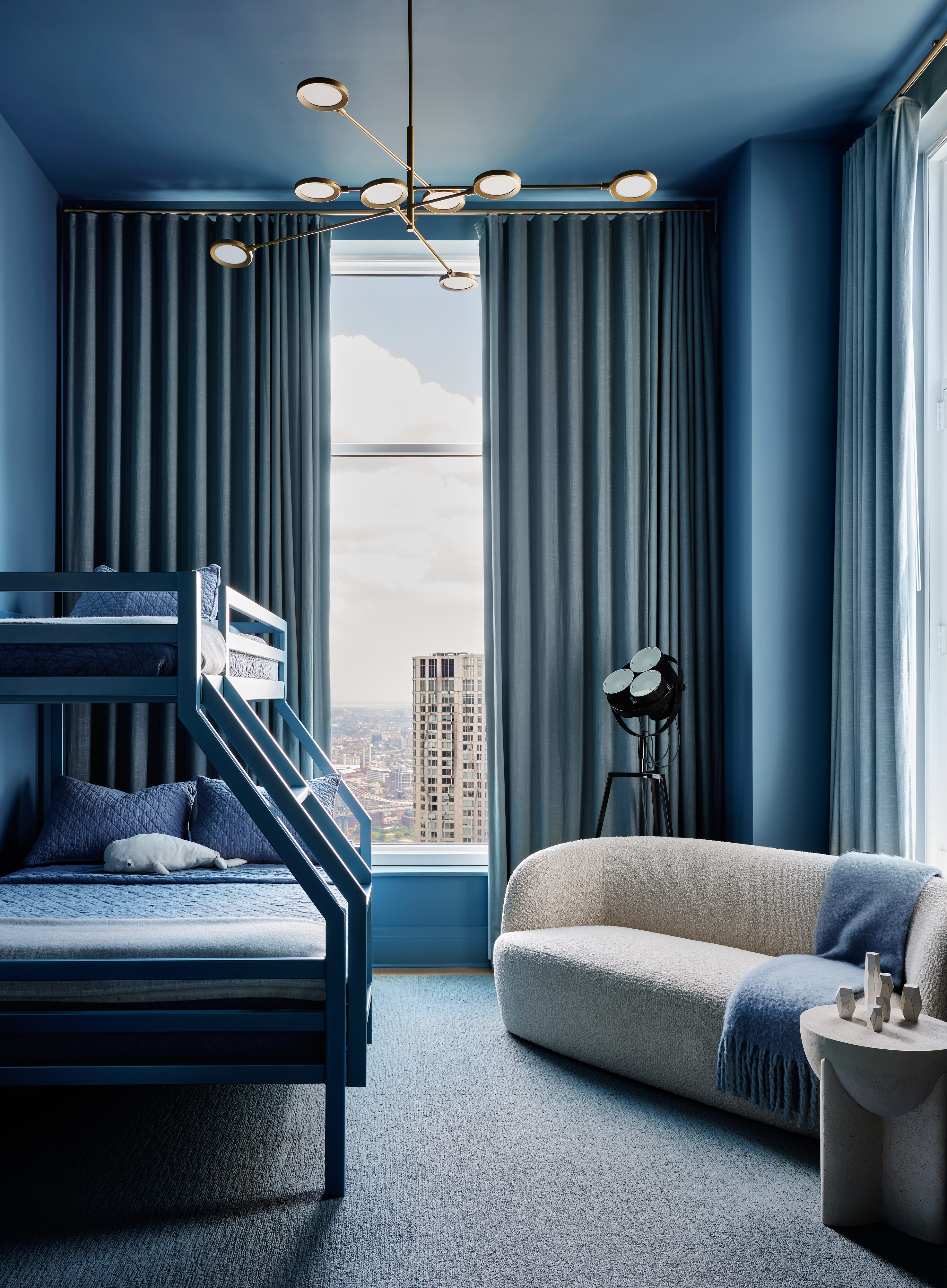
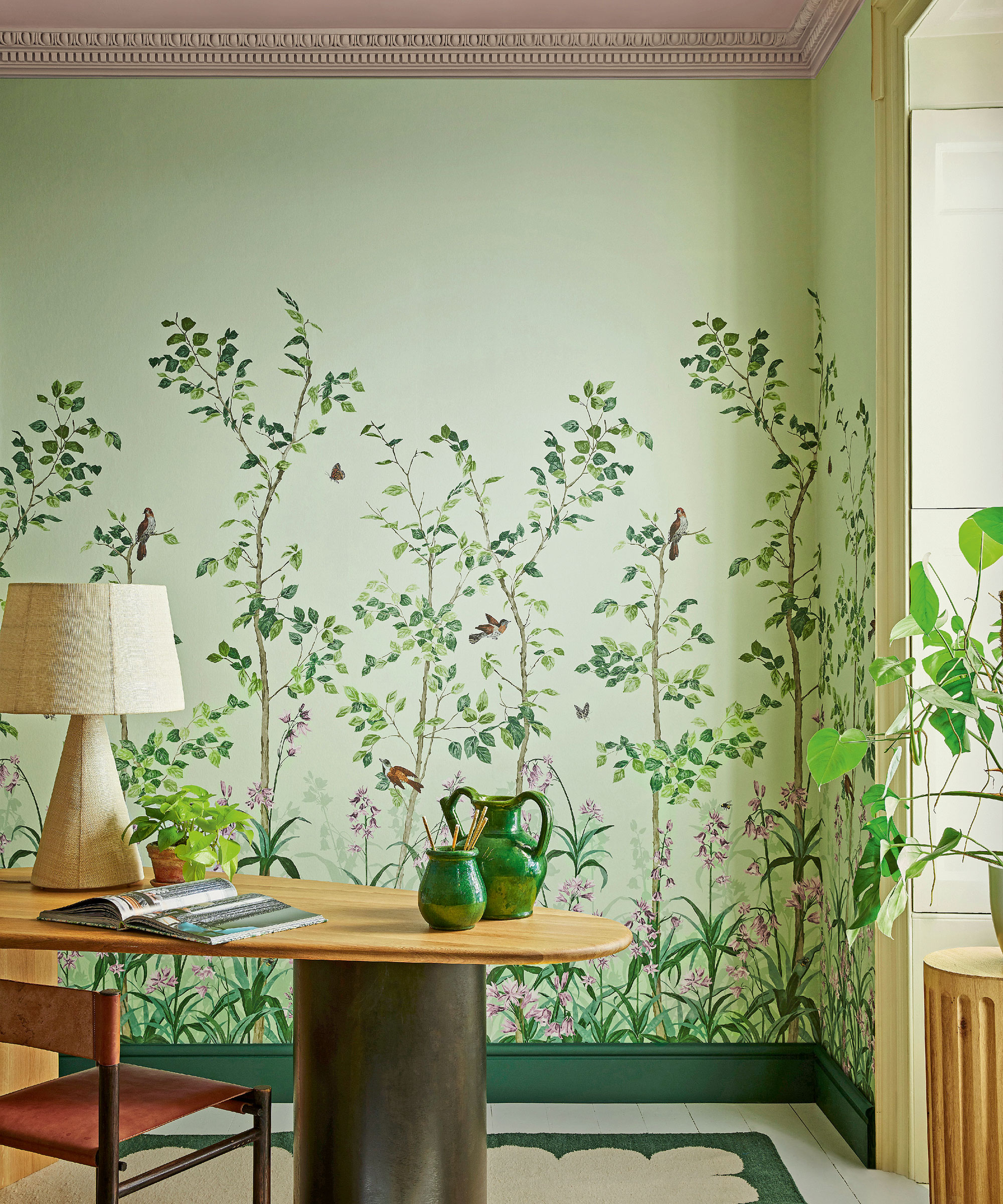
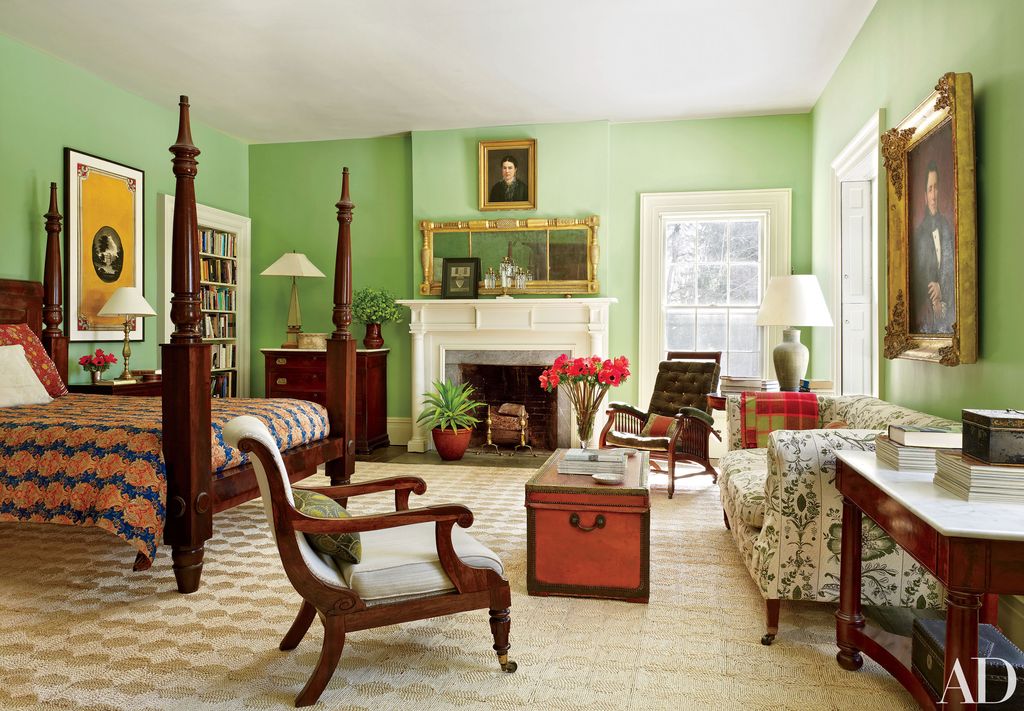
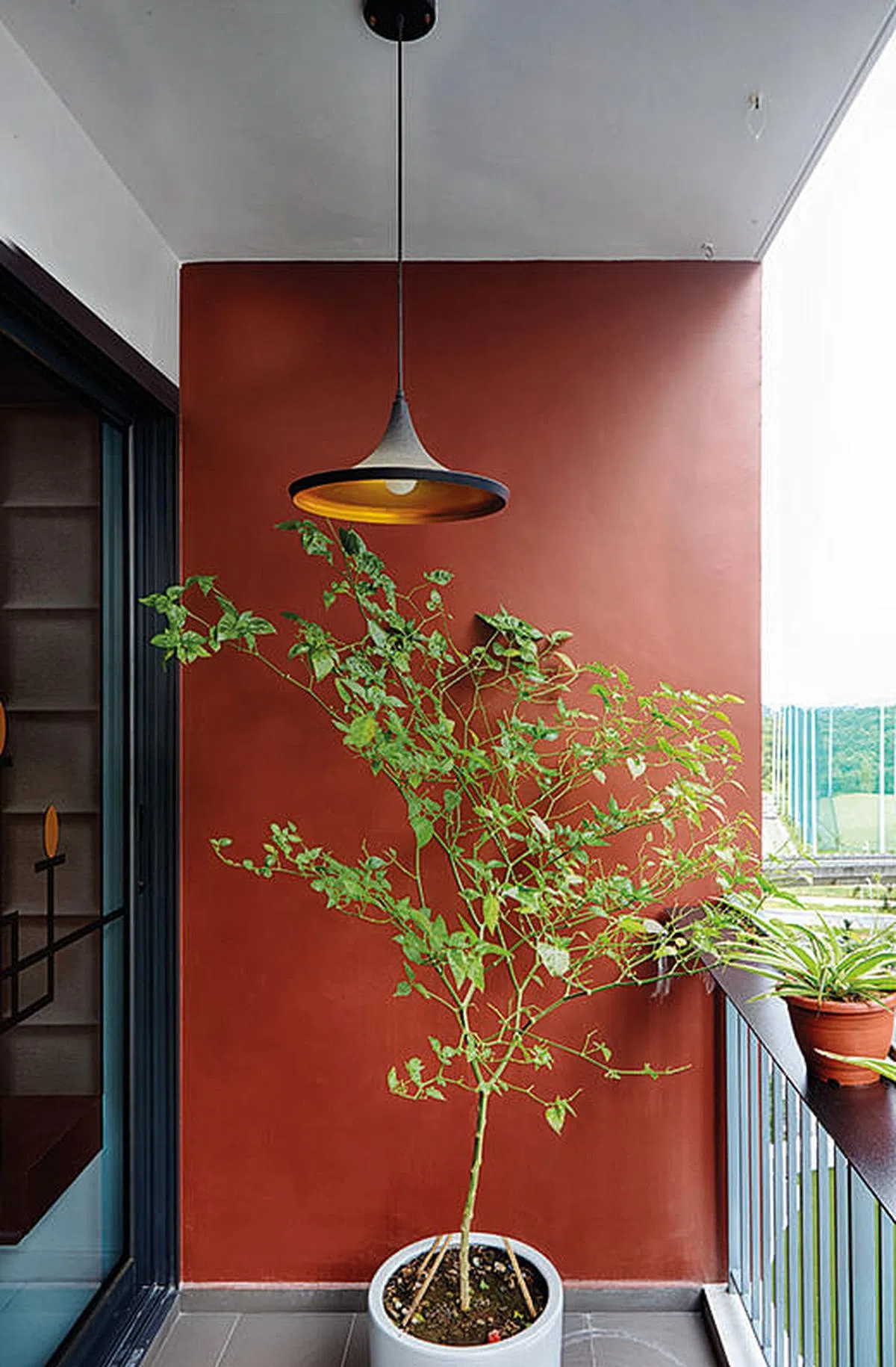
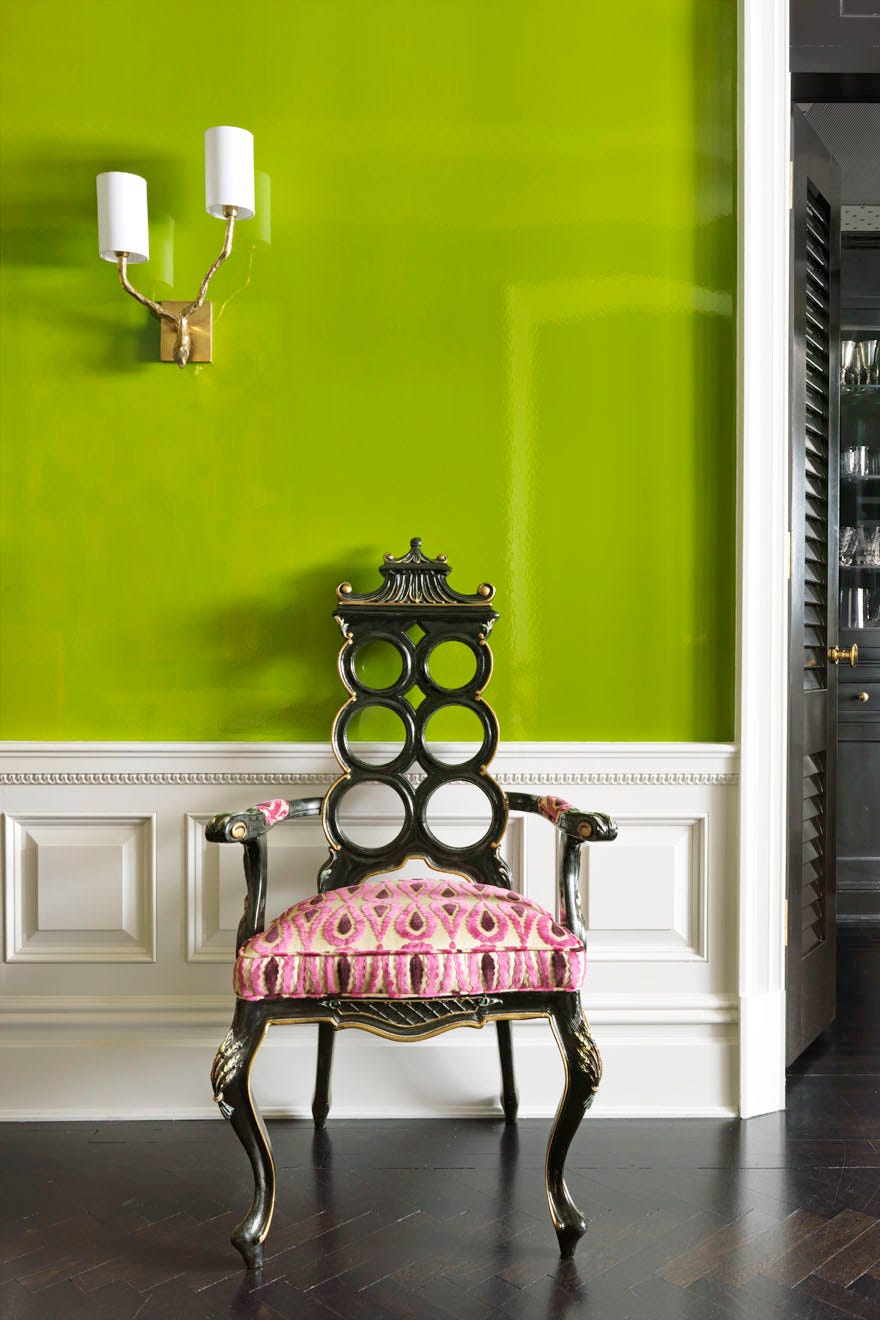
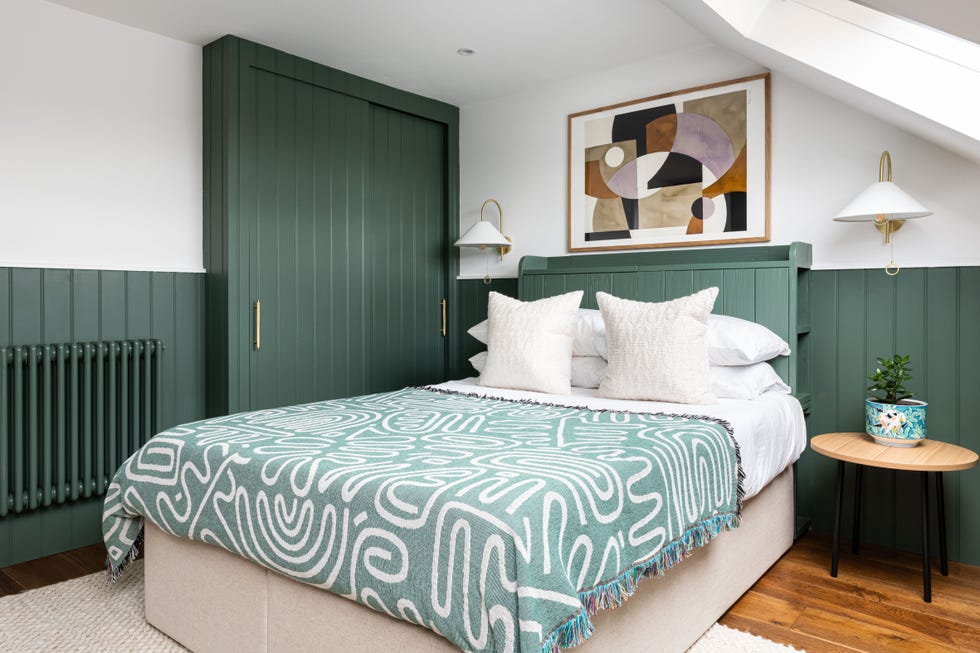
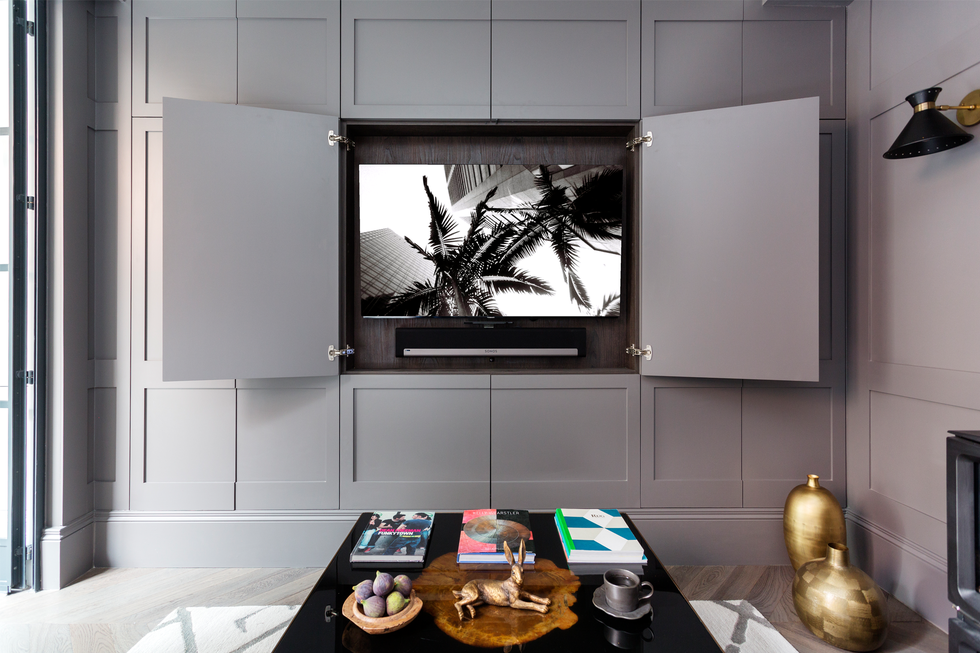
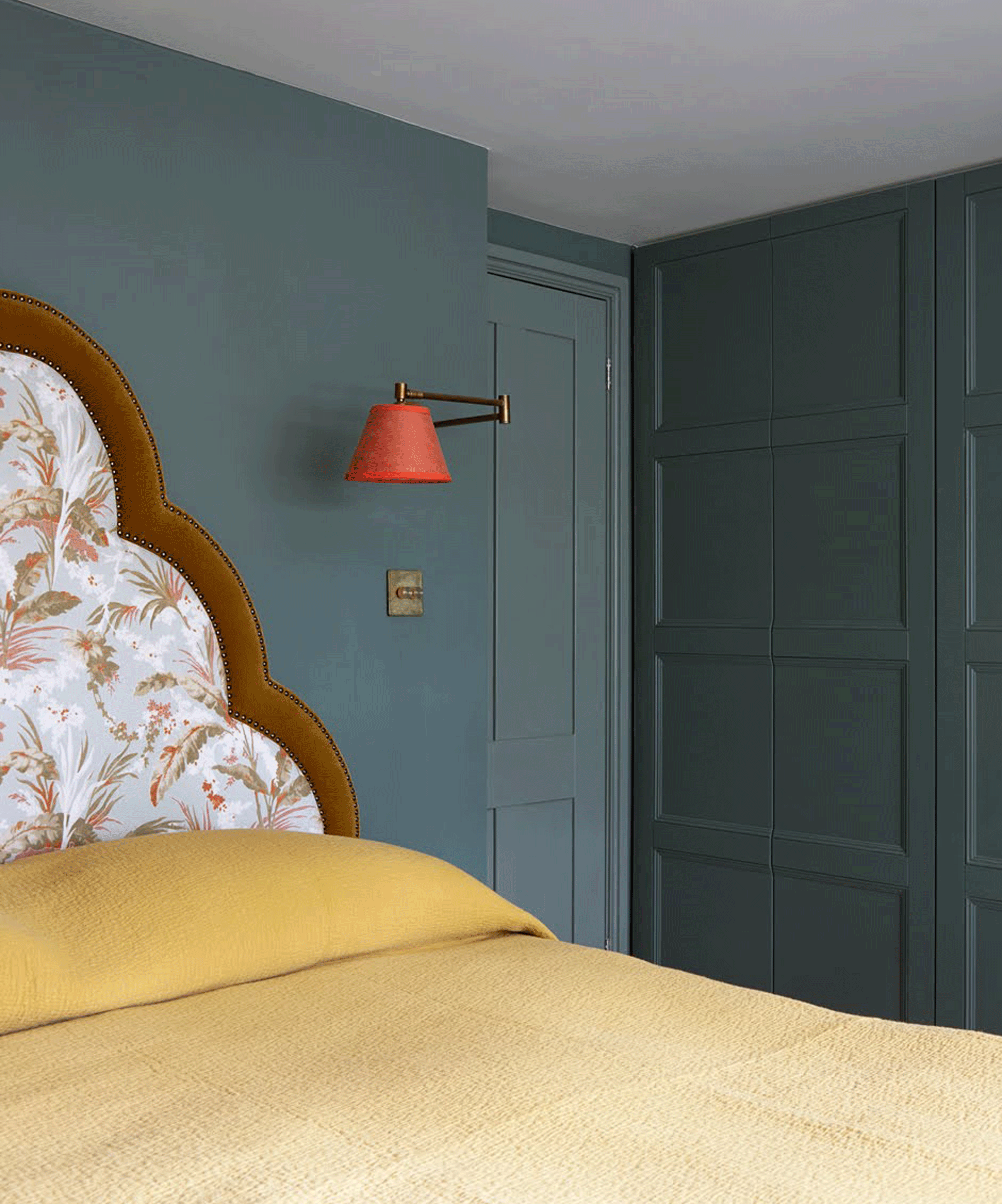
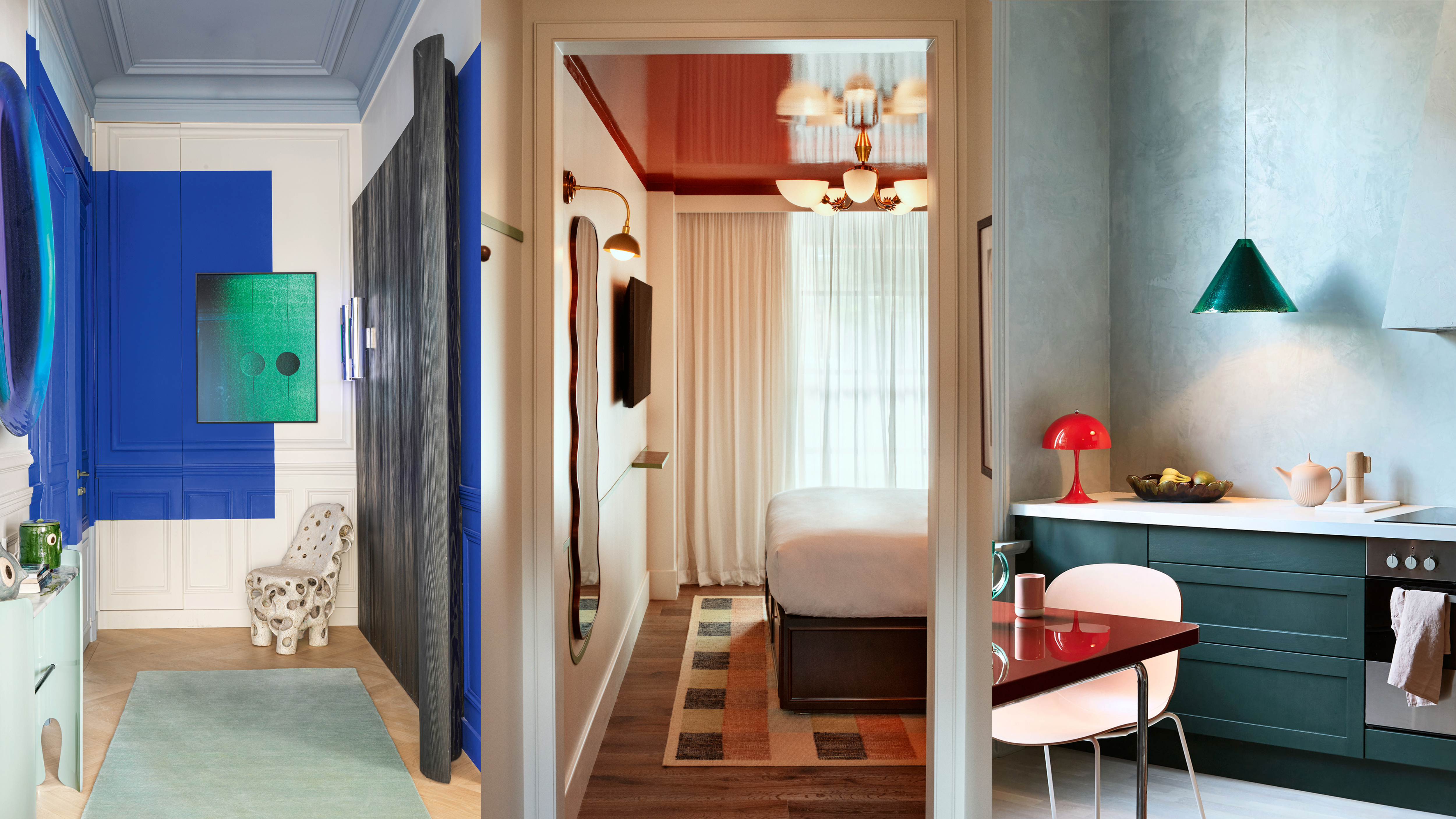
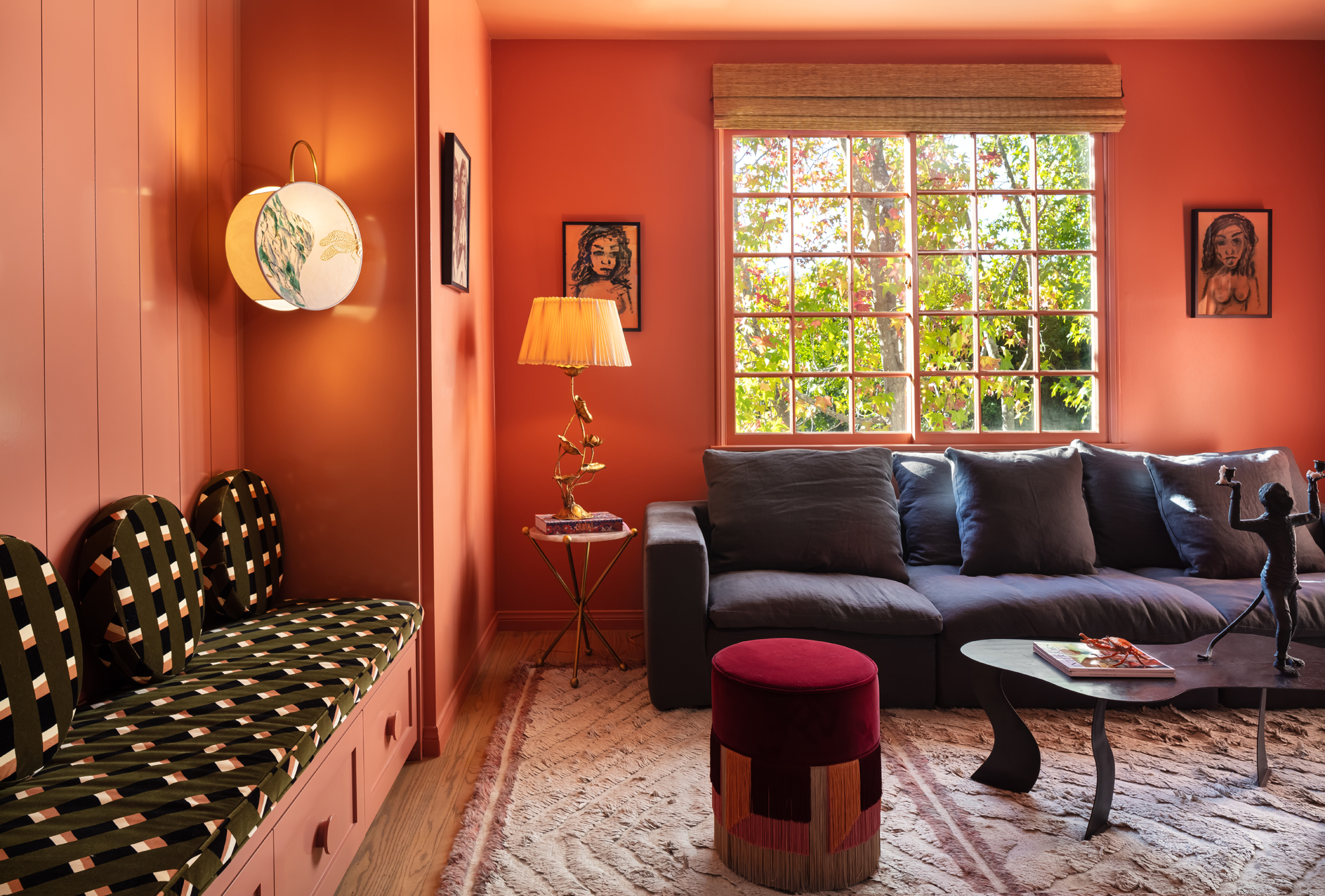
One prominent technique discussed is 'color drenching,' where various shades of a single color are applied across multiple surfaces. This method, suitable for both modern and traditional homes, creates a strong visual statement and can make small rooms or those with low ceilings appear larger by blurring the boundaries between walls and ceilings. Gloss paint, another technique, provides a reflective, durable surface ideal for less-lit spaces or for achieving a luxurious look. Patrick O’Donnell from Farrow & Ball notes the resurgence of full gloss, particularly on walls and ceilings, to bounce light and add glamour, though he cautions that perfectly smooth walls and professional application are crucial for optimal results.
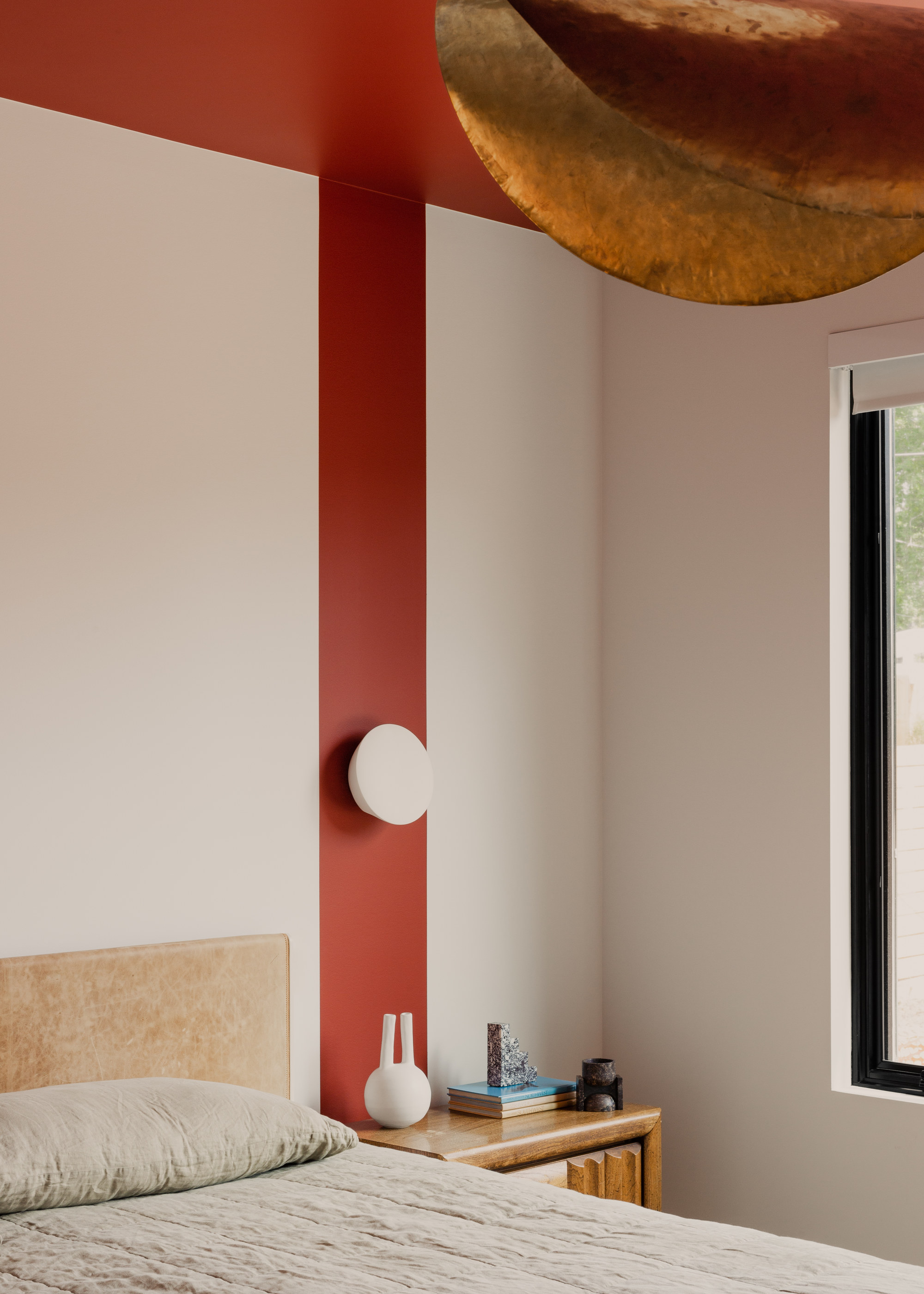
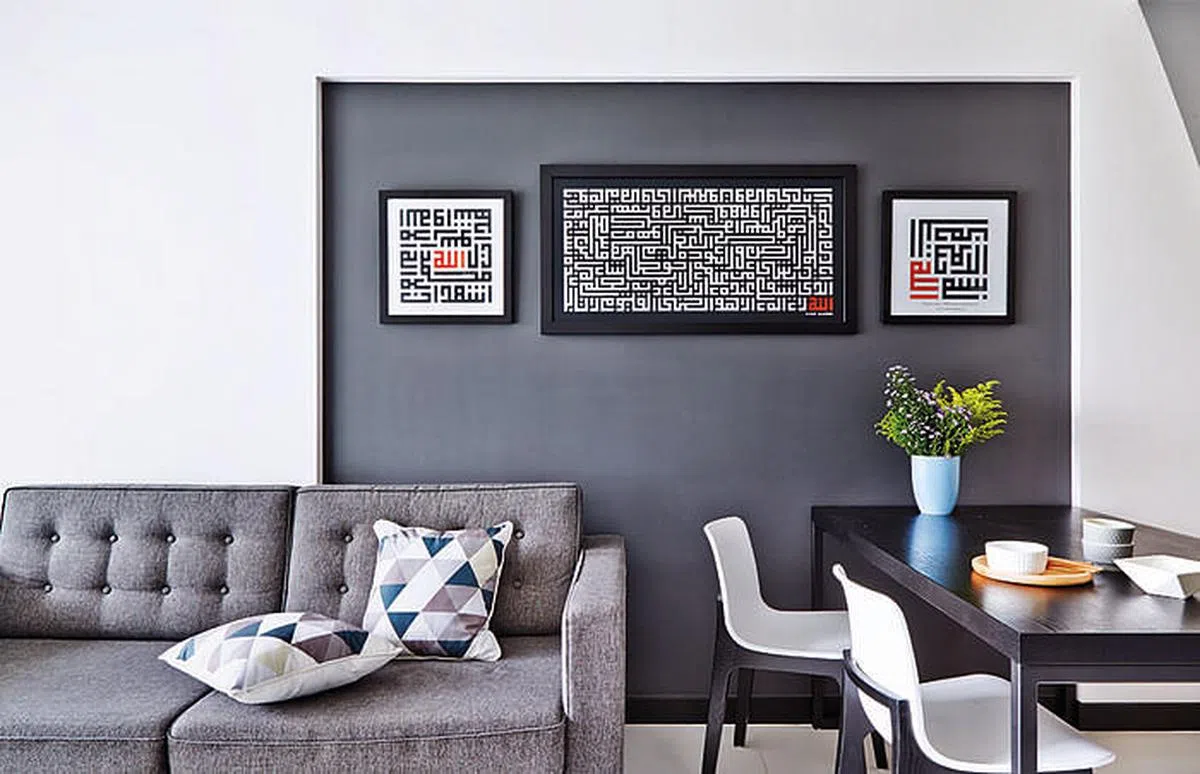
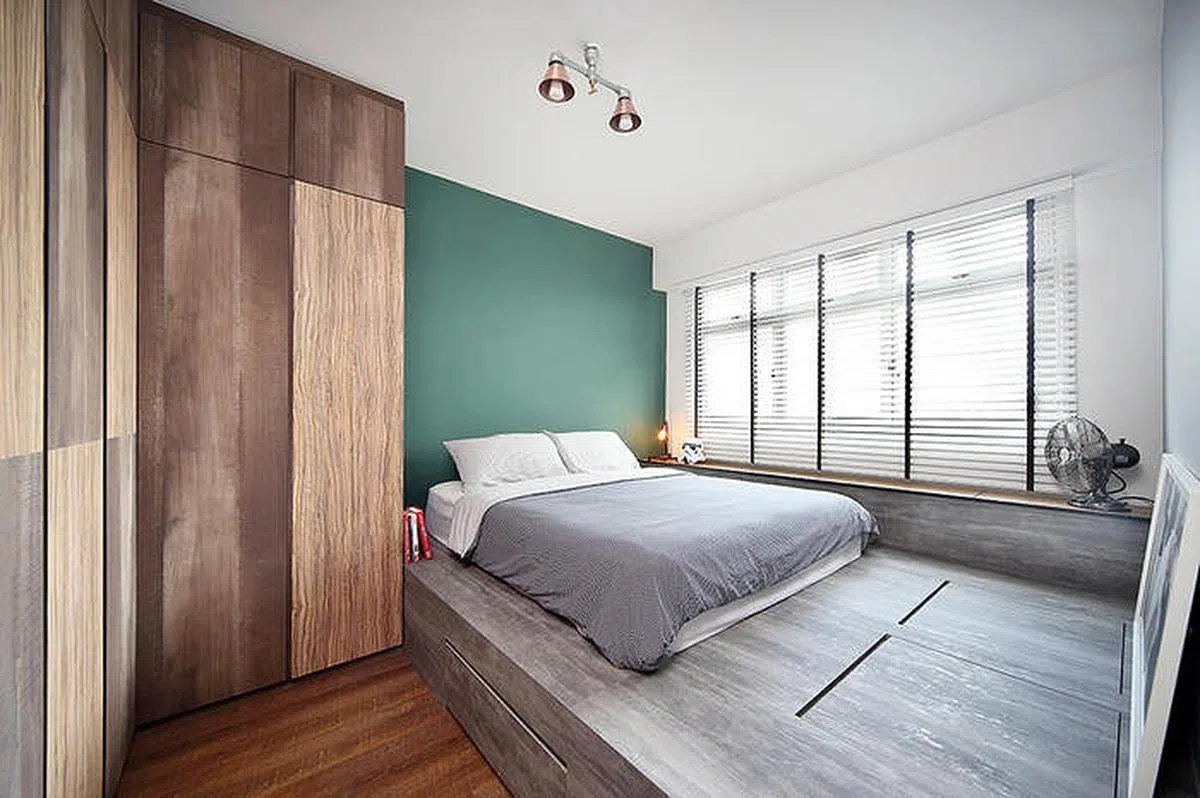
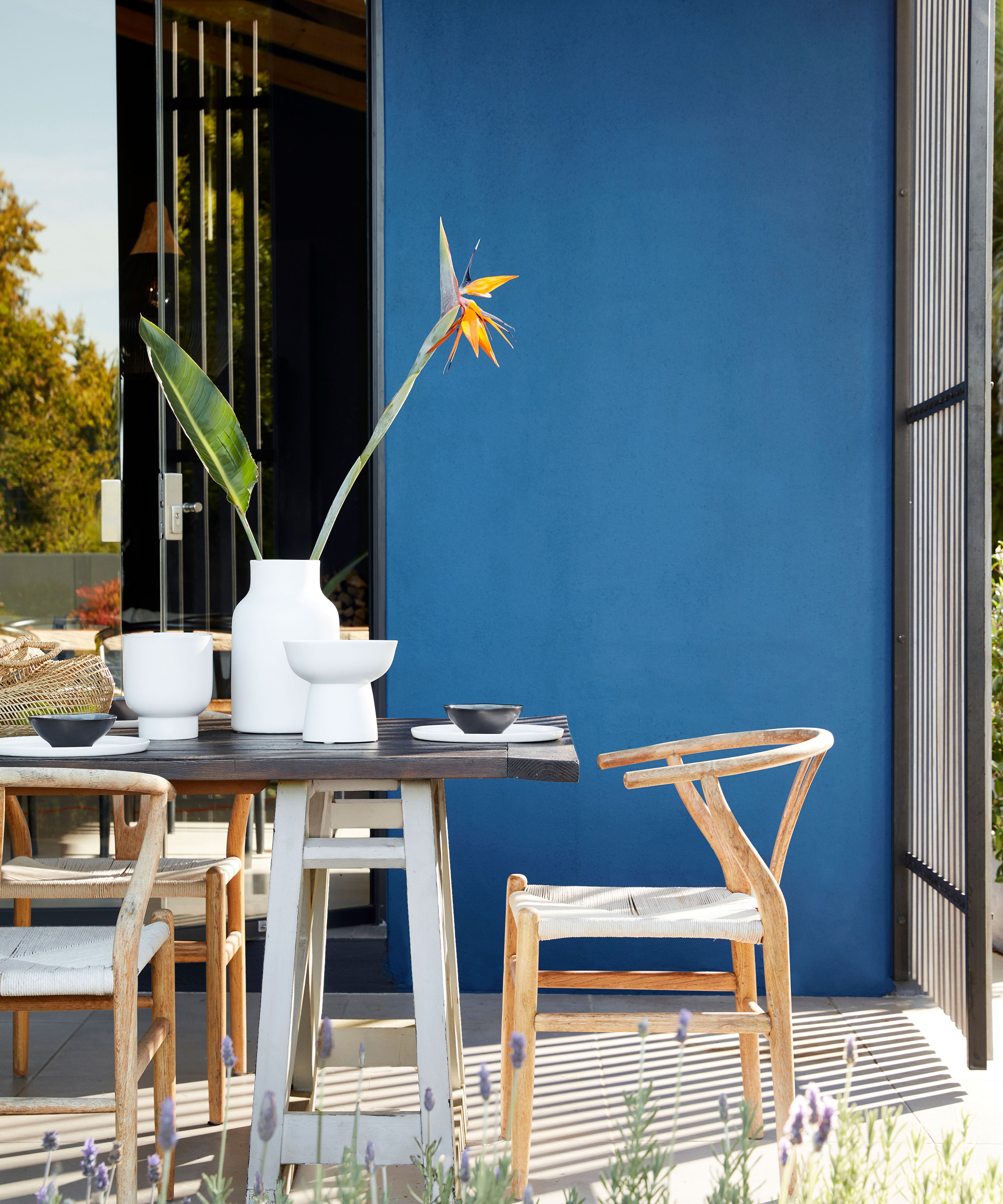
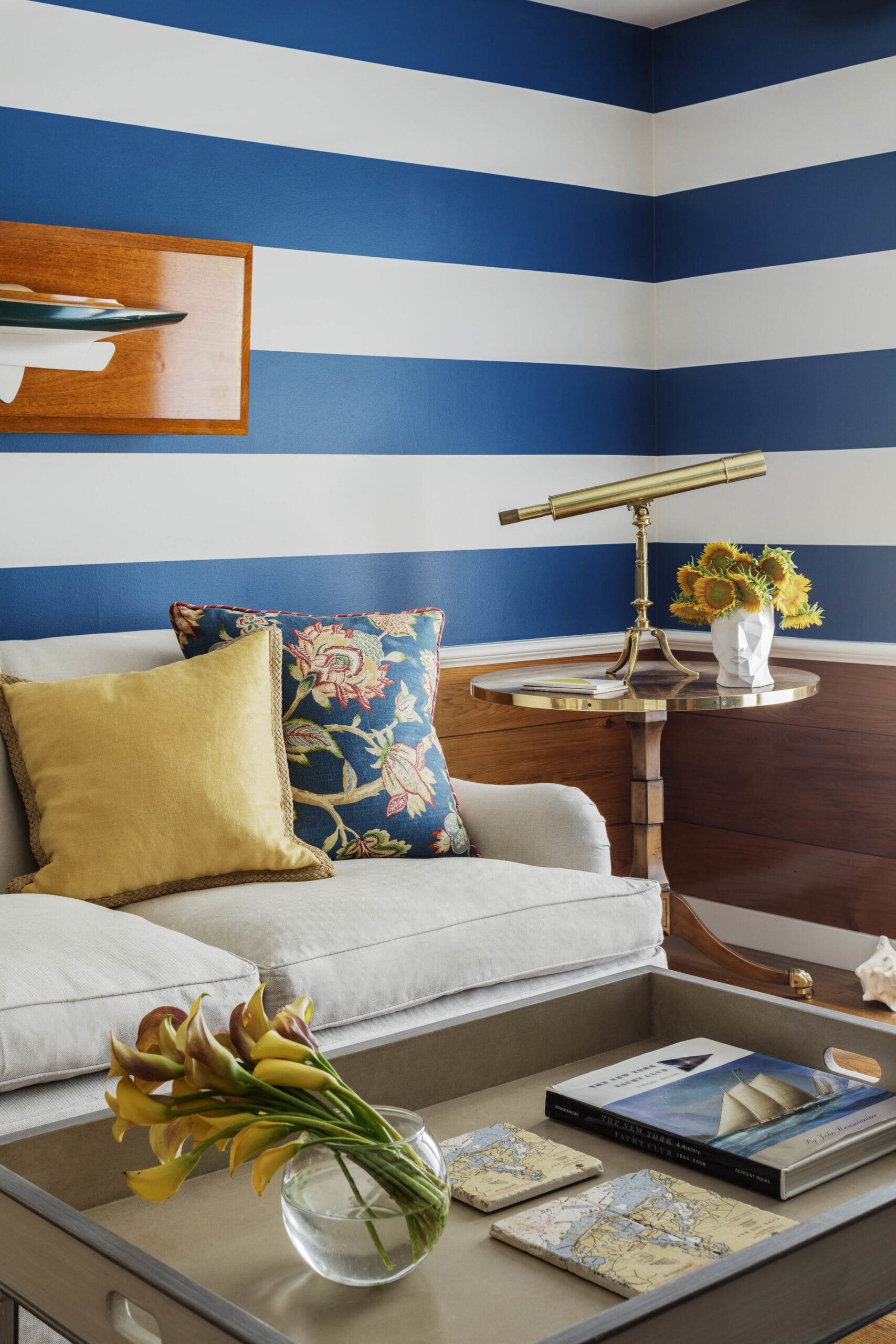
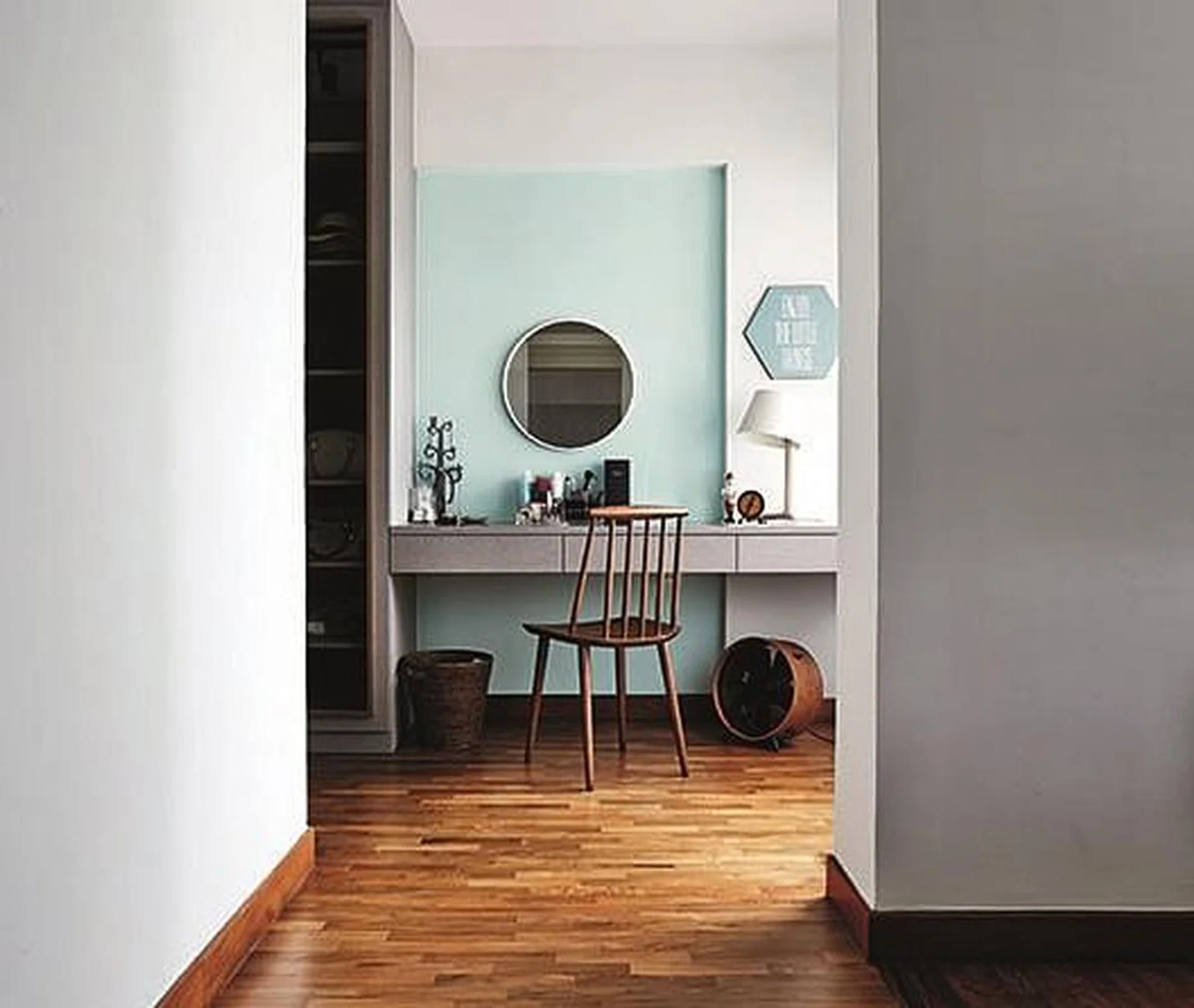
Color blocking involves pairing complementary colors to add dimension and define separate areas within a room. This technique, seen in both fashion and interiors, allows for personalization and bold statements. Stripes, either horizontal or vertical, can introduce decorative flair and create illusions of height or width, making them suitable for small spaces. Jeff Andrews advises using wide stripes for dramatic effect, while Annie Sloan offers practical tips for DIY stripe painting, emphasizing the importance of straight lines relative to either the floor or ceiling in older homes.
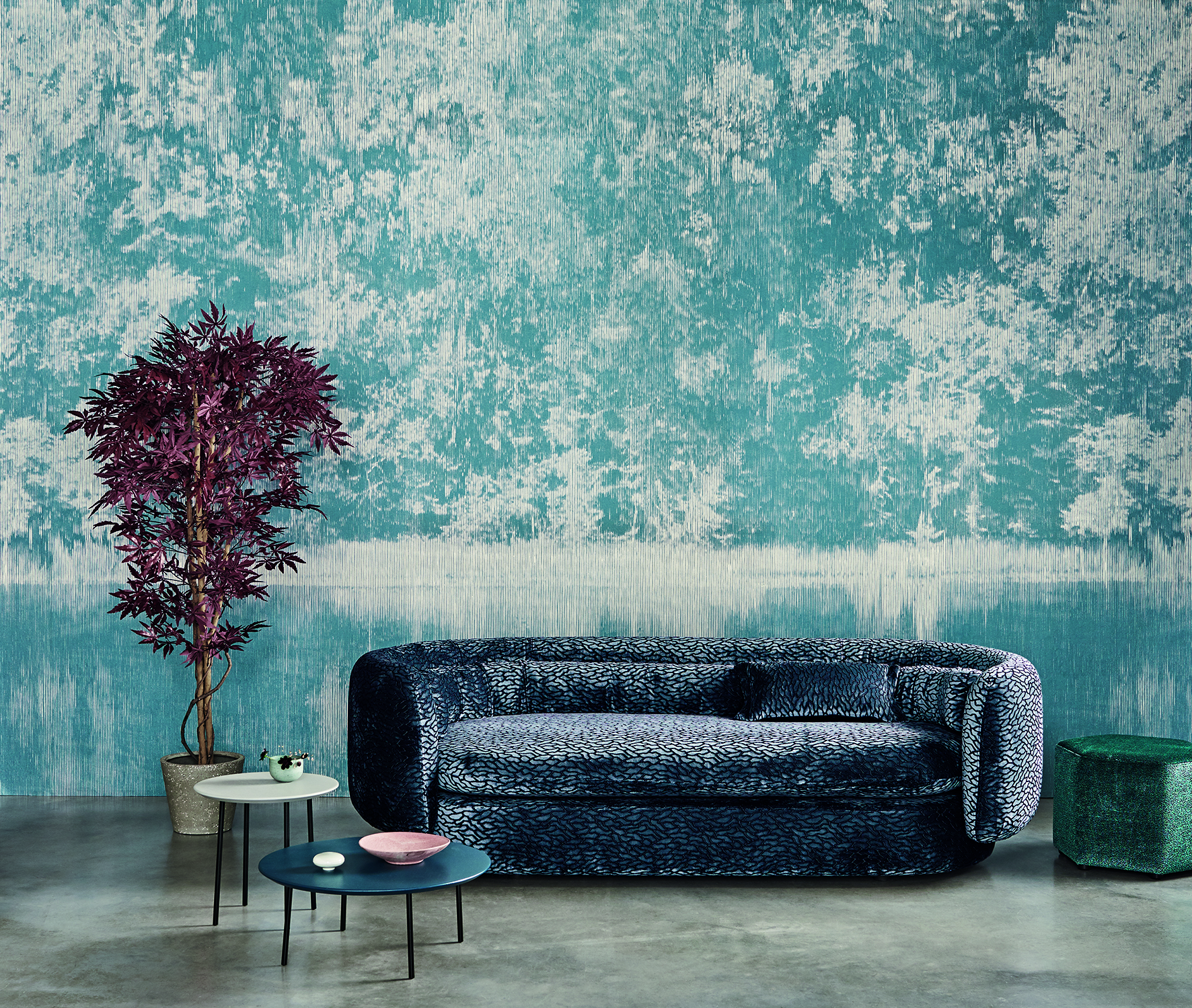
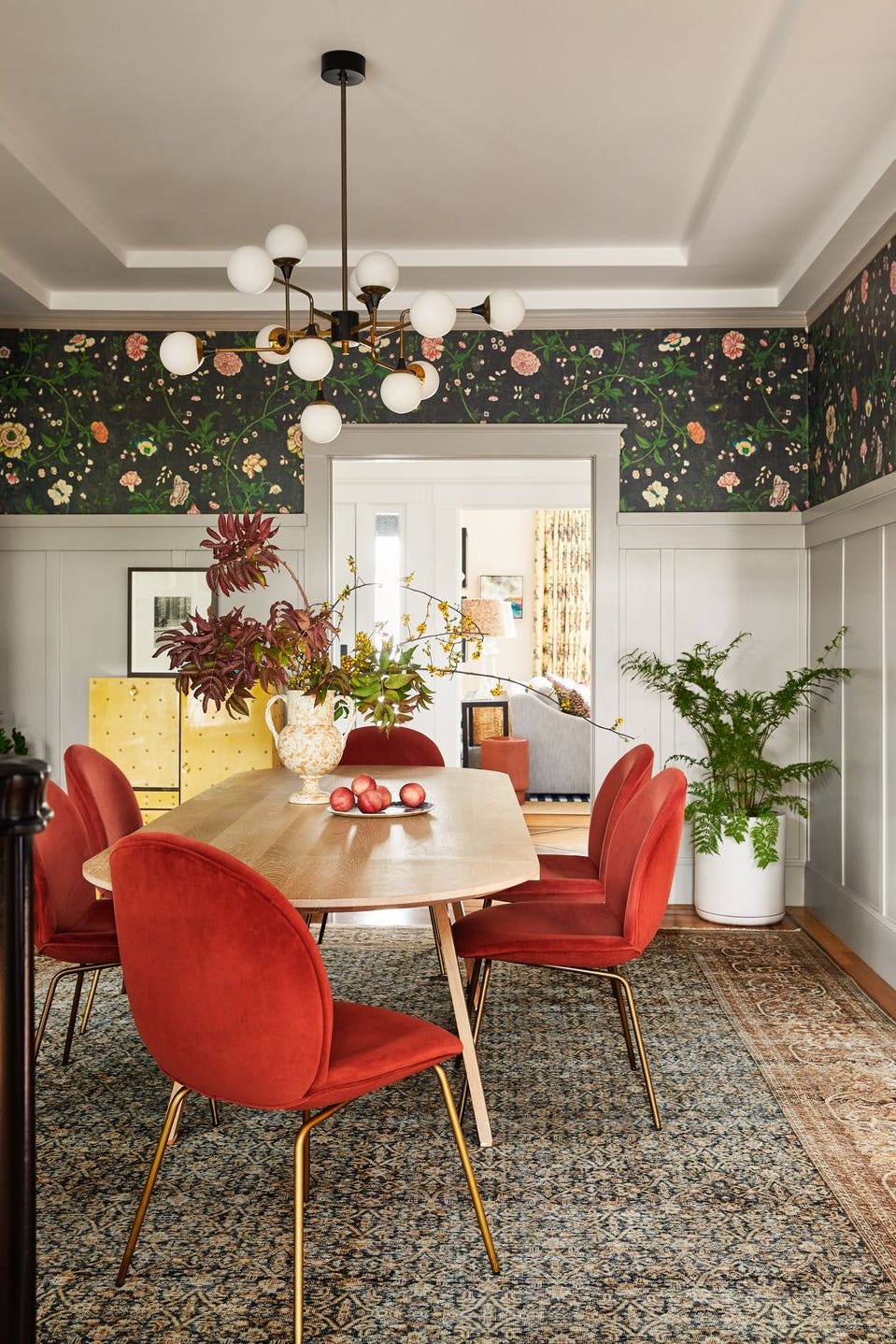
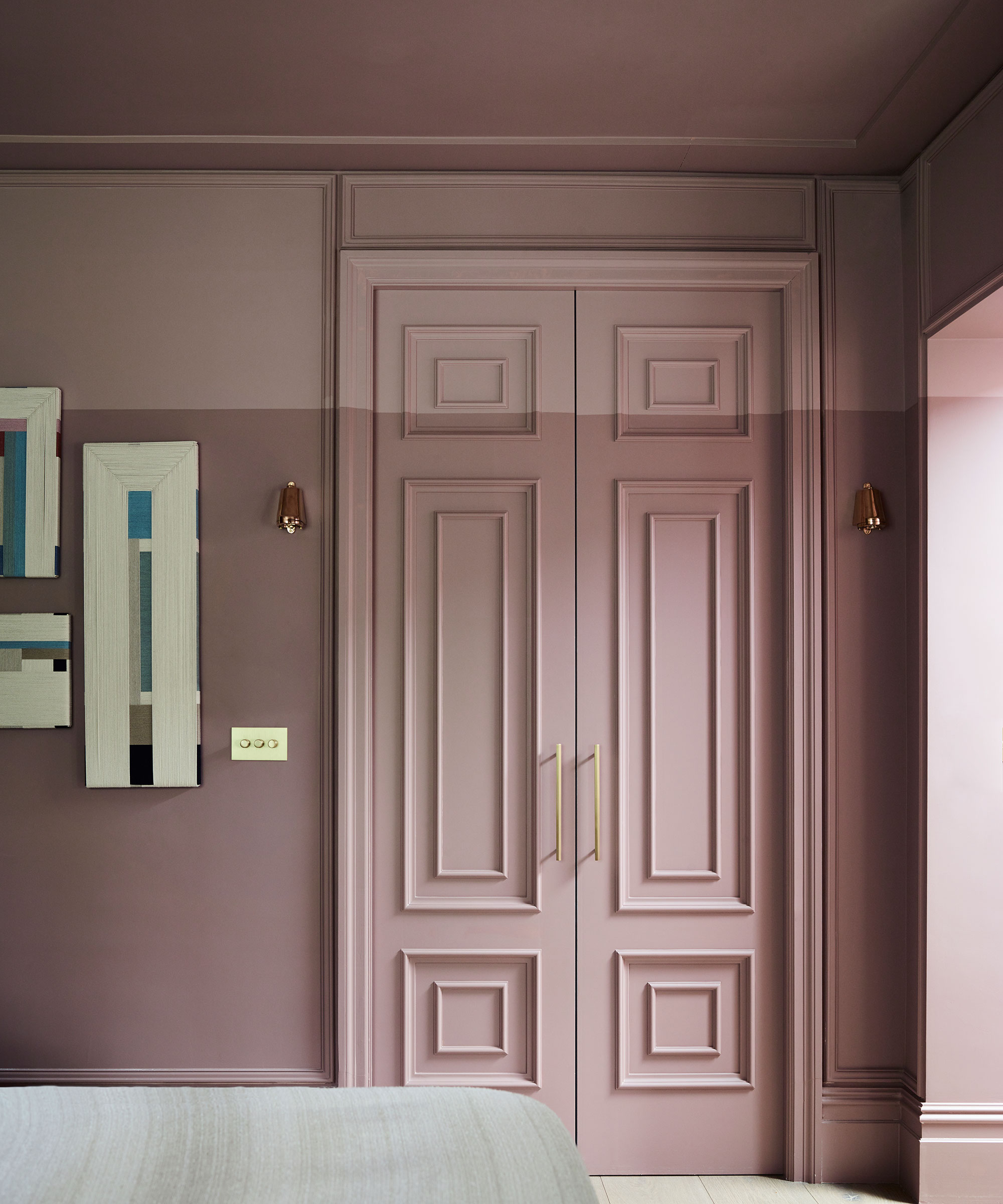
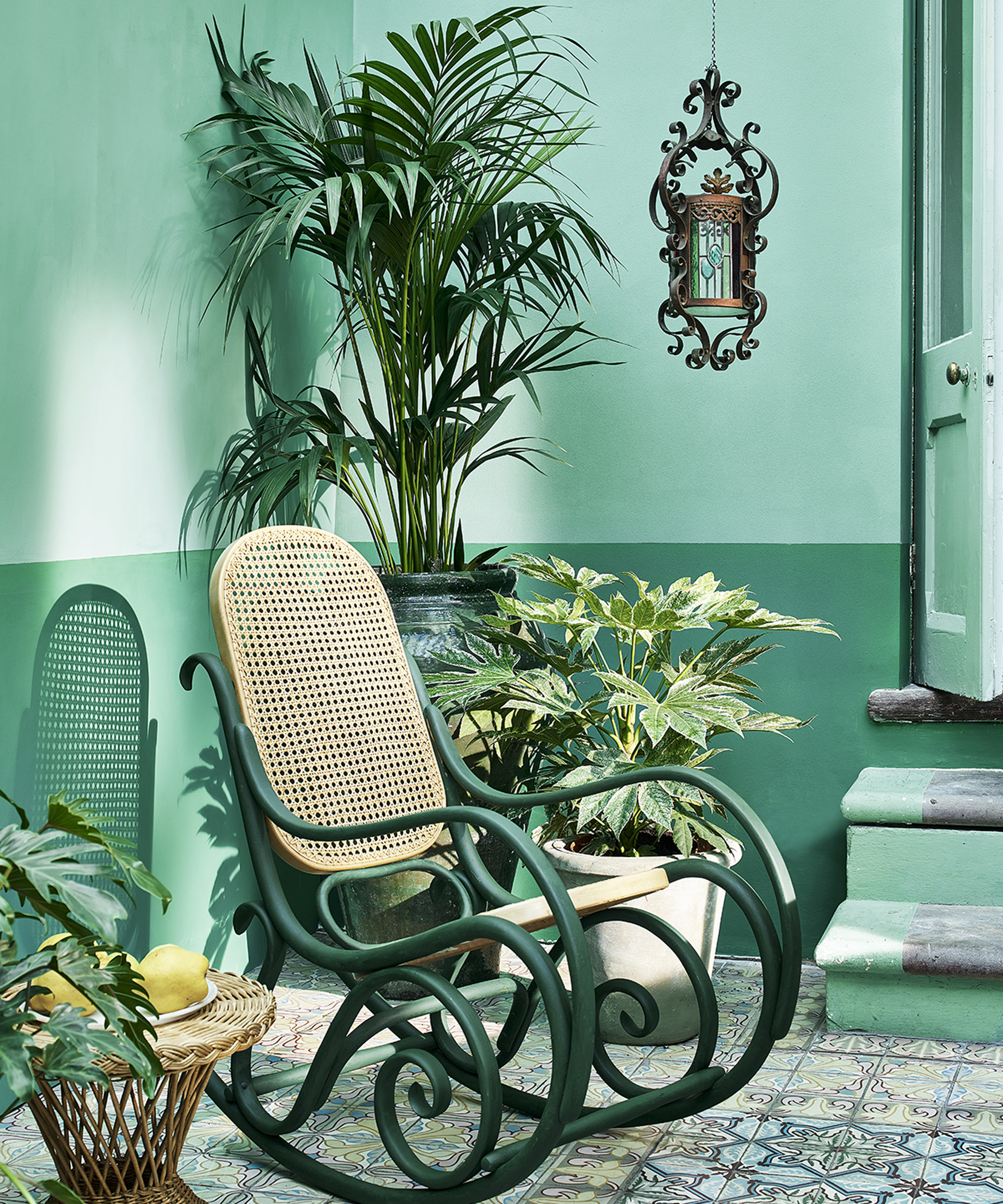
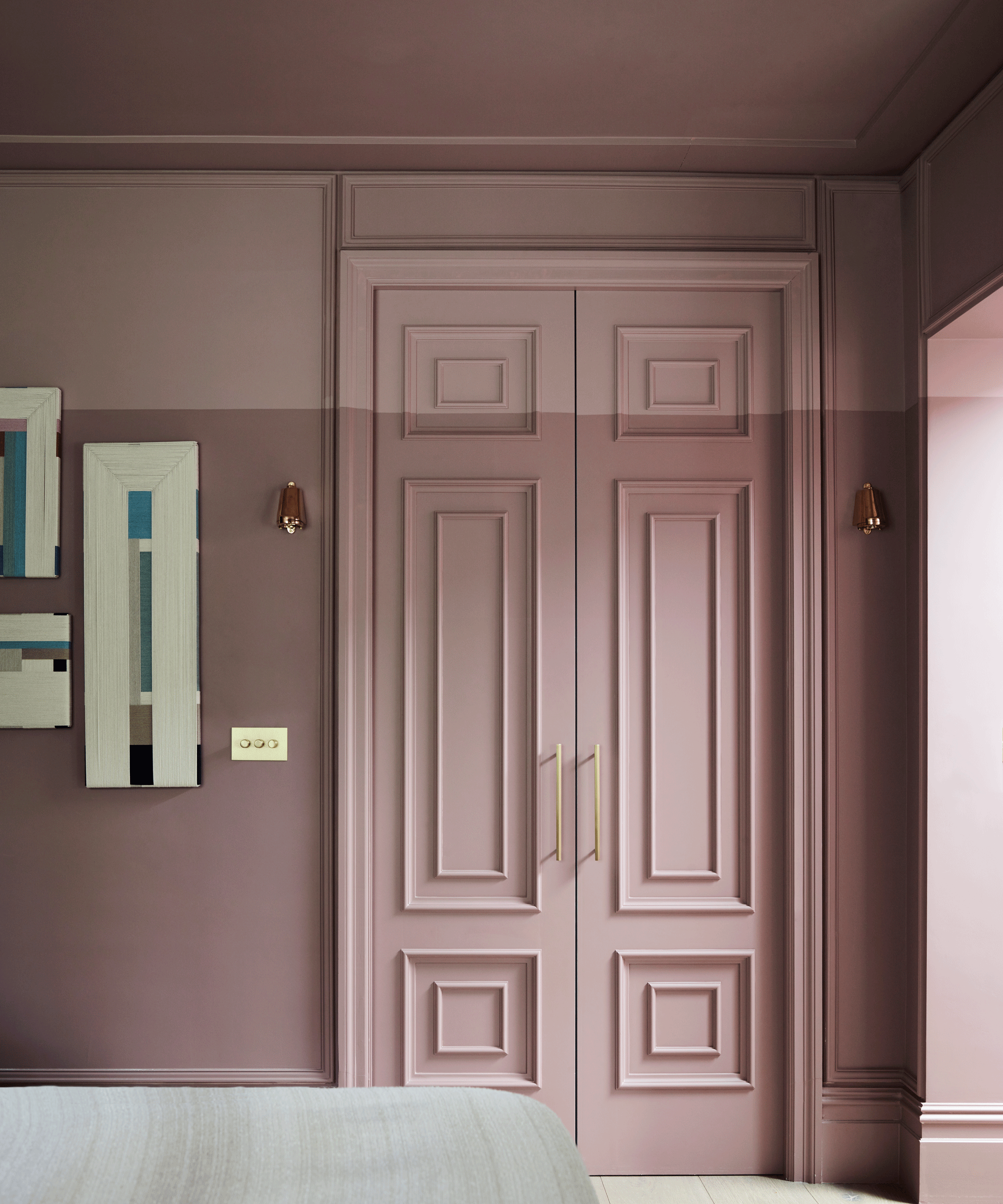
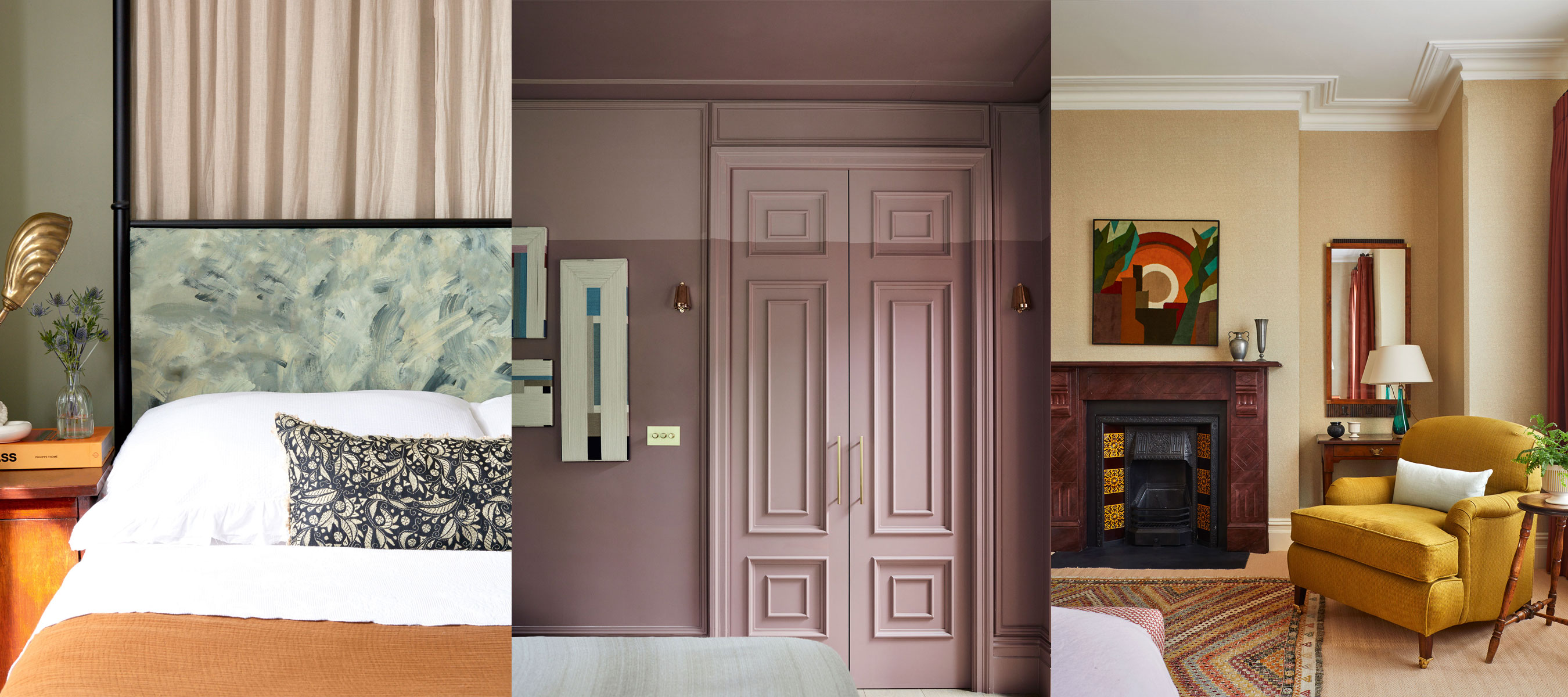
Half-painted walls offer a way to create visual interest or a faux architectural detail. This technique allows for varying proportions of painted sections, such as a third or two-thirds of the wall, to achieve different effects. Nathan Cuttle of Studio Nato explains how this can mimic period styles like wainscoting and help adjust the scale of rooms with high ceilings. Ombre, which involves gently transitioning paint colors, creates a watercolor-like effect, though achieving a true ombre can be challenging for DIYers. Helen Shaw of Benjamin Moore suggests using three tonal paints in soft stripes to emulate the effect.
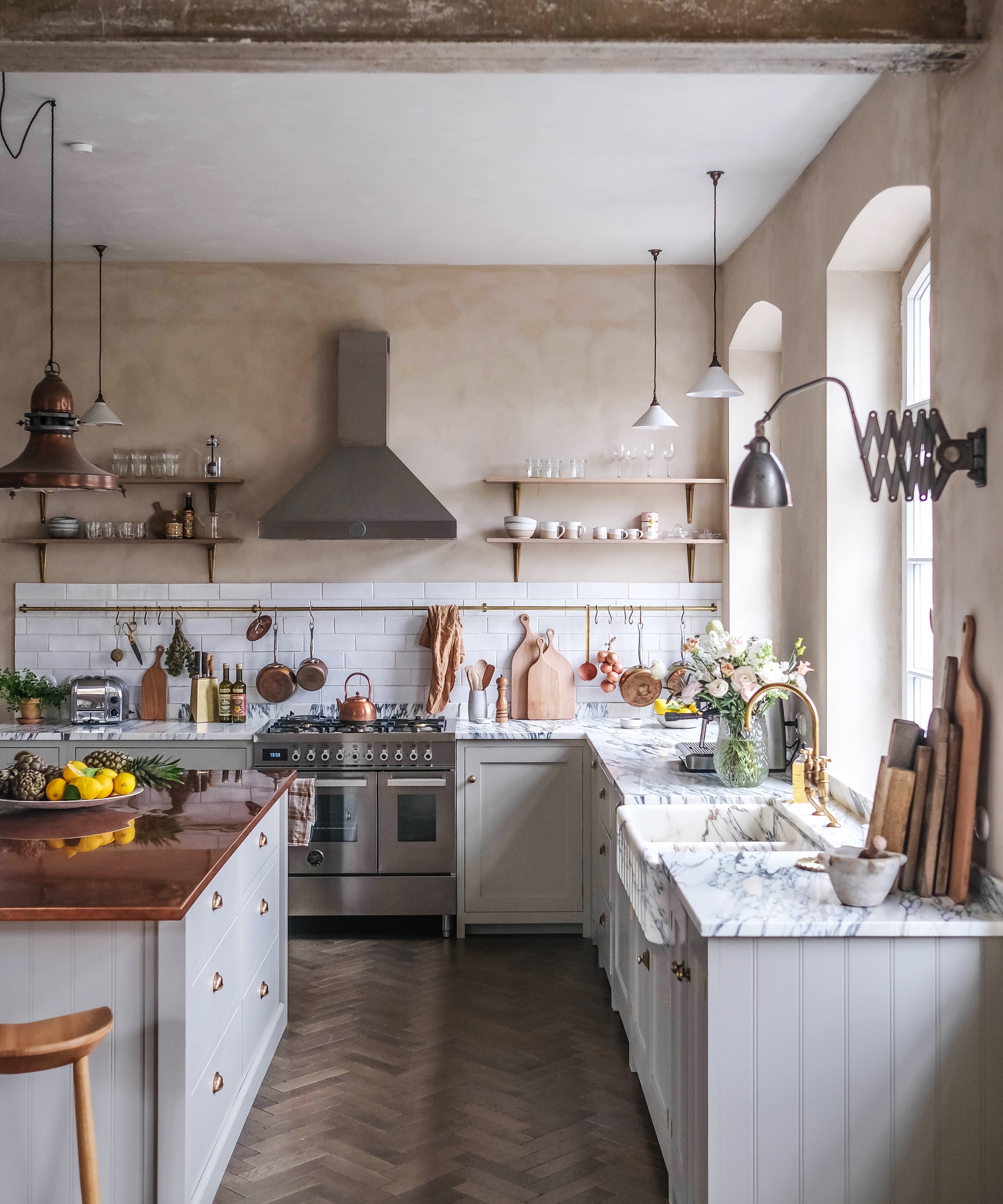
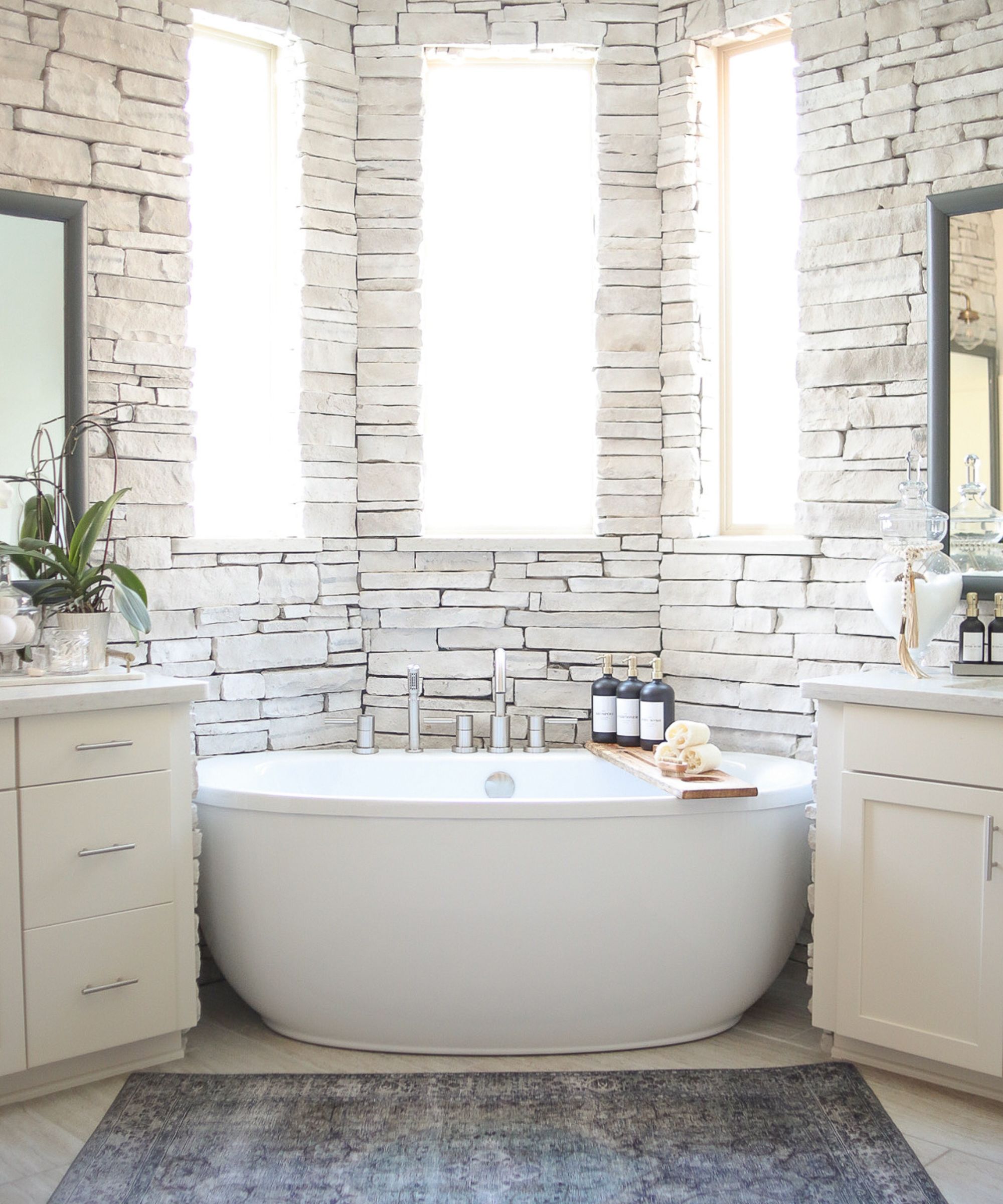
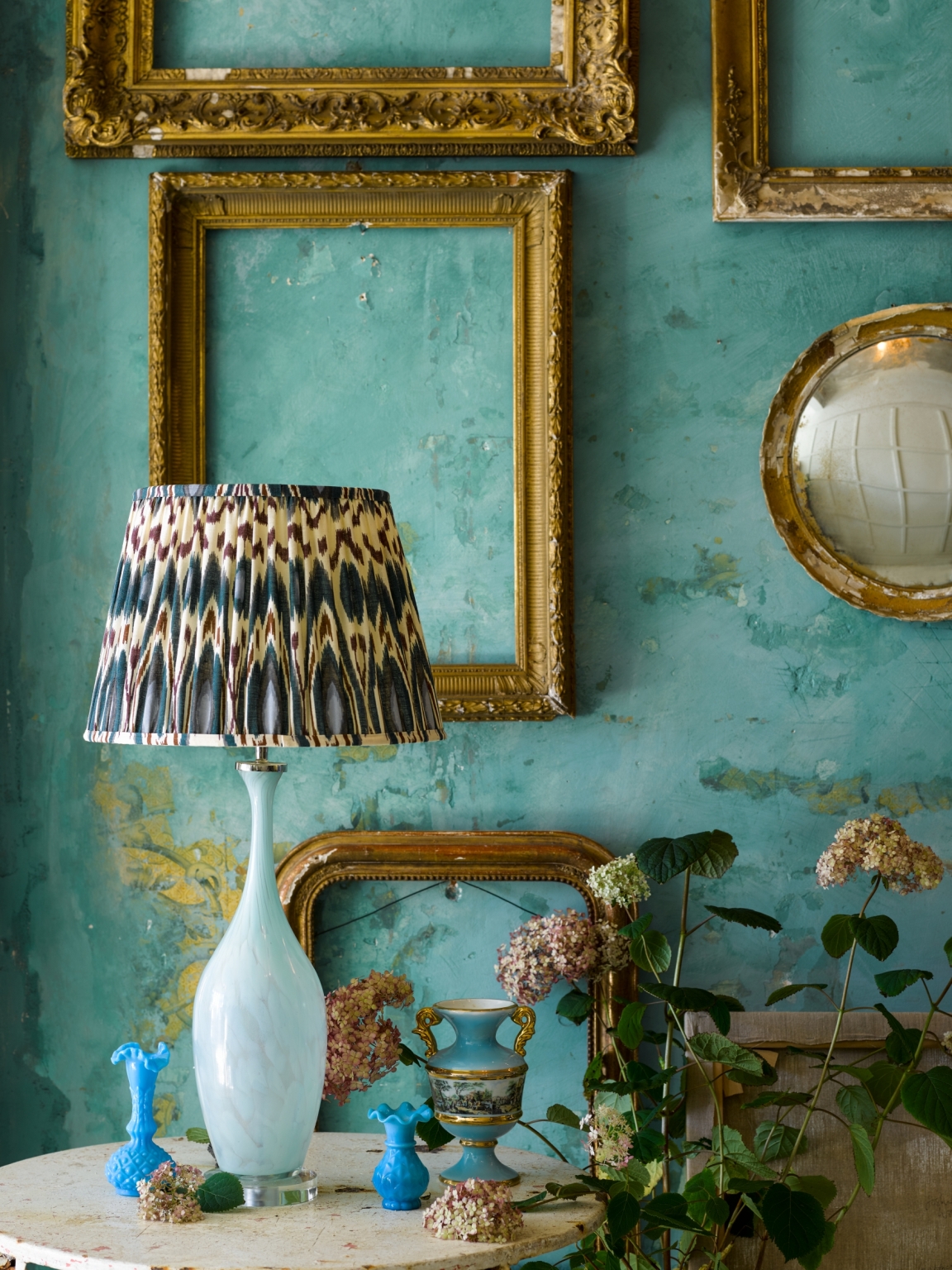
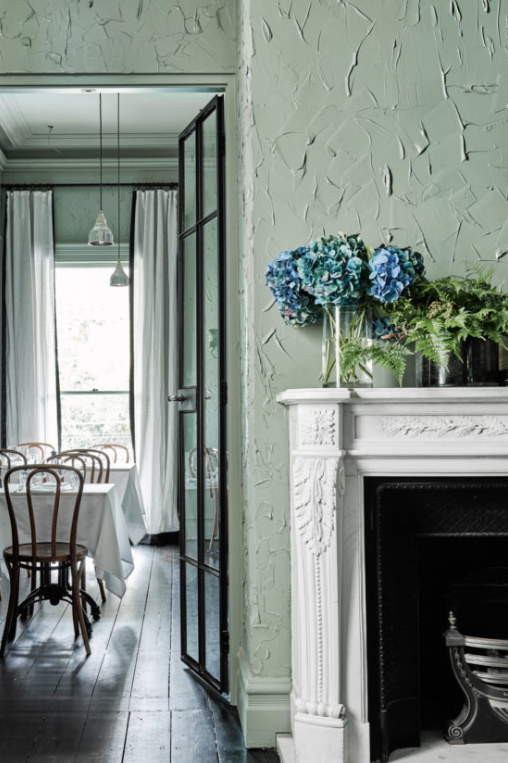
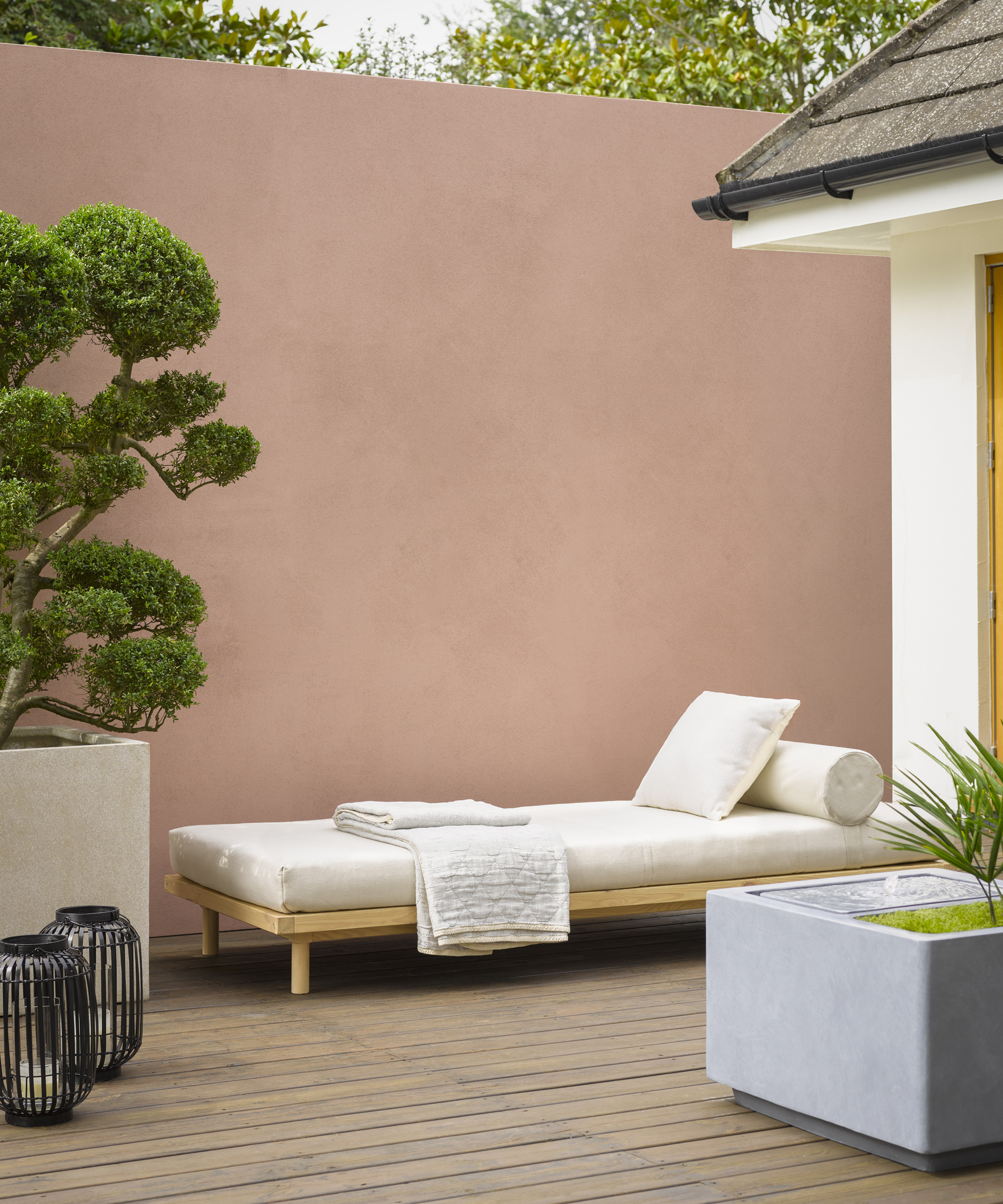
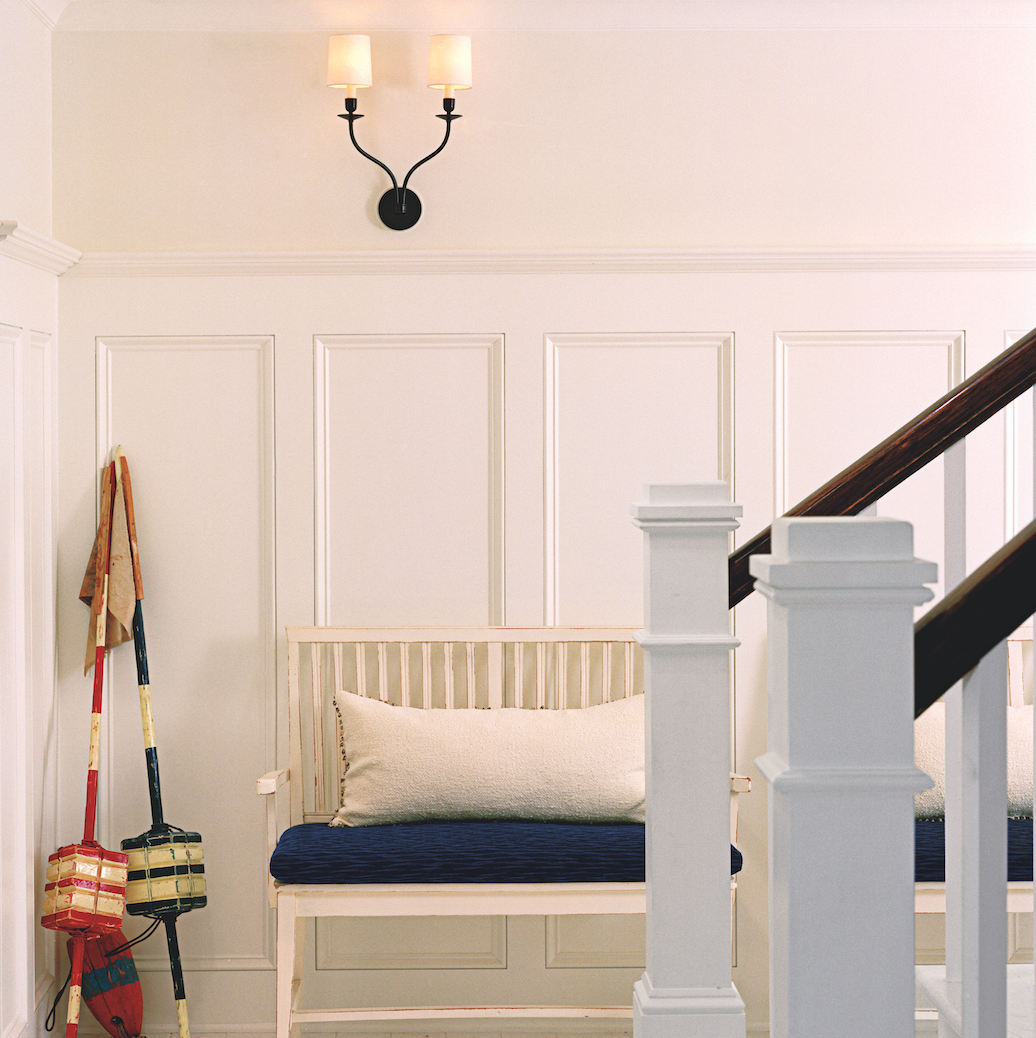
Trompe-l'œil, a technique that creates an illusion of depth, can be used to mimic architectural features like wall paneling. Emma from Kelling Designs describes how paint can transform plain walls into paneled rooms and even make existing fireplaces appear like different materials. Metallic paints, particularly gold leafing or modern metallic effect paints, add shine and warmth, reflecting and absorbing light. They are ideal for hallways or overlooked corners and can highlight architectural details. Limewash paint, with its ancient origins, offers a mottled, matte, and chalky texture, providing an earthy and organic feel. This eco-friendly option is suitable for grounding interiors and can be applied over drywall with a primer. Other similar paints include chalk and milk paints.
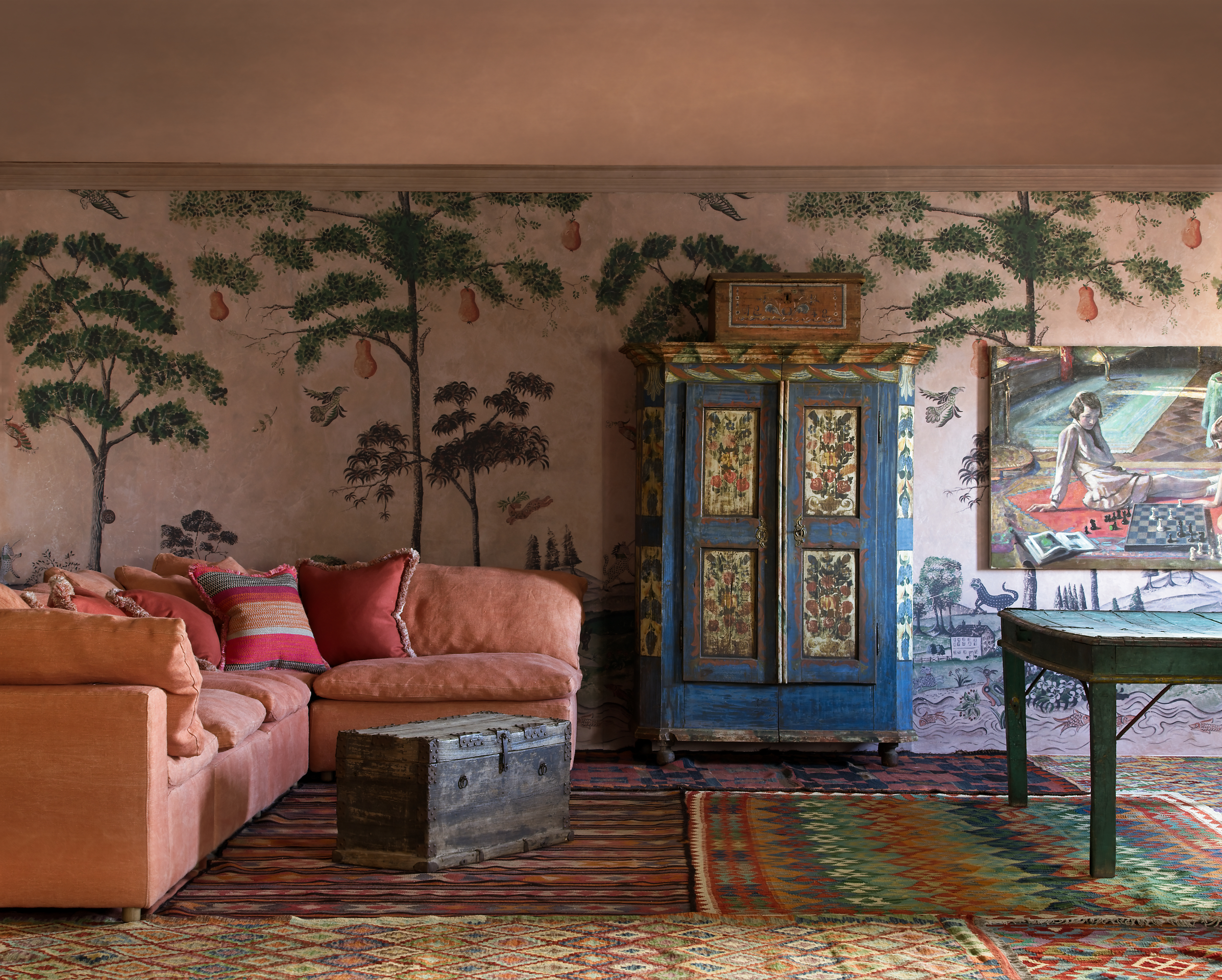
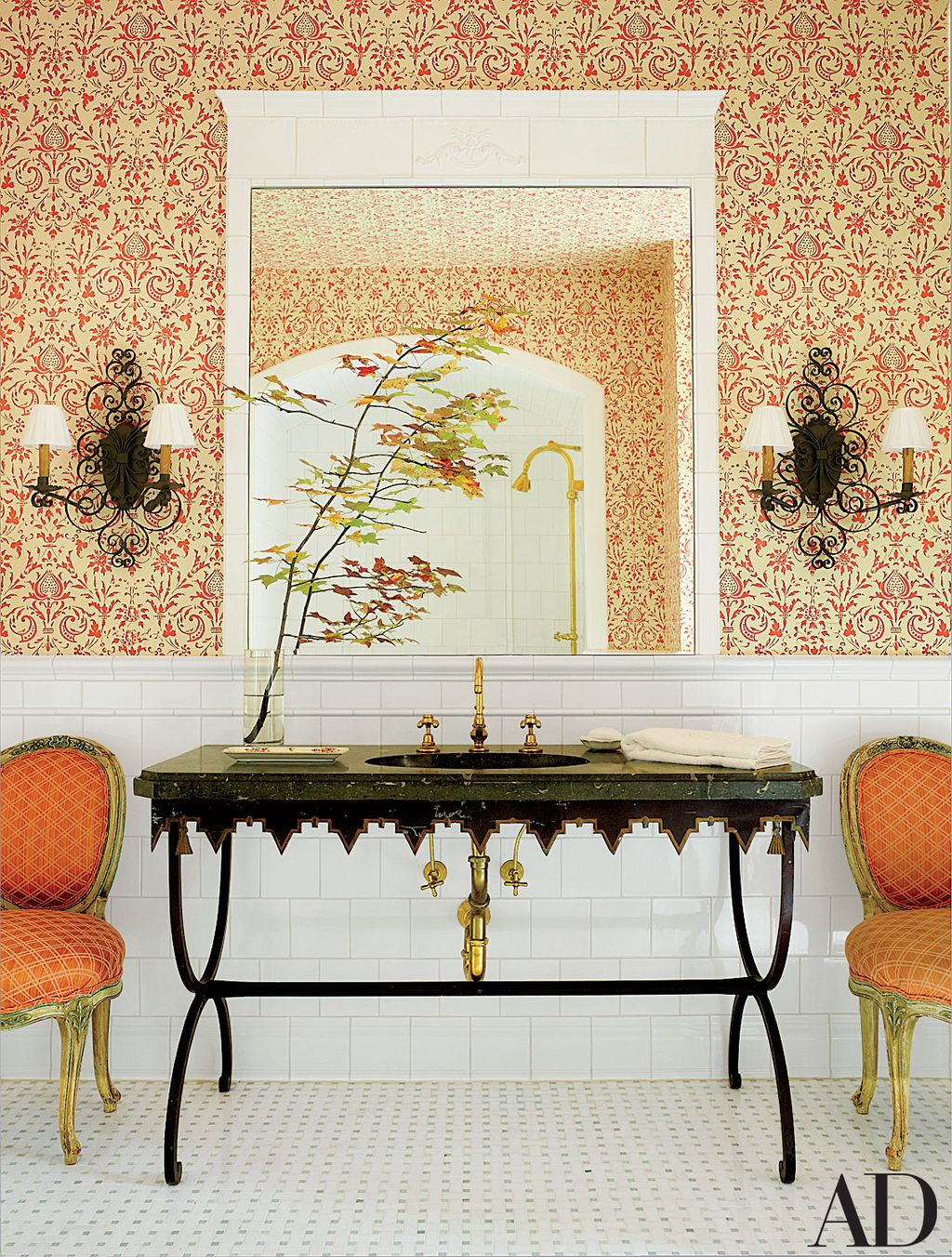
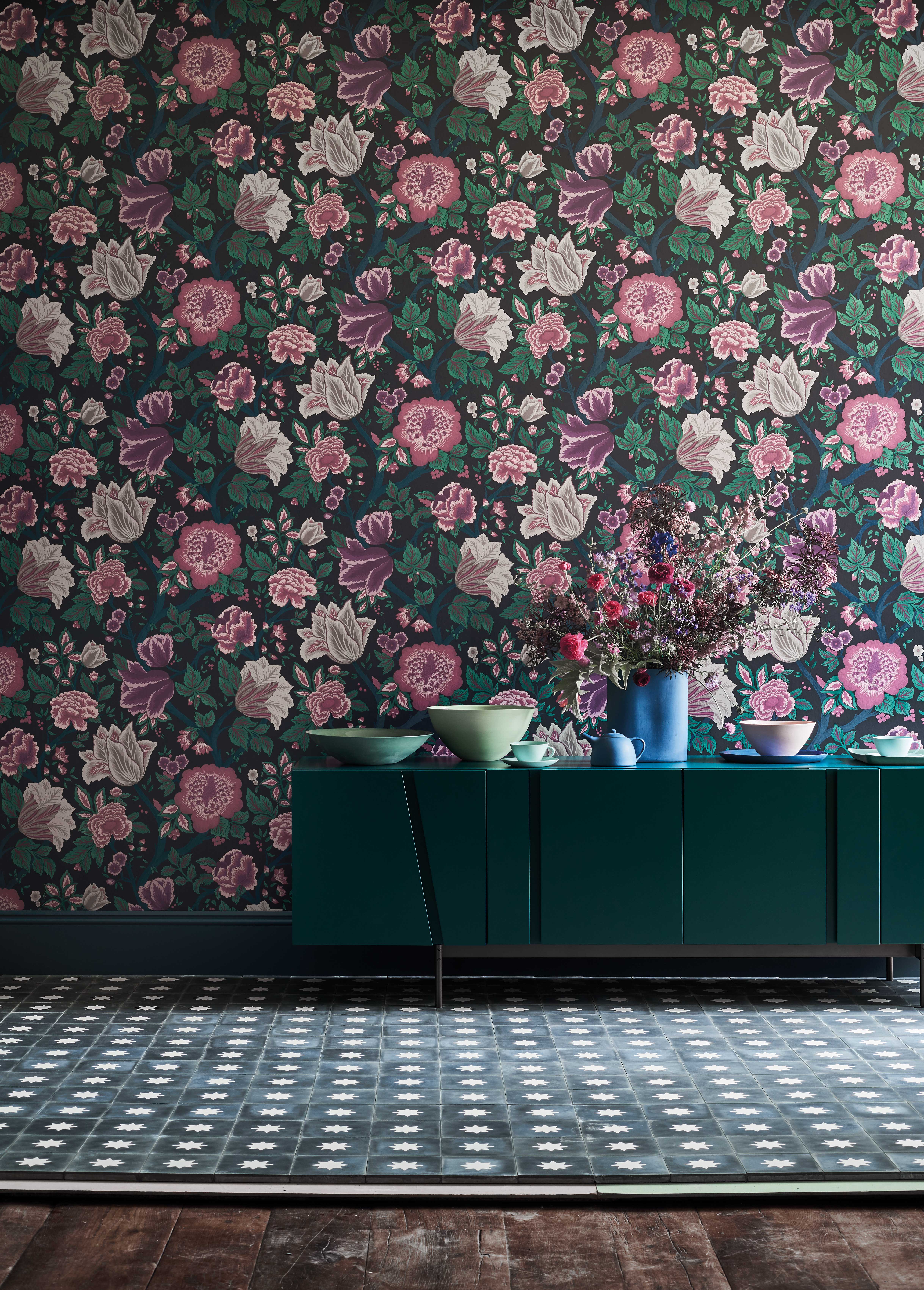
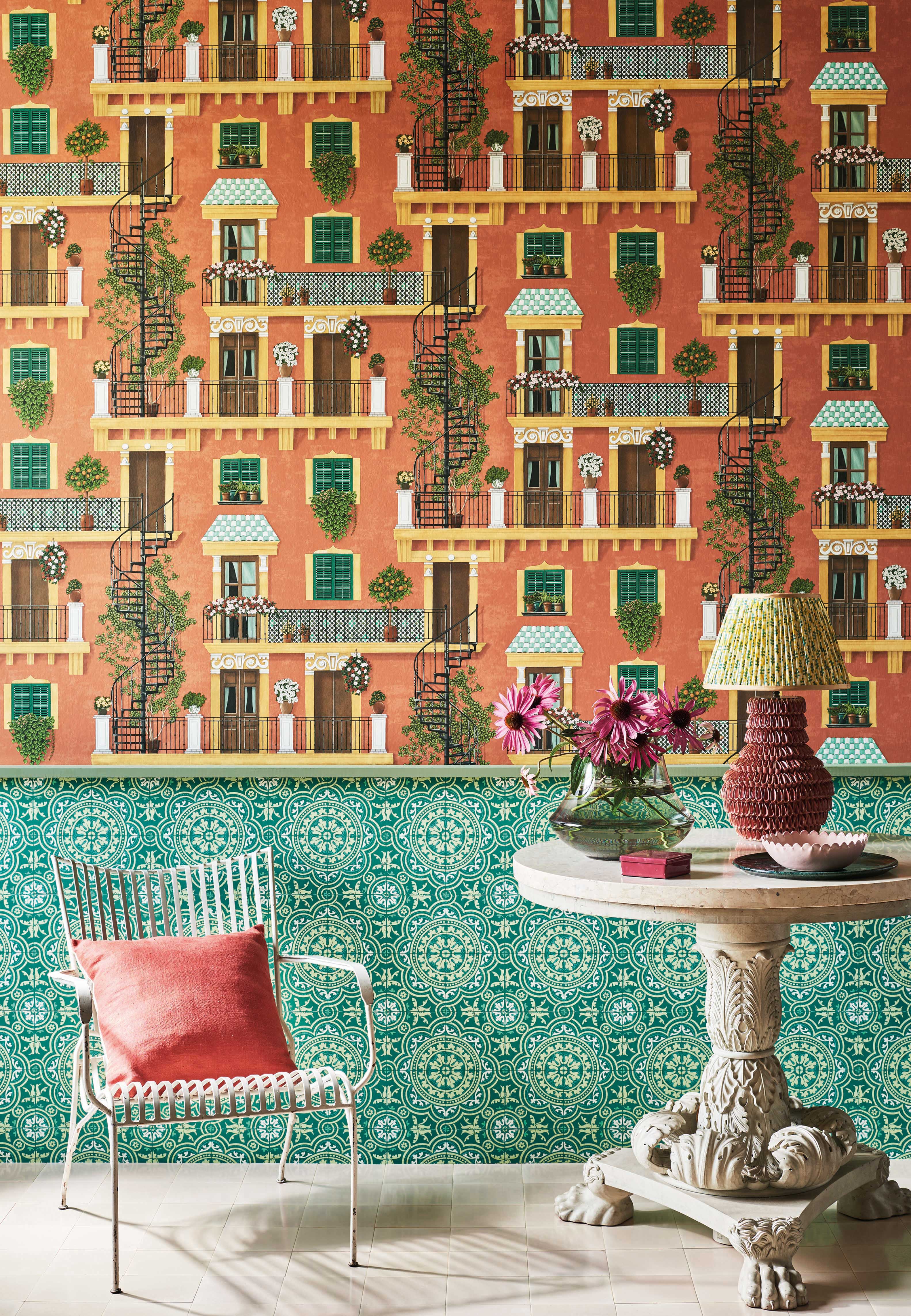
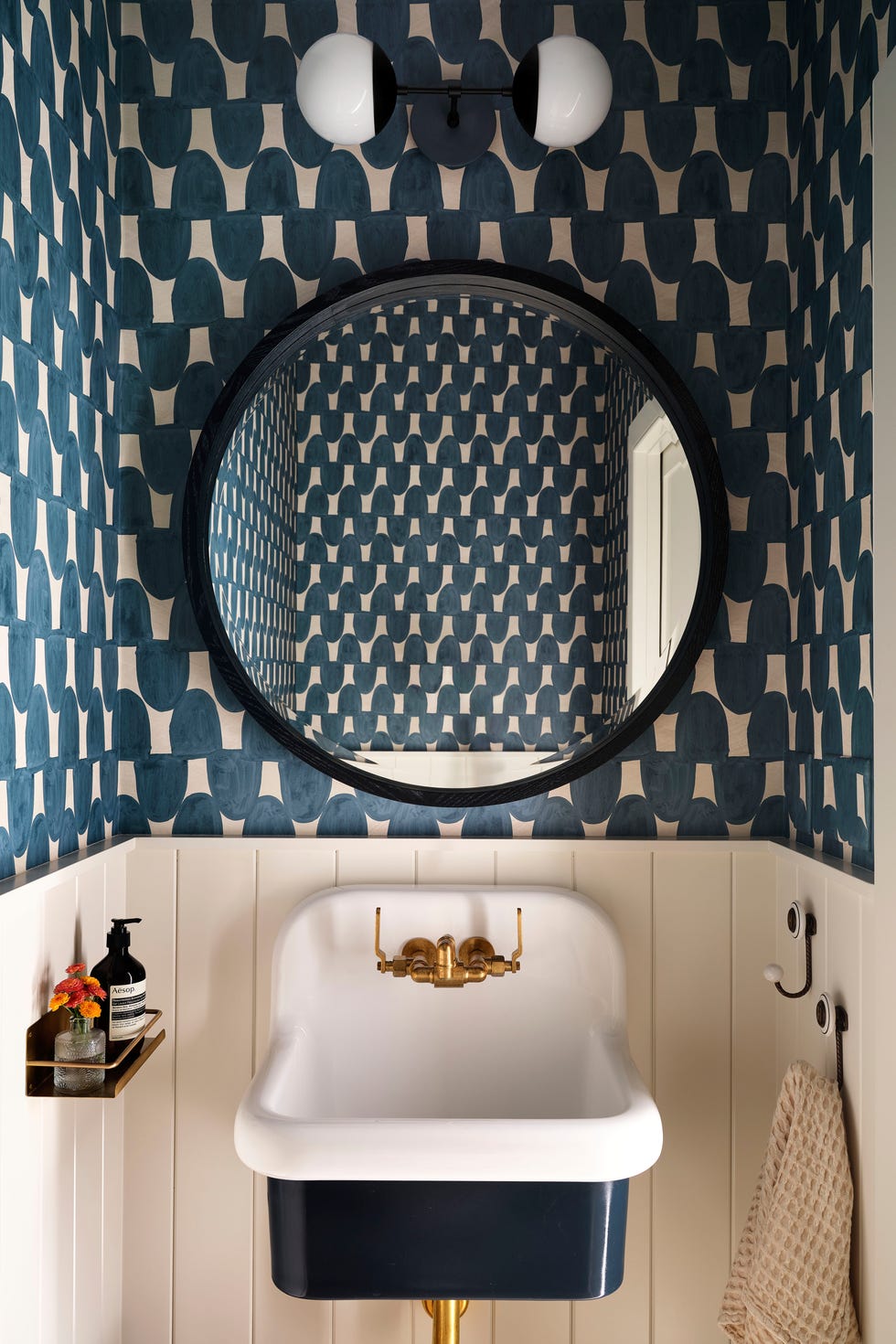
Stenciling allows for the introduction of patterns, with modern designs often resembling wallpaper. This technique can be applied to walls, ceilings, and floors, offering endless possibilities for custom patterns and color schemes. Finally, rag rolling, a technique from the 80s and 90s, uses a rolled cloth to create a rhythmic linear pattern, producing a mottled look with distinct lines. This requires a base coat and a topcoat that is slightly darker or lighter, and practice on test boards is recommended for DIY enthusiasts.
#PaintTechniques #InteriorDesign #WallDecor #ColorDrenching #GlossPaint #ColorBlocking #StripedWalls #HalfPaintedWalls #OmbreEffect #TrompeLEil #MetallicPaint #Limewash #Stenciling #RagRolling #PaintTechniques #InteriorDesign #WallDecor #ColorDrenching #GlossPaint #ColorBlocking #StripedWalls #HalfPaintedWalls #OmbreEffect #TrompeLEil #MetallicPaint #Limewash #Stenciling #RagRolling
0 Kommentare insgesamt
 Noch keine Kommentare
Das könnte Ihnen auch gefallen
Paint Ideas for Walls — 29 Inspiring Ways Designers Use Paint in Modern Homes
9 Designer Wall Treatments That Will Reinvent Your Interiors

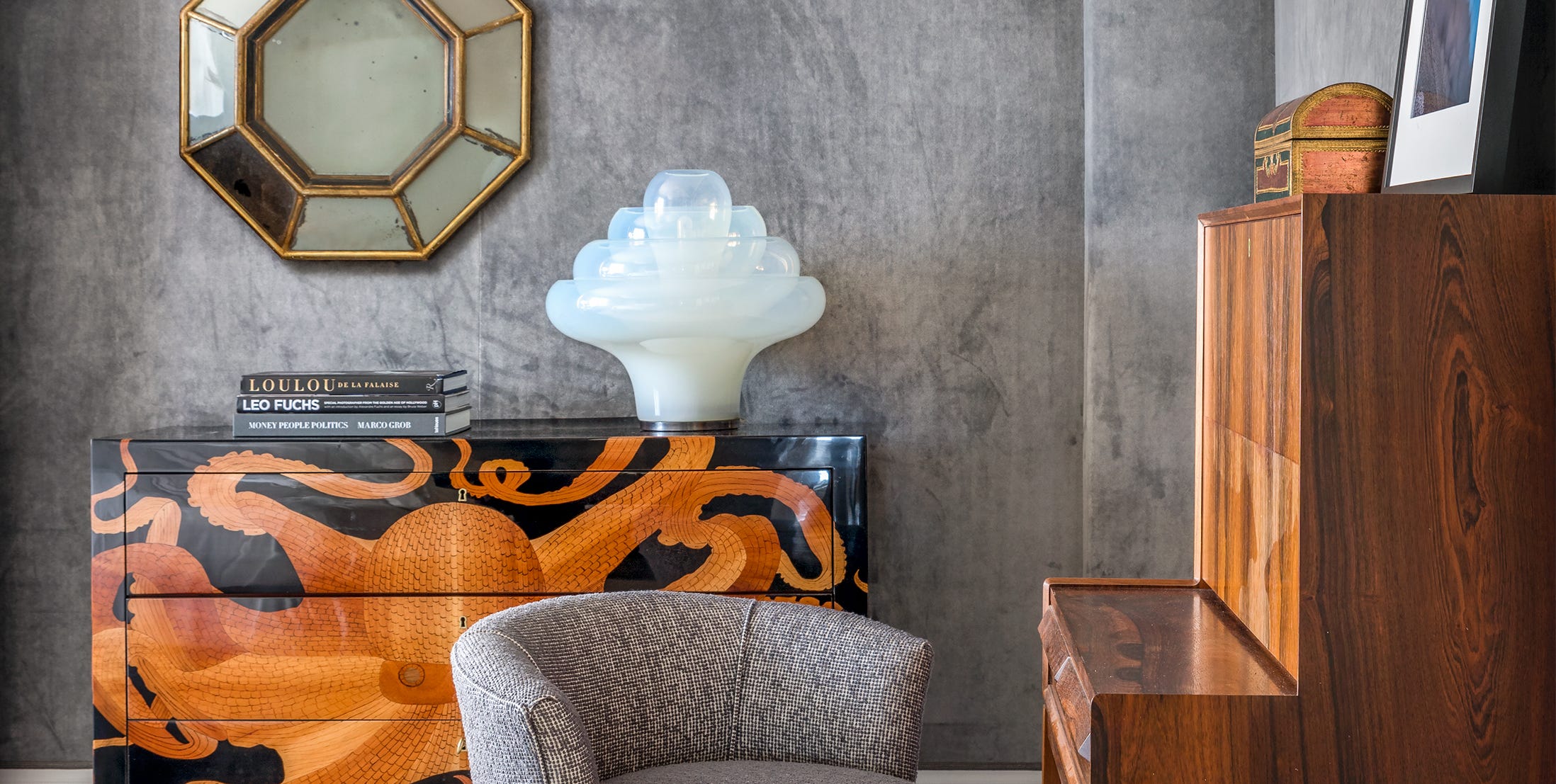
The Best Wall Texture Ideas for Adding Depth to Any Room
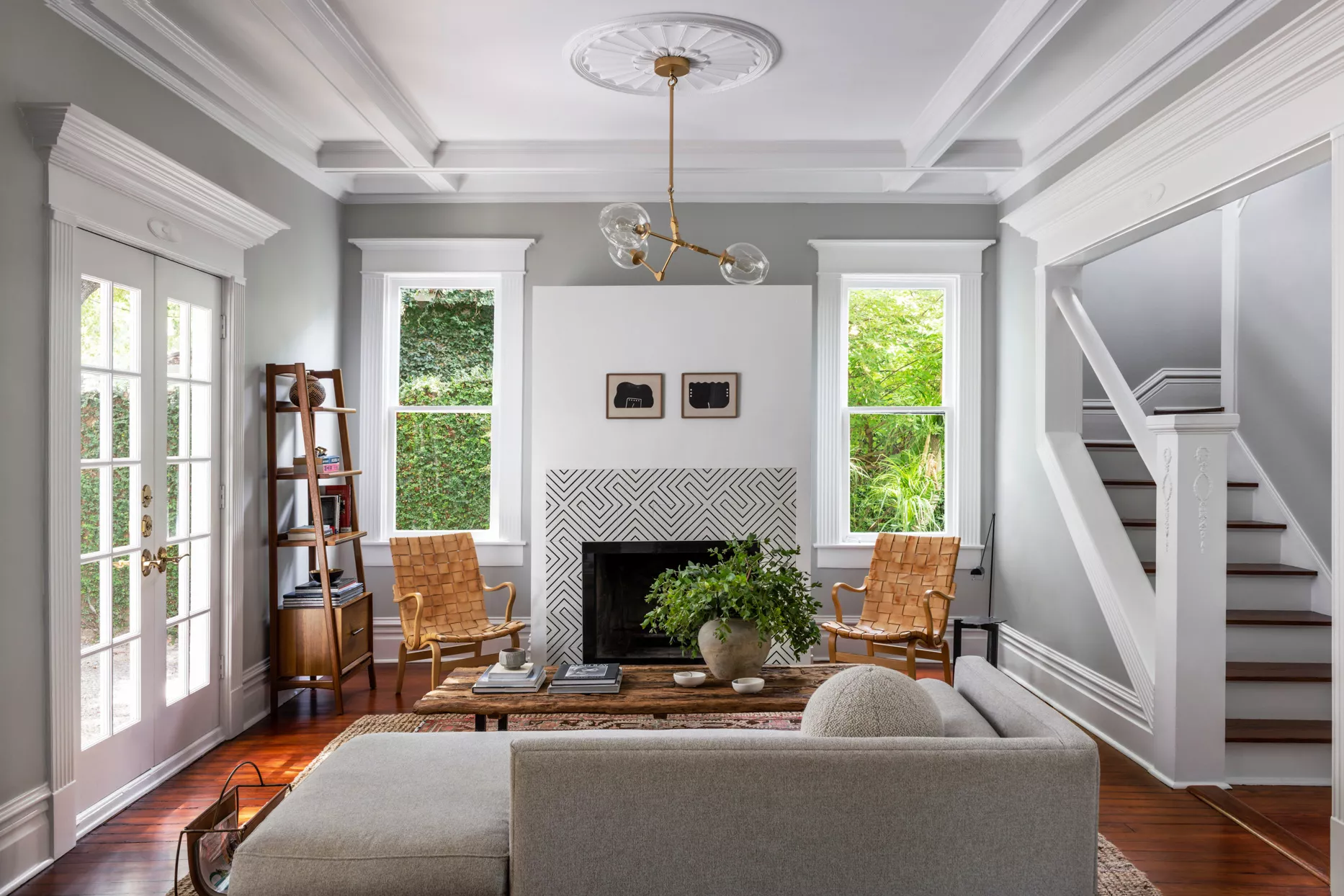
14 Genius Painting Tricks That Will Make a Room Look Bigger

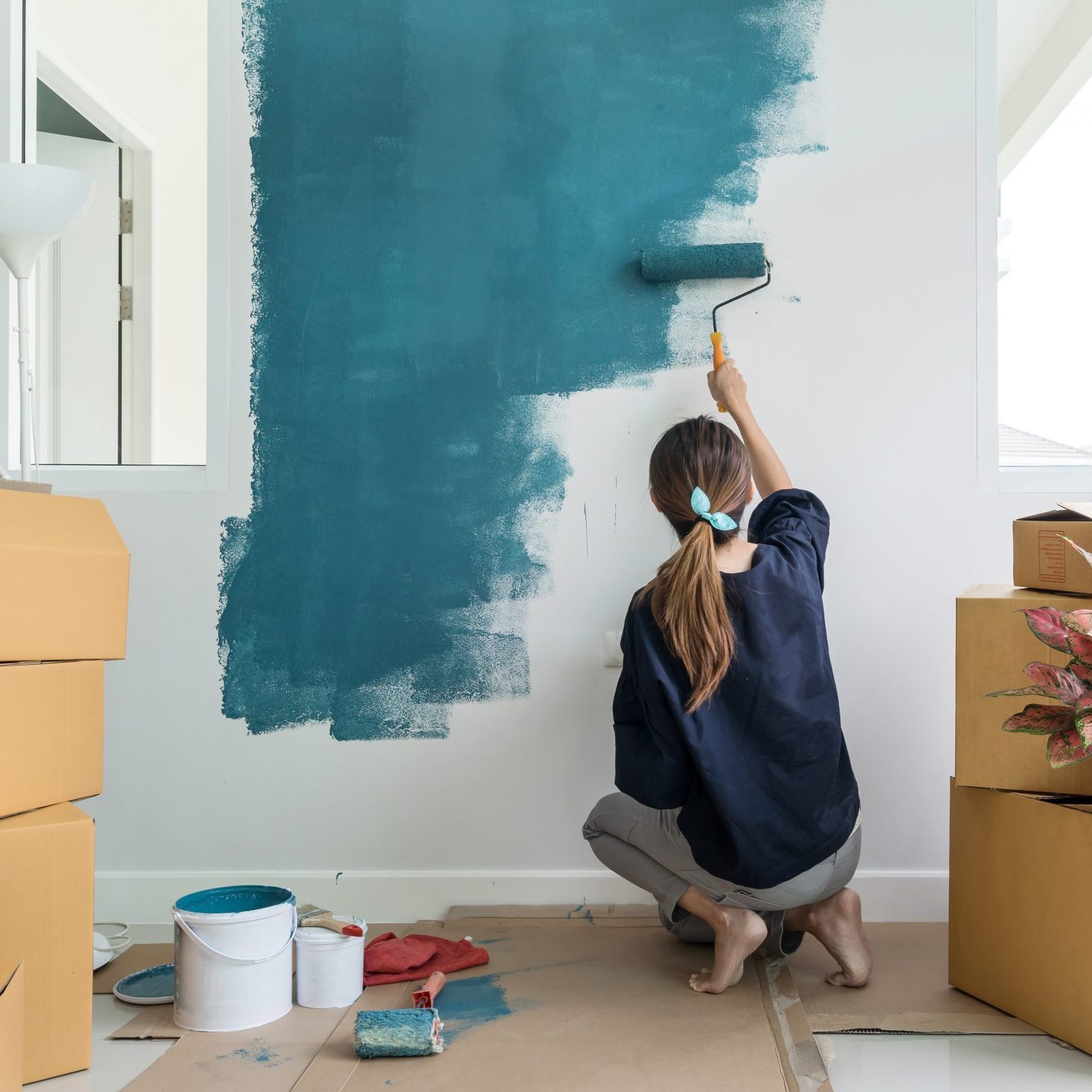
9 Best Paints for Interior Walls

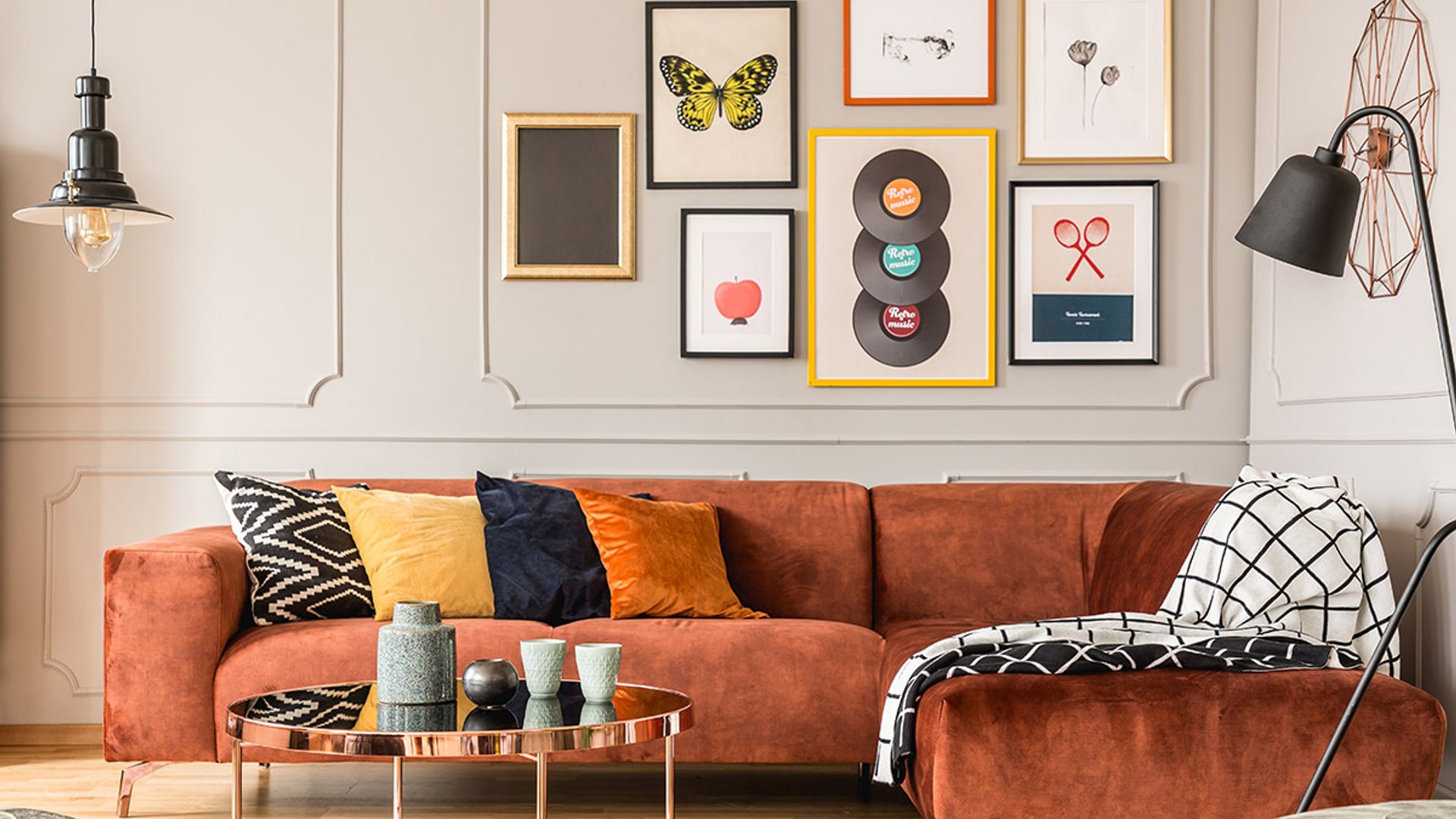
19 wall art ideas that will transform your bare walls into a work of art

20 Innovative Bedroom Wall Decor Ideas Beyond Paint

Garden wall paint ideas – 10 ways to add standout color to your outdoor space

How to texture a wall – 5 expert methods for intriguing wall textures
9 Instagram-approved wall paint ideas to revamp your space
5 Custom Wall Treatments You Can Do Yourself

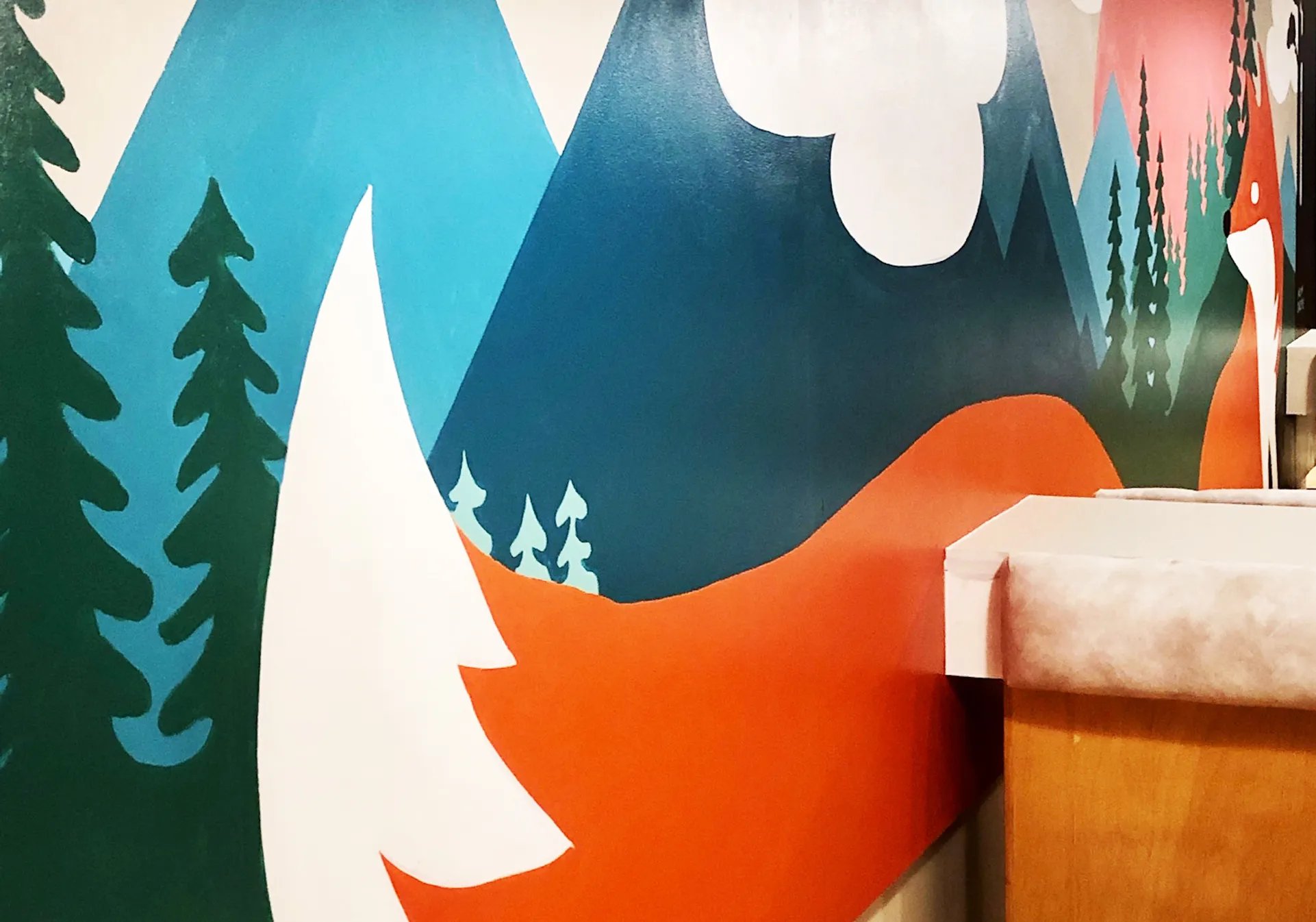
How to Paint a Wall Mural Even If You’re Not an Artist

9 stunning alternatives to painting your walls

Design idea: Use paint for simple but great looking feature walls
The best wall panelling ideas and trends, according to the experts

Bedroom wall decor ideas – 11 fresh ways to transform boring and dreary walls
Wall mural ideas – 10 stunning looks for totally unique walls
Wall patterns: 12 stunning looks to bring more colour and style to your home

Paint tricks – 10 painting tips and techniques loved by the experts

7 Alternate Art Examples For Your Walls