1/8
5 Custom Wall Treatments You Can Do Yourself
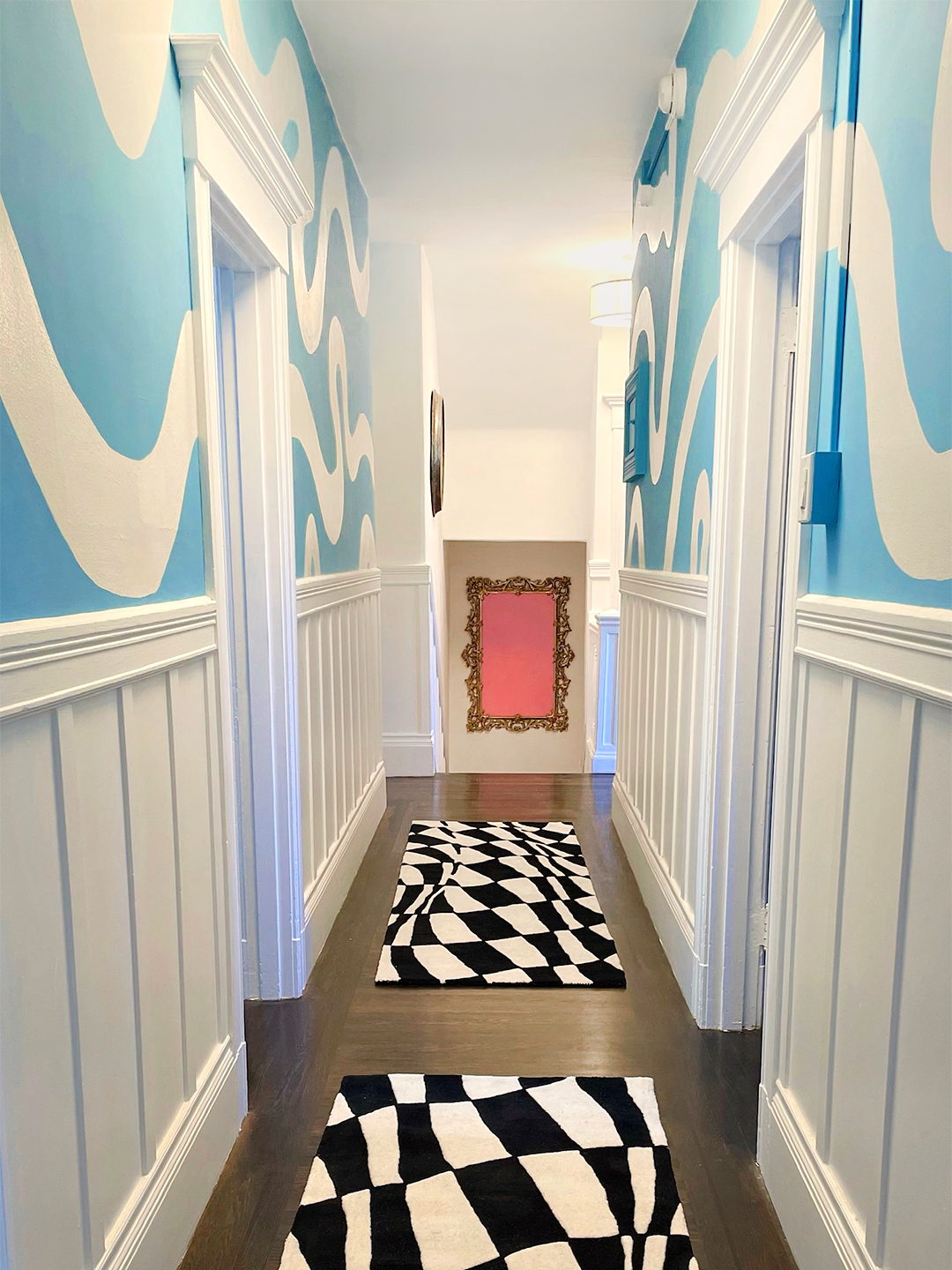
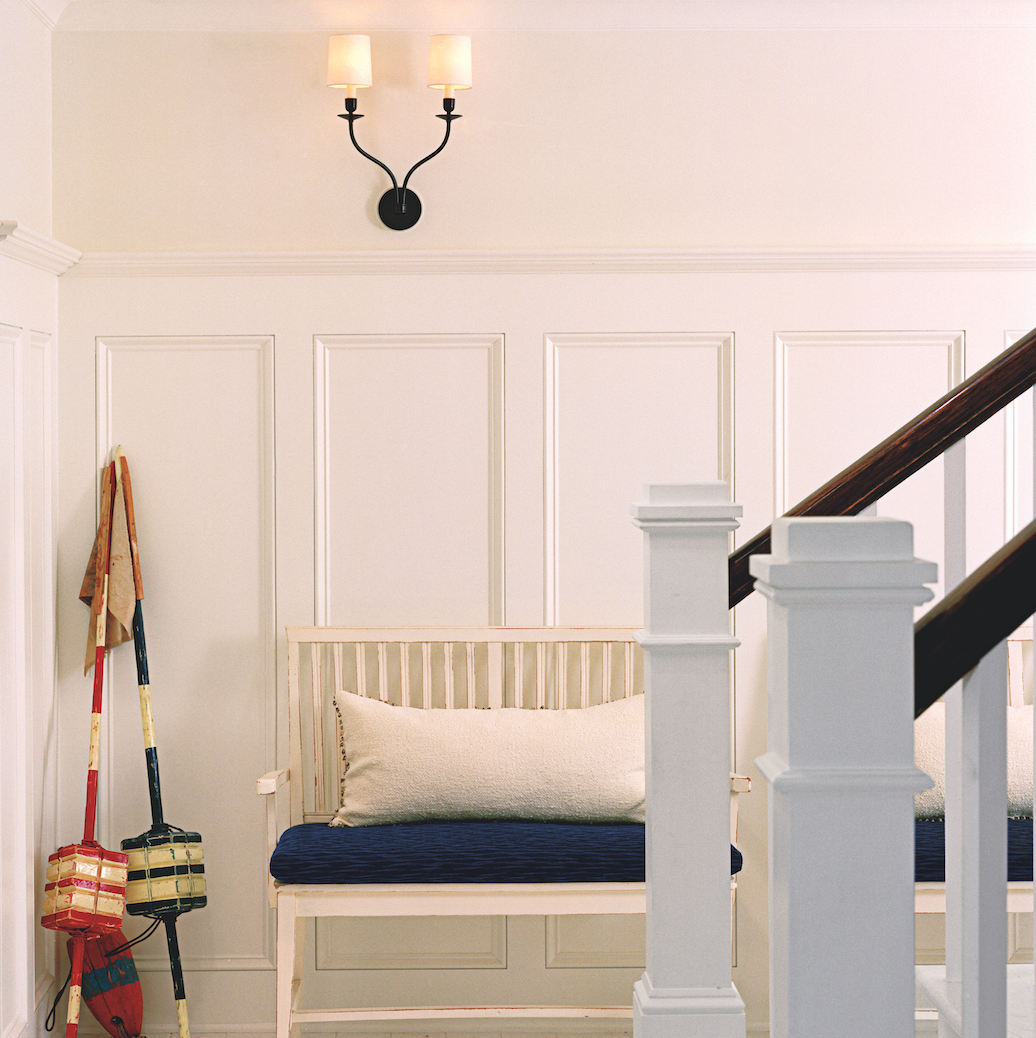
Wainscoting is a decorative accent trim that uses wood panels to add visual interest and texture to walls. It offers a cost-effective and relatively easy way to enhance a home's character, providing a more formal and historic feel without extensive renovations. Interior designers, such as Heidi Caillier, advocate for wainscoting as a budget-friendly statement, especially in bathrooms, where it can make hard finishes feel softer. Caillier also suggests its use in newer homes to establish a more mature aesthetic. Erin Conway of Kismet House views wainscoting as a timeless design element, noting that its periodic resurgence in popularity indicates its enduring appeal rather than a fleeting trend.
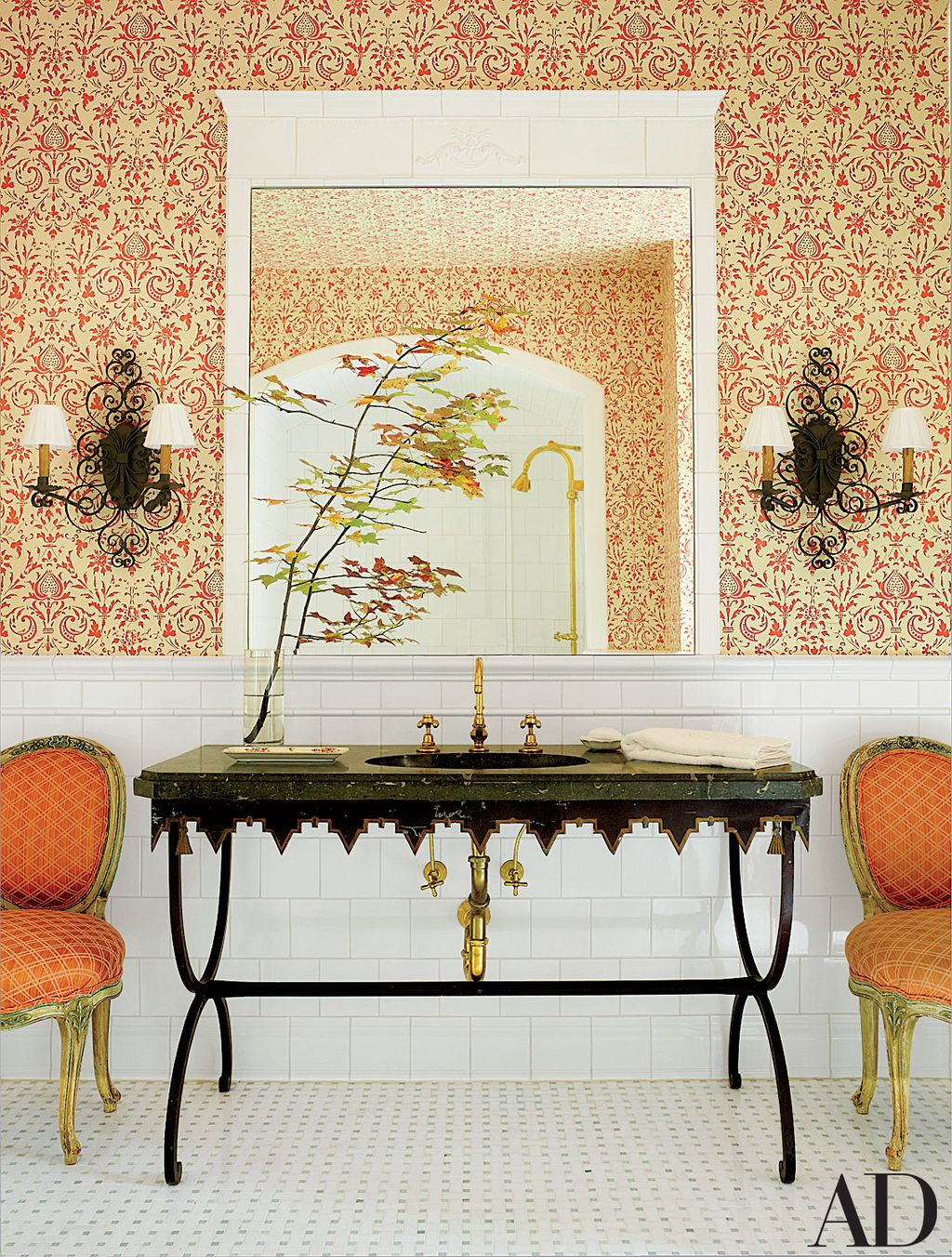
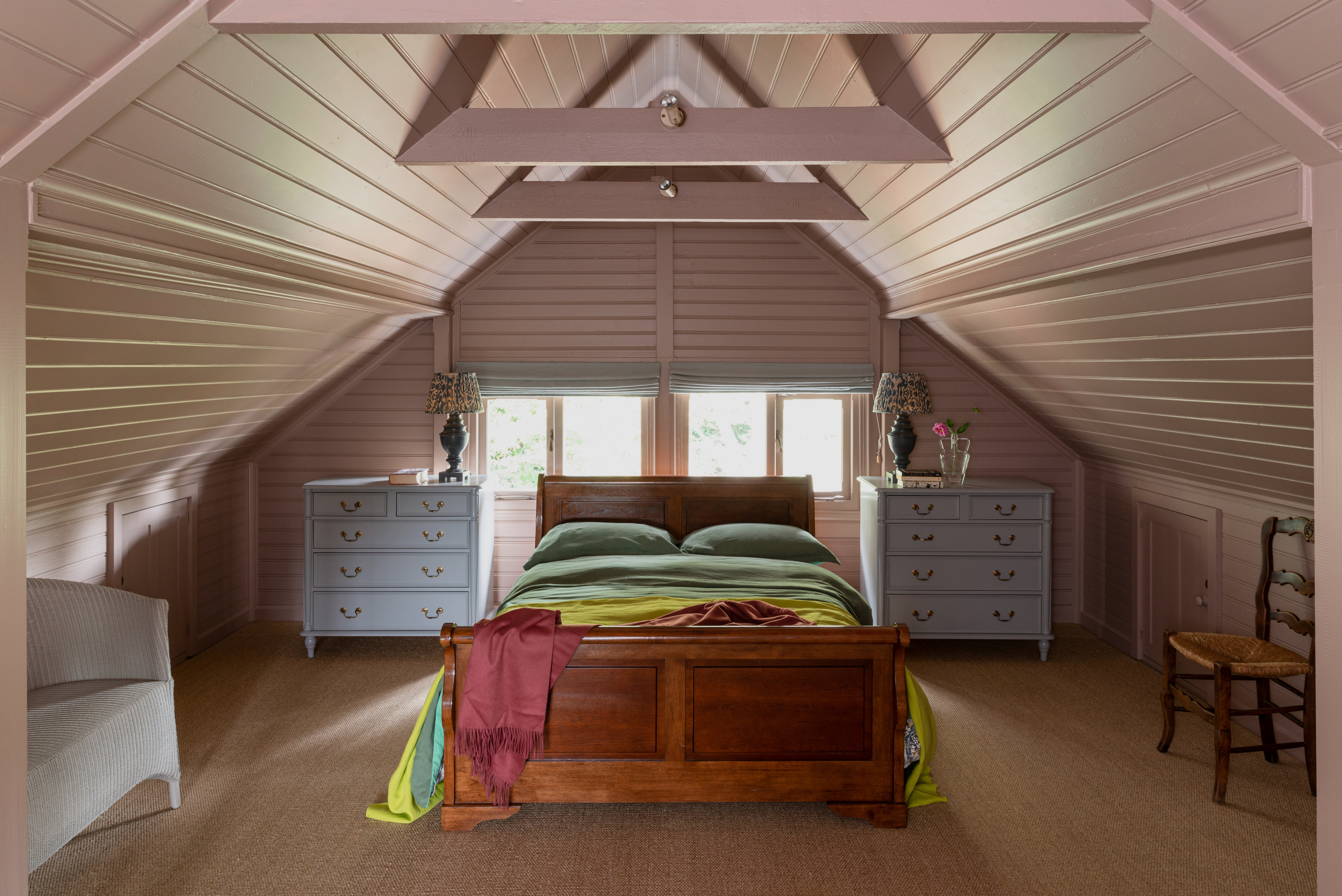
Historically, wainscoting served a protective function, acting as a barrier against scuffs and stains on walls, and providing insulation against damp or cold stone and wooden structures. More elaborate designs were indicative of wealth in Victorian homes and are still common in older properties. Modern applications often feature shiplap and beadboard paneling, which continue to offer wall resiliency, making them suitable for high-traffic areas like mudrooms, bathrooms, and dining rooms, while also adding texture, color, and personality. Wainscoting is considered DIY-friendly due to its affordability and minimal material requirements, typically involving wood panels or strips, a nail gun, and optional wood glue. It is distinct from elaborate paneling or crown molding, as it involves large sheets or thin strips applied directly to drywall or plaster.
Regarding installation, the general guideline for chair rail molding or half-wall wainscoting is to position it one-third of the way up the wall. However, picture-frame molding and raised-panel wainscoting can be installed at various heights to suit a room's proportions. The cost of wainscoting varies between $1,050 and $1,600, influenced by room size, style, and installation fees. Material choices, such as plywood or MDF ($1 per square foot) versus solid wood (up to $40 per square foot), significantly impact the budget. DIY installation can reduce costs, while professional labor typically adds $2 to $4 per square foot.
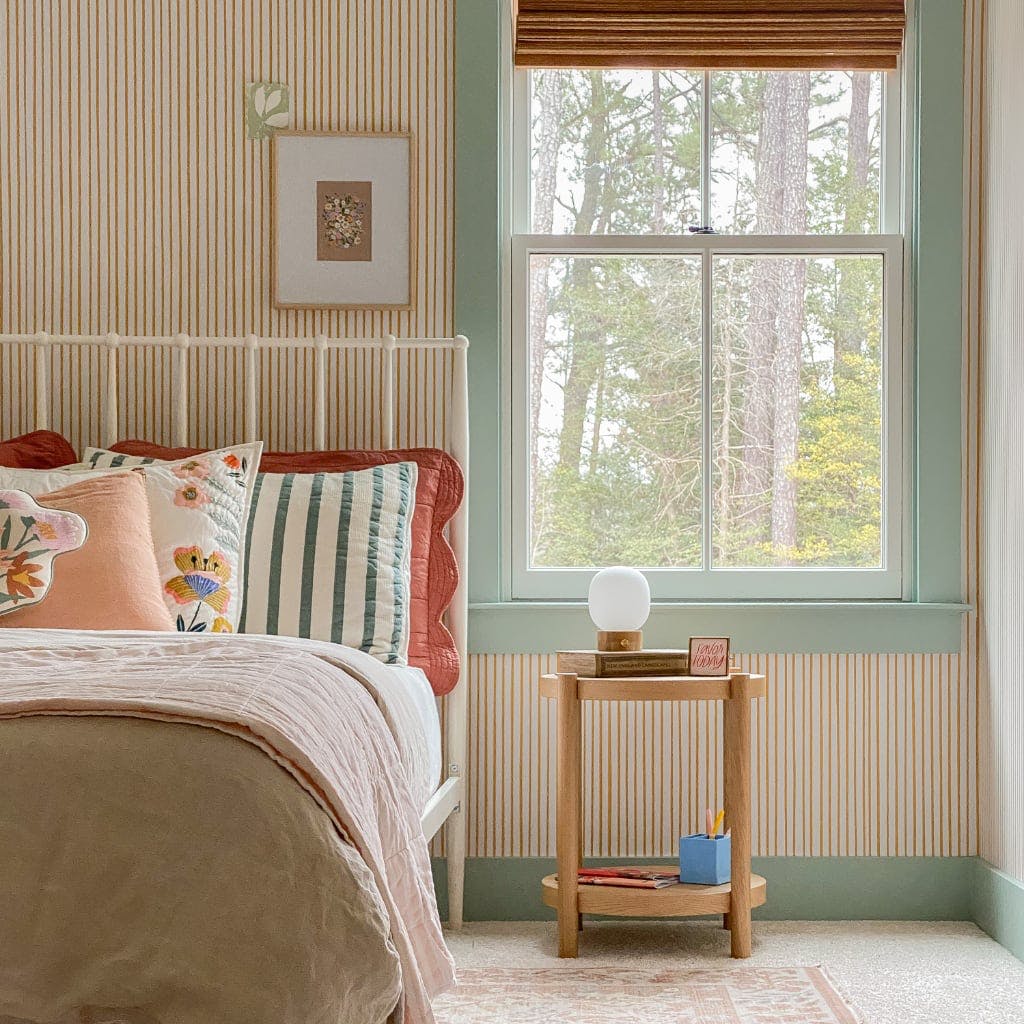
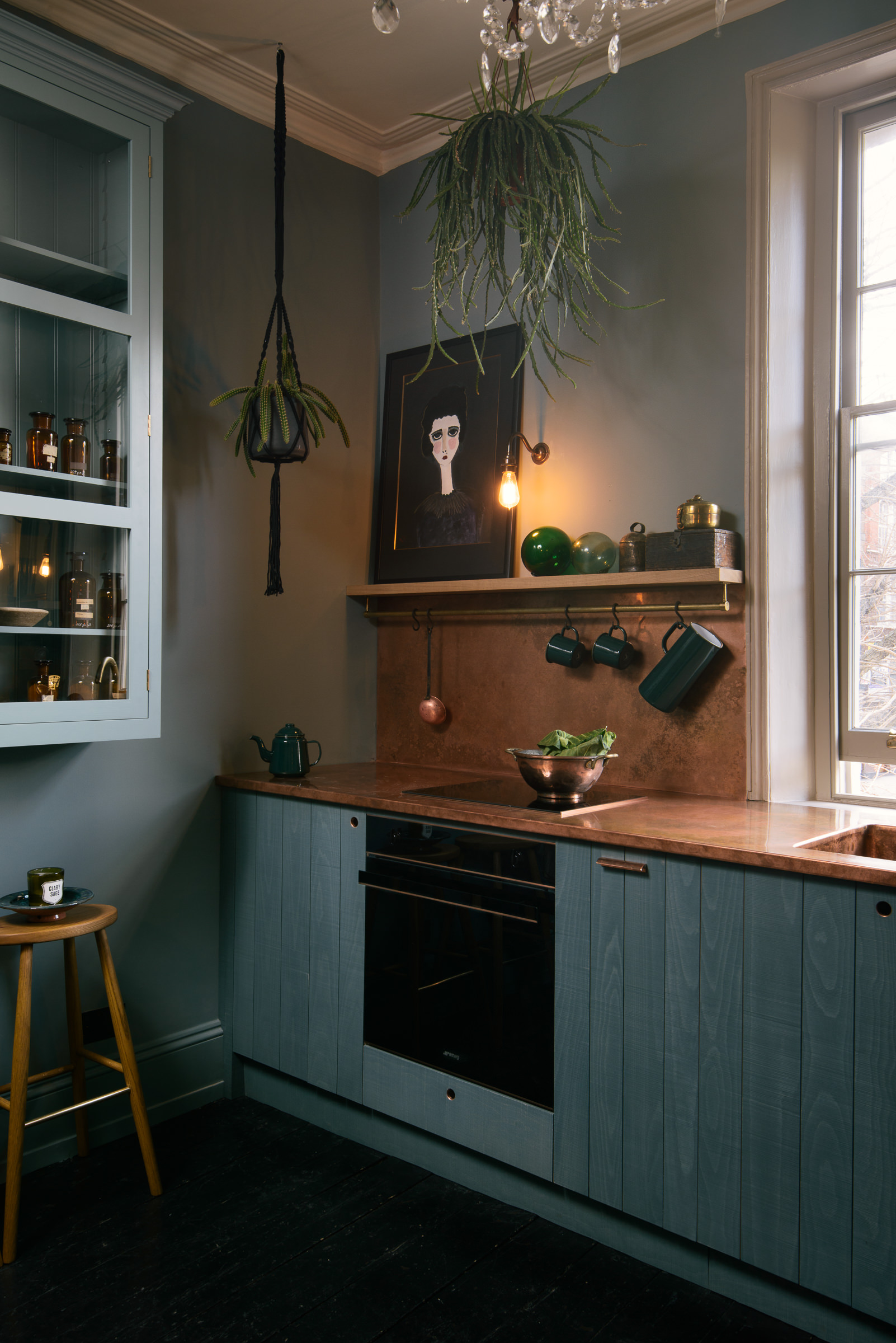
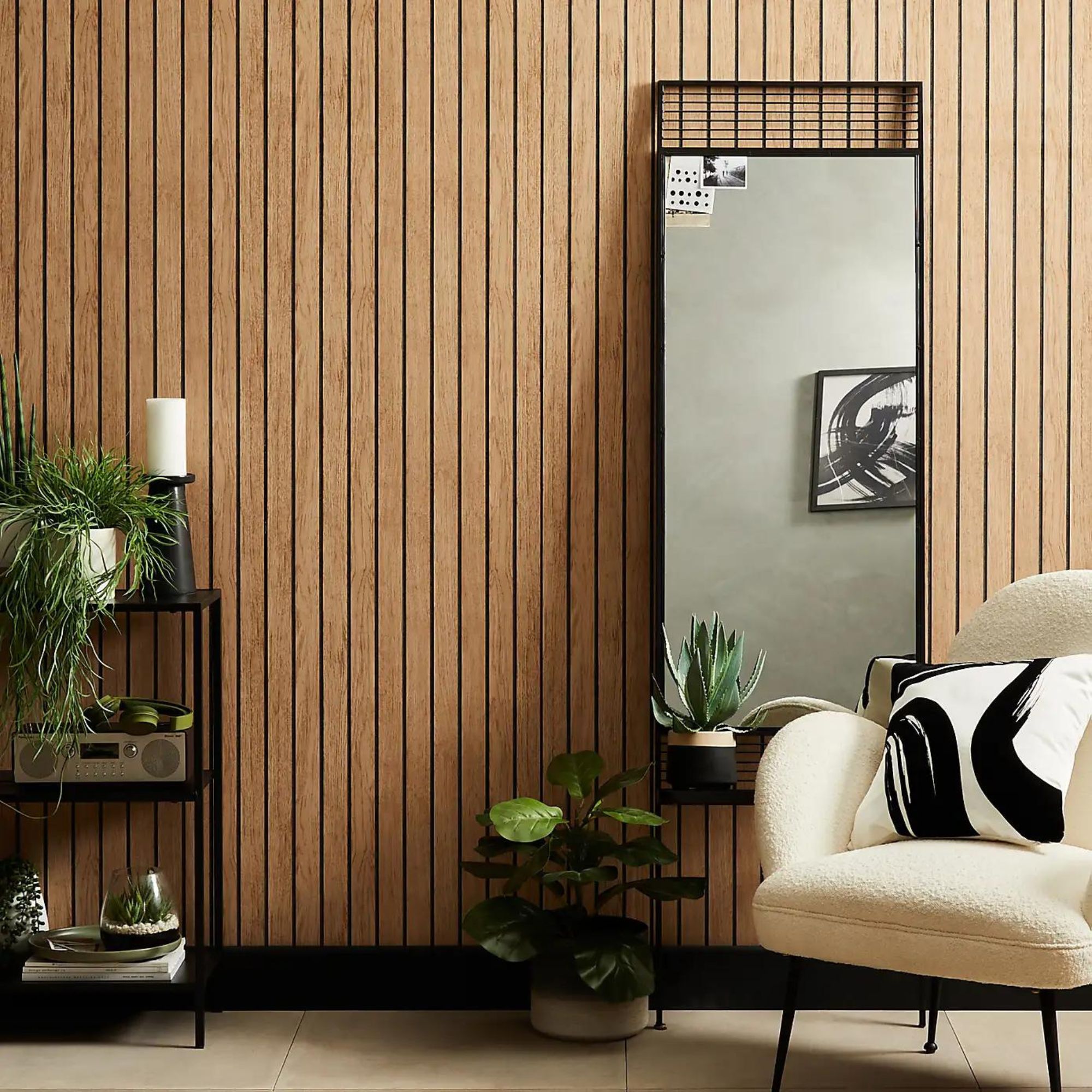
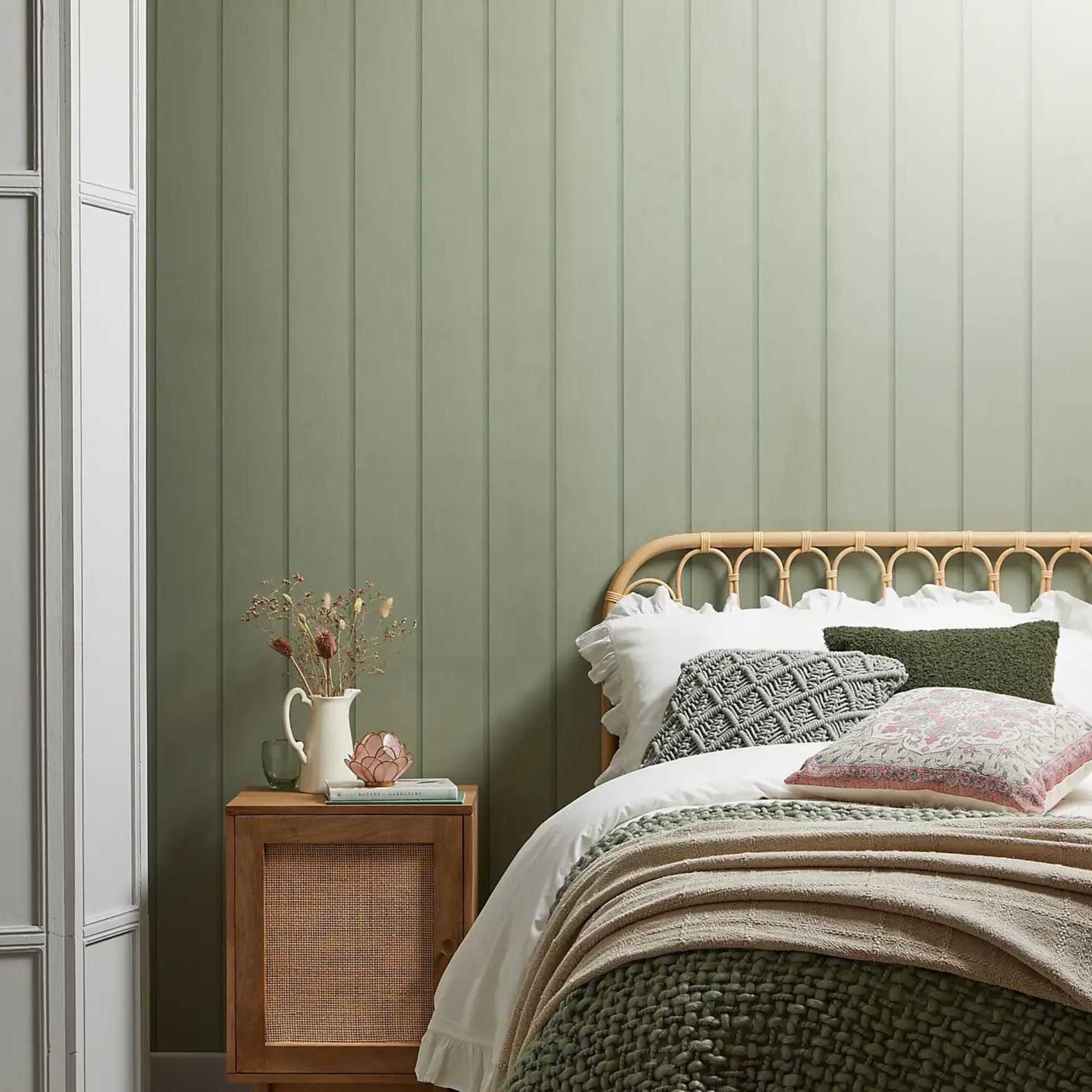
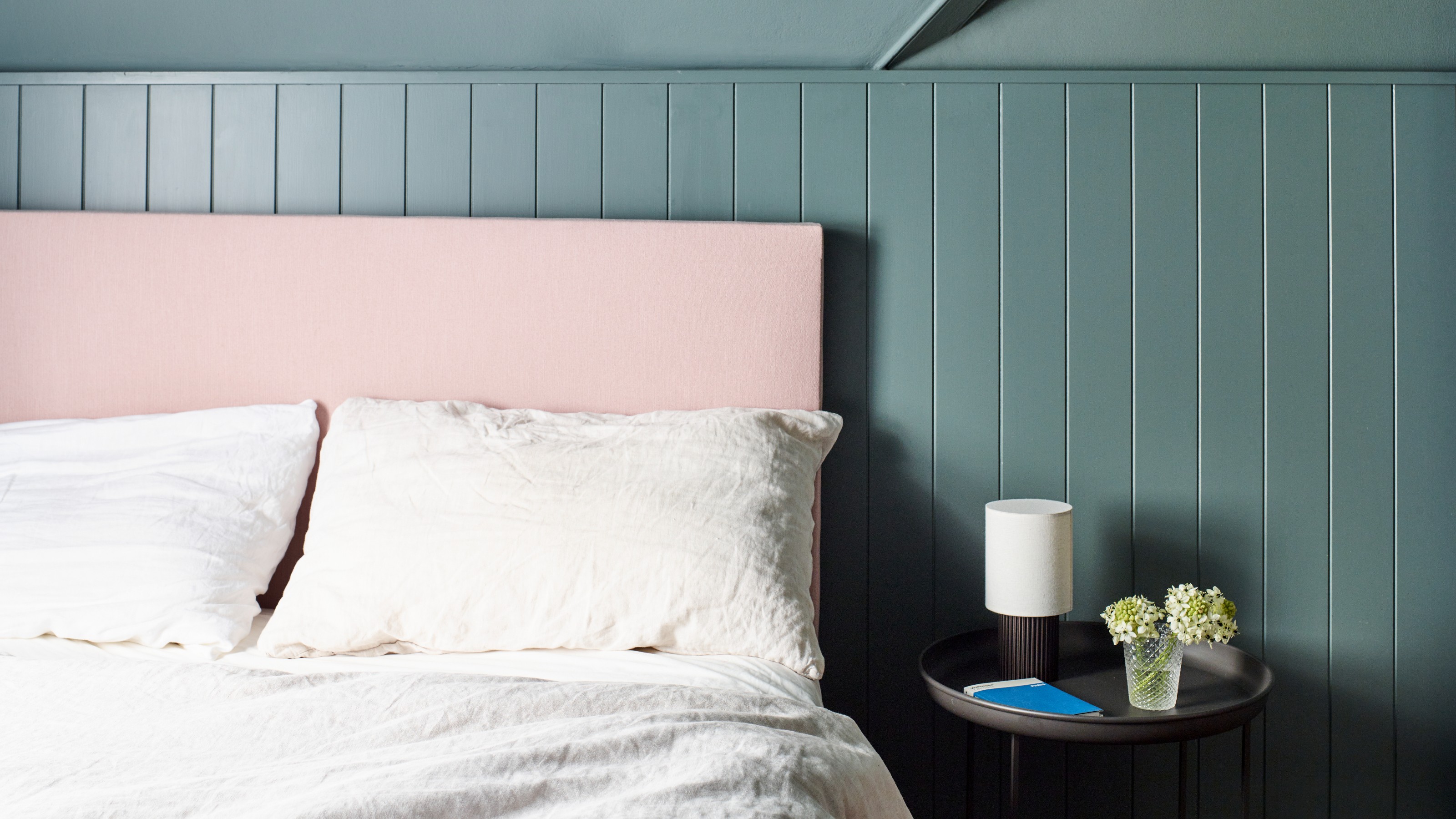
Wainscoting comes in several styles, each contributing a different aesthetic. Raised-panel wainscoting is the most traditional, requiring professional craftsmanship for its beveled edges and decorative wood trim overlay. Wall-panel wainscoting is easier for DIY enthusiasts, involving thin wood strips or molding applied directly to create a framed appearance. Flat-panel or Shaker-panel wainscoting uses thin plywood or MDF boards, which can then be decorated with molding, offering the advantage that the frames are not directly attached to the interior walls. Caillier suggests avoiding hard-angled flat panels if a softer look is desired, favoring V-groove or beaded details. Beaded-panel wainscoting, also known as beadboard, consists of connected wood paneling with vertical grooves, preferred by designers like Chloe Warner for its formal appeal, particularly in dining rooms, where it can highlight the space above.
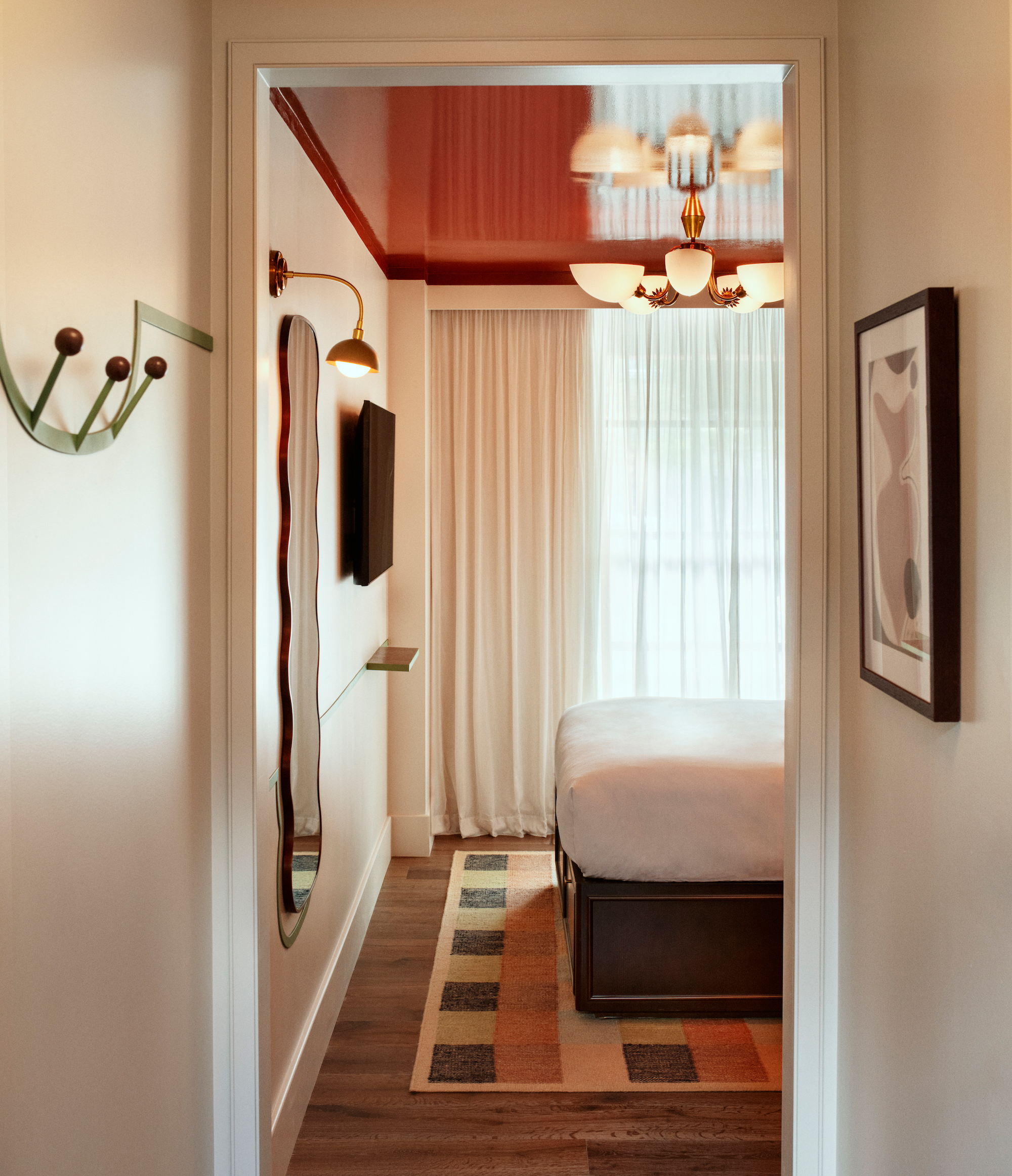
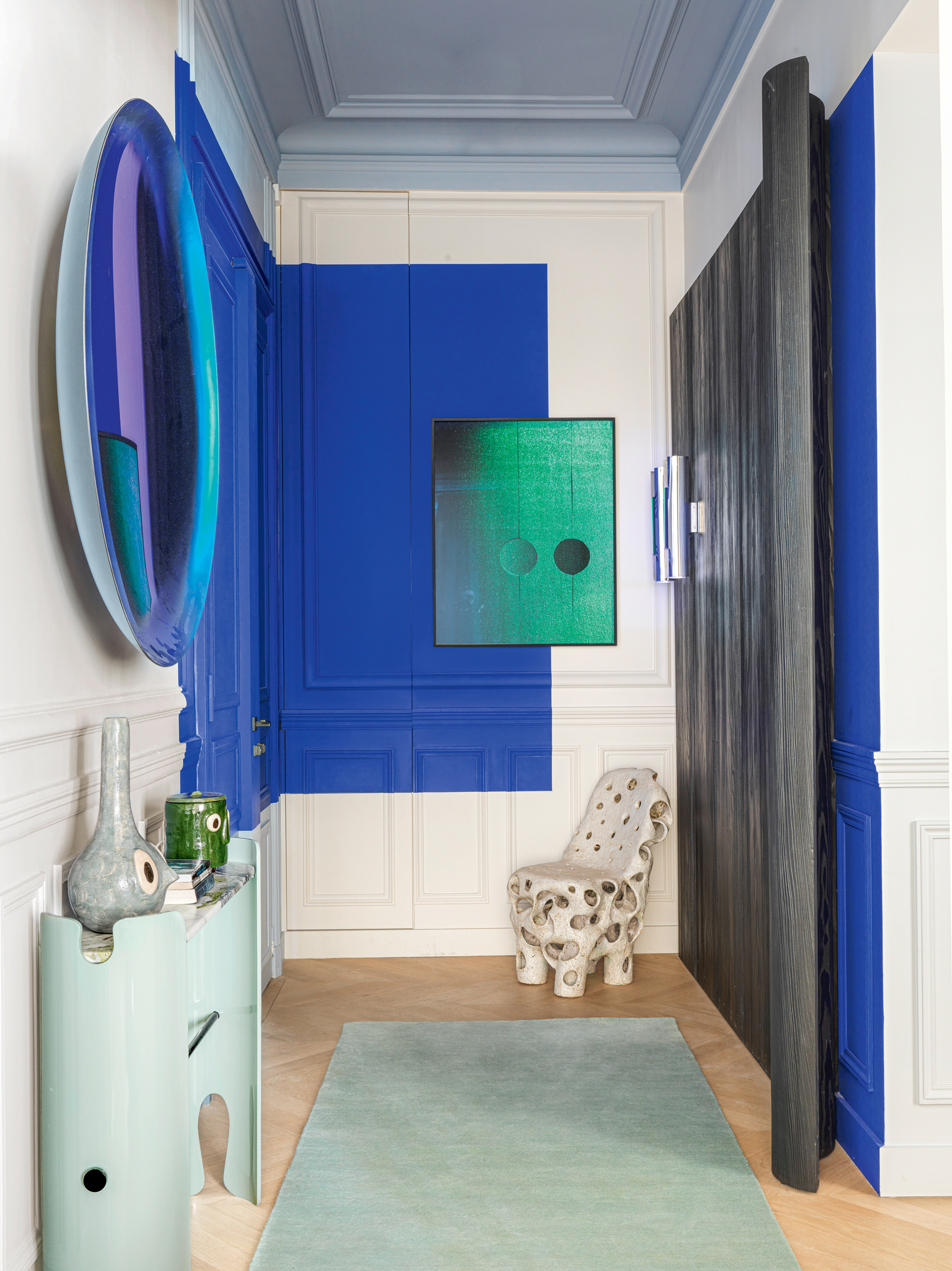
Wainscoting is highly adaptable and can be painted to match or contrast with the wall color, enhancing its decorative impact. Painting it the same hue as the wall helps it blend seamlessly, while a contrasting shade can make the wainscoting a focal point. Like other wood products, wainscoting can be sanded to smooth surfaces or prepare it for new paint or stains. While it can withstand occasional water splashes in areas like bathrooms or kitchens, prolonged water exposure can cause warping or rot. For outdoor applications, appropriate sealants and exterior-friendly paints are necessary to ensure durability and prevent damage.
#Wainscoting #HomeRenovation #DIYProjects #InteriorDesign #ArchitecturalDetails #WallPanels #HomeImprovement #DesignStyles #Wainscoting #HomeRenovation #DIYProjects #InteriorDesign #ArchitecturalDetails #WallPanels #HomeImprovement #DesignStyles
0 comment in total
 No comments yet
You may also like
5 wall decor ideas perfect for renters and DIY lovers
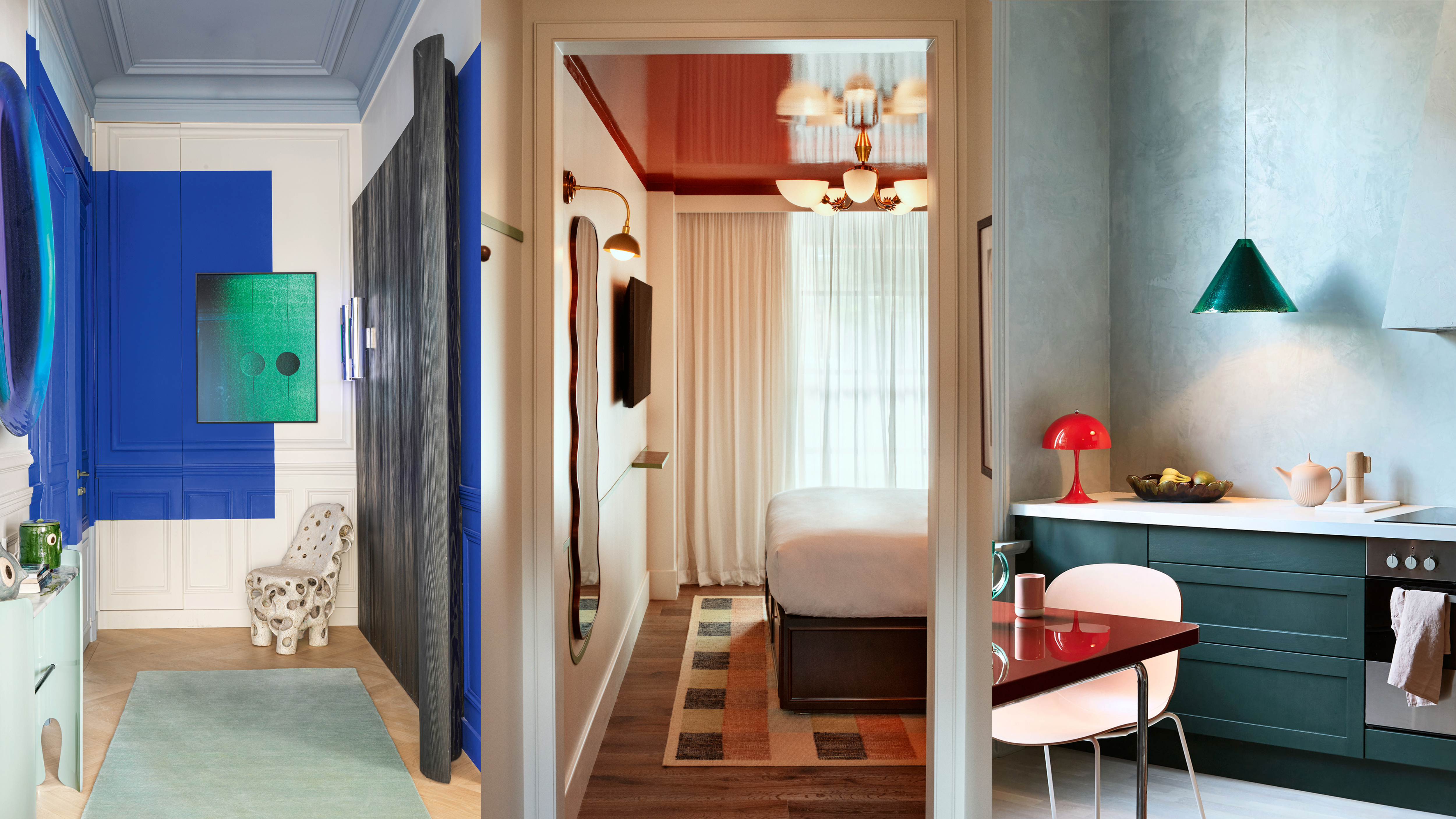
What are the best paint techniques for walls? 11 inventive effects that go beyond basic


How to install wooden panelling

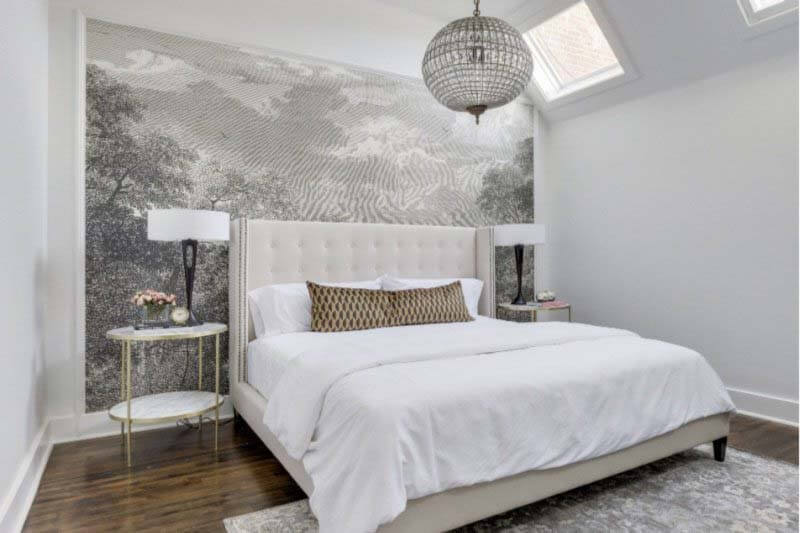
5 Amazing Statement Walls Done Right

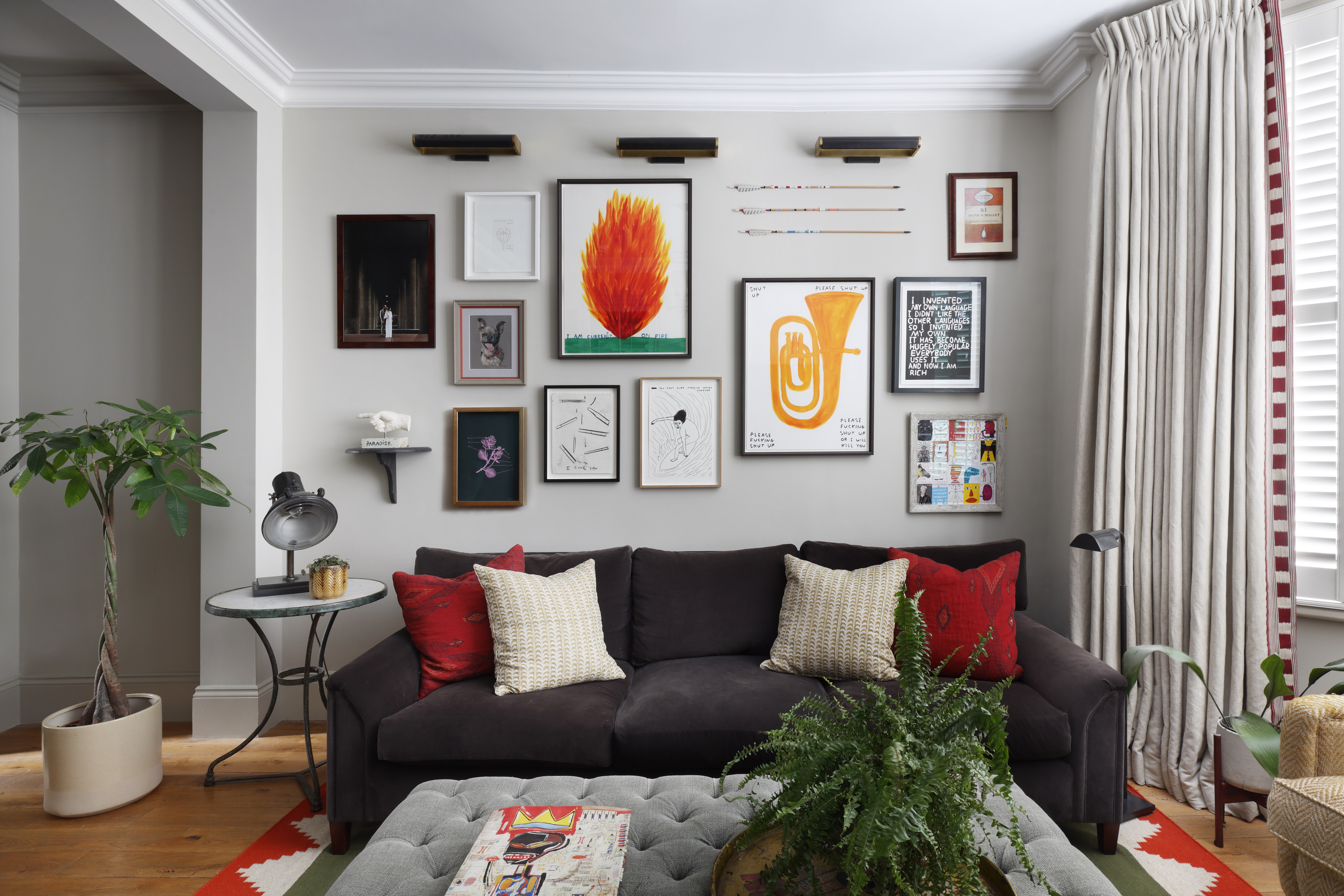
5 Renter-Friendly Ways to do Wall Decor — Add Personality to Your Home, Without Ruining the Walls

21 Wall Art Ideas That Will Give Your Home Some Major Personality
9 stunning alternatives to painting your walls

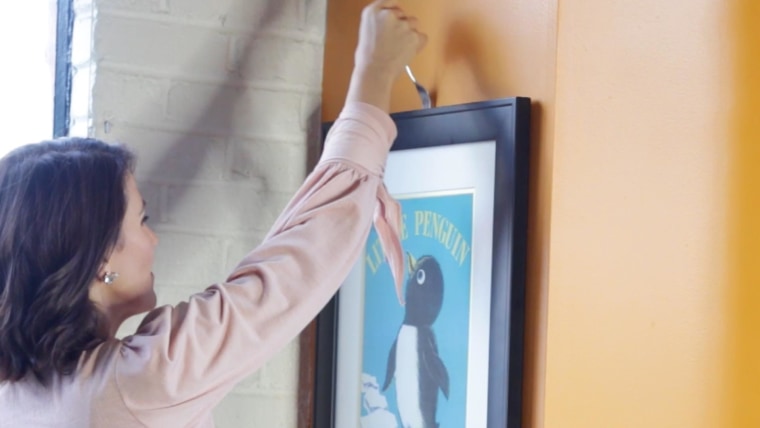
How to hang wall perfectly: Use a fork

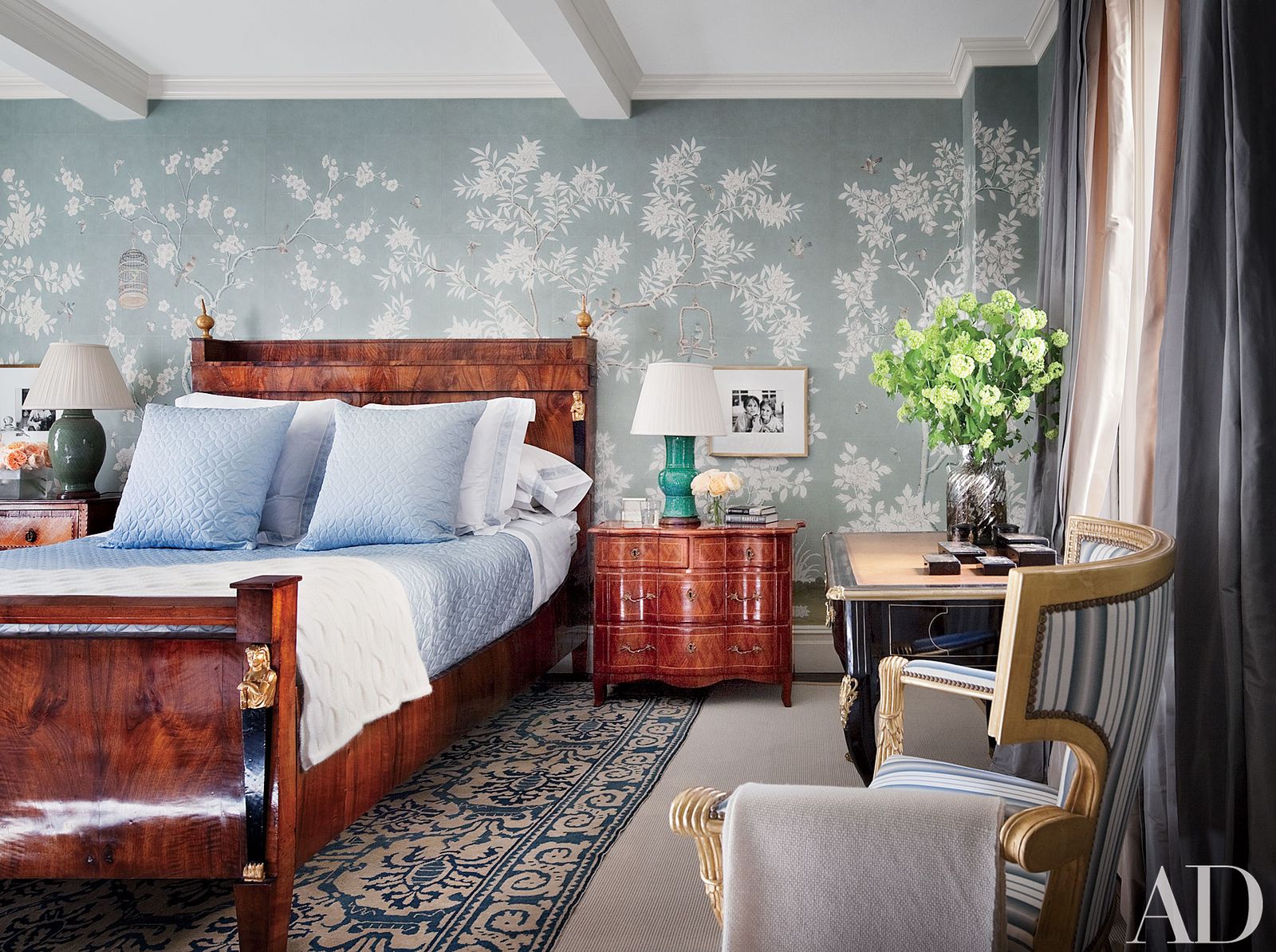
9 Designer Wall Treatments That Will Reinvent Your Interiors

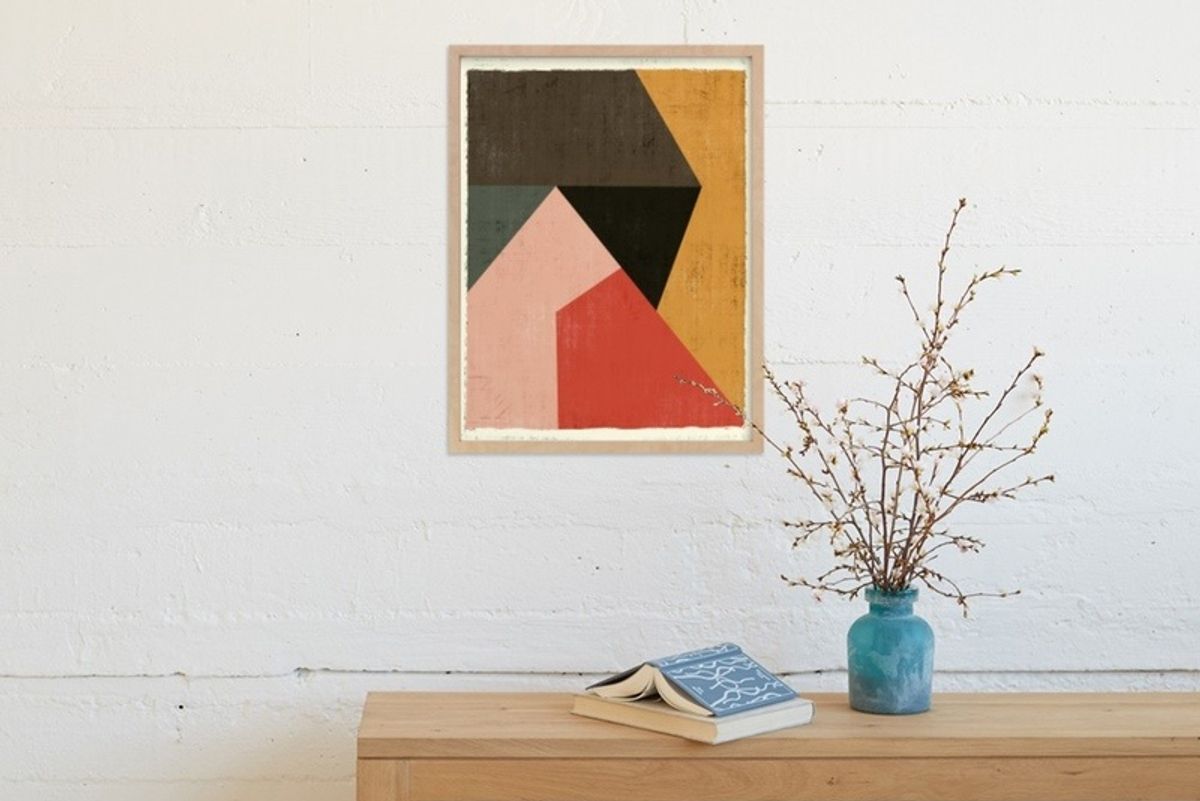
34 Creative DIY Wall Art Ideas to Decorate Your Space

How to texture a wall – 5 expert methods for intriguing wall textures

6 ways to fake wall panelling and create the sought-after look on a budget
25 Ways To Transform Your Boring, Empty Walls Into Something You'll Actually Want To Look At
How to Paint a Wall Mural Even If You’re Not an Artist

4 DIY Muralists on How They Turned Bare Walls Into an Artistic Moment

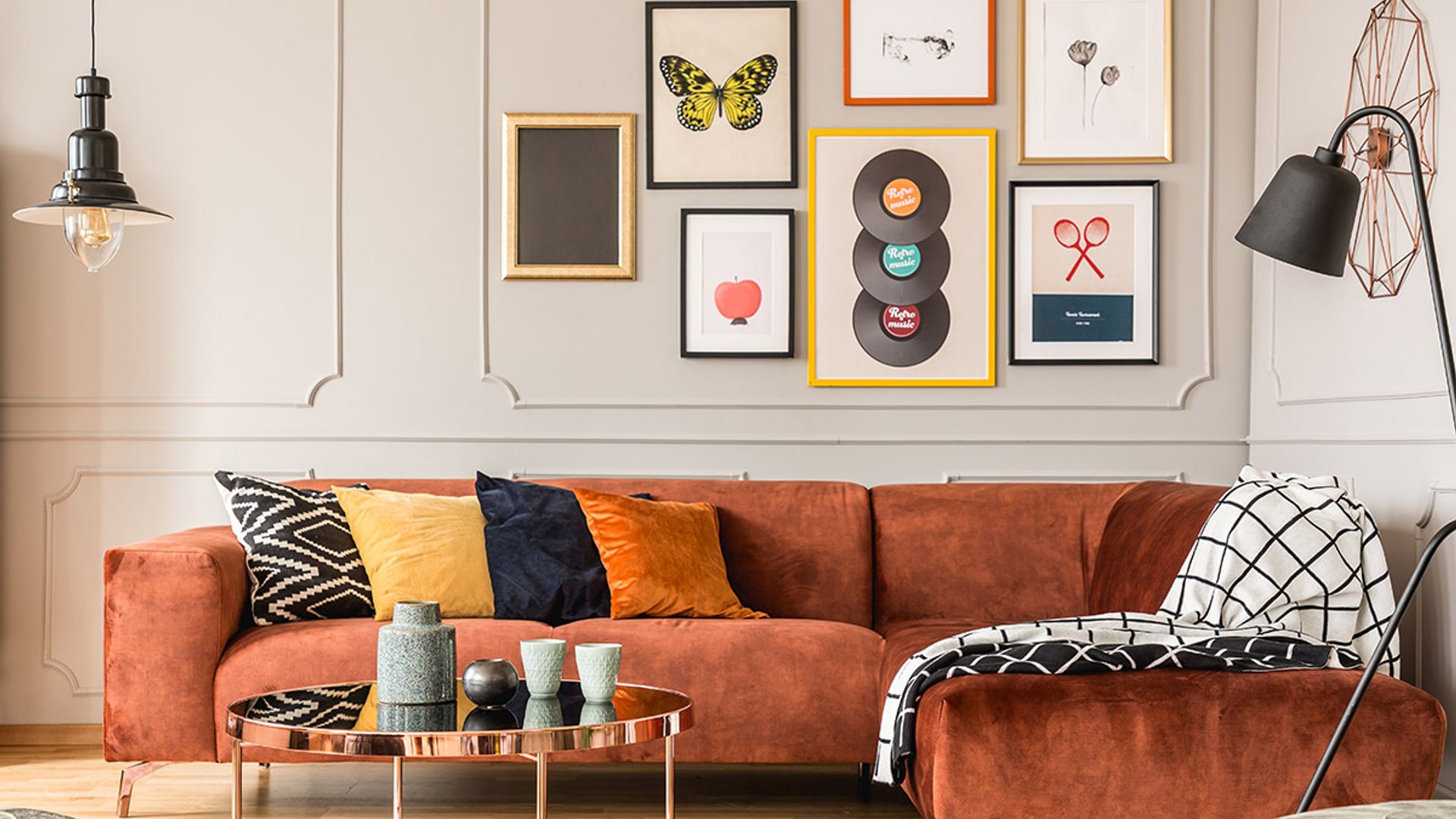
19 wall art ideas that will transform your bare walls into a work of art

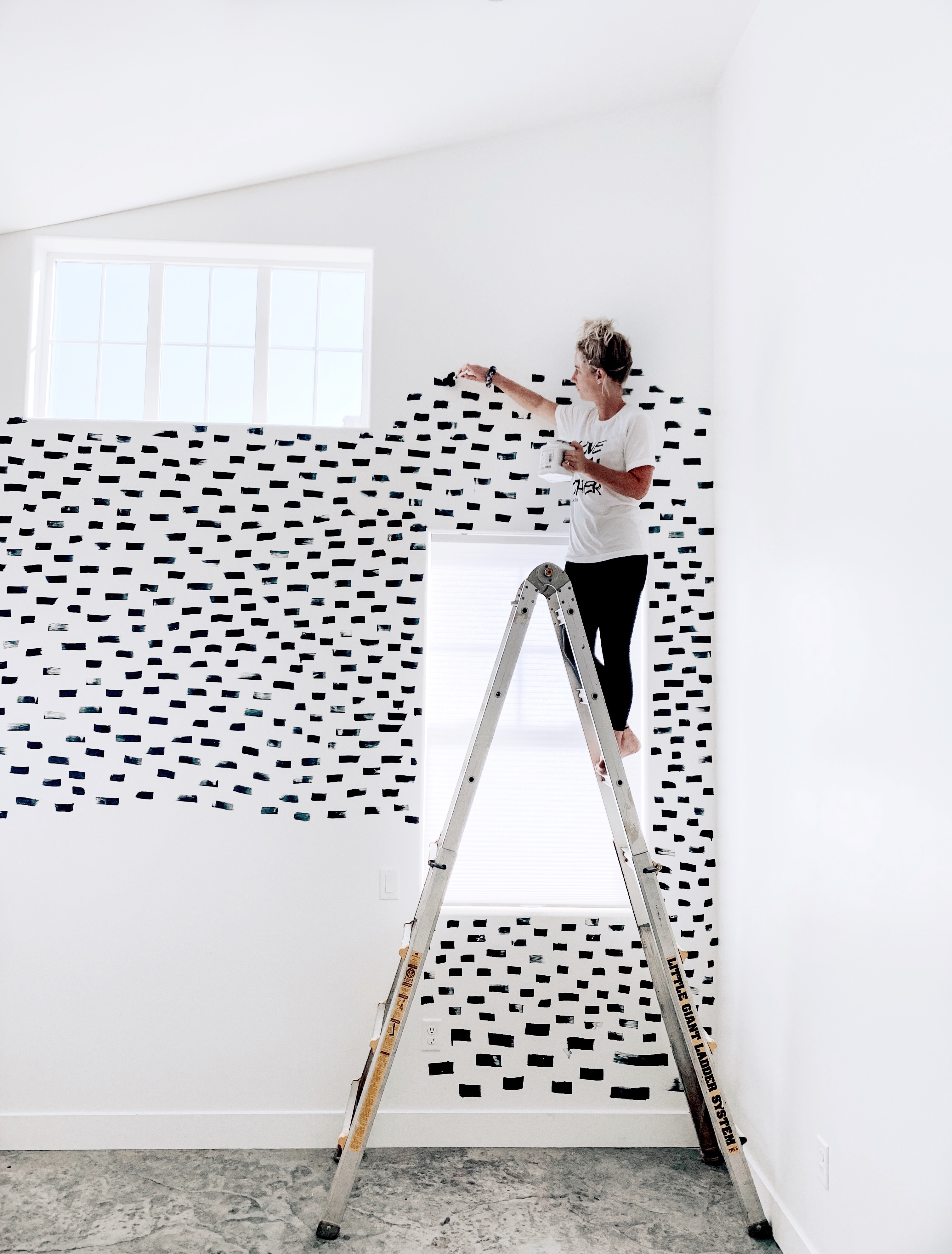
Painting Your Walls Freehand Is Incredibly Liberating

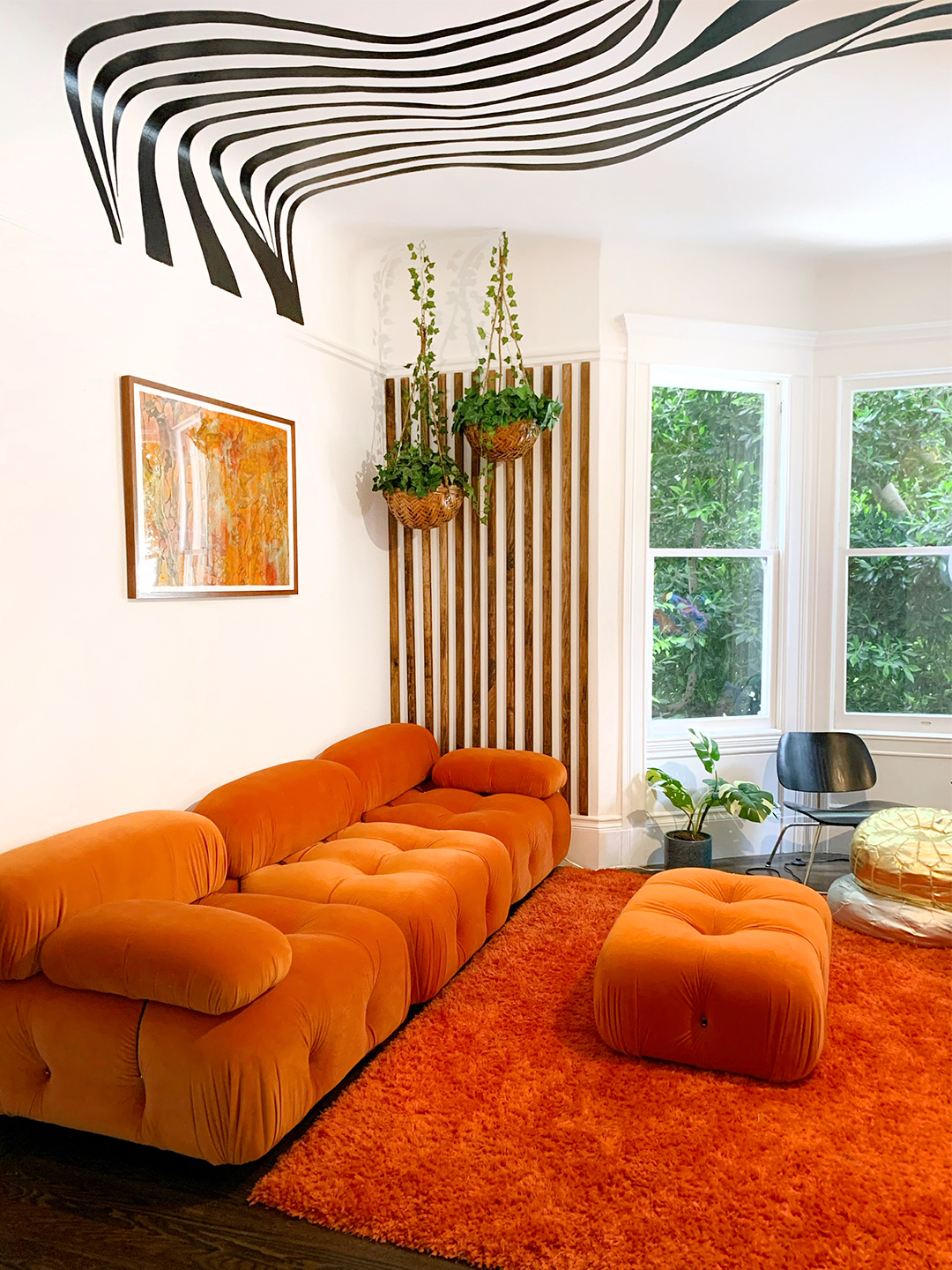
7 Wall Murals In, This DIYer’s Top Paint Tip Is to—Gasp!—Not Use Tape

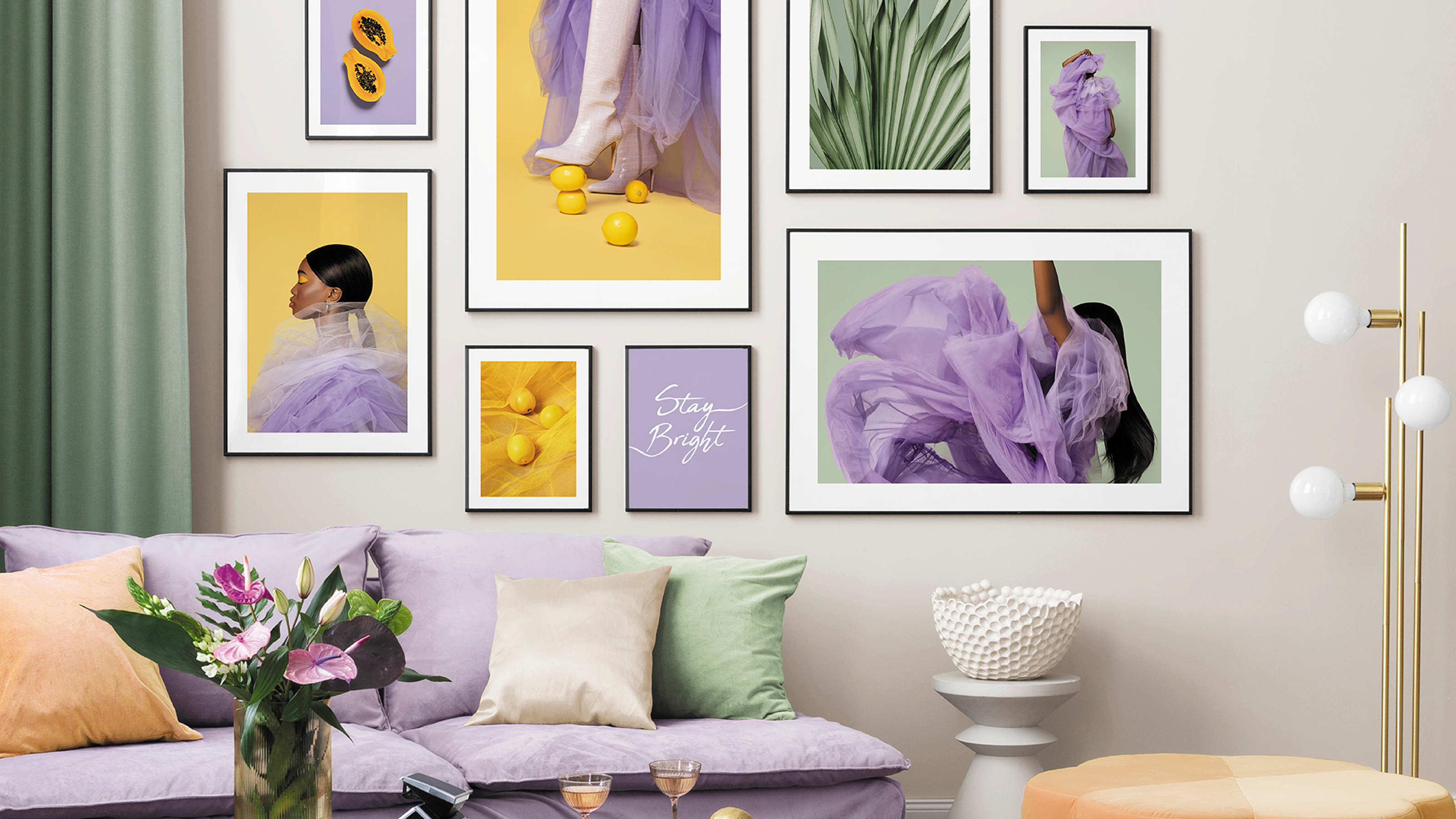
21 living room wall ideas to stylishly decorate a blank space

9 Painted Wall Mural Ideas to Brighten Any Room