1/3
This fan direction trick will cool your room down more quickly – according to the pros
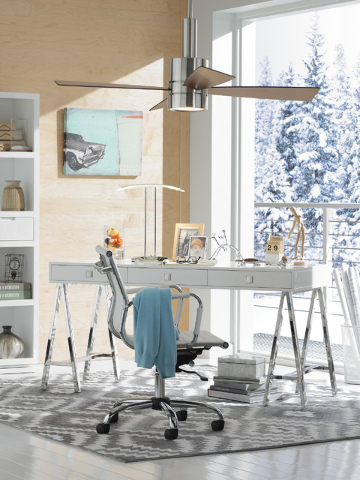
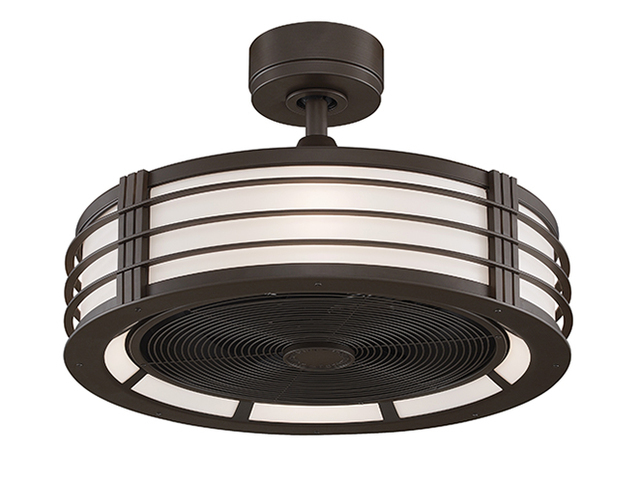
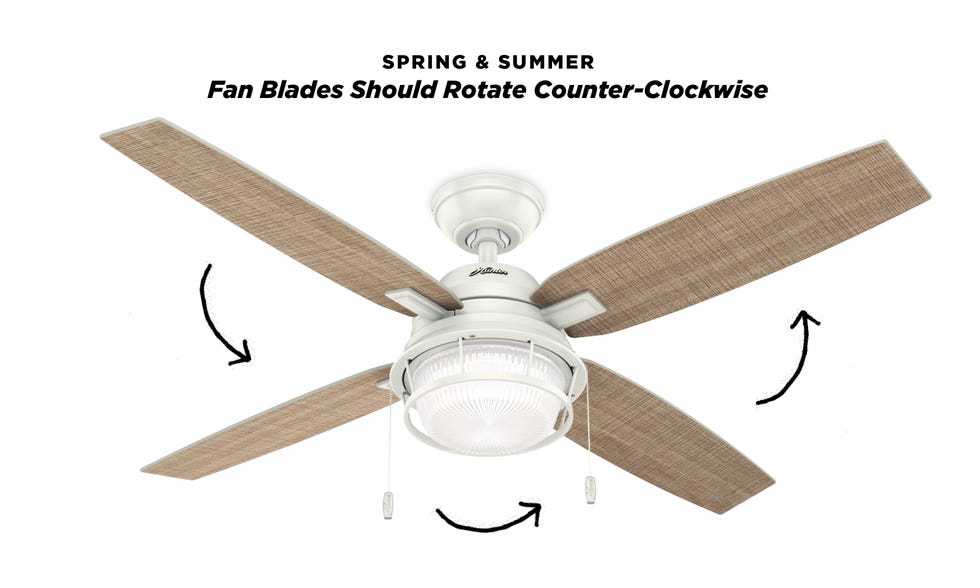
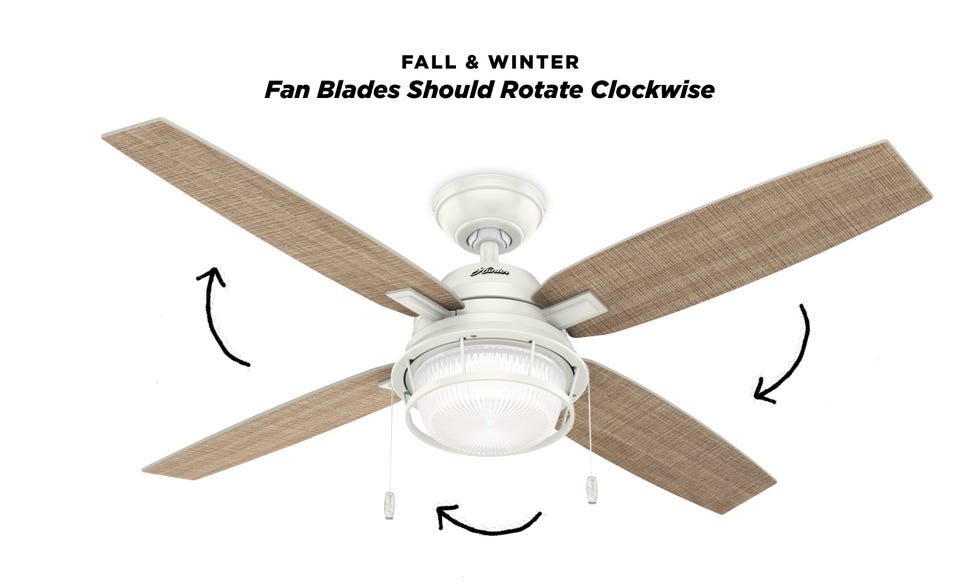
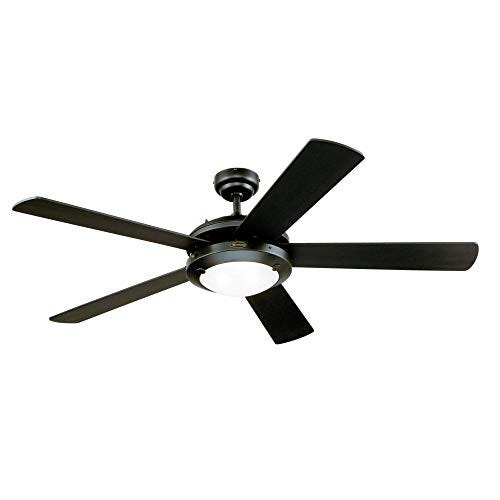
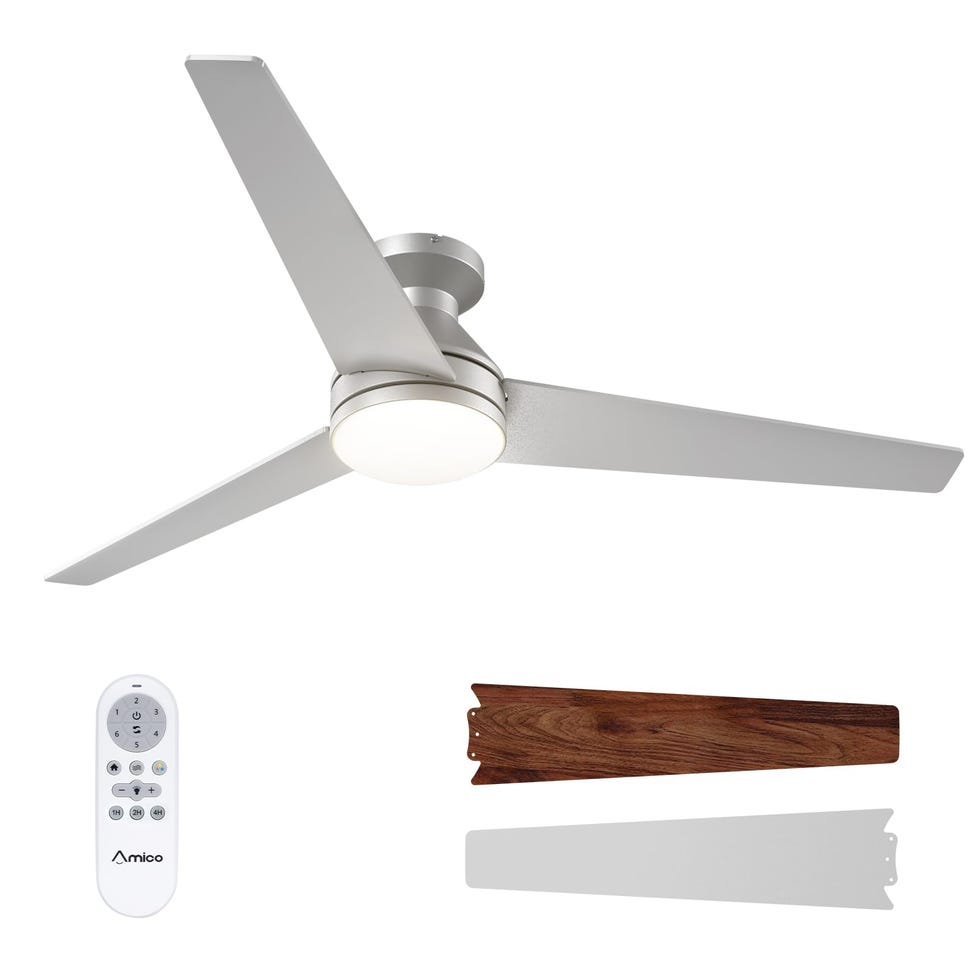
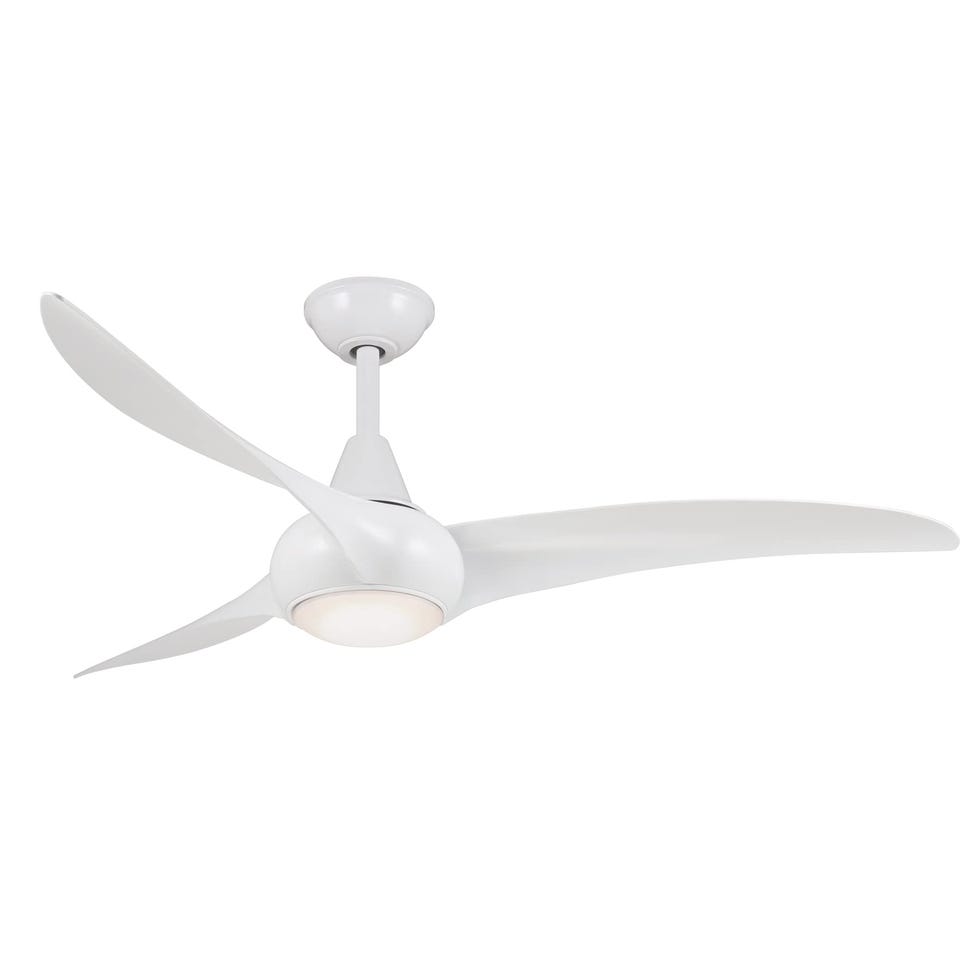
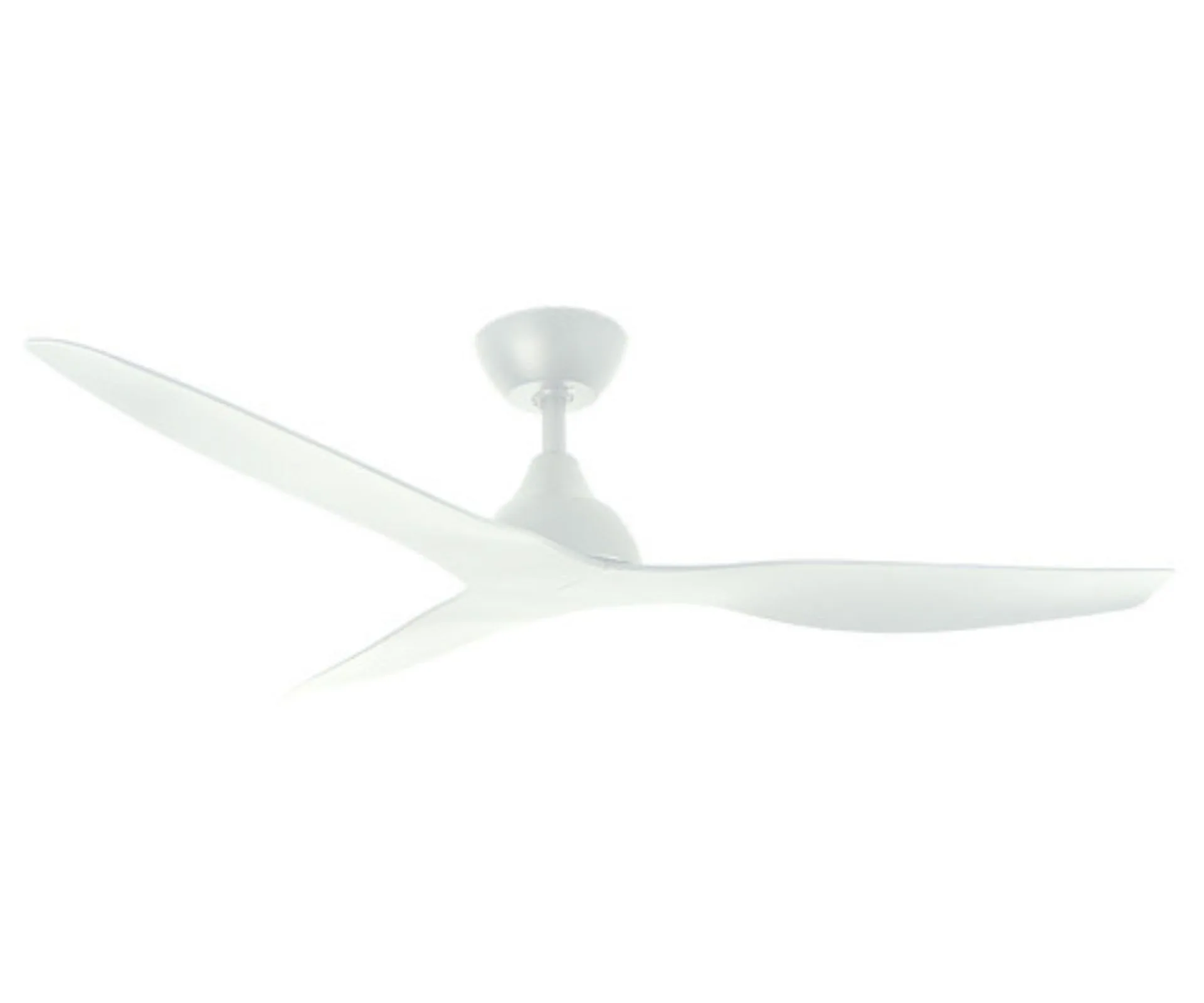
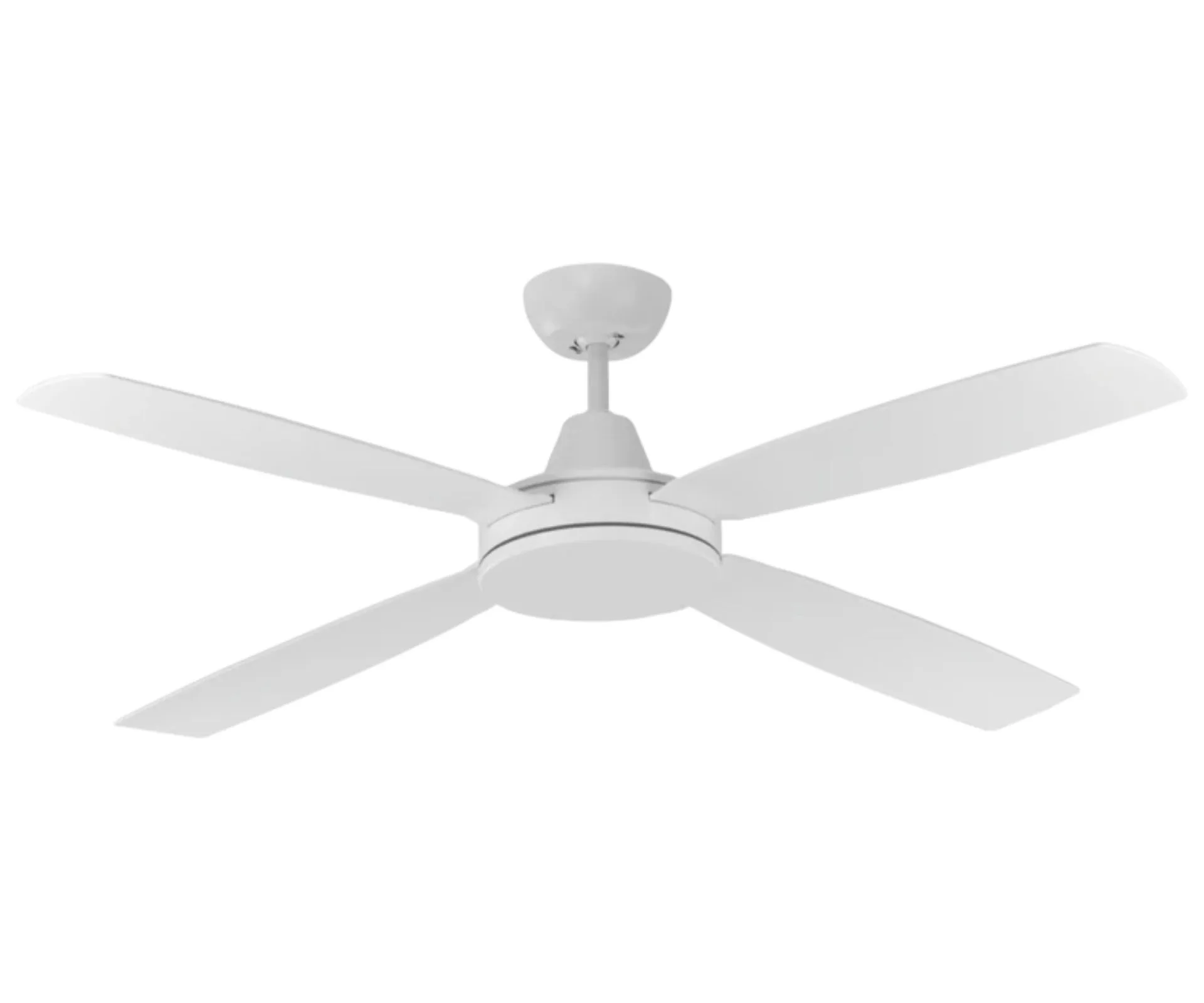
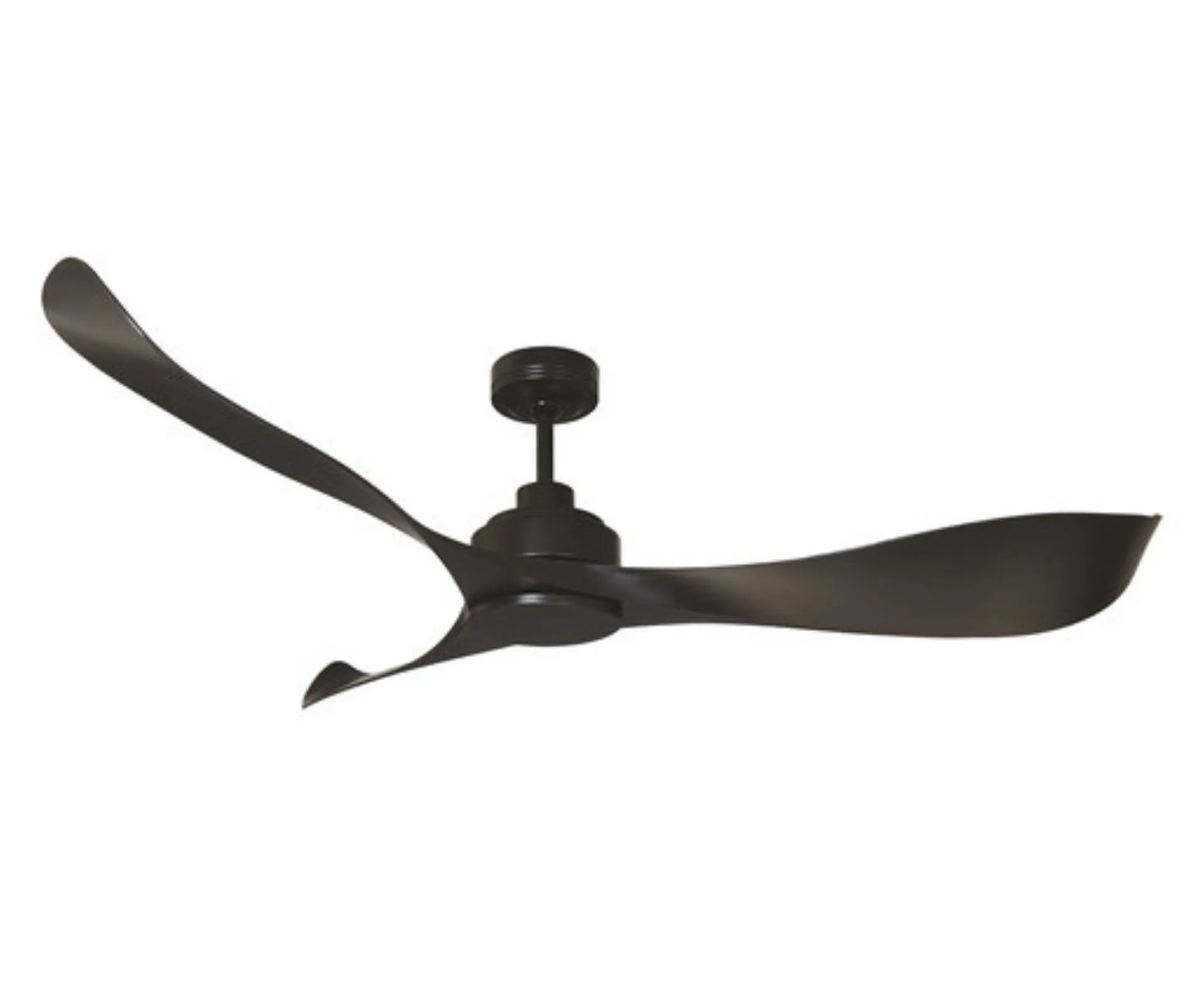
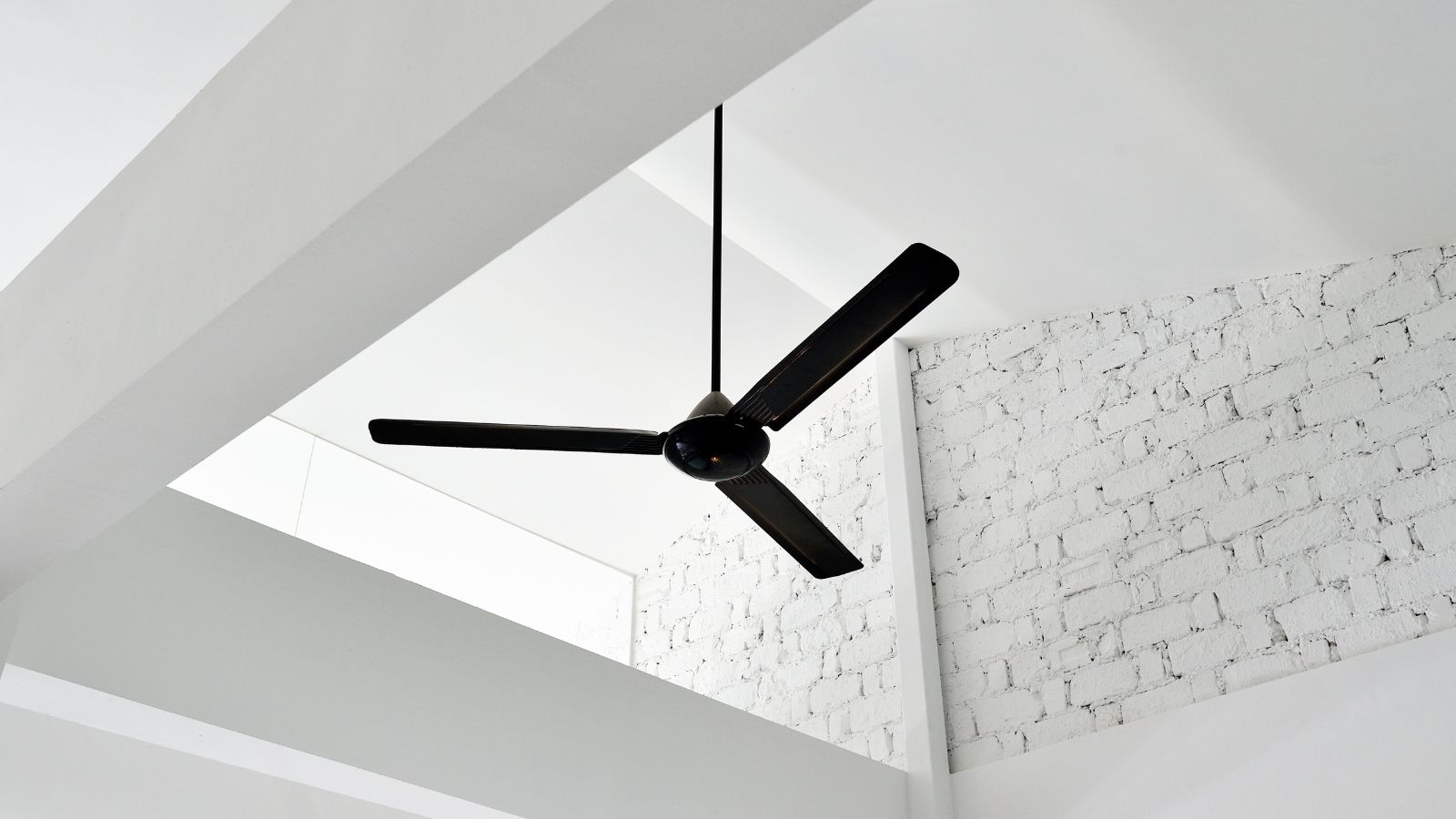
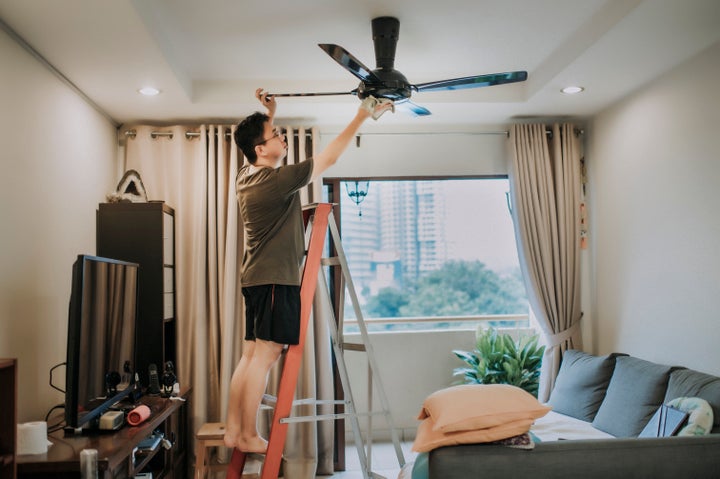
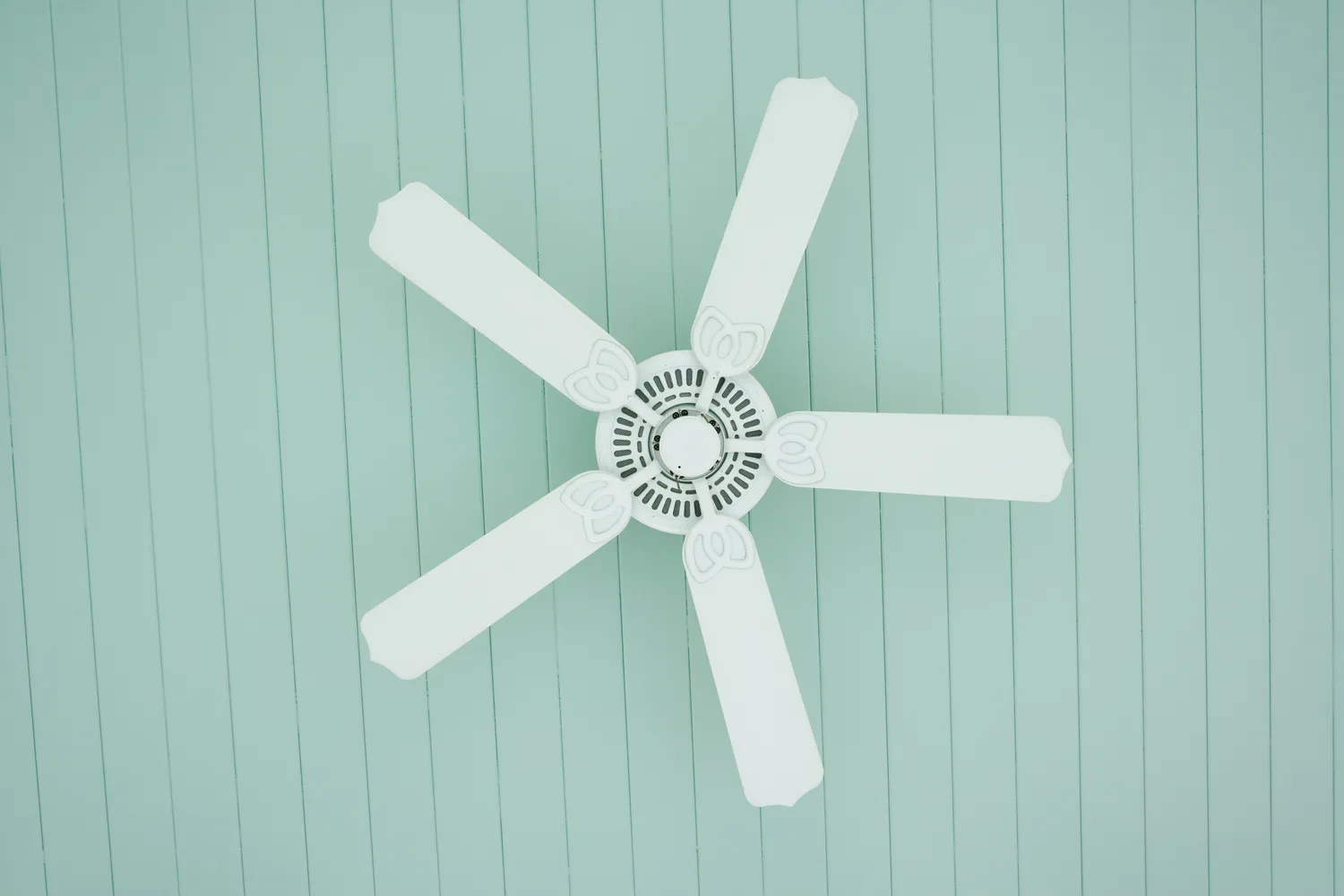
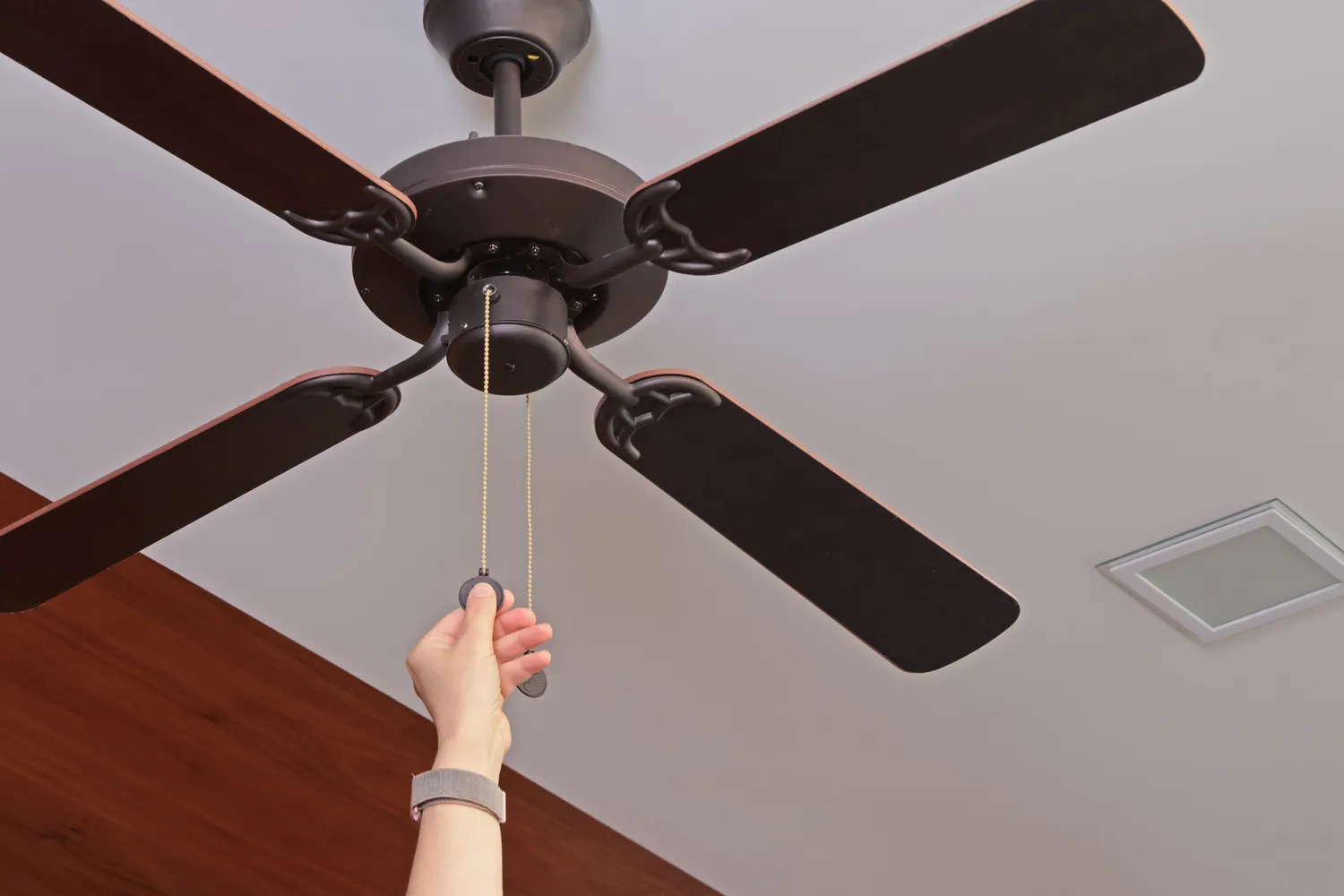
A fan is not the most effective method for cooling a room compared to other techniques, but a simple adjustment to its blade direction can significantly improve its efficiency. This modification primarily applies to ceiling fans rather than standing units. Heating and cooling experts explain that setting ceiling fan blades to rotate counter-clockwise in the summer pushes cool air downwards, creating a wind-chill effect. This can make a room feel up to eight degrees colder for those directly underneath the fan.
Lane Dixon, Vice President of Operations at Aire Serv, highlights that this counter-clockwise rotation can contribute to significant energy savings. While an air conditioning unit actively cools the air, a fan circulating air effectively can make occupants feel cooler without requiring the AC to be set to a lower temperature. This synergy can lead to up to 40% savings on cooling costs. However, it is crucial to understand that fans do not actually lower the room's ambient temperature. Instead, the moving air helps to evaporate moisture from the skin, enhancing the sensation of coolness.
Dan Mingle, Vice President at Sanders & Johnson, further clarifies that the cooling effect of a fan is localized, meaning it is primarily felt when a person is directly in its path or within close proximity. For comprehensive room cooling, he suggests combining air conditioning with a dehumidifier. A dehumidifier reduces oppressive humidity, making it easier for sweat to evaporate and thus improving the effectiveness of other cooling methods.
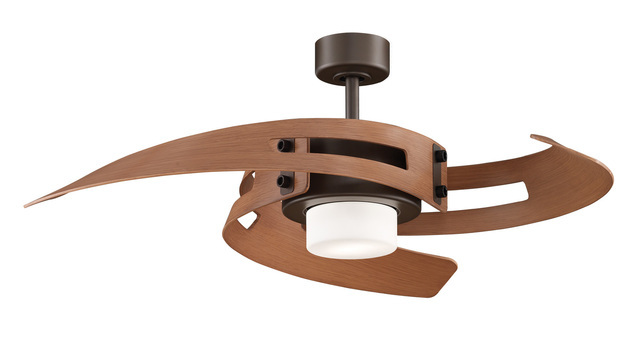
Adjusting the direction of fan blades is generally a straightforward process. For most bladed fans, there is a switch located on the motor housing. Before attempting to change the direction, it is essential to turn off the fan and ensure the blades have completely stopped spinning to prevent injury. While accessing the motor, it is also recommended to clean the fan blades to remove accumulated dust, preventing it from being dispersed into the air and potentially exacerbating seasonal allergies. The switch for blade direction is often labeled either by direction (e.g., left/right, clockwise/counter-clockwise) or by season (e.g., summer/winter).
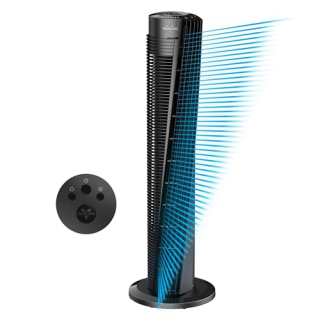
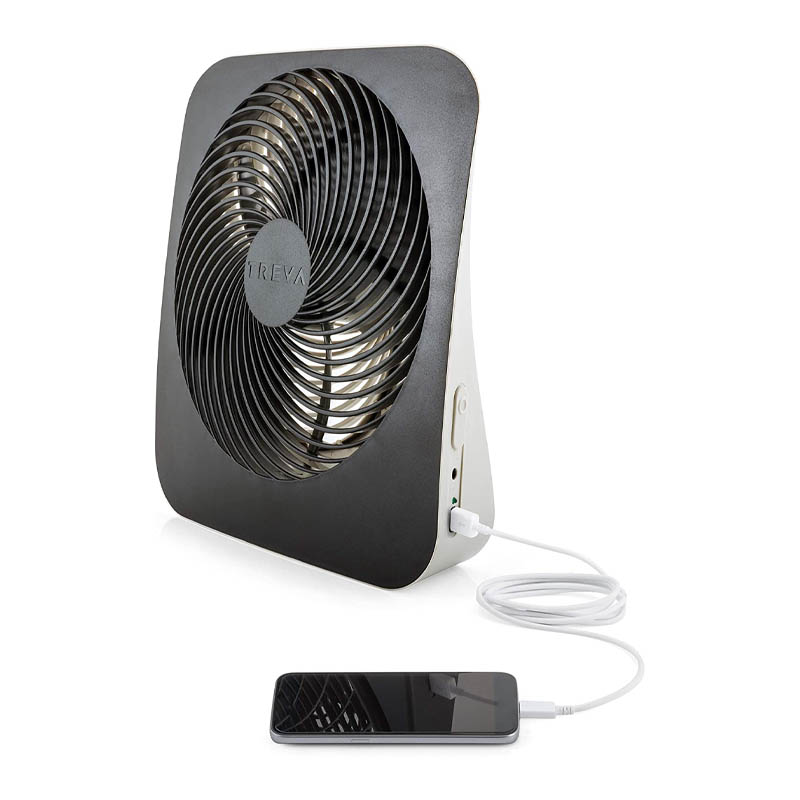
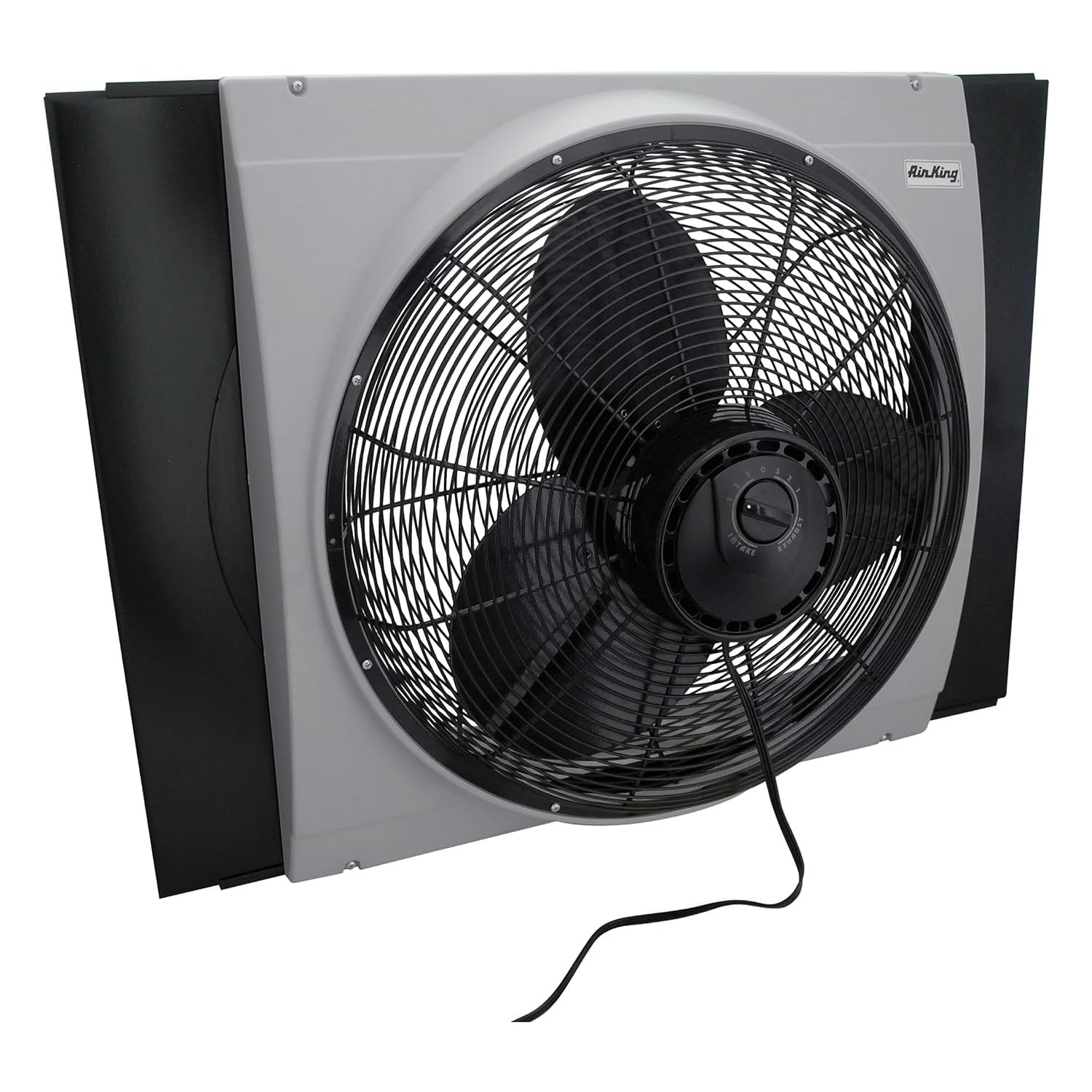
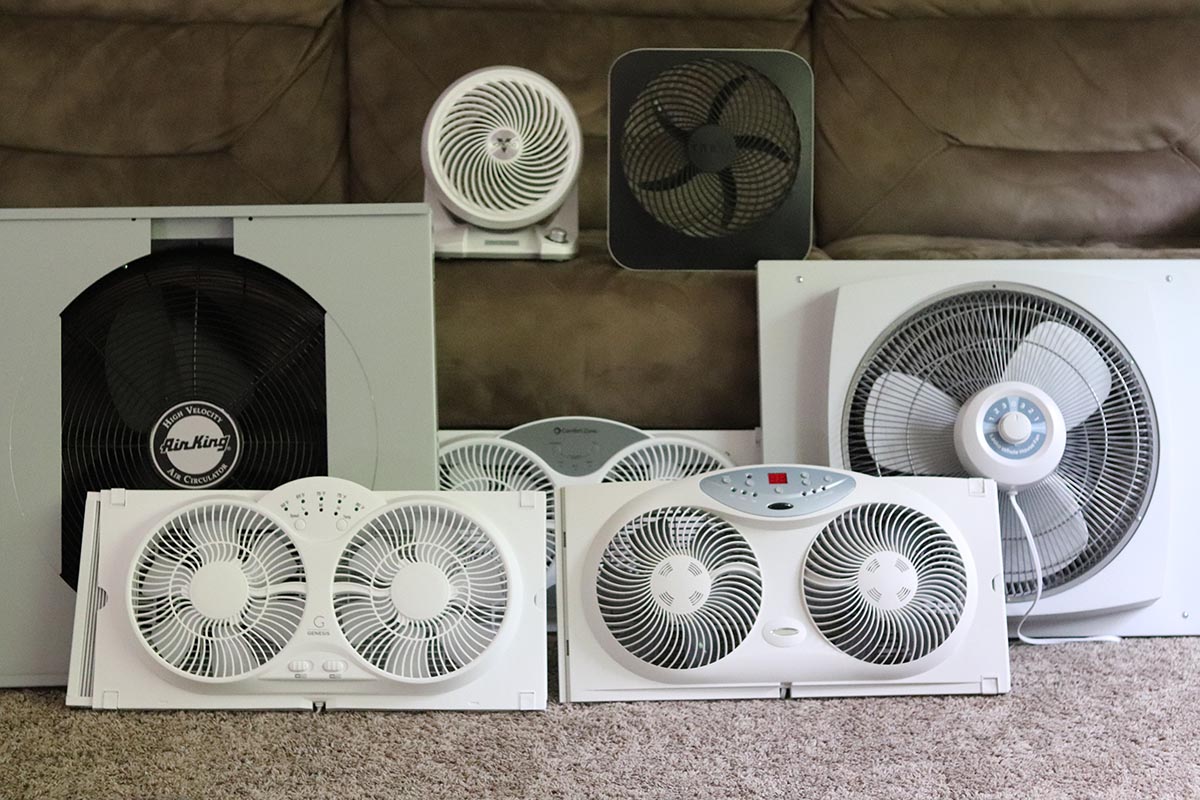
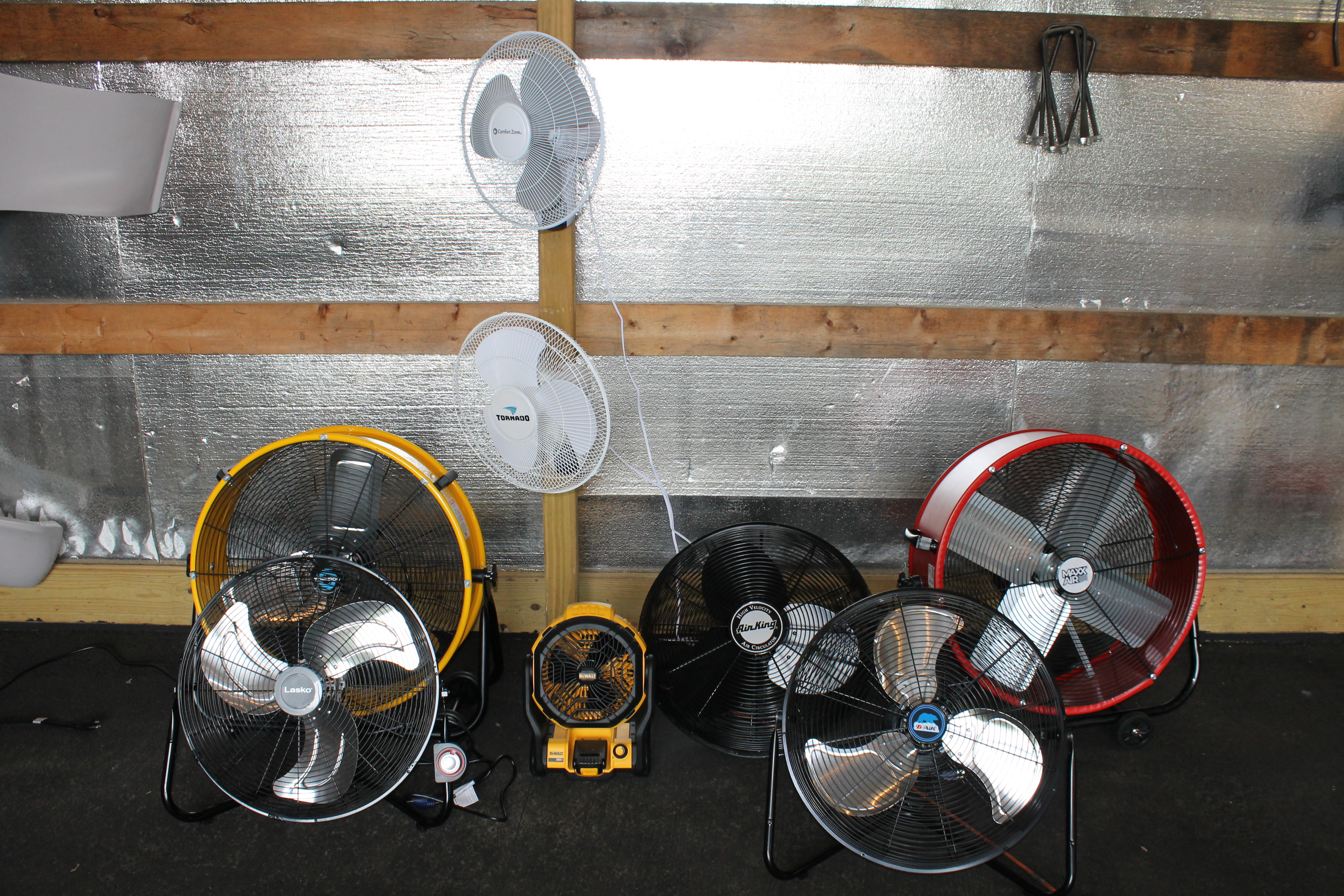
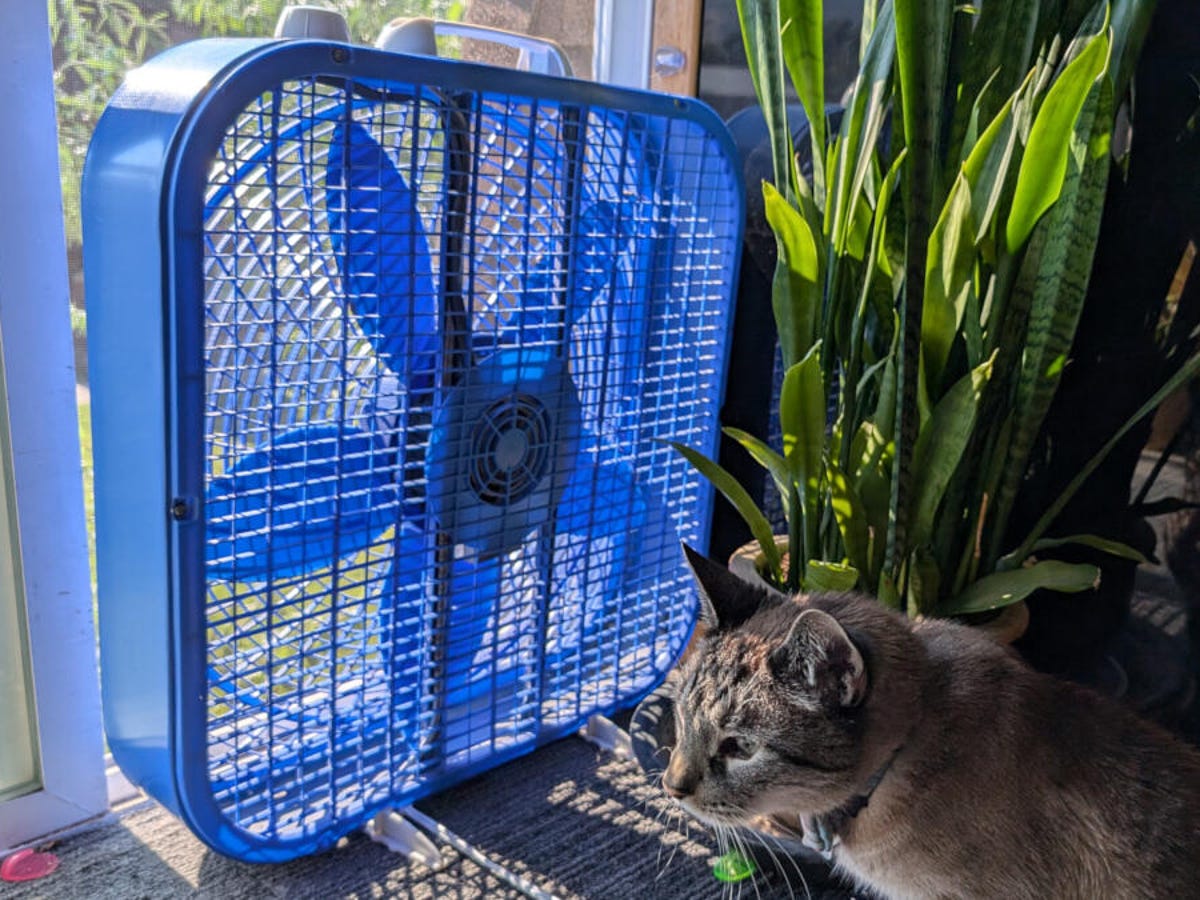
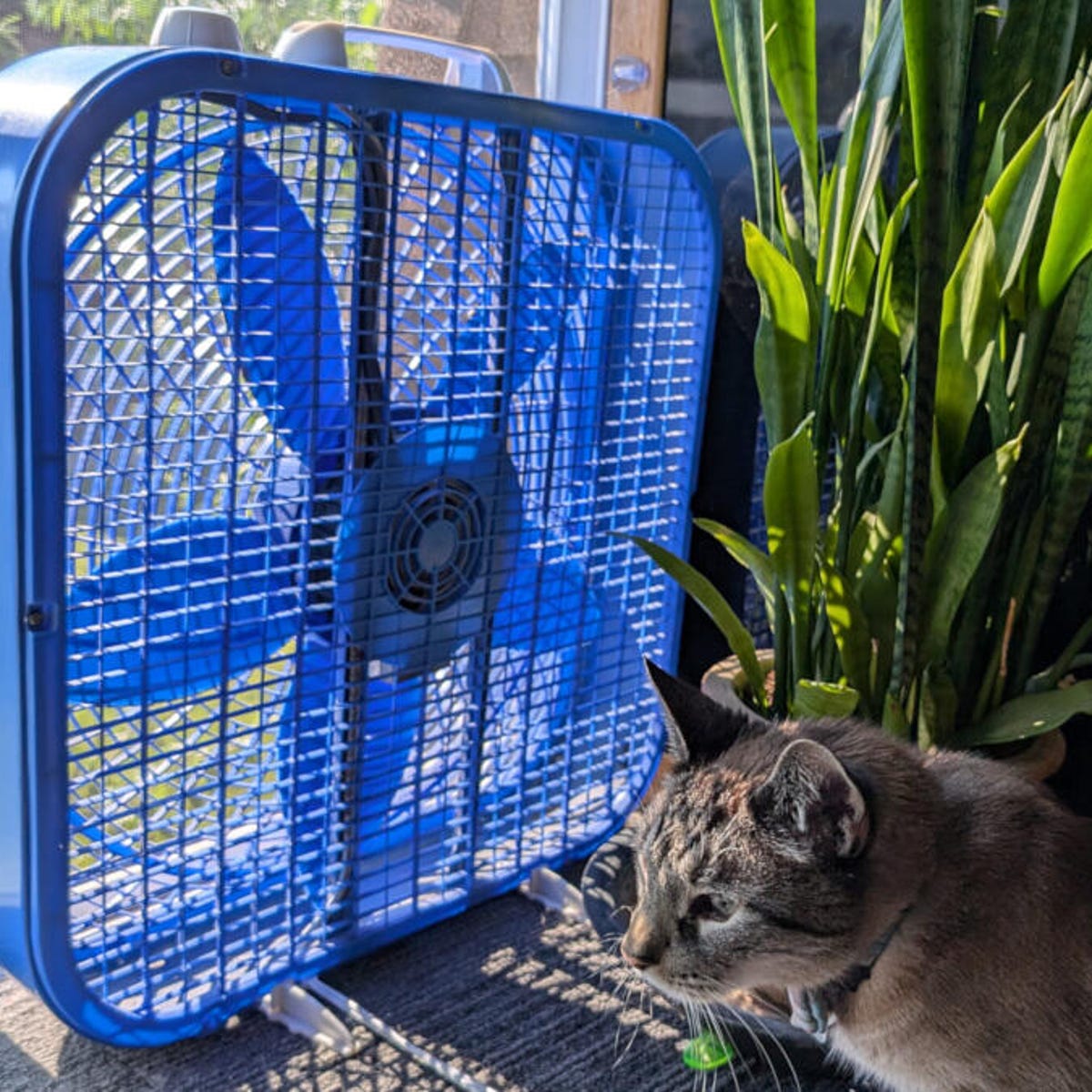
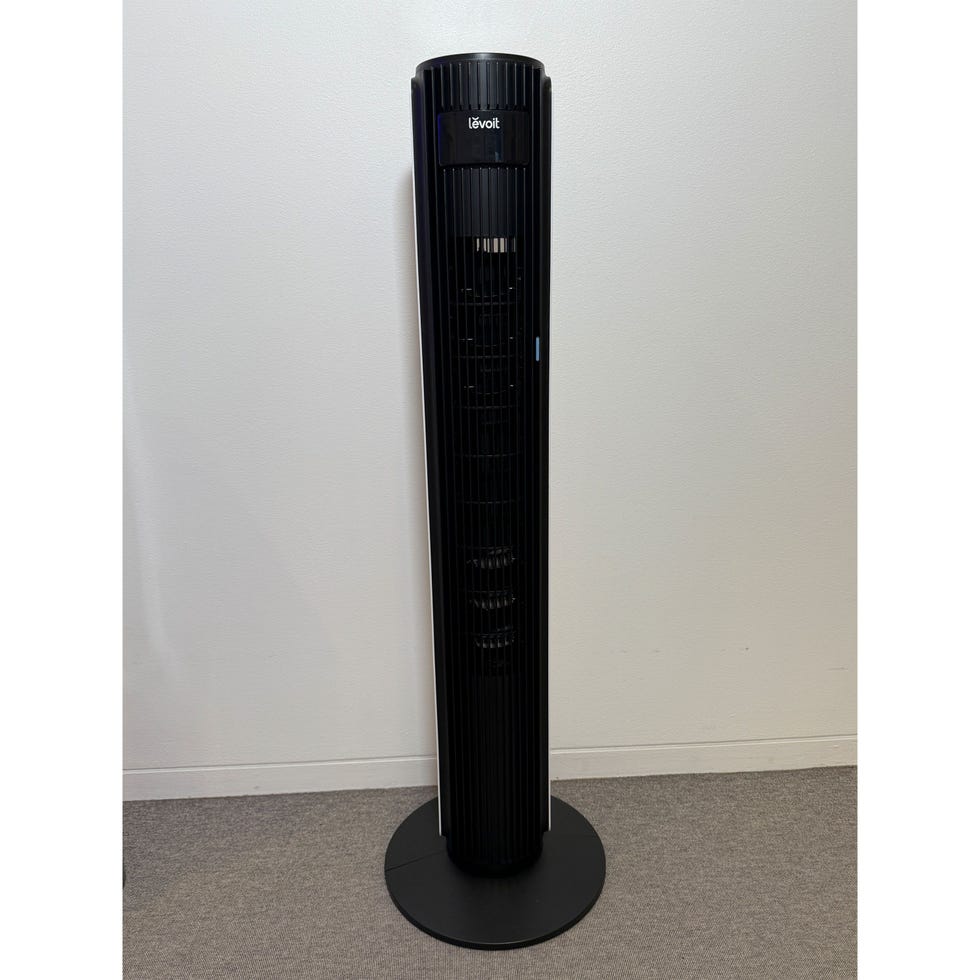
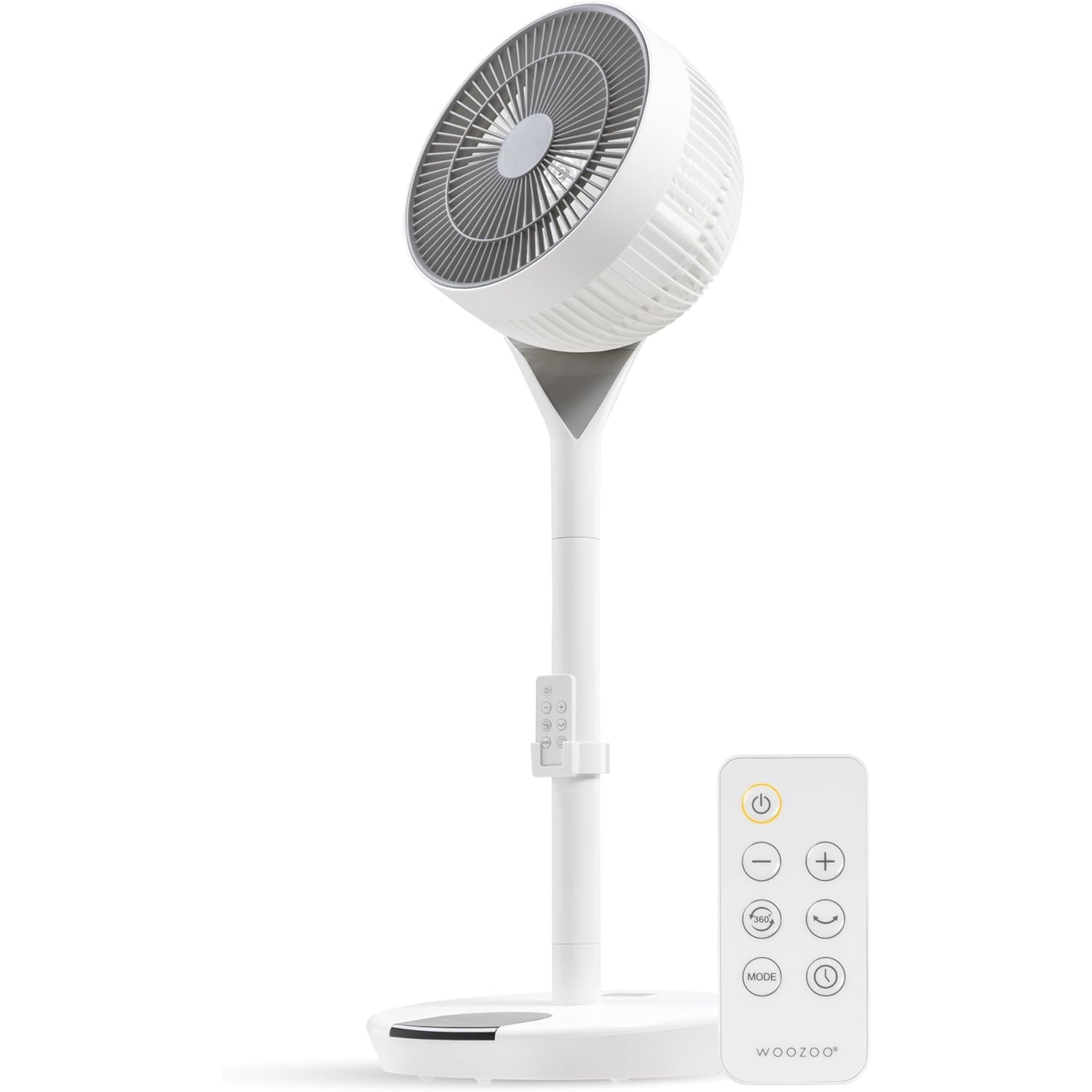
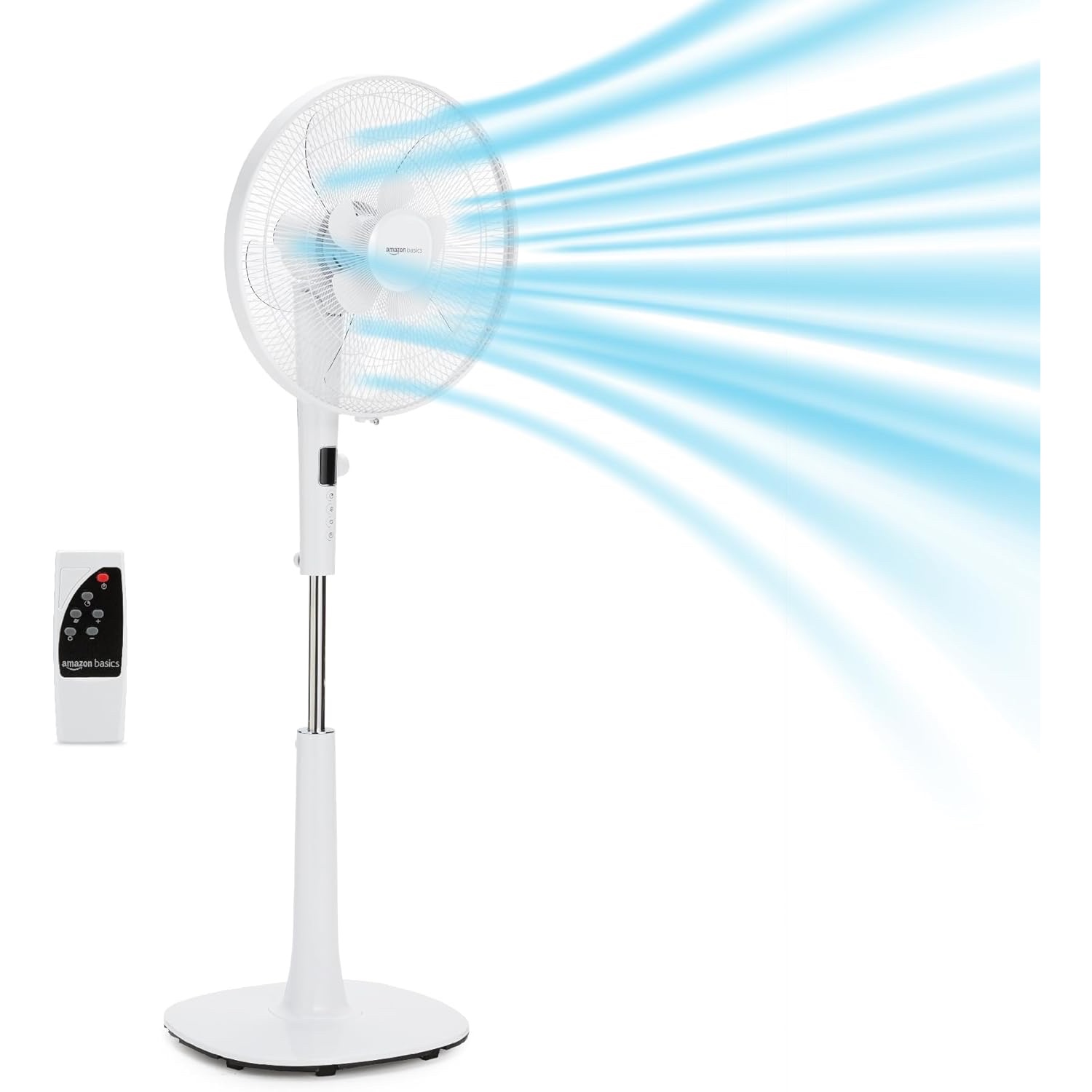
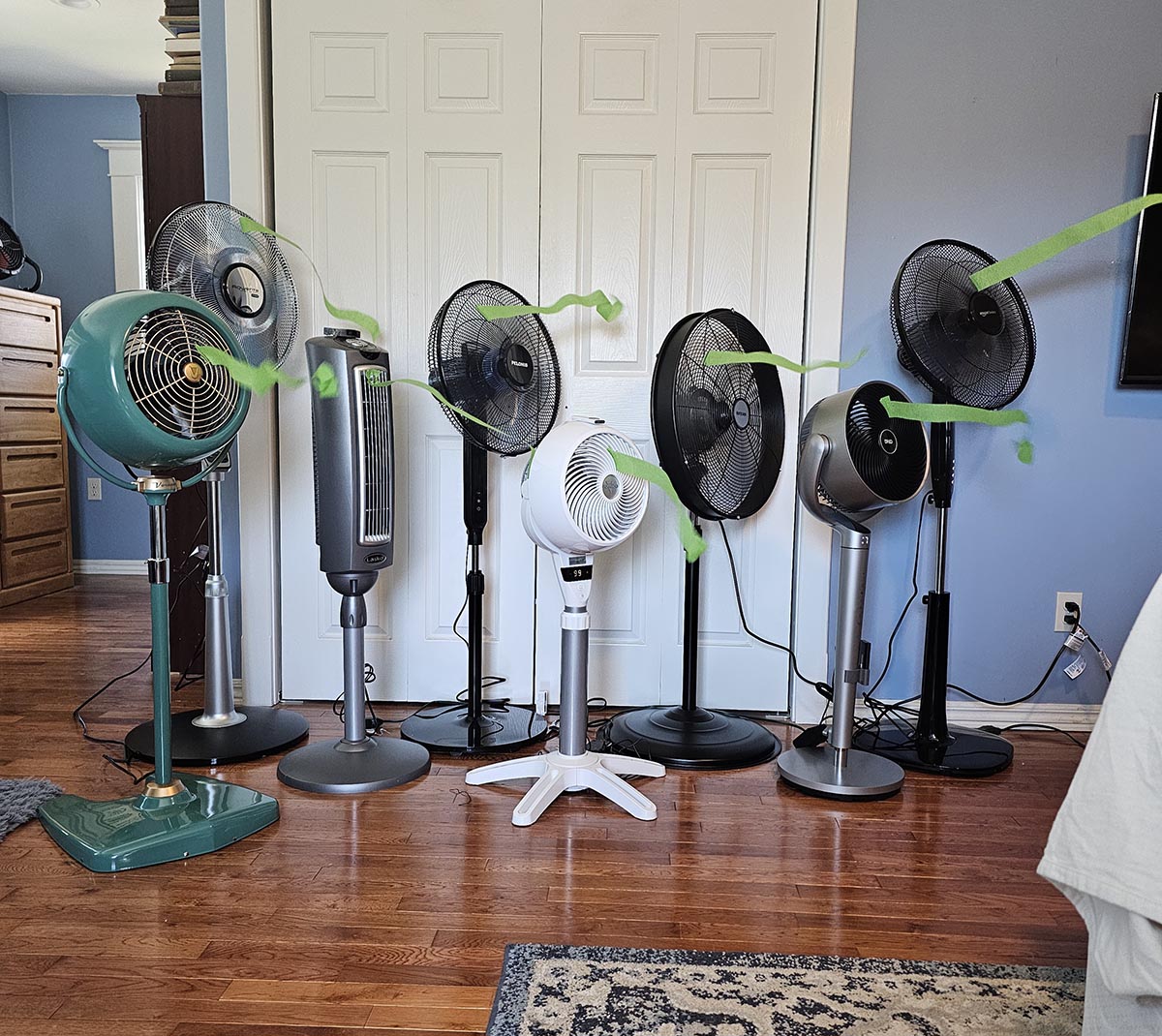
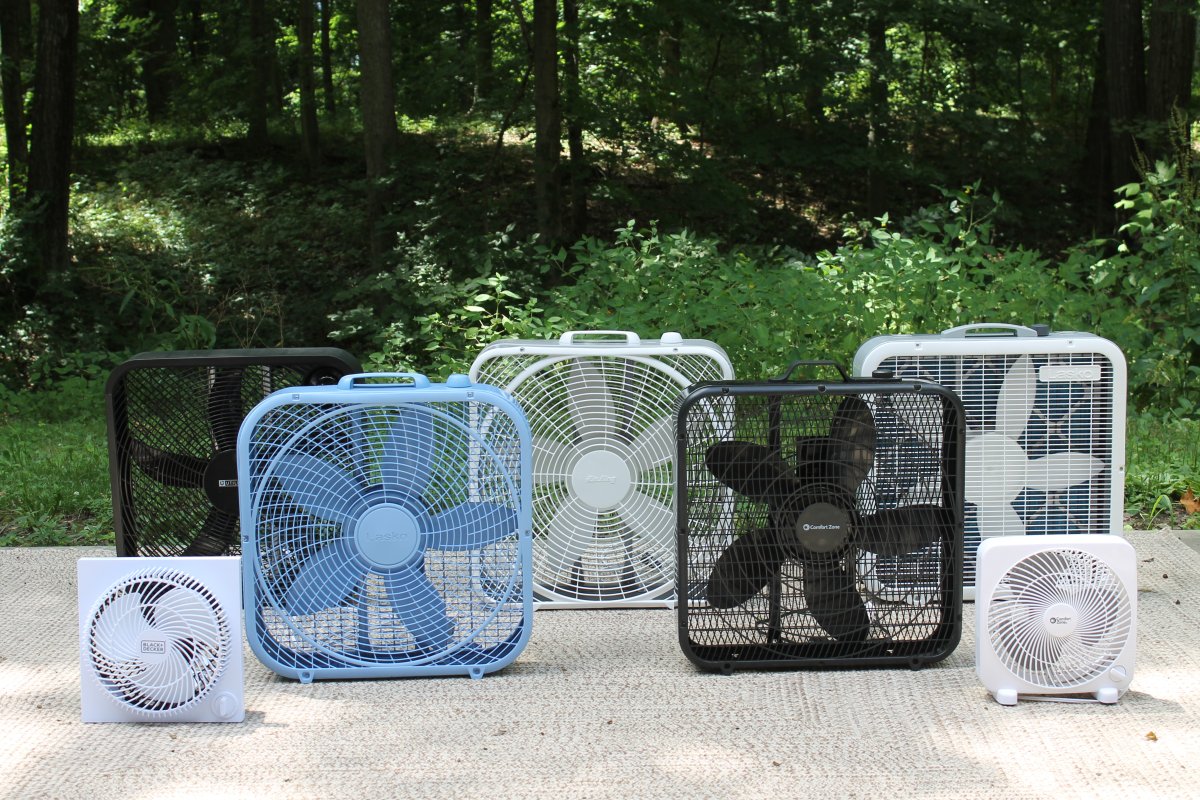
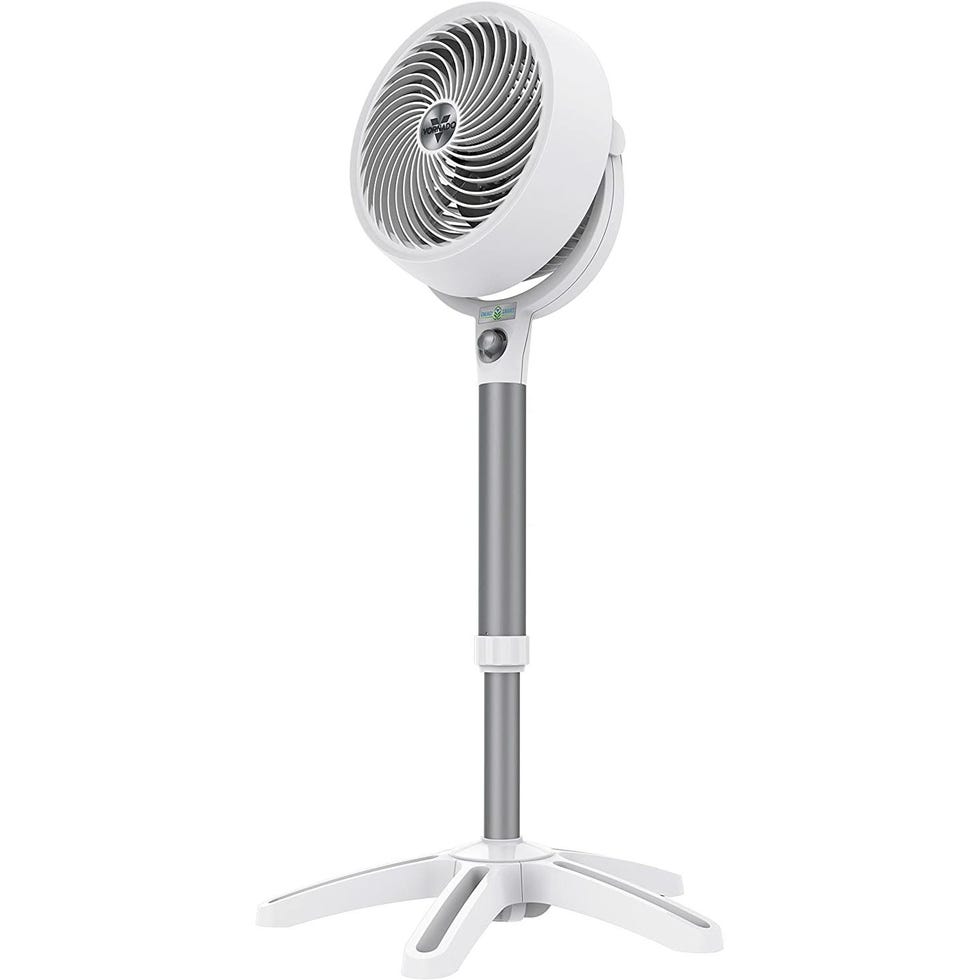
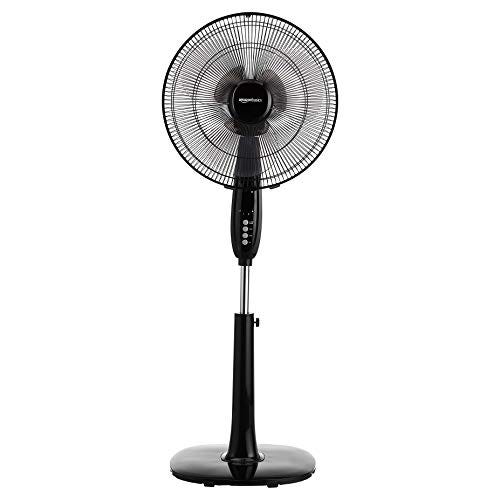
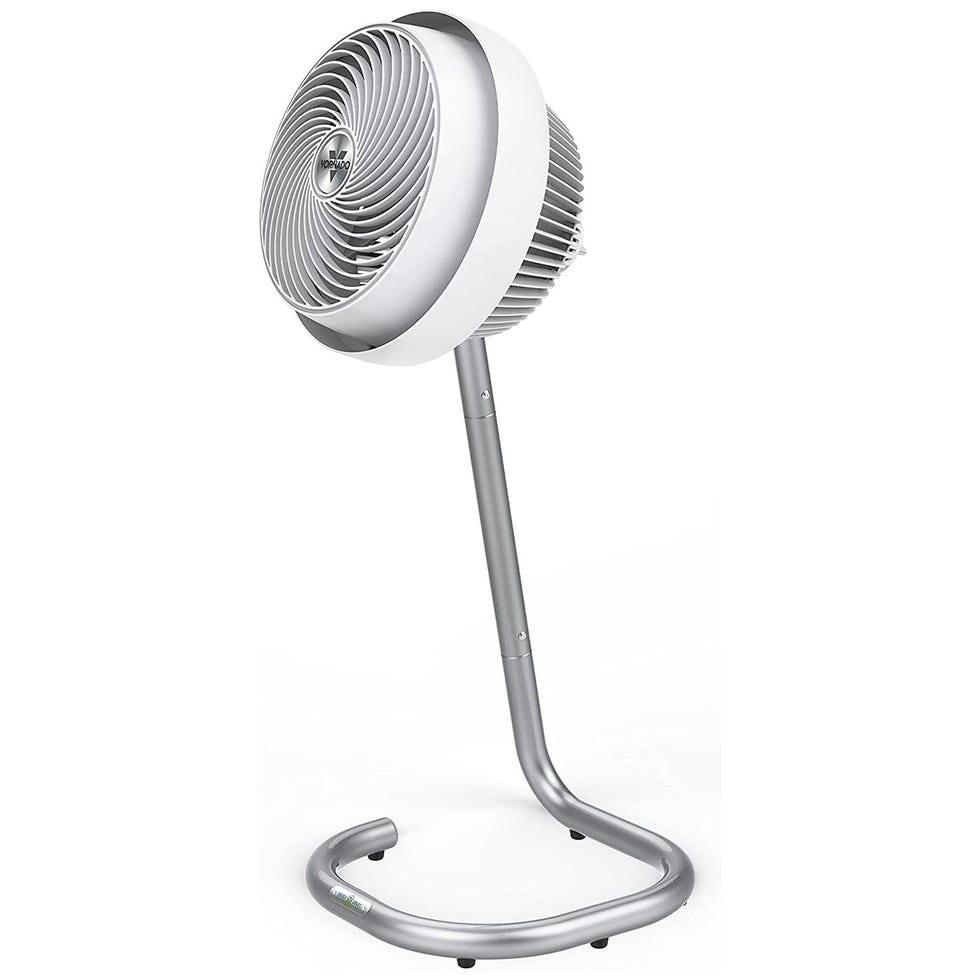
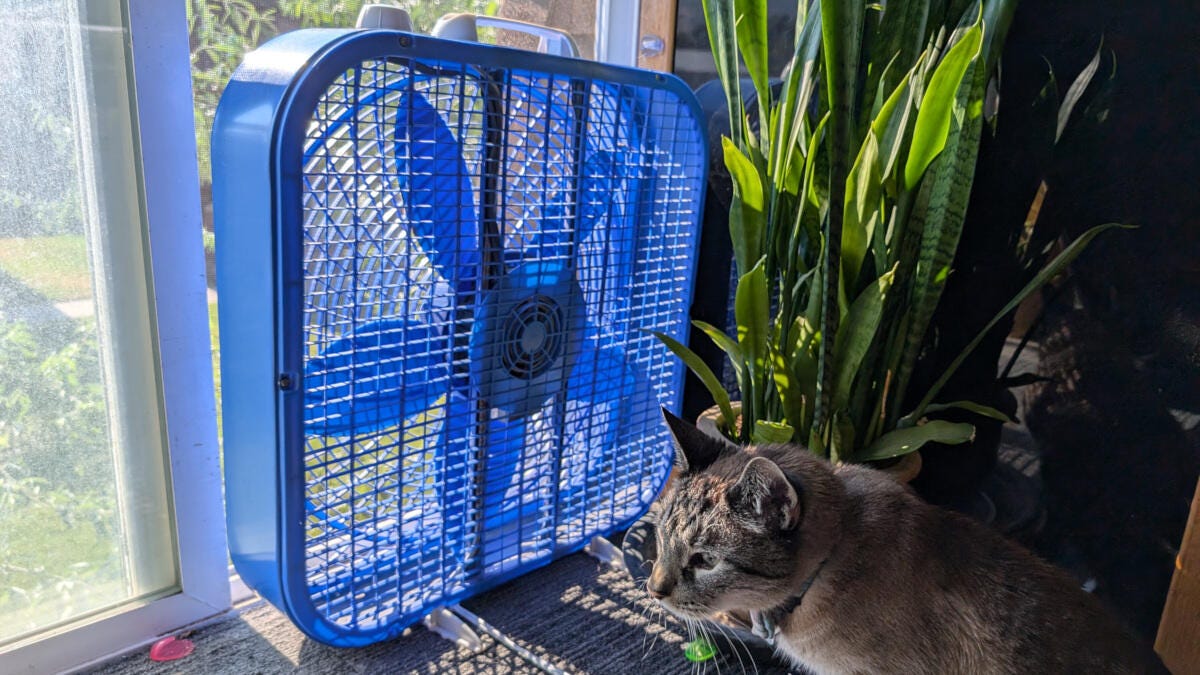
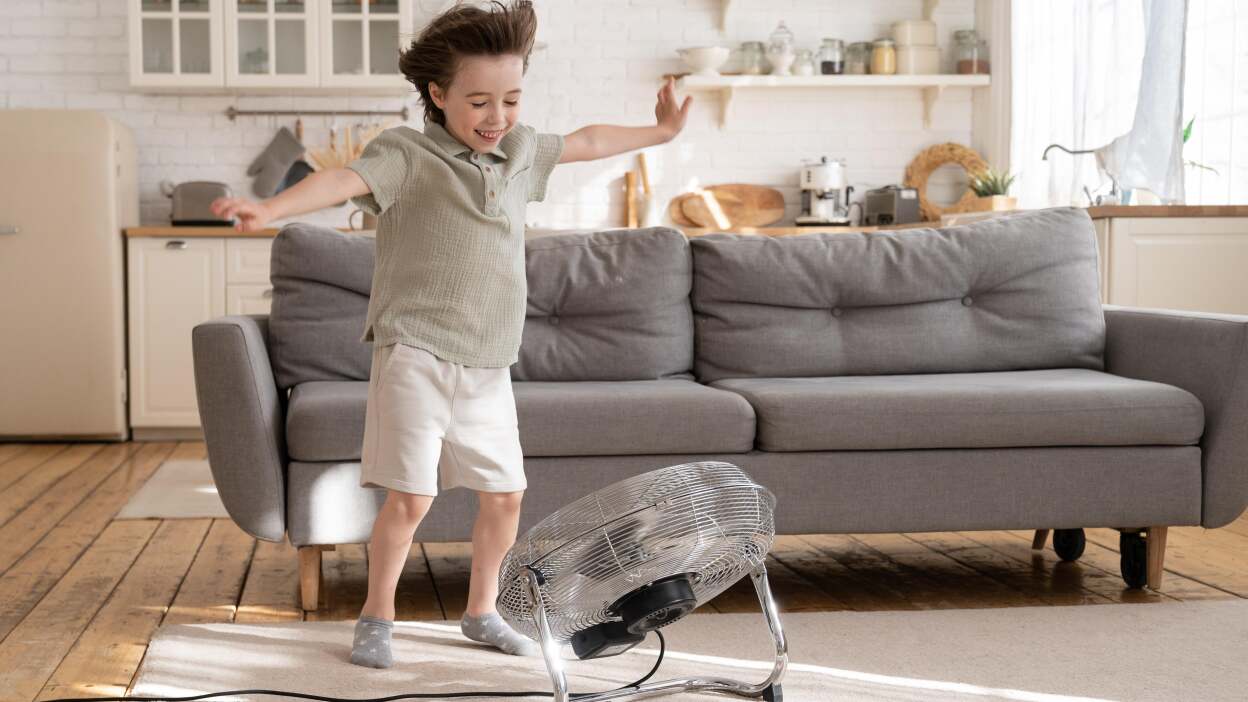
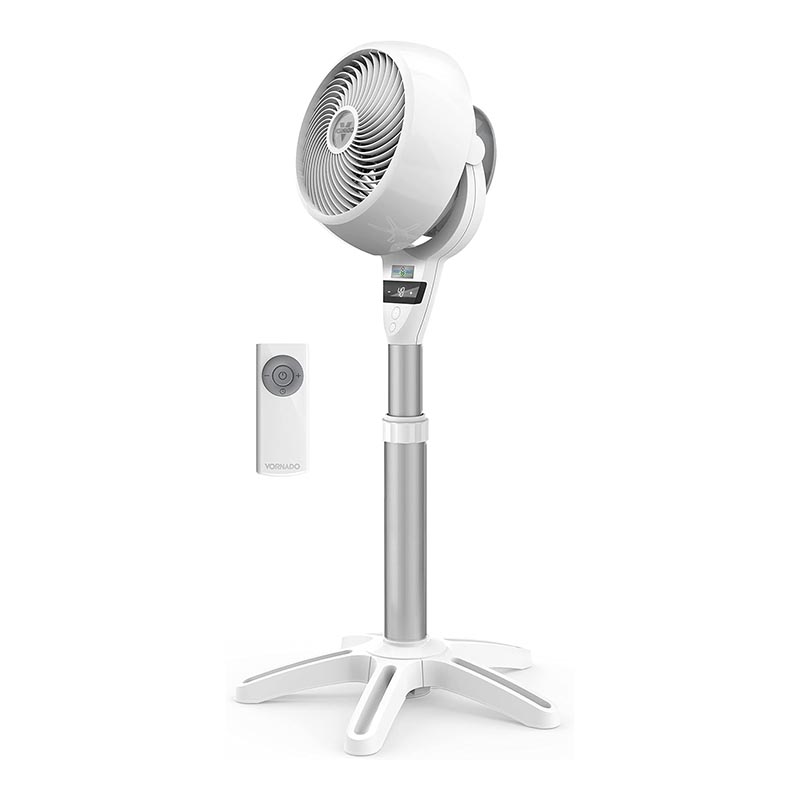
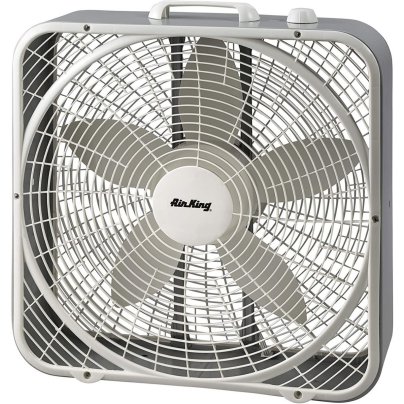
For standing or table fans, optimal cooling involves strategic placement. Positioning these fans to face towards an open door can help push hot air out of a room. Alternatively, placing them near sources of cool air, such as open windows or air conditioning units, can help circulate cooler air into the room, displacing warmer air. It is important to reverse the fan blade direction back to clockwise in the colder months. This setting helps to draw rising warm air down towards the floor, assisting in distributing heat from heating systems and contributing to a warmer indoor environment. Forgetting to switch the direction back can counteract efforts to efficiently heat a house.
#FanDirection #RoomCooling #EnergyEfficiency #CeilingFans #HomeComfort #AirCirculation #HVACTips #SeasonalAdjustments #FanDirection #RoomCooling #EnergyEfficiency #CeilingFans #HomeComfort #AirCirculation #HVACTips #SeasonalAdjustments
0 Kommentare insgesamt
 Noch keine Kommentare
Das könnte Ihnen auch gefallen
11 Best Fans to Keep You Cool in 2025


The Fan Mistake You’re Making That’s Making Your House Hotter
Our Editor Recommendations for Ceiling Fans Can Supplement or Even Replace an A/C
Why You Should Set Your Ceiling Fan’s Direction Clockwise This Winter? Appliance Experts Weigh In


Ceiling fans: A new spin on cooling your home | Home and Garden | Life
Here's How I Cooled My Bedroom Fast Without Turning On the AC

The 1 Super-Quick Thing You Should Do To Your Ceiling Fan In The Winter
The Best Window Fan

We Tested Several Window Fans—Our Favorite Made Warm Days More Bearable

Where to Place Fans in Your Home for Maximum Cooling

We Researched 30+ Pedestal Fans, and Our Favorite Circulates Air Like a Ceiling Fan
The Best Box Fans for Any Room in Your Home, Tested
Changing This Ceiling Fan Setting Will Make Your Room Feel Instantly Cooler

The 3 Best Window Fans in 2025 | Reviews by Wirecutter

Ceiling Fans—A Stylish Way to (Literally) Beat the Heat

Cool Down Your Home Without Paying Up Using These Top-Rated Pedestal Fans

See the Best Garage Fans for Beating the Heat
We Tested More Than 20 Fans — These Are the Ones Worth Your Money


How to choose the best ceiling fans for your home

Will Reversing Your Ceiling Fan Actually Save You Money This Winter?