These Mesmerizing GIFs Illustrate the Art of Traditional Japanese Wood Joinery
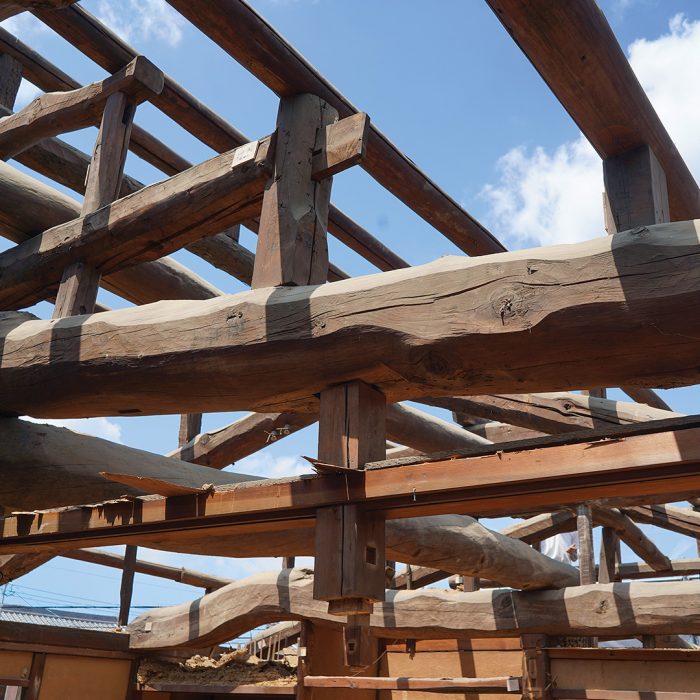
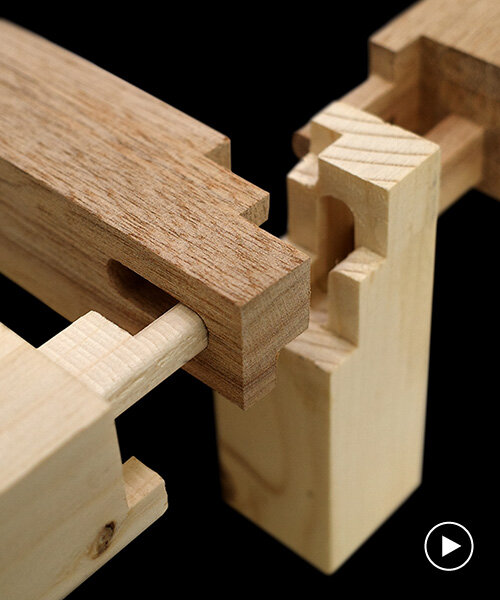
For centuries, before the advent of modern screws and fasteners, Japanese artisans mastered the intricate technique of wood joinery, employing complex, interlocking wood pieces to construct structures and beams. This traditional method significantly contributed to a distinctive Japanese wood aesthetic, elements of which can still be observed in the works of contemporary architects like Shigeru Ban. Historically, these sophisticated woodworking techniques were often closely guarded secrets within family carpentry guilds, making them inaccessible to the broader public.
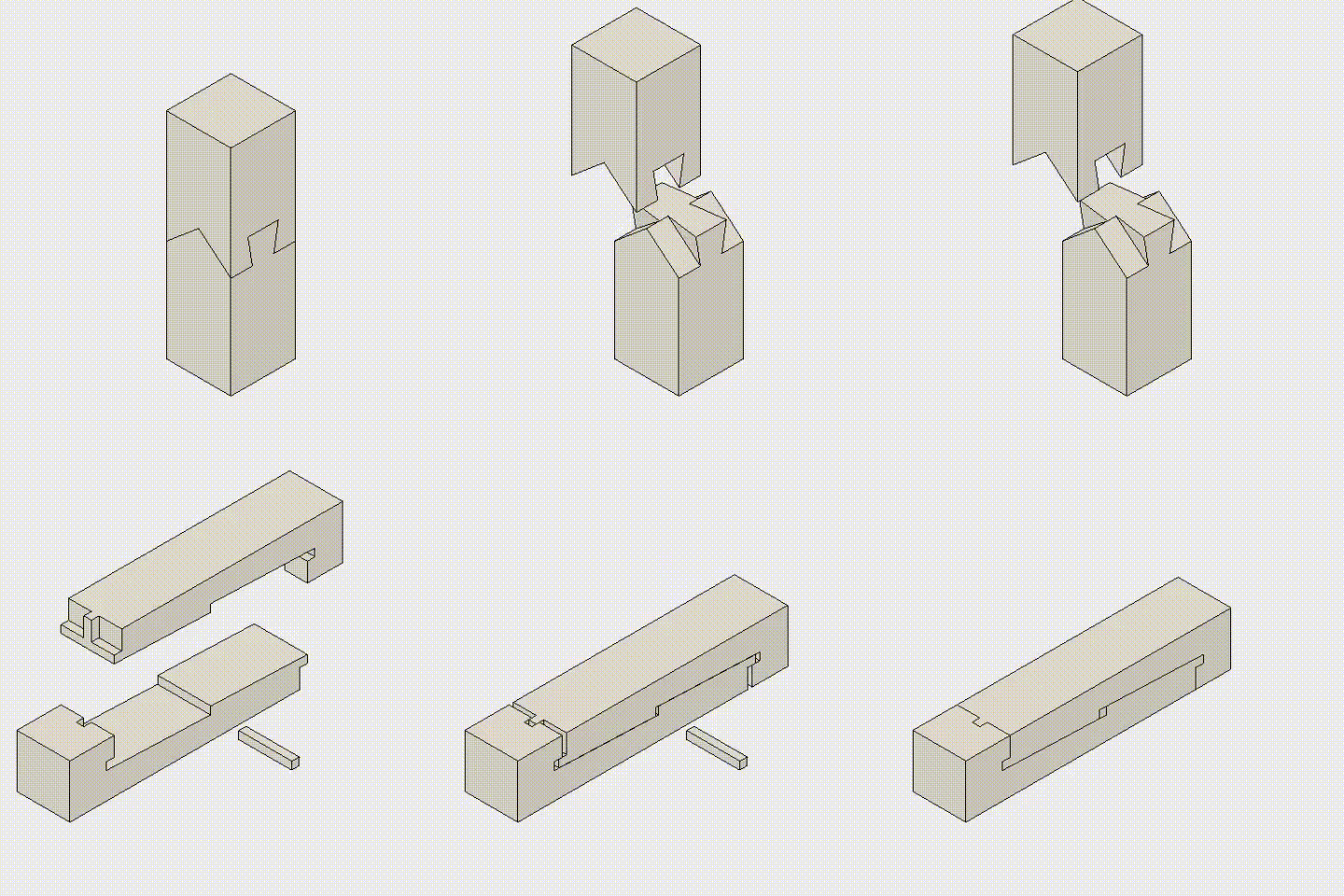
Even as these joinery methods began to be documented in books and magazines, their two-dimensional representations posed a challenge for visual comprehension, and a comprehensive resource compiling all such techniques was lacking. This changed a few years ago when a young Japanese professional in automobile marketing embarked on a personal project. He diligently collected all available books on wood joinery and used them as a basis to create his own three-dimensional, animated illustrations of these complex joints.
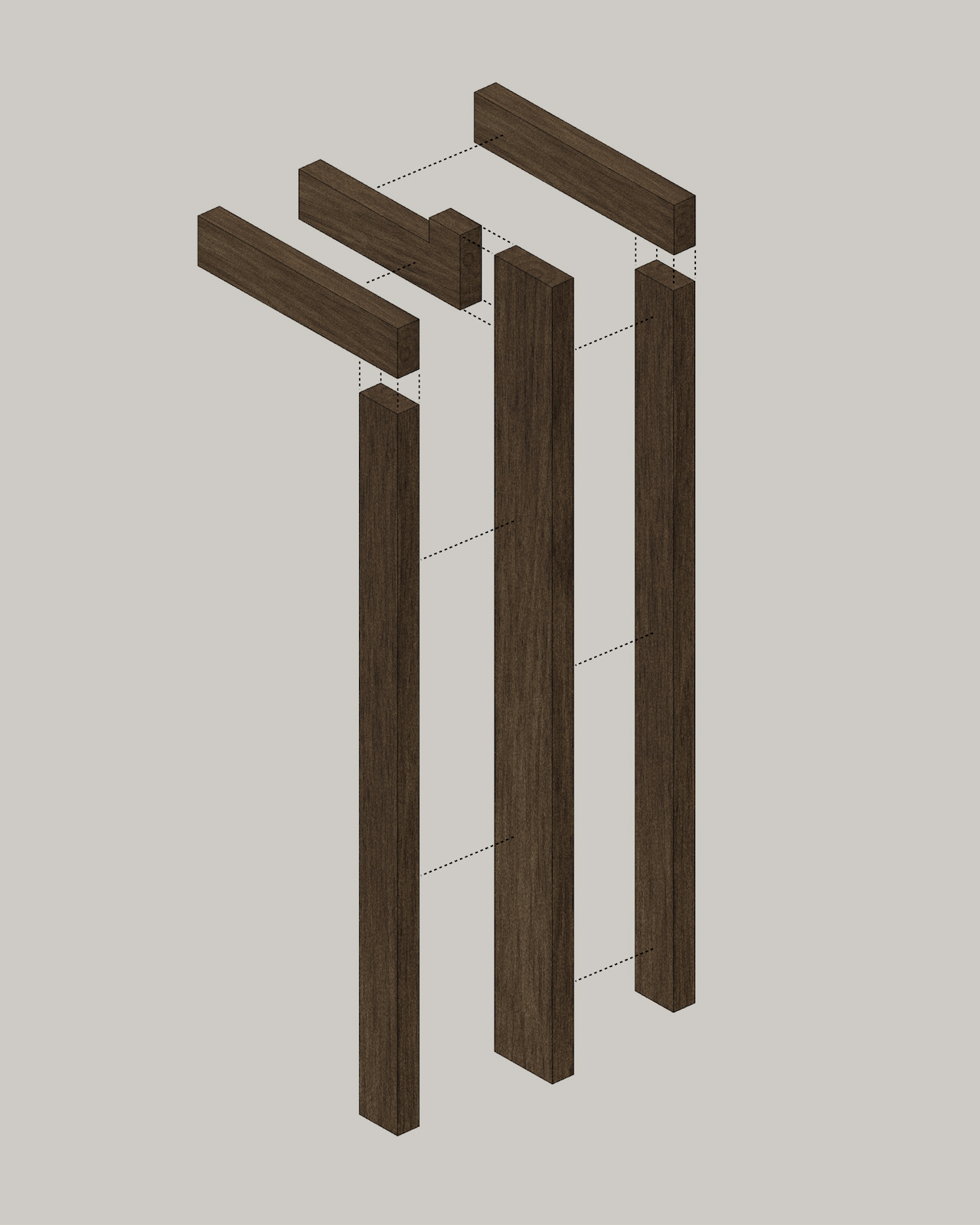
Utilizing the mechanical design software Fusion360 and developing self-taught woodworking skills, he started producing animated GIFs that demonstrate various joinery techniques. These animations were then shared on a Twitter account, which has since grown to feature over 80 posts. The collection showcases a wide array of joinery types, including self-locking joints, those optimized for creating corners, and others designed for beam construction. The meticulous cuts involved in these traditional joints are engineered to maximize the shared surface area between connecting wood elements, ensuring a tight fit primarily held together by friction, without the need for external fasteners.
In contemporary architectural practice, the intricate and labor-intensive cuts required for these traditional Japanese wood joints often render them economically unfeasible for standard construction projects. However, with the rapid advancements in manufacturing technologies, particularly CNC milling and 3D printing, there is a potential for these techniques to become not only more affordable but also highly reliable in future applications. The article presents several examples of these animated joinery techniques, including Shihou-hozo-tsugi, Yonmai-kama-tsugi, Toshi-chigai-hozo-sashi-hanasen-shikuchi, Sumi-nihou-kama-tsugi, Kai-no-kuchi-tsugi, Han-isuka-sao-shachi-tsugi, Watari-ago-niju-hozo-shikuchi, Hako-aikaki-shachi-sen-shikuchi, Hako-shachisen-tsugi, Hako-kakushi-tsugi, Nejire-kumi-tsugi, Kawai-tsugite, Shinozashi-ari-shikuchi, Sampo-gumi-shikuchi, and Osaka-jo-otemon-hikae-bashira-tsugite, providing a visual understanding of their assembly.
#JapaneseWoodJoinery #TraditionalCraftsmanship #WoodworkingTechniques #ArchitecturalDetails #DigitalFabrication #CNCmilling #Fusion360 #ShigeruBan #MaterialFocus #JapaneseWoodJoinery #TraditionalCraftsmanship #WoodworkingTechniques #ArchitecturalDetails #DigitalFabrication #CNCmilling #Fusion360 #ShigeruBan #MaterialFocus
0 Kommentare insgesamt
 Noch keine Kommentare
Das könnte Ihnen auch gefallen
See the Mesmerizing Interlocking Geometric Patterns Produced With This Ancient Japanese Woodworking Technique
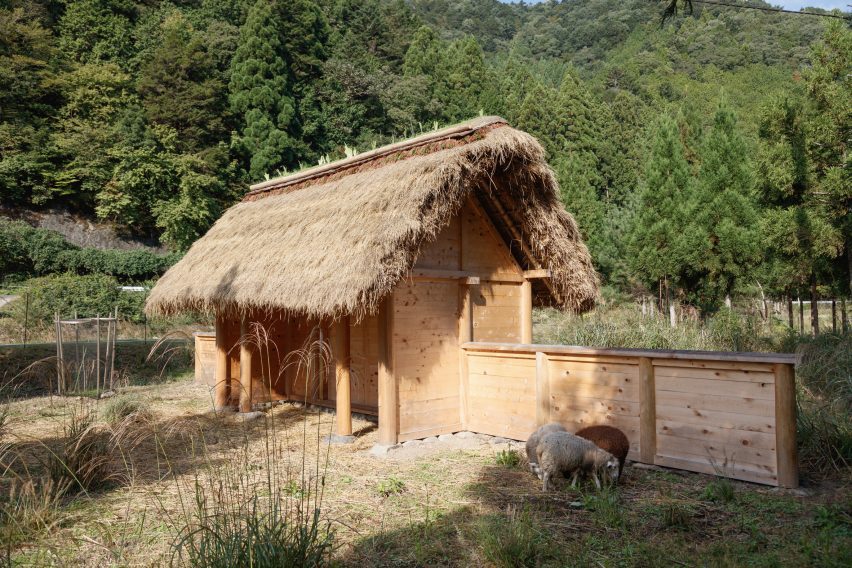
Purple flowers crown thatched sheep pen in Japan by 2m26

12 designs made from wood that showcase the versatility of the material
creation as DIALOGUE: modern design meets ancient nagoya crafts at maison&objet 2023
Furniture joints can make or break an entire design project

Bonsai: Seating Inspired by Japanese Culture

This Japanese Wood-Burning Technique Can Upgrade Any Wood Furniture—Here's How

Woven Image launches acoustic panels informed by art deco and Japonisme styles
The Kanna Finish: How to Get Glass-Smooth Surfaces in Wood Without Sandpaper or Varnish

free interactive software easily creates complex japanese wooden joints + furniture
Wallpaper's favourite Japanese houses

Hundreds of layers of beech wood are aligned, combined and gently sculpted
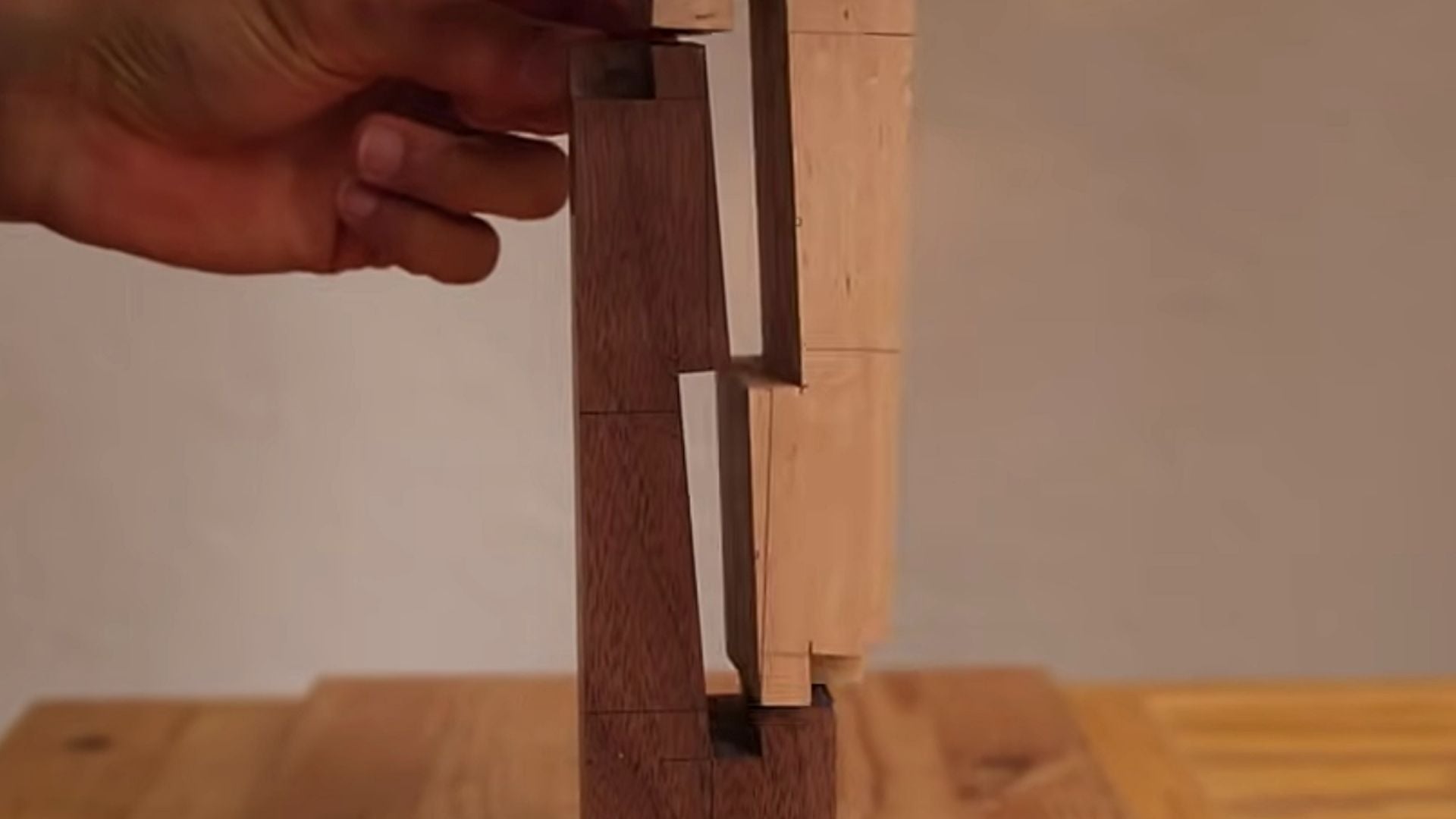
Japan’s Ancient Building Technique Joins Wood Without Glue or Nails


Kominka: A Traditional Japanese House Comes to America


Tour 5 Japanese-Inspired Modern Homes That Embody Contemporary Elegance

John Lewis stay ahead of the Japanese trend with V&A inspired range

Ten furniture and lighting designs by Japanese brands and designers
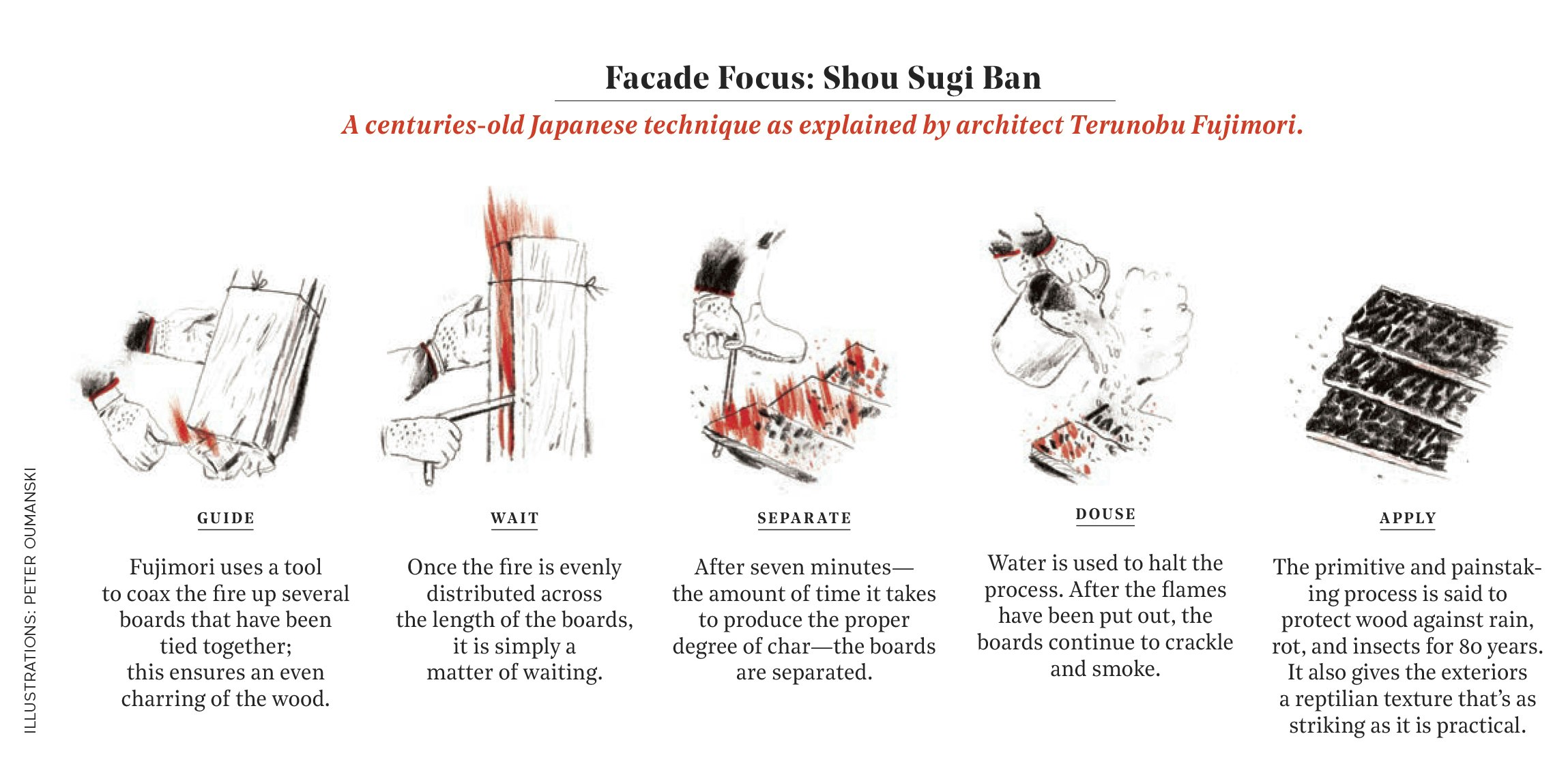
A Guide to Shou Sugi Ban and 8 Homes Featuring the Japanese Technique

Cornice Stacking Stools Echo the Beauty of Japanese Shrines

Bringing Out Luxurious Japanese Design