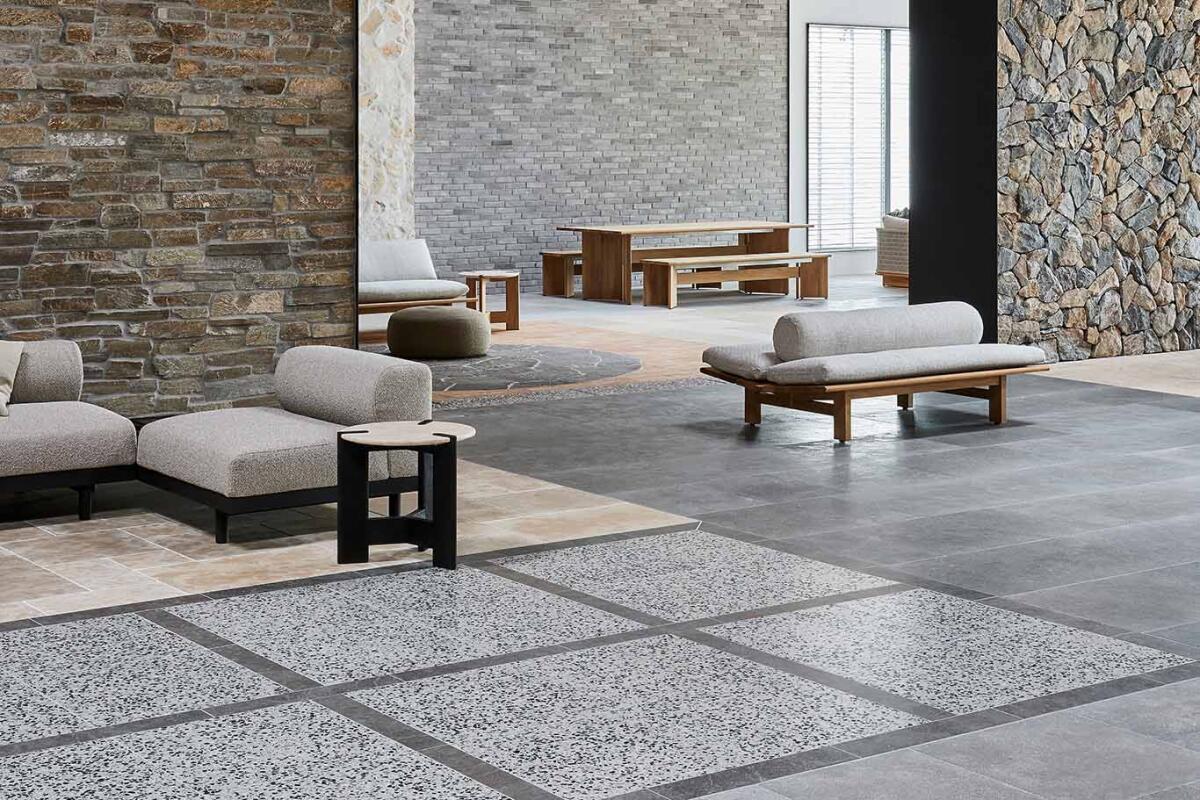
1/5
Terrazzo Flooring Guide: How to Master the Art of Sustainable, Circular Design
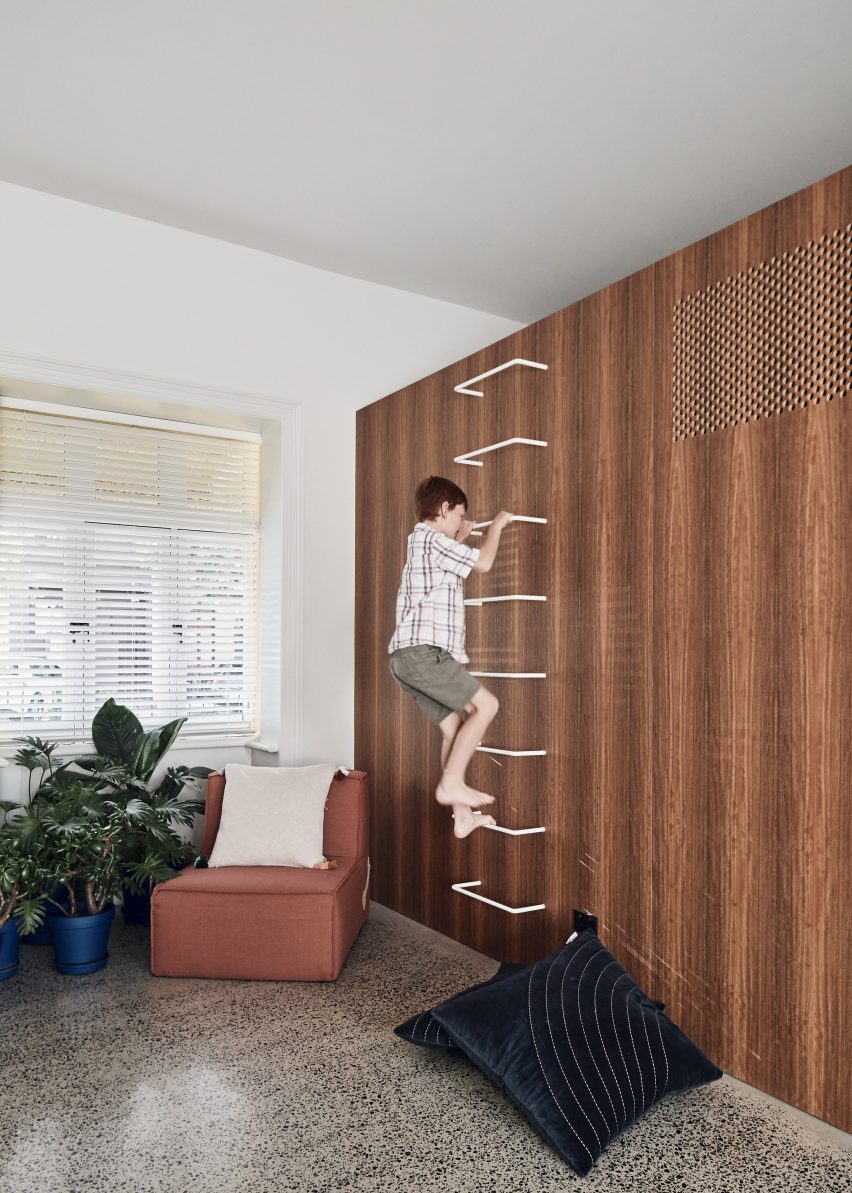
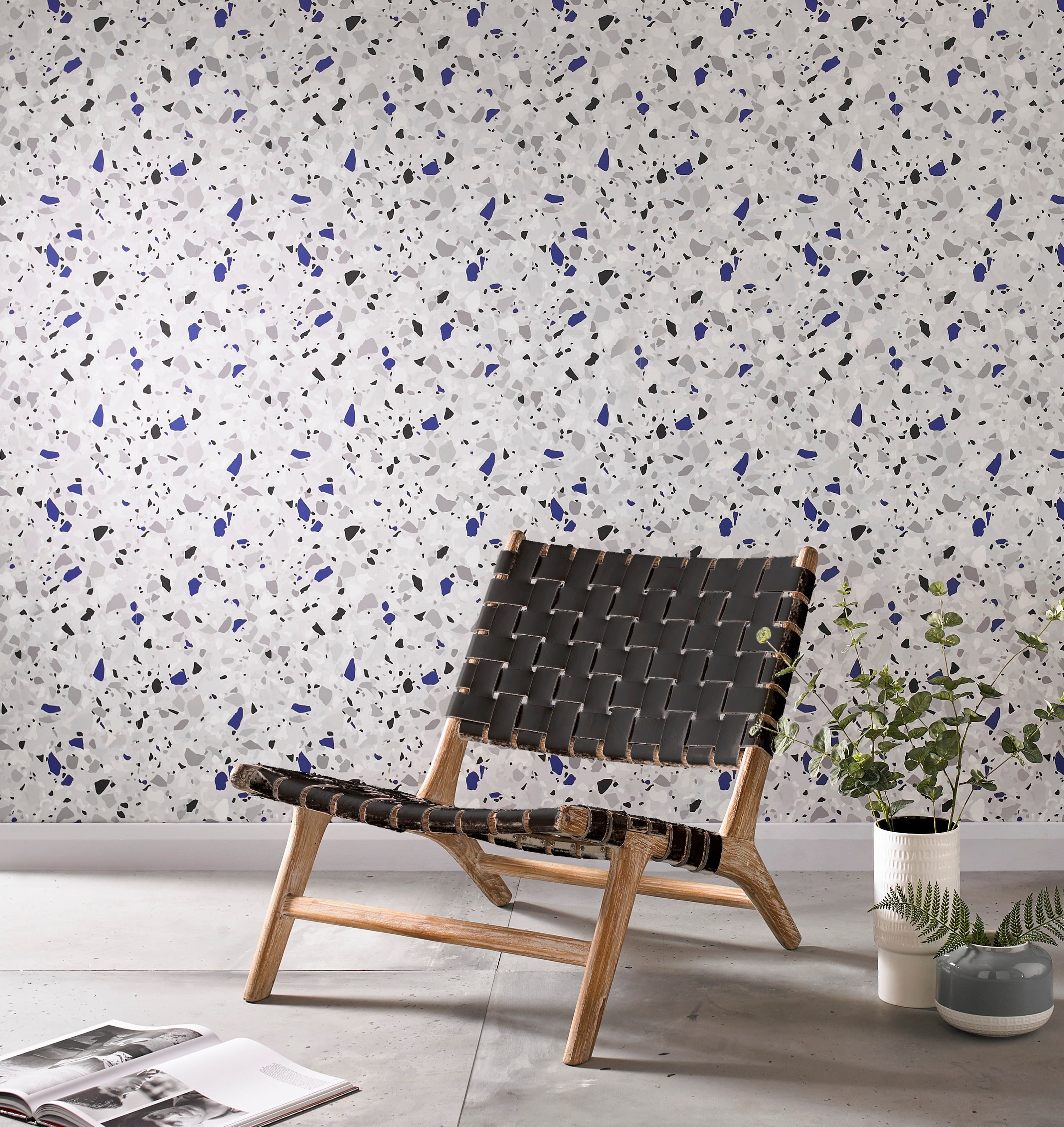
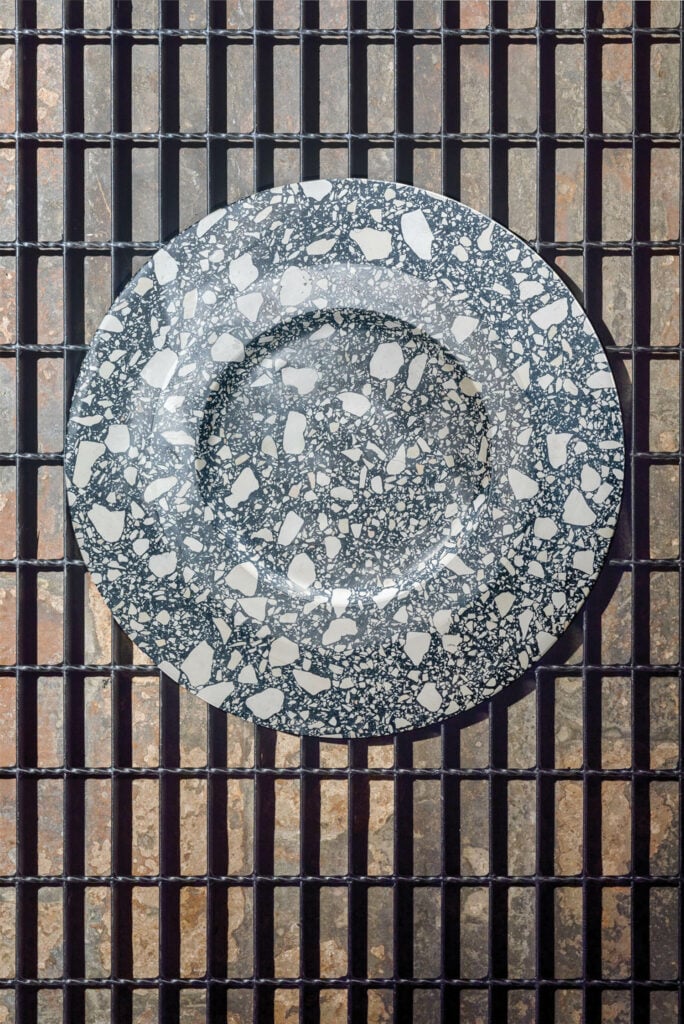
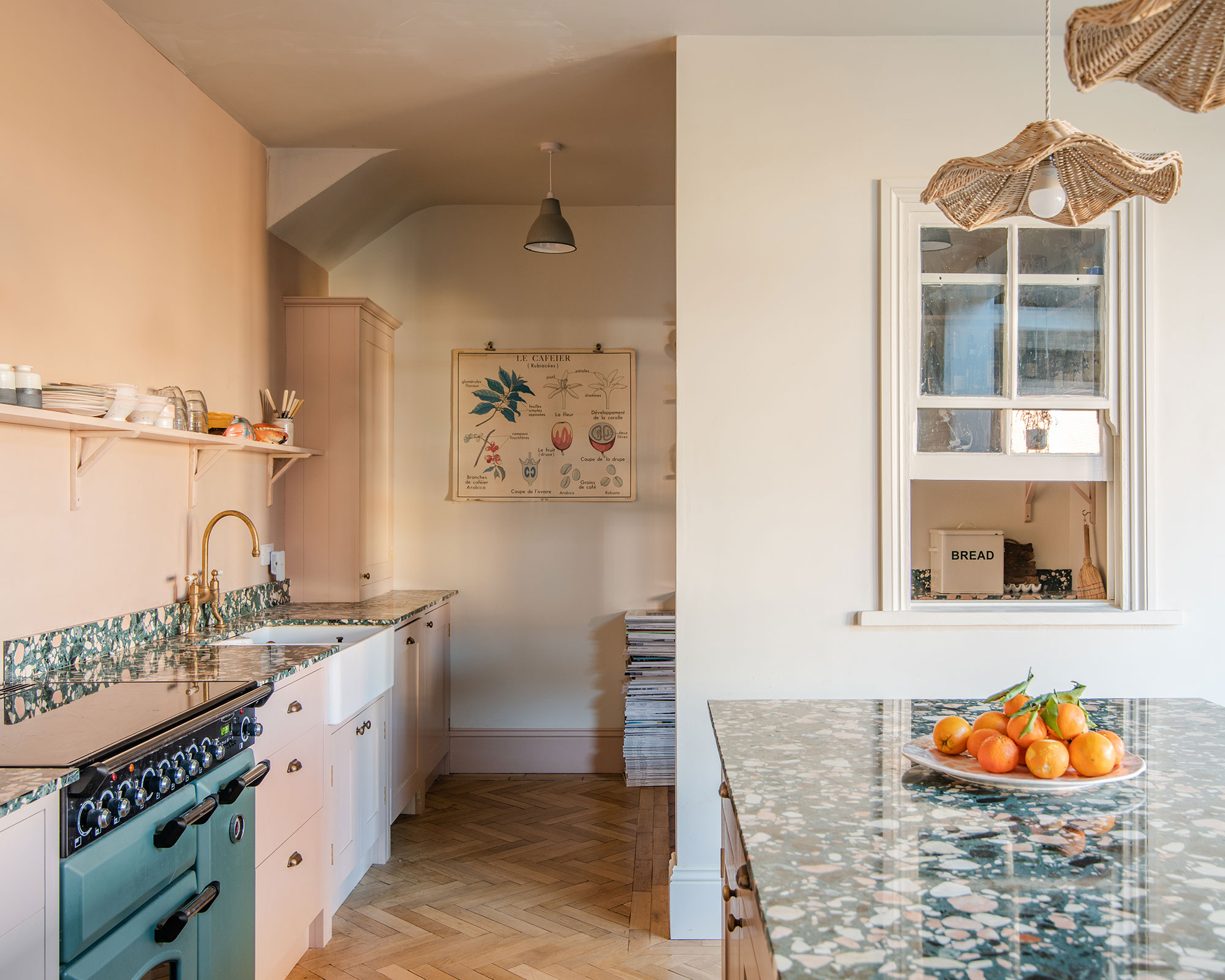
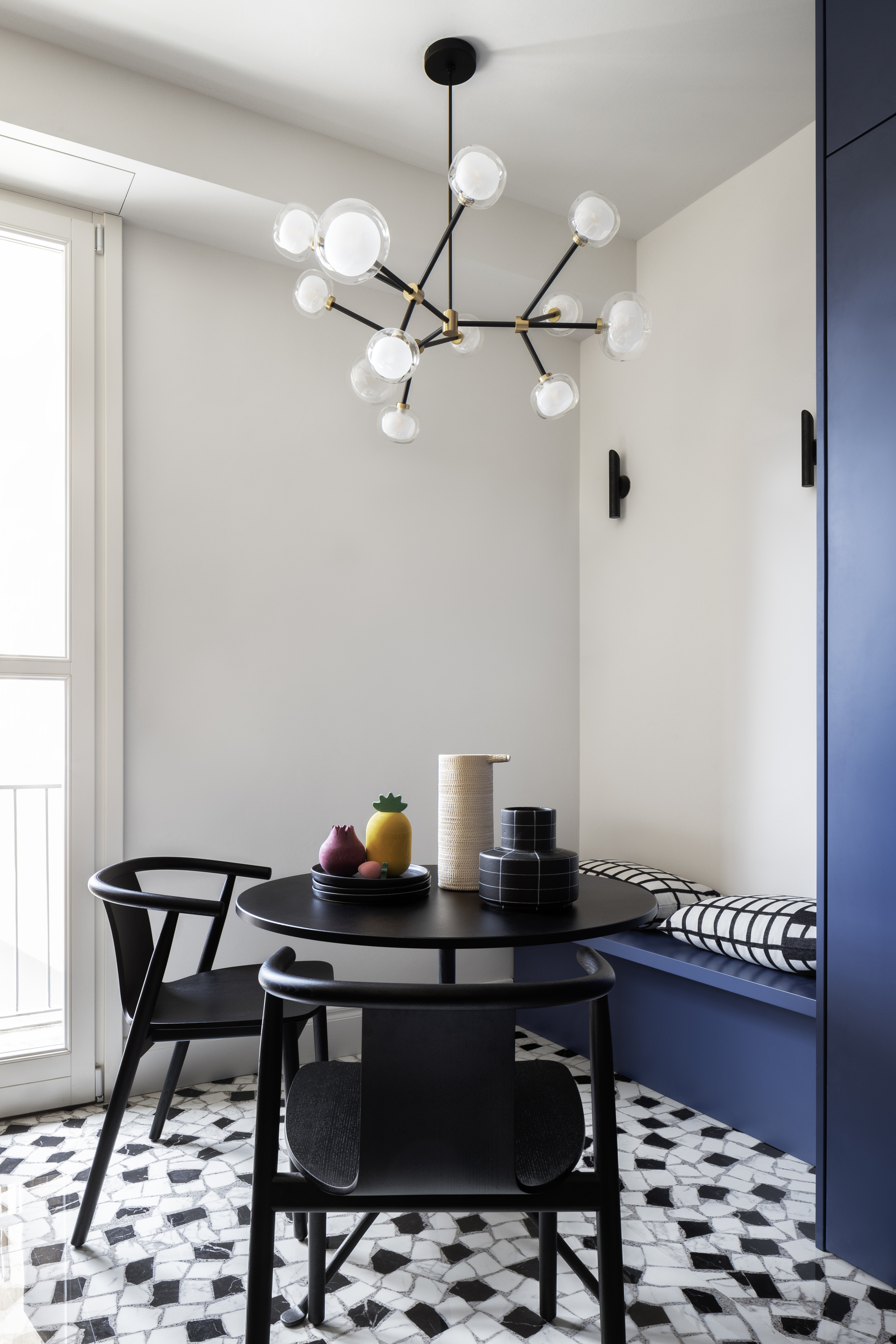
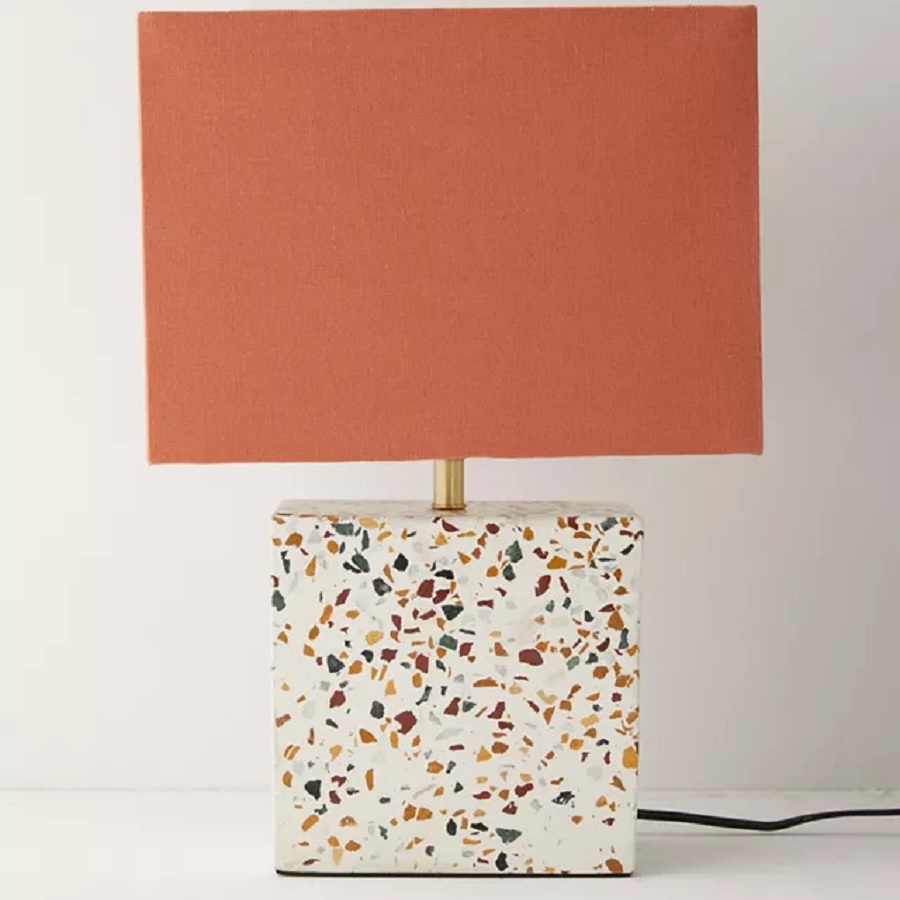
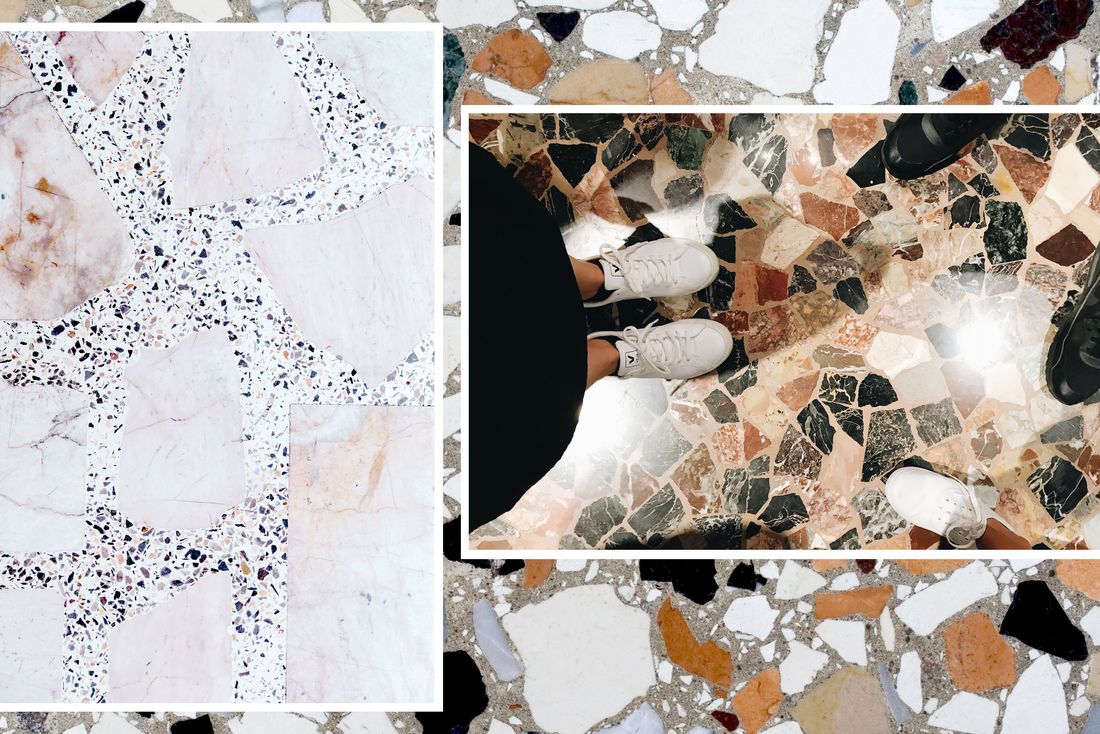
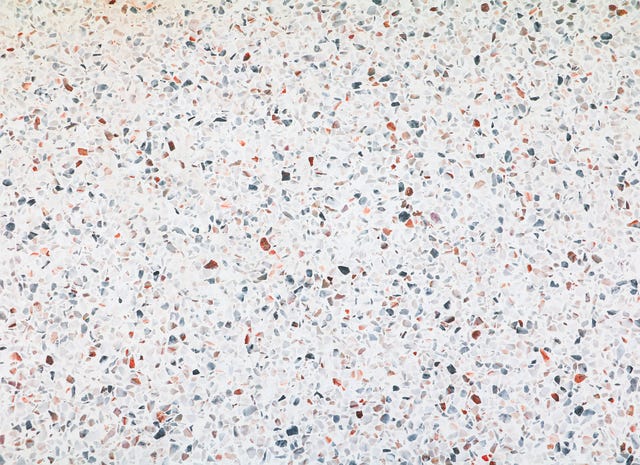
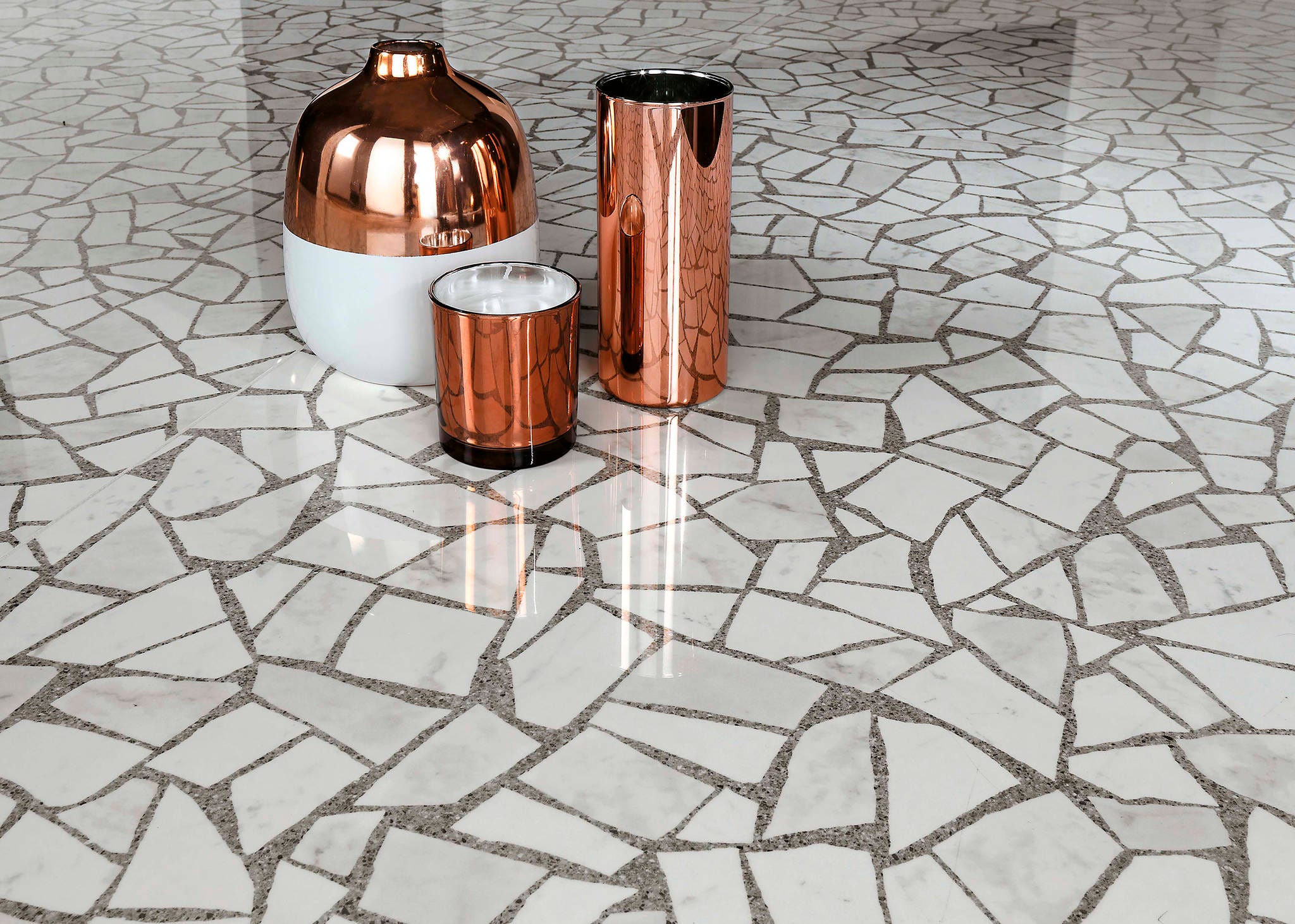
Terrazzo flooring, a material with a rich history dating back to 15th-century Venice, is re-emerging as a sustainable and aesthetically versatile choice in modern design. Historically created by embedding marble scraps into a binder, terrazzo is celebrated for its ability to transform waste into a durable and beautiful surface. This ancient practice aligns seamlessly with contemporary sustainability efforts, as designers and homeowners increasingly seek materials that offer longevity and minimize environmental impact.
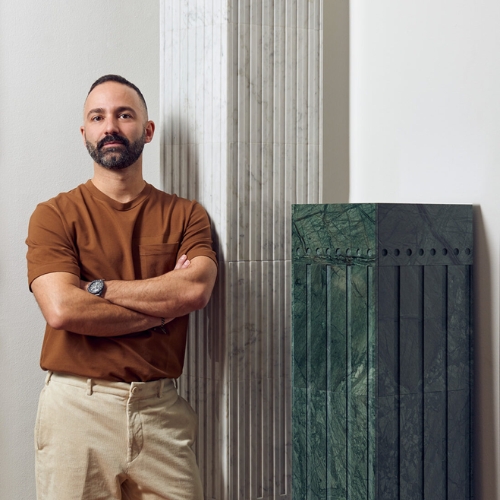
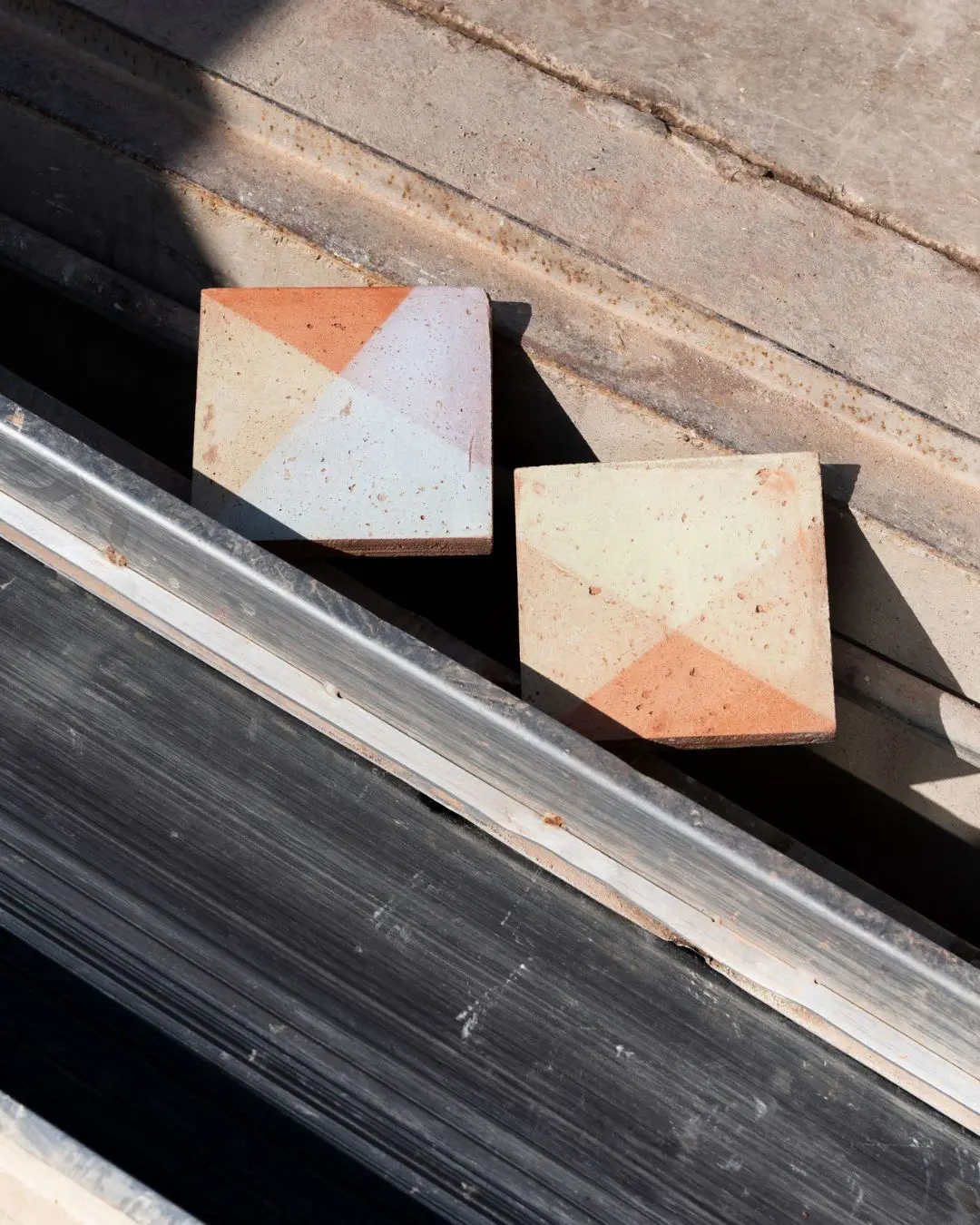
Eco Outdoor, an Australian-founded company, is at the forefront of this circular design movement, innovating new applications for terrazzo. Ben Kerr, Founding CEO and Product Innovator at Eco Outdoor, highlights the company's philosophy of utilizing "unloved" offcuts and stone industry waste to create unique flooring formats. This approach addresses the millions of tons of waste generated annually by the stone industry, demonstrating that responsible design can be both visually captivating and ethically sound. Each terrazzo tile produced by Eco Outdoor represents a step towards reducing waste, proving that sustainable choices do not necessitate an austere aesthetic.
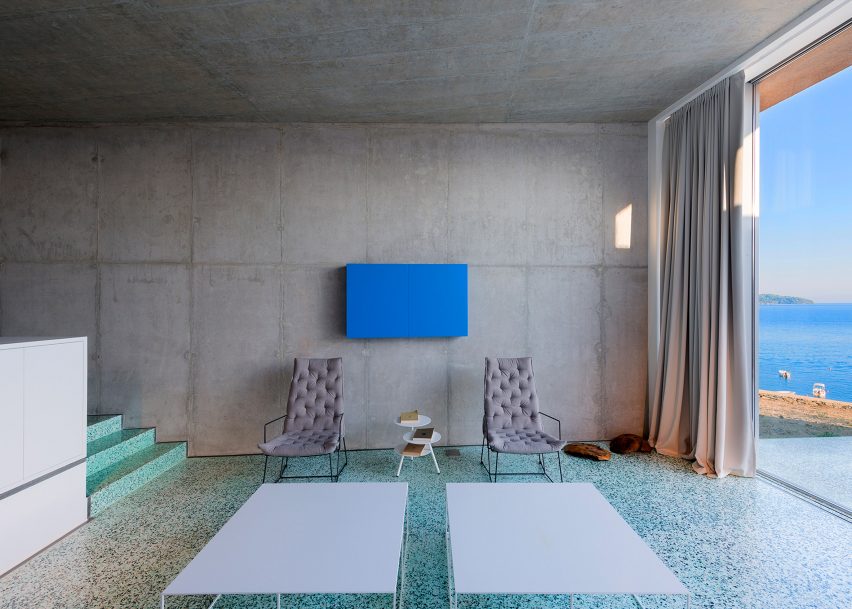
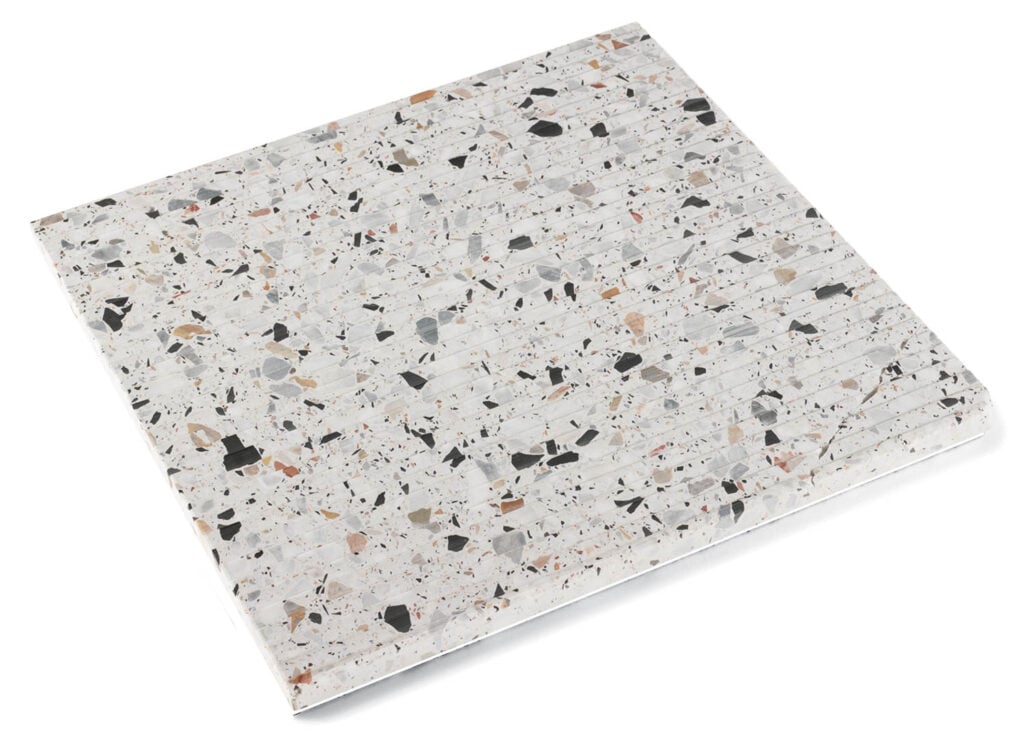
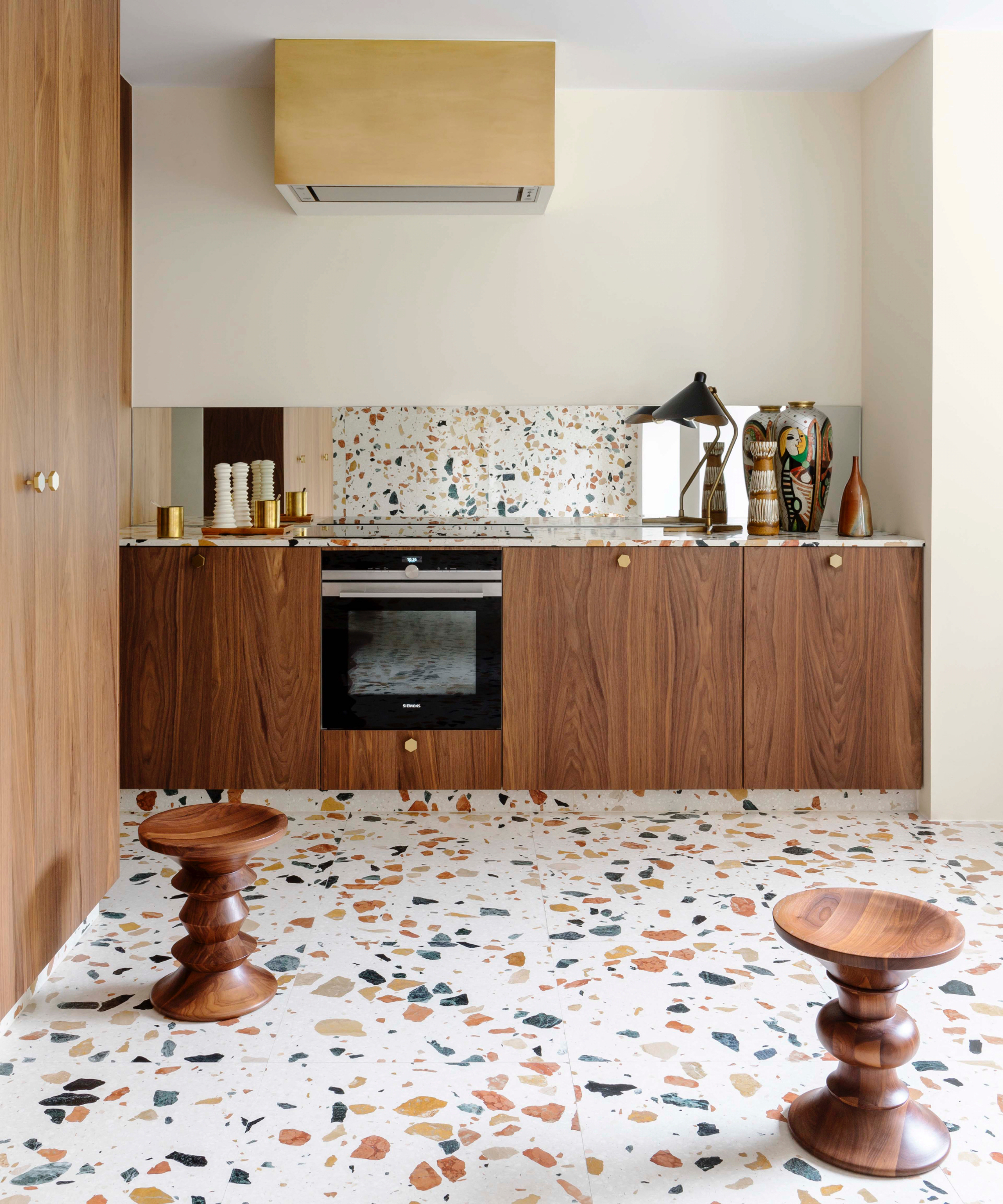
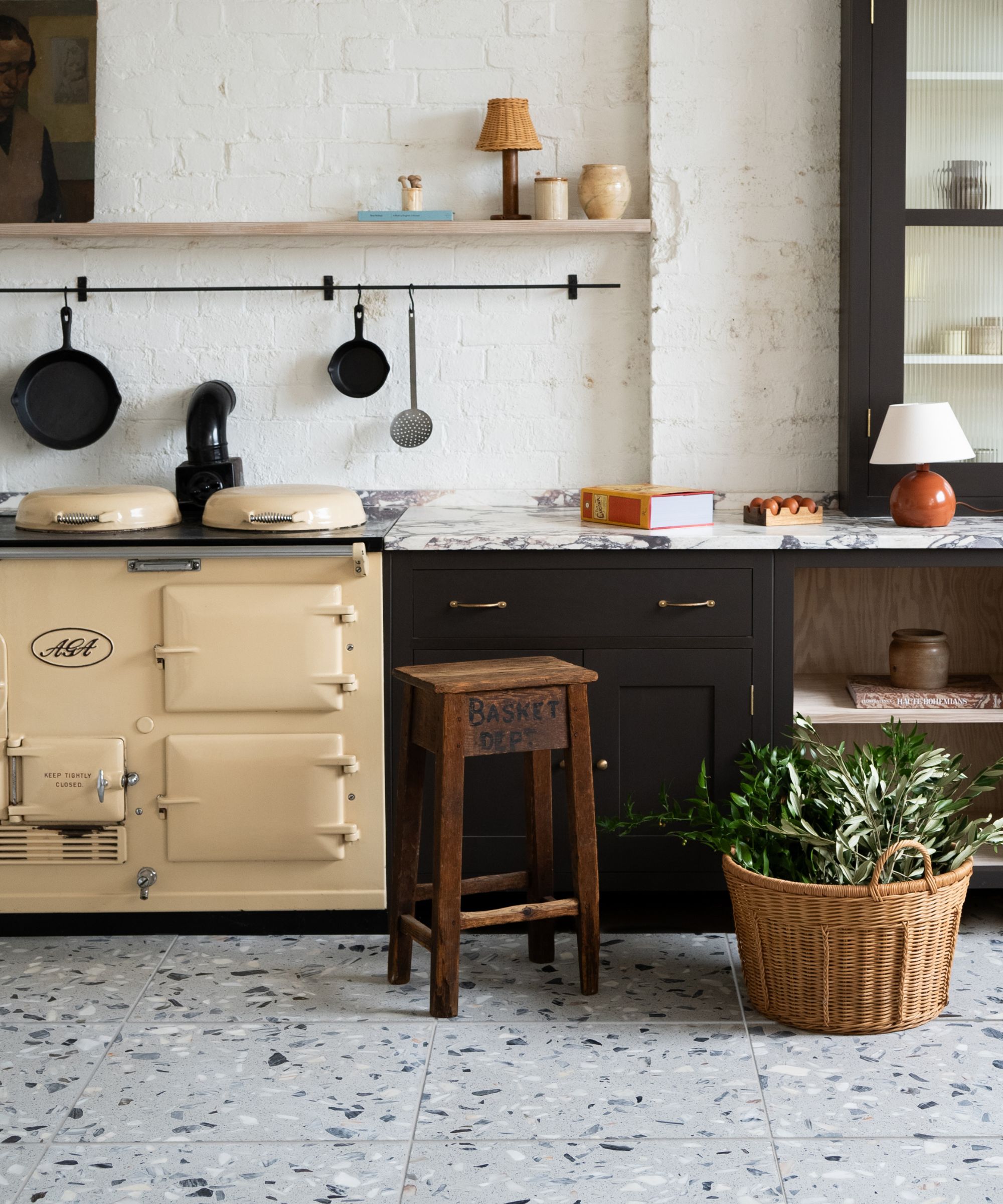
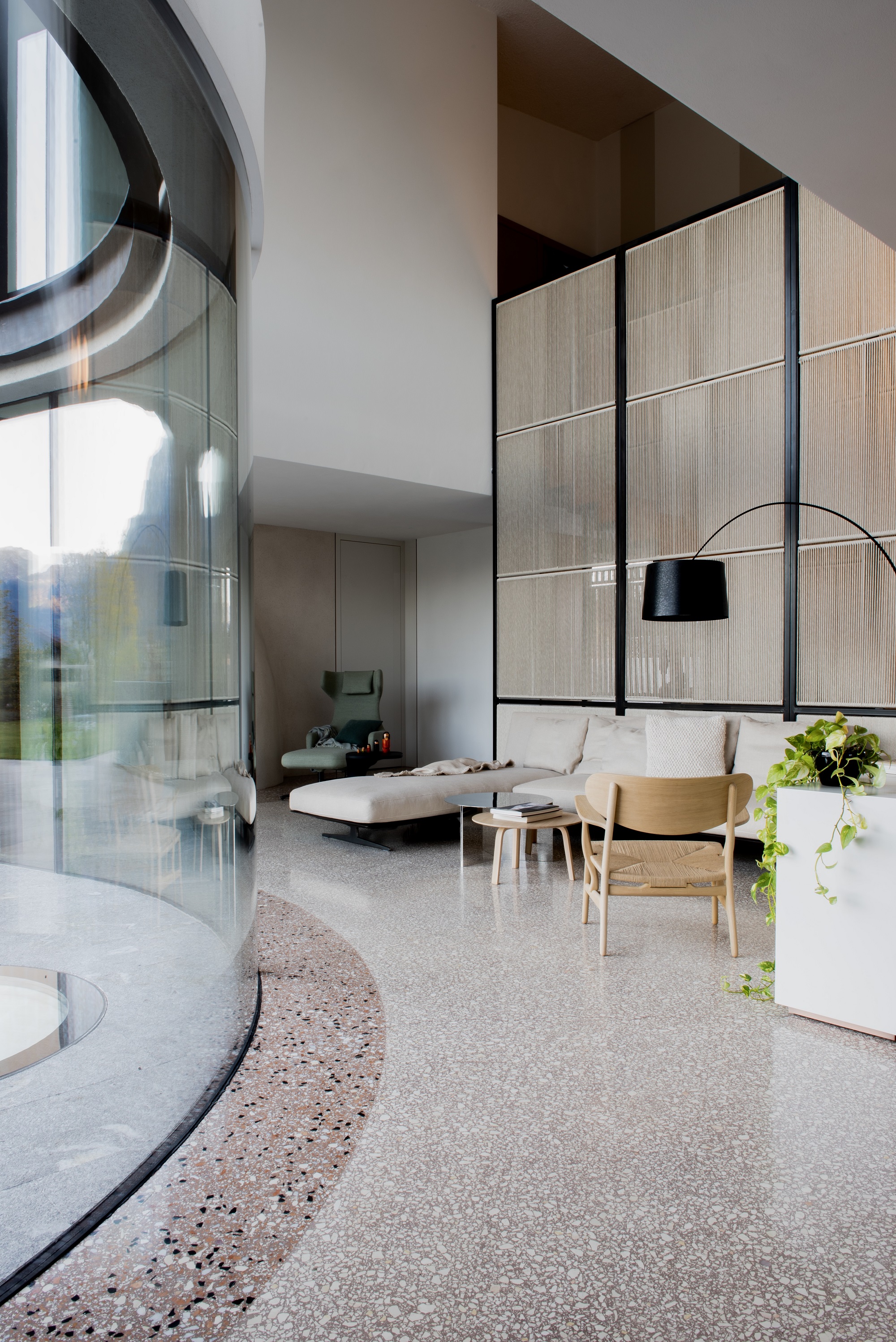
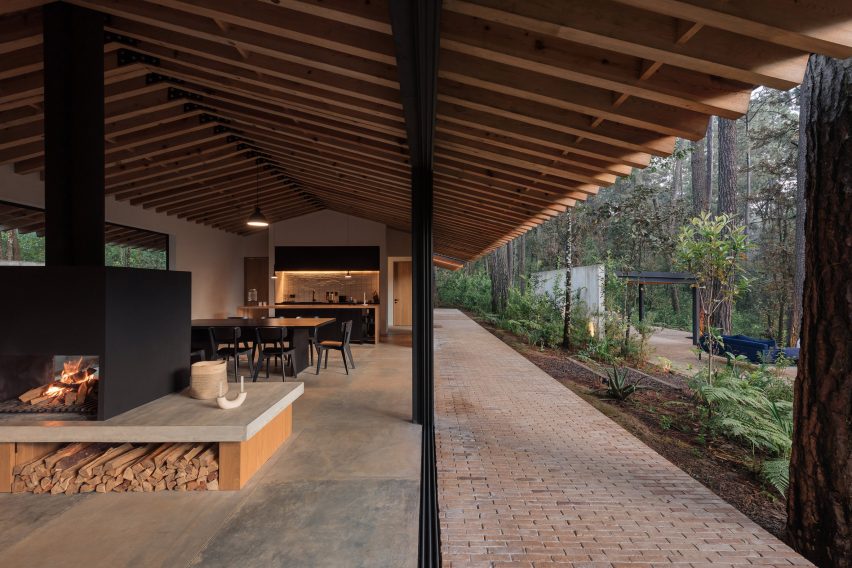
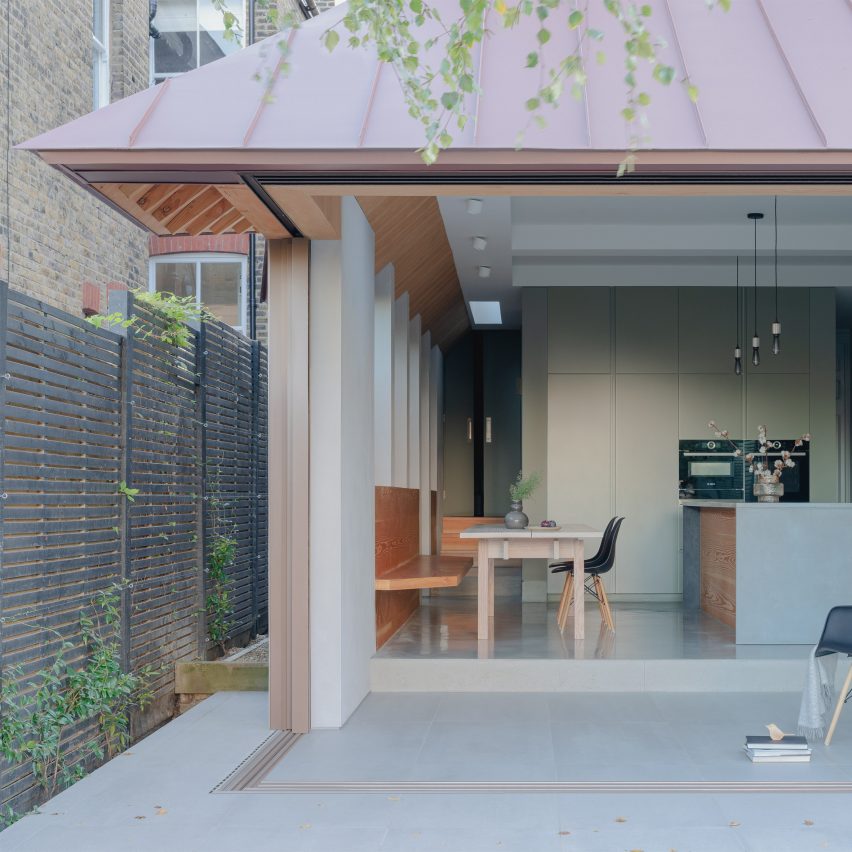
Terrazzo's modularity makes it particularly well-suited for seamless indoor-outdoor living, a popular trend in modern homes. Its robust nature allows it to withstand various weather conditions, making it suitable for both interior and exterior applications, such as kitchens extending to patios or living rooms opening into gardens. When integrating terrazzo into a home remodel, manufacturers like Eco Outdoor often ship products in large formats to minimize material waste during production, encouraging significant design statements like expansive flooring or countertops. This material serves as an architectural anchor, with its resilience and monolithic patterns shining through in areas like floors and staircases.
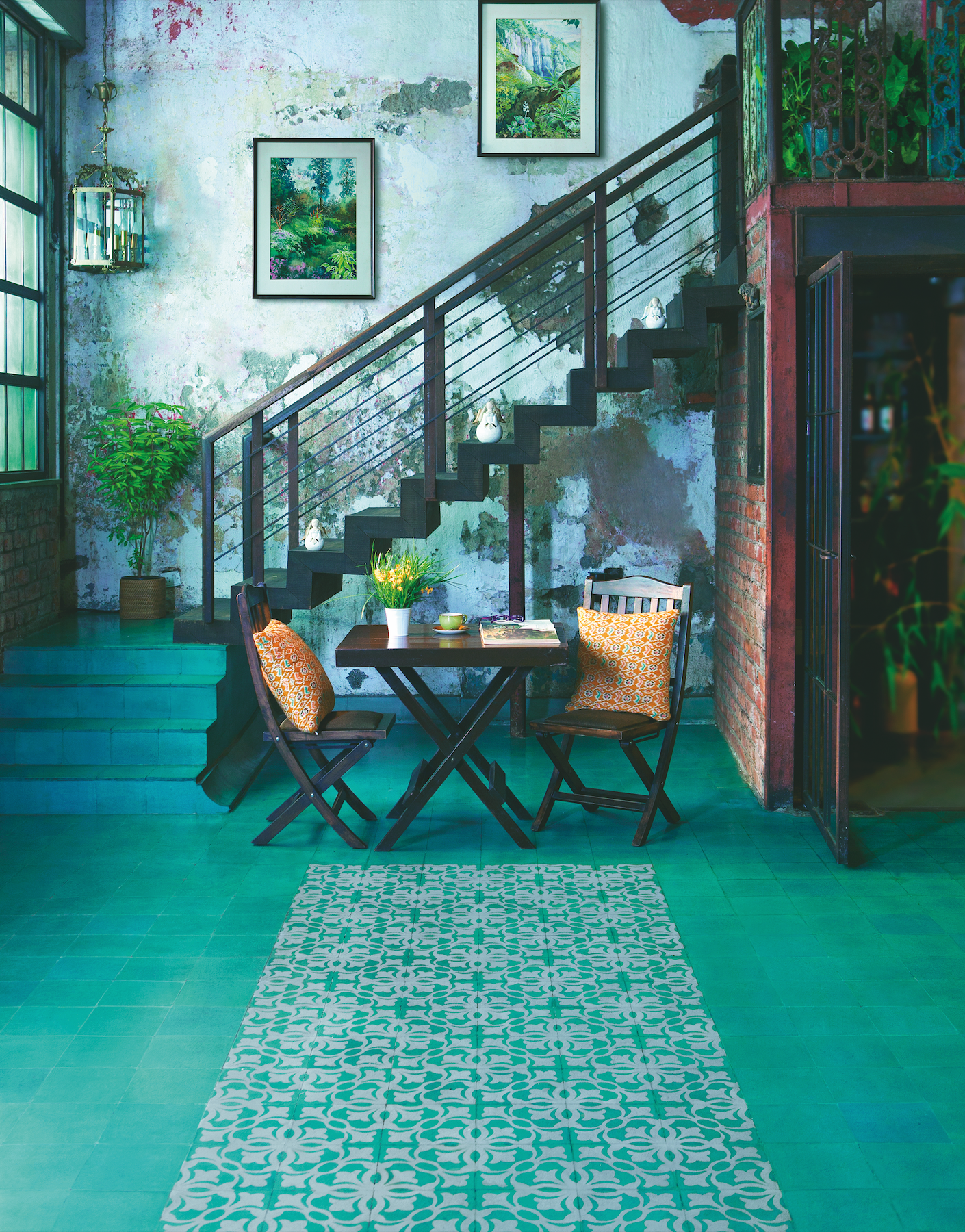
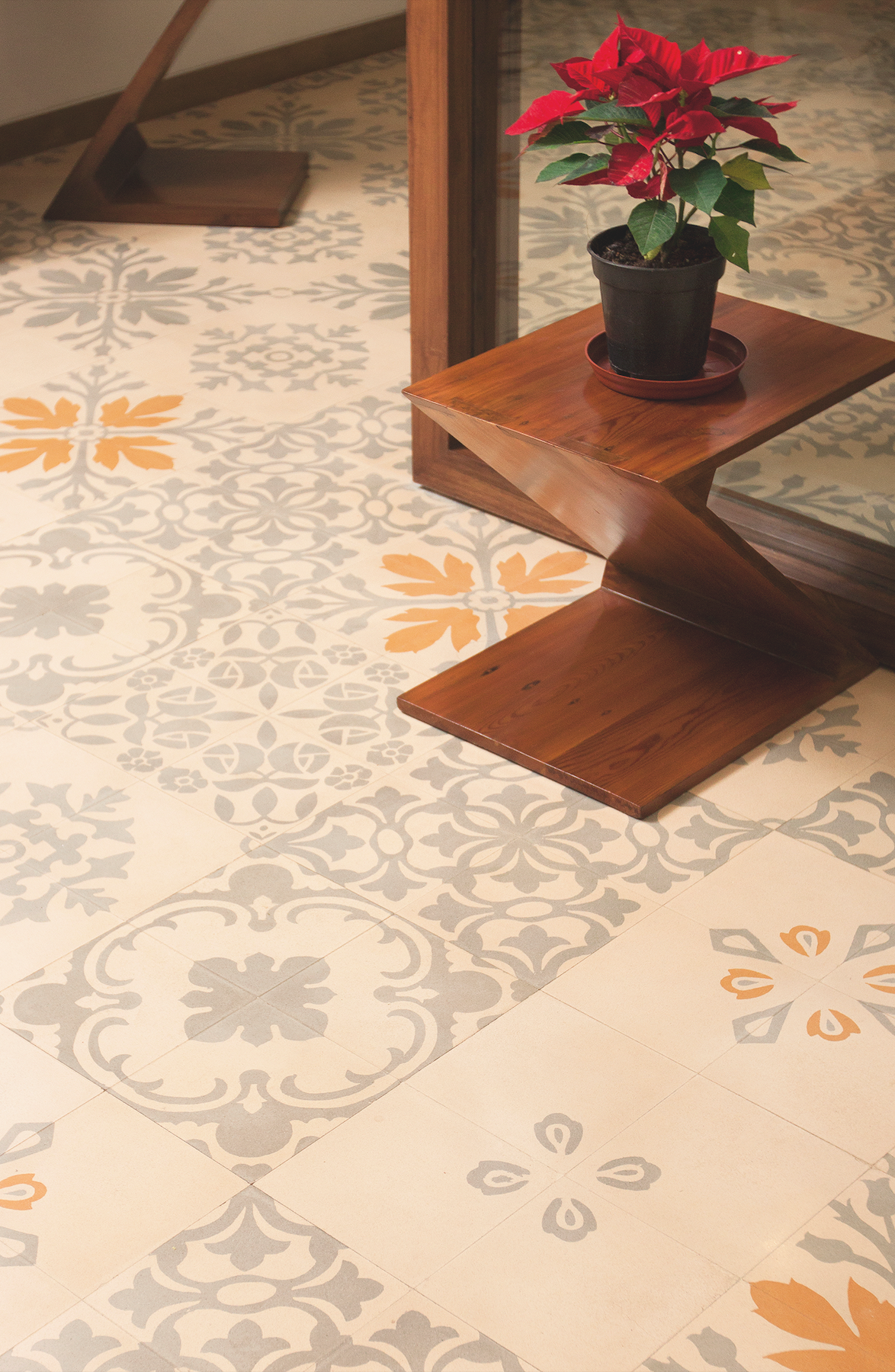
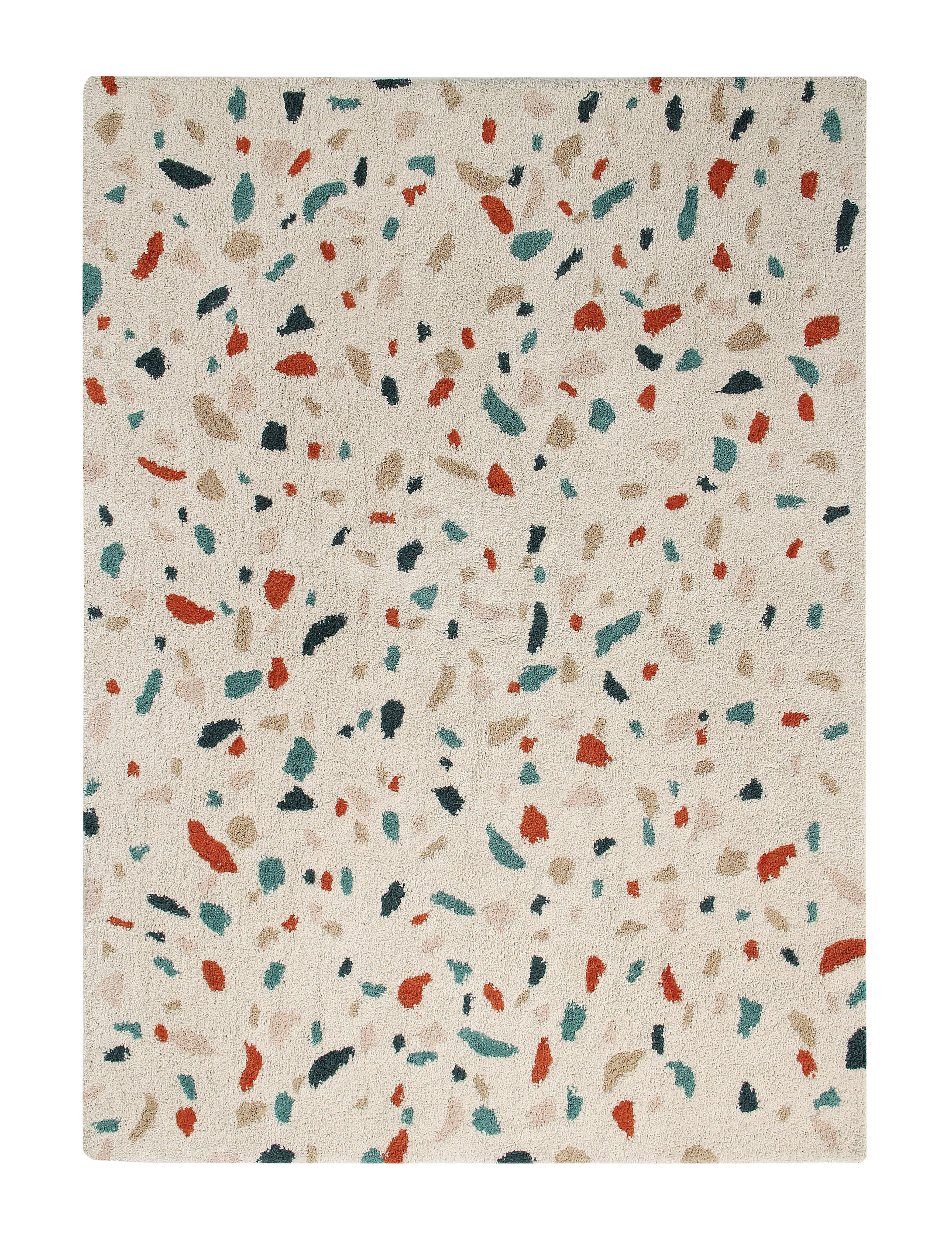
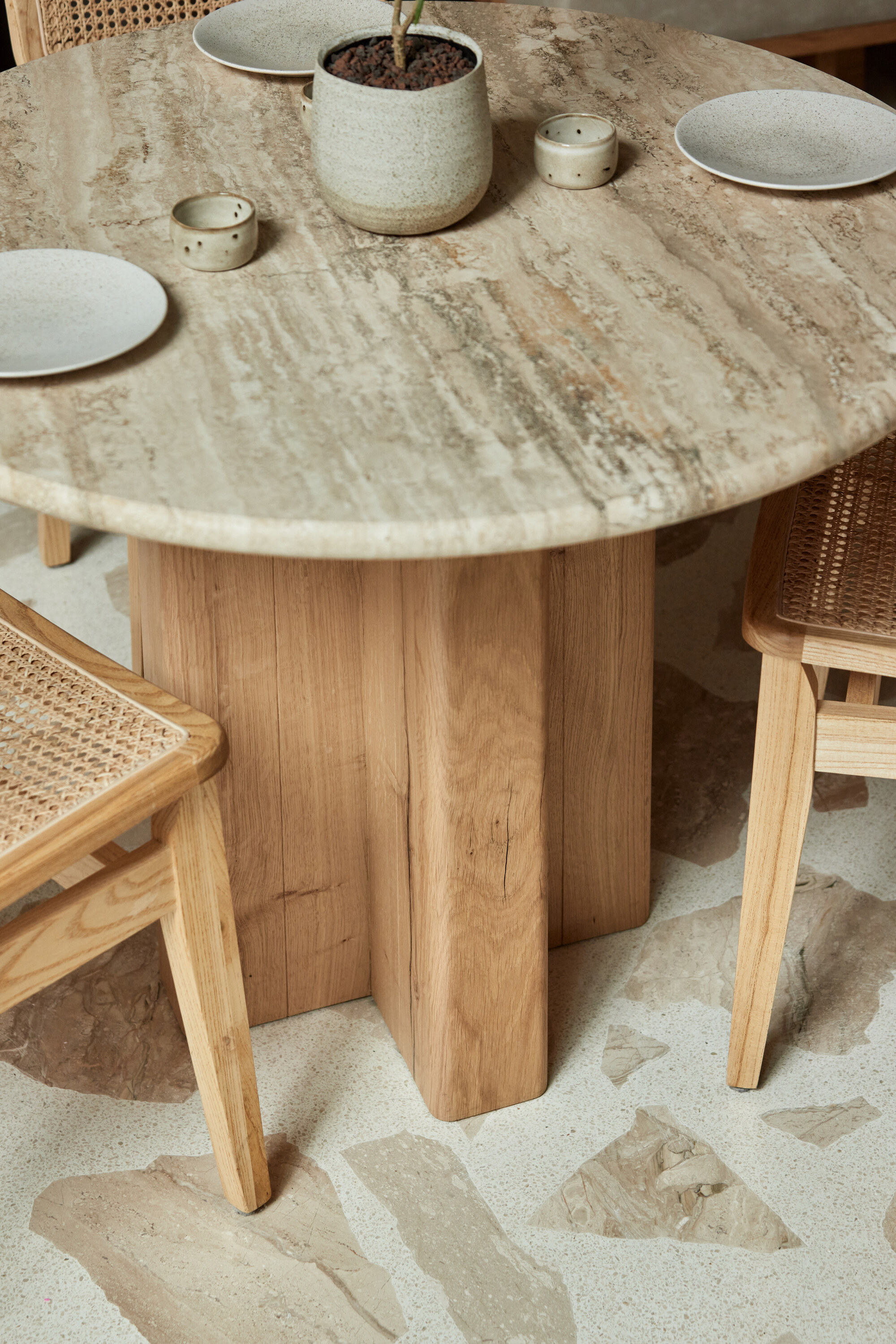
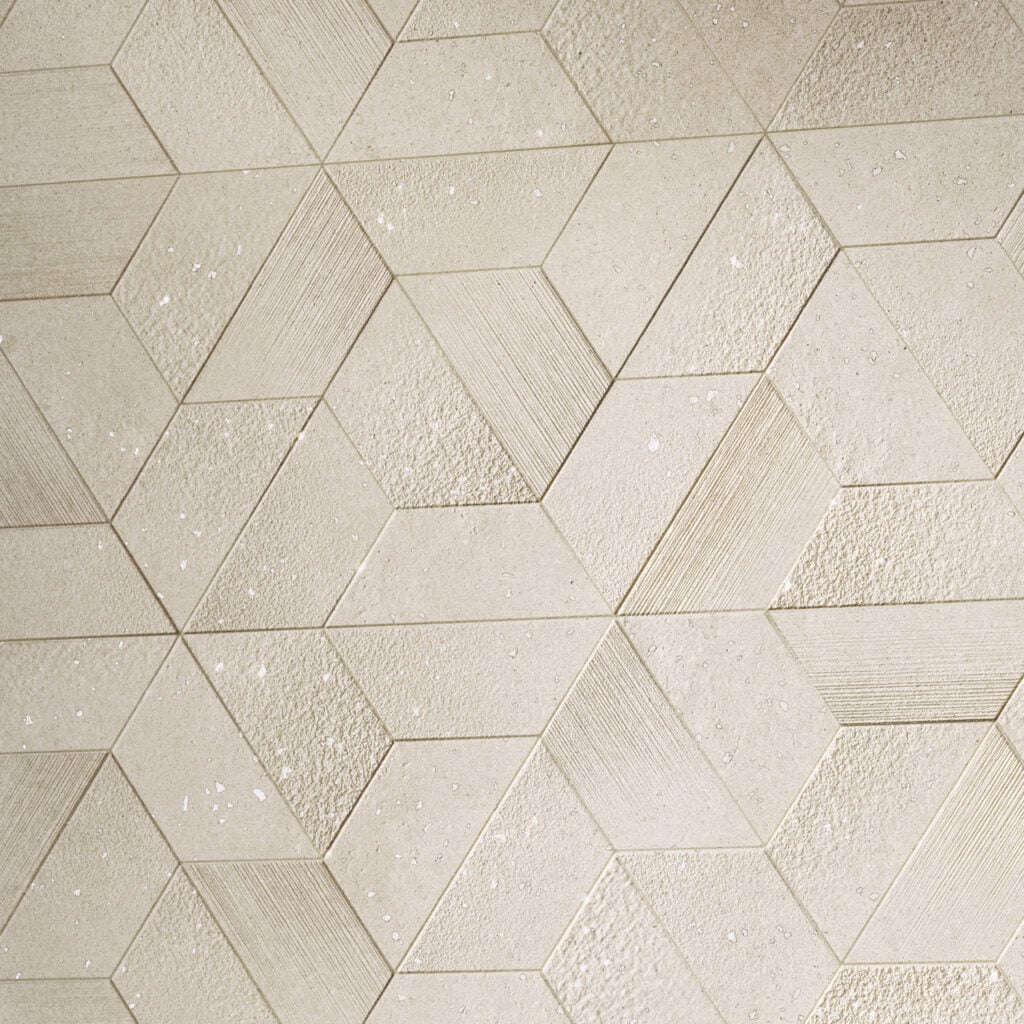
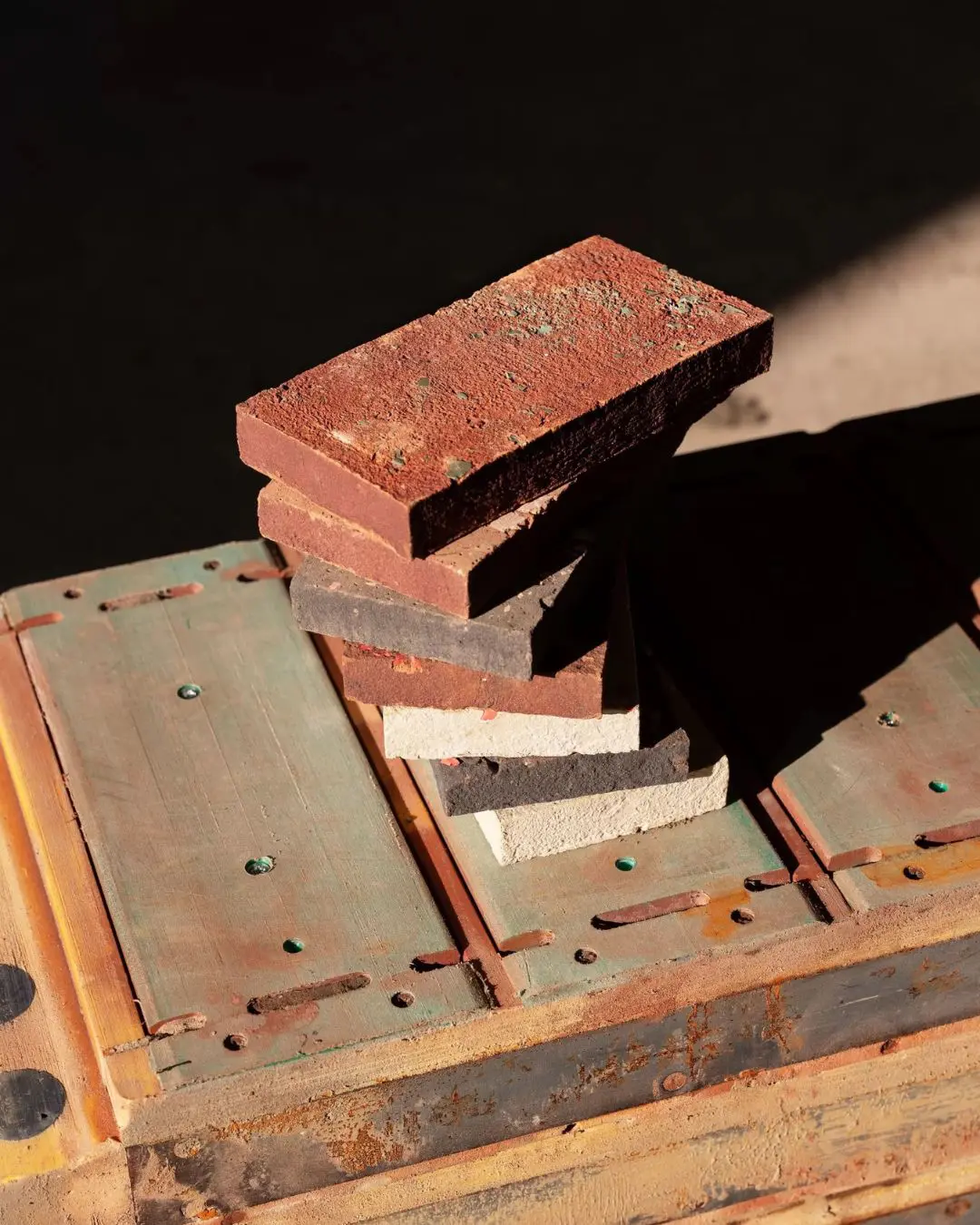
From a longevity perspective, terrazzo is an exceptionally durable option, often lasting for the entire lifespan of a building, sometimes exceeding 75 to 100 years. This "forever floor" characteristic significantly reduces the need for frequent replacements, contributing to lower embodied carbon in buildings. Modern terrazzo has evolved from its traditional cementitious base to include epoxy resin binders, which offer enhanced durability, a broader color palette, and quicker installation times. The aggregate options have also expanded beyond marble to include recycled glass, reclaimed stone, mother-of-pearl, and industrial byproducts, allowing for diverse aesthetic possibilities. Eco Outdoor, for instance, blends terrazzo with natural stone and terracotta to create palettes that evoke both historical charm and contemporary freshness, aligning with a broader trend towards materials that introduce texture and life into living spaces.
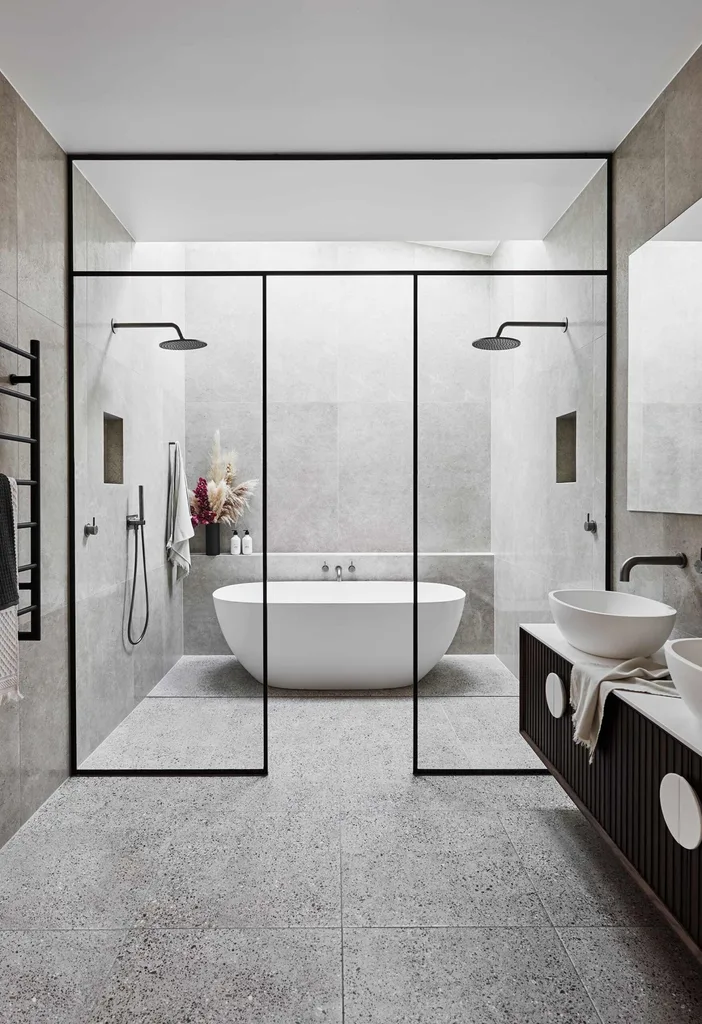
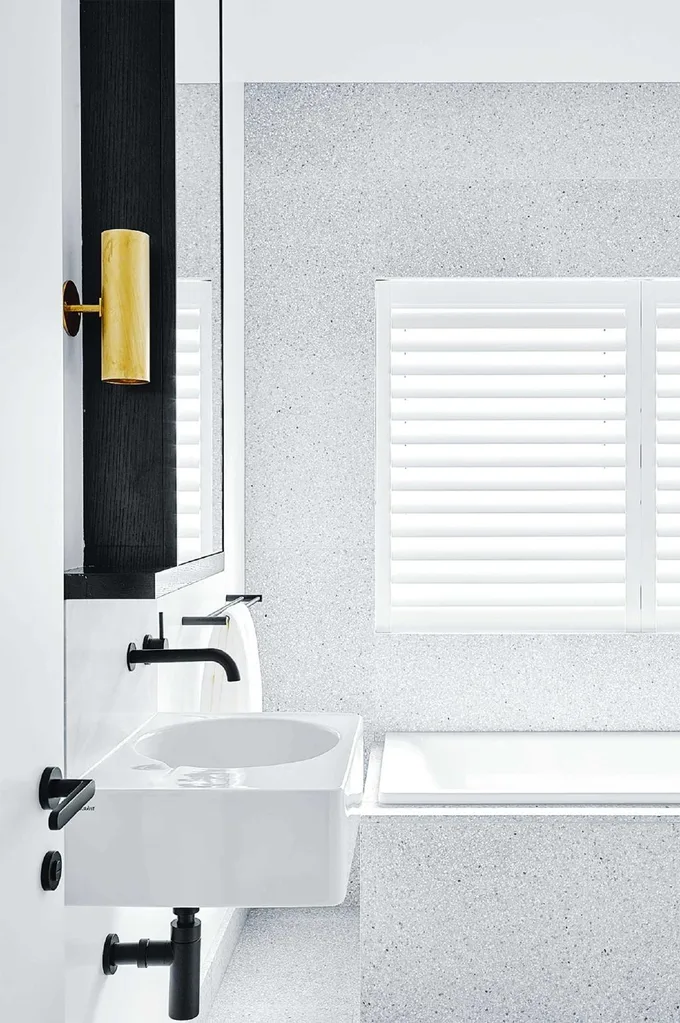
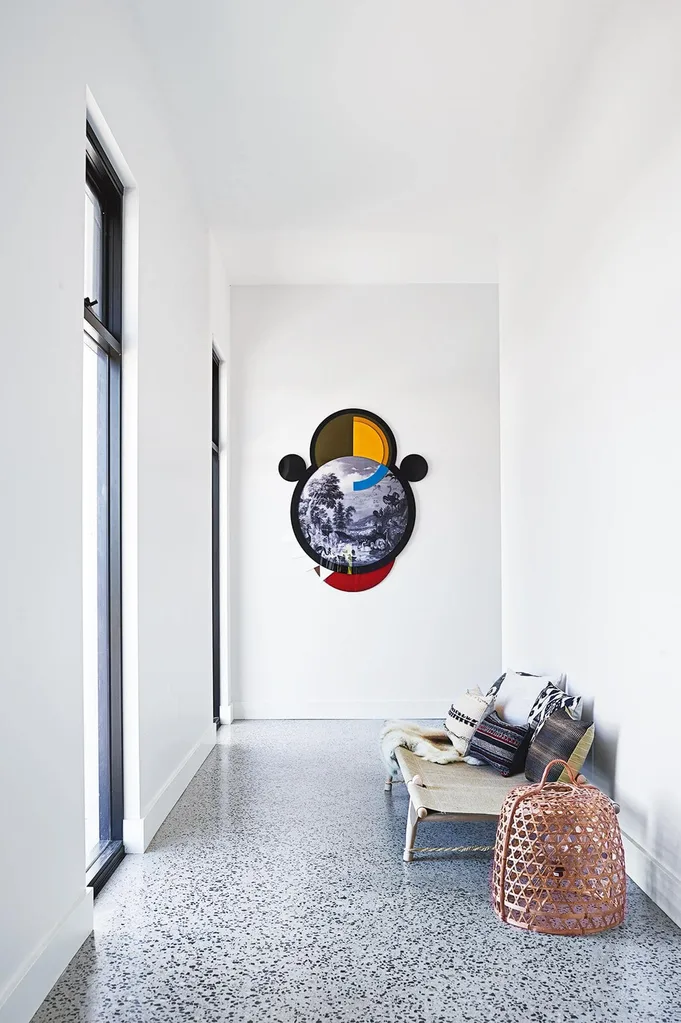
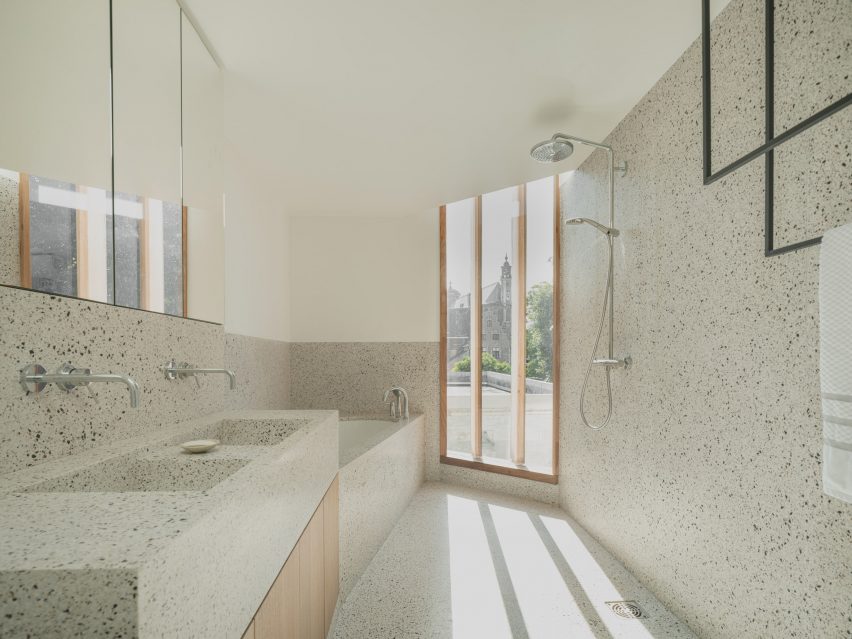
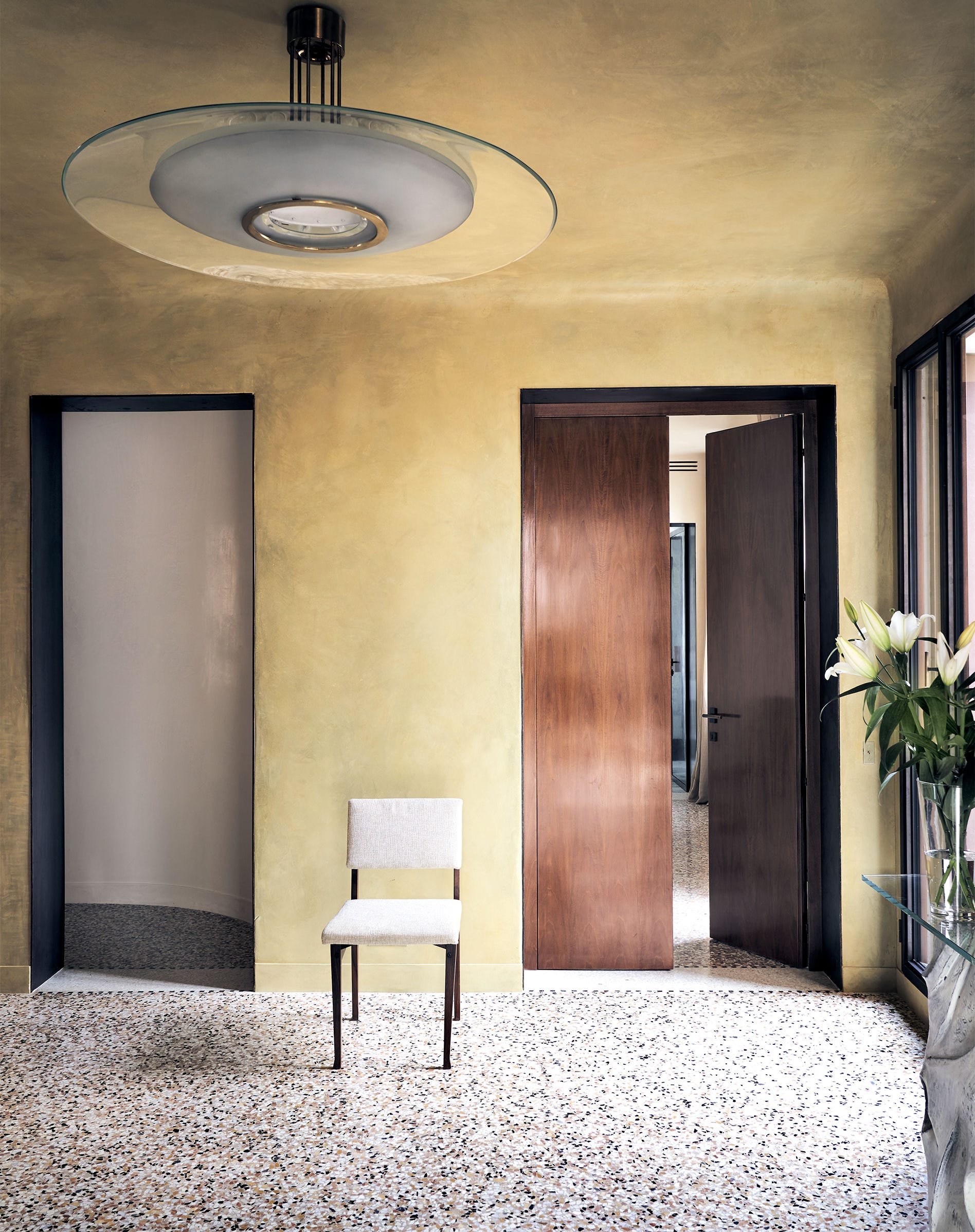
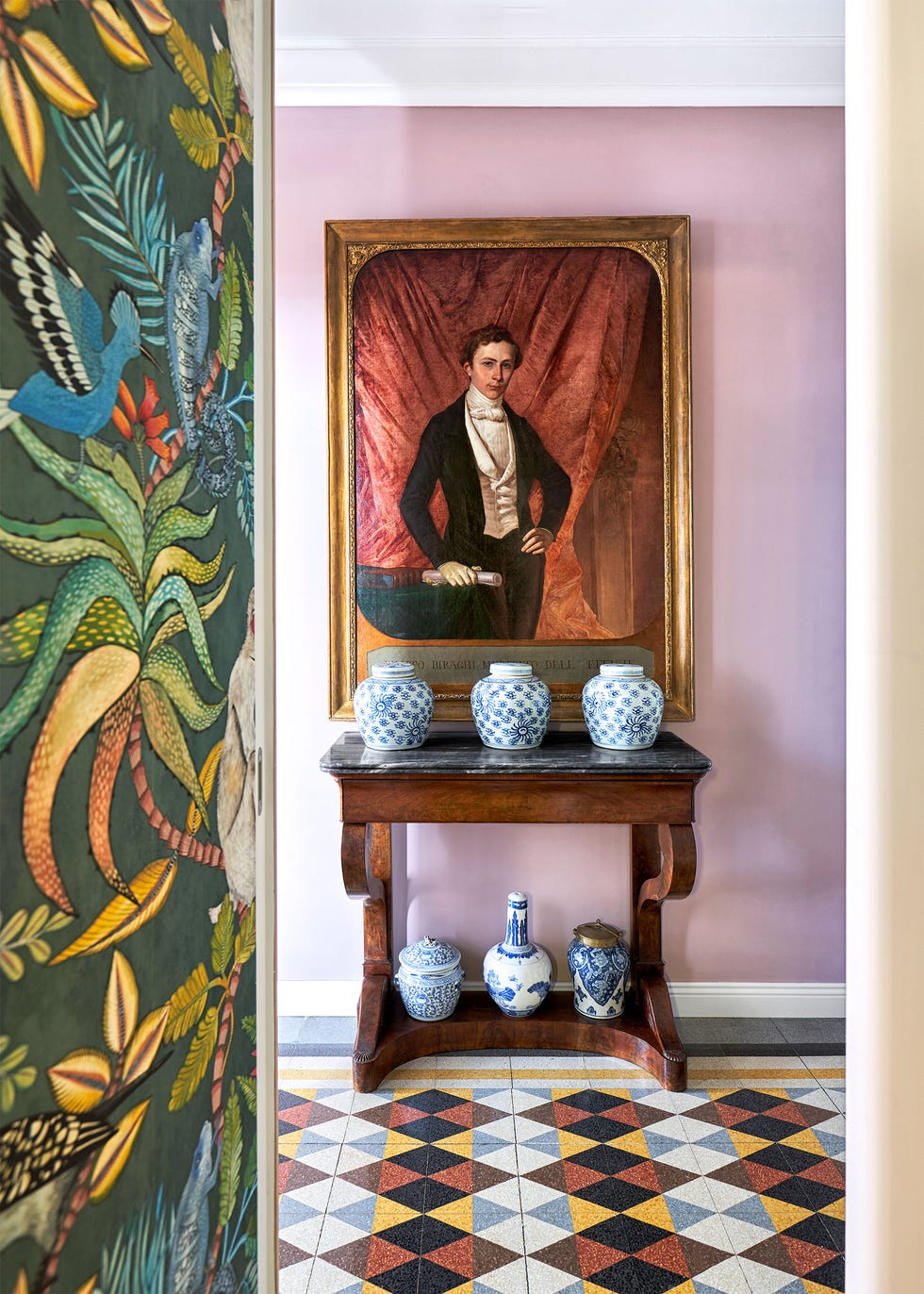
Terrazzo makes a significant impact in entryways, setting a confident tone for visitors due to its vibrant colors and distinct patterns, unlike the neutral effect of natural stone. It also adds an inspirational element to bathrooms, working well for vanities and shower walls to create a clean, monolithic appearance. The material's longevity is a key sustainability advantage; it can be repolished and restored over decades, maintaining its aesthetic appeal and structural integrity. This timeless quality allows terrazzo to bridge different design eras, from Art Deco to mid-century modern, and fit comfortably into contemporary lofts.
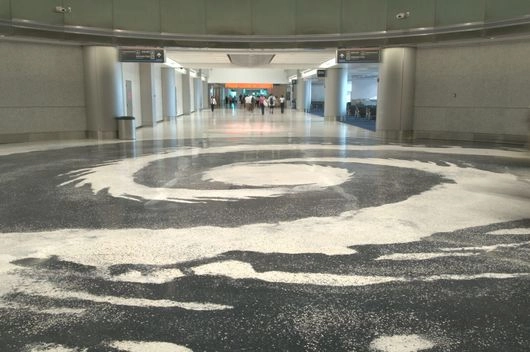
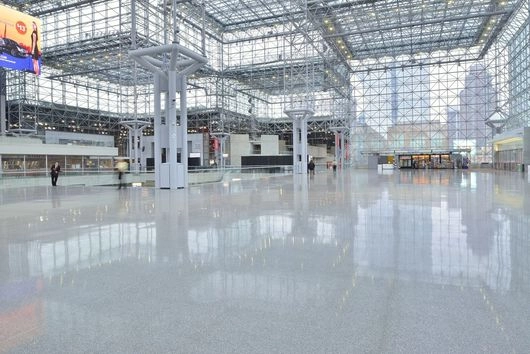
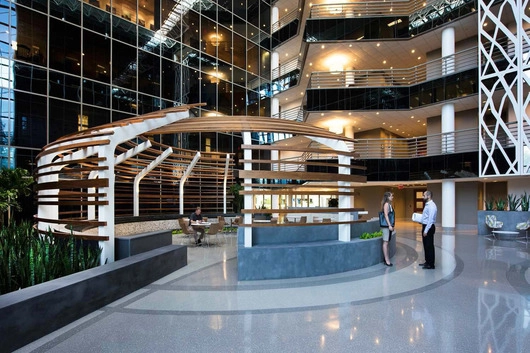
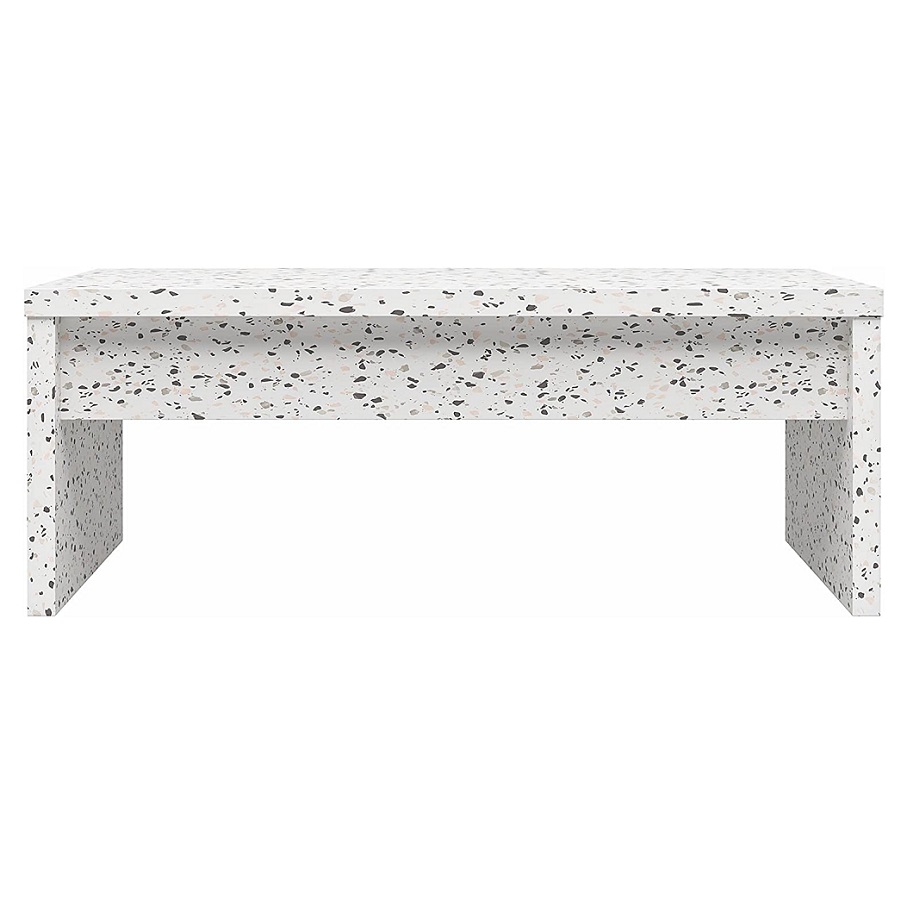
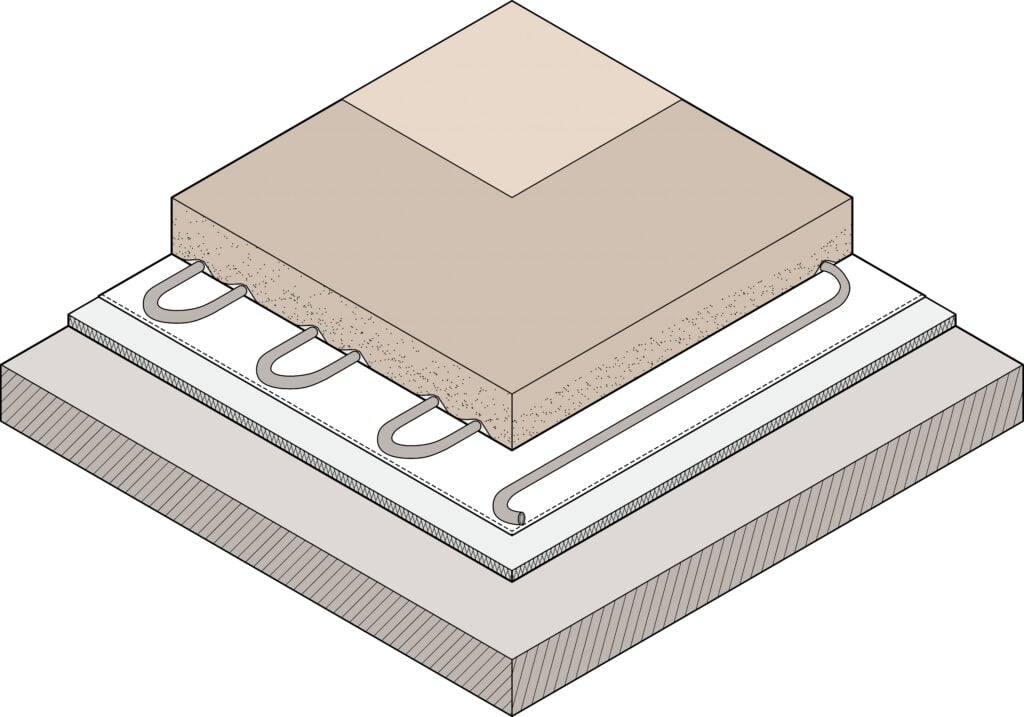
Understanding the distinction between epoxy terrazzo and cement-based terrazzo is crucial for selection. Epoxy terrazzo, favored for interiors, is lightweight, offers vibrant colors, cures quickly, and has low VOC emissions. Cement-based terrazzo, ideal for outdoor spaces or older buildings with moisture concerns, is heavier and thicker but offers breathability. Both systems involve mixing a base with aggregates like marble chips, glass, or granite. Terrazzo can be poured in place for a seamless finish or installed as precast tiles, which are manufactured off-site and offer easier installation. The design flexibility is extensive, allowing for custom patterns, colors, and aggregate combinations using divider strips, making each floor a unique work of art. While the initial cost of terrazzo can be higher than other flooring options, its exceptional durability, low maintenance, and resistance to chemicals and bacteria make it a cost-effective choice over its long lifecycle, aligning with LEED Rating System credits for sustainability. Maintenance is simple, involving daily dust mopping and periodic deep cleaning with pH-neutral cleaners to preserve its pristine condition.
#TerrazzoFlooring #SustainableDesign #CircularEconomy #HomeDesign #InteriorArchitecture #EcoOutdoor #MaterialInnovation #LongevityInDesign #GreenBuilding #TerrazzoFlooring #SustainableDesign #CircularEconomy #HomeDesign #InteriorArchitecture #EcoOutdoor #MaterialInnovation #LongevityInDesign #GreenBuilding
0 Kommentare insgesamt
 Noch keine Kommentare
Das könnte Ihnen auch gefallen
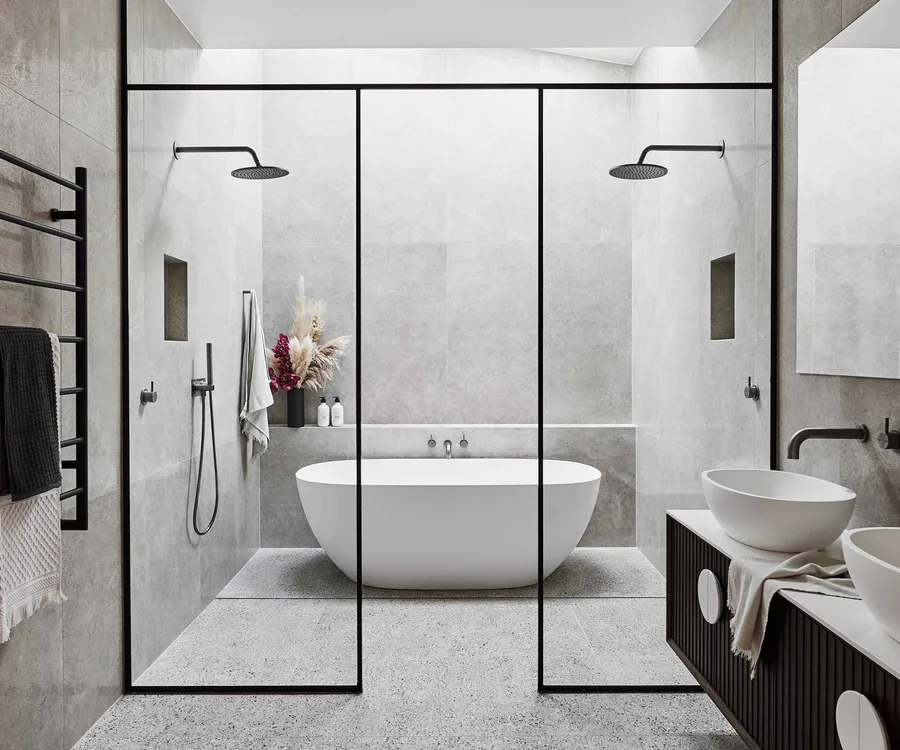
Why terrazzo is on trend for tiles and flooring

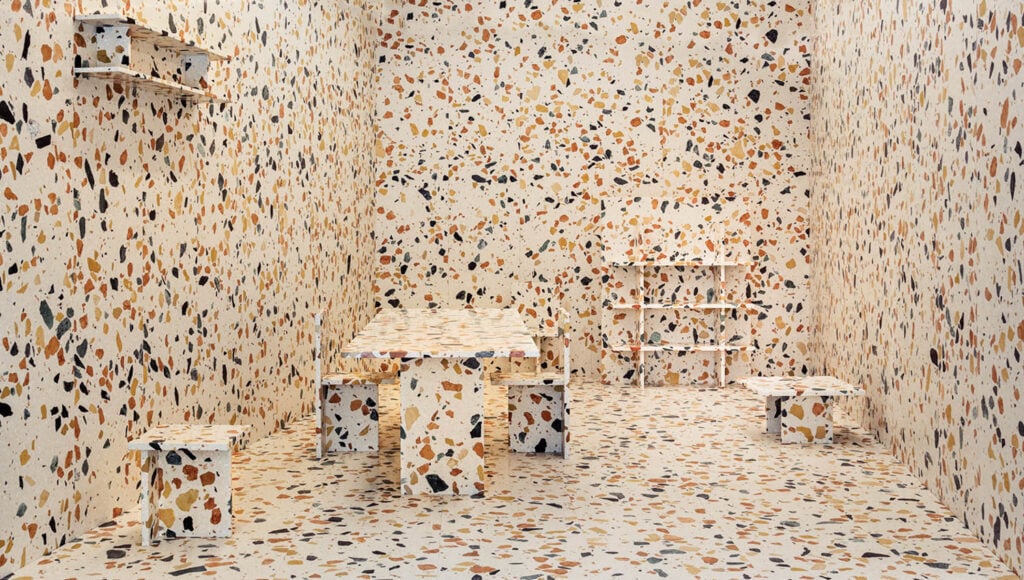
Old-World Style Meets Modern Sentiments in These Flecked Surfaces

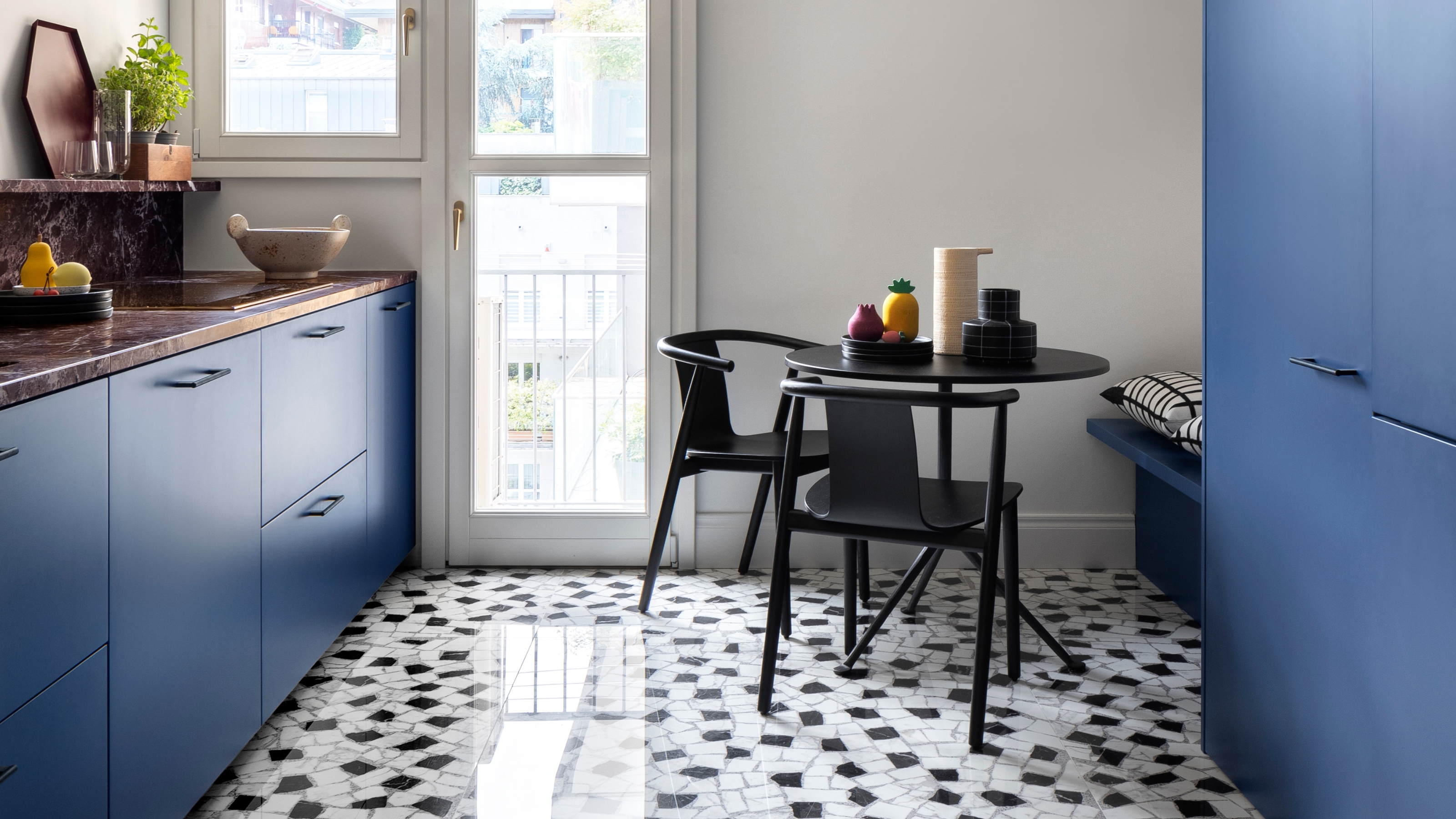
Palladiana Terrazzo straddles Italian Grandeur and Modern Cool

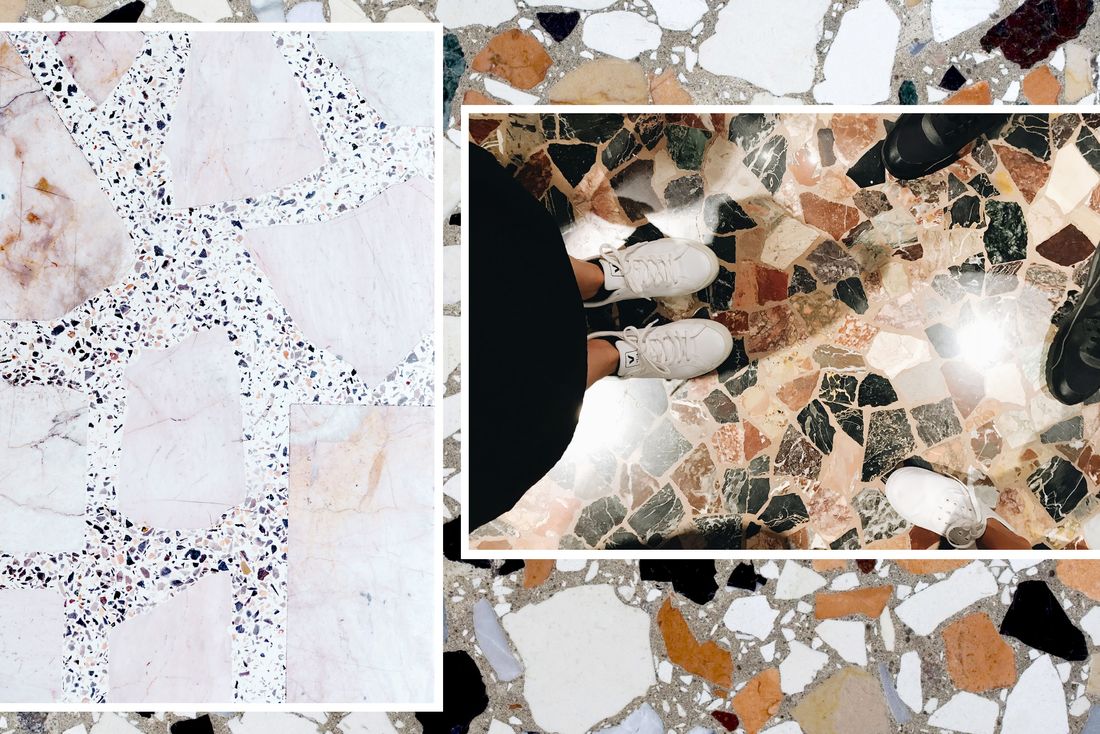
How Terrazzo Made a Comeback
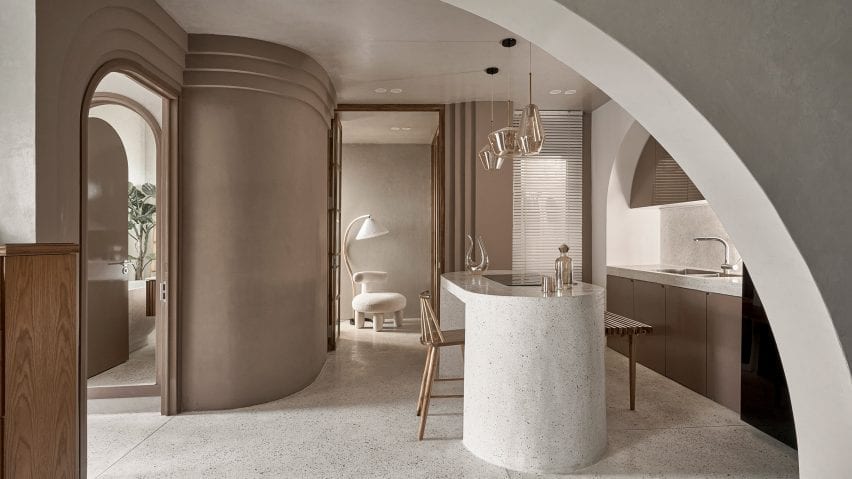
Ten home interiors with distinctive terrazzo floors
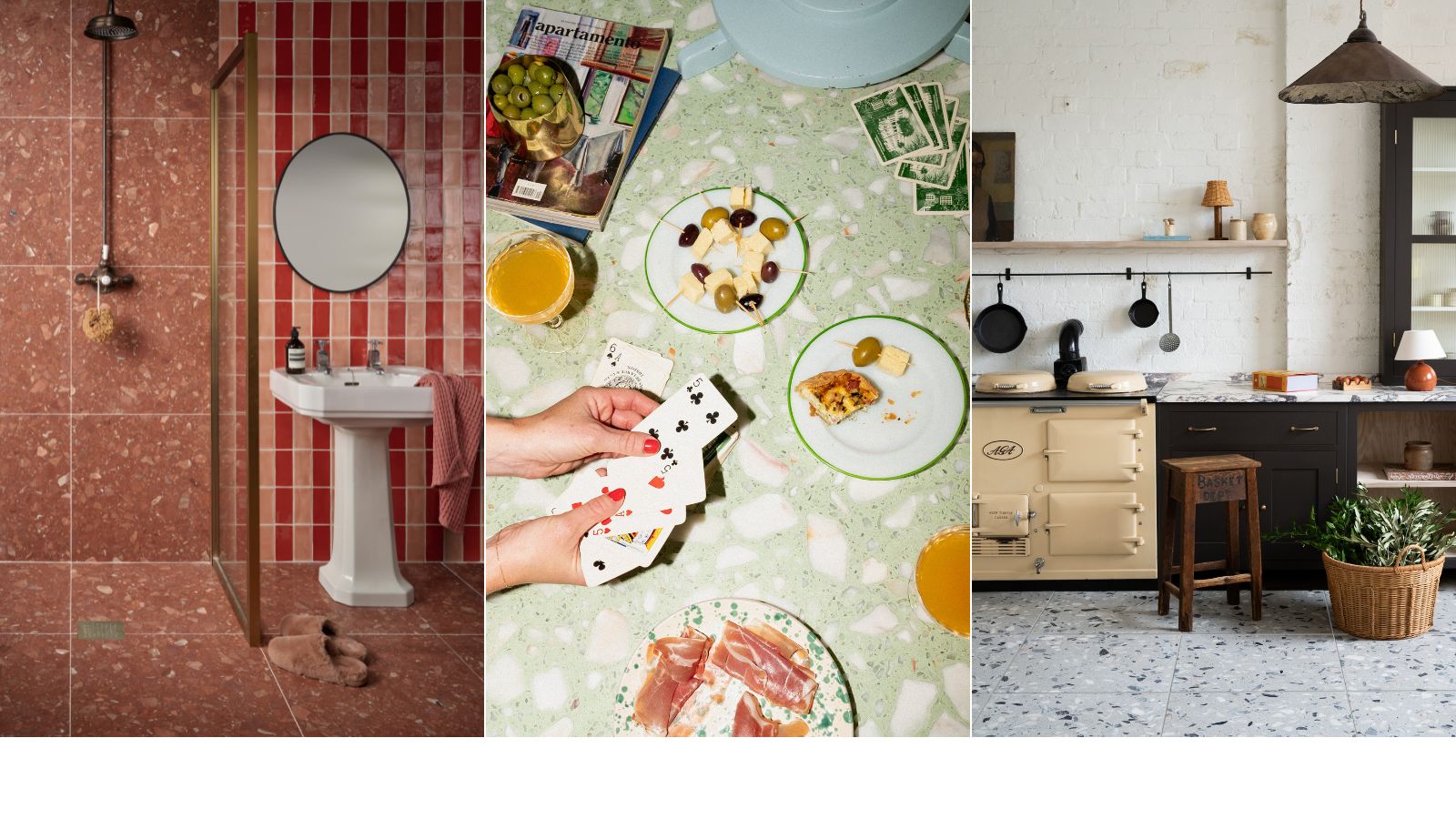
Interior designers say this dated tile trend is making a reappearance in 2024 – is terrazzo back on trend again?

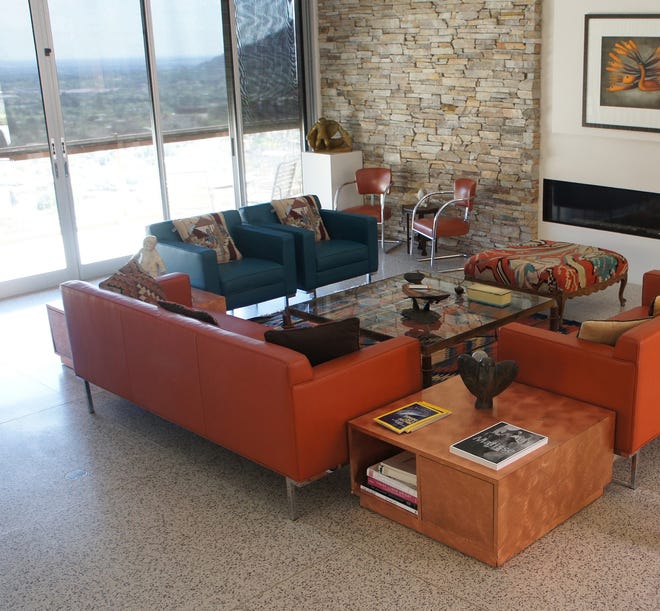
Terrazzo enjoying a resurgence
10 Flooring Products that Look Good and Work Hard

Vogue's flooring guide will ensure you never look up
Terrazzo is the new terrific
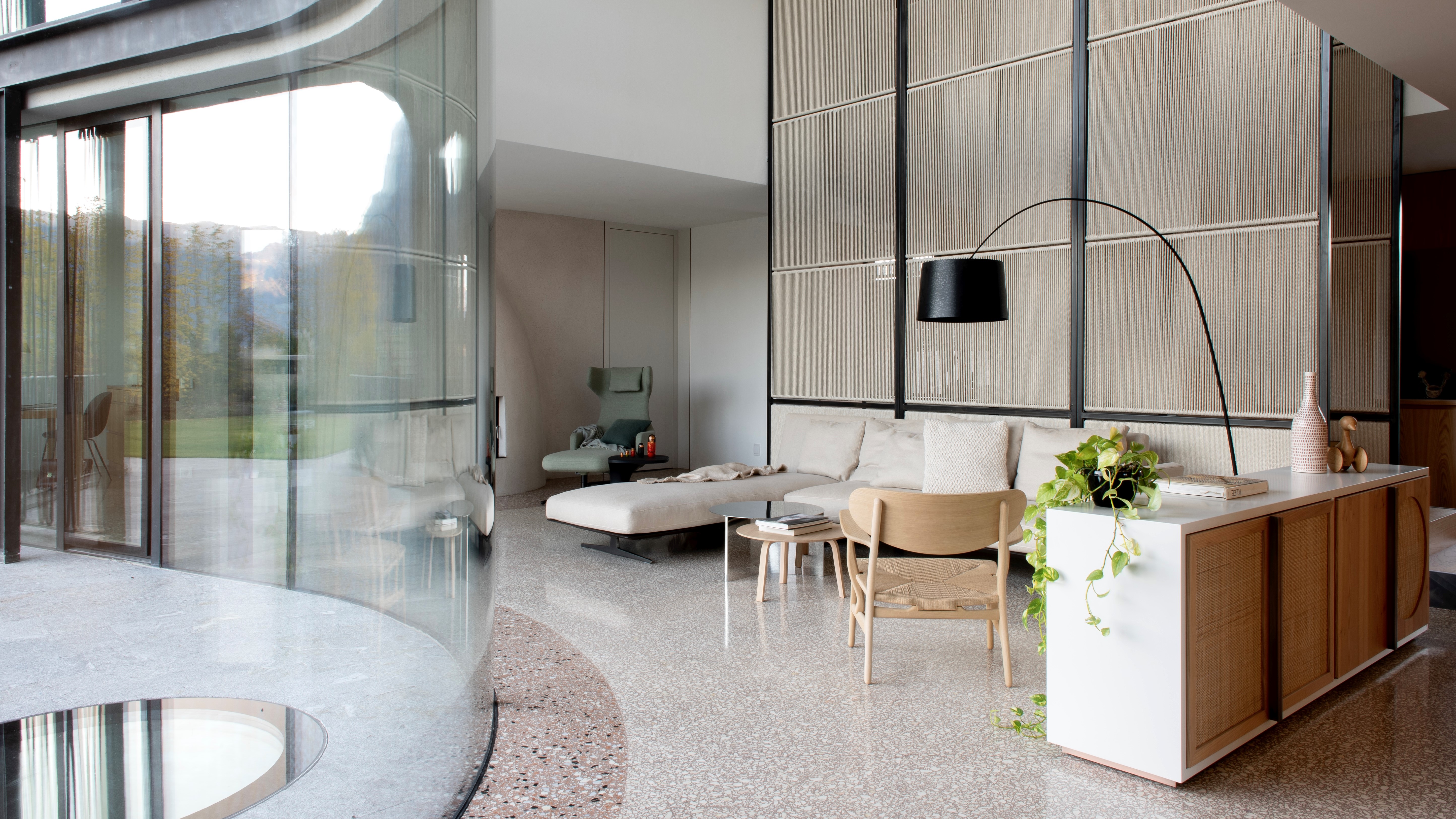
I've never seen terrazzo flooring like this minimalist villa
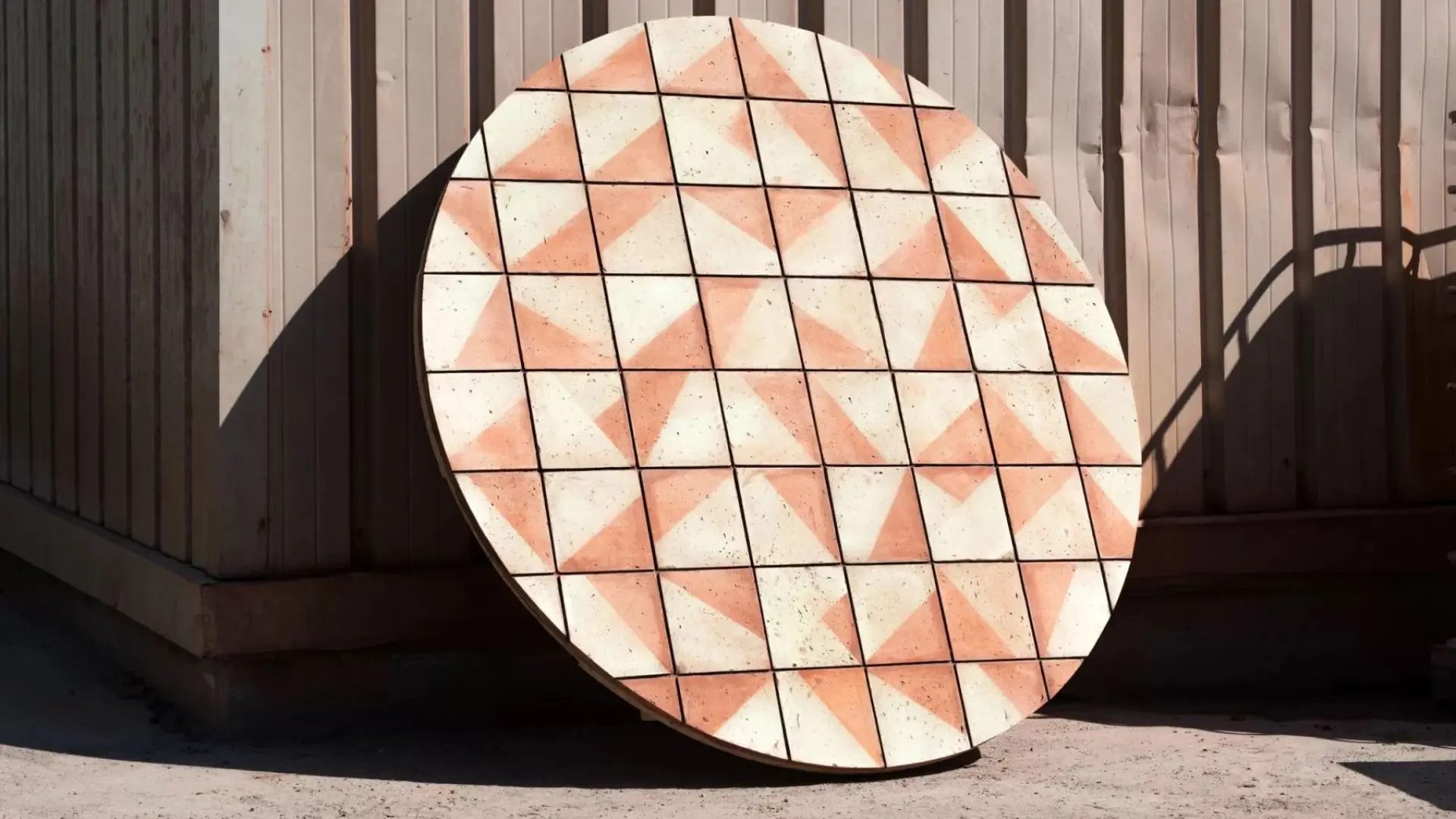
When it comes to terracotta, we need to think big

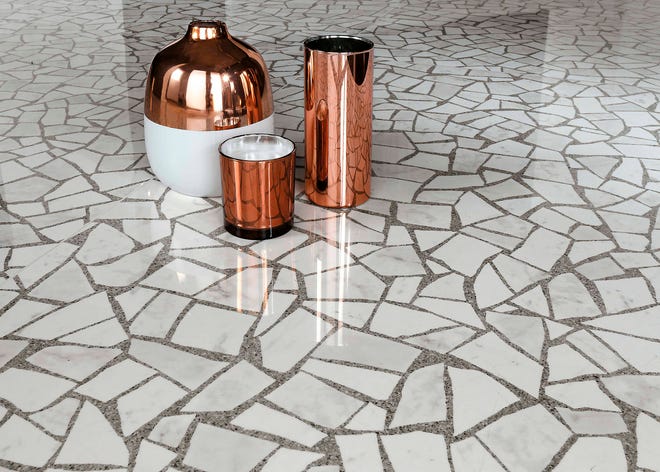
Terrazzo _ the stuff of old hallway flooring _ goes upscale
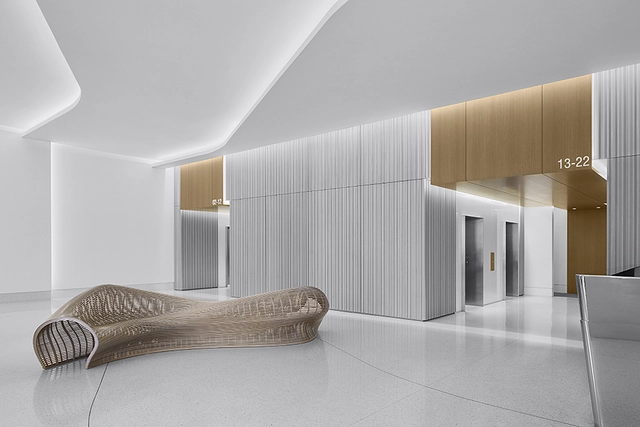
Terrazzo Flooring - Terroxy Resin Systems from Terrazzo & Marble

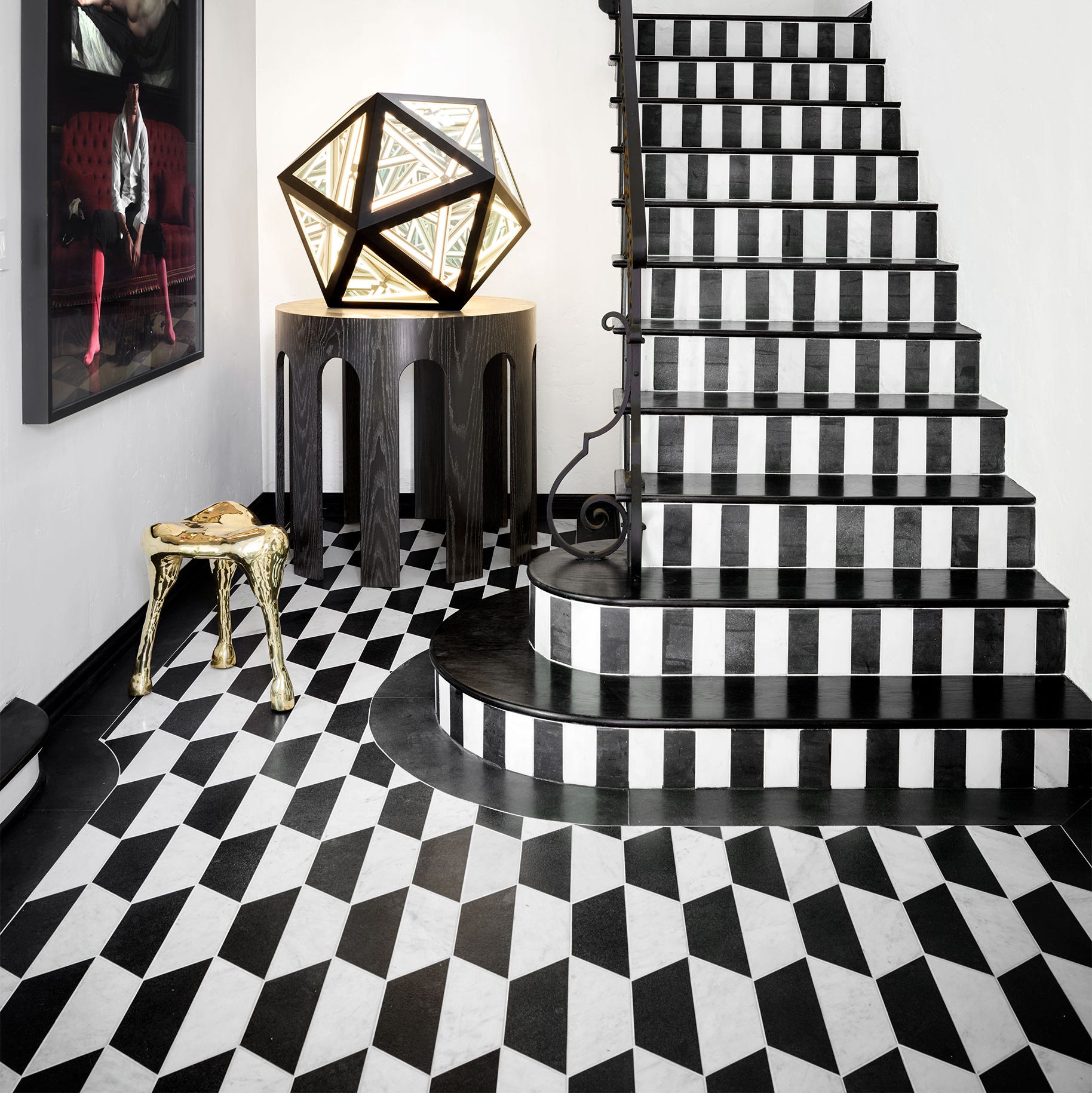
Italy Has the Most Eye-Popping Floor Tiles | Italian Tile

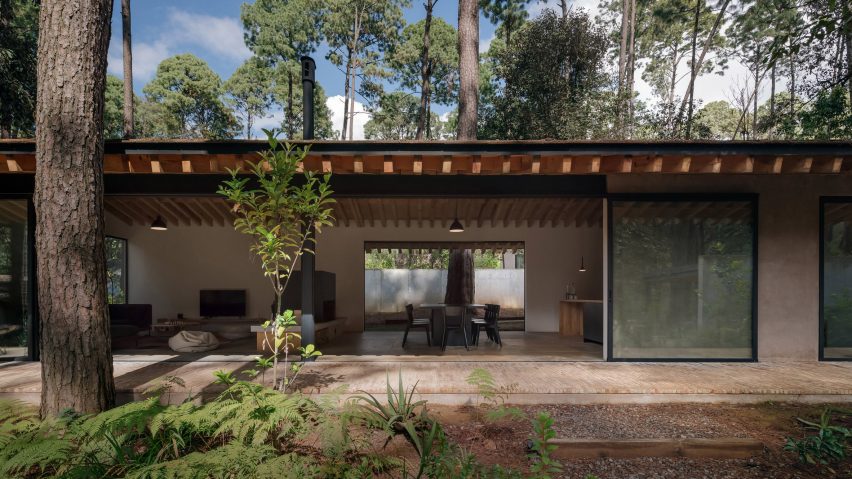
Ten homes where flooring enhances the connection between indoors and outdoors
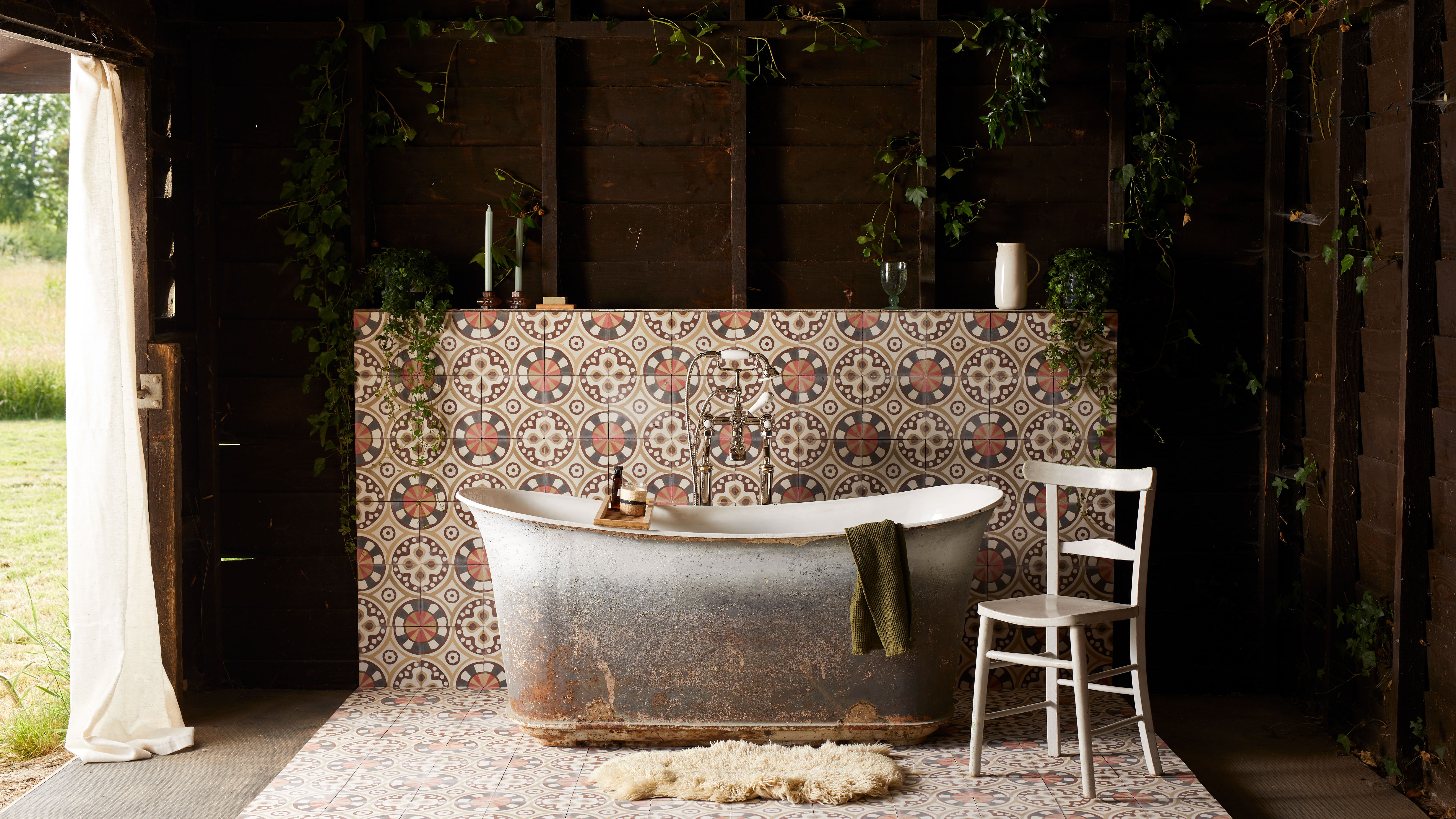
There's a new interiors trend you'll be obsessed with this year
The 12 best tiles to buy now
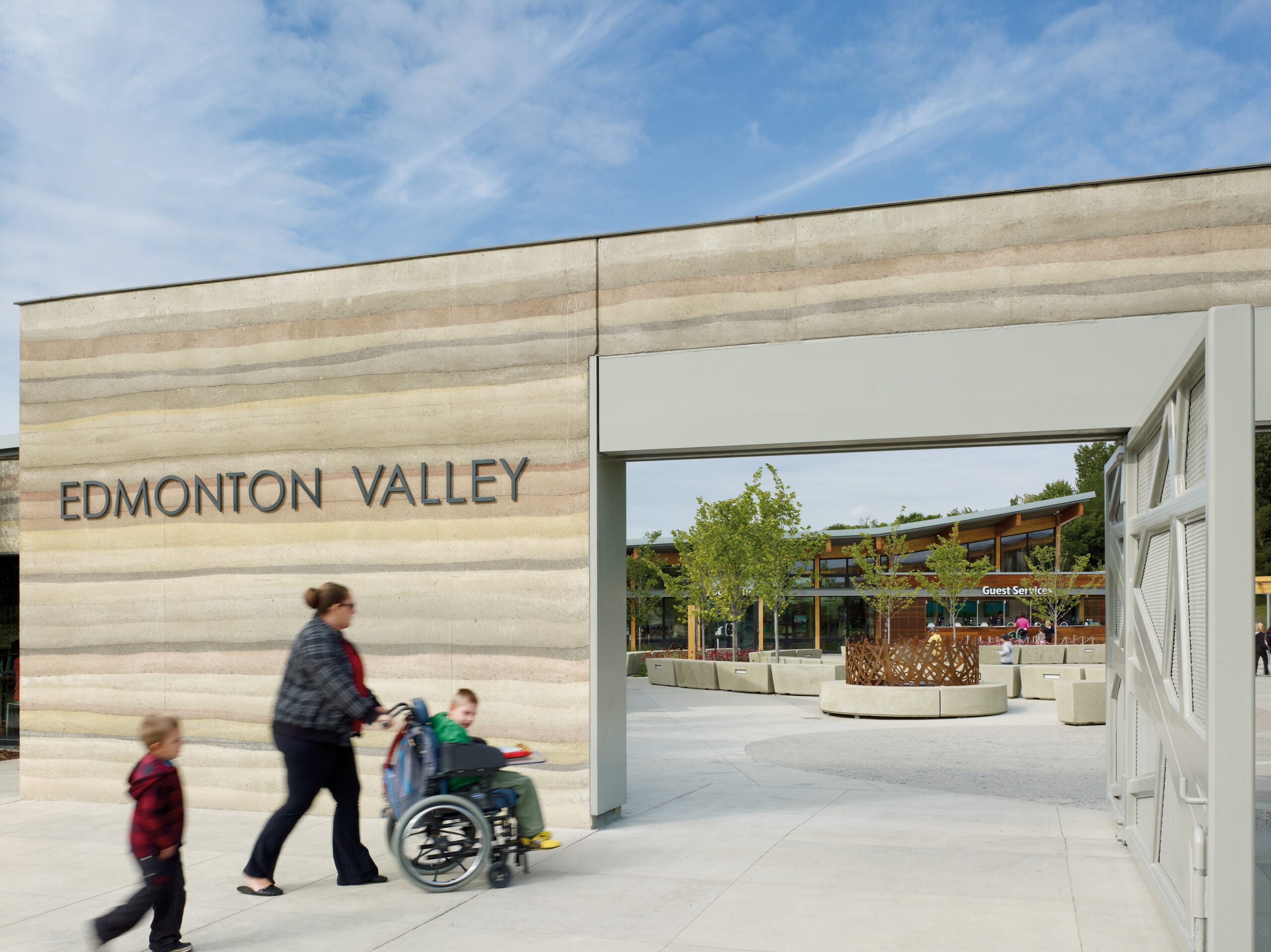
7 Earth-based Solutions For Building Closer to Nature
Terrazzo - the stuff of old hallway flooring - goes upscale