Still Doing This in Your Kitchen? A Designer Says It’s the Fastest Way to Date Your Home
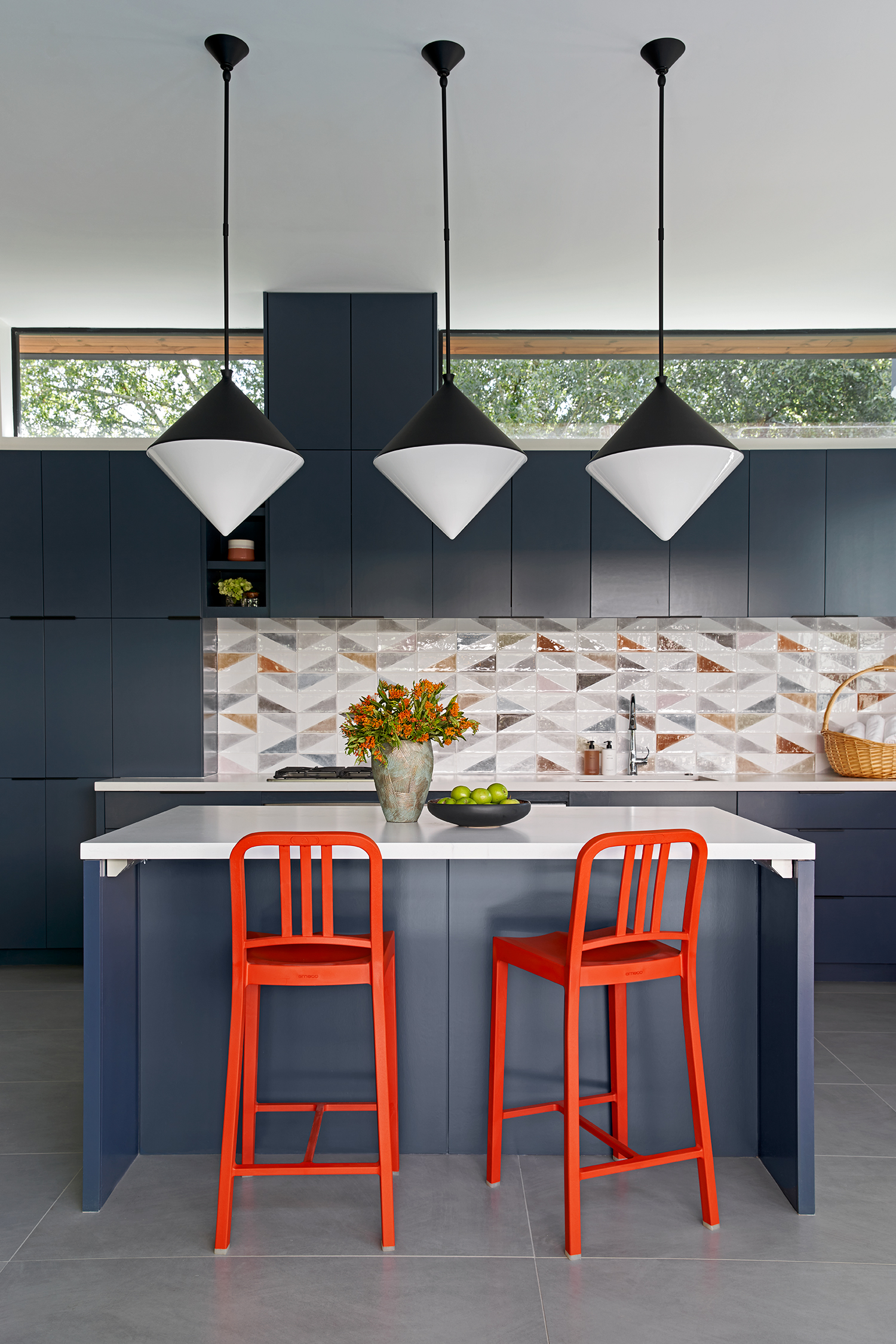
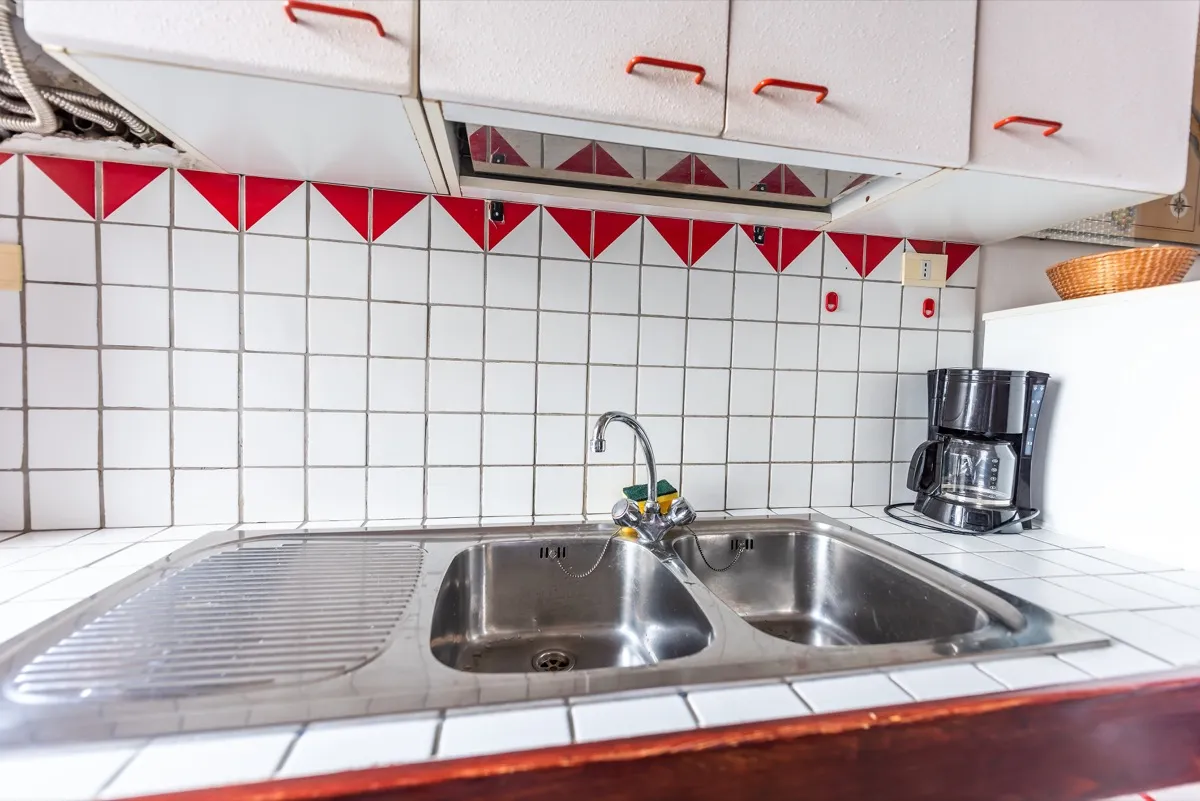
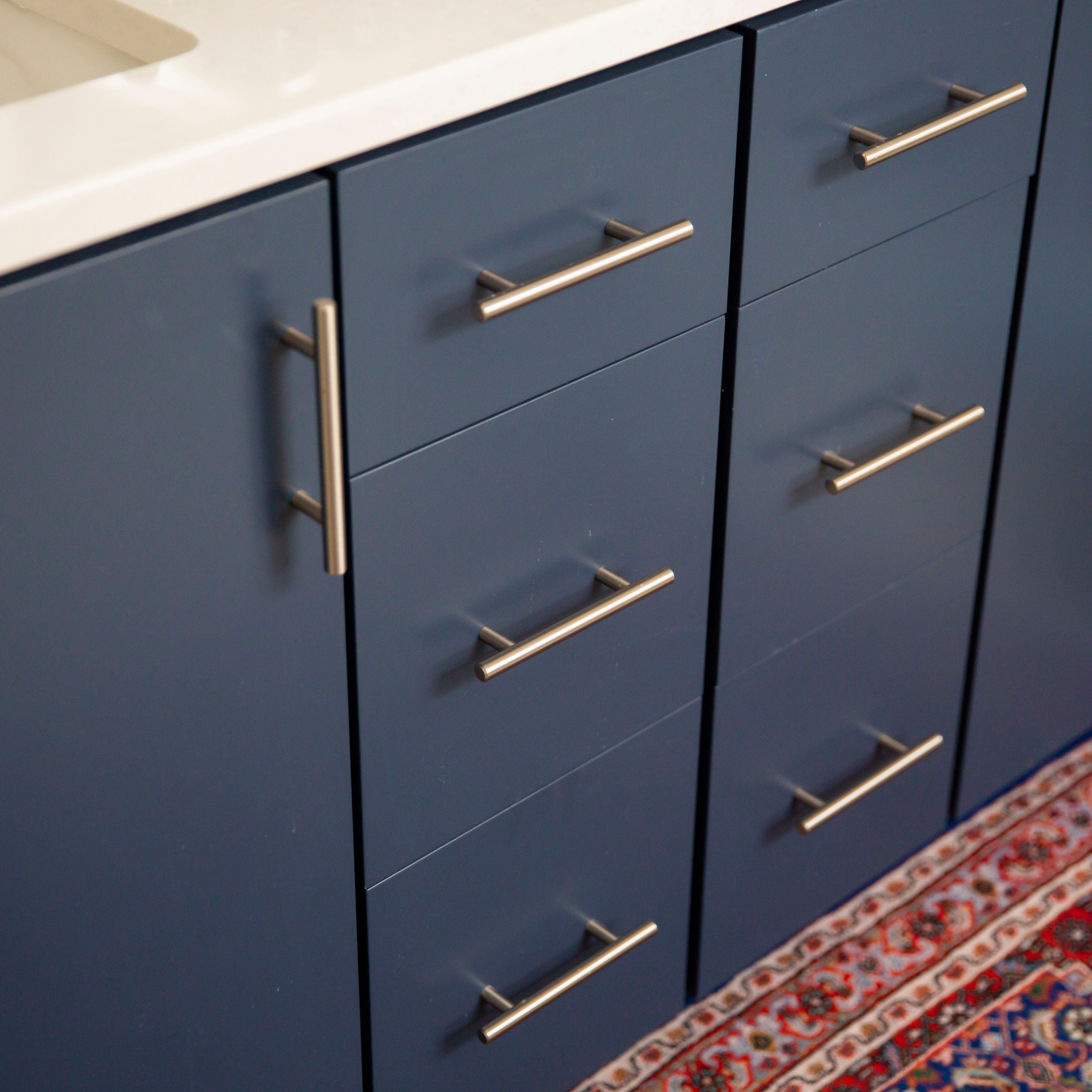
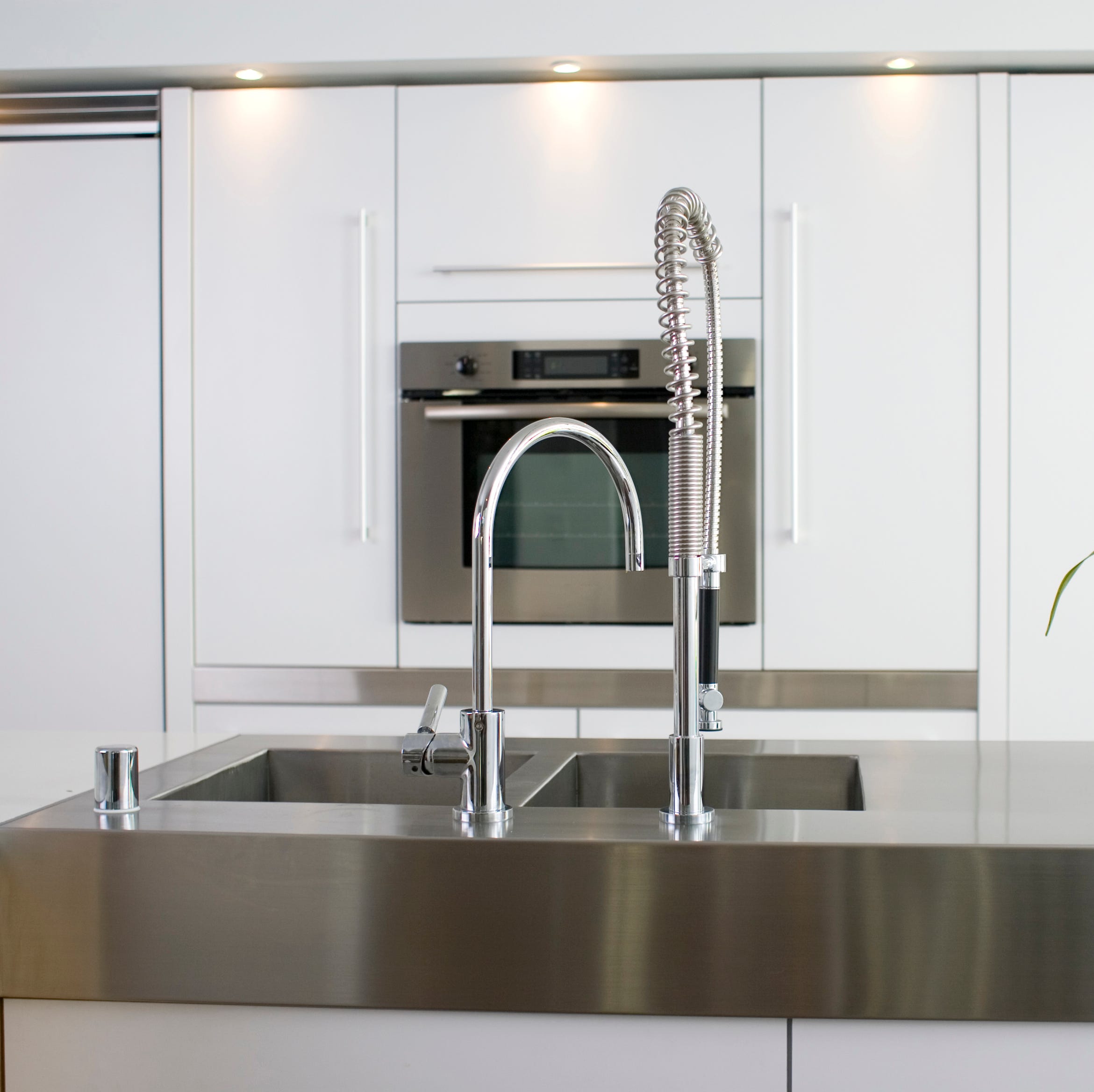
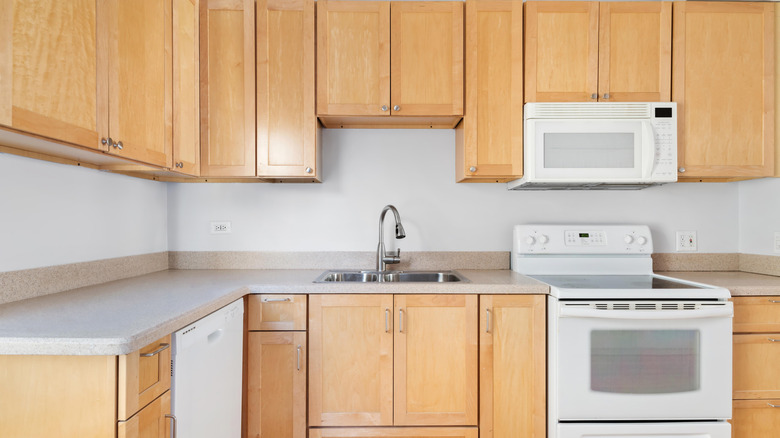
A common kitchen decor decision that can subtly date a home is using the same metal finishes throughout the kitchen. While elements such as dark cherry cabinets, beige speckled granite countertops, or Tuscan-style finishes are overtly dated, matching metal finishes can make a kitchen feel tired in a less obvious way. This practice, once considered a cohesive design choice, has become outdated due to shifting trends in interior design.
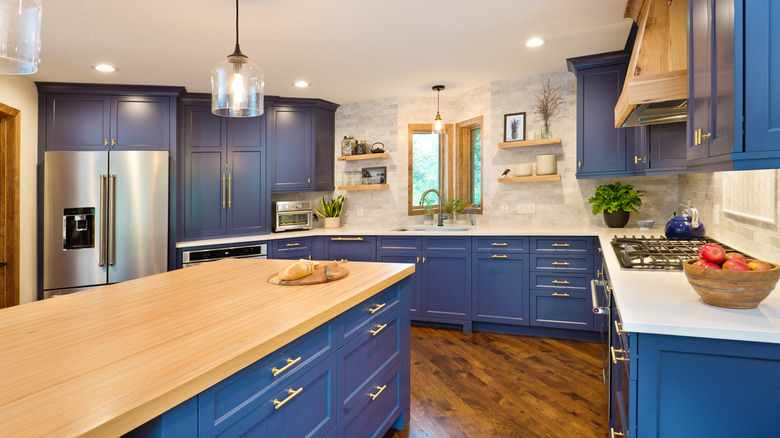
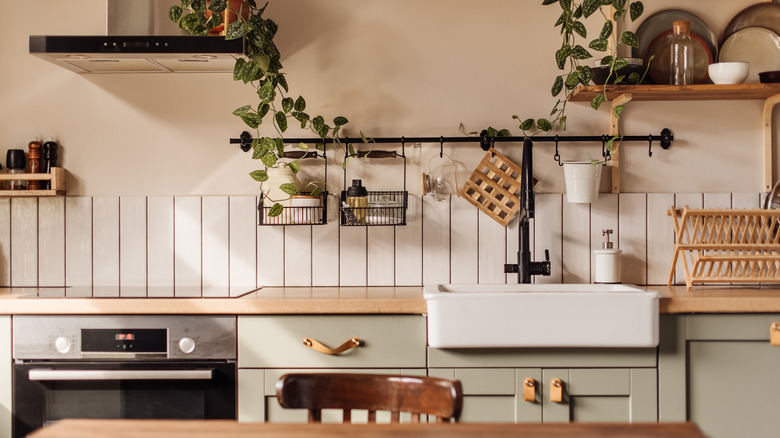
Matching metals gained popularity because it was a practical and straightforward method to achieve a unified look. For instance, chrome was prominent during the Art Deco era, shiny gold fixtures were characteristic of the 1980s, and black metal hardware dominated the modern farmhouse style in the 2020s. However, when design trends shift dramatically, as seen with the transition from cool-toned chrome in the '90s to warm brass in recent years, an entirely uniform metal scheme can quickly appear anachronistic. With chrome now making a comeback, exclusively brass finishes are also at risk of looking outmoded.
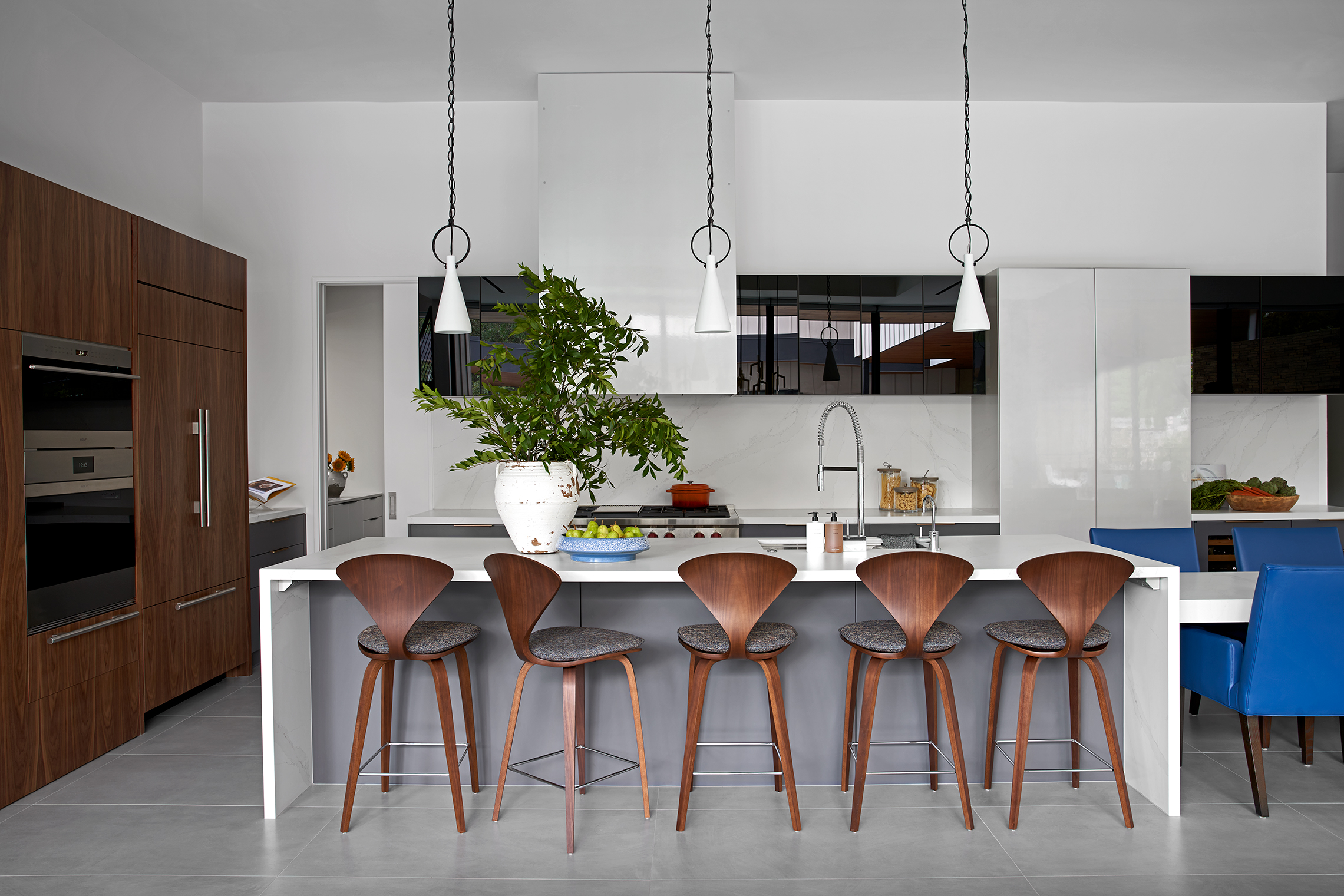
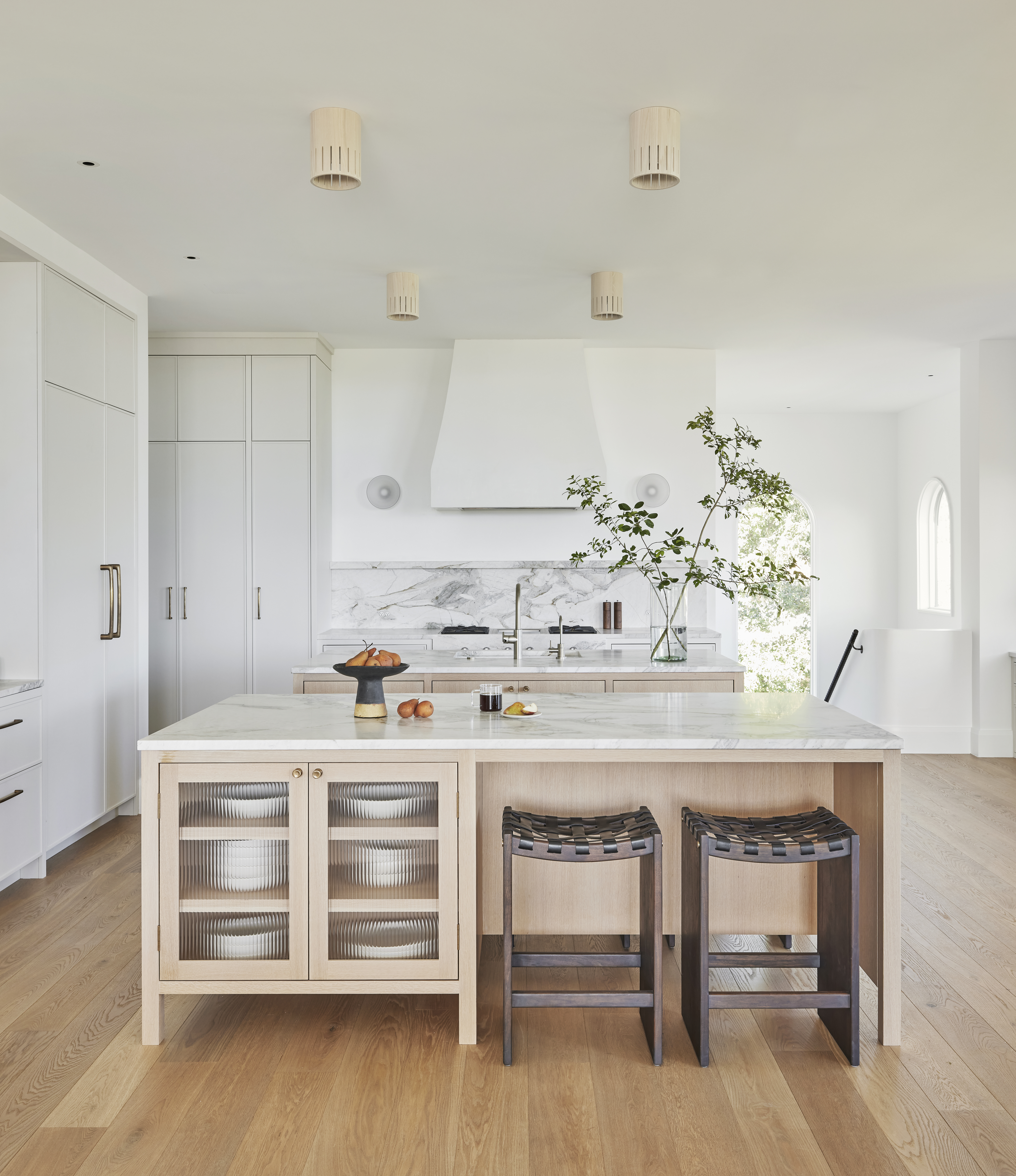
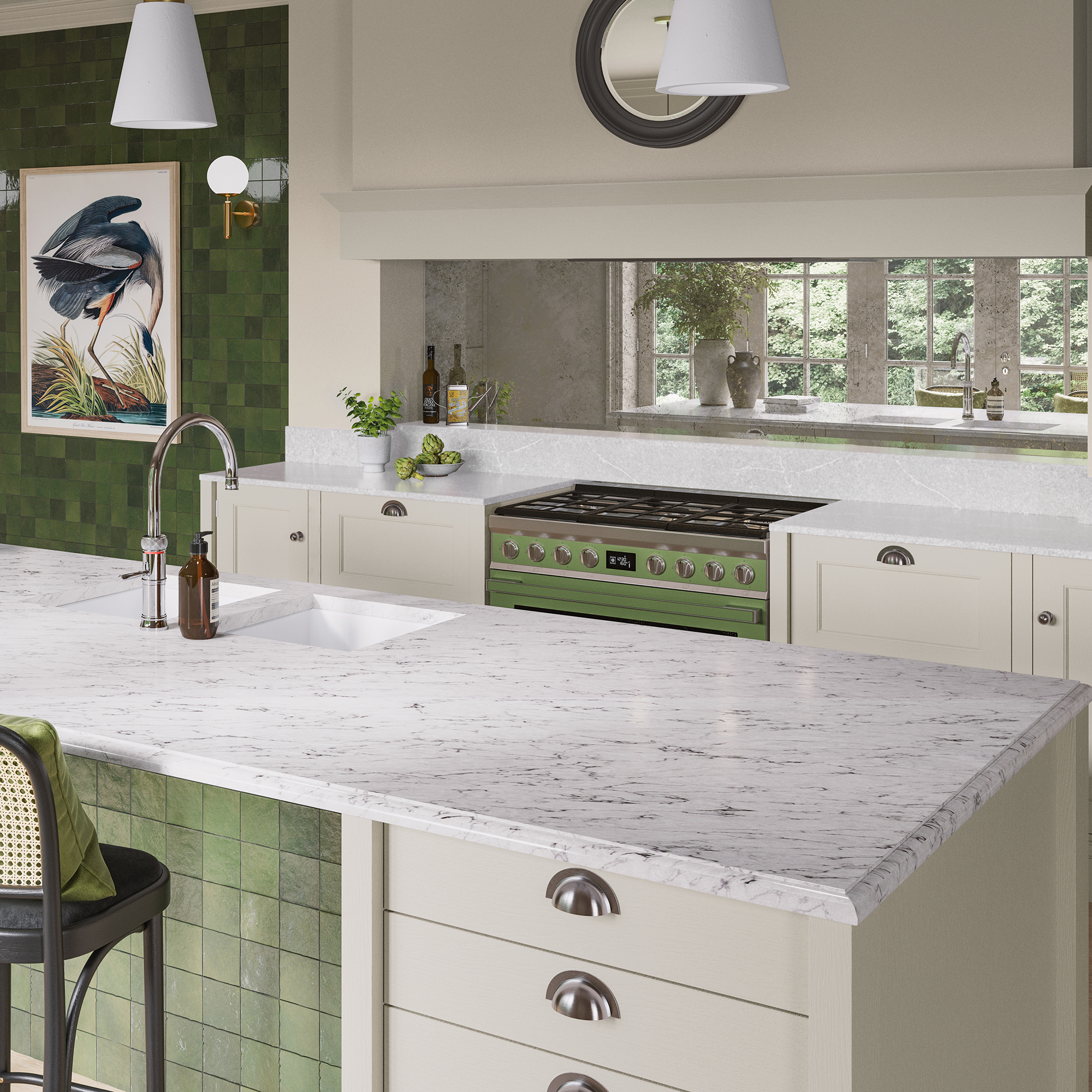
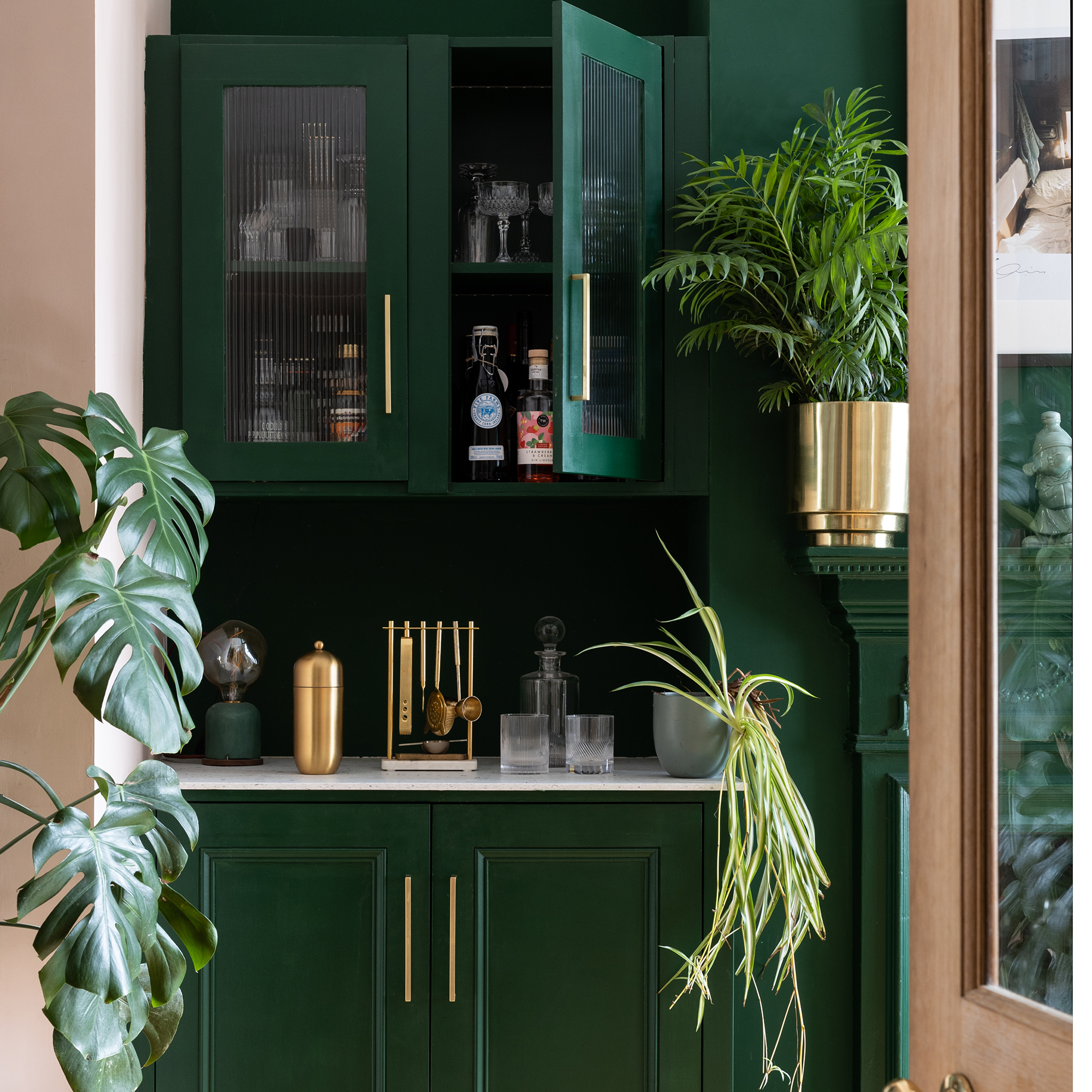
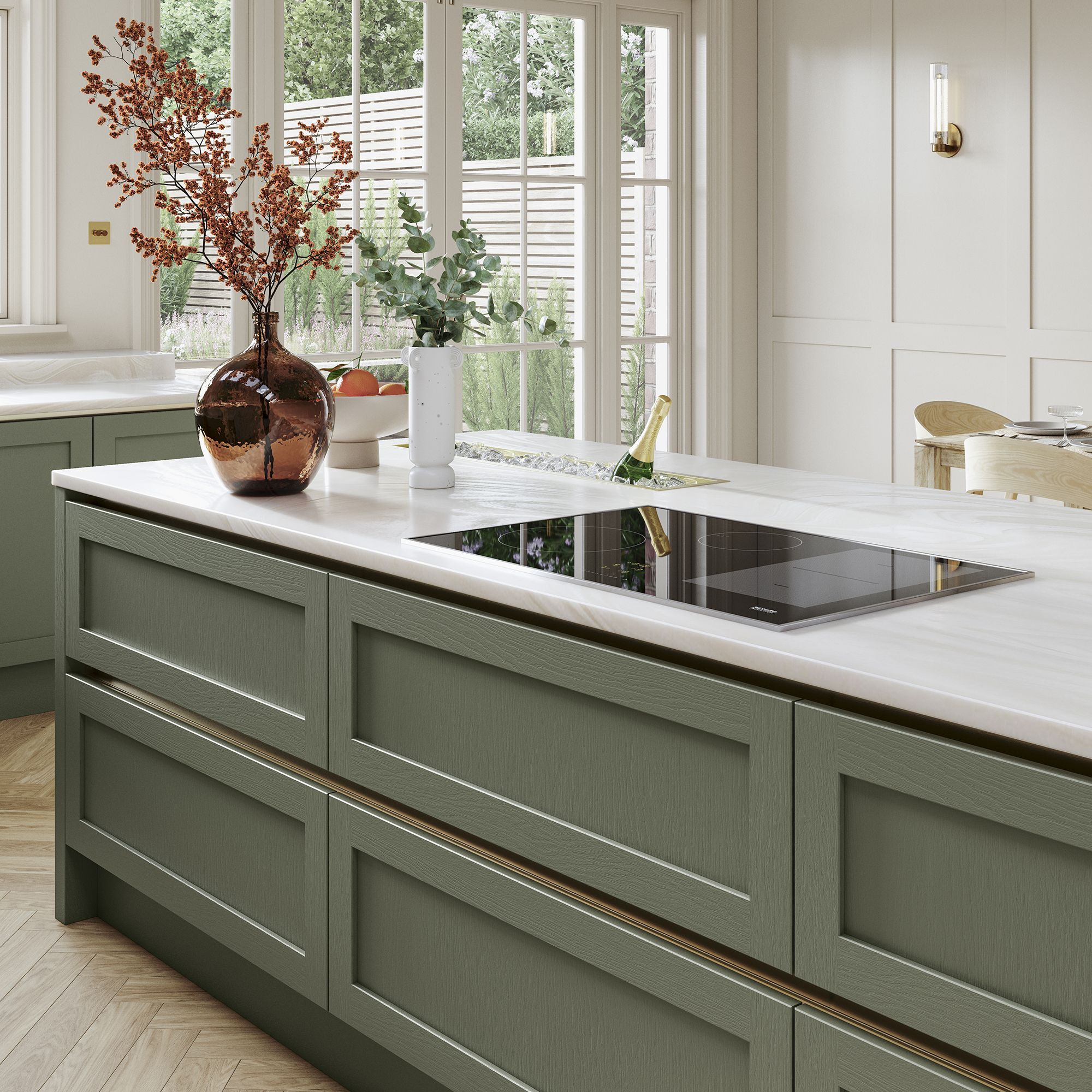
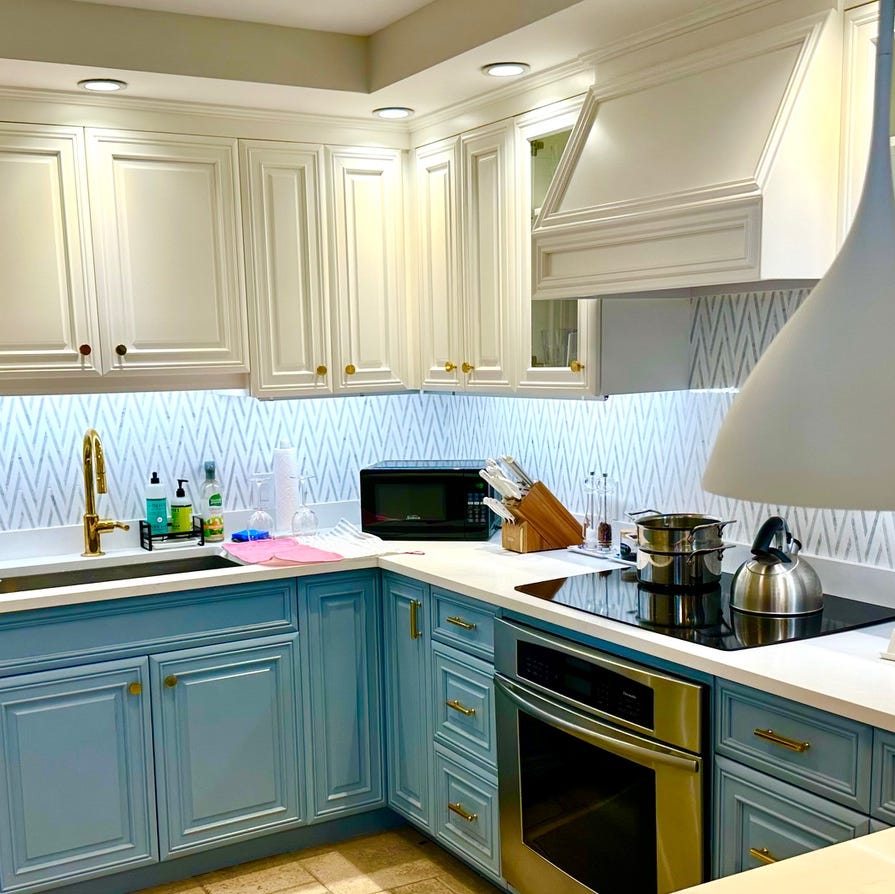
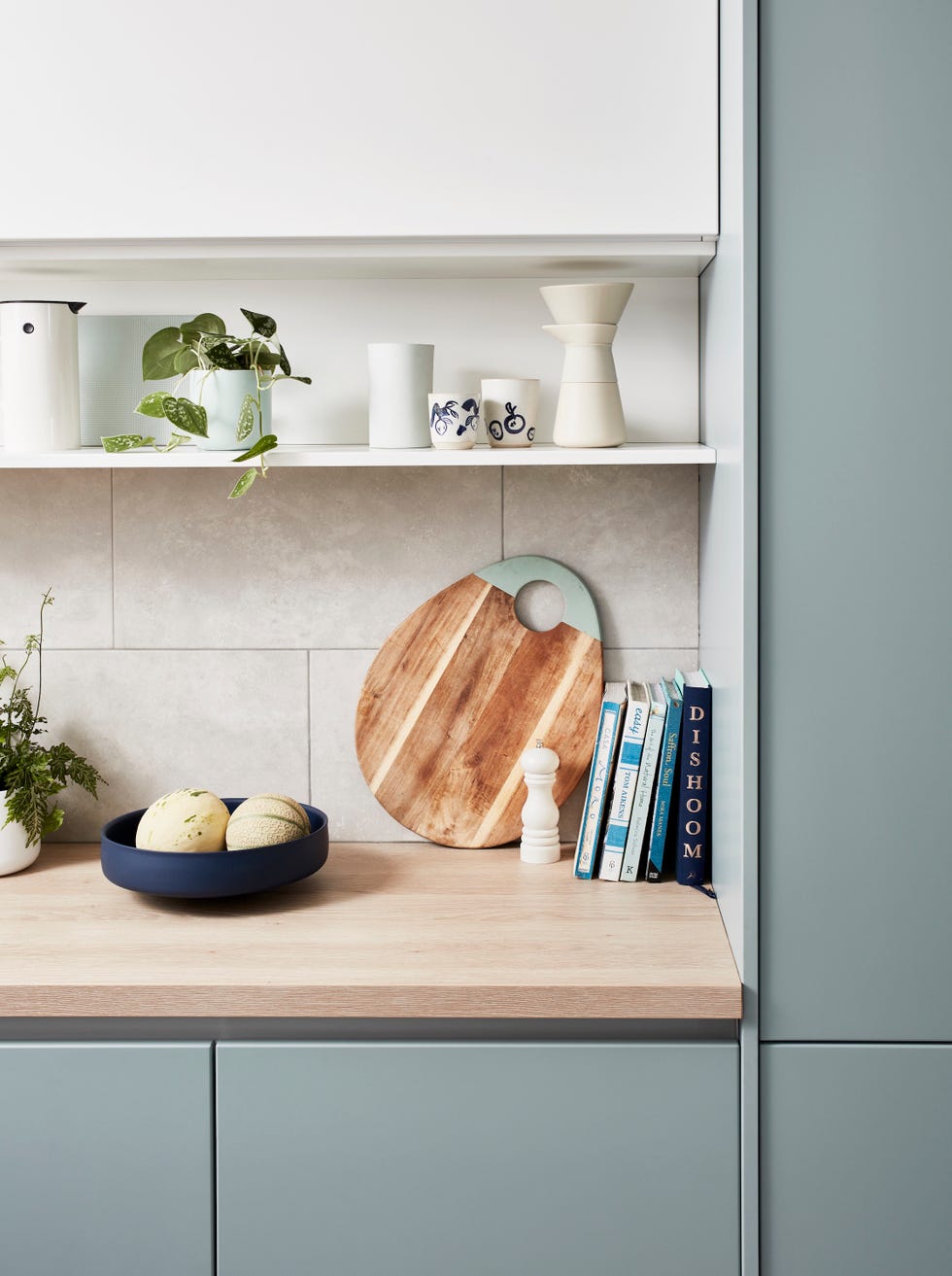
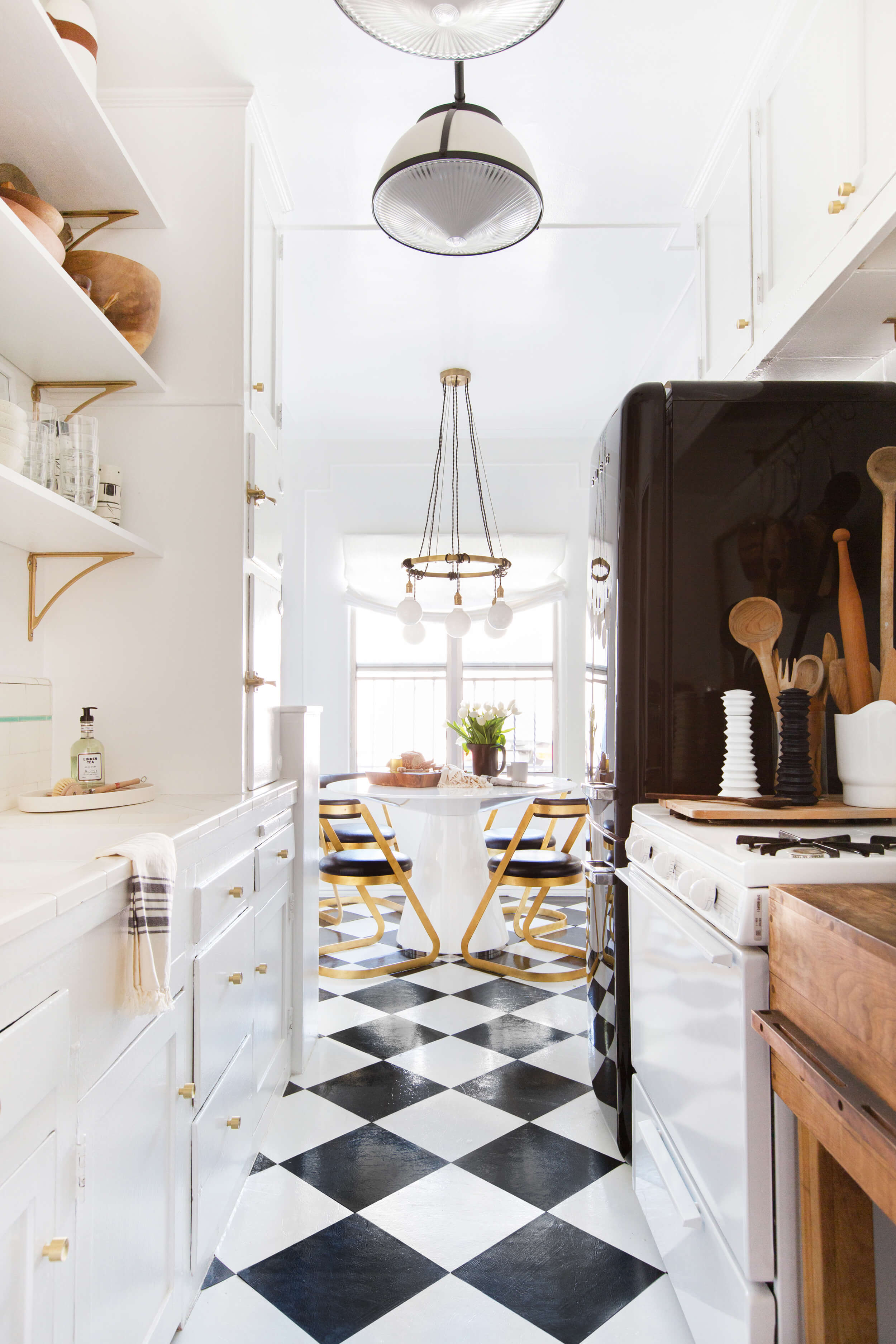
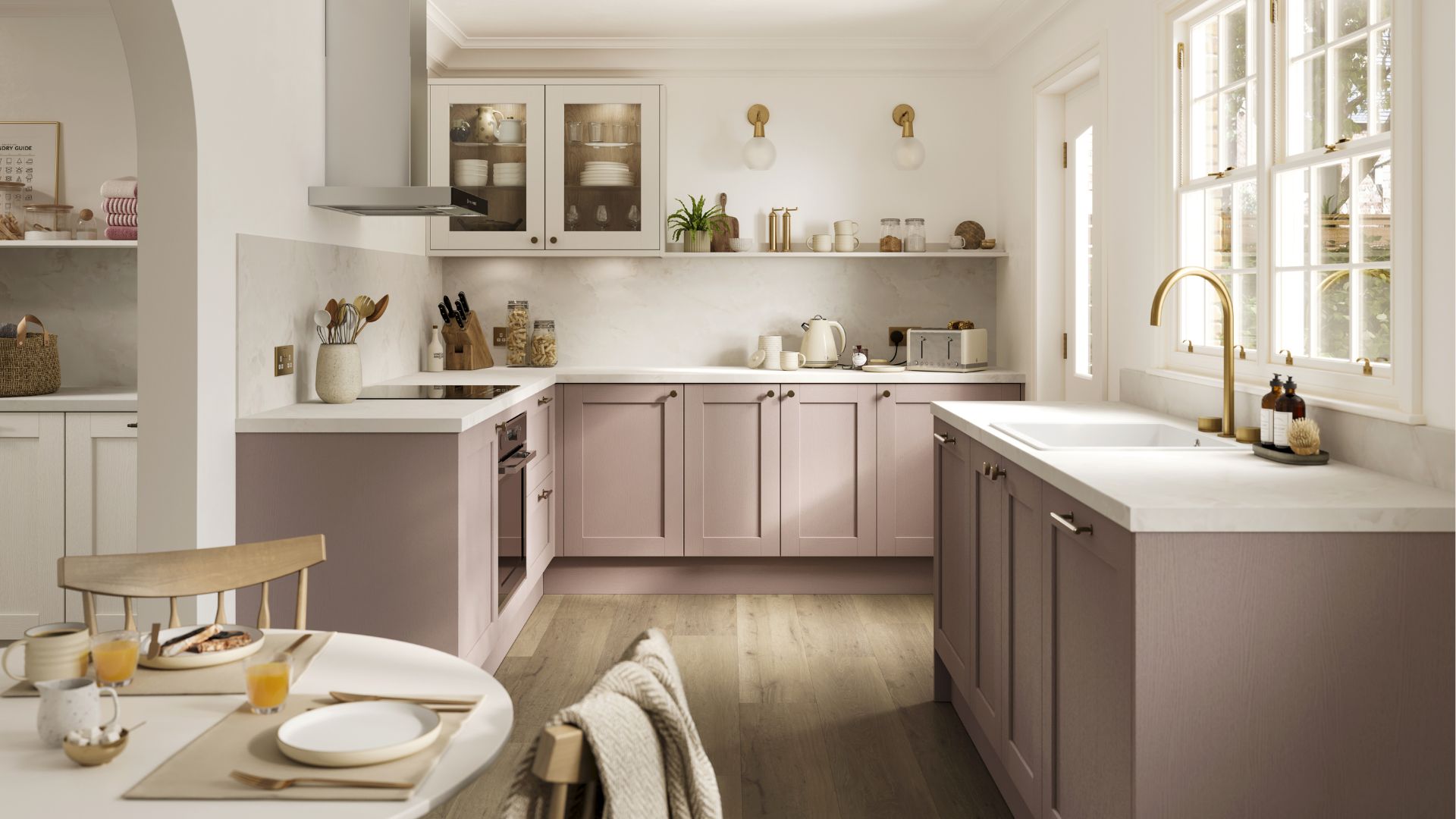
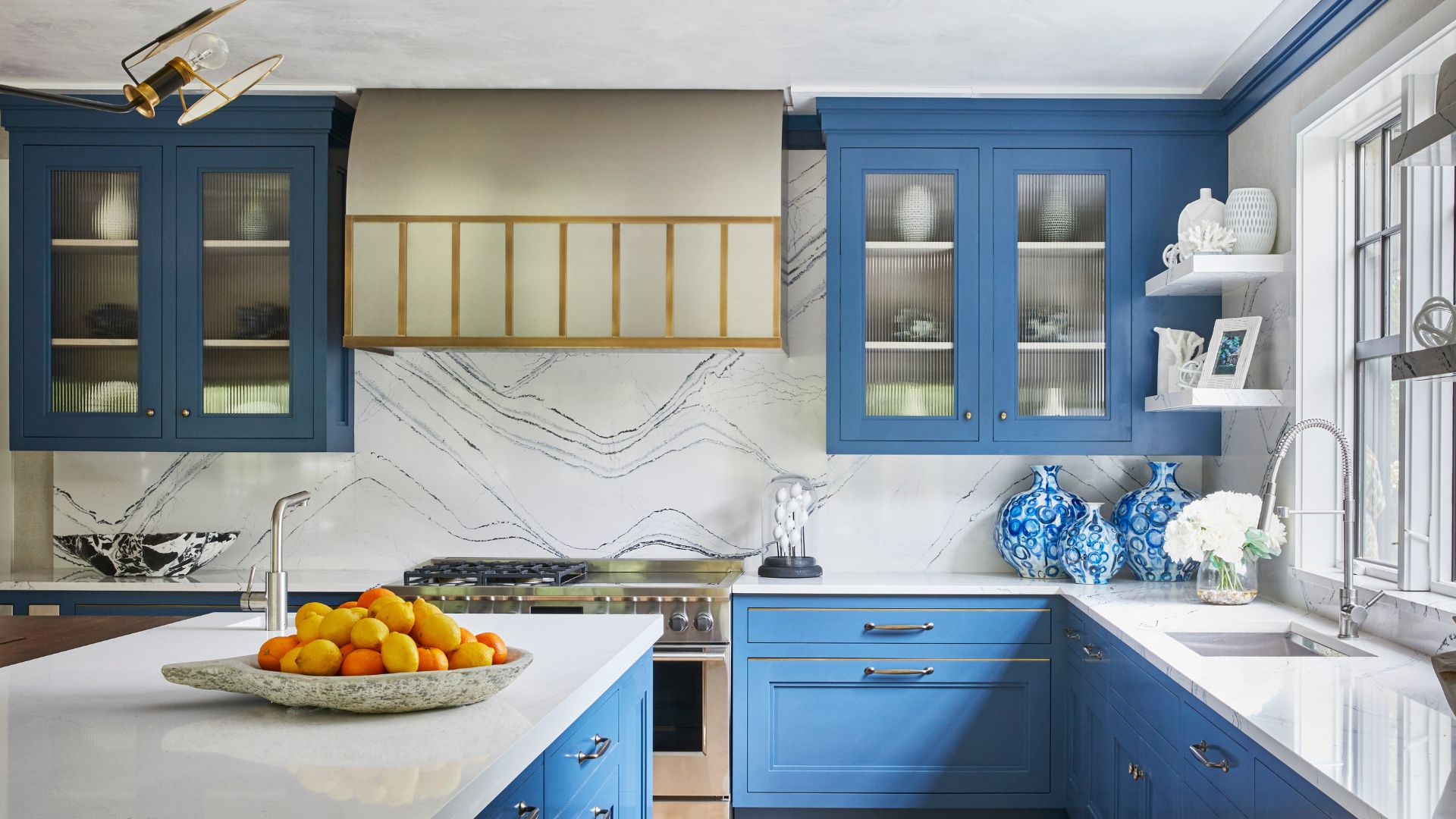
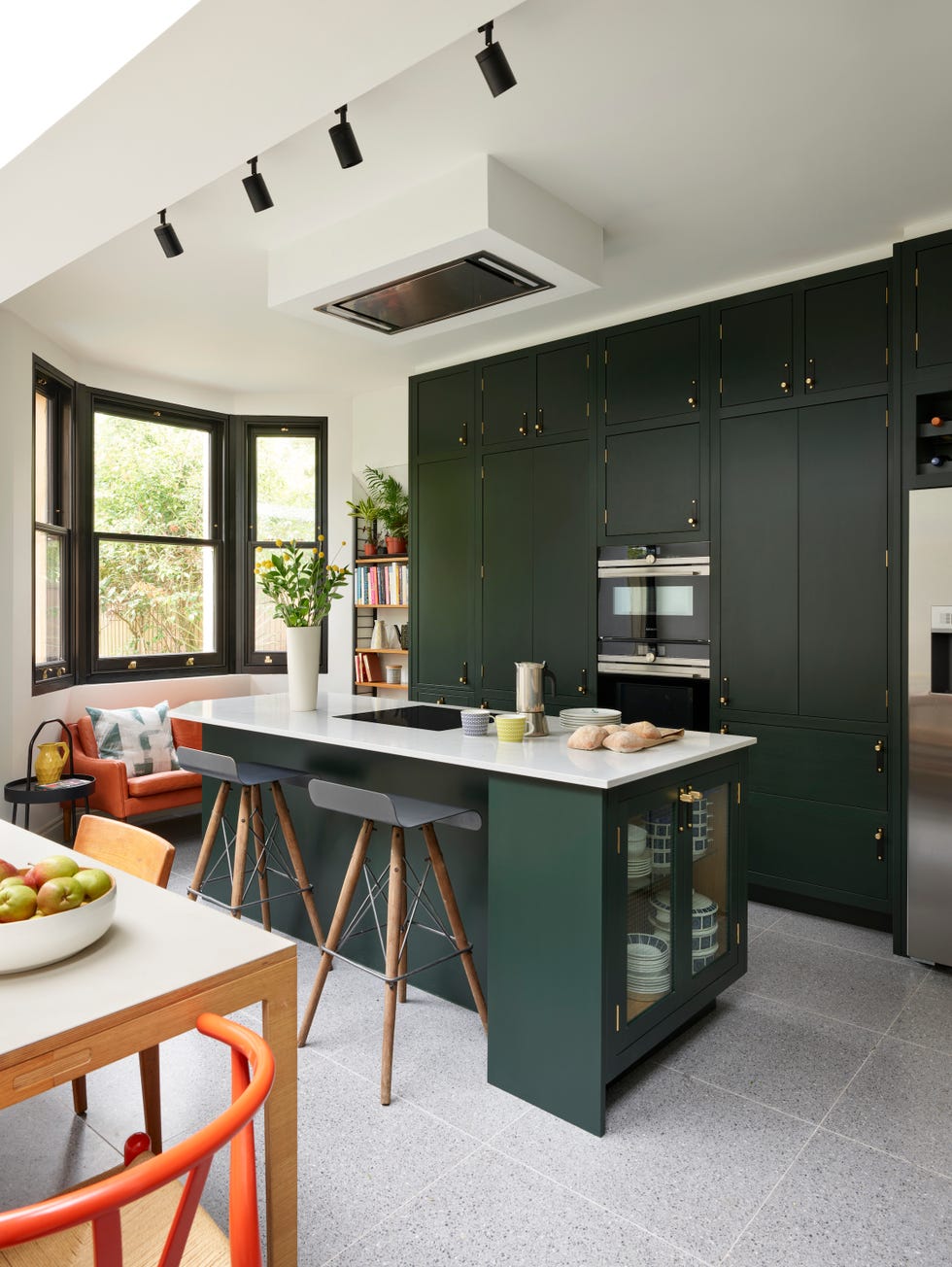
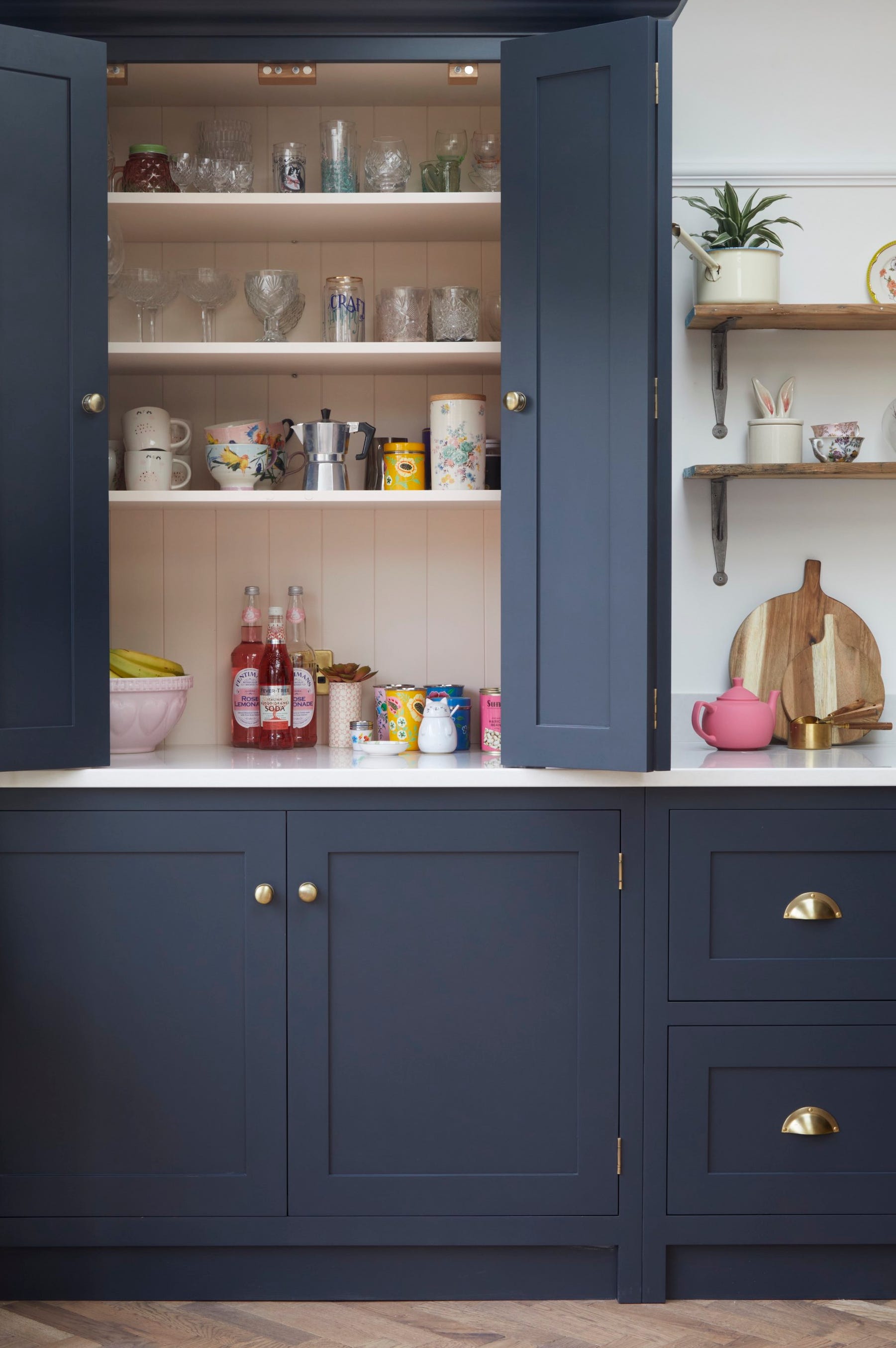
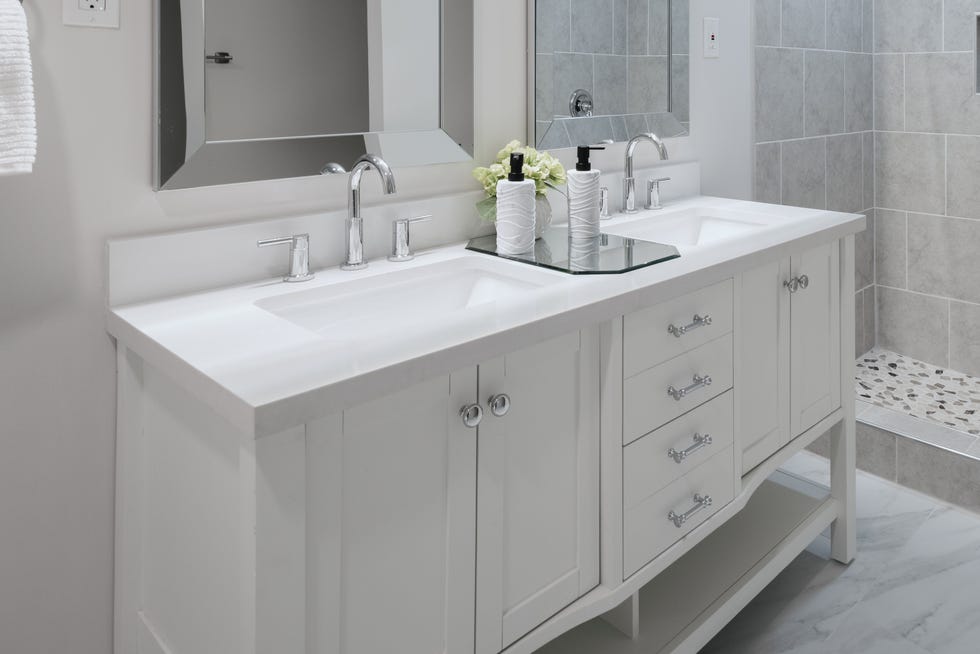
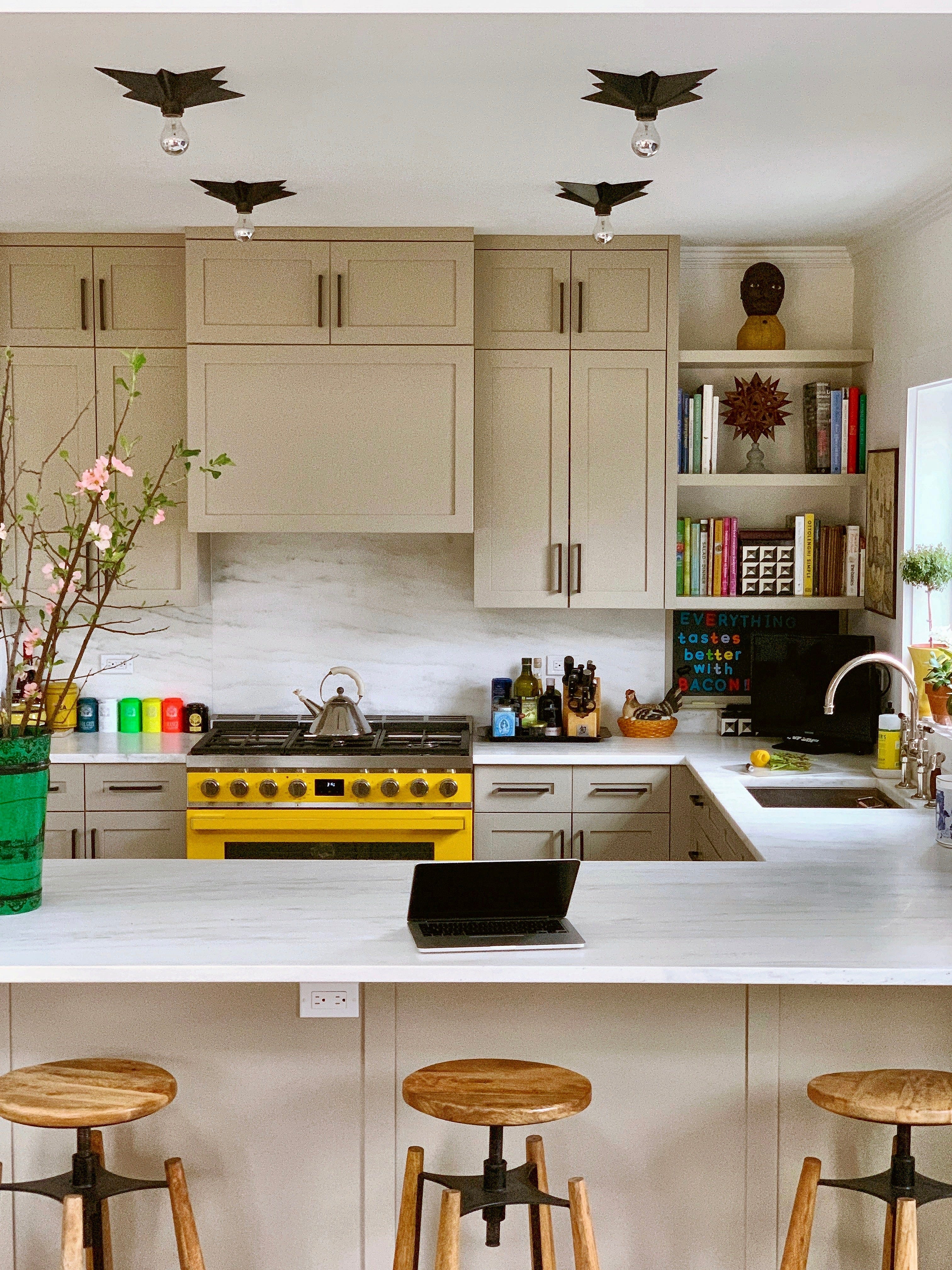
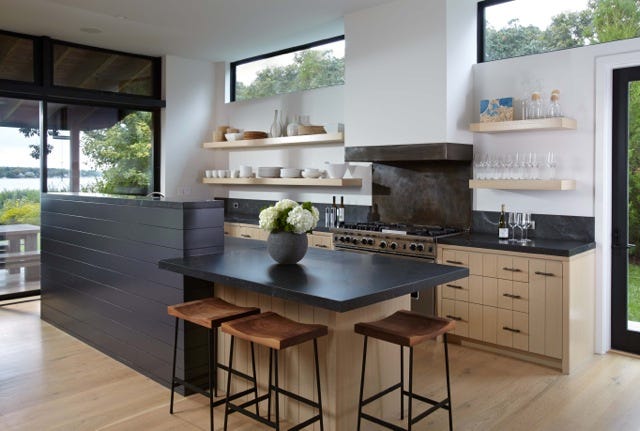
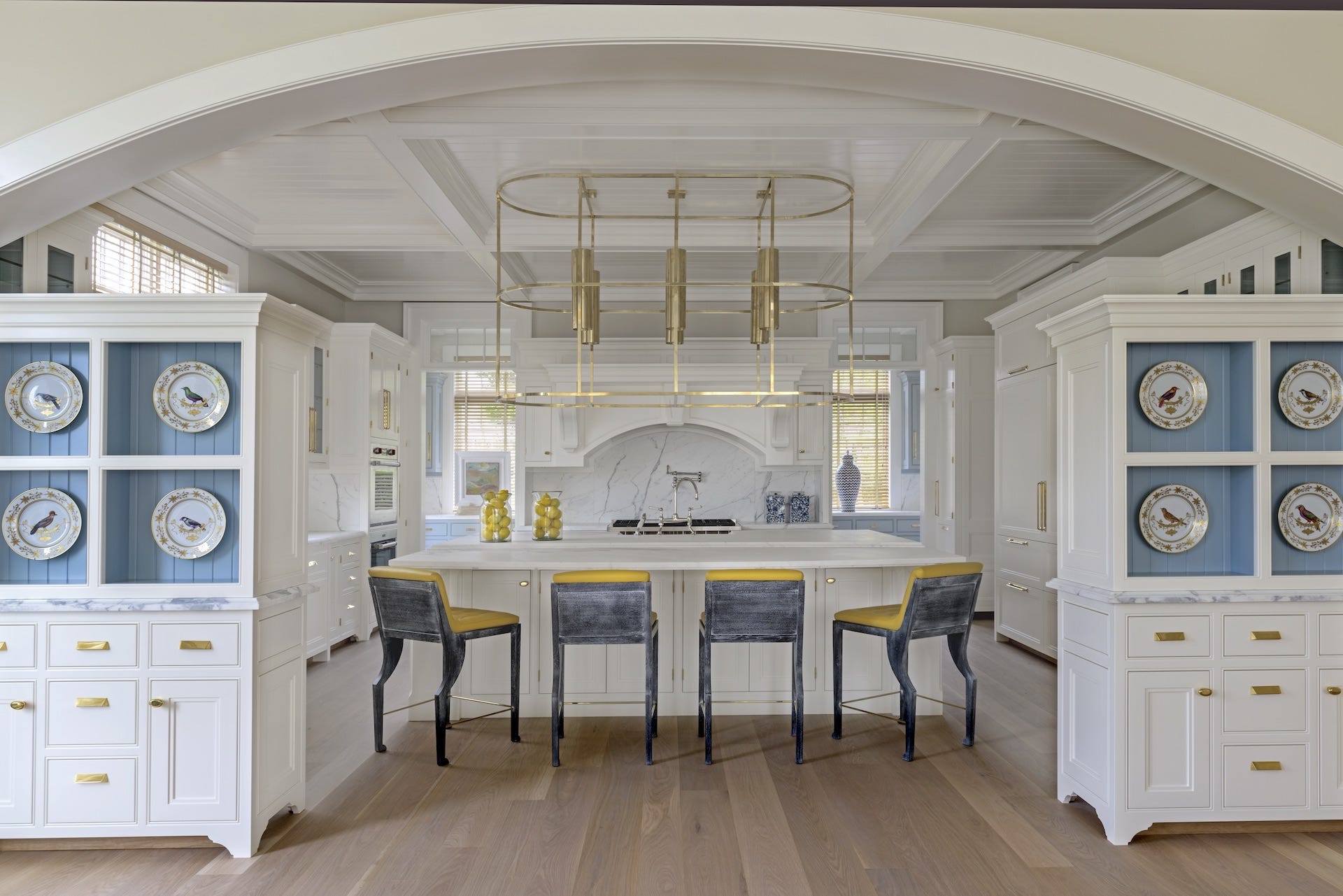
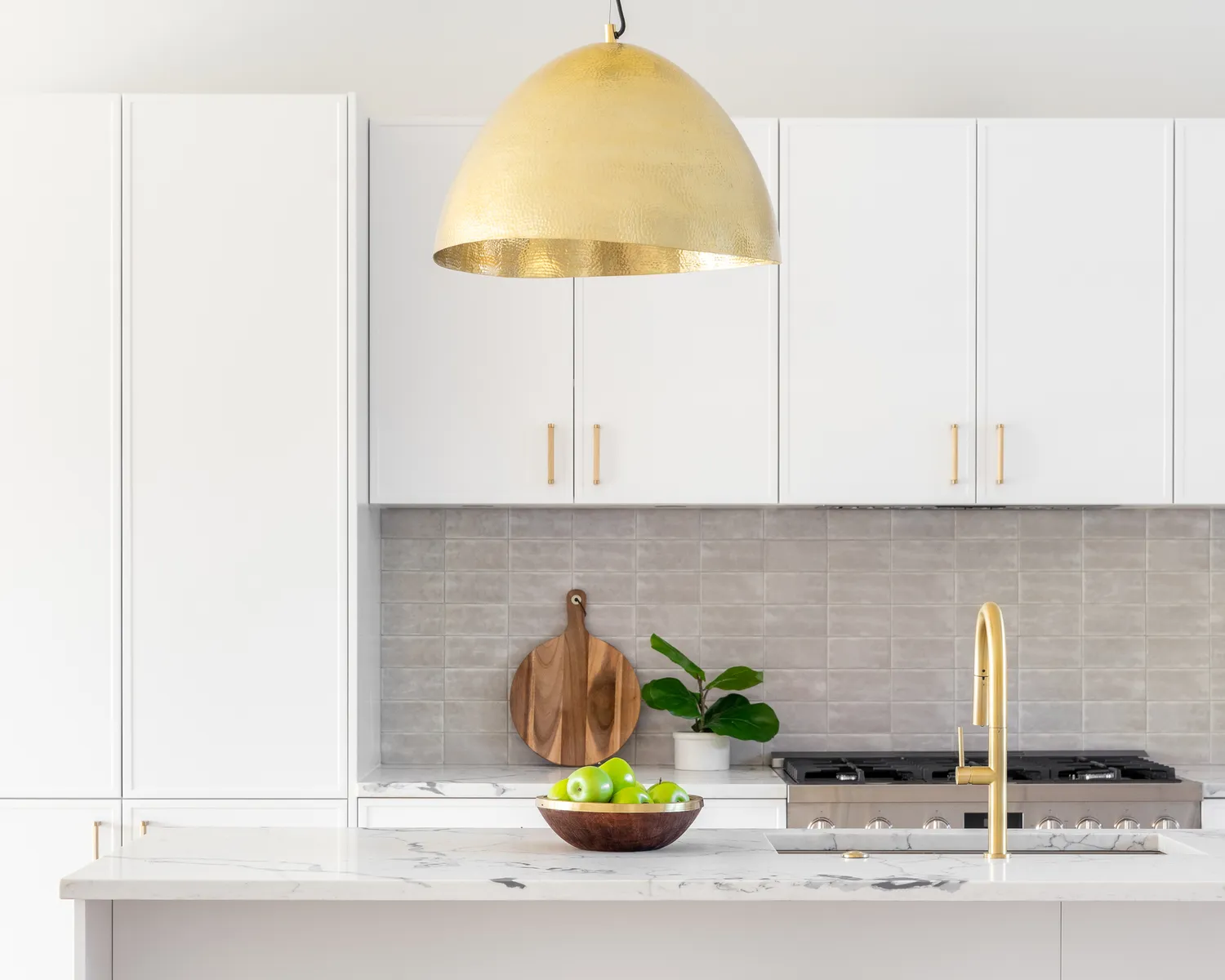
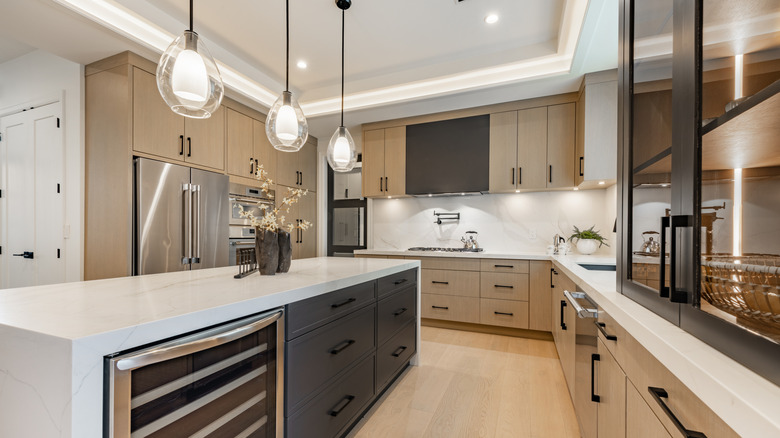
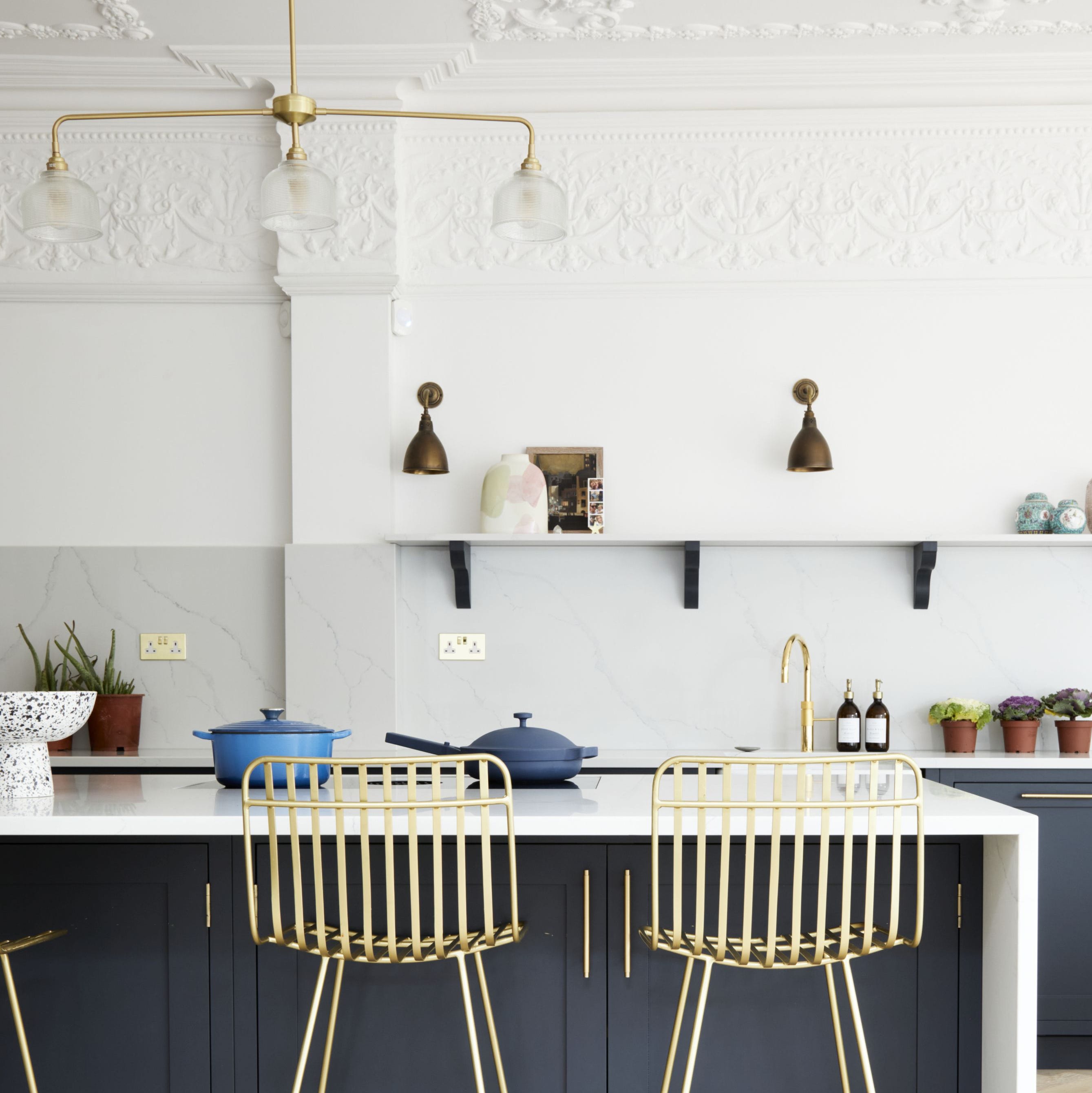
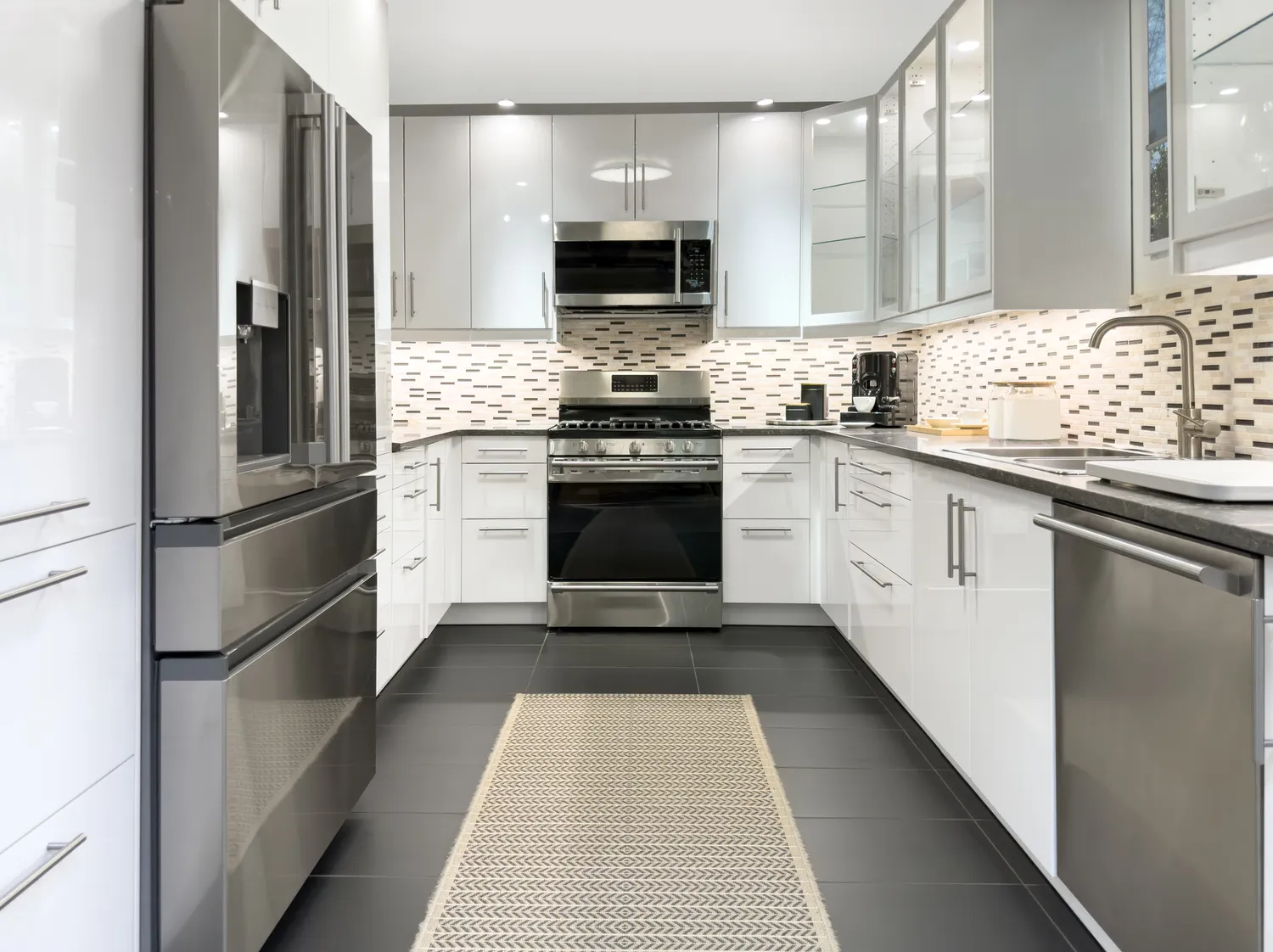
To prevent a kitchen from appearing dated, incorporating mixed metal finishes is recommended. Interior designer Jojo Barr suggests that matching finishes create a monochromatic and dated look, whereas mixing them adds interest and character. Homeowners can achieve this by using a custom combination of various metals like brass, bronze, rose gold, copper, silver, chrome, or black metal for cabinet pulls, knobs, faucets, lighting, or appliances.
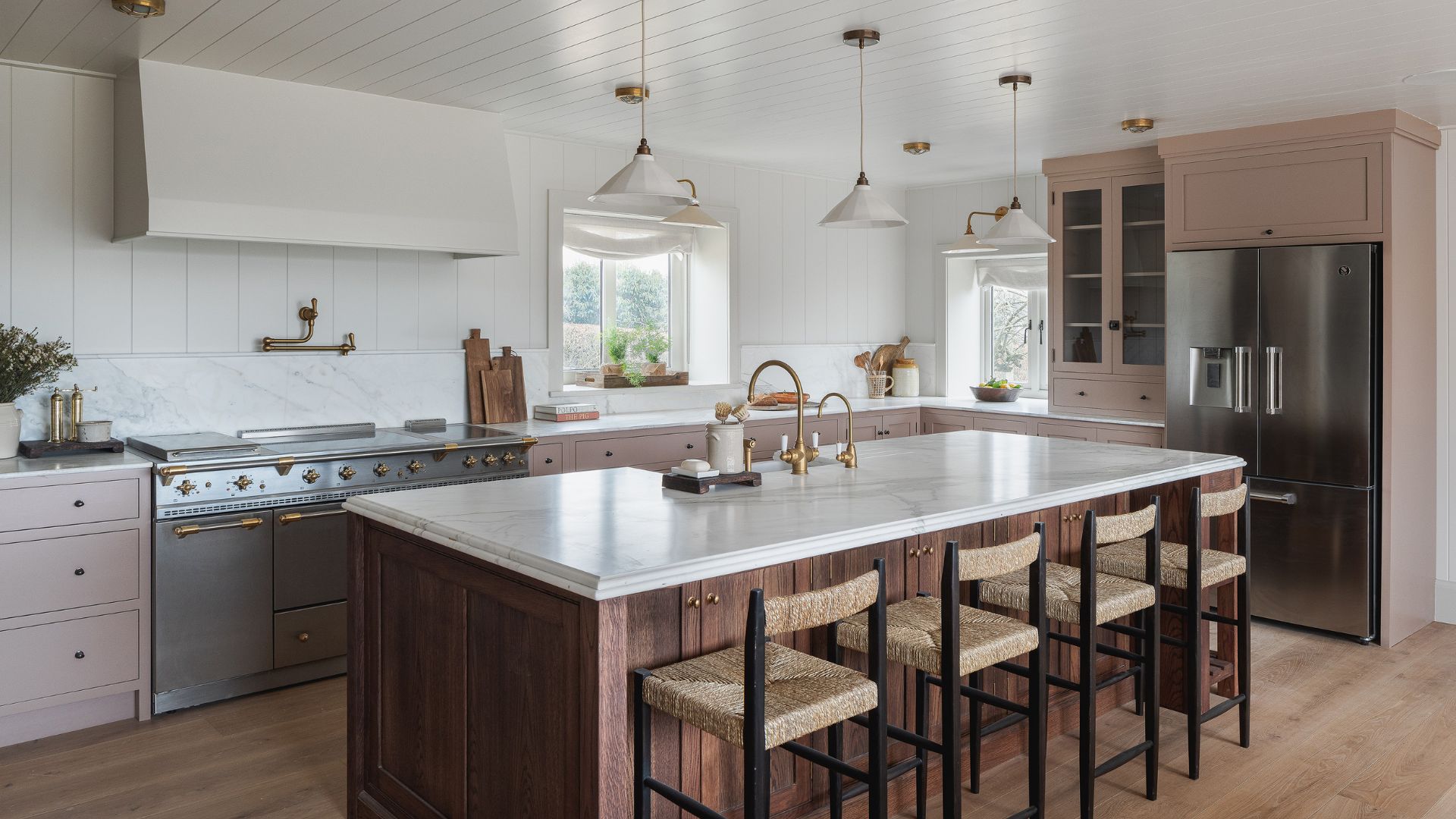
When mixing metals, it is crucial to achieve the correct ratio to ensure a harmonious design. A practical approach is to select a dominant metal that establishes the overall tone for the room and then introduce one or two additional metals as complementary accents. This method ensures a cohesive aesthetic without overwhelming the space. Furthermore, designers suggest mixing metals with different finishes, such as polished, matte, or brushed, to introduce texture and depth. For example, polished brass can be effectively paired with matte black or bronze.
The interplay between cool and warm tones should also be considered when pairing metals. Classic combinations like black and gold remain elegant. Cool metals such as chrome, nickel, and silver can be paired with neutral tones like black and bronze, while warm metals such as polished brass, antique brass, copper, and gold can be grounded with a neutral bronze tone. Beyond mixing different metal types, layering various finishes of the same metal, such as alternating polished, brushed, antiqued, satin, and unlacquered brass, can further enhance visual interest.
For a successful mixed-metal scheme, distribute the different metal finishes evenly throughout the kitchen on lighting fixtures, hardware, and decorative items. This strategy helps create highlights and ensures a balanced appearance, preventing a cluttered or uneven look. By carefully selecting and distributing varied metal finishes, a kitchen can achieve a timeless aesthetic that avoids appearing dated by singular trends.
#KitchenDesign #InteriorDecorating #MetalFinishes #DesignTrends #HomeImprovement #KitchenHardware #TimelessDesign #DecorTips #MixingMetals #KitchenDesign #InteriorDecorating #MetalFinishes #DesignTrends #HomeImprovement #KitchenHardware #TimelessDesign #DecorTips #MixingMetals
0 Kommentare insgesamt
 Noch keine Kommentare
Das könnte Ihnen auch gefallen
'Get This Element Right, and Add The Perfect Finish to Your Kitchen,' Say Designers

15 Outdated Things You Should Avoid In Your Kitchen, According To Designers


10 retro design trends that could be devaluing your property by thousands

New Survey Highlights Longevity As A Kitchen Design Trend

This nostalgic kitchen trend is back and here to stay, according to experts
This “Dated” Kitchen Trend Is Back (and We’re Into It)
Kitchen Remodeling in 2025
12 "Outdated" Kitchen Trends You Should Ditch In 2025 (But You Probably Have)

20 Unfortunate Ways Your Home Looks Super Dated, According to Experts
Kitchen Design Advice You Need To Hear Before You're Left With Feelings Of Regret

We Asked Kitchen Remodel Experts What Trends Are Actually Timeless
13 Kitchen Decorating Ideas Designers Can't Wait to Say Goodbye To

This Popular Kitchen Feature Might Actually Date Your Home

The 10 Best Online Lighting Stores Every Homeowner Needs to Know About

6 expert-approved ways to add value to your kitchen
Top Designers Say These Kitchen Trends are Long-Lasting
Designers Say Making This Small Change Can "Transform" Your Kitchen
6 design rules worth breaking for a more characterful kitchen

These Trendy Home Additions Will Look "Dated" in 2026, According to Designers
6 Outdated Kitchen Trends That Will Lower Your Home's Value in 2026, Real Estate Pros Say