Secrets of the home: The weather in your hallway
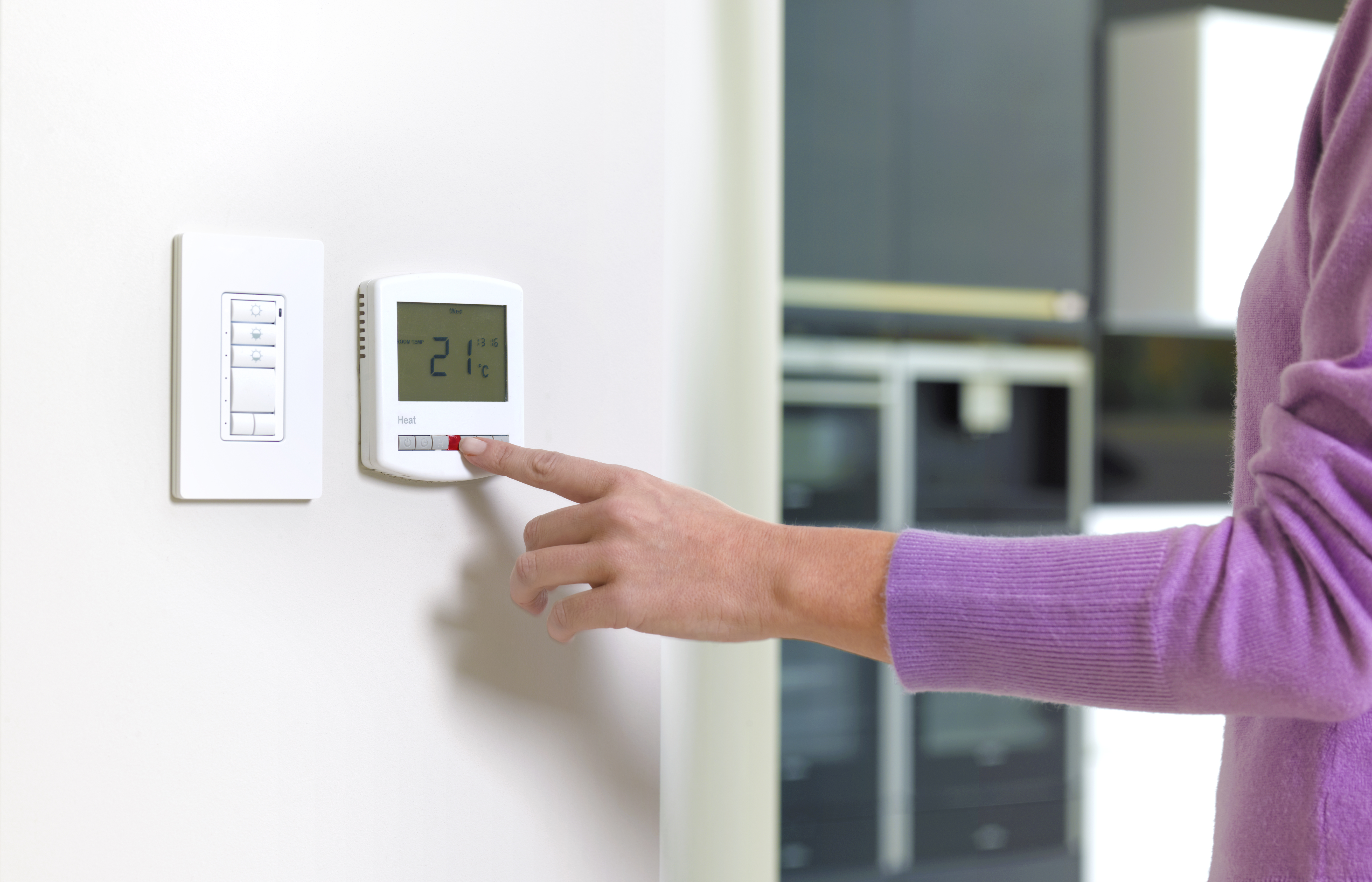
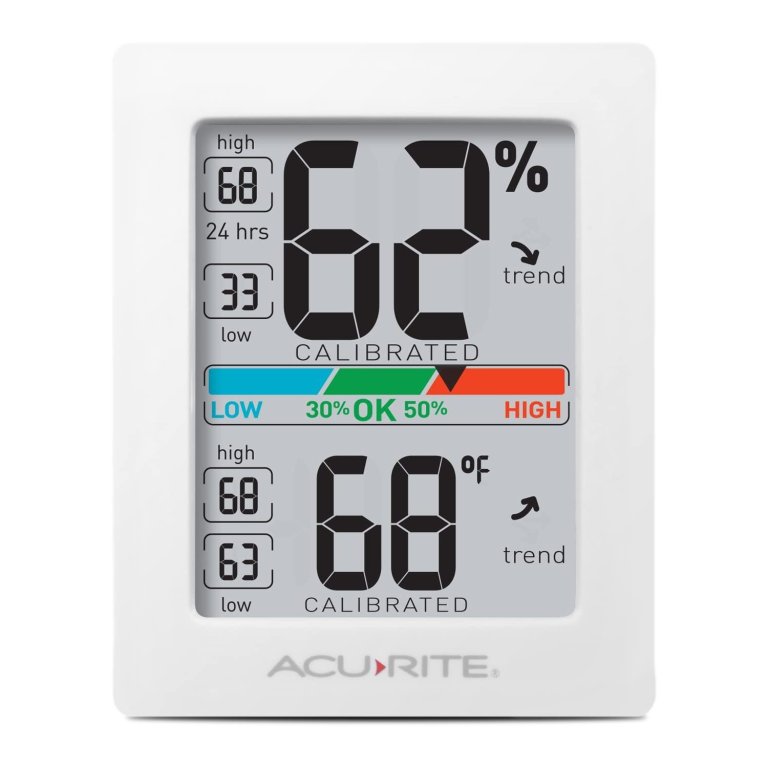
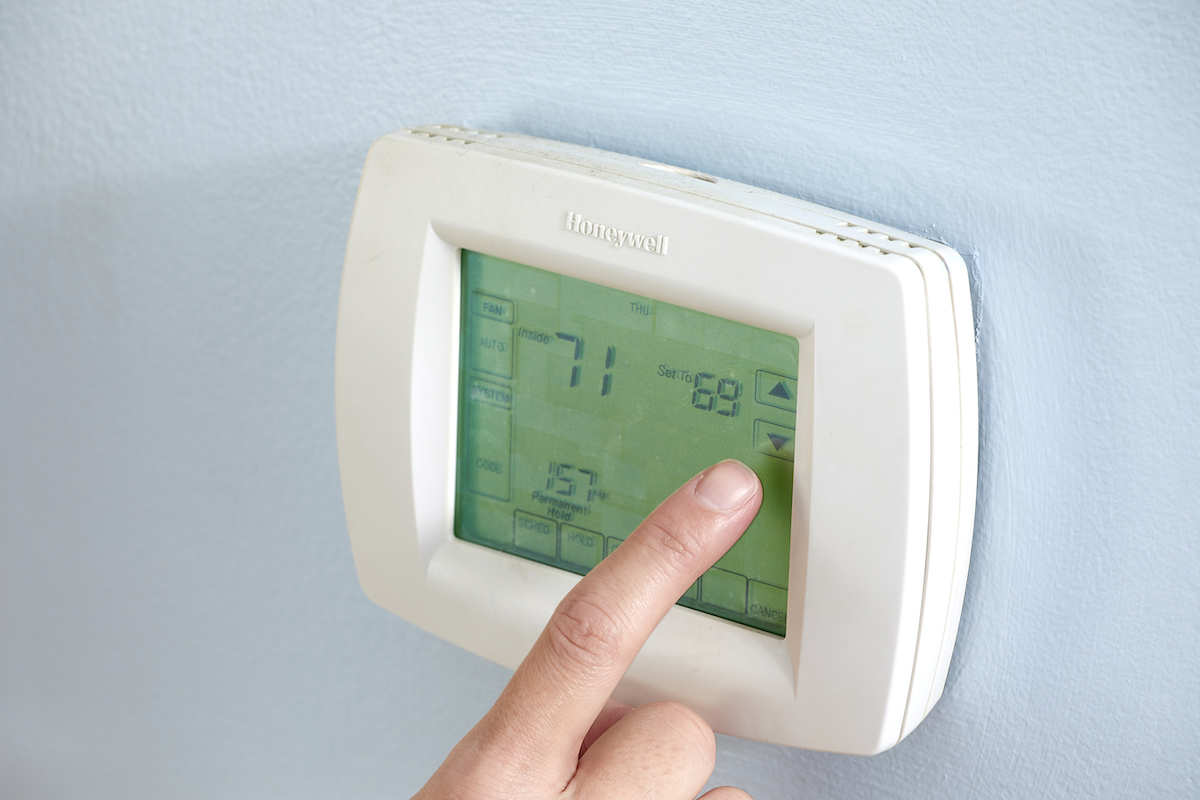
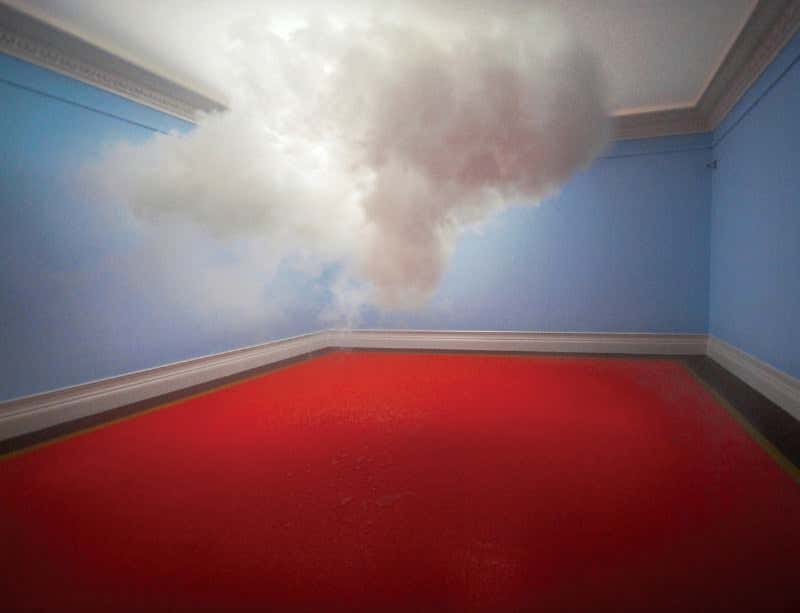
The common perception of homes as having uniform climatic conditions is far from accurate; in reality, each room, and even distinct areas within a single room, exhibits unique temperature, humidity, and light levels, effectively creating a microcosm of weather within the house. Research by Richard Corsi of the University of Texas, who has dedicated two decades to studying indoor air quality, reveals that temperature fluctuations of up to 40 °C between the coldest and hottest spots are not uncommon. These temperature disparities are influenced by both external factors and human activity.
Obvious contributors to indoor weather patterns include the operation of heating systems, such as radiators, and the penetration of sunlight through windows, both of which lead to localized temperature increases. These temperature differences are crucial drivers of indoor airflow; for instance, warmer air in a basement during winter will naturally ascend towards cooler living spaces. However, many aspects of indoor weather are less immediately apparent and are significantly shaped by the occupants themselves. Corsi points out that individuals act as personal heat sources, akin to 60 to 100-watt light bulbs, depending on their size.
This human-generated warmth plays a notable role, particularly when multiple people gather in a room, such as during a party. The collective body heat causes warm air to rise towards the ceiling, which in turn draws in cooler air from other parts of the room to replace it. This process establishes distinct circulatory air patterns of rising and falling air currents. Consequently, social gatherings within a home do more than just create a vibrant atmosphere; they actively generate their own unique meteorological phenomena, further complicating the internal climate of a residence. Understanding these dynamic indoor weather systems is essential for comprehending the complete environmental profile of a home.
Therefore, a home is not merely a static shelter but a complex, dynamic environment with its own intricate climate system. The interplay of external elements like sunlight and heating with internal factors such as human presence and activities constantly modifies the internal atmospheric conditions. This intricate dance of temperature, humidity, and airflow underscores the importance of considering a house as a living, breathing entity with its own distinct and ever-changing 'weather patterns,' moving beyond the simplistic view of a uniformly conditioned space. This nuanced perspective on indoor climate highlights the sophisticated interactions that govern the comfort and environmental quality within our living spaces.
#IndoorClimate #HomeWeather #IndoorAirQuality #TemperatureRegulation #HumidityLevels #HumanImpact #HomeEnvironment #BuildingScience #IndoorClimate #HomeWeather #IndoorAirQuality #TemperatureRegulation #HumidityLevels #HumanImpact #HomeEnvironment #BuildingScience
0 Kommentare insgesamt
 Noch keine Kommentare
Das könnte Ihnen auch gefallen
We Researched 30 Indoor Thermometers, But We Like These 10 the Best

Eight top tips to banish condensation this winter - starting with sleeping with your curtains open

15 things you should never store in your basement – and why

8 Simple Ways to Improve Indoor Air Quality This Winter


Turn Your Entry Into a Warm, Storm-Ready ‘Entry Shield’ With These 5 Hacks
5 mistakes you're making that are compromising your home's air quality – and how to fix it like a HVAC pro

Feng Shui Tips for Every Room in Your Home

14 Easy Ways to Increase Humidity in a Dry House

Parts of the House

At Home: The Door


How a hall can be star of the show
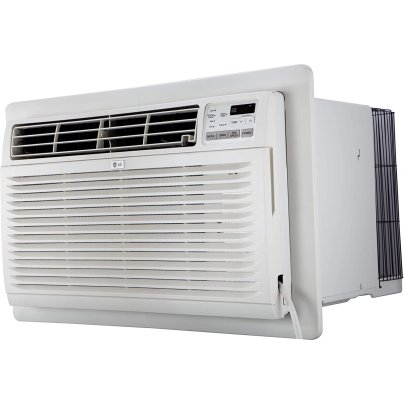
The Best Through-the-Wall Air Conditioners

How to Weatherize Your Home | Reviews by Wirecutter

Hallway House / NL Architects

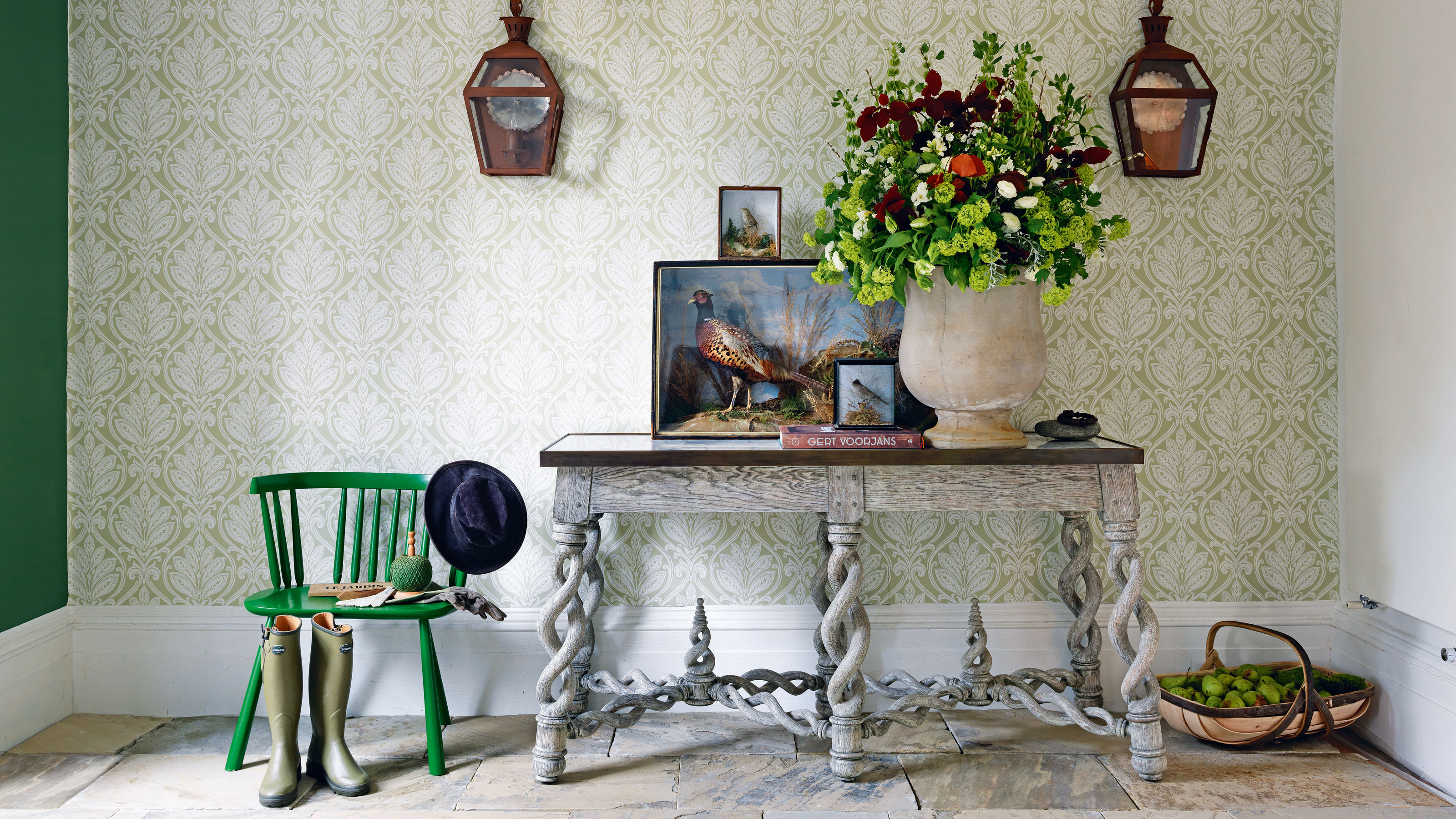
5 entryway staging tricks to sell your home fast – according to estate agents
Doors & Windows

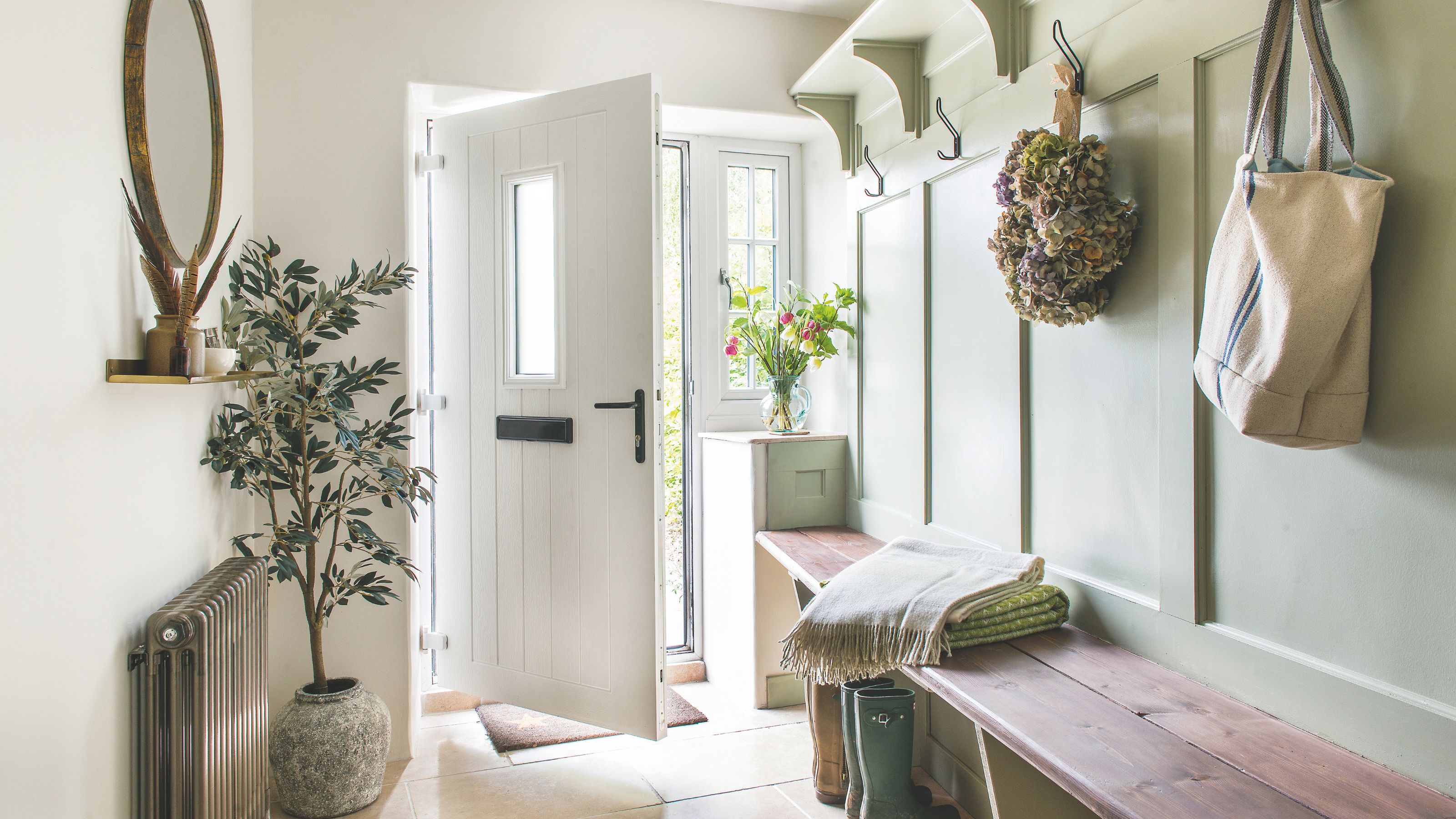
4 things that people with an organised hallway always do – expert tips that guarantee a neat entranceway

13 reasons everyone hates your hallway — and ideas to fix it
Sick of the heat? Here's how to keep your home cool, heatwave or not, if you don't have AC
Does Painting Your House a Dark Color Make It Hotter? Here's What Experts Say